The Essay
1,128 episodes — Page 8 of 23
Digging Deep
There is fascinating evidence that 5,000 years ago, people living in Britain and Ireland had a deep and meaningful relationship with the underworld seen in the carved chalk, animal bones and human skeletons found at Cranborne Chase in Dorset in a large pit, at the base of which had been sunk a 7-metre-deep shaft. Other examples considered in this Essay include Carrowkeel in County Sligo, the passage tombs in the Boyne Valley in eastern Ireland and the Priddy Circles in the Mendip Hills in Somerset. If prehistoric people regarded the earth as a powerful, animate being that needed to be placated and honoured, perhaps there are lessons here for our own attitudes to the world beneath our feet. Susan Greaney is a New Generation Thinker who works for English Heritage at Stonehenge and who is studying for her PhD at Cardiff University.New Generation Thinkers is a scheme run by the BBC and the Arts and Humanities Research Council which selects ten academics each year to turn their research into radio. You can hear her journey to Japan to compare the Jomon civilisations with Stonehenge as a Radio 3 Sunday Feature and there is an exhibition open at Stonehenge about the comparison https://www.bbc.co.uk/programmes/m000hgqxProducer: Torquil MacLeod
Tudor Virtual Reality
Advances in robotics and virtual reality are giving us ever more 'realistic' ways of representing the world, but the quest for vivid visualisation is thousands of years old. This essay takes the guide to oratory and getting your message across written by the ancient Roman Quintilian and focuses in on a wall painting of The Judgment of Solomon in an Elizabethan house in the village of Much Hadham in Hertfordshire. Often written off as stiff, formal and artificial with arguments that the Reformation fear of idolatry stifled Elizabethan art, New Generation Thinker Christina Faraday argues that story telling and conveying vivid detail was an important part of painting in this period as art was used to communicate messages to serve social, political and religious ends.Christina Faraday is a New Generation Thinker who lectures in the History of Art at the University of Cambridge. You can hear her discussing the history of fairgrounds at the end of a Free Thinking episode called Kindness https://www.bbc.co.uk/programmes/m000j9cd and her work on an exhibition at the National Portrait Gallery of the painting of Nicholas Hilliard in a Free Thinking episode about the joy of miniatures https://www.bbc.co.uk/programmes/m0002mk2New Generation Thinkers is a scheme run by BBC Radio 3 and the Arts and Humanities Research Council to select ten early career academics each year to turn their research into radio. Producer: Luke Mulhall
Coming out Crip and Acts of Care
This Essay tells a story of political marches and everyday acts of radical care; of sledgehammers and bags of rice; of the struggles for justice waged by migrant domestic workers but it also charts the realisation of Ella Parry-Davies, that acknowledging publicly for the first time her own condition of epilepsy – or “coming out crip” – is part of the story of our blindness to inequalities in healthcare and living conditions faced by many migrant workers. Ella Parry-Davies is a British Academy Postdoctoral Fellow at The Royal Central School of Speech and Drama, University of London working on an oral history project creating sound walks by interviewing migrant domestic workers in the UK and Lebanon. You can hear her discussing her research in a Free Thinking episode called Stanley Spencer, Domestic Servants, Surrogacy https://www.bbc.co.uk/programmes/m000573qNew Generation Thinkers is a scheme run by BBC Radio 3 and the Arts and Humanities Research Council to select ten early career academics each year who can turn their research into radio. Producer: Robyn Read
Berlin, Detroit, Race and Techno Music
When Tom Smith sets out to research allegations of racism in Berlin’s club scene, he finds himself face to face with his own past in techno’s birthplace: Detroit. Visiting the music distributor Submerge, he considers the legacy of the pioneers Juan Atkins, Derrick May and Kevin Saunderson, the influence of Afro-futurism and the work done in Berlin to popularise techno by figures including Kemal Kurum and Claudia Wahjudi. But the vibrant culture which seeks to be inclusive has been accused of whiteness and the Essay ends with a consideration of the experiences of clubbers depicted in the poetry of Michael Hyperion Küppers. Tom Smith is a New Generation Thinker who lectures in German at the University of St Andrews. You can find another Essay from him called Masculinity Comrades in Arms recorded at the York Festival of Ideas 2019 https://www.bbc.co.uk/programmes/m00061m5 and a New Thinking podcast discussion Rubble Culture to techno in postwar Germany https://www.bbc.co.uk/programmes/p07srdmh New Generation Thinkers is a scheme run by the BBC with the Arts and Humanities Research Council to select ten academics each year who turn their research into radio. Producer: Robyn Read
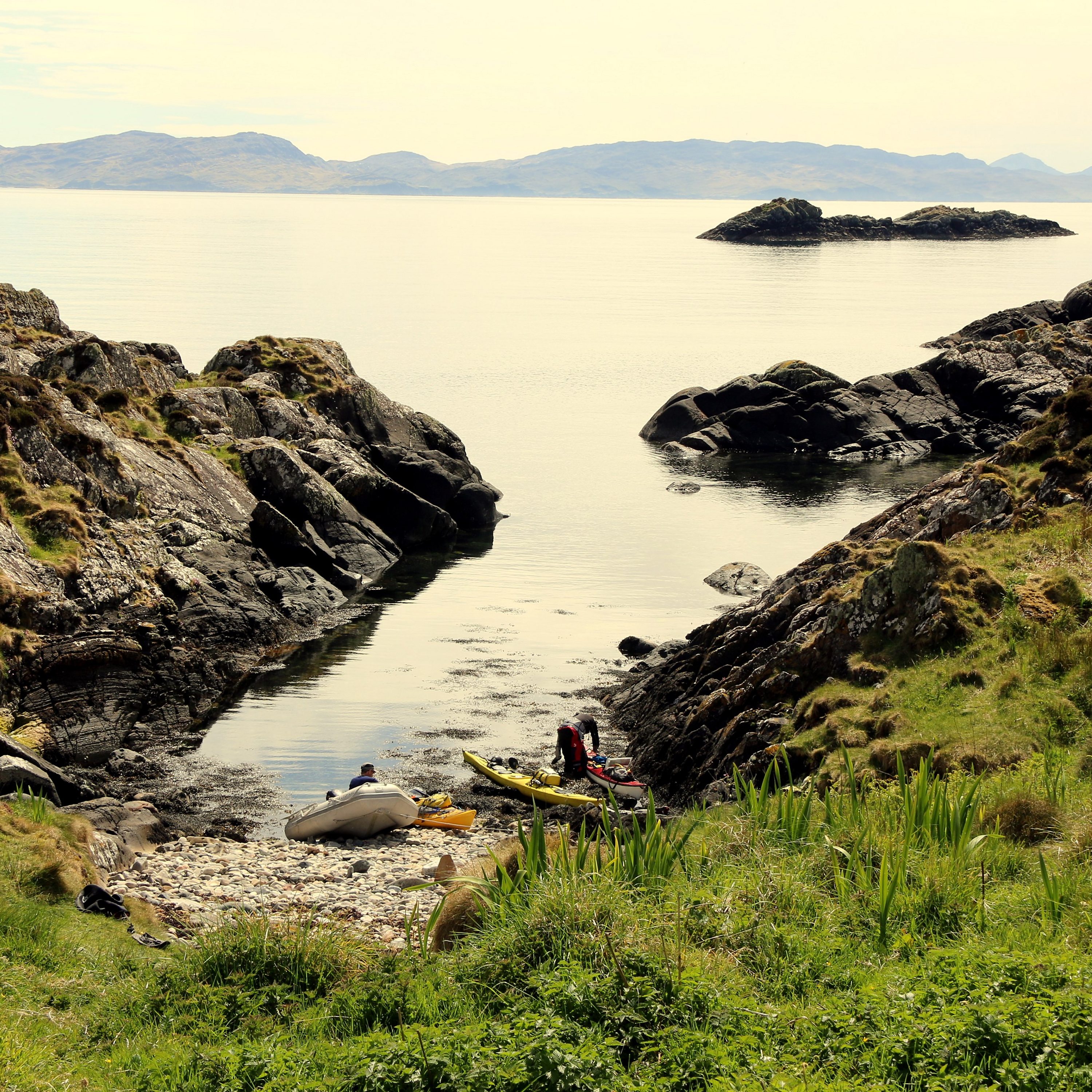
The Holy Island
Poet Kenneth Steven finds inspiration in Scotland's west coast islands. Each memoir concludes with a poem written about the island he has visited.5. The Holy Island: a personal reflection on an uninhabited island of spiritual peace.
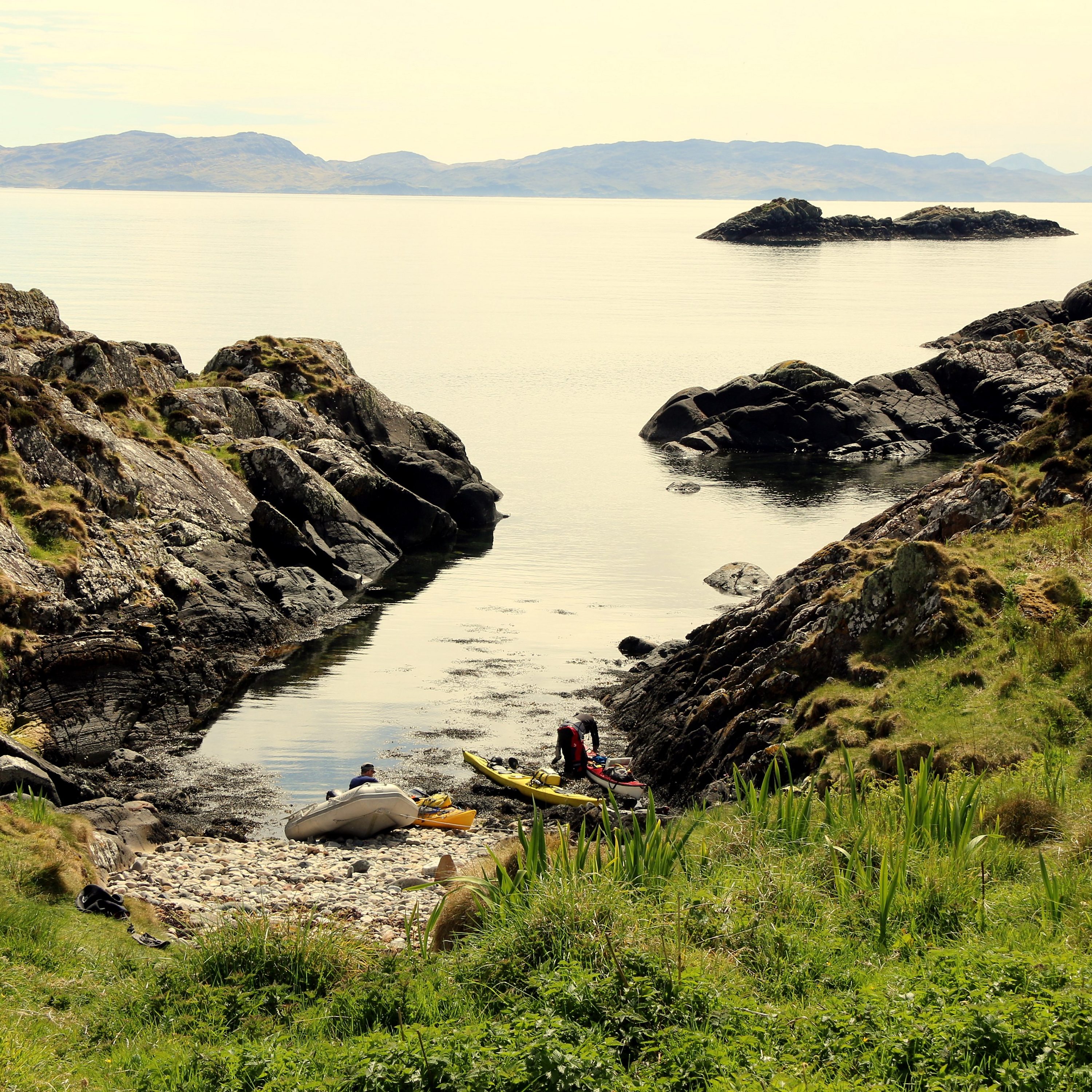
Barra
Poet Kenneth Steven finds inspiration in Scotland's west coast islands. Each memoir concludes with a poem written about the island he has visited.4. Barra: Gaelic songs and dances at the southern end of the Outer Hebrides.
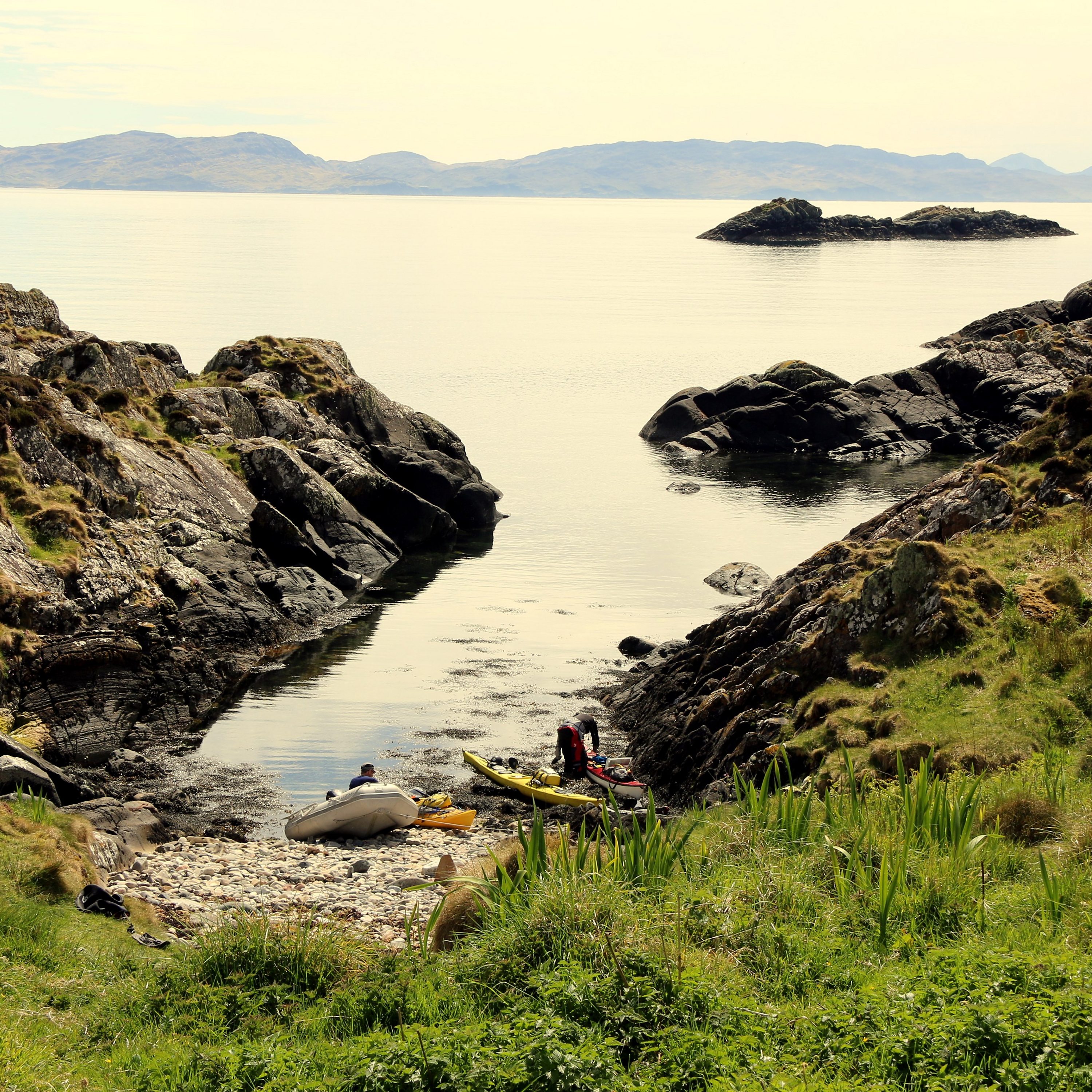
Staffa
Poet Kenneth Steven finds inspiration in Scotland's west coast islands. Each memoir concludes with a poem written about the island he has visited.3. Staffa: the carved pillars and grottos that brought visitors from all over the world.
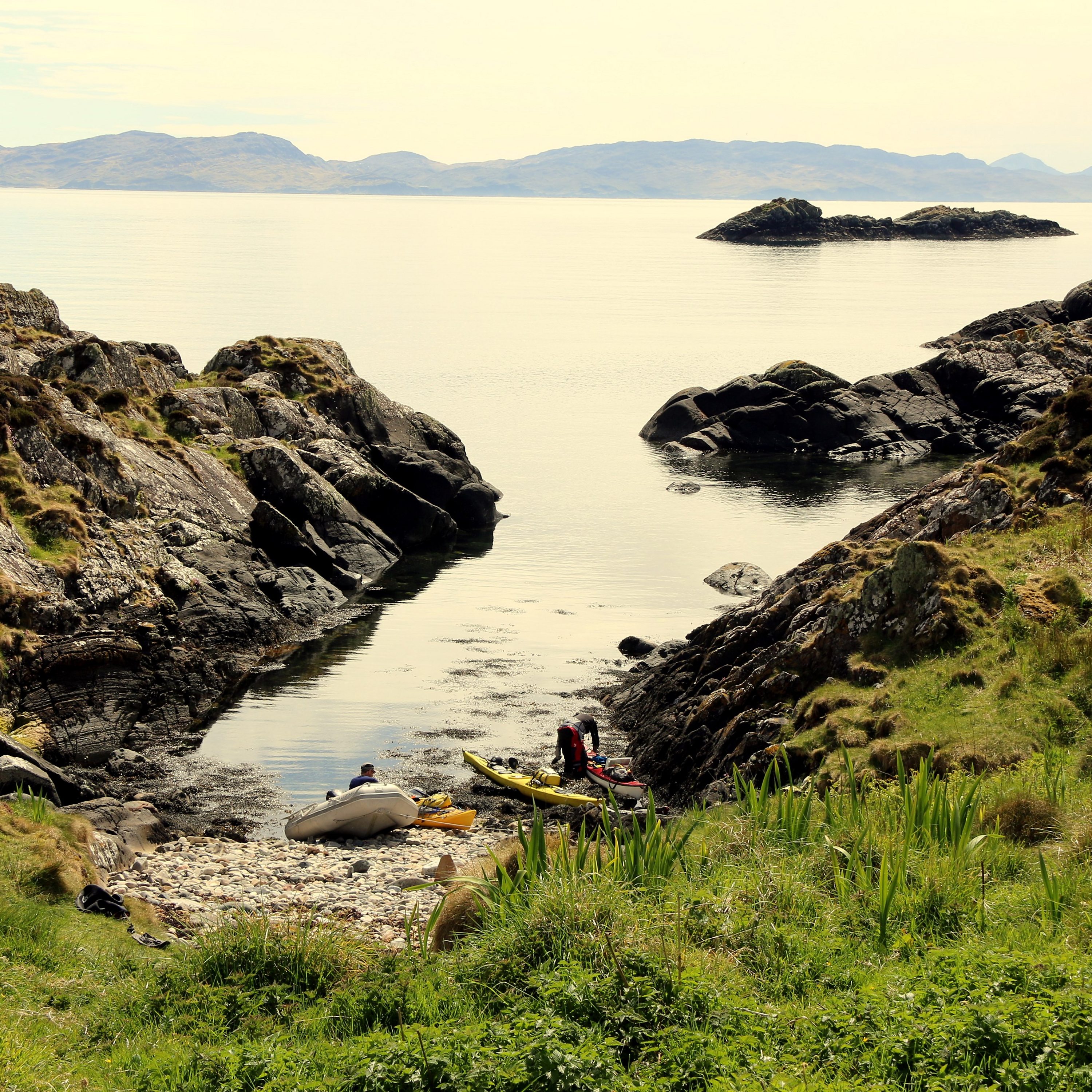
Jura
Poet Kenneth Steven finds inspiration in Scotland's west coast islands. Each memoir concludes with a poem written about the island he has visited.2. Jura: two majestic mountains and a whirlpool, where George Orwell found inspiration for 1984.
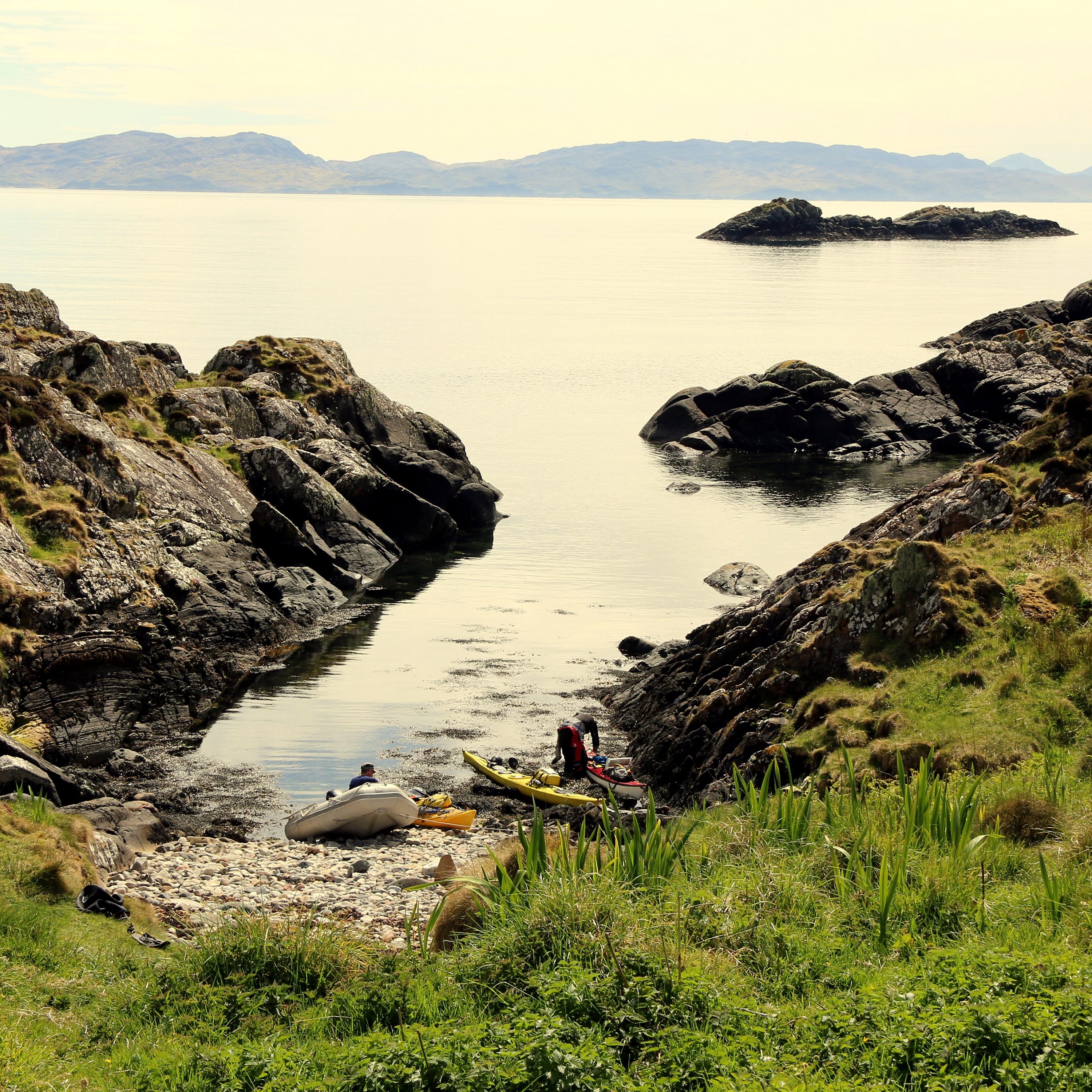
Mingulay
Poet Kenneth Steven finds inspiration in Scotland's west coast islands. Each memoir concludes with a poem written about the island he has visited.1. Mingulay: in the Outer Hebrides, an island comparable in its wild beauty and isolation to St Kilda.
Ian Sansom: Mince on Toast with Christopher Isherwood
Diaries are one of our oldest literary traditions, conjuring questions of private confessions and public display. In this series of essays we explore five diarists of the past through the lens of the present. In these extraordinary times, when the shift between the domestic and the out-of-reach wider world is ever more pronounced, Radio 3 has commissioned five Essays on the theme of diaries – five new diaries written during the unprecedented period of recent weeks, reflecting on the present moment and reaching out to another historical literary diarist for aid and inspiration.5. Ian Sansom: Mince on Toast with Christopher Isherwood Ian Sansom reflects on the supreme sociability of Christopher Isherwood through the extreme unsociability of social isolation.
Ian Sansom: Cheese Dreams with Graham Greene
Diaries are one of our oldest literary traditions, conjuring questions of private confessions and public display. In this series of essays we explore five diarists of the past through the lens of the present. In these extraordinary times, when the shift between the domestic and the out-of-reach wider world is ever more pronounced, Radio 3 has commissioned five Essays on the theme of diaries – five new diaries written during the unprecedented period of recent weeks, reflecting on the present moment and reaching out to another historical literary diarist for aid and inspiration.4. Ian Sansom: Cheese Dreams with Graham GreeneIan Sansom explores his own and Graham Greene’s active dream life.
Helen Mort: More Than Enough
Diaries are one of our oldest literary traditions, conjuring questions of private confessions and public display. In this series of essays we explore five diarists of the past through the lens of the present. In these extraordinary times, when the shift between the domestic and the out-of-reach wider world is ever more pronounced, Radio 3 has commissioned five Essays on the theme of diaries – five new diaries written during the unprecedented period of recent weeks, reflecting on the present moment and reaching out to another historical literary diarist for aid and inspiration.3. Helen Mort: More Than Enough Poet Helen Mort's daily exercise walks with her toddler echo the rooted explorations of Dorothy Wordsworth in the Lake District.
AL Kennedy: Hope On, Hope Ever
Diaries are one of our oldest literary traditions, conjuring questions of private confessions and public display. In this series of essays we explore five diarists of the past through the lens of the present. In these extraordinary times, when the shift between the domestic and the out-of-reach wider world is ever more pronounced, Radio 3 has commissioned five Essays on the theme of diaries – five new diaries written during the unprecedented period of recent weeks, reflecting on the present moment and reaching out to another historical literary diarist for aid and inspiration.2. AL Kennedy: Hope On, Hope EverThe fortitude and humanity in the diaries of Antarctic explorer Edward Wilson are a counterpoint and inspiration to AL Kennedy in her days denied human contact and open space.
AL Kennedy: The Towers We Founded and the Lamps We Lit
Diaries are one of our oldest literary traditions, conjuring questions of private confessions and public display. In this series of essays we explore five diarists of the past through the lens of the present. In these extraordinary times, when the shift between the domestic and the out-of-reach wider world is ever more pronounced, Radio 3 has commissioned five Essays on the theme of diaries – five new diaries written during the unprecedented period of recent weeks, reflecting on the present moment and reaching out to another historical literary diarist for aid and inspiration.1. AL Kennedy: The Towers We Founded and the Lamps We LitFrom the stasis of her confinement, AL Kennedy pursues the ever-restless wanderings of Robert Louis Stevenson.
The Essay - Let Me Take You There - 10.Aida Edemariam
leading writers share their secrets of places of inner sanctuary 10.Aida Edemariam
The Essay - Let Me Take You There - 9.David Constatine
Leading writers share the secrets of places of inner sanctuary 9.David Constantine
The Essay - Let Me Take You There - 8.Michael Morpurgo
leading writers on places of inner sanctuary in times of crisis 8.michael morpurgo
The Essay - Let Me Take You There - 7. Evie Wyld
leading writers on a place of inner refuge in times of crisis 7.evie wyld
The Essay - Let Me Take You There - 6.David Almond
leading writers share the secrets of their internal places of refuge in times of crisis
The Essay - Let Me Take You There - 5. Alice Oswald
Leading writers share secrets of their place of internal refuge 5.Alice Oswald
The Essay - Let Me Take You There - 4.Tessa Hadley
leading writers share the secrets of places of internal refuge in crisis 4.Tessa Hadley
The Essay - Let Me Take You There - 3. Tahmima Anam
leading writers evoke places of internal refuges which they visit in times of crisis
The Essay - Let Me Take You There - 2.Inua Ellams
Leading writers share the secrets of places of internal refuge in times of crisis
They Essay - Let Me Take You There 1
Writers on personal places of refuge in times of crisis 1.Alan Hollinghurst
Paul Robeson in Five Songs: 5. Joe Hill
Marybeth Hamilton on the ghosts of Joe Hill and Paul Robeson and their linked fates.
Paul Robeson in Five Songs: 4. Zog Nit Keynmol
Paul Robeson's life and struggle through songs .Tayo Aluko on Robeson's Zog Nit Keynmol.
Paul Robeson in Five Songs: 3. The Canoe Song
Paul Robeson's life and struggle told through music. Matthew Sweet on the Canoe Song.
Paul Robeson in Five Songs: 1. No More Auction Block
Paul Robeson's life and struggle through song. Shana Redmond on No More Auction Block.
Paul Robeson in Five Songs: 2. Ol' Man River
The life of Paul Robeson in songs. Granddaughter Susan Robeson on Ol' Man River.
The Preseli Mountains
Jon Gower, writer and keen walker of the Welsh mountains, explores the unique characteristics of each of Wales's five ranges and reflects on what they mean to the people who live among them.For many people, Wales is synonymous with its mountains. They occupy a unique place in the country's ancient mythology, its history and its culture, defining who rules the country, who lives in it, and how they survive. But each of the mountain ranges of Wales has its own unique character. In this series of The Essay, Jon Gower paints a detailed portrait of the landscape of these higher places, and in doing so, explores how they’ve shaped the country's psyche.In ‘The Preseli Mountains’, Jon explores the most mystical range of mountains, which are barely mountains, though the highest of them, Foel Cwmcerwyn, stands tall and sentinel enough to have guided the sailors of west Wales safely to shore. On a clear day you can see not only the patterned field tapestries of Pembrokeshire – shot through with the gold threads of gorse hedges – but also nine other Welsh counties, and the charcoal edge of Ireland across the sea.Producer: Megan Jones for BBC Cymru Wales
Epynt
Jon Gower, writer and keen walker of the Welsh mountains, explores the unique characteristics of each of Wales's five ranges and reflects on what they mean to the people who live among them.For many people, Wales is synonymous with its mountains. They occupy a unique place in the country's ancient mythology, its history and its culture, defining who rules the country, who lives in it, and how they survive. But each of the mountain ranges of Wales has its own unique character. In this series of The Essay, Jon Gower paints a detailed portrait of the landscape of these higher places, and in doing so, explores how they’ve shaped the country's psyche.In his essay on Epynt, Jon reflects on a landscape that offers meagre grazing for animals, dotted with small ponds and peat bogs, and which remains haunted by the eviction of many inhabitants by the War Office in 1939. Given over to military training, the scything of wind through the tough grasses is for most of the year punctuated by the sound of mortar fire, anti-tank weaponry and machine guns.Producer: Megan Jones for BBC Cymru Wales
The Brecon Beacons
Jon Gower, writer and keen walker of the Welsh mountains, explores the unique characteristics of each of Wales's five ranges and reflects on what they mean to the people who live among them.For many people, Wales is synonymous with its mountains. They occupy a unique place in the country's ancient mythology, its history and its culture, defining who rules the country, who lives in it, and how they survive. But each of the mountain ranges of Wales has its own unique character. In this series of The Essay, Jon Gower paints a detailed portrait of the landscape of these higher places, and in doing so, explores how they’ve shaped the country's psyche.Jon sees the Brecon Beacons as being all about water - from their formation by gargantuan glaciers, rumbling slowly across the land gouging valleys and shuffling rocks ever onward, to the many waterfalls tumbling into space. The most remarkable of these is Sgwd yr Eira, the ‘fall of snow’, a veritable avalanche of spume and rush where you can actually walk behind the curtain of water. Producer: Megan Jones for BBC Cymru Wales
The Black Mountains
Jon Gower, writer and keen walker of the Welsh mountains, explores the unique characteristics of each of Wales's five ranges and reflects on what they mean to the people who live among them.For many people, Wales is synonymous with its mountains. They occupy a unique place in the country's ancient mythology, its history and its culture, defining who rules the country, who lives in it, and how they survive. But each of the mountain ranges of Wales has its own unique character. In this series of The Essay, Jon Gower paints a detailed portrait of the landscape of these higher places, and in doing so, explores how they’ve shaped the country's psyche.In ‘The Black Mountains’, Jon looks at the way these hills, benign and balmy on some occasions, at others beset by fierce weather, have attracted writers and poets to it like a honeypot, from Owen Sheers to Jan Morris: just as Ordnance Survey maps are covered in contour lines, so too is the landscape around here seemingly covered in lines, of poetry.Producer: Megan Jones for BBC Cymru Wales
Snowdonia
Jon Gower, writer and keen walker of the Welsh mountains, explores the unique characteristics of each of Wales' five ranges and reflects on what they mean to the people who live among them.For many people, Wales is synonymous with its mountains. They occupy a unique place in the country's ancient mythology, its history and its culture, defining who rules the country, who lives in it, and how they survive. But each of the mountain ranges of Wales has its own unique character. In this series of The Essay, Jon Gower paints a detailed portrait of the landscape of these higher places, and in doing so, explores how they’ve shaped the country's psyche.In the first essay Jon considers Snowdonia as a place of refuge, from the Welsh princes that built their castles here to take advantage of the natural defensive system, to the rare plants finding sanctuary on almost unscalable ledges. In ‘The Black Mountains’, Jon looks at the way these hills, benign and balmy on some occasions, at others beset by fierce weather, have attracted writers and poets to it like a honeypot, from Owen Sheers to Jan Morris: just as Ordnance Survey maps are covered in contour lines, so too is the landscape around here seemingly covered in lines, of poetry.Jon sees the Brecon Beacons as being all about water - from their formation by gargantuan glaciers, rumbling slowly across the land gouging valleys and shuffling rocks ever onward, to the many waterfalls tumbling into space. The most remarkable of these is Sgwd yr Eira, the ‘fall of snow’, a veritable avalanche of spume and rush where you can actually walk behind the curtain of water. In his essay on Epynt, Jon reflects on a landscape that offers meagre grazing for animals, dotted with small ponds and peat bogs, and which remains haunted by the eviction of many inhabitants by the War Office in 1939. Given over to military training, the scything of wind through the tough grasses is for most of the year punctuated by the sound of mortar fire, anti-tank weaponry and machine guns.And in ‘The Preseli Mountains’, Jon explores the most mystical range of mountains, which are barely mountains, though the highest of them, Foel Cwmcerwyn, stands tall and sentinel enough to have guided the sailors of west Wales safely to shore. On a clear day you can see not only the patterned field tapestries of Pembrokeshire – shot through with the gold threads of gorse hedges – but also nine other Welsh counties, and the charcoal edge of Ireland across the sea.Producer: Megan Jones for BBC Cymru Wales
Margaret Oliphant
The novel Miss Marjoribanks (1866) brought to life a large comic heroine who bucked 19th-century conventions. New Generation Thinker Clare Walker Gore outlines the prolific writing career of Margaret Oliphant and laments the way she was used by fellow novelist Virginia Woolf as a symbol of the dangers of needing to write for money to keep yourself and your family afloat. Producer: Paula McGinley
Lady Mary Wroth
Author of the first prose romance published in England in 1621, her reputation at court was ruined by her thinly veiled autobiographical writing. Visit the family home, Penshurst Place in Kent, and you can see Lady Mary Wroth's portrait, but New Generation Thinker Nandini Das says you can also find her in the pages of her book The Countess of Montgomery's Urania which places centre stage women who "love and are not afraid to love." Scandal led to her withdrawing it from sale and herself from public life.Producer: Torquil MacLeod
Charlotte Turner Smith
New Generation Thinker Sophie Coulombeau argues that we should salute this woman who supported her family through her writing, who perfected sonnets about solitude before Wordsworth began writing his, and who explored the struggles of women and refugees in her fiction. Mother to 12 children, Charlotte Turner Smith wrote ten novels, three poetry collections and four children's books and translated French fiction. In 1788 her first novel, Emmeline, sold 1500 copies within months but by the time of her death in 1803 her popularity had declined and she had become destitute. New Generation Thinkers is a scheme run by BBC Radio 3 and the Arts and Humanities Research Council to work with academics to turn their research into radio.Producer: Robyn Read
Storm Jameson
What is a writer's duty? Katie Cooper considers Storm Jameson's campaigning for refugees, her 1940 appeal To the Conscience of the World, and why her fiction fell out of favour but is now seeing a revival of interest. Born in Yorkshire in 1891, she wrote war novels and speculative fiction, collections of criticism - including an analysis of modern drama in Europe, the introduction to the 1952 British edition of The Diary of Anne Frank and a host of novels set in European countries. During the Second World War years she was head of PEN, the association of writers, founded in London in 1921 to promote literature and intellectual co-operation. Katie Cooper teaches at the University of East Anglia and is a New Generation Thinker on the scheme run by the BBC with the Arts and Humanities Research Council to turn research into radio. Her book, War, Nation and Europe in the Novels of Storm Jameson, was published April 2020. If you are an early career academic interested in applying for this year's scheme, you can find details of how to apply on the AHRC website under Funding Opportunities. Producer: Alex Mansfield
Yolande Mukagasana
New Generation Thinker Zoe Norridge describes translating the testimony of a nurse who survived the 1994 genocide against the Tutsi in Rwanda. In Rwanda, Yolande Mukagasana is a well-known writer, public figure and campaigner for remembrance of the genocide. She has authored three testimonies, a collection of interviews with survivors and perpetrators and two volumes of Rwandan stories. Her work has received numerous international prizes, including an Honourable Mention for the Unesco Education for Peace Prize. Zoe Norridge, from King’s College London, argues there should be a place for Mukagasana on our shelves in UK, alongside works from the Holocaust and other genocides. Why? Because listening to survivor voices helps us to understand the human cost of mass violence. Producer: Luke Mulhall
Sophie Coulombeau - Walking Matilda
As an injured soldier under house arrest, Xavier de Maistre staved off boredom by imagining every step around his drawing room was a step across a country; Virginia Woolf’s writerly wandering around central London to buy a pencil exposed the city's transformation in darkness. Inspired by these ironic quests and symbolic expeditions, five contemporary writers embark on walks of entertaining eccentricity.Author and academic Sophie Coulombeau completes these imaginative journeys with her newborn baby navigating York - a city and self once familiar, but now elusive and uncanny.Producer: Ciaran Bermingham
Nat Segnit - The Other Ibiza
As an injured soldier under house arrest, Xavier de Maistre staved off boredom by imagining every step around his drawing room was a step across a country; Virginia Woolf’s writerly wandering around central London to buy a pencil exposed the city's transformation in darkness. Inspired by these ironic quests and symbolic expeditions, five contemporary writers embark on walks of entertaining eccentricity.In this episode, journalist, writer and keen walker Nat Segnit seeks recovery and retreat in the unseen mountains of Ibiza, a mysticism-inspired path once trodden by Walter Benjamin.Producer: Ciaran Bermingham
Stephanie Victoire - Dark Hollow Falls
As an injured soldier under house arrest, Xavier de Maistre staved off boredom by imagining every step around his drawing room was a step across a country; Virginia Woolf’s writerly wandering around central London to buy a pencil exposed the city's transformation in darkness. Inspired by these ironic quests and symbolic expeditions, five contemporary writers embark on walks of entertaining eccentricity.In this episode, writer and Shamanic Energy Healer Stephanie Victoire has a haunting hike in the Blue Ridge Mountains of Appalachia, meditating on the ancient paths of Native American precursors. Producer: Ciaran Bermingham
Michael Donkor - On Wandsworth Bridge
As an injured soldier under house arrest, Xavier de Maistre staved off boredom by imagining every step around his drawing room was a step across a country; Virginia Woolf’s writerly wandering around central London to buy a pencil exposed the city's transformation in darkness. Inspired by these ironic quests and symbolic expeditions, five contemporary writers embark on walks of entertaining eccentricity.Writer Michael Donkor continues these imaginative journeys by traversing, south to north, across Wandsworth Bridge – perhaps the Thames’ most neglected crossing, but for him a conduit between adult responsibility and childhood memory.Producer: Ciaran Bermingham
Jenn Ashworth - The Abiding Mental Riches of Preston
As an injured soldier under house arrest, Xavier de Maistre staved off boredom by imagining every step around his drawing room was a step across a country; Virginia Woolf’s writerly wandering around central London to buy a pencil exposed the city's transformation in darkness. Inspired by these ironic quests and symbolic expeditions, five contemporary writers embark on walks of entertaining eccentricity.Lancastrian writer Jenn Ashworth begins these imaginative journeys with a trip to Preston's Harris Museum, Gallery and Library, retracing her teenage footsteps and pondering the mental riches promised within.Producer: Ciaran Bermingham
10: The Resurrection
Ross Sutherland takes us to the birth of modern art as he traces the extraordinary life of Arthur Cravan. Cravan's anarchic art heralded Dada , surrealism, situationism, punk rock and alternative comedy. His whole life was an extravagant show and his influence spreads right across the 20th century.Cravan went through life using multiple mysterious personas. He was the nephew of Oscar Wilde, a boxing champion, a notorious art critic, a scandalous performer, a deserter, the husband of modernist poet Mina Loy, and was pursued by the CIA.This mystery story, led by writer Ross Sutherland, tracks across twenty countries as Cravan's outlandish persona shifts between incarnations. Ross's journey leads him to Cravan's greatest riddle of all - his disappearance in the Gulf of Mexico.In this episode Ross investigates one of Cravan's most outrageous stunts. This programme contains very strong language.Writer and Presenter: Ross Sutherland Produced for the BBC by Melvin Rickarby Music by Jeremy WarmsleyExcerpt from Cravan's Weird Seance courtesy of Daniel Oliver
9: The Missing
Ross Sutherland takes us to the birth of modern art as he traces the extraordinary life of Arthur Cravan. Cravan's anarchic art heralded Dada , surrealism, situationism, punk rock and alternative comedy. His whole life was an extravagant show and his influence spreads right across the 20th century.Cravan went through life using multiple mysterious personas. He was the nephew of Oscar Wilde, a boxing champion, a notorious art critic, a scandalous performer, a deserter, the husband of modernist poet Mina Loy, and was pursued by the CIA.This mystery story, led by writer Ross Sutherland, tracks across twenty countries as Cravan's outlandish persona shifts between incarnations. Ross's journey leads him to Cravan's greatest riddle of all - his disappearance in the Gulf of Mexico.In this episode, with Ross hitting a series of blank walls in his research, he attempts to find search the elusive Roger Conover, an authority on Arthur Cravan. This programme contains very strong language.Writer and Presenter: Ross Sutherland Produced for the BBC by Melvin Rickarby Music by Jeremy WarmsleyExcerpt from Cravan's Weird Seance courtesy of Daniel Oliver
8: The Echo
Ross Sutherland takes us to the birth of modern art as he traces the extraordinary life of Arthur Cravan. Cravan's anarchic art heralded Dada , surrealism, situationism, punk rock and alternative comedy. His whole life was an extravagant show and his influence spreads right across the 20th century.Cravan went through life using multiple mysterious personas. He was the nephew of Oscar Wilde, a boxing champion, a notorious art critic, a scandalous performer, a deserter, the husband of modernist poet Mina Loy, and was pursued by the CIA.This mystery story, led by writer Ross Sutherland, tracks across twenty countries as Cravan's outlandish persona shifts between incarnations. Ross's journey leads him to Cravan's greatest riddle of all - his disappearance in the Gulf of Mexico.In this episode Ross investigates the aftermath of Cravan's mysterious vanishing,This programme contains very strong language.Writer and Presenter: Ross Sutherland Produced for the BBC by Melvin Rickarby Music by Jeremy Warmsley
7: The Love Story
Ross Sutherland takes us to the birth of modern art as he traces the extraordinary life of Arthur Cravan. Cravan's anarchic art heralded Dada , surrealism, situationism, punk rock and alternative comedy. His whole life was an extravagant show and his influence spreads right across the 20th century.Cravan went through life using multiple mysterious personas. He was the nephew of Oscar Wilde, a boxing champion, a notorious art critic, a scandalous performer, a deserter, the husband of modernist poet Mina Loy, and was pursued by the CIA.This mystery story, led by writer Ross Sutherland, tracks across twenty countries as Cravan's outlandish persona shifts between incarnations. Ross's journey leads him to Cravan's greatest riddle of all - his disappearance in the Gulf of Mexico.In this episode Ross investigates Cravan's relationship with modernist poet Mina Loy.This programme contains very strong language.Writer and Presenter: Ross Sutherland Produced for the BBC by Melvin Rickarby Music by Jeremy Warmsley
6: The Persona
Ross Sutherland takes us to the birth of modern art as he traces the extraordinary life of Arthur Cravan. Cravan's anarchic art heralded Dada , surrealism, situationism, punk rock and alternative comedy. His whole life was an extravagant show and his influence spreads right across the 20th century.Cravan went through life using multiple mysterious personas. He was the nephew of Oscar Wilde, a boxing champion, a notorious art critic, a scandalous performer, a deserter, the husband of modernist poet Mina Loy, and was pursued by the CIA.This mystery story, led by writer Ross Sutherland, tracks across twenty countries as Cravan's outlandish persona shifts between incarnations. Ross's journey leads him to Cravan's greatest riddle of all - his disappearance in the Gulf of Mexico.In this episode Ross investigates Cravan's mutiple personas, to find out what lay beneath.This programme contains very strong language.Writer and Presenter: Ross Sutherland Produced for the BBC by Melvin Rickarby Music by Jeremy WarmsleyExcerpt from Cravan's Weird Seance courtesy of Daniel Oliver
5: The Deserter
Ross Sutherland takes us to the birth of modern art as he traces the extraordinary life of Arthur Cravan. Cravan's anarchic art heralded Dada , surrealism, situationism, punk rock and alternative comedy. His whole life was an extravagant show and his influence spreads right across the 20th century.Cravan went through life using multiple mysterious personas. He was the nephew of Oscar Wilde, a boxing champion, a notorious art critic, a scandalous performer, a deserter, the husband of modernist poet Mina Loy, and was pursued by the CIA.This mystery story, led by writer Ross Sutherland, tracks across twenty countries as Cravan's outlandish persona shifts between incarnations. Ross's journey leads him to Cravan's greatest riddle of all - his disappearance in the Gulf of Mexico.In this episode Ross investigates how Cravan's used his art to evade the authorities as the First World War began.Writer and Presenter: Ross Sutherland Produced for the BBC by Melvin Rickarby Music by Jeremy WarmsleyExcerpt from Cravan's Weird Seance courtesy of Daniel Oliver