The Emerging Biotech Leader
66 episodes — Page 1 of 2
From Academia to Biotech: Making the Transition into Biotech Leadership
When the Science Becomes a Company
Flexible Leadership in Biotech: Building Teams Around Program Needs
Designing Studies that Work in Complex Settings
Rethinking Trial Design for Rare Diseases
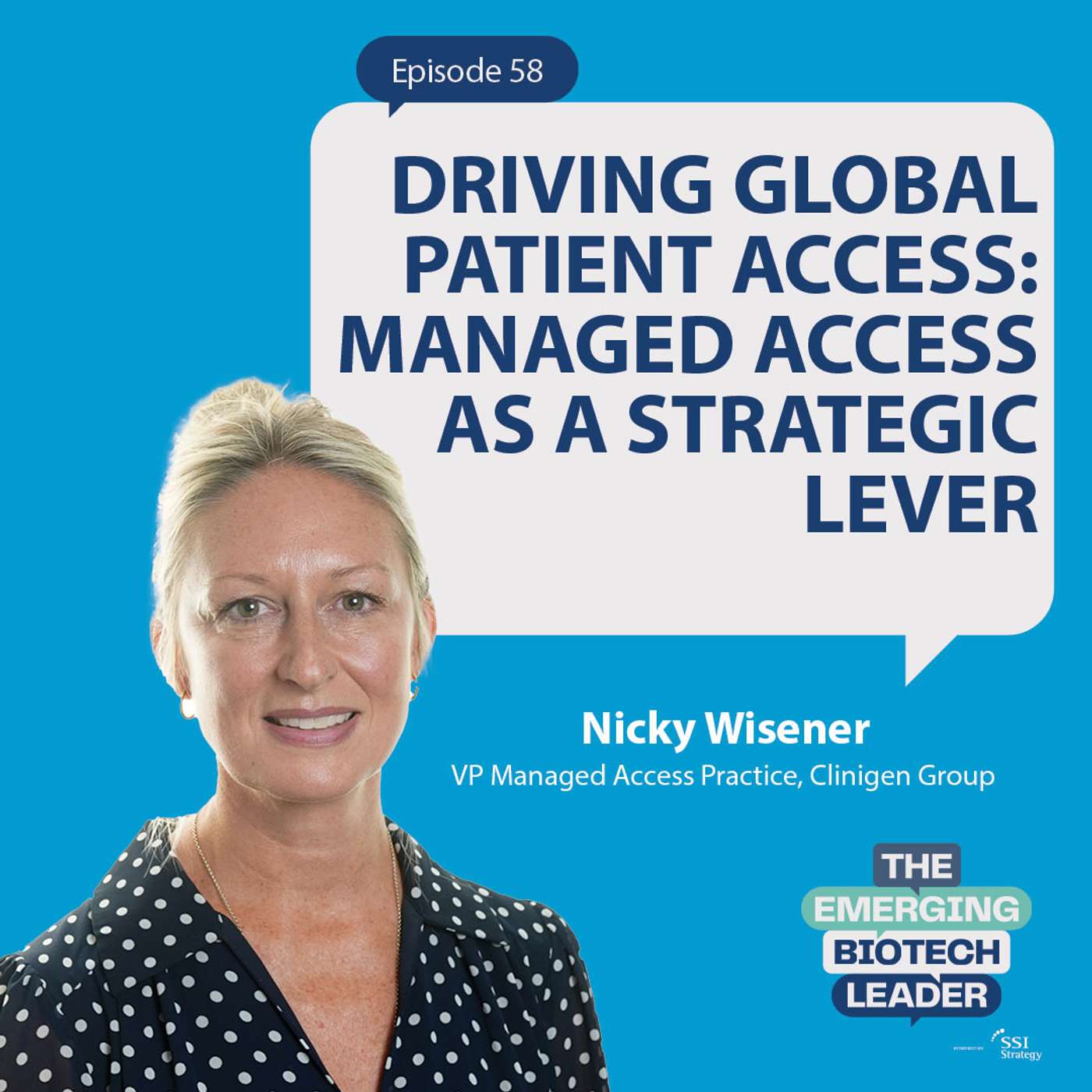
Ep 58Driving Global Patient Access: Managed Access as a Strategic Lever
In this episode of The Emerging Biotech Leader, Kim Kushner sits down with Nicky Wisener, Vice President, Managed Access Practice at Clinigen Group, to explore how emerging biotechs can think more strategically about patient access well before commercialization. The discussion shifts the focus from market access to patient access, viewed globally, and across the product lifecycle. Nicky brings nearly two decades of experience working at the intersection of clinical development, medical affairs, and commercialization, helping companies navigate managed access pathways in complex regulatory environments. The conversation challenges a common assumption in early-stage biotech: that managed access is either too complicated, too costly, or only relevant for large pharma. Instead, this episode reframes managed access as a continuum that can support patients, inform strategy, and strengthen long-term launch readiness when designed with intent. Key Takeaways for Emerging Biotech Leaders Managed access should be considered a strategic option for emerging biotechs, not an exception reserved for large organizations. Access programs can be designed to complement clinical development without compromising trial enrollment. Decisions around funding, reimbursement, and charging for product depend heavily on where an asset sits in the development and launch lifecycle. Early cross-functional alignment (clinical, medical, and commercial teams) improves both patient access and future commercialization outcomes. Proactive engagement with regulators, physicians, and patient communities can support smoother transitions toward launch. The discussion offers practical perspectives for biotech leaders evaluating how patient access considerations can be integrated earlier into development and launch planning.
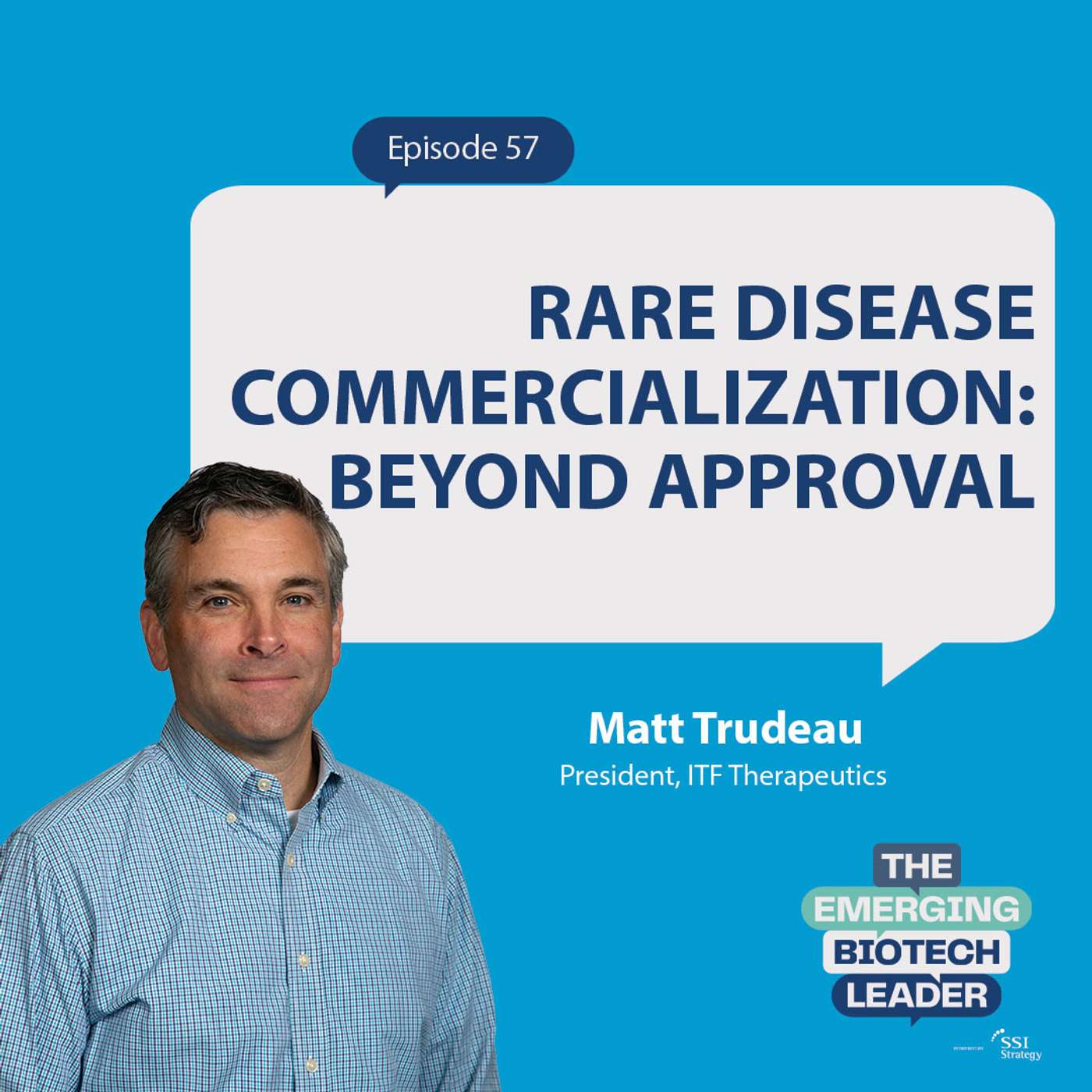
Ep 57Rare Disease Commercialization: Beyond Approval
In this episode of The Emerging Biotech Leader, host Kim Kushner sits down with Matt Trudeau, President of ITF Therapeutics, to discuss what it means to operate within a family-run pharmaceutical company and how that model shapes decision-making differently than a public or venture-backed organization. With more than 25 years of experience spanning Genzyme, Biogen, Bluebird Bio, and now ITF, Matt shares how his career has been defined by following the science, building commercial strategies, and putting rare disease patients at the center of every decision. He reflects on ITF’s journey in rare disease, exploring the unique challenges of commercializing therapies in underserved communities, from gaining regulatory approval to ensuring meaningful patient access and payer alignment. Matt also offers insights into: The evolving role of the patient voice post-approval and why commercialization is only the starting line. The balance of working across U.S. and European markets to deliver consistent value to small, global patient communities. Why the real challenge in rare diseases isn’t competing products, but overcoming complacency - ensuring patients gain access, education, and true choice among therapies. Approval may mark a milestone, but in rare disease the real work begins afterward: breaking through barriers of access, evidence, and complacency.
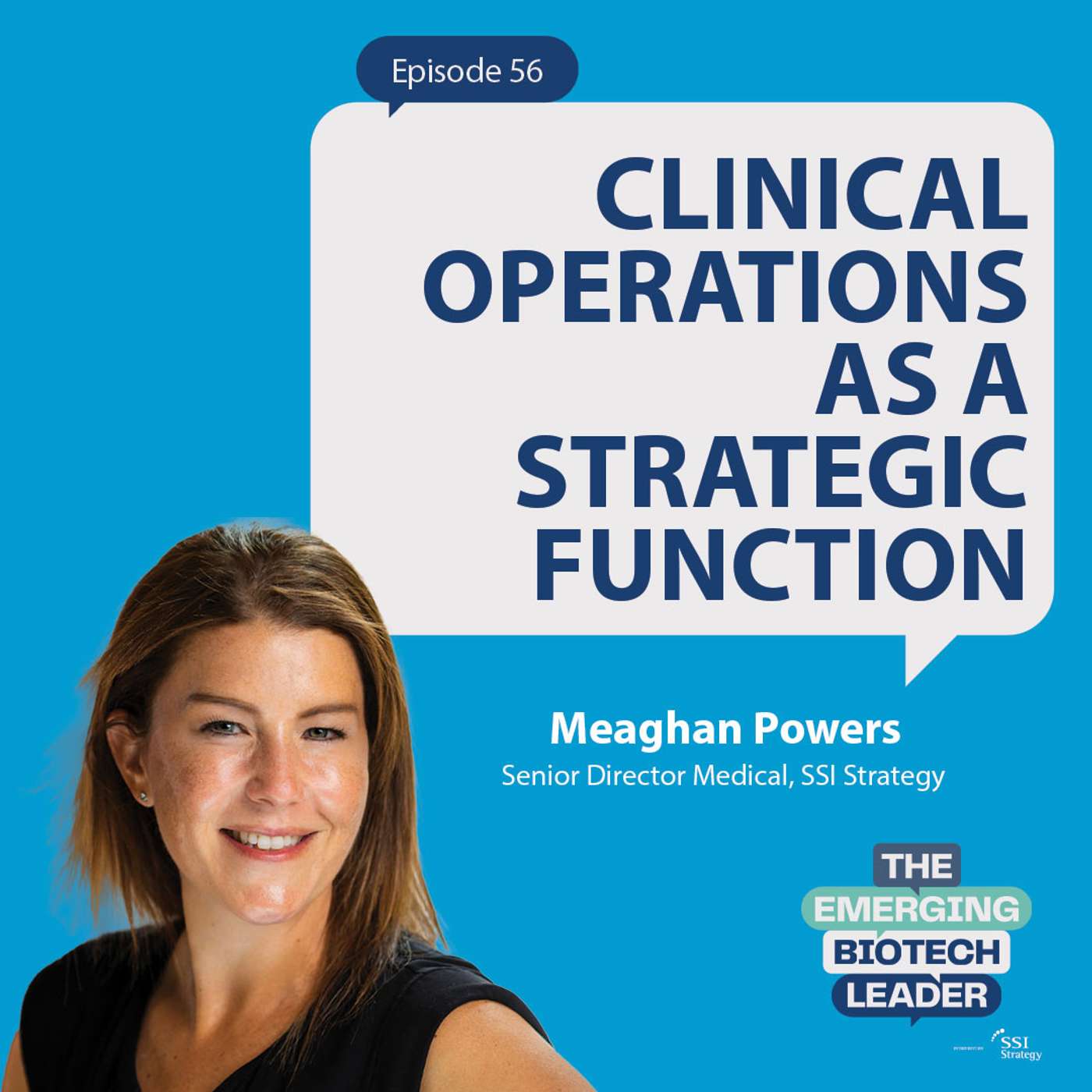
Ep 56Clinical Operations as a Strategic Function
In this episode of Emerging Biotech Leaders, host Ramin Farhood speaks with Meaghan Powers, Senior Director of Clinical Operations at SSI Strategy. With deep experience across biotech, pharma, and consulting, she offers a clear view of where clinical operations drives strategic value and how early engagement can set emerging biotechs up for success. Key Themes and Insights 1. Clinical Operations Is a Strategic Function Clinical operations is often misunderstood as a task-driven, execution-only role. In reality, it requires strategic planning early in development, including anticipation of regulatory expectations, operational risks, and study feasibility well before a protocol is finalized. 2. Early Cross-Functional Input Prevents Downstream Problems Strong clinical programs benefit when core scientific, operational, and quality perspectives are brought together early. Aligning these functions at the concept stage helps shape feasible early-phase designs and creates more stability as the program moves into later development. 3. Sponsors Cannot Outsource Accountability Certain operational tasks can be outsourced, but responsibility for the trial remains with the sponsor. Decisions relating to strategy, vendor performance, and data stewardship require sponsor ownership, supported by clear expectations for partners and defined routes for escalation. These elements establish the framework within which a CRO or other vendor operates. 4. Effective Oversight Systems Reduce Regulatory and Operational Risk Even with the right division of responsibilities, oversight must function in practice. Programs need structured processes for reviewing site conduct, monitoring outputs, and data quality to ensure issues surface early. When these checks are weak or inconsistent, avoidable problems can accumulate and lead to inspection findings or broader trial disruptions. 5. Emerging Leaders Benefit from Staying Curious and Involved Leaders are not expected to master clinical operations, but early engagement with clinical operations strengthens decision-making. It gives programs better visibility into resourcing, risk points, and the operational systems required to advance development. For a closer look at how these ideas play out in real development settings, listen to the full episode.
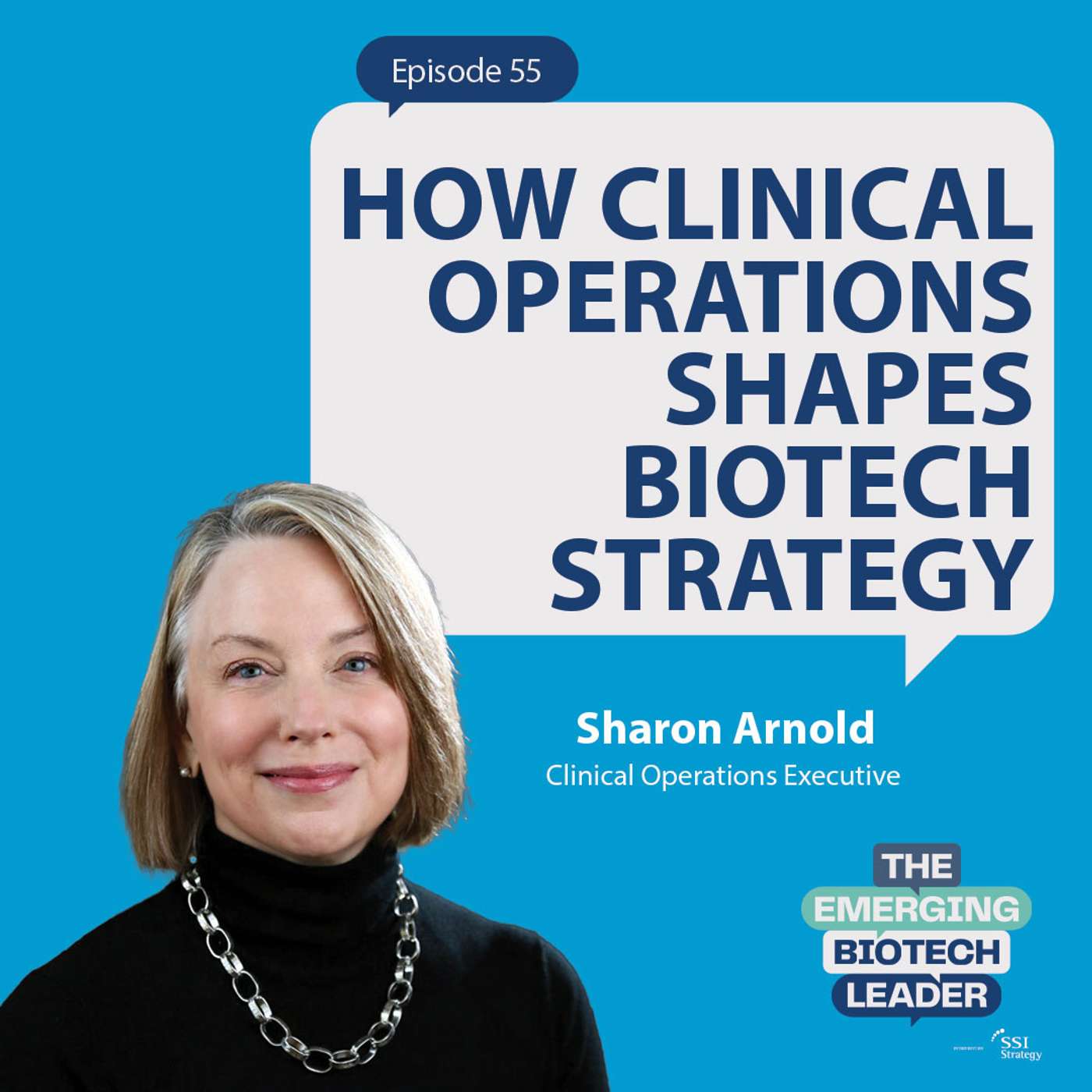
Ep 55How Clinical Operations Shapes Biotech Strategy
Clinical operations translates scientific research into the studies and data needed to bring new therapies to patients. In this episode of The Emerging Biotech Leader podcast, host Ramin Farhood speaks with Sharon Arnold, a seasoned clinical operations executive with more than two decades of experience in both large pharma and emerging biotechs, about how operational leadership determines whether innovation reaches the clinic successfully. Effective clinical operations extend well beyond trial execution. When the function helps shape the protocol early, by focusing on clarity, feasibility, and patient experience, teams stay aligned and data remain reliable. Building quality into each step reduces late-stage corrections and inspection risk. For growing biotechs, the challenge is to scale without losing control. Success depends on choosing carefully what to build internally and what to outsource, while keeping direct oversight of data management, statistics, and the trial master file. These functions anchor the credibility of the program and protect the integrity of the evidence that supports it. AI and data-driven tools are reshaping how feasibility and enrollment are planned. They can highlight new patterns in site performance and patient availability, but their value depends on interpretation. Data still needs to be tested against real-world conditions and reviewed by people who understand the therapeutic area, the protocol, and the practical limits of execution. Patient inclusion should be built into operations from the start. Early collaboration with investigators and academic partners supports stronger site performance, while engagement with advocacy groups helps patients stay informed and invested in the study. Diversity and understanding are part of what makes a trial executable and its data meaningful. Clinical operations sits at the intersection of science, strategy, and delivery. This conversation sheds light on what strong operational leadership really looks like: the decisions that prevent costly detours, the structures that sustain quality, and the mindset that turns a promising molecule into a viable medicine. Catch the full conversation to hear how thoughtful operational leadership keeps programs on course and trials moving forward.
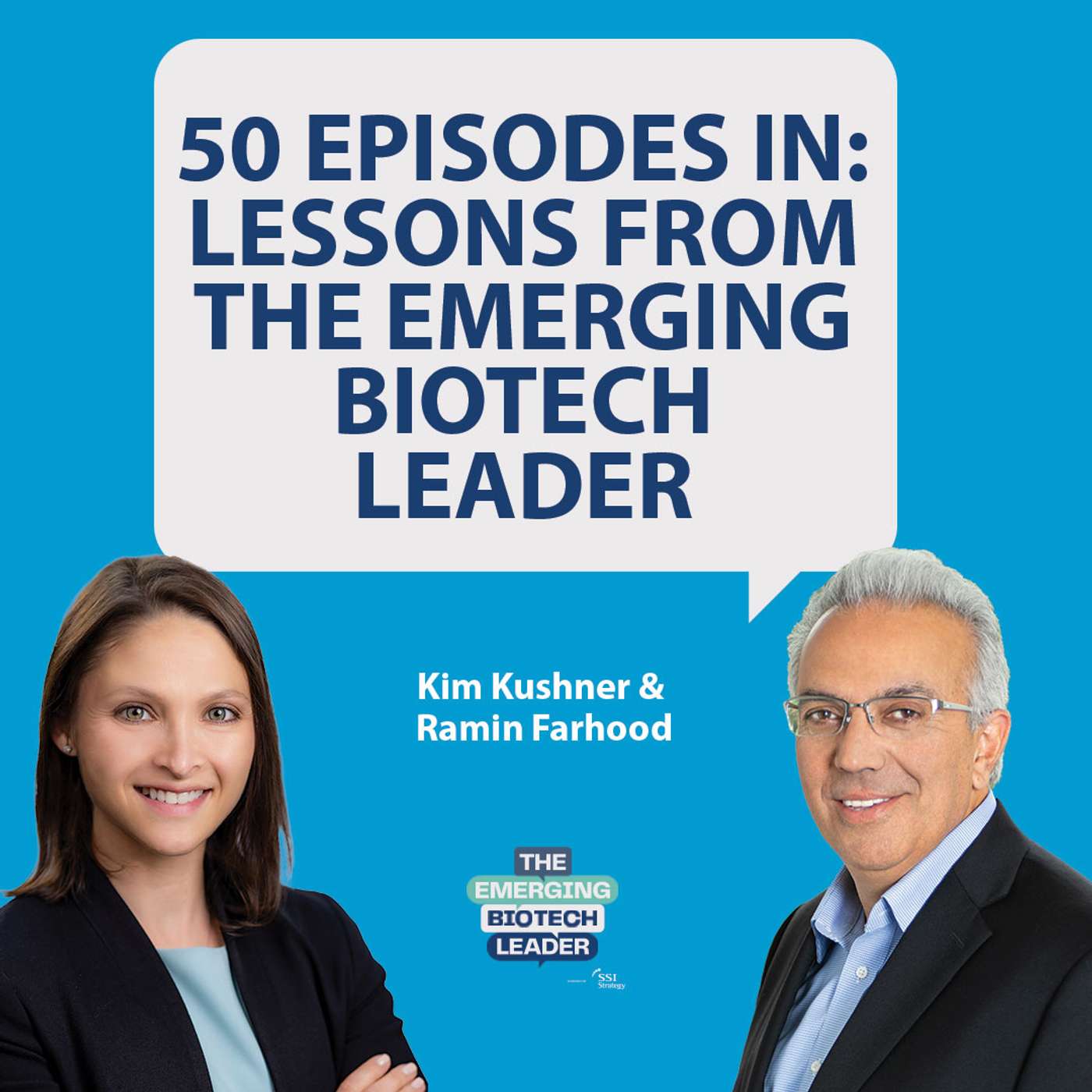
50 Episodes in: Lessons from The Emerging Biotech Leader
bonusKim and Ramin celebrate the anniversary of The Emerging Biotech Leader, marking three years, 50 episodes, and listeners across 50 countries. Unlike past episodes with guests, this milestone is a reflective conversation between the two hosts, weaving together the themes and lessons that have emerged across the series. Lesson 1: Leading Without Certainty Biotech is defined by ambiguity, and success requires clarity of direction rather than certainty of outcomes. Teams and stakeholders respond best to transparency, conviction, and timely decisions, even if those decisions need to be revisited. Rituals such as quick decision sprints, red team reviews, and frequent check-ins help leaders pivot effectively. The early years of the show, set against post-pandemic disruption and market volatility, underscored how conviction and adaptability became essential. This tension was captured powerfully by Ilan Ganot in Episode 11, who described the loneliness of leadership when faced with conflicting expert advice. Lesson 2: Mission Before Metrics Patient-first thinking consistently anchors effective organizations. Patient-first thinking consistently anchors effective organizations. Keeping the patient voice at the center shapes strategy, drives board and investor alignment, and builds durable conviction in uncertain environments. Advocacy communities can shift industry attention and mobilize resources, and even in less visible disease areas, engaging patients early creates clarity and conviction. Building culture around the patient is not a “soft” attribute but a core measure of organizational integrity. As Edward Kaye reflected in Episode 36, bringing patients into protocol design early can transform both the science and the experience: asking advocates whether a trial design is reasonable, too burdensome, or practical enough for participation ensures the patient perspective drives decision-making from the start. Lesson 3: The Role of the Chief Medical Officer The CMO role emerged as uniquely demanding and multifaceted. CMOs act as scientific leaders, organizational builders, investor communicators, and enterprise thinkers. The “octopus” metaphor, introduced in one episode, captured how CMOs must stretch across many functions without a single playbook. Effectiveness depends on the right fit for the stage of the company, supported by scaffolding to cover the many dimensions of the role. Chrystal Lewis captured this in Episode 45, noting how her predecessor was the right fit as a Phase 1 trialist, while her own role shifted to shaping Phase 2 registrational studies with the end in mind—focusing on the medical questions and value story needed for the next stage. Lesson 4: Flexible Talent and Agility Organizational success is less about building the biggest team and more about building the most adaptable one. Lean, flexible structures supported by fractional or outsourced expertise enable speed and resilience. Avoiding silos and prioritizing integration across functions accelerates decision-making, clinical progress, and fundraising. Agility wins; silos stall. As Al Beardsly noted in Episode 47, sometimes the smartest move is bringing in consultants to cover critical gaps rather than rushing to hire, ensuring capabilities evolve with each development stage without becoming a long-term liability. Theme 5: Strategic Differentiators Capabilities beyond science—such as safety, quality, and real-world evidence—are becoming critical levers of differentiation. Embedding safety and risk management early transforms them from compliance activities into strategic advantages. Forward-looking approaches to RWE help organizations prepare for payer expectations, clinician adoption, and patient preference, positioning them to be “best in market,” not just first. Christian Howell explained this in Episode 34, contrasting “evidence-based selling” with the more powerful approach of real-world evidence—where data must reflect diverse patient populations and support decision-making not just before approval, but across the entire product lifecycle. Closing Reflections Kim and Ramin ended the conversation by looking ahead. They noted the rapid pace of technological change, particularly around AI and digital tools that are beginning to transform clinical trial design and evidence generation. Yet what stood out most to them was that tools alone are not decisive—the defining factor is mindset. Patient-centricity, enterprise thinking, and resilience in uncertainty are what ultimately set leaders apart. They closed by thanking the many guests who have shared their stories over the past three years and expressing excitement for what lies ahead. Reaching fifty episodes felt like a moment to pause and reflect, but also a springboard—both for the show itself and for the biotech community it highlights—as they look forward to the next fifty conversations.
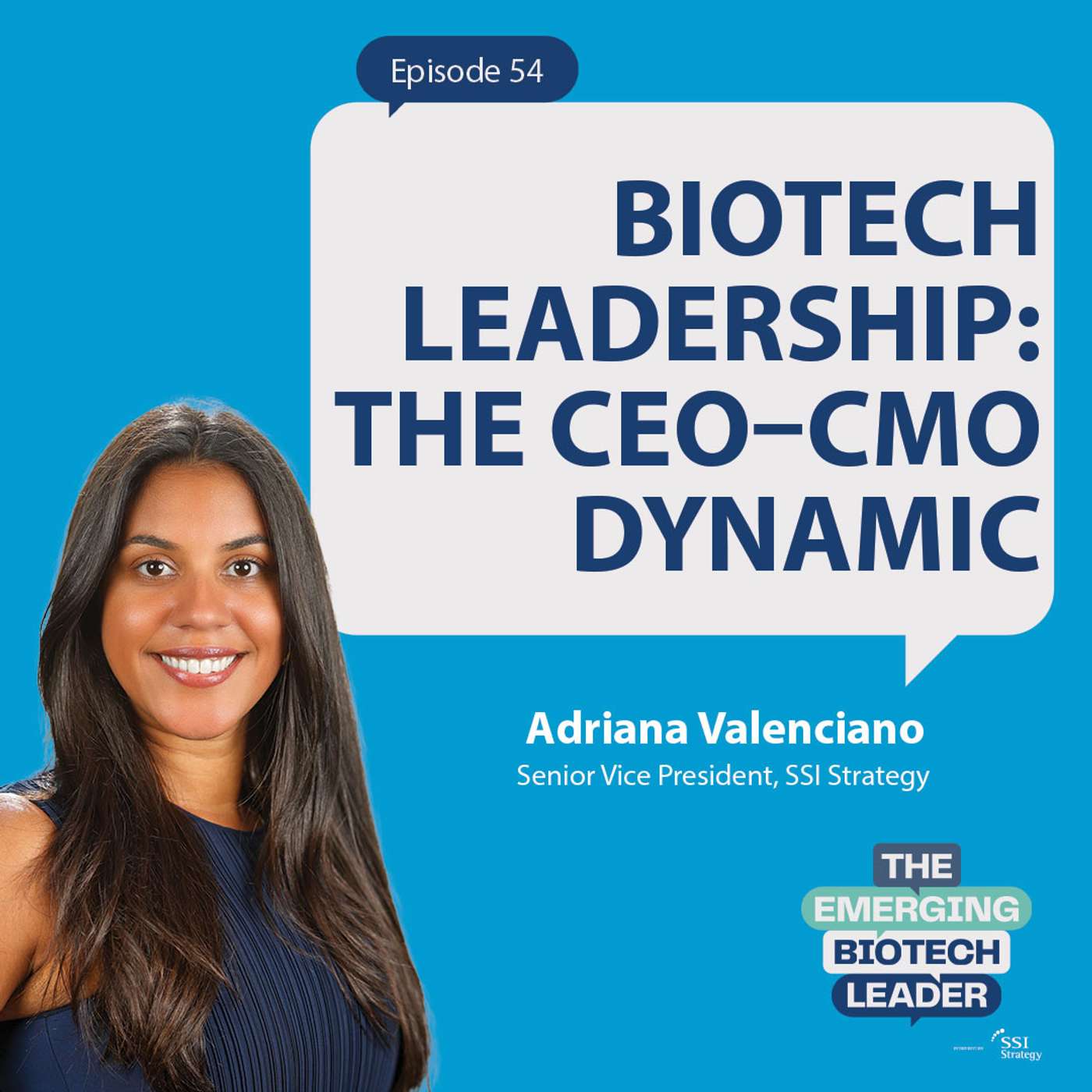
Ep 54Biotech Leadership: The CEO–CMO Dynamic
In this conversation, Kim Kushner and Adriana Valenciano, Head of Client Delivery at SSI Strategy, take a closer look at what truly drives progress in early-stage biotechs. Picking up on themes first raised by Dr. Ed Tucker, they explore how leadership partnership, the structure of a Target Product Profile, and the intentional use of AI all shape how young organizations grow. In biotech’s earliest stages, the relationship between the CEO and Chief Medical Officer often determines whether a company builds momentum or stalls in misalignment. When these roles evolve together, sharing a view of how science, business, and culture intersect, the organization gains the clarity to move fast without losing direction. That clarity is reinforced by a strong Target Product Profile (TPP). More than a regulatory document, the TPP functions as a living blueprint that connects clinical strategy to company purpose. Used well, it aligns teams across functions, sets measurable targets for efficacy and value, and keeps both the scientific and organizational focus anchored to a shared definition of success. Innovation also depends on intentional design. With new AI tools transforming how work gets done, early biotechs face a pivotal question: how to introduce technology without losing the human judgment and governance that protect sound science. Building those checks and balances too late risks chaos; building them too early can slow down the momentum. The challenge is knowing when to formalize, what to automate, and how to keep scientific integrity at the core. This discussion is about the discipline of leadership in complex systems, how culture, decision-making, and innovation reinforce each other when guided by a clear framework and an honest partnership at the top. Listen to explore how shared intent and disciplined structure translate vision into progress.
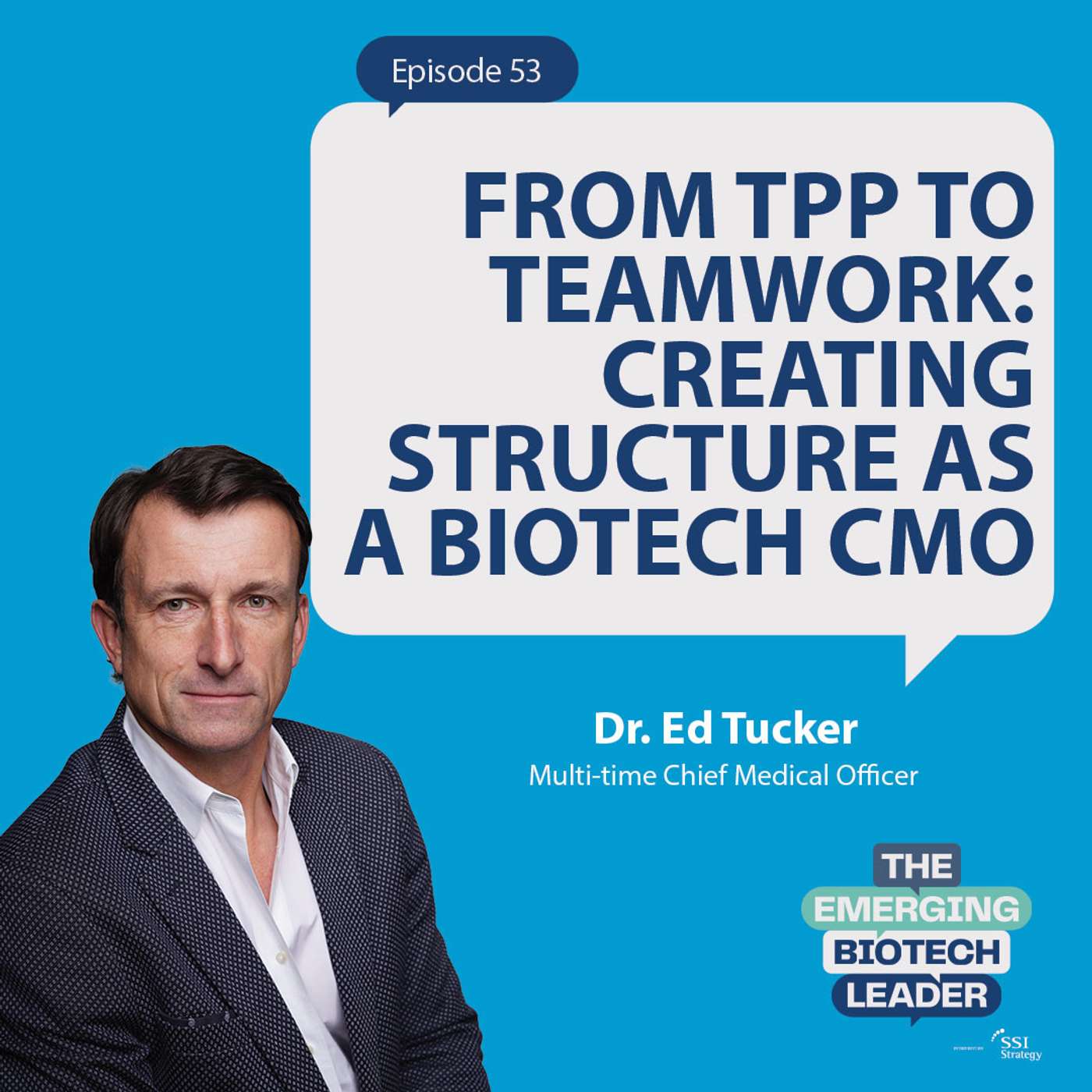
Ep 53From TPP to Teamwork: Creating Structure as a Biotech CMO
Being a Chief Medical Officer looks very different on the inside than it does from the outside. In this episode, Dr. Ed Tucker talks openly about what he’s learned after serving as CMO in companies big and small. He traces his path from large pharma training grounds to the unpredictable world of startups, and what that shift taught him about adaptability, trust, and resilience. Along the way, Ed talks about: Carrying the pressure of being “the voice of the science” in front of investors and regulators, and why alignment with the CEO is non-negotiable. Building trust with KOLs and investigators so that confidence outside the company translates into motivation and problem-solving inside the team. Using the Target Product Profile as the anchor of the program—a reference point that keeps assumptions in check and the whole team aligned on what they’re building toward. Seeing safety as a strategic lever, not just an operational task, and how a stronger safety profile can become the reason a drug succeeds in a crowded market. Learning that resilience matters more than endurance, and why humility and curiosity are essential traits for any CMO. Relying on the CMO community and networks for perspective and support, especially when facing the inevitable setbacks in drug development. This is not a formula or a checklist, but a set of lived lessons. What emerges is an honest look at the role from someone who’s still learning, even after a decade in the seat.
Ep 52Adapting Biotech Leadership Across Development and Therapies
Biotech leaders are asked to do a lot; move fast, manage limited resources, and guide teams through very different stages of development. In this episode of The Emerging Biotech Leader, host Kim Kushner talks with Dr. Benit Maru, Senior Vice President at SSI Strategy, about what it really looks like to lead in that environment. They cover: The contrasts between early and late development leadership, and why those transitions can feel like two different roles How scenario planning and structured conversations help teams prepare for uncertainty Why documents like the clinical development plan or target product profile should be seen as living tools, not paper exercises The similarities and differences in leading across modalities—devices, biologics, and advanced therapies like cell and gene The importance of team dynamics, culture, and knowing when to bring in outside expertise This episode is full of practical takeaways for biotech leaders who want to keep their strategies sound, their teams aligned, and their programs moving forward under pressure.
Ep 51The CMO’s Role in Building a Scalable Biotech Strategy
In this episode of The Emerging Biotech Leader, Kim Kushner speaks with Dr. Michael Goldstein, ophthalmologist and multi-time Chief Medical Officer, about the realities of biotech leadership across modalities and development stages. Dr. Goldstein reflects on lessons learned from leading clinical programs in small molecules, biologics, gene therapies, cell therapies, and drug-device combinations. The discussion highlights what remains consistent across modalities such as the need for regulatory clarity and cross-functional alignment, and what differs significantly, particularly in manufacturing complexity, immune responses, and development timelines. Other key themes include: Why time is an underappreciated constraint in biotech The strategic role of the CMO in manufacturing oversight and decision-making How to balance regulatory and commercial thinking in early development Building teams that function as integrated units, not parallel functions Advice for early-career CMOs seeking to grow beyond clinical roles This episode offers practical insight into how biotech leaders can operate more effectively across the full development arc, from IND to commercialization, without losing sight of the clinical and patient perspective.
Ep 50Designing Patient-Centric Trials That Work
What does it take to bring patient-focused values into the real decisions that shape drug development, especially when you're moving fast, working lean, and under pressure to deliver? In this episode, host Kim Kushner speaks with Victoria Oswald, Vice President at SSI Strategy, about how biotech teams can start small but think deliberately when embedding patient input and cultural intent into early-stage development. Together they explore: Why even basic decisions in Phase I, like assessment burden or endpoint design, should reflect patient relevance, not just regulatory safety How teams can integrate patient perspectives without large budgets or formal infrastructure The tension between doing what’s feasible now vs. setting up for long-term alignment The role of internal culture in shaping how development teams prioritize, communicate, and make trade-offs Drawing on her work across gene therapy, rare disease, and oncology, Victoria highlights how early engagement, shared mindset, and cross-functional awareness can help even lean teams avoid rework and stay focused on what truly matters. This episode offers insight for biotech leaders and clinical teams working to connect patient priorities with real-world development choices from the start.
Ep 49Build the Company You Say You Are: How culture shapes real-world execution
In this episode, Kim speaks with Jill Milne, Ph.D., CEO of Astria Therapeutics, about what it really takes to build a biotech company around patient needs, not just in mission statements, but in everyday decisions. Drawing on her 25+ years in pharma and biotech, Jill shares how Astria is redefining what it means to be patient-first, why culture is more than a slogan, and how leaders can align boards and investors behind values that also deliver business results. They talk about: Patient-Centricity as Strategy: Jill details how Astria embeds patient insight across every phase of development; from target product profile to clinical design to commercialization. This is not just about listening sessions or checkbox advocacy, it’s about consistently translating lived experiences into decisions that accelerate development, improve retention, and drive value. Culture being a Strategic Asset: With the motto “Patients first. People always,” Jill emphasizes how every function, from finance to CMC, is connected to patient impact. The culture extends beyond Astria’s walls to CROs and partners, creating a shared mindset that scales. Board & Business Alignment: Jill outlines a compelling case for why patient-centered and culture-led approaches aren't just feel-good strategies but force multipliers that enhance clinical development, commercial positioning, investor confidence, and regulatory credibility. For biotech leaders building companies with long-term impact in mind, this episode offers a grounded look at how values like culture and patient focus can be turned into consistent, daily execution.
Ep 48From Vision to Viability: The Decisions That Define a Biotech
What does it really take to launch a biotech company that lasts? In this episode, host Kim Kushner sits down with Dr. Marcia de Souza Lima, a physician-executive whose journey spans clinical care, global pharma, investment, and startup leadership. Together, they explore the earliest days of company formation—where every decision, from team design to product development, can shape the long-term path of the organization. The conversation begins with a familiar framework—the “Five P’s” of early biotech building: Product, People, Patents, Pennies, and Place. But Marcia challenges the idea that these alone are enough. She offers a fresh perspective on what leaders often overlook in the rush to build: the patient voice, the real-world context, and the flexibility to adapt as markets, teams, and therapies evolve. This Conversation Highlights: Why scientific novelty isn’t enough—your product must be positioned to matter. How to think about the patient perspective even before your first clinical milestone. Ways to balance scientific rigor with entrepreneurial speed in a resource-constrained environment. The talent trade-offs of hybrid vs. in-person teams—and how agility may be your biggest asset. The role of mentorship, curiosity, and asking the right questions—especially when you're doing this for the first time. Rather than presenting a checklist, this episode invites biotech leaders to think more holistically: How do you build something both scientifically sound and human-centered? How do you grow fast—without missing the fundamentals? If you're leading (or planning to lead) in biotech, this is a conversation that helps you zoom out, refocus, and reconsider what should come first.
Ep 47Five Fundamentals for Building a Biotech That Lasts
In this episode of The Emerging Biotech Leader, host Kim Kushner speaks with Al Beardsley, CEO of Cirius Therapeutics, about the foundational principles that guide sustainable biotech company building. A seasoned operator with experience across early discovery and late-stage development, Al introduces his “Five P’s” framework—a practical, clear-eyed guide for leaders responsible for turning science into durable enterprise value. The discussion covers: Product – How to ensure scientific innovation aligns with clinical relevance, provider expectations, and payer value frameworks—starting from day one. People – Why successful teams prioritize adaptability, strategic clarity, and trust over pedigree alone—and how CEOs can foster cohesion across lean or hybrid structures. Patents – The critical timing decisions that shape long-term market viability, particularly in light of small molecule vs. biologic exclusivity windows. Pennies – Why overcapitalization is rarely the problem, and how disciplined resource allocation—not just headcount—defines a company’s survival window. Place – Rethinking organizational design in a post-geography world, and how cultural alignment can outperform location-based hiring. Al also shares reflections on leadership at different stages of company maturity, the evolving role of the CEO as “Chief Everything Officer,” and how early-stage biotech leaders can structure their organizations to move deliberately, avoid unforced errors, and keep teams focused in uncertain conditions. This episode offers grounded, experience-based insight for biotech executives who are building with limited resources, high stakes, and longtime horizons.
Ep 46The Many Shapes of a CMO
In this episode, Chief Business Officer Kim Kushner talks with Dr. Carrie Brownstein, SVP Medical at SSI Strategy, about how to think through the fit between a biotech leader and their company’s stage of development. Carrie shares lessons from her own path from large pharma to biotech and how different kinds of experience shape what a CMO can offer at different points in a company’s growth. They talk about building the right kind of support team, knowing your own limits, and making space for others when it’s time. Topics include: How to assess your readiness for a CMO role Why no single background covers everything a biotech will need The value of building a team that fills in the gaps Learning to ask the questions that matter It’s a thoughtful discussion for anyone thinking about leadership fit—not just titles. Listen to hear Carrie’s perspective on what makes a CMO effective, and how to stay aligned with what your company really needs.
Ep 45Expanding the CMO Role: The Value of Difference
In this episode of The Emerging Biotech Leader, Chief Business Officer Kim Kushner and Dr. Carrie Brownstein, SVP Medical at SSI Strategy are joined by Dr. Chrystal Louis, Chief Medical Officer at TScan Therapeutics, to discuss how different professional experiences shape leadership approaches in the biotechnology sector. Dr. Louis brings extensive experience across clinical development and medical affairs, with a career spanning pediatric oncology, industry leadership roles, and the buildout of medical strategy teams at both early-stage and commercial-stage biotech companies. Drawing on their respective backgrounds in clinical development and medical affairs, Dr. Brownstein and Dr. Louis explore how different career experiences shape decision-making, stakeholder engagement, and development strategies within the CMO role. Being a CMO with medical affairs expertise often brings a broader focus on patient access, payer engagement, and real-world adoption, while those from clinical development backgrounds typically lead with regulatory strategy and trial execution. Dr. Brownstein and Dr. Louis explore how both profiles shape the CMO role, and why aligning clinical programs with real-world use is becoming increasingly important. The medical affairs perspective remains less common in biotech leadership today but offers growing strategic value across early and late-stage development. They also discuss how some biotech companies are shifting focus from oncology to immunology and metabolic diseases, partly in response to changing investment trends. This shift brings new challenges for leadership teams, including recalibrating risk-benefit expectations, regulatory standards, and long-term access planning. The episode closes with a discussion on the importance of deliberate career development and mentorship, particularly in supporting diverse leadership pipelines. Dr. Louis shares practical advice on planning career moves over a five-year horizon, gaining cross-functional experience, and driving leadership advancement with strategic intent.
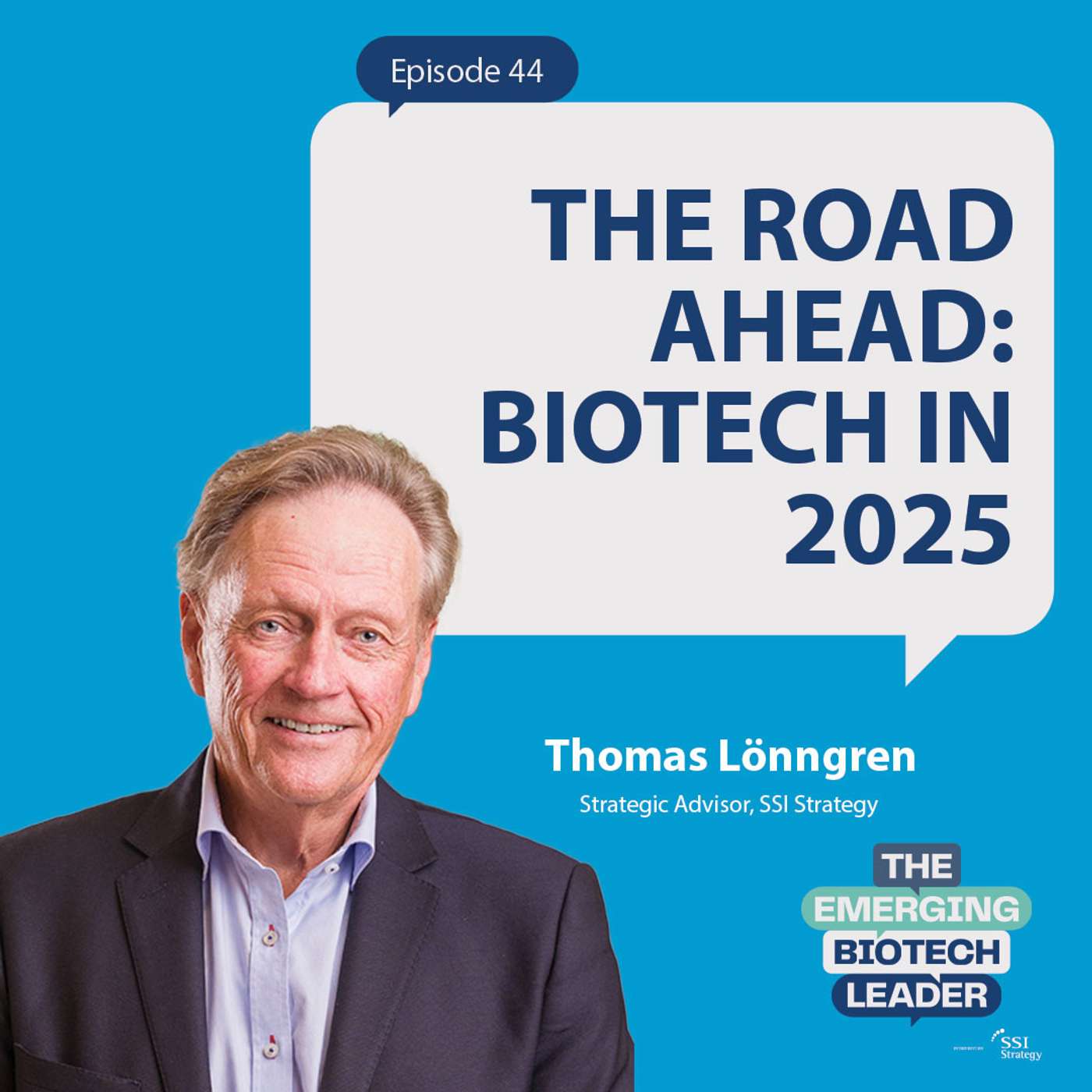
Ep 44The Road Ahead: Biotech in 2025
As biotech innovation accelerates across therapeutic areas organizations face complex strategic decisions about their future. In this episode of The Emerging Biotech Leader, former EMA Director Dr. Thomas Lönngren offers insights into the market dynamics and organizational requirements that will define success in 2025. Several key themes emerged from our discussion that will shape the industry's trajectory in the coming year. A Fight for Funding The funding environment remains challenging, with over 300 US biotech companies competing for limited capital. Thomas notes: "Many CEOs are spending more than 60% of their time talking with investors to get more money", highlighting a critical leadership challenge. While non-traditional investors, particularly from the tech sector, are entering the space, they're primarily interested in AI and digital health applications. The Regulatory Shift 2025 marks a pivotal year for regulatory changes, particularly in Europe. The new Health Technology Assessment (HTA) regulation introduces parallel clinical assessments, initially affecting oncology products and advanced therapies. This shift requires companies to think about market access evidence during early development stages – a significant departure from traditional approaches. US companies, in particular, need to prepare for these changes as they affect global development strategies. Organizational Design The complexity of modern biotech development demands a fundamental rethink of organizational structure. As Thomas emphasizes, "Biotech companies need to think about how they populate their organization with the right resources." Success requires strong medical leadership, regulatory expertise, and operational efficiency – all while maintaining focus on core drug development activities. The AI Advantage Artificial intelligence isn't just a trend; it's becoming a necessity for competitive advantage. Companies must strategically decide whether to develop internal AI capabilities or partner with specialized providers. This decision impacts everything from drug discovery to clinical trial efficiency and requires careful consideration of resources and core competencies. Looking Ahead As we move into 2025, success will depend on building organizations that can balance scientific innovation with operational excellence. Companies need partners who understand both the complexity of drug development and the organizational requirements for success. The coming year will require organizations to build effective regulatory and HTA capabilities to meet the demands of the new legislation. Your science deserves the strongest possible organization behind it. Let's talk about building yours. [email protected]
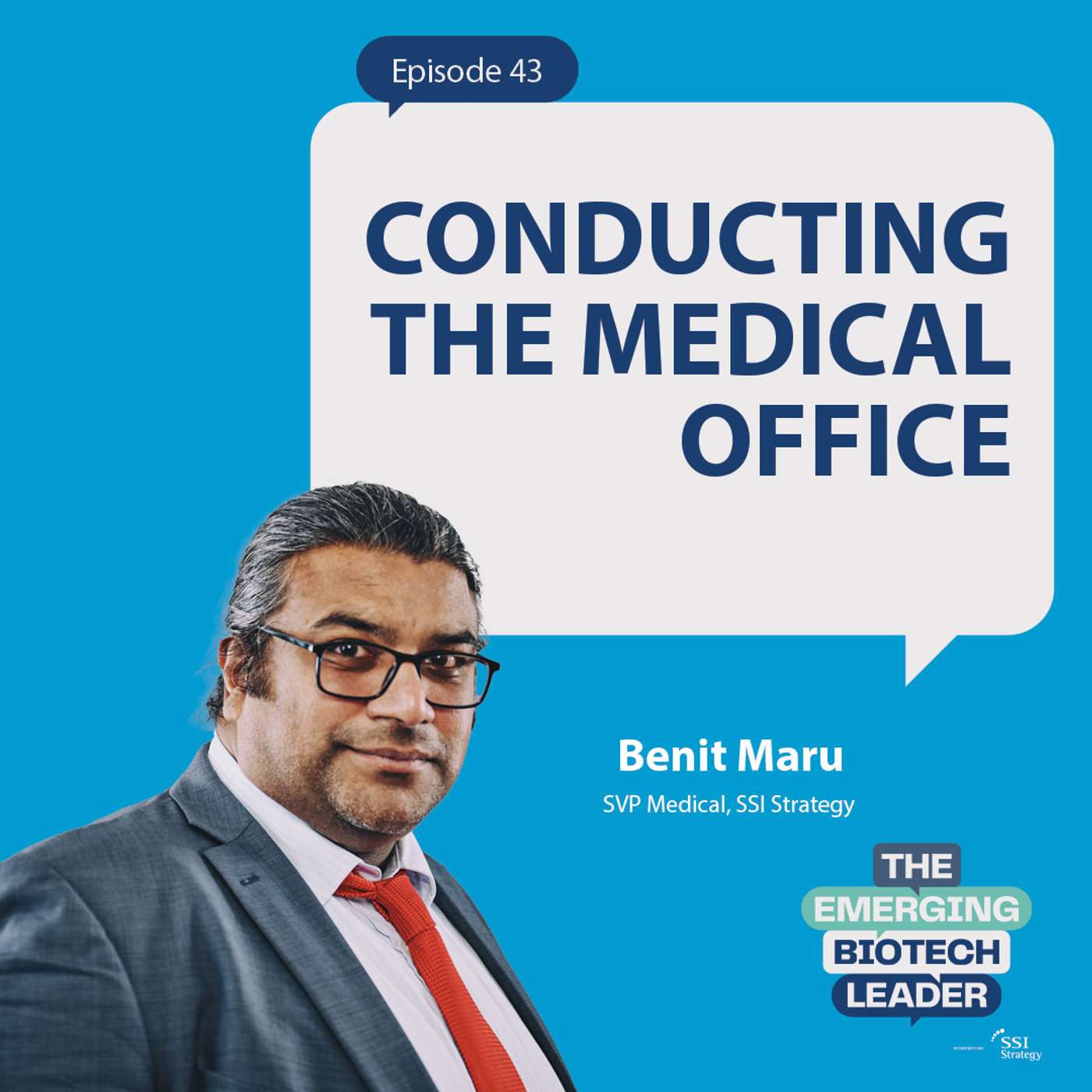
Ep 43Conducting the Medical Office
When does a biotech need a Chief Medical Officer? "If you're asking, you probably needed one yesterday," suggests Dr. Benit Maru in this straight-talking episode of Emerging Biotech Leader. The SSI Strategy medical lead breaks from convention, arguing that early-stage organizations - particularly those in rare disease or novel modalities - can't afford to postpone medical leadership. His analysis cuts through traditional timing metrics to focus on strategic impact and organizational readiness. Benit delivers three refreshing insights that challenge standard industry practices: The myth of the complete CMO. Rather than searching for "unicorns" who excel at everything, successful organizations build complementary teams that acknowledge and address leadership gaps. "Having the wherewithal to acknowledge your gaps and own them" proves more valuable than pretending they don't exist. The strategic necessity of early program management. While traditionally viewed as a later-stage hire, Benit positions strong program leadership as essential from day one - a shift he's seeing more frequently among successful biotechs. This infrastructure enables faster decision-making and more effective cross-functional collaboration. The critical CEO-CMO dynamic. Through candid examples, Benit illustrates how transparent communication about capabilities and needs strengthens rather than undermines leadership credibility. Ready to orchestrate your medical success? SSI Strategy partners with biotechs to build medical leadership structures that perform. Let’s talk! [email protected]
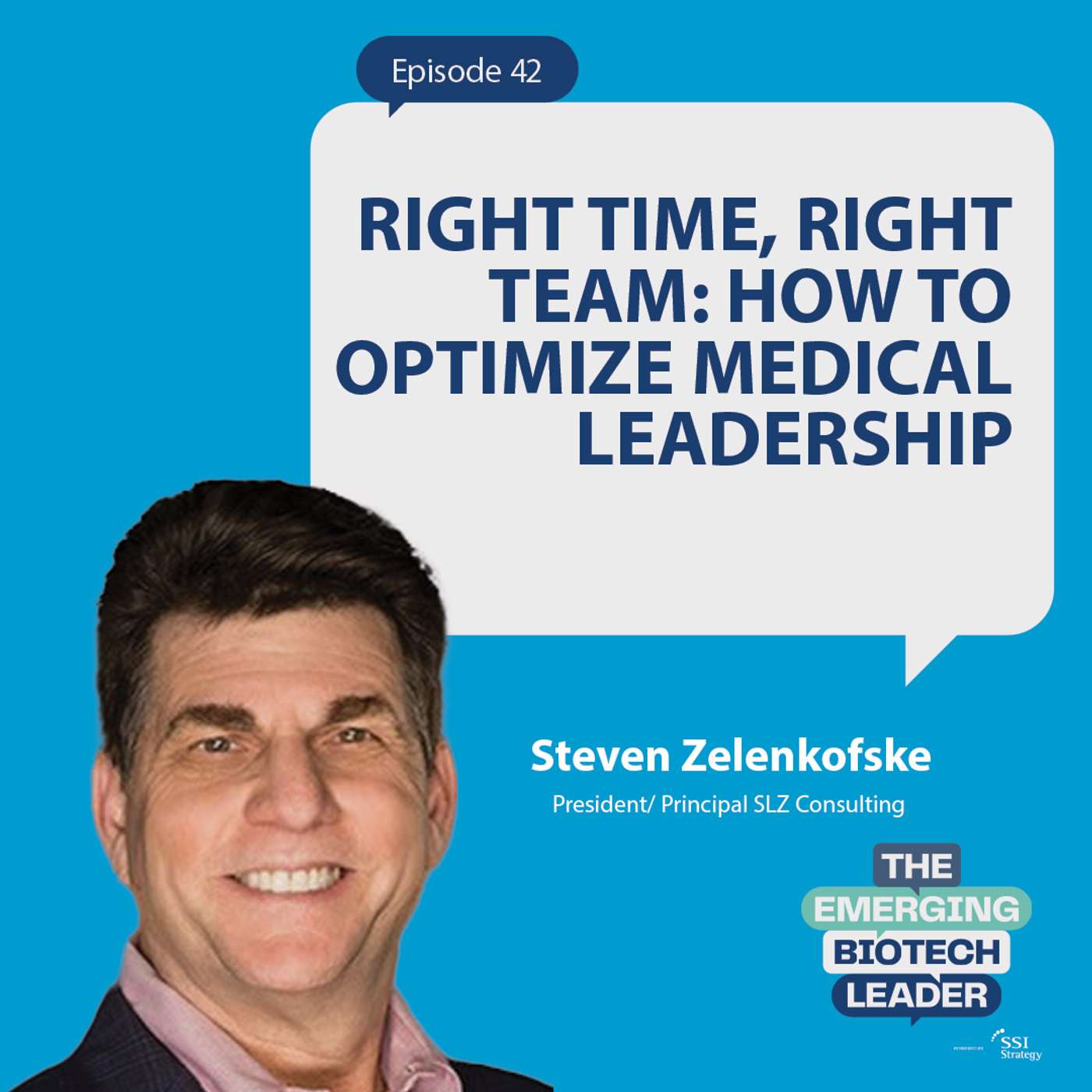
Ep 42Right Time, Right Team: How to Optimize Medical Leadership
Have you ever wondered what makes a great biotech CMO? In this episode of the Emerging Biotech Leader, Dr. Steven Zelenkofske shares the practical, hard-earned insights he’s gained from his five CMO positions and multiple board roles, offering straightforward advice on how CMOs can step in early, build strong executive relationships, and drive clinical programs to successful outcomes. This episode is your behind-the-scenes look at the evolving role of biotech’s top medical leaders. Steven strikingly describes the CMO role as "like an octopus with eight arms," each representing essential functions from external relations to operational oversight. This colorful analogy captures the multifaceted nature of modern medical leadership in biotech, where CMOs must constantly adapt their approach based on company stage and needs. Beyond One Leader Timing emerges as a critical theme: companies often delay bringing in clinical expertise until after key development decisions are made. While founders and CSOs excel at scientific innovation, Steven argues that early clinical perspective is essential to bridge the gap between groundbreaking science and effective drug development. The discussion explores a modern solution to the growing trend of fractional CMO roles. Rather than relying on a single part-time leader, Steven advocates for a "CMO office" model - a team of specialists collectively fulfilling the role's diverse requirements. This approach ensures comprehensive coverage while maintaining cost efficiency in today's resource-conscious environment. Steven also points out that successful clinical development often relies on preparation and anticipation of challenges. His practical advice includes building strong partnerships between CMOs and other executives, particularly CEOs and CSOs, while fostering a culture where teams feel empowered to provide critical feedback. If you are building a biotech organization, this episode offers practical answers to your critical questions: When do you need a CMO? What should you look for? And how can you structure the role to maximize impact while maintaining efficiency? Are you leading a biotech and would like to share your experience with our podcast audience? We'd love to hear from you!
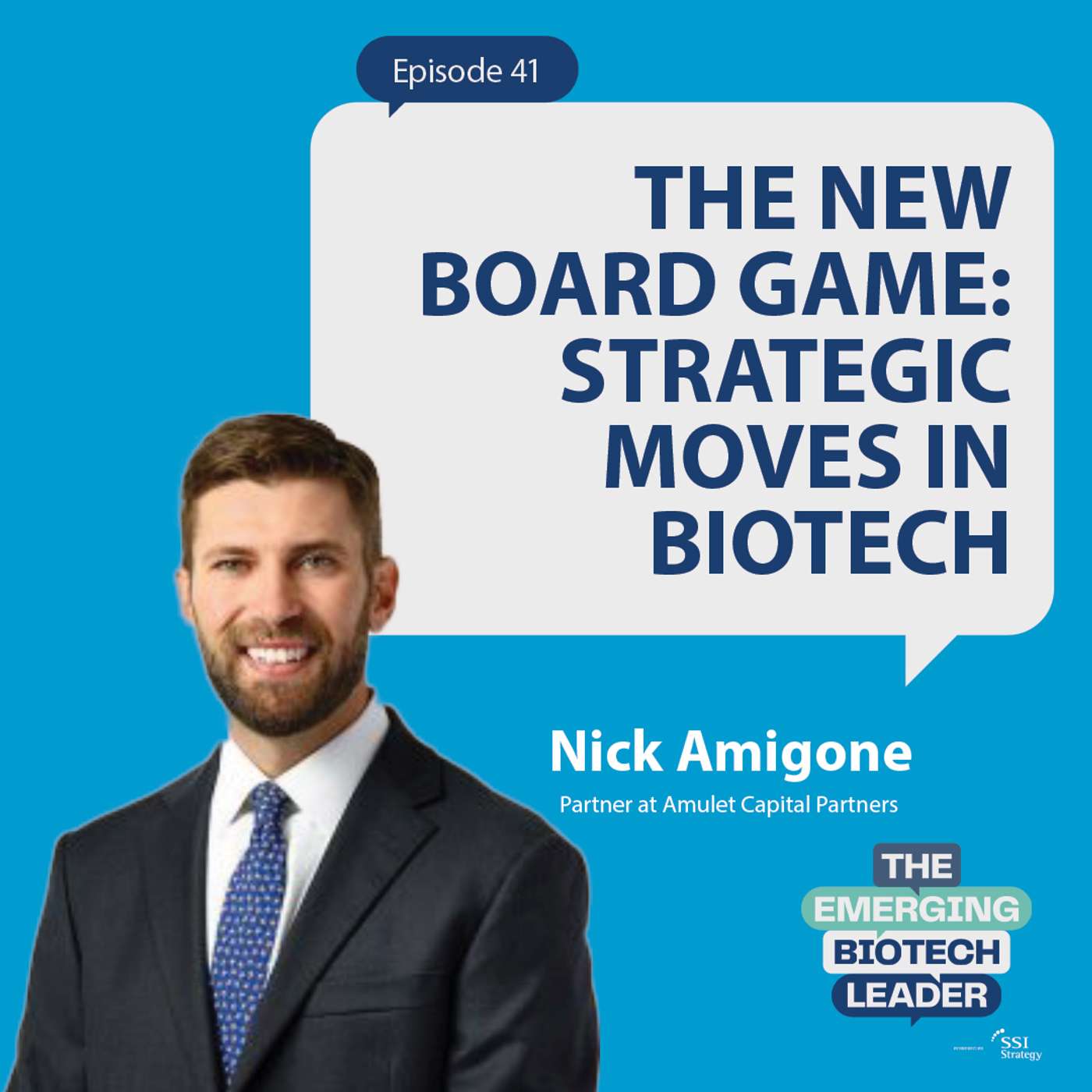
Ep 41The New Board Game: Strategic Moves in Biotech
The relationship between biotech leadership and their boards is evolving, particularly as private equity takes a larger role in the industry. In this episode of the Emerging Biotech Leader, Nick Amigone from Amulet Capital Partners offers a unique perspective on building effective board relationships from the private equity vantage point. The conversation explores three distinct board structures that shape company governance: Public Company Boards: Diverse shareholders acting as fiduciary representatives Venture Capital Boards: Multiple meaningful shareholders but no controlling interest Private Equity Boards: Majority control while fostering collaborative decision-making A key theme that emerges is the importance of maximizing board effectiveness. Nick advocates moving beyond routine quarterly updates to strategic engagement focused on critical decisions. The role of independent board members is highlighted as vital. Nick outlines three key criteria for selecting these directors: Subject matter expertise that directly aligns with the company's focus and challenges A customer-centric perspective to provide valuable outside insights A true commitment to dedicated board engagement, rather than spreading themselves thin He emphasizes the importance of finding directors who will make their board service a top priority, noting that "it should be an important part of their professional life." From avoiding the "quarterly update trap" to balancing short-term milestones with long-term vision, Nick shares how biotech leaders can transform their board interactions from routine reporting exercises into strategic partnerships that drive company success. Would like to share your experience as a biotech leader on our podcast? Send a message to [email protected]
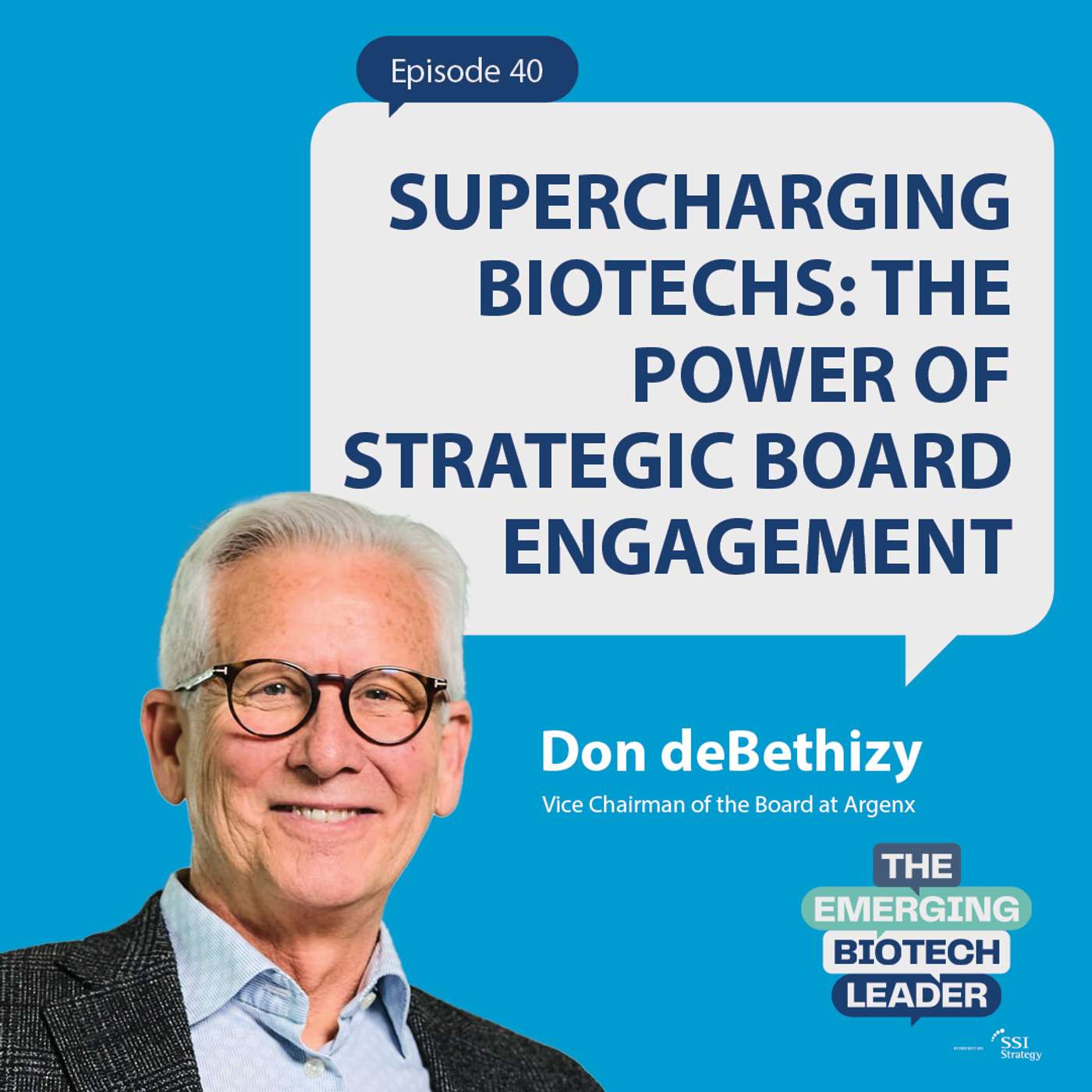
Ep 40Supercharging Biotechs: The Power of Strategic Board Engagement
How can biotech CEOs and their boards foster strong, trusting relationships that drive effective decision-making and long-term success? In this episode of Emerging Biotech Leader, host Kim Kushner explores this critical question together with Don de Bethizy. Don is a seasoned life sciences executive with over 30 years of experience, having served as a founder and CEO as well as board member and advisor. The episode highlights key strategies for building trust, setting clear objectives, and managing board relationships, making it essential listening for anyone looking to enhance their leadership approach in the biotech industry. Here you’ll find actionable advice that can significantly impact your company’s success and your own professional growth. Key takeaways include: The delicate balance of board relations: Don stresses the importance of transparency with the board while maintaining a strategic focus. Building the right team: "Get the right people on the bus, but in the right seats," Don advises. He discusses the challenges of early hiring decisions and the need to make tough choices quickly when someone isn't the right fit. Leveraging board expertise: Don highlights the value of specialized committees, like R&D, to dive deeper into critical areas without bogging down full board meetings. Throughout the discussion, Don's humility and willingness to learn shine through. He candidly shares mistakes and lessons learned, offering a refreshing perspective on leadership growth. Tune in to gain a deeper understanding of what it takes to successfully manage board relationships, refine your strategic focus, and build a culture of accountability and trust within your organization. Are you leading a biotech and would like to share your experience with our podcast audience? We'd love to hear from you!
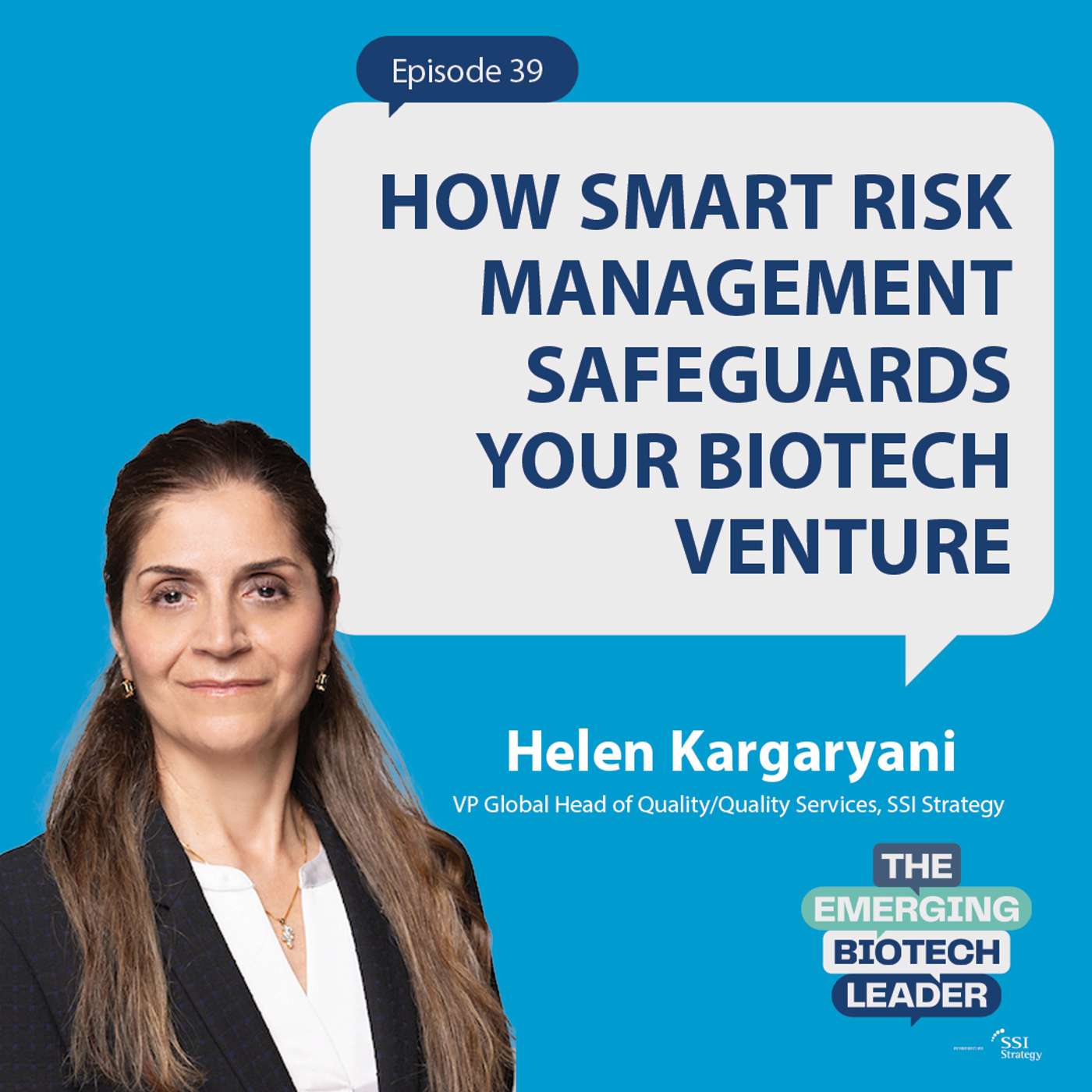
Ep 39How Smart Risk Management Safeguards Your Biotech Venture
In this episode of "The Emerging Biotech Leader" podcast, host Ramin Frahood speaks with Helen Kargaryani, VP Global Head of Quality/Quality Services at SSI Strategy. With over 30 years of experience in the pharmaceutical and biotech industries, Helen shares her expertise on quality and risk management. Risk management in these industries is a critical process that helps companies identify, prioritize, and mitigate potential issues affecting their operations, compliance, and financial stability. "Quality is the ultimate goal” Helen explains. “A Quality Management System maintains quality, while risk assessment helps us identify and mitigate risks to quality. Together, these three elements build a solid platform for compliance in the company." The approach varies between organizations based on their specific business, stakeholders, and patients served. Key Takeaways: Proactive risk management is essential for biotech and pharma companies: It helps avoid regulatory issues and financial losses, working in tandem with quality management systems (QMS) to ensure effective compliance. Risk management should be tailored and integrated: Strategies need to be customized to a company's size, resources, and specific needs. Importantly, risk management should be integrated into company-wide strategy and culture, not isolated to a single department. Common pitfalls in risk management can have severe consequences: Many companies fail by either not including risk management in strategic planning or not implementing it effectively. This can lead to regulatory non-compliance, financial losses, and potential product shortages affecting patients. Early implementation is crucial, especially for startups and small biotech firms: Even with limited resources, companies should start implementing risk management early on a small scale, ensuring their approach is scalable as they grow. This episode provides valuable insights into the critical role of quality and risk management in the biotech and pharmaceutical industries, based on Helen’s extensive professional experience and perspective. If you'd like to discuss how you might apply these learnings to your own context, contact us at [email protected]
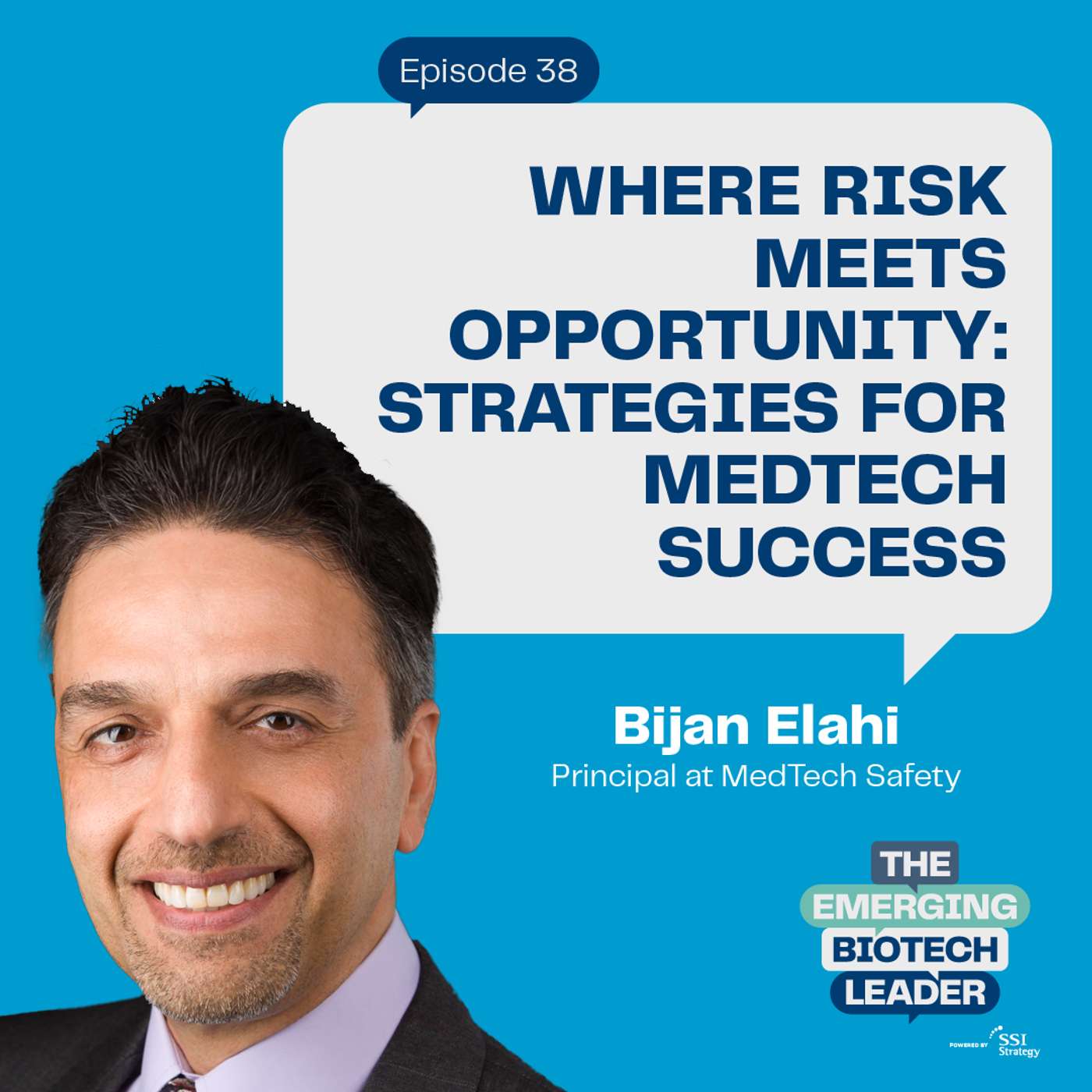
Ep 38Where Risk Meets Opportunity: Strategies for MedTech Success
This episode offers critical insights on leveraging risk management as a strategic advantage in medical device development. In a conversation with Ramin Farhood, Bijan Elahi, with over 30 years of experience, provides a roadmap for integrating safety considerations into innovation pipelines, potentially accelerating time-to-market and enhancing competitive positioning. Key Strategic Takeaways: Early integration of risk management, starting at the concept stage, can significantly reduce costs and accelerate time-to-market. This approach can level the playing field between firms of different sizes and serve as a market differentiator. Bijan emphasizes the balance between innovation and safety, noting that firms demonstrating significant benefits, especially in underserved areas, may find more regulatory flexibility. Risk-based approaches are increasingly expected across all business operations. Implementing this holistically can improve efficiency and reduce vulnerabilities in supply chain and manufacturing processes. Strategic Implications: Prioritize early investment in risk management capabilities for long-term cost savings and faster market entry. Consider risk management expertise in key hires and partnership decisions. Use risk management insights to refine product pipeline strategy, focusing resources on projects with the highest likelihood of regulatory success and market acceptance. Foster a company-wide culture of safety and risk awareness. This aligns with regulatory expectations and can drive responsible innovation. Robust risk management practices can serve as a powerful narrative for investors, demonstrating foresight and responsible innovation. By integrating these insights, companies can potentially accelerate development timelines, enhance their competitive position, and build a reputation for responsible innovation that resonates with regulators, partners, and customers alike. Are you leading a biotech and would like to share your experience with our podcast audience? We'd love to hear from you! Please reach out to us.
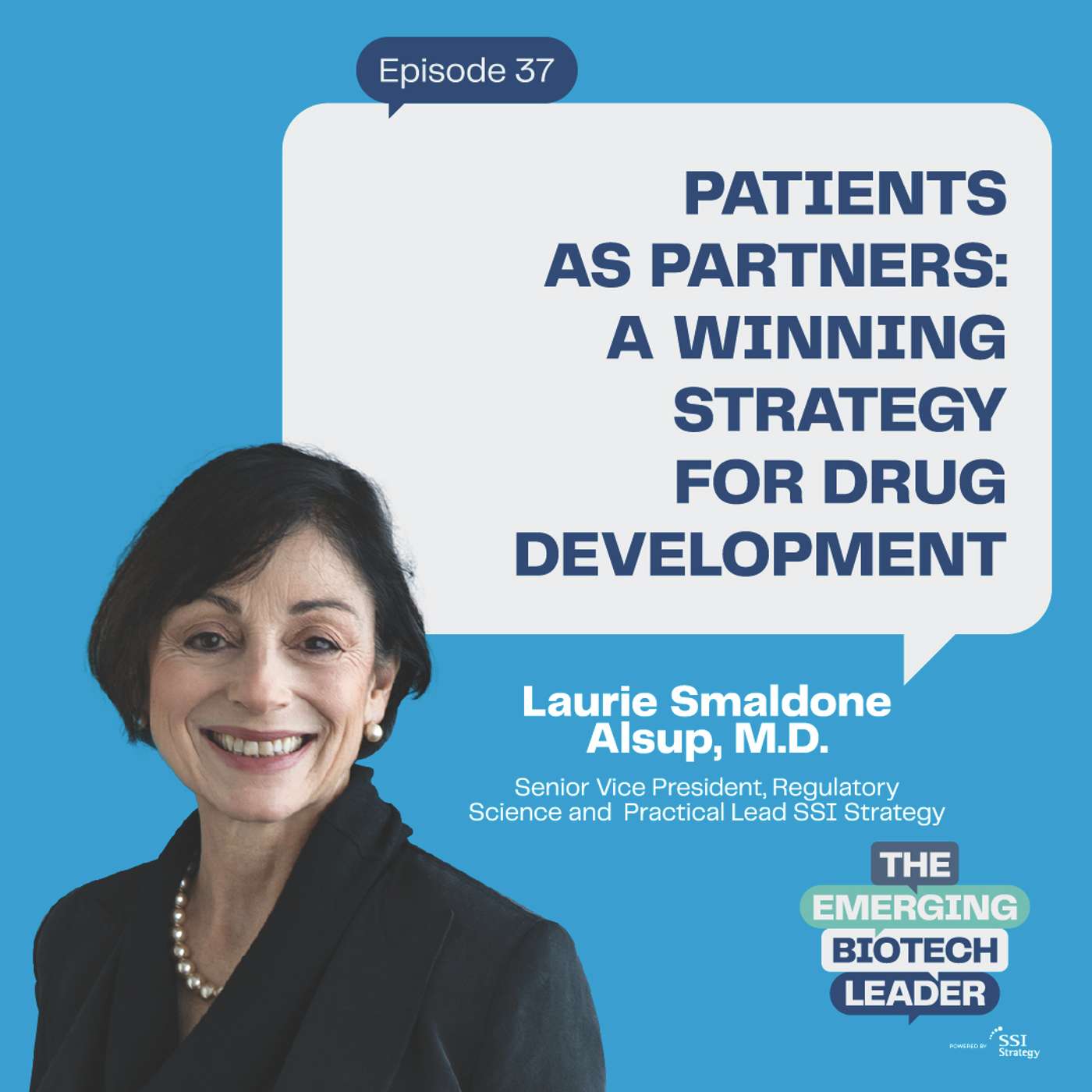
Ep 37Patients as Partners: A Winning Strategy for Drug Development - Laurie Smaldone-Alsup: 37
The latest Emerging Biotech Leader podcast tackles the important topic of patient-focused drug development, offering valuable insights for the biotech industry. Our host Kim Kushner engages in an insightful dialogue with Dr. Laurie Smaldone-Alsup, SVP Regulatory Science at SSI Strategy, who brings years of hands-on regulatory experience to the conversation.Laurie’s career, spanning from pioneering HIV/AIDS treatments to her current work in rare diseases, underscores a powerful message: patients are not just beneficiaries of drug development, but essential partners in the process. She explains how early collaboration with patient advocacy groups can transform the development process, providing invaluable insights that shape everything from clinical trial design to regulatory strategies.The discussion explores the delicate balance between scientific rigor and patient needs, particularly in the context of rare diseases. Laurie offers practical advice on educating regulators, developing meaningful endpoints, and building a solid foundation of disease understanding. Her approach challenges the notion that speed always equals progress, advocating instead for a thoughtful, patient-centric strategy that may initially seem slower but ultimately leads to more successful outcomes.Another often overlooked challenge is getting boards and investors to support a patient-focused approach. Here Laurie shares strategies for convincing stakeholders of the long-term benefits, even when they're focused on short-term results.This episode is more than just a discussion; it's a call to action for the biotech industry to reimagine drug development with patients at its core. For leaders and innovators in the field, it provides not just food for thought, but actionable strategies to enhance their approach to drug development and, ultimately, improve patients' lives.If you'd like to discuss how you might apply these learnings to your own context, contact us now.
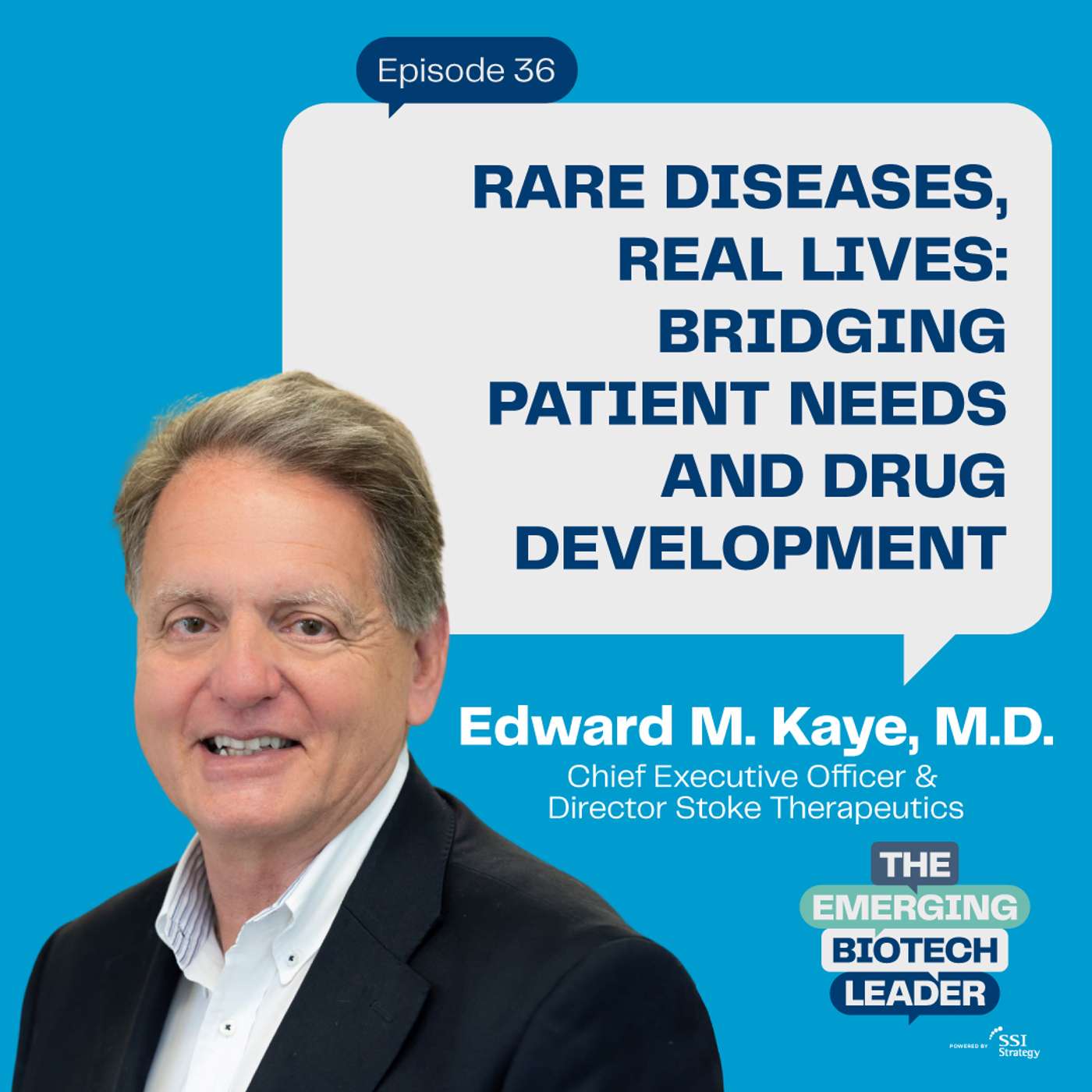
Ep 36Rare Diseases, Real Lives: Bridging Patient Needs and Drug Development - Dr. Edward M. Kaye : 36
On this episode of Emerging Biotech Leader, Kim Kushner sits down with Edward M Kaye, M.D., CEO and director of Stoke Therapeutics, to talk about his work in rare disease drug development.Throughout their conversation, Ed describes the challenges of first-in-class drug development. He explains the importance of understanding diseases thoroughly and the value of natural history studies. He also discusses making the case for long-term research to investors and the lack of established roadmaps.What stands out is Ed's emphasis on putting patients at the center of the drug development process - not just as a tagline, but in practical, impactful ways. He talks about how Stoke includes patients in their work, from getting input on trial designs to keeping patient groups informed about company updates. This approach, Ed argues, not only benefits the patients but also de-risks development by ensuring the end product truly meets patient needs.When it comes to success in biotech, Ed takes a broad view. He explains that while drug approval matters, the real aim is ensuring patients can access and use the treatments. This involves working with various healthcare systems and considering patient costs.For biotech leaders tuning in, Ed offers some straight talk on building company culture and the sometimes lonely reality of the CEO role. It's a conversation that gets into the weeds of biotech leadership while never losing sight of the ultimate goal: creating meaningful therapies for patients who need them.This conversation with Ed Kaye offers a practical look at the realities of biotech leadership and rare disease drug development. Whether you're new to the field or an experienced executive, Ed's insights provide valuable perspective on balancing scientific innovation, business challenges, and patient needs in the pursuit of new therapies.Are you leading a biotech and would like to share your experience with our podcast audience? We'd love to hear from you! Please reach out to us.
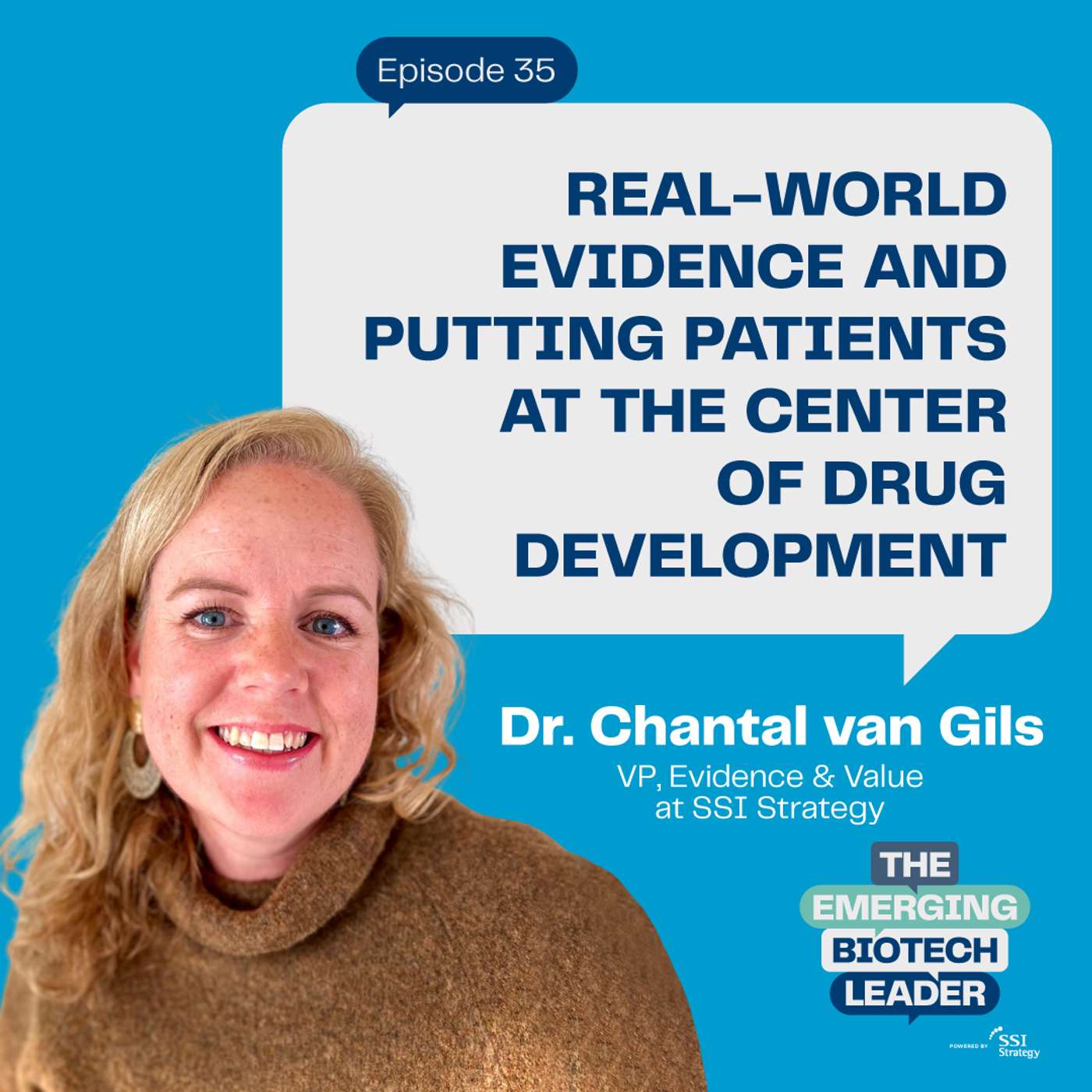
Ep 35Real-World Evidence and Putting Patients at the Center of Drug Development - Dr. Chantal van Gils : 35
Summary:In this episode, host Kim Kushner is joined by Dr. Chantal van Gils, a leading expert in evidence and value strategy at SSI Strategy. Building on the previous podcast discussion with Christian Howell of Cognito, this episode delves into three key themes:1) differing evidentiary requirements for medical devices versus pharmaceuticals, 2) the critical importance of patient-focused drug development, and 3) strategies for getting buy-in to invest in real-world evidence generation. Chantal explains the historical divide between the evidentiary burdens for drugs versus devices is narrowing as innovative companies push the boundaries. The role of real-world evidence is becoming increasingly vital - not just for post-market surveillance, but to help define the problem that needs solving and guide the entire clinical development journey. Chantal emphasizes that RWE data is critical not just for regulatory approvals, but for convincing payers and patients of a product's value in the real world. She shares insights on how leading companies are building the business case and narrative around building real-world evidence as this strategic imperative. Overall, this conversation offers a nuanced, forward-looking perspective on the evolving evidence standards shaping the biotech and medtech industries. Chantal's expert insights and the relatable style make this a must-listen episode for anyone seeking to understand the changing landscape and stay ahead of the curve. If you'd like to discuss how you might apply these learnings to your own context, contact us now.
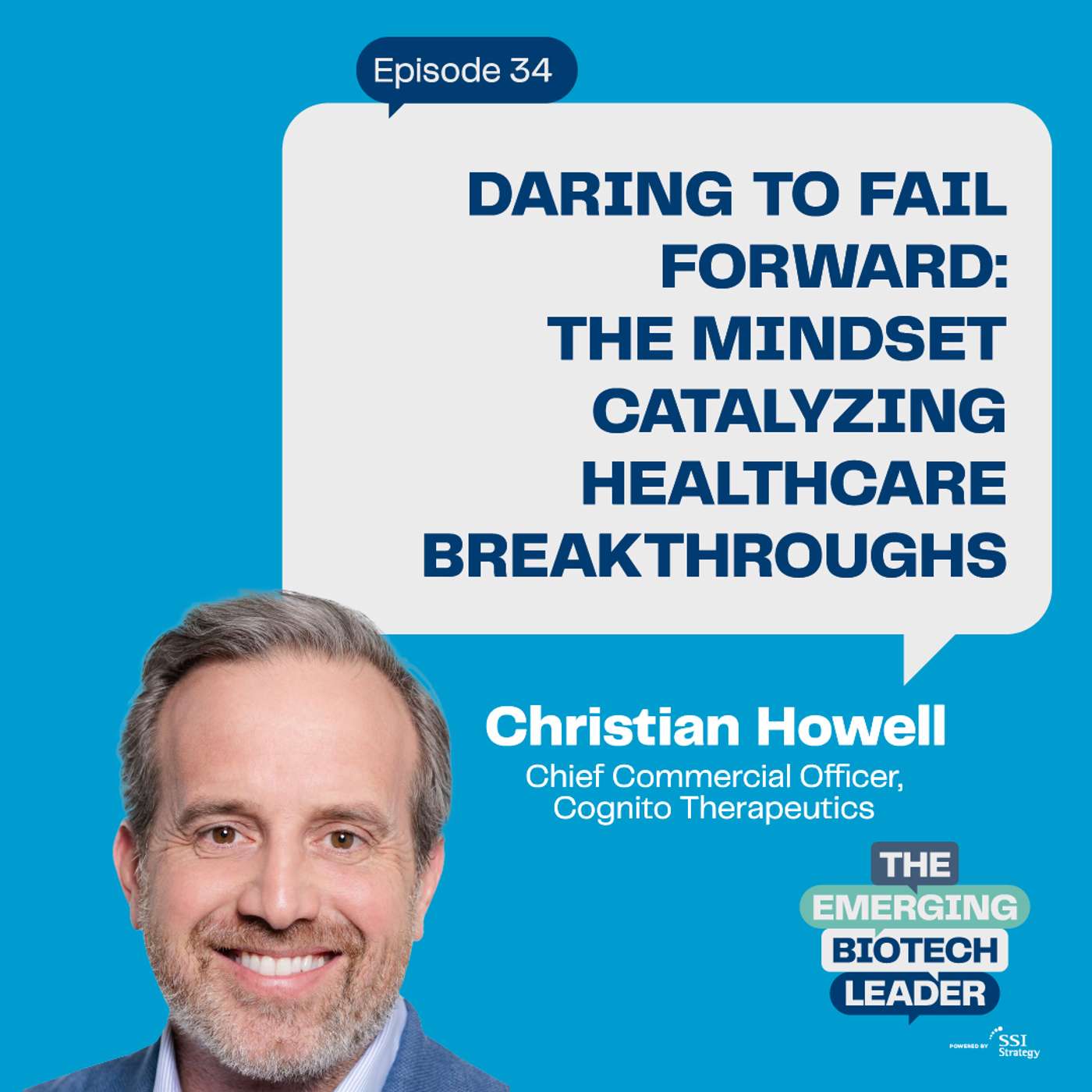
Ep 34Daring to Fail Forward: The Mindset Catalyzing Healthcare Breakthroughs - Christian Howell : 34
This episode features an interview with Christian Howell, Chief Commercial Officer at Cognito Therapeutics, a biotech company pioneering a neurotechnology approach to treat Alzheimer's disease. Christian draws on his diverse background spanning the military, medical device giant Medtronic, and now the biotech industry.The conversation covers Cognito's evidence generation strategy to demonstrate the value of their non-invasive neural stimulation therapy. As Christian states, "It's critical to bring all the key players to the table early and be fully transparent about your data - that's how you build trust and alignment around value."Key takeaways include:The importance of cross-sector partnerships and stakeholder engagement from day oneFostering a culture of innovation through mission-driven leadershipPromoting employee accountability to take smart risksLearning quickly from failures versus avoiding themWith experience implementing value-based healthcare models at Medtronic, Christian also shares unique perspectives on driving innovation while developing novel therapies.Learn from Christian’s approach spanning evidence generation, collaborative value demonstration, and creating an environment primed for breakthrough thinking. Listen in and get inspired!Are you leading a biotech and would like to share your experience with our podcast audience? We'd love to hear from you! Please reach out to us.
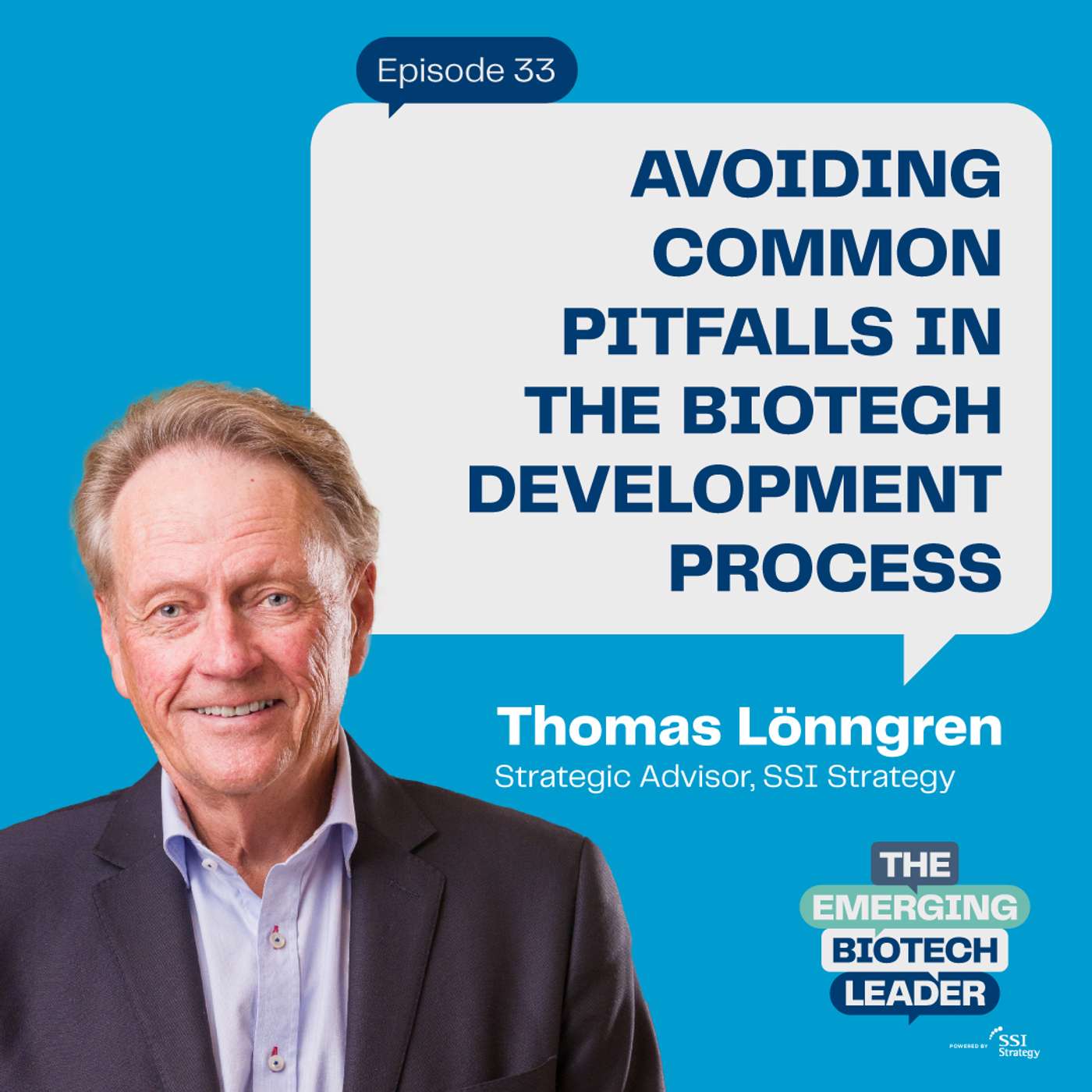
Ep 33Avoiding Common Pitfalls in the Biotech Development Process - Dr. Thomas Lönngren : 33
Episode Overview:In this podcast interview, Ramin Farhood hosts Dr. Thomas Lönngren, an expert in drug regulation, approval, and market access. Thomas has an impressive career spanning over three decades, including a transformative tenure as the executive director of the European Medicines Agency (EMA). He currently serves as a strategic advisor, leveraging his experience to guide pharmaceutical companies and biotech through the complex landscape of regulatory approval and market access in the US and Europe.A central piece of advice is the critical importance of early engagement with regulators, as he states, "Lesson number one, talk with the regulators first, and then you could start to build your regulatory strategy." This is especially important for novel modalities or complex products, allowing companies to shape their approach from the outset, understand the development path, and anticipate associated costs.However, Thomas emphasizes that regulatory approval alone is insufficient for commercial success in today's landscape. Companies must also consider health technology assessment (HTA) and payer requirements, which can be more stringent than regulatory approval. Designing clinical trials with comparative data and incorporating real-world evidence from the start is essential to demonstrate meaningful value for patients and secure reimbursement.Many biotech boards, particularly those dominated by US members, often overlook the global nature of the industry. Thomas advocates for boards to maintain a worldwide perspective, considering regulatory and access hurdles beyond just the US market. Failure to do so can result in costly delays and potential failure to commercialize a product successfully.Looking ahead, he highlights emerging trends such as increased use of real-world data, remote monitoring of clinical trials, and joint HTA evaluations in Europe for oncology and advanced therapy products. Companies must stay informed of these developments and adapt their strategies accordingly.Key takeaways:Develop a regulatory strategy early, engaging with regulators for novel modalities.Consider HTA and payer requirements from the outset, not just regulatory approval.Design trials with comparative data and explore real-world evidence opportunities.Boards must have a global perspective and understand requirements beyond the US.Attract experienced biotech talent for leadership roles and functional experts.If you’re facing similar challenges to those discussed in our podcasts, contact us now.
Ep 32Redefining Roles: From Medical Practice to Biotech Ventures - Keith Gottesdiener : 32
In this episode of the Emerging Biotech Leader podcast, hosts Kim Kushner and Ramin Farhood interview Keith Gottesdiener, President and CEO of Prime Medicine. They discuss Keith's unconventional career path, which spans roles as a physician, research scientist, drug development leader at Merck for over 16 years, and entrepreneurial biotech CEO at Rhythm Pharmaceuticals before joining Prime Medicine.A key theme is Keith's approach of purposefully taking on new challenges outside his comfort zone at pivotal career junctures to expand his skills and experiences. He began as a practicing physician and research scientist, spending around eight years treating patients and conducting academic research. However, he found the slow pace of academia too limiting for his impatient, entrepreneurial mindset and what he wanted to achieve in life.Keith talks about the transition to his first CEO role at Rhythm, where he had to quickly learn areas like fundraising, board management, and shaping the company culture despite his extensive pharma background. He emphasizes the criticality of building the right team with a collaborative, agile mindset suited for the biotech environment. Keith shares his philosophy that "People are really what makes a biotech great...you have the opportunity to form a culture that will allow biotech to succeed" and his methods for evaluating and recruiting talent aligned with the company's vision.He contrasts the experiences of biotech company building versus his big pharma tenure at Merck, mentioning the need for flexibility and navigating funding challenges amidst the current constrained investment cycle while trying to rapidly scale Prime Medicine. The conversation also touches on Prime Medicine's new therapeutic approach via its proprietary technology, as well as Keith's perspectives on leadership and entrepreneurial mindsets.Overall, the episode provides insights into the multifaceted skillset required to lead ambitious, transformative scientific endeavors as a biotech entrepreneur.Are you leading a biotech and would like to share your experience with our podcast audience? We'd love to hear from you! Please reach out to us.
Ep 31Balancing Current Needs and Long-Term Goals in Biotech : 31
In this engaging episode of the Emerging Biotech Leader podcast, Kim Kushner, Ramin Farhood, and Jackie Levine discuss the key lessons learned from the previous conversation with Dr. Dan Bloomfield, CMO at Anthos Therapeutics. The trio focuses on the challenges biotech companies face when building organizations with evolving goals, the important role of leaders as connectors, and the magnitude of self-awareness and humility in effective leadership.Jacqui emphasizes the significance of collaboration as well as introspection, stating, "It's about being self-aware and having a good understanding of what your strengths are and where there might be some gaps, whether it's in a particular expertise or a skill, and then being able to pull in the right people."The hosts explore strategies for biotech companies to balance current needs with long-term objectives while maintaining organizational flexibility. They highlight the value of leaders who actively build connections across different departments, enabling them to become more strategic thinkers and partners.The conversation sheds light on the key attributes of effective biotech leaders, emphasizing the importance of humility and the ability to trust and empower their teams to drive success in a rapidly evolving industry.If you’re facing similar challenges to those discussed in our podcasts, contact us now.
Ep 30Growing Early Biotech Startups Through Connection - Dan Bloomfield : 30
In this episode of the Emerging Biotech Leader podcast, hosts Kim Kushner and Ramin Farhad speak with Dr. Dan Bloomfield, Chief Medical Officer of Anthos Therapeutics. Dan generously shares insights from his diverse career that has spanned academia at Columbia University, over a decade at big pharma giant Merck across multiple leadership roles, and most recently entrepreneurial biotech startups.A central theme that emerges in the discussion is the immense value Dan found in intentionally gaining cross-functional exposure early and often throughout his career. This allowed him to develop a well-rounded perspective and understand the critical interdependencies across an organization's many components. Dan openly shares how when stepping into new roles interfacing with specialized teams like discovery and R&D, he'd be upfront with not knowing the intricacies of the things that are just common knowledge to senior scientists. While he understands the overarching goals, the finer operational details fall under the deep know-how of those teams. This humble approach shows an openness to learn from and leverage the subject matter experts around him. As Dan puts it, "I won't be able to tell you how to run an assay or select compounds, but I'll guide our overall direction."Dan emphasizes the importance of actively seeking out opportunities to learn about different disciplines and roles. By expressing genuine curiosity about the expertise of others, he has been able to rapidly expand his own knowledge base. The conversation also covers insights Dan gained on the importance of proactively managing board and investor expectations through radical transparency about risks, timelines, required resources, and potential roadblocks at each stage. Dan also shares his perspectives on strategically building the optimal team makeup through a thoughtful combination of full-time hires and leveraging external consultants or contractors based on the inflection points on the horizon. This allows reserving capital while still accessing specialized expertise when needed.Overall, this interview is packed with hard-won wisdom on leadership development, making the transition from bureaucratic big pharma to lean, innovative biotech environments, attracting top talent, and cultivating an entrepreneurial mindset. Dan's authentic sharing of experiences offers highly applicable lessons for biotech professionals in executive roles.Dan’s key takeaways:Continually seek cross-functional opportunities to build a well-rounded skill setMaintain humility and openness to learn from subject matter expertsBalance full-time hires with external consultants/contractors for flexibilityAre you leading a Biotech and would like to share your experience with our podcast audience? We ‘d love to hear from you! Please reach out to us.
Ep 29Lessons In Biotechs with Bold Missions - Bob Honigberg : 29
In this episode of the Emerging Biotech Leader podcast, hosts Kim Kushner and Ramin Farhad are joined by Bob Honigberg to further discuss the considerable challenge of achieving bold missions in healthcare. Building on their discussion from Episode 28 where they interviewed Cleerly Health founder Dr. Jim Ninh, the episode provides useful perspectives for any mission-driven biotech seeking to prove game-changing healthcare concepts. What does it take to achieve major goals that could reshape patient outcomes worldwide?Bob emphasized the most important hurdle companies face when pursuing daring healthcare mission. He noted that "Large, well-designed studies proving impact on outcomes as well as cost are needed for clinical adoption, regulatory approval, and reimbursement. This level of evidence takes significant investment." Bob's point highlights the challenge of gathering robust clinical data at meaningful scales. This perspective resonates throughout the conversation, as generating rigorous evidence through extensive studies is consistently referred to as the foundational requirement for proving solutions and achieving ambitious goals that could transform patient care.Some key points were made about generating robust clinical evidence to support these missions:Large, well-designed clinical trials involving thousands of patients are needed to prove concepts, change practice, gain approvals and reimbursement. Downstream data is important to show how diagnostic or predictive tools impact treatment decisions and health outcomes. Real-world evidence of clinical utility is critical.Long-term studies may be required to demonstrate prevention of disease progression and cost savings over time. This level of evidence takes significant upfront investment.Standards of evidence will be high when trying to shift treatment paradigms or gain recommended screening status from influential bodies.In summary, Kim, Ramin and Bob made it clear that delivering on bold missions in healthcare requires tackling the difficult challenge of generating robust clinical evidence through extensive studies. While an audacious vision can motivate teams, that alone is not enough - proven impact must be demonstrated to realize the transformation.Tune into the full conversation, where our team unpack this issue in greater depth and discuss creative ways that industry pioneers are overcoming these barriers.
Ep 28Lessons In Clinical Trials With The Unlikely Entrepreneur - Jim Min : 28
"I believe that we can eradicate heart attacks from this world...If we can leverage these tools to accomplish those three goals, whether it's in coronary heart disease, valvular heart disease, myocardial disease, et cetera, et cetera, I think that's going to not be a slight improvement. I think it's going to be a game changer in terms of improving patient care and outcomes." ~ Jim Min, Founder and CEO at CleerlyIn healthcare, there is a constant need for innovation and improvement. One company making significant strides in this field is Cleerly Health, founded by Jim Minh. In a recent discussion, Jim and Ramin Farhood, a leading cardiologist, delved into building a research-based business organization and transitioning from prevention in the clinic to prevention at scale. They also explored the challenges of driving behavior change in the medical community to enable prevention. We will closely examine their insightful conversation and the groundbreaking work being done at Cleerly Health.Building an Asset in Clinical PracticeCleerly Health, founded in 2017, has emerged as a prominent player in the healthcare industry. With a focus on creating a standardized and personalized care pathway for coronary heart disease, the company leverages imaging and end-to-end artificial intelligence (AI) to achieve its goals. Cleerly Health aims to provide a comprehensive evaluation, education, treatment, and tracking system for patients with heart diseaseJim, a former cardiologist at Cornell Medical College and New York Presbyterian Hospital, has firsthand experience with the effectiveness of personalized medicine in cardiology. However, he realized the need to scale this approach and automate certain processes for more accurate insights. This realization led to the founding of Cleerly Health, with the goal of optimizing personalized medicine in cardiology using imaging technology and AI.One of the critical challenges that Cleerly Health faced during its early stages was the feasibility of its approach. Developing algorithms, obtaining FDA clearance, and securing reimbursement from insurance payers were all significant hurdles. Despite these challenges, the founders remained determined to change the standard of care for heart disease prevention radically.Cleerly Health focused on building a business that had a strong research foundation. This foundation was crucial for obtaining coverage and reimbursement from insurance providers. The company realized that in the healthcare industry, high-quality science is necessary to drive commercial growth.Driving Behavior Change in the Medical CommunityTo achieve its ultimate goal of preventing heart disease and heart attacks, Cleerly Health adopted a disease-based approach to cardiovascular evaluation and treatment. This approach places emphasis on treating individuals with disease rather than waiting for symptomatic manifestations. Currently, the majority of heart attack patients do not exhibit symptoms before their events, underscoring the need for a shift in the current symptom-driven model.The company is currently focused on treating the symptomatic population but is also pursuing a large-scale randomized control trial called the Transform study. This trial aims to study the efficacy of Cleerly Health's approach in the asymptomatic population. By expanding patient identification and treating individuals proactively, they hope to improve outcomes and reduce costs in the long run.The Future of Cardiology and Digital TherapeuticsWhile Cleerly Health is making significant strides in the field of cardiology, it is not the only player focused on improving patient outcomes. Verily, a company that combines technology, science, and healthcare, is also working on developing technologies for earlier disease detection, interventions, and more personalized healthcare. Verily has developed advanced algorithms that analyze medical imaging data to predict the risk of cardiovascular disease.Adopting digital therapeutics, such as software-based interventions, has also gained momentum. These interventions can improve patient outcomes, reduce healthcare costs, and increase access to care. However, challenges and barriers still need to be overcome for widespread adoption, including reimbursement and data privacy issues.Cleerly Health is at the forefront of revolutionizing the field of cardiology. Through their innovative approach, leveraging imaging and artificial intelligence, they are working towards standardizing and personalizing care pathways for coronary heart disease. Their focus on comprehensive evaluation, standardized care, and personalized treatment highlights their commitment to improving patient outcomes and reducing healthcare costs.As the future of cardiology unfolds, collaboration between companies like Cleerly Health and Verily, along with healthcare providers and regulators, will be crucial. The healthcare industry can strive toward a future where diseases like heart attacks can be er
Ep 27Building A Biotech - Adriana Valenciano : 27
“I think outcomes for a lot of people means meeting milestones. So hitting that next clinical milestone, CMC milestone, et cetera, and that's, I think, one way of looking at it. Still, it's also about the culmination of outcomes and achieving something greater than bringing together one discipline and one win." ~ Adriana Valenciano, SVP, SSI Strategy In this episode of the Emerging Biotech Leader podcast, hosts Kim Kushner and Adriana Valenciano discuss building an outcome-driven biotech company. The conversation focuses on three key themes: planning for globalization from the earliest stages of development, taking a multidisciplinary approach to defining milestones, and ensuring your team has the right skills at each growth stage.Key TakeawaysThe importance of planning for global markets, not just focusing on the US (5:14)Strategic considerations when deciding which markets to prioritize (6:14)The advantages of taking a parallel global strategy approach (7:31)Why biotechs should build in flexibility for pivoting regulatory strategies (10:17)Tips for setting up global success early on (10:45)The downsides of siloed, function-specific milestones (11:43)Ways leaders can facilitate cross-disciplinary collaboration (13:17)An example of a company pivoting its strategy after regulatory feedback (14:45)The agility required when strategies change unexpectedly (16:52)Ensuring your team has the skills to handle changing milestones (18:31)Sourcing talent with multidisciplinary biotech experience (20:56)Building an Outcomes-Driven BiotechAchieving specific goals and milestones in biotech is crucial for organizations to thrive. This intentional results-oriented approach forms the foundational principle of being outcomes-driven. As Adriana explains, these outcomes go beyond clinical and CMC milestones; they encompass achieving regulatory buy-in, creating a straightforward patient-focused story, and ultimately moving the organization forward.Planning for Global Success: A Multidimensional ApproachRegarding global success in the biotech industry, traditional paths may not always be the most efficient. While the default for many US-based companies is to run clinical trials in the US and seek FDA approval first, exploring other regions and countries as part of a global strategy can yield significant advantages.Adriana highlights Canada's excellent centers and patient populations as a strategic platform for specific disease areas. Moreover, Europe may favor companies targeting pediatrics due to different regulatory requirements. Understanding the global regulatory landscape and what regulators prioritize in different regions is essential for successful international expansion.A parallel development approach can also be advantageous, such as having a leader and a follower or running programs in parallel. In addition, economic benefits and reimbursement incentives in other parts of the world can support biotech organizations with limited funding. By considering these factors and taking a global approach, companies can accelerate their drug development process and increase efficiency.Break Silos With A Multidisciplinary ApproachThe biotech industry is composed of multifaceted challenges that demand a multidisciplinary approach. It is not enough for individual functions to address their own problems and milestones independently; cross-disciplinary collaboration is essential.In smaller organizations, there is often a high level of connectivity and collaboration across disciplines. However, it is essential to remember that cross-discipline collaboration doesn't automatically account for organizational-wide planning. Influential leaders ensure that disciplines work together and collaborate seamlessly, allowing the team to build alternative strategies and adapt to new goals.Adriana shares an example of a biotech company that had to reevaluate their strategy and bring the team together due to regulatory feedback. By involving different functions and data management, the team made necessary adjustments and successfully pivoted their approach. Motivation, collaboration, and good leadership were critical factors in adapting to new goals and adjusting plans.The Power of Flexibility and AgilityVariables outside a biotech company's control, such as regulators, payers, feedback from the medical community, patients, and investors, can significantly impact outcomes and milestones. A balance between defining critical outcomes and key milestones while allowing flexibility and agility is crucial to navigating these uncertainties.Adriana emphasizes that outcomes and milestones must be clear enough to rally the team and enable future iterations and adaptation. The ability to pivot and adjust strategy is paramount for success in the biotech industry, especially when considering complex regulatory landscapes, securing funding, and responding to changes in the market.Looking Ahead for the Biotech IndustryDespite the challenges the biotech industry fac
Ep 26Recalibrating Early Stages of Corporate Build - Johan Strömquist : 26
“Getting a drug to market is a change journey. The whole process is a change journey. And we pass through so many different stages and gates on the way there: we need to adapt almost regardless of circumstances, even if everything goes according to plan, we have to shift.” Johan Stromquist, President, NDA GroupAs the quote above alludes, launching a biotech is never a linear journey. While there are tried and true processes and a documented multidisciplinary approach in bringing assets to market, adaptation to change is also required. And there’s no better trio equipped to discuss this vital topic–navigating change when planning and bringing innovations forward–than Kim Kushner, Doug Locke and Johan Stromquist. During this Episode, a first for Johan in the guest seat, you’ll hear a candid discussion on the various transformational stages organizations go through at major inflection points of growth, both funding and clinical. We hope you agree, this topic could not be more timely or relevant. Today’s market and landscape are forcing all sorts of change regardless of biotech companies being in the early stages of corporate build or, much further along in maturity. On that note, here are a few of the overarching themes to listen out for during this episode: Navigating people and resource sensitivities as a leaderHow to move past paralysis analysis when revising the former plan for a new one Scaffolding regulatory pieces as a framework for planning Assessing when to bring in council, partners and vendors as a stop gap and expert resourceTrue to form in each episode of The Emerging Biotech Leader, there is so much more covered including the types of people you need on your team (build vs operate talent), their key strengths and how to ensure you have both at the right time. With that foundation set, let's delve into some of the quotes and soundbites from Episode 26. On Building, Fixing and Meeting Change Head On Kim kicked off this topic and conversation by first inviting Doug to weigh in on how leaders are thinking about their design–where to start and where to build–across inflection points. Here’s what he’s been seeing in terms of the market and shifts. “I've been in about 15 meetings in the last three months where our corporate sponsors, usually the CEO, sometimes the CMO, or R+D regulatory head, they're up against some major change in the company. I mean, we all know what's going on in the marketplace right now with the cost of capital: interest rate, debtor and lender agreements are tough. Some movement there is precipitating a fresh look. At the timeline of the company relative to market facing goals and capital, you know the questions are, ‘Can we afford this program? Do we need to look at what we were going to deliver and are we going to change the timeline? Do we need to change the timeline because we don't have the bandwidth we thought we had?’ All of those issues are on the table. So a lot of different use cases of, ‘I have plenty of capital, but what we have is unworkable. I have limited capital and I have a goal that's too grand. And what do we do about that?’ This is the basis of the inflection point you're talking about.” Doug goes on to detail the amount of people, processes and systems impacted by these changes. Leaders have to think through funding, the talent on the team, the marketplace, their board, and their investors as well.If you should find yourself at a similar crossroads, Doug, Kim and Johan discuss how to start navigating this and here’s a hint. As cliche as it may sound, you don’t have to navigate it alone. Johan shares, “I think that one of the greatest signs of leadership is the courage to ask for help. I think that is so important when you find yourself in these quite precarious leadership positions in biotech companies.”In terms of the types of changes leaders are evaluating, Doug does go on to clarify. “Some are looking for a form of major intervention, maybe like a RIF or total change of go to market and others are seeking counsel. I.e ‘How can I make this happen?’” As you’ve heard on the show before, it isn’t uncommon for early stage biotech founders and teams to have a lot to figure out. Kim sheds more light. “There's the concept that organizations in their earliest stages are trying to figure out, ‘Where do I build my initial programs? What country am I going to for my phase 2 because that seems to give me the greatest path forward from a regulatory perspective? And I need to figure out, ‘How am I going to get to market sooner than later somewhere?”On the opposite side of that early stage planning and analysis, is the “fix stage” that Doug described when kicking this conversation off. Listen more for Kim’s distinction between the two, early stage vs fix stage companies, around 4:40. As a key contribution to this topic, Johan shared that regardless of stage, building a biotech and getting a drug to market is a change journey. “Even if everything goes according to plan, we
Ep 25When's the Best Time to Think About Safety? It's Now - Gregory Fiore : 25
“The reality is that the earlier one thinks about and invests in a safety process and a safety system, the more dividends that early thinking pays downstream.” Dr. Greg FioreHarvard-Trained Physician. McKinsey Consultant. Startup Advisor. These are just a few of the titles that describe our next guest, Dr. Greg Fiore. As one might imagine, with these titles comes a unique lens and broad array of experience within the world of pharmacovigilance (PV). Expanding upon the topic of PV and safety from Episode 24, “Cultivating A Culture of Safety” with Dr. Jason Campagna, Greg, the CEO of Exacis Biotherapeutics, joins Amit and Ramin to carry the conversation forward–providing best practices and wisdom from his 25+ year career. During this interview, all three cover topics that emerging biotech founders should have top of mind when it comes to pharmacovigilance including: When to think about safety.What role AI might play in safety within the next few years and, The skill sets and strengths that a safety/PV career cultivates and relies on. As a fun fact, did you know? The etymological roots for the word “pharmacovigilance” are: Pharmakon (Greek) = medicinal substance, and Vigilia (Latin) = to keep watch. (Source: Fornasier G, Francescon S, Leone R, Baldo P. An historical overview over Pharmacovigilance. Int J Clin Pharm. 2018 Aug;40(4):744-747. doi: 10.1007/s11096-018-0657-1. Epub 2018 Jun 15. PMID: 29948743; PMCID: PMC6132952.) Back when Greg and Ramin first started their careers, pharmacovigilance had very little to no budget, and Greg even joked that he had to look the word up in the dictionary. Times have changed. As of today, LinkedIn shows 3,000+ pharmacovigilance roles available in the United States alone. What you’ll hear during this conversation as well is that a key piece to a PV career entails building and maintaining subject matter expertise as it pertains to regulations around safety especially mandated by health authorities such as the FDA (Food and Drug Administration) in the United States or the EMA (European Medicines Agency) in Europe. Before you settle in to listen to the full episode, take a quick glimpse at these overarching highlights. On His Start In PV/Safety If Greg’s various titles piqued your interest, here’s how a few of them came to be plus a backstory on how he made his way to safety. “I was training in internal medicine and went into a pulmonary fellowship up in Boston at Brigham and Women's Hospital. And at the time, many of my colleagues had transitioned into non-traditional medical careers. This is going back 25 years and that was much less commonplace than it is today. So I started to explore what else was out there, you know, where else I could learn new skills. And I stumbled across McKinsey and Company and subsequently joined the company a couple of years into my fellowship in pulmonary. I never even completed the pulmonary fellowship. While I was at McKinsey, I learned quite a bit. As I started to look into my next step, the pharmaceutical industry made a lot of sense to me. And I ended up having a conversation–as many of us do–with a recruiter who really caught my attention around a very unique role at a large pharmaceutical company who had just acquired another pharmaceutical company.And they had budgets in many of the different functions to complete the integration activities, but the pharmacovigilance department did not have such a budget at that time. I had to look up the word pharmacovigilance because I really didn't know what it was actually back then. The job really was a hybrid of a medical role, pharmacovigilance physician, but also really taking the lead on the integration activities so it sounded great. It was in a wonderful city. And I made the move into that company. Very shortly after I joined, the integration project got put on hold for a bit. And immediately, I had to dive very deeply into the pharmacovigilance activities and learn about the single case reports and periodic safety update reports. So that was my introduction.”On The Best Time To Start Safety Much like Jason advised in Episode 24, Greg wholeheartedly agrees that the earlier a biotech can think about safety, the better. But the key question here is why? “I can see how some of the thinking around safety and pharmacovigilance and more around the operational side of that can sort of get swept up in the onboarding of CROs and thinking about clinical sites, enrollment, and some of the activities that would seem to be, you know, much more on the radar screen of the investors, let's say in the outside world. The reality though, is that the earlier one thinks about and invests in a safety process and a safety system, the more dividends that early thinking pays downstream.”One specific example Greg shares on those dividends is using a centralized, single integrated database. “Having a single integrated database with a single set of processes allows for the coding and codification of the safety information
Ep 24Cultivating A Culture of Safety - Jason Campagna : 24
“Safety doesn't live outside of you. It's not a yellow ribbon that you wear in hospitals that says, ‘it's patient safety week.’ It's not a sign in your office that says, ‘this is patient safety month.’ It's a consequence of how we approach our work on a day-to-day and hour to hour basis. And it's by definition, therefore, an emergent property of who we are and how we engage with our work.” Jason CampagnaWith great innovation comes great responsibility especially as it pertains to developing new and emerging therapeutics, devices and treatments–which is why we’re covering a new topic here on the show today. We’re focusing on cultivating a culture of safety. In previous episodes of the Emerging Biotech Leader, we have talked about various types of responsibility. There’s the responsibility of managing the team. There’s the responsibility of navigating cross-functional stakeholder relationships. We’ve even touched on the responsibility of presenting to the board. That said, today’s podcast topic of safety is just as pertinent. By textbook definition, safety is the condition of being protected from or unlikely to cause danger, risk, or injury. To help us navigate this topic from the lens of the biotech sector, we have two new voices on the show: Amit Patel, Senior Vice President at SSI Strategy and Jason Campagna, Chief Medical Officer at Q32 Bio, Inc. Q32 Bio is a biotechnology company developing therapeutics targeting powerful regulators of the innate and adaptive immune systems, with the goal of re-balancing the immune system in severe autoimmune and inflammatory diseases.Our main co-host, Ramin Farhood, Sr. Vice President of Medical Affairs Practice at SSI, also lends his thoughts, voice and observations on this topic as well. Back to our featured guest. When it comes to safety, Jason Campagna’s expertise is extensive and vast. He's been a licensed physician leader who's practiced in academic, clinical medicine and private practice. He’s held roles in hospital administration and he’s worked and served on boards in industry as well. We’re thrilled to have Jason as a guest for many reasons including the opportunity to discuss how he prioritizes and strives to cultivate a culture of safety in any organization he leads. If the quote at the top of the page is any indication of his interview style, Jason holds no punches and offers insights that are clear, direct and compelling. On that note, here are a few key takeaways from this episode.On The Importance of Safety In BiotechAmit, Ramin and Jason all agree, building a culture of safety should be a top priority for both established, big pharma companies and smaller biotech startups as well. Afterall, patient safety is a universal concern, and even in the early stages of drug development, safety protocols should be firmly ingrained. From a business and planning standpoint, this means prioritizing safety from day one–focusing on the preclinical and phase one stages. Yet for brand new companies navigating this with limited expertise or covering an entirely new patient population, this may not be as cut and dry. In fact, Jason cautions that all companies should exercise prudence when it comes to prioritizing safety very early on. After some back and forth on this topic, Amit wanted more context. “It sounds like the output is patient safety but what are the inputs?”, he asked to help our listeners. Jason’s answer was very eye opening. “So, this is the eternal dilemma that we face. In the 1980s, there was a really interesting Yale psychologist named Scott Perrow. He wrote a book and it's a widely influential book in the field of safety and risk called Normal Accidents. And he didn't mean “normal” in terms of description of frequency. He meant normal in description of how they unfold. In any major safety event that occurs, it's often the most banal and trivial things that lead to major safety events. It's something very minor. For example, the patient didn't exactly recall that they were supposed to stop their medication at this time. And when they called, the person who got them on the phone was a little rushed and they didn't quite hear the full sentence. And the next thing you know, these banal and trivial events all add up to go, boom, major consequence.”Listen in for another key learning from Perrow and a story on the Gus Grissom capsule. As a pivotal takeaway, one of the inputs is to shift away from the view of “safety is a cost center”, to “it's an ongoing, priceless, life saving priority.” In terms of the economic arguments for investing in safety early and on a recurring basis, Jason does dive deeper into the topic around the 14:25 mark while Ramin also provides the invitation to move away from viewing safety as a “necessary evil.” On Strategy and Collaboration in Biotech Particularly with PVAll the discussion around unified alignment and ownership of safety in biotech opened up the door for Ramin to glean Jason’s thoughts on collaboration and partnership espec
Ep 23Launch & Leadership In Early Biotech - Adriana Valenciano and Jacqui Levine : 23
“It's not always smooth sailing or a straight line path. So being able to address those different inflection points, being able to resource accordingly, flex in, flex out, and really focus on ‘what are the most important priorities?’ Make sure you're addressing those, the ‘must haves’ versus the ‘nice to haves.’” Jacqui Levine, Vice President, SSI Strategy Preparing for a biotech launch now or at some point in the future? Then you’ll want to bookmark Episode 23 of the Emerging Biotech Leader, which serves as a mini masterclass on how to think about launching as well as what's to follow post-launch. SSI’s Adriana Valenciano, Senior Vice President, is host again alongside Ramin and a new voice to the podcast, Jacqui Levine, Vice President of SSI Strategy. Based on their collective experience, Adriana, Ramin, and Jacqui provide ways to prepare for all stages of launching and how to understand everything that’s required. As a preview of what’s to come in this discussion, our trio cover:The difference (and similarities) between launching in biotech vs Big PharmaWhat role communication plays in the launch processHow to think strategically and also executePresenting to the board andWhat can put your launch at riskShare this episode with colleagues and peers–and without further ado, let’s get you into the recap. On Biotech vs Big Pharma Launches: What’s Different? What’s Similar? To kick things off, Adriana, Ramin, and Jacqui discussed the distinctions between launching in biotech vs Big Pharma as well as what was similar. On the latter, Ramin did share that while Big Pharma comparatively has bigger budgets, increased headcount, and brand recognition, the skill of prudence and monitoring one’s P&L with attention and discretion is always table stakes regardless of the launch company’s size. “You will have more resources in Big Pharma, but they aren’t unlimited.”Given their smaller budgets, biotechs do have to plan for different ways of resourcing while also understanding the constraints they’re facing. This is why Jacqui’s quote about the reality of “rough waters” and accepting that things won’t always be smooth sailing is important to remember. She adds, “You really need to take a risk-based approach; you can't do everything all at once. So thinking strategically, planning through the life-cycle of what would be needed as well as being able to account for some of the ups and downs, is key.”Speaking from several launches and a transition from Big Pharma to biotech himself, Ramin also shared more advice. “In bringing a new product to market and bringing a new product to patients, there's a lot of excitement internally, cross-functionally, within medical affairs, within clinical, within commercial. So that's really a piece that I enjoy in launching a product. I mean, it is very multi-dimensional. It's not just one focus, and it's definitely not a straight line. I think one thing that I noticed in the smaller biotech companies with regards to the resources, you really have to be hyper-focused on your execution plan, and you have to sequence them.” Ramin shares some additional context around the need to be agile and what launching sequentially has to do with the required skill of communication. Make sure to take notes on this topic because he provides a simple yet clarifying framework with questions for you and your team to answer as part of your launch communication plan. For those who may share a similar professional background to Ramin, having worked in Big Pharma and then pivoted to biotech, he emphasized how essential it is to bring those rigorous planning and collaboration skills to your new, albeit smaller, org. Adriana refers to this as “hyper coordination.” “You know, we see this often with clients where they're used to operating with individualized functions that are very productive, but when you get them all together, it can be very challenging to keep them coordinated and aligned to the end goal and the end game, which is that launch. And so, it's really about creating many more communication channels and pathways so that you're facilitating a very symbiotic team with clear objectives and plans.” On Prioritizing Stakeholders and Skills for Launch The communication theme created a really natural segue for the next topic, which was prioritizing and involving stakeholders. Jacqui shared that who to focus on depends on a few key things. “Is it a rare disease? Is it going more mass market? What are the nuances of it? Because stakeholders are going to be different depending on the scenario. But, you know, regardless, making sure that the patient is at the forefront of why we're all doing this–that is critically important.”Ramin echoed Jacqui’s answer and added: “I think that the two main groups you want to focus on are these: one is the patient advocacy groups and the patients. And the other one is definitely your KOLs.”Listen in to hear Ramin’s “words to the wise” about avoiding a shotgun approach and how to
Ep 22The Myth Of The Industry Sellout - Benit Maru : 22
“You're actually able to make a difference, not just at your local level or your regional level, but much more on a global level. You know, you may be one of the lucky few that is able to get involved in guideline development and those guidelines are then applicable across the world.’” Benit Maru, Senior Vice President, SSI Strategy “Should I stay or should I go?” You might recognize those words as lyrics from The Clash; however, they also pertain to the decision to stay in academia or join the world of pharma and biotech. What happens when one leaves the sector and role they’ve known to carve out an entirely new career and skills in another? This is precisely what Adam Schwartz, Ramin Farhood and Benit Maru discuss in this episode of the Emerging Biotech Leader—a follow up to Episode 21 featuring Victoria Niklas, Chief Medical Officer at Oak Hill Bio. All three members of the SSI team further examine the balancing act needed to transition from academia to industry, once again, acknowledging the misconceptions and impacts of 'selling out.' In case you are new to our show, Ramin Farhood is Sr. Vice President of Medical Affairs Practice at SSI and a regular staple and host of the Emerging Biotech Leader. Adam Schawrtz is President of SSI Strategy, guest hosting in Kim Kushner’s absence and Benit Maru is the European Lead and Medical SVP for SSI also serving as a Chief Medical Officer for SSI clients. Today, he’s our special guest expanding upon his 25 years in academia plus 7 more of his career recently spent in industry.Formal introductions aside, let's dig in to a few of the key concepts covered in this episode. Those include: The benefits of going from academia to industry How 'guarded optimism' comes into play in developing new therapiesWhy the knowledge and expertise brought over from academia is essential for the success of the industryReflections on CMOs and their delicate balance between science and business considerationsEmbracing the Transition: From Academia to Biotech Much like Victoria Niklas and other podcast guests who have transitioned from academia or bedside medicine to work in pharma and biotech, Benit, too, received his fair share of caution, stigma and discouragement. “I was warned, you know, if you leave, you're never going to be able to come back.”As a byproduct, Adam and Benit hope this ongoing discussion reminds everyone that diverse experiences are the catalyst for long lasting change. When academics or practicing physicians bring their specific experience to industry, by way of career transition, it actually improves innovation which subsequently improves patient outcomes. Ramin weighed in on this as well. “I’ve actually seen that individuals are really successful when they make the transition coming from academia and having been a research scientist. When coming into pharma, they become that voice. They almost bridge the industry and academia together in a very powerful and beneficial way for the patient.”Keeping on this theme of patient impact, Adam probed to get more understanding from Benit on how to silence any guilt or self-doubt. Listen to the episode for his answer. A big part in moving forward, that was available to Benit via hindsight, was how rewarding it was to experience an opportunity to expand beyond adult medicine to treatments in the pediatric sector. Benit also went on to share: “It is a challenge to think I'm letting patients down by no longer treating them one to one. But, you know, in hindsight, you're not letting them down because you're going up a notch and you're actually able to make a difference, not just at your local level or your regional level, but much more on a global level. You may be one of the lucky few that is able to get involved in guideline development and those guidelines are then applicable across the world.” As a piece of transparency, he does disclose that missing patients is normal as you move into your new sector. Try to stay focused on the bigger cause. Effective Communication for CMOs: Navigating Stakeholders and ChallengesEffective communication is another topic that finds its way into each Emerging Biotech leader episode. Timing, knowing your audience and delivery of communications in biotech are essential. In her interview, Victoria Nikklas spoke to this need for ‘guarded optimism.’ In agreement, Benit also shares that those who have worked bedside before understand this really well. “You kind of have to be really careful about what you say to a patient, that to me is a parallel where you think, ‘Okay, this is good. But I just need to be careful’ and that is kind of that ‘guarded optimism’ piece that Victoria mentioned.” Adam expanded upon guarded optimism from his perspective, too. “I feel like in medicine in general, and especially when you're talking about developing new therapies, you have to be optimistic. Otherwise, you wouldn't be thinking of these ideas. You wouldn't be taking the steps to even try to get there if you weren't
Ep 21Following a Drug Through Development In Pursuit of a Passion - Victoria Niklas : 21
“I will always have deep empathy for patients and want to do the best that I can, but I feel very satisfied that I'm driving development of OHB 607, which has the potential to change the trajectory. So, I don't have to sit and remind myself why I'm doing that–there are patients on the other end.” Victoria NiklasHow can you break into biotech from academia without guilt, fear, or self-doubt? After listening to our guest, Victoria Niklas, in Episode 23 of the Emerging Biotech Leader, you may just have the answer to that question. Victoria is the Chief Medical Officer at Oak Hill Bio. As you’ll soon learn, she has been in pharma and biotech just shy of 10 years–7 to be exact. Prior to this time, Victoria was an academic neonatologist and translational scientist beginning at UCLA, rising through the ranks at the University of Virginia in Charlottesville, Children's Hospital of Los Angeles, and finally returning to UCLA before taking her first industry role with Prolacta Bioscience as their first Chief Medical and Scientific Officer. In addition to our new guest and a new topic–we have a new guest host: SSI President Adam Schwartz, who is joined by Ramin. True to form, both get Victoria to open up and share more on the uncertainty and upside in pursuing a new path, especially in making the transition from academia to pharma to biotech. As a preview of what’s to come, Victoria shares more on:The skills she leveraged to make this career jump How to keep an open mind and disregard stigmas about one sector vs. the other Her experience in establishing a licensing agreement, along with the regulatory components of that The role of the CMO Embracing lifelong learning No matter your career crossroads–big Pharma to biotech, academia to biotech, bedside medicine to biotech, we know you’ll find this interview invaluable. From One Sector To The Other - In Pursuit of ImpactWhile it’s still evolving some seven years in, Victoria’s pharma career includes a background in research spanning various roles, including time at Takeda. “My experience in research helped me develop a strong foundation and understanding of the scientific and medical aspects of drug development, which has been invaluable in my current role at Oak Hill Bio.”Her first stepping stone into this world from academia came by way of a professional connection–just as she felt a nudge to pursue a new path. “I began to feel as if I wanted a bigger stage with which to have an impact, you know, particularly in the care of extremely premature newborns where drug development in that area doesn't rival that of other areas. In thinking about how to do that, I was very fortunate. I was approached by the CEO at Prolacta Bioscience, who said, ‘You know, we'd love to have you come and join us as our first chief medical and scientific officer.’ So I took that opportunity and never looked back.”From Prolacta, she was then recruited to go work at Takeda to lead a drug pipeline focused on extremely premature newborns. Then, the work at Takeda led to Oak Hill Bio–a byproduct of them choosing to out-license that program. This next role, however, did require a different approach–she didn’t just apply and interview. Listen for specifics on how this all came together during the podcast. On The Transferable Skills Required To Make A Move As we’ve discussed in previous episodes of The Emerging Biotech Leader, transferable skills go a long way when making a career pivot. Chris Morabito covers this topic in Episode 15 of The Emerging Biotech Leader. The key skills that helped Victoria transition from academia to biotech included multitasking, leadership, and guarded optimism. Most likely a new term for you, here’s how she defined that for Adam and Ramin: “So I think it’s being optimistic, but, you know, not necessarily guarded–but just realistically optimistic, always.” A final transferable skill she mentioned is thriving and surviving on very little sleep. We hope you appreciate her honesty there. On Disregarding Stigmas and Preconceived NotionsAdam was curious to uncover how Victoria overcame questions and skepticism about her new pursuits. “Victoria, you mentioned some of your colleagues in academia sort of “warning you” as you were thinking about taking that step into pharma. And it's obviously something that many medical professionals and scientists go through when they're in academia, and then they're thinking about whether or not it's a good step for them. What are some of the things that colleagues of yours were warning you about? And were they true?”Victoria did shed light on the misconceptions about "selling out" or abandoning patients, emphasizing how many in her same shoes venture into the industry driven by a genuine desire to make a difference and keep the patient at the heart of drug development. She covers more specifics of the “sell out” and skepticism on her motives and commitment–be sure to listen for those details. As a solution to break this stigma down, Victoria high
Ep 20Changing the Patient Care Paradigm - Leah Damesek : 20
“There are clear distinctions, as we've talked about, between device and pharma from a medical affairs perspective. I think they each require this special touch and strategic medical affairs plan, but I think what we're also converging on is that they’re almost more similar than we think.’” Leah Damesek, Vice President of Medical Affairs, SSI Strategy. Disruption. It’s a word that many associate with dramatic or abrupt change. But in order to disrupt something in biotech, particularly shifting a standard of care from one type of treatment to a new protocol using a medical device, there has to be collective, cohesive, methodical buy-in. In Episode 19 of the Emerging Biotech Leader, our interview with Shon Chakrabarti of Inari Medical echoed how disrupting a care pathway has many moving parts. Now, in Episode 20, Kim Kushner, Ramin Farhood, and a new voice from the SSI team, Leah Damesek, Vice President of Medical Affairs Strategy, continue exploring what it takes to bring disruptive devices to market. Listen in to observe a few overarching themes that emerge and guide the conversation.Leah and Ramin share their thoughts and experience on changing a care paradigm to meet an unmet needAll three discuss the actions required when disrupting a care pathway change the physician baseAnd lastly, Kim, Ramin, and Leah circle back on the use of real-world evidence in changing physician behaviorThe trio keep no secrets–the medical device industry is more advanced, compared to pharma, when it comes to strategically utilizing real-world evidence. And as you’ll hear, this is brought up not to poke holes but to provoke thought and understanding for anyone looking to shift from one sector or the other. Throughout this episode, Kim, Ramin, and Leah also discern additional differences and similarities between device and pharma. What’s vital to both–no matter which side of the industry you find yourself on–is that the main goal never deviates from this credo: do right by the patients. On that note, enjoy these highlights, and as always, we encourage you to listen to the full episode, too. On Bringing The Medical Community Along Right at the top of the interview, Kim asked Leah about the challenges with conversations–from a medical affairs lens–when meeting with the physician community. Many of these physicians have been treating their patients in a specific way for decades. To that point, Leah shared, “Bringing the medical community along to make a change in their practice that has been so instilled in them for so many years and through so many different variations of guidelines is a really big change. Something that I think about a lot as we're working with our clients is helping all sides of the care continuum and the caregiver team move with the industry change. So, it's not just about bringing new physicians and new specialties on board, but also what's in it for the existing specialists that are treating these patients?”What else does driving disruption and adoption entail? Learning that some patients are more receptive to new technologies while others are slower to adopt or change How to get physician buy-in so that none feel displaced by these new care paradigms The concepts of patient segmentation, deploying centers of excellence, and understanding the role of all inputs involved to drive change: patients, physicians, nurses, and real-world dataLeah highlights the importance of helping physicians feel like valued participants on the cutting edge of care for new devices or drugs, as opposed to pushing them to the sidelines. Ramin agreed and added this reminder from Episode 19: “It's really, really important early on that you have the customers (doctors) involved and that they get the right training to feel comfortable using the device and they feel comfortable that they can also make the patient feel comfortable with what they're doing.” As they navigate a new normal, Doctors must understand device use, who it’s best for, what updates and advancements are coming, post-approval, and more considerations for full adoption. Building on that, Kim points out that a new ecosystem gets created when a treatment pathway is disrupted by a new device or drug. “It's more than just training the physician who's going to be the user, but it's also training the physician who now has to be a referer, and historically was the person to treat that patient. If we can't actually get the patient to the appropriate, in this circumstance, Interventionalists, where, you know, they've been typically treated in their home cardiology office, that's a really different care pathway for a patient.”Working In Harmony: More Than A Pipe DreamWith disruption overhauling the “old way of doing things,” how do you mitigate friction to ensure the current physician, new physician, and patient are all aligned?Ramin describes this unit as a “triangle.” While the talk track and training for both physicians is mostly procedural and straightforward, driving patient
Ep 19Bringing Paradigm Changing Devices To Market - Shon Chakrabarti : 19
“My primary advice is to get comfortable with discomfort right away and open your mind to how your particular skill set can benefit patients on this tremendously big scale.’” Shon Chakrabarti MD MPH, Vice President, and General Manager Chronic Venous Therapies, Inari Medical. Episode 19 of the Emerging Biotech Leader commemorates a milestone. This interview features one of our first guests with a background in medical devices. Unlike previous episodes, our guest also works outside of rare disease and targets a wider population of patients with unmet needs. And now for the big reveal on who this guest is: Shon Chakrabarti MD MPH, Vice President, and General Manager Chronic Venous Therapies, Inari Medical. Shon is an Interventional Cardiologist by training, bringing his education, experience, and expertise to Inari–they design tools to treat both Pulmonary Embolism (PE) and Deep Vein Thrombosis (DVT), focusing on the critical vessels of venous disease. Kim hosts this episode solo which gives her and Shon ample time to cover a lot of ground, particularly: His career transition from bedside physician to physician leader working across medical affairs, product development, GTM, and more at InariHow past experience in treating patients helps Shon understand and approach changing the care pathway The impact of evidence-based medicine on physician adoption andThe most surprising areas he has learned on the jobWhether you work in medical devices yourself or are considering a change from clinical practice to industry, this episode will help you understand how to think about a career pivot, what it takes to bring a medical device to market, and why it’s so critical to “listen to the evidence and the effects that your medical device has in the real world.”We cover a few highlights here, but of course, the full interview contains so much more. Listen along and let us know, do you read these recaps before or after each episode? We’re open to gathering some data of our own. Nothing Changes if Nothing Changes: From Practice to Product Treating patients one-on-one and providing bedside care seems like the complete opposite of working in the medical device space, but Shon threads his two roles, that of Physician and Physician Leader now in industry, together under the theme of change. In fact, Inari isn’t the first medical device company Shon has worked for. While the devices may be different, and the disease states may be different, the idea in this sector of biotech is to help patients fully address their issues through advancements and innovations that demonstrate improved efficacy. On this topic, Kim wanted to know Shon’s POV from the clinician side, specifically going against the “status quo” of current treatment modalities and what shift is required to, as she put it, “think about trying a new technology in a patient, whether it's a person in a study or speaking to other physicians about why they should adopt something that that is new?”Shon cites three things that will help change occur. Focus on the big, unmet needsProvide tangible, visible evidence of the effect that the device is having on the patientShow concrete dataShon also shares that physicians do start to see the unmet need early on in various ways. “In your day-to-day practice, and in the cath lab and in the O.R., it's intuitive. You know when you're using something that hasn't been updated in 30 years where patient outcomes have been the same, and it isn't keeping up with other disease states.”Listen in for more details and context as to how Shon has observed his three bullet points transforming physician adoption and patient outcomes in the cardiovascular field. On Medical Affairs for Med Device The role and significance of Medical Affairs continues to be an important theme for biotechs, and it’s especially important for medical devices. As Kim touched on with Shon, “You're in the position where you're not just speaking about the modality and the science and educating on why this therapy is better than this one, but you're also hands-on training on the device itself.”Listen to episode 13: “Making A Mark In Medical Affairs” Given Shon’s expertise in this and navigating the patient-physician-payer matrix, Kim was curious to hear more. “You're educating different segments in the medical community as well as the different sub-specialties that have trained in different ways over these decades, I would love your thoughts on all of this from a medical affairs perspective.”Shon’s answer was perfect for the entire biotech industry: “One thing about medical affairs leaders–a good medical affairs leader is critical to the success of a device or pharma company. So there's a really important role there. It's not something that you dabble in or dip your toe in the water on. It's something you dive into.” Once again, this is where Shon’s prior experience treating patients comes into play. “There's a certain perspective you get from taking direct care of patients. It's h
Ep 18Pioneering With Patients First - Kate Goldstein : 18
“A lot of the work is in asking ‘how do we distill this down into the simplest, most digestible narrative that feels obvious when you hear it back?’” Kim Kushner, Chief Business Officer, SSI Strategy. Episode 18 of the Emerging Biotech Leader welcomes a new voice to the show: Kate Goldstein, Senior Vice President of SSI. Fresh off the heels of Episode 17, Kate, Kim, and Ramin continue to unpack more value from Luminopia’s founding story and subsequent growth. If you haven’t had a chance to listen to that yet, here’s the link. One of the most powerful components of a biotech is its value story. But getting clear on that isn’t always easy. In this new era of biotechs and clinical development, the value story and narrative isn’t just for investors: it's for other stakeholders like physicians and patients, too. As stakeholders get involved earlier in the process to increase patient-centricity, they want to understand the value as well. In fact, it's almost table stakes. This begs the question, how do you approach this when bringing a novel modality to market? How does an unmet need influence the value story? How were Scott and his team able to get theirs so clear? What does patient centricity have to do with product market fit? These are a few clues as to what you’ll be hearing during this episode. Listen along to pick up more highlights, approaches, and thoughts. Uncovering The Obvious Is Not That ObviousKim kicked off the interview with a question for Kate first. How was Luminopia able to be so clear with its value story compared to other biotechs with traditional modalities? Was it Scott, their CEO + Co-Founder’s ability to tell a captivating story? Was it the fact they were disrupting a space overdue for innovation? Was it the focus on the patient, front and center?Kate quickly weighed in: the story resonated with more than one audience. “I think one of the ways that we're really going to get truly novel modalities to market for the first time is by telling the story that the entire stakeholder community, you know, the regulators, payers, the patients, the physicians can all buy into and all get behind when there's something new.”Kate and Ramin agreed that most biotech founders have the semblances of a story–as Kate described it, “The bones are there. But the full story still needs to be flushed out.” As an add-on to this, Kim shared that the value story does often get flushed out by Medical Affairs or even HEOR, but that doesn’t have to be the only way to craft it. She also distinguished that the value story and the founding story are not the same.“Scott and his team have done a fantastic job at simplifying this down into a really digestible soundbite, if you will, for why this–Luminopia–matters, why people should pay attention, and telling the story of the product market fit that has gotten them where they are today, which is really based on this unmet medical need or this patient-centric view. That is a goal for a lot of organizations. But the value story is rarely in the founding story of where the organization came from.”If you’d like another real-world example of a biotech value story done right, listen to what Kate shares about Zolgensma, which in her words, also helped “catapult gene therapy as a whole.” Incorporating The Voice of The Patient Sooner Than LaterAs an add-on to that example, Ramin brought up another point that’s becoming more and more common. The story of the patients is now front and center. Traditionally in biotech, companies work backward. Product approval was the first goal. Then came connecting with thought leaders and the pathways for reimbursement. This was some 20-40 years ago. But now, the primary goal is what Scott and Luminopia demonstrate: start with the patient first. Ramin added why this new approach is vital for biotech founders to embrace. “The agencies are very interested in this, and they engage with the patients. They engage with patient advocacy groups to have a better understanding of their perspective. What do they think? What is their voice? And it's not unheard of that the agencies reach out to them and have a conversation with them and get their input.”Across the board, Kim, Ramin, and Kate all agreed that it's paramount to think about what patients will experience and go through. Some biotechs even have a CPO: Chief Patient Officer. This quote from Ramin drove this point home. “It makes a huge difference if you start thinking about that early on, even as early as your pre-preclinical studies, the animal studies. Maybe your entire focus is not on the patient yet, but at least you want to start thinking about ‘if things will work out, what would be the meaning and impact for the patients?’”Putting themselves in the patient seat, a powerful exercise took place. Each was challenged to recall mid-interview the last “delightful” experience they personally had in healthcare. Their answers and the stats they shared about clinical trial costs and dropout rates will sur
Ep 17Pioneering In The Emerging Field Of Digital Therapeutics - Scott Xiao : 17
“I won't say that we had this all planned out because when I started, it was just a crazy idea that we were excited about, but it ended up working out really well where we're trying to create a new class of medicine with digital therapeutics or with prescription digital therapeutics.” Scott Xiao, Co-Founder and CEO, Luminopia.What’s possible when you think about leveraging technology to drastically improve a condition that hasn’t seen innovation or adaptation to the standard of care in 30-40 years?If your name is Scott Xiao, the answer is launching a biotech company called Luminopia where children between the ages of 4-7 years old can now overcome suppression in their visual cortex without having to wear an eye patch or utilize atrophy drops. Through virtual reality, Luminopia treats amblyopia, commonly known as lazy eye–the leading cause of vision loss in young adults. One and a half years ago, Luminopia received FDA approval and now has their sights set on serving patients outside of the U.S. In Episode 17 of the Emerging Biotech Leader podcast, Kim, Ramin and Scott discuss how a small and mighty team of 5-6 people made it through to commercialization while addressing an unmet need and creating a new class of medicine. On The Team’s Mantra Going Into ThisScott started off as an undergraduate at Harvard with no prior experience in biotech. By all accounts, he has now made it past several critical inflection points and Luminopia’s impact is multiplying. Scott and his team have secured partnerships with the leading pediatric Ophthalmologists, media companies such as Sesame Street and notable investors. But how did all of this come to be? Scott had a close friend who experienced amblyopia and through this friend, learned that the standard of care for amblyopia is an eye patch.“One of our mantras going into this whole endeavor was ‘we can't take technology and go out looking for a problem to tackle.’ You're never going to be successful with that approach. So it was more about, ‘hey, we realize that there's an unmet need in this very prevalent condition.’ We realized that technology, specifically VR, can actually have an impact. Let's go out there and build something to make a better treatment.”Scott and his team knew they were onto something big when they took their initial prototype to Dr. David Hunter, the chief of Ophthalmology at Boston Children's Hospital. “He was kind enough to take the meeting and spent a whole hour with us. And he was the one that really said, ‘Look, you're on to something.’”By then, Scott felt confident that his technology could enable a new modality and treatment that wasn’t previously possible. As Kim puts it: this also wasn’t a matter of taking baby steps, or making a small improvement for the condition. “This was a leapfrog effect. How did you deduce that you were ready to take this on?” On Building A Biotech: Which Way Should You Operate Scott is the first to admit, although this was a “simple decision”--it hasn’t been a straight path. While the benefits of Luminopia’s technology were clear given their targeted, immersive manner, there were clinical trials to be had, FDA approval to be obtained and challenges to overcome. “Although we are a small but mighty team, we had the support and guidance and worked with people who had done this before.” One of the key areas Scott sought guidance on was Regulatory. Listen to the episode for Scott’s quick story on meeting the Head of Luminopia’s clinical team and how he, (Scott), crash coursed his way through learning the ins and outs of a feasibility analysis. As you’ve heard from other guests on the podcast, Scott had many stakeholders to consider: patients, parents and the pediatric Ophthalmologists for starters. “We knew instinctively that in order for this technology to have an impact on patients, we needed the physicians to be intimately involved in that process because the pediatric Ophthalmologists and the Optometrists are the ones that drive practice and drive management of the condition.”To inform and help other listeners of the show planning for their own Clinical trial milestone, Ramin asked Scott to elaborate. How did he and his team obtain 23 sites and robust clinical trial data? Once again, Scott shared more on navigating a regulated space and what type of evidence was required. Be sure to listen for the answer.As a quick easter egg: it was “easier” for the Luminopia team to run Clinical trials given the unmet need. There was also upside due to a virality quotient, also known as word of mouth, given how small the community of pediatric Opthamologists is–approximately 1200 practitioners give or take. They all wanted to bring Luminopia to their patients and referred doctors across a mix of locations throughout the U.S. On Maintaining Hyper EfficiencyOne of the key questions Scott and his team had to decide up front was which way to operate: lean, agile and moving at the speed of light like a tech company? Or, adhering to more of
Ep 16How To Juggle Priorities As A CMO - Hootan Khatami : 16
“You may not have the resources as a CMO, especially with smaller biotech companies, but you have to be resourceful.” Ramin Farhood, Senior Vice President, SSI Strategy Every guest on the Emerging Biotech Leader builds on the insights from our previous contributors while also adding their own unique best practices, analogies and experience. In that spirit, for Episode 16, we’re grateful to have Hootan Khatami, Senior Vice President of Medical at SSI driving the conversation forward on CMOs, (Chief Medical Officers), by sharing his reality on what the CMO role is and what it entails.One of Hootan’s key lines is that being a CMO is like walking a tightrope in a pair of high heels. But here’s why knowing that now is encouraging vs discouraging: you’ll be better prepared to handle the role and truly understand the stakes and requirements that come along with it. This is a role of utmost importance to a biotech since it serves as the face of the company. Kim, Ramin and Hootan unpack the competing priorities CMOs have while pairing this knowledge with real-world “how-to’s” on preparing and setting yourself up for success in this role. Our hosts and guest also discuss: How CMOs can be resourcefulHow to cut through the noise and become decisive and selective How “I don’t know” is very normal–CMOs aren’t supposed to have every single answerWhy emotional intelligence, grit and active listening are crucial skills to utilize This episode is a quick listen with no shortage of helpful discussion. Read and follow along for a few key takeaways. On Filling The Gaps As we heard in Episode 15 of the Emerging Biotech Leader, CMOs interface across so many contacts: the board, KOLs, patient advocacy groups as well as their CEO. Adding to that, the CMO also oversees study design and the science behind a therapeutic or treatment. “The toughest role of the CMO is to fill the gaps as one person,” Hootan shared. “There is a lot of complexity and it can be a lonely road if you don’t have a real thought partner to help you narrow down the options, solve puzzles and help you execute.”This is where Ramin encourages CMOs to find their leverage. “You may not have the resources but you have to be resourceful. You can tap into previous CMOs at other companies who you are networking with or, align with friends that know somebody who’s been working with investors that you want to reach out to, helping you understand where they're coming from and what their perspective is.”As a new CMO, stay optimistic that constraints will uncover new ways for you to do more with less. And your newfound resourcefulness will become an in-demand skill regardless of future funding and headcount by helping you build an agile approach to problem-solving. Why An Open Mind is Key Ramin, Kim and Hootan acknowledge that it's impossible for a CMO or any new biotech leader to have the exact answer for every question and challenge. Why? Regulatory alone is changing at a fast pace, not to mention the unique situations brought on by current funding pendulums, rapid digital advancements and the economy. To help CMOs round out their expertise with the wisdom of others, Hootan suggests creating a sounding board.“You always have the option to get close to and gain advice from advocacy groups, and other organizations that can help you out. There are also consultant firms out there who have “been there, done that” and have worked with many different clients who can provide good advice as well. I think overall, you kind of have to keep an open mind and be open to getting advice, knowing and feeling comfortable with what you know and understanding that there's a lot that you don't know.” With reassurance, Ramin reminds us all: “There’s a lot you don’t know but the answer is out there.”On that topic, Hootan raises visibility around the fact CMOs will hear a lot of noise. “A key challenge in the role is cutting through the noise. There is a lot of information coming at you, the question becomes ‘what do I do with it?’ Really boiling it down is the toughest. It's the biggest joy and the toughest thing anyone has to do.”Here’s how Hootan advises that you prioritize: be selective on where you put your energy and focus. There’s the scientific knowledge responsibility of the CMO then the other task of boiling down the data. “It’s normal to say, ‘this is what I know, this is what I don’t know.’ Break things into smaller pieces of the puzzle.” As Kim hears each of these characteristics and traits, she brings up the topic of learning agility and grit. “Be willing, on the grit side, to do the work! It's doing the work of learning, it's doing the work of translating it. It's doing the work of connecting all of these critical pieces within the business internally, as well as bridging to the external community, whether it's the board, investors, KOLs patients, but also bridging to your commercial colleagues and bridging to your other R&D colleagues, the CSO marketing and other functions inte
Ep 15Navigating The CMO Role - Chris Morabito : 15
“The expansions of your expertise and your external network are two key fundamental things that one should be focusing on as you think about developing your career towards a CMO pathway.” Dr. Christopher Morabito, Astria Therapeutics. Welcome to this week’s Emerging Biotech Leader recap. In our previous Episodes, we touched on the topic of careers and what to know about the role of Medical Affairs. In doing so, we uncovered two key trends relevant to career progression within that function: working collaboratively/cross-functionally and utilizing your network. As it turns out, these two themes are also the basis for a thriving career as a Chief Medical Officer (CMO), a position that has continued to see increased demand. If you’ve been examining what’s next for you as a clinician, or you’re new to the CMO role, this episode will review what it takes to be a CMO, how you can make the transition from clinical practice to being a CMO, and—true to our show’s description–the pitfalls you should avoid along the way. Kim and Ramin are joined by Dr. Christopher Morabito, Chief Medical Officer of Astria Therapeutics. Chris’s background provides the perfect foundation to truly understand what CMO involvement is like, be it across Big Pharma or in an emerging biotech. As is often the case on our show, when we bring these industry perspectives together, you’ll hear that CMO responsibilities and functions will vary depending on the size, scope, and stage of a biotech company. In this episode, Kim, Ramin, and Chris also dig into: -Understanding reporting relationships -The kinds of functions that Chief Medical Officers are focused on-How the CMO role is really designed to bring physician leadership to help larger populations of patients gain access to treatments Listen along and enjoy the actionable takeaways that our hosts and Chris provide. On What Inspired His Own CMO Path + Pursuit Chris was junior faculty in neonatology at UCSF, before becoming the Chief of Neonatology at Lehigh Valley Health Network, where he worked for about 5 and a half years. Here’s how he went from these two roles to working at Merck. “I practiced neonatology. During my fellowship training, I spent a lot of time at the bench looking at cardiovascular development, which was very fulfilling. However, I realized quickly that it takes a lot of grant writing time to be successful, and I didn't have that kind of patience. “So, I decided to focus on clinical practice instead, and I went off to lead a group of neonatologists in a neonatology facility in Pennsylvania. And I did that for a number of years. “During that time, I had some amazing, fulfilling events and activities in my professional life and my personal life. Everything was great. But something was missing, and it took me a few years to figure out what that was. It turned out, I believe, now, in retrospect, that it was this desire to do more for larger populations of patients.”Once that lightbulb went off, Chris got further clarity on “doing something more for the community, broadly defined,” so he started to look at roles on the industry side. He was VP of Medical first for a few years for a medical communications and strategy company, then went on to work for Merck as clinical monitor (clinical research physician) working on early and late stage development of cardiovascular disease. Chris is one to practice what he teaches, it took him 12 years and a few diff hats to land a CMO title. Prior to that, he also held the positions of Sanofi and Takeda as a global program lead, head of Portfolio Strategy, head of R&D Integration after a major acquisition, then Head, Research and Development, Plasma Derived Therapies reinforcing the value of working cross-functionally.What To Know About The Clinician To CMO TransitionAs clear cut as Chris’s pivot story from the hospital to industry to CMO sounds to us all, Kim did surface that there can be a stigma around making a transition from working 1-on-1 with patients to moving into Big Pharma and biotech, aka “the dark side.” Chris and Ramin agreed that a preconceived notion does exist; however, Chris believes that this perspective is unfair. What is fair to say, from Chris’s observations, is that the transition isn’t always easy. As part of the cross-functional work required to become a CMO, you undergo a total shift in leadership style, contribution, and identity. In clinical practice, doctors call the shots, but those are not the dynamics of being a CMO. In his own words: “You have to prepare for it. There is a shift where you are no longer the lead, sharing the orders. You do become a team player where your weight is equal.” CMO: One Acronym, Many Meanings There are CMOs for biotechs. And then, there are CMOs for IPOs. Ramin wanted to understand just how vast and varied a CMO’s roles and responsibilities can be. What Chris offered in response was a level-set to define what a CMO does regardless of company size: “The CMO is the role that's respons