The Emerging Biotech Leader
65 episodes — Page 2 of 2
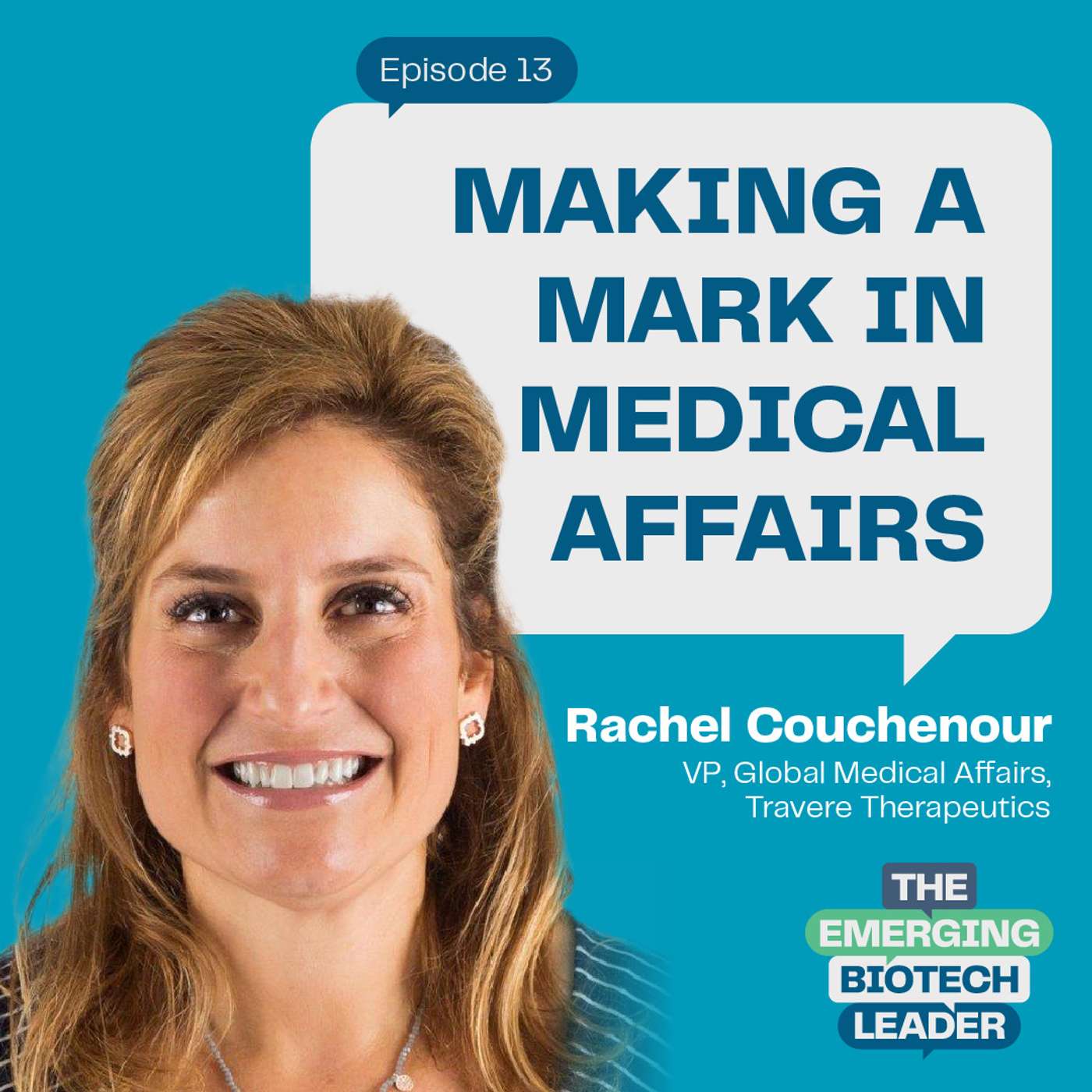
Ep 13Making A Mark In Medical Affairs - Rachel Couchenour : 13
“I've found that it's usually not the ‘what’ or the ‘how’ that will get me where I need to go with a Senior leader. It's the why. They want to understand the why behind it.” Rachel Couchenour, VP, Global Medical Affairs, Travere Therapeutics. Working cross-functionally. Some would call it a skill. Others would say it’s a talent. For our guest on Episode 13 of the Emerging Biotech Leader, it’s her natural way of being. During her 20+ year career, Rachel Couchenour has held the titles of Assistant Professor, Medical Therapeutic Liaison, Sr Director of Medical Affairs, and now, Vice President of Global Medical Affairs at Travere Therapeutics. Using Rachel’s experience as a focal point, this episode explores the value of working cross-functionally in emerging biotechs, especially concerning a career in Medical Affairs. Kim and Ramin ask all the right questions, especially uncovering how an investment in Medical Affairs should never be brushed off or perceived as a “nice to have.” Our guest and hosts help emerging Biotech leaders truly understand the impact and significance of Medical Affairs on patients and practitioners. Conversely, they also help Medical Affairs reinforce their value across stakeholders, internal validation, and launches.These are just a few key points touched on during Episode 13. Read below for more! And as always, we thank you for tuning in and being here. A Day In The Life of Medical Affairs To say the Medical Affairs organization has many moving parts is putting it mildly. On any given day, Rachel and her team are responsible for all of the activities and strategies within the Medical Affairs organization at Travere. Functions within her purview include education, scientific communications, evidence generation, medical information, and all the other capabilities that the Medical Affairs organization needs.On the importance of these areas, Kim reminds us of the end result; that we’re all patients, and as patients, we benefit greatly from the work of the Medical Affairs team. Elaborating further on this, Kim shared: “I lean in a lot to the idea that if I were bringing my parent to a physician, I would like to assume that the physician knows the best possible treatment on the market available for whatever they have to diagnose my family with...And they know how to get it, and they have the entire path in front of them. And the only way they can do that is if Medical Affairs are showing up and doing their job. It's the only function that exists solely to make sure that the baseline assumption as a patient or as a caregiver holds true.” Rachel shared this advice for Medical Affairs peers in other organizations who want to keep sight of their impact. “I want to start by saying that we, as Medical Affairs professionals, should never underestimate the value of our work in a successful launch. If we think of ourselves as a critical partner, that helps you get in the right mindset because I think mindset is a really big aspect of this.” If you’re in Medical Affairs and want a tip for keeping your mindset in check, listen out for Rachel’s sticky note story. On Medical Affairs and Stakeholder Alignment With a deeper understanding of how much Medical Affairs handles and contributes, Ramin started to examine Medical Affairs' role in a biotech launch further. “Obviously, everything is aligned with the overall brand strategy and enterprise strategy, but Medical Affairs are the ones that are on the ground driving it. How do you use stakeholder management to make sure that you have a strong launch readiness strategy?” Once again, Rachel tied back the reliance on cross-functionality. Using her background and career as an example, she emphasizes how cross-functional collaboration and experience translate into a better understanding of what your stakeholders need and how you can be of value. Of particular importance was this clear advice: once you understand what's important to them, you will speak their language better. “You know, they may not always speak our language of Medical Affairs, and it may take more than one engagement cross-functionally for them to fully see the value of why we may need to do a Symposia at a Congress–that maybe we hadn't planned to do. They may believe that the MSLs can do all the education that's needed. So sometimes, when you explain that you can reach thousands of individuals versus hundreds, that's what’s critical to them. It helps to speak their language versus the Medical Affairs lingo.”One final reminder from Rachel on the role of Medical Affairs in a launch: “Medical Affairs is the one department that should be and is the leading edge out there to prepare the market, to understand the disease the way that we see it, and also to understand the treatment landscape.”On What The Future Holds For Medical Affairs Rachel offers this insight if a career in Medical Affairs is your end goal. “I often encourage people to look laterally because sometimes to go up in an organization,
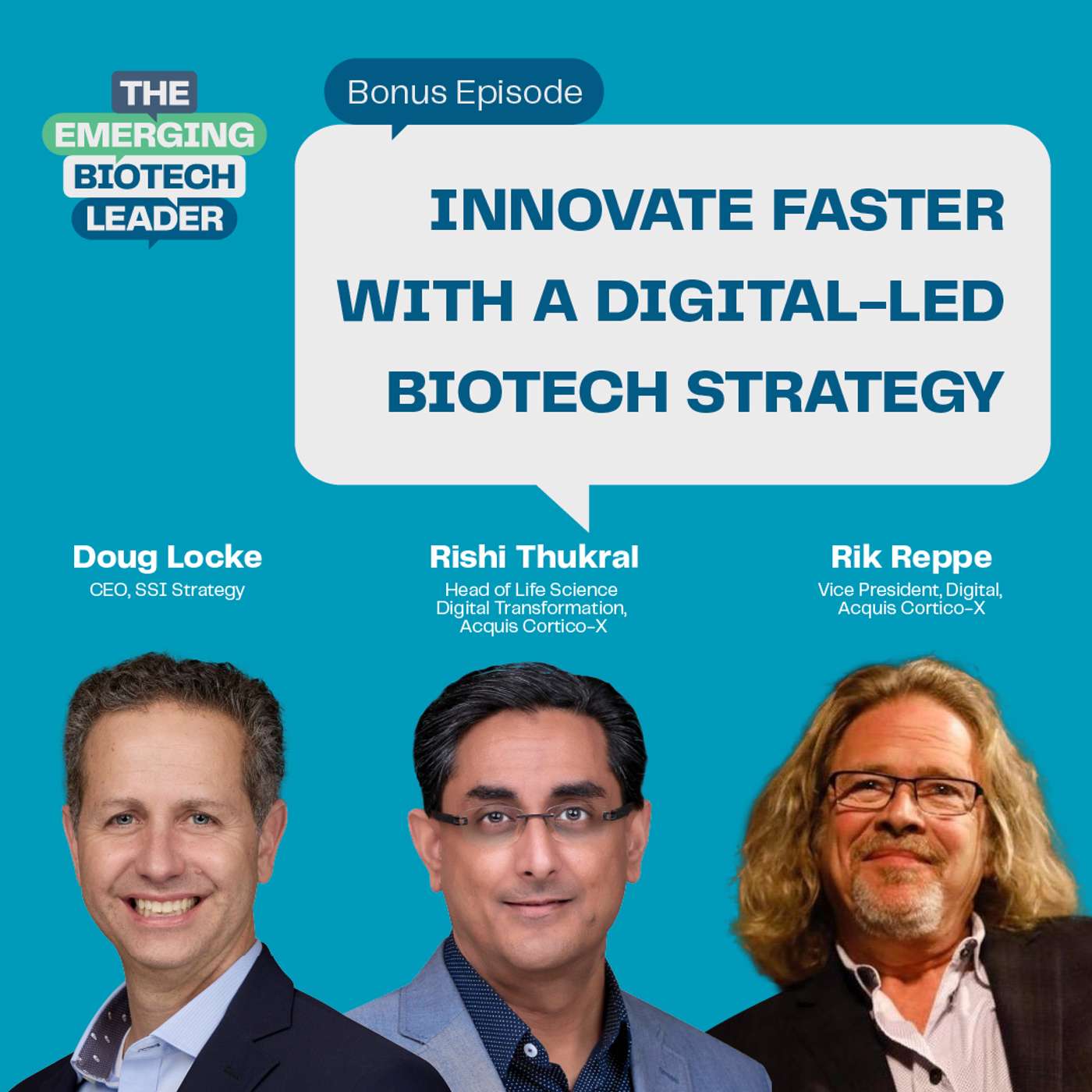
Ep 1Innovate Faster With A Digital-Led Biotech Strategy - Bonus Episode
bonus“The good news and the bad news are the same news.” Rik Reppe, VP Digital, Acquis Consulting Group We are excited to announce a new service, Digital-Led Biotech Strategy, in partnership with Acquis Cortico-X. Through this service, our clients will get access to medical, business, and digital experts to maximize theraputic value through a digital-led approach to solving challenges for biotech companies.Our mission with each episode of the Emerging Biotech leader is to provide actionable insights and strategic thinking from experts across all facets of biotechnology. And this BONUS EPISODE, with SSI CEO Doug Locke at the host helm again, delivers on that promise. As we’ve often heard in previous episodes, building and growing a biotech provides no shortage of competing priorities. There’s fundraising, manufacturing, conducting trials, developing a clinical strategy, preparing for CMC readiness, building out a Medical Affairs team, leading the team, and so much more. Listen to Episode 6 of the Emerging Biotech Leader on Team Agility here. Utilizing and capitalizing on digital innovation is also an important priority for biotechs in this modern era. And our two esteemed guests, Rishi Thurkal and Rik Reppe of Acquis Cortico-X, are experts on that. At Acquis, Rishi is Head of Life Science Digital Transformation, and Rik is Vice President of Digital Innovation. If you’ve found yourself flustered by rapid changes across the digital landscape, or you’re currently evaluating how to iterate on your existing digital approach, we invite you to hit play, listen, and read along for highlights. Doug, Rishi, and Rik take the seemingly daunting world of digital and bring it down to a manageable level with frameworks and guidance to help you and your team capitalize on its power and promise, regardless of your entity’s size. On The Digital “It” Factor What sets a biotech up for success in digital? Some might assume bigger budgets, more tools, and a larger team. But Rik says that’s a myth. “A lot of companies are kind of like, ‘Well, we don't have resources, we don't have the technology base to work from. And you're right, you don't have those things. That's the bad news. The good news is that you don't have those things. Digital is a game about speed and agility.It's really hard, not impossible, but it’s hard for a massive entity to be fast and agile. It is comparatively easier for a smaller entity. And so, we can find ways where you do not need to be concerned with the question of: ‘Can I compete?’ You have a competitive advantage due to your size, and you can realize greater gains at a faster rate than those larger companies.” Once you embrace how to level the playing field is for biotechs in digital, the next line of thinking is around what to prioritize and how to make decisions around digital. This is where Rik and Doug share more on the upside in digital, given its federated or decentralized framework. Rik specifically says that you don't want decisions around digital up top in the centralized, hierarchical command and control structure. That said, listen to his advice around guardrails and establishing protocols around collaboration vs. control. Adding to the conversation, Rishi emphasizes that you need to make sure your digital strategy is aligned with the company strategy.“What biotechs need to get, and that's what we try to do, is enable a cohesive strategy to reduce organizational burden and create this seamless intersection of the holistic set of digital solutions being aligned to their therapeutic goals.”Navigating Change Management With Competing Digital Priorities What tends to happen to biotechs evaluating their digital innovation? Doug provides this real-world example: the clinical team identifies their specific need for one solution. Medical Affairs casts their eye on their own specific portal. CMC is underfunded, and they need something huge. Everyone has a hand in the pie, so who gets the biggest slice? To help leaders identify what to do in this type of scenario, Doug turned to Rishi and Rik for their POV on aligning competing priorities. Rishi advises a clear, tactical approach. In addition to having the right team to support digital, it’s imperative to complete a strategic assessment. “When you do a strategic assessment, do it with a team that has medical expertise, the business expertise, as well as digital expertise to best evaluate the business objectives and goals and thereby, through that evaluation, identify gaps. More importantly, this team also identifies the opportunities that are out there in order to invest in digital capabilities.”Rishi provides much further food for thought on the strategic assessment process, be prepared to grab a pen and paper or in digital fashion, your laptop or phone to take notes! Doug, ever the expert host he is, then guides the conversation towards the reality that decisions and determinations are not often as seamless as presented: board and stakeholder buy-in must
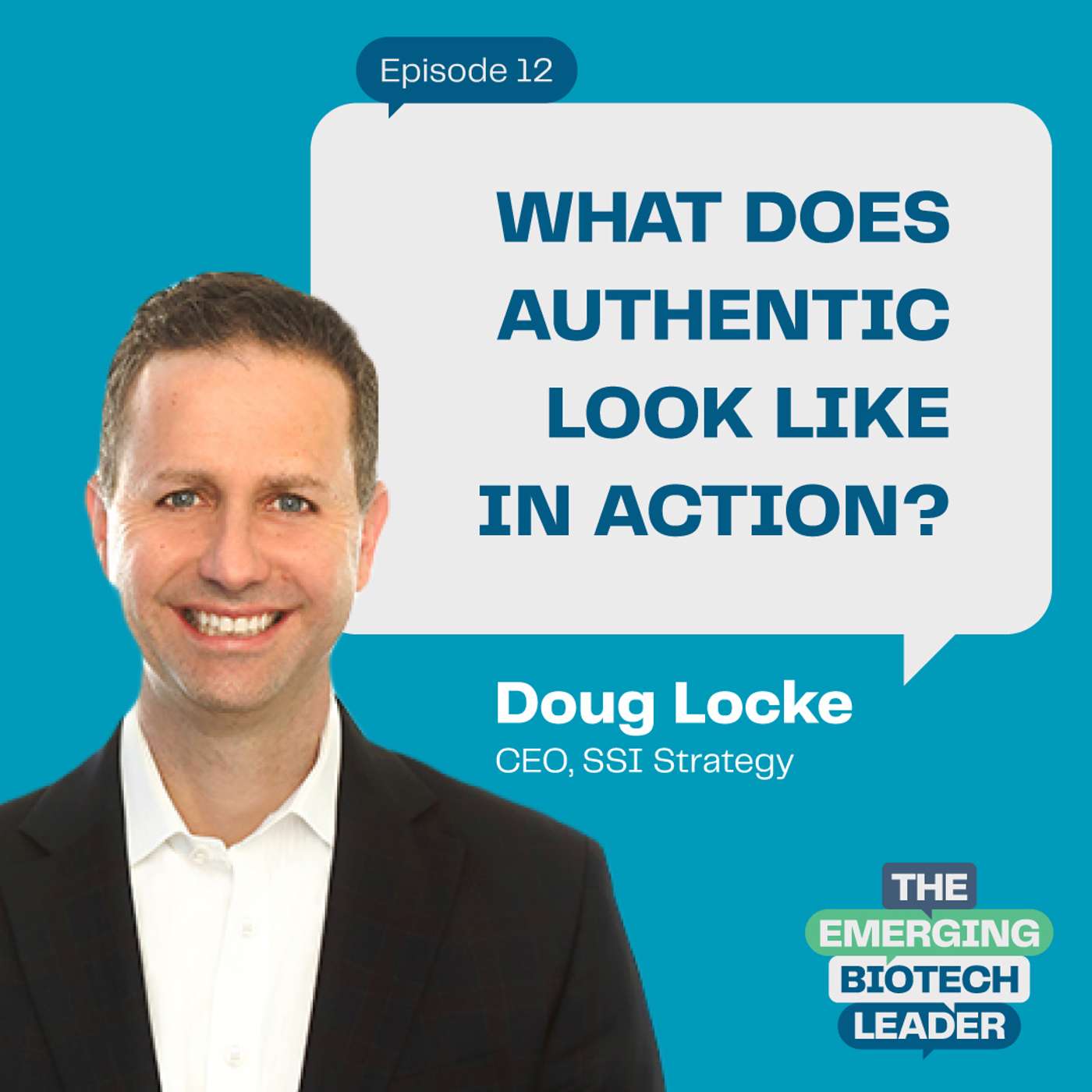
Ep 12What Does Authentic Leadership Look Like In Action? - Doug Locke : 12
“The best leaders that I've seen are the ones that realize that it’s always “go, go, go,” and they need to move fast. But they still consciously take time to think, to pause a little bit and have a more of a multi-dimensional view of what's happening, as opposed to always being at a fast pace, moving forward and getting things done.” Ramin Farhood, Emerging Biotech Leader Host+Vice President Of Medical Affairs Practice, SSI StrategyWe’re back again with Episode 12 of the Emerging Biotech Leader. Ramin and Kim have returned. And Doug is still on air joining them for a frequently discussed topic that can be a little ambiguous to put into practice: authentic leadership. As you’ll hear from our hosts, the more you do it, the more natural it becomes. For Biotech CEOs who are just getting started or even those who are now midcourse, it’s not uncommon to ask, “What does authentic leadership really mean? How do you emulate it?” With 1,000’s of decisions and multiple layers of responsibility on any given day, how can Biotech CEOs, or any CEO for that matter, show up and guide their team without always having the answers or next steps, perfectly defined? These topics are what this episode covers and then some. Read along, listen along, and prepare to be transformed by these powerful takeaways. What It Means To Lead With Authenticity—And Why It MattersPart of the ambiguity in being an authentic leader stems from not fully understanding how it's defined or embodied. As a starting point, here’s how the dictionary defines authenticity: of undisputed origin; genuine. Synonyms include real, true, honest-to-goodness, and valid—while the dictionary defines the opposite of authentic as fake or spurious. This theme of authenticity reemerged when we met with Ilan Gadot of Solid Biosciences during Episode 11. Reflecting back on that interview, Doug, Ramin, and Kim agree that Ilan embodied authentic leadership to a T. How did he do this? Through his willingness to be honest in different settings, admitting what he didn’t know, and truly getting to know people and making them feel good, supported, and safe. In case you missed it, access Episode 11 here. Doug explains an example of what this looks like in action: “Being authentic is when what was said publicly, privately, and also at the strategic mandate level all align. There is consistency in messaging and communication from the boardroom, to team meetings with ten people, and then also in the 1:1s and that traceability is from the executive layer. What is said in the toughest of settings is followed by what's done when you're trying to motivate a few people, then a team orientation and a meeting with someone individually…when that chain of custody is aligned and the people that are part of it can say, ‘That was authentic, and that was authentic’…I think they'll run through walls when they encounter, ‘Hey, this is making sense to me. This is what I need to do.’”Authentic leadership requires a guard-down, open approach. Your team, investors, and even advisors can sense when you are abiding by the ‘fake it until you make it’ mentality and trying to get by on charisma as opposed to honestly admitting knowledge gaps or pausing to gather more information from advisors, or other parties, before a decision can be made.Reread our highlight quote at the top of this recap with this in mind. While it may feel contradictory to admit that you don’t have a precise answer for everything and are still figuring it out, authentic leadership creates an environment of aligned learning and growth towards solutions, outcomes and building a path forward in uncharted territory, a given for any biotech whether specializing in new and innovative medical devices, gene therapies, digital biomarkers and more.As a bonus, authenticity begets authenticity. Ramin emphasizes: “(authenticity) will also allow others around you to feel comfortable that if they don't know something, they don't have to make it up. They don't have to pretend.”If You Don’t Have All The Answers, Who Does? The Importance of AdvisorsWhat does authenticity have to do with advisors? Everything! From being able to laser in on where the knowledge and execution gaps are, to establishing rapport and trust with those advisors, to achieving business breakthroughs: authenticity is the founding principle.You’ll hear Doug, Kim, and Ramin emphasize that it’s one thing to have advisors and it’s another thing to utilize them. People often know who to go to, but true success with advisors requires a guard-down approach and clear alignment around when to connect. Connecting frequently ensures that meetings are consistent and trust is established over time—as opposed to one-off or, as Doug describes it, “episodically and maybe somewhat haphazardly” meeting.“If we had our druthers, we would help organizations kind of bubble up that, you know, honest assessment of what's going wrong or right between two inflection points in the company and make the best of
Ep 11Leading & Succeeding: What It Takes To Build A Biotech - Ilan Ganot : 11
“I don't know any other leader that's had that type of prior steps in their careers. It almost feels like you need pieces of all those things to actually be a leader, you know, soldier, lawyer, investment banker. I'm sure they all came in handy.” Doug Locke, SSI CEO. Some biotechs are created from research and academia. Others are born from firsthand, personal experience. Such is the case for Solid Biosciences Founder and former CEO Ilan Ganot. After the personal Duchenne diagnosis of his son, Ilan and his wife Annie became biotech founders, determined to help their child and others around the world improve their lives as patients living with Duchenne. Reinforcing this mission, the Solid Biosciences website candidly reads, FOUNDED BY THOSE TOUCHED BY DUCHENNE MUSCULAR DYSTROPHY. While Kim and Ramin take a quick break from hosting this episode, we’ve switched things up with SSI CEO Doug Locke in action. Based on his 9-year run as a biotech leader, Ilan, along with Doug’s dialogue, unpacks key lessons fueled by the “what did I learn” and “what would I do differently” perspectives of a biotech CEO. Departing from convention, you’ll hear Ilan’s perspective on the most important characteristics of a successful biotech leader, how a career in investment banking and education as a lawyer came full circle, and the important role he believes consultants play in managing capital and building out a biotech.Read along for some of the top takeaways, and subscribe to the Emerging Biotech Leader podcast for upcoming episodes. Skills You Should Have as a Biotech CEO to Lead and SucceedIf you ask five biotech leaders to specify what skills help them succeed, you’ll likely get a variety of answers…all with the exception of one: managing capital. “Clearly, running a biotech company in many ways is predominantly about access to capital and allowing some really smart people to do research to help patients. And so the CEO's job is unique because it's that access to capital, without it, there's no business.” At the time Solid was getting off the ground, Ilan took a different path than that of the time. He acquired a little bit of seed money and then got serious about growing from there. Solid did go on to IPO in 2018; however, Ilan shares honest insight about the experience.In addition to acquiring and managing capital, Ilan reminds us all that the skill of managing human capital, specifically hiring the right people, is also invaluable. “I'd like to believe that my ability to select smart, capable individuals translated pretty well to building out the company as well.”One final thought on CEO skills: people want to be seen and listened to. Ilan shares a personal story about his loyalty to a company even after a mentor left because those two things were prevalent. For an exact example of this in action, keep an ear out for Ilan’s student loan story. How to Network and Make Connections with Other Industry LeadersSelecting the right people also includes advisors, peer groups, and those with experience. Sharing from the perspective of what he wished he would’ve done, Ilan doesn’t hold back.“Where I could have done better, which is easier said than done, is choosing more wisely the one or two people that really influence the decisions that you make.”One person, in particular, was the late Henry Termeer, CEO at Genzyme. “There's a ton of improvisation, a ton of risk-taking in biotech, but still, there are people that have better experience than others. I sort of wished I'd leaned more on Henry’s advice, that I'd listened to him more, I'd asked him more regularly to help me think through decisions, maybe find another way to get them more involved with the company.”If you’re currently in the CEO role or about to become one, remember to put this advice into action. On the Importance of Consultants Solid did retain consultants, including SSI Strategy, to help manage various aspects of the company throughout its growth. “I found that working with consultants can often upgrade the operation in a meaningful way, whether it's because you have gaps, which everybody does, or it's because you are bringing in some real experts, and you can learn from them and how to do things.” Ilan was also quick to point out that working with SSI and other good consulting groups over the years provided surgical expertise that was not available at the home and the clinical office. “The medical office has a lot of different parts to it, some of which I wasn't even aware existed.”To hear more of Ilan’s insights, including how his diverse experience and education came into play, listen to Episode 11 here. Thanks for tuning in! Have you left us a review yet? Please go to iTunes and rate this episode of the Emerging Biotech Leader. We appreciate the feedback and support!
Ep 10What is the future of digital medicine? - Jen Seda : 10
“Digital impacts our lives all the time in every way, including in medicine.” Jen Seda, M.D. The day of digital medicine is here. And while software and digital apps can be created rapidly, historically, the healthcare ecosystem has implemented change at a much slower pace. This contrasting combination, or tension as today’s episode describes it, presents two extremes: immense opportunity and innovation and areas of ambiguity for innovators, payors, and the medical community as a whole. For biotechs developing in the digital medicine sector, everyone involved in innovation, from founders to developers, needs to balance the quick speed at which they are used to “shipping” and iterating with appropriate, realistic timelines suitable for today's healthcare model. To help us unpack this topic further, our guest on Episode 10 of the Emerging Biotech Leader is Jen Seda, M.D., Practice Lead and SVP, Medical, for SSI. Together, Jen, Kim, and Ramin discuss digital medicine, its promise and potential, and what steps to take to ensure that ideation is thought through to implementation. Read along for some of the top takeaways, and subscribe to the Emerging Biotech Leader podcast for upcoming episodes. Digital Medicine: A Big Word With Even Bigger Promise While there is a lot of buzz around the term “digital medicine,” and its definition is quite broad, Jen helps break it down into these digestible buckets:What digital medicine does at its core: Digital medicine can create better efficiencies and help support what happens between doctor visits/office visits.One specific use case is supporting adherence to medication by way of a companion app. Listen for how this might be used for patients with diabetes, as an example. Another real-world example is that of meditation apps. These may be used to help with pain management/stress management, pre and post-surgery. Digital medicine can also help patients change their behavior or take action to improve and change the course of a disease.What digital medicine includes: Digital biomarkers, digital therapeutics (Software as a device), digital diagnostics. What To Keep In Mind: There is a wide range of uses for digital medicines, from artificial intelligence to Software as A Medical Device. We are just now seeing the tip of the iceberg as biotech innovators, regulators, and payors explore digital medicine in the “here and now” while working to streamline adoption in the future. Building Balance: Focus On Today A key skill for biotech teams and leaders is seeing long-term use/value while having a clear, forward-thinking vision when pitching to investors, planning for R&D, and understanding the total addressable patient population. While it’s true that there has never been more data available to accelerate product development and meet patients' ongoing expectations and needs, further fueling the demand for digital healthcare, the system can’t change overnight. As you design and create digital medicine, Jen emphasizes just how important it is to answer this question “How is this going to integrate into clinical workflow today? You must consider how this would be implemented today or tomorrow.” In other words, plan with today’s barriers and bottlenecks at the top of your mind, not what you envision being possible five or even 10 years from now. To help you stay in today, consider: -What data management and systems are available? What may be missing? -What inputs (devices, access, connectivity) does the clinical team have today? -What other barriers and constraints exist? Kim brings up another significant point to also address and consider as it pertains to evidence and data: “How do I create enough evidence to support changing the practice of medicine?”Kim, Ramin, and Jen all agree that as part of their work and impact at SSI, it’s been essential to think about what evidence base will move the needle for all stakeholders in digital medicine. Other Factors To Consider: Payors On the topic of stakeholders and change, traditionally, developers in digital medicine were often hyper-focused on regulators. Lessons and best practices have been learned from those who have gone before. Organizations that are relatively newer to the space, or who are bringing new products are now being thoughtful about their clinical development plans. “They're bringing in health economics from day one to say, what are all of the potential outcomes that we can measure?”According to Jen, the following are the new steps to take into account and design for: “Step 1 is, ‘How do I get this across the finish line for regulatory? Step 2 is, ‘How do I get this reimbursed and paid for? How do we get the clinicians paid for?’ Step 3 is, ‘How do we drive clinical pull-through?’These are ALL of the stakeholders to now consider when starting to develop a product.” It’s not just developers and biotechs that are undergoing an evolution. Payers and manufacturers are adopting creative pricing models and maturing as well.Addi
Ep 9Shaping the future of early diagnosis with digital medicine - Dr. Sharief Taraman : 9
As everyday consumers, we interact with AI (Artificial Intelligence) daily. Whether unlocking the home screen of our phones via facial recognition, using voice commands to send a text, or interacting with a chat tool when shopping online, AI adoption is continuous. But what is the role of AI in today’s healthcare? And how will AI impact medicine and the future of biotechnology? To help us examine what’s happening with AI in healthcare and what’s to come, our guest for Episode 9 of the Emerging Biotech leader is Dr. Sharief Taraman, Chief Executive Officer at Cognoa and attending physician at CHOC Children’s. Cognoa utilizes artificial intelligence to diagnose & treat neurodevelopmental and neurobehavioral disorders early to help children reach their fullest potential.In yet another thought-provoking conversation, hosts Ramin Farhood and Kim Kushner talk with Dr. Taraman about several key points, including: How Cognoa is utilizing AI to help improve time to treatmentThe distinction between a digital therapeutic and a digital diagnosticEmbracing digital medicineHow AI is being incorporated into modern medical education Explore a sample of handpicked, high-level highlights from the episode below. Addressing Autism and Autistic Spectrum Disorder Using AIA software as a medical device and the first diagnostic of its kind, Cognoa’s Canvas Dx supports providers in diagnosing Autism in young children, ages 18 to 72 months. The data collected helps build a pipeline to improve patient phenotyping and uncover the true drivers. Various inputs and data collected within the app, such as socialization skills, interaction, and even a child’s movements, help the algorithm identify signs and symptoms that often go overlooked until too late, the latter being defined as when a child’s brain is past its peak development stage: 18-24 months old. Dr. Taraman’s compelling quote, “time is brain,” reveals just how impactful early diagnosis and the use of AI can be in patient outcomes.What does this mean for you and your biotech? The data AI can analyze and provide to multiple stakeholders (the clinical team, management/executive team, patients, and payers) signifies a major step forward in personalized medicine, which has long been talked about but has yet to be realized until now. By looking at patients in a high-dimensional space, AI helps influence the creation of targeted treatment plans tailored to the individual patient. Dr. Taraman also reminds us that it's not how much treatment a patient receives but how early they receive the intervention. Lastly, early diagnosis and intervention improve patient outcomes while reducing costs on an already fractured system. AI and The Democratization of MedicineWhen talking with Kim and Ramin, Dr. Taraman shared another profound reminder. Before the pandemic and the rise of telemedicine, patients awaiting evaluation for pediatric neurological disorders nationwide often experienced long waitlists, delayed care, and frequent appointment cancellations. While the industry has adopted digital medicine rapidly, addressing some of the issues mentioned above, equity of care is still an area that requires attention. For example, the pandemic only further exacerbated the problem of early intervention across populations with geographical and socioeconomic constraints. Cohorts of patients without access to technology, working internet, specific income levels, and early education around modifications to how Autism is now characterized were unintentionally overlooked. As a solution, AI can help to address this issue of equity and democratized medicine. Through the use of apps and digital medicine, children can now be observed at home, enabling more accurate and detailed observations of a patient's behavior. AI-based tools can also be used to quickly and accurately diagnose conditions, reducing the time needed for diagnosis and freeing healthcare professionals to focus on providing care. The data gathered can then be used to better understand the individual's condition and how it impacts their daily life. Simply put, these new tools and AI create the opportunity to unlock data, even relative to genetic mapping, that didn’t exist before, especially across patients that previously missed early intervention windows of care.The Digital Paradigm: Embracing AIDr. Taraman quickly points out that digital data collection isn’t entirely new. “Digital shouldn’t scare people. MRIs are digital, ECGs are digital. AI is just a mechanism to help us see patterns that exist.” As a bonus takeaway, Kim does ask for Dr. Tamaran’s definition and the distinction between digital therapeutics and digital diagnostics during the full episode. Listen out for the answer. AI Adoption: Empowering The Future Face of MedicineAmong the many points made by Dr. Taraman during this interview, none hit home perhaps more than this: “We have to do this (embrace AI). Don’t be shortsighted. We are facing a healthcare crisis.”Inspired by this
Ep 8The Intersection of Data Science and Life Sciences - Madhav Gurijala : 8
Digital biomarkers have opened up a series of questions worth contemplating as both newer and more mature biotechs evaluate the following: Are we measuring things correctly? What's inefficient about our clinical development process? What should we be thinking about to innovate for the future? And how do we democratize access to clinical trials and improve the speed of the development processes overall?Madhav Gurijala, Senior Vice President, SSI Strategy, joins Kim Kushner and Ramin Farhood for Episode 8 of the Emerging Biotech Leader. As a continuation of content from Episode 7, today’s discussion expands upon digital biomarkers and their significance on what’s possible for biotechnology innovation, including improved patient care and further collaboration between the medical community and the technology sector. Read along for a quick overview of key points from Madhav, Kim, and Ramin, specifically on technology as an enabler, the future of drug development with digital biomarkers, and what’s possible when breaking out of the status quo. Measuring More: The Impact Of Digital Biomarkers On Clinical Trial DataHistorically, clinical trials have defaulted to the ‘tried and true’ methods of data collection, validation, and analysis. A fundamental question that is now being presented in the presence of digital biomarkers, is, “What are we missing?” Often, when a patient participates in a clinical trial, they spend 99% of their time outside of the clinical testing environment. In the absence of digital biomarkers, the biggest challenge with measurement and accuracy is the inability to read and evaluate the patient at home. This leads to questions about patient care, treatment, and measuring further:–Are the measurements we gather in the clinical setting “correct?”-Are there better measurements that are not currently feasible?-Are the current, often manual measurement approaches the right thing to do for the patient?While these questions cannot be answered overnight, they are worth discussing to drive innovation and encourage departure from the status quo. Madhav, Kim, and Ramin certainly spark great thoughts. And without a doubt, digital biomarkers are a disruptor.Building With Digital Biomarkers In MindGenerally speaking, the best practice in biotechnology, be it medical device innovation, drug development, or gene therapy, is to build with the end in mind. Incorporating digital biomarkers as a planning component early on only drives this point home. Why? With forward-thinking firsthand, biotechs can build digital biomarker measurements and processes into their studies. Listen for more on why this is especially pertinent for early-stage companies. In the enduring game of “race to clinic,” digital biomarkers can help evaluate one of two paths: do we invest the time now to make things faster down the line, or do we go with the well-trodden path instead? Can we shorten phases, skip phases, and get creative up front? And if so, can we do things better than the standard way? Are we now at a place to remove the bias of false positives or false negatives? In short: better data quality can lead to shorter trials with potentially fewer patients, which is appealing to the industry on many fronts.On the flip side, Madhav, Kim, and Ramin share that there are implications to consider when planning for digital biomarker data. For example, will sponsor orgs know what to do with the amount of data they may get as a result of these inputs? What will be the best way for all involved parties and stakeholders to discern between information vs. noise vs. a signal? How much of this data is additive vs. detrimental?Again, the more we collectively explore these questions and observe the answers, the more potential for innovation, time, human capital, cost savings, and, most importantly, improved patient care. On Democratizing Access to Clinical TrialsAs the episode approached its close, Kim raised a key point about the relationship between the digital biomarkers and their impact on clinical trials.“There are millions of potential patients that don't get access to trials, whether it's that they can't get to clinics for all of the appointments, whether they don't know about the potential of trials, there are so many different variables that keep people away. I see digital measurement and digital biomarkers being the mechanism to bring more people into the fold so that we can help more patients, and do so faster, to get more treatments in the hands of people who need them and are going to benefit them overall.” Collectively, Madhav and Ramin also agree: clinical trial data, the patient experience, and outcomes will only improve when we use things that are native to people’s lives (wearables, phones, and other devices) and remove barriers of involvement.It will be remarkable to see how digital biomarkers and clinical trial development evolve over the next 5-10 years, accelerated by the continued convergence of life science and data science
Ep 7Using digital biomarkers for faster, cheaper clinical trials - Chris Benko : 7
Biomarkers themselves have been a part of medical research for decades. However, digital biomarkers have become increasingly important to the modern clinical development process. While the term “digital biomarker” is prevalent in discussions around investment, clinical trials, and measuring patient outcomes, a variety of questions surrounding digital biomarkers still exist within the industry.For example, how are digital biomarkers different from digital measurements? How soon should biotechs start thinking about digital biomarkers? What do the future of digital biomarkers and the patient’s role in this process look like? In this episode of the Emerging Biotech Leader, we hear from our guest, Chris Benko, CEO at Koneksa Health. Founded in 2014, the mission of Koneska Health is to improve lives by building health measurements that matter. Co-hosts Kim Kushner and Ramin Farhood leverage Chris’s knowledge and experience, dating all the way back to his intern days at Merck, to help listeners uncover a deeper understanding of digital biomarkers overall. From dividing biomarkers into three big buckets, to patients making clinical research better, to clinically validating digital biomarkers, this episode contains several noteworthy highlights. We share a few below. Why Are Digital Biomarkers Important? This is one of the most pressing questions informing the biotech industry to date. From Chris and the team at Koneksa’s point of view, the answer is this: digital health technologies and digital health data have every bit as much potential as molecular and genetic information to transform our understanding of health.While the term digital biomarker is widely used, its definition is still unclear for many in the sector. To help clarify, a digital biomarker always involves looking for the effect of a disease or the effect of a treatment on a patient. Digital biomarkers are often confused with digital measurements. Chris helps explain the distinction: “A digital measurement is not typically designed for drug development.” For example, a Garmin device with a wearable ECG provides digital measurement data that was designed for monitoring as well as wide-stream, consumer use. These devices do have their place in the medical world, too, when used accordingly, but at their core, they solely gather digital measurements. During the interview, Chris also goes on to clarify another common misconception between biomarkers and clinical outcome assessments. Be sure to listen for that overview and guidance on how to use consumer devices for the purposes of gathering digital biomarker data. The Two Key Components To Understanding Digital BiomarkersHaving been in this space for over a decade now, Chris specifies two key components regarding digital biomarkers: -(1) Biomarkers are among the most important measurement tools we have for assessing where to place our investments.-(2) The availability of an effective measurement tool, or the deployment of effective measurement tools, can have a huge bearing on how fast a medicine gets to market or whether or not we even pursue medicine development in a particular area at all. With this in mind, biotechs can appropriately plan a variety of functions with adequate scope for time and budget. On the subject of time….When Should Digital Biomarkers Be Formed?To help biotech leaders with proactive planning and research, Ramin inquired about the optimal timelines to start thinking about digital biomarkers. Chris’s answer is crucial to hear: before it’s too late. “Drug development teams very often realize they have a measurement challenge and that they might really want a biomarker a little too late in the process. The earlier that you can think about digital biomarkers, the better. As early as phase one programs. As early as when you're doing human safety studies, you should be at least testing and understanding how the measurements work in the population of interest, so that by the time you get to phase two, that's where you can see some of the greatest value in these tools. When you might be insufficiently powered to fully answer an efficacy question. That's when you want more biomarker data to help give you confidence as to which way to lean.”Heed this advice to minimize unnecessary investments of time, personnel, and monetary resources.On the Parkinson’s+Koneksa ConnectionDuring Chris’s interview, Kim asked him to share more on the use of a mobile phone specific to evaluating digital biomarkers for Parkinson’s disease. This example provided a relevant example including: —The previous use of an inefficient paper diary for symptom tracking—How innovation was born from failure —The powerful potential for Parkinson’s from a personal connection–And how the Koneksa team was able to use similar types of assessments on a mobile device, compared to those in the clinic, all by using an app, with no physician or telemedicine required. To help biotech leaders round out the learnings on all things digital
Ep 6Team Agility De-Risks Scientific Innovation - Adriana Valenciano : 6
What does it take to launch a new class of medicine? When launching a new therapeutic, many unknowns exist, but some principles remain constant. By looking to past experiences and staying lean, emerging biotechs can derisk their organizations while hitting milestones by taking an agile team-building approach.Today’s guest is Adriana Valenciano, Senior Vice President at SSI Strategy. She is working closely with Oz from Empyrean to bring a new class of medicine to the neuro-psych market. Co-hosts Kim Kushner and Ramin Farhood discuss with Adriana some of the intricacies of getting a new class of medicine to the market, the intersection of neurology and neurosciences, and the importance of the agility and flexibility needed in the early stages of biotech startups.Here are a few of the highlights from this episode:Creativity and past experiences are crucial to launching new classes of medicineEmerging biotech companies, especially ones pursuing new classes of medicine, are navigating the unknown. It can feel like there is nowhere to turn for direction. The good news is that experience is a great teacher. Even experience that isn’t directly related to the current situation.Oz, the CEO of Empyrean, had a diverse background in Big Pharma and within start-ups. He leaned on his past experiences to know where to focus his attention to bring the most impact to his current venture early on.Similarly, Kim, Adriana, and Ramin speak about how every new field they’ve worked in gives opportunity to be creative and try new things. Still, certain principles and frameworks remain the same across types of medicine and levels of innovation.Even though there are similarities, it takes creativity to engage with regulatory bodies, tell the value story to engage early payers, and translate the clinical value to physicians and, ultimately, patients.Whenever a team brings a new therapeutic to the market, there are things to hold to and things to let go of. That’s why it’s essential to have a team with diverse backgrounds and perspectives. These differing points of view provide a vital lens to look through when making decisions about what needs to be pulled from past experiences and where the team needs to pivot to new ways of approaching the science or the organizational process.Because the intersection of creativity and experience is critical, it’s important to think through early-stage organizational structure and resource allocation. You have to layer in the challenges of identifying what team makes sense for you at that time and the pressure you're facing to meet milestones and deliver on commitments. Agile and flexible team buildingIn Oz’s interview, he said leaders are for seasons, and teams are for seasons. It will not work if you try to build out your early-stage team with the same organizational style as a Big Pharma company. This is also true of the types of people that you hire. If you focus on hiring people from large orgs that manage functions, they won’t necessarily be the right phenotype for building a department from scratch.Early biotechs need to balance the needs of the internal organization, the company culture, and the funding runway. It’s easy to over-hire early on, and when things shift in the market or a key milestone takes longer than expected, it can derail or even completely crash the company.One way to de-risk is to determine the key differentiating factors for your therapeutic. Focus your full-time hires on those areas and find external partners to augment their work.If the main differentiator is the science, like at Empyrean, bring scientific or medically focused full-time employees. If your differentiating factor is in manufacturing, focus there.Ask yourself, what solutions do I need vs. who should I hire? Asking this question enables you to think more flexibly and with agility. Instead of trying to hire unicorns, hire the solutions you need. Begin with the end in mind. What do we need to accomplish to reach a milestone on time, who do we need internally to make that happen, and how can we augment our team with the right external resources to make that happen?Whatever route you choose, don’t go it alone. Seek out partners, mentors, and peers that can help you make better, more informed decisions.
Ep 5Building a New Class of Medicine in Biotech - Dr. Usman (Oz) Azam : 5
What if there were a way to genetically engineer fungi species and transform them into human therapeutics to help with neurological disorders? Today’s guest, Dr. Usman (Oz) Azam, just launched a biotech, Empyrean Neurosciences, that is genetically modifying fungi to create therapeutics.Biotech is hard enough as it is, but what does it take to pioneer an entirely new class of medicine as a biotech startup? Oz shares his experience and his strategies at Empyrean to navigate the intersection of neurological disease and mental health.Here are a few of the highlights from this episode:Innovation in biotechOz’s diverse background lent to his current success. He started out in big pharma companies like Pfizer and J&J, followed by a stint running his own company and back to big pharma at Novartis. After his time at Novartis, Oz jumped back into the entrepreneurial biotech space again, building Tmunity from scratch.Curiosity is vital to success in early-stage biotechs. It’s also important to evaluate your personal risk/benefit meter if you want to bring new innovations to the market. The career path you take will impact your potential to succeed.It’s beneficial to pursue roles at companies that drive innovation forward, even within Big Pharma.Empyrean: a new class of medicineOz’s new company, Empyrean, is building an entirely new class of medicine in neuroscience. Their focus is on genetically engineering small molecules from different species of fungi in plants to create human therapeutics, which nobody has done before.Empyrean is poised to bring a much-needed revolution in neuroscience, specifically for neuropsychiatry and neurology and potentially other therapeutic disease areas as well.Now a preclinical company, Oz has a vision to introduce the world’s first botanical, that is a genetically engineered mushroom containing psilocybin to treat patients suffering from disorders like major depressive disorder.Bringing a novel drug to the market, especially with current macro-economic headwinds, takes a high level of nimbleness and agility as a company. That’s why Empyrean is using an agile model to scale in a greenfield therapeutic space.Agile organizational developmentChoosing where to focus is important for any biotech. Is it a platform focus or a therapeutic focus? According to Oz, it’s key to balance both simultaneously. He feels that after developing the platform, it’s important to double down on the therapeutic early on. Once you establish a leading candidate and prove it out, you can begin to think about future therapeutic possibilities.When your team is small, the leader must have a keen understanding of where to focus resources. Endless paths exist. It’s essential to find that one thread that will tell a compelling story. Nail that story, and you can get funding to explore other pathways.Sequencing ResourcesIn large organizations, the growth algorithms are relatively fixed. You get X number of people in each department as you reach new phases of development. If you are in an intrapreneurial role within Big Pharma, you may have a bit more leeway, but you still work within the organization's firewall.A startup is a different animal altogether. The leaders do a little bit of everything in the early stages. As funds come in, resource allocation is key.Just as there are leaders for seasons, there are company models for seasons. Empyrean is a nine-person company. They have to maximize their resources at this critical stage. That’s why they engage strategic partners like SSI Strategy.Hybrid TeamOz has taken a hybrid team approach. One of the big mistakes you see in early-stage biotechs is overbuilding the team. If anything goes wrong or you don’t meet milestones, you may be forced to restructure. The timing of hiring is essential to early success.As you scale, there are natural inflection points where you need to build your team but you don’t want to make the mistake of hiring too early.What do you do if you don’t have the internal resources to meet current needs? Oz says to create an augmented team of A players.You must figure out which roles are absolutely essential to have as internal hires. Empyrean is prioritizing wet lab genetic engineers as internal hires, because the genetic engineering is their differentiating attribute. Then it’s a matter of determining how to strategically outsource other roles that are not core to the business model.Empyrean is partnering with SSI Strategy, so they can remain agile in these early stages. This way, they maximize the funding runway while still getting things done on time. If there are any hiccups along the way, they simply flex down their SSI team and flex back up as funding allows.This is true for legal and finance as well. They are bringing in virtual, augmented support in different areas of the business to stay lean.There comes a point where it makes sense to hire an FTE to manage different aspects of the business, but hiring those roles too early can sink an early
Ep 4The Medical Office is a Value Driver - Doug Locke : 4
Securing funding as an early-stage biotech is no easy feat. There are a few key strategies that help differentiate a funding thesis. What separates burgeoning initiatives from those that fail? Join today’s guest, co-founder, and CEO of SSI Strategy, Doug Locke, whose experience in entrepreneurship, investing, and advising biotechs and startup companies shares key differentiators. The Medical Office While building the investor thesis, the Medical Office should be at the forefront of organizations’ minds. It’s often not given enough attention. How much attention should the medical office get early on? As it stands, the Medical Office can be under-structured due to resource scarcity or not having the right players involved. The Medical Office is a value driver, It helps different audiences (investors, the medical community, and even the patient community) understand the validity of the science. But when and how should organizations build out the medical office?It’s important to take your time filling critical roles, like the Chief Medical Officer. Also, finding solutions outside of full time employees, like advisory board members, advisors, and outside support organizations, helps alleviate early pressure. It’s about maintaining flexibility in the early stages and figuring out what is right for the organization in the beginning. Platform vs. Asset Play When pitching to investors, there are two main paths to take. Proving the platform or developing the asset. The Medical Office is used to drive the value of either path. But it’s vital to have a cohesive story to share with investors about which direction the biotech takes. One of the biggest mistakes early biotechs make is to try to prove too many things early on and, by doing so, dilute the story they tell to investors and board members.Messaging for the Investor Thesis As far as messaging, ambiguity can be created when going back and forth between proving the platform or substantiation of the asset. It’s better to be incredibly clear with the value proposition, use the Medical Office to drive the value of the platform orientation or the asset orientation, and then engage the investor community. De-Risking Early DecisionsIntentionally, thinking through the platform from a safety, efficacy, and payload perspective, and utilizing the various resource programs at their disposal, helps to de-risk during the early stages of a biotech startup. Smaller teams work to the organization’s advantage. By keeping the team lean and pulling in outside resources, the biotech can withstand the ups and downs of funding without having to let go of key players Gaining objective perspectives to see flaws is invaluable for any startup, and biotech is no exception. Taking the time to find and listen to differing perspectives helps differentiate biotechs that last from those that are here today and gone tomorrow.
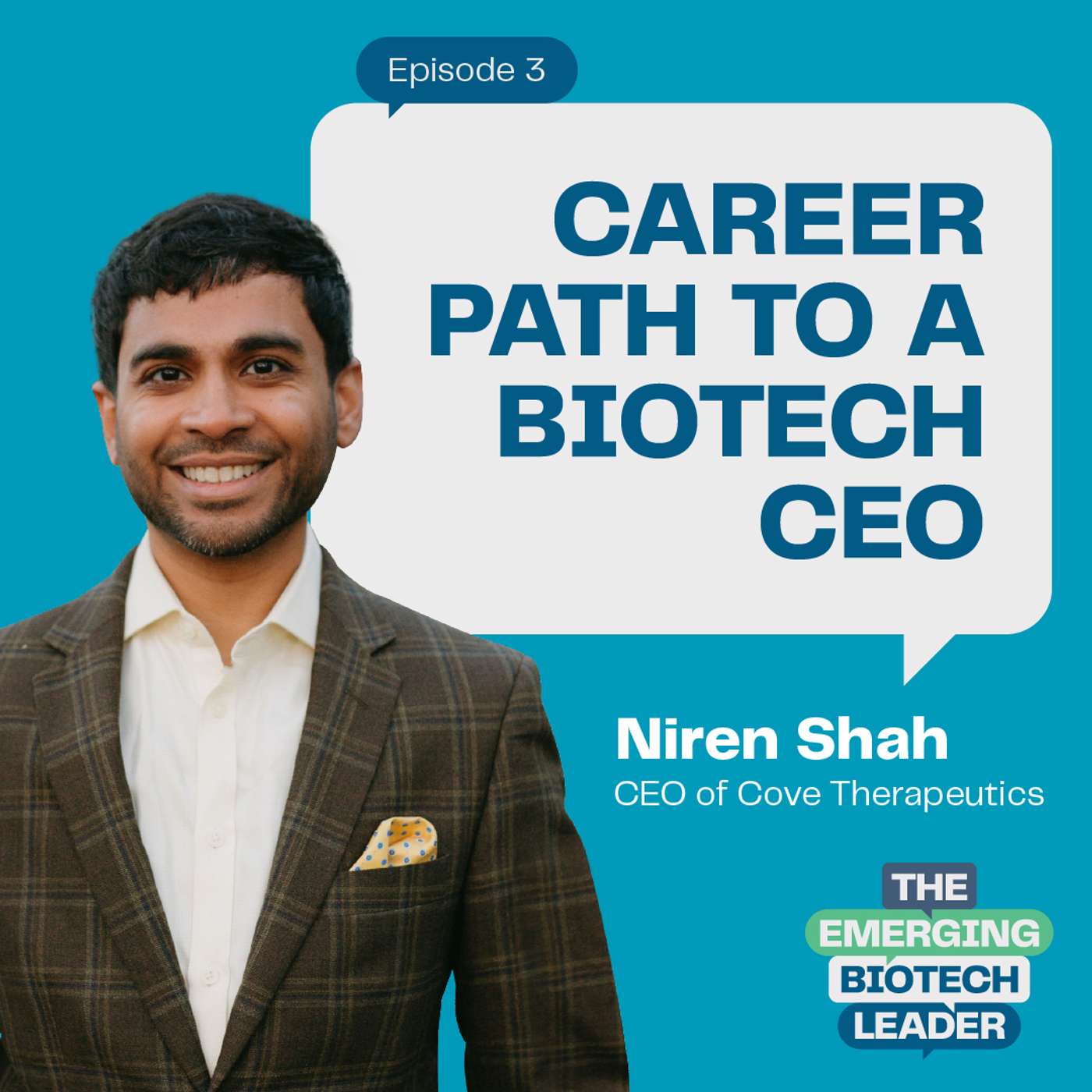
Ep 3Career Path to a Biotech CEO - Niren Shah : 3
When most people think about the path to becoming a CEO, they conjure up a straight climb up the corporate ladder, rung by rung. But that’s not the only way. In fact, a few detours along the way can provide you with valuable tools that broaden your perspective and launch you into executive roles at a young age. This was the case for Niren Shah, CEO of Cove Therapeutics. A biotech company focused on developing gene therapies for the eye and muscles with established proof-of-concept in other tissues. Shah earned his PharmD, started in academic research, later became a Medical Science Liaison (MSL) at Novartis, earned an MBA, and even did a stint as a restaurant owner before ending up at Cove. This diverse range of experience has prepared him well for the role of CEO. In this episode, Ramin Farhood, Vice President of Medical Affairs at SSI Strategy, and Kim Kushner, Senior Vice President at SSI Strategy, talked with Niren about his journey, lessons learned along the way, and where his company is headed.The Takeaway:Look for unmet needs and create a technology with a Unique Selling Proposition (USP)Develop a scalable, highly efficient manufacturing processBe strategic about building your team and leveraging partnershipsDiving Deeper: Niren’s Journey to CEO. It’s not every day that someone goes from an MSL to CEO within a decade post-graduation. This journey includes not being afraid of taking risks, creating opportunities to learn, and Niren deliberately surrounding himself with successful CEOs and Founders to gain first-hand experience. His resume includes three opportunities as an MSL, Director of Communications, Executive Management, and finally CEO, Co-Founder, and President of Cove Therapeutics. Throw in owning two restaurants and earning an MBA, Niren’s career trajectory is inspiring, and there are practical takeaways sprinkled in his answers. Stepping into the CEO role. The variety of experiences that Niren has pointed directly to carving his own path through the various organizations he’s been able to join. One of the most influential experiences was learning about risk while owning not one but two restaurants. Niren has made investments in many biotech and tech companies, which opened the door for him to operate as an advisor and be on the board of several companies. He attributes much of his learning to these activities compared to what he learned in many of his previous roles.He also cites that surrounding himself with other CEOs and Founders and seeing what worked and what didn’t was invaluable hands-on training. All of the experiences collectively serve him in one way or the other, but ultimately, he says: “I don’t know if you’re ever truly ready.” After listening to his path, though, it’s easy to conclude that there is plenty of confidence to be had with Niren at the helm. Building the medical office and securing an excellent CMO. When thinking of building staff for the medical office, a key differentiator is having a CMO who has deep knowledge of the niche. In this case, gene therapy experience. Other focuses include development and translational activities, leaning on experiences from KOLs, and leveraging outsourced firms (such as SSI Strategy). Stacking the office with people who are knowledgeable from a clinical perspective, as well as a molecular biology perspective. Cove Therapeutics is a unique and differentiated technology company with the potential for large cost savings. Cove’s manufacturing system is simple, rapid, efficient, and reproducible. Their secret sauce allows them to develop and test samples side by side within weeks, which allows for de-risking because of the number of samples. The Investor Space. “Different investors have different appetites.” At the onset, Niren and his team looked for investors who had deep knowledge in the gene therapy field for seed-round investments and who wanted to dig in alongside their team. What Cove is looking for as they continue are people who understand where they are as a company, as a team, and the specifics of what they’re working on. Each franchise focuses on a different niche and, consequently, will interest different investors. Their main priority and Cove’s mission is to focus on patients and continue to be their advocates–a focus that translates to the investor side. Key Tips for Aspiring CEOsFocus on development and how you can get your product into the clinicHire a staff you can count on, and count on your staff–especially a CMO with experience in the fieldLeverage outsourced firmsStaff your board with people who understand your technologyManage relationships with Key Opinion LeadersDevelop multiple paths to success but focus on a few high prioritiesMemorable Quote:“Seek opportunity, and you will find it.”
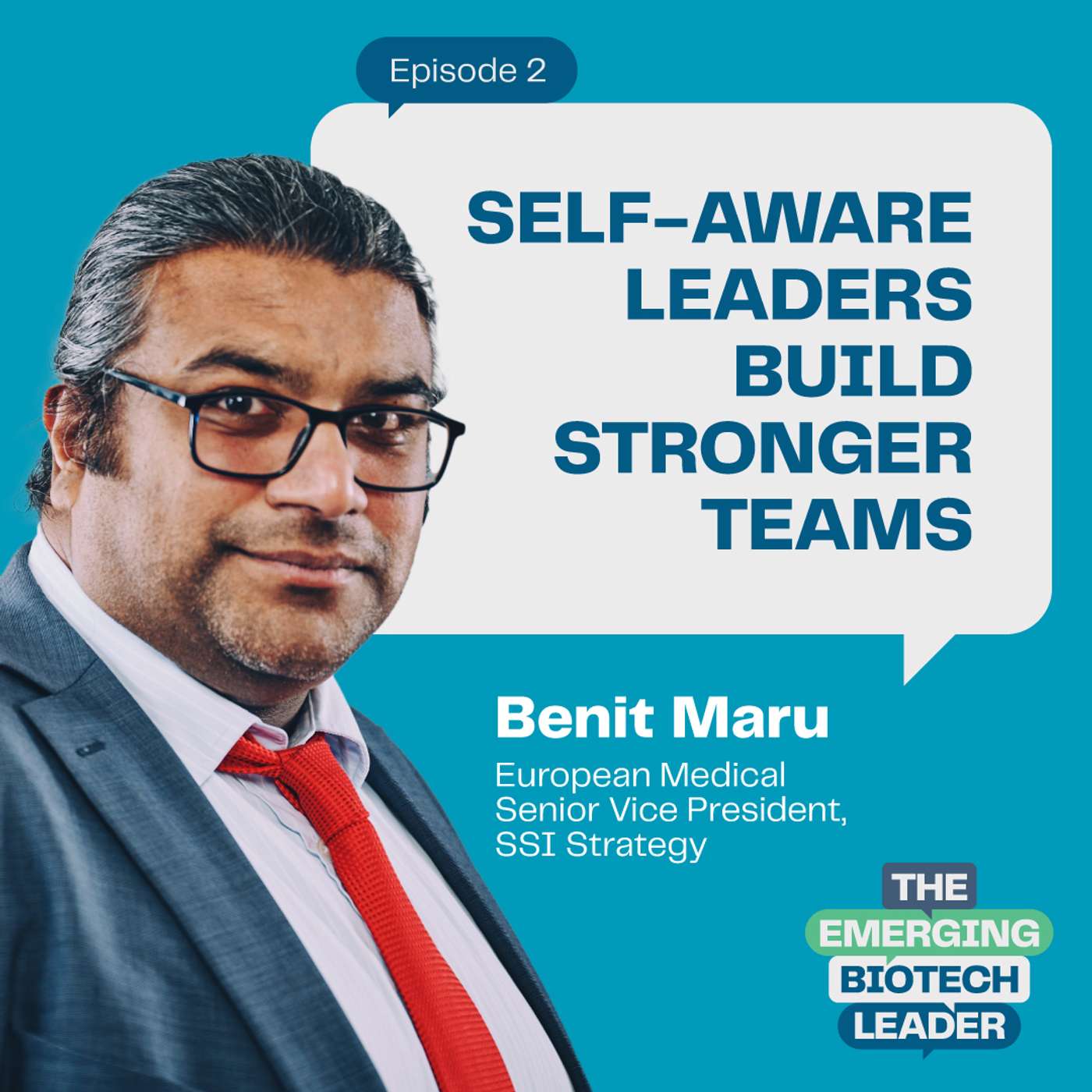
Ep 2Characteristics of Successful Chief Medical Officers - Dr. Benit Maru : 2
At biotech companies, things often evolve at light speed, and the natural tendency of a Chief Medical Officer (CMO) can be to try and manage every detail. But it’s a superhuman task, especially when powerful egos are in play. This episode of The Emerging Biotech Leader features:Dr. Ramin Farhood, Vice President of Medical Affairs, SSI StrategyKim Kushner, Senior VP, SSI StrategyDr. Benit Maru, Senior Vice President, Medical, SSI StrategyThe team recaps Episode 1’s conversation with Dr. Suku Nagendran – President of R&D and Chief Medical Officer (CMO) at Jaguar Gene Therapy, and former CMO at Avexis, a gene therapy start-up that delivered a life-saving drug for infants suffering from Spinal Muscular Atrophy Type 1 and achieved unicorn status – about the challenges and rewards of being a CMO. Anyone in a leadership position or who aspires to leadership will benefit from listening to the conversation.The Takeaway:You can’t know everything, so surround yourself with a team that can help you achieve the end goal.Courage counts. A CMO must take charge, speak their mind, and challenge others. And be able to take the hits.Understand the dynamics of your leadership team. People on your team don’t always know each other: their backgrounds and strengths/weaknesses. This is especially true for start-ups that are rapidly growing and evolving.Do the right thing for your patients and your company. Diving deeper: A good CMO at a biotech company is like the conductor of a large orchestra; they must coordinate each section’s part in the symphony, as well as play to the audience. The conductor can’t play every instrument, and as CMO, you need the self-awareness that you can’t do it all, so surround yourself with people with expertise in areas you don’t have. Strong leadership requires confidence, emotional maturity, and faith in the team around you.To make the most of your resources, be resourceful. You can outsource specialized expertise to fill stopgap needs rather than onboarding new hires. Especially early on in the development process.But perhaps the best quote is from Dr. Nagendran: ”I’m a nobody who became a somebody because of all the people around me.” Challenges for CMOsIt’s tough to admit you need help when trying to step up and take charge. This can be more difficult for younger “up-and-comers” than more experienced CMOs. Development timelines are truncated and complex; sometimes, expediency wins out.Investors are looking for ROI, and startups can’t afford to fail, so a CMO must construct a rationale that speaks to the CEO, board, and investors.You don’t always have time to consider the implications of your decisions, so you will make mistakes. But it’s better to make a few small mistakes than one big one.
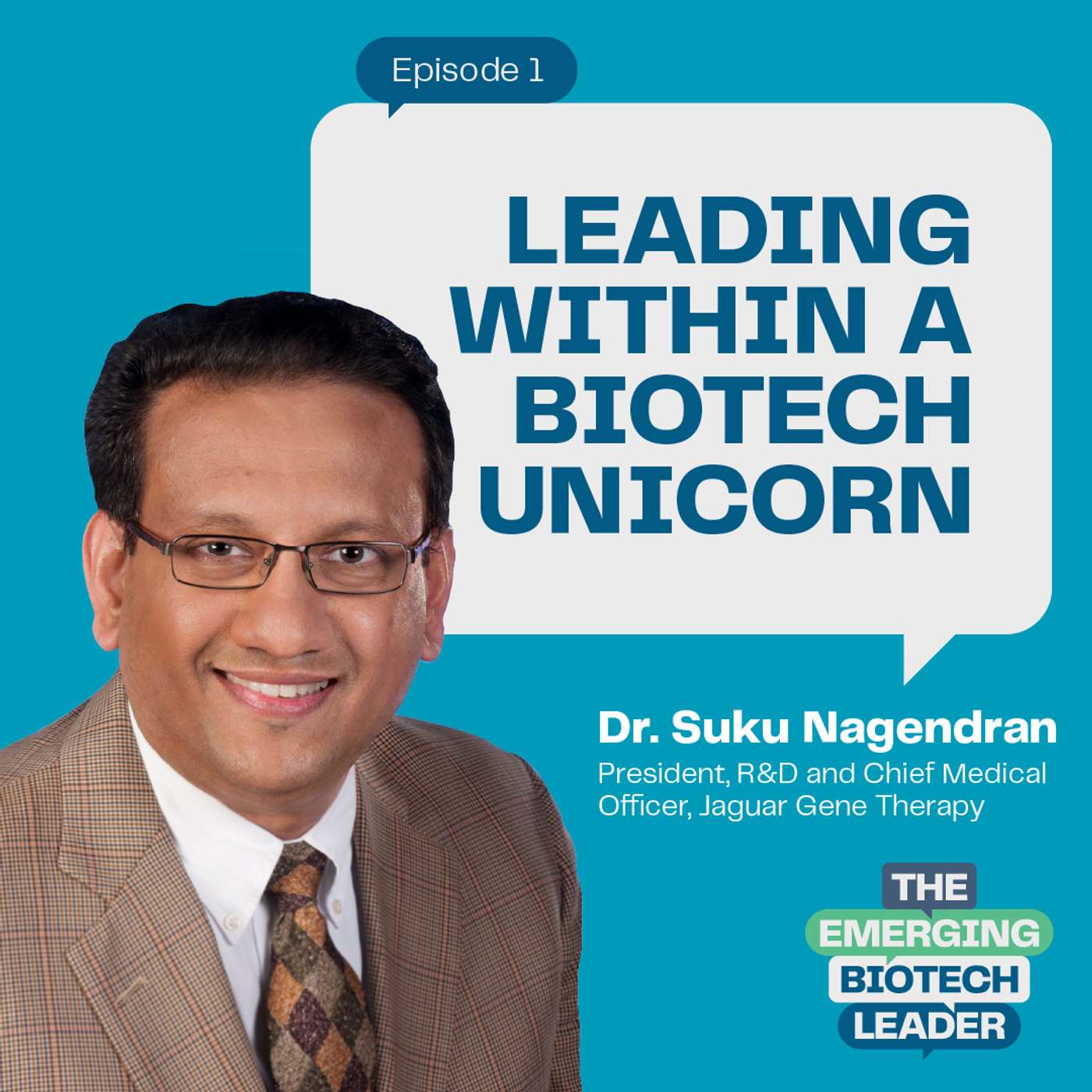
Ep 1Leading Within a Biotech Unicorn - Dr. Suku Nagendran : 1
Being Chief Medical Officer at an emerging biotech company can feel like draining the ocean with a dixie cup. No CMO can fulfill the duties of the medical office alone. Building a solid team is critical.In this episode, SSI Strategy’s hosts Dr. Ramin Farhood, Vice President of Medical Affairs, and Kim Kushner, Senior VP, spoke with Dr. Suku Nagendran, President of R&D and Chief Medical Officer (CMO) at Jaguar Gene Therapy. They discuss the challenges and rewards of being a CMO.Dr. Negendran was formerly the CMO at Avexis. A gene therapy start-up that achieved unicorn status and delivered a life-saving drug for babies suffering from Spinal Muscular Atrophy Type 1. He shares insights from his time at Avexis that emerging CMOs can learn from as they navigate the complexities of the current biotech startup climate.The Takeaway:Always keep the mission in mind. You’re trying to help patients. Stray from that, and you could hurt patients and your company.You can’t know everything, so you need your team's knowledge, openness, and honesty to develop the right solutions for your patients.Regardless of your company’s share price, you must do the right thing. Speak your mind, and challenge others. Courage counts. Trust in partnerships. Outside partners can act as an “angel on your shoulder” to identify gaps.Diving deeper: Dr. Nagendran learned from years of experience at a large corporation that a good CMO must juggle multiple job functions, manage multiple stakeholder concerns, and deliver fast results. The same lessons apply at start-ups like Jaguar and Avexis, but you have to accomplish it with fewer resources. In either case, the most efficient way to get all this done is to build a well-coordinated team around you. The CMO role is no job for shrinking violets. You need confidence in yourself and the people around you. If you don’t have internal resources, look outside your organization. For example, clinical development plans for gene therapies typically take about a year to complete. While at Avexis, Dr. Nagendran worked with SSI Strategy, and together, they completed the clinical development plan in 10 days. That’s the power of finding the right partners within and outside the organization.Pro tips for Chief Medical OfficersFind your “true North” – be true to yourself, your patients, and your mission.Remember to be humble; You can’t do it all yourself.Don’t be shy about asking for help.Work on self-awareness, know your strong points, and build a network and team to fill the gaps.Take calculated risks.Leave time for yourself and your family—a burnt-out CMO is ineffective.Learn how to manage the dynamics of your leadership team and their diverse backgrounds and personalities.Manage disagreement, listen, make adjustments, and then make your decision.Memorable quote: “I’m a nobody who became a somebody because of all the people around me.”INTERESTING LINKSjaguargenetherapy.com
Ep 1Introducing The Emerging Biotech Leader
trailerBiotech—it's complicated.A successful product launch requires grit, determination, and clear direction.But let’s be real, the path to launch isn’t a straight one.There are curves, hard turns, and dead ends.Here’s the good news, you don’t have to navigate the complexities alone.Welcome to The Emerging Biotech Leader, where we help biotech leaders maximize the value of their therapeutics from clinical development to product launch.We’re your hosts, Kim Kushner and Ramin Farhood. And we're here to help you navigate the pitfalls of the biotech industry and illuminate a path forward. Here’s what you can expect from the show:Monthly interviews with biotech leaders who are in the trenches and pioneers who have successfully navigated the phases of product development.You’ll also get deep-dive conversations with experts from our team about specific challenges that today’s biotech companies face.Make sure to hit the subscribe button, so you don’t miss the conversations.