The Decibel
1,383 episodes — Page 4 of 28

Behind schedule and over budget: Why do we keep building LRTs?
Building cities for the future means building a lot more public transit – and lately, Canadian cities have been planning LRTs, or light rail transit. While these projects are introduced with great promise of moving people around more efficiently, in practice, these projects have a history of disappointment. There’s Ottawa’s LRT project, which opened to great frustration from riders. Then, Toronto’s Finch West line, upon opening, couldn’t quite keep pace with a local runner. Most recently, there was Toronto’s Eglinton Crosstown, which opened this past February, six years later than initially planned, and a billion dollars over budget. Oliver Moore writes for the Globe’s Editorial Board. Previously, he was an urban affairs reporter. He’s here to talk about why we keep building LRTs and how we should think about transit that will take us into the future. Questions? Comments? Ideas? Email us at [email protected] Hosted by Simplecast, an AdsWizz company. See pcm.adswizz.com for information about our collection and use of personal data for advertising.
An analysis of Mark Carney’s first year as Prime Minister
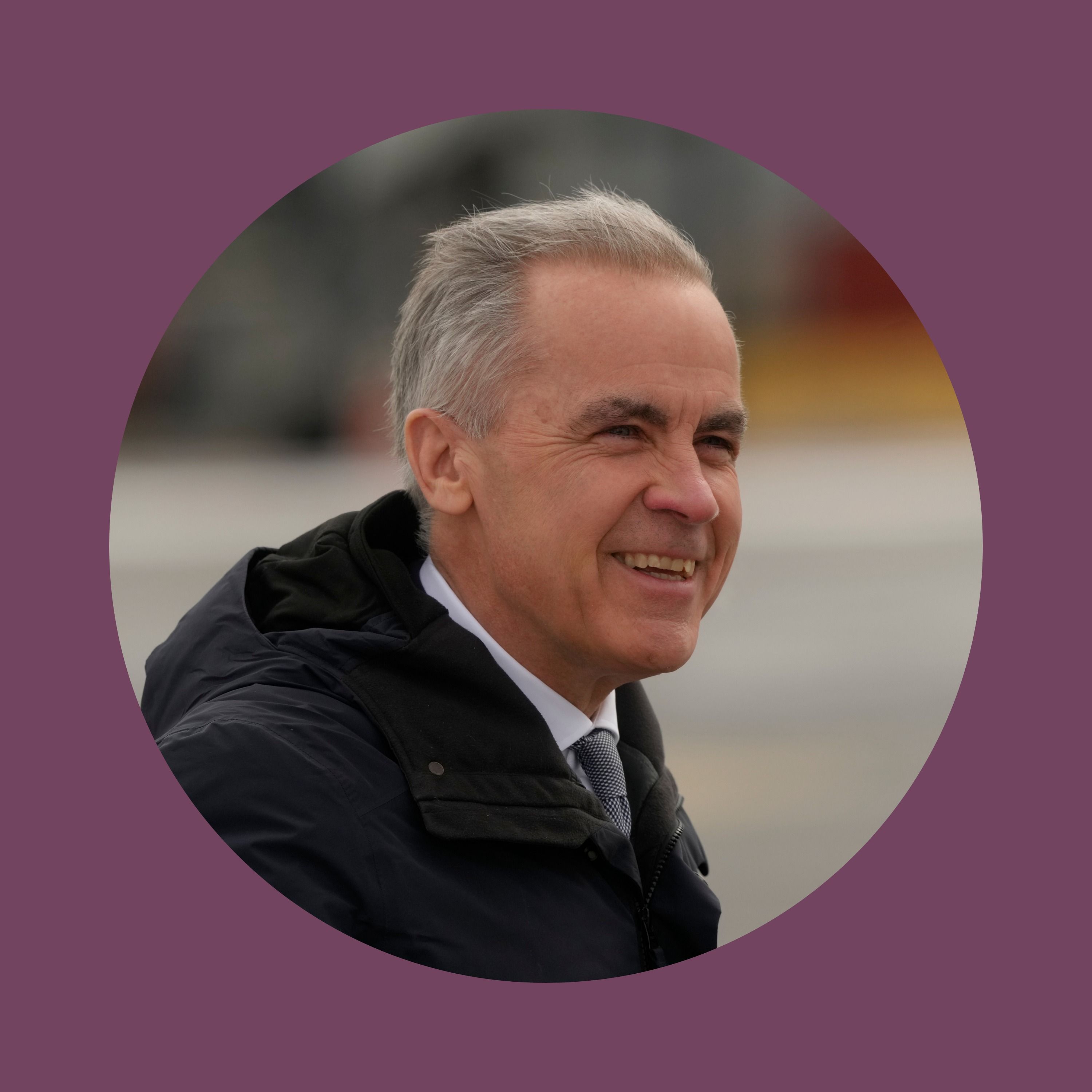
It’s been one year since Mark Carney became Prime Minister. He was long known as a technocrat, having held the position of central banker for both Canada and the United Kingdom. But when Justin Trudeau resigned, Liberals – and later, Canadians – decided Carney was the man for the moment. One year later, his popularity is holding strong: an Angus Reid poll found that 60 per cent of Canadians held a positive view of him as Prime Minister. How has Carney managed to keep Canadians onside despite having so little experience in elected politics? Shannon Proudfoot is a feature writer and columnist for The Globe. She’ll unpack what she’s observed about how Carney has cultivated his political persona, and whether there are any signs that his honeymoon phase with Canadians might be coming to an end. Questions? Comments? Ideas? Email us at [email protected] Hosted by Simplecast, an AdsWizz company. See pcm.adswizz.com for information about our collection and use of personal data for advertising.

Why Israel’s war with Iran is spreading to Lebanon
On February 28th, the US and Israel struck Iran – and Iran fired back at military bases and allies in the region. The war has since dominated global attention, but it’s not just playing out in Iran. After the Iran-backed militia group, Hezbollah, fired into Israel in solidarity with Iran, a second front in the war opened up in Lebanon. Now, hundreds of thousands have been displaced in Lebanon and hundreds of others are dead as a third war between Hezbollah and Israel escalates. The Globe’s senior international correspondent Mark MacKinnon was in Lebanon this past week. He joins The Decibel to explain how this latest conflict between Israel and Hezbollah is impacting the people of Lebanon, and why this round of fighting feels different. Questions? Comments? Ideas? Email us at [email protected] Hosted by Simplecast, an AdsWizz company. See pcm.adswizz.com for information about our collection and use of personal data for advertising.

How the towing industry is linked to police corruption
A wide-scale investigation into police corruption in Ontario – Project South – led to the arrests of 27 people, including seven Toronto Police Services officers and one retired Toronto Police officer. The allegations range from a conspiracy to traffic Toronto Police uniforms, to selling data to members of organized crime groups, to a plot to murder a corrections officer. But one of the civilians charged in the operation had links to the tow truck industry, which has a documented history of violence and criminal connections. That led Globe and Mail reporter Molly Hayes to question what links exist between the police corruption investigation and the industry. She has reported on violence and corruption in the towing industry for years. Today, she joins the show to talk about why towing has been so prone to corruption, and its ties to a major criminal investigation. Questions? Comments? Ideas? Email us at [email protected] Hosted by Simplecast, an AdsWizz company. See pcm.adswizz.com for information about our collection and use of personal data for advertising.

Voices from the Iranian diaspora in Canada
Members of Canada’s Iranian community have been living through a complex set of emotions since the United States and Israel started a war with Iran nearly two weeks ago. They worry for their loved ones in Iran, but they want to see the Islamic Republic regime destroyed. Others are divided on whether a return to a monarchy or a newly created democracy is in their future. Today on the show, we feature the voices of eight Iranians who moved to Canada, some recently, others decades ago. They share their experiences, emotions and hopes for the future. Questions? Comments? Ideas? Email us at [email protected] Hosted by Simplecast, an AdsWizz company. See pcm.adswizz.com for information about our collection and use of personal data for advertising.

Tumbler Ridge shooting highlights B.C.’s mental health deserts
A month has passed since the mass shooting in Tumbler Ridge, B.C., where eight people were killed by 18-year-old Jesse Van Rootselaar, who then turned the gun on herself. In the weeks since, more information has emerged about the shooter — from a history of troubling posts online, to years of mental health challenges. Her family spoke about how challenging it was to access the care she needed. Andrea Woo is a B.C.-based reporter for The Globe who looked into what locals describe as a mental health desert in the region. She joins the show to talk about how Tumbler Ridge families describe their experiences of trying to access mental health care, and what changes could make a difference. Questions? Comments? Ideas? Email us at [email protected] Hosted by Simplecast, an AdsWizz company. See pcm.adswizz.com for information about our collection and use of personal data for advertising.

Skinny, Inc. Part 3: Body image in the age of Ozempic
The first episode of Skinny Inc. was all about the science behind GLP-1s, and the second episode was about the business, from the pharmaceutical companies who make GLP-1s to the insurance plans that may or may not cover it. Today, we’re exploring how the so-called “Ozempic era,” affects people’s mental health. First, business owner Maiyhet Burton tells us how using a GLP-1 has helped her body image. Globe health reporter Kelly Grant details how experts are split on the effect of GLP-1s on weight stigma, and psychotherapist Zoë Bisbing explains how the body positive movement helps her clients. Plus, Tigress Osborn, executive director of the National Association to Advance Fat Acceptance on why the popularity of GLP-1s shows how far we have to go with anti-fat discrimination, and Ary Mahraj and Emily Donahue from the National Eating Disorder Information Centre tell us how people with eating disorders may be impacted by the constant discussions about weight loss. Finally, Dr. Stephen Glazer, Medical Director for the Bariatric Surgical Program at Humber River Hospital in Toronto on how weight stigma can be internalized. You can contact the National Eating Disorders Information Centre at their toll-free helpline at 1-866-NEDIC-20 or visit their website. Questions? Comments? Ideas? E-mail us at [email protected] Hosted by Simplecast, an AdsWizz company. See pcm.adswizz.com for information about our collection and use of personal data for advertising.
Why a sleep doctor says we should never change our clocks again
bonusOn Sunday, most Canadians lose an hour of sleep as the clocks get turned forward to daylight time. But while most of us have gotten used to the bi-annual time change, our bodies have not. And with a growing number of experts saying the practice messes with our sleep – should Canadians stop messing with the clock? Today, psychology professor Joseph De Koninck is here. He studies sleep at the University of Ottawa, and his recent research looks at how Daylight Savings Time impacts our circadian rhythms, what we can do to minimize the health effects the change has, and why he thinks Canada should consider staying on Standard Time year-round. This episode originally aired October 31, 2025. Questions? Comments? Ideas? Email us at [email protected] Hosted by Simplecast, an AdsWizz company. See pcm.adswizz.com for information about our collection and use of personal data for advertising.

What Canada needs to learn from Alabama
When it comes to one economic indicator, Canada is lagging behind one of the U.S.’s poorest states: Alabama. And while GDP per capita is an imperfect metric of wealth, Globe reporter Tim Kiladze went down to Alabama and found that there are some things the state has done that are worth taking note of. Tim joins the show to share what he saw down south, explore the criticisms of GDP per capita and respond to the reaction his reporting has generated. Questions? Comments? Ideas? Email us at [email protected] Hosted by Simplecast, an AdsWizz company. See pcm.adswizz.com for information about our collection and use of personal data for advertising.
After years of hostility, Carney defrosts relations with India
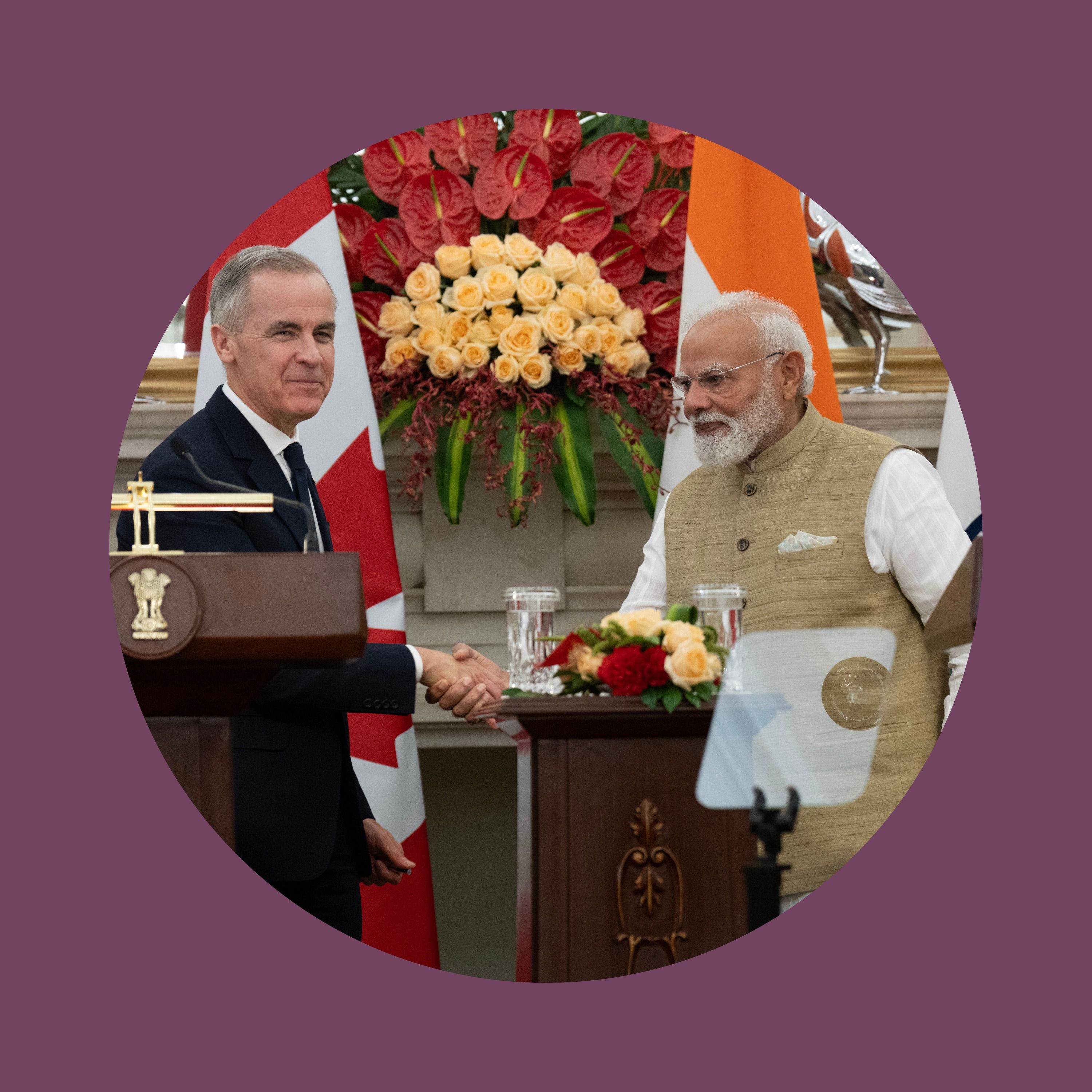
Prime Minister Mark Carney finished his trip to India this week, marking the start of what he says is a new partnership between the two countries. The relationship between Canada and India has been tense for years, with allegations of Canadian election interference from India and accusations against Indian government agents over the killing of a Sikh-Canadian activist. The Globe’s senior parliamentary reporter Steven Chase is on this trip with Carney to India. Today he tells us why this reset in relations is so important for the Canadian government, what deals came out of it, and how Carney makes sense of the trip given the ongoing concerns with India. Questions? Comments? Ideas? Email us at [email protected] Hosted by Simplecast, an AdsWizz company. See pcm.adswizz.com for information about our collection and use of personal data for advertising.

How the war against Iran is choking global energy supply
Since the U.S. and Israel first struck Iran on Saturday, energy prices have been on the rise. Oil prices are up around 13 per cent, and LNG – liquefied natural gas – is up around 75 per cent. 20 per cent of the world’s oil and LNG pass through the narrow Strait of Hormuz, a passageway between the Persian Gulf and the Arabian Sea that is effectively being blocked by Iran’s Revolutionary Guards. Eric Reguly is The Globe and Mail’s European Bureau Chief. He joins the show to talk about the role energy plays in the war in Iran, and how the reverberations are being felt far beyond the Middle East. Questions? Comments? Ideas? Email us at [email protected] Hosted by Simplecast, an AdsWizz company. See pcm.adswizz.com for information about our collection and use of personal data for advertising.

What the U.S.-Israel attacks mean for Iranian leadership
The U.S. and Israel are continuing attacks on Iran for the fourth day. Iran’s leadership has been devastated, hundreds have been killed and retaliatory attacks have been launched against Israel and neighbouring nations. U.S. President Donald Trump has repeatedly called on Iranians to topple the theocratic government that has held power for 47 years. Thomas Juneau, professor at the University of Ottawa’s Graduate School of Public and International Affairs, joins The Decibel to discuss why this is an existential war for the Islamic Republic, what calculations the U.S. and Israel are making and how this could be the beginning of a larger and longer war. Questions? Comments? Ideas? Email us at [email protected] Hosted by Simplecast, an AdsWizz company. See pcm.adswizz.com for information about our collection and use of personal data for advertising.

Skinny, Inc. Part 2: The big business of Ozempic
You can listen to the first episode of this three-part series here. GLP-1 medications to treat diabetes, obesity and several other illnesses have exploded in popularity since Ozempic was approved for use in Canada back in 2018. Ozempic and Wegovy, the GLP-1s which contain semaglutide, are the third-most prescribed drug in Canada, and by far the best-selling one. Chris Hannay, The Globe’s business of health reporter, will explain why the introduction of generic semaglutide will mean lower prices and more options for Canadians. And we’ll explore access to these drugs with The Globe’s health reporter Kelly Grant on who gets their GLP-1 covered by their insurance – and who doesn’t. Plus, Globe audio producer Kasia Mychajlowycz leads us on a journey to understand just how the virtual pharmacies advertised all over her social media feed are vetting people who want Ozempic prescriptions. The next episode and final episode of Skinny, Inc. is next Monday, March 9. You can contact the National Eating Disorders Information Centre at their toll-free hotline at 1-866-NEDIC-20 or visit their website. Questions? Comments? Ideas? E-mail us at [email protected] Hosted by Simplecast, an AdsWizz company. See pcm.adswizz.com for information about our collection and use of personal data for advertising.

The argument for AI regulation after Tumbler Ridge
Months before the mass shooting in Tumbler Ridge, B.C., earlier this month, the shooter was banned from OpenAI, the company behind ChatGPT, for violating its usage policy. The Wall Street Journal, which first reported this, said that the interactions with ChatGPT were describing scenarios involving gun violence. That has furthered calls for the Canadian government to regulate AI companies and their products – but there are challenges. Taylor Owen is an associate professor at McGill and founding director of McGill’s Centre for Media, Technology and Democracy. He’s also host of The Globe and Mail podcast Machines Like Us. He’ll tell us what responsibility companies have to report concerning or violent content, and what the government is up against in trying to regulate AI. Questions? Comments? Ideas? Email us at [email protected] Hosted by Simplecast, an AdsWizz company. See pcm.adswizz.com for information about our collection and use of personal data for advertising.

Winners and losers after a year of Trump tariffs
On Tuesday night, U.S. President Donald Trump touted his tariff regime, after a Supreme Court decision that severely limited his ability to impose tariffs. Now countries trading with the U.S. are left with even more uncertainty about what will come next. Jason Kirby is a staff reporter for The Globe’s Report on Business. He explains what the court ruling means for Canada, what other tariffs could be coming our way soon and who have been the winners and losers in the trade war over the last year. Questions? Comments? Ideas? Email us at [email protected] Hosted by Simplecast, an AdsWizz company. See pcm.adswizz.com for information about our collection and use of personal data for advertising.

Mexico’s uneasy balance of power between cartels and government
On Tuesday, Canadian airlines began to resume operations in Puerto Vallarta and Guadalajara. They had been suspended days earlier after the Mexican army killed El Mencho, the leader of the Jalisco New Generation Cartel, leading to a wave of violence across Jalisco and elsewhere in Mexico. Residents of Puerto Vallarta, the popular tourist destination, and Guadalajara, Mexico’s second-largest city, were told to shelter in place. Many Canadian tourists found themselves stranded. David Agren is a freelance journalist covering Latin America. He joins The Decibel to talk about how cartels operate in Mexico, how the government has dealt with them in the past, and how pressure from the Trump administration is ramping up the stakes for the Mexican government to crack down on cartels. Questions? Comments? Ideas? Email us at [email protected] Hosted by Simplecast, an AdsWizz company. See pcm.adswizz.com for information about our collection and use of personal data for advertising.

The payout and relationship that led to crisis at a pension plan
It began with three executives from the CAAT Pension Plan raising concerns over a $1.6-million vacation payout and a relationship between the CEO and an employee. That has now led to a ‘full-blown crisis over governance,’ with nearly all of the senior leadership team changed or gone, including the long-standing CEO who’s on administrative leave. The Globe’s institutional investing reporter James Bradshaw has been covering the turmoil at CAAT. Today, he explains how these issues led to such turbulence and why it’s so important to have steady leadership at one of Canada’s big pension plans. Questions? Comments? Ideas? E-mail us at [email protected] Hosted by Simplecast, an AdsWizz company. See pcm.adswizz.com for information about our collection and use of personal data for advertising.

Skinny, Inc. Part 1: the Canadian connection to Ozempic
Dr. Daniel Drucker’s research helped pave the way for Ozempic, the blockbuster GLP-1 class drug. The endocrinologist has been researching the effects on Ozempic’s active ingredient semaglutide in the body for decades.Today he’ll show us around his lab and explain how a stout lizard kept in a freezer helped unlock the science behind a drug taken by more than a million Canadians. Then, health reporter Kelly Grant tells us about rising obesity rates in Canada, and we’ll hear from a doctor who prescribes GLP-1s— and a patient who takes them. After this episode was published, Dr. Stephen Glazer let The Globe know that he misstated the ratio of fat to muscle loss during a typical weight loss experience. The typical ratio is around two-thirds fat loss and one-third muscle loss. This is part of a three-part series. The next episode is next Monday, March 2nd. You can contact the National Eating Disorders Information Centre at their toll-free hotline at 1-866-NEDIC-20 or visit their website. Questions? Comments? Ideas? Email us at [email protected] Hosted by Simplecast, an AdsWizz company. See pcm.adswizz.com for information about our collection and use of personal data for advertising.
Margaret Atwood and Michael Crummey on ‘The Art of the Story’
bonusA conversation between two acclaimed Canadian authors – Margaret Atwood and Michael Crummey on ‘The Art of the Story’. A live discussion about writing, reading, what makes Canadian authors unique and the publishing landscape. Atwood is one of Canada’s most celebrated writers, recently published Book of Lives: A Memoir of Sorts. Crummey is the author of numerous short stories, poetry and novels, his most recent work being The Adversary. This recording was from a live event at The Globe and Mail headquarters in Toronto on Dec.1, 2025, as part of celebrations for The Globe 100, an annual list of the most notable reads. Hosted by Simplecast, an AdsWizz company. See pcm.adswizz.com for information about our collection and use of personal data for advertising.

What would a stronger trade relationship with Mexico look like?
This week, Minister for Canada-U.S. Trade Dominic LeBlanc, led a trade delegation to Mexico. He was joined by government and industry officials, as well as leaders of around 250 Canadian businesses. It’s the largest Canadian trade delegation to Mexico in recent memory, and it’s set against the backdrop of Prime Minister Mark Carney’s goal of diversifying Canadian trading partners. Mark Rendell, the Globe’s economics reporter, joins the show to talk about the opportunities for growth in Mexico, and how the two countries are preparing for discussions around the renegotiation of USMCA later this year. Questions? Comments? Ideas? Email us at [email protected] Hosted by Simplecast, an AdsWizz company. See pcm.adswizz.com for information about our collection and use of personal data for advertising.

Carney’s plan to expand Canada’s defence industry
As part of its plan to remake the Canadian Armed Forces, the federal government earmarked $6.6-billion over five years in the fall budget for its Defence Industrial Strategy. The document was finally released this week, and it details the blueprint for bolstering Canada’s defence industry.Pippa Norman is The Globe’s innovation reporter, and she covers the business side of defence. She’ll explain why this document is important, the key takeaways, and what the plan means for broader conversations about protecting Canada’s sovereignty.Questions? Comments? Ideas? Email us at [email protected] Hosted by Simplecast, an AdsWizz company. See pcm.adswizz.com for information about our collection and use of personal data for advertising.

What social media for AI bots can tell us about consciousness
Much has been made about a new social media platform called Moltbook, where AI agents are posting and appear to be interacting with each other. Some see their posts – especially those about humans – as worrisome. Others are wondering if this is evidence that we’re inching closer to a world where an artificial intelligence system attains consciousness.Dr. Karina Vold is an assistant professor of philosophy at the University of Toronto. She studies the philosophy of cognitive science, and also researches technology, AI and ethics. She discusses the problems with anthropomorphizing AI and the difference between sentience and consciousness.Questions? Comments? Ideas? Email us at [email protected] Hosted by Simplecast, an AdsWizz company. See pcm.adswizz.com for information about our collection and use of personal data for advertising.
Why Carney and Ford are talking about a federal election
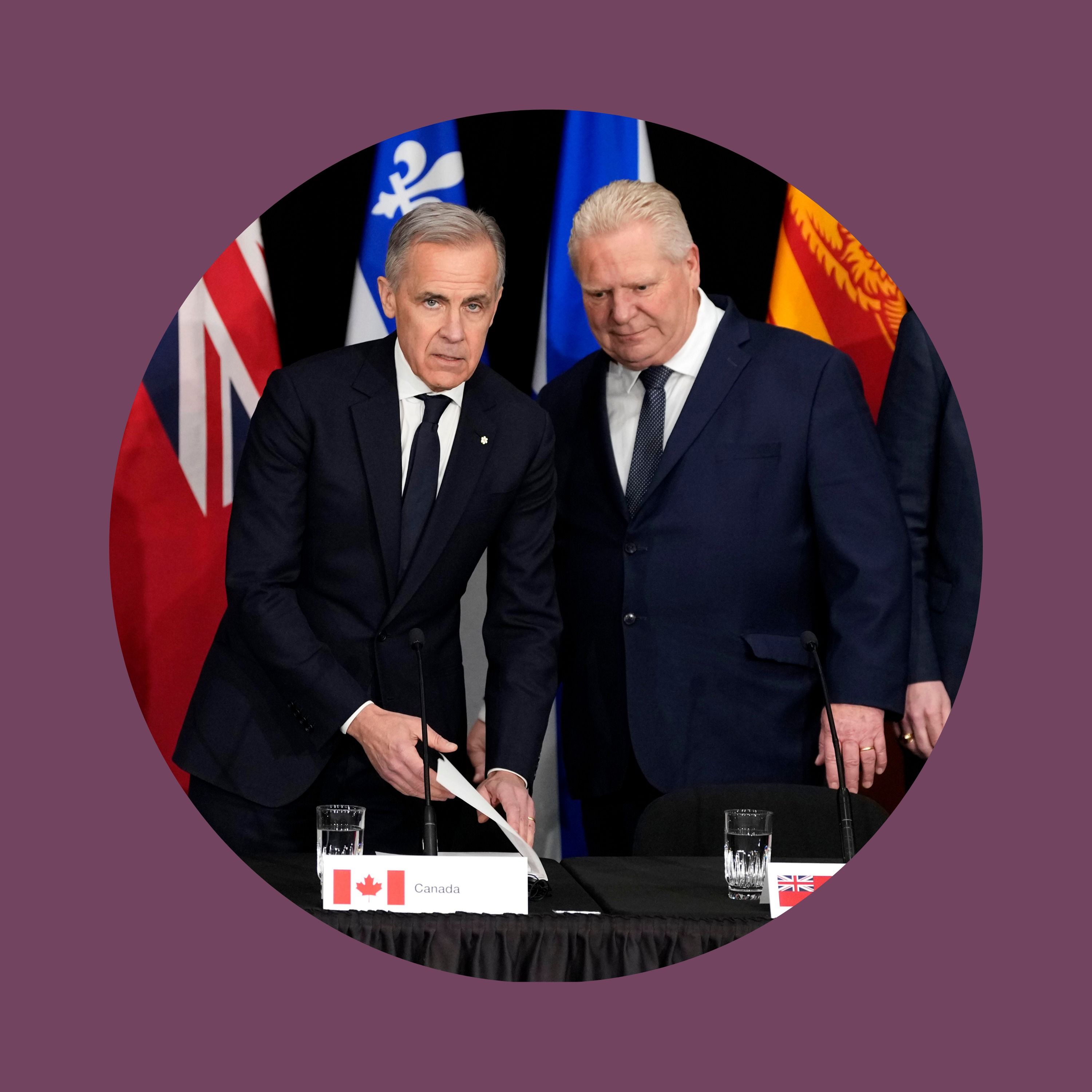
The Globe exclusively reported that Prime Minister Mark Carney and Ontario Premier Doug Ford discussed the possibility of a snap federal election this spring. The next federal election is scheduled for no later than 2029, though historically, minority governments usually last around two years. But just how realistic is this speculation of another election?Laura Stone, who broke the story, and Shannon Proudfoot, a feature writer and columnist based in Ottawa, join host Sherrill Sutherland for a political roundtable about whether Canadians will head to the polls this spring.Questions? Comments? Ideas? Email us at [email protected] Hosted by Simplecast, an AdsWizz company. See pcm.adswizz.com for information about our collection and use of personal data for advertising.

Defying time and biology: the Olympic skater making history
Canadian figure skater Deanna Stellato-Dudek will make history this weekend at the age of 42, as the oldest female figure skater to compete in the Olympics in nearly 100 years. She’s had a remarkable journey to get to the Milan Cortina Winter Games, including 16 years away from the ice.Today, Globe reporter (and passionate figure skater) Robyn Doolittle tells us the story of how Stellato-Dudek got to these Olympic Games, what it takes to become an elite athlete in your 40s, and how athletes are pushing the time limits of their careers.Questions? Comments? Ideas? Email us at [email protected] Hosted by Simplecast, an AdsWizz company. See pcm.adswizz.com for information about our collection and use of personal data for advertising.
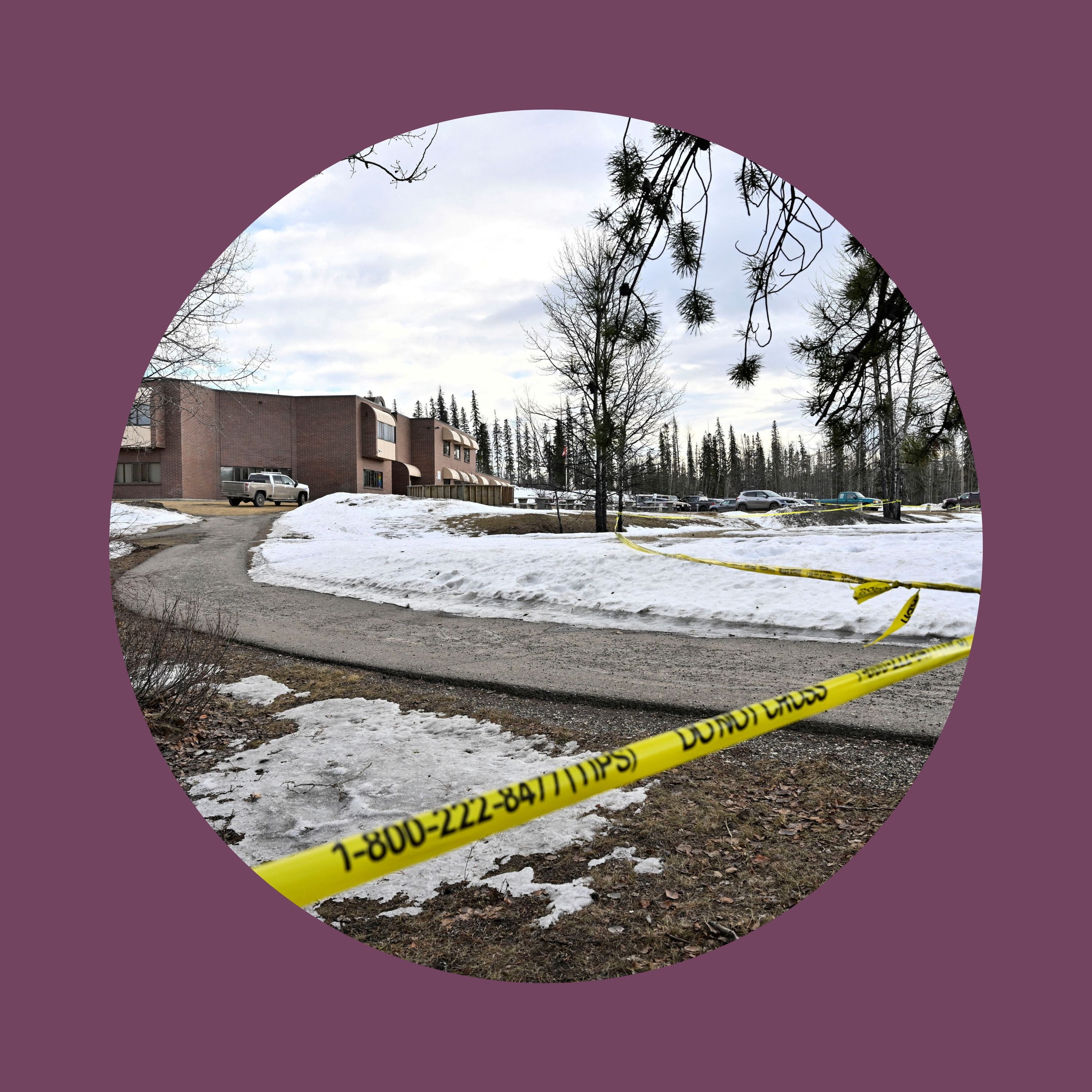
On the ground in Tumbler Ridge, after the mass shooting
Tuesday’s deadly mass shooting in the community of Tumbler Ridge, British Columbia, marks the second deadliest school shooting in Canadian history. Nine people are dead, including the shooter, and at least 25 others are injured.Many details are still unknown, but today, we’re talking about the aftermath of the tragedy. Globe reporters Matthew Scace and Alanna Smith give us the view from Tumbler Ridge, and you’ll hear from community members about how they’re making sense of what has happened in their town.Questions? Comments? Ideas? Email us at [email protected] Hosted by Simplecast, an AdsWizz company. See pcm.adswizz.com for information about our collection and use of personal data for advertising.
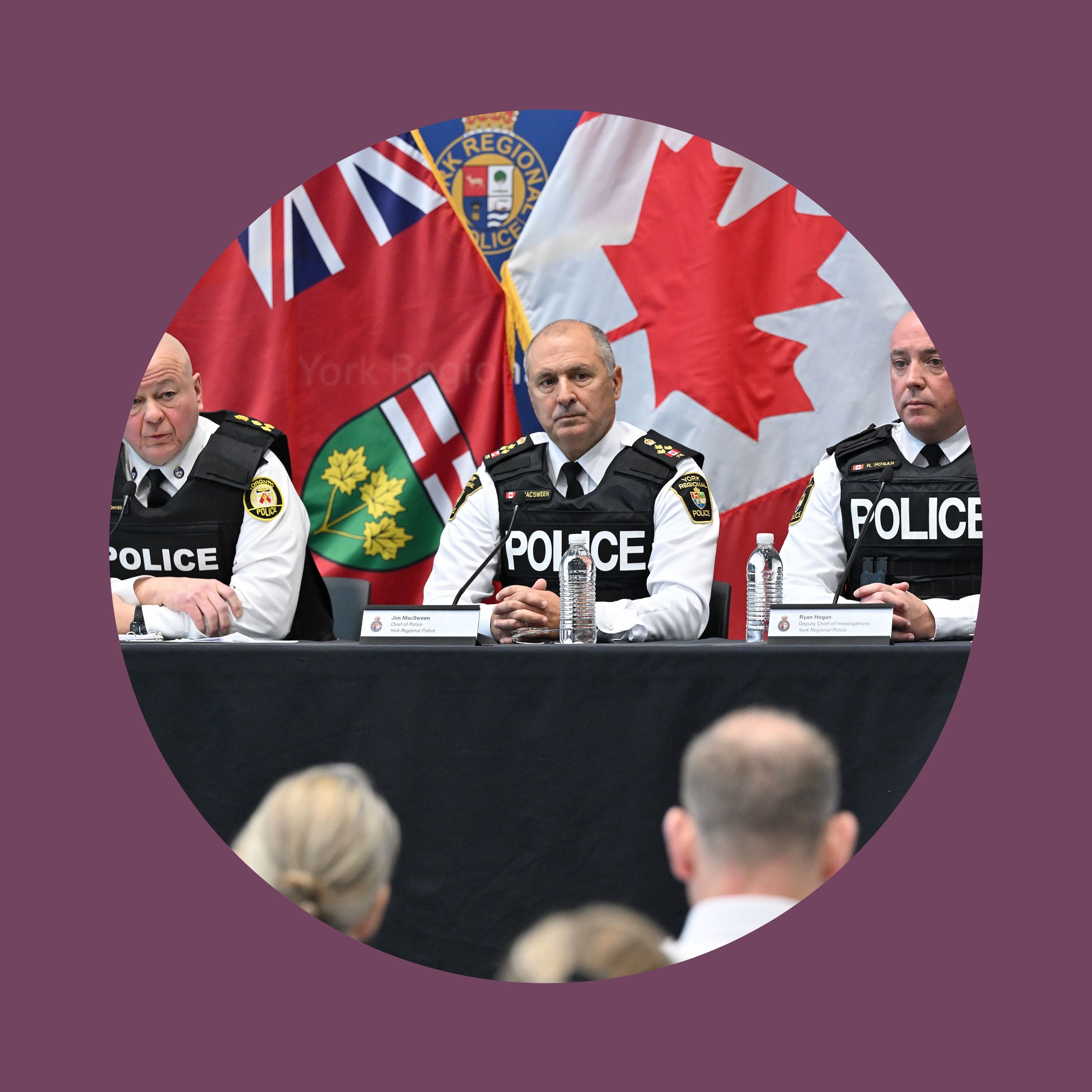
How police corruption allegations erode trust in justice system
This week, Ontario’s Inspector-General announced it is launching a provincewide review of corruption among police services in the wake of the arrests of seven Toronto police officers and a retired constable. The allegations – including corruption, leaking of information to organized crime members, accepting bribes and drug trafficking – have rocked civic institutions and are proving to be a threat to public trust in policing.Mike Hager, reporter for The Globe, details the allegations against the officers and why cases of police corruption are difficult to investigate. Later, The Globe’s justice reporter David Ebner joins the show to explain why the investigation of the accused officers may put other criminal trials in the justice system at risk.Questions? Comments? Ideas? Email us at [email protected] Hosted by Simplecast, an AdsWizz company. See pcm.adswizz.com for information about our collection and use of personal data for advertising.

Carney shifts gears on EV and climate policies
The federal government recently announced that it is scrapping the zero emissions vehicle mandate – brought in by the Trudeau government in 2022. Zero emissions vehicles such as EVs were supposed to make up 20 per cent of all new car sales this year, increasing to 100 per cent by 2035. This is the latest Trudeau-era climate policy that Prime Minister Mark Carney has rolled back or outright abandoned.Today, we speak with Adam Radwanski, The Globe’s policy columnist and feature writer. He’ll explain why the electric vehicle mandate was scrapped, what Carney has brought in instead, and what his strategy is towards climate change more broadly.Questions? Comments? Ideas? Email us at [email protected] Hosted by Simplecast, an AdsWizz company. See pcm.adswizz.com for information about our collection and use of personal data for advertising.

Ontario pushes to allow retail access to risky investments
Ontario’s securities watchdog is facing pressure from the Ontario government to open up access to high-risk investments, called private asset funds, to regular, retail investors, according to exclusive reporting by The Globe and Mail. Industry experts warn that this unusual move could lead to investors’ money being locked up for years in long-term real estate or infrastructure projects that have extremely complex fee structures.Report on Business reporters Clare O’Hara and Jameson Berkow explain how this new proposal from the Ontario Securities Commission came about and what might be driving the Ford government to change the rules.Questions? Comments? Ideas? Email us at [email protected] Hosted by Simplecast, an AdsWizz company. See pcm.adswizz.com for information about our collection and use of personal data for advertising.

What’s at stake for Canada at the Milan Cortina Winter Games
The 2026 Milan Cortina Winter Games begin on Friday. The Olympics are always a time to rally behind your country, but this year cheering on Team Canada takes on a different meaning. At a time when Canada is asserting itself as a “middle power,” how will that translate on the podium?Cathal Kelly is a Globe and Mail columnist who writes about sports. Today, he joins the show to prime Olympics superfans and casual watchers alike for what you need to know about the Milan Cortina Winter Games, where Canada is likely to excel, and how politics could shape the narrative of these Winter Olympics.Questions? Comments? Ideas? Email us at [email protected] Hosted by Simplecast, an AdsWizz company. See pcm.adswizz.com for information about our collection and use of personal data for advertising.

Voices from inside Alberta’s separatist movement
Canvassers are currently collecting signatures for a petition in Alberta that could trigger a referendum on whether Albertans want to remain a part of Canada. The volunteers are with a group called Stay Free Alberta, whose leaders are Mitch Sylvestre and Jeffrey Rath.Matthew Scace is a staff reporter for The Globe and Mail based in Calgary. He has been reporting on the separatist movement in Alberta and shares interviews he conducted with the leaders, and some supporters, on how they feel about recent U.S. comments about their movement and why they’ve given up on Canada.Questions? Comments? Ideas? Email us at [email protected] Hosted by Simplecast, an AdsWizz company. See pcm.adswizz.com for information about our collection and use of personal data for advertising.

What happened to $10-a-day child care?
The federal government’s Canada-Wide Early Learning and Child Care program was meant to bring child care fees down to $10 per day and create 284,000 new daycare spaces by the end of March this year. A recent report found the program is expected to miss that goal by 90,000 spaces – and many places haven’t reached the initial $10 a day goal. But this program has made a huge difference for families.Today, we’re doing a daycare check in with the Globe’s education reporter Dave McGinn. He’ll walk us through what’s worked with the program, what hasn’t, and when we might expect more affordable child care in Canada.Questions? Comments? Ideas? Email us at [email protected] Hosted by Simplecast, an AdsWizz company. See pcm.adswizz.com for information about our collection and use of personal data for advertising.

U.S. and Iran weigh diplomacy as warships head for the Gulf
Over the last few weeks, U.S. President Donald Trump has repeatedly threatened military intervention in Iran – first over the Islamic Republic’s treatment of protesters, and now, over the country’s nuclear ambitions. U.S. military warships have moved toward striking distance of Iran; meanwhile, Iran’s supreme leader Ayatollah Ali Khamenei warned that a strike on Iran would spark a regional war.Thomas Juneau is a professor at the University of Ottawa’s Graduate School of Public and International Affairs. He’s here to talk about how close Iran and the U.S. are to re-entering diplomatic talks, how other countries in the region are working to mediate the situation, and where this is leading for the people of Iran.Questions? Comments? Ideas? Email us at [email protected] Hosted by Simplecast, an AdsWizz company. See pcm.adswizz.com for information about our collection and use of personal data for advertising.

Why road salt causes Canada billions in damage each year
Snow and ice is a fact of life in a long, Canadian winter. So are the millions of tonnes of salt that is used to combat it on roads across the country. But there is a cost to all that salt: damage to property, waterways and other parts of the environment and infrastructure – totalling billions of dollars annually.Patrick White, reporter for The Globe, explains the science behind why Canada is the biggest consumer of road salt in the world and why the same chemical that is necessary for a winter climate is also endangering water systems.Questions? Comments? Ideas? Email us at [email protected] Hosted by Simplecast, an AdsWizz company. See pcm.adswizz.com for information about our collection and use of personal data for advertising.

Why your grocery bill is still so high
Inflation in Canada has stabilized, but food inflation is continuing to rise. Food prices rose 5 per cent in 2025, and some items saw much larger increases – such as beef and coffee. Prime Minister Mark Carney announced some affordability measures this week – like an increase to the GST credit – aimed at lowering grocery bills.Today, food economist Mike von Massow explains why food prices remain so high, what’s driving the increase of specific items and what can be done about it.Questions? Comments? Ideas? Email us at [email protected] Hosted by Simplecast, an AdsWizz company. See pcm.adswizz.com for information about our collection and use of personal data for advertising.
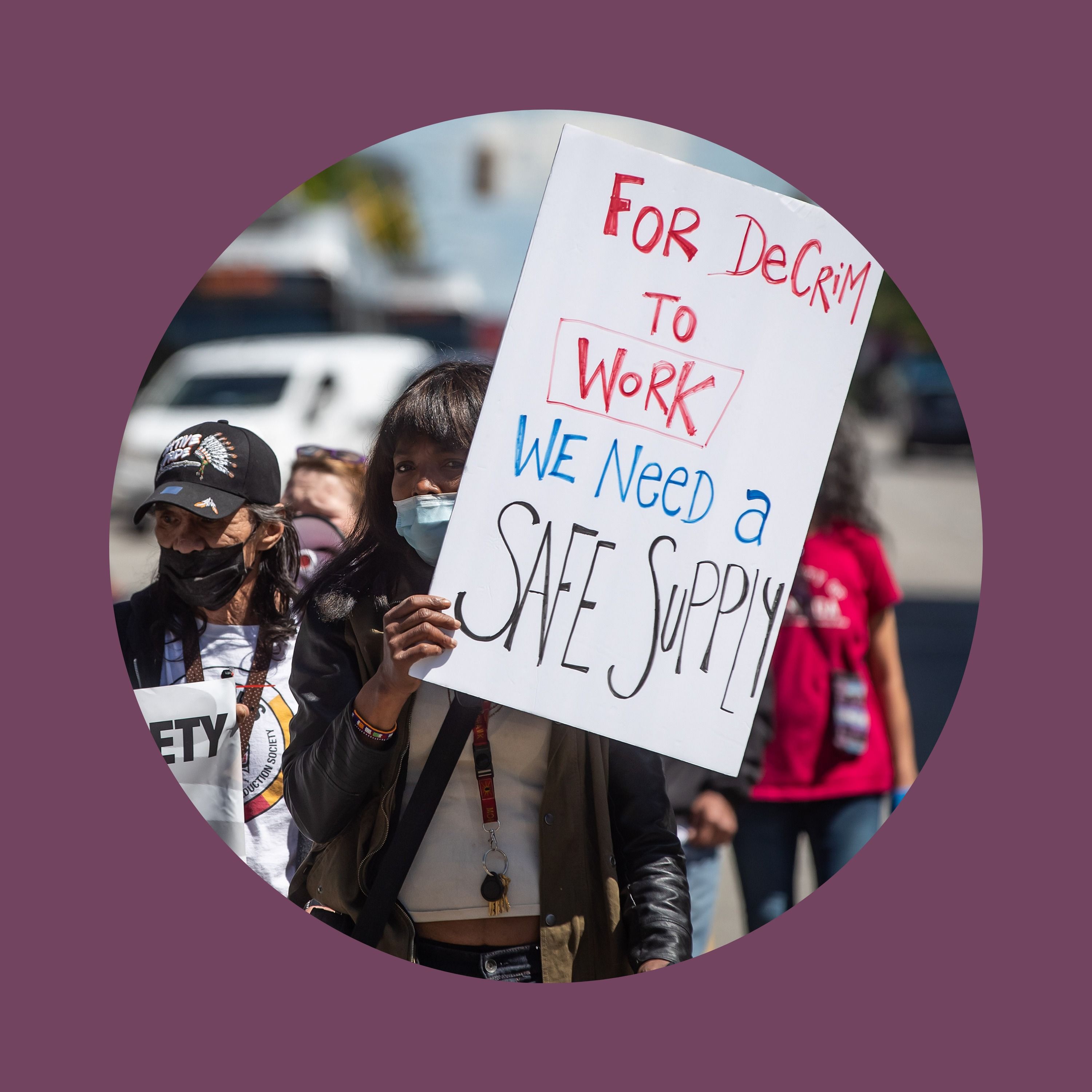
Drug decriminalization is over in B.C. What’s next?
British Columbia’s drug decriminalization pilot program will end on January 31st. The controversial program was introduced in 2023, but was criticized by advocates and political opponents alike. Parts of the policy had already been rolled back as public pressure mounted. The pilot’s cancellation was met with disappointment, especially from First Nations leaders, over the lack of consultation. What does the ending of this policy signal about the B.C. government’s approach to the toxic drug crisis? And what does it mean for Canadians living with addictions?Andrea Woo, the Globe’s staff reporter covering health and drug policy, gives us a retrospective on what exactly B.C.’s pilot was trying to fix, whether that worked, and what comes next as decriminalization ends in the province.Questions? Comments? Ideas? Email us at [email protected] Hosted by Simplecast, an AdsWizz company. See pcm.adswizz.com for information about our collection and use of personal data for advertising.

How Minnesota is fighting ICE on the ground — and in the courts
Some of the 3,000 federal agents in Minnesota are set to leave following the killings of U.S. citizens Renee Nicole Macklin Good and Alex Pretti. ICE and U.S. Border Patrol officers have been in the state enforcing U.S. President Donald Trump’s immigration agenda since December amid growing unrest. Now, Minnesota is suing the federal government, arguing that the Trump administration is breaching people’s rights and acting beyond its powers. And what happens next on the ground and in the courts could set a precedent, as ICE operations continue throughout the U.S.Globe staff reporter Joe Friesen was in Minnesota and he’s on the show today to explain what life is like for people there, how the ongoing fight between the state and federal governments is unfolding, and where the situation could go from here.Questions? Comments? Ideas? Email us at [email protected] Hosted by Simplecast, an AdsWizz company. See pcm.adswizz.com for information about our collection and use of personal data for advertising.

Alleged drug kingpin Ryan Wedding arrested
Ryan Wedding, former Canadian Olympic snowboarder turned alleged drug lord, is pleading not guilty to U.S. federal charges of leading an international drug trafficking ring and orchestrating the murders of multiple people. Wedding had been on the run for more than a decade and was on the FBI’s Top Ten Most Wanted list. But the sprawling criminal investigation crosses borders and legal experts are now questioning what lawful norms and treaties may be overridden in the race to prosecute Wedding and his associates in the U.S.Colin Freeze, crime and justice reporter for The Globe, talks about the manhunt for Wedding, the laws around extradition and why this case could turn into a test of Canada and Mexico’s legal sovereignty.Questions? Comments? Ideas? Email us at [email protected] Hosted by Simplecast, an AdsWizz company. See pcm.adswizz.com for information about our collection and use of personal data for advertising.

What you need to know as Parliament resumes
It’s been a busy month abroad for Prime Minister Mark Carney, but now, he’ll have to turn his focus back to domestic issues as Parliament returns on Monday. There’s a lot to catch up on — later this week, the Conservatives will have their leadership review of Pierre Poilievre during their convention in Calgary, and the NDP are in the midst of their leadership race. The issue of national unity remains top of mind as both Alberta and Quebec look towards possible referendums in the coming months.Bill Curry is the Globe’s Deputy Ottawa Bureau Chief. He’ll catch us up on where things left off in Parliament, what legislation is coming down the pike, and what to expect from USMCA negotiations.Questions? Comments? Ideas? Email us at [email protected] Hosted by Simplecast, an AdsWizz company. See pcm.adswizz.com for information about our collection and use of personal data for advertising.
Happy Enough: Can psychedelics improve your mental health?
bonusPsychedelics, substances like LSD and psilocybin mushrooms that cause altered states of consciousness, often remind people of hippies in the 1960s. But more researchers are looking into their potential benefits for our well-being. Scientists say psychedelics – which are illegal for recreational use in Canada – could have massive implications on how we treat and heal from major mental health disorders like PTSD, depression and anxiety. Garvia speaks with Dr. Monnica Williams, clinical psychologist and professor at the University of Ottawa, where she is the co-director of the new master’s program in psychedelics and consciousness studies. They discuss the latest research and whether psychedelics will, and should, become mainstream. Hosted by Simplecast, an AdsWizz company. See pcm.adswizz.com for information about our collection and use of personal data for advertising.
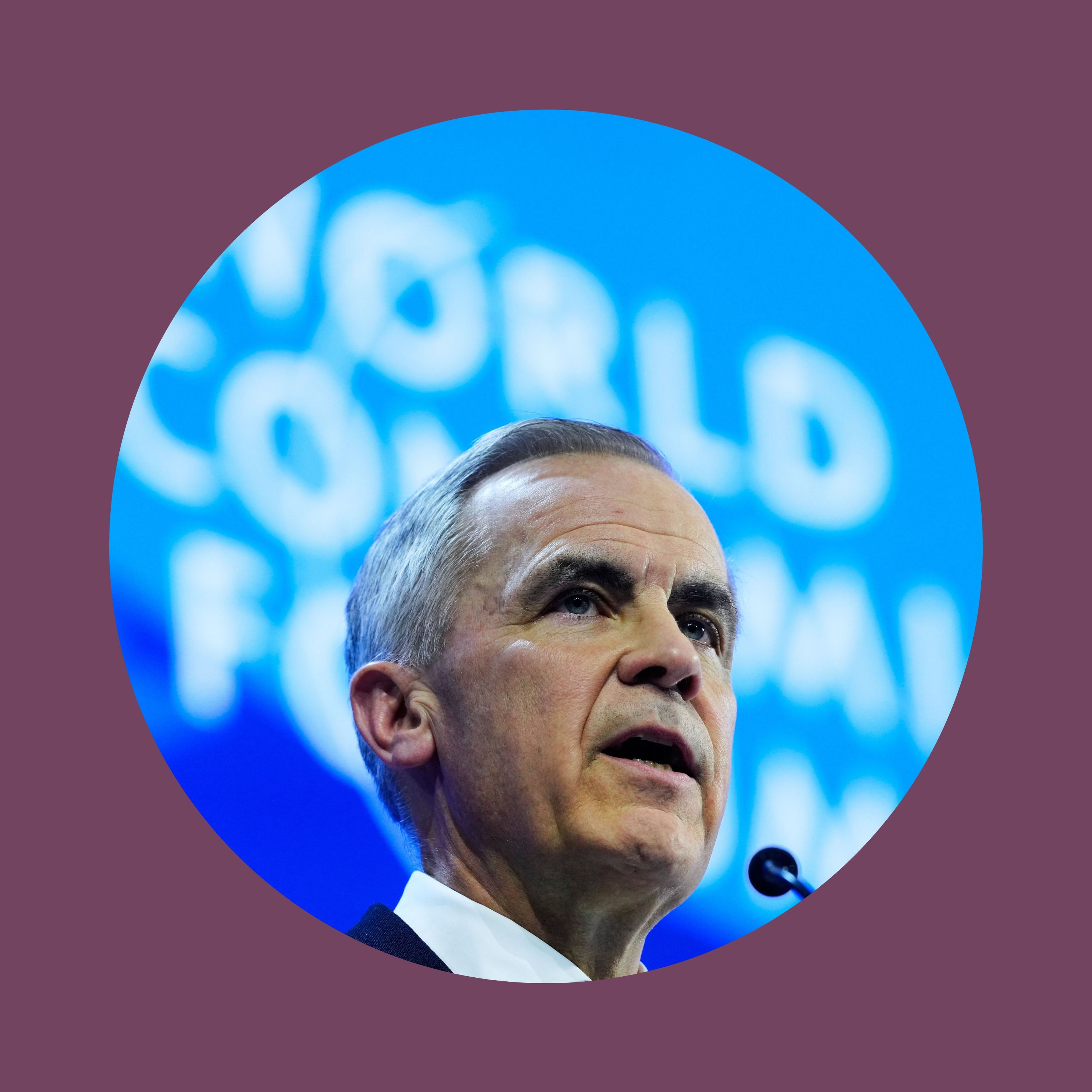
How the world changed this week at Davos
This week, Prime Minister Mark Carney and U.S. President Donald Trump made waves in Davos, Switzerland as both offered competing visions of a new world order. Government and business leaders were in the Alps for the annual World Economic Forum, where the U.S. struck a ‘deal’ with NATO on Greenland and Trump launched his Board of Peace.The Globe’s international affairs columnist Doug Saunders is here to explain Canada’s place in a changing world order, as long-standing partnerships were tested and the foundation for competing alliances was laid.Questions? Comments? Ideas? Email us at [email protected] Hosted by Simplecast, an AdsWizz company. See pcm.adswizz.com for information about our collection and use of personal data for advertising.
What Carney’s China trade deal means for EVs in Canada
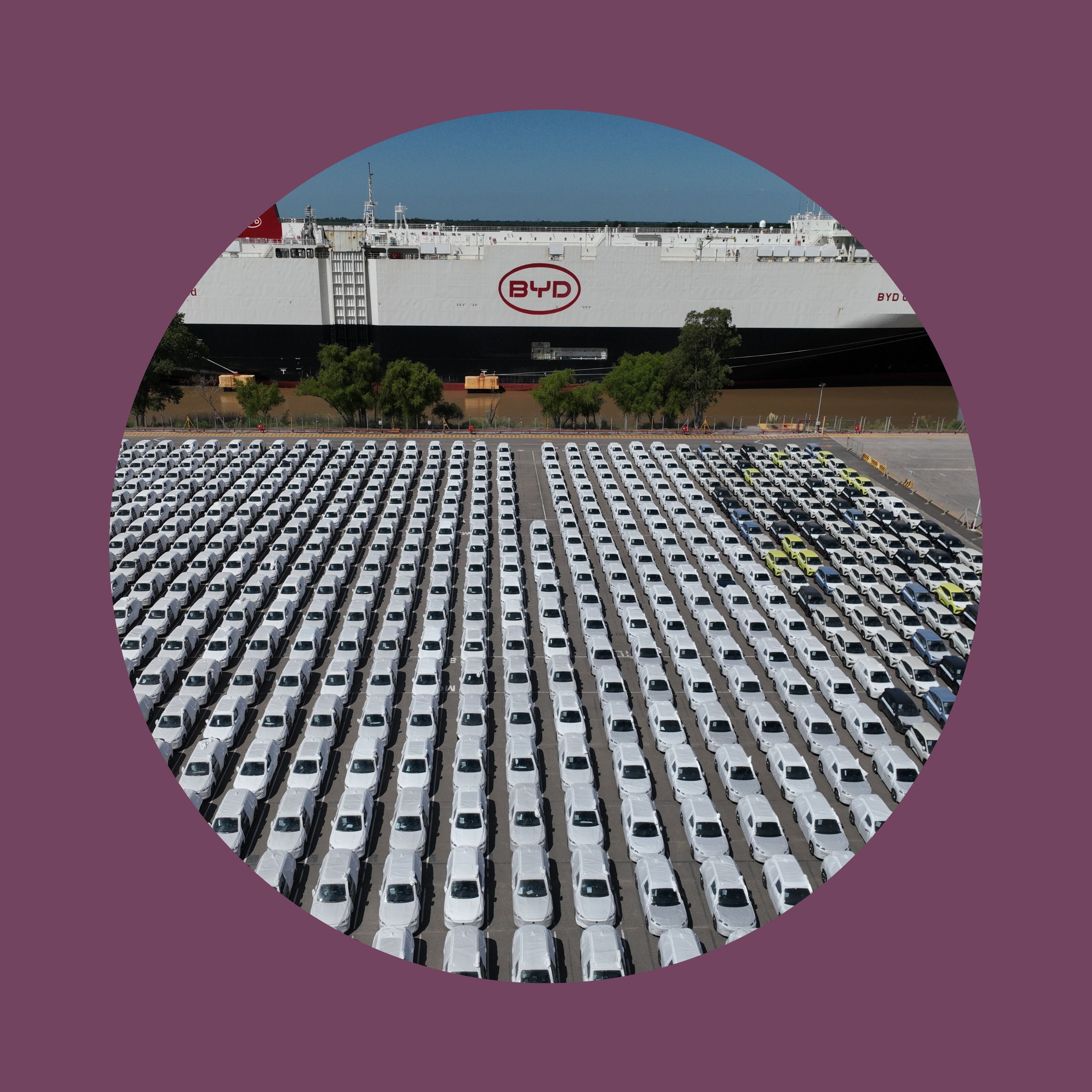
As part of Canada’s new trade deal with China, 49,000 Chinese-manufactured electric vehicles will be allowed to be sold in the Canadian market this year. It’s a big change from our previous 100 per cent tariff on Chinese-made cars. Auto leaders and Ontario Premier Doug Ford have criticized the deal, saying it puts the country’s auto sector at risk when it’s already facing pressure from the U.S. and Donald Trump’s tariffs.Dimitry Anastakis is a professor at the University of Toronto in the Department of History and the Rotman School of Management, and his research focuses on the development of the Canadian auto industry. He analyzes what this deal means for jobs in the auto sector, how it could affect Canadians looking to buy EVs and what it could mean for renegotiating the USMCA.Questions? Comments? Ideas? Email us at [email protected] Hosted by Simplecast, an AdsWizz company. See pcm.adswizz.com for information about our collection and use of personal data for advertising.
Military models invasion of Canada as Trump threatens Greenland
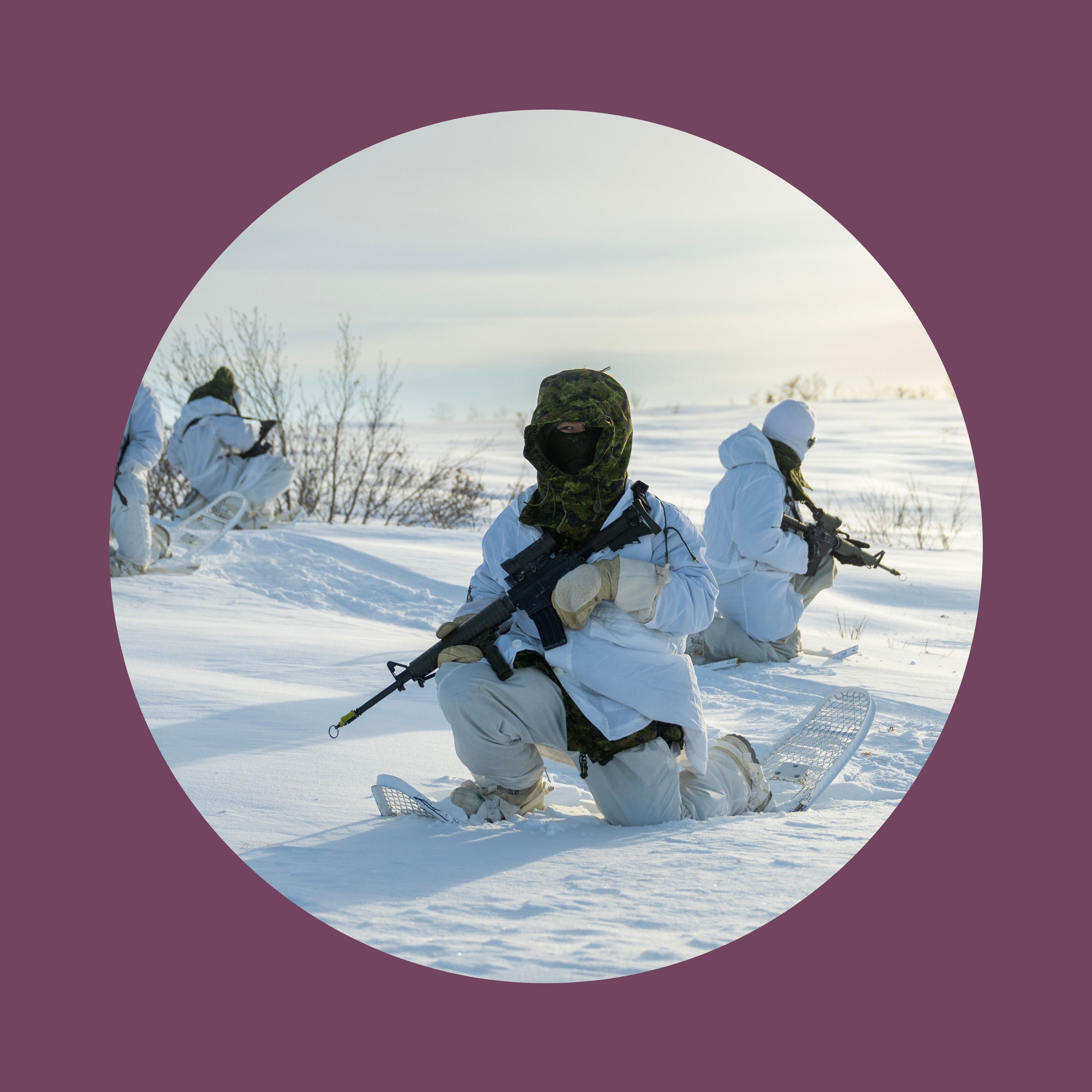
As U.S. President Donald Trump has continued to ratchet up threats against Greenland, Canada has weighed plans to send soldiers there as part of a NATO exercise. In a speech at the Davos Conference on Tuesday, Prime Minister Mark Carney expressed support for Greenland, but did not say whether Canada would indeed send troops.Meanwhile, according to senior government officials, the Canadian Armed Forces have modelled a hypothetical U.S. military invasion of Canada, and the country’s potential response. Robert Fife, the Globe’s Ottawa Bureau Chief, joins the show to talk about how Canada’s military is preparing to walk the narrow tightrope between our NATO allies and U.S. military prowess.Questions? Comments? Ideas? Email us at [email protected] Hosted by Simplecast, an AdsWizz company. See pcm.adswizz.com for information about our collection and use of personal data for advertising.

What Legault’s resignation means for Quebec
Last week, Quebec Premier François Legault announced his resignation amidst plummeting poll numbers, while acknowledging Quebeckers are calling for change. The state of the province’s politics are now in flux, as the Parti Quebecois surge in popularity and a possible referendum on Quebec’s sovereignty is on the horizon.Konrad Yakabuski, Globe columnist and Quebec politics writer, discusses Legault’s legacy, the divide between sovereigntists and federalists and where the province’s parties stand ahead of a fall election.Questions? Comments? Ideas? Email us at [email protected] Hosted by Simplecast, an AdsWizz company. See pcm.adswizz.com for information about our collection and use of personal data for advertising.

Why the flu is so bad this year
The flu season hit Canada hard and fast this year, seemingly reaching its peak in late December. But it’s not over yet: one public health official says we’re still in the ‘heavy, middle part’ of flu season.Alanna Smith explains what’s different about this year’s dominant variant of the influenza virus and the impact it’s having on Canada’s health care system.Questions? Comments? Ideas? E-mail us at [email protected] Hosted by Simplecast, an AdsWizz company. See pcm.adswizz.com for information about our collection and use of personal data for advertising.
Happy Enough: Why awe makes us happier
bonusWhat happens when we stop rushing around and pause to take in the vastness of the world around us? In this episode of Happy Enough, we explore awe — the emotion that can make you feel surprisingly small, and, at the same time, happier. To break down the science behind awe and why it makes us feel better, Garvia speaks with Dacher Keltner, professor of psychology at UC Berkeley and the author of ‘Awe: The new science of everyday wonder and how it can transform your life’. They discuss how awe affects our bodies and simple ways to incorporate it into our lives. Hosted by Simplecast, an AdsWizz company. See pcm.adswizz.com for information about our collection and use of personal data for advertising.

International law in the Trump era
In less than a year, U.S. President Donald Trump’s second term has re-shaped the international order. From levying tariffs against much of the world, turning against long-standing allies, capturing Venezuela’s president, and threatening to annex Greenland – the U.S. has flouted international law and ignored the traditional rules-based order.Michael Byers, Canada research chair on global politics and international law at the University of British Columbia, is on the show to explain the legal agreements and treaties that govern the international order and whether it’s possible to hold powerful countries to account when they defy those laws.Questions? Comments? Ideas? Email us at [email protected] Hosted by Simplecast, an AdsWizz company. See pcm.adswizz.com for information about our collection and use of personal data for advertising.

What Greenland thinks about Trump’s threats of annexation
For weeks, U.S. President Donald Trump has threatened to annex Greenland, an autonomous region of Denmark. That led to a meeting on Wednesday between a delegation of Danish and Greenland foreign ministers and U.S. Vice-President J.D. Vance and Secretary of State Marco Rubio. The two sides did not seem to come to any kind of conclusion.The Globe’s Europe correspondent, Paul Waldie, is in Greenland to get a sense of how people are feeling on the ground. He was in Denmark earlier this week. He joins the show to tell us what he’s learned, what the potential implications are for NATO, and what concerns this raises for Canada.Questions? Comments? Ideas? Email us at [email protected] Hosted by Simplecast, an AdsWizz company. See pcm.adswizz.com for information about our collection and use of personal data for advertising.

Death toll climbs as Iranians protest against regime
Protests in Iran ramped up over the weekend after the Islamic Republic regime – ruled by Ayatollah Ali Khamenei – instituted an internet and phone blackout. But despite this, reports started to come out about a crackdown. On Tuesday, an Iranian official said the death toll, composed of both protesters and security personnel, was over 2,000 people.The protests have garnered some global supporters, including U.S. President Donald Trump, who has issued threats to the Iranian regime over its treatment of the protesters.Today’s guest is Thomas Juneau. He is a professor with the Graduate School of Public and International Affairs at the University of Ottawa. His research focuses on the Middle East, in particular Iran and Yemen, and on the role of intelligence in national security and foreign policy making.He puts this moment of Iranian societal upheaval in context, and explains the calculations Iran’s supreme leader and Trump are making, as they decide on their next steps.Questions? Comments? Ideas? Email us at [email protected] Hosted by Simplecast, an AdsWizz company. See pcm.adswizz.com for information about our collection and use of personal data for advertising.
Carney’s high-stakes trip to China
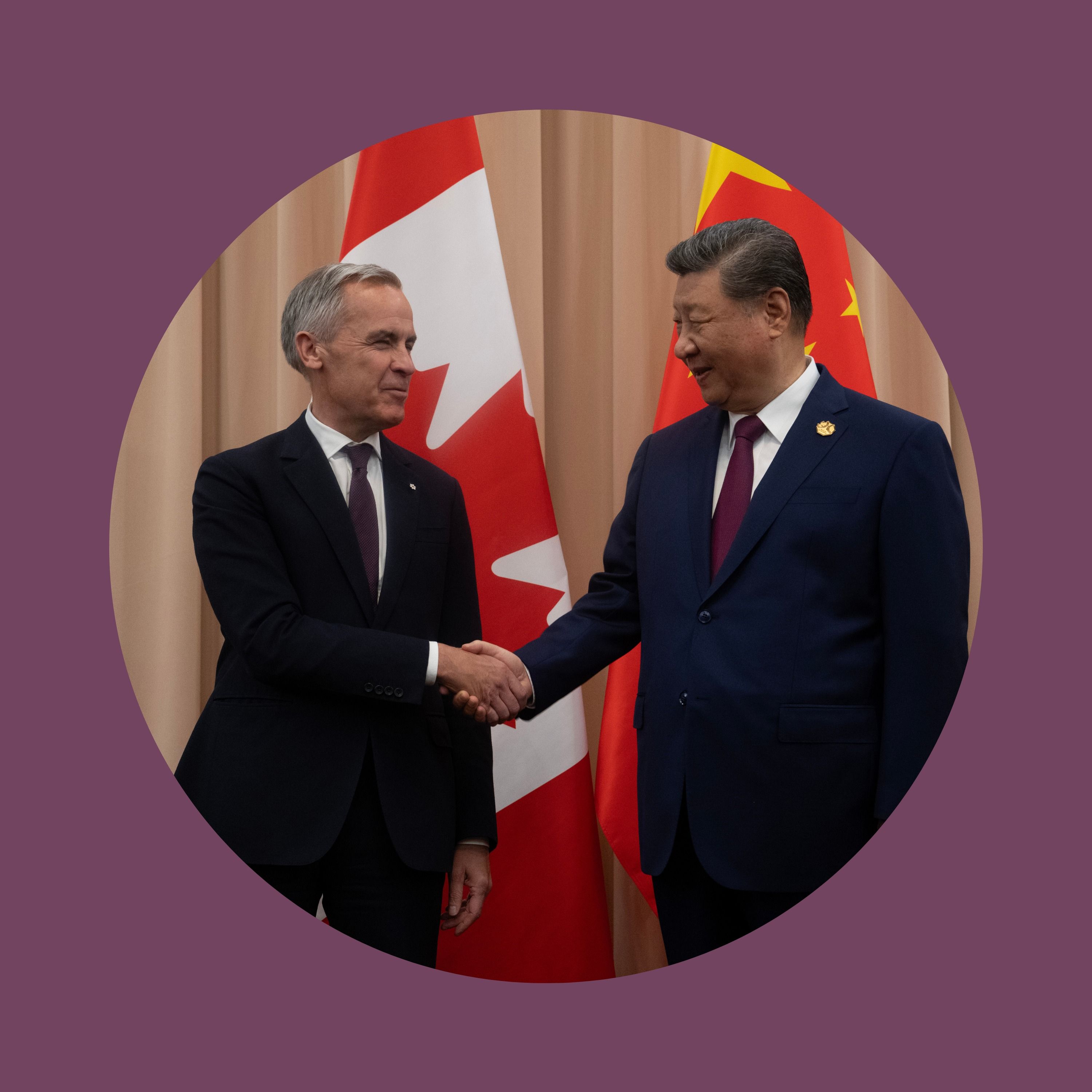
This week, Prime Minister Mark Carney will head to China, marking the first time a Canadian prime minister has gone to China since 2017. Recent interactions between Canada and China have been wracked with tension and international incidents. But there is much at stake in this meeting, with Canada looking for new trade partners as the United States becomes increasingly unreliable.Steven Chase is the Globe’s senior parliamentary reporter. He’s here to talk about what Carney needs to balance in order to strengthen economic ties with China without upsetting the U.S., and what’s next for the Canada-China relationship.Questions? Comments? Ideas? Email us at [email protected] Hosted by Simplecast, an AdsWizz company. See pcm.adswizz.com for information about our collection and use of personal data for advertising.

Why gyms have become so fancy and expensive
The new year is upon us and for some of us, that means New Year’s resolutions. These goals often involve improving our fitness, or going to the gym more often. But that’s not always cheap with gym membership and classes costing more and more.In today’s episode, host Sherrill Sutherland and The Globe’s healthy living reporter, Graham Isador, try a class at one of Toronto’s luxury gyms, Sweat and Tonic. They share their experiences and Graham discusses why gym prices have risen so drastically and how you can make your fitness resolutions possible. Questions? Comments? Ideas? Email us at [email protected] Hosted by Simplecast, an AdsWizz company. See pcm.adswizz.com for information about our collection and use of personal data for advertising.