The Decibel
1,383 episodes — Page 3 of 28
The search for graves at Tk’emlups, five years on
A reality check on Alberta separatism
Deaths raise concerns over selling plasma in Canada
An interview with Pierre Poilievre
The growing concern over stray drone strikes in Europe
A week without ultraprocessed foods
A big step forward for B.C. mothers subjected to ‘birth alerts’
Trump in China: Iran war, Taiwan and trade tensions
The big business of romance novels
A reality check on hantavirus risk in Canada
Making sense of a stock market that doesn’t make sense right now
Why are drug deaths rising in Edmonton, but falling elsewhere?
The pressure is on for Canada to meet growing energy demand
Saudi Arabia’s vision for its future is crumbling
Alberta separatist campaign faces legal hurdles
What does Canada gain by hosting the new global defence bank?
Canadian professors on how AI is changing education
A food economist’s case against public grocery stores
Where your money ends up after a scam
Takeaways from the Liberals’ first economic update as a majority
The first Canadian effectively cured of HIV
First, the Alberta health scandal. Then the surveillance began
INTERSECT/26: John Bolton on Canadian military defence
The Alberta government is accused of gerrymandering
Drones and the future of Canada’s military industry
The next step in Carney’s invest-in-Canada plan
Big changes in Ontario’s education system
The violent incidents and menacing texts targeting waste giant GFL
Why Canadian movies are having a moment
Who are the people hacking hackers?
Mark Carney’s majority moment
The future of free trade in North America
What you need to know about taxes as the CRA aims to improve
Iran’s power grows ahead of peace talks as Gulf remains on edge
Groceries, airfare and EVs: the war is changing how we spend
Another crucial strait that could strangle the global economy
Saskatchewan’s new massive ‘pink gold’ mine
Navigating Canada's fertility industry

Why some doctors are critical of B.C.’s new health care regulations
April 1 marked the start of a new regime to regulate health care in B.C. – the first overhaul of the system in 30 years. The Globe’s health reporter and columnist André Picard describes it as the biggest change in the regulation of health professionals the country has ever seen. Today, André explains the changes now implemented – including amalgamation, disciplinary changes and punishment for misinformation – why the B.C. government says they’re necessary, and why some of them have caused controversy. Questions? Comments? Ideas? Email us at [email protected] Hosted by Simplecast, an AdsWizz company. See pcm.adswizz.com for information about our collection and use of personal data for advertising.
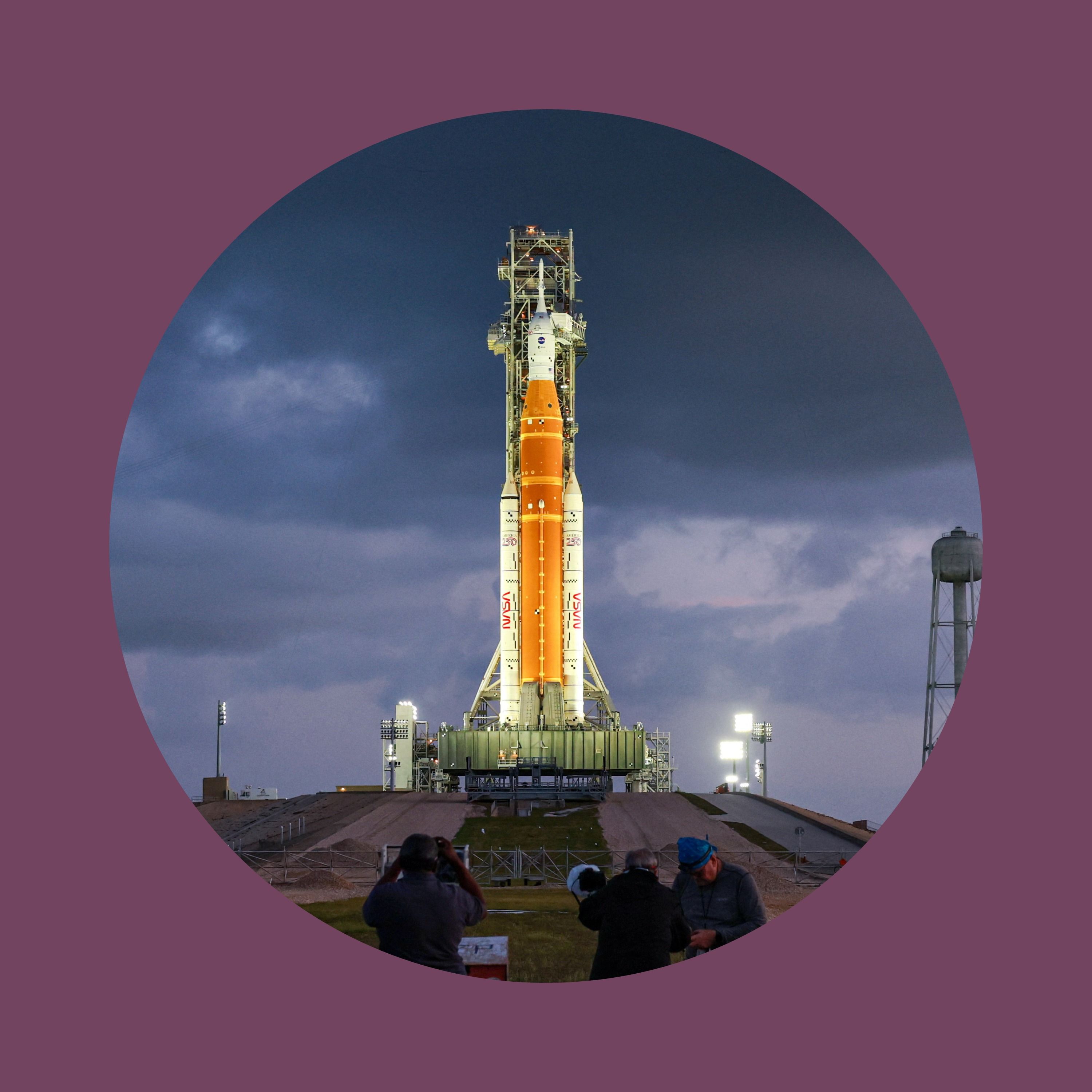
Artemis II: A Canadian heads to the far side of the moon
April 1st marks the earliest possible date that lunar mission Artemis II could lift off. Decades have passed since humans last visited the moon. After launch, four astronauts – including Canadian Jeremy Hansen – will travel all the way around the celestial body. If all goes according to plan, he’ll become the first Canadian – and non-American – to go to the moon. Decibel producer Madeleine White takes us on a journey along with The Globe’s science reporter, Ivan Semeniuk, They explore how Jeremy Hansen got a seat on this coveted mission, explain why it’s so hard to return to the moon, what the mission entails, and how Canada fits into it all. Questions? Comments? Ideas? Email us at [email protected] Hosted by Simplecast, an AdsWizz company. See pcm.adswizz.com for information about our collection and use of personal data for advertising.

Can Avi Lewis bring the NDP back to life?
On Sunday, the New Democratic Party elected Avi Lewis as its new leader. He takes the reins of a political party still reeling from losses in last year’s federal election, which cost them official party status and left them with only seven seats. Another blow came earlier this month, when Nunavut MP Lori Idlout defected to the Liberals. Without a seat in Parliament and overseeing a party with minimal resources, how Lewis will rebuild the party and what it will look like remain big questions. So today, we’re convening a panel with Campbell Clark, The Globe’s chief political writer, and Robyn Urback, a current affairs columnist for The Globe. They join the show to talk about where Lewis might steer the NDP and what it all means for the party’s future. Questions? Comments? Ideas? Email us at [email protected] Hosted by Simplecast, an AdsWizz company. See pcm.adswizz.com for information about our collection and use of personal data for advertising.

Prediction trading is coming to Canada
Prediction trading is exploding in popularity, with the industry set to rake in about US$2 billion in revenue this year alone. Companies like Kalshi and Polymarket have popularized the practice, which lets you bet on nearly anything – from Taylor Swift’s marriage status to election outcomes. This past week, Canadian company Wealthsimple cleared hurdles to offer Canadians something similar, but the rules will be different here and a fragmented system makes regulation tricky. The Globe’s retirement and financial planning reporter Meera Raman broke the Wealthsimple news. She joins us to explain what the market may look like in Canada and the challenges regulators face in protecting investors. Questions? Comments? Ideas? Email us at [email protected]. Hosted by Simplecast, an AdsWizz company. See pcm.adswizz.com for information about our collection and use of personal data for advertising.

To ban or not to ban: Canadian teens weigh in on social media
This week, decisions in two landmark trials in the U.S. found social media companies responsible for harms to youth on their platforms. They follow years of growing concern about the dangers that social media poses to young people. Now those concerns are starting to show up in policy decisions. Back in December, Australia banned those under 16 years old from creating accounts on platforms like YouTube and TikTok. Other countries are considering similar legislation – including Canada. But what do teenagers themselves think of these potential social media bans? Samantha Edwards is The Globe’s online culture reporter. She assembled a group of Canadian teenagers to talk about how they actually use social media, what adults get wrong, and what they think about losing access to the platforms they use to talk to their friends. Questions? Comments? Ideas? Email us at [email protected] Hosted by Simplecast, an AdsWizz company. See pcm.adswizz.com for information about our collection and use of personal data for advertising.

How the war in Iran exposes the limits of China’s influence
Since the U.S. and Israel first attacked Iran almost a month ago, the ripple effects of the war have been felt globally. The closure of the Strait of Hormuz has affected oil prices worldwide, but energy shocks are especially felt across the rest of Asia, which is heavily dependent on energy from the Gulf states. The 35 million migrant workers living in the Gulf – the bulk of whom come from South and Southeast Asia – are in a particularly precarious position. And China, a strategic partner of Iran, has found itself on the sidelines of this war. The Globe’s Asia correspondent James Griffiths explains the geopolitics at play and how the war is impacting the day-to-day lives of people across the continent. Questions? Comments? Ideas? Email us at [email protected] Hosted by Simplecast, an AdsWizz company. See pcm.adswizz.com for information about our collection and use of personal data for advertising.

How sweeping cuts could impact Canada’s public sector
The federal government is hoping to make room for the new spending outlined in last year’s budget by making cuts across the public sector. The goal is to save $60 billion over the next 5 years. Departments like Library and Archives Canada and the Correctional Service of Canada are reducing their workforces, while some programs, like one for public transit, are seeing funding cuts. The Globe’s deputy Ottawa bureau chief, Bill Curry, explains what we know so far about the cuts and the potential impacts on the services provided to Canadians. Questions? Comments? Ideas? Email us at [email protected] Hosted by Simplecast, an AdsWizz company. See pcm.adswizz.com for information about our collection and use of personal data for advertising.

The trouble with enforcing Canadian food labels
Amid threats of annexation and U.S.-imposed tariffs, Canadians are using their dollars to purchase Canadian goods. However, consumer complaints about products mislabelled as Canadian have spiked since the Buy Canadian movement began. Some in the food and beverage industry say cracking down too hard on mistaken labelling could backfire, dissuading retailers from promoting Canadian foods. Susan Krashinsky Robertson and Kate Helmore, both journalists for The Globe’s Report on Business, join The Decibel to discuss Canadian food labelling, the benefits of the Buy Canadian movement for farmers and producers, and how retailers can leverage patriotic shoppers to rebuild trust with them. Questions? Comments? Ideas? Email us at [email protected] Hosted by Simplecast, an AdsWizz company. See pcm.adswizz.com for information about our collection and use of personal data for advertising.

The landmark case over rights and freedoms at the Supreme Court
Today, a case involving Quebec’s use of the notwithstanding clause is going before the Supreme Court of Canada. In the last decade, many provinces have used the clause to override federal powers to pass controversial laws. While cases involving the notwithstanding clause have been taken to the Supreme Court before, none have had the magnitude of being precedent-setting that could have major implications for the Charter of Rights and Freedoms. The hearing will be one of the longest at the country’s highest court in a decade. The Globe’s justice reporter, David Ebner, explains how the clause came to be, why provinces have used it, and whether the case will change the power balance between provincial and federal governments in Canada’s charter. Questions? Comments? Ideas? Email us at [email protected] Hosted by Simplecast, an AdsWizz company. See pcm.adswizz.com for information about our collection and use of personal data for advertising.

How much AI music is in your playlist?
What does it mean to create music? Would you be able to tell if the sounds you were listening to weren’t made or sung by a human? Artists and supporters of the music industry are asking some of these existential questions, as technology in consumer generative AI has grown in leaps and bounds and record companies are settling legal battles with AI companies. Josh O’Kane, Globe reporter on arts and business, joins The Decibel to talk about the friction between musicians and AI tools, how AI slop has found itself onto streaming feeds, and what this could mean for the future of music. Questions? Comments? Ideas? Email us at [email protected] Hosted by Simplecast, an AdsWizz company. See pcm.adswizz.com for information about our collection and use of personal data for advertising.

What war in Iran means for Canadian oil
Since the U.S. and Israel started a war with Iran, the price of oil has spiked. That’s largely because oil tankers are no longer travelling through the Strait of Hormuz, meaning roughly one fifth of the world’s oil and gas supply remains stranded in the Gulf region. This is having an effect in Canada, even though Canada is the world’s fourth-largest oil producer and exporter. Jeffrey Jones is a journalist in The Globe’s Report on Business, who has been covering the global oil market for decades. He joins the show today to explain why Canada is seeing domestic energy prices rise as a result of the war. Questions? Comments? Ideas? Email us at [email protected] Hosted by Simplecast, an AdsWizz company. See pcm.adswizz.com for information about our collection and use of personal data for advertising.
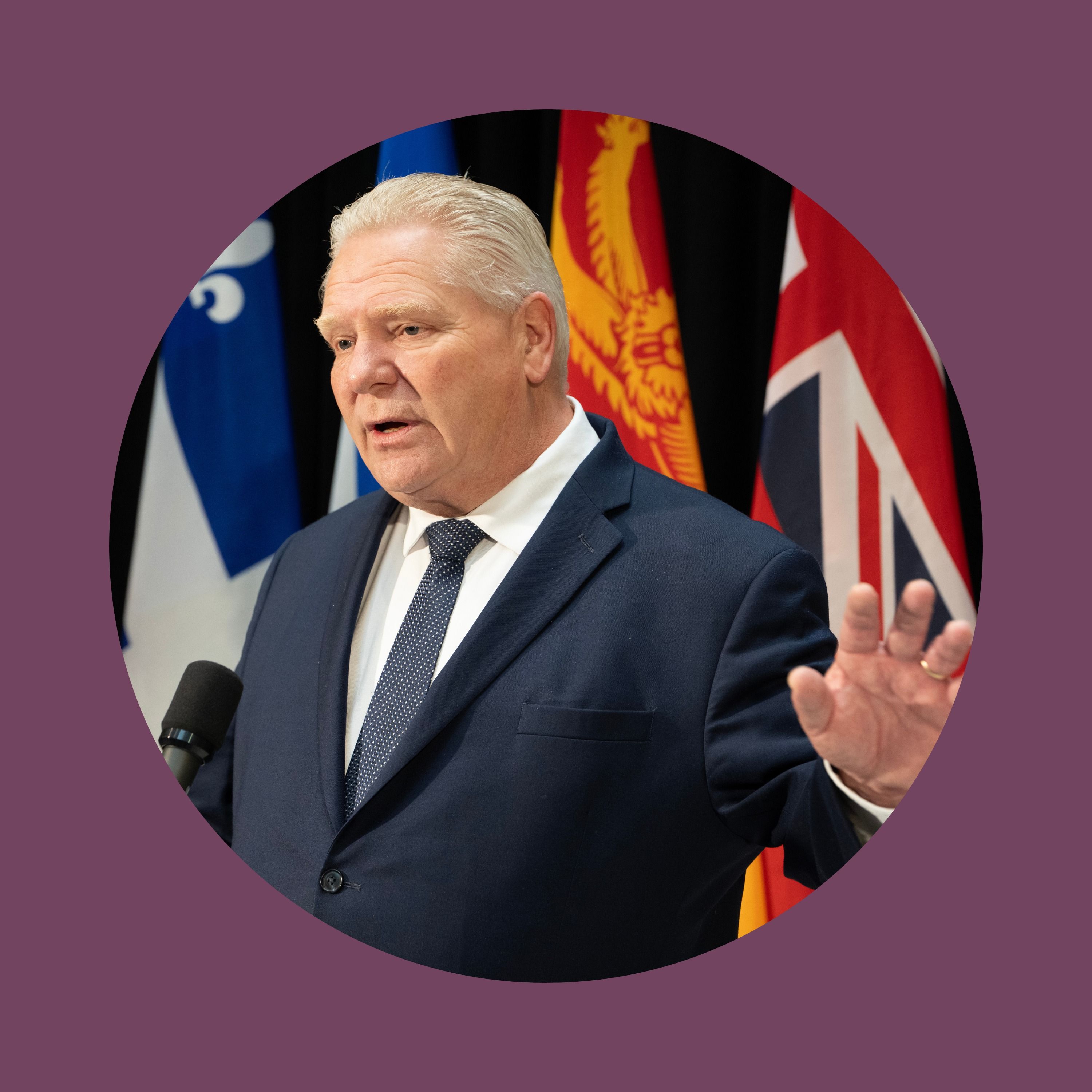
Why holding government to account in Ontario could get harder
Late last week, the Ontario government announced it would introduce legislation exempting the Premier, cabinet ministers and their offices from responding to freedom of information requests. The province said these changes are needed to protect privacy and to allow ministers to discuss policy decisions in confidence. Critics say it’s an anti-democratic move designed to shield the government from accountability. Jeff Gray reports on Ontario politics for the Globe. He’s on the show to talk about how freedom of information requests have revealed past controversies in Ontario, and how the proposed changes could make government business less transparent to the public. Questions? Comments? Ideas? Email us at [email protected] Hosted by Simplecast, an AdsWizz company. See pcm.adswizz.com for information about our collection and use of personal data for advertising.