
The Daily
3,002 episodes — Page 18 of 61
Biden’s Open War On Hidden Fees
The Biden administration is trying to crack down on sneaky fees charged by hotels, rental cars, internet providers and more.Jim Tankersley, a White House correspondent, explains why the effort is doubling as a war against something else that Biden is finding much harder to defeat.Guest: Jim Tankersley, who covers economic policy at the White House for The New York Times.Background reading: This month, a judge temporarily blocked a new rule limiting credit-card late fees.Hotels and airlines struggling to recoup their losses from the pandemic have been including more hidden charges. Don’t fall for them.For more information on today’s episode, visit nytimes.com/thedaily. Transcripts of each episode will be made available by the next workday. Subscribe today at nytimes.com/podcasts or on Apple Podcasts and Spotify. You can also subscribe via your favorite podcast app here https://www.nytimes.com/activate-access/audio?source=podcatcher. For more podcasts and narrated articles, download The New York Times app at nytimes.com/app. Hosted by Simplecast, an AdsWizz company. See pcm.adswizz.com for information about our collection and use of personal data for advertising.
The Crypto Comeback
This month, customers of FTX — Sam Bankman-Fried’s cryptocurrency exchange, which collapsed in 2022 — were told that they would get their money back, with interest.David Yaffe-Bellany, our technology reporter, explains what was behind this change in fortune and what it says about the improbable resurgence of crypto. Guest: David Yaffe-Bellany, a technology reporter for The New York Times, covering the crypto industry from San Francisco. Background reading: Is crypto back? Here’s a guide.And here’s a guide to the risks of Bitcoin E.T.F.s.This is how The Times covered Sam Bankman-Fried’s sentencing.For more information on today’s episode, visit nytimes.com/thedaily. Transcripts of each episode will be made available by the next workday. Subscribe today at nytimes.com/podcasts or on Apple Podcasts and Spotify. You can also subscribe via your favorite podcast app here https://www.nytimes.com/activate-access/audio?source=podcatcher. For more podcasts and narrated articles, download The New York Times app at nytimes.com/app. Hosted by Simplecast, an AdsWizz company. See pcm.adswizz.com for information about our collection and use of personal data for advertising.
Was the 401(k) a Mistake?
The first generation to be fully reliant on 401(k) plans is now starting to retire. As that happens, it is becoming clear just how broken the system is.Michael Steinberger, a contributing writer for The New York Times Magazine, explains.Guest: Michael Steinberger, a contributing writer for The New York Times Magazine who writes periodically about the economy and the markets.Background reading: How an obscure, 45-year-old tax change transformed retirement.What to do when your 401(k) leaves something to be desired.For more information on today’s episode, visit nytimes.com/thedaily. Transcripts of each episode will be made available by the next workday. Subscribe today at nytimes.com/podcasts or on Apple Podcasts and Spotify. You can also subscribe via your favorite podcast app here https://www.nytimes.com/activate-access/audio?source=podcatcher. For more podcasts and narrated articles, download The New York Times app at nytimes.com/app. Hosted by Simplecast, an AdsWizz company. See pcm.adswizz.com for information about our collection and use of personal data for advertising.
The Sunday Read: ‘Why Did This Guy Put a Song About Me on Spotify?’
Have you heard the song “Brett Martin, You a Nice Man, Yes”?Probably not. On Spotify, “Brett Martin, You a Nice Man, Yes” has not yet accumulated enough streams to even register a tally. Even Brett Martin, a contributing writer for The New York Times Magazine and the titular Nice Man, didn’t hear the 1 minute 14 second song until last summer, a full 11 years after it was uploaded by an artist credited as Papa Razzi and the Photogs.When Martin stumbled on “Brett Martin, You a Nice Man, Yes,” he naturally assumed it was about a different, more famous Brett Martin: perhaps Brett Martin, the left-handed reliever who until recently played for the Texas Rangers; or Brett Martin, the legendary Australian squash player; or even Clara Brett Martin, the Canadian who in 1897 became the British Empire’s first female lawyer. Only when the singer began referencing details of stories that he made for public radio’s “This American Life” almost 20 years ago did he realize the song was actually about him. The song ended, “I really like you/Will you be my friend?/Will you call me on the phone?” Then it gave a phone number, with a New Hampshire area code.So, he called. Subscribe today at nytimes.com/podcasts or on Apple Podcasts and Spotify. You can also subscribe via your favorite podcast app here https://www.nytimes.com/activate-access/audio?source=podcatcher. For more podcasts and narrated articles, download The New York Times app at nytimes.com/app. Hosted by Simplecast, an AdsWizz company. See pcm.adswizz.com for information about our collection and use of personal data for advertising.
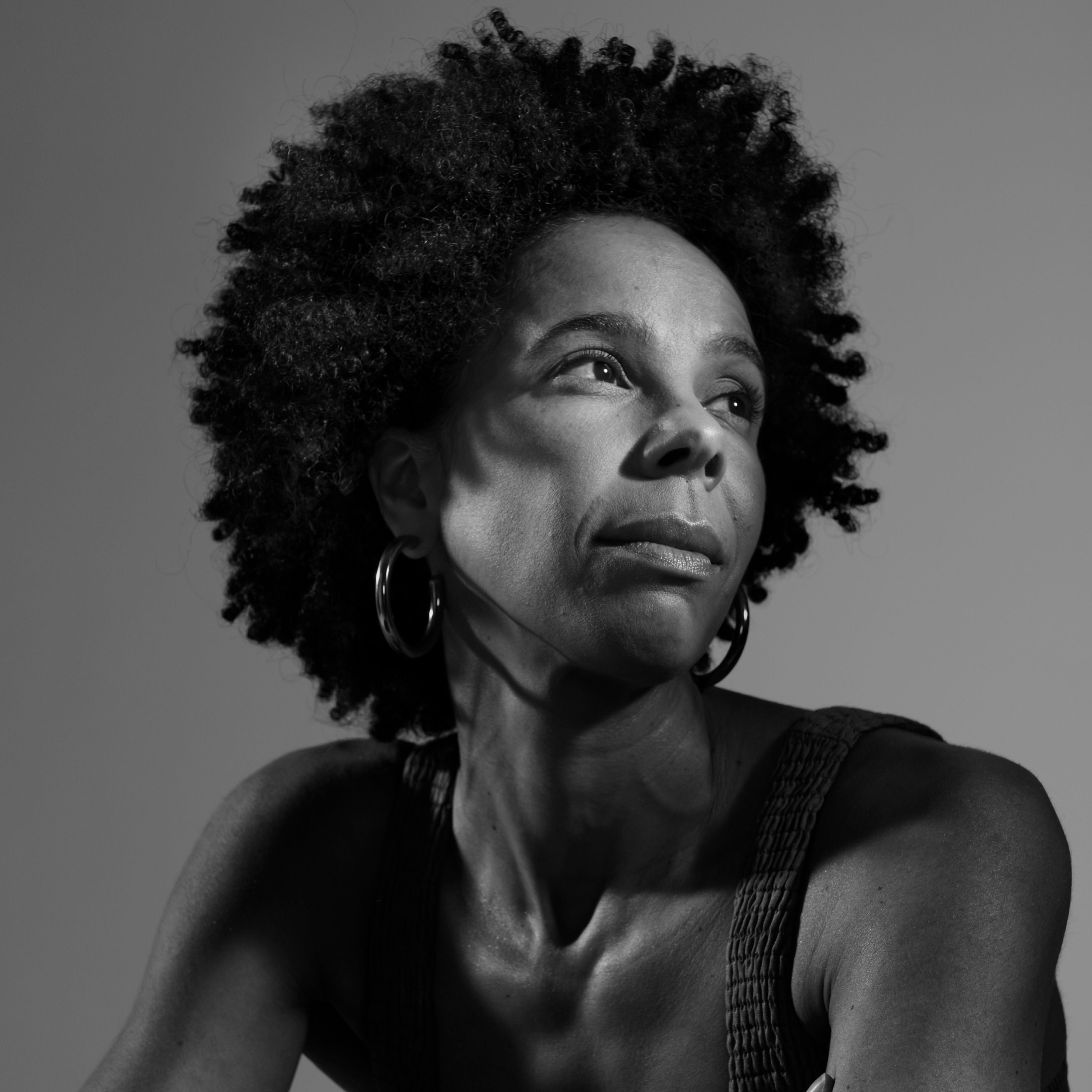
'The Interview': Ayana Elizabeth Johnson Has an Antidote to Our Climate Delusions
The scientist talks to David Marchese about how to overcome the “soft” climate denial that keeps us buying junk. Subscribe today at nytimes.com/podcasts or on Apple Podcasts and Spotify. You can also subscribe via your favorite podcast app here https://www.nytimes.com/activate-access/audio?source=podcatcher. For more podcasts and narrated articles, download The New York Times app at nytimes.com/app. Hosted by Simplecast, an AdsWizz company. See https://pcm.adswizz.com for information about our collection and use of personal data for advertising.
The Campus Protesters Explain Themselves
EThis episode contains explicit language.Over recent months, protests over the war in Gaza have rocked college campuses across the United States.As students graduate and go home for the summer, three joined “The Daily” to discuss why they got involved, what they wanted to say and how they ended up facing off against each other.Guests: Mustafa Yowell, a student at the University of Texas at AustinElisha Baker, a student at Columbia UniversityJasmine Jolly, a student at Cal Poly HumboldtBackground reading: Pro-Palestinian student activists say their movement is anti-Zionist but not antisemitic. It is not a distinction that everyone accepts.The Faculty of Arts and Sciences at Columbia University passed a resolution of no confidence in the university’s president, Nemat Shafik. For more information on today’s episode, visit nytimes.com/thedaily. Transcripts of each episode will be made available by the next workday. Subscribe today at nytimes.com/podcasts or on Apple Podcasts and Spotify. You can also subscribe via your favorite podcast app here https://www.nytimes.com/activate-access/audio?source=podcatcher. For more podcasts and narrated articles, download The New York Times app at nytimes.com/app. Hosted by Simplecast, an AdsWizz company. See pcm.adswizz.com for information about our collection and use of personal data for advertising.
The Make-or-Break Testimony of Michael Cohen
EThis episode contains explicit language.Michael Cohen, Donald J. Trump’s former lawyer and fixer, took the stand in the former president’s hush-money trial. Jonah E. Bromwich, a criminal justice reporter, discusses how Mr. Cohen could cause problems for Mr. Trump himself. Guest: Jonah E. Bromwich, one of the lead reporters covering the Manhattan criminal trial of Donald J. Trump for The New York Times.Background reading: Michael Cohen is the central witness in the first criminal trial of an American president.Mr. Cohen’s account of an arrangement struck in the White House was the only personal testimony tying Donald J. Trump to falsified documents.For more information on today’s episode, visit nytimes.com/thedaily. Transcripts of each episode will be made available by the next workday. Subscribe today at nytimes.com/podcasts or on Apple Podcasts and Spotify. You can also subscribe via your favorite podcast app here https://www.nytimes.com/activate-access/audio?source=podcatcher. For more podcasts and narrated articles, download The New York Times app at nytimes.com/app. Hosted by Simplecast, an AdsWizz company. See pcm.adswizz.com for information about our collection and use of personal data for advertising.
The Possible Collapse of the U.S. Home Insurance System
Across the United States, more frequent extreme weather is starting to cause the home insurance market to buckle, even for those who have paid their premiums dutifully year after year.Christopher Flavelle, a climate reporter, discusses a Times investigation into one of the most consequential effects of the changes.Guest: Christopher Flavelle, a climate change reporter for The New York Times.Background reading: As American insurers bleed cash from climate shocks, homeowners lose.See how the home insurance crunch affects the market in each state.Here are four takeaways from The Times’s investigation.For more information on today’s episode, visit nytimes.com/thedaily. Transcripts of each episode will be made available by the next workday. Subscribe today at nytimes.com/podcasts or on Apple Podcasts and Spotify. You can also subscribe via your favorite podcast app here https://www.nytimes.com/activate-access/audio?source=podcatcher. For more podcasts and narrated articles, download The New York Times app at nytimes.com/app. Hosted by Simplecast, an AdsWizz company. See pcm.adswizz.com for information about our collection and use of personal data for advertising.
Voters Want Change. In Our Poll, They See It in Trump.
The latest Times polling shows the extent of the challenge that President Biden faces and the strengths that Donald J. Trump retains. A yearning for change — as well as discontent over the economy and the war in Gaza among young, Black and Hispanic voters — may lie behind both.Nate Cohn, our chief political analyst, explains the surveys: New York Times/Siena College polls of Michigan, Wisconsin, Georgia, Nevada and Arizona, and the inaugural Times/Philadelphia Inquirer/Siena poll in Pennsylvania.Guest: Nate Cohn, the chief political analyst for The New York Times.Background reading: Surveys by The New York Times, Siena College and The Philadelphia Inquirer reveal an erosion of support for the president among young and nonwhite voters upset about the economy and Gaza.With polls showing that Trump is set to make a demographic breakthrough, ticket splitting is also back.For more information on today’s episode, visit nytimes.com/thedaily. Transcripts of each episode will be made available by the next workday. Subscribe today at nytimes.com/podcasts or on Apple Podcasts and Spotify. You can also subscribe via your favorite podcast app here https://www.nytimes.com/activate-access/audio?source=podcatcher. For more podcasts and narrated articles, download The New York Times app at nytimes.com/app. Hosted by Simplecast, an AdsWizz company. See pcm.adswizz.com for information about our collection and use of personal data for advertising.
How Biden Adopted Trump’s Trade War With China
Donald Trump upended decades of American policy when he started a trade war with China. Many thought that President Biden would reverse those policies. Instead, he’s stepping them up.Jim Tankersley, who covers economic policy at the White House, explains.Guest: Jim Tankersley, who covers economic policy at the White House The New York Times.Background reading: Mr. Biden, competing with Mr. Trump to be tough on China, called for steel tariffs last month.The Biden administration may raise tariffs on electric vehicles from China to 100 percent.For more information on today’s episode, visit nytimes.com/thedaily. Transcripts of each episode will be made available by the next workday. Subscribe today at nytimes.com/podcasts or on Apple Podcasts and Spotify. You can also subscribe via your favorite podcast app here https://www.nytimes.com/activate-access/audio?source=podcatcher. For more podcasts and narrated articles, download The New York Times app at nytimes.com/app. Hosted by Simplecast, an AdsWizz company. See pcm.adswizz.com for information about our collection and use of personal data for advertising.
Revisiting 'The Mother Who Changed: A Story of Dementia'
Earlier this year, we shared the story of one family’s dispute over a loved one with dementia. That story, originally reported in The New York Times Magazine by Katie Engelhart, won the Pulitzer Prize for feature writing this past week. Today, we're revisiting Katie’s story – and the question at the heart of it: When cognitive decline changes people, should we respect their new desires?Guest: Katie Engelhart, a contributing writer for The New York Times Magazine.Background reading: The Mother Who Changed: A Story of DementiaKatie Englehart has reported on dementia for years, and one image of a prisoner haunts her. Subscribe today at nytimes.com/podcasts or on Apple Podcasts and Spotify. You can also subscribe via your favorite podcast app here https://www.nytimes.com/activate-access/audio?source=podcatcher. For more podcasts and narrated articles, download The New York Times app at nytimes.com/app. Hosted by Simplecast, an AdsWizz company. See pcm.adswizz.com for information about our collection and use of personal data for advertising.

'The Interview': Charlamagne Tha God Won’t Take Sides
The radio host talks to Lulu Garcia-Navarro about how he plans to wield his considerable political influence during this election cycle. Subscribe today at nytimes.com/podcasts or on Apple Podcasts and Spotify. You can also subscribe via your favorite podcast app here https://www.nytimes.com/activate-access/audio?source=podcatcher. For more podcasts and narrated articles, download The New York Times app at nytimes.com/app. Hosted by Simplecast, an AdsWizz company. See https://pcm.adswizz.com for information about our collection and use of personal data for advertising.
Stormy Daniels Takes The Stand
EThis episode contains descriptions of an alleged sexual liaison.What happened when Stormy Daniels took the stand for eight hours in the first criminal trial of former President Donald J. Trump?Jonah Bromwich, one of the lead reporters covering the trial for The Times, was in the room.Guest: Jonah E. Bromwich, who covers criminal justice in New York for The New York Times.Background reading: In a second day of cross-examination, Stormy Daniels resisted the implication she had tried to shake down Donald J. Trump by selling her story of a sexual liaison.Here are six takeaways from Ms. Daniels’s earlier testimony.For more information on today’s episode, visit nytimes.com/thedaily. Transcripts of each episode will be made available by the next workday. Subscribe today at nytimes.com/podcasts or on Apple Podcasts and Spotify. You can also subscribe via your favorite podcast app here https://www.nytimes.com/activate-access/audio?source=podcatcher. For more podcasts and narrated articles, download The New York Times app at nytimes.com/app. Hosted by Simplecast, an AdsWizz company. See pcm.adswizz.com for information about our collection and use of personal data for advertising.
One Strongman, One Billion Voters, and the Future of India
India is in the midst of a national election and its prime minister, Narendra Modi, is running to extend his 10 years in power.Mr. Modi has become one of the most consequential leaders in India’s history, while also drawing criticism for anti-democratic practices and charges of religious persecution.Mujib Mashal, the South Asia bureau chief for The New York Times, discusses what we might see from Mr. Modi in a third term.Guest: Mujib Mashal, the South Asia bureau chief for The New York Times.Background reading: Narendra Modi’s power keeps growing, and India looks sure to give him more.The brazenness of Mr. Modi’s vilification of India’s Muslims has made it clear that he sees few checks on his power, at home or abroad.For more information on today’s episode, visit nytimes.com/thedaily. Transcripts of each episode will be made available by the next workday. Subscribe today at nytimes.com/podcasts or on Apple Podcasts and Spotify. You can also subscribe via your favorite podcast app here https://www.nytimes.com/activate-access/audio?source=podcatcher. For more podcasts and narrated articles, download The New York Times app at nytimes.com/app. Hosted by Simplecast, an AdsWizz company. See pcm.adswizz.com for information about our collection and use of personal data for advertising.
A Plan to Remake the Middle East
If and when Israel and Hamas reach a deal for a cease-fire, the United States will immediately turn to a different set of negotiations over a grand diplomatic bargain that it believes could rebuild Gaza and remake the Middle East.Michael Crowley, who covers the State Department and U.S. foreign policy for The Times, explains why those involved in this plan believe they have so little time left to get it done.Guest: Michael Crowley, a reporter covering the State Department and U.S. foreign policy for The New York Times.Background reading: Talks on a cease-fire in the Gaza war are once again at an uncertain stage.Here’s how the push for a deal between Israel and Saudi Arabia looked before Oct. 7.From early in the war, President Biden has said that a lasting resolution requires a “real” Palestinian state.Here’s what Israeli officials are discussing about postwar Gaza.For more information on today’s episode, visit nytimes.com/thedaily. Transcripts of each episode will be made available by the next workday. Subscribe today at nytimes.com/podcasts or on Apple Podcasts and Spotify. You can also subscribe via your favorite podcast app here https://www.nytimes.com/activate-access/audio?source=podcatcher. For more podcasts and narrated articles, download The New York Times app at nytimes.com/app. Hosted by Simplecast, an AdsWizz company. See pcm.adswizz.com for information about our collection and use of personal data for advertising.
How Changing Ocean Temperatures Could Upend Life on Earth
While many of the effects of climate change, including heat waves, droughts and wildfires, are already with us, some of the most alarming consequences are hiding beneath the surface of the ocean.David Gelles and Raymond Zhong, who both cover climate for The New York Times, explain just how close we might be to a tipping point.Guests: David Gelles, who reports for the New York Times Climate team and leads The Times’s Climate Forward newsletter.Raymond Zhong, a reporter focusing on climate and environmental issues for The New York Times.Background reading: Scientists are freaking out about ocean temperatures.Have we crossed a dangerous warming threshold? Here’s what to know.For more information on today’s episode, visit nytimes.com/thedaily. Transcripts of each episode will be made available by the next workday. Subscribe today at nytimes.com/podcasts or on Apple Podcasts and Spotify. You can also subscribe via your favorite podcast app here https://www.nytimes.com/activate-access/audio?source=podcatcher. For more podcasts and narrated articles, download The New York Times app at nytimes.com/app. Hosted by Simplecast, an AdsWizz company. See pcm.adswizz.com for information about our collection and use of personal data for advertising.
R.F.K. Jr.’s Battle to Get on the Ballot
As Robert F. Kennedy Jr. tries to get on the presidential ballot in all 50 states, he’s confronting fierce resistance from his opponents.Rebecca Davis O’Brien, who covers campaign finance and money in U.S. elections for The New York Times, discusses the high-stakes battle playing out behind the scenes.Guest: Rebecca Davis O’Brien, a reporter covering campaign finance and money in U.S. elections for The New York Times.Background reading: Surprise tactics and legal threats: inside R.F.K. Jr.’s ballot access fight.Here’s where third-party and independent candidates are on the ballot.For more information on today’s episode, visit nytimes.com/thedaily. Transcripts of each episode will be made available by the next workday. Subscribe today at nytimes.com/podcasts or on Apple Podcasts and Spotify. You can also subscribe via your favorite podcast app here https://www.nytimes.com/activate-access/audio?source=podcatcher. For more podcasts and narrated articles, download The New York Times app at nytimes.com/app. Hosted by Simplecast, an AdsWizz company. See pcm.adswizz.com for information about our collection and use of personal data for advertising.
Sunday Special: 'Modern Love'
Over the last two decades, Esther Perel has become a world-famous couples therapist by persistently advocating frank conversations about infidelity, sex and intimacy. Today, Perel reads one of the most provocative Modern Love essays ever published: “What Sleeping With Married Men Taught Me About Infidelity,” by Karin Jones.In her 2018 essay, Jones wrote about her experience seeking out no-strings-attached flings with married men after her divorce. What she found, to her surprise, was how much the men missed having sex with their own wives, and how afraid they were to tell them.Jones faced a heavy backlash after the essay was published. Perel reflects on why conversations around infidelity are still so difficult and why she thinks Jones deserves more credit.Esther Perel is on tour in the U.S. Her show is called “An Evening With Esther Perel: The Future of Relationships, Love & Desire.” Check her website for more details Subscribe today at nytimes.com/podcasts or on Apple Podcasts and Spotify. You can also subscribe via your favorite podcast app here https://www.nytimes.com/activate-access/audio?source=podcatcher. For more podcasts and narrated articles, download The New York Times app at nytimes.com/app. Hosted by Simplecast, an AdsWizz company. See pcm.adswizz.com for information about our collection and use of personal data for advertising.
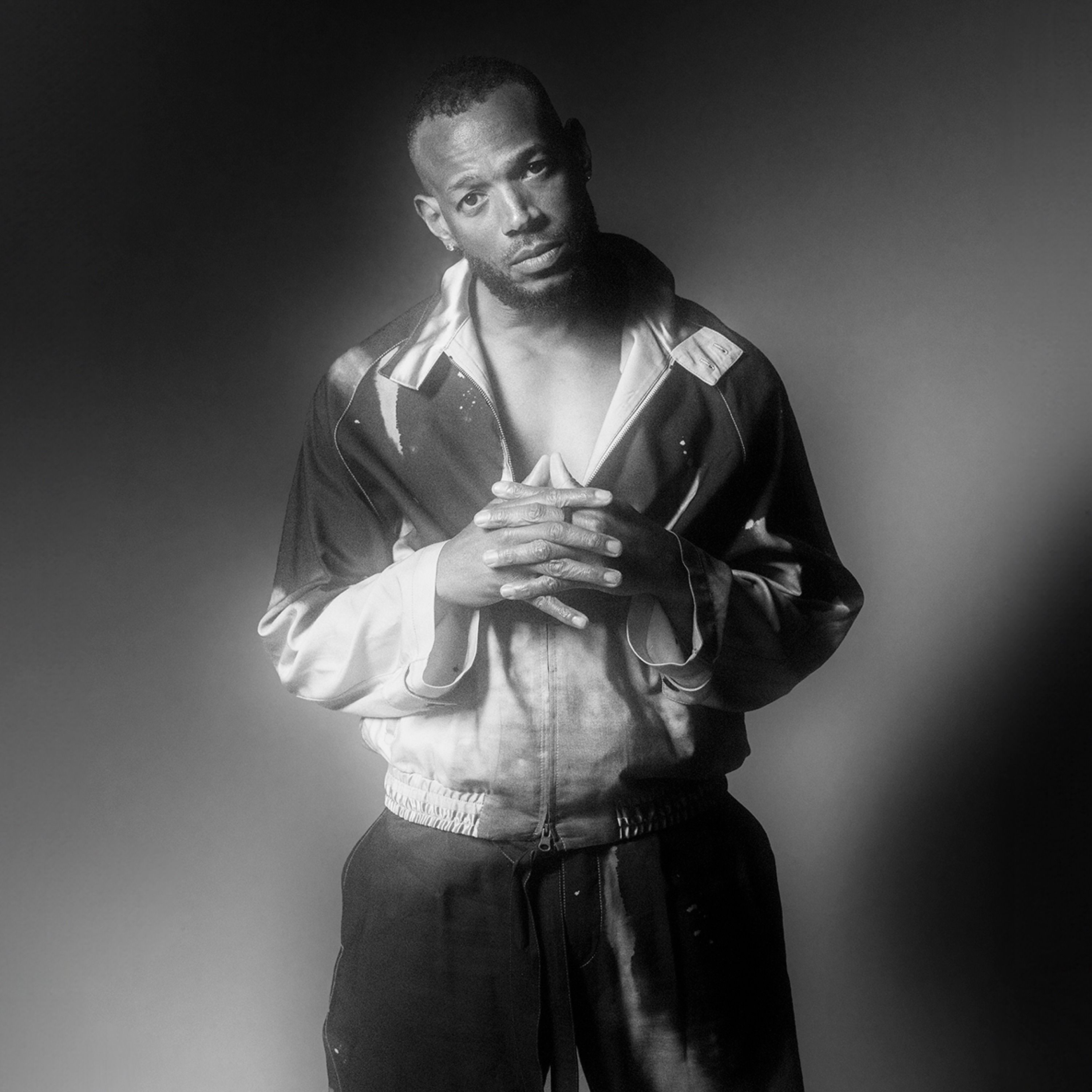
'The Interview': Marlon Wayans Lost Nearly 60 Loved Ones. Comedy Saved Him.
EThe comedian talks to David Marchese on becoming a different person after unimaginable loss. For more on 'The Interview,' please visit nytimes.com/theinterview. Subscribe today at nytimes.com/podcasts or on Apple Podcasts and Spotify. You can also subscribe via your favorite podcast app here https://www.nytimes.com/activate-access/audio?source=podcatcher. For more podcasts and narrated articles, download The New York Times app at nytimes.com/app. Hosted by Simplecast, an AdsWizz company. See pcm.adswizz.com for information about our collection and use of personal data for advertising.
The Protesters and the President
EWarning: this episode contains strong language.Over the past week, students at dozens of universities held demonstrations, set up encampments and, at times, seized academic buildings. In response, administrators at many of those colleges decided to crack down and called in the local police to detain and arrest demonstrators.As of Thursday, the police had arrested 2,000 people across more than 40 campuses, a situation so startling that President Biden could no longer ignore it.Jonathan Wolfe, who has been covering the student protests for The Times, and Peter Baker, the chief White House correspondent, discuss the history-making week.Guest: Jonathan Wolfe, a senior staff editor on the newsletters team at The New York Times.Peter Baker, the chief White House correspondent for The New York Times covering President Biden and his administration.Background reading: As crews cleared the remnants of an encampment at U.C.L.A., students and faculty members wondered how the university could have handled protests over the war in Gaza so badly.Biden denounced violence on campus, breaking his silence after a rash of arrests.For more information on today’s episode, visit nytimes.com/thedaily. Transcripts of each episode will be made available by the next workday. Subscribe today at nytimes.com/podcasts or on Apple Podcasts and Spotify. You can also subscribe via your favorite podcast app here https://www.nytimes.com/activate-access/audio?source=podcatcher. For more podcasts and narrated articles, download The New York Times app at nytimes.com/app. Hosted by Simplecast, an AdsWizz company. See pcm.adswizz.com for information about our collection and use of personal data for advertising.
Biden Loosens Up on Weed
For half a century, the federal government has treated marijuana as one of the more dangerous drugs in the United States. On Tuesday, the Biden administration signaled a significant shift in approach.Zolan Kanno-Youngs, a White House correspondent for The Times, explains how big an impact the proposed changes could have.Guest: Zolan Kanno-Youngs, a White House correspondent for The New York Times.Background reading: The Biden administration’s effort to liberalize marijuana policy comes as increasingly more Americans favor legalizing the drug.After the recommendation to ease restrictions, Democrats in the Senate reintroduced legislation to legalize marijuana.For more information on today’s episode, visit nytimes.com/thedaily. Transcripts of each episode will be made available by the next workday. Subscribe today at nytimes.com/podcasts or on Apple Podcasts and Spotify. You can also subscribe via your favorite podcast app here https://www.nytimes.com/activate-access/audio?source=podcatcher. For more podcasts and narrated articles, download The New York Times app at nytimes.com/app. Hosted by Simplecast, an AdsWizz company. See pcm.adswizz.com for information about our collection and use of personal data for advertising.
The New Abortion Fight Before the Supreme Court
As the presidential race moves into high gear, abortion is at the center of it. Republican-controlled states continue to impose new bans, including just this week in Florida.But in Washington, the Biden administration is challenging one of those bans in a case that is now before the Supreme Court, arguing that Idaho’s strict rules violate a federal law on emergency medical treatment.Pam Belluck, a health and science reporter at The Times, and Abbie VanSickle, who covers the Supreme Court, explain how the federal law, known as EMTALA, relates to abortion, and how the case could reverberate beyond Idaho. Guests: Pam Belluck, a health and science reporter for The New York Times.Abbie VanSickle, who covers the Supreme Court for The New York Times.Background reading: Here’s a guide to the Emergency Medical Treatment and Labor Act, the federal law at the heart of the case.And here are five takeaways from the Supreme Court arguments on Idaho’s abortion ban.For more information on today’s episode, visit nytimes.com/thedaily. Transcripts of each episode will be made available by the next workday. Subscribe today at nytimes.com/podcasts or on Apple Podcasts and Spotify. You can also subscribe via your favorite podcast app here https://www.nytimes.com/activate-access/audio?source=podcatcher. For more podcasts and narrated articles, download The New York Times app at nytimes.com/app. Hosted by Simplecast, an AdsWizz company. See pcm.adswizz.com for information about our collection and use of personal data for advertising.
The Secret Push That Could Ban TikTok
American lawmakers have tried for years to ban TikTok, concerned that the video app’s links to China pose a national security risk.Sapna Maheshwari, a technology reporter for The Times, explains the behind-the-scenes push to rein in TikTok and discusses what a ban could mean for the app’s 170 million users in the United States.Guest: Sapna Maheshwari, who covers TikTok, technology and emerging media companies for The New York Times.Background reading: A tiny group of lawmakers huddled in private about a year ago, aiming to bulletproof a bill that could ban TikTok.The TikTok law faces court challenges, a shortage of qualified buyers and Beijing’s hostility.Love, hate or fear it, TikTok has changed America.For more information on today’s episode, visit nytimes.com/thedaily. Transcripts of each episode will be made available by the next workday. Subscribe today at nytimes.com/podcasts or on Apple Podcasts and Spotify. You can also subscribe via your favorite podcast app here https://www.nytimes.com/activate-access/audio?source=podcatcher. For more podcasts and narrated articles, download The New York Times app at nytimes.com/app. Hosted by Simplecast, an AdsWizz company. See pcm.adswizz.com for information about our collection and use of personal data for advertising.
Trump 2.0: What a Second Trump Presidency Would Bring
In a special series leading up to Election Day, “The Daily” will explore what a second Trump presidency would look like, and what it could mean for American democracy.In the first part, we will look at Tump’s plan for a second term. On the campaign trail, Trump has outlined a vision that is far more radical, vindictive and unchecked than his first one.Jonathan Swan and Maggie Haberman, political correspondents for The Times, and Charlie Savage, who covers national security, have found that behind Trump’s rhetoric is a highly coordinated plan, to make his vision a reality.Guest:Jonathan Swan, who covers politics and Donald Trump’s presidential campaign for The New York Times.Maggie Haberman, a senior political correspondent for The New York Times.Charlie Savage, who covers national security and legal policy for The New York Times.Background reading: Why a second Trump presidency may be more radical than his first.No major American presidential candidate has talked like Trump now does at his rallies — not Richard Nixon, not George Wallace, not even Donald Trump himself.For more information on today’s episode, visit nytimes.com/thedaily. Transcripts of each episode will be made available by the next workday. Subscribe today at nytimes.com/podcasts or on Apple Podcasts and Spotify. You can also subscribe via your favorite podcast app here https://www.nytimes.com/activate-access/audio?source=podcatcher. For more podcasts and narrated articles, download The New York Times app at nytimes.com/app. Hosted by Simplecast, an AdsWizz company. See pcm.adswizz.com for information about our collection and use of personal data for advertising.

Introducing ‘The Interview’: Yair Lapid Says the World Misunderstands Israel
Frustrated at the growing protest movement, the opposition leader defends his country’s “existential” war. For more on the show, please visit nytimes.com/theinterview. Subscribe today at nytimes.com/podcasts or on Apple Podcasts and Spotify. You can also subscribe via your favorite podcast app here https://www.nytimes.com/activate-access/audio?source=podcatcher. For more podcasts and narrated articles, download The New York Times app at nytimes.com/app. Hosted by Simplecast, an AdsWizz company. See pcm.adswizz.com for information about our collection and use of personal data for advertising.

Introducing ‘The Interview’: Anne Hathaway Is Done Trying to Please
On the debut of ’The Interview,' the actress talks to David Marchese about learning to let go of other people’s opinions. For more on the show, please visit nytimes.com/theinterview. Subscribe today at nytimes.com/podcasts or on Apple Podcasts and Spotify. You can also subscribe via your favorite podcast app here https://www.nytimes.com/activate-access/audio?source=podcatcher. For more podcasts and narrated articles, download The New York Times app at nytimes.com/app. Hosted by Simplecast, an AdsWizz company. See pcm.adswizz.com for information about our collection and use of personal data for advertising.
Harvey Weinstein Conviction Thrown Out
When the Hollywood producer Harvey Weinstein was convicted of sex crimes four years ago, it was celebrated as a watershed moment for the #MeToo movement. Yesterday, New York’s highest court of appeals overturned that conviction.Jodi Kantor, one of the reporters who broke the story of the abuse allegations against Mr. Weinstein in 2017, explains what this ruling means for him and for #MeToo.Guest: Jodi Kantor, an investigative reporter for The New York Times.Background reading: The verdict against Harvey Weinstein was overturned by the New York Court of Appeals.Here’s why the conviction was fragile from the start.For more information on today’s episode, visit nytimes.com/thedaily. Transcripts of each episode will be made available by the next workday. Subscribe today at nytimes.com/podcasts or on Apple Podcasts and Spotify. You can also subscribe via your favorite podcast app here https://www.nytimes.com/activate-access/audio?source=podcatcher. For more podcasts and narrated articles, download The New York Times app at nytimes.com/app. Hosted by Simplecast, an AdsWizz company. See pcm.adswizz.com for information about our collection and use of personal data for advertising.
The Crackdown on Student Protesters
Columbia University has become the epicenter of a growing showdown between student protesters, college administrators and Congress over the war in Gaza and the limits of free speech.Nicholas Fandos, who covers New York politics and government for The Times, walks us through the intense week at the university. And Isabella Ramírez, the editor in chief of Columbia’s undergraduate newspaper, explains what it has all looked like to a student on campus.Guest: Nicholas Fandos, who covers New York politics and government for The New York TimesIsabella Ramírez, editor in chief of the Columbia Daily SpectatorBackground reading: Inside the week that shook Columbia University.The protests at the university continued after more than 100 arrests.For more information on today’s episode, visit nytimes.com/thedaily. Transcripts of each episode will be made available by the next workday. Subscribe today at nytimes.com/podcasts or on Apple Podcasts and Spotify. You can also subscribe via your favorite podcast app here https://www.nytimes.com/activate-access/audio?source=podcatcher. For more podcasts and narrated articles, download The New York Times app at nytimes.com/app. Hosted by Simplecast, an AdsWizz company. See pcm.adswizz.com for information about our collection and use of personal data for advertising.
Is $60 Billion Enough to Save Ukraine?
Lawmakers approved a giant new tranche of support for Ukraine late last night after a tortured passage through the U.S. Congress, where it was nearly derailed by right-wing resistance in the House.Marc Santora, a Times reporter in Ukraine’s capital, Kyiv, explains what effect the money could have, given Ukraine’s increasing desperation on the battlefield.Guest: Marc Santora, who covers Ukraine for The New York Times.Background reading: The aid package drew overwhelming bipartisan support, reflecting broad consensus.The vote to resume U.S. military support was met with relief in Ukraine.For more information on today’s episode, visit nytimes.com/thedaily. Transcripts of each episode will be made available by the next workday. Subscribe today at nytimes.com/podcasts or on Apple Podcasts and Spotify. You can also subscribe via your favorite podcast app here https://www.nytimes.com/activate-access/audio?source=podcatcher. For more podcasts and narrated articles, download The New York Times app at nytimes.com/app. Hosted by Simplecast, an AdsWizz company. See pcm.adswizz.com for information about our collection and use of personal data for advertising.
A Salacious Conspiracy or Just 34 Pieces of Paper?
The prosecution and the defense both opened their cases on Monday in the first criminal trial of Donald Trump.Jonah Bromwich, who watched from inside the courtroom, walks us through the arguments.Guest: Jonah E. Bromwich, a reporter for The New York Times covering criminal justice in New York.Background reading: An unprecedented trial opened with two visions of Mr. Trump.Read five takeaways from the fifth day of Trump’s criminal trial.For more information on today’s episode, visit nytimes.com/thedaily. Transcripts of each episode will be made available by the next workday. Subscribe today at nytimes.com/podcasts or on Apple Podcasts and Spotify. You can also subscribe via your favorite podcast app here https://www.nytimes.com/activate-access/audio?source=podcatcher. For more podcasts and narrated articles, download The New York Times app at nytimes.com/app. Hosted by Simplecast, an AdsWizz company. See pcm.adswizz.com for information about our collection and use of personal data for advertising.
The Evolving Danger of the New Bird Flu
The outbreak of bird flu currently tearing through the nation’s poultry is the worst in U.S. history. Scientists say it is now spreading beyond farms into places and species it has never been before.Emily Anthes, a science reporter for The Times, explains.Guest: Emily Anthes, a science reporter for The New York Times.Background reading: Scientists have faulted the federal response to bird flu outbreaks on dairy farms.Here’s what to know about the outbreak.For more information on today’s episode, visit nytimes.com/thedaily. Transcripts of each episode will be made available by the next workday. Subscribe today at nytimes.com/podcasts or on Apple Podcasts and Spotify. You can also subscribe via your favorite podcast app here https://www.nytimes.com/activate-access/audio?source=podcatcher. For more podcasts and narrated articles, download The New York Times app at nytimes.com/app. Hosted by Simplecast, an AdsWizz company. See pcm.adswizz.com for information about our collection and use of personal data for advertising.
Sunday Special: 'Modern Love'
The chef Samin Nosrat lives by the idea that food is love. Her Netflix series, “Salt, Fat, Acid, Heat,” and the James Beard Award-winning cookbook that inspired it, were about using food to build community and forge connections. Since then, all of her creative projects and collaborations have focused on inspiring people to cook, and eat, with their friends and loved ones. After the recent loss of her father, Samin has gained an even deeper understanding of what it means to savor a meal — or even an hour — with loved ones. This week, she reads an essay about exactly that: “You May Want to Marry My Husband” by Amy Krouse Rosenthal. It’s one of the most-read Modern Love essays ever. Subscribe today at nytimes.com/podcasts or on Apple Podcasts and Spotify. You can also subscribe via your favorite podcast app here https://www.nytimes.com/activate-access/audio?source=podcatcher. For more podcasts and narrated articles, download The New York Times app at nytimes.com/app. Hosted by Simplecast, an AdsWizz company. See https://pcm.adswizz.com for information about our collection and use of personal data for advertising.
The Supreme Court Takes Up Homelessness
Debates over homeless encampments in the United States have intensified as their number has surged. To tackle the problem, some cities have enforced bans on public camping.As the Supreme Court prepares to hear arguments about whether such actions are legal, Abbie VanSickle, who covers the court for The Times, discusses the case and its far-reaching implications.Guest: Abbie VanSickle, a Supreme Court correspondent for The New York Times.Background reading: A ruling in the case could help determine how states, particularly those in the West, grapple with a rising homelessness crisis.In a rare alliance, Democrats and Republicans are seeking legal power to clear homeless camps.For more information on today’s episode, visit nytimes.com/thedaily. Transcripts of each episode will be made available by the next workday. Subscribe today at nytimes.com/podcasts or on Apple Podcasts and Spotify. You can also subscribe via your favorite podcast app here https://www.nytimes.com/activate-access/audio?source=podcatcher. For more podcasts and narrated articles, download The New York Times app at nytimes.com/app. Hosted by Simplecast, an AdsWizz company. See pcm.adswizz.com for information about our collection and use of personal data for advertising.
The Opening Days of Trump’s First Criminal Trial
Political and legal history are being made in a Lower Manhattan courtroom as Donald J. Trump becomes the first former U.S. president to undergo a criminal trial.Jonah Bromwich, who covers criminal justice in New York, explains what happened during the opening days of the trial, which is tied to Mr. Trump’s role in a hush-money payment to a porn star.Guest: Jonah E. Bromwich, who covers criminal justice in New York for The New York Times.Background reading: Here’s a recap of the courtroom proceedings so far.Mr. Trump’s trial enters its third day with seven jurors chosen.For more information on today’s episode, visit nytimes.com/thedaily. Transcripts of each episode will be made available by the next workday. Subscribe today at nytimes.com/podcasts or on Apple Podcasts and Spotify. You can also subscribe via your favorite podcast app here https://www.nytimes.com/activate-access/audio?source=podcatcher. For more podcasts and narrated articles, download The New York Times app at nytimes.com/app. Hosted by Simplecast, an AdsWizz company. See pcm.adswizz.com for information about our collection and use of personal data for advertising.
Are ‘Forever Chemicals’ a Forever Problem?
The Environmental Protection Agency has begun for the first time to regulate a class of synthetic chemicals known as “forever chemicals” in America’s drinking water.Kim Tingley, a contributing writer for The New York Times Magazine, explains how these chemicals, which have been linked to liver disease and other serious health problems, came to be in the water supply — and in many more places.Guest: Kim Tingley, a contributing writer for The New York Times Magazine.Background reading: “Forever chemicals” are everywhere. What are they doing to us?The E.P.A. issued its rule about “forever chemicals” last week.For more information on today’s episode, visit nytimes.com/thedaily. Transcripts of each episode will be made available by the next workday. Subscribe today at nytimes.com/podcasts or on Apple Podcasts and Spotify. You can also subscribe via your favorite podcast app here https://www.nytimes.com/activate-access/audio?source=podcatcher. For more podcasts and narrated articles, download The New York Times app at nytimes.com/app. Hosted by Simplecast, an AdsWizz company. See pcm.adswizz.com for information about our collection and use of personal data for advertising.
A.I.’s Original Sin
A Times investigation shows how the country’s biggest technology companies, as they raced to build powerful new artificial intelligence systems, bent and broke the rules from the start.Cade Metz, a technology reporter for The Times, explains what he uncovered.Guest: Cade Metz, a technology reporter for The New York Times.Background reading: How tech giants cut corners to harvest data for A.I.What to know about tech companies using A.I. to teach their own A.I.For more information on today’s episode, visit nytimes.com/thedaily. Transcripts of each episode will be made available by the next workday. Subscribe today at nytimes.com/podcasts or on Apple Podcasts and Spotify. You can also subscribe via your favorite podcast app here https://www.nytimes.com/activate-access/audio?source=podcatcher. For more podcasts and narrated articles, download The New York Times app at nytimes.com/app. Hosted by Simplecast, an AdsWizz company. See pcm.adswizz.com for information about our collection and use of personal data for advertising.
Iran’s Unprecedented Attack on Israel
Overnight on Saturday, Iran launched its first direct attack on Israeli soil, shooting hundreds of missiles and drones at multiple targets.Eric Schmitt, a national security correspondent for The Times, explains what happened and considers whether a broader war is brewing in the Middle East.Guest: Eric Schmitt, a national security correspondent for The New York Times.Background reading: Here is what we know about Iran’s attack on Israel.The barrage made the Middle East’s new reality undeniable: Clashes are becoming harder and harder to contain.For more information on today’s episode, visit nytimes.com/thedaily. Transcripts of each episode will be made available by the next workday. Subscribe today at nytimes.com/podcasts or on Apple Podcasts and Spotify. You can also subscribe via your favorite podcast app here https://www.nytimes.com/activate-access/audio?source=podcatcher. For more podcasts and narrated articles, download The New York Times app at nytimes.com/app. Hosted by Simplecast, an AdsWizz company. See pcm.adswizz.com for information about our collection and use of personal data for advertising.
The Sunday Read: ‘What I Saw Working at The National Enquirer During Donald Trump’s Rise’
At the center of the criminal case against former President Donald Trump in Manhattan is the accusation that Trump took part in a scheme to turn The National Enquirer and its sister publications into an arm of his 2016 presidential campaign. The documents detailed three “hush money” payments made to a series of individuals to guarantee their silence about potentially damaging stories in the months before the election. Because this was done with the goal of helping his election chances, the case implied, these payments amounted to a form of illegal, undisclosed campaign spending. And because Trump created paperwork to make the payments seem like regular legal expenses, that amounted to a criminal effort at a coverup, argued Alvin Bragg, the district attorney of Manhattan. Trump has denied the charges against him.For Lachlan Cartwright, reading the indictment was like stepping through the looking glass, because it described a three-year period in his own professional life, one that he has come to deeply regret. Now, as a former president faces a criminal trial for the first time in American history, Cartwright is forced to grapple with what really happened at The Enquirer in those years — and whether and how he can ever set things right. Subscribe today at nytimes.com/podcasts or on Apple Podcasts and Spotify. You can also subscribe via your favorite podcast app here https://www.nytimes.com/activate-access/audio?source=podcatcher. For more podcasts and narrated articles, download The New York Times app at nytimes.com/app. Hosted by Simplecast, an AdsWizz company. See pcm.adswizz.com for information about our collection and use of personal data for advertising.
How One Family Lost $900,000 in a Timeshare Scam
EWarning: this episode contains descriptions of violence.A massive scam targeting older Americans who own timeshare properties has resulted in hundreds of millions of dollars sent to Mexico.Maria Abi-Habib, an investigative correspondent for The Times, tells the story of a victim who lost everything, and of the criminal group making the scam calls — Jalisco New Generation, one of Mexico’s most violent cartels.Guest: Maria Abi-Habib, an investigative correspondent for The New York Times based in Mexico City.Background reading: How a brutal Mexican drug cartel came to target seniors and their timeshares.For more information on today’s episode, visit nytimes.com/thedaily. Transcripts of each episode will be made available by the next workday. Subscribe today at nytimes.com/podcasts or on Apple Podcasts and Spotify. You can also subscribe via your favorite podcast app here https://www.nytimes.com/activate-access/audio?source=podcatcher. For more podcasts and narrated articles, download The New York Times app at nytimes.com/app. Hosted by Simplecast, an AdsWizz company. See pcm.adswizz.com for information about our collection and use of personal data for advertising.
The Staggering Success of Trump’s Trial Delay Tactics
For former President Donald J. Trump, 2024 was supposed to be dominated by criminal trials. Instead, he’s found ways to delay almost all of them.Alan Feuer, who covers the criminal cases against Mr. Trump for The Times, explains how he did it.Guest: Alan Feuer, who covers extremism and political violence for The New York Times.Background reading: On Wednesday, Donald J. Trump lost his third try in a week to delay his upcoming Manhattan trial.But stalling has worked for Mr. Trump in the past.For more information on today’s episode, visit nytimes.com/thedaily. Transcripts of each episode will be made available by the next workday. Subscribe today at nytimes.com/podcasts or on Apple Podcasts and Spotify. You can also subscribe via your favorite podcast app here https://www.nytimes.com/activate-access/audio?source=podcatcher. For more podcasts and narrated articles, download The New York Times app at nytimes.com/app. Hosted by Simplecast, an AdsWizz company. See pcm.adswizz.com for information about our collection and use of personal data for advertising.
Trump's Abortion Dilemma
By the time his first term was over, Donald J. Trump had cemented his place as the most anti-abortion president in U.S. history. Now, facing political blowback, he’s trying to change that reputation.Lisa Lerer, a national political correspondent for The Times, discusses whether Mr. Trump’s election-year pivot can work.Guest: Lisa Lerer, a national political correspondent for The New York Times.Background reading: After months of mixed signals, former President Donald J. Trump said abortion restrictions should be left to the states.On abortion, Mr. Trump chose politics over principles. Will it matter?For more information on today’s episode, visit nytimes.com/thedaily. Transcripts of each episode will be made available by the next workday. Subscribe today at nytimes.com/podcasts or on Apple Podcasts and Spotify. You can also subscribe via your favorite podcast app here https://www.nytimes.com/activate-access/audio?source=podcatcher. For more podcasts and narrated articles, download The New York Times app at nytimes.com/app. Hosted by Simplecast, an AdsWizz company. See pcm.adswizz.com for information about our collection and use of personal data for advertising.
How Tesla Planted the Seeds for Its Own Potential Downfall
When Elon Musk set up Tesla’s factory in China, he made a bet that brought him cheap parts and capable workers — a bet that made him ultrarich and saved his company.Mara Hvistendahl, an investigative reporter for The Times, explains why, now, that lifeline may have given China the tools to beat Tesla at its own game. Guest: Mara Hvistendahl, an investigative reporter for The New York Times.Background reading: A pivot to China saved Elon Musk. It also bound him to Beijing.Mr. Musk helped create the Chinese electric vehicle industry. But he is now facing challenges there as well as scrutiny in the West over his reliance on China.For more information on today’s episode, visit nytimes.com/thedaily. Transcripts of each episode will be made available by the next workday. Subscribe today at nytimes.com/podcasts or on Apple Podcasts and Spotify. You can also subscribe via your favorite podcast app here https://www.nytimes.com/activate-access/audio?source=podcatcher. For more podcasts and narrated articles, download The New York Times app at nytimes.com/app. Hosted by Simplecast, an AdsWizz company. See pcm.adswizz.com for information about our collection and use of personal data for advertising.

The Eclipse Chaser
Today, millions of Americans will have the opportunity to see a rare total solar eclipse.Fred Espenak, a retired astrophysicist known as Mr. Eclipse, was so blown away by an eclipse he saw as a teenager that he dedicated his life to traveling the world and seeing as many as he could.Mr. Espenak discusses the eclipses that have punctuated and defined the most important moments in his life, and explains why these celestial phenomena are such a wonder to experience.Guest: Fred Espenak, a.k.a. “Mr. Eclipse,” a former NASA astrophysicist and lifelong eclipse chaser.Background reading: A total solar eclipse is coming. Here’s what you need to know.Millions of people making plans to be in the path of the solar eclipse on Monday know it will be awe-inspiring. What is that feeling?The eclipse that ended a war and shook the gods forever.For more information on today’s episode, visit nytimes.com/thedaily. Transcripts of each episode will be made available by the next workday. Subscribe today at nytimes.com/podcasts or on Apple Podcasts and Spotify. You can also subscribe via your favorite podcast app here https://www.nytimes.com/activate-access/audio?source=podcatcher. For more podcasts and narrated articles, download The New York Times app at nytimes.com/app. Hosted by Simplecast, an AdsWizz company. See pcm.adswizz.com for information about our collection and use of personal data for advertising.
The Sunday Read: ‘What Deathbed Visions Teach Us About Living’
Chris Kerr was 12 when he first observed a deathbed vision. His memory of that summer in 1974 is blurred, but not the sense of mystery he felt at the bedside of his dying father. Throughout Kerr’s childhood in Toronto, his father, a surgeon, was too busy to spend much time with his son, except for an annual fishing trip they took, just the two of them, to the Canadian wilderness. Gaunt and weakened by cancer at 42, his father reached for the buttons on Kerr’s shirt, fiddled with them and said something about getting ready to catch the plane to their cabin in the woods. “I knew intuitively, I knew wherever he was, must be a good place because we were going fishing,” Kerr told me.Kerr now calls what he witnessed an end-of-life vision. His father wasn’t delusional, he believes. His mind was taking him to a time and place where he and his son could be together, in the wilds of northern Canada.Kerr followed his father into medicine, and in the last 10 years he has hired a permanent research team that expanded studies on deathbed visions to include interviews with patients receiving hospice care at home and with their families, deepening researchers’ understanding of the variety and profundity of these visions. Subscribe today at nytimes.com/podcasts or on Apple Podcasts and Spotify. You can also subscribe via your favorite podcast app here https://www.nytimes.com/activate-access/audio?source=podcatcher. For more podcasts and narrated articles, download The New York Times app at nytimes.com/app. Hosted by Simplecast, an AdsWizz company. See pcm.adswizz.com for information about our collection and use of personal data for advertising.
An Engineering Experiment to Cool the Earth
Decades of efforts to cut carbon emissions have failed to significantly slow the rate of global warming, so scientists are now turning to bolder approaches.Christopher Flavelle, who writes about climate change for The Times, discusses efforts to engineer our way out of the climate crisis.Guest: Christopher Flavelle, who covers how the United States tries to adapt to the effects of climate change for The New York Times.Background reading: Warming is getting worse. So they just tested a way to deflect the sun.Can we engineer our way out of the climate crisis?For more information on today’s episode, visit nytimes.com/thedaily. Transcripts of each episode will be made available by the next workday. Subscribe today at nytimes.com/podcasts or on Apple Podcasts and Spotify. You can also subscribe via your favorite podcast app here https://www.nytimes.com/activate-access/audio?source=podcatcher. For more podcasts and narrated articles, download The New York Times app at nytimes.com/app. Hosted by Simplecast, an AdsWizz company. See pcm.adswizz.com for information about our collection and use of personal data for advertising.
Israel’s Deadly Airstrike on the World Central Kitchen
The Israeli airstrike that killed seven workers delivering food in Gaza has touched off global outrage and condemnation.Kim Severson, who covers food culture for The Times, discusses the World Central Kitchen, the aid group at the center of the story; and Adam Rasgon, who reports from Israel, explains what we know about the tragedy so far.Guest: Kim Severson, a food correspondent for The New York Times.Adam Rasgon, an Israel correspondent for The New York Times.Background reading: The relief convoy was hit just after workers had delivered tons of food.José Andrés, the Spanish chef who founded World Central Kitchen, and his corps of cooks have become leaders in disaster aid.For more information on today’s episode, visit nytimes.com/thedaily. Transcripts of each episode will be made available by the next workday. Subscribe today at nytimes.com/podcasts or on Apple Podcasts and Spotify. You can also subscribe via your favorite podcast app here https://www.nytimes.com/activate-access/audio?source=podcatcher. For more podcasts and narrated articles, download The New York Times app at nytimes.com/app. Hosted by Simplecast, an AdsWizz company. See pcm.adswizz.com for information about our collection and use of personal data for advertising.
The Accidental Tax Cutter in Chief
In his campaign for re-election, President Biden has said that raising taxes on the wealthy and on big corporations is at the heart of his agenda. But under his watch, overall net taxes have decreased.Jim Tankersley, who covers economic policy for The Times, explains.Guest: Jim Tankersley, who covers economic policy at the White House for The New York Times.Background reading: An analysis prepared for The New York Times estimates that the tax changes President Biden has ushered into law will amount to a net cut of about $600 billion over four years.“Does anybody here think the tax code’s fair?” For Mr. Biden, tax policy has been at the center of his efforts to make the economy more equitable.For more information on today’s episode, visit nytimes.com/thedaily. Transcripts of each episode will be made available by the next workday. Subscribe today at nytimes.com/podcasts or on Apple Podcasts and Spotify. You can also subscribe via your favorite podcast app here https://www.nytimes.com/activate-access/audio?source=podcatcher. For more podcasts and narrated articles, download The New York Times app at nytimes.com/app. Hosted by Simplecast, an AdsWizz company. See pcm.adswizz.com for information about our collection and use of personal data for advertising.
Kids Are Missing School at an Alarming Rate
Long after schools have fully reopened after the pandemic, one concerning metric suggests that children and their parents have changed the way they think about being in class.Sarah Mervosh, an education reporter for The Times, discusses the apparent shift to a culture in which school feels optional.Guest: Sarah Mervosh, an education reporter for The New York Times.Background reading: School absences have “exploded” across the United States.Data shows that the more time students spent in remote instruction during the pandemic, the further they fell behind.For more information on today’s episode, visit nytimes.com/thedaily. Transcripts of each episode will be made available by the next workday. Subscribe today at nytimes.com/podcasts or on Apple Podcasts and Spotify. You can also subscribe via your favorite podcast app here https://www.nytimes.com/activate-access/audio?source=podcatcher. For more podcasts and narrated articles, download The New York Times app at nytimes.com/app. Hosted by Simplecast, an AdsWizz company. See pcm.adswizz.com for information about our collection and use of personal data for advertising.
Ronna McDaniel, TV News and the Trump Problem
Ronna McDaniel’s time at NBC was short. The former Republican National Committee chairwoman was hired as an on-air political commentator but released just days later after an on-air revolt by the network’s leading stars.Jim Rutenberg, a writer at large for The Times, discusses the saga and what it might reveal about the state of television news heading into the 2024 presidential race.Guest: Jim Rutenberg, a writer at large for The New York Times.Background reading: Ms. McDaniel’s appointment had been immediately criticized by reporters at the network and by viewers on social media.The former Republican Party leader tried to downplay her role in efforts to overturn the 2020 election. A review of the record shows she was involved in some key episodes.For more information on today’s episode, visit nytimes.com/thedaily. Transcripts of each episode will be made available by the next workday. Subscribe today at nytimes.com/podcasts or on Apple Podcasts and Spotify. You can also subscribe via your favorite podcast app here https://www.nytimes.com/activate-access/audio?source=podcatcher. For more podcasts and narrated articles, download The New York Times app at nytimes.com/app. Hosted by Simplecast, an AdsWizz company. See pcm.adswizz.com for information about our collection and use of personal data for advertising.
From Serial: Season 4 - Guantánamo
Maybe you have an idea in your head about what it was like to work at Guantánamo, one of the most notorious prisons in the world. Think again. Subscribe today at nytimes.com/podcasts or on Apple Podcasts and Spotify. You can also subscribe via your favorite podcast app here https://www.nytimes.com/activate-access/audio?source=podcatcher. For more podcasts and narrated articles, download The New York Times app at nytimes.com/app. Hosted by Simplecast, an AdsWizz company. See pcm.adswizz.com for information about our collection and use of personal data for advertising.