
The Daily
3,002 episodes — Page 17 of 61

The Attempted Assassination of Donald Trump
Today’s episode sets out what we know about the attempted assassination of former President Donald J. Trump at a rally in Pennsylvania on Saturday evening.Doug Mills, a photographer for The Times, recounts what it was like to witness the shooting, and Glenn Thrush, who covers gun violence for The Times, discusses the state of the investigation into the man who did it.Guest: Doug Mills, a photographer in the Washington bureau of The New York Times.Glenn Thrush, who reports on the Justice Department for The New York Times.Background reading: What we know about the assassination attempt against Donald J. Trump.A Times photographer who was feet away from Mr. Trump describes the shooting.The gunman appears to have acted alone, but his motives remain unclear.For more information on today’s episode, visit nytimes.com/thedaily. Transcripts of each episode will be made available by the next workday. Subscribe today at nytimes.com/podcasts or on Apple Podcasts and Spotify. You can also subscribe via your favorite podcast app here https://www.nytimes.com/activate-access/audio?source=podcatcher. For more podcasts and narrated articles, download The New York Times app at nytimes.com/app. Hosted by Simplecast, an AdsWizz company. See pcm.adswizz.com for information about our collection and use of personal data for advertising.
The Sunday Read: ‘A Republican Election Clerk vs. Trump Die-Hards in a World of Lies’
Cindy Elgan glanced into the lobby of her office and saw a sheriff’s deputy waiting at the front counter. “Let’s start a video recording, just in case this goes sideways,” Elgan, 65, told one of her employees in the Esmeralda County clerk’s office. She had come to expect skepticism, conspiracy theories and even threats related to her job as an election administrator. She grabbed her annotated booklet of Nevada state laws, said a prayer for patience and walked into the lobby to confront the latest challenge to America’s electoral process.The deputy was standing alongside a woman that Elgan recognized as Mary Jane Zakas, 77, a longtime elementary schoolteacher and a leader in the local Republican Party. She often asked for a sheriff’s deputy to accompany her to the election’s office, in case her meetings became contentious.“I hope you’re having a blessed morning,” Zakas said. “Unfortunately, a lot of people are still very concerned about the security of their votes. They’ve lost all trust in the system.”After the 2020 election, former President Donald J. Trump’s denials and accusations of voter fraud spread outward from the White House to even the country’s most remote places, like Esmeralda County. Elgan knew most of the 620 voters in the town. Still, they accused her of being paid off and skimming votes away from Trump. And even though their allegations came with no evidence, they wanted her recalled from office before the next presidential election in November. Subscribe today at nytimes.com/podcasts or on Apple Podcasts and Spotify. You can also subscribe via your favorite podcast app here https://www.nytimes.com/activate-access/audio?source=podcatcher. For more podcasts and narrated articles, download The New York Times app at nytimes.com/app. Hosted by Simplecast, an AdsWizz company. See pcm.adswizz.com for information about our collection and use of personal data for advertising.
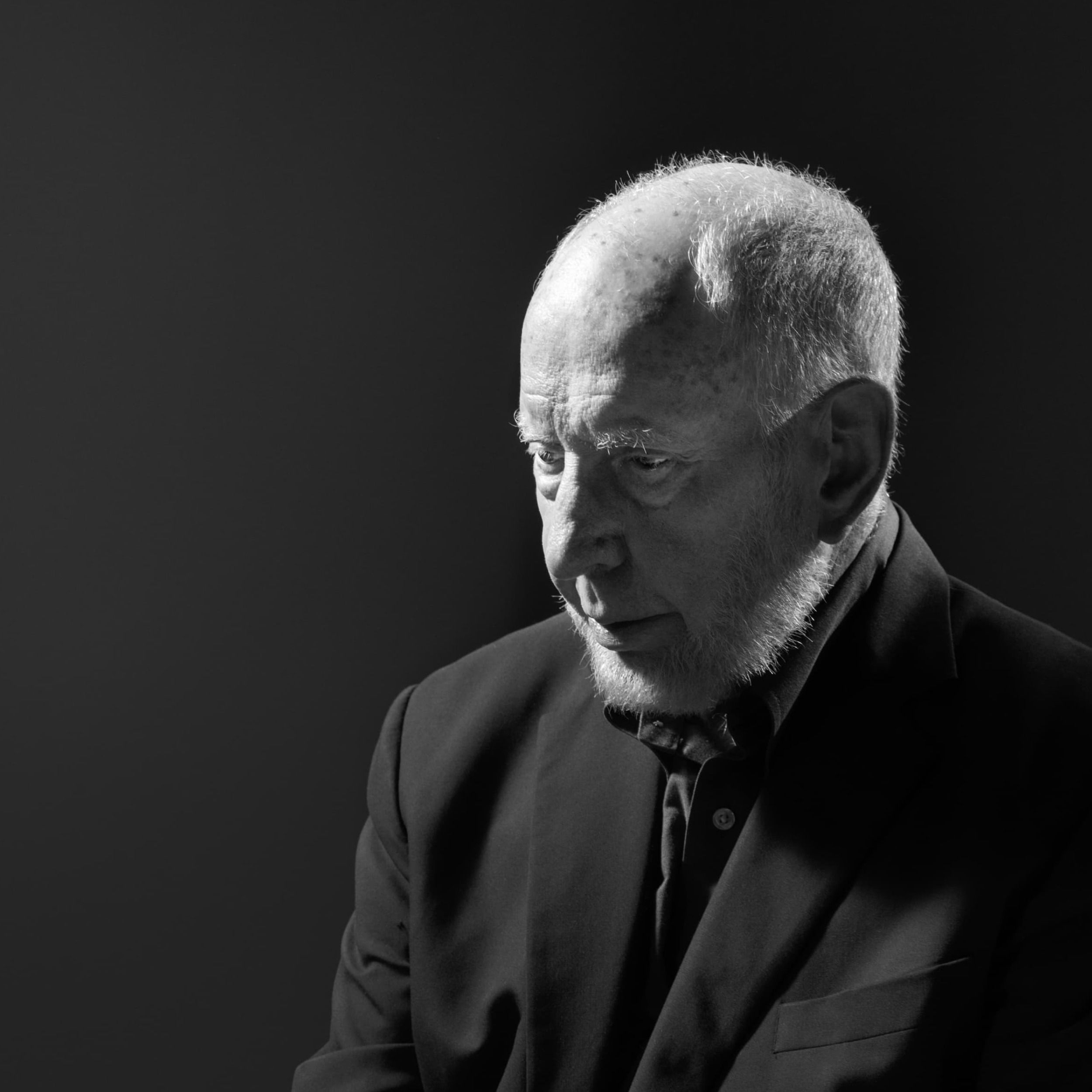
'The Interview': Robert Putnam Knows Why You’re Lonely
The author of “Bowling Alone” warned us about social isolation and its effect on democracy a quarter century ago. Things have only gotten worse. Subscribe today at nytimes.com/podcasts or on Apple Podcasts and Spotify. You can also subscribe via your favorite podcast app here https://www.nytimes.com/activate-access/audio?source=podcatcher. For more podcasts and narrated articles, download The New York Times app at nytimes.com/app. Hosted by Simplecast, an AdsWizz company. See https://pcm.adswizz.com for information about our collection and use of personal data for advertising.

Loving Their Pets to Debt
Over the past decade, the cost of veterinary care in the U.S. has skyrocketed, as health care for pets has come to look more like health care for people.Katie Thomas, an investigative health care reporter for The Times, discusses how pet care became a multi-billion-dollar industry, and the fraught emotional and financial landscape that has created for pet owners.Guest: Katie Thomas, an investigative health care reporter for The New York Times.Background reading: Why you’re paying your veterinarian so much.From 2021: A pandemic-era pet boom spurred veterinary companies to open new, upscale clinics.For more information on today’s episode, visit nytimes.com/thedaily. Transcripts of each episode will be made available by the next workday. Subscribe today at nytimes.com/podcasts or on Apple Podcasts and Spotify. You can also subscribe via your favorite podcast app here https://www.nytimes.com/activate-access/audio?source=podcatcher. For more podcasts and narrated articles, download The New York Times app at nytimes.com/app. Hosted by Simplecast, an AdsWizz company. See pcm.adswizz.com for information about our collection and use of personal data for advertising.

72 Hours Inside Biden’s Campaign to Save His Candidacy
For the past three days, President Biden has fought to save his re-election campaign, as panicked congressional Democrats returned to Washington and openly debated whether to call on him to step aside.In this episode, Times reporters in Washington go inside the 72 hours that could make or break Mr. Biden’s nomination.Guest: Representative Adam Smith, of the 9th Congressional District in WashingtonBackground reading: President Biden has faced fresh calls to withdraw as Democrats fear electoral rout.Veteran Democrats telegraphed not panic but respect, in hopes of appealing to the Joe Biden who has taken a breath and stepped aside in the past.For more information on today’s episode, visit nytimes.com/thedaily. Transcripts of each episode will be made available by the next workday. Subscribe today at nytimes.com/podcasts or on Apple Podcasts and Spotify. You can also subscribe via your favorite podcast app here https://www.nytimes.com/activate-access/audio?source=podcatcher. For more podcasts and narrated articles, download The New York Times app at nytimes.com/app. Hosted by Simplecast, an AdsWizz company. See pcm.adswizz.com for information about our collection and use of personal data for advertising.

Why Britain Just Ended 14 Years of Conservative Rule
For more than a decade, Britain has been governed by the Conservative Party, which pushed its politics to the right, embracing smaller government and Brexit. Last week, that era officially came to an end.Mark Landler, the London bureau chief for The Times, explains why British voters rejected the Conservatives and what their defeat means in a world where populism is on the rise.Guest: Mark Landler, the London bureau chief for The New York Times.Background reading: Five takeaways from the British general election.The Conservatives have run Britain for 14 years. How have things changed in that time?For more information on today’s episode, visit nytimes.com/thedaily. Transcripts of each episode will be made available by the next workday. Subscribe today at nytimes.com/podcasts or on Apple Podcasts and Spotify. You can also subscribe via your favorite podcast app here https://www.nytimes.com/activate-access/audio?source=podcatcher. For more podcasts and narrated articles, download The New York Times app at nytimes.com/app. Hosted by Simplecast, an AdsWizz company. See pcm.adswizz.com for information about our collection and use of personal data for advertising.

The Era of Killer Robots Is Here
Outmanned and outgunned in what has become a war of attrition against Russia, Ukraine has looked for any way to overcome its vulnerabilities on the battlefield. That search has led to the emergence of killer robots.Paul Mozur, the global technology correspondent for The Times, explains how Ukraine has become a Silicon Valley for autonomous weapons and how artificial intelligence is reshaping warfare.Guest: Paul Mozur, the global technology correspondent for The New York Times.Background reading:In the Ukraine war, A.I. has begun ushering in an age of killer robots.For more information on today’s episode, visit nytimes.com/thedaily. Transcripts of each episode will be made available by the next workday. Subscribe today at nytimes.com/podcasts or on Apple Podcasts and Spotify. You can also subscribe via your favorite podcast app here https://www.nytimes.com/activate-access/audio?source=podcatcher. For more podcasts and narrated articles, download The New York Times app at nytimes.com/app. Hosted by Simplecast, an AdsWizz company. See pcm.adswizz.com for information about our collection and use of personal data for advertising.

The Supreme Court Is Not Done Remaking America
When the Supreme Court wrapped up its term last week, much of the focus was one the ruling that gave former President Donald J. Trump sweeping immunity from criminal prosecution. But another set of rulings that generated less attention could have just as big an impact on American government and society.Adam Liptak, who covers the Supreme Court for The Times, looks back at the Supreme Court term.Guest: Adam Liptak, , who covers the Supreme Court for The New York Times and writes Sidebar, a column on legal developments.Background reading: In a volatile term, a fractured Supreme Court remade America.Here’s a guide to the major Supreme Court decisions in 2024.In video: How a fractured Supreme Court ruled this term.For more information on today’s episode, visit nytimes.com/thedaily. Transcripts of each episode will be made available by the next workday. Subscribe today at nytimes.com/podcasts or on Apple Podcasts and Spotify. You can also subscribe via your favorite podcast app here https://www.nytimes.com/activate-access/audio?source=podcatcher. For more podcasts and narrated articles, download The New York Times app at nytimes.com/app. Hosted by Simplecast, an AdsWizz company. See pcm.adswizz.com for information about our collection and use of personal data for advertising.
'Animal,' Episode 6: Bats
On the final episode of “Animal,” Sam Anderson travels to Mexico’s Yucatán Peninsula to meet with a creature he's long been afraid of: bats.For photos and videos of Sam's journey to the Yucatán, and to listen to the full series, visit nytimes.com/animal. You can search for “Animal” wherever you get your podcasts. Subscribe today at nytimes.com/podcasts or on Apple Podcasts and Spotify. You can also subscribe via your favorite podcast app here https://www.nytimes.com/activate-access/audio?source=podcatcher. For more podcasts and narrated articles, download The New York Times app at nytimes.com/app. Hosted by Simplecast, an AdsWizz company. See pcm.adswizz.com for information about our collection and use of personal data for advertising.

How Bad Is Drinking for You, Really?
Midway through one of the booziest holiday weekends of the year, we re-examine our love-hate relationship with alcohol.Susan Dominus, a staff writer for The New York Times Magazine, gets to the bottom of the conflicting guidance on the benefits and risks of drinking.Guest: Susan Dominus, a staff writer for The New York Times Magazine.Background reading: Research has piled up debunking the idea that moderate drinking has any health benefits.For more information on today’s episode, visit nytimes.com/thedaily. Transcripts of each episode will be made available by the next workday Subscribe today at nytimes.com/podcasts or on Apple Podcasts and Spotify. You can also subscribe via your favorite podcast app here https://www.nytimes.com/activate-access/audio?source=podcatcher. For more podcasts and narrated articles, download The New York Times app at nytimes.com/app. Hosted by Simplecast, an AdsWizz company. See pcm.adswizz.com for information about our collection and use of personal data for advertising.

Biden’s Slipping Support
A major Times poll has found that voters’ doubts about President Biden deepened after his poor performance in the first debate, with Donald J. Trump taking by far his biggest lead of the campaign.Shane Goldmacher, a national political correspondent for The Times, explains what those results could mean for Mr. Biden’s future.Guest: Shane Goldmacher, a national political correspondent for The New York Times.Background reading: Mr. Trump now leads Mr. Biden 49 percent to 43 percent among likely voters nationally.Mr. Biden has been left fighting for his political future after his faltering debate performance. Read the latest.For more information on today’s episode, visit nytimes.com/thedaily. Transcripts of each episode will be made available by the next workday. Subscribe today at nytimes.com/podcasts or on Apple Podcasts and Spotify. You can also subscribe via your favorite podcast app here https://www.nytimes.com/activate-access/audio?source=podcatcher. For more podcasts and narrated articles, download The New York Times app at nytimes.com/app. Hosted by Simplecast, an AdsWizz company. See pcm.adswizz.com for information about our collection and use of personal data for advertising.

The American Journalist on Trial in Russia
Evan Gershkovich, an American journalist for The Wall Street Journal, was detained in Russia more than a year ago. He has been locked up in a high-security prison and accused of spying for the U.S. government.His trial, held in secret, is now underway.Anton Troianovski, the Moscow bureau chief for The New York Times, discusses the complicated geopolitics behind Mr. Gershkovich’s detention and the efforts to get him home.Guest: Anton Troianovski, the Moscow bureau chief for The New York Times.Background reading: Russia opened its secret trial of Mr. Gershkovich, who is accused of espionage.A United Nations panel said he was being punished for his reporting on the war in Ukraine.For more information on today’s episode, visit nytimes.com/thedaily. Transcripts of each episode will be made available by the next workday. Subscribe today at nytimes.com/podcasts or on Apple Podcasts and Spotify. You can also subscribe via your favorite podcast app here https://www.nytimes.com/activate-access/audio?source=podcatcher. For more podcasts and narrated articles, download The New York Times app at nytimes.com/app. Hosted by Simplecast, an AdsWizz company. See pcm.adswizz.com for information about our collection and use of personal data for advertising.

Trump Wins Broad Immunity
On Monday, the Supreme Court ruled that former President Donald J. Trump is entitled to broad immunity from criminal prosecution for actions that he took while in office.Adam Liptak, who covers the Supreme Court for The New York Times, explains how that ruling will weaken the federal case against Mr. Trump for trying to overturn the last U.S. presidential election, and will drastically expand the power of the presidency itself.Guest: Adam Liptak, a Supreme Court correspondent for The New York Times.Background reading: The Supreme Court says Mr. Trump has some immunity in the election case.The decision is an extraordinary expansion of executive power that will reverberate long after he is gone.What the immunity ruling means for Mr. Trump.For more information on today’s episode, visit nytimes.com/thedaily. Transcripts of each episode will be made available by the next workday. Subscribe today at nytimes.com/podcasts or on Apple Podcasts and Spotify. You can also subscribe via your favorite podcast app here https://www.nytimes.com/activate-access/audio?source=podcatcher. For more podcasts and narrated articles, download The New York Times app at nytimes.com/app. Hosted by Simplecast, an AdsWizz company. See pcm.adswizz.com for information about our collection and use of personal data for advertising.

Will Biden Withdraw?
President Biden’s disastrous debate performance last week set off a furious discussion among Democratic officials, donors and strategists about whether and how to replace him as the party’s nominee.Peter Baker, who is the chief White House correspondent for The Times, takes us inside those discussions and Biden’s effort to shut them down.Guest: Peter Baker, the chief White House correspondent for The New York Times.Background reading: President Biden’s allies can no longer wave away concerns about his capacity after his unsteady performance at Thursday’s debate.Mr. Biden’s family is urging him to keep fighting.For more information on today’s episode, visit nytimes.com/thedaily. Transcripts of each episode will be made available by the next workday. Subscribe today at nytimes.com/podcasts or on Apple Podcasts and Spotify. You can also subscribe via your favorite podcast app here https://www.nytimes.com/activate-access/audio?source=podcatcher. For more podcasts and narrated articles, download The New York Times app at nytimes.com/app. Hosted by Simplecast, an AdsWizz company. See pcm.adswizz.com for information about our collection and use of personal data for advertising.

'Animal,' Episode 5: Wolves
In a broken world, what can we gain by looking another animal in the eye? "Animal" is a six-part, round-the-world journey in search of an answer. In Episode 5, the writer Sam Anderson travels to an obscure memorial in rural Japan: the statue of the last Japanese wolf.For photos and videos of Sam's journey to Japan, visit nytimes.com/animal. Subscribe today at nytimes.com/podcasts or on Apple Podcasts and Spotify. You can also subscribe via your favorite podcast app here https://www.nytimes.com/activate-access/audio?source=podcatcher. For more podcasts and narrated articles, download The New York Times app at nytimes.com/app. Hosted by Simplecast, an AdsWizz company. See pcm.adswizz.com for information about our collection and use of personal data for advertising.
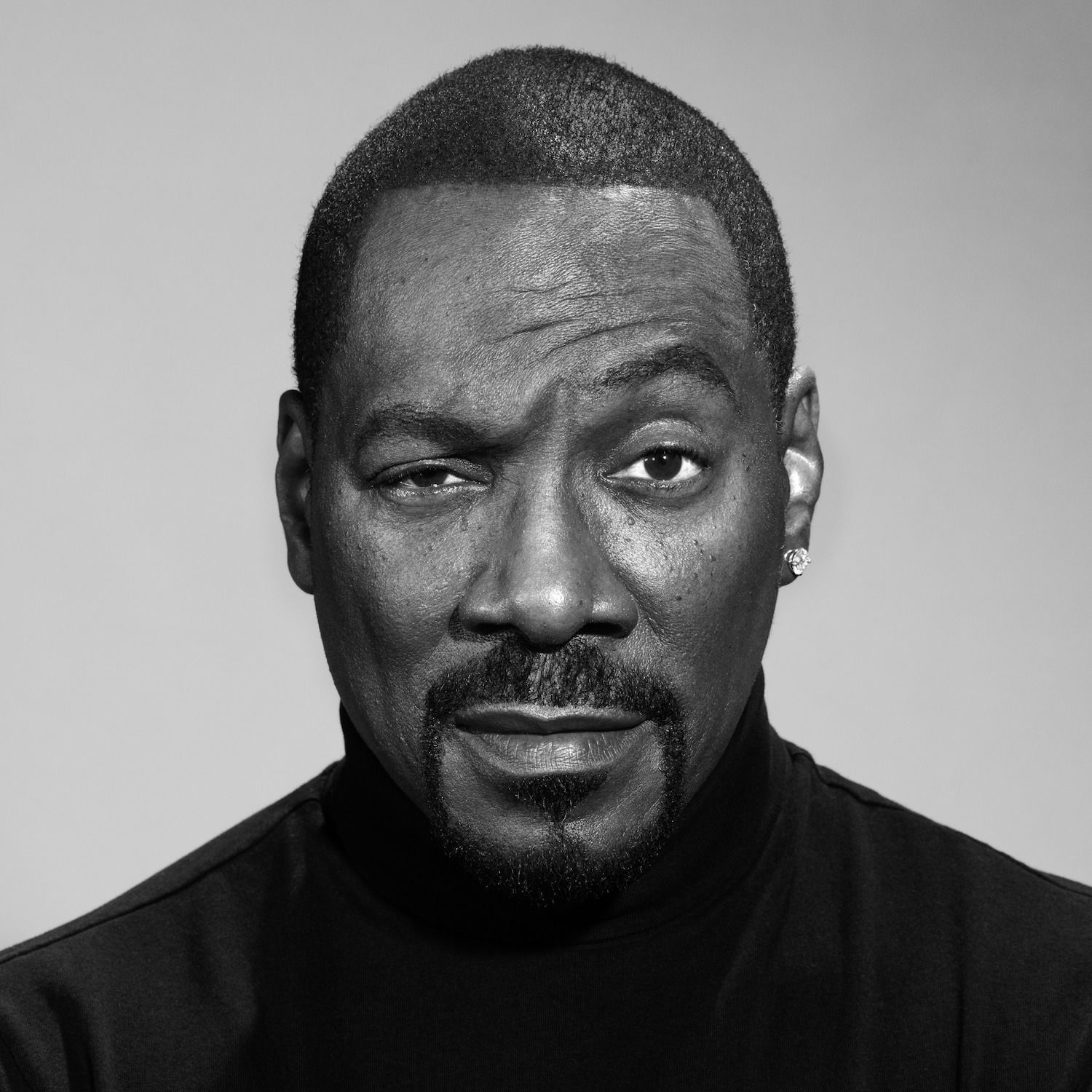
'The Interview': Eddie Murphy Is Ready to Look Back
EDavid Marchese talks to the comedy legend about navigating the minefield of fame, “Family Feud” and changing Hollywood forever. Subscribe today at nytimes.com/podcasts or on Apple Podcasts and Spotify. You can also subscribe via your favorite podcast app here https://www.nytimes.com/activate-access/audio?source=podcatcher. For more podcasts and narrated articles, download The New York Times app at nytimes.com/app. Hosted by Simplecast, an AdsWizz company. See https://pcm.adswizz.com for information about our collection and use of personal data for advertising.

A Brutal Debate for Biden
In the first debate of the 2024 race, President Biden hoped to make the case that Donald J. Trump was unfit to return to the White House. Instead, Mr. Biden’s weak performance deepened doubts about his own fitness for the job.Astead W. Herndon, who covers politics for The Times, explains what happened.Guest: Astead W. Herndon, a national politics reporter for The New York Times and the host of the politics podcast “The Run-Up.”Background reading: President Biden’s shaky, halting debate performance has Democrats talking about replacing him on the ticket.Here are six takeaways from 2024’s first presidential debate.For more information on today’s episode, visit nytimes.com/thedaily. Transcripts of each episode will be made available by the next workday. Subscribe today at nytimes.com/podcasts or on Apple Podcasts and Spotify. You can also subscribe via your favorite podcast app here https://www.nytimes.com/activate-access/audio?source=podcatcher. For more podcasts and narrated articles, download The New York Times app at nytimes.com/app. Hosted by Simplecast, an AdsWizz company. See pcm.adswizz.com for information about our collection and use of personal data for advertising.

The Doping Scandal Rocking the Upcoming Olympics
A new doping scandal is rocking the world of competitive swimming, as the Paris Olympics approach. These allegations are raising questions about fairness in the sport and whether the results at the summer games can be trusted.Michael S. Schmidt, one of the reporters who broke the story, explains the controversy and what it reveals about the struggle to police doping in sports.Guest: Michael S. Schmidt, an investigative reporter for The New York Times.Background reading: Chinese swimmers twice tested positive for drugs. They kept on swimming.U.S. swimming stars assailed the World Anti-Doping Agency ahead of the Olympics.For more information on today’s episode, visit nytimes.com/thedaily. Transcripts of each episode will be made available by the next workday. Subscribe today at nytimes.com/podcasts or on Apple Podcasts and Spotify. You can also subscribe via your favorite podcast app here https://www.nytimes.com/activate-access/audio?source=podcatcher. For more podcasts and narrated articles, download The New York Times app at nytimes.com/app. Hosted by Simplecast, an AdsWizz company. See pcm.adswizz.com for information about our collection and use of personal data for advertising.

France’s Far Right at the Gates of Power
The far right in France had a big win this month, crushing the party of President Emmanuel Macron in elections for the European Parliament. But the results did not affect France’s government at home — until Mr. Macron changed that.Roger Cohen, the Paris bureau chief for The Times, discusses the huge political gamble Mr. Macron has taken, which has brought the far right closer than ever to gaining real power in France.Guest: Roger Cohen, the Paris bureau chief for The New York Times.Background reading: Battered by the far right in voting for the European Parliament, Emmanuel Macron called for new elections in France.The president has challenged voters to test the sincerity of their support for the far right. Were the French letting off steam in the European elections, or did they really mean it?For more information on today’s episode, visit nytimes.com/thedaily. Transcripts of each episode will be made available by the next workday. Subscribe today at nytimes.com/podcasts or on Apple Podcasts and Spotify. You can also subscribe via your favorite podcast app here https://www.nytimes.com/activate-access/audio?source=podcatcher. For more podcasts and narrated articles, download The New York Times app at nytimes.com/app. Hosted by Simplecast, an AdsWizz company. See pcm.adswizz.com for information about our collection and use of personal data for advertising.

The Plan to Defeat Critics of Israel in Congress
A powerful group supporting Israel is trying to defeat sitting members of Congress who have criticized the country’s deadly war against Hamas.Nicholas Fandos, who covers New York politics for The Times, explains why it appears that strategy may work in today’s Democratic primary in New York.Guest: Nicholas Fandos, who covers New York politics and government for The New York Times.Background reading: The American Israel Public Affairs Committee unleashed a record $14.5 million bid to defeat Representative Jamaal Bowman, a critic of Israel.What to know about Mr. Bowman’s bitter Democratic primary race.For more information on today’s episode, visit nytimes.com/thedaily. Transcripts of each episode will be made available by the next workday. Subscribe today at nytimes.com/podcasts or on Apple Podcasts and Spotify. You can also subscribe via your favorite podcast app here https://www.nytimes.com/activate-access/audio?source=podcatcher. For more podcasts and narrated articles, download The New York Times app at nytimes.com/app. Hosted by Simplecast, an AdsWizz company. See pcm.adswizz.com for information about our collection and use of personal data for advertising.

The Army of Poets and Students Fighting a Forgotten War
EWarning: this episode contains descriptions of injuries.Myanmar is home to one of the deadliest, most intractable civil wars on the planet. But something new is happening. Unusual numbers of young people from the cities, including students, poets and baristas, have joined the country’s rebel militias. And this coalition is making startling gains against the country’s military dictatorship.Hannah Beech, who covers stories across Asia for The Times, discusses this surprising resistance movement.Guest: Hannah Beech, a Bangkok-based reporter for The New York Times, focusing on investigative and in-depth stories in Asia.Background reading: Rebel fighters have handed Myanmar’s army defeat after defeat, for the first time raising the possibility that the military junta could be at risk of collapse.What’s happening in Myanmar’s civil war?For more information on today’s episode, visit nytimes.com/thedaily. Transcripts of each episode will be made available by the next workday. Subscribe today at nytimes.com/podcasts or on Apple Podcasts and Spotify. You can also subscribe via your favorite podcast app here https://www.nytimes.com/activate-access/audio?source=podcatcher. For more podcasts and narrated articles, download The New York Times app at nytimes.com/app. Hosted by Simplecast, an AdsWizz company. See pcm.adswizz.com for information about our collection and use of personal data for advertising.

'Animal,' Episode 4: Ferrets
In a broken world, what can we gain by looking another animal in the eye? "Animal" is a six-part, round-the-world journey in search of an answer. In Episode 4, the writer Sam Anderson soothes his anxiety by visiting a convention center in Ohio.For photos and videos of Sam's adventure trip to Ohio, visit nytimes.com/animal. Subscribe today at nytimes.com/podcasts or on Apple Podcasts and Spotify. You can also subscribe via your favorite podcast app here https://www.nytimes.com/activate-access/audio?source=podcatcher. For more podcasts and narrated articles, download The New York Times app at nytimes.com/app. Hosted by Simplecast, an AdsWizz company. See pcm.adswizz.com for information about our collection and use of personal data for advertising.

'The Interview': Gretchen Whitmer Wants a Gen X President — in 2028
The governor of Michigan isn’t saying it should be her, but she’s not saying it shouldn’t be, either. Subscribe today at nytimes.com/podcasts or on Apple Podcasts and Spotify. You can also subscribe via your favorite podcast app here https://www.nytimes.com/activate-access/audio?source=podcatcher. For more podcasts and narrated articles, download The New York Times app at nytimes.com/app. Hosted by Simplecast, an AdsWizz company. See https://pcm.adswizz.com for information about our collection and use of personal data for advertising.

America’s Top Doctor on Why He Wants Warning Labels on Social Media
Warning: This episode contains mentions of bullying and suicide.A rising tide of mental health problems among teenagers has sent parents, teachers and doctors searching for answers. This week, the U.S. surgeon general, Dr. Vivek H. Murthy, offered one: social media.Today, Dr. Murthy discusses his proposal to require platforms such as YouTube, TikTok and Instagram to include warning labels, like those that appear on tobacco and alcohol products.Guest: Dr. Vivek H. Murthy, the U.S. surgeon general.Background reading: Dr. Murthy cannot unilaterally impose warnings on social media; the action requires approval by Congress. Dr. Murthy said he would urge Congress to require a warning that social media use can harm teenagers’ mental health.Read a guest essay by Dr. Murthy: Why I’m Calling for a Warning Label on Social Media Platforms.For more information on today’s episode, visit nytimes.com/thedaily. Transcripts of each episode will be made available by the next workday. Subscribe today at nytimes.com/podcasts or on Apple Podcasts and Spotify. You can also subscribe via your favorite podcast app here https://www.nytimes.com/activate-access/audio?source=podcatcher. For more podcasts and narrated articles, download The New York Times app at nytimes.com/app. Hosted by Simplecast, an AdsWizz company. See pcm.adswizz.com for information about our collection and use of personal data for advertising.

The Mysterious Gun Study That’s Advancing Gun Rights
In the battle to dismantle gun restrictions, raging in America’s courts even as mass shootings become commonplace, a Times’ investigation has found that one study has been deployed by gun rights activists to notch legal victories with far-reaching consequences.Mike McIntire, an investigative reporter for The Times, discusses the study and the person behind it.Guest: Mike McIntire, an investigative reporter at The New York Times.Background reading: Case after case challenging gun restrictions cites the same Georgetown professor. His seemingly independent work has undisclosed ties to pro-gun interests.For more information on today’s episode, visit nytimes.com/thedaily. Transcripts of each episode will be made available by the next workday. Subscribe today at nytimes.com/podcasts or on Apple Podcasts and Spotify. You can also subscribe via your favorite podcast app here https://www.nytimes.com/activate-access/audio?source=podcatcher. For more podcasts and narrated articles, download The New York Times app at nytimes.com/app. Hosted by Simplecast, an AdsWizz company. See pcm.adswizz.com for information about our collection and use of personal data for advertising.

A Novel Legal Strategy for Mass Shooting Victims’ Families
As mass shootings plague the United States, victims’ families continue to search for accountability. To that end, a pair of lawsuits by the families of victims of the Uvalde school shooting will try a new tactic.J. David Goodman, the Houston bureau chief for The Times, discusses the unusual targets of the lawsuits and profiles the lawyers behind them.Guest: J. David Goodman, the Houston bureau chief for The New York Times.Background reading: The Uvalde lawsuits are among the most far-reaching to be filed in response to the escalating number of mass shootings in the United States.For more information on today’s episode, visit nytimes.com/thedaily. Transcripts of each episode will be made available by the next workday. Subscribe today at nytimes.com/podcasts or on Apple Podcasts and Spotify. You can also subscribe via your favorite podcast app here https://www.nytimes.com/activate-access/audio?source=podcatcher. For more podcasts and narrated articles, download The New York Times app at nytimes.com/app. Hosted by Simplecast, an AdsWizz company. See pcm.adswizz.com for information about our collection and use of personal data for advertising.

Abortion United Evangelicals and Republicans. Now That Alliance Is Fraying.
The Southern Baptist Convention, the largest denomination of Protestant Christians in the United States, voted at an annual gathering last week to oppose the use of in vitro fertilization.Ruth Graham, who covers religion, faith and values for The New York Times, discusses the story behind the vote, the Republican scramble it prompted and what it could eventually mean for the rest of the country.Guest: Ruth Graham, who covers religion, faith and values for The New York Times.Background reading: How baptists and the Republican Party took different paths on I.V.F.Here’s what to know about the vote.For more information on today’s episode, visit nytimes.com/thedaily. Transcripts of each episode will be made available by the next workday. Subscribe today at nytimes.com/podcasts or on Apple Podcasts and Spotify. You can also subscribe via your favorite podcast app here https://www.nytimes.com/activate-access/audio?source=podcatcher. For more podcasts and narrated articles, download The New York Times app at nytimes.com/app. Hosted by Simplecast, an AdsWizz company. See pcm.adswizz.com for information about our collection and use of personal data for advertising.

'Animal,' Episode 3: Manatees
In a broken world, what can we gain by looking another animal in the eye? "Animal" is a six-part, round-the-world journey in search of an answer. In Episode 3, the writer Sam Anderson travels to Florida to fulfill a lifelong dream: to swim with manatees.For photos and videos of Sam's adventure with manatees, visit nytimes.com/animal. Subscribe today at nytimes.com/podcasts or on Apple Podcasts and Spotify. You can also subscribe via your favorite podcast app here https://www.nytimes.com/activate-access/audio?source=podcatcher. For more podcasts and narrated articles, download The New York Times app at nytimes.com/app. Hosted by Simplecast, an AdsWizz company. See pcm.adswizz.com for information about our collection and use of personal data for advertising.

'The Interview': Serena Williams’s Next Challenge? The Rest of Her Life.
The greatest women’s tennis player of all time is trying to find her new normal in retirement. Subscribe today at nytimes.com/podcasts or on Apple Podcasts and Spotify. You can also subscribe via your favorite podcast app here https://www.nytimes.com/activate-access/audio?source=podcatcher. For more podcasts and narrated articles, download The New York Times app at nytimes.com/app. Hosted by Simplecast, an AdsWizz company. See https://pcm.adswizz.com for information about our collection and use of personal data for advertising.

How to Retire as Early as Humanly Possible
Many Americans work their entire lives and end up retiring with nothing. But a group of frugal obsessives is challenging that.They call their approach FIRE: “financial independence, retire early.”Amy X. Wang, the assistant managing editor of The New York Times Magazine, looks at the people behind this growing movement and their bid to rethink how long we work.Guest: Amy X. Wang, the assistant managing editor of The New York Times Magazine. Background reading: Allen Wong is one of the FIRE adherents who always knew how he wanted to live life. After decades of tolerating workaholic culture as the norm, employees are tired and unafraid to show it.FIRE started in the early 2000s with a mantra of extreme saving, but the pandemic forged new followers.For more information on today’s episode, visit nytimes.com/thedaily. Transcripts of each episode will be made available by the next workday. Subscribe today at nytimes.com/podcasts or on Apple Podcasts and Spotify. You can also subscribe via your favorite podcast app here https://www.nytimes.com/activate-access/audio?source=podcatcher. For more podcasts and narrated articles, download The New York Times app at nytimes.com/app. Hosted by Simplecast, an AdsWizz company. See pcm.adswizz.com for information about our collection and use of personal data for advertising.

Inside Trump’s Search for a Vice President
The makeup of the 2024 presidential race has felt inevitable from the start — with one notable exception: Donald J. Trump’s choice of a running mate.Michael Bender, a political correspondent for The Times, explains why Mr. Trump’s requirements in a No. 2 are very different this time round than they were eight years ago.Guest: Michael Bender, a political correspondent for The New York Times. Background reading: Here is a comprehensive look at who is in the mix to be Mr. Trump’s running mate.Ben Carson is a wild card in the vice-presidential sweepstakes, but don’t count him out just yet.For more information on today’s episode, visit nytimes.com/thedaily. Transcripts of each episode will be made available by the next workday. Subscribe today at nytimes.com/podcasts or on Apple Podcasts and Spotify. You can also subscribe via your favorite podcast app here https://www.nytimes.com/activate-access/audio?source=podcatcher. For more podcasts and narrated articles, download The New York Times app at nytimes.com/app. Hosted by Simplecast, an AdsWizz company. See pcm.adswizz.com for information about our collection and use of personal data for advertising.

The Criminal Conviction of Hunter Biden
A jury on Tuesday found Hunter Biden, President Biden’s son, guilty of three felonies related to the purchase of a gun at one of the low points of his troubled life.Katie Rogers, a White House correspondent for The Times, explains what the verdict could mean for the 2024 presidential race.Guest: Katie Rogers, a White House correspondent for The New York Times.Background reading: Mr. Biden was found guilty on charges related to a gun purchase in 2018.Here are some takeaways from the conviction.The president has grown more resigned and afraid about his son’s future, according to people close to the Bidens.For more information on today’s episode, visit nytimes.com/thedaily. Transcripts of each episode will be made available by the next workday. Subscribe today at nytimes.com/podcasts or on Apple Podcasts and Spotify. You can also subscribe via your favorite podcast app here https://www.nytimes.com/activate-access/audio?source=podcatcher. For more podcasts and narrated articles, download The New York Times app at nytimes.com/app. Hosted by Simplecast, an AdsWizz company. See pcm.adswizz.com for information about our collection and use of personal data for advertising.
Biden’s Hard-Line Effort to Close the Border
Last week, President Biden announced one of the most restrictive immigration policies by a Democratic incumbent in decades, effectively barring migrants crossing the southern border from seeking asylum in the United States.Zolan Kanno-Youngs, a White House correspondent for The Times, explains the thinking behind the move.Guest: Zolan Kanno-Youngs, a White House correspondent for The New York Times.Background reading: Biden’s executive order is an eye-catching election-year move intended to ease pressure on the immigration system and address a major concern among voters.Watch a short video detailing the key facts behind the immigration order.For more information on today’s episode, visit nytimes.com/thedaily. Transcripts of each episode will be made available by the next workday. Subscribe today at nytimes.com/podcasts or on Apple Podcasts and Spotify. You can also subscribe via your favorite podcast app here https://www.nytimes.com/activate-access/audio?source=podcatcher. For more podcasts and narrated articles, download The New York Times app at nytimes.com/app. Hosted by Simplecast, an AdsWizz company. See pcm.adswizz.com for information about our collection and use of personal data for advertising.
The Rise and Fall of Congestion Pricing in New York
On Wednesday, Gov. Kathy Hochul of New York announced that she was indefinitely halting a project that had been decades in the making: congestion pricing in Manhattan’s core business district.Ana Ley, who covers mass transit in New York City, and Grace Ashford, who covers politics in New York, discuss why New York hit the brakes on congestion pricing.Guest: Ana Ley, who covers mass transit in New York City for The New York Times.Grace Ashford, a reporter covering New York government and politics for The New York Times.Background reading: How Ms. Hochul decided to kill congestion pricing in New York.Is New York’s Economy too fragile for congestion pricing? Many say no.How would congestion pricing have worked in New York City?For more information on today’s episode, visit nytimes.com/thedaily. Transcripts of each episode will be made available by the next workday. Subscribe today at nytimes.com/podcasts or on Apple Podcasts and Spotify. You can also subscribe via your favorite podcast app here https://www.nytimes.com/activate-access/audio?source=podcatcher. For more podcasts and narrated articles, download The New York Times app at nytimes.com/app. Hosted by Simplecast, an AdsWizz company. See pcm.adswizz.com for information about our collection and use of personal data for advertising.

'Animal,' Episode 2: Puffins
EIn a broken world, what can we gain by looking another animal in the eye? "Animal" is a six-part, round-the-world journey in search of an answer. In Episode 2, the writer Sam Anderson travels to Iceland to rescue baby puffins — which are called, adorably, pufflings.For more on "Animal," visit nytimes.com/animal. Subscribe today at nytimes.com/podcasts or on Apple Podcasts and Spotify. You can also subscribe via your favorite podcast app here https://www.nytimes.com/activate-access/audio?source=podcatcher. For more podcasts and narrated articles, download The New York Times app at nytimes.com/app. Hosted by Simplecast, an AdsWizz company. See pcm.adswizz.com for information about our collection and use of personal data for advertising.

'The Interview': The Darker Side of Julia Louis-Dreyfus
EThe actress is taking on serious roles, trying to overcome self-doubt and sharing more about her personal life — but she’s not done being funny. Subscribe today at nytimes.com/podcasts or on Apple Podcasts and Spotify. You can also subscribe via your favorite podcast app here https://www.nytimes.com/activate-access/audio?source=podcatcher. For more podcasts and narrated articles, download The New York Times app at nytimes.com/app. Hosted by Simplecast, an AdsWizz company. See https://pcm.adswizz.com for information about our collection and use of personal data for advertising.
Real Teenagers, Fake Nudes: The Rise of Deepfakes in American Schools
EWarning: this episode contains strong language, descriptions of explicit content and sexual harassmentA disturbing new problem is sweeping American schools: Students are using artificial intelligence to create sexually explicit images of their classmates and then share them without the person depicted even knowing.Natasha Singer, who covers technology, business and society for The Times, discusses the rise of deepfake nudes and one girl's fight to stop them.Guest: Natasha Singer, a reporter covering technology, business and society for The New York Times.Background reading: Using artificial intelligence, middle and high school students have fabricated explicit images of female classmates and shared the doctored pictures.Spurred by teenage girls, states have moved to ban deepfake nudes.For more information on today’s episode, visit nytimes.com/thedaily. Transcripts of each episode will be made available by the next workday. Subscribe today at nytimes.com/podcasts or on Apple Podcasts and Spotify. You can also subscribe via your favorite podcast app here https://www.nytimes.com/activate-access/audio?source=podcatcher. For more podcasts and narrated articles, download The New York Times app at nytimes.com/app. Hosted by Simplecast, an AdsWizz company. See pcm.adswizz.com for information about our collection and use of personal data for advertising.
The Fight Over the Next Pandemic
At the height of the Covid pandemic, nearly 200 countries started negotiating a plan to ensure they would do better when the next pandemic inevitably arrived. Their deadline for that plan was last week.Apoorva Mandavilli, a science and global health reporter for The Times, explains why, so far, the negotiations have failed.Guest: Apoorva Mandavilli, a science and global health reporter for The New York Times.Background reading: Countries failed to agree on a treaty to prepare the world for the next pandemic before a major international meeting.For more information on today’s episode, visit nytimes.com/thedaily. Transcripts of each episode will be made available by the next workday. Subscribe today at nytimes.com/podcasts or on Apple Podcasts and Spotify. You can also subscribe via your favorite podcast app here https://www.nytimes.com/activate-access/audio?source=podcatcher. For more podcasts and narrated articles, download The New York Times app at nytimes.com/app. Hosted by Simplecast, an AdsWizz company. See pcm.adswizz.com for information about our collection and use of personal data for advertising.
Biden’s Push to End the War in Gaza
In an unexpected speech last week, President Biden revealed the details of a secret proposal intended to end the war in Gaza. Perhaps the most surprising thing was where that proposal had come from.Isabel Kershner, a reporter for The Times in Jerusalem, explains Mr. Biden’s gambit and the difficult choice it presents for Israel’s leader, Prime Minister Benjamin Netanyahu.Guest: Isabel Kershner, who covers Israeli and Palestinian affairs for The New York Times.Background reading: Mr. Biden called for an end to the war in Gaza, endorsing an Israeli cease-fire proposal.Mr. Netanyahu answered the call for a truce by insisting on the “destruction” of Hamas.For more information on today’s episode, visit nytimes.com/thedaily. Transcripts of each episode will be made available by the next workday. Subscribe today at nytimes.com/podcasts or on Apple Podcasts and Spotify. You can also subscribe via your favorite podcast app here https://www.nytimes.com/activate-access/audio?source=podcatcher. For more podcasts and narrated articles, download The New York Times app at nytimes.com/app. Hosted by Simplecast, an AdsWizz company. See pcm.adswizz.com for information about our collection and use of personal data for advertising.
A Conversation With President Zelensky
Five years ago, a TV personality and comedian, Volodymyr Zelensky, won the presidency in Ukraine in a landslide victory. When Russia launched a full-scale invasion of the country three years later, he faced the biggest challenge of his presidency and of his life. Despite initial success beating back one of the world’s largest armies, the tide has turned against him.Andrew E. Kramer, the Kyiv bureau chief for The Times, sat down with Mr. Zelensky to discuss the war, and how it might end.Guest: Andrew E. Kramer, the Kyiv bureau chief for The New York Times.Background reading: Read The New York Times’s interview with President Volodymyr Zelensky of Ukraine.Explaining the debate over Ukraine’s use of Western weapons.For more information on today’s episode, visit nytimes.com/thedaily. Transcripts of each episode will be made available by the next workday. Subscribe today at nytimes.com/podcasts or on Apple Podcasts and Spotify. You can also subscribe via your favorite podcast app here https://www.nytimes.com/activate-access/audio?source=podcatcher. For more podcasts and narrated articles, download The New York Times app at nytimes.com/app. Hosted by Simplecast, an AdsWizz company. See pcm.adswizz.com for information about our collection and use of personal data for advertising.
How Trump’s Conviction Could Reshape the Election
Last week, Donald J. Trump became the first U.S. former president to be convicted of a crime when a jury found that he had falsified business records to conceal a sex scandal.Maggie Haberman, a senior political correspondent for The Times, and Reid J. Epstein, who also covers politics, discuss how the conviction might shape the remaining months of the presidential race.Guest: Nate Cohn, who is the chief political analyst for The New York Times.Maggie Haberman, a senior political correspondent for The New York Times.Reid J. Epstein, who covers politics for The New York Times.Background reading: The political fallout is far from certain, but the verdict will test America’s traditions and legal institutions.Watch a video analysis of whether this newfound moment sticks politically.Democrats are pushing President Biden to make Mr. Trump’s felonies a top 2024 issue.For more information on today’s episode, visit nytimes.com/thedaily. Transcripts of each episode will be made available by the next workday. Subscribe today at nytimes.com/podcasts or on Apple Podcasts and Spotify. You can also subscribe via your favorite podcast app here https://www.nytimes.com/activate-access/audio?source=podcatcher. For more podcasts and narrated articles, download The New York Times app at nytimes.com/app. Hosted by Simplecast, an AdsWizz company. See pcm.adswizz.com for information about our collection and use of personal data for advertising.

Introducing ‘Animal’: Walnut
In a broken world, what can we gain by looking another animal in the eye? "Animal" is a six-part, round-the-world journey in search of an answer. Join the writer Sam Anderson on Episode 1.For more on "Animal," visit nytimes.com/animal. Subscribe today at nytimes.com/podcasts or on Apple Podcasts and Spotify. You can also subscribe via your favorite podcast app here https://www.nytimes.com/activate-access/audio?source=podcatcher. For more podcasts and narrated articles, download The New York Times app at nytimes.com/app. Hosted by Simplecast, an AdsWizz company. See pcm.adswizz.com for information about our collection and use of personal data for advertising.

'The Interview': Richard Linklater Sees the Killer Inside Us All
EDavid Marchese talks to the acclaimed director about his new film “Hit Man” and life’s big questions. Subscribe today at nytimes.com/podcasts or on Apple Podcasts and Spotify. You can also subscribe via your favorite podcast app here https://www.nytimes.com/activate-access/audio?source=podcatcher. For more podcasts and narrated articles, download The New York Times app at nytimes.com/app. Hosted by Simplecast, an AdsWizz company. See https://pcm.adswizz.com for information about our collection and use of personal data for advertising.
Guilty
Former President Donald J. Trump has become the first American president to be declared a felon. A Manhattan jury found that he had falsified business records to conceal a sex scandal that could have hindered his 2016 campaign for the White House.Jonah Bromwich, who has been covering the hush-money trial for The Times, was in the room.Guest: Jonah E. Bromwich, covers criminal justice in New York for The New York Times.Background reading: Here’s the verdict, count by count.This is what happens next.For more information on today’s episode, visit nytimes.com/thedaily. Transcripts of each episode will be made available by the next workday. Subscribe today at nytimes.com/podcasts or on Apple Podcasts and Spotify. You can also subscribe via your favorite podcast app here https://www.nytimes.com/activate-access/audio?source=podcatcher. For more podcasts and narrated articles, download The New York Times app at nytimes.com/app. Hosted by Simplecast, an AdsWizz company. See pcm.adswizz.com for information about our collection and use of personal data for advertising.
The Government Takes On Ticketmaster
Over recent years, few companies have provoked more anger among music fans than Ticketmaster. Last week, the Department of Justice announced it was taking the business to court.David McCabe, who covers technology policy for The Times, explains how the case could reshape America’s multibillion-dollar live music industry.Guest: David McCabe, a technology policy correspondent for The New York Times.Background reading: The government is accusing Ticketmaster’s corporate parent, Live Nation Entertainment, of violating antitrust laws.Here’s a guide to the emails at the heart of the government’s case.For more information on today’s episode, visit nytimes.com/thedaily. Transcripts of each episode will be made available by the next workday. Subscribe today at nytimes.com/podcasts or on Apple Podcasts and Spotify. You can also subscribe via your favorite podcast app here https://www.nytimes.com/activate-access/audio?source=podcatcher. For more podcasts and narrated articles, download The New York Times app at nytimes.com/app. Hosted by Simplecast, an AdsWizz company. See pcm.adswizz.com for information about our collection and use of personal data for advertising.
The Closing Arguments in the Trump Trial
On Tuesday, lawyers for the prosecution and the defense delivered their final arguments to the jury in the criminal case of The People of the State of New York v. Donald J. Trump.Jonah Bromwich, one of the lead reporters covering the trial for The Times, was there.Guest: Jonah E. Bromwich, who covers criminal justice in New York for The New York Times.Background reading: A fine blade and a sledgehammer: Read more about the style and content of the closing arguments.Watch Jonah Bromwich recap the day outside the courthouse.For more information on today’s episode, visit nytimes.com/thedaily. Transcripts of each episode will be made available by the next workday. Subscribe today at nytimes.com/podcasts or on Apple Podcasts and Spotify. You can also subscribe via your favorite podcast app here https://www.nytimes.com/activate-access/audio?source=podcatcher. For more podcasts and narrated articles, download The New York Times app at nytimes.com/app. Hosted by Simplecast, an AdsWizz company. See pcm.adswizz.com for information about our collection and use of personal data for advertising.
The Alitos and Their Flags
The discovery that an upside-down American flag — a symbol adopted by the campaign to overturn the 2020 election result — had flown at the home of Justice Samuel A. Alito Jr. elicited concerns from politicians, legal scholars and others. And then came news of a second flag.Jodi Kantor, the Times reporter who broke the stories, discusses the saga.Guest: Jodi Kantor, an investigative reporter for The New York Times.Background reading: An upside-down American flag, a symbol adopted by Trump supporters contesting the Biden victory, flew over the justice’s front lawn as the Supreme Court was considering an election case.The justice’s beach house displayed an “Appeal to Heaven” flag, a design carried on Jan. 6 and associated with a push for a more Christian-minded government.The displays renew questions about the Supreme Court’s impartiality.For more information on today’s episode, visit nytimes.com/thedaily. Transcripts of each episode will be made available by the next workday. Subscribe today at nytimes.com/podcasts or on Apple Podcasts and Spotify. You can also subscribe via your favorite podcast app here https://www.nytimes.com/activate-access/audio?source=podcatcher. For more podcasts and narrated articles, download The New York Times app at nytimes.com/app. Hosted by Simplecast, an AdsWizz company. See pcm.adswizz.com for information about our collection and use of personal data for advertising.

'The Interview': Ted Sarandos’s Plan to Get You to Binge Even More
Netflix won the streaming battle, but the war for your attention isn’t over. Subscribe today at nytimes.com/podcasts or on Apple Podcasts and Spotify. You can also subscribe via your favorite podcast app here https://www.nytimes.com/activate-access/audio?source=podcatcher. For more podcasts and narrated articles, download The New York Times app at nytimes.com/app. Hosted by Simplecast, an AdsWizz company. See https://pcm.adswizz.com for information about our collection and use of personal data for advertising.
Whales Have an Alphabet
Ever since the discovery of whale songs almost 60 years ago, scientists have been trying to decipher the lyrics.But sperm whales don’t produce the eerie melodies sung by humpback whales, sounds that became a sensation in the 1960s. Instead, sperm whales rattle off clicks that sound like a cross between Morse code and a creaking door.Carl Zimmer, a science reporter, explains the possibility why it’s possible that the whales are communicating in a complex language.Guest: Carl Zimmer, a science reporter for The New York Times who also writes the Origins column.Background readingScientists find an “alphabet” in whale songs.These whales still use their vocal cords. But how?For more information on today’s episode, visit nytimes.com/thedaily. Transcripts of each episode will be made available by the next workday. Subscribe today at nytimes.com/podcasts or on Apple Podcasts and Spotify. You can also subscribe via your favorite podcast app here https://www.nytimes.com/activate-access/audio?source=podcatcher. For more podcasts and narrated articles, download The New York Times app at nytimes.com/app. Hosted by Simplecast, an AdsWizz company. See pcm.adswizz.com for information about our collection and use of personal data for advertising.
I.C.C. Prosecutor Requests Warrants for Israeli and Hamas Leaders
This week, Karim Khan, the top prosecutor of the International Criminal Court, requested arrest warrants for Israel’s prime minister, Benjamin Netanyahu, and the country’s defense minister, Yoav Gallant.Patrick Kingsley, the Times’s bureau chief in Jerusalem, explains why this may set up a possible showdown between the court and Israel with its biggest ally, the United States.Guest: Patrick Kingsley, the Jerusalem bureau chief for The New York Times.Background reading: Why did a prosecutor go public with the arrest warrant requests?The warrant request appeared to shore up domestic support for Mr. Netanyahu.For more information on today’s episode, visit nytimes.com/thedaily. Transcripts of each episode will be made available by the next workday. Subscribe today at nytimes.com/podcasts or on Apple Podcasts and Spotify. You can also subscribe via your favorite podcast app here https://www.nytimes.com/activate-access/audio?source=podcatcher. For more podcasts and narrated articles, download The New York Times app at nytimes.com/app. Hosted by Simplecast, an AdsWizz company. See pcm.adswizz.com for information about our collection and use of personal data for advertising.