The Classical Mind
59 episodes — Page 1 of 2
The Two Towers by J.R.R. Tolkien
The Classical Mind Goes to the Movies: Christopher Nolan's Odyssey
Bonus Episode: The Forge of Friendship
The Lord of the Rings: The Fellowship of the Ring by J.R.R. Tolkien
Bonus Episode: Season 5
A Midsummer Night's Dream by William Shakespeare with Heidi White
The Importance of Being Earnest with Dr. Grace Hamman
Paradiso with Dr. Jonathan Juilfs
Purgatorio with Heidi White
"The Tapestry": A Conversation about a New CiRCE Language Arts/Grammar Curriculum with Buck Holler
In this episode of The Classical Mind, Dr. Junius Johnson sits down with Buck Holler from the CiRCE Institute to discuss "Tapestry," a new writing and grammar curriculum designed to bridge the gap between early elementary studies and the advanced persuasive essays found in The Lost Tools of Writing. Holler explains that for twenty-five centuries, the study of grammar and literature were considered a single, unified discipline, an organic connection that was largely severed during the Enlightenment. By re-integrating these fields, the curriculum moves away from the modern trend of teaching grammar through isolated, "zigzag" sentences and instead grounds linguistic study in the rich soil of full stories, including Aesop’s fables, Arthurian legends, and sacred Scripture. This is a public episode. If you'd like to discuss this with other subscribers or get access to bonus episodes, visit www.theclassicalmind.com/subscribe
The Inaugural Classical Mind Battle of the Books
Round 1: Voting will be open from Monday (3/16) until Monday (3/23) ***Vote Now!***Round 2: Voting will be open from Monday (3/23) until Saturday (3/30)Round 3: The first semi-final round will be Monday (3/30) until Wednesday (4/1); the second semi-final round will be Thursday (4/2) until Saturday (4/4)Round 4 (the final): Voting will be open from Monday (4/6) until Monday (4/13)In this special bonus episode, Fr. Wesley Walker and Dr. Junius Johnson pivot from their usual textual analysis to the “Battle of the Books.” Harnessing the competitive energy of March Madness, they set out to seed the last twelve books discussed on the podcast into a tournament bracket, where the ultimate winner will be decided by listener votes. The seeding process is guided by two primary criteria: the quasi-objective historical influence of the text and the quasi-subjective literary or theological quality of the work. The books included in the tournament are: * Lilith by George MacDonald* Billy Budd, Sailor by Herman Melville* Proslogion by Anselm* The Taming of the Shrew by William Shakespeare* Frankenstein by Mary Shelley* The Aeneid by Virgil* Peter Pan by J.M. Barrie* The Federalist Papers* The Journey of the Mind to God by Bonaventure* Love in the Ruins by Walker Percy* The Castle of Otranto by Horace Walpole* The Communist Manifesto by Karl Marx and Friedrich Engels This is a public episode. If you'd like to discuss this with other subscribers or get access to bonus episodes, visit www.theclassicalmind.com/subscribe
Inferno
In this episode, Father Wesley Walker and Dr. Junius Johnson are joined by Dante scholar Catherine Illingworth to navigate the harrowing depths of Dante’s Inferno. The conversation centers on the profound medieval understanding of sin not merely as a broken rule, but as a fundamental distortion of love and human nature. The hosts and their guest explore how the damned souls, such as Francesca and Paolo in Canto V, consistently refuse to take responsibility for their actions, instead blaming external forces like romantic love for their eternal demise. This introduces the foundational concept that hell is a realm where souls have misordered their affections, elevating earthly desires above their love for God and ultimately choosing their own ruin.The discussion dives deeply into the mechanics of divine justice, specifically the concept of contrapasso, where the physical punishment seamlessly mirrors the internal reality of the sin. Through vivid examples like Capaneus, whose unyielding pride becomes his own internal and eternal torment , and Odysseus, whose final voyage represents the ultimate theological fraud of attempting to achieve salvation through human merit alone, the episode illustrates how sin deforms the human soul. The group also grapples with the modern reader’s severe discomfort with eternal damnation, contrasting contemporary universalist tendencies with Dante’s vision of a highly physical, meticulously structured afterlife where characters literally become the landscape of their own making.Junius has a video on courtly love that may be helpful to understand some of the conversation. Catherine Illingworth studied religion and literature at the Yale Divinity School before pursuing a PhD at UCLA in medieval literature with a specialized focus on Dante. She recently stepped away from the academic world after her young son, George, was diagnosed with a rare neurodegenerative genetic disease. In response to the immense financial barriers preventing children from accessing existing, life-saving gene therapies, she founded the Bradstreet Foundation to help families lacking a commercial pathway for treatment. You can learn more about her vital advocacy work at geneforgeorge.org, and follow her updates on TikTok and Instagram by searching for Catherine Illingworth.Endnotes:* Catherine: “The Waste Land” by T.S. Eliot * Junius: No Exit by Jean-Paul Sartre * Wesley: Unreal, Unearth by Hozier This is a public episode. If you'd like to discuss this with other subscribers or get access to bonus episodes, visit www.theclassicalmind.com/subscribe
BONUS EPISODE: An Introduction to The Divine Comedy by Dante Alighieri
This bonus episode of The Classical Mind serves as “front matter” to prepare listeners for a three-month reading marathon of Dante Alighieri’s Divine Comedy. Join Wesley and Junius as they explain that the work is a “comedy” not because of humor, but because of its trajectory: it begins in the darkness of Inferno and ends with the “blessed life” and vision of God in Paradiso. The discussion explores the poem’s intricate architecture, consisting of 100 cantos and an interlocking three-line rhyme scheme called terza rima. The hosts emphasize that Dante intentionally wrote the poem to be read using the medieval fourfold method—literal, allegorical, moral (tropological), and eschatological—allowing it to function as both a narrative journey and a transformative spiritual school for the reader.The episode also provides the vital historical and cosmological context required to navigate Dante’s world, from the “funnel” of Hell beneath Jerusalem to the mountain of Purgatory on the opposite side of the globe. The hosts explain how the Earth was viewed as the “cosmic dump” at the absolute bottom of a sphere-shaped universe, putting Satan as far from God as possible. Additionally, they break down the 13th-century political strife between the Ghibellines and Guelphs, noting that Dante’s own exile as a White Guelph deeply colors the text. By synthesizing the theology of Aquinas and Bonaventure with the classical poetry of Virgil, Dante created an “encyclopedia of medieval thought” that remains a high point of the Western canon. This is a public episode. If you'd like to discuss this with other subscribers or get access to bonus episodes, visit www.theclassicalmind.com/subscribe
Lilith
In this episode of The Classical Mind, Fr. Wesley Walker and Dr. Junius Johnson explore George MacDonald’s 1895 fantasy novel, Lilith. The discussion navigates the tension between MacDonald’s occasionally “fumbling” literary style and the profound, “mythopoeic” power of his spiritual vision. The episode also touches on MacDonald’s universalist leanings and his belief that even “evil that is good for you” acts as a redemptive force. Ultimately, the episode highlights how Lilith challenges readers to move beyond a dry love of books to a lived experience of the supernatural reality they represent.We want to keep up the conversation with you! To receive new episodes and support our show, consider becoming a free or paid subscriber.Endnotes: * Junius: Phantastes by George MacDonald* Wesley: Our Next Work: Inferno by Dante Alighieri This is a public episode. If you'd like to discuss this with other subscribers or get access to bonus episodes, visit www.theclassicalmind.com/subscribe
Medieval Exegesis
In this episode of The Classical Mind, hosts Father Wesley Walker and Dr. Junius Johnson dive deep into the fascinating, complex topic of Medieval Exegesis—”specifically how the medievals read the scriptures.”Moving beyond single book analysis, this discussion traces the history of Christian exegesis from the Patristic era (Paul, Origen) to the evolution of the foundational Four Senses of Scripture (literal, allegorical, moral, and anagogical).Discover the critical, often-misunderstood meaning of the Literal Sense and learn how this ancient, nuanced method of biblical interpretation offers powerful intellectual tools for solving modern-day false dichotomies.Endnotes* Junius: The Mystical Ark by Richard of Saint Victor* Wesley: The Selected Spiritual Writings of Hugh of Saint Victor This is a public episode. If you'd like to discuss this with other subscribers or get access to bonus episodes, visit www.theclassicalmind.com/subscribe
Our Top Reads of 2025
In this special year-end bonus episode, hosts Father Wesley Walker and Dr. Junius Johnson take a break from their usual Great Books discussion to share their personal Top 5 favorite books read this year—works that fell (mostly) outside of the main Classical Mind reading list.The Classical Mind is a reader-supported publication. To receive new posts and support our work, consider becoming a free or paid subscriber.JuniusFrankenstein by Mary ShelleyPhantastes by George MacDonaldThe Liberation of Jerusalem by Torquato TassoThe Lord of the Rings by J.R.R. TolkienThe Daevabad Trilogy by S.A. ChakrabortyWesleyThe Meaning of Christian Brotherhood by Joseph Cardinal RatzingerOn Great Fields: The Life and Unlikely Heroism of Joshua Lawrence Chamberlain by Ronald C. WhiteAttack Upon Christendom by Soren KierkegaardEverything Sad is Untrue by Daniel NayeriNietzsche is My Brother by Bridget Edman, O.C.D. This is a public episode. If you'd like to discuss this with other subscribers or get access to bonus episodes, visit www.theclassicalmind.com/subscribe
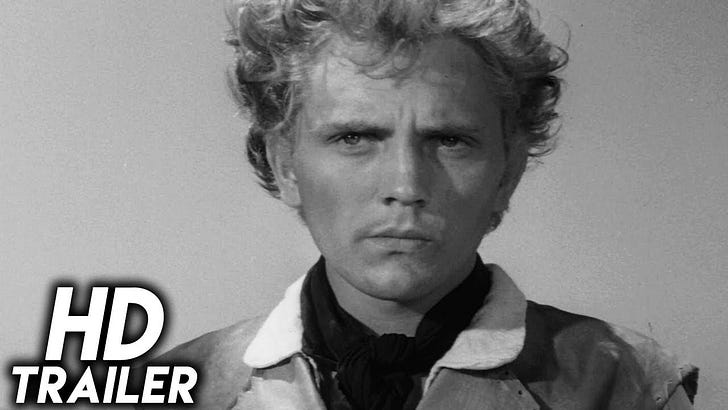
Billy Budd, Sailor
In this episode of The Classical Mind, Junius and Wesley dive deep into Herman Melville’s Billy Budd, Sailor — a haunting naval novella exploring innocence, evil, law, mutiny, and biblical symbolism aboard a British warship during the Napoleonic era.Melville’s final, posthumously published work blends gripping maritime drama with profound moral and theological questions. We unpack what Makes Billy Budd a Great (and Strange) Work, Historical and Naval Context, Biblical Themes, and how memory and myth are related. Endnotes:* Junius: Bartleby, the Scrivener* Wesley: Billy Budd (1962) This is a public episode. If you'd like to discuss this with other subscribers or get access to bonus episodes, visit www.theclassicalmind.com/subscribe

The Classical Mind Goes to the Movies: Frankenstein (2025)
In this episode, Junius and Wesley take on the latest film adaptation of Frankenstein, asking what makes a great adaptation of a classic work — and whether this one succeeds. From Mary Shelley’s 19th-century vision of creation and responsibility to modern cinematic retellings, they explore how filmmakers interpret, distort, and occasionally deepen the original novel’s moral and theological questions. Along the way, they consider what’s lost and what’s gained when literary imagination meets the visual power of film.Be sure to check out the stage adaptation by A.S. Peterson that Junius speaks about a few times in the episode. This is a public episode. If you'd like to discuss this with other subscribers or get access to bonus episodes, visit www.theclassicalmind.com/subscribe
The Proslogion by St. Anselm
In this episode, Father Wesley and Dr. Junius dive deep into St. Anselm’s Proslogion, the short yet monumental work that introduced one of the most enduring and debated arguments in the history of philosophy and theology: the ontological argument for God’s existence.The hosts explore Anselm’s background as monk, abbot, and Archbishop of Canterbury, highlighting his tumultuous life amid royal and papal conflict, his intellectual lineage from Augustine and Boethius, and his place at the dawn of scholasticism. They also reflect on how his prayerful approach to theology—fides quaerens intellectum (“faith seeking understanding”)—blurs the line between philosophical proof and devotional meditation.Endnotes* Junius: The Prayers and Meditations of St. Anselm* Wesley:* “A Gift Exceeding Every Debt” by David Bentley Hart* “Anselmian Apocatastasis: The Fitting Necessity of Universal Salvation in St Anselm’s Cur Deus Homo” by Roberto J. De La Noval This is a public episode. If you'd like to discuss this with other subscribers or get access to bonus episodes, visit www.theclassicalmind.com/subscribe

The Taming of the Shrew
In this episode of The Classical Mind, we take on Shakespeare’s most provocative comedy, The Taming of the Shrew. Junius and Wesley dig into the play’s strange structure—from the unclosed frame of Christopher Sly to the unsettling symmetry between performance and identity. What does it mean that the “prologue” is itself a play? And how does that affect the way we read Katherina’s transformation—or her apparent submission?Along the way, we explore the tension between romantic idealism and pragmatic marriage, trace the medieval roots of love as both commerce and devotion, and consider how Shakespeare’s comedy holds the contradictions of his culture up to the mirror. We talk about mimesis, medieval “speculum” thinking, and why comedy works best when it exposes absurdity rather than preaches morality.The result is part literary diagnosis, part philosophical reflection: a conversation about performance, freedom, and what it means to find truth in the masks we wear.Endnotes This is a public episode. If you'd like to discuss this with other subscribers or get access to bonus episodes, visit www.theclassicalmind.com/subscribe
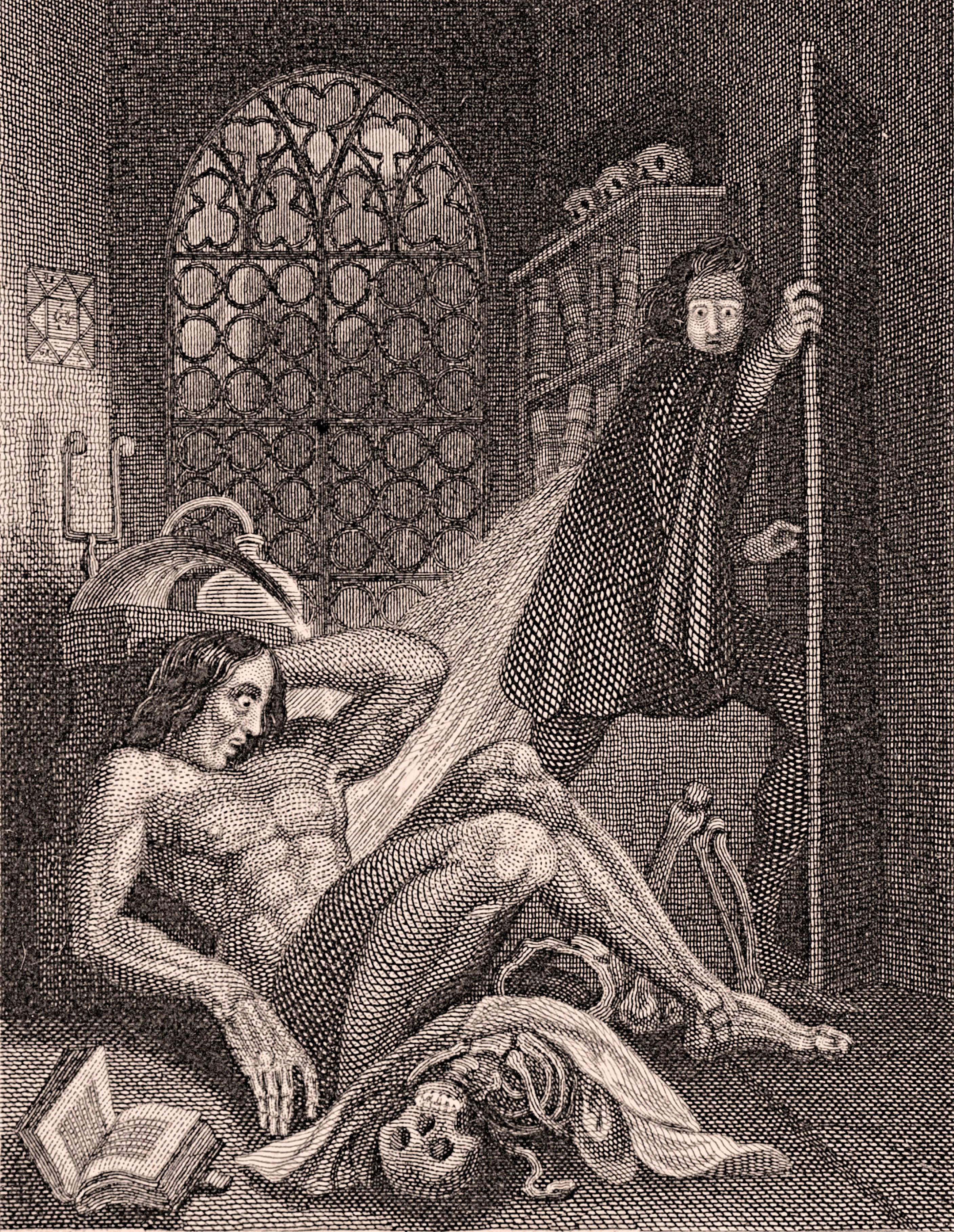
Frankenstein by Mary Shelley
Let’s go back to the 19th century and talk about one of the scariest novels we’ve ever read on the Classical Mind (but maybe not for the reasons you might think) with Mary Shelley’s Frankenstein. On this episode, Junius and Wesley discuss the different editions of this book before getting into some of its underlying philosophy like the responsibilities a creator has to their creatures and vice-versa, romanticism’s critique of scientism, and the moral deterioration that results from sin. Join us as we dive deeply into the text and make some fun connections with other books we’ve read or will read in the Classical Mind program (we’re looking at you J.R.R. Tolkien). Endnotes: * Junius: The Bicentennial Man by Isaac Asimov * Wesley* “Show Me How to Live” by Audioslave* Grendel by John Gardner This is a public episode. If you'd like to discuss this with other subscribers or get access to bonus episodes, visit www.theclassicalmind.com/subscribe
Bonus Episode: Season 4 and a Life Well Read
The Classical Mind has officially reached 2,000 subscribers! To celebrate, Junius and Wesley unveil the Season 4 reading list! The method of selection is a little different this year to accommodate Wesley’s upcoming PhD studies. Stick around after the reading list is unveiled for a discussion about the purpose of literature, how reading helps us grow, a discussion on the dilemma of re-reading vs. new reads, the significance of intertextuality, and other reading related issues! This is a public episode. If you'd like to discuss this with other subscribers or get access to bonus episodes, visit www.theclassicalmind.com/subscribe
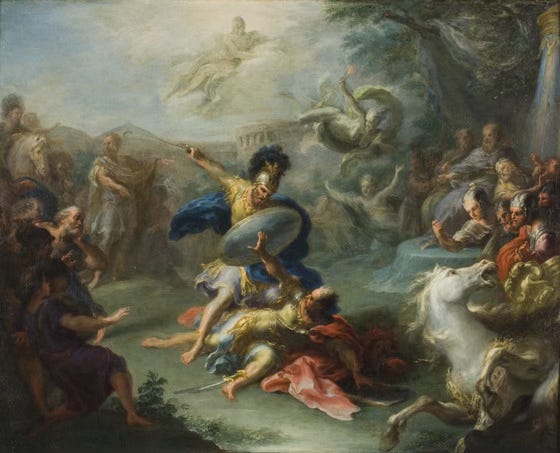
The Aeneid by Virgil
In this episode of The Classical Mind, we take on Virgil’s Aeneid. We explore Aeneas’ journey as both refugee and empire-builder, tracing his flight from Troy, his doomed romance with Dido, his descent into the underworld, and the brutal war that led to the founding of Rome. Along the way, we wrestle with the epic’s central tensions: fate and providence, duty (pietas) and rage (furor), divine will and human cost. What kind of hero is Aeneas? Why does the poem end with vengeance and wrath? And what does Virgil want us to believe—or question—about Rome’s origins? Endnotes: * Junius: * Thebaid by Statius * "Dido's Lament" by Henry Purcell* Wesley: "White Flag" by Dido This is a public episode. If you'd like to discuss this with other subscribers or get access to bonus episodes, visit www.theclassicalmind.com/subscribe

Peter Pan
In this episode of The Classical Mind, we take a deep dive into J.M. Barrie’s Peter Pan. We explore how Peter Pan has been portrayed in various adaptations, and how these adaptations differ from the novel. We discuss J.M. Barrie’s fascinating and complicated biography, offering insight into the personal experiences that influenced his writing. We also unpack the rich symbolism of Neverland, analyze Peter and Wendy’s characters, and explore major themes like masculinity, colonialism, and death. Join us as we uncover the deeper layers of Peter Pan, a story that’s far darker, haunting, and thought-provoking than most remember.Endnotes: * Wesley: * Finding Neverland (2004)* Hook (1991)* Junius: “Dear Brutus” by J.M. Barrie This is a public episode. If you'd like to discuss this with other subscribers or get access to bonus episodes, visit www.theclassicalmind.com/subscribe

The Federalist Papers
In this episode of The Classical Mind, we dive into a curated selection of The Federalist Papers, the seminal series of essays written by Alexander Hamilton, James Madison, and John Jay to argue for the Constitution. Rather than tackling all 85 essays, we focus on a thematic collection (#s 1, 9-10, 15, 30, 39, 51, 62-63, 68, and 78) that highlights the philosophical and structural pillars of the American experiment in self-government.We begin with Hamilton’s General Introduction (No. 1), then explore how the proposed union protects against internal strife and faction (Nos. 9–10), and why the Articles of Confederation were inadequate (No. 15). We examine the central role of federal taxation (No. 30), the plan’s alignment with republican principles (No. 39), and the essential structure of checks and balances (No. 51).We also explore the three branches of government through Madison’s defense of the Senate (Nos. 62–63), Hamilton’s thoughts on presidential elections (No. 68), and his case for an independent judiciary (No. 78).Along the way, we consider the historical context: chaos under the Articles of Confederation, Enlightenment influences like Montesquieu, and why Democracy in America offers a fitting modern endnote. Join us as we revisit the founding debates that continue to shape the American constitutional imagination.Endnotes: -Hamilton -Junius: The Closing of the American Mind: How Higher Education Has Failed Democracy and Impoverished the Souls of Today’s Students by Allan Bloom -Wesley: Democracy in America by Alexis de TocquevilleOur next read will be Peter Pan. This is a public episode. If you'd like to discuss this with other subscribers or get access to bonus episodes, visit www.theclassicalmind.com/subscribe

The Journey of the Mind to God by Bonaventure (A Crossover Episode with the Sacramentalists Podcast)
In this special crossover episode of The Sacramentalists Podcast and The Classical Mind Podcast, we dive deep into St. Bonaventure’s The Journey of the Mind to God—a spiritual and philosophical masterpiece that maps the soul’s ascent to divine union. Together, we explore Bonaventure’s vision of contemplation, the role of intellect and love in knowing God, and the ways in which his thought is deeply sacramental, drawing from both Scripture and the broader Catholic tradition. Join us as we discuss the structure of Bonaventure’s journey, the influence of St. Augustine and Pseudo-Dionysius, and how this medieval classic speaks to modern Christians seeking a deeper, more mystical encounter with God. Whether you're new to Bonaventure or a longtime admirer, this episode will challenge and inspire you to see creation, reason, and revelation as pathways to divine illumination. This is a public episode. If you'd like to discuss this with other subscribers or get access to bonus episodes, visit www.theclassicalmind.com/subscribe

Love in the Ruins by Walker Percy with Jesse Hake
In this episode of The Classical Mind, we dive into Walker Percy’s Love in the Ruins, a satirical yet deeply philosophical novel that explores the fragmentation of American culture, the tension between faith and modernity, and the collapse of both personal and national identity. Joining us for this discussion is Jesse Hake, Director of ClassicalU.com at Classical Academic Press. Together, we unpack Percy’s biting critique of American politics, his unique handling of race and social divisions, and the novel’s darkly comedic vision of a society unraveling at the seams. We also explore Love in the Ruins as a work that straddles multiple genres—dystopian fiction, theological novel, political satire—and discuss its protagonist, Dr. Thomas More, whose Lapsometer attempts to diagnose the spiritual and ideological malaise of modern man. How does Percy contrast faith with scientific materialism? Is his portrayal of America’s decline eerily prophetic? And what lessons does Love in the Ruins hold for us today?Our next book is The Journey of the Mind to God by St. BonaventureEndnotes:-Junius: “Mr. Roboto” by Styx-Jesse: The Hidden Wound by Wendell Berry-Wesley: “The Fiction Writer and His Country” and “Some Aspects of the Grotesque in Southern Fiction” by Flannery O’Connor This is a public episode. If you'd like to discuss this with other subscribers or get access to bonus episodes, visit www.theclassicalmind.com/subscribe

The Castle of Otranto
In this episode of The Classical Mind, Fr. Wesley Walker and Dr. Junius Johnson dive into Horace Walpole’s The Castle of Otranto, the first Gothic novel and a cornerstone of literary history. They examine its groundbreaking blend of medieval romance, supernatural terror, and family drama, asking questions like: Is this a Christianized version of Oedipus Rex? How does the novel's atmosphere shape the Gothic genre? And why does this strange, haunting story still resonate today?Discover the lasting impact of Walpole’s work, the moral consequences of unchecked ambition, and its fascinating connections to later Gothic masterpieces. Stay tuned to the end for a special recommendation to further explore the world of Gothic literature.Resources mentioned in the episode:“Helena” by My Chemical RomanceA picture of Horace Walpole’s home, Strawberry HillEndnotes-Junius: The Bride of Lammermoor by Sir Walter Scott-Wesley: * “The Fall of the House of Usher” by Edgar Allan Poe* The Witch (2015) This is a public episode. If you'd like to discuss this with other subscribers or get access to bonus episodes, visit www.theclassicalmind.com/subscribe

The Communist Manifesto
Join hosts Fr. Wesley Walker and Dr. Junius Johnson in this engaging episode of The Classical Mind as they dive into Karl Marx and Friedrich Engels' contraversial work, The Communist Manifesto. Discover the historical context of the 1848 publication, the philosophy of historical materialism, and Marx’s critique of capitalism. Explore key themes like class struggle, the proletarian revolution, and the manifesto’s vision for a classless society. Whether you're a seasoned reader or new to Marxist thought, this episode offers insightful analysis of one of the most influential political documents in history. Perfect for enthusiasts of philosophy, politics, and economics!End Notes* Junius: The Man Who Was Thursday by G.K. Chesterton * Wesley:* “The Work of Art in the Age of Mechanical Reproduction” by Walter Benjamin* Why Marx Was Right by Terry Eagleton* The Catholic Social Teaching Collection by Word on Fire This is a public episode. If you'd like to discuss this with other subscribers or get access to bonus episodes, visit www.theclassicalmind.com/subscribe

Phaedo with Dr. John Mark Reynolds
Join the Classical Mind podcast for a captivating exploration of Plato's Phaedo, featuring insightful commentary from Dr. John Mark Reynolds.This episode delves into the profound dialogue where Socrates, facing his own mortality, engages in a compelling argument for the immortality of the soul. Dr. Reynolds illuminates the text with his expertise, unraveling:* Socrates' final hours and his unwavering belief in the soul's existence.* The philosophical underpinnings of the soul's immortality and its journey after death.* The nature of true knowledge and its connection to the soul's liberation.Don't miss this thought-provoking discussion on one of the most influential works in Western philosophy.Dr. John Mark Reynolds, the president of The Saint Constantine School as well as a faculty member at St. Vladimir’s Orthodox Theological Seminary and a Fellow of the Center for Science and Culture at the Discovery Institute. Previously, he served as the provost of Houston Christian University and the founder and director of the Torrey Honors College at Biola University. Appropriate for today’s conversation, he has a PhD in Philosophy from the University of Rochester where he wrote his dissertation analyzing cosmology and psychology in Plato’s Timaeus.Endnotes:* Dr. Reynolds: * When Athens Met Jerusalem* The Passion of Joan of Arc* Junius: Meet Joe Black* Wesley: Hymn #299 from the 1940 Hymnal* Bonus (not mentioned in the episode): “Learning How to Die” by Jon Foreman This is a public episode. If you'd like to discuss this with other subscribers or get access to bonus episodes, visit www.theclassicalmind.com/subscribe

Go Tell It on the Mountain with Dr. Anika Prather
In this episode, Junius and Wesley discuss James Baldwin’s Go Tell It on the Mountain with Dr. Anika Prather, the Assistant Professor of Education and Elementary Education Coordinator at the Catholic University of America. Together, they explore Baldwin’s reflections on faith, identity, and the African American experience, analyzing the novel's profound insights into spirituality and social justice. Dr. Prather shares her expertise on how Baldwin’s narrative and characters offer timeless lessons, bridging classical and modern literature. This episode is perfect for listeners interested in literature, theology, and cultural dialogue, providing new perspectives on Baldwin's work through a classical lens.Do you like what we’re doing here at the Classical Mind? If so, please subscribe!Be sure to share us with your friends!Endnotes:* The Fire Next Time by James Baldwin* Notes of a Native Son by James Baldwin This is a public episode. If you'd like to discuss this with other subscribers or get access to bonus episodes, visit www.theclassicalmind.com/subscribe

Thus Spake Zarathustra by Friedrich Nietzsche
Join us for the newest episode of the Classical Mind on Friedrich Nietzsche’s philosophical novel Thus Spake Zarathustra and find out why this is Fr. Wesley’s least favorite work. In this episode, we'll explore the key themes and ideas of Thus Spake Zarathustra, including:* The Death of God: What does Nietzsche mean by this provocative statement? How does he see this "death" create both a crisis and an opportunity for humanity?* The Übermensch: Who is it, and how do we become one? What are the qualities and virtues that define this higher state of being?* Eternal Recurrence: This profound concept suggests that our lives will repeat endlessly. How can we embrace this idea and live each moment to the fullest?* The Will to Power: Nietzsche saw this as the fundamental driving force in the universe. How does it manifest in human behavior, and how can we harness it for self-overcoming? Endnotes:Junius: The WatchmenWesley: Prometheus and Alien: CovenantThis is the scene Fr. Wesley alludes to: This is a public episode. If you'd like to discuss this with other subscribers or get access to bonus episodes, visit www.theclassicalmind.com/subscribe
The Classical Mind Season 3 Draft
Join Junius Johnson and Wesley Walker for an exclusive behind-the-scenes look at the Classical Mind as they draft the reading list for Season 3! In this episode, Junius and Wesley discuss the themes they plan to explore, debate the merits of various texts, and reveal the final selections that will shape the next season of the podcast. Get a sneak peek into the minds of your hosts as they share their insights and passion for classical literature. This is a public episode. If you'd like to discuss this with other subscribers or get access to bonus episodes, visit www.theclassicalmind.com/subscribe

Intention by G.E.M. Anscombe
Join us on the Classical Mind podcast as we embark on an intellectual journey into the heart of G.E.M. Anscombe's groundbreaking work, "Intention." Dr. Junius Johnson and Fr. Wesley Walker engage in a stimulating conversation, unraveling the complexities of Anscombe's philosophical insights. In this episode, they delve into the essence of intentionality, exploring its implications for human action, free will, and moral responsibility. Whether you're a seasoned philosopher or simply curious about the nature of human intention, this episode offers a rich and enlightening discussion. Tune in to the Classical Mind podcast and expand your understanding of this pivotal philosophical work. End notes: * Junius: Vantage Point * Wesley: * Wittgenstein's Tractatus* Dr. Jennifer Frey on Anscombe This is a public episode. If you'd like to discuss this with other subscribers or get access to bonus episodes, visit www.theclassicalmind.com/subscribe

Confessions by Saint Augustine
Delve into the depths of Saint Augustine's Confessions on the Classical Mind podcast. Explore themes of sin, redemption,and the journey towards spiritual enlightenment in this timeless autobiography. Discover how Augustine's personal struggles and philosophical inquiries continue to resonate with modern audiences.Endnotes:* Junius: Tractates on the Gospel of John by Saint Augustine* Wesley: * “Something More (Augustine’s Confession)” by Switchfoot* “The Apostle Paul and the Introspective Conscience of the West” by Krister Stendahl* Bonus: Lady Bird (2017)Thank you for listening to The Classical Mind. Please consider subscribing, rating, and reviewing the show wherever you get your podcasts. you can support our work financially at Substack. This is a public episode. If you'd like to discuss this with other subscribers or get access to bonus episodes, visit www.theclassicalmind.com/subscribe

The Lady of the Lake by Sir Walter Scott
Delve into the enchanting world of Sir Walter Scott's "The Lady of the Lake" on the Classical Mind podcast. Explore the epic poem's historical context, its influence on Romanticism, and the enduring appeal of its characters and themes. Join us as we analyze the timeless story of love, rivalry, and magic set amidst the breathtaking Scottish Highlands. Perfect for literature lovers, history buffs, and anyone captivated by the allure of folklore and legend. This is a public episode. If you'd like to discuss this with other subscribers or get access to bonus episodes, visit www.theclassicalmind.com/subscribe

Emma by Jane Austen
Explore the timeless charm of Jane Austen's beloved comedy of manners Emma (1815) in this episode of the Classical Mind podcast. Delve into the intricate web of social dynamics, witty dialogue, and romantic entanglements as our hosts dissect the nuances of this literary masterpiece. From Emma Woodhouse's matchmaking escapades to the complexities of love and society in Regency England, join us for a thought-provoking discussion that offers fresh insights into Austen's enduring classic. Whether you're a devoted Austen aficionado or a newcomer to her world, this episode promises to enrich your understanding and appreciation of Emma in a way that resonates with both heart and intellect. Tune in now and embark on a journey through the pages of one of literature's most cherished works.Endnotes:* Junius: Howard’s End by EM Forester* Wesley: Emma (2020) This is a public episode. If you'd like to discuss this with other subscribers or get access to bonus episodes, visit www.theclassicalmind.com/subscribe
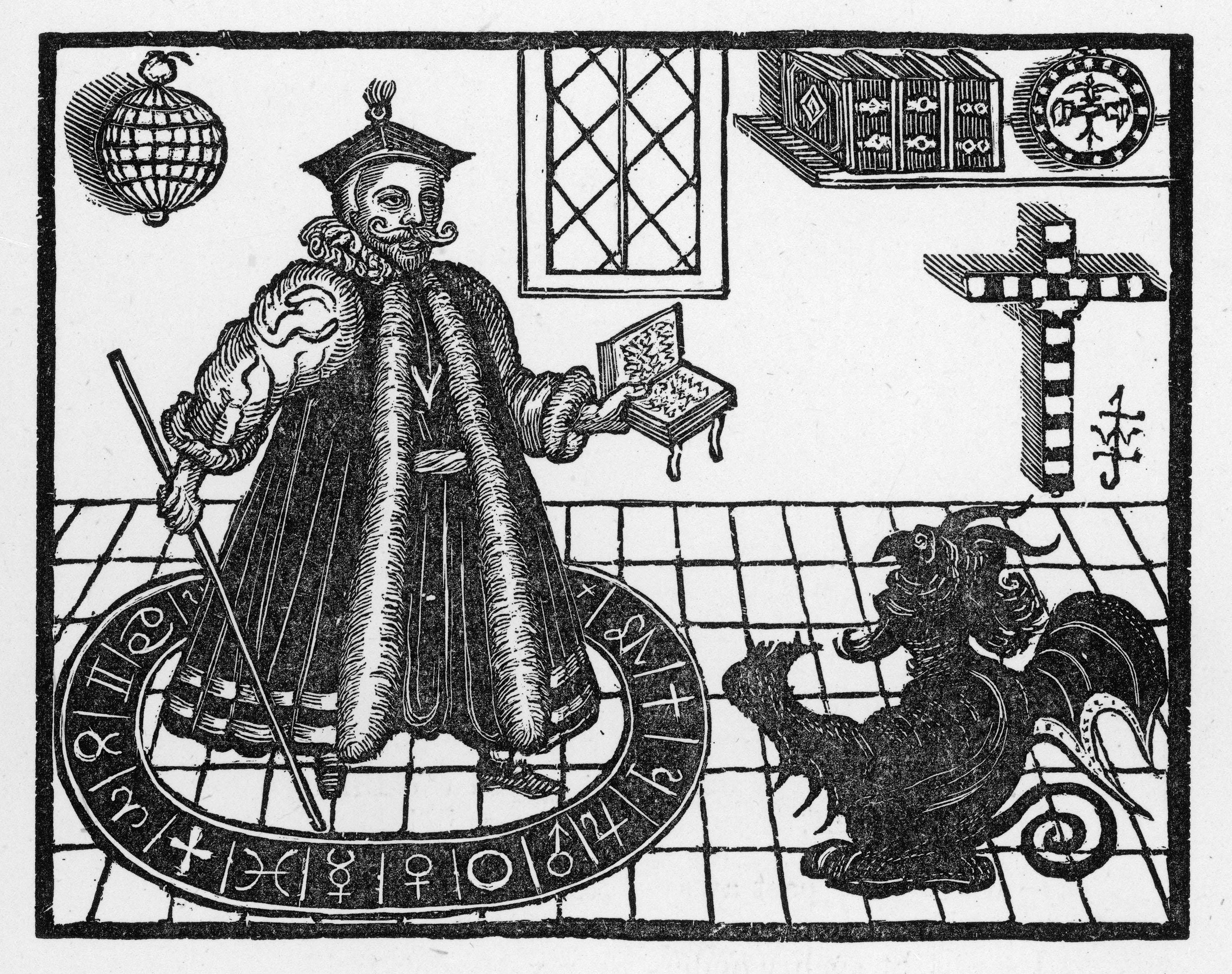
The Tragical History of the Life and Death of Doctor Faustus by Christopher Marlowe
Dive into the depths of ambition and despair with Classical Mind Podcast as hosts Junius Johnson and Wesley Walker unravel the timeless tale of Christopher Marlowe's Doctor Faustus. Explore the haunting pact Faustus makes with the devil, as we delve into the intricate web of ambition, knowledge, and the consequences of forbidden desires. Don't miss this captivating journey through one of literature's most profound works! End Notes: -Bedazzled (2000) -Beethoven's Last Night by the Trans-Siberian Orchestra -A Dialogue Between the Soul and Reason by Hugh of Saint Victor-Dare We Hope That All Men Be Saved? by Hans Urs Von Balthasar This is a public episode. If you'd like to discuss this with other subscribers or get access to bonus episodes, visit www.theclassicalmind.com/subscribe

Monsters in Literature with Kristen Rudd
On this special bonus episode, Fr. Wesley sits down with Kristen Rudd to discuss monsters in literature. Kristen will be teaching a class this summer for adults on the topic. You can find out more at her website: https://kristenrudd.comKristen is a writer and literature teacher who teaches her own classes online, and serves as an adjunct professor for Thales College. She holds a Master of Arts in Teaching in Classical Education through the Templeton Honors College at Eastern University where she wrote her thesis on Dante’s Divine Comedy. She is also the founder of the Triangle Classical Forum. This is a public episode. If you'd like to discuss this with other subscribers or get access to bonus episodes, visit www.theclassicalmind.com/subscribe

Julius Caesar by William Shakespeare
“Friends, Romans, countrymen, lend me your ears; I come to bury Caesar, not to praise him. The evil that men do lives after them; The good is oft interred with their bones; So let it be with Caesar.”On this episode, Dr. Junius Johnson and Fr. Wesley Walker sit down with Heidi White to talk about Shakespeare’s Julius Caesar. Why does Caesar appear so little in a play in which he is the titular character? How should we think about the actions of Brutus and his co-conspirators? What lessons about friendship can we learn from this work? What is the relationship between rhetoric and crowds? These are just some of the questions that get covered in the episode.End Notes:* Junius: Dear Brutus by J.M. Barrie* Heidi: Caesar Must Die (2012)* Wesley: The Ides of March (2011) This is a public episode. If you'd like to discuss this with other subscribers or get access to bonus episodes, visit www.theclassicalmind.com/subscribe
The Nicomachean Ethics by Aristotle
Join Dr. Junius Johnson and Fr. Wesley Walker as they discuss Artistotle's famous treatise on virtue: The Nicomachean Ethics. How can we be happy? What is virtue and how do we acquire it? Why do friends matter? Listen to find out! This is a public episode. If you'd like to discuss this with other subscribers or get access to bonus episodes, visit www.theclassicalmind.com/subscribe

Troilus and Criseyde
Troilus and Criseyde by Geoffrey Chaucer is the tale of love gained and love lost. Heavily impacted by the chivalric codes, is this a story about a frivolous affair or is something else going on? Dive into this work with Dr. Junius Johnson and Fr. Wesley Walker on this episode of The Classical Mind!FYI: there are a few places where the audio might sound a tad choppy. This will be fixed in future episodes. The Classical Mind is a reader-supported publication. To receive new posts and support our work, consider becoming a free or paid subscriber. This is a public episode. If you'd like to discuss this with other subscribers or get access to bonus episodes, visit www.theclassicalmind.com/subscribe

The Social Contract by Jean-Jacques Rousseau
What are human beings like outside of the constraints of social conventions? How do we work out the tension between state sovereignty and individual freedom? What place does religion have in society? , Dr. Junius Johnson and Fr. Wesley Walker discuss these questions and more as they delve into Jean-Jacques Rousseau’s monumental work of political philosophy, The Social Contract. Rousseau was a fascinating character whose work influenced generations of thinkers after him. Endnotes: Wesley and Junius co-offer this lecture by former Archbishop of Canterbury Rowan Williams, “Faith on Modern Areopagus” in which he discusses some of the positive connections between liberalism and Christianity: Tell us what you think below. What are your impressions of Rousseau? What do you think of his reconstruction of the state of nature? Do you think his articulation of the Social Contract, especially the way the general will and individual wills interact, is persuasive? Is his account of religion in civil society helpful, harmful, or neutral? This is a public episode. If you'd like to discuss this with other subscribers or get access to bonus episodes, visit www.theclassicalmind.com/subscribe

Euthyphro
In this episode, Dr. Junius Johnson and Fr. Wesley Walker explore the philosophical questions surrounding the nature of piety, ethics, and the divine. Join us for an enlightening discussion that delves deep into this timeless work of ancient philosophy.End Notes: * God Matters by Herbert McCabe* St. Anselm* “With or Without You” by U2 This is a public episode. If you'd like to discuss this with other subscribers or get access to bonus episodes, visit www.theclassicalmind.com/subscribe

Oedipus Rex and Poetics
On today's episode, Junius and Wesley discuss the timeless world of Greek tragedy! They explore the profound themes and dramatic elements of Oedipus Rex by Sophocles and Aristotle's Poetics. Gain insights into the complexities of fate, tragedy, and catharsis in these classical works. Whether you're a literature enthusiast or a student of ancient philosophy, this discussion promises to deepen your understanding of these literary masterpieces. Subscribe now and embark on a journey through the classical mind. This is a public episode. If you'd like to discuss this with other subscribers or get access to bonus episodes, visit www.theclassicalmind.com/subscribe

The Brothers Karamazov
On this episode, Junius and Wesley discuss Fyodor Dostoyevsky’s novel Brothers Karamazov. Endnotes* Junius: Crime and Punishment by Fyodor Dostoyevsky* Wesley: Fathers and Sons by Ivan Turgenev This is a public episode. If you'd like to discuss this with other subscribers or get access to bonus episodes, visit www.theclassicalmind.com/subscribe
Season 2 Draft
On today’s special episode, Junius and Wesley select the books that will make up our reading list in season 2. One of the reasons to support us for $5 is that you can access the video of the draft which came out a few weeks ago.Thank you to all of you who support us, financially or otherwise. We appreciate you! This is a public episode. If you'd like to discuss this with other subscribers or get access to bonus episodes, visit www.theclassicalmind.com/subscribe

The Iliad
Today we discuss The Iliad by Homer. End Notes: -Hesiod, Theogony and Works and Days-Statius, Thebaid-The Blues of Achilles by Joe Goodkin This is a public episode. If you'd like to discuss this with other subscribers or get access to bonus episodes, visit www.theclassicalmind.com/subscribe

Robinson Crusoe with Dr. Karen Swallow Prior
In today's episode, Fr. Wesley Walker sits down to discuss Robinson Crusoe with Dr. Karen Swallow Prior. Dr. Prior's forthcoming book is The Evangelical Imagination: How Stories, Images, and Metaphors Created a Culture in Crisis. It comes out on August 8. You can find more of her work at her website: https://karenswallowprior.com. This is a public episode. If you'd like to discuss this with other subscribers or get access to bonus episodes, visit www.theclassicalmind.com/subscribe

Utilitarianism by J.S. Mill
Today, we’re discussing Utilitarianism by J.S. Mill. Utilitarianism is an ethical theory which emphasizes the maximizing of pleasure and the minimizing of pain. End Notes:The Dark KnightEnder’s GameRailton: https://www.jstor.org/stable/2265273 This is a public episode. If you'd like to discuss this with other subscribers or get access to bonus episodes, visit www.theclassicalmind.com/subscribe