
The Circular Economy Show Podcast
243 episodes — Page 5 of 5

Ep 44Building thriving cities fit for the 21st century
We need alternative ways of economic thinking to solve our current challenges. Is it possible to include both people’s wellbeing and planetary boundaries whilst striving for a thriving economy? Kate Raworth, the author of Doughnut Economics: 7 ways to think like a 21st-century economist, will be joining us to discuss the framework's role in shaping circular economy policies and business practices at city level. From Europe to Costa Rica, countries and cities around the world are reaching out to align their development strategies with it. To demonstrate, we will draw upon insights from Amsterdam, a city that recently implemented and published their Doughnut City Portrait during the Covid-19 pandemic. The Ellen MacArthur Foundation is a UK charity working on business, learning, insights & analysis, and communications to accelerate the transition towards the circular economy. Find out more about our work here: www.ellenmacarthurfoundation.orgMore on C-19 economic recovery: https://www.ellenmacarthurfoundation.org/our-work/activities/covid-19-Follow us online on these channels: Instagram: www.instagram.com/ellenmacarthurfoundation/Facebook: www.facebook.com/EllenMacArthurFoundation/LinkedIn: www.linkedin.com/company/ellen-macarthur-foundation/YouTube: www.youtube.com/user/made2bemadeagainFundación Ellen MacArthur (Spanish): https://www.facebook.com/FundacionEll...Fundação Ellen MacArthur (Portuguese): https://www.facebook.com/FundacaoElle...

Ep 43Money makes the world go round
In this episode, we will discuss the opportunities for financing the circular economy. We will look at the recent rapid growth in circular economy financing, and showcase examples of how the financial services sector is seizing the opportunities of the circular economy. Join us and expert guest speakers to explore actions that the financial services sector, businesses and policymakers can take to further scale financing for the circular economy and for more key insights from our recent paper, ‘Financing the circular economy: capturing the opportunity’.-----Thank you for listening to this podcast. This show was recorded and streamed live on our YouTube channel and social networks on the 27th October 2020. We are pleased to offer the episode repackaged as a podcast for you to enjoy. The Ellen MacArthur Foundation is a UK charity working on business, learning, insights & analysis, and communications to accelerate the transition towards the circular economy. Find out more about our work here: www.ellenmacarthurfoundation.org-Follow us online on these channels: Instagram: www.instagram.com/ellenmacarthurfoundation/Facebook: www.facebook.com/EllenMacArthurFoundation/LinkedIn: www.linkedin.com/company/ellen-macarthur-foundation/YouTube: www.youtube.com/user/made2bemadeagainFundación Ellen MacArthur (Spanish): https://www.facebook.com/FundacionEll...Fundação Ellen MacArthur (Portuguese): https://www.facebook.com/FundacaoElle...

Ep 42Exploring the European Green Deal & Circular Economy at Scale
Janez Potočnik was European Commissioner for Environment from 2009 until 2014, and during his tenure initiated the European Resource Efficiency Platform, which resulted in the adoption of the first European Circular Economy Package. He currently acts as co-chair of the International Resource Panel (IRP) and serves as a special advisor on sustainability to European Commissioner for the Environment & Oceans and Fisheries Virginijus Sinkevičius. In this episode, we will be looking back on almost 10 years of European circular economy development, asking Janez what fundamentals of the economy need to be challenged to reach scale... and what mechanisms or governance models need to be leveraged in the process.More on C-19 economic recovery: https://www.ellenmacarthurfoundation.org/our-work/activities/covid-19Thank you for listening to this podcast. This show was recorded and streamed live on our YouTube channel and social networks on the 20th October 2020. We are pleased to offer the episode repackaged as a podcast for you to enjoy. The Ellen MacArthur Foundation is a UK charity working on business, learning, insights & analysis, and communications to accelerate the transition towards the circular economy. Find out more about our work here: www.ellenmacarthurfoundation.org-Follow us online on these channels: Instagram: www.instagram.com/ellenmacarthurfoundation/Facebook: www.facebook.com/EllenMacArthurFoundation/LinkedIn: www.linkedin.com/company/ellen-macarthur-foundation/YouTube: www.youtube.com/user/made2bemadeagainFundación Ellen MacArthur (Spanish): https://www.facebook.com/FundacionEll...Fundação Ellen MacArthur (Portuguese): https://www.facebook.com/FundacaoElle...

Ep 41How circular is your city? Measuring progress
In this episode, we discuss how cities are measuring their progress towards a circular economy, based upon a recent report by the OECD, what are the different drivers and obstacles that cities face, and how they are overcoming them. Guest speakers are Oriana Romano, OECD Head of Unit for Water Governance and Circular Economy and Janet Ågren, the Deputy Mayor of the City Umea in Sweden, one of the case study cities in the OECD’s report.Thank you for listening to this podcast. This show was recorded and streamed live on our YouTube channel and social networks on the 13th October 2020. We are pleased to offer the episode repackaged as a podcast for you to enjoy. The Ellen MacArthur Foundation is a UK charity working on business, learning, insights & analysis, and communications to accelerate the transition towards the circular economy. Find out more about our work here: www.ellenmacarthurfoundation.org-Follow us online on these channels: Instagram: www.instagram.com/ellenmacarthurfoundation/Facebook: www.facebook.com/EllenMacArthurFoundation/LinkedIn: www.linkedin.com/company/ellen-macarthur-foundation/YouTube: www.youtube.com/user/made2bemadeagainFundación Ellen MacArthur (Spanish): https://www.facebook.com/FundacionEll...Fundação Ellen MacArthur (Portuguese): https://www.facebook.com/FundacaoElle...

Ep 40What will it take to transform the economy?
Walter Stahel is globally recognised as one of the key people who first formulated the concept of a circular economy. Amanda Ravenhill is the executive director of the Buckminster Fuller Institute and was the co-founder of Project Drawdown, both focused on solutions that regenerative the earth’s ecosystems and combat climate change. We’ll be asking them about systems change, recent successes and what needs to change.Thank you for listening to this podcast. This show was recorded and streamed live on our YouTube channel and social networks on the 6th October 2020. We are pleased to offer the episode repackaged as a podcast for you to enjoy. The Ellen MacArthur Foundation is a UK charity working on business, learning, insights & analysis, and communications to accelerate the transition towards the circular economy. Find out more about our work here: www.ellenmacarthurfoundation.org-Follow us online on these channels: Instagram: www.instagram.com/ellenmacarthurfoundation/Facebook: www.facebook.com/EllenMacArthurFoundation/LinkedIn: www.linkedin.com/company/ellen-macarthur-foundation/YouTube: www.youtube.com/user/made2bemadeagainFundación Ellen MacArthur (Spanish): https://www.facebook.com/FundacionEll...Fundação Ellen MacArthur (Portuguese): https://www.facebook.com/FundacaoElle...

Ep 39A unique opportunity for a resilient low-carbon economic recovery
In this episode, we will discuss how the circular economy can tackle large scale global challenges. We’ll hear from Nigel Topping, the UK Government’s COP26 High-Level Climate Action Champion, and share examples of circular economy investment opportunities across transport, buildings and much more.Thank you for listening to this podcast. This show was recorded and streamed live on our YouTube channel and social networks on the 29th of September 2020. We are pleased to offer the episode repackaged as a podcast for you to enjoy. To read more about our work on Covid-19 and economic recovery, visit: https://www.ellenmacarthurfoundation.org/our-work/activities/covid-19The Ellen MacArthur Foundation is a UK charity working on business, learning, insights & analysis, and communications to accelerate the transition towards the circular economy. Find out more about our work here: www.ellenmacarthurfoundation.org-Follow us online on these channels: Instagram: www.instagram.com/ellenmacarthurfoundation/Facebook: www.facebook.com/EllenMacArthurFoundation/LinkedIn: www.linkedin.com/company/ellen-macarthur-foundation/YouTube: www.youtube.com/user/made2bemadeagainWebsite: www.ellenmacarthurfoundation.orgFundación Ellen MacArthur (ES): https://www.facebook.com/FundacionEll...Fundação Ellen MacArthur (PT): https://www.facebook.com/FundacaoElle...

Ep 38Ebbs and flows: water and the circular economy
Global demand for water is exceeding that which is easily accessible. Yet water remains one of the keys to life. Join this session to hear from inspiring innovators from around the world changing the ways that we interact with the world’s most valuable resource, making water more accessible to all. Thank you for listening to this podcast. This show was recorded and streamed live on our YouTube channel and social networks on the 22nd of September 2020. We are pleased to offer the episode repackaged as a podcast for you to enjoy. The Ellen MacArthur Foundation is a UK charity working on business, learning, insights & analysis, and communications to accelerate the transition towards the circular economy. Find out more about our work here:www.ellenmacarthurfoundation.org-Follow us online on these channels: Instagram: www.instagram.com/ellenmacarthurfoundation/Facebook: www.facebook.com/EllenMacArthurFoundation/Fundación Ellen MacArthur (Spanish): https://www.facebook.com/FundacionEll...Fundação Ellen MacArthur (Portuguese): https://www.facebook.com/FundacaoElle...LinkedIn: www.linkedin.com/company/ellen-macarthur-foundation/YouTube: www.youtube.com/user/made2bemadeagainWebsite: www.ellenmacarthurfoundation.org

Ep 37Circular Economy Greatest Hits: Seven of the best examples
Circular economy innovation is cropping up everywhere; from how we grow our food to the way we design our electronics to the way in which we package and deliver our everyday products. In this episode, our team breaks down seven of the best examples in action.Thank you for listening to this podcast. This show was recorded and streamed live on our YouTube channel and social networks on the 15th of September 2020. We are pleased to offer the episode repackaged as a podcast for you to enjoy. The Ellen MacArthur Foundation is a UK charity working on business, learning, insights & analysis, and communications to accelerate the transition towards the circular economy. Find out more about our work here:www.ellenmacarthurfoundation.org-Follow us online on these channels: Instagram: www.instagram.com/ellenmacarthurfoundation/Facebook: www.facebook.com/EllenMacArthurFoundation/Fundación Ellen MacArthur (Spanish): https://www.facebook.com/FundacionEll...Fundação Ellen MacArthur (Portuguese): https://www.facebook.com/FundacaoElle...LinkedIn: www.linkedin.com/company/ellen-macarthur-foundation/YouTube: www.youtube.com/user/made2bemadeagainWebsite: www.ellenmacarthurfoundation.org
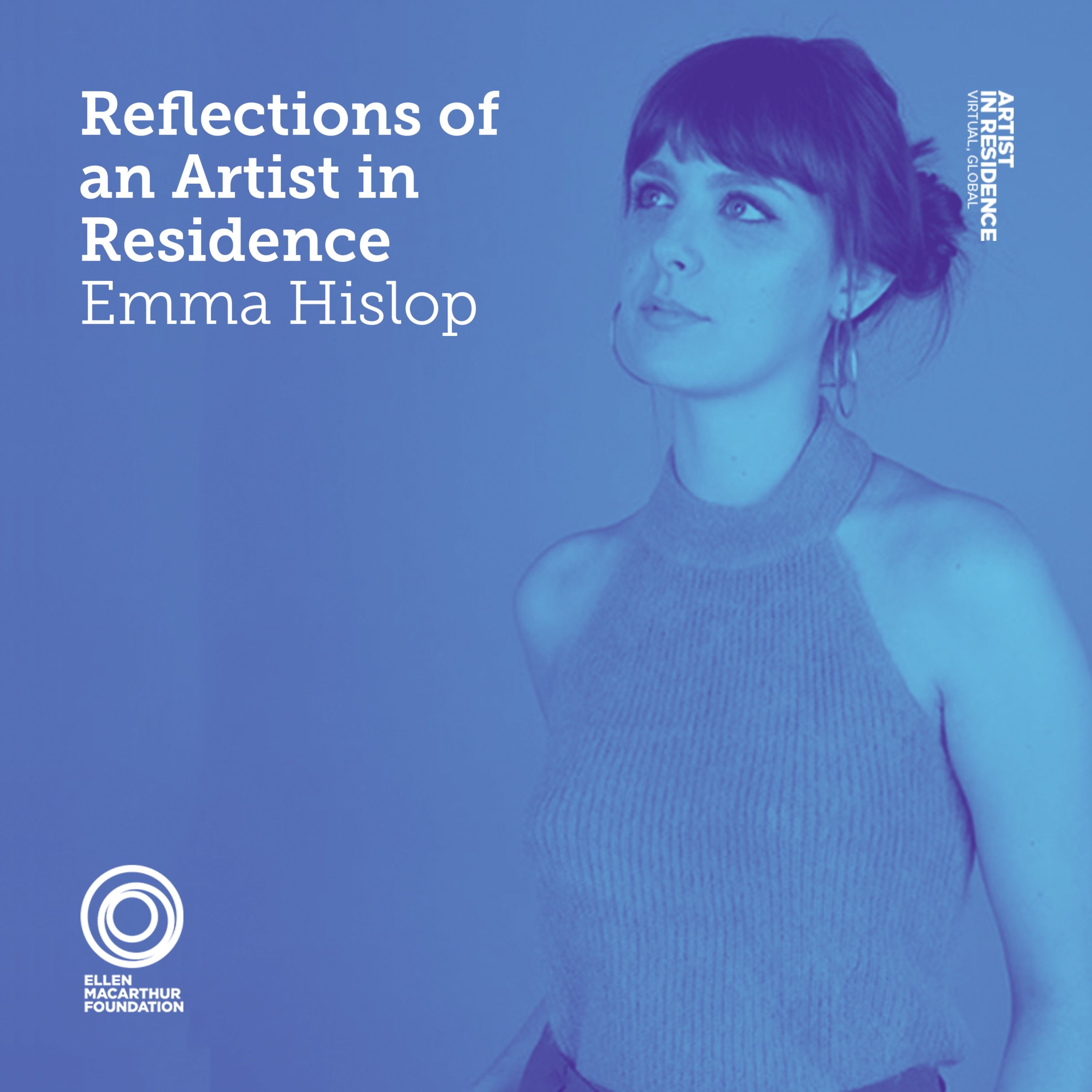
Ep 36Reflections of an Artist in Residence: Emma Hislop
Over the months of June, July and August 2020, Emma Hislop, a multidisciplinary artist from Glasgow and the Foundation’s first-ever Artist in Residence, has had the difficult task to unearth the connections that exist between art and the circular economy. In this episode, we hear what Emma has been working on during her residency and also what is next for her and the artist in residence programme. As a reflective process, she discusses her residency and her experience at the Foundation and beyond.

Ep 35Where is your old laptop? E-waste in Africa.
Agbogbloshie is one of the largest e-waste dumpsites in the world, providing an income to thousands of people in the area. However, workers dealing with e-waste face dangerous working conditions. E-waste is just one example of the systemic challenges of our time with no easy solution. In this episode, Reniera O'Donnell and Sarah O'Carroll discuss with our guests, Joseph Awuah-Darko and Joshua Palfreman, some of the steps being taken to help ensure economic prosperity and better conditions for the people directly affected.Thank you for listening to this podcast. This show was recorded and streamed live on our YouTube channel and social networks on the 21st of July 2020. We are pleased to offer the episode repackaged as a podcast for you to enjoy. The Ellen MacArthur Foundation is a UK charity working on business, learning, insights & analysis, and communications to accelerate the transition towards the circular economy. Find out more about our work here:www.ellenmacarthurfoundation.org-Follow us online on these channels: Fundación Ellen MacArthur (Spanish): https://www.facebook.com/FundacionEll...Fundação Ellen MacArthur (Portuguese): https://www.facebook.com/FundacaoElle...Instagram: www.instagram.com/ellenmacarthurfoundation/Facebook: www.facebook.com/EllenMacArthurFoundation/LinkedIn: www.linkedin.com/company/ellen-macarthur-foundation/YouTube: www.youtube.com/user/made2bemadeagainWebsite: www.ellenmacarthurfoundation.org

Ep 34How does Latin America benefit from a circular economy?
Latin America is in many ways a rich region with abundant natural resources, human capital, and bio-economy assets. However, the economies within it are predominantly linear and highly extractive - depleting and degrading the environment. In this episode, Laura Franco Henao and Michael Oliveira discuss how can the circular economy provide an alternative pathway that is regenerative by design and creates value that is inclusive and distributed. In this session, we ask those questions to people working in the region and highlight the significant roles of innovation, policy and finance.Thank you for listening to this podcast. This show was recorded and streamed live on our YouTube channel and social networks on the 14th of July 2020. We are pleased to offer the episode repackaged as a podcast for you to enjoy. The Ellen MacArthur Foundation is a UK charity working on business, learning, insights & analysis, and communications to accelerate the transition towards the circular economy. Find out more about our work here:www.ellenmacarthurfoundation.org-Follow us online on these channels: Fundación Ellen MacArthur (Spanish): https://www.facebook.com/FundacionEll... Fundação Ellen MacArthur (Portuguese): https://www.facebook.com/FundacaoElle...Instagram: www.instagram.com/ellenmacarthurfoundation/Facebook: www.facebook.com/EllenMacArthurFoundation/LinkedIn: www.linkedin.com/company/ellen-macarthur-foundation/YouTube: www.youtube.com/user/made2bemadeagainWebsite: www.ellenmacarthurfoundation.org

Ep 33Circular economy opportunities in China
China is a leading global superpower and also one of the pioneering countries of circular economy implementation. In this episode, we will dive deeper into how the circular economy started in China, and how China’s circular journey has differed from that of the EU’s. In this episode, we draw upon the positive steps China has taken to implement a circular economy in cities and the potential for an EU-China circular economy collaboration with Reniera O'Donnel and Ilma Stankeviciute from the learning team, and Jie Zhou and Vigil Yangjinqi Yu, both Research Analysts at the Ellen Mac Arthur Foundation.Thank you for listening to this podcast. This show was recorded and streamed live on our YouTube channel and social networks on the 7th July 2020. We are pleased to offer the episode repackaged as a podcast for you to enjoy. The Ellen MacArthur Foundation is a UK charity working on business, learning, insights & analysis, and communications to accelerate the transition towards the circular economy. Find out more about our work here:www.ellenmacarthurfoundation.org-Follow us online on these channels: Instagram: www.instagram.com/ellenmacarthurfoundation/Facebook: www.facebook.com/EllenMacArthurFoundation/LinkedIn: www.linkedin.com/company/ellen-macarthur-foundation/YouTube: www.youtube.com/user/made2bemadeagainWebsite: www.ellenmacarthurfoundation.orgMedium Circulate News: medium.com/circulatenews

Ep 32Learning from Covid-19: Creating a Circular Economy for Food
How can we learn from the exposures of the Covid-19 crisis and rethink more resilient and diverse supply chains? In this episode, we will be discussing how we can redesign our food system based on the principles of the circular economy enabling it to actively contribute to the regeneration of natural systems and to a thriving economy. We will draw upon some of the actions being taken around the world, including a deep dive on China.Thank you for listening to this podcast. This show was recorded and streamed live on our YouTube channel and social networks on the 30th June 2020. We are pleased to offer the episode repackaged as a podcast for you to enjoy. The Ellen MacArthur Foundation is a UK charity working on business, learning, insights & analysis, and communications to accelerate the transition towards the circular economy. Find out more about our work here:www.ellenmacarthurfoundation.org-Follow us online on these channels: Instagram: www.instagram.com/ellenmacarthurfoundation/Facebook: www.facebook.com/EllenMacArthurFoundation/LinkedIn: www.linkedin.com/company/ellen-macarthur-foundation/YouTube: www.youtube.com/user/made2bemadeagainWebsite: www.ellenmacarthurfoundation.orgMedium Circulate News: medium.com/circulatenews

Ep 31The circular economy: a solution to build back better
There have been many calls to build back better after the Covid-19 crisis. More than 50 global leaders — including CEOs, policymakers, NGOs, academics and philanthropists — have joined the Foundation and signed a statement saying that now is the time to do more, not less, to build a circular economy. In this episode, we discuss this statement and exploring how we can build back better with the circular economy with Rob Opsomer, Systemic Initiatives Lead at the Foundation, Cecilia Brännsten, Environmental Sustainability Manager at H&M Group and Veronique Cremades-Mathis, Global Head of Sustainable Packaging at Nestlé.Thank you for listening to this podcast. This show was recorded and streamed live on our YouTube channel and social networks on the 23rd June 2020. We are pleased to offer the episode repackaged as a podcast for you to enjoy. The Ellen MacArthur Foundation is a UK charity working on business, learning, insights & analysis, and communications to accelerate the transition towards the circular economy. Find out more about our work here:www.ellenmacarthurfoundation.org-Follow us online on these channels: Instagram: www.instagram.com/ellenmacarthurfoundation/Facebook: www.facebook.com/EllenMacArthurFoundation/LinkedIn: www.linkedin.com/company/ellen-macarthur-foundation/YouTube: www.youtube.com/user/made2bemadeagainWebsite: www.ellenmacarthurfoundation.org

Ep 30How can art shape the economy for better?
In this 5th episode of the foundation's weekly show, we focus on the role of art in the world. How both art and design steer values, change perceptions and stimulate scientific thought. Laura, the host of this podcast, leads the conversation with Fanny Breteau, designer and art director at the foundation and Emma Hislop, artist in residence 2020 and tentatively begin to explore the roles writers, poets, painters, designers and artists can play in illustrating and helping to further the transition to a circular economy.Thank you for listening to this podcast. This show was recorded and streamed live on our YouTube channel and social networks on the 16th June 2020. We are pleased to offer the episode repackaged as a podcast for you to enjoy. The Ellen MacArthur Foundation is a UK charity working on business, learning, insights & analysis, and communications to accelerate the transition towards the circular economy. Find out more about our work here:www.ellenmacarthurfoundation.org-Follow us online on these channels: Instagram: www.instagram.com/ellenmacarthurfoundation/Facebook: www.facebook.com/EllenMacArthurFoundation/LinkedIn: www.linkedin.com/company/ellen-macarthur-foundation/YouTube: www.youtube.com/user/made2bemadeagainWebsite: www.ellenmacarthurfoundation.org

Ep 29Tackling Climate Change: The Case for a Circular Economy
The need to transition away from fossil fuels and towards renewable energy to mitigate climate change is well understood, but this is only one part of the picture. In this episode, we discuss why we need to fundamentally rethink how we produce and use our everyday products to tackle the climate crisis.Thank you for listening to this podcast. This show was recorded and streamed live on our YouTube channel and social networks on the 9th June 2020. We are pleased to offer the episode repackaged as a podcast for you to enjoy. The Ellen MacArthur Foundation is a UK charity working on business, learning, insights & analysis, and communications to accelerate the transition towards the circular economy. Find out more about our work here:www.ellenmacarthurfoundation.org-Follow us online on these channels: Instagram: www.instagram.com/ellenmacarthurfoundation/Facebook: www.facebook.com/EllenMacArthurFoundation/LinkedIn: www.linkedin.com/company/ellen-macarthur-foundation/YouTube: www.youtube.com/user/made2bemadeagainWebsite: www.ellenmacarthurfoundation.org

Ep 28Economic recovery: building a resilient circular economy after Covid-19
While the Covid-19 pandemic has forced us to adapt our daily lives in ways we could not have imagined and has, of course, had huge global health implications, it has also exposed vulnerabilities in our current economic system, and is challenging us to rethink the systems that underpin it. In this episode, we will be talking about the opportunity circular economy offers to create more robust, shock-resistant systems and highlighting some of the positive actions that are already being taken by governments and businesses around the world. This show was recorded and streamed live on our YouTube channel and social networks on the 2nd June 2020. We are pleased to offer the episode repackaged as a podcast for you to enjoy. Thank you for listening to this podcast. The Ellen MacArthur Foundation is a UK charity working on business, learning, insights & analysis, and communications to accelerate the transition towards the circular economy. Find out more about our work here:www.ellenmacarthurfoundation.org-Follow us online on these channels: Instagram: www.instagram.com/ellenmacarthurfoundation/Facebook: www.facebook.com/EllenMacArthurFoundation/LinkedIn: www.linkedin.com/company/ellen-macarthur-foundation/YouTube: www.youtube.com/user/made2bemadeagainWebsite: www.ellenmacarthurfoundation.org

Ep 27On the table: the ingredients for a healthy and resilient food system
In this episode of our Explore The Circular Economy Weekly Show, Seb Egerton-Read and Laura Franco Henao, are asking the question: Can we build a better food system? To Emma Chow and Nick Jeffries, both members of the Food Initiative team at the Ellen MacArthur Foundation. Listen to this episode to hear about intriguing examples of circular economy in our natural systems. We will be exploring how to create a resilient, healthy and regenerative food system, with attention drawn to cities in facilitating this shift.This show was recorded and streamed live on our YouTube channel and social networks on the 26th of May 2020. We are pleased to offer the episode repackaged as a podcast for you to enjoy. You can find all the case-studies mentioned on this show on the Ellen MacArthur Foundation's case-study library:https://www.ellenmacarthurfoundation.org/case-studiesThank you for listening to this podcast. The Ellen MacArthur Foundation is a UK charity working on business, learning, insights & analysis, and communications to accelerate the transition towards the circular economy. Find out more about our work here:www.ellenmacarthurfoundation.org-Follow us online on these channels: Instagram:www.instagram.com/ellenmacarthurfoundation/Facebook:www.facebook.com/EllenMacArthurFoundation/LinkedIn:www.linkedin.com/company/ellen-macarthur-foundation/YouTube:https://www.youtube.com/user/made2bemadeagainWebsite:www.ellenmacarthurfoundation.org

Ep 26In the loop: product and material flows
In this first episode of our Explore The Circular Economy Weekly Show, Season 1, Seb Egerton-Read and Laura Franco Henao, hosts of our weekly show, are talking through real world examples of the circular economy with Nick Jeffries and Ashima Sukhdev bringing the concept to life. This show was recorded and streamed live on our YouTube channel and social networks on the 19th of May 2020. We are pleased to offer the episode repackaged as a podcast for you to enjoy. You can find all the case-studies mentioned on this show on the Ellen MacArthur Foundation's case-study library: https://www.ellenmacarthurfoundation.org/case-studiesThank you for listening to this podcast. The Ellen MacArthur Foundation is a UK charity working on business, learning, insights & analysis, and communications to accelerate the transition towards the circular economy. Find out more about our work here: www.ellenmacarthurfoundation.org-Follow us online on these channels: Instagram: www.instagram.com/ellenmacarthurfoundation/Facebook: www.facebook.com/EllenMacArthurFoundation/LinkedIn: www.linkedin.com/company/ellen-macarthur-foundation/YouTube: https://www.youtube.com/user/made2bemadeagainWebsite: www.ellenmacarthurfoundation.org
Ep 25Why it's time to invest in the circular economy
Increasingly adopted as a powerful framework to address the world’s most pressing challenges, the transition towards the circular economy is well underway. However, a key ingredient is still very much in the early stages of exploring the topic - the world of finance. Luigi Riccardo is an industrial engineer. In early 2016 he joined the Innovation Center in Intesa Sanpaolo as innovation specialist and project manager. He is part of the team that developed the bank’s strategy on Circular Economy as a force for good, with the delivery of a dedicated plafond to finance circular projects and the launch of the Circular Economy Lab in Milan. Luigi is also a PhD student in the “Innovation for the Circular Economy” programme at the University of Turin, member of the local Global Shapers Community by WEF and manager in TEDxTorino conferences organisation. His aim is to shape a better world starting with local actions. In this session, hear how Intesa Sanpaolo has made the topic of circular economy central to their strategy, and how they aim to support businesses, especially SMEs, in making the transition.
Ep 24DS Smith and Costa: A reverse cycle for coffee cups
The wastefulness of takeaway paper coffee cups and issues of recyclability have regularly featured in the headlines in recent years as topics like ocean plastics become increasingly prominent. Better design and reuse are clearly on top of the agenda, but there's demands for better recycling are also firmly on the agenda of governments, organisations and consumers. Listen to this podcast to hear the story of how DS Smith has aimed to tackle this issue, starting by finding a solution to recycling coffee cups at scale in a standard paper mill, and then moving on to consider the system that sits around that technology with the launch of their Coffee Drop Box solution. We'll also be joined in the studio by the Head of Environment from one of the UK's largest coffee retailers, who will talk about the challenge of single use takeaway cups and the respective roles that reuse and recycling can play in changing a consumer's relationship with those products.

Ep 23The power of information and data in our cities
An all too familiar story is told about our data and how various organisations are capturing it, harvesting it, and using it in ways to influence us - some positive, but many perceived as negative. What does a more hopeful vision of a data dominated world look like? Mara Balestrini is an expert on this topic. She works as a Human-Computer-Interaction researcher, and founded an organisation devoted to the issue called Ideas for Change. Watch this conversation to hear about some of the examples of citizens taking hold of and being empowered by their data to create positive impacts for their everyday lives in their cities.
Ep 21The Role of Learning in the Transition to a Circular Economy
How we think shapes the world around us, and our ways of thinking are formed through our learning. If we are to adopt a new economic model like the circular economy, we all need to go through a learning journey to explore, understand and ultimately apply a concept that requires new practices and a significant mindset shift. At the Ellen MacArthur Foundation, we have spent a lot of time supporting people to shift their mindsets. Our Learning Team's work covers schools, universities, businesses and informal learning. Listen to this podcast to find out more about what we do and why we do it.
Ep 20How the circular economy and Industrial Revolution can drive prosperity in Latin America
Latin America didn't get much chance to participate in the first three Industrial Revolutions, besides being a supplier and exporter of valuable resources. Petar Ostojic argues that the combination of the circular economy and the Fourth Industrial Revolution provides a unique moment in history for Latin America to enter a new era of prosperity. Petar Ostojic is co-Founder and CEO of Neptuno Pumps, Founder and Executive Director of the Center for Innovation and Circular Economy - CIEC. He is recognised as the first promoter of the circular economy in Latin America by the World Economic Forum and selected Highly Commended for Circular Economy Leadership by The Circulars 2017 in Davos.
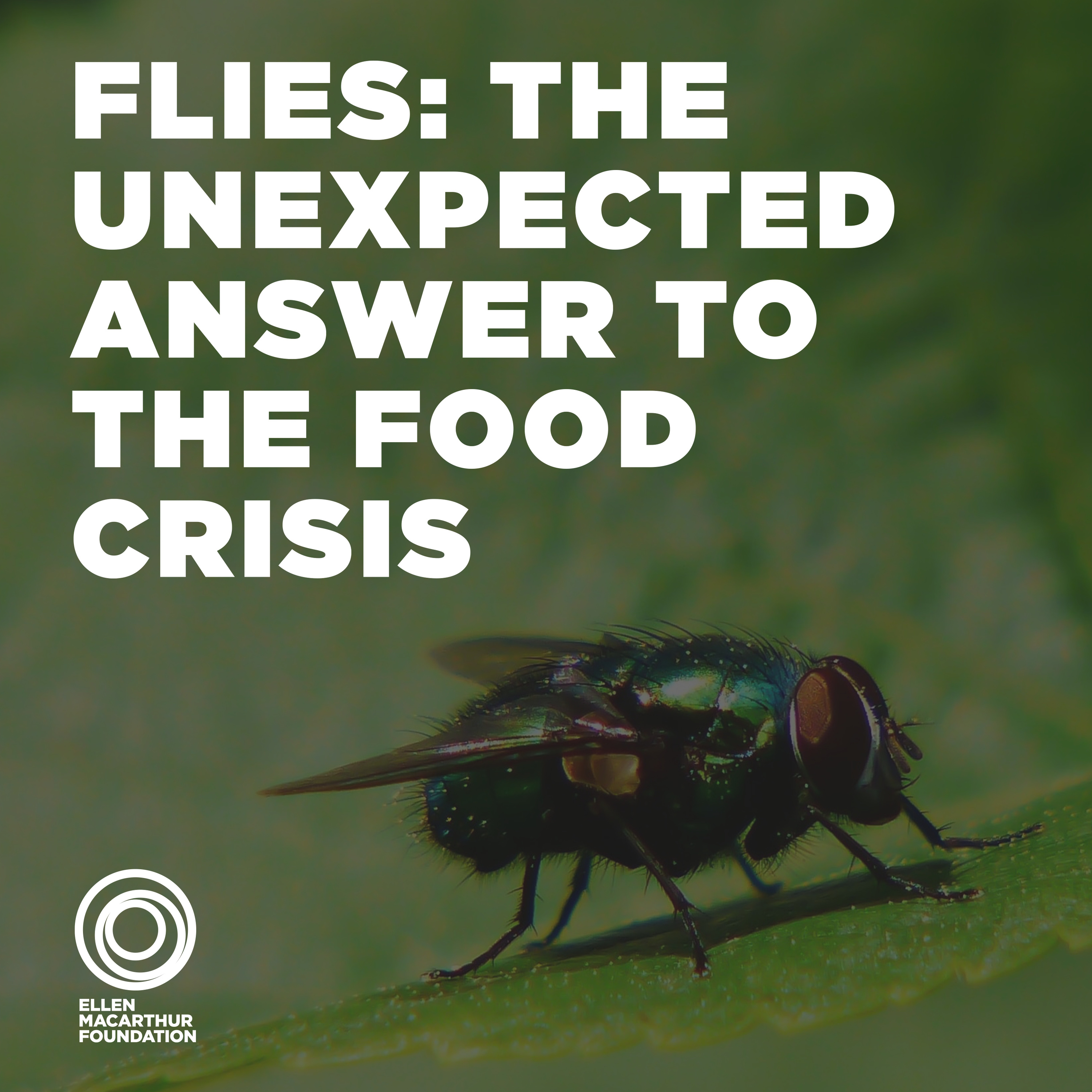
Ep 19Flies: The unexpected answer to the food crisis
Can insect farming reduce the stress on fish stocks across the Southern Hemisphere? How do you even get 8.4 billion flies to live together and operate in a way that makes it easy to capture their larvae? Described by Forbes magazine as 'Lord of the Flies’, Jason Drew is an innovator and serial entrepreneur. Before becoming CEO of AgriProtein – a company he co-founded in 2009 – Jason held leadership roles in several international businesses, including General Electric, BUPA and Egg. In this conversation, he and the Foundation's Joe Iles explore how Agriprotein's plant replicate a natural process, replace the need for much of the fishing that happens today, and create a product that can help to regenerate our soils.
Ep 18What is the circular economy? 3/3
What can we do to start trying to think differently and to start thinking in a way that is more circular rather than linear? Joe Iles and Ellen MacArthur cover a range of topics in the final part of their conversation about the circular economy, including emerging trends in design, technology, business models and the wider changes already happening in the economy.
Ep 17What is the circular economy? 2/3
What does the circular economy look like? Joe Iles and Ellen MacArthur talk through the Foundation's butterfly diagram including examples of repair, remanufacturing, sharing, and the importance of distinguishing between biological and technical cycles.
Ep 16What is the circular economy? 1/3
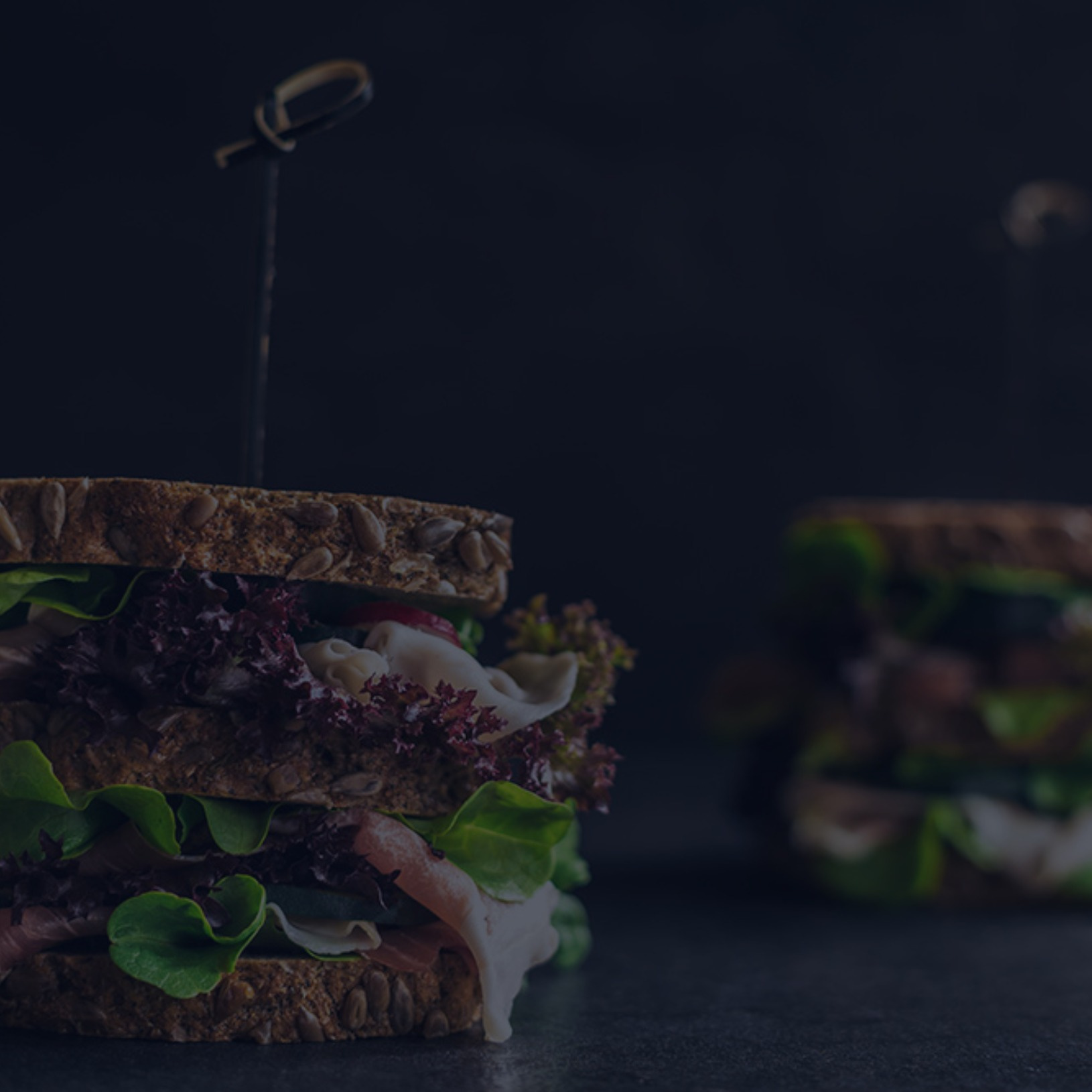
What is the circular economy? Who's doing it? And what are some of the best examples of it in action? In part one of our what is the circular economy series, Joe Iles and Ellen MacArthur consider what this idea might mean for cars, packaging and sandwiches.
Ep 15Design in the Age of Digital with John Maeda
When you hear the word ‘design’, what images come to mind? Do you think of someone sketching products or creating a 3D model? A team making a prototype? A beautiful, timeless object? Dr John Maeda says that type of design is in the past. Through his diverse career - including work at MIT, the creation of the ‘Laws of Simplicity’, Presidency at Rhode Island School of Design and now at startup Automattic - Maeda says design has changed forever. Design truly can change the world, from tackling inequality to improving our cities. But to have a meaningful impact, designers will need to move beyond aesthetic design’ and embrace the new frontier: computational design. Recorded at DIF 2017. Find out more at thinkdif.co
Ep 14How to Think Like a 21st Century Economist with Kate Raworth
What is the goal of economics? Does GDP really tell us all we need to know about a country's wealth and well-being? Our guest in this show argues that our economic system should be designed to meet everyone’s needs, while living within the means of the planet. Kate Raworth is the author of the acclaimed book ‘Doughnut Economics’. We spoke with Kate to explore a new 21st century economic model, and why she believes so many economists have got it wrong for so long. Recorded at DIF 2017. Find out more: https://www.thinkdif.co/
Ep 13Better products at better prices?
What is it people really want: a car, with all the costs of ownership and maintenance, or mobility, the service that car actually provides? A circular economy, characterised by a smarter use of materials, energy and information, will prioritise access over ownership of products. These are called product service systems, or sometimes 'performance contracts', and they could mean that customers can ride the wave of constant innovation at a lower cost than outright ownership. In this episode we're joined by three people in this space: Rich Gilbert of the Agency of Design, Natasha Franck, Founder of Eon the 'Netflix for fashion', and Gunnlaugur Erlendsson from Enso Tyres. This podcast was recorded as part of the 2016 Disruptive Innovation Festival. Find out more at thinkdif.co.

Ep 12How can the circular economy work for people?
The information technology revolution has only just begun, yet it is removing jobs faster than its creating them in a global economy which has faltering growth, social tensions, unemployment and resource issues. What are the consequences, what needs to be done? In this episode we hear from Nikki Silvestri, a social entrepreneur who knows we have to nurture society through these disruptions. Nikki was recorded at the launch event of the Disruptive Innovation Festival 2016. This podcast was recorded as part of the 2016 Disruptive Innovation Festival. Find out more at thinkdif.co. Check out the rest of the Circulate Podcast series two here.

Ep 11What Goes Around...
How well do you know the circular economy? It's not a new idea, but a term that has gone from relative obscurity only five years ago, to one which any serious CEO now has on their radar. Understanding the concept is one thing; implementing a framework which requires whole systems change is quite another. Join the Ellen MacArthur Foundation as we discuss both the concept and how businesses and governments have begun to take it on. This podcast was recorded as part of the 2016 Disruptive Innovation Festival. Find out more at thinkdif.co. Check out the rest of the Circulate Podcast series two here.
Ep 10Google and the Circular Economy
Google believes that business has a key role to play in being part of the solution to move from a global economy based upon ‘take-make-dispose’ to one that is based on designing waste out of systems. Google’s goal is to embed circular economic principles into the fabric of its infrastructure, operations, and culture. We speak with Jim Miller, Google's Vice President of Global Operations to find out from him about what the circular economy can do for this leading contemporary's business. This podcast was recorded as part of the 2016 Disruptive Innovation Festival. Find out more at thinkdif.co.
Ep 9Building Urban Resilience
Before the middle of this century, the world's cities will face challenges like never before. A projected 50% growth in world population, hand-in-hand with the concentration of people in urban centres, means our cities will have to be prepared for the social, environmental and infrastructural challenges coming their way. 100 Resilient Cities (100RC) is an organisation dedicated to helping cities around the world become more resilient to the physical, social and economic challenges of today and the future. From Accra to Yiwu, cities around the world are supported in their distinct challenges by 100RC. We speak with Elizabeth Yee, the Vice President of City Solutions for 100RC and help us to ask what we can learn from how cities are overcoming resilience challenges. This podcast was recorded as part of the 2016 Disruptive Innovation Festival. Find out more at thinkdif.co.
Ep 8Circular economy in emerging markets: an insight from Brazil
What do we mean by low to middle income economies or emerging markets? Why has there been so little research on the circular economy opportunities in these contexts so far? How can economies dependent on intense resources extraction take advantage of a new regenerative model? Seb Read is joined by Luisa Santiago, CE100 Brazil Programme Lead at the Ellen MacArthur Foundation, where she conducts circular economy business research initiatives in the Brazilian context. This episode accompanies the publication of articles from the Ellen MacArthur Foundation's Head of Innovation Ken Webster, which explores what the circular economy means for low to middle income countries. Read the article one here.

Ep 7Hunter Lovins on the circular economy of soil
In public discussion, the circular economy is often described as a way to allow technical products and their components to be used as endlessly as possible. But we can't forget about the biological cycle - how does it work when we come to the system that sustains life: agriculture? In this episode, Hunter Lovins argues that we need a 'circular economy of the soil' to feed a growing population, restore soil quality and ultimately reconcile farming systems with natural cycles. L. Hunter Lovins is President of Natural Capitalism Solutions (NCS) and is co-author of Natural Capitalism: The Next Industrial Revolution. Listen to the previous episodes of _A New Dynamic podcast series _ _This podcast series presented by Colin Webster explores the recently published book A New Dynamic 2: Effective systems in a circular economy. Each programme features an interview with authors of the book’s chapters. These leading experts on architecture, agriculture, design, business or engineering, provide unique insights that reflect on the necessity to develop a whole-system approach to re-think our economy. _ Order your copy of A New Dynamic 2: Effective systems in a circular economy
Ep 6Cities as flows in a circular economy
The pattern in which cities have grown is predictable across the world, and it’s based on the economic relationship between the centre and the edge. There are some clues that this pattern is changing, driven by advanced information technology. But what may happen to the city if we develop regenerative activities by internalising energy and material flows? In this episode Michael Batty elaborates on the future developments of cities. Michael Batty is Bartlett Professor of Planning at University College London where he is Chair of the Centre of Advanced Spatial Analysis (ASA). Listen to the previous episodes of _A New Dynamic podcast series _ _This podcast series presented by Colin Webster explores the recently published book A New Dynamic 2: Effective systems in a circular economy. Each programme features an interview with authors of the book’s chapters. These leading experts on architecture, agriculture, design, business or engineering, provide unique insights that reflect on the necessity to develop a whole-system approach to re-think our economy. _ Order your copy of A New Dynamic 2: Effective systems in a circular economy
Ep 5Lessons from self-organising traffic lights in city transport systems
What can traffic lights tell us about how our economy could work? It may seem a strange question to ask, but Dirk Helbing, is the person who makes the connection. In this episode, he explains what we can learn from complex dynamic systems and how that knowledge can help us understand and implement a feedback-rich circular economy. Dirk Helbing is Professor of Computational Social Science at the Department of Humanities, Social and Political Sciences at ETH Zurich. Listen to the previous episodes of _A New Dynamic podcast series _ _This podcast series presented by Colin Webster explores the recently published book A New Dynamic 2: Effective systems in a circular economy. Each programme features an interview with authors of the book’s chapters. These leading experts on architecture, agriculture, design, business or engineering, provide unique insights that reflect on the necessity to develop a whole-system approach to re-think our economy. _ Order your copy of A New Dynamic 2: Effective systems in a circular economy
Ep 4The renewable energy transition - insight from Germany’s energiewende
How does a country go through a renewable energy transition? Well, no country has done it before and there is no blue print to follow, but Germany is leading the world in this front. In this episode Patrick Graichen provides a comprehensive picture of the situation and explores future developments. Patrick Graichen is executive director of Agora Energiewende, a think-tank and policy laboratory working towards the success of the energy transition or Energiewende. Listen to the previous episodes of _A New Dynamic podcast series _ _This podcast series presented by Colin Webster explores the recently published book A New Dynamic 2: Effective systems in a circular economy. Each programme features an interview with authors of the book’s chapters. These leading experts on architecture, agriculture, design, business or engineering, provide unique insights that reflect on the necessity to develop a whole-system approach to re-think our economy. _ Order your copy of A New Dynamic 2: Effective systems in a circular economy
Ep 3Towards a regenerative food system
Our agriculture system is under a greater strain than ever before. The growth of global green yields has fallen behind global population growth, and artificial fertilisers and pesticides are reducing the soil's ability to renew. “We need to take a different direction”, say Martin Stuchtey and Morten Rossé, who explore ways to reshape our food system. Martin Stuchtey is the Director of the McKinsey Center for Business and Environment. Morten Rossé is an Expert Associate Principal with McKinsey’s Sustainability & Resource Productivity practice.
Ep 2Remanufacturing and the circular economy
Remanufacturing allows us to use product components again at high quality while reducing energy demand by - in some cases - 80%. Given the material constraints we face, why this is not happening at a wider scale? In this episode, Nabil Nasr puts forward what he sees as the issues holding back remanufacturing. Nabil Nasr is Associate Provost for Academic Affairs and Director of the Golisano Institute for Sustainability at Rochester Institute of Technology; he is also founder of the Centre for Remanufacturing and Resource Recovery. This podcast series presented by Colin Webster explores the recently published book A New Dynamic 2: Effective systems in a circular economy. Each programme features an interview with authors of the book’s chapters. These leading experts on architecture, agriculture, design, business or engineering, provide unique insights that reflect on the necessity to develop a whole-system approach to re-think our economy.

Ep 1Michael Pawlyn - Ecosystems as a unifying model for cities and Industry
The circular economy is inspired by living systems and one of the schools of thoughts that explores this model is Biomimicry. In this episode Michael Pawlyn explains why ecosystem thinking is key to a regenerative circular economy. Michael Pawlyn is director of the architecture practice Exploration and author of Biomimicry in Architecture This podcast series presented by Colin Webster explores the recently published book A New Dynamic 2: Effective systems in a circular economy. Each programme features an interview with authors of the book’s chapters. These leading experts on architecture, agriculture, design, business or engineering, provide unique insights that reflect on the necessity to develop a whole-system approach to re-think our economy.