
The China History Podcast
464 episodes — Page 3 of 10
S8E04 | Run For Your Life
Once again we thank The Grand Historian for giving up another good one. This one's an eight-character chengyu. The story goes back to 206 BC and the famous story of Liu Bang and Xiang Yu's meeting at The Banquet at Hongmen. Here, the two contenders for the emperorship of China, meet face to face. Only one of them could sit on that throne and beginning right here, the Chu-Han Contention begins. The chengyu for this time, 项庄舞剑, 意在沛公 Xiàng Zhuāng Wǔ Jiàn, Yì Zài Pèi Gōng comes from this slice of history mentioned in the Record of the Grand Historian from the chapter on Xiang Yu. People who have a lot to lose, especially in the world of politics and government should pay attention to this one. It's a good one to use when describing someone who may appear all nice and pleasant but who has a hidden motive to do you harm. Enjoy! White Vengeance video: https://www.youtube.com/watch?v=-H3yXEh7KCQ Learn more about your ad choices. Visit megaphone.fm/adchoices

Ep. 333 | Keye Luke
If you're someone born in the 1940s-50s and 60s, Keye Luke was a familiar name, especially if you watched American TV. As a founding member of the Screen Actors Guild, I thought his story might be timely. Set's take a break from the wars, rebellions, and days of yore and enjoy a more light-hearted episode featuring a beloved Chinese American who left his mark on the industry he was part of for more than sixty years. For many of us, this episode will be a nice pleasant trip down memory lane. I hope you enjoy Go check out Timothy Tau's excellent film on the life and career of Keye Luke: https://youtu.be/SqUH0-CcvOI Learn more about your ad choices. Visit megaphone.fm/adchoices
S8E03 | Gimme Three Steps
With a cast of characters like the Dukes of Jin and Chu and everyone's favorite exile Chong Er, you're guaranteed a treat. This is the story behind the chengyu: 退避三舍 Tuì Bì Sān Shè. The story of Chong Er, his escape from persecution by his father Duke Xian of Jin, and his triumphant return to Jin in 636 BC is one of the countless unforgettable stories from ancient Chinese history. Before Chong Er became Duke Wen of Jin, he experienced a nineteen-year odyssey that took him throughout the states of the Zhou Dynasty. This story concerns a visit to Chu. Sometimes you gotta know when to make a strategic retreat. Learn more about your ad choices. Visit megaphone.fm/adchoices
Ep. 332 | The History of Yunnan Province (Part 5)
Here's the final episode in the Yunnan history series. In this episode, we pick up in 1875 in the wake of the Margary Affair and take the story through the end of the Qing and into the Warlord and Republican era. Warlords Cai E, Tang Jiyao, Long Yun, and Lu Han, all make appearances. Part 5 runs almost 49 minutes which is 15-20 minutes longer than I like these CHP episodes to be. The series concludes a bit prematurely, a hundred years later in 1975. Sorry to end on such a downer as the Cultural Revolution and the Shadian Incident of 1975. I really don't have enough material to make a Part 6. So let's just leave it at that. I hope it was informative and helpful. For the pure enjoyment of Pu-Erh Tea Laszlo recommends The Bana Tea Company: https://www.banateacompany.com/ Learn more about your ad choices. Visit megaphone.fm/adchoices
S8E02 | Blue, Blue, My World is Blue
This time we're featuring another oldie but goodie, Qīng Chū Yú Lán 青出于蓝. Though Xunzi was the inspiration for the chengyu, the tale behind this Chinese Saying comes from the Northern and Southern Dynasties period. The longer version of the saying goes 青出于蓝, 而胜于蓝 but we'll just focus on the front four and that's all you need for most situations where you want to remark about a student or apprentice, surpassing their teacher or master. Don't forget, all the terms for all the episodes can be found at my website at https://teacup.media. Thanks, everyone. Learn more about your ad choices. Visit megaphone.fm/adchoices
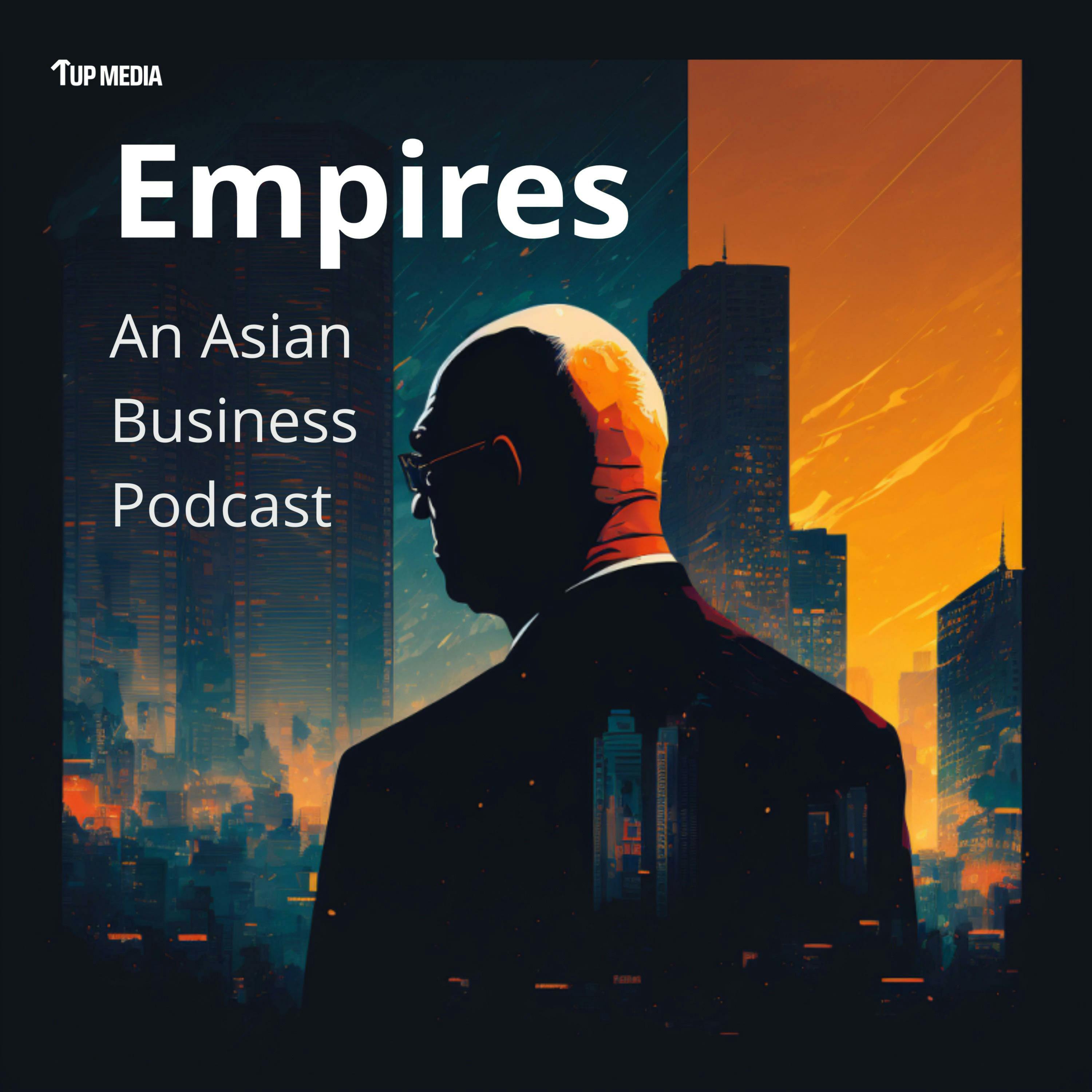
New from Empires - An Asian Business Podcast
bonusStarting last year I became a big fan of many of the new shows that have been emerging from Singapore, India, China, the Philippines, and elsewhere in Asia. My buddy at 1UP Media, Yeo Guang Jin is running a multi-part series that looks at the humble rise of Alibaba and how Jack Ma built this into one of the great success stories in global corporate history. I'm sharing Part 3 of the series here on the CHP feed which tells the story of how Jack Ma took on mighty eBay and emerged from the competition with Taobao and TMall. Empires features compelling deep dives into some of the most renowned companies in all of Asia: Ten Cent, Sony, and Samsung to name a few. I heartily recommend this show to any and all lovers of International business. I hope you enjoy this episode as much as I did. Learn more about your ad choices. Visit megaphone.fm/adchoices
Ep. 331 | The History of Yunnan Province (Part 4)
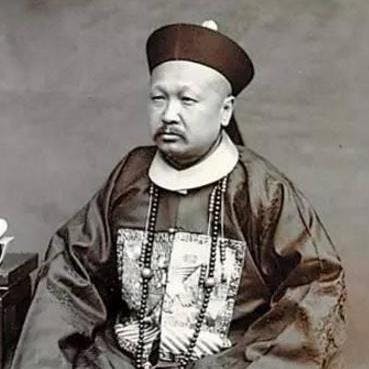
Here's Part 4 of my latest effort. This episode examines all the events leading up to, during, and immediately after The Panthay Rebellion, 1856-1872. Since the time of the Mongols, the Hui Chinese had served the dynasties faithfully as civil servants and bureaucrats. But come the mid-Qing, after a massive wave of Han Chinese migration to the southwest of China, including to Yunnan, sparks flew at once between the Hui Chinese who controlled business interests that the new migrants demanding a piece of the action. This was an unfortunate period in Yunnan's history. Learn more about your ad choices. Visit megaphone.fm/adchoices
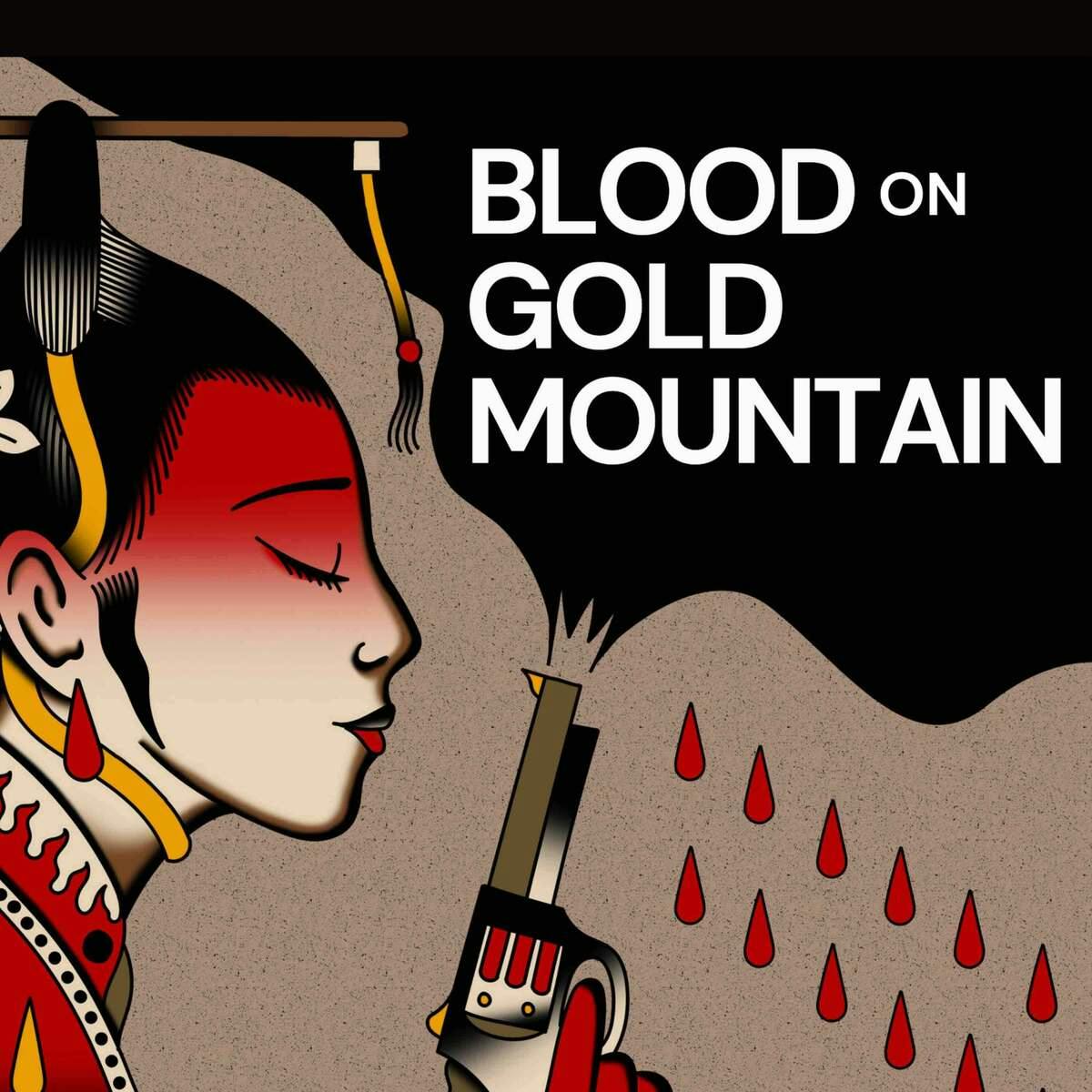
Laszlo chats with Iron Horse Road Podcast producers Hao Huang and Micah Huang
bonusA few days ago, Laszlo sat down with good friend Hao Huang and son, Micah, at Scripps College where Hao is the Bessie and Cecil Frankel Chair in Music. In 2021 they co-produced the Blood on Gold Mountain Podcast. In a pilot episode of a new show dropping Wednesday, July 19 called Iron Horse Road, Hao and Micah explain what the show is about and the trip they took to California's High Sierras that inspired it. They visited locations where more than a century and a half ago railroad workers from Southern Guangdong built these wonders of engineering. This led to a general discussion about these workers and the challenges they faced living far from home and in a land where every day presented a new set of challenges, often life-threatening. The Iron Horse Road Podcast will come out on the Blood on Gold Mountain feed. To subscribe, search for Blood on Gold Mountain or visit their website at https://blood-on-gold-mountain.captivate.fm/ Learn more about your ad choices. Visit megaphone.fm/adchoices

S8E01 | Wouldn't Change a Thing
Welcome back to another season of Chinese Sayings. For the Season 8 opener, we open with a well-known and useful chengyu: Yī Zì Qiān Jīn 一字千金. The story behind this classic from The Record of the Grand Historian features the infamous Lü Buwei, Lady Zhao, and the father of the future first emperor of China, King Zhuangxiang. The Qin State and Dynasty yielded up some fantastic chengyu's over the years. And this is sure one of them. Stay cool everyone, especially all ya'lls in Arizona. Thanks as always to Emma in China's capital. Learn more about your ad choices. Visit megaphone.fm/adchoices
Ep. 330 | The History of Yunnan Province (Part 3)
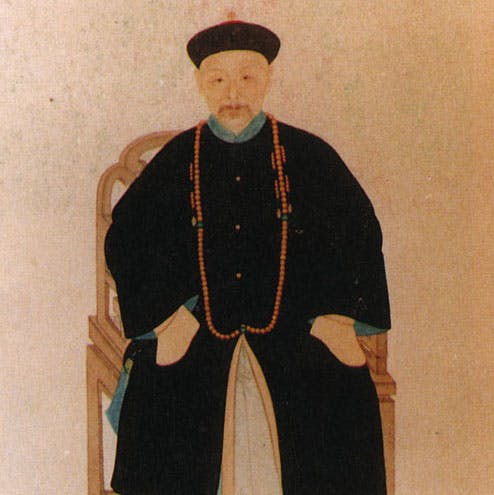
In this latest installment of the Yunnan History series, we take the narrative up to the Qing Dynasty in the 1800s. The province had been relatively peaceful since the late 13th-century Mongol conquest. Then, not so much come the accession of the Yongzheng Emperor. This episode takes a very quick look at Yunnan literary figure Yang Shen followed by a retelling of the story of Wu Sangui and the Revolt of the Three Feudatories. Then, the scourge of the local tribal chieftains of Yunnan, Ortai (È'ěrtài 鄂尔泰) is introduced. And in preparation for Part 4 which will focus on the Panthay Rebellion, I'll also explain some background info on the Hui People of Yunnan, beginning with Sayyid Ajall Shams al-Din Omar al-Bukhari. My thanks to you all for taking the time to listen. Learn more about your ad choices. Visit megaphone.fm/adchoices

Ep. 329 | The History of Yunnan Province (Part 2)
We pick up after the fall of the Tang Dynasty and Nanzhao Kingdom. The main focus in this Part 2 episode will be the rise and fall of the Dali Kingdom and the Mongol Conquest of Dali in 1253. We'll also take a quick look at the complicated period between the fall of Nanzhao and the founding of the Dali Kingdom. We'll close with the fall of the Yuan Dynasty and the aftermath that occurred in Yunnan in the 14th century. Learn more about your ad choices. Visit megaphone.fm/adchoices

The History of Beijing with Jeremiah Jenne
bonusThe response was so positive last time longtime Beijing ex-pat Dr. Jeremiah Jenne appeared on the CHP, we decided to invite him on the program again. Seeing how JJ has called this magnificent city home for the past twenty-odd years, who better is there to introduce the long history of this 6300 sq. mile area located inside the borders of Hebei province? Even before the city officially became Beijing or even Khanbaliq, it was already a historical place. My deep thanks to Jeremiah 君 for taking the time to come on the show. Have a fab weekend everyone! Learn more about your ad choices. Visit megaphone.fm/adchoices

The Ming Dynasty, Europa Universalis IV, and Grand Strategy Gaming with Álvaro Sanz of Paradox Interactive
bonusOver the past year, I've had the great pleasure of working with a talented group of game developers at Paradox Tinto, one of the studios where they design and develop history-based grand strategy games. These Grand Strategy Games are enjoyed all over the world. One member of the team at Paradox Tinto who I had the pleasure to work with, was Barcelona-based Álvaro Sanz. Together we worked on a selection of history-based lectures that accompany the Europa Universalis IV Mandate of Heaven DLC (DLC: Downloadable Content). The time period covered in the game coincides with the Ming and early Qing Dynasties. This series of lectures accompanied the time period of the Mandate of Heaven DLC. And as of June 20th, everything's now available to all players of Europa Universalis IV. This experience of collaborating with the team at Paradox to develop all this new content was also a great learning experience for me. Grand Strategy Games are passionately embraced by enthusiasts the world over. During this past year I have discovered how these computer-based games are a fantastic and unique way to learn about history. Paradox Interactive: https://www.paradoxinteractive.com/ Europa Universalis IV: https://www.paradoxinteractive.com/our-games/all-games?Brand=Europa%20Universalis Learn more about your ad choices. Visit megaphone.fm/adchoices
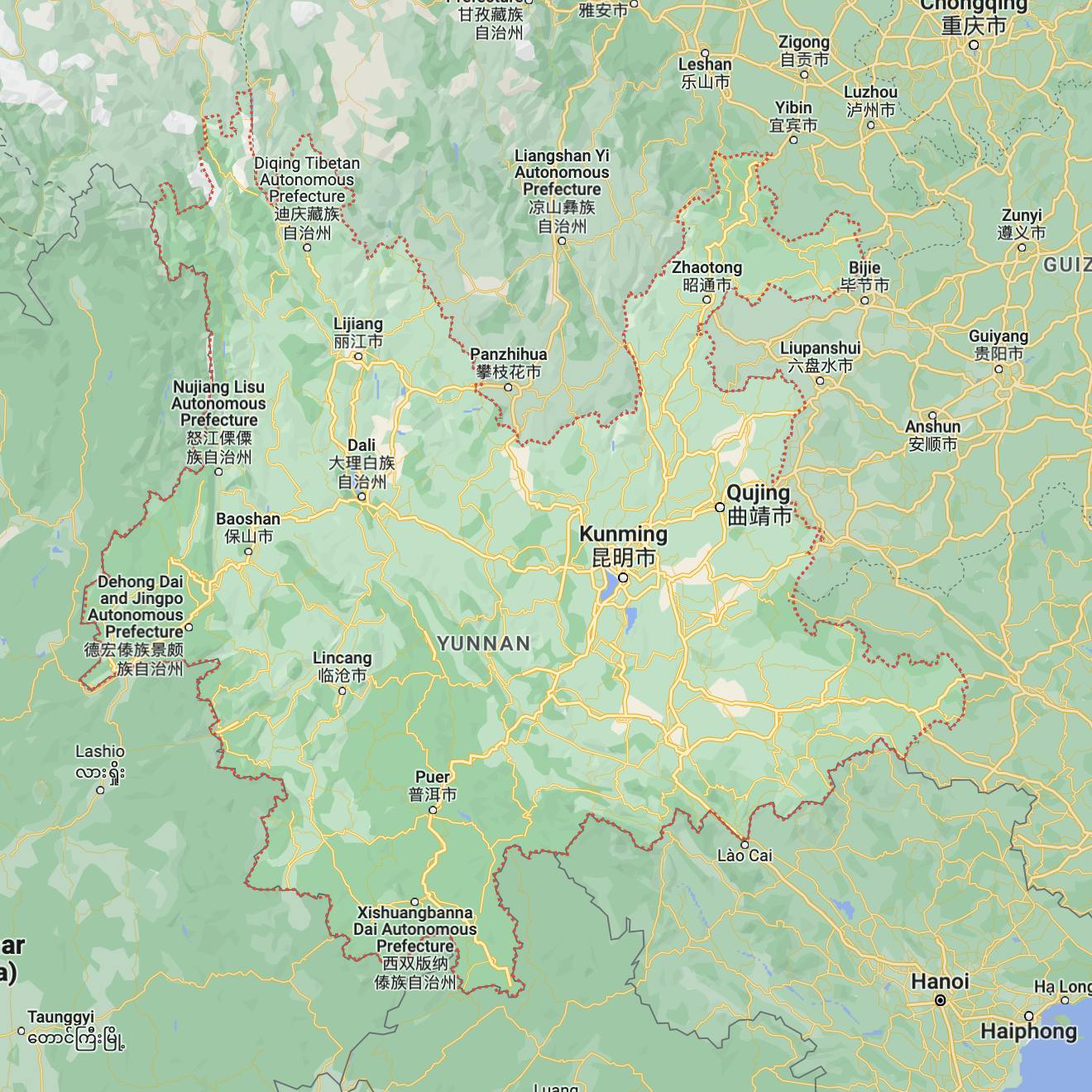
Ep. 328 | The History of Yunnan Province (Part 1)
In this first episode of a multi-part series, we'll look at Yunnan's ancient beginnings during the Zhou Dynasty and take things up to the end of the Nanzhao Kingdom in the 10th century. The Dian Kingdom, the Cuanman, the beginnings of Nanzhao, and the rocky relationship between Tang Dynasty China, Tibet and Nanzhao. All of that will be looked at in this episode. Then next time in Part 2 we'll begin the Dali Kingdom. Thanks for listening. Learn more about your ad choices. Visit megaphone.fm/adchoices
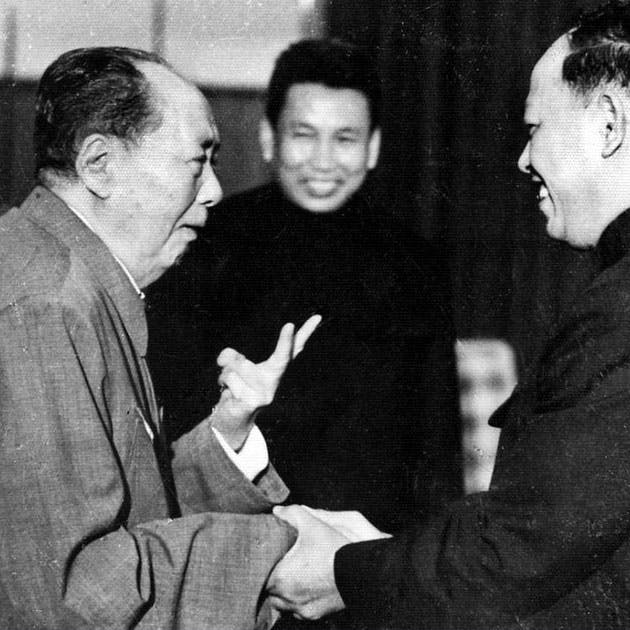
Ep. 327 | The History of China-Cambodia Relations (Part 2)
In this episode, we'll focus on modern China-Cambodia Relations. The rise of the Cambodian communists (Khmer Rouge) will be highlighted, along with how China helped to facilitate their rise and keep them in power. In addition to PRC support for the Khmer Rouge, we'll also look at the aftermath of their fall in 1979 and the complicated PRC-Vietnam-Cambodia triangle. The episode concludes with a look at present-day relations and China's Belt & Road projects in Cambodia. Learn more about your ad choices. Visit megaphone.fm/adchoices
Bonus Episode: Emma debuts on the Chinese Sayings Podcast
bonusEmma's been integral to the CSP for a few seasons now. Here's one more nice chengyu that has loads of utility value. This time Emma herself, introduces the story behind the saying 世外桃源 Shì Wài Táo Yuán. This comes straight from the great Eastern Jin literatus Tao Yuanming. Many of us dreamers have thought about getting away from it all to escape to a utopian paradise. I hope you enjoy the story and Emma's telling of it. We'll be back next season with more useful and interesting Chinese Sayings. Learn more about your ad choices. Visit megaphone.fm/adchoices

Ep. 326 | The History of China Cambodia Relations (Part 1)
This is part 1 of a 2-part series covering the history of the relations between China and Cambodia. In this first half of the series, I present the early history. Some of this material was covered in the China-Vietnam series: Funan, Zhenla, and the Khmer Empire. This is a nice refresher if you forgot about that. Cambodia didn't have the same historical relations with China as their two neighbors and sometimes antagonizers, Thailand and Vietnam. A lot of what happened later on, in Part 2, had its roots in mid-19th century Cambodia. I hope this episode is useful as an intro to Cambodian history. We'll take things up to 1965 here and finish off next time.
Introducing "Empires-An Asian Business Podcast"
bonusI discovered a whole bunch of new podcasts that are produced out of Singapore, Malaysia, HK, and the Philippines. My listening diet has always been heavy on US-UK-Australian shows. Podcasting is on the rise in Asia too. 1 Up Media, led by Singaporean Yeo Guang Jin has a couple of shows that are quite good. The first (I'm playing for you here) concerns the stories behind great business empires. They've done deep dives on Ten Cent, Sony, and Samsung so far. The show is called Empires: An Asian Business Podcast. https://www.tiktok.com/@empirepod They also have another show that is sure to satisfy all imbibers of True Crime Podcasts. Over in Southeast Asia, they have their own murders and gruesomeness, some of which are featured in Heinous: An Asian True Crime Podcast. https://www.tiktok.com/@heinous_1upmedia Back when I started the CHP in 2010, podcasting was still in its infancy. Now in 2023 there are so many great shows behind produced all over the world by so many talented independent podcasters. I hope you take advantage of the many rich pickings out there beyond the borders where you live. Have a great weekend everyone. Links to the shows are below: Apple: https://podcasts.apple.com/us/podcast/empires-an-asian-business-podcast/id1674467595 Spotify: https://open.spotify.com/show/6fCGvywzRXGe5Q1GVP8Rtb?si=eaba0892a5644da4 Learn more about your ad choices. Visit megaphone.fm/adchoices
S7E10 | She's a Woman! The Chinese Sayings Podcast
I hope everyone is enjoying these Chinese Sayings Podcast episodes that I began posting to this podcast feed. We end Season 7 with an old one from the Book of Jin 晋书 that contains two venerable co-stars from the Three Kingdoms era. This time we look at the amusing story behind the 巾帼英雄 Jīn Guó Yīng Xióng. The CSP will be back one more time with a bonus episode featuring Emma, the G.M. of the Teacup 成语研究中心. You won't want to miss that. Learn more about your ad choices. Visit megaphone.fm/adchoices

Ep. 325 | Chin Gee Hee
With the Taiwan series now behind us, it's onwards and upwards. This time I wanted to select one of the many great Chinese American heroes of his day, Chin Gee Hee. Chin was another Toisan native who came to the American west coast, not to the usual haunts of San Francisco and Los Angeles, but to Seattle. He arrived in the 1860s and stayed till 1904. Following a career in labor contracting and other entrepreneurial ventures that made him quite wealthy, he returned to his native Toisan where, together with a partner, he built the Sun Ning Railway 新宁铁路. The Sun Ning was one of the very few rail projects funded entirely by Chinese investors. During his decades living in the Washington Territory Chin Gee Hee faced the worst racism and anti-Chinese violence the future state would ever see. And when he returned to China during the final years of the Qing Dynasty to build his railroad, his best intentions encountered a different set of challenges and disappointments. Learn more about your ad choices. Visit megaphone.fm/adchoices
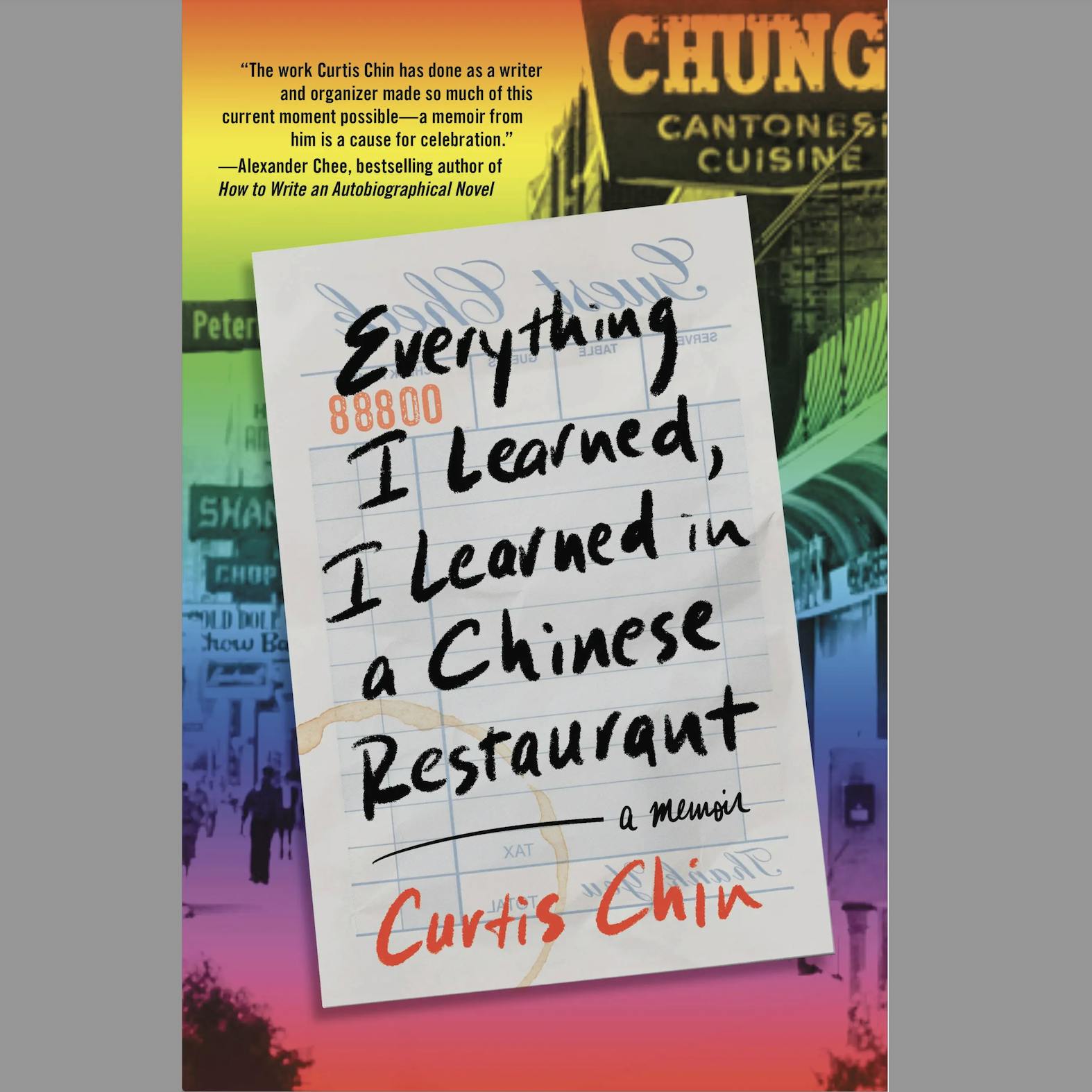
"Everything I Learned, I Learned in a Chinese Restaurant" with Curtis Chin
bonusI was happy to welcome Curtis Chin onto the CHP to chat about his life growing up Asian American in the black-and-white city of Detroit and coming out in his working-class immigrant community. Curtis's ancestors came to America over a hundred years ago and ended up in a place that not many Chinese back then gravitated to. His family-owned restaurant "Chung's" was a longtime fixture in the Cass Corridor where Detroit's Chinatown was located. His book isn't coming out till later this year but if you'd like to find out more go to https://www.curtisfromdetroit.com/ I hope you enjoy the conversation. Learn more about your ad choices. Visit megaphone.fm/adchoices
I Want You To Show Me The Way | The Chinese Sayings Podcast
bonusFor our ninth offering of the season here's another golden oldie with a story that goes back almost 2,700 years to the time of the early Spring and Autumn Period. The story concerns the two major states of Qí and Yān and the two minor (and mostly forgotten) states of Lìngzhī and Gūzhú. Two major and extremely consequential characters from those times star in this story. These were Duke Huán of Qí and his advisor Guǎn Zhòng. They led their troops into the mountains on a punitive expedition and ended up getting hopelessly lost in the process. Fortunately, for all concerned, 老马识途 Lǎo Mǎ Shí Tú, and they were able to escape from their dilemma and live on to fight another day. Learn more about your ad choices. Visit megaphone.fm/adchoices

Ep. 324 | The History of Taiwan (Part 15)
Last episode we looked at the Chen Shui-bian and Ma Ying-jeou years from 2000-2016. In Part 15 we'll take the narrative up to the present time. We'll examine the Tsai Ing-wen presidency and where she contrasts with her predecessors. Where cross-strait relations are concerned, differences are quite stark. Since the final years of the Obama presidency, the US-China relationship has been steadily deteriorating. And caught in the middle of this conflict is Taiwan. I hope this series has been helpful and useful to you. It ran a little long but it's a big story to tell. Learn more about your ad choices. Visit megaphone.fm/adchoices
All I Want Is To Be Next To You | The Chinese Sayings Podcast
bonusGreetings CHP listeners, whether you want it or not, here's the next episode of the CSP. The story behind our Chinese Saying for this time is quite recent as Chinese history goes. It takes place merely a thousand years ago, during the time of the Northern Song Dynasty. Just like location, location, location is what matters most in real estate, when it comes to getting ahead in your career, the same often holds true. One's location, relative to the boss, can sometimes make it or break it for you. As this story will show, if you're hoping to climb the ladder of success, sometimes a Jìn Shuǐ Lóu Tái 近水楼台 is all you need. A pavilion or a building near the water? How could that help an ambitious and aspiring bureaucrat in the government? Listen to this story that features the great Northern Song poet, politician, philosopher, writer, military strategist, and scholar-official, Fan Zhongyan. Learn more about your ad choices. Visit megaphone.fm/adchoices

Ep. 323 | The History of Taiwan (Part 14)
Chen Shuibian and Ma Ying-jeou both served two terms as president of the Republic of China. These years from 2000 to 2016 illustrated the glaring examples between the KMT and the DPP. Beginning with Taiwan's first DPP president, more and more things began to be said and actions taken that have provoked China and raised the anxiety levels of everyone familiar with the situation. In this episode, the eight years of Ma Ying-jeou (Mǎ Yīngjiǔ) brought anxiety levels down. But as shown from these past many episodes, attitudes on Taiwan about the mainland are mixed and not everyone was thrilled. Next episode in Part 15 we'll wind things down and conclude the Taiwan series. Thanks, everyone for listening. Learn more about your ad choices. Visit megaphone.fm/adchoices
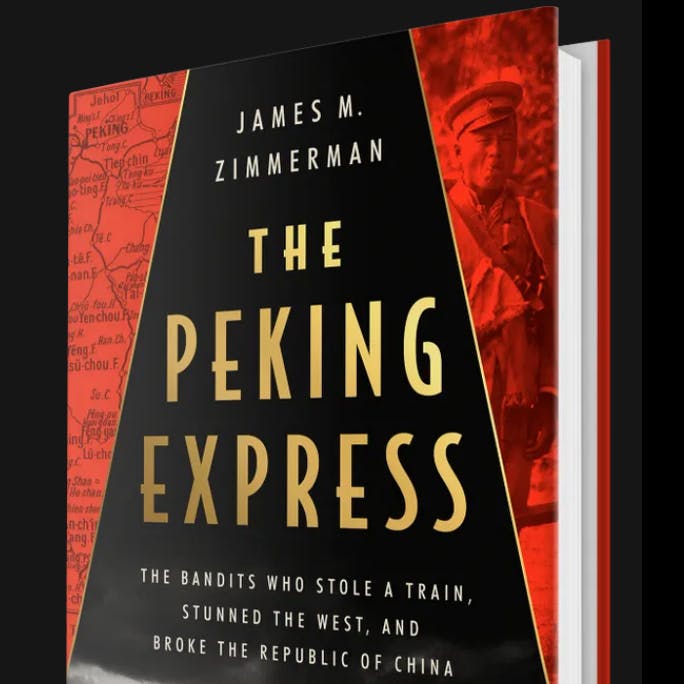
The Peking Express with James Zimmerman
bonusHitting the shelves April 4th is Beijing-based attorney James Zimmerman's new book: "The Peking Express - The Bandits who Stole a Train, Stunned the West, and Broke the Republic of China." This explosive and historic event in May-June 1923 had far-reaching consequences for China. For more info go to ThePekingExpress.com Learn more about your ad choices. Visit megaphone.fm/adchoices
I Should've Known Better | The Chinese Sayings Podcast
You didn't ask for it. But you're getting it anyway. This week's Chinese Sayings Podcast reaches back all the way to those fateful years following the fall of the Qin Dynasty and the contentious period of conflict between Liu Bang of Han and Xiang Yu of Chu. As these two rivals battle it out, Liu Bang sought advice from one of his advisors on a plan of action. But as we'll see, that plan is blown out of the water by the great hero of the early Han, Zhang Liang. In order to persuade Liu Bang of the folly of this plan, Zhang Liang will 借箸代筹 Jiè Zhù Dài Chóu, borrow chopsticks to illustrate his strategy. And using these chopsticks as a prop to illustrate his point, Zhang Liang blows this advisor's good idea out of the water. Learn more about your ad choices. Visit megaphone.fm/adchoices
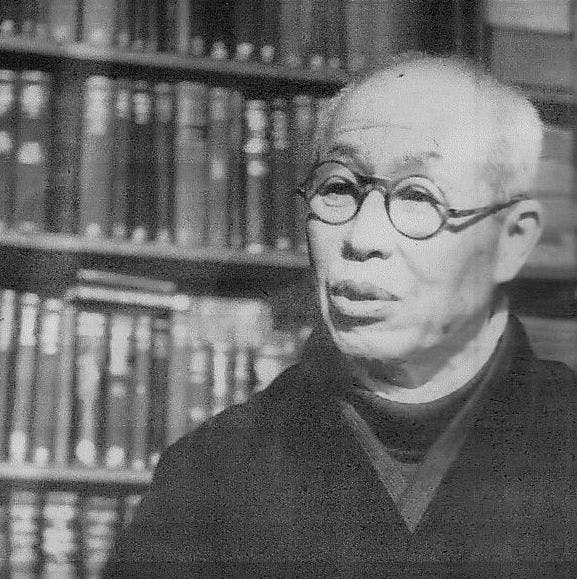
Shanghai's Uchiyama Bookstore with Naoko Kato
bonusLaszlo welcomes Dr. Naoko Kato onto the CHP to talk about her new book: "Kaleidoscope: The Uchiyama Bookstore and its Sino-Japanese Visionaries." During one of the most fertile periods in modern Chinese literature following the May Fourth Movement, Uchiyama Kanzō operated a bookstore and cultural salon on Sichuan Road that attracted many big names among leftist writers and intellectuals. Most notable among the regular visitors was Lu Xun. Uchiyama and Lu Xun enjoyed a very special friendship that embodied Uchiyama's aspirations for friendship and understanding between the people of China and Japan. You can get the book here: https://earnshawbooks.com/product/kaleidoscope/ here: https://a.co/d/8TMjqKS or here: https://www.barnesandnoble.com/w/kaleidoscope-naoko-kato/1142725298 Learn more about your ad choices. Visit megaphone.fm/adchoices

Ep. 322 | The History of Taiwan (Part 13)
In this Part 13 installment, in what I can tell you now, will be a 15-Part series, we look at some of the main events from 1977-1987. This was the final decade in the life of Chiang Ching-Kuo. He ended martial law and set Taiwan on the course that we all recognize today. In this episode, we'll look at the Zhongli Incident, the rise of Xu Xinliang 许信良 and a more emboldened political opposition, the normalization of relations between the US and PRC, and the subsequent Taiwan Relations Act. Other things mentioned in Part 13 include the founding of the Hsinchu Science Park and the birth of TSMC, the semiconductor company so often mentioned in the news. We'll finish off with the killing of dissident writer Henry Liu (江南) in Daly City, California. The final two episodes will focus on more recent events. Learn more about your ad choices. Visit megaphone.fm/adchoices

Locked and Loaded | The Chinese Sayings Podcast
I don't do this too often but I'm featuring this week's Chinese Sayings Podcast in the CHP feed. Firstly this is a tale rooted in 7th century BC Spring and Autumn history. But also, just in case you never heard of this other show of mine, I wanted to introduce it to you. You can find the Chinese Sayings Podcast wherever you find the CHP. Here comes one more textbook chengyu from the Spring and Autumn Period, as written by Master Zuo Qiuming 左丘明 himself: 厉兵秣马 Lì Bīng Mò Mǎ. Lots of marquee names from that exciting time, including Duke Mu of Qin and Duke Wen of Jin. Be sure to check out the teacup.media website for a handy downloadable cheat sheet listing all the Chinese names and terms. This one has a fair number of characters and place names. The kind of inter-kingdom rivalries that were one of the hallmarks of the Eastern Zhou are front and center in this 7th-century BC tale. This is a good Chinese Saying that has a few useful applications in real life. Thanks for listening. Learn more about your ad choices. Visit megaphone.fm/adchoices

Ep. 321 | The History of Taiwan (Part 12)
Another barnburner of an episode here in Part 12. The 1960s and 70s witnessed a lot of turbulence in Taiwan. Following the Sino-Soviet Split, Chiang Kai-shek had a funny feeling his U.S. ally was going to try to make hay of this opportunity. Facing an uncertain future Chiang front-burner'd economic reform. As things gather steam throughout the 1970s, a middle class emerges and grows. Taiwan was moving full speed ahead in the direction of becoming one of the Four Asian Tiger economies. Chiang knew the knock on the door was coming sooner or later. December 1969 he is told by the US ambassador the US will end things with the ROC in favor of recognizing the PRC. That created a very complicated and sensitive situation. The KMT starts grooming more native Taiwanese and carries out aggressive outreach. And we'll close off with the death of Chiang in April 1975. Learn more about your ad choices. Visit megaphone.fm/adchoices
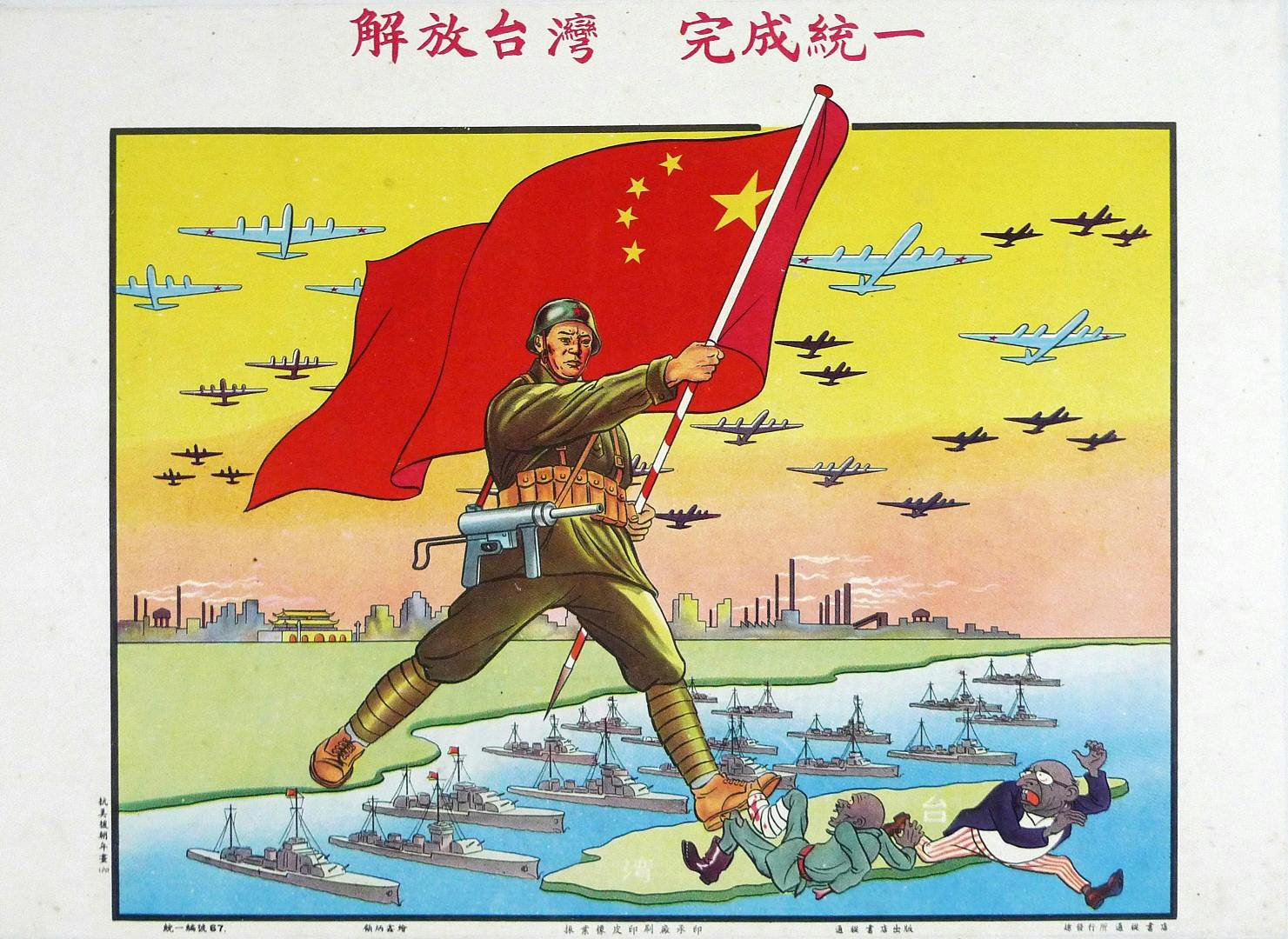
Ep. 320 | The History of Taiwan (Part 11)
The focus for this time will be on the main events of 1957-1962. The KMT and the ROC government had been on a wartime footing throughout the 1950s. We'll also look at the infamous KMT repression and martial law as well as the Second Taiwan Strait Crisis. By the end of this episode, Chiang figures out the US is never going to back him in any attempts to recover the mainland and overthrow the CCP. Now Chiang turns his attention to another perceived enemy, opposition parties, and anyone going against the KMT grain. Learn more about your ad choices. Visit megaphone.fm/adchoices
Ep. 319 | The History of Taiwan (Part 10)
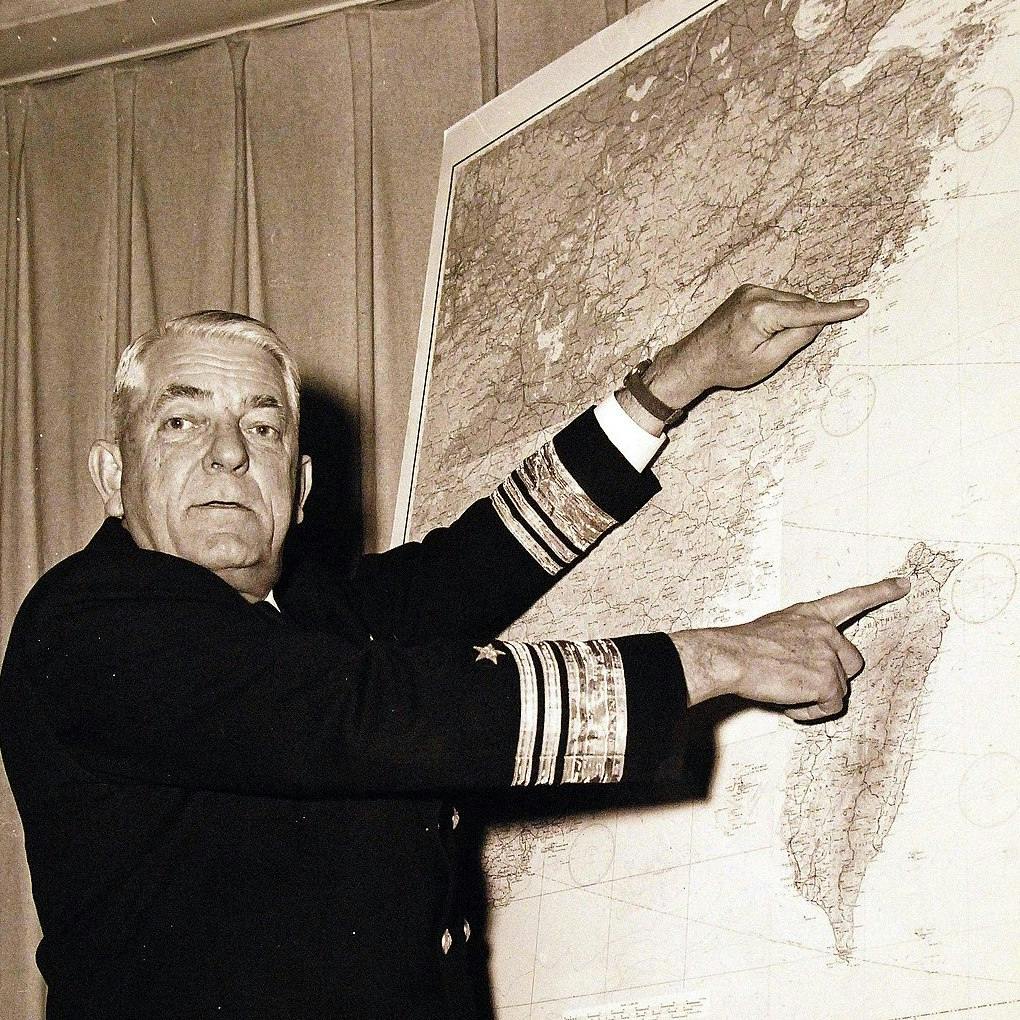
The first five years of the 1950s were ones to remember. The Korean War, the Cold War, The First Taiwan Strait Crisis, the Sino-American Mutual Defense Treaty, Formosa Resolution Act, Tuapse Incident, May 24th Incident, the MAAG, the USTDC, and all these other acronyms that surrounded the US-Taiwan alliance. Buckle your seatbelts and sit back for the next forty minutes. If you think tensions in today's whacky world are outta sight, get a load of what was going on off the coast of the People's Republic of China during the immediate years following Liberation on the Mainland. Learn more about your ad choices. Visit megaphone.fm/adchoices
Ep. 318 | The History of Taiwan (Part 9)
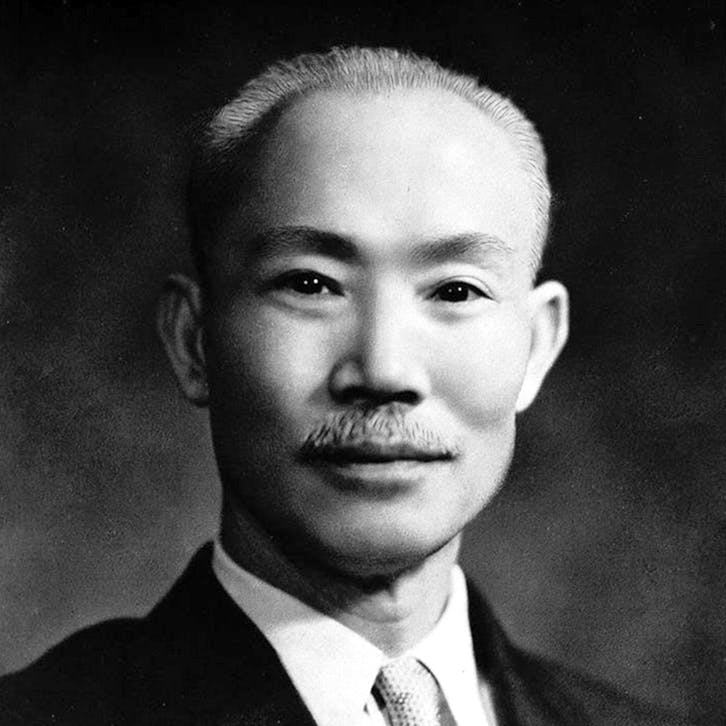
We finished last time with the 228 Incident. In Part 9 Chiang Kai-shek has to not only mop up from this PR disaster but get the island all prepped and ready for his later arrival, along with more than a million others feeling the communists. With the three victorious campaigns of 1948-49, the Nationalists are cornered and The Great Retreat steps into high gear. Everything that Chiang will need to keep his regime going is moved to Taiwan. This included soldiers, government officials, and KMT members, gold, and cultural treasures from the past few thousand years of Chinese history. Once everything is settled on Taiwan Chiang carries out a purge and puts Chen Cheng in place to whip Taiwan into shape. If Chiang was going to take back the Mainland he needed to get his house in order first. Learn more about your ad choices. Visit megaphone.fm/adchoices
Surfing History in China With Nik Zanella
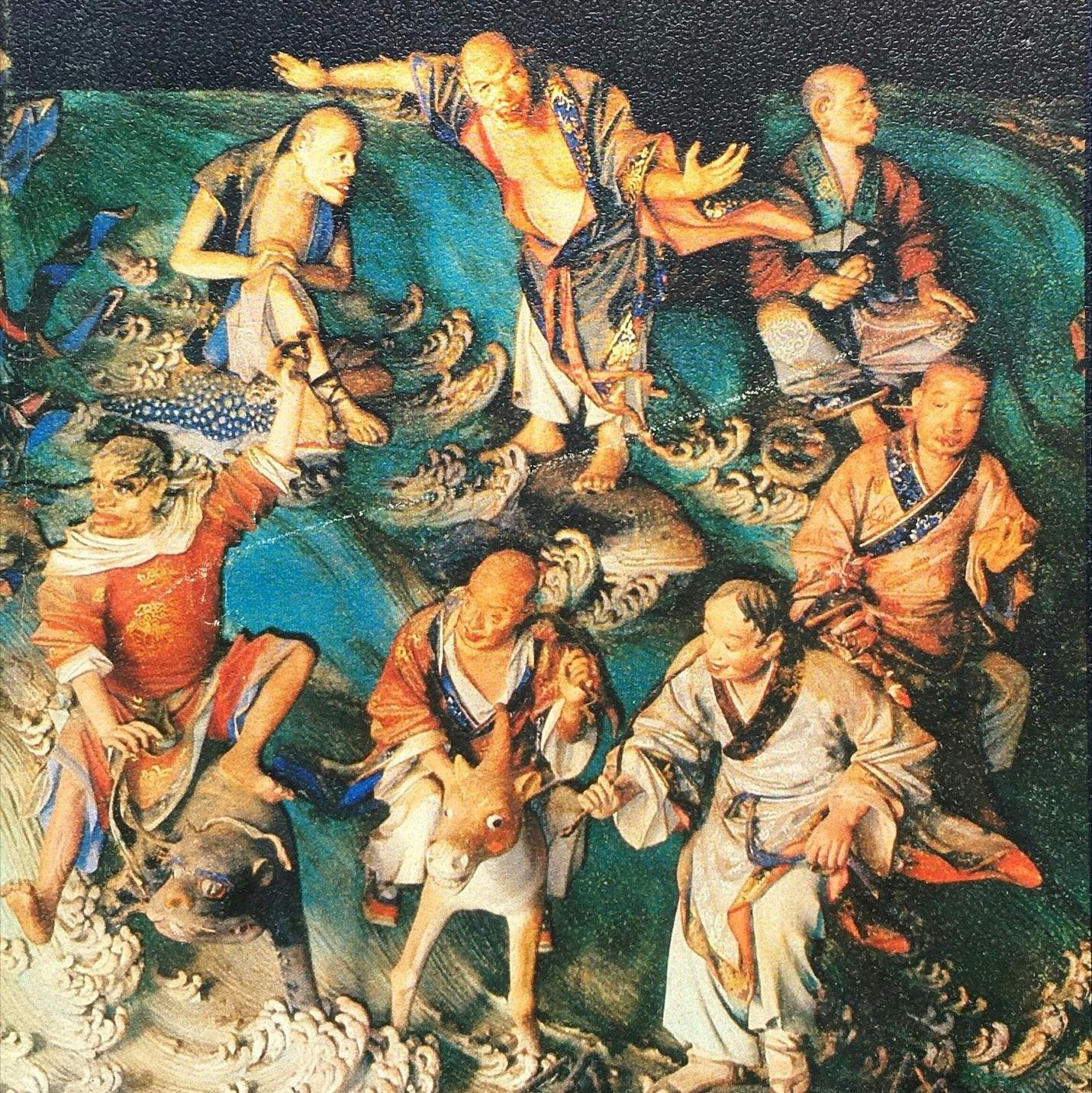
bonusSurfing and China are two words I didn't think you could put together in the same sentence. It turns out not only is there a rather large surfing scene in China, there's also a history that dates back to the Song Dynasty. Italian Nik Zanella first came to China in 1993 and is now based in Surfer's Paradise of Western Hainan. He came out with a book several years ago called "Children of the Tide" (弄潮儿). Though the lion's share of China's surfing history is limited to the tidal bore of the Qiantang River, it's still a rather interesting and amusing story. Thanks to Mr. Nik Zanella for taking the time to appear on the CHP. Learn more about your ad choices. Visit megaphone.fm/adchoices
Ep. 317 | The History of Taiwan (Part 8)
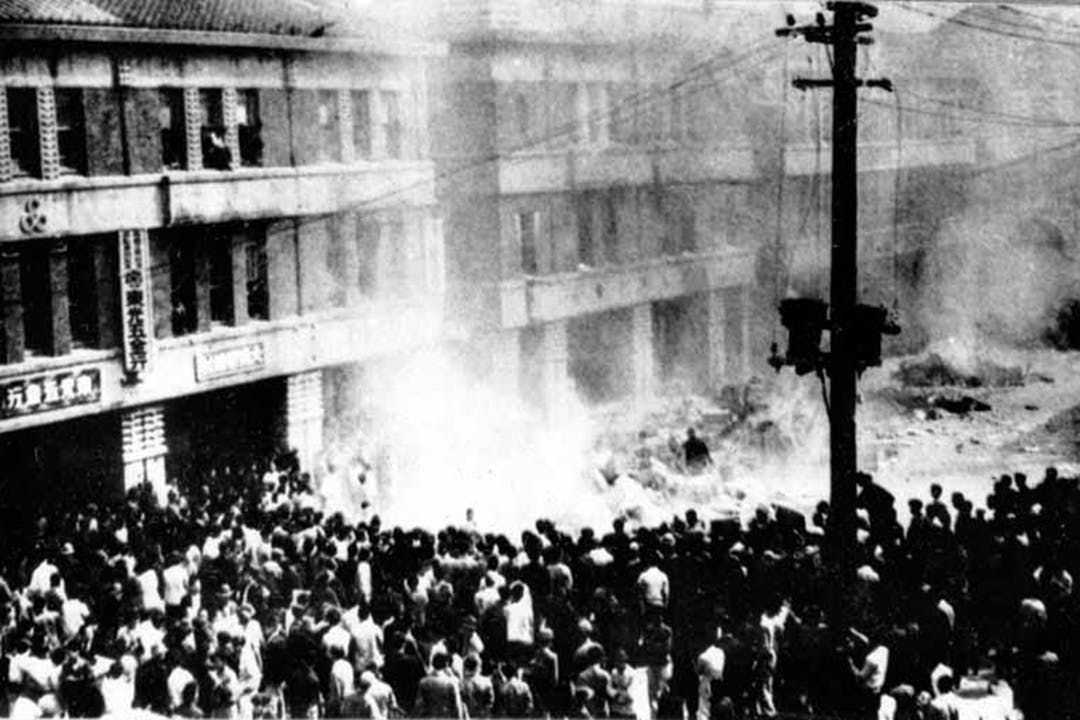
This Part 8 episode of the History of Taiwan series runs a little longer than usual. About 50 minutes. This time we'll look at the period immediately following the handover of sovereignty in 1945. Needless to say, things didn't go so smoothly and the tone was set for the next several decades on Taiwan. The smash-and-grab events following Retrocession and the infamous 228 Incident are discussed in this episode. It's going to be a long hard slog from here on out. Wishing you all a great rest of the year and a Fab 2023. Learn more about your ad choices. Visit megaphone.fm/adchoices
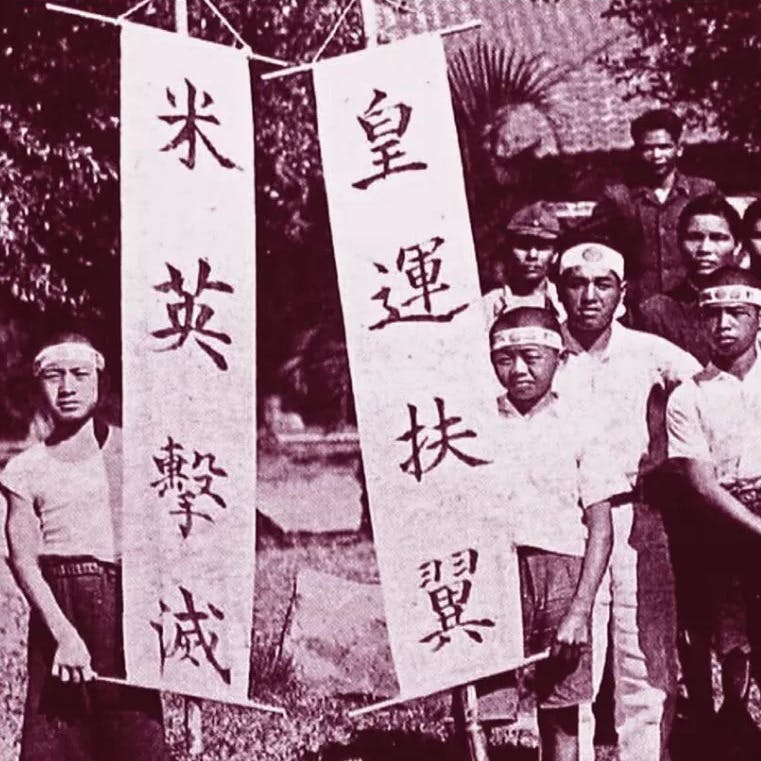
Ep. 316 | The History of Taiwan (Part 7)
Taiwan's history continues into the 1930s during the period of Japanese rule. We pick up where we left off last time in 1930. In Part 7 we'll take the history all the way to the end of WWII and the defeat of Japan. We'll look at several of the events of the 1930s such as The Taiwan Exposition, the Kōminka Movement, Taiwan's role in the war, and what happened when it was all over. Learn more about your ad choices. Visit megaphone.fm/adchoices
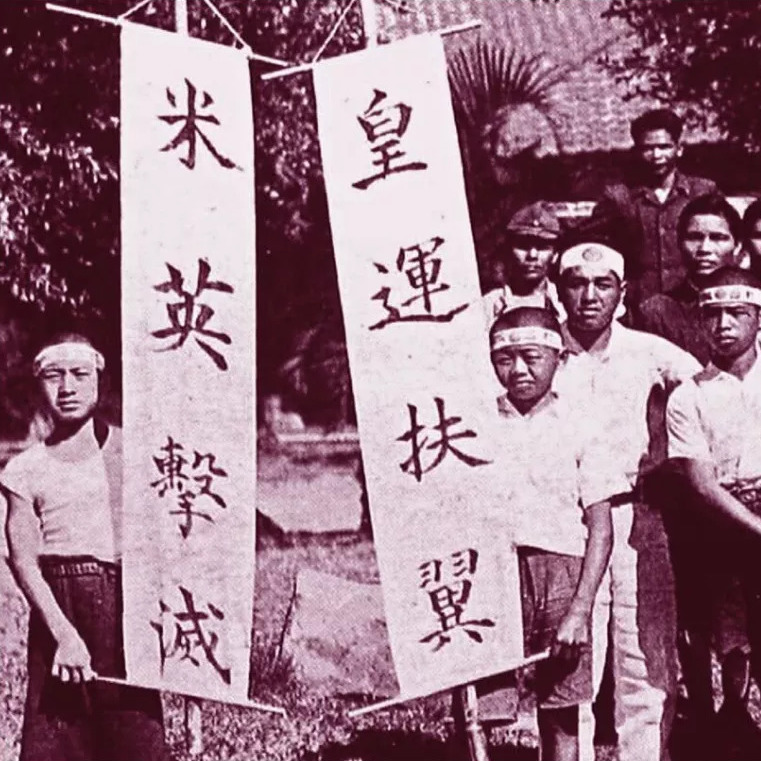
Ep. 315 | The History of Taiwan (Part 6)
The History of Taiwan continues with the Japanese colonial period during the 1920s. Despite all the transformational things the Japanese were carrying out on the island, not everyone was signing up for allegiance to the emperor. The Beipu Uprising, the 2nd Truku War, Ta-Pa-Ni Incident, and the horrific Musha Incident were all evidence of anti-Japanese resistance and retribution. We also look at Jiang Weishui and Lin Xiantang, two important figures in the movement to establish a Taiwanese Parliament. No one was trying to kick out the Japanese. By the 1920s they began to ask for more representation in government affairs in Taiwan. This was going to be a long struggle. Learn more about your ad choices. Visit megaphone.fm/adchoices

The Great Wall, Featuring William Lindesay
bonusLaszlo had the honor and pleasure to welcome Mr. William Lindesay onto the CHP to discuss The Great Wall, a topic he is most eminently qualified to speak about. Sit back and enjoy this very informative and entertaining episode introducing the history and lore behind The Great Wall. A special thanks to William for his time and for sharing his Great Wall experiences over the past 35 years. We're planning to have William and his two sons Tommy and Jimmy back on the show soon to talk about more Great Wall history. Enjoy! William Lindesay's Amazon Page https://www.amazon.com/William-Lindesay/e/B00XFI60OY/ref=dp_byline_cont_pop_ebooks_1 The Lindesay Brothers YouTube Channel https://www.youtube.com/@thelindesaybrothers7331 Learn more about your ad choices. Visit megaphone.fm/adchoices
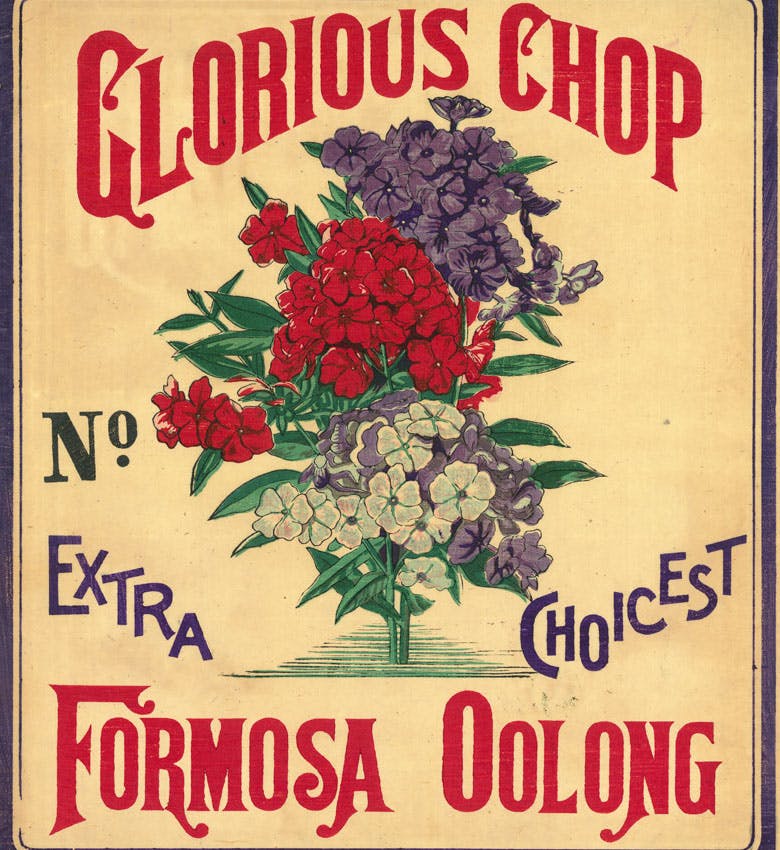
Ep. 314 | The History of Taiwan (Part 5)
More Taiwan history for you in Part 5. This time we only get as far as the first decade of the Japanese colonial period. Quite a bit of exciting and little-known stuff went down in Taiwan between the Treaty of Shimonoseki and the moment the Japanese tamped down major resistance, seized control, and got to photograph themselves under a "Mission Accomplished" banner. The first years were characterized by acts of defiance against the Japanese takeover. We'll also examine "Asia's first republic" and those five months from 1895. We also harken back to an old History of Tea episode to look at Li Chunsheng and John Dodd's contribution to launching Taiwan's tea industry. All of this and more for you in Part 5. I hope you enjoy it and I look forward to your emails and comments. Learn more about your ad choices. Visit megaphone.fm/adchoices
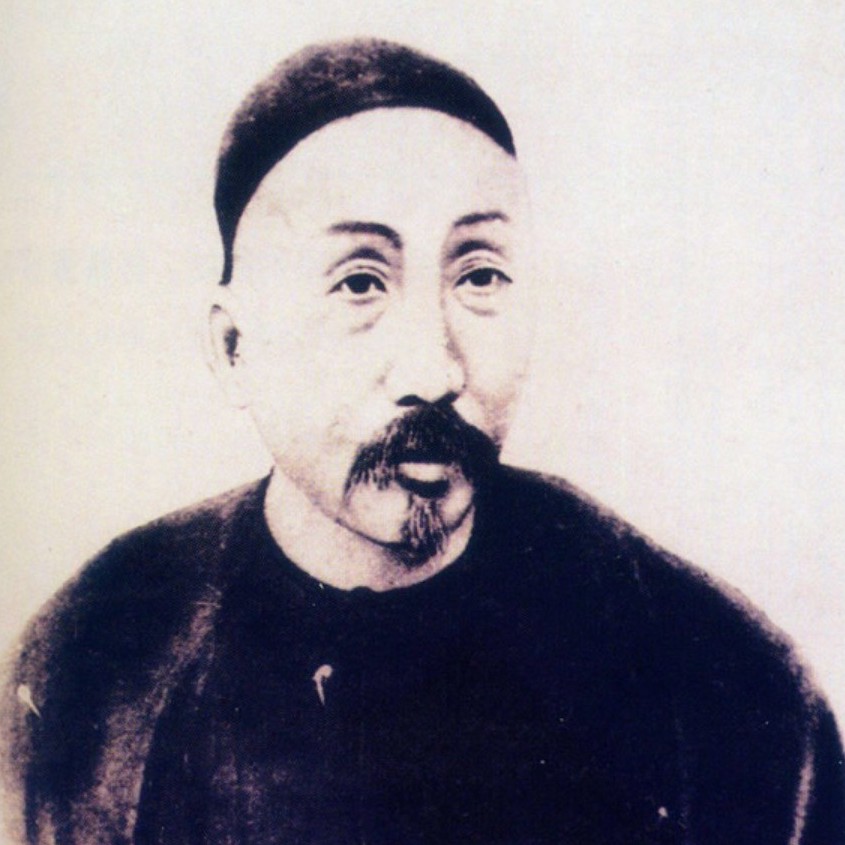
Ep. 313 | The History of Taiwan (Part 4)
The history of Taiwan continues during the difficult decades of the Qing Dynasty. With Shi Lang's defeat of the Dongning Kingdom in 1683, Taiwan finally became part of China. But times were anything but peaceful on the island. The outcome of the Opium Wars had opened up treaty ports on Taiwan. Foreign trade ramped up quickly bringing with it all the positive and negative influences it had on the host country. The Manchu Qing authorities tried like crazy to establish control over the island. But with the indigenous people and the inaccessible mountainous parts of the island, they were never able to assert their authority beyond the west coast cities. A number of bloody incidents go down when foreign ships find themselves shipwrecked off the Taiwan coast. Finally, a hero arises who is able to begin to institute reforms. Liu Mingchuan first fought the French in the Sino-French War and then became the first governor of Taiwan...but not for long. We'll close with the Treaty of Shimonoseki which leads to a sharp turn of events on the Ilha Formosa. Learn more about your ad choices. Visit megaphone.fm/adchoices
Ep. 312 | The History of Taiwan (Part 3)
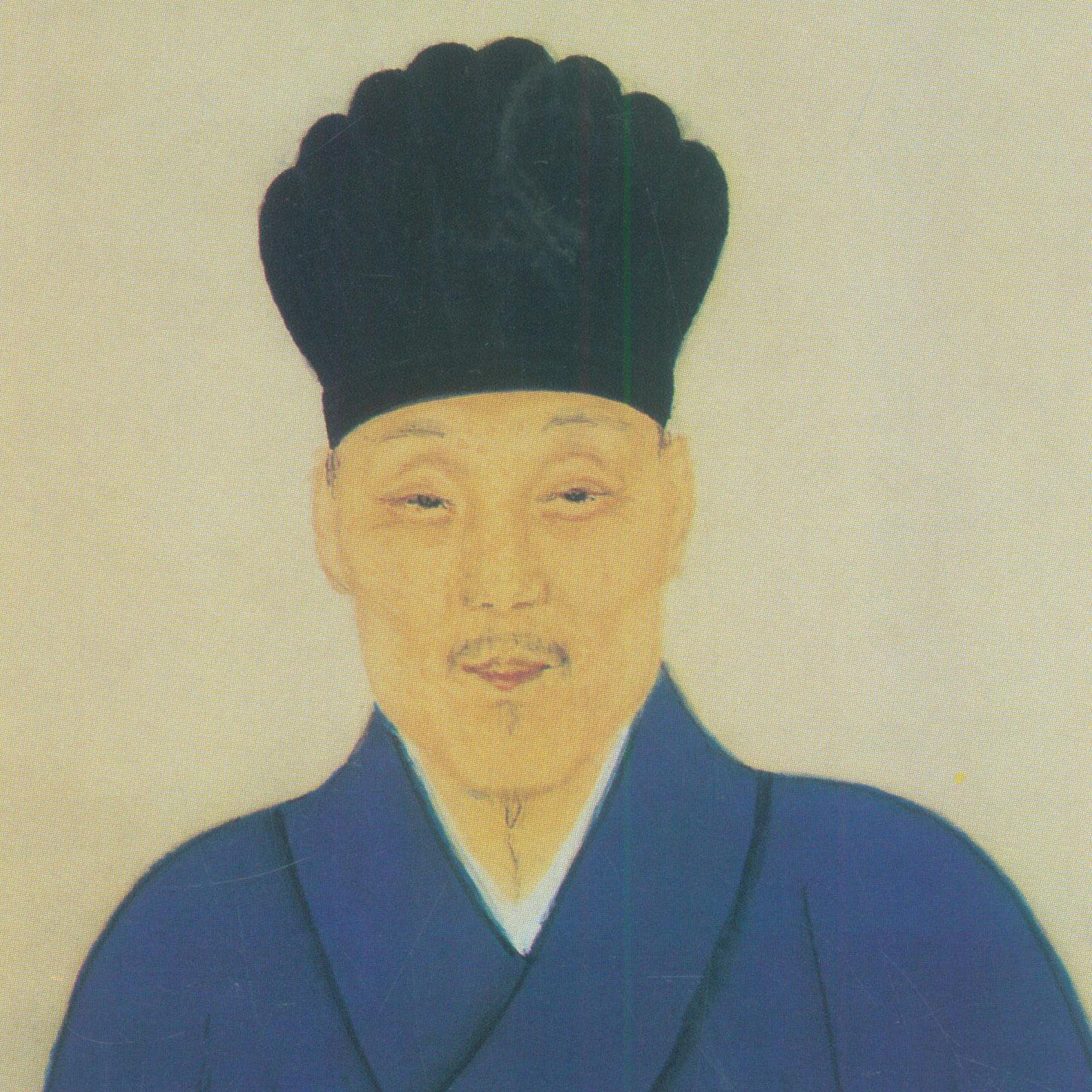
In this Part 3 episode, we look at Shi Lang and his victory over Zheng Jing, Liu Guoxian, and the Dongning Kingdom. When it was all over in 1683, for the first time in history, Taiwan fell under China rule. Now the Manchus needed to figure out what to do with this prize. Corrupt officials and heavy-handed governing methods contributed to the endless uprisings and rebellions witnessed on the island throughout the 18th century. The Qianlong Emperor will have his hands full trying to keep things peaceful in Taiwan. We close with the ultra-violence meted out during the Lin Shuangwen Rebellion of 1787-1788. Learn more about your ad choices. Visit megaphone.fm/adchoices
Anna May Wong Honored
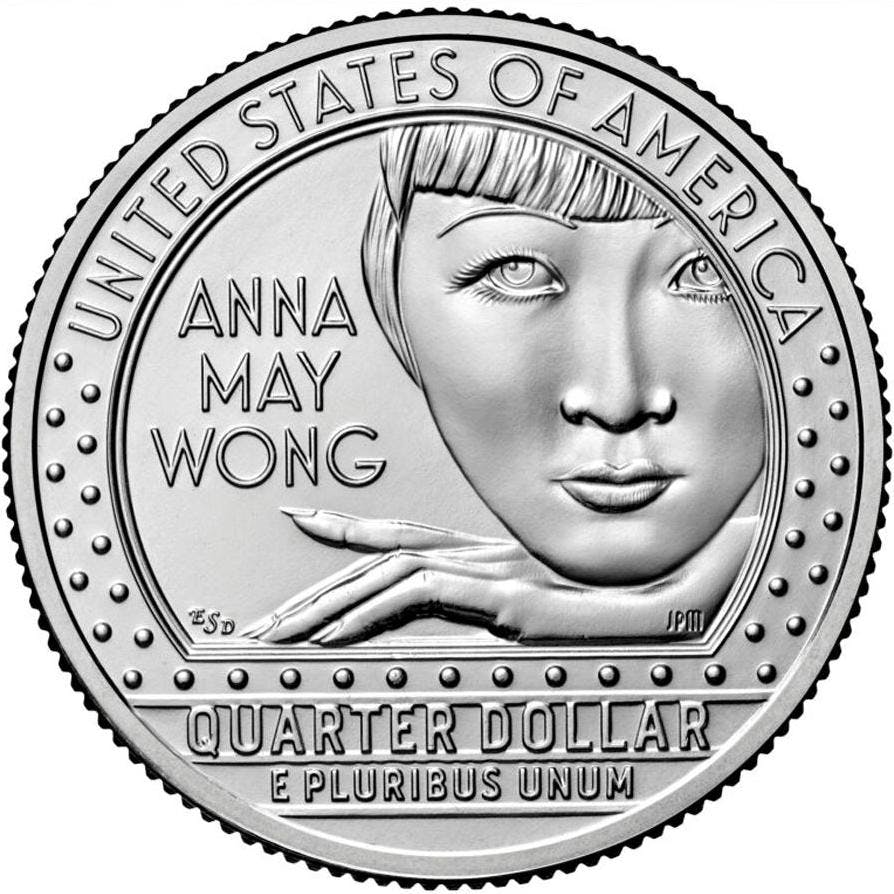
bonusThe new Anna May Wong quarters are here, issued by The US Mint as part of a set honoring five women achievers and trailblazers: writer and civil right activist Maya Angelou, Astronaut Sally Ride, Native American activist, and former Cherokee Nation Chief Wilma Mankiller, suffragist, educator, and politician Nina Otero-Warren. And for the fifth coin, the US Mint selected none other than movie star, entertainer, activist, and fashion icon Anna May Wong, one of the women featured in this CHP-159 episode that looks at Chinese American Stars and Entertainers of Old Hollywood. CHP-159 remains one of my personal all-time favorite CHP episodes. I put that one out back in 2015, complete with much less than optimal audio. I cleaned it up a little and added an intro. And today, in recognition of the release of this new coin, I'm bringing back this episode for anyone who missed it. Learn more about your ad choices. Visit megaphone.fm/adchoices
Ep. 311 | The History of Taiwan (Part 2)
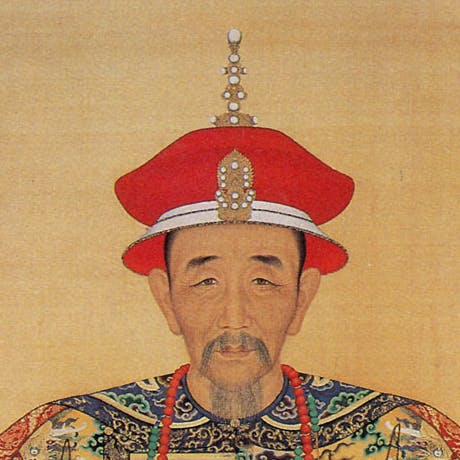
In this Part 2 episode, we will look at Dutch and Spanish Formosa and the history of these two would-be colonizers of Taiwan. The Dutch were the first to try and make a serious go at colonizing Taiwan. Zheng Zhilong and his famous son Zheng Chenggong will also be covered in this episode. Zheng Chenggong, better known in the West as Koxinga, is probably the most well-known person in Taiwan's history. He was responsible for removing the Dutch from Taiwan and opening the floodgates to the migration of thousands upon thousands of settlers from the Mainland. He also established the Dongning Kingdom on the island. Taiwan is still not yet part of China. But after Shi Lang is introduced in the next episode, that all changes. Learn more about your ad choices. Visit megaphone.fm/adchoices
Discussing the Silk Road and Central Asia With William Han
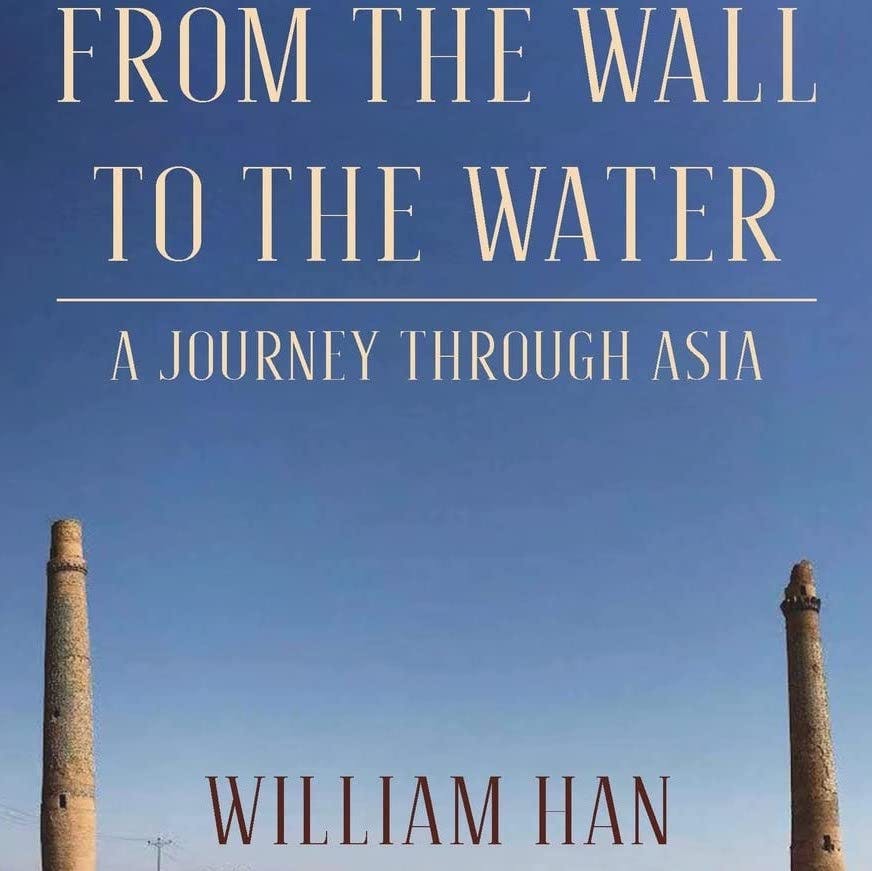
bonusSeveral years ago William Han set out from Xinjiang, following in the footsteps of Gan Ying who was tasked, in 97 AD, to seek out and establish relations with Da Qin (Rome). All the sights and experiences are detailed in William's new book, "From the Wall to the Water". It was quite an eye-opening journey from the end of the Great Wall to the Persian Gulf. Laszlo also discusses William's The Master of Demon Gorge Podcast (MODG) and the joys of China history podcasting. https://www.amazon.com/gp/product/B0B7GVCH9T/ref=dbs_a_def_rwt_hsch_vapi_tkin_p1_i0 https://open.spotify.com/show/7MOqCZgmT3JONI5JLxWnGW https://podcasts.apple.com/gb/podcast/the-master-of-demon-gorge-a-chinese-history-podcast/id1569122446 Learn more about your ad choices. Visit megaphone.fm/adchoices
Ep. 310 | The History of Taiwan (Part 1)
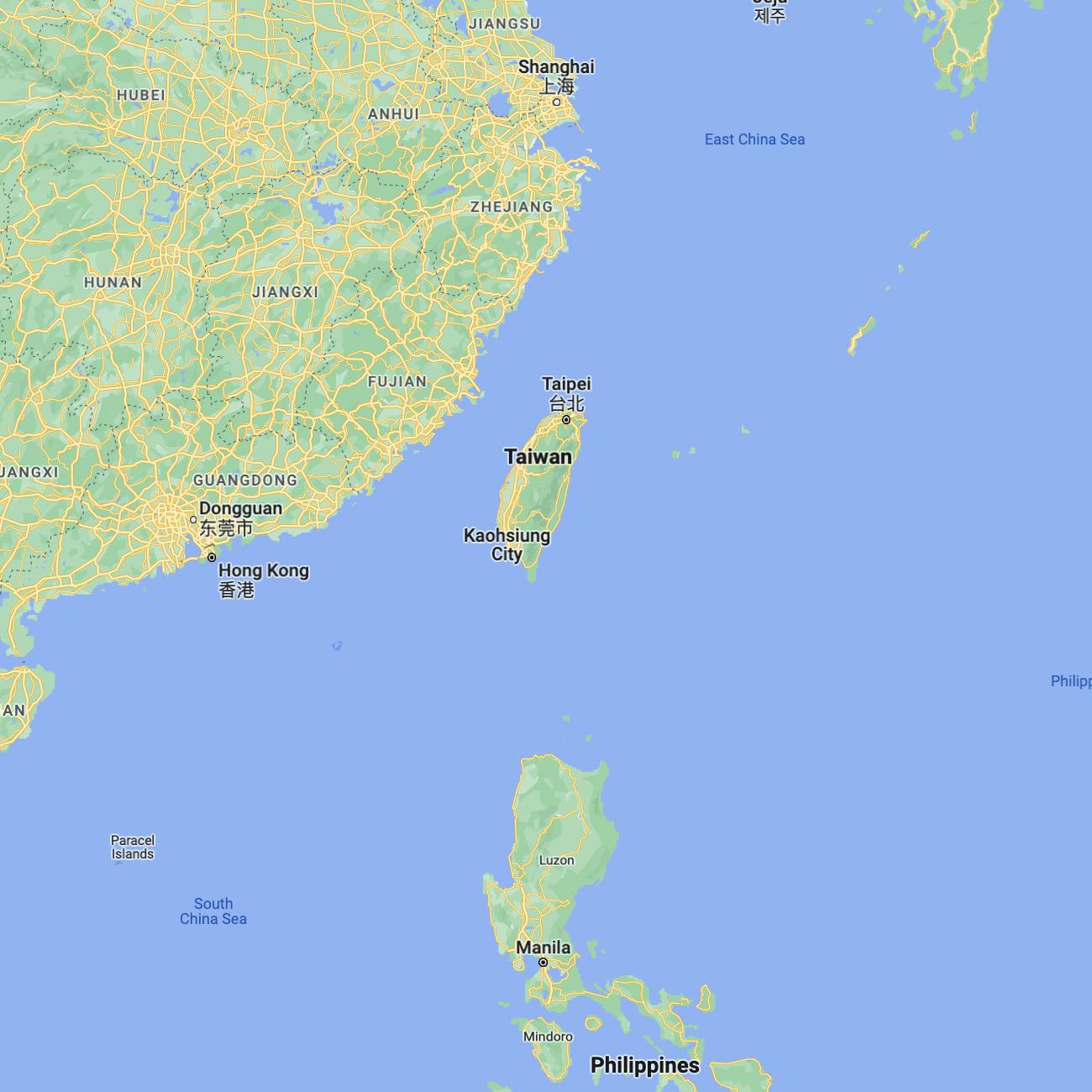
No topic gets requested more than the history of Taiwan. In this first of a multi-part series, Laszlo looks at the geologic formation of the island and Taiwan's prehistoric past. How the indigenous Austronesian people of Taiwan migrated throughout the South Pacific, the South China Sea, and beyond is also introduced. Several encounters between native people living in Taiwan and visitors from Fujian took place during the Three Kingdoms era and in subsequent dynasties. This will also be looked at. Part 1 will take the story up to the Ming Dynasty. List of Chinese Terms Used: https://static1.squarespace.com/static/5fe269ae0da18965edaec1f9/t/6339c470295e81329a5dadcc/1664730225179/CHP-310+Terms+-+PDF+%281%29.pdf Learn more about your ad choices. Visit megaphone.fm/adchoices

Ep. 309 | Drs. Ida Kahn and Mary Stone
Don't let their names fool you. Ida Kahn was born Kang Aide and Mary Stone, Shi Meiyu. Born into a Methodist Episcopal community in the Treaty Port city of Jiujiang in Jiangxi Province, these two women became pioneers in introducing Western medicine to the women of Jiangxi province. And as role models for other women across China in the early 20th century, they inspired generations of women to become doctors, nurses, and other medical professionals. Learn more about your ad choices. Visit megaphone.fm/adchoices
Cats in Chinese History and Literature with Dr. Lee Moore
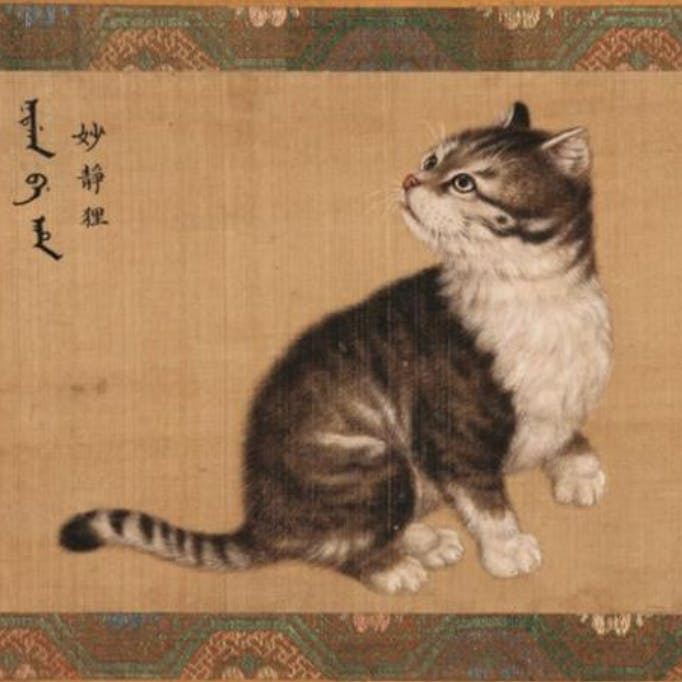
bonusFor any and all cat lovers worldwide, here's a special episode for you. Fellow cat lover (ailurophile) Lee Moore of the Chinese Literature Podcast joins Laszlo for this CHP Special Episode where they chat about cats in Chinese history and offer up a few interesting anecdotes and stories. They both recite a selection of cat poems from the Song and Ming dynasties and go all out to discuss their favorite animal. Learn more about your ad choices. Visit megaphone.fm/adchoices
Ep. 308 | The History of Guangzhou (Part 6)
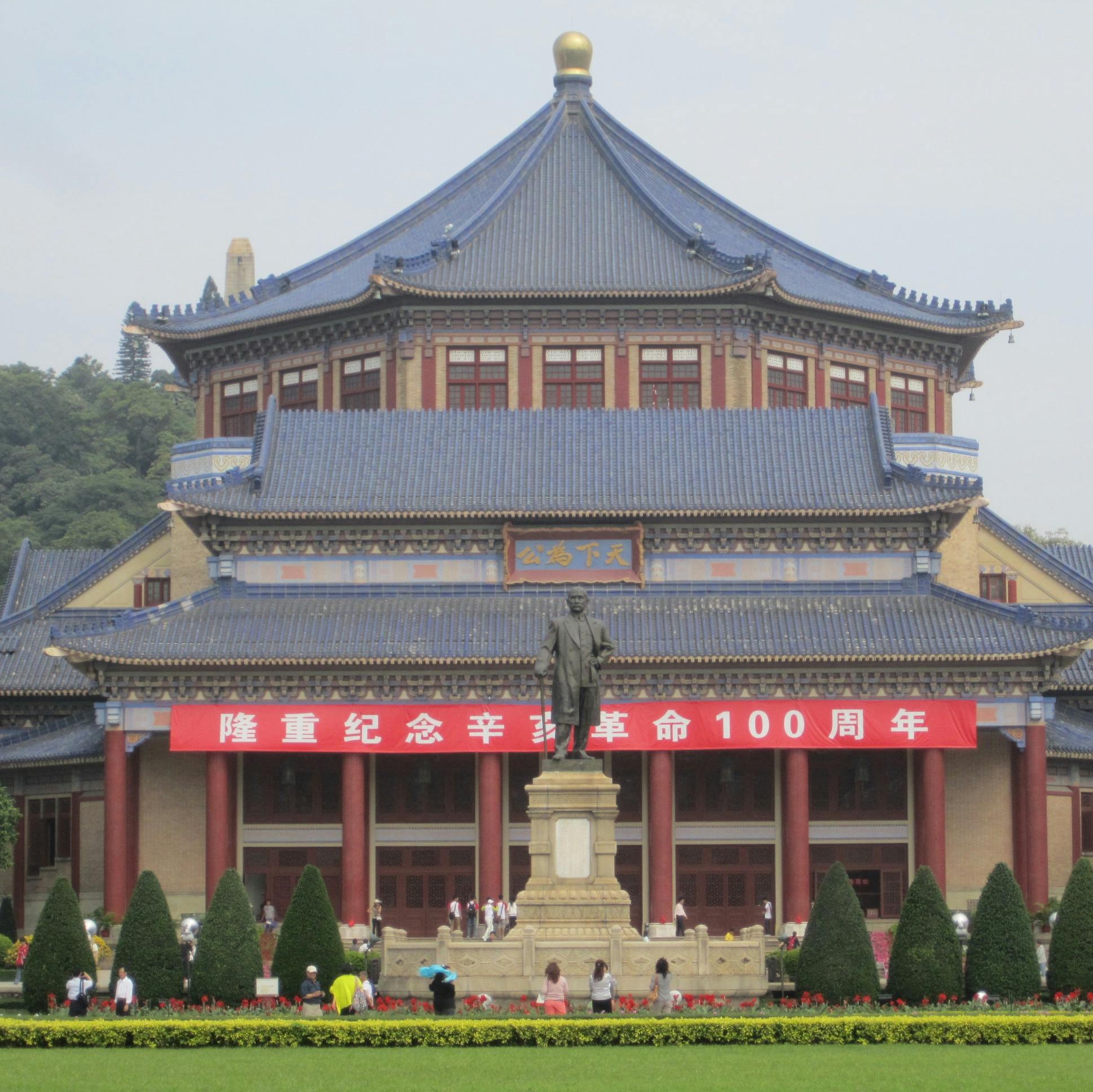
In this final sixth episode of the History of Guangzhou series, the events of the Nanjing Decade and the city's role as a bastion of anti-Chiang Kai-shek factions will be discussed. Then we'll wind things down with a rush to the finish, reviewing the Japanese occupation, the fall of Guangzhou to the Communists, and finally take a quick look at the Special Economic Zones that helped to transform Guangzhou and the entire Pear River Delta Region. Learn more about your ad choices. Visit megaphone.fm/adchoices
Qing Dynasty Era Snuff Bottles With Andrew Singer
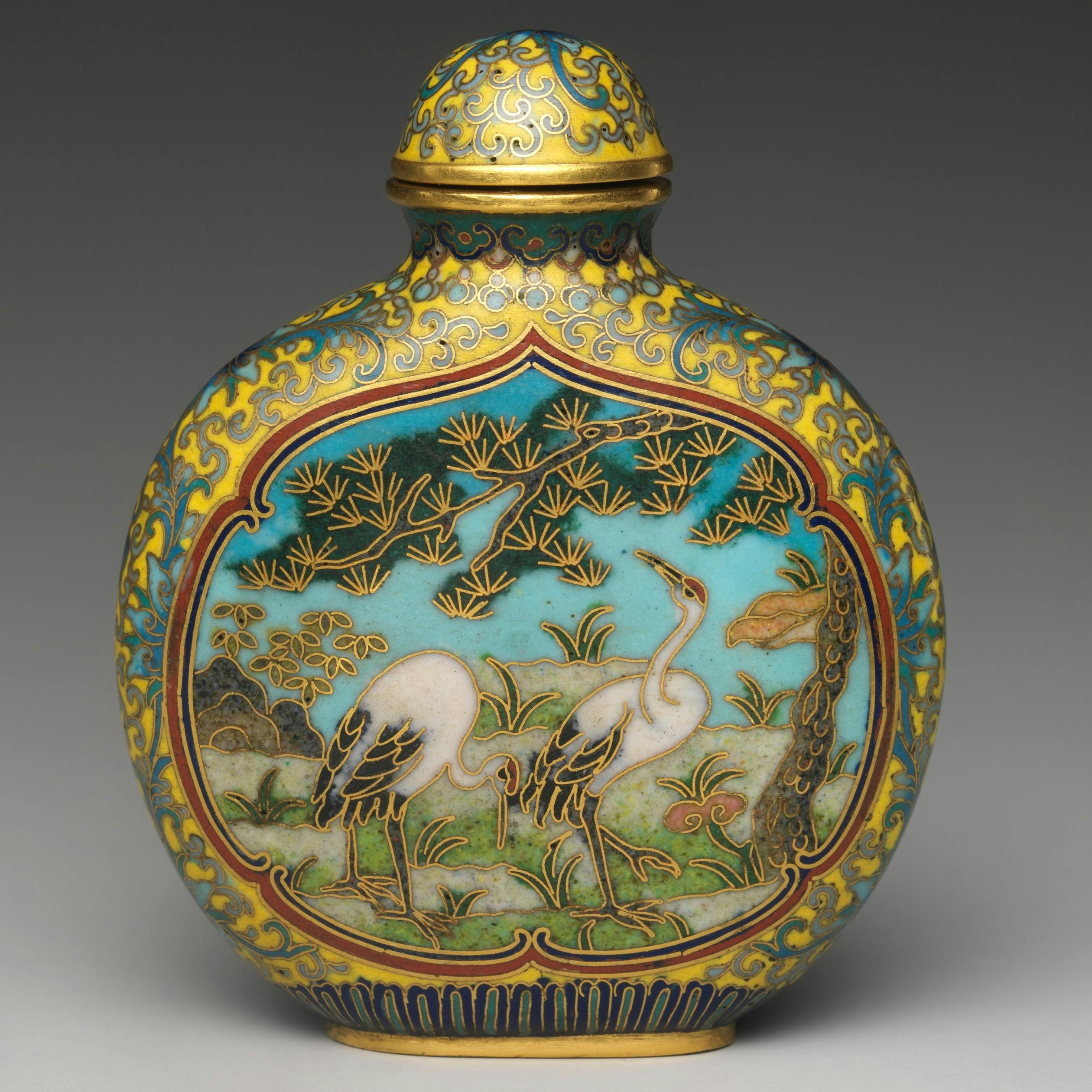
bonusMost of us have never tried old-fashioned snuff as they did back in the 17th to 19th centuries. But we've all heard of it. I invited Mr. Andrew Singer onto the CHP to satiate the curiosity of anyone wishing to know more about it and these gorgeous little bottles. Snuff bottles were extremely popular with the nobles and aristocrats of the Qing Dynasty. And a number of emperors too engaged in this pastime. Though snuff itself is not so popular today, the snuff bottles that came out of this period became an obsession of passionate collectors the world over. Join Andrew Singer and me in a discussion about the snuff and snuff bottle culture during the Qing Dynasty. Learn more about your ad choices. Visit megaphone.fm/adchoices