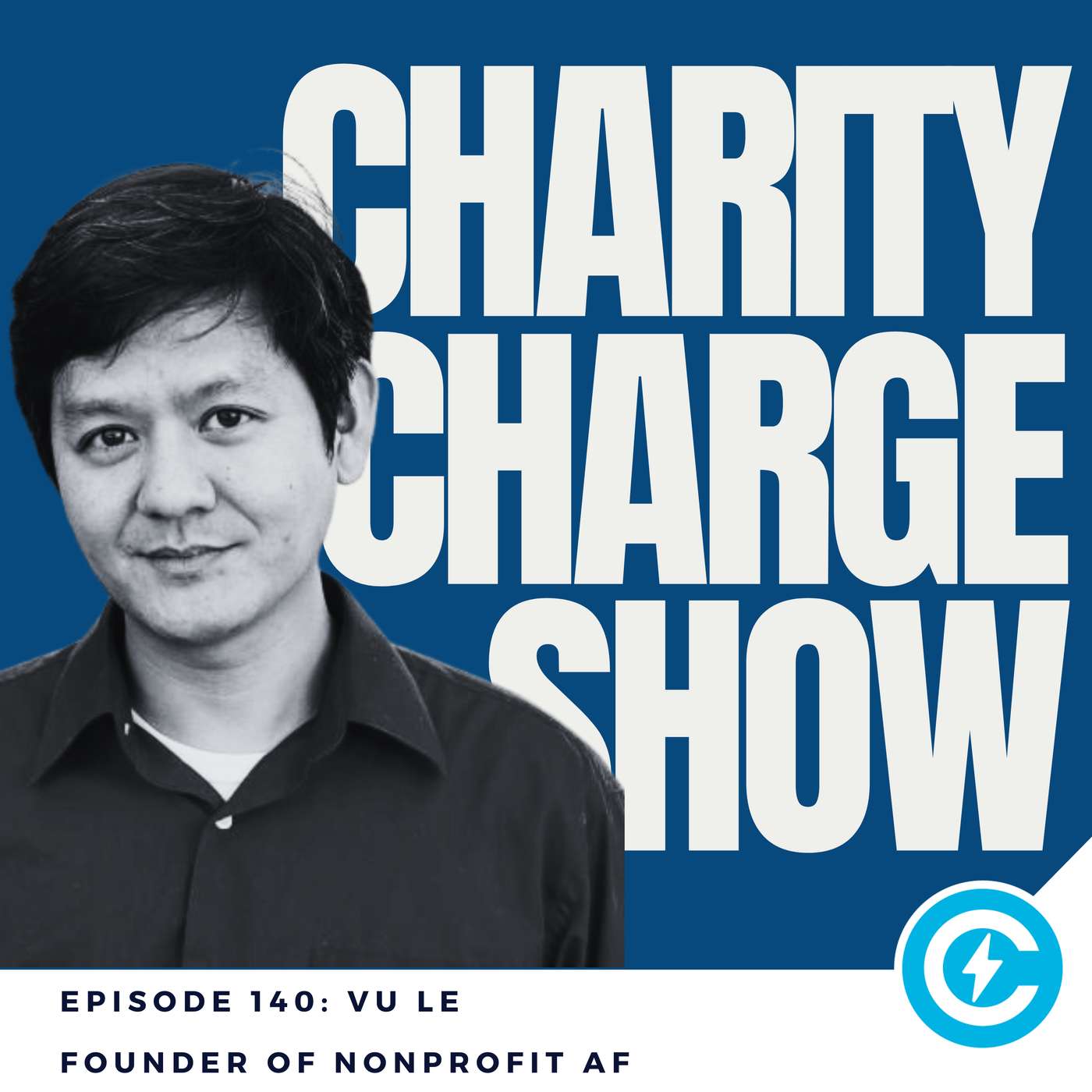
Vu Le (Nonprofit AF): Nonprofits and Funders, The Half-Truth Problem
The Charity Charge Show - Nonprofit Podcast
Audio is streamed directly from the publisher (media.transistor.fm) as published in their RSS feed. Play Podcasts does not host this file. Rights-holders can request removal through the copyright & takedown page.
Show Notes
Vu Le, founder of Nonprofit AF, joins Stephen Garten to talk about a problem many nonprofit leaders quietly live with: we are trained to tell funders half-truths because we fear losing funding. Vu breaks down how risk-averse philanthropy, obsession with overhead, and competitive grantmaking push nonprofits into scarcity and performance instead of honesty and impact.
The conversation makes the case for better communication, collective organizing, and specific reforms like multi-year, general operating support and funder pledges. It also tackles boards, donor dynamics, and why the sector needs bigger imagination and bigger asks.
What you will learn
- Why nonprofits often feel forced to “sound fine” to funders even when things are not fine
- How risk aversion and overhead fixation distort how nonprofits operate
- Why collective action, open letters, and naming bad behavior can move funders
- The case for multi-year funding and general operating support
- Why nonprofit boards are frequently ineffective and how governance could be reimagined
- How wealth and power dynamics shape fundraising, especially for orgs led by marginalized communities
Key takeaways
- Nonprofits often tell funders half-truths because the power imbalance is real.
- Many funders are risk-averse and unintentionally punish honesty.
- Better communication is necessary, but collective organizing is stronger than going it alone.
- Multi-year funding and general operating support are the practical fixes that matter most.
- “Crappy funding practices” waste nonprofit time and should be called out.
- Boards can be effective, useless, or mission-destructive. Too many fall into the last two categories.
- The sector needs bigger imagination and bigger asks, not tiny grants with giant expectations.