The Catholic Leadership Puzzle Podcast
58 episodes — Page 1 of 2
The Power of Hospitality: Insights from Richard McCorry
Christian Leadership Insights with Shawn Sommerkamp
Solving the Parish Puzzle Zoom Q&A
"Building Parish Vitality from the Ground Up" --1:1 Patrick Neve, Author, Podcaster, Theologian
SPP Book Resources and Mark Your Calendars!
So, this happened overnight....the book actually went to #1!
#2 in Amazon New Releases! THANK YOU!
The Story Behind the Book
Book Launch is Today!
Day 9--Novena to Saint Anselm of Canterbury
Book Launch Happening on Tuesday!
Day 8--Novena to Saint Anselm of Canterbury
Day 7--Novena to Saint Anselm of Canterbury
Day 6--Novena to Saint Anselm of Canterbury
Day 5--Novena to Saint Anselm of Canterbury
Day 4--Novena to Saint Anselm of Canterbury
Day 3--Novena to Saint Anselm of Canterbury
Day 2--Novena to Saint Anselm of Canterbury
Day 1--Novena to Saint Anselm of Canterbury
St. Anselm of Canterbury Novena Day 1 PrayersO my God, teach my heart where and how to seek You, where and how to find You. You are my God and You are my all and I have never seen You. You have made me and remade me, You have bestowed on me all the good things I possess, Still I do not know You. I have not yet done that for which I was made. Teach me to seek You. I cannot seek You unless You teach me or find You unless You show Yourself to me. Let me seek You in my desire, let me desire You in my seeking. Let me find You by loving You, let me love You when I find You. Amen St. Anselm of Canterbury, pray for usAmen.(Mention your request here…)Say 1: Our Father… Say 1: Hail Mary… Say 1: Glory Be…Day 1 Reflection Intention—”Teach Me to Seek You, Lord”Historical note: Saint Anselm opens many prayers by asking God to teach him how to pray.Reflection (aligned prayer line: “Teach my heart where and how to seek You”):The novena begins not with answers, but with a plea to be taught how to seek. St. Anselm of Canterbury knew that prayer itself is learned through grace. We often rush toward solutions, yet this prayer slows us down, asking God to form our desire before satisfying it. To seek God rightly is already to be guided by Him. Anselm’s prayer reminds us that longing for God is not self-generated—it is invited by God Himself. Even imperfect prayer is precious when offered sincerely. When we ask God to teach us how to seek, we surrender pride and accept dependence. This is the foundation of genuine faith.Prayer:Teach my heart, O God, to seek You with humility and trust. Amen. This is a public episode. If you'd like to discuss this with other subscribers or get access to bonus episodes, visit thecatholicleadershippuzzle.substack.com/subscribe
Novena to Saint Anselm of Canterbury begins tomorrow!
My new book, Solving the Parish Puzzle: One Person, One Disciple, One Leader at a Time, is being released on Tuesday, April 21st—the feast of Saint Anselm of Centerbury.Therefore, I will be leading a novena to Saint Anselm to ask for his intercession that hearts and minds be open to the message of the book, and also that any success of the book bring about God’s glory and raises up many holy men and women to hlep build up the Kingdom of God.In Solving the Parish Puzzle, I offer a clear, practical, and deeply Catholic framework for building healthy, mission‑driven parish communities that truly save souls, make saints, and transform the world. Drawing from decades of my ministry experience, leadership formation, and evangelization, I present twelve essential leadership principles—the “puzzle pieces” every thriving parish must have in place.This book moves beyond theory to provide a repeatable, relational, and prayer‑rooted approach to leadership and discipleship. Readers will discover how evangelization, holistic formation, hospitality, communication, collaboration, and intentional leadership work together to create a sustainable community of communities—where people are known by name, accompanied with care, and empowered to live their baptismal call.Written for clergy, parish staff, ministry leaders, and engaged lay disciples, Solving the Puzzle challenges readers to rediscover their “why,” focus on what truly matters, and take concrete steps toward renewal—one person at a time.This is not another program. It’s a way forward.Some Background on Saint Anselm of CanterburySt. Anselm of Canterbury was a monk who lived in Italy and England in the 1000s and 1100s. He was a member of the Benedictine religious order. He also became the Archbishop of Canterbury and a Doctor of the Church.St. Anselm of Canterbury did a lot of important work for the Church and devoted his life to seeking truth, understanding God’s mysteries, and guiding souls toward holiness. His legacy continues to inspire believers around the world to pursue faith with both heart and mind.Each day offers a unique prayer theme inspired by the virtues of Saint Anselm—wisdom, humility, perseverance, and trust in God. As you pray, you will discover how these timeless spiritual truths can transform your life today.About St. Anselm of CanterburySt. Anselm was born around the year 1033 in Italy. His mother was a devout Catholic, though his father did not help influence him toward holiness. Anselm’s mother chose to send Anselm to a school run by Benedictine monks.During his time at the Benedictine school, Anselm began to feel called to pursue a religious vocation. This was influenced by a dream he had in which he talked to God. When Anselm was fifteen years old, he expressed his desire to become a monk. But his father refused to allow him to do so.Anselm’s mother died around this time. Anselm then contracted a severe illness. Once he recovered, he decided to leave his father’s house. He traveled throughout Italy and France for about three years.When Anselm traveled to Normandy, he met Blessed Lanfranc, who was a Benedictine prior. Anselm’s life regained a sense of purpose when he became Lanfranc’s disciple. Lanfranc recognized Anselm’s vocation and spiritual gifts.When Anselm was twenty-seven years old, he became a Benedictine and was ordained to the priesthood. In 1063, he became prior of the monastery. In 1079, he became abbot of another monastery.Because the Normans had recently conquered England, monks from Normandy went to England to help form the Church in England. So Lanfranc became Archbishop of Canterbury. He soon asked Anselm to join and assist him there.In the late 1080s, Lanfranc died. A period of turmoil for the Church in England followed. Anselm returned to his monastery in Normandy. In 1092, he agreed to return to England even though the current king was not friendly to the Church. But the king agreed to allow Anselm to be appointed as Archbishop of Canterbury.Anselm knew that this would lead to conflict between him and the English government, but he accepted the position anyway. As archbishop, Anselm insisted on the Church’s right to govern itself. The government attempted to claim the Church’s property and to rule over the Church. This conflict led to Anselm being exiled for three years. In 1106, he was restored to his archdiocese.For the rest of Anselm’s life, he carried out his motto: “Faith seeking understanding.” He pursued many theological investigations and wrote many significant works. He is considered by many to be the “Father of Scholasticism.” He did a lot of important work in both theology and philosophy.Anselm died in 1109. Pope Clement XI declared him a Doctor of the Church in 1720.The Catholic Leadership Puzzle is a reader-supported publication. To receive new posts and support this work, please consider becoming a free or paid subscriber. This is a public episode. If you'd like to discuss this with other subscribers or get acc
Staying on Mission During Change
Staying on Mission is a challenge regardless of circumstance, but even more so in the midst of personnel changes.Life happens in the midst of ministry efforts, and the time will come when vital members of our team have to leave due to a variety of reasons—spouse job relocation, the need to care for an aging parent, or sadly, due to the unexpected death of a loved one. In the midst of that change, it is vitally important to engage with the situation with compassion, clarity and courage so as to not only help your community be able to stay on mission, but to ensure the transition is as easy as it can be for everyone involved. Watch now to hear the specifics of how to engage with compassion, clarity and courage so that each member of your team, current or past, is cared for holistically and in a way that enables the community to not falter in its mission to save souls, makes saints and transform the world! This is a public episode. If you'd like to discuss this with other subscribers or get access to bonus episodes, visit thecatholicleadershippuzzle.substack.com/subscribe
Transitions Happening?
In this latest addition to The Catholic Leadership Puzzle, Christina speaks about the importance of roles and responsibilities for helping teams function effectively and efficiently, the value of prayer and how to overcome FUD (Fear, Uncertainty & Doubt) in the midst of any transitions that may be happening. Watch now to gain some insights into how to negotiate transitions, ensure that each member of your team is being best utilized according to their gifts and talents, and negotiating FUD during times of transition. This is a public episode. If you'd like to discuss this with other subscribers or get access to bonus episodes, visit thecatholicleadershippuzzle.substack.com/subscribe

The Leadership Puzzle Ministry Cycle
This latest conversation on The Catholic Leadership Puzzle dives into a practical exploration of how you might integrate all the Leadership Puzzle pieces into your ministry annual events and activities cycle. Any ministry cycle contains the core components of evangelization, holistic formation, leadership accompaniment, assessment and strategic planning, and are integrated and supported by continuous prayer. These core components express themselves in the ministry activities and events throughout the year. Optimally, these ministry activities and events are occuring within the liturgical cycle of the Church so as to enhance the discipleship of both individuals and the Body of Christ as a whole. This is a public episode. If you'd like to discuss this with other subscribers or get access to bonus episodes, visit thecatholicleadershippuzzle.substack.com/subscribe

Goal Setting for the New Year
In this video, Christina shares the importance of being able to set attainable goals and objectives for a new year, both on a personal level and within our ministries. In the video, she shares the “Stop, Start and Continue” process to help you realistically assess your life and/or team and ministry so that you can make this new year your best one yet. The Catholic Leadership Puzzle is a reader-supported publication. To receive new posts and support my work, consider becoming a free or paid subscriber. This is a public episode. If you'd like to discuss this with other subscribers or get access to bonus episodes, visit thecatholicleadershippuzzle.substack.com/subscribe
Helping Others Live an Integrated Life
In this crossover episode of the Say Yes to Holiness podcast, Christina Semmens and Dave Pliskey discuss how one might live an integrated life, and what we can do to help others do the same. This conversation is held in the context of discussion about the ongoing impact of a study on intentional discipleship, the importance of spiritual direction, and the launch of the Religion to Reality webinar series. Dave and I explore the findings of the study, including the barriers to evangelization and the need for community and ongoing formation. Our conversation highlights the significance of integrating faith into daily life and the generational differences in discipleship, emphasizing the need for in-person community engagement—the foundation of what The Catholic Leadership Puzzle is all about.Look forward to hearing your thoughts about this conversation, and how you are looking to apply some of our suggestions within your own work as a ministry leader. This is a public episode. If you'd like to discuss this with other subscribers or get access to bonus episodes, visit thecatholicleadershippuzzle.substack.com/subscribe
Being "On Mission" with Tom Carroll
This 1:1 conversation with Tom Carroll is a crossover post from a conversation that I had with him for the Say Yes to Holiness podcast, but one that is SPOT ON for our discussions here on The Catholic Leadership Puzzle. Thomas W. Carroll is the President and Founder of Catholic Talent Project, and former Superintendent of Schools for the Archdiocese of Boston from 2019-2024. and serves as a Consultor to the USCCB Committee on Education. The Catholic Talent Project is an initiative to cultivate faithful witnesses serving within Catholic schools across America. The process advocated by the Catholic Talent Project is one that grew out of Tom Carroll’s successful experience as Superintendent to bring about Catholic renewal within the schools throughout the Archdiocese, and he is now on a mission to bring that renewal to others through the country. Bottom line, what Tom and I speak about throughout our conversation is the impact leadership can have in the transformation of any culture so the mission of that organization is not only be achieved, but exceeded in ways that might currently be unimaginable. I hope you enjoy this conversation, and that it inspires you to continue your efforts to implement the pieces of the Catholic Leadership Puzzle in your sphere of influence. This is a public episode. If you'd like to discuss this with other subscribers or get access to bonus episodes, visit thecatholicleadershippuzzle.substack.com/subscribe

Revitalizing Parish Life Through Mentorship
In this conversation, Christina Semmens and Angela Sealana discuss the vital role of mentorship within the Catholic community, emphasizing the importance of building authentic relationships and navigating the challenges of communication in a digital age. They explore practical steps for effective mentorship, the need for fostering vocations, and the rewards that come from investing in others. The discussion highlights the call to action for individuals to step out of their comfort zones and engage in meaningful connections that enrich both personal and communal faith journeys.Takeaways* Mentorship is crucial for personal and communal growth.* Building relationships is essential in ministry work.* New media presents both challenges and opportunities for evangelization.* Authentic communication requires more than just sending messages.* Parishes can benefit from structured mentorship programs.* Mentorship should focus on both skills and personal development.* Creating a culture of mentorship can revitalize parish life.* Vocations can be fostered through intentional mentorship.* Engaging with others can lead to unexpected blessings.* Openness and humility are key to effective mentorship.Sound Bites* "It's all about relationship."* "We need to learn how to be human beings again."* "Mentorship is the essence of walking with one."Chapters00:00 Introduction and Background of Angela04:01 The Impact of New Media on Evangelization06:54 Challenges in Catholic Communication Today10:06 The Importance of Relationships in Ministry13:03 Mentorship as a Key to Community Growth16:10 Practical Mentorship Models in Parishes19:02 The Role of Mentorship in Vocational Discernment22:06 Creating a Culture of Mentorship24:59 The Rewards and Challenges of Mentorship28:17 Conclusion and Call to Action35:07 New ChapterTo find out more about Angela and her work, go to: https://inspiredangela.substack.com This is a public episode. If you'd like to discuss this with other subscribers or get access to bonus episodes, visit thecatholicleadershippuzzle.substack.com/subscribe

Using Questions To Help Build Better Communities
In this crossover episode of the Say Yes to Holiness and The Catholic Leadership Puzzle podcasts, I have a conversation with Hans Platt, founder of Vinea Research, discussing his journey of faith, the importance of accurate data in understanding Catholic beliefs, particularly regarding the Eucharist, and the transformative power of faith in personal and professional life. We explore the challenges and rewards of working within the Catholic community and the significance of language in conveying religious truths.Takeaways* Hans Plate's journey from lukewarm Catholicism to a passionate faith.* The impact of Jeff Cavins' scripture teachings on Hans' faith.* Vinea Research aims to provide insights for Catholic organizations.* Language used in surveys can significantly affect belief reporting.* The recent study showed a higher belief in the real presence of Christ in the Eucharist than previously reported.* Accurate data is crucial for understanding and improving faith practices.* The importance of personal connections and invitations in faith development.* Hans emphasizes the need for Catholic organizations to conduct their own research.* The role of spiritual direction in personal growth and faith.* God's timing in one's faith journey is always perfect.Sound Bites"Ignorance of scriptures is ignorance of faith.""Language matters to identify truth.""I feel like I'm doing work that matters."Chapters 00:00 Introduction to Faith and Research 05:14 Journey of Faith and Transformation 10:02 The Role of Vinea Research 14:56 Understanding Belief in the Eucharist 19:52 The Importance of Accurate Data 24:46 Personal Reflections and Challenges 30:01 Advice to the Younger Self 34:51 Conclusion and Resources For more information about Vinea Research, go to: https://www.vinearesearch.com/ This is a public episode. If you'd like to discuss this with other subscribers or get access to bonus episodes, visit thecatholicleadershippuzzle.substack.com/subscribe

Creating Spaces to Speak About Jesus
This conversation was a part of the Say Yes to Holiness podcast, but is also pertinent to those of us here at The Catholic Leadership Puzzle. In this video, Christina has a conversation with Susan Windley-Daoust, Executive Director, of the Mark 5:19 Project. Susan discusses her journey and the launch of the Mark 5:19 project, a nonprofit apostolate aimed at helping parishes become evangelizing communities.Susan emphasizes the importance of prayer and courage in sharing the Gospel and encourages individuals to step out of their comfort zones and engage with others in conversations about faith. She also highlights the need for a culture change in the Church, where evangelization becomes a natural part of our lives and relationships. Finally, she suggests practical steps, such as forming small groups and fostering meaningful conversations within families, to help foster parish renewal.Some takeaways from our conversation were: * Prayer and discernment are essential in the process of parish renewal and evangelization.* Every Catholic, regardless of their role in the Church, can share the Gospel and be a witness to God's love.* Parish renewal requires a culture change, where evangelization becomes a natural part of our lives and relationships.* Creating spaces for meaningful conversations and fostering small groups can help facilitate the sharing of faith.* We need to be willing to step out of our comfort zones and engage with others in conversations about faith and hope.* The purpose of the Mark 5:19 project is to support parishes in their journey towards becoming evangelizing communities.Chapters00:00 Introduction and Susan's Journey08:29 The Genesis of the Mark 519 Project14:16 The Role of the Average Person in Parish Renewal17:04 Creating a Culture of Evangelization22:13 Fostering Meaningful Conversations and Small Groups25:01 Stepping Out of Our Comfort Zones34:27 The Mark 5:19 Project: Supporting Parishes in EvangelizationWould love to hear your thoughts about what Susan shares during our conversation, and also what resolution you decide to make as to what your next step will be in order to go about creating spaces to speak about Jesus. To learn more about the Mark 5:19 Project, go to: https://mark519project.org/ This is a public episode. If you'd like to discuss this with other subscribers or get access to bonus episodes, visit thecatholicleadershippuzzle.substack.com/subscribe
What's Your Reason?
As a new academic year is getting ready to launch, and with it, many new ministry initatives, it’s important to make sure that we are focused upon THE reason that we are doing what we are doing—bringing people closer to Christ.In this latest addition to the CLP conversation, Christina provides some ideas about how we can make sure that we are clear, concise and direct about what our focus is, and how we can invest in others to help them do the same. Want to chat about whether your current efforts will lead to the results you are desiring? Click below to set up a FREE 15 minute coffee chat with Christina to discuss This is a public episode. If you'd like to discuss this with other subscribers or get access to bonus episodes, visit thecatholicleadershippuzzle.substack.com/subscribe
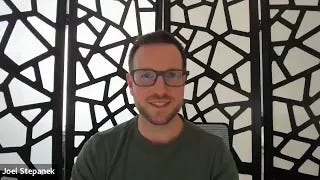
"What Love Compels Us To Do"
In this podcast conversation, Christina Summary has a conversation with Joel Stepanek, Vice President of Programming and Administration for the National Eucharistic Congress. Their conversation touches upon the Eucharistic revival, pilgrimage, and upcoming Congress.Joel shares highlights from his own faith journey and emphasizes the importance of integrating faith into daily life. He speaks about how the National Eucharistic Congress was conceived to reinvigorate Eucharistic belief among Catholics, and the pilgrimage was designed to bring Jesus to people who may not be able to attend the Congress.Joel encourages listeners to follow along remotely and participate in their own personal pilgrimage. The goal of the revival and Congress is to inspire missionary Eucharistic belief and see an increase in mass attendance and community engagement.Takeaways* Integrating faith into daily life is essential for a vibrant and dynamic relationship with Jesus Christ.* The National Eucharistic Congress aims to reinvigorate Eucharistic belief among Catholics.* The pilgrimage brings Jesus to people who may not be able to attend the Congress, allowing them to encounter the Lord.* Listeners can participate remotely by making their own personal pilgrimage and following along on social media.* The goal of the revival and Congress is to inspire missionary Eucharistic belief and see an increase in mass attendance and community engagement. Sound Bites* "Integrating faith into daily life is essential"* "The National Eucharistic Congress aims to reinvigorate Eucharistic belief"* "The pilgrimage brings Jesus to people who may not be able to attend the Congress"Chapters00:00 Introduction and Background03:49 The National Eucharistic Congress and Revival12:18 The Power of Pilgrimage21:51 Inspiring Missionary Eucharistic BeliefTo learn more about the Eucharistic Revival, go to: https://www.eucharisticrevival.org/ This is a public episode. If you'd like to discuss this with other subscribers or get access to bonus episodes, visit thecatholicleadershippuzzle.substack.com/subscribe

A Community of Communities
In this episode, Christina discusses how the twelve pieces of the Catholic Leadership Puzzle all come together to create a community of communities.In a community of communities, all individuals are known by name, inspired, encouraged and accompanied to become who God created them to be—living, breathing and wonder-working saints. This happens due to holistic formation being the essential fabric of community life and it is lived out by each person within the community. The result is a community comprised of many communities, all united in love. This is a public episode. If you'd like to discuss this with other subscribers or get access to bonus episodes, visit thecatholicleadershippuzzle.substack.com/subscribe
The Launch of the Catholic Leadership Puzzle Apostolate--Paid Subscribers Feed
It’s time to get really serious about this work at The Catholic Leadership Puzzle. What do I mean? Well, simply put, it’s time to put my time where my mouth is in intentional accompaniment for those who are trying to implement the ideas I share here on The Catholic Leadership Puzzle substack. In the months ahead, you will hopefully see the release of th… This is a public episode. If you'd like to discuss this with other subscribers or get access to bonus episodes, visit thecatholicleadershippuzzle.substack.com/subscribe

Practical Ways to Foster Collaboration
In this episode, the discussion turns to how it might be possible each of us to foster integrated, synergistic and creative collaboration in our communities. This is a public episode. If you'd like to discuss this with other subscribers or get access to bonus episodes, visit thecatholicleadershippuzzle.substack.com/subscribe
The Essential Components of Collaboration
In this episode, we reflect upon the essential components necessary for fostering an integrated, synergistic, creative and collaborative environment in which individuals are empowered to give their best selves, and the natural consequence is collective success.The challenges to collaboration are many, but I like to focus upon a quote from Chet Scott, founder of Built To Lead, who says:“Conflict is really only a conversation to be had.”And as leaders, we must foster and encourage these conversations to bring about collaboration in which both the needs of the individuals with whom we have been entrusted are tended to while also bringing about success of the group, ministry or organization for which we are responsible for leading.When we accomplish this, we will discover a myriad of opportunities for intergrated, synergistic, creative collaboration, and we will find that we are capable of accomplishing something much greater than we can on our own—the very definition of collaboration itself. This is a public episode. If you'd like to discuss this with other subscribers or get access to bonus episodes, visit thecatholicleadershippuzzle.substack.com/subscribe
Assessment at the Strategic Level
In this latest installment of the The Catholic Leadership Puzzle, Christina discusses what assessment needs to focus upon strategically so as to ensure that we are tracking our work properly and measuring what we truly value. This is a public episode. If you'd like to discuss this with other subscribers or get access to bonus episodes, visit thecatholicleadershippuzzle.substack.com/subscribe
Coaching & Accompaniment At Its Best
In this episode, the focus is upon the two guiding principles that all coaching & accompaniment efforts need to incorporate in order to ensure that each individual becomes their best self. The two principles that need to be integrated into all coaching are “cura personalis”—which is the total care of the person, and the practice of continuous discernment. When these principles are an intentional part of accompaniment efforts, then each person is able to flourish and fully become the unique and unrepeatable gift that they are to both others and within the Lord’s vineyard. This is a public episode. If you'd like to discuss this with other subscribers or get access to bonus episodes, visit thecatholicleadershippuzzle.substack.com/subscribe
Accompanying Others Into Leadership
In this episode, the focus is upon how to accompany people during the cycle of moving individuals from being simply “doers” of any activity or task to being leaders capable of accompanying others to do the same.Discussion revolved around the 4 key steps to empower people in moving from being a doer to a leader, and then sharing additional actions that need to be taken during these 4 steps to ensure that the “new” leader is able focused upon duplication in whch they are able to accompany people during the “doer to leader” cycle themselves. This is a public episode. If you'd like to discuss this with other subscribers or get access to bonus episodes, visit thecatholicleadershippuzzle.substack.com/subscribe
Coaching & Accompaniment (Audio)
In this episode, the discussion centers around which characteristics need to be present in order to create a coaching environment in which each person is empowered and elevated to be their best self and do their best work. To create this possibility for each person/employee, a leader must eradicate anonymity, irrelevance and immeasurement within the culture. This is a public episode. If you'd like to discuss this with other subscribers or get access to bonus episodes, visit thecatholicleadershippuzzle.substack.com/subscribe
Coaching & Accompaniment
In this episode, the discussion centers around which characteristics need to be present in order to create a coaching environment in which each person is empowered and elevated to be their best self and do their best work. To create this possibility for each person/employee, a leader must eradicate anonymity, irrelevance and immeasurement within the culture. This is a public episode. If you'd like to discuss this with other subscribers or get access to bonus episodes, visit thecatholicleadershippuzzle.substack.com/subscribe

End of Year Review for Leaders
In this episode, Christina focuses upon providing you an end of year review that will help you become the kind of leader that inspires others to follow in the midst of successes and failures that inevitatably happen throughout the year.This review focuses particularly upon three qualities that are essential for all leaders to cultivate, develop, and master—honesty, forward-looking, and competence.If becoming a better leader is one of your New Year’s resolutions, I highly recommend the book, Becoming Built To Lead by Chet Scott, as well as Atomic Habits by James Clear. Each of these books will help you cultivate, develop and master the qualities that all leaders need in order to truly inspire. This is a public episode. If you'd like to discuss this with other subscribers or get access to bonus episodes, visit thecatholicleadershippuzzle.substack.com/subscribe
Cruising at 20,000 Feet
“Things which matter most must never be at the mercy of things which matter least.”—Johann Wolfgang von GoetheIn this video, Christina focuses on the three principles of “disciplined prioritization” (shout out to Steven Morris, author of The Beautiful Business) and how they become the foundation for helping you integrate your day-to-day time management with your strategic planning goals. These principles will help you be able to discern the proper path forward amid numerous initiative and tasks. This is a public episode. If you'd like to discuss this with other subscribers or get access to bonus episodes, visit thecatholicleadershippuzzle.substack.com/subscribe

Strategic Planning at the Micro Level
In this episode of The Catholic Leadership Puzzle podcast, Christina continues the discussion about Strategic Planning. In this short episode, she speaks about Strategic Planning at the micro level as well as shares some tools to help you begin your strategic planning today. This is a public episode. If you'd like to discuss this with other subscribers or get access to bonus episodes, visit thecatholicleadershippuzzle.substack.com/subscribe

What's the Next Step?
In this episode, Christina discusses some practical ways in which you can take all of the principles for relationship based ministry and apply them into your ministerial efforts. Using concepts from Susan Windley Daoust’s recent book, The Four Ways Forward, and the five thresholds of discipleship from Sherry Weddell’s book, Forming Intentional Disciples, Christina pinpoints some practical steps to be able to immediately implement in your efforts at relationship based ministry. This is a public episode. If you'd like to discuss this with other subscribers or get access to bonus episodes, visit thecatholicleadershippuzzle.substack.com/subscribe

Invitation & Generosity in Relationship Based Ministry
In this episode, Christina continues the discussion about the critical aspects necessary in relationship based ministry. This time she focuses upon the art of invitation and the importance of generosity to help create an environment where authentic encounter & engagement with each person can occur.Looking forward to your thoughts on this, and if you are finding these posts to be helpful, make sure to recommend The Catholic Leadership Puzzle to a friend! This is a public episode. If you'd like to discuss this with other subscribers or get access to bonus episodes, visit thecatholicleadershippuzzle.substack.com/subscribe

Prayer As The Foundation In Relationship Based Ministry
In this episode of the The Catholic Leadership Puzzle, Christina continues the discussion about the principles of relationship based ministry. This time, we dive into how prayer serves as the foundation for any type of relationship, but especially for relationships within our communities. This is a public episode. If you'd like to discuss this with other subscribers or get access to bonus episodes, visit thecatholicleadershippuzzle.substack.com/subscribe
Relationship Based Ministry
In this episode, the focus is upon the key components of relationship based ministry. These keys are: Prayer, Invitation, and Accompaniment. This episode provides an overview of each of these components, and why they are key for helping us model the process given to us by the Master Himself. This is a public episode. If you'd like to discuss this with other subscribers or get access to bonus episodes, visit thecatholicleadershippuzzle.substack.com/subscribe
Healthy & Effective Teams
In this session, the focus is upon the keys to having healthy and effective teams within your organization, ministry or community. The five traits necessary to achieve this are: Being Mission-Focused; Having the Right People; Ample Resources; Reasonable Pace of Work; and Proper Accountability. Each of these traits is necessary in order for teams to reach their full potential, because without them, the end result can sometimes get pretty ugly, to say the least!Nevertheless, it is possible if we know what we should be about as leaders, therein, the need to keep these five traits in mind as we go about putting together out own leadership puzzle.This is not necessarily an all-inclusive list for having healthy and effective teams, so look forward to your thoughts and comments as to what other traits should be present. This is a public episode. If you'd like to discuss this with other subscribers or get access to bonus episodes, visit thecatholicleadershippuzzle.substack.com/subscribe
Practical Communication Tips
In this episode, Christina shares 6 practical communication tips to help ensure that the dignity of the person is honored in the midst of interpersonal communication.The 6 tips are:* Listening without Distraction* Recognizing the Dignity and Rights of the Other Person* Not Forcing Agreement* Choosing Words Carefully To Ensure No Harm* Not Trying to Win at Any Cost* Honoring the Way of Holiness to Embark upon the Way of MissionLooking forward to hearing your thoughts and comments! This is a public episode. If you'd like to discuss this with other subscribers or get access to bonus episodes, visit thecatholicleadershippuzzle.substack.com/subscribe
Personal and Organizational Communication
This time, I do a brief summary of where we have been and then get into the heart of what good communication is all about. I particularly pay attention to the need to be clear, concise and direct (CCD), as well as the value of using the communication loop.Would invite you to try it in your own interactions, and then let me know your thoughts! This is a public episode. If you'd like to discuss this with other subscribers or get access to bonus episodes, visit thecatholicleadershippuzzle.substack.com/subscribe