The Bootstrapped Founder
442 episodes — Page 6 of 9
190: Hassan Osman — Writing on the Side
Today, I’m talking to Hassan Osman— he’s the host of Writer on the Side, and himself a prolific writer. We talk about crafting books that sell (and keep selling), self-publishing on Amazon, and how to write while having a full-time job. Here’s Hassan!00:00:00 Introduction to Hassan Osman00:05:59 Slowly shifting your perspective00:10:48 Do you update your books that you have written?00:17:24 How short-sighted publishers can be00:24:29 The importance of the time component in your book00:29:12 The ROI if a diverse range of topics00:34:47 Pick topics that are intersectional, not generic00:41:43 You don’t need to write a big book to be successful00:47:03 Using a marketplace vs doing it on your own00:52:15 Investing in yourself and your public brand00:56:22 Selling on Amazon and Udemy The blog post: https://thebootstrappedfounder.com/writing-on-the-side-with-hassan-osman/The podcast episode: https://share.transistor.fm/s/b67953c3The video: https://www.youtube.com/watch?v=Tsx78OkIiEkYou'll find my weekly article on my blog: https://thebootstrappedfounder.comPodcast: https://thebootstrappedfounder.com/podcastNewsletter: https://thebootstrappedfounder.com/newsletterMy book Zero to Sold: https://zerotosold.com/My book The Embedded Entrepreneur: https://embeddedentrepreneur.com/My course Find your Following: https://findyourfollowing.comFind me on Twitter: https://twitter.com/arvidkahl/This interview is sponsored by Acquire.com
189: Be The Kindest Person in the Room
Arvid talks about how applied kindness builds a brand and an audience.In a hostile world, many founders isolate themselves, but this isn't sustainable. Kindness changes the world, so be honest when self-promoting and set boundaries with hostility. Kindness can be seen in every aspect of life, creating a cycle of positive change.The blog post: https://thebootstrappedfounder.com/be-the-kindest-person-in-the-room/The podcast episode: https://share.transistor.fm/s/0f9109d5The video: https://www.youtube.com/watch?v=IY3xrnn82QgYou'll find my weekly article on my blog: https://thebootstrappedfounder.comPodcast: https://thebootstrappedfounder.com/podcastNewsletter: https://thebootstrappedfounder.com/newsletterMy book Zero to Sold: https://zerotosold.com/My book The Embedded Entrepreneur: https://embeddedentrepreneur.com/My course Find your Following: https://findyourfollowing.comFind me on Twitter: https://twitter.com/arvidkahl/
188: KP — Building an Authentic Personal Brand
KP talks about building in public, sharing your journey, and becoming a respected community member.Today, I’m talking to KP — the build-in-public guy. KP has been a pillar of the indie hacker community, and we talk about how to involve yourself, empower others, and eventually build a community around your personal brand and the things you care about. Here’s KP.00:00:00 KP’s founder hotline00:04:32 The struggle beneath success00:12:11 The connection between teacher and student00:16:26 Sharing what you know00:19:18 The importance of staying in the community00:23:28 Serial entrepreneurship is severely misunderstood00:29:46 An iterative approach to learning00:33:38 Removing yourself from your ask00:37:14 Sales and trust00:42:21 The fear of losing your market00:49:23 The importance of having a mindset of “I’m not the XYZ guy”00:55:12 Quality doesn't matter as much as we think- Building an Authentic Personal Brand with KP- Find your Following, my Twitter course — now including Find your Following Essentials, the 7-day Twitter crash course- Zero to Sold & The Embedded Entrepreneur, my books on entrepreneurshipThis episode is sponsored by MicroAcquire. You can also watch this episode as a video on YouTube.
187: Negative Reviews are Good for You
Negative reviews are an important part of the customer experience, as they provide valuable feedback to creators about how their product or service is being perceived. Reviews can be a source of frustration for founders, as they may not reflect the quality of the work, but rather the disconnect between the customer's expectation and the reality of the product. It is important for creators to stay mindful of how they position their products in the marketplace and ensure that their messaging aligns with the customer's experience.00:00:00 Negative Reviews00:01:11 Reality vs Expectation00:02:43 Positioning ErrorsThe blog post: https://thebootstrappedfounder.com/negative-reviews-are-good-for-you/The podcast episode: https://share.transistor.fm/s/46b3421dThe video: https://www.youtube.com/watch?v=fulkEU1JAVUYou'll find my weekly article on my blog: https://thebootstrappedfounder.comPodcast: https://thebootstrappedfounder.com/podcastNewsletter: https://thebootstrappedfounder.com/newsletterMy book Zero to Sold: https://zerotosold.com/My book The Embedded Entrepreneur: https://embeddedentrepreneur.com/My course Find your Following: https://findyourfollowing.comFind me on Twitter: https://twitter.com/arvidkahl/This episode is sponsored by Drata.
186: Brennan Dunn — Mastering Email Marketing
Brennan shares the secrets to using emails to build relationships and increase your revenue.Today, I’m talking to Brennan Dunn, the founder of Palladio, co-founder of RightMessage, and general email expert. As a newsletter author myself, I took to this opportunity to learn as much as possible about personalizing and optimizing my email strategy. You’ll also hear what most people get wrong in email marketing. Here’s Brennan.00:00:00 Brennan Dunn00:00:48 What is up with email clients?00:05:05 Integrating with large platforms00:08:34 Maybe build a competitor?00:12:12 Emails and metadata00:16:20 Email personalization and how it works00:22:07 How do you get started with this?00:25:28 Focusing time and effort on certain platforms00:31:24 The difference between an email list and a newsletter00:36:30 The importance of segmentation00:41:06 Use segmentation to increase your list00:48:56 Customer centric marketing00:54:24 Is email the right medium to de-risk?00:59:20 Don’t over-saturate- Mastering Email Marketing with Brennan Dunn - Find your Following, my Twitter course — now with Find your Following Essentials, the 7-day Twitter crash course- Zero to Sold & The Embedded Entrepreneur, my books on entrepreneurshipThis episode is sponsored by MicroAcquire. You can also watch this episode as a video on YouTube.
185: The Monkey and the Pedestal
To increase your chances of success as an entrepreneur, think outside the box and expand your opportunity surface. This can be achieved by embracing activities that don't scale, diversifying inputs, and taking small steps toward achieving your goals. These strategies will help you create valuable connections, build strong relationships and gain valuable insights that will lead to success.00:00:00 Laura's journey00:01:10 The parable of the monkey and the pedestal.00:02:28 A cultural problem00:03:36 Reflecting on the monkey- The Monkey and the Pedestal- Find your Following, my Twitter course — now with Find your Following Essentials, the 7-day Twitter crash course- Zero to Sold & The Embedded Entrepreneur, my books on entrepreneurshipIf you're interested in Descript, go and check it out here.You can also watch this episode as a video on YouTube.
184: Laura Elizabeth — Building Software Products As a Non-Technical Founder
Today, I’m talking to Laura Elizabeth. She co-hosts the Non-Tech Founders podcast and runs several products as a non-technical founder. We talk about outsourcing, trust, and building an audience around your business. Here’s Laura!00:00:00 Laura Elizabeth00:02:10 Running a non-technical founder podcast00:09:28 Hiring the right people00:12:14 Hiring people who can do something you can't00:17:27 Being able to do everything is both awesome and frightening 00:20:13 Experimenting with different modes of delegating00:25:45 Establishing an internal process for your business00:30:00 On Phrasing00:36:30 The importance of having a mentor00:42:04 Providing the fertile ground for luck to strike00:45:04 The hardest part is overcoming your inner demon00:52:56 Why it's good to have an expert for website personalization00:56:33 Where you can follow Laura- Building Software Products As a Non-Technical Founder With Laura Elizabeth- Find your Following, my Twitter course — now with Find your Following Essentials, the 7-day Twitter crash course- Zero to Sold & The Embedded Entrepreneur, my books on entrepreneurshipThis episode is sponsored by MicroAcquire. You can also watch this episode as a video on YouTube.
183: Expanding Your Opportunity Surface
To increase your chances of success as an entrepreneur, think outside the box and expand your opportunity surface. This can be achieved by embracing activities that don't scale, diversifying inputs, and taking small steps toward achieving your goals. These strategies will help you create valuable connections, build strong relationships and gain valuable insights that will lead to success.- Expanding Your Opportunity Surface- Find your Following, my Twitter course — now with Find your Following Essentials, the 7-day Twitter crash course- Zero to Sold & The Embedded Entrepreneur, my books on entrepreneurshipIf you're interested in Descript, go and check it out here.You can also watch this episode as a video on YouTube.
182: Daniel Fayle — Door-to-door to $2M ARR
Today, I’m talking to Daniel Fayle — co-founder of Chekkit, a business he and his team have boostrapped to $2mil in ARR. We’ll touch on finding the right vertical to get started, how to do things that don’t scale, and what choices need to be made to get a business to 7 figures. 00:00:00 Daniel Fayle00:05:35 Getting started with Chekkit00:09:00 Local marketing & picking verticals00:12:05 When to hire a team?00:17:25 Integrations00:22:33 Pricing choices00:25:32 How to be inspired by competition?00:29:54 The importance of customer support00:36:31 Setting limits on free trials00:41:55 Use the tech that your customers use00:47:15 How to stay on top of your game- Door-to-door to $2M ARR with Daniel Fayle- Find your Following, my Twitter course — now with Find your Following Essentials, the 7-day Twitter crash course- Zero to Sold & The Embedded Entrepreneur, my books on entrepreneurshipThis episode is sponsored by MicroAcquire. You can also watch this episode as a video on YouTube.
181: The Role of Trust in Remote Work
I was chatting with Marissa Goldberg about remote work this week, and she gave me several handy frameworks for founders who want to build remote-first businesses. At the center of any successful remote work relationship lies trust.And surprisingly, many businesses have a tough time trusting anyone once they can't see them at their desk in the office. Remote work is throwing a wrench in the time-honored tradition of butt-in-seat-hands-on-keyboard that so many managers consider to be the pinnacle of productivity.Remote work does away with this.00:00:00 Remote Work is Here to Stay00:01:28 Async is the New Default00:04:42 The Deep Work Zone00:06:17 Trust and Having Nowhere to Hide- The Role of Trust in Remote Work - Find your Following, my Twitter course — now with Find your Following Essentials, the 7-day Twitter crash course- Zero to Sold & The Embedded Entrepreneur, my books on entrepreneurshipYou can also watch this episode as a video on YouTube.
180: Marissa Goldberg — Running a Remote-First Business
Today, I’m talking to Marissa Goldberg. She’s an expert in remote work and guides companies and founders alike toward a future-proof workplace. We’ll talk about productivity, best practices for going remote, and setting up a remote team of all sizes. Here’s Marissa.00:00:00 Remote Work and Future Proof Workplaces00:02:03 What is Remote Work Prep?00:06:54 The right approach to go about remote work.00:11:00 Traditional hiring doesn’t work for remote teams.00:17:29 Integrating rest into your work.00:23:10 The perversion of productivity & responsiveness policies.00:27:27 Issues with video calls.00:31:02 The difference between a conversation and a phone call.00:37:12 How to transition from pandemic remote to normal remote.00:41:10 The culture of control and top-down decision-making.00:45:29 There’s no place to hide with remote work.00:51:58 How do you keep doing what you do?00:56:23 What is impostor syndrome? What is it and why does it exist?- Running a Remote-First Business with Marissa Goldberg- Find your Following, my Twitter course — now with Find your Following Essentials, the 7-day Twitter crash course- Zero to Sold & The Embedded Entrepreneur, my books on entrepreneurshipThis episode is sponsored by MicroAcquire. You can also watch this episode as a video on YouTube.
179: Founder Mental Health Pitfalls
This week I chatted with Patrick Campbell about his exit of ProfitWell to Paddle for $200 million. One of the most mind-blowing things that I experienced during that conversation was hearing Patrick tell me that he feels he needs to build something else to prove that his exit -$200 million- was not just a fluke.I did not expect that, but I should have because I feel the same way all the time. And the more founders I talk to, whatever stage of their journey they might be on, I hear them tell me the same story too. Whether they just started out or sold their business for millions a few years ago, they still struggle with who they are, what they should be doing, and proving themselves and their worth to others.00:00:00 Intro00:00:29 Sponsor00:01:44 Introduction00:02:50 Balancing Parenting & Business00:04:58 Overthinking00:06:22 Addictions00:08:03 Dealing with Failure00:09:45 Not delegating can lead to anxiety00:11:13 Burnout & Dreading Loss00:12:49 Navigating imposter syndrome when others appear successful00:14:44 Second-guessing decisions and dealing with incomplete data00:16:29 Underestimating and Judging Yourself00:18:14 Debilitating Shiny Object Syndrome 00:19:54 Feeling guilty for taking a break00:21:09 Underwhelming Sales00:24:03 Outro- Founder Mental Health Pitfalls- Find your Following, my Twitter course — now with Find your Following Essentials, the 7-day Twitter crash course- Zero to Sold & The Embedded Entrepreneur, my books on entrepreneurshipThis episode is sponsored by Senja.You can also watch this episode as a video on YouTube.
178: Patrick Campbell — Life After a $200mil Exit
Today, I’m talking to Patrick Campbell, founder of ProfitWell, a bootstrapped business that recently got acquired by Paddle for a whopping 200 million dollars.I talked to Patrick about getting acquired for 9 figures, finding your footing as a founder after such an incredible exit, where the online payment industry is heading, and how mental health challenges follow us wherever we go.00:00:00 Introduction00:01:04 Patrick's entrepreneurial journey00:03:10 A different approach to marketing00:06:23 Help Sells: providing free value and then selling00:13:53 Dealing with a $200mil exit00:15:55 Filming a documentary while exiting00:19:03 Keeping the company running during the sale00:24:42 Anxiety during the sale00:28:08 Anxiety AFTER the sale00:34:12 Jumping right back into work00:37:28 Building trust with your team00:41:49 Defining your role in a deal00:45:05 Will Patrick ever take a vacation?00:49:38 It never ends: mental health for founders00:54:05 The future of the payment industry- Life After a $200mil Exit with Patrick Campbell- Find your Following, my Twitter course — now with Find your Following Essentials, the 7-day Twitter crash course- Zero to Sold & The Embedded Entrepreneur, my books on entrepreneurshipThis episode is sponsored by MicroAcquire. You can also watch this episode as a video on YouTube.
177: Diversify Your Creator Portfolio
As a creative entrepreneur, it is important to diversify your portfolio and have multiple projects in progress in order to reach a wider audience, stabilize income streams, and protect yourself from the risks associated with relying on any one platform. In order to do this, it is essential to own the means of communication with your audience, such as through a newsletter or blog, and to repurpose content for different formats. Additionally, it is important to collaborate with other creators, use social media to drive traffic to your own platform, and focus on building a community rather than just an audience. Finally, it is essential to regularly back up your work and data in order to protect yourself from being de-platformed.- Diversify Your Creator Portfolio- Find your Following, my Twitter course — now with Find your Following Essentials, the 7-day Twitter crash course- Zero to Sold & The Embedded Entrepreneur, my books on entrepreneurshipThis episode is sponsored by MicroAcquire.You can also watch this episode as a video on YouTube.
176: Jay Clouse — Creative Commitments
Today, I’m talking to Jay Clouse, a creative entrepreneur, and all-around amazing human being. We’re talking about keeping it all together as a solo creator, what makes a personal brand work, and how important authenticity is in building an audience. 00:00:00 What to do about all the attention-grabbing out there00:05:00 A trust-based paradigm for your work00:12:15 The importance of being a human being and not a brand00:18:11 Challenges of aligning all of your projects under one umbrella.00:23:02 Can you even find good names at the start?00:28:57 The importance of having a backlog of ideas.00:32:37 Will I ever get to this level of quality?00:37:05 Choosing priorities00:43:11 The mechanics of building community & building relationships with people00:46:15 Teaching sentient beings to do things that are good for them (and good for you)00:50:42 An audience is like an insurance policy- Creative Commitments with Jay Clouse- Find your Following, my Twitter course — now with Find your Following Essentials, the 7-day Twitter crash course- Zero to Sold & The Embedded Entrepreneur, my books on entrepreneurshipThis episode is sponsored by MicroAcquire. You can also watch this episode as a video on YouTube.
175: Realistic Building in Public for Introverted Founders
Sharing your work and process in public can be difficult for introverted entrepreneurs and creators, but it can help build credibility and trust with your audience, gather valuable feedback and insights, and even lead to new opportunities. Tips for sharing in public include reframing why you do it, taking it slow and steady, breaking it into small chunks, scheduling posts, and engaging in conversations. Setting specific goals for the amount of sharing you want to do each week or month can help you stay on track.- Realistic Building in Public for Introverted Founders- Find your Following, my Twitter course — now with Find your Following Essentials, the 7-day Twitter crash course- Zero to Sold & The Embedded Entrepreneur, my books on entrepreneurshipThis episode is sponsored by MicroAcquire. You can also watch this episode as a video on YouTube.
174: Ana Bibikova — The Introvert Superpower
Today, I’m talking to Ana Bibikova, a defender and cheerleader for introverts in entrepreneurship. Ana knows what it means to be skeptical of loud and salesy marketing tactics. They might work great for extroverts, but not so much for the quiet types. Today, we’ll talk about how you can build a public-facing brand without resorting to all the obnoxious and much-too in-your-face tactics. We’ll talk about being introverted, working with introverts, and serving introverts. Here’s Ana.00:00:00 Entrepreneurship and Introversion00:10:13 Growing up being introverted without knowing what it is00:16:57 A History of Introversion00:22:49 The loud and shouty approach to social media00:27:33 How do you stay quiet when you’re selling?00:34:07 You’re the magnet for signals from the people around you00:42:45 How to do self-promotion as an introvert vs. an extrovert00:49:03 You attract what you put out, not what you sayThis episode is sponsored by MicroAcquire. Here's the blog post for this episode.You can also watch this episode as a video on YouTube.
[Bonus] Sahil Lavingia — Gumroad’s Pricing Disaster
bonusYesterday, the creator economy learned that Gumroad, a platform where creators have been building their businesses by selling their services and products, increased their prices significantly. That caused a lot of backlash in the community, with people threatening to switch to other platforms and criticizing how the price hike was communicated. It’s been an intense topic of community discussion.Today, I am talking to Sahil, the CEO of Gumroad, about what prompted this change, what happened to cause such a stir, and where Gumroad is heading in the future. Here’s Sahil.You can find this conversation on YouTube.
173: Build a Defensible Indie Business
When it comes to selling a small indie business, defensibility is a key factor that potential buyers will consider. A unique moat, or competitive advantage, lets your business stands out from the competition and is seen as a valuable acquisition. Many small founders sell their businesses because they want to get rid of them, and that attracts bargain hunters. It’s easy to negotiate a founder down when they feel pressure to sell a business that’s not very stable or profitable in the first place.Being able to show that potential competitors have to climb a rather sizeable barrier to entry into your market will net you a significant premium when it’s valuation time. The absence of such a moat around your entrepreneurial castle will push down the price you can ask for. While buyers will still acquire profitable businesses without an oversized advantage, it’s a good idea to consider how you can set up a moat around your business. It will make things much easier.- Build a Defensible Indie Business- Find your Following, my Twitter course — now with Find your Following Essentials, the 7-day Twitter crash course- Zero to Sold & The Embedded Entrepreneur, my books on entrepreneurshipThis episode is sponsored by MicroAcquire. You can also watch this episode as a video on YouTube.
172: Andrew Gazdecki — Building a Sellable Business
Today, I am talking to Andrew Gazdecki, a pillar of the founder community and himself founder of the acquisition platform formerly known as MicroAcquire — but we’ll learn more about that on the show. Besides organizing millions of dollars worth of acquisitions every month, Andrew is a true teacher. His content on building software businesses is spectacularly useful. And fortunately, he will share a lot of it with us today.00:00:00 Introduction00:00:54 Founder and personality00:04:19 MicroAcquire: the first venture00:09:51 On being relatable00:13:42 From B2B to Human2Humman00:20:10 What was missing in the market?00:27:07 What makes a business more sellable?00:32:14 Tips for selling your business00:39:07 Working in the business vs. working on the business00:46:47 You can’t succeed without failure00:52:59 Any exit, no matter how small, is a good stepThis episode is sponsored by MicroAcquire. Here's the blog post for this episode.You can also watch this episode as a video on YouTube.
171: Avoid Vanity Metrics
We've been taught to believe that creators are only truly successful when they reach the top echelon of their platform, with millions of followers and likes. But this is a false notion that doesn't accurately reflect what success looks like for creators — or what “success” is about in the first place.The truth is that success for creators comes in many different forms, and it usually doesn’t depend on reaching the top of the platform. There are many creators who have found success by building a loyal and engaged audience in a very specific niche, even if they “only” have a few thousand followers. These creators have found ways to meaningfully connect with their audience and provide value to them, which is what ultimately leads to success.- Avoid Vanity Metrics- Find your Following, my Twitter course — now with Find your Following Essentials, the 7-day Twitter crash course- Zero to Sold & The Embedded Entrepreneur, my books on entrepreneurshipThis episode is sponsored by MicroAcquire. You can also watch this episode as a video on YouTube.
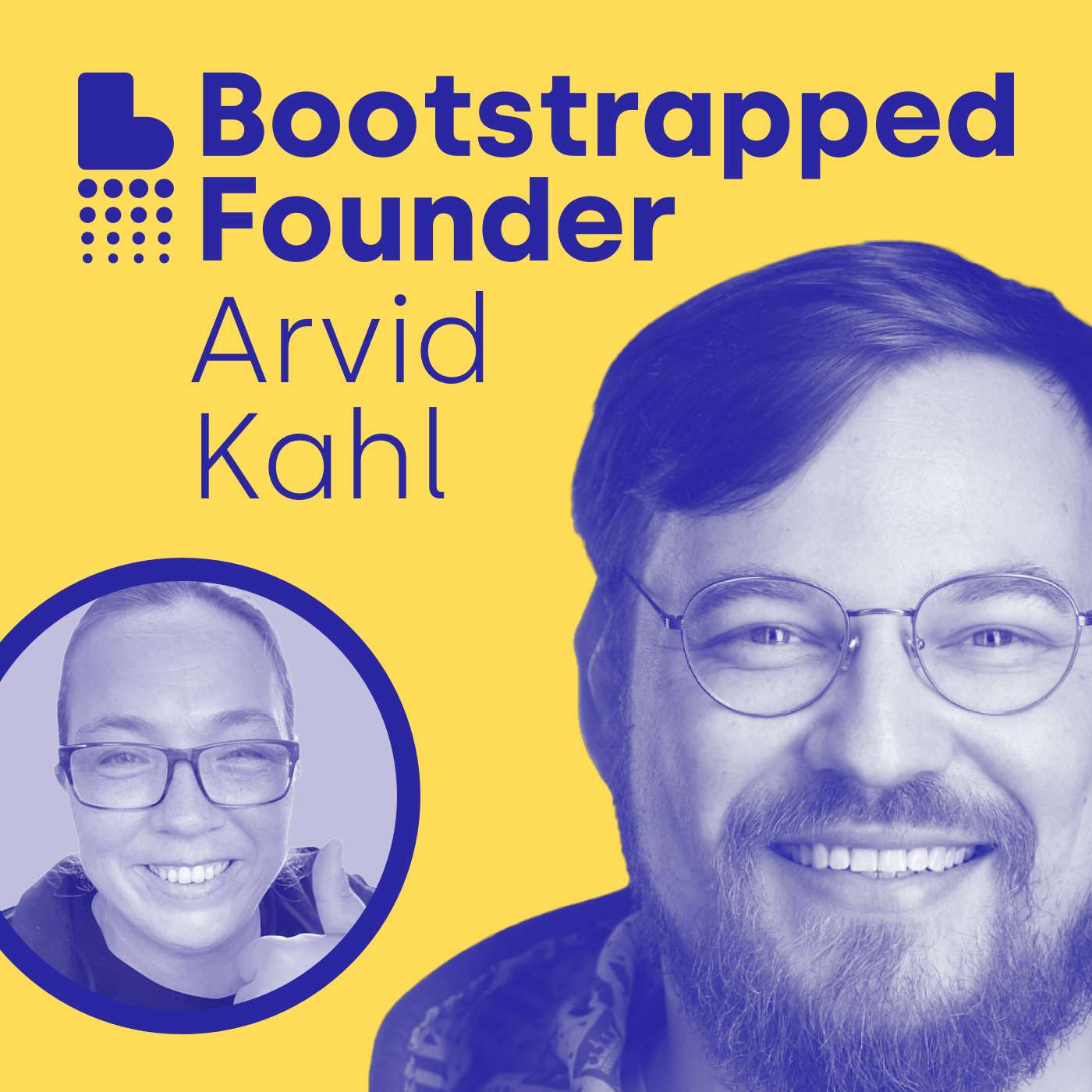
170: Rosie Sherry — Building Profitable Communities
I am talking to Rosie Sherry, proprietor of Rosieland and community empowerment expert. She runs her own communities, monetizing a few of them, and has been managing the IndieHackers community in the past. Rosie is an expert all things community and education. And that's precisely what we'll talk about today.This episode is sponsored by MicroAcquire. Here's the blog post for this episode.You can also watch this episode as a video on YouTube.
169: Paying the Bills While Building Your First Indie Business
There is a huge difference between building a product, a business, and a company. It's a progression from one to the other, usually involving making significant changes in your life. Requirements change, and so does our lifestyle to make our dreams possible.Ideally, we have a master plan on how to get there.But in reality, we have to pay bills, take care of our family, and deal with the often unexpected hardships of life.And while everyone's situation is unique, many entrepreneurs have found ways to finance their business-building journeys and make ends meet. That's what we'll be talking about today.- Paying the Bills With Your First Indie Business- Find your Following, my Twitter course — now with Find your Following Essentials, the 7-day Twitter crash course- Zero to Sold & The Embedded Entrepreneur, my books on entrepreneurshipThis episode is sponsored by MicroAcquire. You can also watch this episode as a video on YouTube.
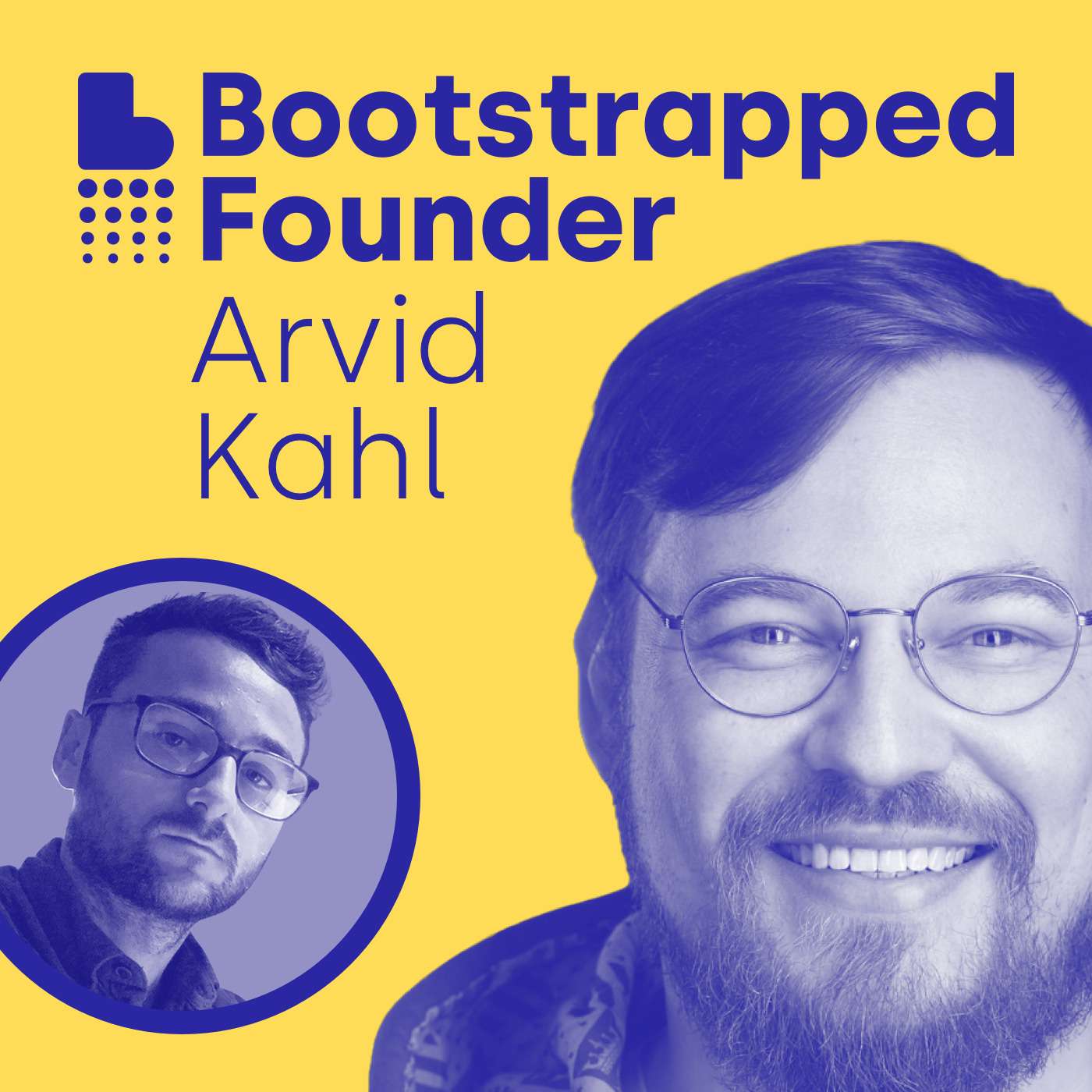
168: Jakob Greenfeld — Writing Your Way to Clarity
Today, I am talking to Jakob Greenfeld. I’ve been reading Jakobs blog posts for years now, and they’re as spicy as they’re thoughtful. There’s not a single post on there that feels unfinished. That’s quite impressive. Well, I think we’ll figure out why that is during our conversation. We’ll also chat about how to unlock critical thinking by writing and what it means to give yourself permission to do things your way.Here’s Jakob Greenfeld.This episode is sponsored by MicroAcquire. Here's the blog post for this episode.You can also watch this episode as a video on YouTube.
167: Find Business Ideas on Social Media
In my conversation with Daniel Vassallo this week, I learned that Daniel uses social media —Twitter in particular— to find inspiration for his own work as a teacher and content creator. Intentionally doomscrolling Twitter to come up with writing prompts and business ideas? Why not!If we consider this a strategic effort, not just wasting our time on social media, let's develop a few frameworks that lead to more tangible results.Today, I want to talk about finding ideas, problems, and points of tension that hint at practical business opportunities on social media.- Find Business Ideas on Social Media- Find your Following, my Twitter course — now with Find your Following Essentials, the 7-day Twitter crash course- Zero to Sold & The Embedded Entrepreneur, my books on entrepreneurshipThis episode is sponsored by MicroAcquire. You can also watch this episode as a video on YouTube.

166: Daniel Vassallo — Building a Portfolio of Small Bets
Today, I am talking to Daniel Vassallo, writer, founder, and person with very strong opinions. He is building a portfolio of small bets in public, on Twitter. I will talk to him about the importance of making money in diversified ways, how to structure your life around being a founder, and how to figure out which business ideas might actually work. Here is Daniel Vassallo.What is the lifetime value of a subscription business? 1:12Different kinds of software fit different pricing models. 5:04What is a portfolio of small bets? 9:30Business is unpredictable. You need to radically reduce the input. 13:48What common things do you share with other entrepreneurs? 17:46Don’t try to be too novel. 21:31What’s a good approach to spreading out your experiments? 26:14What is the best price for your business? 40:08How Pieter Levels’ portfolio has changed over time. 45:58How you can use social media to get new ideas. 51:26Sometimes it’s something seemingly unrelated that opens your eyes to a new way of doing things. 55:01Links:- Daniel's Revenue/Days on Market graph. This episode is sponsored by MicroAcquire. Here's the blog post for this episode.You can also watch this episode as a video on YouTube.
165: Why You Shouldn’t Sell Your Business
I was talking to Damon Chen, who built Testimonial.to to $400.000 in ARR this week, and at one point, he mentioned that he isn’t looking into selling his business just yet. Maybe even never.That got me thinking.While we all want to build sellable businesses, is there such a thing as selling too early? How can we determine when that phase ends and when it’s time to get acquired? Should we even do that, ever?Let’s look into why we might want to hold on to our business even when acquirers come knocking.And by the way, if you’re just starting out on your founder journey and you think that this would be a nice champagne problem to have, don’t underestimate having these things figured out in advance.- Why You Shouldn’t Sell Your Business- Find your Following, my Twitter course — now with Find your Following Essentials, the 7-day Twitter crash course- Zero to Sold & The Embedded Entrepreneur, my books on entrepreneurshipThis episode is sponsored by MicroAcquire. You can also watch this episode as a video on YouTube.

164: Damon Chen — Building a $400k/year SaaS
Today, I am talking to Damon Chen, the founder behind Testimonial.to, a social proof tool that has recently reached $400.000 in annual recurring revenue. Now that’s extremely impressive, particularly considering that Damon got it there all by himself.So, let’s just ask him how this family man accomplished such growth while living in one of the most expensive places you could build a business in. Here’s Damon Chen.LonelyDev is a community that I built to solve my own problem. 1:01Lonely Dev turned into IndieLog. 4:09How to get out of a full-time job to start a business. 12:55Why you need to be healthy and whole to be able to build a good business. 19:33Why you need to add video reviews to your landing page. 26:31Video and authenticity 31:30There is a point where you reach saturation and you need help. 36:20What is your exit plan for your business? 42:27The importance of having a good exit strategy. 47:18The importance of having a community to support bootstrappers. 51:16This episode is sponsored by MicroAcquire. Here's the blog post for this episode.You can also watch this episode as a video on YouTube.
163: When Should You Go from Side-Project to Full-Time?
Earlier this week, I talked to Michele Hansen of Geocodio on The Bootstrapped Founder Podcast. Michele co-founded the business with her husband and ran it as a side project for several years. Now, that's a long time to wait before you commit full-time to a project. We also learned during our conversation that there are many ways of determining when the right time is to make that leap: for me, it was reaching a specific revenue figure, and for Michele, it was something else entirely.So let's explore this critical step today. When should you go from side-project to full-time? What are the significant catalysts that speed up this process?- When Should You Go from Side-Project to Full-Time?- Find your Following, my Twitter course — now with Find your Following Essentials, the 7-day Twitter crash course- Zero to Sold & The Embedded Entrepreneur, my books on entrepreneurshipThis episode is sponsored by MicroAcquire. You can also watch this episode as a video on YouTube.
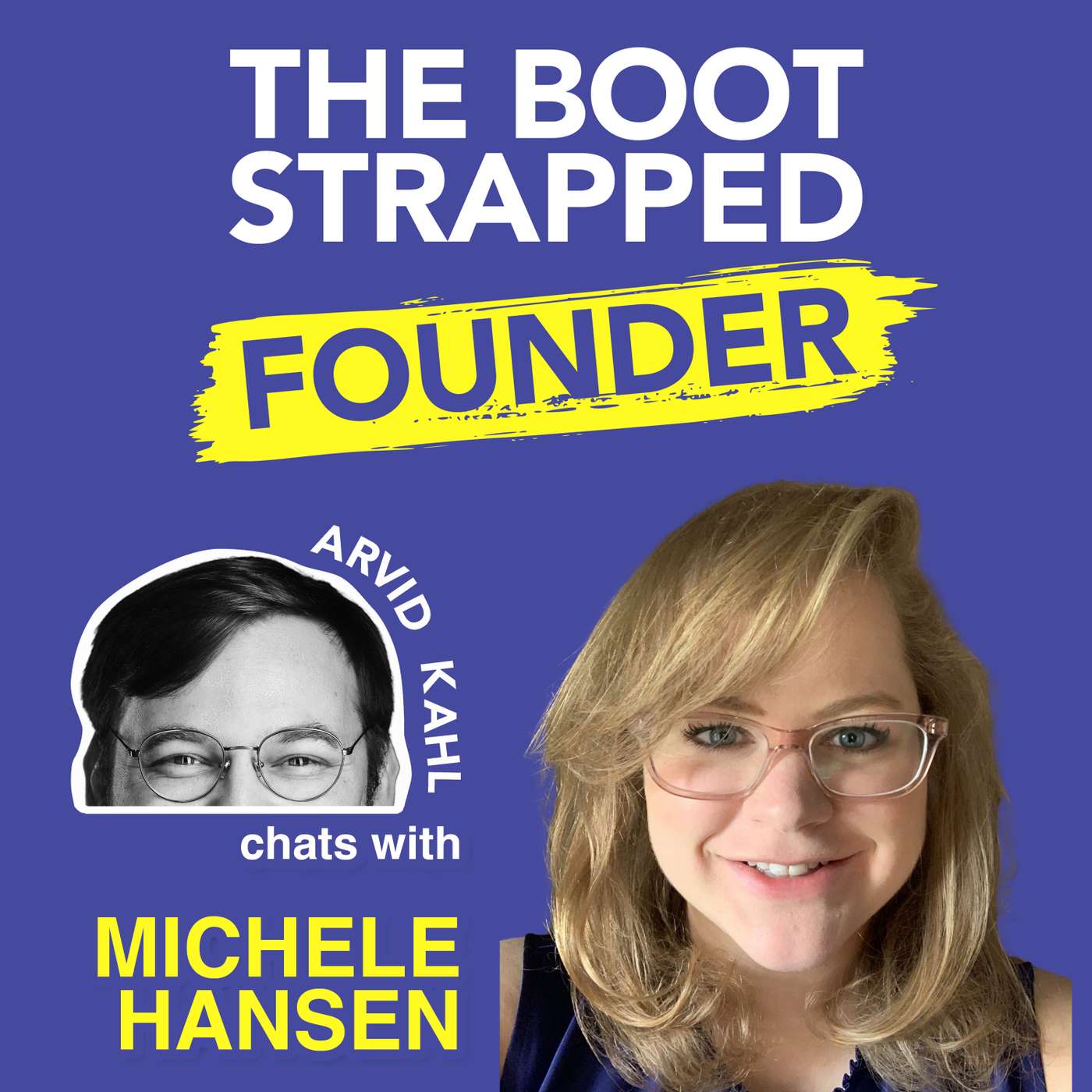
162: Michele Hansen — Moving from Side Project to Full Time
I am talking to Michele Hansen, the co-founder of Geocodio, an indie SaaS business in the world of mapping and geolocation. I've been a fan of her work, both as a founder and as an active member of the Indie Hacker community for years now. I followed her journey with the business just as much as her foray into writing her first book, Deploy Empathy. Michelle really gets the founder community, and she's a respected teacher of all things customer development.In this episode, we chat about finding the right time to commit to a business, learning when to say no, finding your niche, and learning languages. Enjoy!You can find Michele on Twitter at https://twitter.com/mjwhansen/. Also, check out her book Deploy Empathy.Here is a short summary of the topics discussed in this episode:How do you set boundaries with a podcast? 3:08How do you judge what you say against what someone else would perceive as useful for themselves? 9:23How do you make sure you serve the right customers? 13:06Focus on what you already have instead of where you can go. 19:47Work in progress vs. goals. 23:13The journey is the interesting part, not the destination. 28:54The challenge of self-actualization after a big transition. 31:58What was the sign that it was time to go full-time? 39:14The financial hurdle of being an entrepreneur in the US. 42:35Where the fear of losing everything comes from. 48:09The mean voice in your head speaking. 51:43Being able to recognize your own growth is a big part of entrepreneurship. 57:38Low expectations allow you to surprise yourself, which leads to a better result. 1:00:47This episode is sponsored by MicroAcquire. Here's the blog post for this episode.You can also watch this episode as a video on YouTube.
161: Calm Business Misconceptions
In a world where everyone talks about disruption and hustling, the concept of a calm business can seem out of place or even naive. How can you compete with people who spend 80 hours a week working in their businesses —publicly boasting about their so-called "grindset"— when you treat your fledgling business as a side project that you only work on in the evenings?For many entrepreneurs, calmness is a pipe dream—a nice fantasy but impossible to accomplish.As you can probably imagine, I beg to differ. Running a calm business is definitely possible, and the perception of it being a flawed concept often lies in a few myths and wrongful assumptions that I want to debunk today.- Calm Business Misconceptions- Find your Following, my Twitter course — now with Find your Following Essentials, the 7-day Twitter crash course- Zero to Sold & The Embedded Entrepreneur, my books on entrepreneurshipThis episode is sponsored by MicroAcquire. You can also watch this episode as a video on YouTube.
160: Operating a Calm SaaS Business
For most founders, running a business is juggling hot coals while riding on a unicycle. It's a stressful occupation, requiring constant vigilance, and offers barely any downtime to recover or relax.But it doesn't have to be that way.- Operating a Calm SaaS Business- Find your Following, my Twitter course — now with Find your Following Essentials, the 7-day Twitter crash courseThis episode is sponsored by MicroAcquire. You can also watch this episode as a video on YouTube.
159: Pricing for Calm SaaS Businesses
One of the biggest points of confusion for any software business is pricing. It often takes months, if not years, to find a working way to charge your customers, and even then, you'll need to adjust it over time. Pricing is never done, and often, it doesn't work.But fortunately, there are a few foundational choices you can make to keep your pricing efforts calm and manageable.Today, we'll look at what dimensions to price along, what kinds of subscriptions to offer, and which pricing models to avoid.- Pricing for Calm SaaS Businesses- Find your Following, my Twitter course — now with Find your Following Essentials, the 7-day Twitter crash courseThis episode is sponsored by RailsDevs.com and MicroAcquire. You can also watch this episode as a video on YouTube.
158: Product Development for Calm SaaS Businesses
Building a software product is both incredibly simple and excruciatingly complicated. You can build a new mind-blowingly helpful feature within hours, sometimes even minutes. But if you make the wrong technology choices, you might be rewarded with several months of additional work a few years later.Let's talk about building a product that can carry your SaaS business to success calmly and intentionally.- Product Development for Calm SaaS Businesses- Find your Following, my Twitter course — now with Find your Following Essentials, the 7-day Twitter crash courseThis episode is sponsored by MicroAcquire. You can also watch this episode as a video on YouTube.
157: Solution Exploration for Calm SaaS Businesses
When you're building an audience-centric and community-first business, you're delaying finding your business idea and building your product for as long as possible. First, you look into your market, validate the existence of a budget, and zero in on a critical problem to which people need a solution.And even now, we're not talking about the product yet.But we will talk about solving the problem. And there's a difference.- Solution Exploration for Calm SaaS Businesses- Find your Following, my Twitter course — now with Find your Following Essentials, the 7-day Twitter crash courseThis episode is sponsored by MicroAcquire. You can also watch this episode as a video on YouTube.
156: The Toxicity of Growth Hacks
- The Toxicity of Growth Hacks- Find your Following, my Twitter course — now with Find your Following Essentials, the 7-day Twitter crash courseThis episode is sponsored by MicroAcquire. You can also watch this episode as a video on YouTube.
155: Problem Discovery for Calm SaaS Businesses
- Problem Discovery for Calm SaaS Businesses- Find your Following, my Twitter course — now with Find your Following Essentials, the 7-day Twitter crash courseThis episode is sponsored by MicroAcquire. You can also watch this episode as a video on YouTube.
154: Market Analysis for Calm SaaS Businesses
Arvid shares how he picks a market for a new business.- Market Analysis for Calm SaaS Businesses- Find your Following, my Twitter course — now with Find your Following Essentials, the 7-day Twitter crash courseThis episode is sponsored by MicroAcquire. You can also watch this episode as a video on YouTube.
153: On Art and Artifice — When AI creates Masterpieces We Can't Ignore
- On Art and Artifice- Find your Following, my Twitter course — now with Find your Following Essentials, the 7-day Twitter crash courseThis episode is sponsored by MicroAcquire. You can also watch this episode as a video on YouTube.
152: Infrastructure of a Calm SaaS Business
- Infrastructure of a Calm SaaS Business- Find your Following, my Twitter course — now with Find your Following Essentials, the 7-day Twitter crash courseThis episode is sponsored by The $100 MBA Show and MicroAcquire. You can also watch this episode as a video on YouTube.
151: Entrepreneurial Strategies & Anti-Patterns for a Calm SaaS Business
- Entrepreneurial Strategies & Anti-Patterns for a Calm SaaS Business- Find your Following, my Twitter course — now with Find your Following Essentials, the 7-day Twitter crash courseThis episode is sponsored by The $100 MBA Show and MicroAcquire. You can also watch this episode as a video on YouTube.
150: Business Models for a Calm SaaS Business
- Business Models for a Calm SaaS Business- Find your Following, my Twitter course — now with Find your Following Essentials, the 7-day Twitter crash courseThis episode is sponsored by The $100 MBA Show and MicroAcquire. You can also watch this episode as a video on YouTube.
149: Fundamentals of a Calm SaaS Business
- Fundamentals of a Calm SaaS Business - Find your Following, my Twitter course — now with Find your Following Essentials, the 7-day Twitter crash courseThis episode is sponsored by The $100 MBA Show and MicroAcquire. You can also watch this episode as a video on YouTube.
148: Fundamentals of a Calm Business
- Fundamentals of a Calm Business - Find your Following, my Twitter course — now with Find your Following Essentials, the 7-day Twitter crash courseThis episode is sponsored by MicroAcquire. If you're thinking about selling a startup, you'll want to check out MicroAcquire.You can also watch this episode as a video on YouTube.
147: How NOT to Use Twitter DMs
- How NOT to Use Twitter DMs - Find your Following, my Twitter course — now with Find your Following Essentials, the 7-day Twitter crash courseThis episode is sponsored by MicroAcquire. If you're thinking about selling a startup, you'll want to check out MicroAcquire.You can also watch this episode as a video on YouTube.
146: Don't blame the market; blame your marketing
- Don't blame the market; blame your marketing- Find your Following, my Twitter course — now with Find your Following Essentials, the 7-day Twitter crash courseThis episode is sponsored by MicroAcquire. If you're thinking about selling a startup, you'll want to check out MicroAcquire.You can also watch this episode as a video on YouTube.
145: On Saying "No"
- On Saying No- Find your Following, my Twitter course — now with Find your Following Essentials, the 7-day Twitter crash courseThis episode is sponsored by MicroAcquire. If you're thinking about selling a startup, you'll want to check out MicroAcquire.You can also watch this episode as a video on YouTube.
144: The Risks and Illusions of the "Post-Exit Retirement"
- The Risks and Illusions of the "Post-Exit Retirement"- Find your Following, my Twitter course — now with Find your Following Essentials, the 7-day Twitter crash courseThis episode is sponsored by MicroAcquire. If you're thinking about selling a startup, you'll want to check out MicroAcquire.You can also watch this episode as a video on YouTube.
143: Permission to Follow Up
- Permission to Follow Up: The Difference Between Owned & Borrowed Audiences- Find your Following, my Twitter course — now with Find your Following Essentials, the 7-day Twitter crash courseThis episode is sponsored by MicroAcquire. If you're thinking about selling a startup, you'll want to check out MicroAcquire.You can also watch this episode as a video on YouTube.
142: Consulting in Public
- Consulting in Public- Find your Following, my Twitter course — now with Find your Following Essentials, the 7-day Twitter crash courseThis episode is sponsored by MicroAcquire. If you're thinking about selling a startup, you'll want to check out MicroAcquire.You can also watch this episode as a video on YouTube.