The Bay
1,253 episodes — Page 19 of 26

Why Are Bay Area Hospitals Still Struggling To Get Personal Protective Gear?
New records obtained by KQED show local Bay Area hospitals have reported supply chain problems and the need for support and equipment from public agencies to deal with the coronavirus pandemic since January. Today, local hospitals can't sufficiently rely on federal or state help for obtaining adequate supplies of personal protective equipment or PPE. So they're largely left to figure it out on their own. Guest: Molly Peterson, reporter for KQED News Read more of Molly's reporting on this issue and the records obtained by KQED here. Learn more about your ad choices. Visit megaphone.fm/adchoices

The COVID-19 Outbreak At San Quentin State Prison
Within one week in June, the number of confirmed COVID-19 cases at San Quentin State Prison grew more than 700 percent. Prison authorities have now reported that more than 500 incarcerated men have the virus, and that doesn't even count the dozens of guards who have contracted it too. Between prison over-crowding and prison employees entering and leaving, the implications of the outbreak at the state's oldest correctional institution could extend beyond its walls. Guest: Kate Wolffe, reporter and weekend host for KQED Learn more about your ad choices. Visit megaphone.fm/adchoices

Artists Reimagine Where Money Goes in A Police-Free Oakland
In Oakland, a city that’s seen school closures and a rapid rise in homelessness in recent years, the police budget takes up around 44% of the general fund. Among those calling to defund the police there are artists in Oakland who have plenty of ideas about what a police-free Oakland would look like if that money were reinvested into the community. Guest: Nastia Voynovskaya, reporter and editor for KQED Arts and Culture See photos of art around Downtown Oakland here. Learn more about your ad choices. Visit megaphone.fm/adchoices

'This Is A Fight For Everyone': Asian Parents And Black Lives Matter
Growing up, Sarah Mizes-Tan's father encouraged her to always stand up to anti-Asian racism whenever she saw it. That's because he had experienced discrimination in the U.S. since immigrating from Singapore as a kid. After the death of George Floyd and protests for Black lives, Mizes-Tan knew the racism her dad experienced, and the racism Black folks experience, are connected struggles. So they talked about it. But depending on one's class, education, or citizenship status, Asian Americans are relating to the Black Lives Matter protests in different ways. Guest: Sarah Mizes-Tan, Capital Public Radio reporter covering race and communities of color Learn more about your ad choices. Visit megaphone.fm/adchoices

Bay Area Dockworkers Continue Decades of Fighting Oppression on Juneteenth
You can’t separate labor from the police violence and oppression that’s being called out this Juneteenth - the day that commemorates the end of slavery in the U.S. That’s why local Bay Area dockworker unions in San Francisco and Oakland are joining other local unions in shutting down the West Coast ports on Friday. This kind of action isn't new. The International Longshore and Warehouse Union has fought against racism and police violence here in the Bay Area for decades. Guests: Clarence Thomas, retired leader of the International Longshore and Warehouse Union Local 10 and co-founder of the Million Worker March Movement and Peter Cole, professor of history at Western Illinois University and author of Dockworker Power: Race and Activism in Durban and the San Francisco Bay Area Learn more about your ad choices. Visit megaphone.fm/adchoices

What One Alternative to Policing Looks Like
In January, the Anti Police-Terror Project launched a community first responder program in Sacramento called Mental Health First. Throughout the night, Friday through Sunday, Mental Health First volunteers respond to people in crisis — all without police. Guests: Niki Jones, Peer Crisis Counselor/Volunteer Coordinator with Mental Health First and Asantewaa Boykin, co-founder of Anti Police-Terror Project Read the transcript here. Learn more about your ad choices. Visit megaphone.fm/adchoices

The Mad Dash to Hire 20,000 Contact Tracers in California
Lisa Fagundes is a San Francisco librarian who also helps track and prevent the spread of COVID-19. As more Bay Area residents leave their homes, the state is hiring thousands of people like Lisa to contact people who have tested positive for the virus. Health officials expect the work of contact tracers to become increasingly important as shelter-in-place orders loosen and mass protests continue. Guest: April Dembosky, KQED health correspondent Learn more about your ad choices. Visit megaphone.fm/adchoices

‘Joy, Sadness, Rage, and Passion’ in Santa Rosa’s Streets
There have been dozens of Bay Area cities protesting against police violence since the killing of George Floyd in Minneapolis. Most of the protests have taken place in the suburbs or smaller Bay Area cities not known for heavy activist scenes. But some of these cities have their own histories of police violence and activists are demanding changes to police policies. KQED Arts Senior Editor Gabe Meline lives in Santa Rosa and he covered eight straight nights of protests in the city. Today, what the national movement looks like in Santa Rosa. Guest: Gabe Meline, KQED Arts and Culture senior editor Learn more about your ad choices. Visit megaphone.fm/adchoices

The Yearslong Movement To Get Police Out Of Oakland's Public Schools
Oakland Unified is the only school district in Alameda County with its own police force. And for nearly a decade, activists with the Black Organizing Project have tried to get police out of Oakland's public schools. It hasn't happened. But now, with more calls nationally to defund the police, supporters are raising the issue with OUSD's school board once again. Guest: Ashley McBride, education equity reporter at The Oaklandside Learn more about your ad choices. Visit megaphone.fm/adchoices

Reflections From Vallejo Families Seeking Justice for Police Killings
Vallejo Police killed another person of color last week. Sean Monterrosa of San Francisco was shot after police say they mistook a hammer for a gun. Days later, California Attorney General Xavier Becerra issued an "expansive review" of the Vallejo Police Department, citing the recent spate of high-profile police shootings and calls from the community. We checked back in with the families of loved ones shot by Vallejo police, which we featured last year in our special series on policing in Vallejo. Guests: Alicia Saddler, sister of Angel Ramos and David Harrison, cousin of Willie McCoy Click the episode links below to read and hear our three-part series about policing in Vallejo Episode 1 Episode 2 Episode 3 Learn more about your ad choices. Visit megaphone.fm/adchoices

The Layers Of Protections for Police Who Use Violence
Californian police officers are rarely disciplined, even internally, when they do something wrong. That's what KQED reporters have learned by looking at records released under a law passed in 2018. The records show a system designed to protect police and discourage citizens from filing complaints in the first place. Guest: Sukey Lewis, KQED criminal justice reporter Tap here to see the California Reporting Project. Learn more about your ad choices. Visit megaphone.fm/adchoices

It’s Been More Than 10 Years Since Oscar Grant — And Not Enough Has Changed
On Jan. 1, 2009, Oscar Grant was shot and killed by a BART police officer. The killing was recorded and the video went viral. There are so many other names here in California, too: Oscar Grant, Mario Woods, Stephon Clark, and many more. And each time, public outrage and pressure helped create some change. But it's never been enough. Guest: Alex Emslie, KQED criminal justice reporter Learn more about your ad choices. Visit megaphone.fm/adchoices

'The Weight of Living in a Racist World': Finding Emotional Support as a Black Man
This past week has been a lot. Several Bay Area cities joined other communities across the country protesting the police shooting of George Floyd in Minneapolis. Most of the demonstrations were peaceful, all of them were emotional. This past week has been a lot. Several Bay Area cities joined other communities across the country protesting the police killing of George Floyd in Minneapolis. Many of the demonstrations were peaceful, all of them were emotional. KQED reporters are following what’s happening all over the Bay Area. But for Black Americans everywhere, beneath all of this is trauma. And unless you’re Black, you can never fully know the depths of that trauma. So today, we're sharing an episode from our friends at KQED's Truth Be Told podcast and making space for something that doesn't get talked about often: the mental health burdens of Black men. In this episode, Bakari Sellers, author and CNN commentator, Karamo Brown from “Queer Eye” and Ron Finley, the Gangsta Gardener, offer wisdom on meeting the needs of their hearts and minds as Black men in white America. We'll have more for you on the protests later this week. For the most up-to-date information on what's happening in the Bay Area, visit KQED's website. Learn more about your ad choices. Visit megaphone.fm/adchoices
What Disability Justice Activist Stacey Park Milbern Taught Us
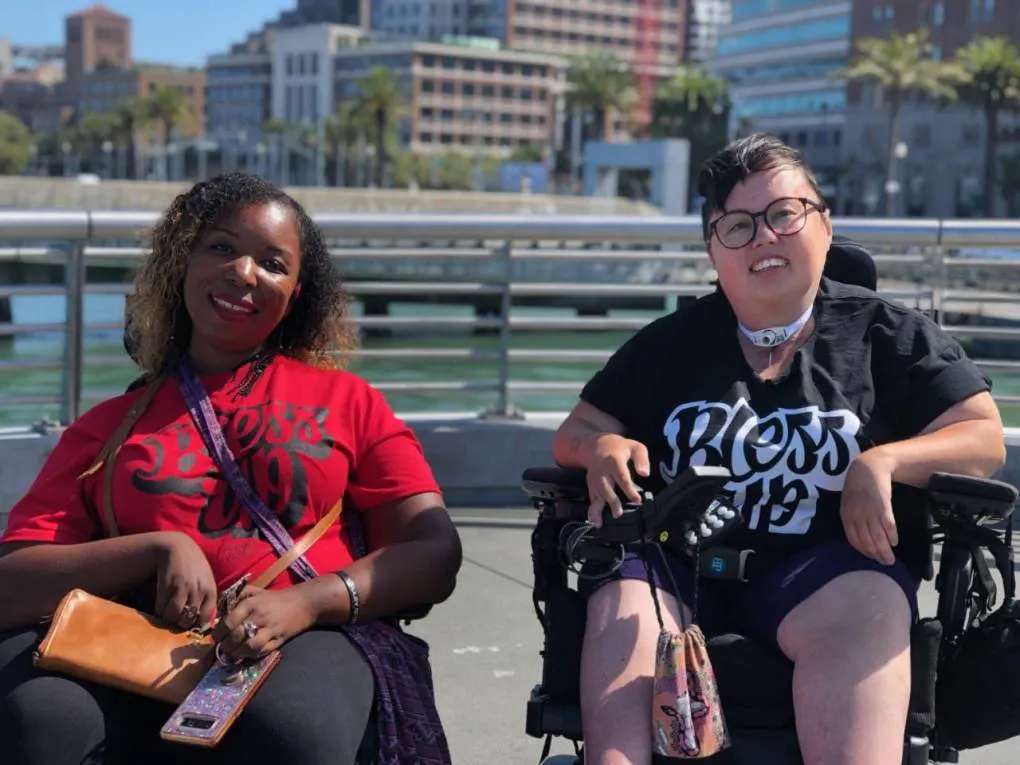
Stacey Park Milbern was an expert at organizing people. A self-identifying queer disabled woman of color, Stacey organized to help her move from North Carolina to the Bay Area so that she could live independently as a disabled person. Stacey was a well known leader within the disability justice movement. And her activism extended beyond people living with disabilities and to other communities that are often excluded — people of color, queer folks, and people living on the streets. She passed away this month at the age of 33. Guest: Andraéa LaVant, Stacey’s friend and co-impact producer on the new Netflix documentary Crip Camp Tap the links to see conversations with Stacey from Sins Invalid, Disability Visibility Project, and the Barnard Center for Research On Women. For a full transcript of this episode, visit the web post here. Learn more about your ad choices. Visit megaphone.fm/adchoices

What We Can Learn From Stockton’s Universal Basic Income Experiment
Since early 2019, 125 random Stockton residents have been receiving $500 a month to spend however they want. And while the final data hasn't been released yet, we're starting to learn a little more about how that money was spent. As many in the Bay Area struggle to pay rent or basic needs because of the coronavirus pandemic, what can we learn from this experiment in Stockton? Guest: Rich Ibarra, correspondent for Capital Public Radio and longtime Stockton resident Learn more about your ad choices. Visit megaphone.fm/adchoices

One Bay Area Filipina Nurse's Long History of Caring for People
When Evelyn Legarte migrated from the Philippines to the Bay Area in 1980, she was part of a growing number of Filipinos that now make up nearly 20% of nurses in California. Many of them are on the front lines of the coronavirus pandemic and caring for people like they’ve done in public health crises before. Guest: Evelyn Legarte, retired Bay Area nurse Learn more about your ad choices. Visit megaphone.fm/adchoices
What Isolation During Ramadan Has Meant for Bay Area Mosques
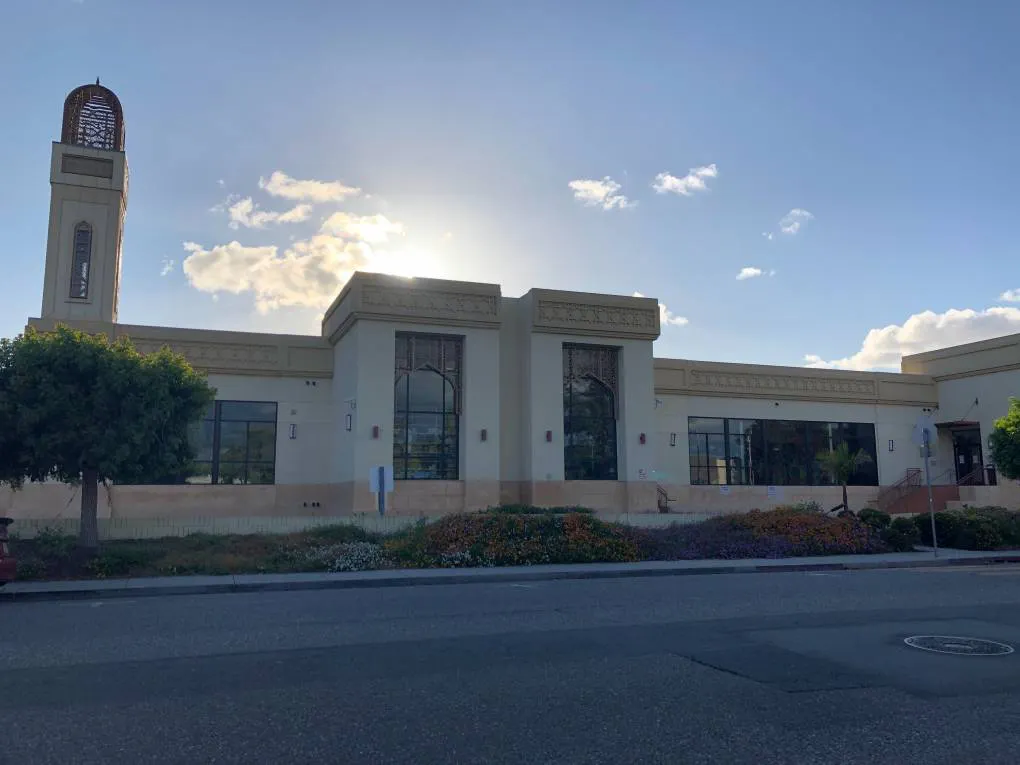
Ramadan is an important time for mosques to receive donations that help them operate throughout the year. But fundraising is hard when people can't attend mosques to pray, be with people, and donate. While some Bay Area mosques have moved services online, the money hasn’t necessarily followed. And where a mosque is located and who it serves may determine whether they can adapt at all. Guest: Adhiti Bandlamudi, reporter for KQED’s Silicon Valley Desk Learn more about your ad choices. Visit megaphone.fm/adchoices
Campaigning And Voting In A Pandemic
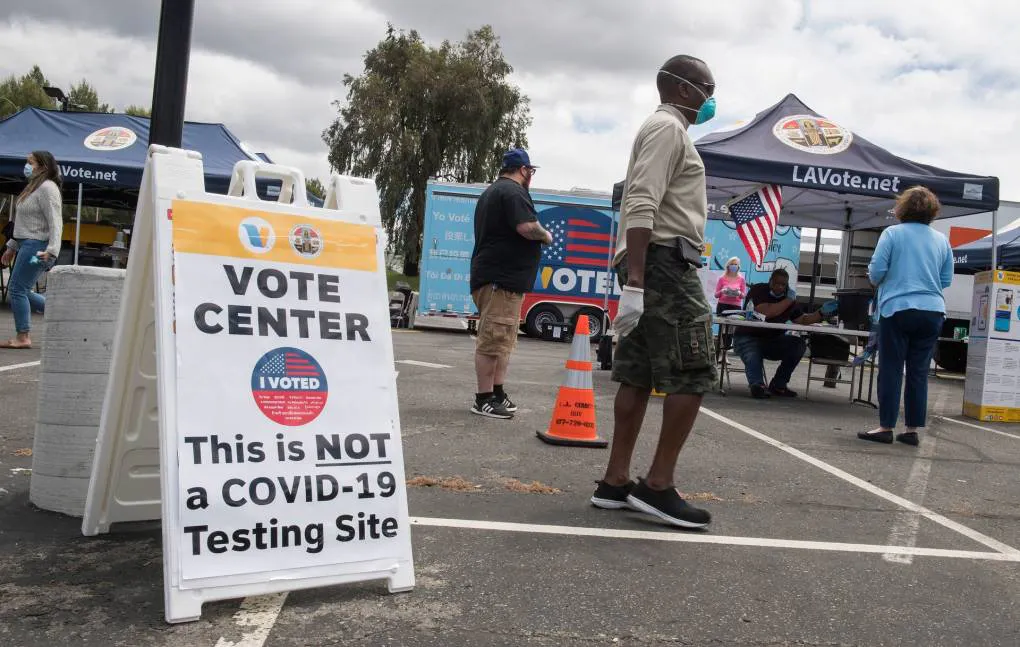
This time of year is a critical point in the run up to the November elections. Normally, campaigns would spend the next few months organizing rallies, town halls and gathering signatures for ballot measures. But COVID 19 has thrown a wrench in the entire election ecosystem. And come Novevmber, even the process of voting will feel different, whether you're voting by mail or making the trip to do it in person. Guest: Marisa Lagos, KQED politics correspondent You can view our raw interview with Marisa in a live taping of this episode here, recorded Wednesday May 13. Learn more about your ad choices. Visit megaphone.fm/adchoices

People In Senior Care Homes Are Still Vulnerable Right Now
More than half of confirmed COVID-19 deaths in California come from senior care homes. And for family members and workers at these facilities, the situation hasn't gotten any less stressful. Guests: Jonathan Hirsch, CEO of Neon Hum Media, and Molly Peterson, KQED science reporter This is an update to our episode on April 10, 2020, which includes a longer introduction to Jonathan's dad, Thomas. Do you know someone in a nursing home or assisted facility and want to share your story? Click here. And thanks to all of you who came to our (virtual) live taping Wednesday night. There's a recording on Facebook Live if you missed it. Learn more about your ad choices. Visit megaphone.fm/adchoices
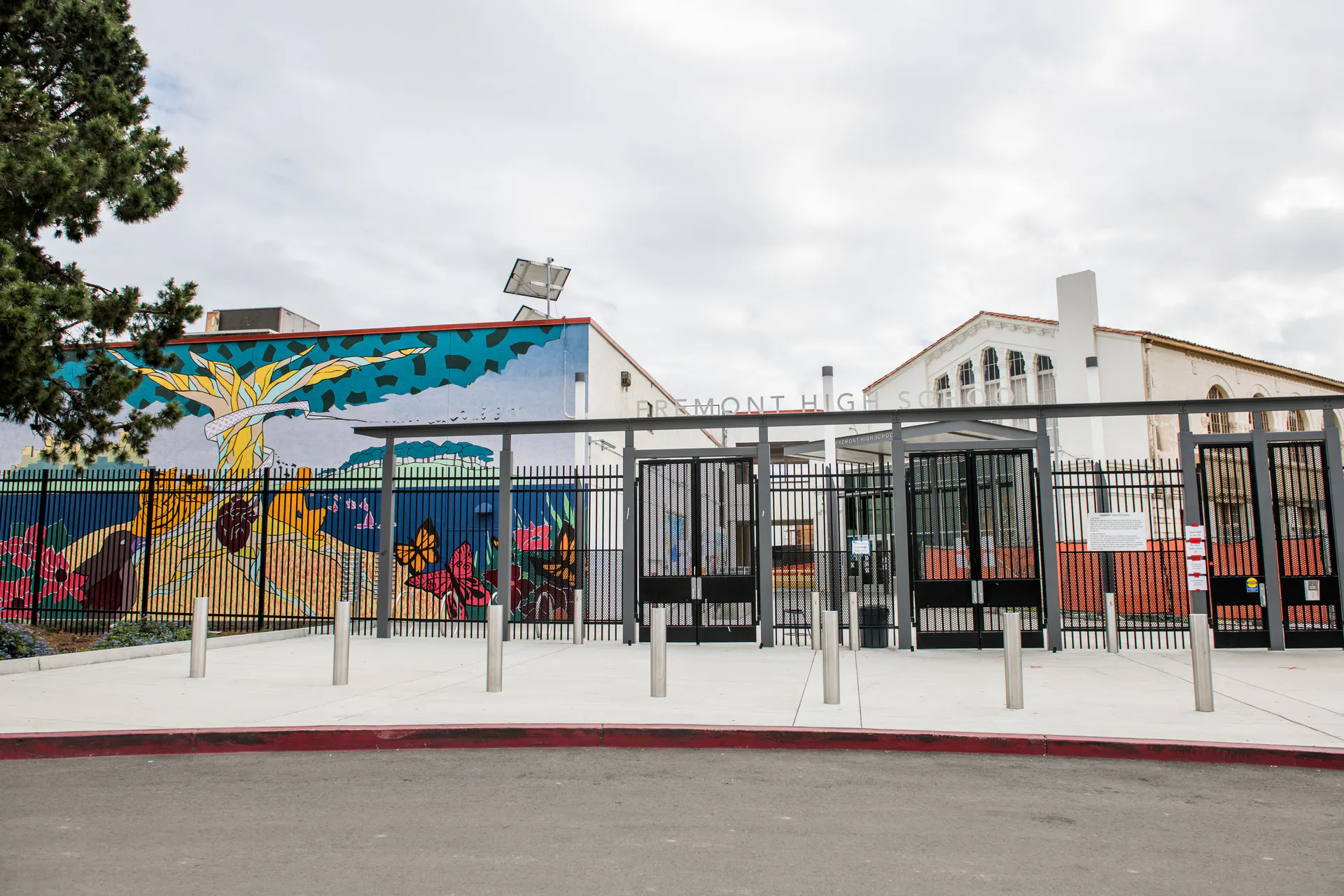
How Virtual Learning Exposed Inequities In Education
Around 1.2 million California students lack adequate access to the internet right now, despite the fact that public schools have moved classes online. That's created a tough scenario for teachers who have a harder time keeping tabs on students, and some educators are worried about what this means to education inequities that existed long before COVID-19. Guest: Julia McEvoy, senior editor for KQED’s education and equity desk The Bay won a Regional Edward R. Murrow Award for Excellence in Innovation! Listen to our episode, “The Tiny Radio Station Relaying Critical Kincade Fire Information in Indigenous Languages.” Congratulations to KQED for winning six regional Murrow awards this year! We're hosting a live (virtual) taping of The Bay on Wednesday, May 13 at 5:30 pm. RSVP for free here. Learn more about your ad choices. Visit megaphone.fm/adchoices
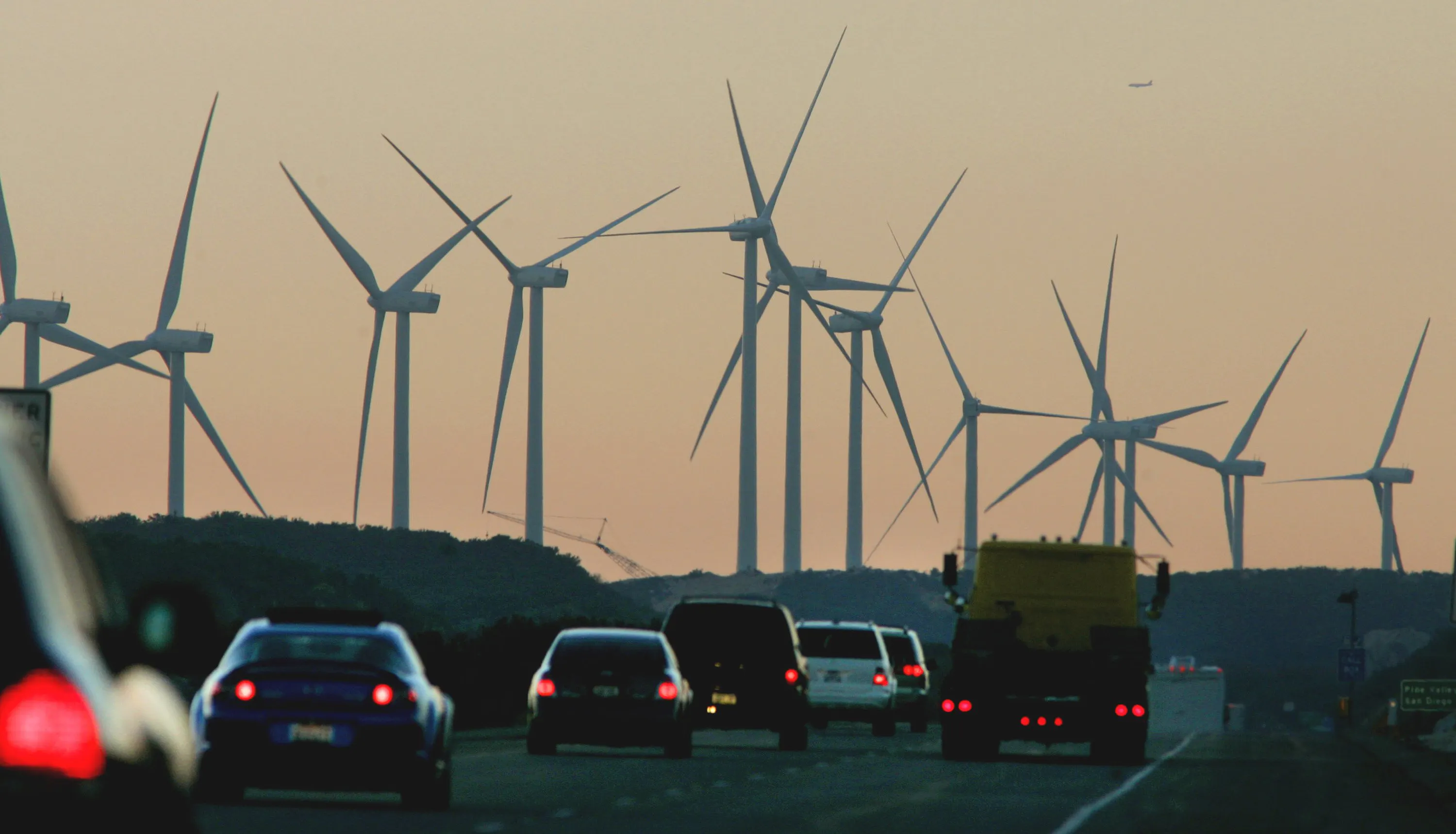
How Will The Pandemic Affect Our Response To The Climate Crisis?
Thanks to shelter-in-place orders, we car-lovin’ Californians are driving 75% less, according to one recent estimate from UC Davis. That's good for the environment in the short-term, but it's not a sustainable way to lower emissions in the long-term. So what does this pandemic mean for the environment — and will it cause the Bay Area to step up its efforts to stave off the climate crisis, or pull back? Guest: Kevin Stark, KQED science reporter Learn more about your ad choices. Visit megaphone.fm/adchoices
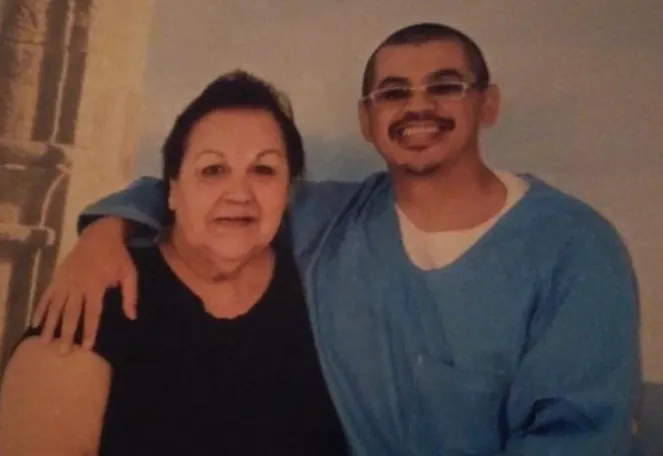
'My Mom Is Beyond A Superwoman': Mother's Day While Locked Up
Pedro Archuleta and his mother, Connie Archuleta, have gotten closer since Pedro's incarceration in 2002. But the COVID-19 pandemic has cast a shadow of worry over both of them. Connie worries about conditions inside the California Institution for Men in Chino, where Pedro, who also has a respiratory illness called Valley fever, is locked up. And Pedro worries that he can't do enough to help his 73 year-old mother right now. Guest: Robin Estrin, freelance journalist and student at the UC Berkeley Graduate School of Journalism We're hosting a live (virtual) taping of our show on Wednesday, May 13 at 5:30 pm. RSVP for free here. Learn more about your ad choices. Visit megaphone.fm/adchoices
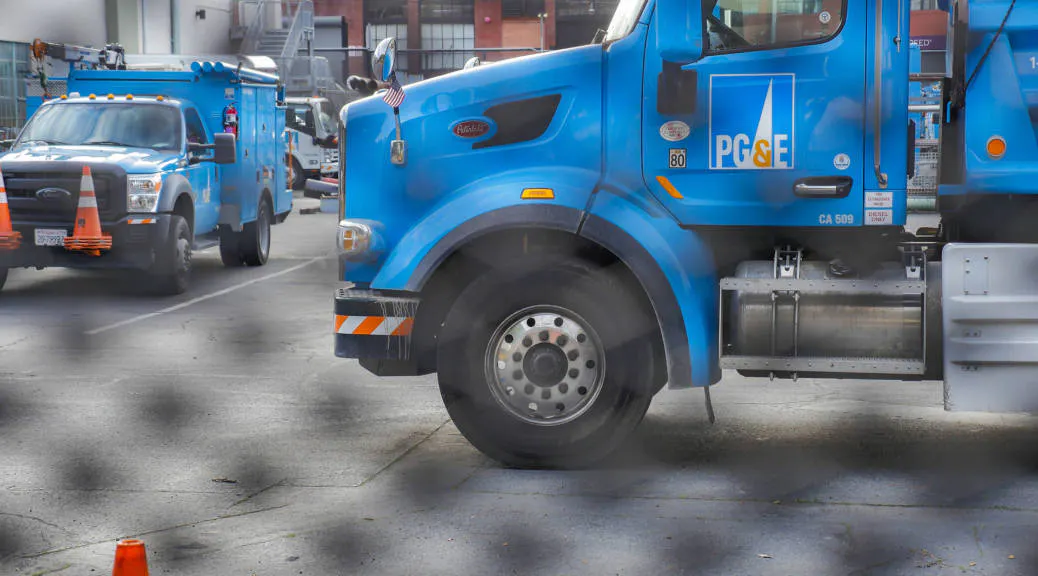
70,000 Wildfire Survivors Are Voting On A Settlement From PG&E — And It's A Mess
PG&E needs to reach a settlement agreement with nearly 70,000 survivors of the 2017 North Bay fires and the 2018 Camp Fire. The deal needs a two-thirds majority to pass and must be approved by May 15. But the process has been a mess. Some survivors aren't happy, some don't have their ballots, and PG&E hasn't yet committed to paying the funds at a certain time. And at the end of it all, we still don't have assurances that PG&E will be fully equipped to handle the next wildfire season. Guest: Lily Jamali, co-host and correspondent for The California Report Learn more about your ad choices. Visit megaphone.fm/adchoices
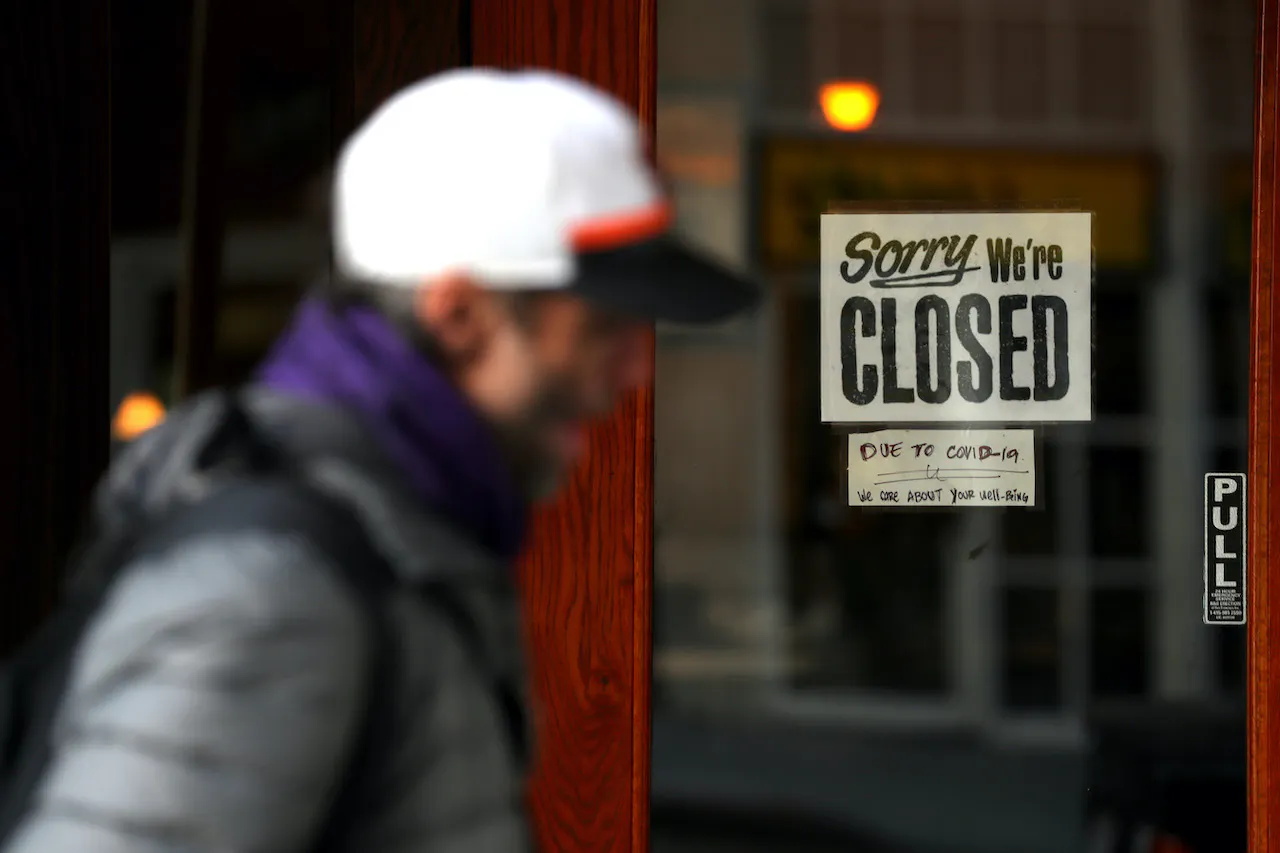
The Future Of The Bay Area’s Restaurant Industry
This pandemic has upended the Bay Area’s restaurant industry. Huge numbers of people have been laid off, restaurants have closed, and the businesses that are still open are trying to make it work through delivery and takeout. The industry will likely be changed forever. As part of our ongoing focus on how life in the Bay Area is changing, we’re taking a look at the future of restaurants. Guest: Soleil Ho, restaurant critic for the San Francisco Chronicle On Wednesday, May 13, we're hosting a (virtual) live taping of our show! RSVP for free here. Learn more about your ad choices. Visit megaphone.fm/adchoices

'It's Not Enough': What Help Is There For California’s Undocumented Immigrants?
An estimated 2 million Californians are undocumented. And whether they're essential workers or have recently lost employment, none of them are eligible for federal aid right now, including the stimulus check that was part of the CARES Act. State and local authorities — and everyday people — are trying to help fill the gap, but it's nowhere near enough. So how are undocumented people being supported right now? This episode is a collaboration with KQED’s Bay Curious podcast. Guest: Farida Jhabvala Romero, KQED immigration reporter Tap here to ask your COVID-19 questions in English, or in Spanish. Haga clic aquí para obtener información importante de KQED e historias en Español. Learn more about your ad choices. Visit megaphone.fm/adchoices
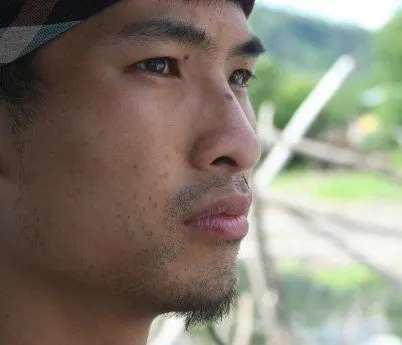
'It's Pretty Clear Who's Responsible': Activist Shot in Philippines Recovering in San Francisco
Brandon Lee is paralyzed from the chest down and recovering at his parent’s home in San Francisco’s Sunset District. Lee had been working as an environmental activist in the Philippines when he became what's believed to be the first U.S. citizen targeted in an extrajudicial assassination attempt under the presidency of Rodrigo Duterte. Local San Francisco officials helped get Brandon back to the Bay Area for medical care. Now, Lee is looking for affordable and disability-accessible housing in a city that has gotten more expensive since he left for the Philippines in 2010. Guests: Brandon Lee, activist and Faye Lacanilao, activist and Brandon’s friend Learn more about your ad choices. Visit megaphone.fm/adchoices

What’s the Path Forward for Bay Area Public Transit?
Leaders at the Bay Area's public transit agencies are dealing with a massive fiscal crisis that happened seemingly overnight. Learn more about your ad choices. Visit megaphone.fm/adchoices

How San Francisco’s Chinatown Avoided Covid-19 Panic
Chinatown community leaders were taking steps to prepare for the coronavirus in early February. Learn more about your ad choices. Visit megaphone.fm/adchoices

‘I Don’t Want Anything to Happen to Them:’ Being Children of Essential Workers
For the kids of essential workers, saying goodbye to their parents each workday brings its own kind of stress. Learn more about your ad choices. Visit megaphone.fm/adchoices
Apple and Google Want to Help Track the Coronavirus — Using Your Phones
Health officials have been trying to trace where COVID-19 came from and where it’s going. In some countries, including China, South Korea, Singapore and Israel, they’ve used cellphones and apps to identify and monitor people infected with the virus. Now, Silicon Valley giants Apple and Google are trying to create the technology for the U.S. But they need more of your data. Guest: Rachael Myrow, senior editor of KQED's Silicon Valley desk Learn more about your ad choices. Visit megaphone.fm/adchoices
Most Artists Have Lost Their Income. What’s Next?
Many artists are still making creative work. But without live events, they're still in big financial trouble. Learn more about your ad choices. Visit megaphone.fm/adchoices
Remembering San Francisco Lesbian Rights Activist Phyllis Lyon
Phyllis Lyon's activism throughout the years helped lay the groundwork for the LGBT rights movement to come. Learn more about your ad choices. Visit megaphone.fm/adchoices

Why We Need Race, Ethnicity and Language Data to Beat COVID-19
Anyone can get sick from the coronavirus, but it's having an unequal impact on communities of color. Learn more about your ad choices. Visit megaphone.fm/adchoices
‘There Isn’t A Lot I Can Do:’ Protecting Loved Ones In Senior Care Homes
Jonathan Hirsch is one of many people worrying about a loved one in a Bay Area senior care home. Learn more about your ad choices. Visit megaphone.fm/adchoices

Can You Get Shelter Right Now If You Don’t Have A Home? It Depends.
Hotel rooms, RVs, and other shelter spaces are being made available. But it's going to take a lot more to keep people experiencing homelessness safe from the coronavirus. Learn more about your ad choices. Visit megaphone.fm/adchoices

How KQED Is Making Radio During the Coronavirus Pandemic
News outlets are considered 'essential' businesses. Here's how we're (still) bringing you stories. Learn more about your ad choices. Visit megaphone.fm/adchoices

Why Local News Is Suffering When People Need It Most
The San Francisco Examiner and SF Weekly are cutting the pay and hours of their journalists by 40 percent. Learn more about your ad choices. Visit megaphone.fm/adchoices
The Confusing ‘Patchwork’ of Renter Protections
How much help do you have right now if you can't make rent? It depends on where you live. Learn more about your ad choices. Visit megaphone.fm/adchoices

Inside a Bay Area Courtroom During Shelter in Place
Courts are considered "essential," but it doesn't mean a jury trial is a safe place for people to gather right now. Learn more about your ad choices. Visit megaphone.fm/adchoices
Tracking the Latest Chapter of Anti-Asian Racism in America
Asians and Asian-Americans are being harassed by people who think looking Chinese means you have the coronavirus. Three California organizations have created a tracker in order to document these incidences, and now they're receiving nearly 100 a day. Guest: Professor Russel Jeung, Chair of Asian American Studies at San Francisco State University Learn more about your ad choices. Visit megaphone.fm/adchoices
‘The Rest of Our Season Got Canceled’
Students may be taking online classes, but their extracurriculars have been canceled. Learn more about your ad choices. Visit megaphone.fm/adchoices
The Bay Area Photojournalist Taking Portraits From a Distance
Jessica Christian wants to take photos of where the people are. Learn more about your ad choices. Visit megaphone.fm/adchoices
Even Before the Coronavirus, Working Class People Were Barely Getting By
The new coronavirus is highlighting just how precarious life has been for many workers and contractors. Learn more about your ad choices. Visit megaphone.fm/adchoices
When People Can’t Go to Their Houses of Worship
Religious communities are trying to stay connected while also staying safe from the coronavirus. Learn more about your ad choices. Visit megaphone.fm/adchoices
Will Daly City’s Only Hospital Survive?
Seton Medical Center is in financial trouble. But closing the hospital could put many vulnerable people at risk. Learn more about your ad choices. Visit megaphone.fm/adchoices
Don’t Panic: Your Questions Answered About the Coronavirus in the Bay Area
News about the coronavirus in the Bay Area is changing every day. Schools are closing, white collar workers are working from home and officials are trying to keep up. It can be overwhelming to know what to do and how to plan. Our KQED colleagues have been working around the clock to bring us up-to-date information about the coronavirus, including our friends over at Bay Curious. They've answered some questions and concerns that listeners submitted, and today we're sharing that episode with you. Get the latest coronavirus updates in the Bay Area here. And read more audience questions about COVID-19 here. Learn more about your ad choices. Visit megaphone.fm/adchoices
Working From Home? Not an Option for Gig Workers
Lots of workers, including gig workers, can't work from home to stay safe during the coronavirus outbreak. Learn more about your ad choices. Visit megaphone.fm/adchoices
The ‘Disease Detectives’ Tracing the Spread of the Coronavirus
Reported cases of the new coronavirus are increasing, and it's up to public health officials to try and figure out where those cases came from. Learn more about your ad choices. Visit megaphone.fm/adchoices

The Bay’s Birthday Field Trip
To celebrate The Bay turning two, the team went on a little field trip. Learn more about your ad choices. Visit megaphone.fm/adchoices

Sanders Won California, But Hella Votes Are Still Being Counted
The AP called California for Bernie Sanders, but we won't know the full results for a while. Learn more about your ad choices. Visit megaphone.fm/adchoices