The Bay
1,253 episodes — Page 17 of 26

Will Angelo Quinto’s Death Lead to Police Reforms in Antioch?
Angelo Quinto was having a mental health crisis when his family called 911 for help. After Antioch Police arrived at Quinto’s home, his family says an officer kneeled on his back near the neck before his body went limp. Quinto, a 30 year-old Filipino American, died days later in the hospital. His death has drawn national attention, especially among Filipino Americans across the country, and spotlights a Bay Area suburb where a now majority-Black city council and young activists are trying to change the power dynamics of the traditionally pro-police community. Guest: Sandhya Dirks, Race & Equity Reporter for KQED Listen to KQED's American Suburb podcast here. Episode transcript here: http://bit.ly/2OAbEEV Learn more about your ad choices. Visit megaphone.fm/adchoices

What Students Think About Reopening Schools
On Thursday, the California state legislature approved a $6.6 billion plan to encourage school districts to resume in-person learning for the youngest public school students in the state. Meanwhile, some students have noticed their perspectives missing from the conversation about re-opening schools. Today, we hear from some. Guests: Joy Cheng, senior at Lowell High School in San Francisco; Melina Kritikopoulos, senior at Santa Clara High School; Isabella Brenneman, junior at Kit Carson International Academy in Sacramento Subscribe to our newsletter here. Episode transcript here: http://bit.ly/3sPLTPB Learn more about your ad choices. Visit megaphone.fm/adchoices
'All Eyes Should Be on Marin': A Racial Reckoning in the Bay’s Whitest County
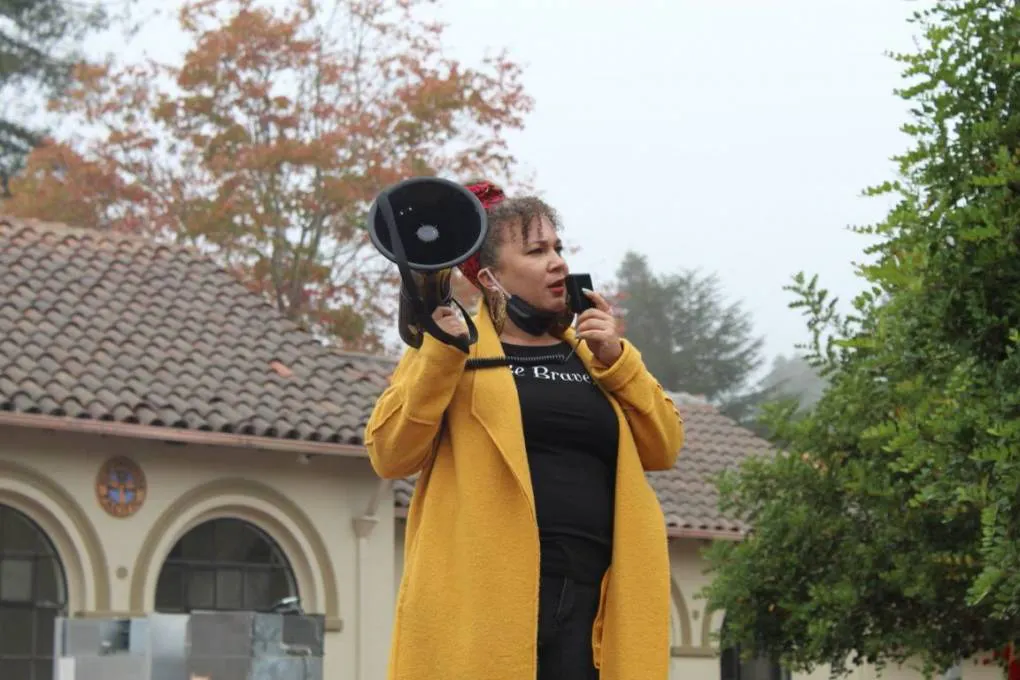
Mill Valley in Marin County is one of the 10 most segregated cities in the Bay Area. During the rise of protests following George Floyd’s death in Minneapolis last year, Mill Valley Mayor Sashi McEntee claimed the Black Lives Matter movement was “not of immediate local importance.” That summer, community activists held protests and sit-ins demanding a public apology from the mayor and plans for lasting change. In response, the City Council created the Diversity, Equity and Inclusion Task Force, but in February the City Council rejected half of the task force's proposals and refused to accept its recommendations. The fight for racial justice is happening in cities across the Bay, but what has it looked like in the Bay Area's whitest and wealthiest county? Guest: Lorenzo Morotti, Marin Independent Journal reporter and Amber Allen-Peirson, activist in Marin City and Mill Valley. Episode transcript here: http://bit.ly/2MIEvGm. Subscribe to our newsletter here. Learn more about your ad choices. Visit megaphone.fm/adchoices

'Our People Are Not Disposable': How East San Jose is Coping with the Pandemic
The ZIP codes in and near East San Jose have been hit the hardest by COVID-19 in the Bay Area. They’re predominantly immigrant neighborhoods with thousands of essential workers, many of whom work for the Silicon Valley tech giants located nearby. Many say the pandemic has simply exposed generations of disinvestment in this corner of Santa Clara County. So how are community members in these neighborhoods surviving and helping each other during a pandemic that has affected the Bay so unequally? Guest: Farida Jhavala Romero, KQED reporter Episode transcript here: http://bit.ly/3syRj1a Learn more about your ad choices. Visit megaphone.fm/adchoices

The Hosts of ‘SOLD OUT’ Update Us on the Housing Crisis
Last fall, KQED launched a new, five-part podcast about possible solutions to the housing crisis. It’s called SOLD OUT: Rethinking Housing in America, hosted by housing reporters Erin Baldassari and Molly Solomon. Since then, Erin and Molly have also received lots of questions and comments from listeners who are curious about what’s happened on the housing front since the podcast dropped. Today, we wanted to pass it off to them. Whether you’ve listened to SOLD OUT or not, this is a timely conversation about a subject that affects all of us. Episode transcript here: http://bit.ly/3pWPVDS Learn more about your ad choices. Visit megaphone.fm/adchoices

Why It’s Hard to Stop Chevron From Polluting the Bay
An oil spill from Chevron’s Richmond refinery earlier this month and the toxic fumes released last November are part of a long trend of dangerous spills into the Bay Area’s water and air. So why’s it so hard to keep the fossil fuel industry from releasing harmful stuff into our environment over and over again? Guest: Ted Goldberg, KQED senior editor Episode transcript here: http://bit.ly/3upixsZ Learn more about your ad choices. Visit megaphone.fm/adchoices

We’re Learning the Wrong Lessons from the Tuskegee Experiment. That Matters for Vaccinating Black Americans.
Several surveys show that Black Americans are, on average, more hesitant to receive a COVID-19 vaccine compared with white people. And when it comes to Black communities showing less trust in the health care system overall, many journalists, politicians and experts point to one specific historical incident: the Tuskegee Syphilis Experiment. But many people, including KQED reporter April Dembosky, are worried that Tuskegee has become a scapegoat for the many structural inequities in the health care system today. And it has real implications right now, especially for Black people who are disproportionately dying from COVID-19. Guest: April Dembosky, KQED health correspondent Episode transcript here: http://bit.ly/3aA4MQ9 Learn more about your ad choices. Visit megaphone.fm/adchoices

How the Pandemic Opened the Door for Organizing Bay Area Strippers
After the pandemic forced strip clubs in San Francisco’s North Beach neighborhood to close and protests against police violence erupted in the summer, many dancers were laid off and started to work virtually instead. This created an unexpected opportunity to push for more worker power among strippers, and fight back against issues like sexual harassment, racism, and a culture of fear around speaking out. And now, some dancers are hoping that this organizing will lead to better working conditions in strip clubs when the pandemic eventually ends. Guests: Kathryn Hurd and Ellie Lightfoot, reporters and students at UC Berkeley’s Graduate School of Journalism Episode transcript here: http://bit.ly/3aBSua9 Learn more about your ad choices. Visit megaphone.fm/adchoices

Helping Oakland's Chinatown From the Street Level
Sakhone Lasaphangthong spends his work day in Oakland's Chinatown helping people get the resources they need. He walks the streets and connects with merchants, elders, and people who don't have housing. Over the last few weeks, violence against Asian elders in the community received national media attention and sparked a lot of debate about race, policing, and community safety. Today, we speak with Sakhone about what he's been seeing in Oakland's Chinatown. Guest: Sakhone Lasaphangthong, director of housing services at Family Bridges and Chinatown ambassador Episode transcript here: http://bit.ly/3apL49O Learn more about your ad choices. Visit megaphone.fm/adchoices

The Asian Americans Reclaiming Traditional Medicine in the Bay
Traditional Chinese Medicine has a complicated history in the Bay. In the 70s, a Chinese immigrant in Palo Alto named Miriam Lee was arrested and put on trial for practicing acupuncture — even though she learned it from a master in her hometown in China. Today, Traditional Chinese Medicine is still often exoticized or dismissed. But now, some Asian Americans in the Bay Area are reconnecting with these practices — and building new communities in the process. Guest: Cathy Erway, food writer and host of the podcast Self Evident: Asian America's Stories Read Cathy's piece about this in the San Francisco Chronicle here. Episode transcript here: http://bit.ly/3tQXSxD We're taking a break on Monday, Feb. 15th. Talk to you on Wednesday! Learn more about your ad choices. Visit megaphone.fm/adchoices

The Messy Path to Reopening Public Schools
After months of debate on whether to reopen public schools in the Bay Area's largest districts, some families have finally had enough of distance learning. But parents are divided on whether it’s safe — and worth the risk — to send their kids back to school while the pandemic rages on. And even if everyone did agree on what to do, the path to reopening is sure to be a long one. Guest: Vanessa Rancaño, KQED education reporter Episode transcript here. Learn more about your ad choices. Visit megaphone.fm/adchoices

‘There Would Be No Black Panther Party Without the Women’
There’s a long history of Black women in the Bay Area leading social justice work — including the hundreds of women who led the Black Panther Party. One West Oakland resident believes a celebration of these women and their contributions is long overdue. That’s why, after last summer’s protests against police violence, she decided to memorialize their legacy with a permanent mural on the home she's owned for more than 20 years. Guests: Jilchristina Vest, curator and West Oakland homeowner Ericka Huggins, human rights activist, poet, educator, Black Panther Party leader and former political prisoner Rev. Cheryl Dawson, Black Panther Party member, Berkeley Chapter Learn more about the Women of the Black Panther Party Mural unveiling on Feb. 14 here. Episode transcript here. Learn more about your ad choices. Visit megaphone.fm/adchoices

There's Rising Toxic Groundwater in the Bay. But It's Not Too Late to Address it.
The climate crisis isn't just about big tropical storms and deadlier wildfires. Rising sea levels — as a result of climate change — are forcing contaminated groundwater to the surface in parts of the Bay Area. And the neighborhoods in most danger are places where there was once heavy industry, including areas that were once redlined. Guest: Laura Klivans, KQED science reporter and host of Deep Look. Episode transcript here. Subscribe to our newsletter here. Learn more about your ad choices. Visit megaphone.fm/adchoices

California’s COVID-19 Vaccine Information Void
California’s vaccine rollout has been…confusing. Many people have been writing into KQED with basic questions about eligibility or where they go to get vaccinated. Our engagement editor has been fielding those questions. But she’s not the only one trying to fill the vaccination information void. Guest: Carly Severn, KQED senior engagement editor Carly answered the top five questions our audience wanted to know. You can read about those questions here. Plus, learn more here about eligibility for the vaccine and where you can get vaccinated. Episode transcript here. Learn more about your ad choices. Visit megaphone.fm/adchoices

Are You Really Protected From Evictions? Depends On Your Local Government.
It’s easy to think that California’s eviction moratorium means people can expect to remain in their homes during the economic crisis and global pandemic. But a KQED investigation found that hundreds of evictions are still taking place across the Bay Area, to mostly Black and brown renters. So why hasn’t the state’s eviction moratorium stopped evictions from happening? And why is it worse in some counties than others? What your local governments are doing is a large part of the answer. Guest: Molly Solomon, KQED housing reporter Are you facing issues with housing during the pandemic? Share your story with us here. Episode Transcript here. Learn more about your ad choices. Visit megaphone.fm/adchoices

Gun Violence in the Bay Was Decreasing. Then the Pandemic Happened.
It takes a lot of hard work to curb gun violence at the community level. For the past few years, those efforts in Richmond and Oakland were paying off. But then the pandemic happened, and a lot of in-person community building became unsafe, and advocates fear years of hard work has been lost to the pandemic. Guest: Abené Clayton, reporter for The Guardian’s Guns and Lies in America project. You can read Abené's story here. Episode transcript here. Learn more about your ad choices. Visit megaphone.fm/adchoices

The Bay Live! What Will Living in the Bay Area Be Like in 2021?
In our first virtual live event of 2021, we invited KQED reporters to share what stories they’ll be looking out for this year. We want to share this conversation and ask what matters to you as the Bay Area adjusts to the evolving COVID-19 pandemic. We also took your questions. From wildfire prevention to free public transit, virtual learning to the changing arts scene, here’s what we might see in 2021 and what we can do about it. This conversation is split into two halves: the first is called "Where We Live" (00:54), and the second is called "What We Do" (28:04). Read the transcript here. Guests: Danielle Venton, science reporter; Molly Solomon, housing reporter and co-host of the podcast Sold Out: Rethinking Housing in America; Dan Brekke, transportation editor; Vanessa Rancano, education reporter; Nastia Voynovskaya, arts associate editor; Sam Harnett, Silicon Valley reporter Learn more about your ad choices. Visit megaphone.fm/adchoices

By the People: How the Last Four Years Changed KQED
KQED wasn't alone in struggling to cover former President Trump. These last four years changed how many journalists think about their responsibilities to the public. It's also forced more members of the news media to reckon with their own role in perpetuating long-existing, systemic problems. So we wanted to chat with KQED’s newsroom leaders about how they've changed over the past four years, and the role local news plays in a frail democracy. Guests: Vinnee Tong, KQED’s Director of News and Ethan Toven-Lindsey, KQED’s Executive Editor Read the transcript here. Sign up for our free live event on Monday Jan. 25 at 6pm. We’ll be talking to KQED reporters about the Bay Area stories to watch for in 2021. Find all of our "By the People" episodes here. Subscribe to our newsletter here. Learn more about your ad choices. Visit megaphone.fm/adchoices

Introducing: A Series On Creators From the Bay Area, From Rightnowish
EIt’s been a week. So now, music. We’re bringing you the first episode of a new series from our friends at Rightnowish that shines a light on all sorts of creators this year. In this episode, Pendarvis Harshaw introduces us to Brooklyn based and Oakland-raised artist Nappy Nina. Just don’t call her a femcee. Sign up for our free live (virtual) event on Monday, Jan. 25 here. Learn more about your ad choices. Visit megaphone.fm/adchoices

By The People: A New Presidency and A ‘Window’ of Opportunity for the Iranian Diaspora
It's Inauguration Day in the U.S. The end of the Trump administration, and the beginning of the Biden administration is a monumental moment for the country –and for the rest of the world. Today, we hear from members of the Iranian diaspora here in the Bay Area about what this change in power means for them, their loved ones in Iran, and for the future hopes of the relationship between their two home countries. Guest: Kyana Moghadam, KQED podcast producer Read the transcript here. Find all of our "By the People" episodes here. Subscribe to our newsletter here. Learn more about your ad choices. Visit megaphone.fm/adchoices

Social Media Giants Banned Trump, But They Still Have Lots of Problems
Silicon Valley giants like Facebook, Twitter and Google have long struggled to deal with violent language and misinformation on their platforms. But after the attack on the U.S. Capitol last week, a line was crossed — and these companies banned or restricted President Trump, along with some of his supporters who have incited violence. So what took these companies so long to take action? And how should we feel about their continued role in how we communicate? Guest: Rachael Myrow, KQED Silicon Valley senior editor Read the transcript here. Learn more about your ad choices. Visit megaphone.fm/adchoices

Why California’s Vaccine Rollout Has Been So Slow
On Monday, California’s COVID-19 death toll reached 30,000. Gov. Gavin Newsom and health officials are relying on mass vaccinations to slow the spread, but there’s a lot of reason to believe accomplishing that will be hard. A majority of California is under stay at home orders until things get better, but the first phase of the rollout has already been slower than some hoped. Guest: Barbara Feder Ostrov, Contributing Writer for CalMatters Read the transcript here. Learn more about your ad choices. Visit megaphone.fm/adchoices

By The People: You’ve Protested, Voted, and Donated. Cat Brooks on What’s Next
It takes a lot of work to undo white supremacy. For many who have been committed to this work, it’s a lifetime of protests, campaigning, donating, and showing up. And sometimes, it can feel like an impossible task. Following the attack by the pro-Trump extremists at the U.S. Capitol last week, we invited longtime Bay Area activist Cat Brooks to talk with us about how she’s been processing everything, and how to make your activism sustainable. Guest: Cat Brooks, executive director of the Justice Teams Network and co-founder of the Anti Police Terror Project Read the transcript here. Find all of our By The People episodes here. Subscribe to our newsletter here Learn more about your ad choices. Visit megaphone.fm/adchoices

The California Republicans Who Helped Enable Wednesday's Attack on the Capitol
California is a state run by Democrats. But we have elected officials who have either ignored or enabled President Trump through the years — including on Wednesday, when a pro-Trump mob violently took over the U.S. Capitol to disrupt the certification of President-elect Joe Biden. Even after the process resumed, 7 out of 10 House Republicans from California voted to overturn electoral votes in Arizona and Pennsylvania. Today, we'll talk about why this matters to Californians, even after Trump leaves office. Guest: Marisa Lagos, KQED politics correspondent and co-host of the Political Breakdown podcast Read the transcript here. Subscribe to our newsletter here! Learn more about your ad choices. Visit megaphone.fm/adchoices

It’s Not Easy to Unionize at Tech Companies. But Google Employees Are Doing It.
This week, 200+ employees at Google announced that they've formed a union. The Alphabet Workers Union, which is supported by Communications Workers of America (CWA), is the first of its kind at Google, and will include dues-paying members, an elected board of directors, and paid organizing staff. For now, it still represents a small fraction of the roughly 260,000 workers at Alphabet. But it's still a big deal — especially in Silicon Valley, where it's so hard to organize at all. Guest: Sam Harnett, Silicon Valley Reporter for KQED Read the transcript here. Listen to our How We Got Here series here. Learn more about your ad choices. Visit megaphone.fm/adchoices

By The People: Oakland’s Longtime City Clerk On How to Make Use of City Council Meetings
If you want to get involved in local politics, your city council meeting can be a good place to start. But it can also be a lot. It's where your elected representatives make decisions that directly affect your life. And it's where anybody can tell their local leaders what they really think about those decisions. LaTonda Simmons knows all about this. Today, she looks back on 16 years running Oakland City Council meetings, and offers some advice for people hoping to participate for the first time. Guest: LaTonda Simmons, Oakland City Clerk from 2004 to 2020 Read the transcript here. Learn more about your ad choices. Visit megaphone.fm/adchoices

We Remember Our Favorite Episodes of 2020
This year in news has changed us all in so many ways. And as we wrap up 2020 with our final episode of the year, we thought we'd take some time to reflect on the stories that have stuck with us the most. Remembering San Francisco Lesbian Rights Activist Phyllis Lyon — Ericka Cruz Guevarra 'These Kids are Fearless': Vallejo Families Seeking Justice for Police Killings Reflect on Protests — Devin Katayama Meet the Poll Workers Who Made Election Day in the Bay Area Possible — Alan Montecillo Guests: Devin Katayama, Ericka Cruz Guevarra, Alan Montecillo, and Kyana Moghadam Read the transcript here. We've off for the next two weeks, and our next episode will be on Jan. 4, 2021. Subscribe to our newsletter here! Learn more about your ad choices. Visit megaphone.fm/adchoices

We're Missing A Lot of Information About the COVID-19 Outbreaks at Foster Farm Plants
In August, a Foster Farms poultry processing plant in Livingston was temporarily shut down because of a a COVID-19 outbreak where at least 392 workers tested positive and 9 workers died. Now, Foster Farms is facing outbreaks at three of the company’s plants in the Central Valley. But it’s been really hard to get basic information about what’s going on about things like worker safety and who makes the final decisions. Today, we talk about what we do and don’t know about these outbreaks, and what this lack of information means for the general public and the company’s workers. Guest: Alexandra Hall, KQED Central Valley reporter Read the transcript here. Learn more about your ad choices. Visit megaphone.fm/adchoices

By The People: The Plight of Farmers in India Hits Home for Thousands in the Bay
This is the fourth episode of By The People, The Bay podcast’s new series highlighting the way democracy shows up in the places around us, and how we can all plug in. It's been called one of the biggest protests the world has ever seen. Farmers in India have been protesting for months over new agriculture laws passed by the Indian Parliament in September, which farmers feel would destroy their livelihoods. People around the world are showing solidarity with them, including here in the Bay Area. On Dec. 5, some thousands of protestors led by Sikh Americans — many who have personal connections to what's happening in India — marched to the Indian Consulate in San Francisco, using the Bay Area as a platform to help boost awareness abroad. Guest: Lakshmi Sarah, KQED reporter Read the transcript here. Subscribe to our newsletter here! Learn more about your ad choices. Visit megaphone.fm/adchoices

A Transgender Asylum Seeker's Quest to Come to the Bay Area
The Bay Area has a long history of providing refuge to migrants seeking asylum. And for some, like Luna Guzmán, a transgender woman who left Guatemala at 22, places like San Francisco are one of the few places where they feel safe. But the journey to seek asylum can be dangerous, especially when U.S. immigration policy fails to protect people who live outside the gender binary. Now, the Trump Administration plans to issue new rules for asylum that would restrict access to the U.S. even more. Today, we share Guzmán's journey. This documentary originally ran on The California Report Magazine. You can subscribe to that podcast here. Learn more about your ad choices. Visit megaphone.fm/adchoices

Why Parents, Doctors and Lawmakers Pushed Back Against Playgrounds Closing
Over the weekend, another surge in COVID-19 cases once again led to playgrounds being closed in many communities across California and in five Bay Area counties. But some parents felt like this part of the new stay-at-home order goes too far — especially because some indoor shopping stayed open. Many also worried that losing access to a safe and free outdoor space could harm both kids and families. Guest: Matthias Gafni, reporter for the San Francisco Chronicle UPDATE: On Wednesday morning, the California Department of Public Health changed its stay-at-home guidance to let counties keep outdoor playgrounds open. Check out Matthias' story here. Read the transcript here. Learn more about your ad choices. Visit megaphone.fm/adchoices

By The People: How Black Activists Transformed Voting in Oakland
This is the third episode of By The People, The Bay podcast’s new series highlighting the way democracy shows up in the places around us, and how we can all plug in. A vote in Oakland today goes farther than it did prior to 1980. That’s when voters passed Measure H, which moved the city from at-large to district-based elections . The change was huge for Black and brown voters, who now had the opportunity to elect candidates from their neighborhoods instead of being represented by white men backed by money and power. The reason why Measure H passed can be traced back through decades of organizing by Black activists seeking political representation. Guest: Darwin BondGraham, editor of The Oaklandside Read the transcript here. You can read Darwin’s full article here Donate to KQED and support The Bay or subscribe to our weekly newsletter! Learn more about your ad choices. Visit megaphone.fm/adchoices

Why California Is Factoring in Historical Social Injustice in the Vaccine Rollout
California is planning its rollout of a coronavirus vaccine. Healthcare workers have already been prioritized, but figuring out who comes next and how that decision will be made is now in the hands of an advisory committee made up of health and community leaders. One factor they’ll use to decide who gets the vaccine next? A look at the nation’s history of social injustice, and which groups have been overlooked, and wronged, in the past. Guest: April Dembosky, Health Correspondent for KQED Read the transcript here. Sign up for our weekly newsletter! Learn more about your ad choices. Visit megaphone.fm/adchoices

Charges Have Been Filed Against Police Officers in The Bay This Year. Why Just Now?
It's always been difficult to charge a police officer after they've killed someone while on the job. But in the Bay, it's happened a few times within the last three months. For example, in September, Alameda County District Attorney Nancy O'Malley charged San Leandro police officer Jason Fletcher for killing Steven Taylor in April 2020, and last week San Francisco DA Chesa Boudin charged Christopher Samayoa for shooting and killing Keita O'Neil in 2017. So what led these two Bay Area DAs to file charges when it's been so rare in the past? Guest: Alex Emslie, KQED Criminal Justice Editor Read the transcript here. Subscribe to our weekly newsletter here! Learn more about your ad choices. Visit megaphone.fm/adchoices

By The People: Shakirah Simley's Journey From Activist to Local Government
This is the second episode of By The People, The Bay podcast's new series highlighting the way democracy shows up in the places around us, and how we can all plug in. Many activists work their whole lives from outside the systems they want changed. That’s what Shakira Simley did, until recently. Simley is now Director of San Francisco’s Office of Racial Equity and says she brought a lot of the lessons she learned as an activist with her into City Hall. Simley talks with us about why it’s important to see public institutions as ours to behold — and change. Guest: Shakirah Simley, Director of San Francisco’s Office of Racial Equity Read the transcript here. Learn more about your ad choices. Visit megaphone.fm/adchoices

A Filipino Nurse and The Patients She Won’t Forget
When Evelyn Legarte migrated from the Philippines to the Bay Area in 1980, she was part of a growing number of Filipinos that now make up about 20% of nurses in California. As the holidays approach, we want to acknowledge the many Filipino nurses on the front lines of the coronavirus pandemic who are caring for people like they’ve done in past public health crises. This episode originally ran on May 22, 2020. Guest: Evelyn Legarte, retired Bay Area nurse Subscribe to our newsletter here! Read the transcript here. Learn more about your ad choices. Visit megaphone.fm/adchoices

By The People: Young, Queer Candidates of Color are Changing the Bay Area Political Scene
One way to change your hometown? Run for office. That’s what Alex Lee, James Coleman, and Lucy Shen decided to do in the 2020 elections. All three are among a number of young, queer candidates of color who ran in local races this year. They’re from different parts of the Bay Area – with unique relationships to their hometowns – but they all found themselves looking for change and diving into politics. This is the first episode of By The People, The Bay’s new series highlighting the way democracy shows up in the places around us, and how we can all plug in. Guest: Adhiti Bandlamudi, KQED Silicon Valley reporter Subscribe to our newsletter here! Read the transcript here. Learn more about your ad choices. Visit megaphone.fm/adchoices

Some Hotels for Unsheltered People Are Closing. Where Will They Go?
When the pandemic hit, thousands of unsheltered people were moved into hotels under a plan known as Project Roomkey. Gov. Gavin Newsom said the goal was to eventually move people into permanent housing. But early data from eight Bay Area counties analyzed by KQED shows that most people discharged from hotels have not found a more secure home. Now, some of those hotels are closing, and as coronavirus cases surge again the question still remains: where will the unhoused go? Guest: Erin Baldassari, KQED housing reporter and co-host of Sold Out, a podcast about the challenges and solutions to our housing crisis. Read the transcript here. And sign up for our newsletter here! Learn more about your ad choices. Visit megaphone.fm/adchoices

California's COVID-19 'Emergency Brake'
On Monday, Gov. Gavin Newsom said that California has seen the fastest two-week increase in confirmed COVID-19 cases since the pandemic started. Now, most counties, including six in the Bay Area, are under the state’s most restrictive pandemic mandates. Guest: Katie Orr, KQED politics and government reporter Read the transcript: https://bit.ly/2UzUKpp Learn more about your ad choices. Visit megaphone.fm/adchoices

Why Some Seniors Are More Resilient During the Pandemic
EWe've heard a lot about how older people are vulnerable during this pandemic. And it's true that they're more vulnerable to the virus and that loneliness and depression among seniors has been rising. But there's another part of the story we don't hear much about: how and why some seniors are finding ways to be more resilient right now. Guest: Lesley McClurg, KQED Science Reporter Read the transcript here: https://bit.ly/32IXaXt Learn more about your ad choices. Visit megaphone.fm/adchoices

With Prop. 22 Approved, Regulating Gig Companies Just Got A Lot Harder
California Proposition 22 was a big win for tech companies. Its passage allows a handful of corporations — like Uber and Lyft — to create a new "gig" contractor category for their workers that doesn’t have to include employee protections and benefits, like unemployment insurance and workers compensation. Now, those same companies that won in California want to expand beyond the state. Read the transcript: https://bit.ly/3eSSCCw Guest: Sam Harnett, Silicon Valley reporter for KQED Listen to our special series 'How We Got Here' with Sam here. And sign up for our newsletter here! Learn more about your ad choices. Visit megaphone.fm/adchoices

What Measure P in Sonoma County Says About Police Accountability
The Bay Area passed a number of local measures related to civilian oversight of police this election. This means an increase in access for what citizens get to know, and get to do, about issues within their local police departments – including policy changes and police misconduct. We look at the recently passed Measure P, out of Sonoma County, which increases the powers of the Independent Office of Law Enforcement Review and Outreach (IOLERO). And the public outcry for police accountability, dating back to the 2013 fatal shooting of 13-year-old Andy Lopez. Guest: Alex Emslie, KQED Criminal Justice Editor Read the transcript here: https://bit.ly/3pd5tEF Learn more about your ad choices. Visit megaphone.fm/adchoices

Laughing Through the Tears With Luna Malbroux
EThings are still really stressful right now. But comedian Luna Malbroux navigates that stress but choosing laughter and joy in a time of extreme anxiety.Today, we're sharing an interview with Luna on an episode of Rightnowish, hosted by KQED columnist and host Pendarvis Harshaw. Read the transcript: https://bit.ly/3kb2Qze Sign up for The Bay's newsletter: https://bit.ly/2Ij412e Learn more about your ad choices. Visit megaphone.fm/adchoices

How Voting Went Down in the Bay Area
Voting in the Bay Area seemed to go smoothly on Tuesday, thanks in part to California's efforts to get people to vote early and by mail. That says a lot, in an election where there's been so much misinformation about the process, and where a pandemic threatened the health and safety of people voting in person. Guest: Guy Marzorati, KQED Politics and Government reporter Guy is following up with Bay Area counties to see what more we can learn about voting this election. If you experienced problems either voting by mail or at the polls let Guy know by tweeting him @GuyMarzorati or email him at [email protected]. Read the episode transcript here: https://bit.ly/3p17qns Learn more about your ad choices. Visit megaphone.fm/adchoices

The Poll Workers Who Made Election Day in the Bay Area Possible
California may have mailed all voters a ballot, but a lot of people still chose to cast their ballots in person. And thousands of people worked long hours to make sure voters could do just that. Today, we're bringing you the stories of three poll volunteers from different corners of the Bay Area. Guests: Amy Mar, Thuc Nguyen, and Ronak Chakraborty, poll volunteers in Hayward, San Jose, and San Ramon Learn more about your ad choices. Visit megaphone.fm/adchoices

The Generational Political Divide in South San Francisco
The killing of George Floyd led to protests in South San Francisco, and the creation of a youth-led activist group called Change SSF. These last few months have also exposed a generational divide about how quickly the city should make changes — and how sweeping they should be. And that divide is also showing itself in South San Francisco's race for city council, where a 22-year-old political newcomer is running against the city's longtime mayor. Guest: Adhiti Bandlamudi, Silicon Valley reporter for KQED News This episode is part of our series on how protests on policing and racial justice are showing up on Bay Area ballots and beyond. Click here to listen to the story of the local police shooting at the center of this year's city council race in Walnut Creek. And click here to listen to how Martinez residents are growing an infrastructure for activism in their community. Learn more about your ad choices. Visit megaphone.fm/adchoices

The Seeds of Activism in Martinez
Martinez isn't known for its activism. But after George Floyd was killed, and after a white couple defaced a Black Lives Matter mural in Martinez, many residents decided it was time for that to change. Now, they've started a conversation about race in Martinez that hasn't really happened in public before. That conversation has been difficult, especially with local leaders — but activists say this is just the beginning of a long struggle to build the Martinez they want. Guest: Devin Katayama, The Bay host and reporter This episode is part of how protests on policing and racial justice are showing up on Bay Area ballots and beyond. Tap here to listen to the story of the local police shooting at the center of this year's city council race in Walnut Creek. Learn more about your ad choices. Visit megaphone.fm/adchoices

The Police Shooting That Motivated Walnut Creek Residents to Run for City Council
Miles Hall was shot and killed by Walnut Creek police a year before many residents joined national protests supporting Black lives this past summer. The Hall family and friends have been showing up at City Council meetings demanding justice for a year, but it wasn't until George Floyd was killed by Minneapolis police that more people began pressuring local politicians. Now half of the eight City Council candidates in Walnut Creek are running because of what happened to Hall, and some activists see this election as a referendum for how much this wealthy, mostly white Bay Area suburb supports Black lives. Guest: Ericka Cruz Guevarra, producer and reporter for The Bay Learn more about your ad choices. Visit megaphone.fm/adchoices

What It's Like to Have Parents Who Are Essential Workers
Bela Gonzalez and Louie Licea are 15. Both of their parents are essential workers and need to leave the house every day. It's all pretty stressful. And it's also brought more responsibility: while their parents are gone, Bela and Louie take care of their little sister, Mia. Guests: Sasha Khokha, host of The California Report Magazine, Bela Gonzales and Louie Licea This episode originally ran in April 2020. Click here for info about power shutoffs. You can also check to see if your address will be affected. Learn more about your ad choices. Visit megaphone.fm/adchoices

The Beginnings of San Quentin's COVID-19 Outbreak
On Tuesday, a California court ruled that officials at San Quentin State Prison have to either transfer or release half of the facility's population. That's because the outbreak at San Quentin got so bad that roughly 2,200 people got sick with COVID-19. 28 people have died. Today, we're revisiting how the outbreak first started at the beginning of the summer — and what incarcerated people and their loved ones were warning and worrying about at the time. Guest: Kate Wolffe, KQED reporter This episode originally aired on June 26, 2020. Learn more about your ad choices. Visit megaphone.fm/adchoices