The Baton: A John Williams Musical Journey
116 episodes — Page 3 of 3

Ep 16Episode 16 - Not With My Wife You Don't
John Williams' final film score of 1966 wasn't his best work of the year, but it does contain some decent moments, including music for a bar fight and a decent love theme. His collaboration with the Oscar-winning lyricist Johnny Mercer yielded three uninspiring songs that aren't very memorable outside the film. Though this isn't the best score Williams wrote in 1966, host Jeff Commings finds some hidden gems inside the music. We'll also take a look back at the five scores from 1966 and which one deserved the most recognition.
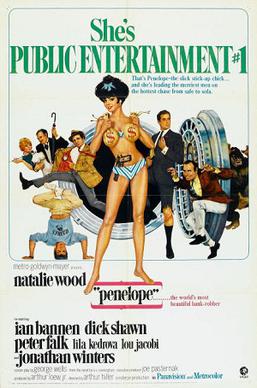
Ep 15Episode 15 - Penelope
Natalie Wood is the star of "Penelope," but the film puts so much more focus on Edith Head's costumes that it takes away from the flimsy and uneven plot. John Williams manages to compose a very good theme for the film by way of a 60s-era song that begins his longtime collaboration with the English songwriter Leslie Bricusse. Host Jeff Commings talks about the numerous permutations of the Penelope theme in this episode, as well as the history behind the making of the film and how it affected Natalie Wood's film career.

Ep 14Episode 14 - The Plainsman
Universal Pictures had two Westerns released in 1966. After the box office flop "The Rare Breed" came another underperformer, "The Plainsman." John Williams, nearing the end of his contract with Revue Studios, the TV arm of Universal, tackled this uneven film and produced very little score that is memorable after watching the film. Does the fault lie with Williams being overworked in 1966, or does it lie with the filmmakers not creating a film rich with inspiration for its composer? Host Jeff Commings examines some of the musical moments in the film, including some precursors to what Williams will do in the "Star Wars" films.
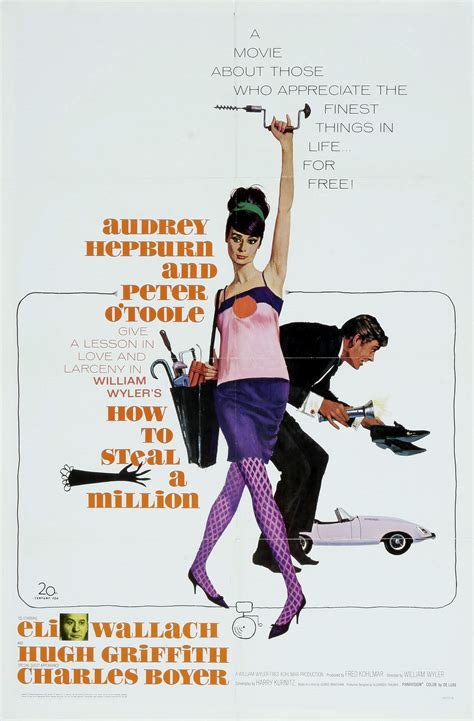
Ep 13Episode 13 - How to Steal a Million
The Audrey Hepburn art caper comedy "How to Steal a Million" was a turning point in John Williams' career, at least in the eyes of the composer himself. Host Jeff Commings explains why Williams felt this was a new chapter in his professional career, and how it shaped his life going forward. The film itself was one of the biggest successes in which John Williams was able to take part, and it's in no small thanks to the main theme that's used for many different purposes.

Ep 12Episode 12 - The Rare Breed
Did you know that John Williams wrote music for Westerns? The first one was the James Stewart vehicle "The Rare Breed," which features a bull named Vindicator and a sort-of British accent from Maureen O'Hara. As far as the score, it features a fine theme from Williams, and some decent moments in the relatively predictable film. This was the first of five films released in 1966 that would feature a John Williams score, and despite his busy schedule, he had the time to write his first - and only - symphony. Host Jeff Commings discusses the strange history of Symphony No. 1 and the presumed reasons why Williams only had it performed twice.

Ep 11Episode 11 - John Goldfarb Please Come Home
Technically, John Williams' follow-up to "None But the Brave" is a war film, as it deals with the U.S.-Soviet animosities during the Cold War, but it really is nothing more than pure slapstick comedy that stoops low but still strives to aim high. "John Goldfarb Please Come Home" takes the real-life incident of Francis Gary Powers crashing his U2 plane and makes lowbrow comedy out of it. What results is a low point in Shirley MacLaine's movie career, but a great effort by John Williams in his 10th film. The music in this film relies heavily on arranging the orchestra to create a Middle Eastern flavor, with some 60s punk sprinkled on top. Williams uses many musical styles throughout the film, from a quiet love theme to Keystone Kops-style antics. A major milestone of the film concerns the title song, which marks the first song co-written by Williams to appear in a theatrical film. Host Jeff Commings analyzes Williams' contributions to the film, and the court battle that nearly derailed the film's release.
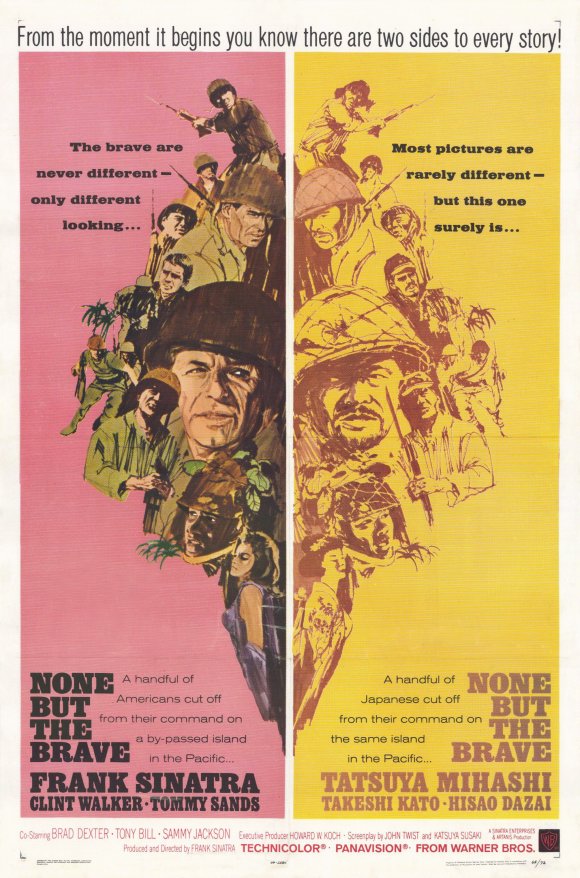
Ep 10Episode 10 - None But the Brave
John Williams' first war film is "None But the Brave," a misguided directorial debut by Frank Sinatra. Despite the bad acting and preachy plotline, John Williams is able to write a very ambitious score that runs about an hour. It's his longest score to date, and you'll hear some music that will lay the foundation for his work on future war films, including "Saving Private Ryan." There's also music for a shark attack in this film, though it's not as good as the music he would write 10 years later. Enjoy this examination of Williams' writing for brass and how he creates tension with strings in several key scenes. It's likely the film that gave him true confidence that he could be a great film composer. Host Jeff Commings guides you through this film and details more history in the career of John Williams. Enjoy!
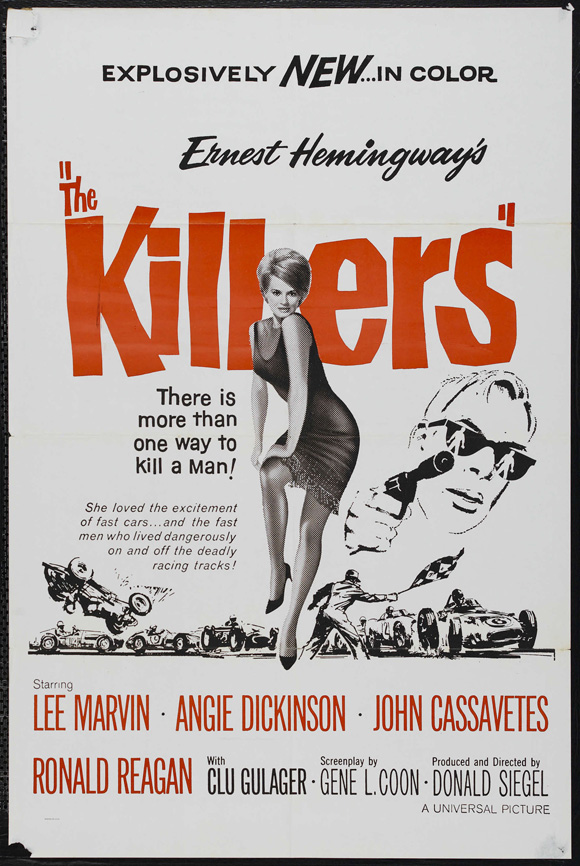
Ep 9Episode 9 - The Killers
It's John Williams' birthday, and we're celebrating with a special release of this episode of "The Baton." The film itself is nothing really special, though we get some pretty dramatic acting from future Oscar winner Lee Marvin, as well as John Cassavetes and future President Ronald Reagan. This is probably the first film of decent quality in the John Williams canon, and we're lucky that it made it to the big screen at all after censors axed plans to air it on television. Williams gets back to writing a fully-realized and compelling original score, though his friend Henry Mancini gets in the way a couple of times. John Williams doesn't seem to mind that, since he helped Mancini on one of his most famous film scores that year. Sit back and enjoy the ride with host Jeff Commings!
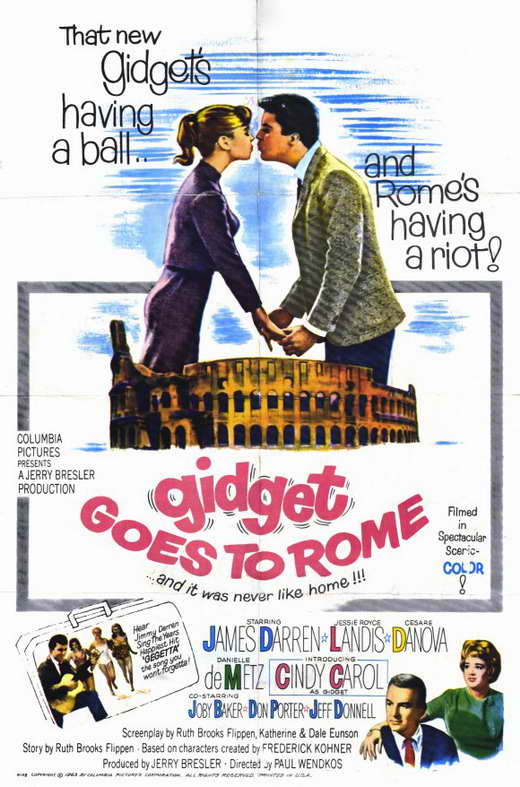
Ep 8Episode 8 - Gidget Goes to Rome
John Williams is back in comedy territory for "Gidget Goes to Rome," the third and final film in a trilogy about the Southern California girl who gets in a mess wherever she goes. This time, it's to Rome to celebrate high school graduation. There are a couple of international incidents and unrequited love scenes galore. John Williams has to limit his scoring duties to adapting the music for a song written for the film, similar to what he had just done for "Diamond Head." Why did Williams take on this film? Find out in this episode!
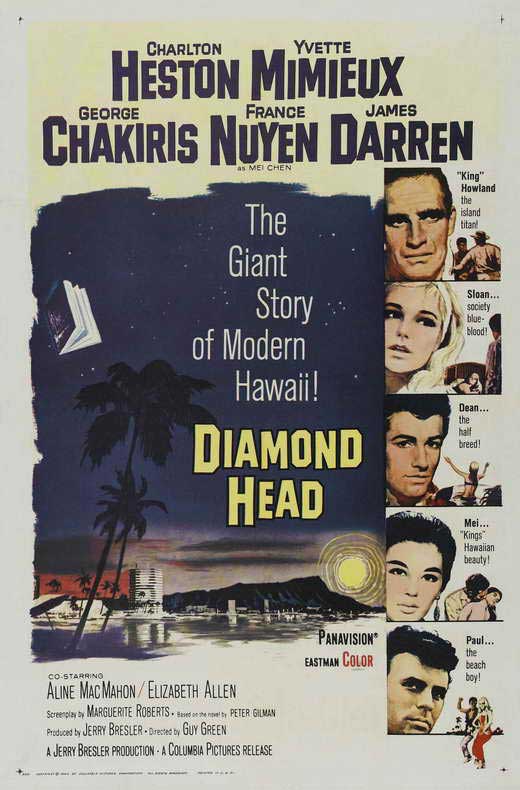
Ep 7Episode 7 - Diamond Head
The first of two films that John Williams would score in 1963 took him back to dramatic territory, specifically the lush locales of Hawaii in the Charlton Heston film "Diamond Head." There wasn't much opportunity for Williams to stretch his composing muscles, as he was restrained by the existence of a theme composed by Hugo Winterhalter. The score to "Diamond Head" was full of Winterhalter's theme, with Williams simply filling in the gaps in this sparse score. At least Williams gets a "Music By" credit on the film. Take a listen to this score with host Jeff Commings, and examine how well Williams works with his orchestrator to put his stamp on the score. And we'll discuss the situation concerning the casting of white actors in roles that should have gone to Hawaiian actors, something Hollywood continues to do in the 21st century.
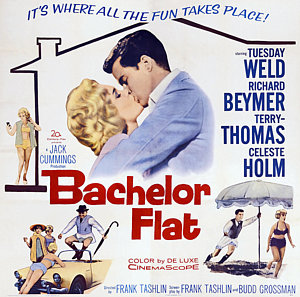
Ep 6Episode 6 - Bachelor Flat
The year 1962 was a big one for John Williams, earning his first Grammy and Emmy nominations for his work on TV shows. But his gaze never left the movie theater, and he contributed a fun and earnest score to the slapstick comedy "Bachelor Flat." It would mark his first film with 20th Century Fox, where he would later become a megastar with "Star Wars." But that was 15 years into the future. At the time, this was Williams working to show that he could write good music for any film, while his colleagues were drifting toward television and thumbing their noses at comedic films. Host Jeff Commings breaks down some of Williams' finest work on "Bachelor Flat," including a fantastic piece written for a dog!
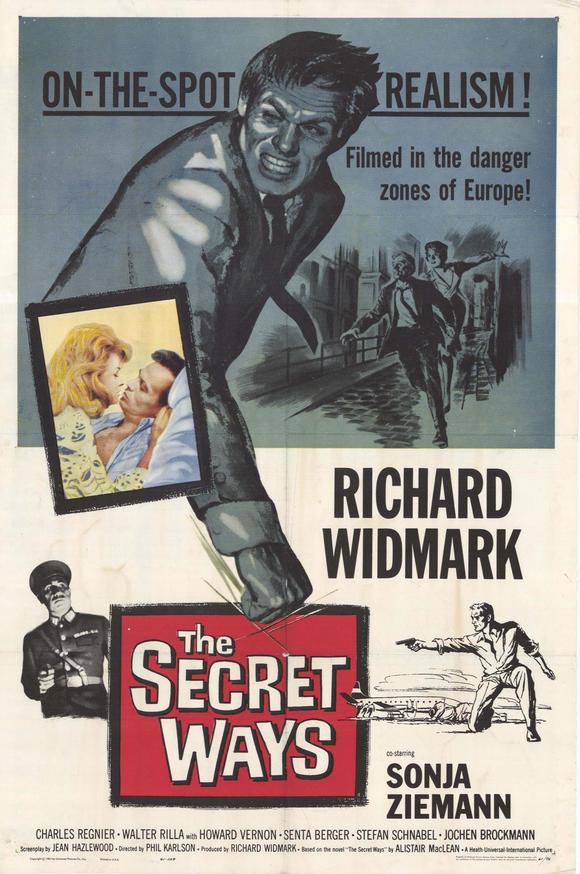
Ep 5Episode 5 - The Secret Ways
John Williams' fourth film score, for the movie "The Secret Ways," does its very best to turn a very bad film into something watchable. Williams succeeds in many places, coloring in darkly-filmed scenes with violins and flutes and composing a haunting main theme for the piano and cello. Host Jeff Commings tries to explain the plot of the film while breaking down some of the score's finer moments. We'll also discuss the historic firsts John Williams experienced the same year during his work on the TV show "Checkmate."
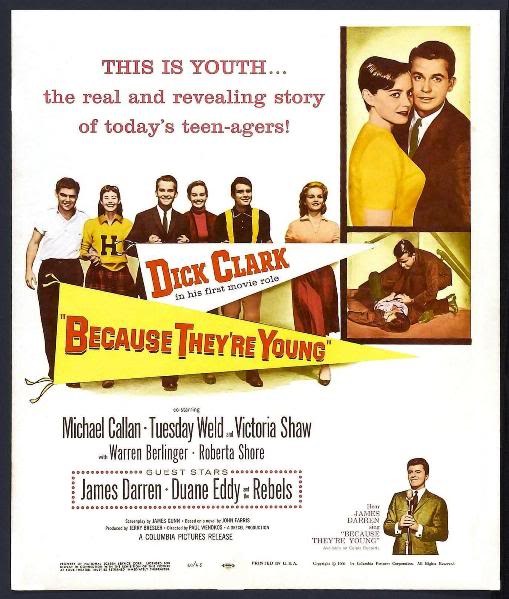
Ep 4Episode 4 - Because They're Young
We've got another teenage drama for you on this episode: "Because They're Young." It's a bit more dramatic than John Williams' first foray into the teenybopper genre, Daddy-O, with Dick Clark in his first film role and some obvious attempts to mimic the more popular film The Blackboard Jungle. There are also some connections to West Side Story, both intentional and unintentional. Sit back as host Jeff Commings analyzes this bongo-heavy score for a film that might have you reliving your high school days.
Ep 3Episode 3 - I Passed For White
The second film in John Williams' filmography is about as different from his first as you could get. The film "I Passed For White" tried very hard to be taken seriously, but is sheer melodrama in the Douglas Sirk method. The film is notable for the first thematic material John Williams has written, a lush melody for the main character. Join host Jeff Commings as he discusses this heavy-handed drama about race and personal identity.
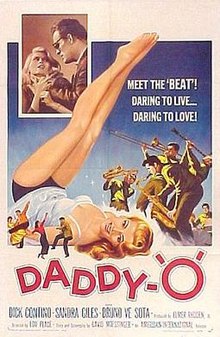
Ep 2Episode 2 - Daddy-O
Let's start this journey through the career of film composer John Williams with his first-ever score for a feature-length film. The 1959 B-movie "Daddy-O" was not the blockbuster that Williams would have hoped to have to launch his career, but it contains some good music. Host Jeff Commings examines some of the music, including some moments that hint at the greatness to come almost a decade later.
Ep 1Episode 1 - Prologue
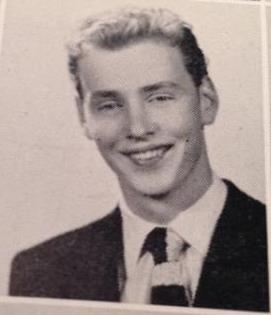
Welcome! This is a podcast unlike any other. We're going on a journey through the 60 years of film music written by the legendary John Williams, considered by just about everyone to be the greatest film composer in history. In this episode, host Jeff Commings begins the journey with a look back at John Williams' life before his first film assignment. Learn about John Williams' time in the Air Force, his studies at Juilliard and learning from the best in his early days in Hollywood.