The Baton: A John Williams Musical Journey
116 episodes — Page 2 of 3
Ep 67Episode 66 - Born on the Fourth of July
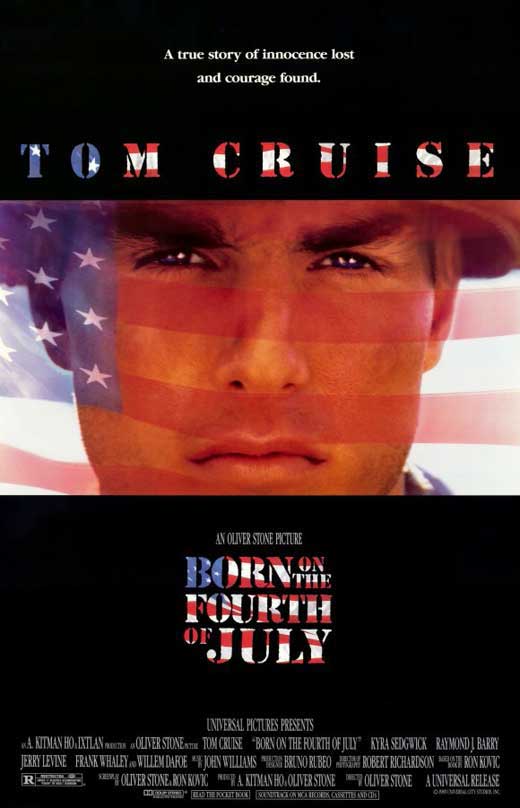
John Williams' fifth foray into the war film genre was "Born on the Fourth of July," featuring a somewhat restrained score shortly after his work on "Indiana Jones and the Last Crusade." His score features two haunting themes, one for strings and another for the trumpet. Tim Morrison, the principal trumpet player for the Boston Pops at the time, made his film score debut with a gorgeous performance. Williams' score is one of many excellent aspects of this film, including Oliver Stone's direction and the career-defining performance by Tom Cruise.

Ep 63Episode 65 - Indiana Jones and the Last Crusade
In what was believed to be the last film in the Indiana Jones saga, John Williams put together a quieter action score than what he wrote for the previous two films. "Indiana Jones and the Last Crusade" featured a new stately theme for the Holy Grail and a new action melody for Indy's heroics. But host Jeff Commings points to the 12-minute prologue featuring a younger Indiana Jones as the best scene in any Indy film, thanks to the multiple sync points that Williams successfully navigated with the orchestra. Learn more about this score, and the film that Williams had to turn down in order to work on the Indy music.

Ep 65Episode 64 - The Accidental Tourist
After director Lawrence Kasdan was unable to agree on a musical style with composer Bruce Broughton, John Williams stepped in to write a delicate score that many John Williams fans often forget is part of his filmography. Using a theme for the main character, a travel guide writer dealing with major grief, that starts out quietly on piano and builds to an incredible finale, co-hosts Jeff Commings and Maurizio Caschetto note that it is one of his best cues for a finale in his storied career. Join the two as they examine the score in detail, including the two versions of the opening credits music used in the film.

Ep 61Episode 63 - Empire of the Sun
The 1987 war film "Empire of the Sun" was Spielberg's attempt to make another "grown-up" film after his success with "The Color Purple." In a sense, Spielberg retained his youthful vision with a teenage Christian Bale taking the lead in the story, but worked to keep the heavy drama intact. His unsteadiness with the direction spilled over into the final product of John Williams' score, as the music is heavily edited and doesn't show up for large portions of the film. Host Jeff Commings details the possible reasons why, and examines the two choral works that frame the film.
Ep 64Episode 62 - The Witches of Eastwick
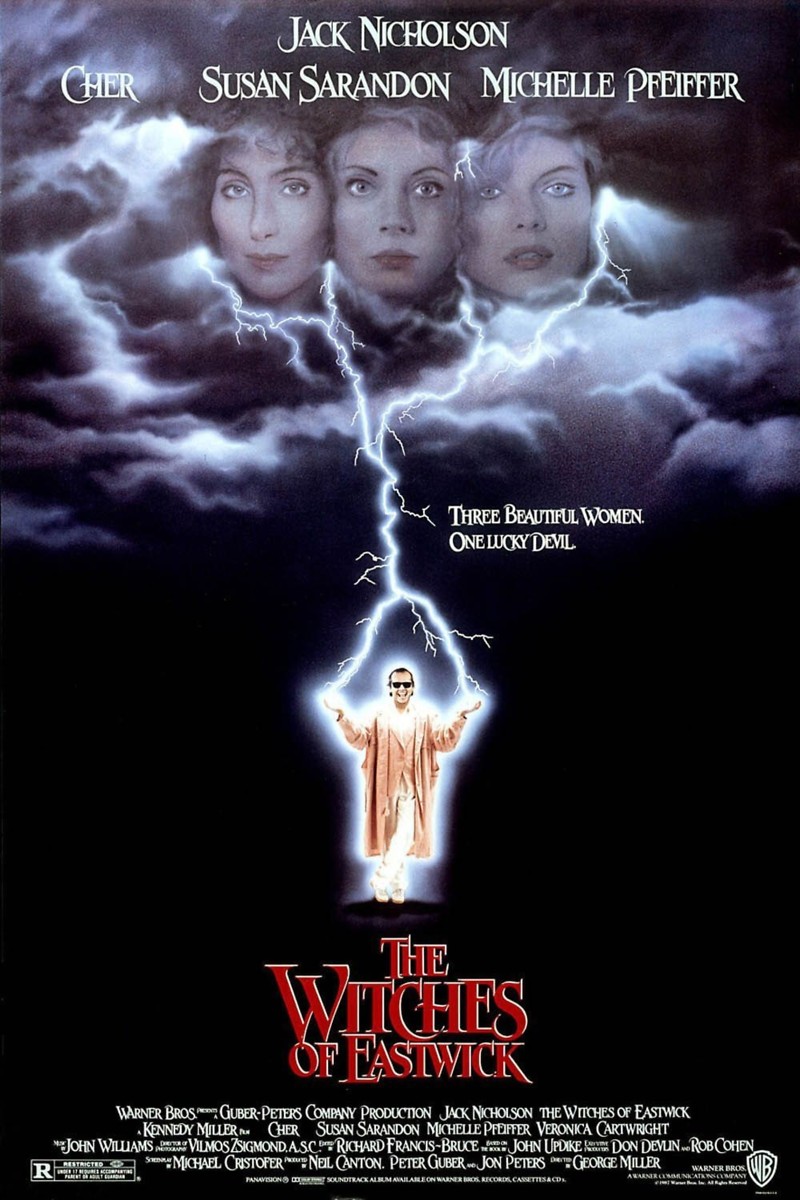
After missing out on the opportunity to have John Williams score "The Color Purple," Jon Peters and Peter Guber made sure to get the Maestro for "The Witches of Eastwick," which the two produced. Host Jeff Commings notes this as his fourth-favorite John Williams score because the fun can be heard in every note. Commings is joined by Gianmaria Caschetto, who returns as co-host to talk about the structure of the theme for the three titular witches. The two also talk about the brilliant music for the tennis game and the decision to leave out Williams' original music for the ballroom scene. Grab a bowl of cherries and settle in for this fun discussion of Williams' Oscar-nominated score!

Ep 62Episode 61 - SpaceCamp
The 1986 film "SpaceCamp" was a product of bad timing. Two months before its scheduled release, the real-life Challenger shuttle exploded, putting the future of the film in jeopardy. The producers decided to dump the film into theaters that summer, and didn't turn a profit. Host Jeff Commings and co-host Brian Thompson differ on their thoughts about the performance of the film had the Challenger explosion not happened, but agree that John Williams' score has bright points to heighten the film's exploits. Williams doesn't write a theme for any of the characters, but does compose a lovely main theme that helps elevate the feeling of the mystery of outer space, as well as a lovely melody that Thompson labels the weightlessness theme. There isn't much music in the film, and Williams doesn't unleash his signature power in the brass section during the big action scenes. The score comes after Williams' first-ever yearlong break from writing music for movies, but doesn't show any signs of stumbling. Strap in for a fun discussion of one of John Williams' hidden gems!

Ep 59Episode 60 - The River
Probably the least stressful thing for John Williams in 1984 was composing the score to "The River," which reunited him with director Mark Rydell for the fourth and final time. Williams employed the talents of longtime collaborator Tommy Tedesco for the score's wonderful guitar solos, and created an Oscar-nominated score light years from the work he had done on his previous two films. The work kept his mind off the drama that unfolded earlier in the summer when he abruptly resigned as conductor of the Boston Pops Orchestra over reactions from musicians. And after working on "The River," Williams found himself quite busy in 1985 though he had zero film commitments that year. Host Jeff Commings talks about the story behind Quincy Jones taking over as composer on "The Color Purple," Williams' return to television and the concerto he composed for the Boston Pops after the relationship was rekindled.

Ep 60Episode 59 - Indiana Jones and the Temple of Doom
Steven Spielberg has essentially disowned his work on "Indiana Jones and the Temple of Doom," but host Jeff Commings and guest co-host Erik Woods are here to convince you of the marvels within the film and the score. From the wonderful renditions of the Raiders March to the heroic melodies for the slave children and Short Round, there's plenty to appreciate about the score. We'll also talk about that cute throwback (or, since this is a prequel, a "throw-forward") to the sword trick fight from "Raiders of the Lost Ark" and how the film influenced a completely new ratings system. Brush up on your Sanskrit and watch out for crocodiles as we take a journey into the Temple of Doom!

Ep 58Episode 58 - Return of the Jedi
The schedule to compose and record the score for "Return of the Jedi" was pushed up about a month, leaving John Williams with much less time to draft music to close out the original trilogy. The delays on finishing visual effects meant Williams couldn't get the full finished film at once, only about 30 minutes at a time. The rushed process near the end is evident in the music for the final 30 minutes or so, with jarring edits all over the place. Despite that, Williams did some great work on this film, including the creation of the Ewok theme that host Jeff Commings believes is a cousin of an existing theme in the Star Wars universe. He also discusses the music for the Emperor and its use of that "horror chord" to suggest pure evil. Plus, he makes an interesting discovery about the music for the final lightsaber battle. And John Williams got to work with son Joseph for the first time, as father and son created two songs for the original version. Hop onto your speeder and join us for this fun ride through this score!

Ep 56Episode 57 - Monsignor
The 1982 film "Monsignor" is the first straight drama containing a John Williams score in eight years. Besides what host Jeff Commings calls "the most depressing love theme John Williams has ever written," the Maestro wrote a bold piece for organ and choir to accompany the film's major climactic scene. The film features just 30 minutes of music, probably due to the limited time Williams had to compose the score outside of his work on "ET," his summer conducting the Boston Pops and the beginning of his work on "Return of the Jedi." The score is notable for being nominated for a Golden Raspberry Award that picks the worst in film. And, we also discuss the song Williams wrote for Luciano Pavarotti for the film "Yes, Giorgio" that earned him another Original Song Oscar nomination the same year he won for scoring "ET."

Ep 57Episode 56 - E.T. The Extra-Terrestrial
Year Two of "The Baton" is here! And there is no better way to kick off the second half of this journey through John Williams' film career than with a discussion of "E.T. The Extra-Terrestrial." Host Jeff Commings counts this score as his second-favorite, and believes the final 15 minutes of music is the most perfect composition ever created. David Kay joins this episode to break down the multiple themes composed for the film, and the melodic interval they all have in common. And, did you know that John Williams was sued for copyright infringement over the flying theme? We'll tell you all about it on this episode.
Ep 55Episode 55 - Heartbeeps
We're closing out the first year of "The Baton" with another of John Williams' lesser-known works. "Heartbeeps" was a massive flop at the box office, but has some charms that were greatly helped by John Williams' music. The Maestro experimented with heavy use of synthesizers and keyboards, and also used a much smaller orchestra compared to his previous two films. The result is a love theme that has some tenderness when played on strings, or on keyboards. There's also a theme for the "villain," a robot named Crimebuster which is the big downfall of the film. Williams does write an interesting theme for Crimebuster, and host Jeff Commings wonders if this is what Williams might have written for Darth Vader if the Star Wars series was a comedy.

Ep 54Episode 54 - Raiders of the Lost Ark
Of all the big decisions Steven Spielberg and George Lucas had to make on their first film collaboration, "Raiders of the Lost Ark," picking John Williams as composer was probably the easiest one. Williams was likely the only crew member who had worked with both Spielberg and Lucas, and gave us another timeless score that perfectly encapuslates the personalist of archaeologist Indiana Jones. Host Jeff Commings analyzes Williams' composition of the main theme, and why it doesn't exactly follow the same pattern as his previous marches. Also part of the discussion are the fantastic scenes involving a kidnapping and an extended chase sequence in the desert. Get over your fear of snakes and join us for this epic ride!
Ep 48Episode 53 - The Empire Strikes Back
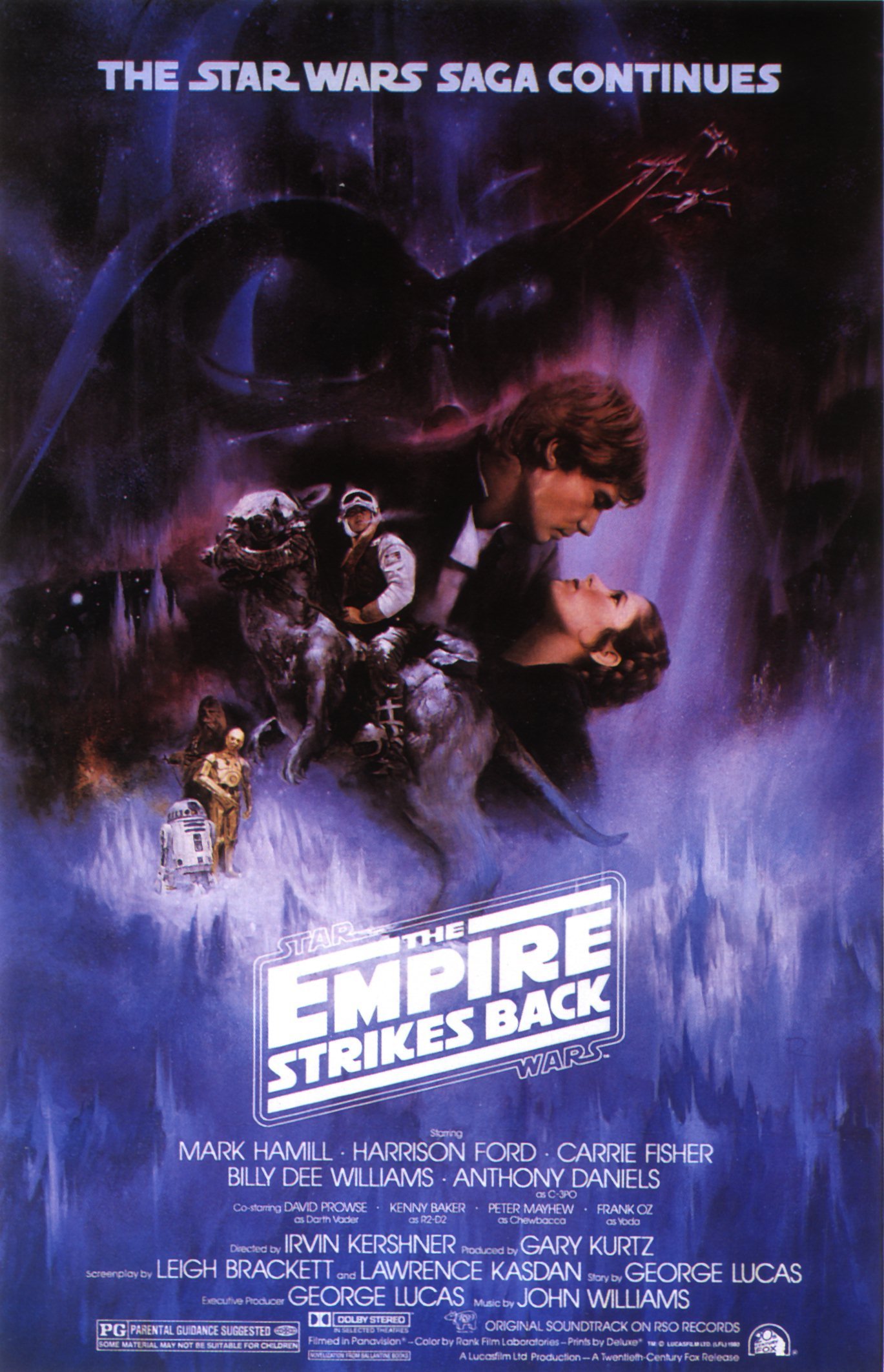
Host Jeff Commings counts John Williams' score to "The Empire Strikes Back" as his all-time favorite, as does guest co-host Jim Nova. The two analyze the amazing Imperial March and its chord progression that gives it a sinister tone. They also talk about the amazing love theme and the music written for Jedi Master Yoda. Among their favorite scenes in the film is the chase through the asteroid field, comprising some of Williams' best music. That four minutes alone should have won Williams the Academy Award for Original Score, a sore point that Commings and Nova touch on in this episode. And do you think "The Empire Strikes Back" would make a great musical? We explore that possibility on this episode as well.

Ep 53Episode 52 - 1941
Was Steven Spielberg's "1941" an elaborate prank to see how far he could go with making movies, or did he really set out to make a genuine comedy? It appears to be the latter, though there are not many laughs to be had in this disjointed film set one week after the Pearl Harbor bombing. Spielberg was not the only culprit for this misaligned film. Host Jeff Commings gives a little history on the collaboration between screenwriters Robert Zemeckis and Bob Gale, and gives a possible reason why Spielberg made this his follow-up to "Close Encounters of the Third Kind." John Williams came along for the ride as well, and came out largely unscathed thanks to a march-style theme for John Belushi's character that has become more popular than the film. But the numerous re-edits meant a major butchering of Williams' score to the point that parts are disjointed.

Ep 51Episode 51 - Dracula
John Williams' final foray into the horror genre was the 1979 version of "Dracula," with Frank Langella reprising his Broadway role to great effect. The movie goes for romantic overtones instead of outright horror and gore, though there is some of that there. And John Williams was willing to go along for the ride with lush strings and woodwinds from the London Symphony Orchestra taking center stage. Host Jeff Commings talks about this final collaboration between Williams and film producer Walter Mirisch, including the lush main theme that served mainly as a love theme.
Ep 52Episode 50 - Superman
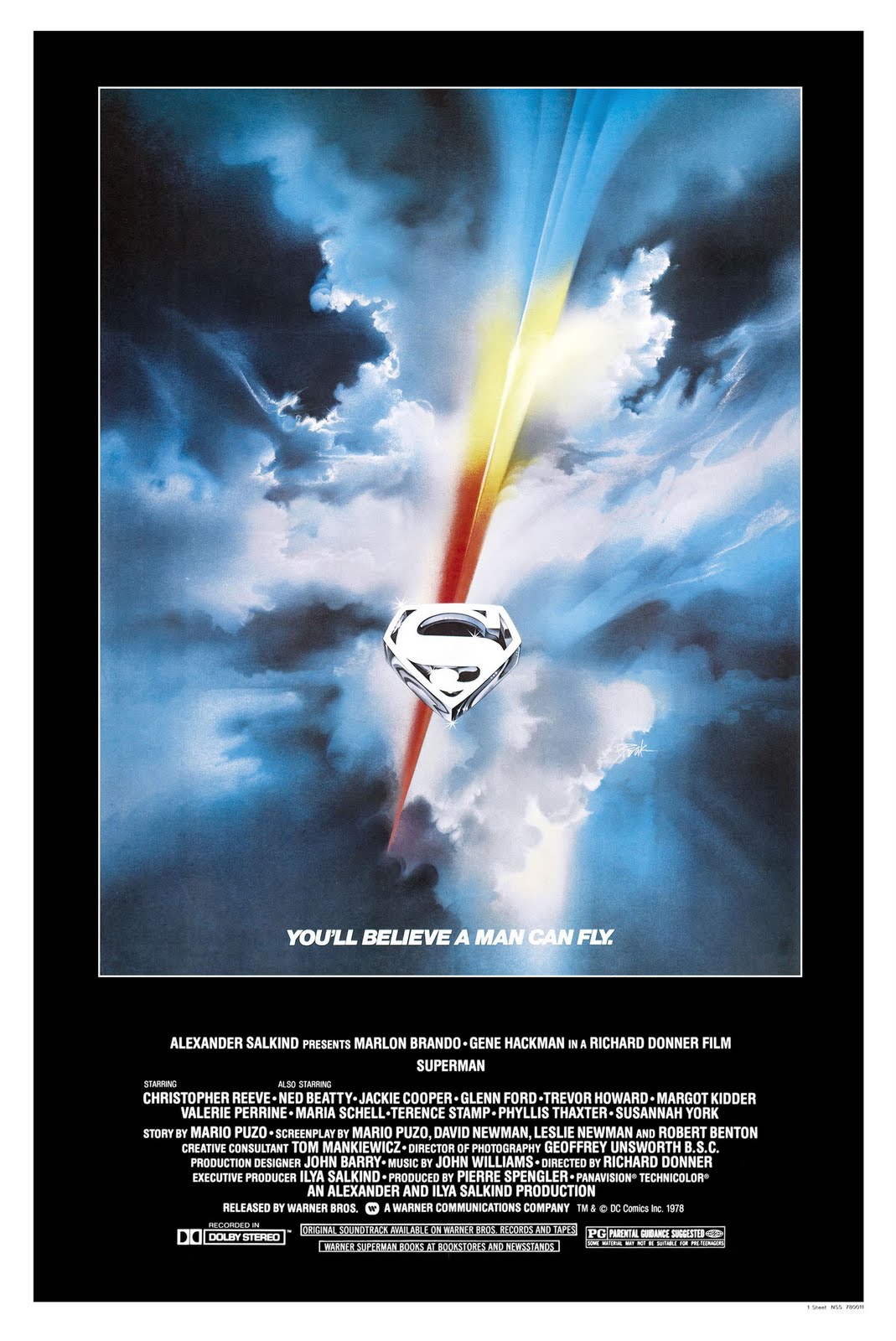
The 50th episode of "The Baton" is here! And what better way to mark the occasion than a discussion of one of the most popular film scores in history. Possibly the only part of making "Superman" that went without a major hitch was the composition and recording of the iconic score. This was just 18 months after John Williams' score for "Star Wars" showed his mastery of creating music for characters that found its way into the mainstream. Host Jeff Commings is joined by Doug Grieve, a trombone player who talks about the composition of the music for the opening titles and the introduction to the planet Krypton. In this opening six minutes of the film, Williams creates music that excites, mystifies and exalts, all with the use of carefully selected musical intervals. Learn more about this super score on this episode of "The Baton."
Ep 49Episode 49 - Jaws 2
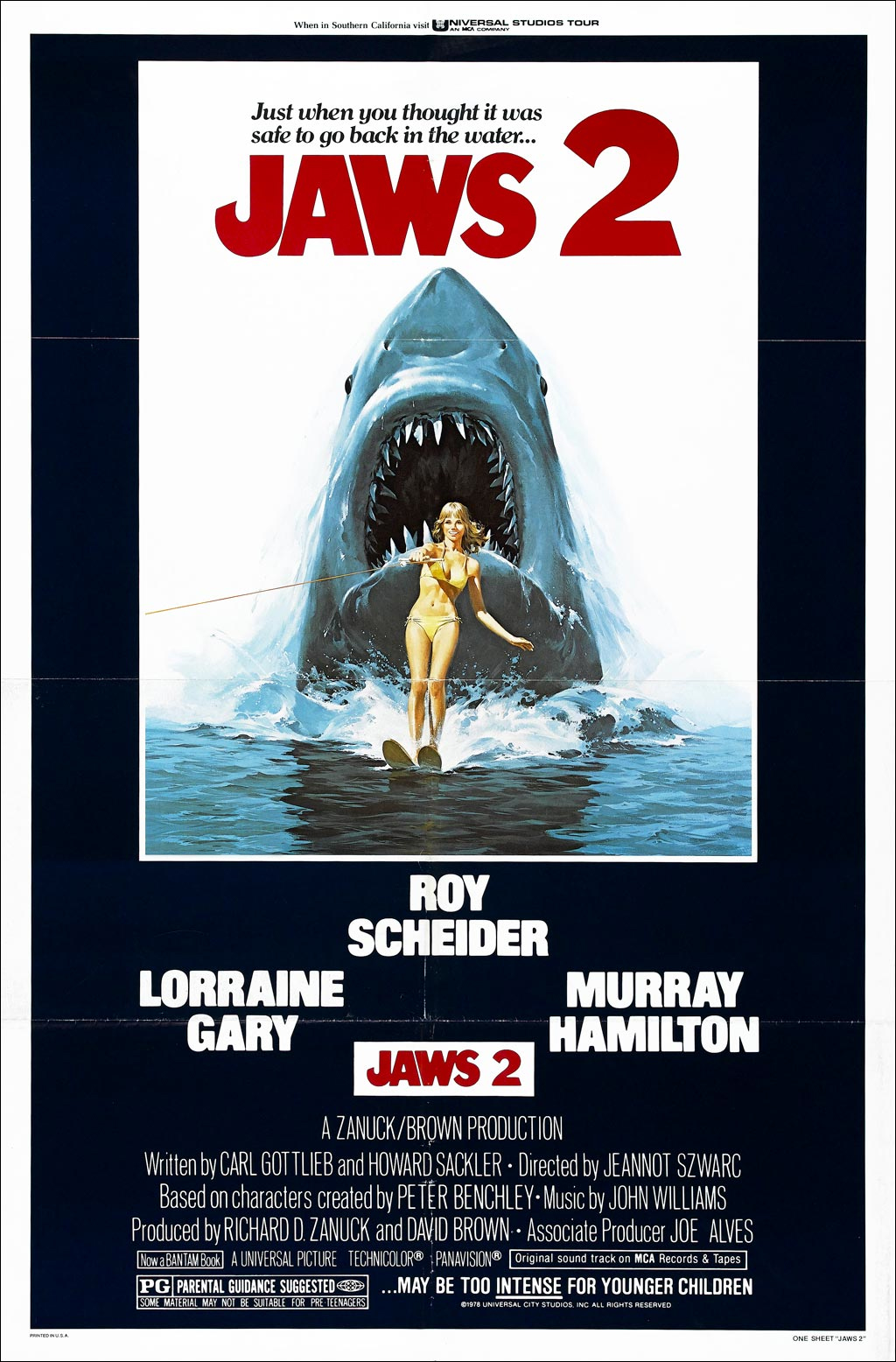
John Williams made his first foray into sequel territory with "Jaws 2," writing a score that gave us brief reprises of his iconic shark theme but relied mostly on a different tone throughout. Mostly, his music offers a new emotional connection to the terrible incident happening on Amity Island and helps a film that had as many troubles as its predecessor. Host Jeff Commings talks about the long road to get the film made, including Steven Spielberg's thoughts on returning to direct. Learn more about the major differences between the sequel and the original film, not the least of which is the higher death toll in "Jaws 2."
Ep 50Episode 48 - The Fury
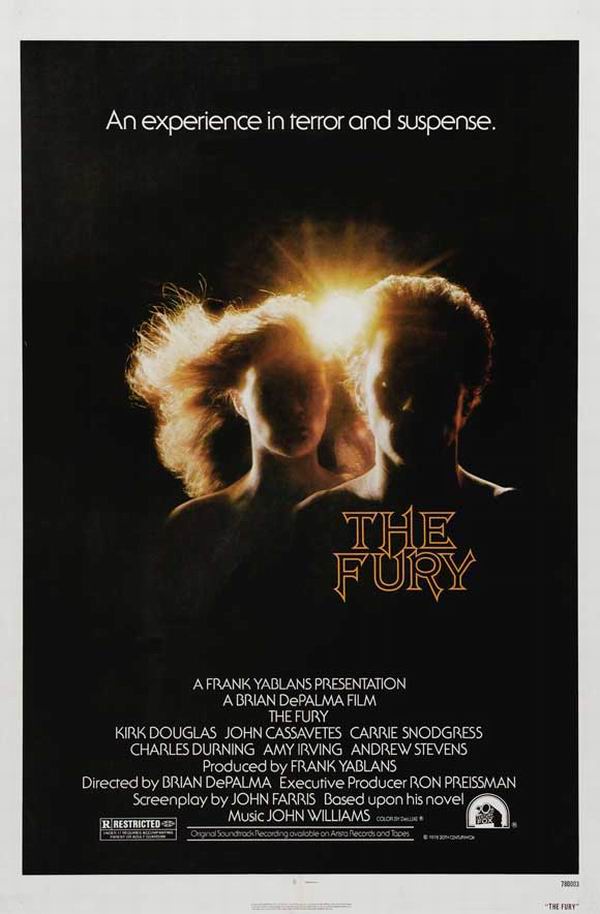
John Williams had an unusual assignment for his first score of 1978: Write a score for "The Fury" exactly as the late Bernard Herrmann would have composed it. Williams agreed to do so out of honor to his friend, who died about 18 months earlier, and to director Brian De Palma, who had a great relationship with Herrmann on "Obsession." Host Jeff Commings brings on co-host Maurizio Caschetto to break down the Herrmann similarities in the score, as well as the moments that allowed Williams to bring in his personal touch. The two examine the standout scene in which Amy Irving's Gillian escapes the institute supposedly trying to help her control her psychic powers, as well as the touch of horror music written for the literally explosive finale.
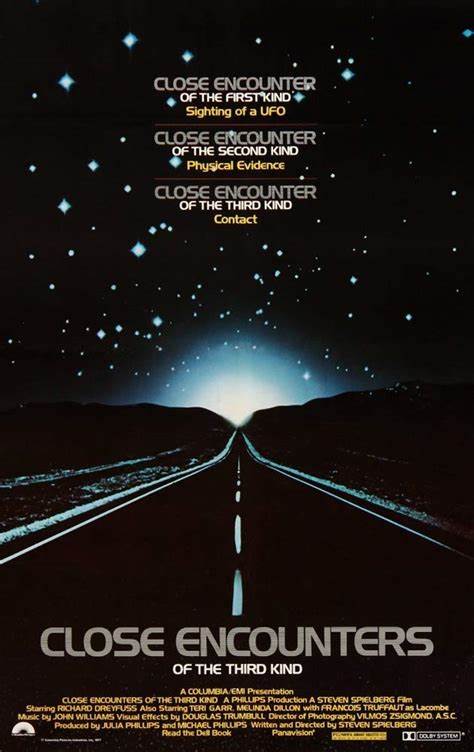
Ep 45Episode 47 - Close Encounters of the Third Kind
John Williams closed out 1977 on top of the pyramid in Hollywood. He was involved in two of the three highest-grossing films in the United States, and wrote scores for them that brought more attention to symphonic film scores. His final film of 1977, "Close Encounters of the Third Kind," required him to participate in pre-production to find a five-note signal that would serve as communication between Earthlings and the aliens. His underscore is full of great themes, including a nod to the "Dies Irae" melody and sweet angelic voices to signify the alien mystery. Host Jeff Commings details the long journey Williams took to complete this project, which began in early 1976 and continued to summer 1980 for a three-minute piece for the controversial mothership interior scene in the Special Edition.

Ep 47Episode 46 - Star Wars
This episode of "The Baton" is all about "Star Wars" and its monumental score by John Williams. Settle in as host Jeff Commings talks with Sir Clive Gillinson, who played cello on the original 1977 soundtrack. He relives some memories of playing the music and why Williams made such an impression on the London Symphony Orchestra that he returned to conduct multiple scores with the group. Also on the show is a discussion of the effectiveness of the main theme by Chris Hatt, who talks about the musical notes that make the score sound familiar and yet a bit unpredictable. Commings and Hatt also discuss their favorite scenes in the movie and resurrect the once-popular "Star Wars Disco" hit from 1977.

Ep 46Episode 45 - Black Sunday
John Williams closed out a very busy 1976 with his compositions for the score to the thriller "Black Sunday," which would get a delayed release until spring 1977. Host Jeff Commings is joined by Siddique Hussain, who counts the score as one of his favorites from the Maestro in the time between "Jaws" and "Star Wars." He cites some thematic material and musical styles used in the score that will make stronger appearances in future films, including "Star Wars." Since the film did not fare well at the box office, and critics were divided on the movie, Williams' score got lost in the mix of his two other 1977 compositions. Thanks to a CD released by Film Score Monthly -- and this podcast episode -- you can enjoy the finer points of this score!

Ep 42Episode 44 - Midway
John Williams got back into the war genre with the film "Midway," writing just 32 minutes of score for a 132-minute film. In this case, most of the movie features battle scenes that producer Walter Mirisch wanted to feel very realistic, which meant the appearance of music was not appropriate -- at least for Mirisch. "Midway" was the first score Williams wrote after his landmark work on "Jaws," and a couple of months after a disastrous production of the "Thomas and the King" musical on the London stage. This score features a march that is a staple at concerts … and sounds very, very familiar to host Jeff Commings. Join him as he discusses the creation of the score and the brief musical cues that standout in a film that did well at the box office but didn't get much recognition beyond that.

Ep 44Episode 43 - The Missouri Breaks
"The Missouri Breaks" is arguably the worst film to feature a John Williams score ... at least up to that point in his 17 years as a film composer. Though it starred Oscar-winning actors Marlon Brando and Jack Nicholson, it was a misfire from the start, with Brando going off the rails in terms of acting choices, and Nicholson looking unfit for a Western. John Williams took on the challenge of using music to keep the film on track, but Williams himself takes some eccentric choices. The primary derivation Williams took was using a very small ensemble for his score instead of an orchestra filled with dozens of musicians. The score is dominated by harmonica and guitar, with a love theme that desperately needed strings. The film has gained a cult following. Does the score deserve the same? Host Jeff Commings believes it's on par with the other 1967 scores by Williams: decent but forgettable. Take a listen to the music and judge for yourself.

Ep 40Episode 42 - Family Plot
What do you do after you've composed the most famous movie score of all time? In the months after working on "Jaws," John Williams had three film scores to tackle for films to be released in 1976. One of them was "Family Plot," Alfred Hitchcock's lighter take on kidnapping, murder and con games. "Murder can be fun," Hitchcock told Williams, which helped the Maestro compose a score heavy on harpsichord to fulfill Hitchcock's mandate. Join host Jeff Commings as he takes you through the backstory involving a meeting with Bernard Herrmann, and the two themes Williams wrote for one person. Perhaps this will give John Williams fans a better appreciation of the work he did between Jaws and Star Wars!
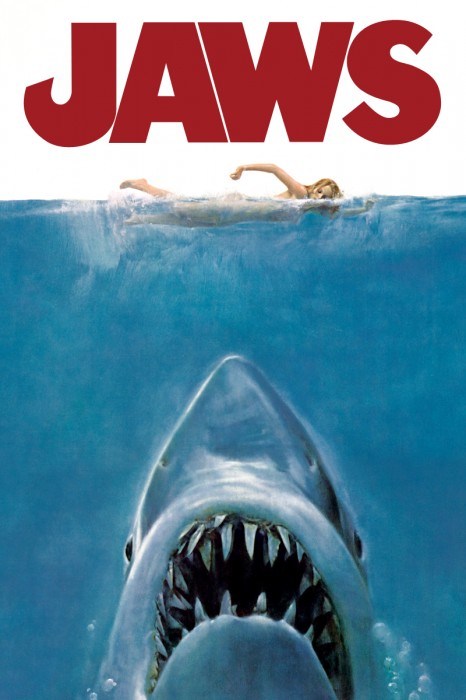
Ep 43Episode 41 - Jaws
How can two notes make people so fearful of going into the ocean? That's what John Williams did with his iconic score for the 1975 blockbuster "Jaws." Host Jeff Commings is joined by Jeff Owens to break down the elements in the main title music that make this two-note theme a masterclass of composition. They also get chills when discussing other excellent musical moments in the film, such as the first attack on the shark and the shark's attack on the cage. Rent a yellow raft and dive into this score that encompassed everything that made John Williams a good composer in his 40 previous films and will make him a superstar in the 45 years that follow.

Ep 41Episode 40 - The Eiger Sanction
John Williams and Clint Eastwood worked together only once, for the mountain climbing film "The Eiger Sanction." Host Jeff Commings is joined by Brian Martell, who counts this film score as his favorite pre-"Star Wars" score by Williams. The two chuckle at the outdated clichés and the obvious Bond parodies and ripoffs before lauding George Kennedy's scene-stealing performance. There's also some great music in the film, too, including an inspiring fanfare for the famous Totem Pole rock formation and some perfectly orchestrated chilling music during the icy climb of the title mountain. And if you think you had to go to great lengths to obtain a copy of that must-have John Williams album, you haven't heard Brian's journey to find this score on album in the 1980s!

Ep 39Episode 39 - The Towering Inferno
John Williams closed out his stint in the disaster movie genre with a bold and effective score to "The Towering Inferno." Williams starts us off with urgent opening music, then settles down as the fire begins to spread through the 138-story title building. What also stands out is the lack of music in a 30-minute sequence where music would not have been out of place, but its omission is welcome as a setup to a powerful climax to the film. Host Jeff Commings talks about the accusations of cut-and-paste work by Williams just one month after writing the score to "Earthquake," as well as an interesting side project that has largely gone unnoticed by Williams fans.

Ep 38Episode 38 - Earthquake
Very few John Williams fans put "Earthquake" in equal regard as "The Towering Inferno," the other disaster movie that Williams scored in 1974. The "Earthquake" score feels very much like "The Towering Inferno" in sound and feel, with little bombast and an opening title that suggest doom and an epic scale. There isn't much thematic material in the film, but host Jeff Commings found a quasi-motif with the villainous Jody, and looks at the poignant music composed for the end credits. There's no Sensurround in this episode, but strap in for an exciting listen to a fine entry into John Williams' disaster genre period.

Ep 37Episode 37 - The Sugarland Express
We've reached a monumental point in John Williams' film scoring career. It's the film "The Sugarland Express," the first collaboration between the Maestro and Steven Spielberg. Yes, the film should be remembered for the beginning of this partnership, but is it a good movie if you try to view it outside of the historical viewpoint? Host Jeff Commings takes us through the score to this film, which has never been officially available to listen to away from the movie. Learn about the bootleg CDs that have been released, and how a family tragedy kept Williams from enjoying the release of this film.
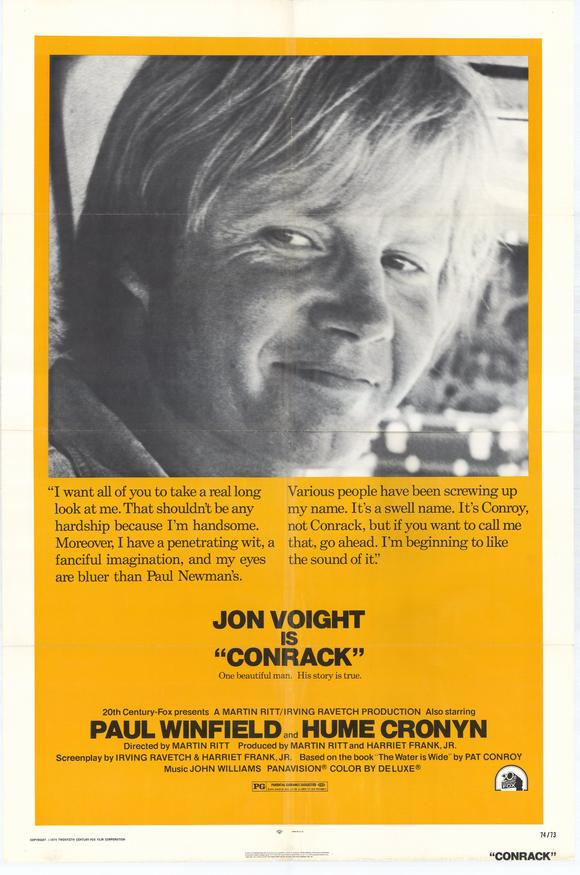
Ep 36Episode 36 - Conrack
The first of four films in 1974 for John Williams was the little-seen drama "Conrack," which brought John Williams back to the classroom for the fourth time and reunited him with "Pete 'N' Tillie" director Martin Ritt. The film about a white teacher inspiring a group of poor black children gets a theme for Jon Voight's character, and for the children under his tutelage. Both themes get wonderful renditions in the film, and unfortunately are not able to be heard outside of the film … until now! Enjoy this opportunity to hear this score from Williams, who used some key instruments to give us the feel of rural South Carolina.
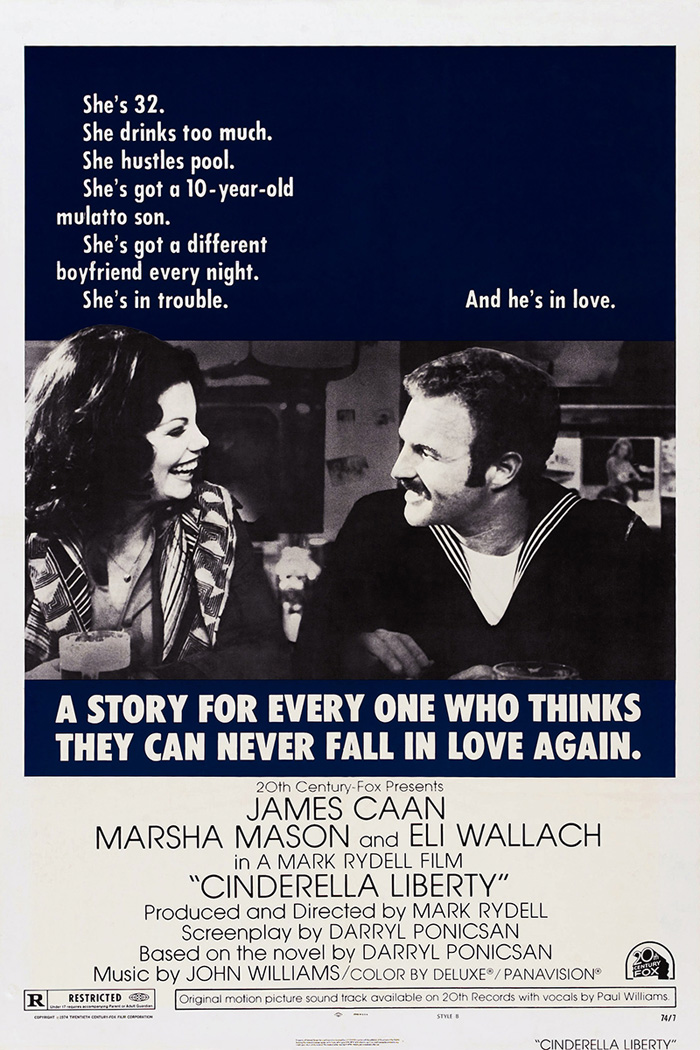
Ep 35Episode 35 - Cinderella Liberty
Join host Jeff Commings and guest co-host Chris Hatt as they examine the 1973 drama "Cinderella Liberty." Hatt counts this as one of his favorite John Williams scores, simply because the music exquisitely follows ordinary people in the real world. Using the piano as his guide, Hatt offers some insight into the artistry of creating music for a crucial bar scene, as well as the creation of the love theme for the prostitute played by Marsha Mason and the sailor played by James Caan. The film also marked an exciting collaboration between John Williams and lyricist Paul Williams, who wrote two original songs for the film based on themes composed for the film. Settle in for this "Wednesday Special" episode!
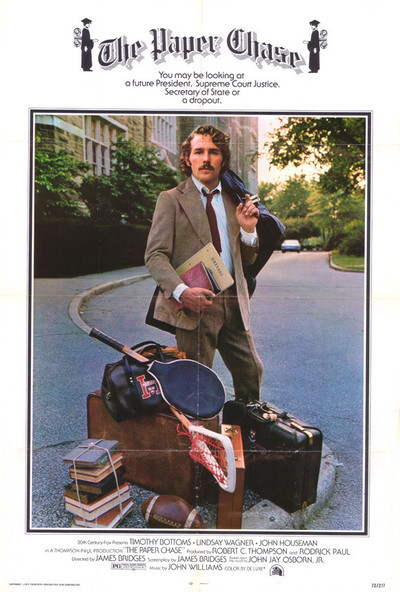
Ep 34Episode 34 - The Paper Chase
Though "The Paper Chase" was famous mostly for the Academy Award-winning performance of John Houseman, the score by John Williams deserved some recognition at the time. Though not his best effort of 1973, Williams wrote a score that host Jeff Commings is surprised was not nominated for an Original Score Oscar. Williams composed a couple of baroque pieces to serve the "action" scenes in the film, and wrote a tender love theme to underscore the shaky on-again, off-again relationship at the heart of the story. Most John Williams fans regard this as just an average effort by Williams, but will you have the same opinion after listening to some of the musical cues from the film?
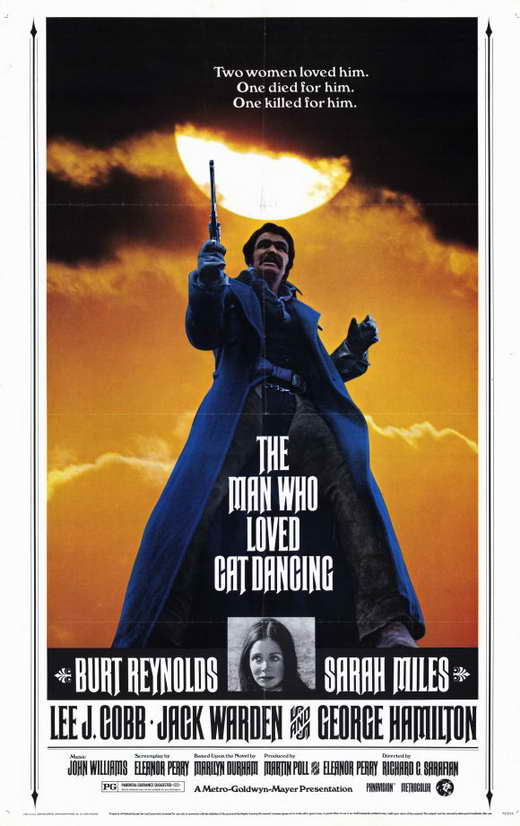
Ep 33Episode 33 - The Man Who Loved Cat Dancing
"The Man Who Loved Cat Dancing featured Burt Reynolds, the number one movie star in the world, in a romantic Western action film that had troubles during shooting and in postproduction. Michel Legrand was fired three days into recording his score for the film, and John Williams was brought in as a replacement. Host Jeff Commings walks listeners through the score that returns the Maestro to Aaron Copland territory, and offers the opportunity to compare Williams' main theme music with that of Legrand's. And what does the title mean? You'll have to listen to the episode to find out!
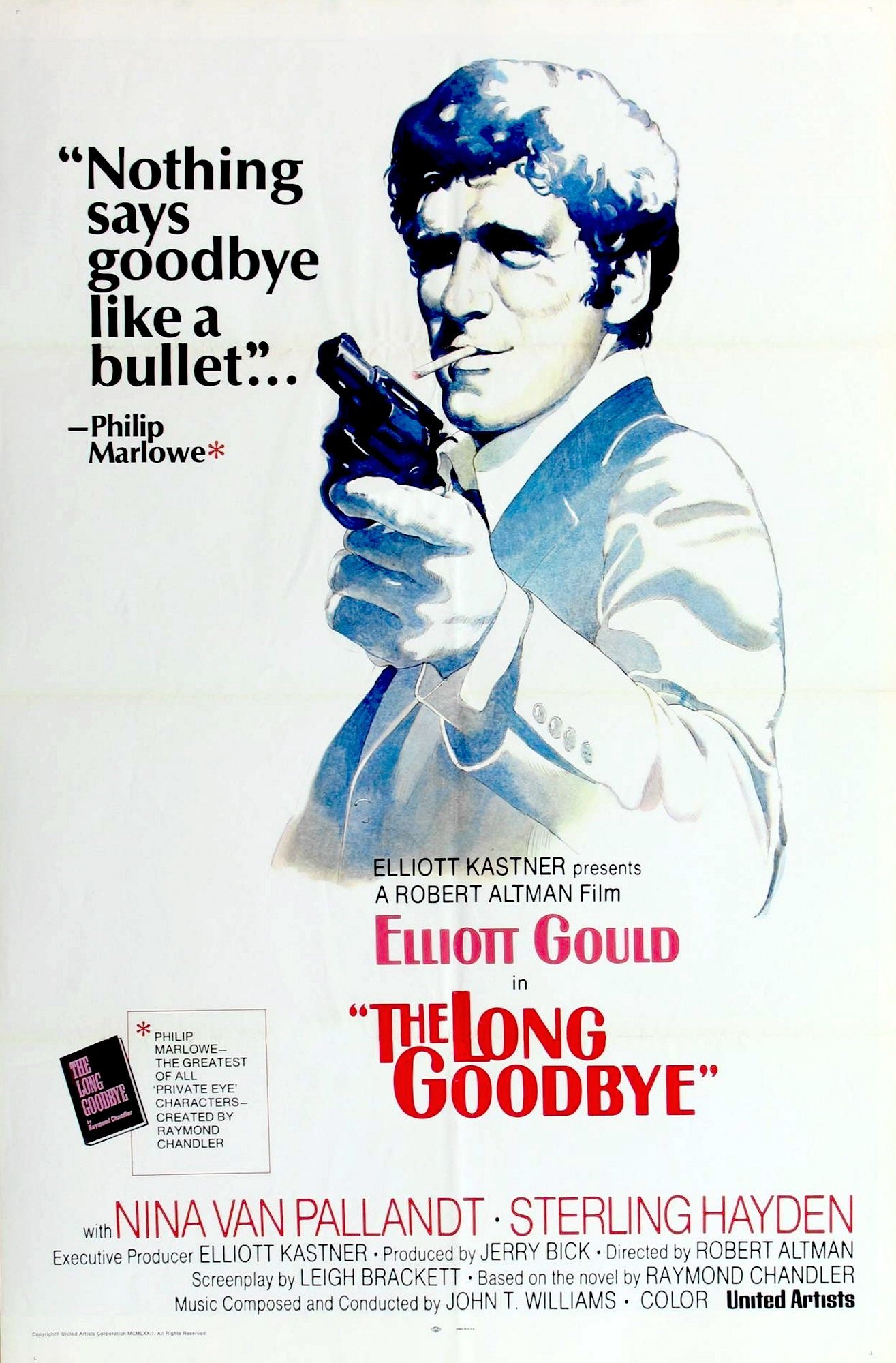
Ep 32Episode 32 - The Long Goodbye
John Williams and Robert Altman collaborated one more time, for the crime drama "The Long Goodbye." Unlike their work on "Images," Altman did not give Williams as much creative license. Williams was to use only one theme and put it through several different styles in the film. This includes using a sitar during a dance scene, guitars for visits to Mexico and even John Williams sitting at the piano for a lively rendition. He and Johnny Mercer wrote a song for the lyrics, sung mostly by Jack Sheldon, known for The Merv Griffin Show and songs from Schoolhouse Rock. Join host Jeff Commings as he examines the final collaboration between these movie icons.
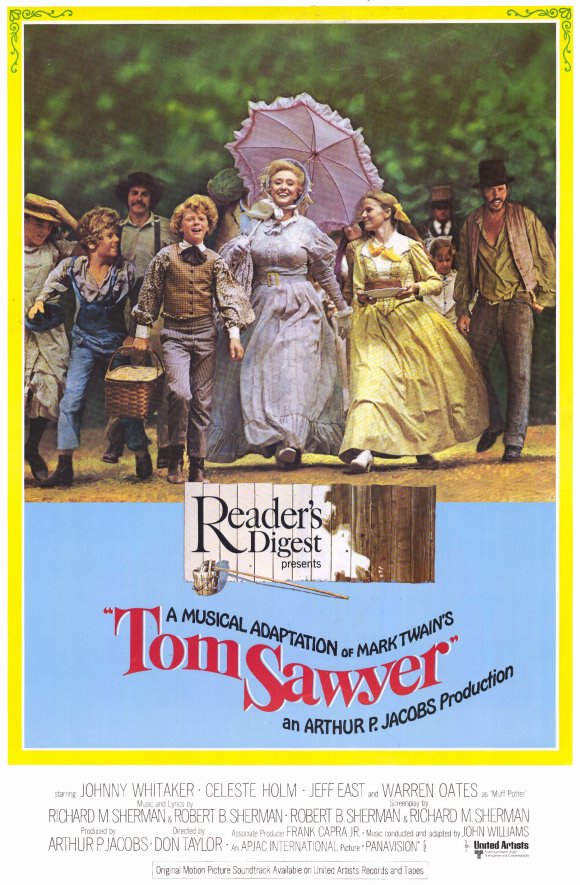
Ep 31Episode 31 - Tom Sawyer
John Williams' final foray into movie musicals -- aside from the scrapped idea of making "Hook" into a musical -- was 1973's "Tom Sawyer," which paired him with the successful songwriting pair of Richard and Robert Sherman. The result was a decent effort, as Williams put some strong flourishes into the songs as well as his underscore. Naturally, you'll hear touches of "The Reivers" here, but you'll also note the strong work as an orchestrator that made this musical worth watching and a joy to hear. Host Jeff Commings analyzes some strong underscore moments and how Williams was able to beef up some of the top songs in the film. This would be the first of five films with John Williams music in 1973, starting what would be an unforgettable 12 months for the Maestro.
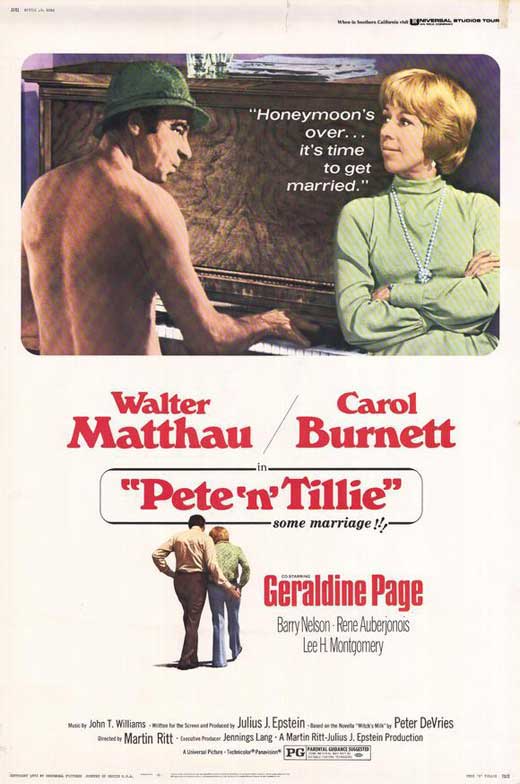
Ep 29Episode 30 - Pete 'N' Tillie
John Williams wrapped up the year 1972 with the drama "Pete 'N' Tillie," a major departure from the other three scores he wrote for films that year. It was much quieter, focusing on a simple piano theme to serve as a quasi-love theme for the not-so-perfect-together couple of the film's title. It was also much shorter, coming in at less than 15 minutes of music in the finished film. As such, this isn't a long episode filled with a treasure trove of musical moments, but host Jeff Commings is ready to guide you through the creation of this score, and why he's not as enamored with the theme as most John Williams fans.
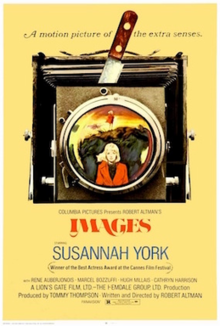
Ep 30Episode 29 - Images
We've arrived at the score in John Williams' career that sounds pretty much like nothing he had ever written -- and almost like nothing he will write as his career evolves. The collaboration with Robert Altman for "Images" began in the 1960s, when the two were toiling away in television work and Altman had the idea for the story of a schizophrenic woman. Altman allowed Williams unlimited options for his score: "The more absurd, the better," Altman said. Williams brought on celebrated percussionist Stomu Yamash'ta to play the unique instruments that would create some exciting sounds to go along with Williams' performance on the piano and a virtuoso string section. Host Jeff Commings is joined by Jens Dietrich as the two analyze this score and discuss how much improvisation was allowed in the performance.
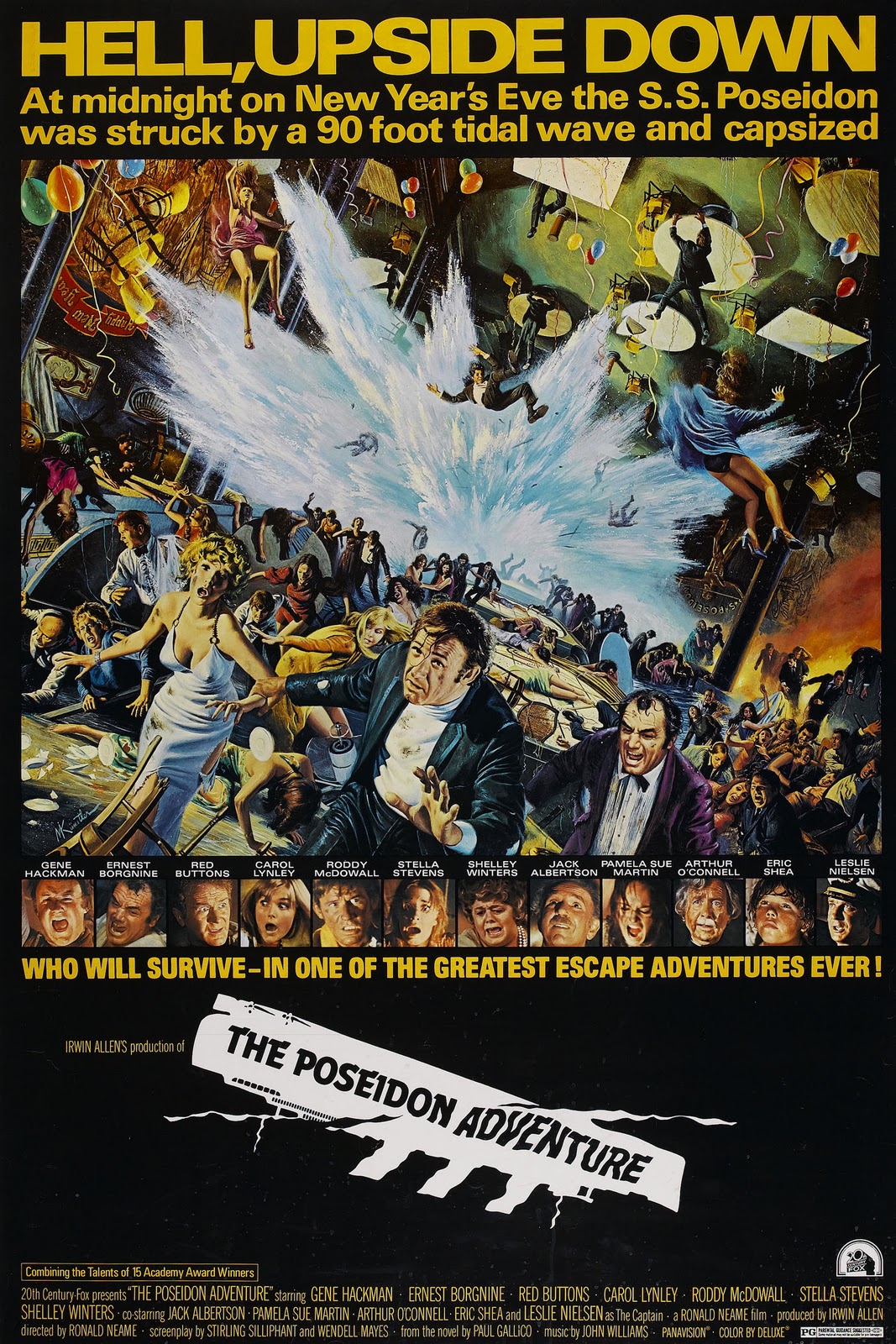
Ep 28Episode 28 - The Poseidon Adventure
John Williams reteamed with Irwin Allen for the 1972 action film "The Poseidon Adventure," a risk-taker of a movie that worked out well for everyone involved and officially created the disaster-film genre. Williams does well in creating a strong opening but keeps his orchestra subdued throughout the film to keep the atmosphere of doom and gloom always present, with little sense of hope. Host Jeff Commings is on hand to detail the highlights from the score and how the film set a few precedents. Take a journey through hell -- though we promise you'll enjoy every minute of it!

Ep 27Episode 27 - The Cowboys
John Williams returned to the Old West -- and returned to working with director Mark Rydell -- for the 1972 film "The Cowboys." Once again leaning on Aaron Copland's template for Americana-tinged music, Williams employed a fun theme for the 11 boys hired to help John Wayne herd cattle across the plains. He also used a bass harmonica for the film's villain, played viciously by Bruce Dern. The score is counted as a favorite for many John Williams fans, and after learning more about the music with host Jeff Commings, you might be adding it to your top 10 list of best John Williams scores.
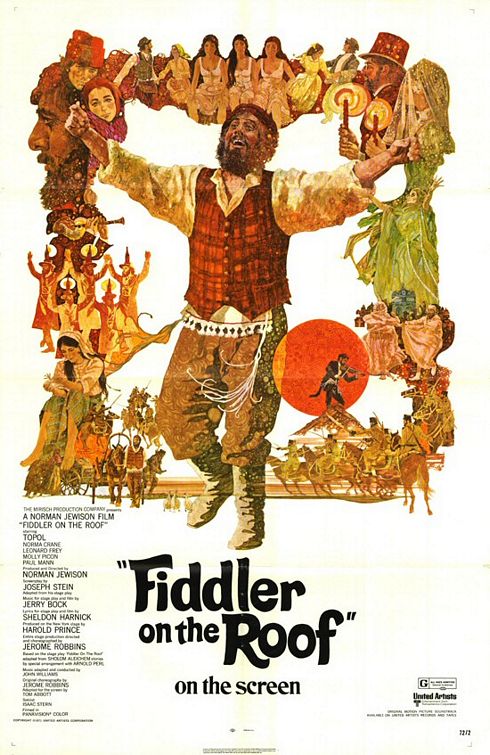
Ep 24Episode 26 - Fiddler on the Roof
The 1971 film version of "Fiddler on the Roof" was a massive undertaking for John Williams as music supervisor, taking on a beloved Broadway musical that needed to be expanded for the big screen. In addition to putting some fresh touches on the songs, he also was able to compose some original music that further illustrated his talents to the world. The film marked the first time Williams worked on a big moneymaker, and he also reaped a few rewards of his own. Host Jeff Commings details some of the best musical moments in the film and analyzes how Williams kept the tone of the original music but was able to give it a bolder sound.
Ep 26Episode 25 - Jane Eyre
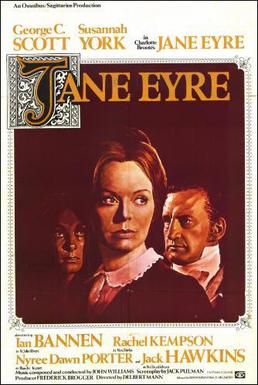
John Williams' final television project in the 1970s teamed him with director Delbert Mann again, this time for "Jane Eyre." Williams composed this score while on a break from working on "Fiddler on the Roof," and the love Williams had (and continues to have) for all things English is on full display in the score. Peter Lloyd, the principal flute player for the London Symphony Orchestra, gets to shine as the score features plenty of flute melodies. Host Jeff Commings is joined by guest co-host Yavar Moradi, who counts "Jane Eyre" as his favorite John Williams score. Relax for a lengthy (one full hour!) conversation about the creation of the score and highlights of the music.
Ep 25Episode 24 - Story of a Woman
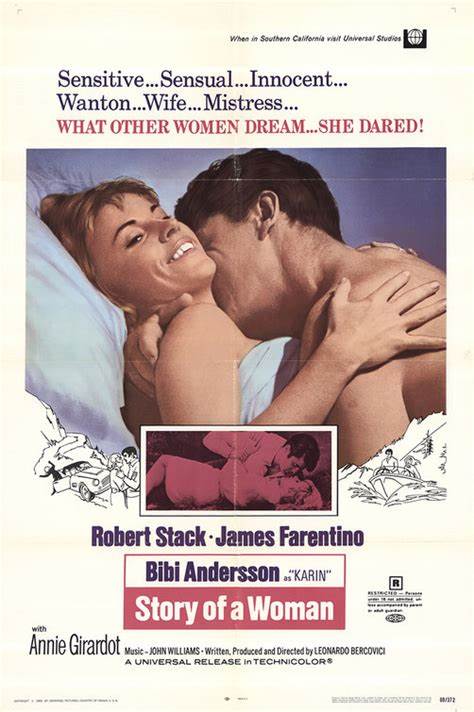
The US-Italy co-production "Story of a Woman" is perceived as the Holy Grail of John Williams movies. Very few people have seen it, and many will do almost anything for a glimpse at this romantic drama made in 1968 but put into American theaters in 1970. Host Jeff Commings welcomes his first guest co-host, Gianmaria Caschetto, and the two talk about the poor quality of the filmmaking while praising John Williams for writing a score that provides some interesting musical moments. Join us for an analysis of this hard-to-find score, which was composed in Williams' downtime during Goodbye Mr. Chips.
Ep 23Episode 23 - The Reivers
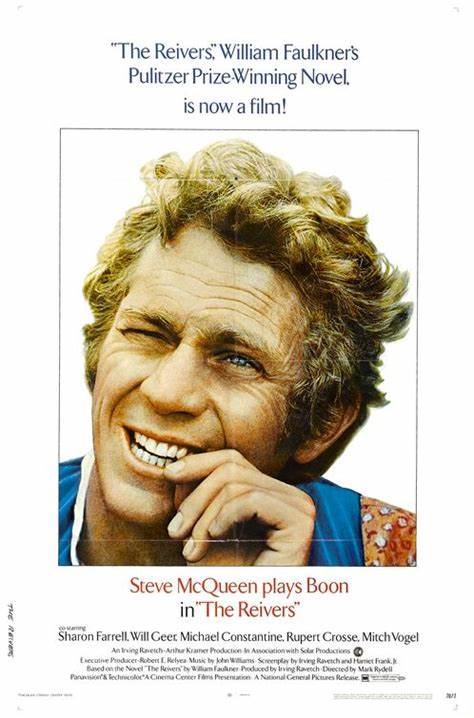
If not for some divine intervention, John Williams might not have written one note of music for "The Reivers," and he might not have become the celebrated composer he is today. Host Jeff Commings talks about the rejected score that caused director Mark Rydell to hire Williams, and how Williams was able to quickly turn out a score that perfectly encapsulates the feel of 1900s Mississippi.
Ep 22Episode 22 - Goodbye, Mr. Chips
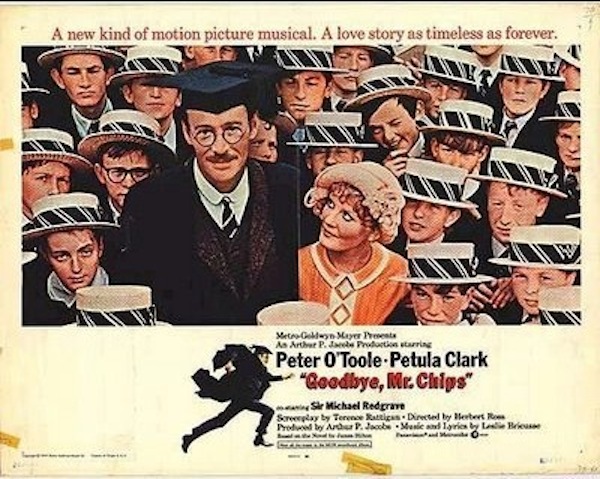
Before John Williams came onboard to work on the music for "Goodbye, Mr. Chips," the film had gone through so many years of turbulence. But Williams' involvement was one of the reasons why the film turned out as well as it did, as the Maestro worked diligently to turn the serviceable Leslie Bricusse songs into lush melodies. The finished film featured very little original music written by Williams, but his work shines mostly in the orchestrations, which are superb and show the evolving genius music writer that will break through in just a few more years. Join host Jeff Commings as he details the film's backstory and the music that highlights why Williams deserved his second Academy Award nomination.
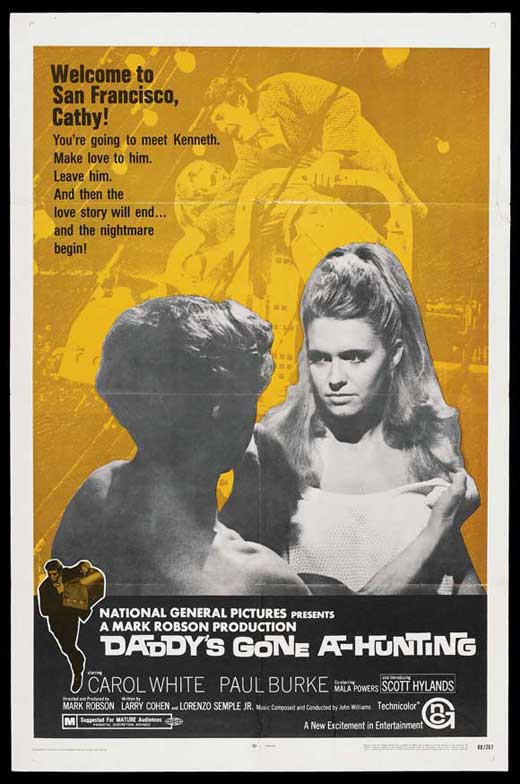
Ep 21Episode 21 - Daddy's Gone A-Hunting
The 1969 film "Daddy's Gone A-Hunting" should have been released as a B-movie, but with "Valley of the Dolls" director Mark Robson helming the film, it was viewed as a surefire hit. It turned out to be anything but that, though Robson tried to boost the quality of film by asking John Williams to write the score while on break from working on "Goodbye, Mr. Chips" in the summer of 1968. Williams experiments with some new instrumentation here, and host Jeff Commings walks you through these moments in a very sparse score.
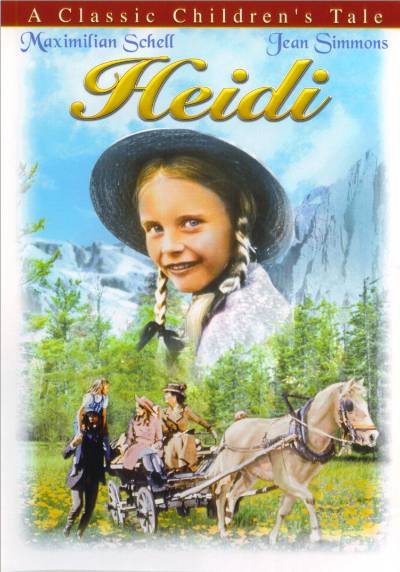
Ep 20Episode 20 - Heidi
A few years after he decided to leave a lucrative career writing music for television, John Williams returned to the small screen in 1968 with "Heidi." Though the film is infamous now for its interruption of a major professional football game, it has many great moments for Williams in terms of writing lush melodies to depict the young girl's maturation during her time in the Swiss Alps. From a smart comedic theme to a main theme so lyrical there was a song created from it, Williams' work deservedly did not go unnoticed at the time. Host Jeff Commings brings you some of the best moments from the score, including a love theme that got only one moment to shine.
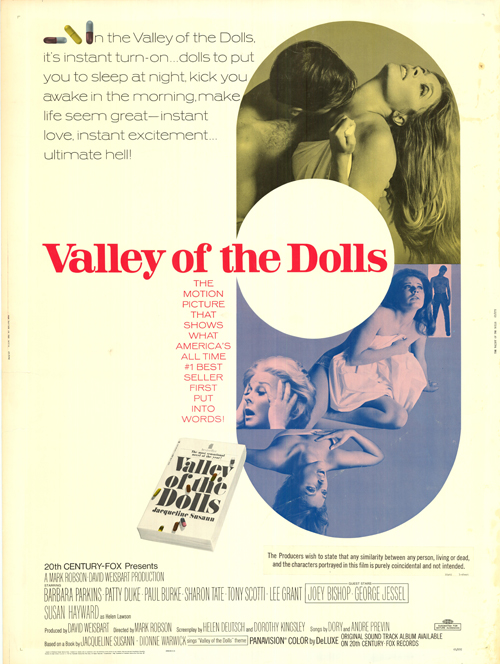
Ep 19Episode 19 - Valley of the Dolls
The 1967 film "Valley of the Dolls" was, on the surface, like any other assignment John Williams had in his early film scoring career. His task was to adapt music from five original songs by Andre and Dory Previn, and put in some original music of his own. The gig turned out to be a major step forward for the Maestro, marking his first screen credit as "John Williams" since his debut as a film composer. Plenty more significance come from his work on this film, and host Jeff Commings discusses them and takes a listen to highlights from the score in this episode.
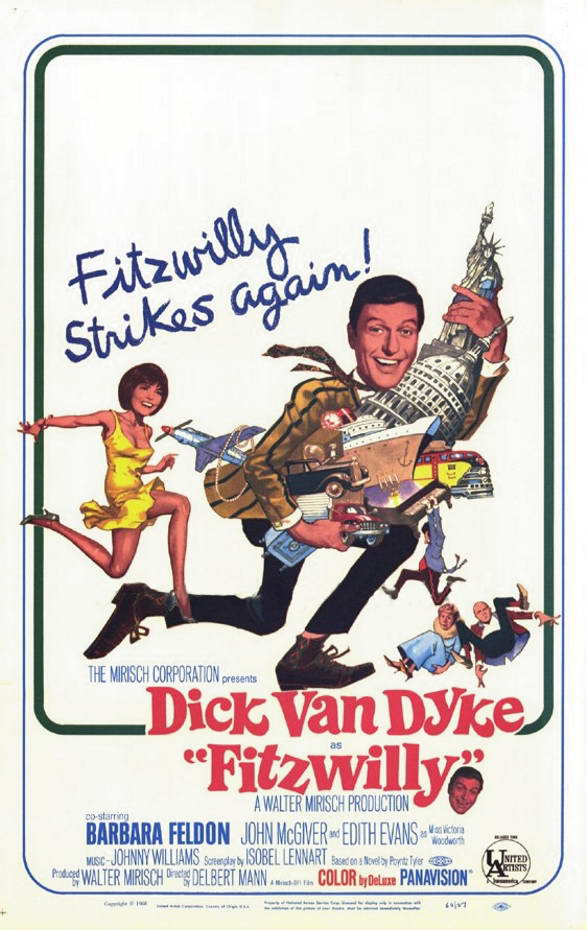
Ep 18Episode 18 - Fitzwilly
During a break in recording the score for Valley of the Dolls (the subject of the next episode), John Williams decided to take on a comedy film starring Dick Van Dyke fresh off his eponymous TV show. "Fitzwilly" featured a stately comic main theme for the main character, a butler who moonlights as a thief to fund his employer's bank account. Williams also composed a decent love theme, made into a song by the soon-to-be-famous team of Alan and Marilyn Bergman. This film also marked the final time Williams would be credited as "Johnny Williams" onscreen, and his final comedy for 12 years. Host Jeff Commings analyzes the top moments in the score as we say goodbye to Williams' very impressive comedy film era.

Ep 17Episode 17 - A Guide for the Married Man
After composing scores to five films in 1966 -- and writing music for a failed TV sitcom -- John Williams had only three films on his plate in 1967. On the surface, they would turn out to be no different from what Williams had done previously, but they turned out to make a big impact in moving his career forward. His first film of the year, a bedroom farce starring newly-minted Oscar winner Walter Matthau, offers John Williams fans a chance to hear him compose music of numerous styles in one film. John Williams' work is the star of "Not With My Wife You Don't," especially because his music helps out in many dialogue-free scenes such as a travelogue around the globe and a silent film homage. Because the film did not do well at the box office, the score got very little notice -- until now! Enjoy this listen to an overlooked gem in the John Williams oeuvre.