
The American Story
181 episodes — Page 2 of 4

Ep 131Silver Markers on a Pew: American New Year 1942
January 1, 1942 had been set aside by President Roosevelt as a Day of Prayer. He had good reason for doing this; it was a dark time. The Japanese had attacked Pearl Harbor just a few weeks before. Then Hitler declared war on the United States. America was suddenly at war with the greatest military powers in Europe and in Asia. British Prime Minister Winston Churchill was Roosevelt's guest at the White House for strategic discussions. They spent a memorable, and very American, New Year's Day together.

Ep 130The Fate of Liberty: American New Year 1777
From August to the last week of December, as David McCullough writes, "1776 had been as dark a time as those devoted to the American Cause had ever known." As the year ended, despite the stunning and historic victory at Trenton the day after Christmas, there was good reason to fear that Washington's army would dissolve and with it any hopes for the American Cause. Washington pleaded with the men to stay on another month. The fate of liberty depended on them.

Ep 129Resolution
Often our New Year's resolutions are lighthearted, and usually, the flesh being weak, they are fleeting. Before Valentine's Day or maybe even before Epiphany, we have slipped back into our old ways. But these lighthearted resolutions reflect a deeper, more serious impulse.
Ep 128Tidings of Great Joy
At the time of the American founding, celebrations of Christmas in America varied widely, from Puritans and Quakers who shunned or ignored it, to other Protestants and Catholics who honored it in their own Christian ways, to those who spent the day in "riot and dissipation," like an ancient Roman Saturnalia. But E Pluribus Unum—out of many one—was the American motto on the Great Seal, and over the generations, out of many ways of celebrating or ignoring Christmas, came a recognizably American way.

Ep 127Days to Remember
Among many days worthy of remembrance, one that is often forgotten is June 8, 1789, when James Madison, in the first Congress under the newly ratified Constitution, addressed the House in a historic speech. The government had been operating for only a few months. Several states had submitted proposed amendments to the Constitution which Madison encouraged Congress to consider and worked to consolidate and draft himself. The result would be what the world now knows as the Bill of Rights.
Ep 126Pearl Harbor and the Art of Politics
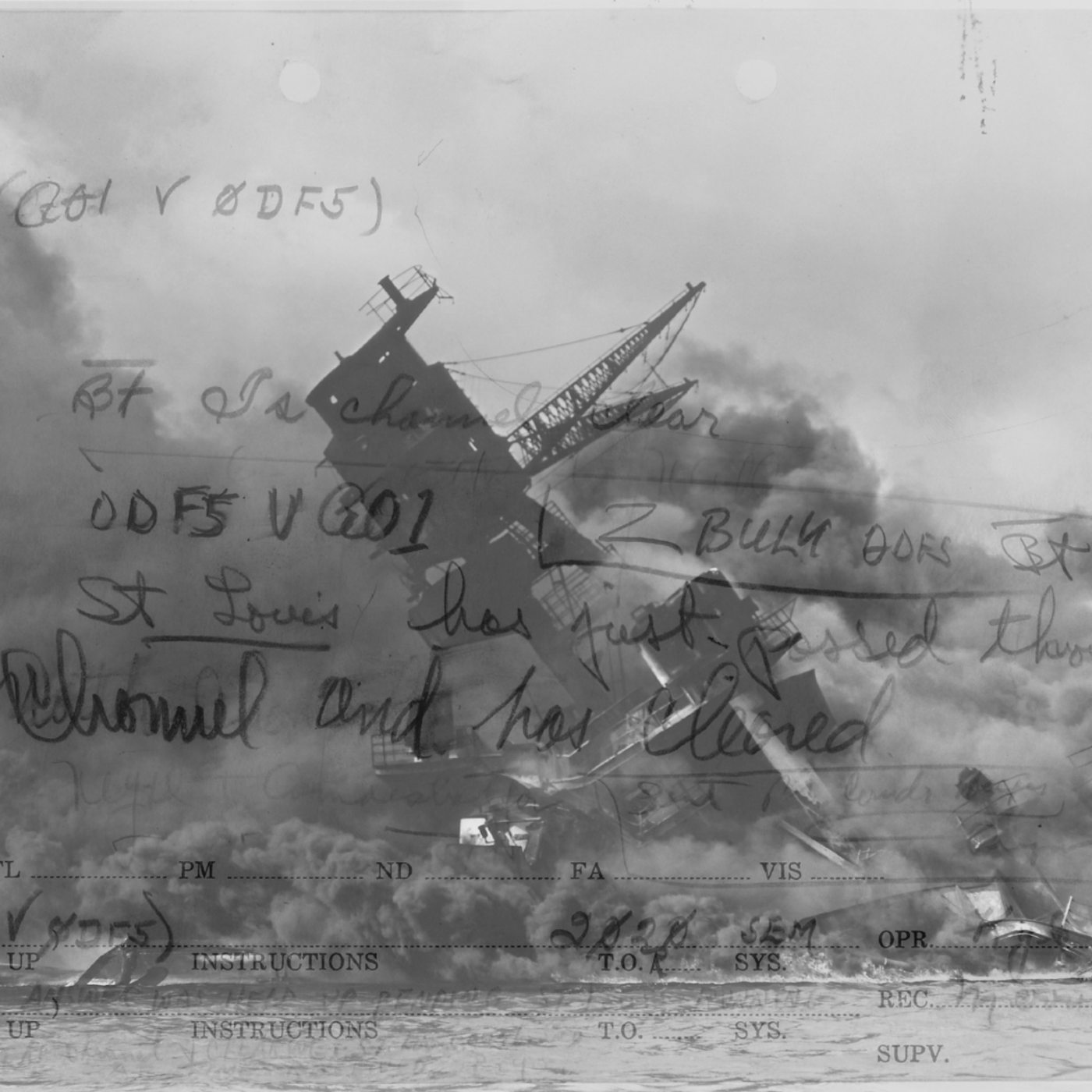
December 7, 2021 is the 80th anniversary of the Japanese attack on Pearl Harbor that brought America into World War II. It is one of many days in the American year that inspire reflection on the most violent and determinative human event: war—and the art of war that aims to control and direct that most uncontrollable human undertaking.
Ep 125Democracy in America
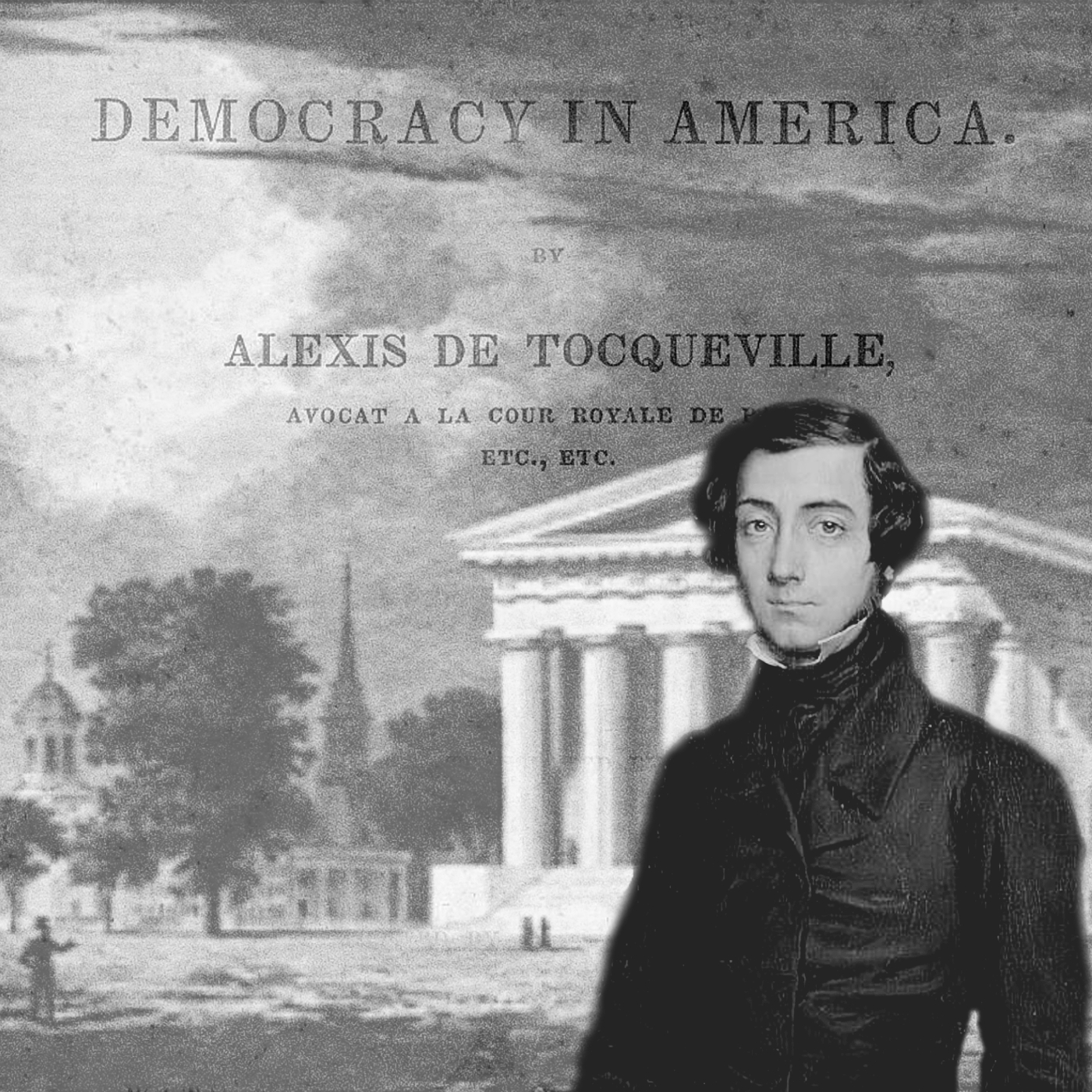
In January, 1835, the first volume of a book named Democracy in America was published in Paris. It was a great critical and commercial success. The author, a young French aristocrat named Alexis de Tocqueville, became a celebrity and was awarded cherished honors and prizes. And his book stood the test of time. Almost two hundred years later, it is still regarded by many learned and able judges to be the best book ever written about democracy and about America.

Ep 124Sarah Josepha Hale
Sarah Josepha Hale was born in New Hampshire in 1788. In an era when the average American life expectancy was forty years, she lived until 1879—91 years—and has been remembered by posterity primarily for two things: the poem popularly known as "Mary Had a Little Lamb," and the American tradition of Thanksgiving. Hale made herself "one of the most influential women of the nineteenth century."

Ep 123Hank's Roadside Bar & Grill
The American story isn't just history. We write the American story ourselves every day with the choices we make as individuals and as a country.
Ep 122One More For Chesty
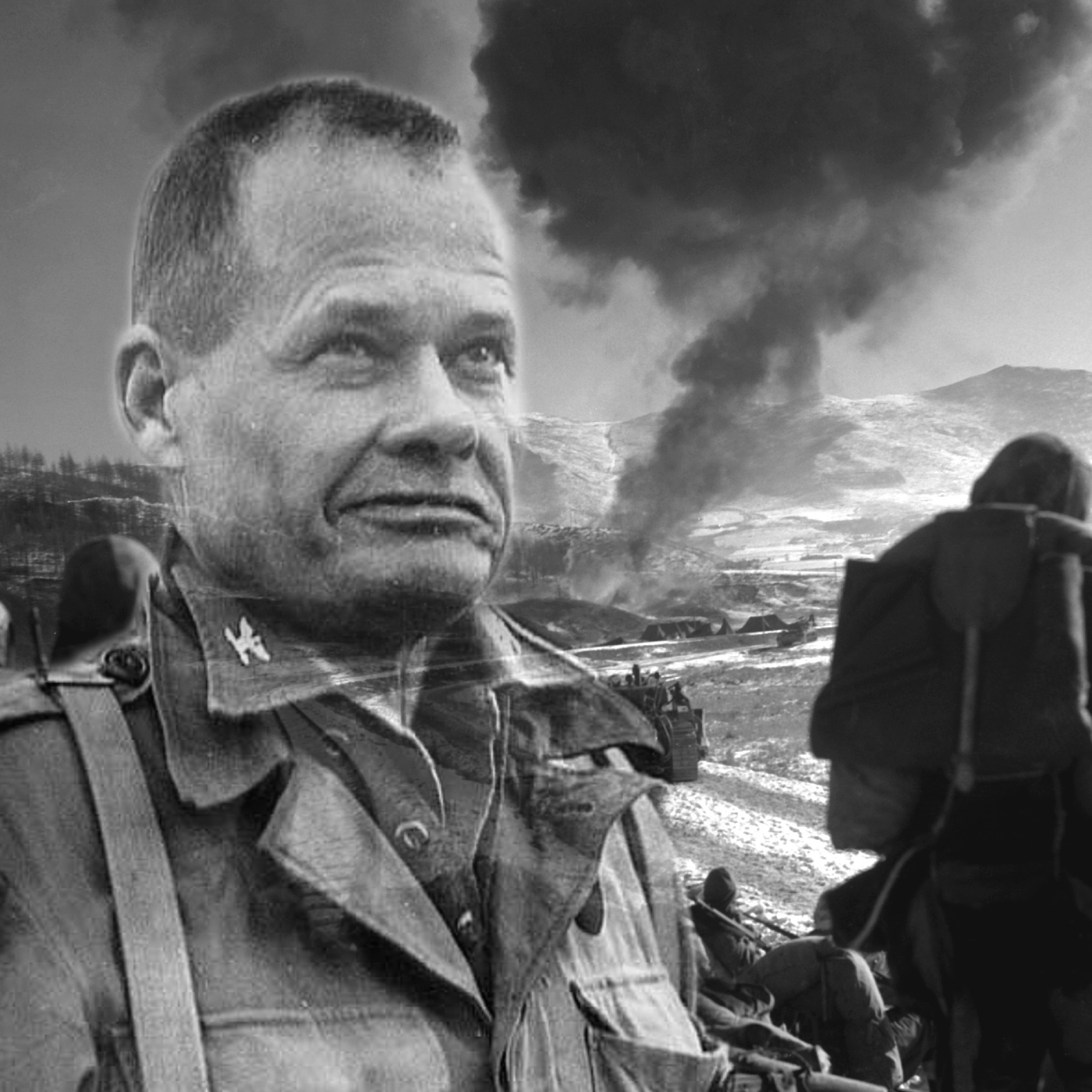
"Chesty" Puller was a Marine's Marine. To this day, in Marine Corps boot camp, recruits are exhorted, "Do one more for Chesty! Chesty Puller never quit!" His combat service record is astonishing: he is the most decorated Marine in history. Chesty insisted that he did not love fighting. But if there was a fight, he wanted in on it, and he generally was. But the fighting spirit is not the only reason Chesty is revered by Marines. Bravery in combat is expected. He embodied something more.
Ep 121Yvonne, I Love You
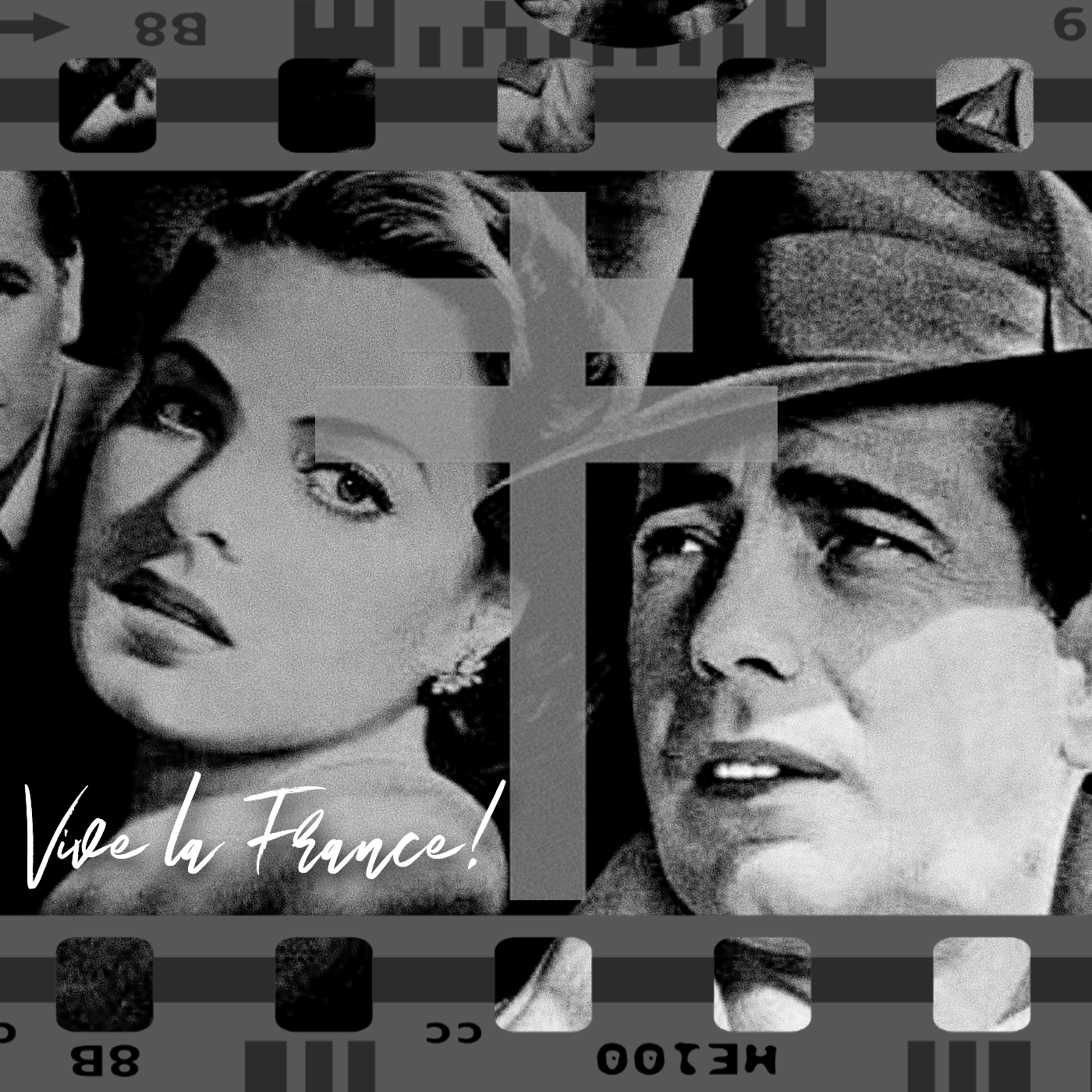
The beautiful 17-year-old actress Madeleine LeBeau fled Paris in June, 1940, just hours before the Germans marched in. Like thousands of other refugees, she and her husband made their way with forged visas and all the complications, uncertainties, and delays imaginable in wartime. Just two years later, still only nineteen, Madeleine LeBeau would play a memorable role in a pivotal scene in what would become one of the most well-loved movies ever made: Casablanca.
Ep 120For Such a Time as This
I had some time on my hands, and before I knew it, I had time on my mind. Time flies, marches on, and sometimes just stands still. You can buy time, be on borrowed time, or run out of time. We can all see in these strange days, that time—with thanks to Mr. Shakespeare—is out of joint. Madison and Lincoln would join Silent Cal in reminding us—to take a famous line from the great American movie Casablanca—that "The fundamental things apply, as time goes by."
Ep 119The Great Seal
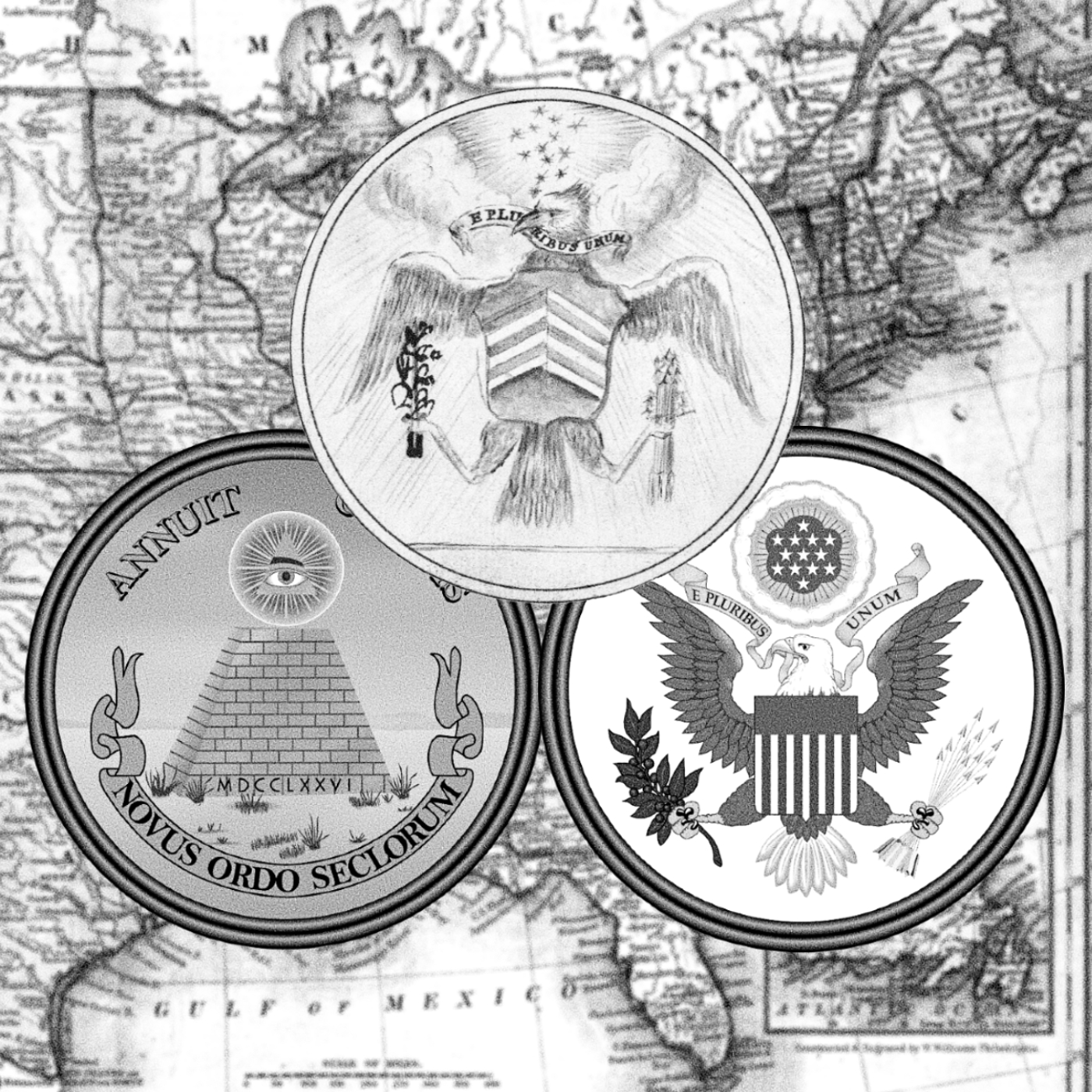
Turning to the back of the American one-dollar bill, I behold on the right side the "obverse" and on the left side the "reverse" of the Great Seal of the U.S. I pause to mention that to heraldry experts the "obverse" is the front and the "reverse" is the back of something. Why bring up heraldry experts? Because heraldry is the discipline of designing coats of arms, armorial bearings, and such things, and the Great Seal of the United States is a product of that art combined with the art of the statesman.
Ep 118The Federalist
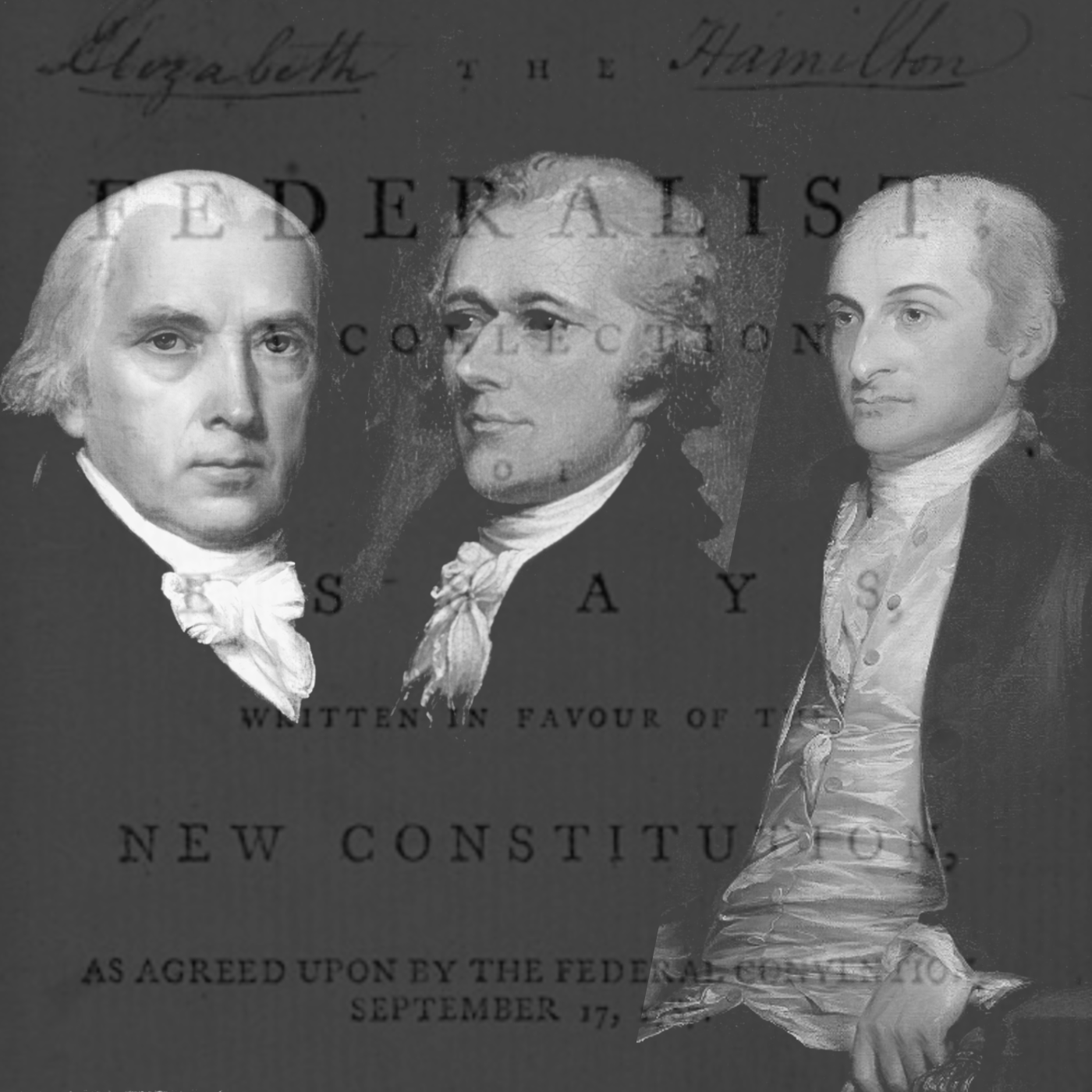
In September 1787, a new Constitution had miraculously come forth from the Constitutional Convention in Philadelphia. But it would remain mere paper until ratified by 9 of the 13 states. Criticism of the Constitution began pouring into the press even before the Constitution was made public. In response, over the next 8 months, 3 founders, under the pseudonym "Publius," published 85 essays in New York newspapers defending and explaining the proposed Constitution.
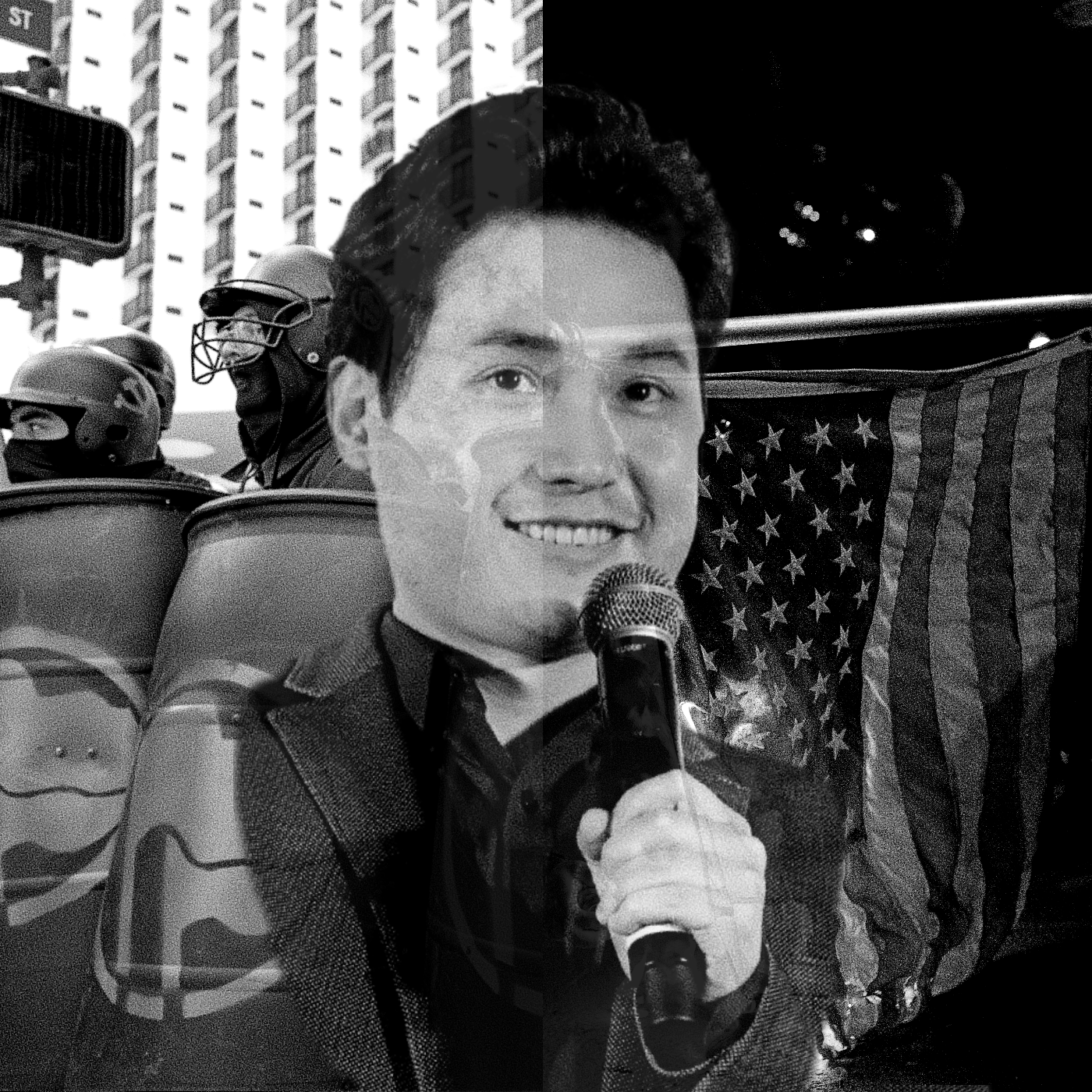
Ep 117Andy Ngo
After the American defeat in Vietnam in 1975, the communists confiscated the homes, businesses, property, and savings of those south Vietnamese supposed to be "counterrevolutionaries." Hundreds of thousands of these men, women, and children were forced into what were called "reeducation" camps. Many risked their lives and fled, including Binh and Mai Ngo, who made it to America. Their son became an American hero.
Ep 116Science and Séances
"Follow the science" and the "experts"—became popular maxims in America in the strange years 2020 & 2021, as government bureaucrats, politicians, media stars, and celebrities—themselves no scientists (or experts either)—struggled to figure out what, if anything, science and the experts wanted the rest of us to do. Following science and experts turns out to be a difficult and problematic enterprise. A hundred years ago, The Great Houdini tried to teach this to a Washington, D.C., infested with fake mediums.

Ep 115What's Love Got To Do With It?
The first duty of civic education is to teach each new generation of Americans what it is about the country that makes it worthy of the last full measure of devotion; or in my odd way of putting it, what is the essential and beautiful goodness in the country that makes it worthy of love. Understanding this and helping others understand it is the most important work in America.
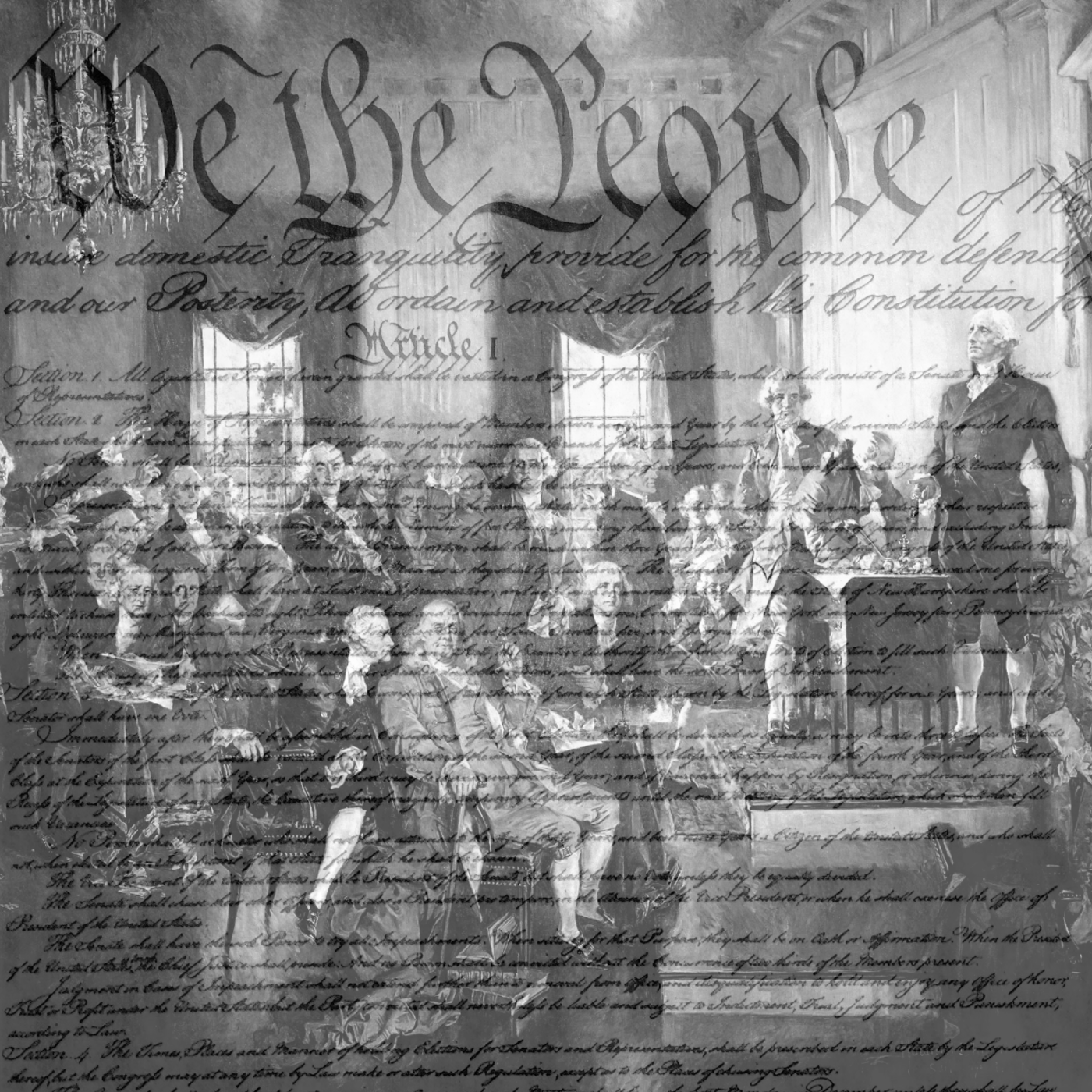
Ep 114We the People
September 17 is Constitution Day in America because on that day in 1787, after 4 months of deliberations, the delegates at the Constitutional Convention in Independence Hall in Philadelphia proposed the Constitution they had drafted to become the Supreme Law of the land. This was the end of one historic deliberation, but it was the beginning of another. The Constitution would be "of no more consequence than the paper on which it is written," until it was ratified by the people of the United States.
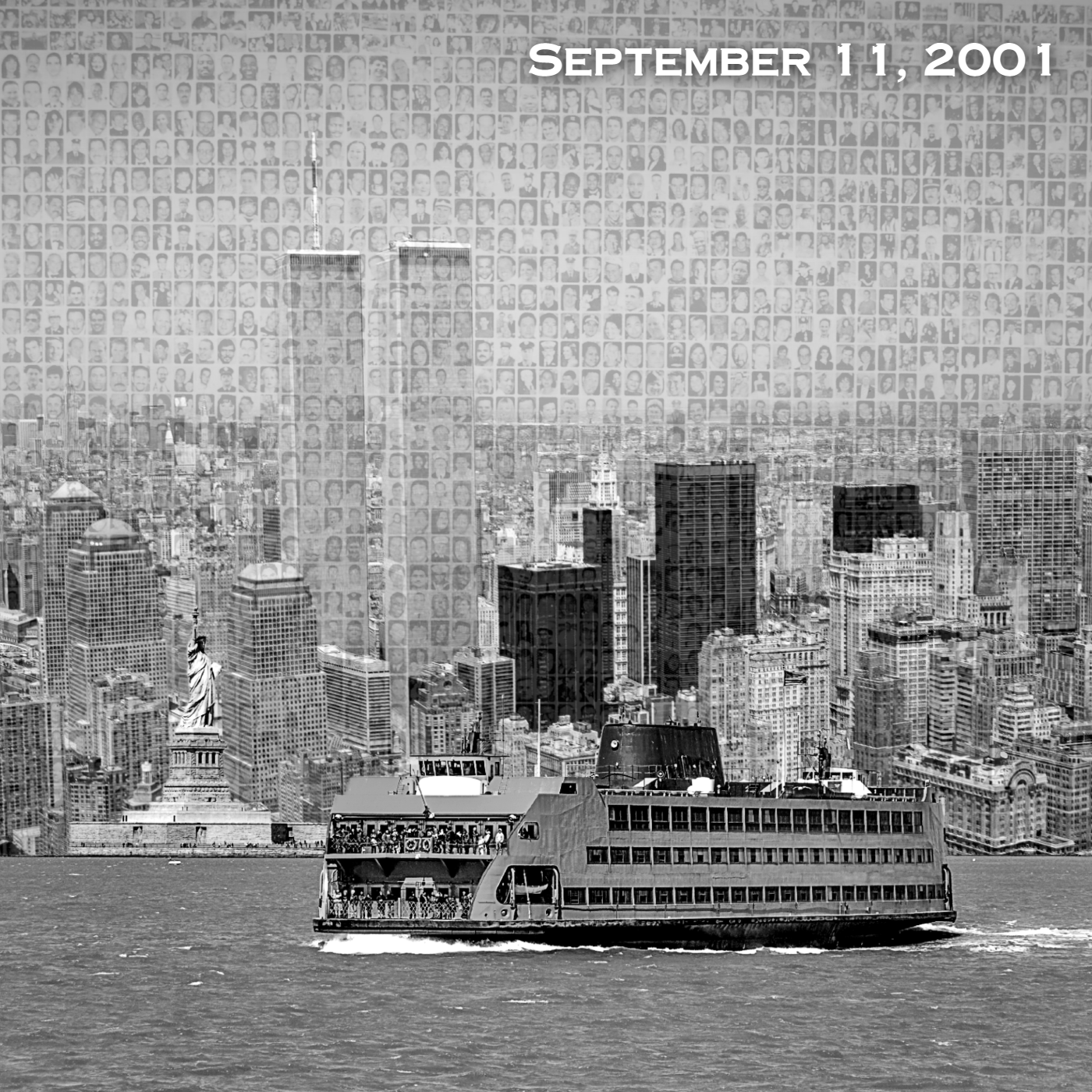
Ep 1139/11
Twenty years have come and gone since September 11, 2001 became "9/11." It is a day not just for mourning victims but for honoring heroes, those on Flight 93 and the many civilians and first responders who risked and gave their lives trying to save others.

Ep 112Mother of Exiles
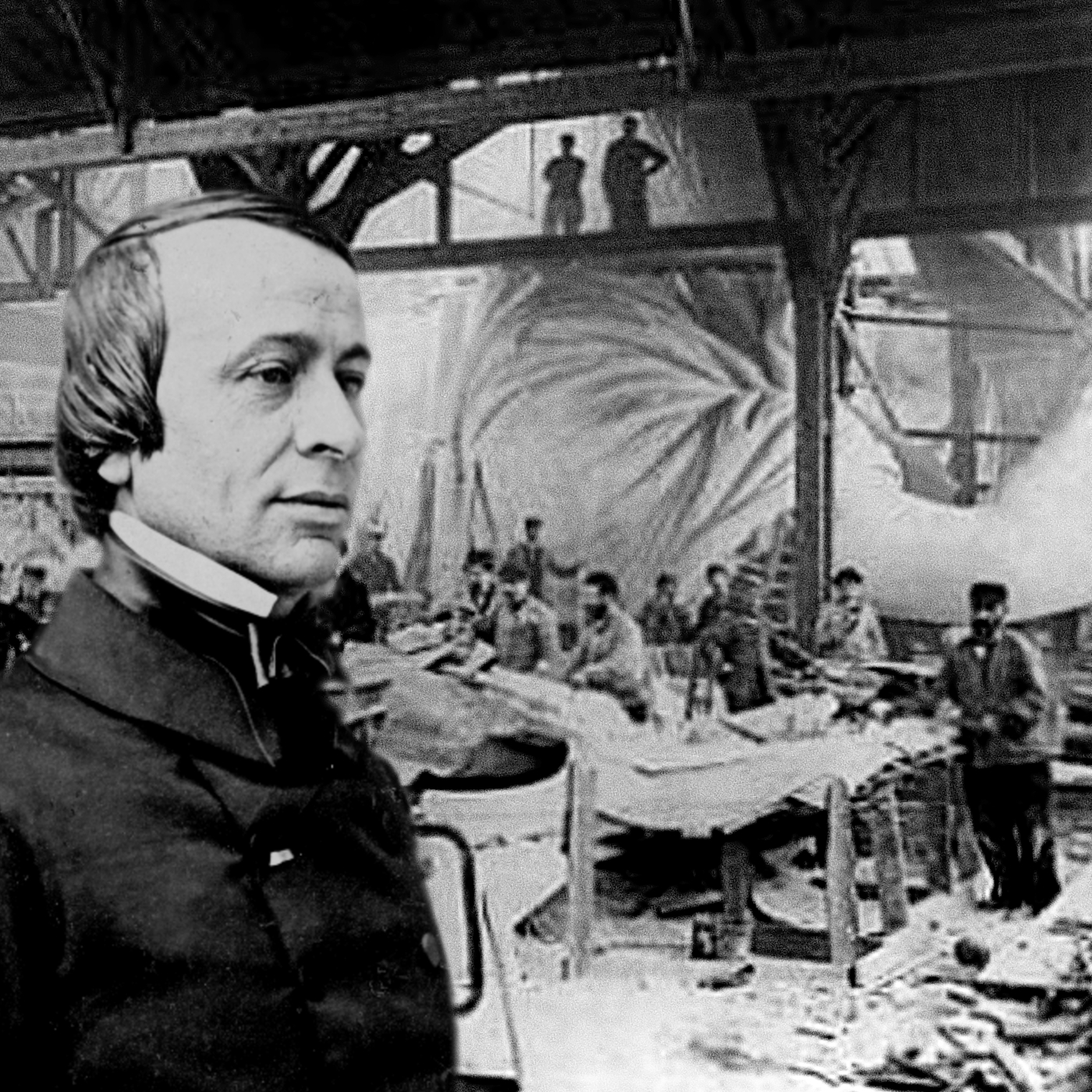
"Give me your tired, your poor, Your huddled masses . . ." These are among the most world-famous lines of any work of American literature, and whoever hears or reads them identifies them immediately with the most famous statue in America. But that is usually where the familiarity ends. Many serendipities would be needed before these lines would come not just to be identified with the statue but to be inseparable from it in the eyes of the world.
Ep 111Liberty for All
The Statue of Liberty has come to seem as much a part of America as the Grand Canyon. The oldest rocks of the Grand Canyon were formed by forces of nature some two billion years ago, and the Statue of Liberty, a project of mere mortals, has been around only since the end of the nineteenth century. But it came along and suddenly forever became part of the identity of the country it came into.

Ep 110Up From Slavery
Booker T. Washington was born a slave in Franklin County Virginia just a few years before the Civil War began. With heroic determination, he got himself an education and went on to found the Tuskegee Normal and Industrial Institute in Alabama, where he remained principal for the rest of his life. By the time Frederick Douglass died in 1895, Washington was with no comparison the most well-known and influential black American living.
Ep 109Soul of Freedom
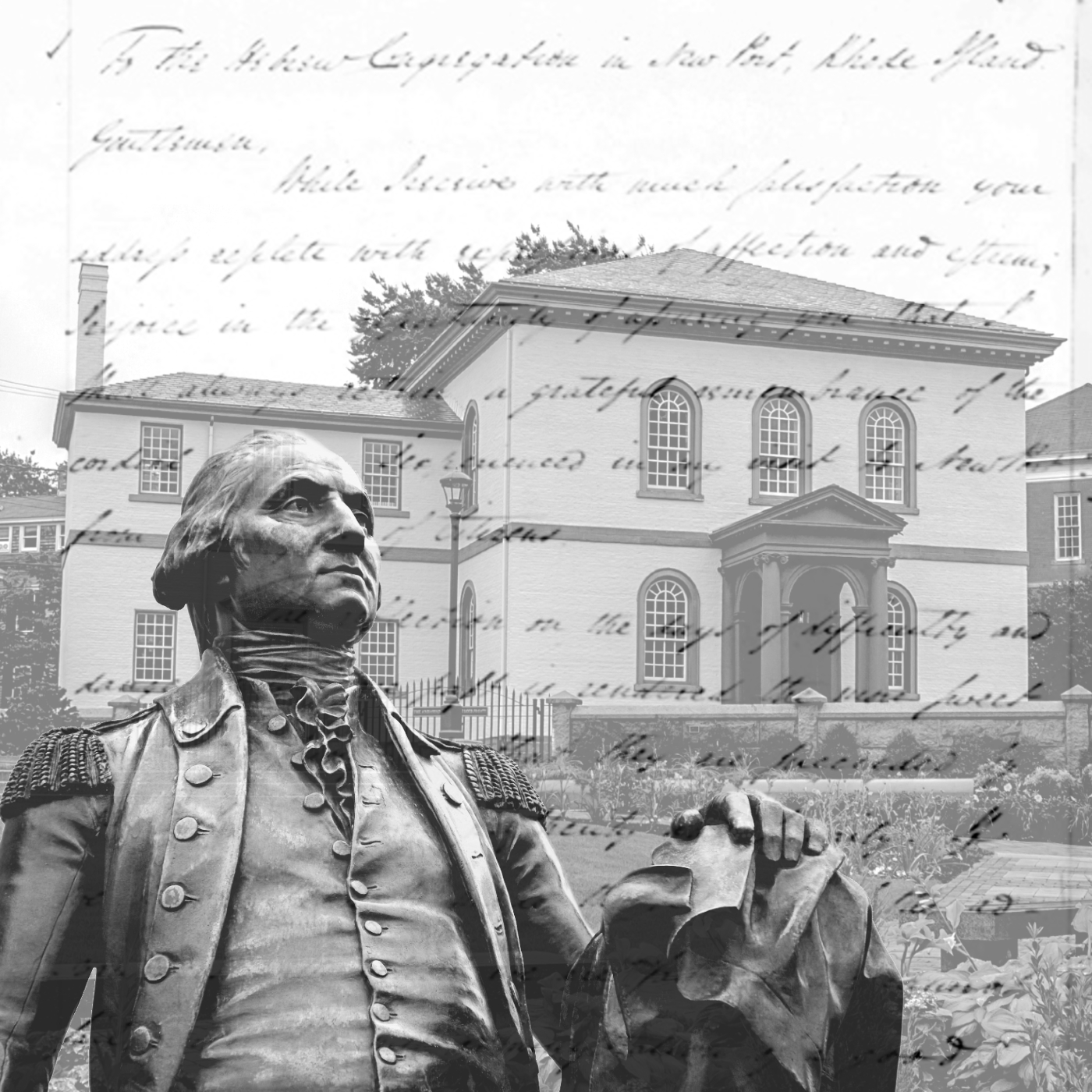
Every year in August, the oldest synagogue in America—Touro Synagogue in Newport, Rhode Island—holds a public reading of a letter written by George Washington to the congregation early in his first term as the first President of the United States. The letter ranks high among the documents affirming and defining the unprecedented American experiment in religious freedom.
Ep 108God Bless America
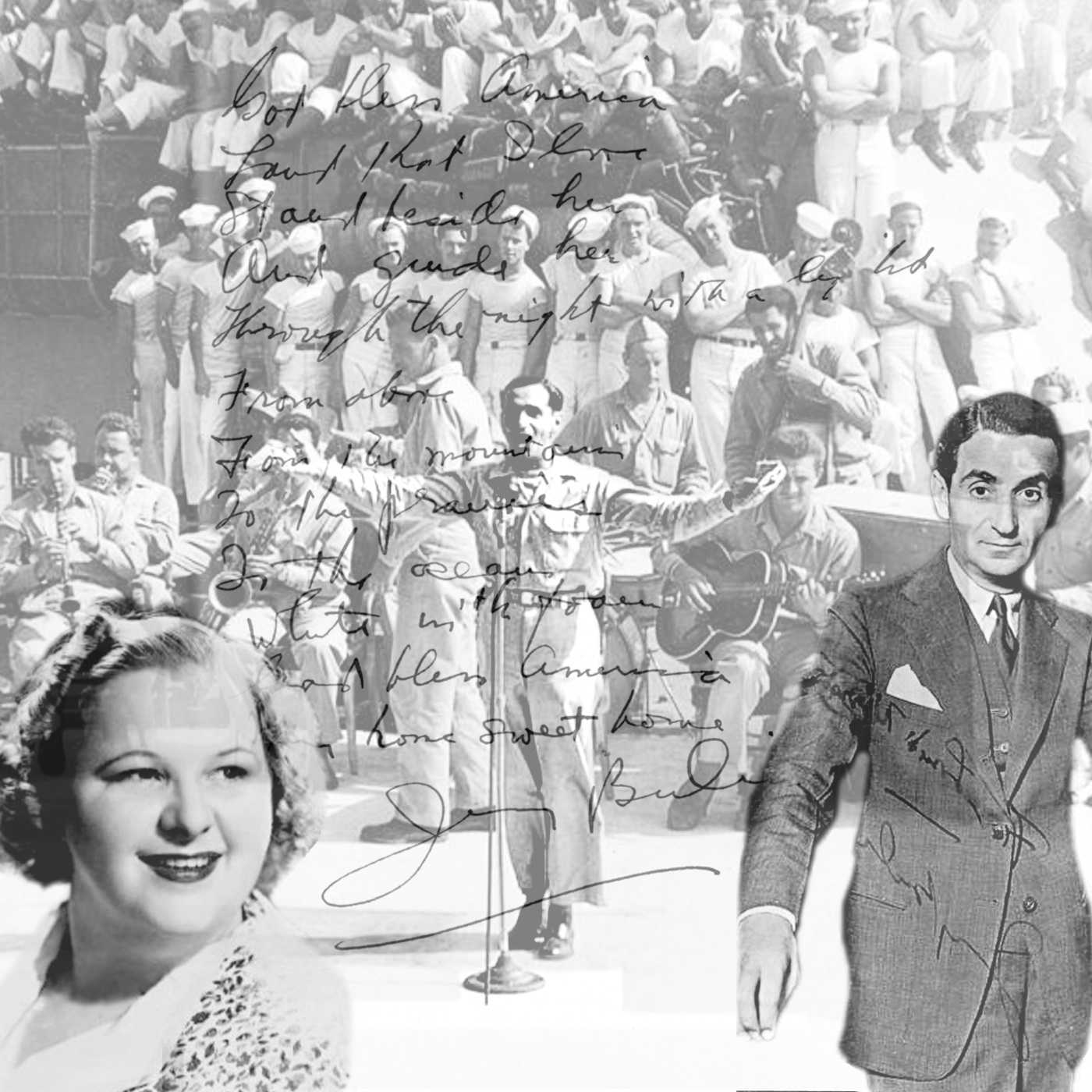
Israel Beilin was five years old when he and his family arrived in New York and, like the rest of the family, he spoke only Yiddish. With the help of Ellis Island clerks, printing accidents, and his own American ambition, his name would become Irving Berlin, and he would become a master of the American language and one of America's greatest songwriters.
Ep 107Uncle Tom's Cabin
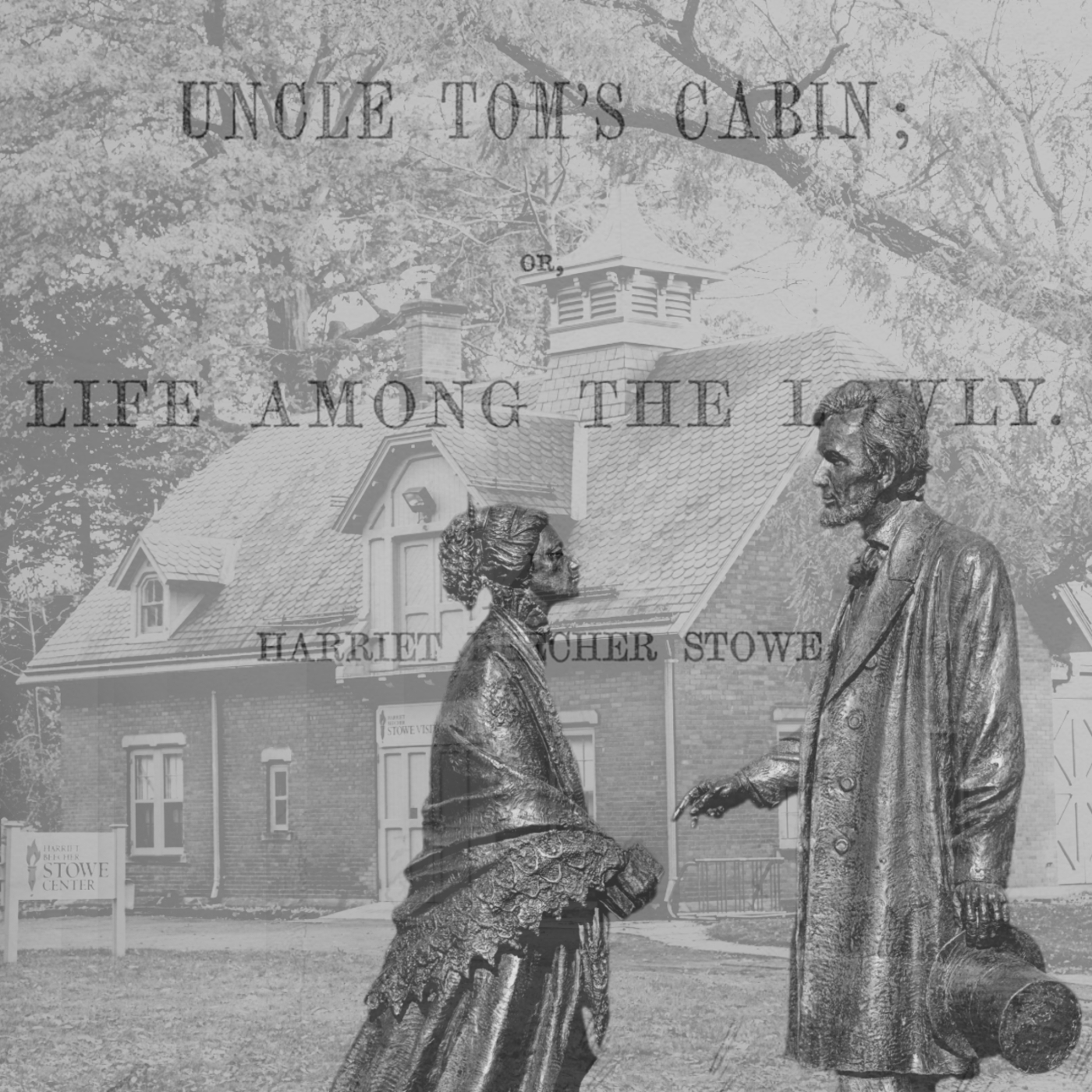
Isabella Beecher was outraged like many of her Boston neighbors by the passage of the Fugitive Slave Law 1850. The new law, part of the Compromise of 1850, required citizens in free states to assist in the recovery of fugitive slaves under penalty of stiff fines or imprisonment. Isabella was fully occupied looking after her eleven children, but she knew someone who might be able to do something: her husband's sister, Harriet Beecher Stowe.
Ep 106The Anti-slavery Constitution [3 of 3]
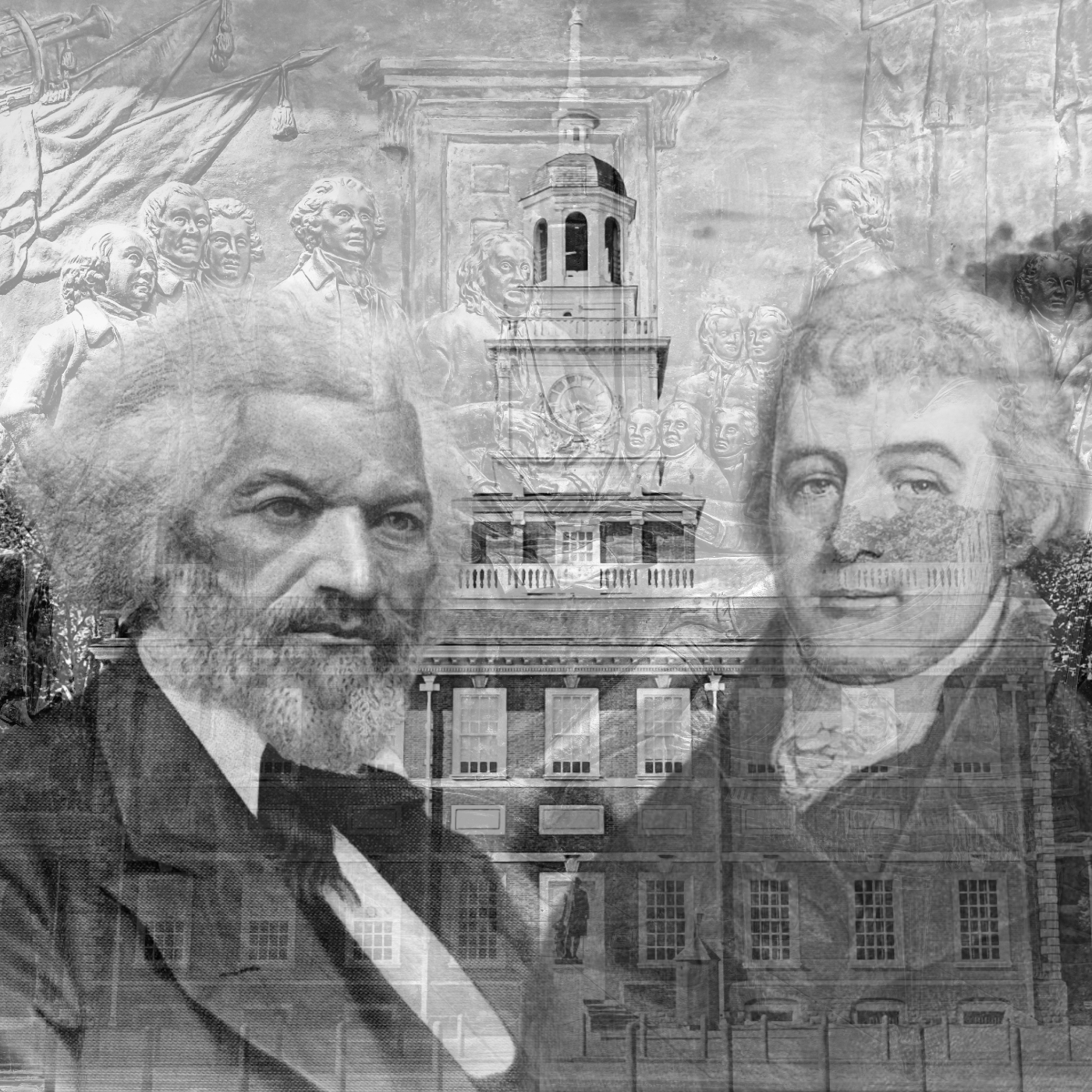
Among the many challenges to the statesmanship of the framers of the Constitution, none was more fundamental or intractable than the problem of slavery. On August 21 the Constitutional Convention, meeting in Independence Hall in Philadelphia in the summer of 1787, officially took up a provision that forbade the Congress they were designing forever to tax or prohibit the importation of slaves anywhere in the United States. Heated discussion erupted immediately.

Ep 105Anti-slavery Declaration [2 of 3]
Jefferson drafted the Declaration, a committee reviewed it, corrections were made, and on July 2-4, Congress—in the midst of much other pressing business of fighting a war—edited it into the final form. They made important changes, including deletion of a passage denouncing the king of Great Britain for imposing the slave trade on America. This deleted passage sheds light on the meaning of America's central idea, that "all men are created equal."
Ep 104Anti-slavery Revolution [1 of 3]
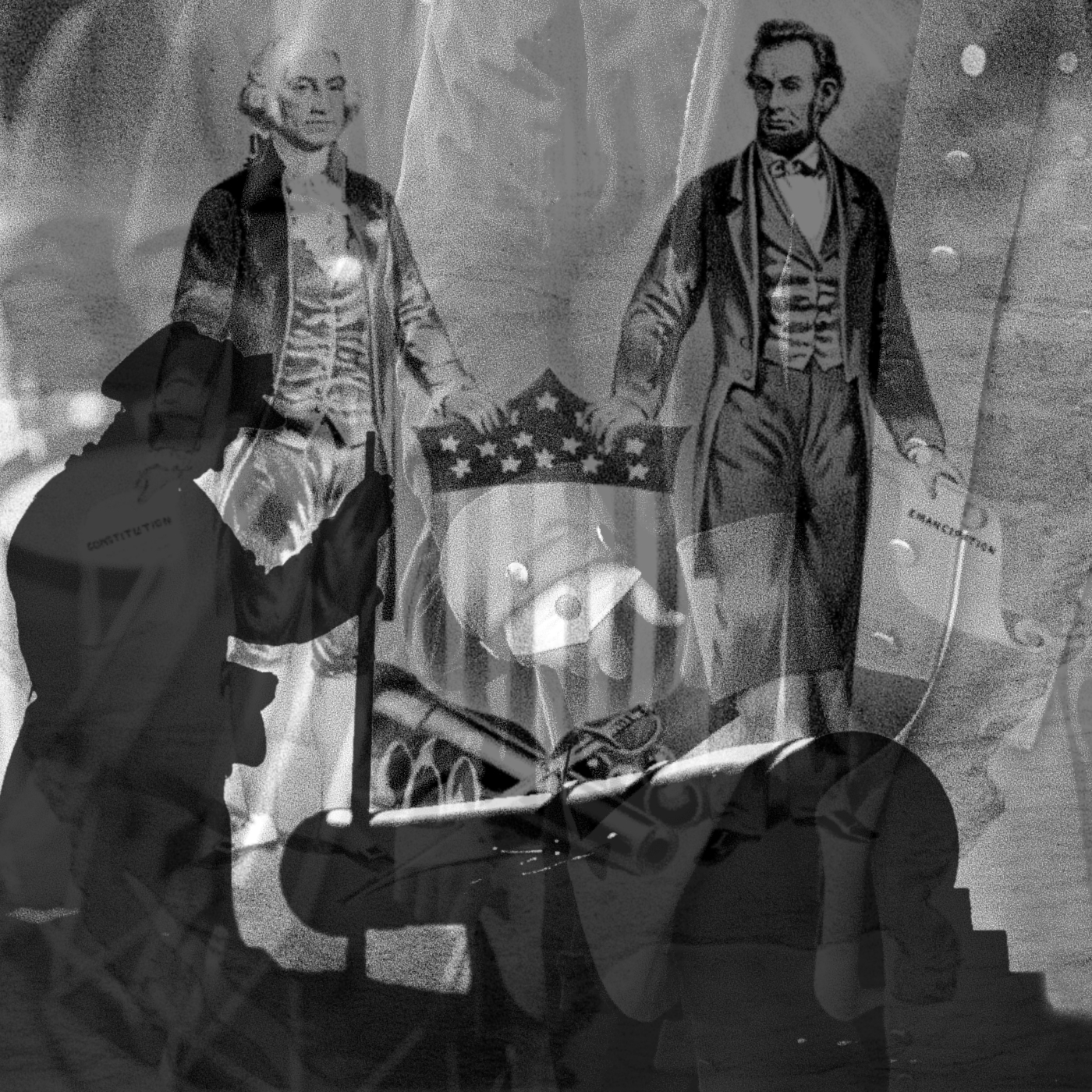
Slavery has been around since the beginning of human history. It was practiced among the native peoples of north America before and after Europeans arrived, and it was legal in every American colony in the years prior to the American Revolution. Then a great historic change began, a revolution in the hearts and minds of the British colonists that would eventually make them Americans. This revolution was at its heart an anti-slavery movement.
Ep 103Independence Forever!
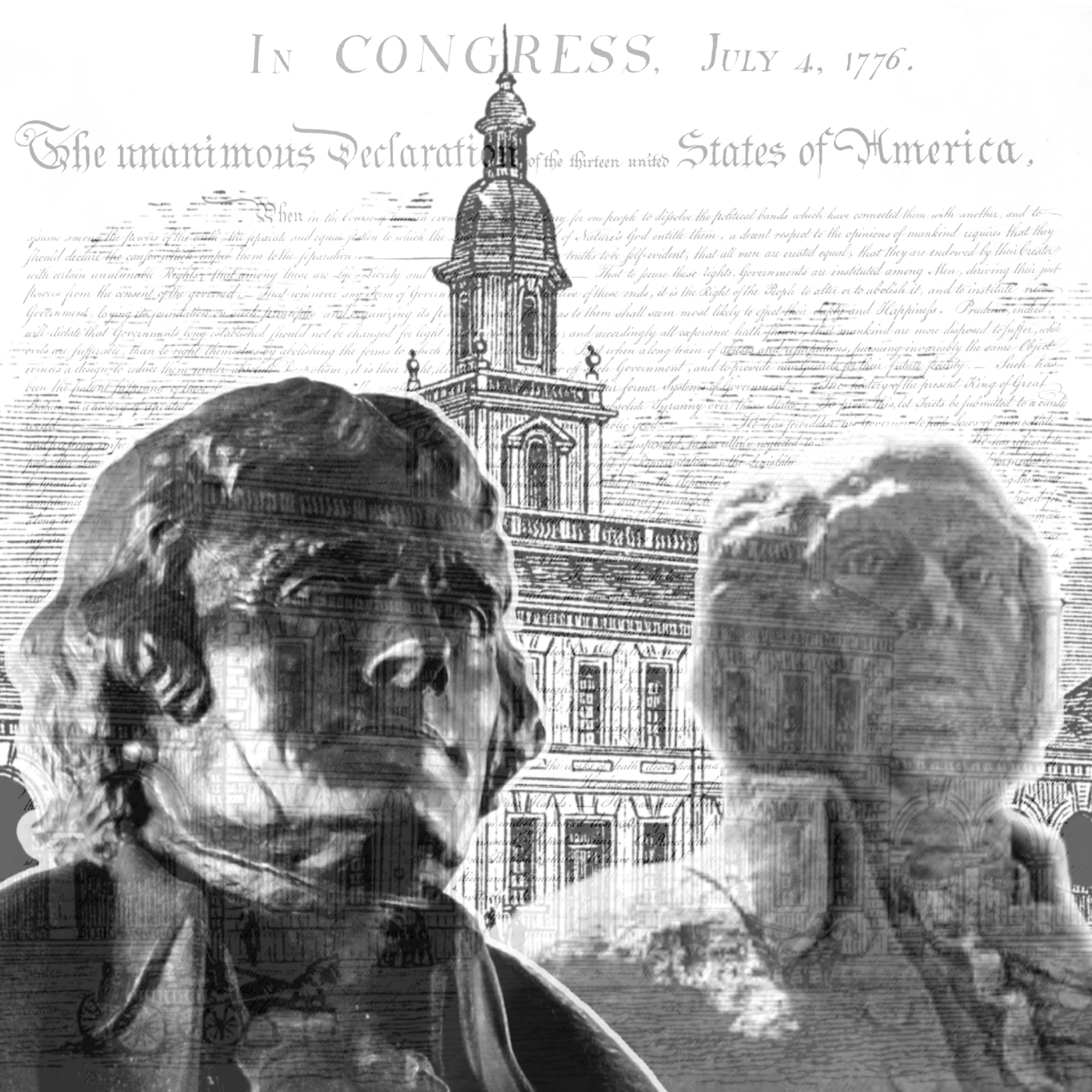
Thomas Jefferson and John Adams celebrate their last Fourth of July.
Ep 102Our Finest Hour
America's greatest enemy is not the Chinese or the Russians, or some other foreign tyranny—though they might indeed kill us if we continue so fecklessly to defend ourselves. But what will they kill? The body of a country that has lost its soul, unless we do something about it. Our greatest enemy is the bad ideas that have miseducated Americans so thoroughly for so long that many of us have forgotten what it means to be a free people.
Ep 101Why We Fight
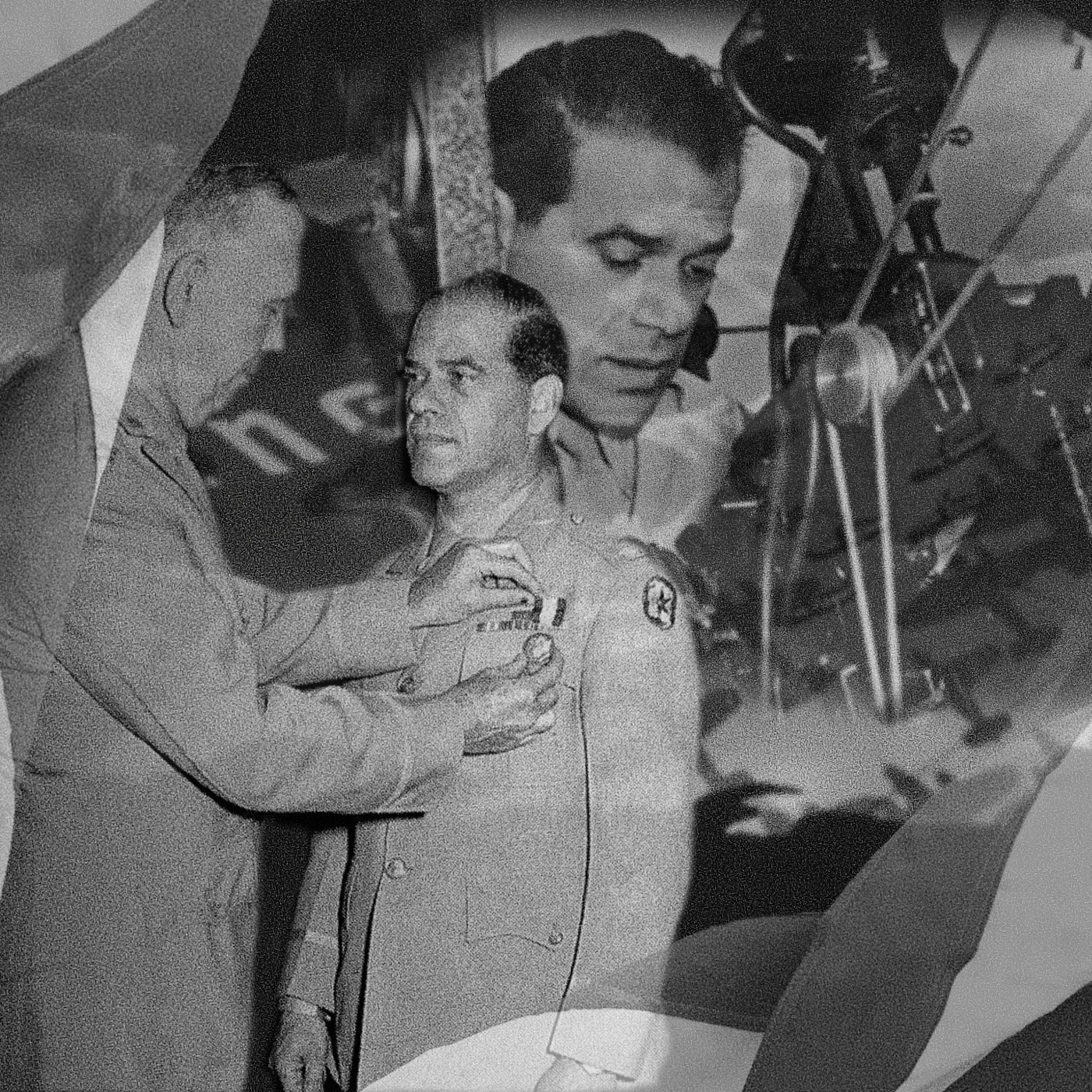
After the attack on Pearl Harbor, the Chief of Staff of the U.S. Army General George Marshall asked film director Frank Capra to create films for the 8 million men, many of whom had never seen a gun, who were being uprooted from civilian life, thrown into army camps, and sent to war. Marshall wanted Capra to make "a series of documented, factual-information films – the first in our history – that will explain to our boys in the army why we are fighting and the principles for which we are fighting."
Ep 100Epic of the Eternal Frontier
The Hollywood Western was a great achievement of American popular art—an epic of the eternal frontier, where trouble is always brewing and everything is at stake: the law is out of town, and if a hero doesn't ride into your valley, you're going to lose the things you hold most dear. On the eternal frontier, we are always faced with the problem of establishing and securing justice and peace. Because establishing justice and peace is a pressing and permanent human problem, the classic Western is eternally interesting.
Ep 99Ride the High Country
The classic Western novel Shane opens in a valley in Wyoming Territory in 1889. Trouble is brewing. The local big cattleman is finding the homesteaders a nuisance. He wants the whole range for his own uses and is bent on driving them out, whatever it takes. The land is theirs by right of settlement and guaranteed by the government, but the nearest marshal is a hundred miles away. Then a lone rider, Shane, rides into the valley.
Ep 98Known But to God
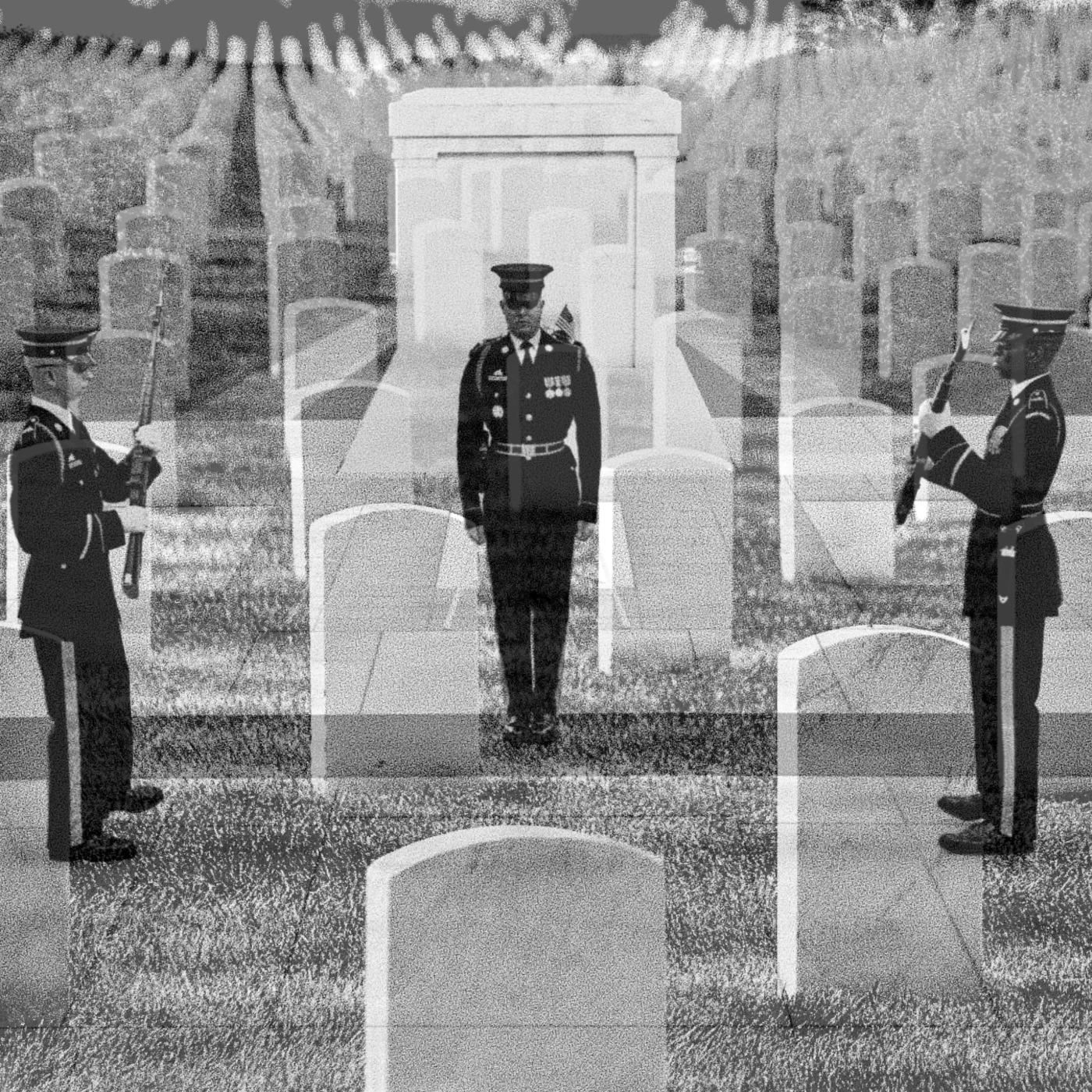
More than 4 million visitors come to Arlington National Cemetery every year from across America and around the world and, unless they have their own personal visit to make, the thing they most want to do is to climb the hill to the high ground of the Memorial Amphitheater and visit the Tomb of the Unknown Soldier.
Ep 97God's in His Heaven
Twenty-Twenty seems to have spread like a virus into 2021. A third of the way through the year and still across the country citizens bludgeoned into isolation, locked in their homes by the latest mandate, huddled around computer screens and cell phones hour by hour awaiting announcement of the next tribulation. It was too much to take in; disorienting to the soul. We fled in desperation to the free state of Florida.
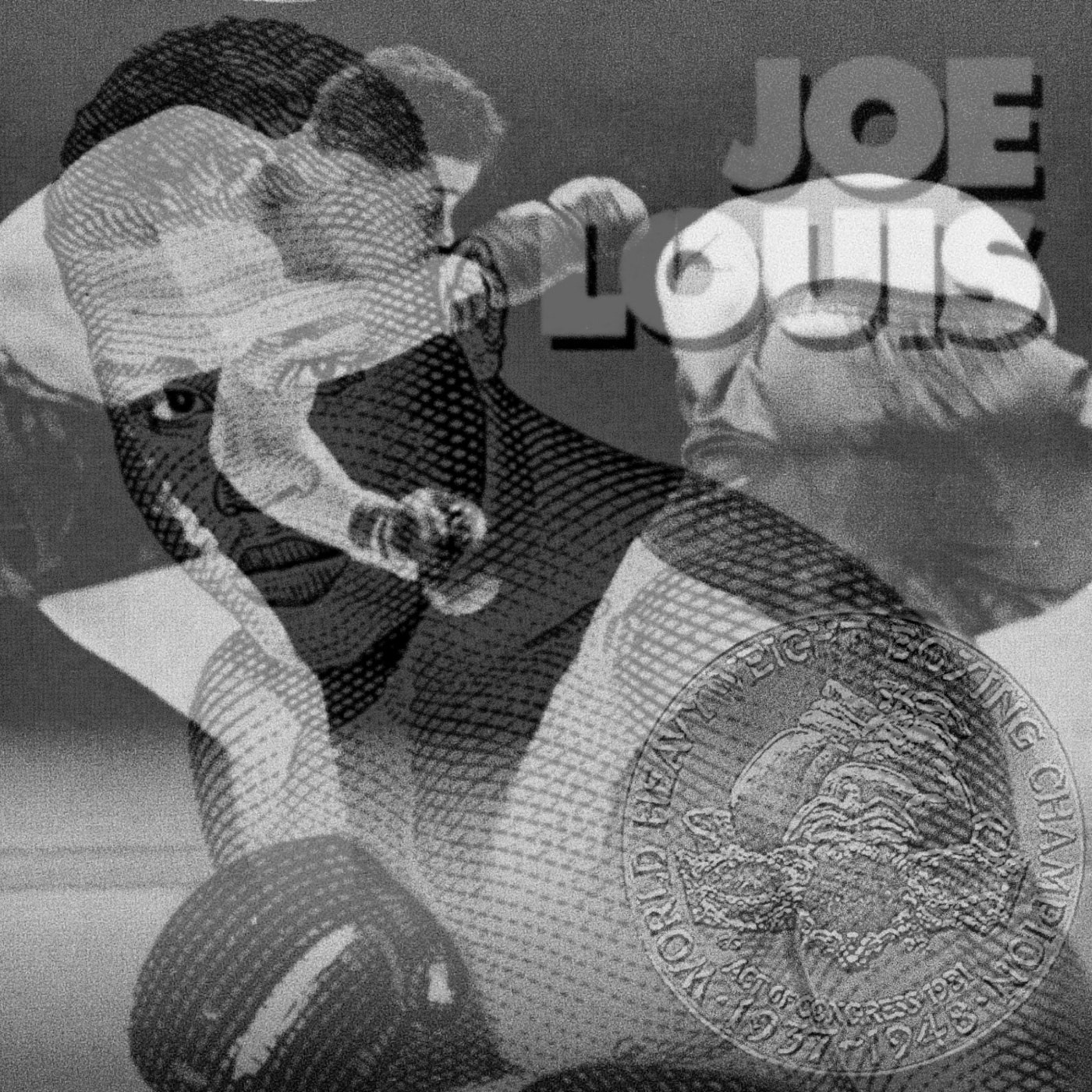
Ep 96A Rose on Lincoln's Grave
Sports fairly practiced—especially individual sports—are a great meritocracy revealing, for all the world to see, the beauty of excellence. In American history, sports have also been an arena for the working out of the great American principle of "liberty to all." Only by living up to this principle, which is the measure of America, is it possible for sports or any other pursuit to take a just measure of human greatness. Enter boxing great Joe Louis. This episode is in memory of Patrick J. Garrity.
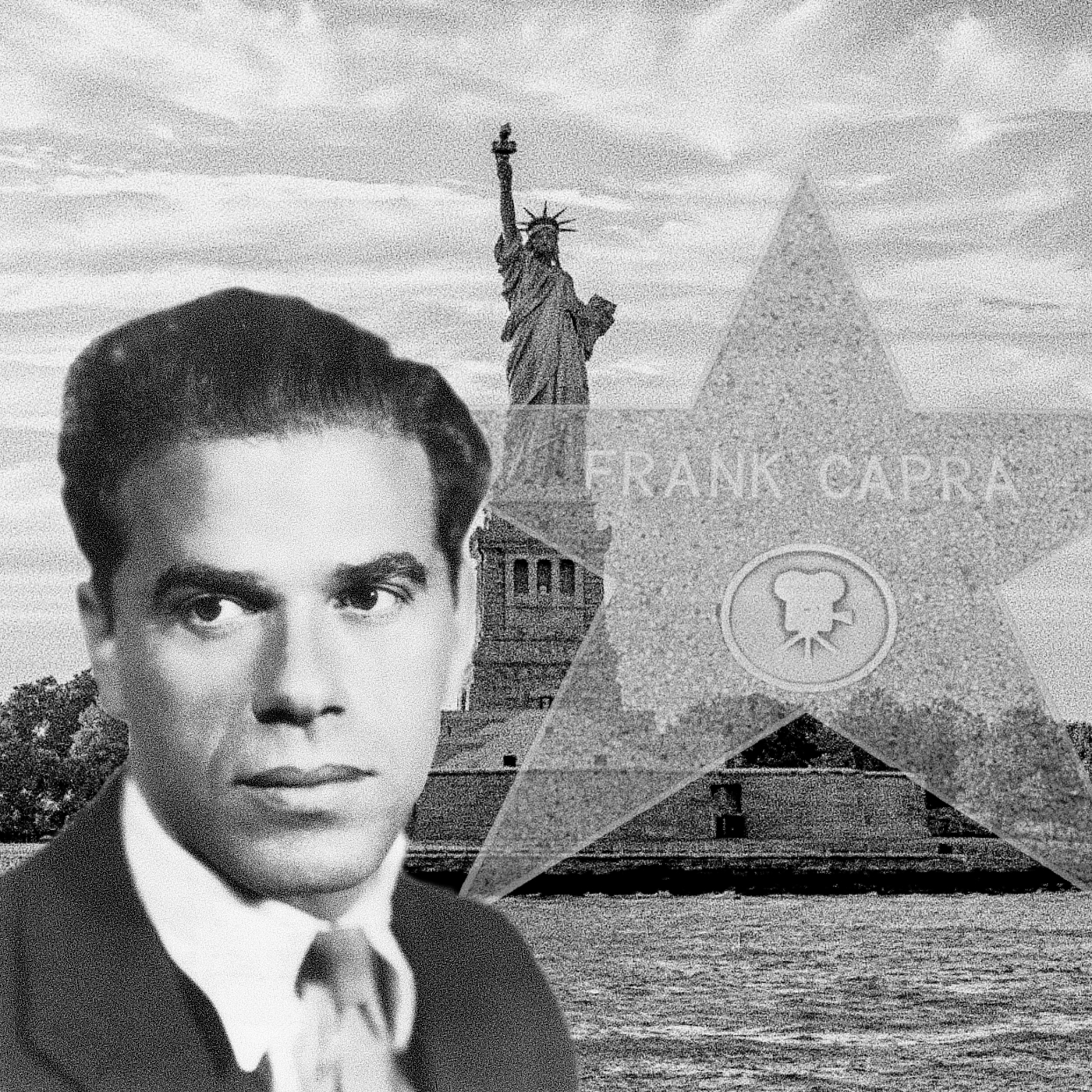
Ep 95I Kiss the Ground
One of America's greatest and most beloved film directors, Frank Capra, was just six years old when he arrived in New York on a steamer from Sicily with his poor Italian immigrant parents in 1903. Growing up, he worked hard, excelled in school, and fell in love with American freedom and the American common man giving us such films as "Mr. Smith Goes to Washington" and "It's a Wonderful Life."

Ep 94Miracle on Ice
It is somehow always the best of times and the worst of times; but the winter of 1980 in America felt like it had more than its share of the worst. Unemployment was high; inflation was raging. An energy crisis produced gas rationing. Iran was holding 50 Americans hostage. President Carter said the nation seemed to be in a "moral and spiritual crisis." Then, from a most unexpected place, America and the free world received a bit of good cheer. It came in the form of a young hockey team.
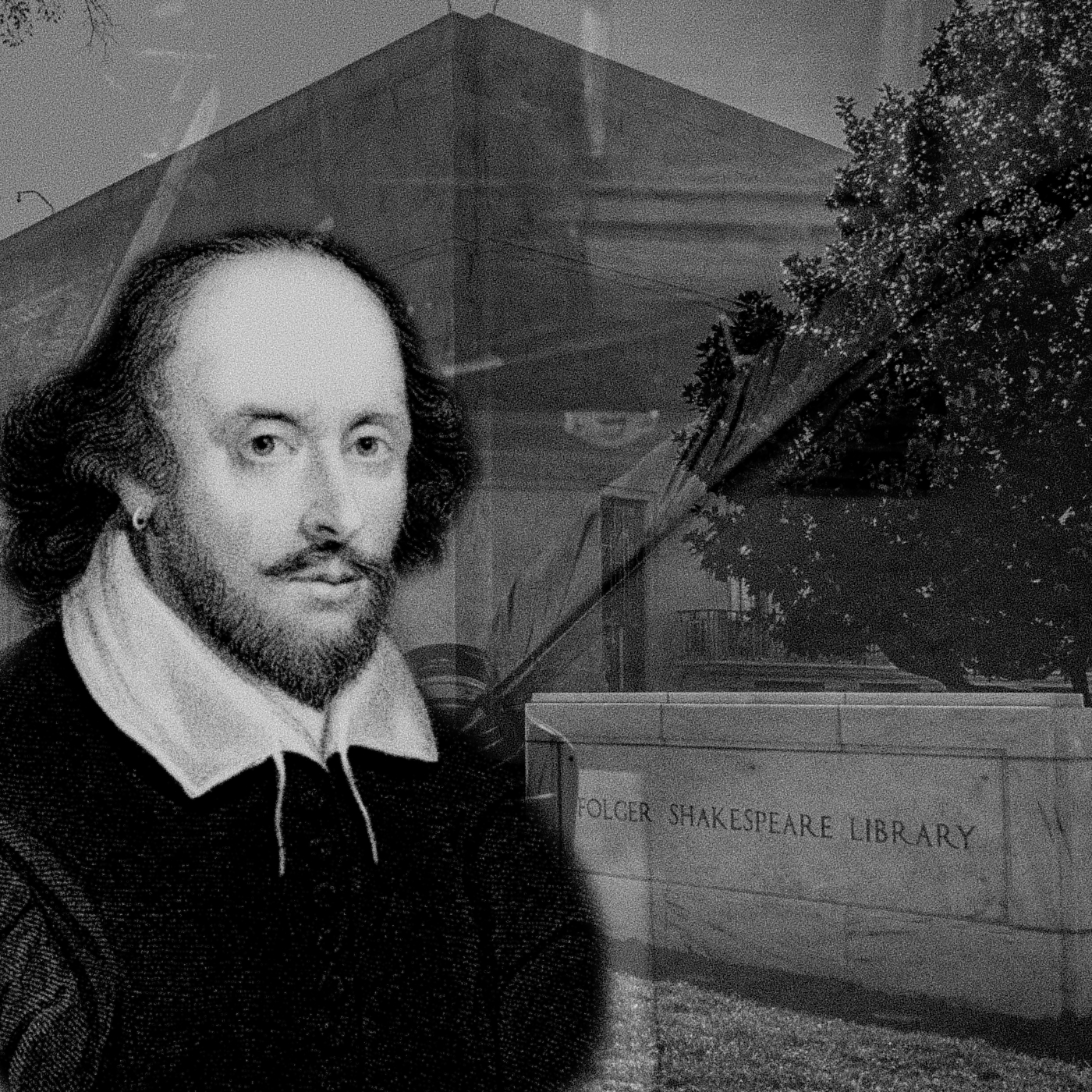
Ep 93The Great Author of America
Why "the finest Shakespeare collection in the world" is in Washington, D.C.

Ep 92We Are All Americans
Ely Parker was born in 1828 to Elizabeth and William Parker of the Tonawanda Seneca tribe of the Iroquois confederacy in western New York. Parker became a leader in his tribe at a very young age, trained as a civil engineer, and earned himself a reputation in that field. In 1857, when he was 29 years old, he moved to Galena, Illinois as a civil engineer working for the treasury department, and there his life took a fateful turn. He became friends with a fellow named Ulysses S. Grant.

Ep 91Purple Mountain Majesties
This story is about a teacher from a college in the East who was inspired by her travels West, especially by her experience summiting Pikes Peak, to write a poem that became an American anthem.

Ep 90A Decent Respect
The "real American Revolution," as John Adams said, took place in the minds and hearts of the American people in the years leading up to 1776. This Revolution of thought gave birth to a Revolution of words and deeds; and Revolutionary thought, word, and deed together became the American Founding, a "human event" unsurpassed in the history of the world. This Founding remains eternally the earthly source of all America's blessings of liberty. It is also America's eternal earthly measure of itself.

Ep 89Michael Patrick Murphy
This episode is about an American warrior and the warship that carries on his name. The ship and her crew operate in more than 48 million square miles of the Pacific and Indian Oceans. The area is more than 14 times the size of the continental United States; it includes 36 maritime countries, 50% of the world's population, and the world's 5 largest foreign armed forces.

Ep 88Field Photo Farm
Late in 1939, the eminent Hollywood movie director John Ford, who happened also to be an officer in the Naval Reserve, began organizing and training what became the Eleventh Naval District Motion Picture and Still Photographic Group. Their mission would be to record on film the history of the war that was coming. From Pearl Harbor to VJ-Day, Ford and his crews traveled the world, from Midway, to North Africa, to Normandy, documenting the great battles of the war, often heroically.

Ep 87Battle Hymn of the Republic
It's not every day that a poet sits down and writes a poem that becomes a national hymn. But that's what happened to Julia Ward Howe in November 1861. The country was a year and a half into the Civil War when she and her husband visited Union Army camps with a friend, passing time in the carriage singing army marching songs, including the popular "John Brown's Body." The friend suggested that Mrs. Howe consider writing her own, more elevated, lyrics to the song. And she did.

Ep 86Beauty and Brains
Hedy Lamarr was born to Jewish parents in Austria in 1914. She became an actress and married by the time she was 20. In 1937, she escaped her domineering husband and rising anti-Semitism in Europe, and made her way to America, where she became a Hollywood star celebrated as the most beautiful woman in the world. During WWII, in hopes of aiding America's war effort, Hedy invented a technology that would eventually be used in cell phones, GPS, Bluetooth, and Wi-Fi. She had beauty and brains in spades.

Ep 85Paul Revere's Ride
Henry Wadsworth Longfellow has been called, "the most popular poet in American history." When Longfellow wrote, few Americans remained who had a living memory of the American Revolution. With his poem, "Paul Revere's Ride" he succeeded in preserving part of that heroic memory in verse for many generations to come, the way Homer did for ancient Greeks, or Shakespeare for Englishmen in more recent times.

Ep 84The Right Stuff
Chuck Yeager was born in West Virginia in 1923, was shooting and skinning squirrels and rabbits for family dinners by the time he was six, flying fighter planes in WWII by the time he was twenty, flew 127 missions during the Vietnam War, retired as a highly decorated brigadier general in 1975, and received the Presidential Medal of Freedom. But what made Chuck Yeager famous was something he did between wars, as a test pilot.

Ep 83Sail On!
A poem comes to a poet, and he sends it orphaned out into the world, to take its chances. It never knows who or what it might inspire or how it might become part of the world it has stepped into. Henry Wadsworth Longfellow's poem "The Building of the Ship" made its way from schoolboys to Lincoln to Roosevelt to Churchill and the world. It continues to inspire lovers of liberty everywhere.

Ep 82To See the Right
By July 1776, American revolutionary John Dickinson maintained that he did not entertain any doubt whether America should declare independence, only when. He opposed, in his words, "only the time of the declaration, and not independence itself." His reasons for this opposition were weighty, well-considered, and shared by many. For one last time, he presented those reasons to his fellow delegates in the Continental Congress.