
The a16z Show
1,152 episodes — Page 14 of 24
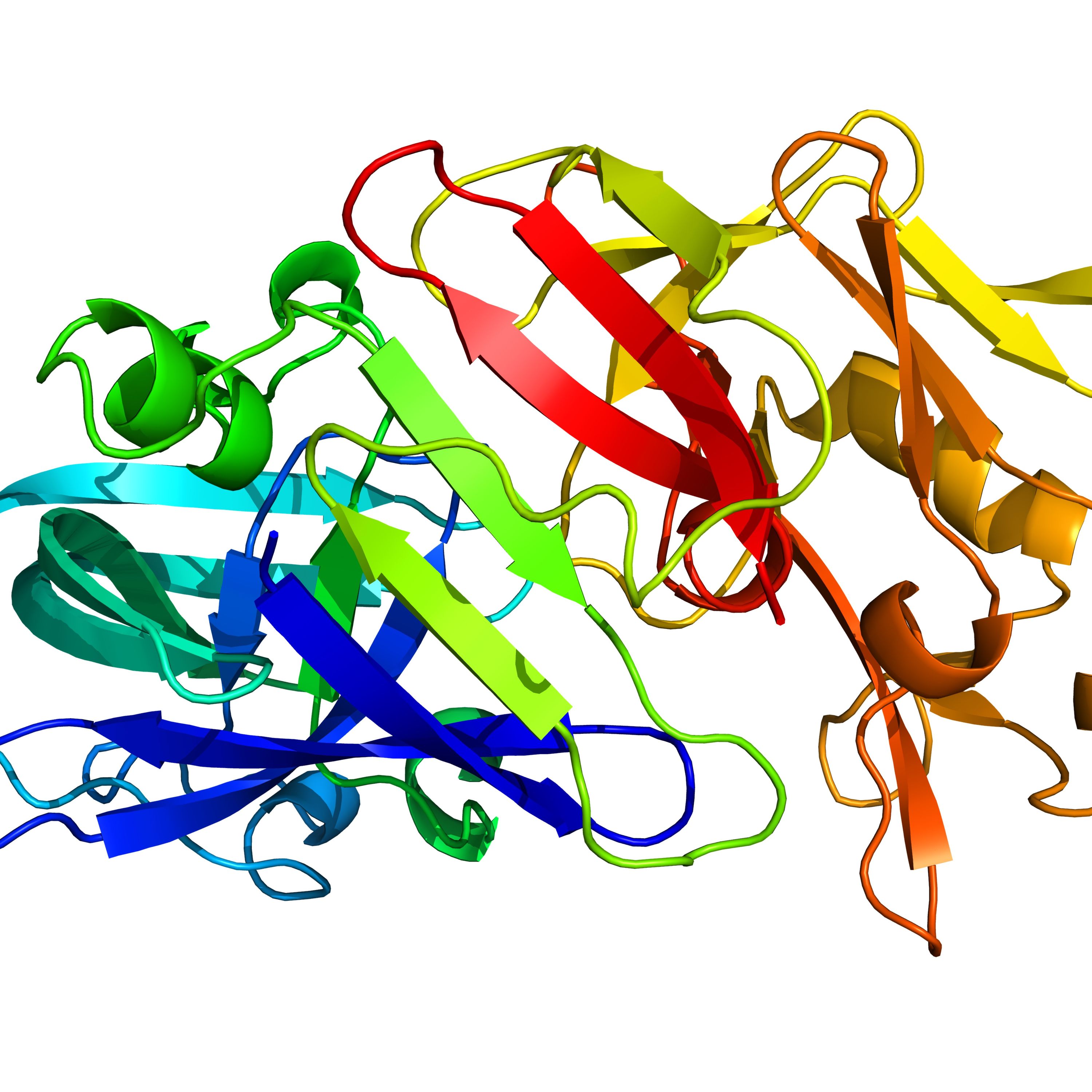
Ep 563World’s Largest Supercomputer v. Biology’s Toughest Problems
Proteins are molecular machines that must first assemble themselves to function. But how does a protein, which is produced as a linear string of amino acids, assume the complex three-dimensional structure needed to carry out its job? That's where Folding at Home comes in. Folding at Home is a sophisticated computer program that simulates the way atoms push and pull on each other, applied to the problem of protein dynamics, aka "folding". These simulations help researchers understand protein function and to design drugs and antibodies to target them. Folding at Home is currently studying key proteins from the virus that causes COVID-19 to help therapeutic development. Given the extreme complexity of these simulations, they require an astronomical amount of compute power. Folding at Hold solves this problem with a distributed computing framework: it breaks up the calculations in the smaller pieces that can be run on independent computers. Users of Folding at Home - millions of them today - donate the spare compute power on their PCs to help run these simulations. This aggregate compute power represents the largest super computer in the world: currently 2.4 exaFLOPS!Folding at Home was launched 20 years ago this summer in the lab of Vijay Pande at Stanford. In this episode, Vijay (now a general partner at a16z) is joined by his former student and current director of Folding at Home, Greg Bowman, an associate professor at Washington University in St. Louis, and Lauren Richardson. We discuss the origins of the Folding at Home project along with its connection to SETI@Home and Napster; also the scientific and technical advances needed to solve the complex protein folding and distributed computing problems; and importantly what does understanding protein dynamics actually achieve? Stay Updated:Find a16z on YouTube: YouTubeFind a16z on XFind a16z on LinkedInListen to the a16z Show on SpotifyListen to the a16z Show on Apple PodcastsFollow our host: https://twitter.com/eriktorenberg Please note that the content here is for informational purposes only; should NOT be taken as legal, business, tax, or investment advice or be used to evaluate any investment or security; and is not directed at any investors or potential investors in any a16z fund. a16z and its affiliates may maintain investments in the companies discussed. For more details please see a16z.com/disclosures. Hosted by Simplecast, an AdsWizz company. See pcm.adswizz.com for information about our collection and use of personal data for advertising.
Ep 562The Return of Home-based Healthcare
The way we deliver healthcare has changed enormously over the last century, shifting from house calls by doctors to your own to institutionalized settings like hospitals and clinics. But now that trend has started to shift again, as some of the care we get in the hospitals and clinics has been "unbundled" back towards home settings for chronically ill patients or seniors. And now, of course, the impact of COVID-19 has created a huge sudden demand for home-based care, as all of us try to figure out how to manage certain healthcare needs at home.So, is home-based healthcare better? And what do we truly need to deliver the best care to patients, in their own homes? What do we gain and lose in different care delivery settings, and what shifts of mindset and new logistical processes do we need now, to best accomplish unbundling healthcare into the home? In this conversation, Vijay Kedar, CEO and cofounder of Tomorrow Health, a tech platform that delivers the products and services needed for home-based care; Sachin Jain, physician, previous CEO of Caremore and Aspire Health; part of the founding team at CMMI, the Centers of Medicare and Medicaid Innovation, now incoming CEO of The Scan Group and Healthplan; and a16z General Partner Julie Yoo join a16z's Hanne Tidnam in conversation to talk about where we are today and where we are going in home-based healthcare. Stay Updated:Find a16z on YouTube: YouTubeFind a16z on XFind a16z on LinkedInListen to the a16z Show on SpotifyListen to the a16z Show on Apple PodcastsFollow our host: https://twitter.com/eriktorenberg Please note that the content here is for informational purposes only; should NOT be taken as legal, business, tax, or investment advice or be used to evaluate any investment or security; and is not directed at any investors or potential investors in any a16z fund. a16z and its affiliates may maintain investments in the companies discussed. For more details please see a16z.com/disclosures. Hosted by Simplecast, an AdsWizz company. See pcm.adswizz.com for information about our collection and use of personal data for advertising.

Ep 561The Future of Primary Care
Primary care was meant to be the front door to the healthcare system, but in some ways never set up for success to begin with. We need a new operating system for primary care—one with a different, deeper understanding of the patient, the context of their world around them, and the processes we have in place to figure out who sees a doctor and when, to use the system most efficiently.In this episode of the a16z Podcast, we talk about what the primary care of the future should actually look like; what kind of data about patients we should be collecting, from where, and to tell us what; how you ask the right questions of that data, to use the resources of our healthcare system most efficiently and for the best care; and what the PCP of the future might look like. Joining us for the conversation are General Partner Julie Yoo, physician entrepreneur Ivor Horn, a primary care pediatrician for more than 20 years, and Jeff Kaditz, CEO and founder of Q.bio, a platform that identifies and monitors each individual’s biggest health risks. Stay Updated:Find a16z on YouTube: YouTubeFind a16z on XFind a16z on LinkedInListen to the a16z Show on SpotifyListen to the a16z Show on Apple PodcastsFollow our host: https://twitter.com/eriktorenberg Please note that the content here is for informational purposes only; should NOT be taken as legal, business, tax, or investment advice or be used to evaluate any investment or security; and is not directed at any investors or potential investors in any a16z fund. a16z and its affiliates may maintain investments in the companies discussed. For more details please see a16z.com/disclosures. Hosted by Simplecast, an AdsWizz company. See pcm.adswizz.com for information about our collection and use of personal data for advertising.
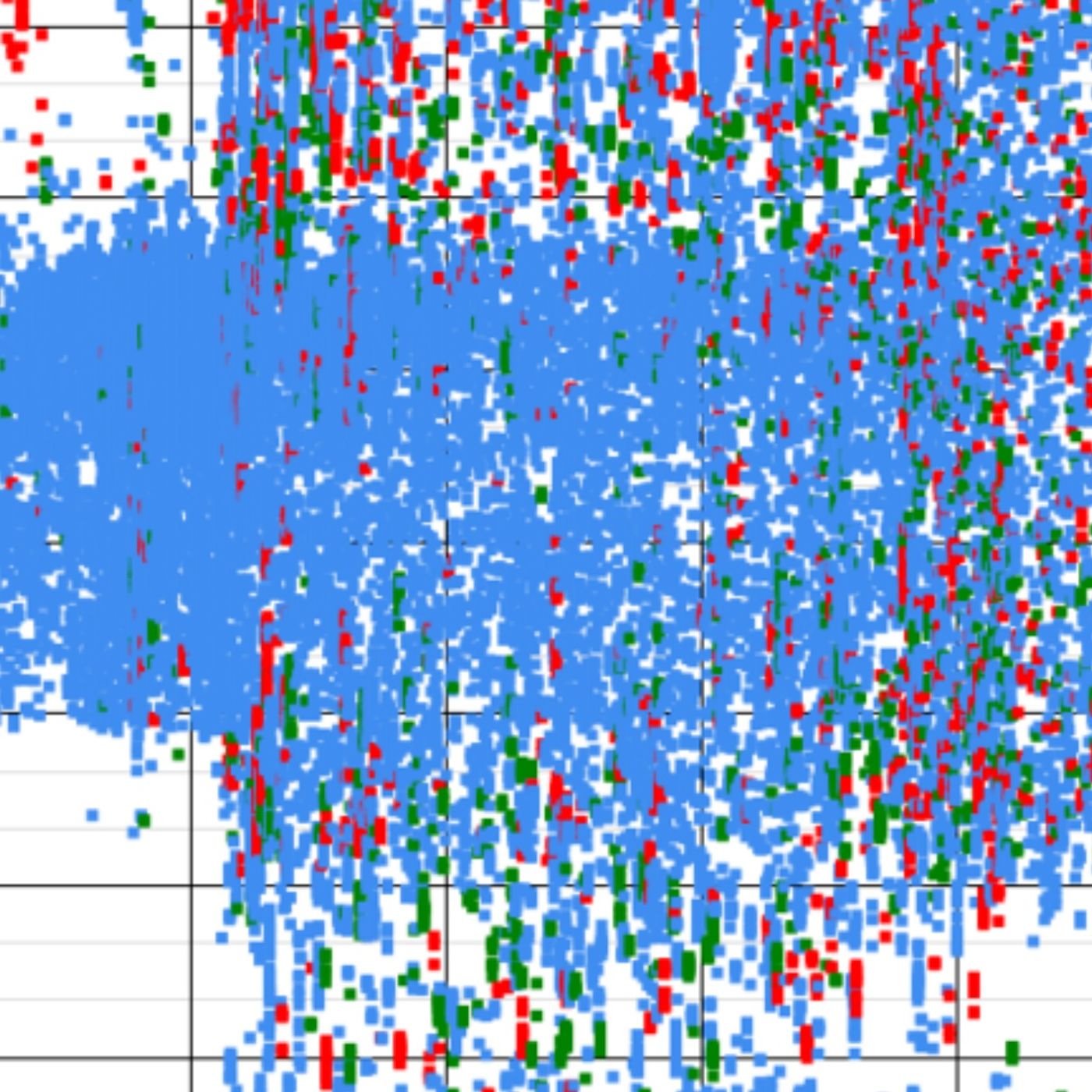
Ep 560All about Section 230: What It Does and Doesn't Say
We cover the tricky but important topic of Section 230 of the Communications Decency Act. The 1996 law has been in the headlines a lot recently, in the context of Twitter, the president’s tweets, and an executive order put out by the White House on “preventing online censorship”. All of this is playing out against the broader, more profound cultural context and events around the death of George Floyd in Minnesota and beyond, and ongoing old-new debates around content moderation on social media. [Please note this episode was first published May 31.] To make sense of only the technology and policy aspects of Section 230 specifically — and where the First Amendment, content moderation, and more come in — a16z host Sonal Chokshi brings on our first-ever outside guest for 16 Minutes, Mike Masnick, founder of the digital-native policy think tank Copia Institute and editor of the longtime news & analysis site Techdirt.com (which also features an online symposium for experts discussing difficult policy topics). Masnick has written extensively about these topics — not just recently but for years — along with others in media recently attempting to explain what’s going on and dissect what the executive order purports to do (some are even tracking different versions as well).So what’s hype/ what’s real — given this show’s throughline! — around what CDA 230 precisely does and doesn’t do, the role of agencies like the FCC, and more? What are the nuances and exceptions, and how do we tease apart the most common (yet incorrect) rhetorical arguments such as “platform vs. publisher”, “like a utility/ phone company”, “public forum/square” and so on? Finally: how does and doesn’t Section 230 connect to the First Amendment when it comes to companies vs. governments; what does “good faith” really mean and what are possible paths and ways forward among the divisive debates around content moderation? All this and more in this extra-long explainer episode of 16 Minutes, shared here for longtime listeners of the a16z Podcast. image: presidential tweet activity/ Wikimedia Commons Stay Updated:Find a16z on YouTube: YouTubeFind a16z on XFind a16z on LinkedInListen to the a16z Show on SpotifyListen to the a16z Show on Apple PodcastsFollow our host: https://twitter.com/eriktorenberg Please note that the content here is for informational purposes only; should NOT be taken as legal, business, tax, or investment advice or be used to evaluate any investment or security; and is not directed at any investors or potential investors in any a16z fund. a16z and its affiliates may maintain investments in the companies discussed. For more details please see a16z.com/disclosures. Hosted by Simplecast, an AdsWizz company. See pcm.adswizz.com for information about our collection and use of personal data for advertising.
Ep 559What We Can't Reveal We Can't Heal
EGiven recent events around George Floyd and far beyond, this special episode of the a16z Podcast features Shaka Senghor, a leading advocate for criminal justice reform (and bestselling author), and Terry Brown, a former police officer in East Palo Alto (who has since run his own security firms) -- who, incidentally, both grew up in Detroit but ended up on different sides of the law -- in conversation with a16z co-founder Ben Horowitz.The conversation goes deep and on the ground (please note that the discussion also includes details of violence, in case you have young children listening). Stay Updated:Find a16z on YouTube: YouTubeFind a16z on XFind a16z on LinkedInListen to the a16z Show on SpotifyListen to the a16z Show on Apple PodcastsFollow our host: https://twitter.com/eriktorenberg Please note that the content here is for informational purposes only; should NOT be taken as legal, business, tax, or investment advice or be used to evaluate any investment or security; and is not directed at any investors or potential investors in any a16z fund. a16z and its affiliates may maintain investments in the companies discussed. For more details please see a16z.com/disclosures. Hosted by Simplecast, an AdsWizz company. See pcm.adswizz.com for information about our collection and use of personal data for advertising.

Ep 558SaaS Go-to-Upmarket
For a SaaS company, it's easier to move upmarket than down, and this gives SaaS startups the advantage against incumbents. In this episode, David Ulevitch and our newest enterprise general partner Kristina Shen look at the SaaS go-to-upmarket with a focus on how to price for the move, including why so many founders underprice, how to think about free versus paid trials, and navigating the transition to larger accounts. Stay Updated:Find a16z on YouTube: YouTubeFind a16z on XFind a16z on LinkedInListen to the a16z Show on SpotifyListen to the a16z Show on Apple PodcastsFollow our host: https://twitter.com/eriktorenberg Please note that the content here is for informational purposes only; should NOT be taken as legal, business, tax, or investment advice or be used to evaluate any investment or security; and is not directed at any investors or potential investors in any a16z fund. a16z and its affiliates may maintain investments in the companies discussed. For more details please see a16z.com/disclosures. Hosted by Simplecast, an AdsWizz company. See pcm.adswizz.com for information about our collection and use of personal data for advertising.
Ep 557New Fan Engagement Models for Athletes and Influencers
Today’s episode is about a practical application of crypto — namely, the way it can “tokenize” fandom. More broadly, it’s about fan engagement, and the increasingly blurred lines between sports, culture and tech. We talked to NBA player Spencer Dinwiddie, of the Brooklyn Nets. Spencer created a new platform on the crypto blockchain Ethereum that gives fans the opportunity to invest directly in his revenue-generating potential, through debt securities. Joining this conversation are a16z managing partner and tech investor Jeff Jordan, who has long followed the evolving relationship between sports and tech. Also joining is Jesse Walden, a former a16z crypto partner and co-founder of Mediachain. He’s also a former music promoter and manager whose focus was on helping artists stay independent. We discuss the evolution of models for fan engagement; how social media has changed the game; and where technologies like cryptonetworks and blockchains come in. Stay Updated: Find a16z on YouTube: YouTube Find a16z on X Find a16z on LinkedIn Listen to the a16z Show on Spotify Listen to the a16z Show on Apple Podcasts Follow our host: https://twitter.com/eriktorenberg Please note that the content here is for informational purposes only; should NOT be taken as legal, business, tax, or investment advice or be used to evaluate any investment or security; and is not directed at any investors or potential investors in any a16z fund. a16z and its affiliates may maintain investments in the companies discussed. For more details please see a16z.com/disclosures. Hosted by Simplecast, an AdsWizz company. See https://pcm.adswizz.com for information about our collection and use of personal data for advertising.

Ep 556Don't Call it a Brain in a Dish!
Our understanding of the human brain and its disorders has always been limited by our lack of access to living, human, developing brain tissue. For the first time, that's changing. In this episode, Sergiu Pasca, Professor of Behavioral Science at Stanford, talks with a16'z General Partner Vijay Pande and Hanne Tidnam about the wild new tech that's pioneering a whole new approach to understanding the brain: brain organoids.So what are brain organoids, what are the scientific breakthroughs that lead to their creation, and how can we use them best? The conversation starts with the existing models we have used to learn about the living brain, from genetic studies to autopsies to primates—and what this new model now brings us: the ability to study the human brain, both how it develops and what goes wrong in certain disorders, with human brain tissue "alive" in a dish. We talk about what these organoids can and can’t do; what they’re good for understanding and where that understanding becomes limited; why calling these “brains in a dish” or “mini-brains” isn’t the right terminology at all; and finally, how far can this new tool and model be taken now and in the future, leading us closer towards understanding psychology itself on a molecular level.Image: Brain organoids derived in the Pasca Lab at Stanford University. Stay Updated:Find a16z on YouTube: YouTubeFind a16z on XFind a16z on LinkedInListen to the a16z Show on SpotifyListen to the a16z Show on Apple PodcastsFollow our host: https://twitter.com/eriktorenberg Please note that the content here is for informational purposes only; should NOT be taken as legal, business, tax, or investment advice or be used to evaluate any investment or security; and is not directed at any investors or potential investors in any a16z fund. a16z and its affiliates may maintain investments in the companies discussed. For more details please see a16z.com/disclosures. Hosted by Simplecast, an AdsWizz company. See pcm.adswizz.com for information about our collection and use of personal data for advertising.

Ep 555Pandemics: Early Detection, Networks, Spreaders
Pandemics are predictable; what's not predictable is the intensity, or the precise timing of arrival. That's where early detection -- not just rapid warning (as with something like Google Flu Trends back in the day), or even delayed warnings (as with CDC flu trackers and such) -- comes in. Because unfortunately, many disease tracking efforts old and new are "like watching the weather forecast a week after you've experienced that weather", observes a16z general partner Jorge Conde.And this matters for saving lives; for load balancing and allocating resources (ventilators, PPE, supplies); getting back to work; and much more. Even a two-week advantage could have made a huge difference! Which is what sociologist and physician Nicholas Christakis (who directs the Human Nature Lab, part of the Yale Institute for Network Science, and also author of the book Blueprint) learned from the H1N1 pandemic. Specifically, the role of social network "sensors" -- where friends in one's network graph can be like canaries in the proverbial coal mine to help detect pandemics earlier.In fact, the lab recently released an app called Hunala (which uses information crowdsourced among networks) to determine one's likelihood of contracting flu/ influenza-like or other respiratory illnesses through a personalized daily assessment of risk. Kind of like Waze, but for illnesses not car accidents. So in this episode of the a16z Podcast, the two take that analogy far. They also discuss the role of other mobility data and population flows in China for where and when the pandemic spread; the nuances behind "superspreaders"; how bad is the coronavirus, really; and the near future of "bio-surveillance" -- not just from a personal risk perspective, but from a global public-health perspective... Can we get the holy grail here without sacrificing privacy and agency? Stay Updated:Find a16z on YouTube: YouTubeFind a16z on XFind a16z on LinkedInListen to the a16z Show on SpotifyListen to the a16z Show on Apple PodcastsFollow our host: https://twitter.com/eriktorenberg Please note that the content here is for informational purposes only; should NOT be taken as legal, business, tax, or investment advice or be used to evaluate any investment or security; and is not directed at any investors or potential investors in any a16z fund. a16z and its affiliates may maintain investments in the companies discussed. For more details please see a16z.com/disclosures. Hosted by Simplecast, an AdsWizz company. See pcm.adswizz.com for information about our collection and use of personal data for advertising.
Ep 554Podcasting and the Future of Audio
This podcast (first recorded in 2019, now being rerun) -- is a podcast about podcasting: But it's really all about audio. A lot's changed... and a lot hasn't. How do we define "podcasts"; how does the feeds ecosystem currently work; what content and entertainment experiments might change how people not just consume, but create, in the medium? Not to mention monetize, discover, etc... Nick Quah, writer and publisher of Hot Pod (also at Vulture) joins a16z general partner Connie Chan -- and editor in chief (and showrunner of the a16z Podcast) Sonal Chokshi -- to talk about all this and more in this hallway-style jam. The views expressed here are those of the individual AH Capital Management, L.L.C. (“a16z”) personnel quoted and are not the views of a16z or its affiliates.This content is provided for informational purposes only, and should not be relied upon as legal, business, investment, or tax advice. You should consult your own advisers as to those matters. References to any securities or digital assets are for illustrative purposes only and do not constitute an investment recommendation or offer to provide investment advisory services. Furthermore, this content is not directed at nor intended for use by any investor or prospective investor, and may not under any circumstances be relied upon when making a decision to invest in any fund managed by a16z. (An offering to invest in an a16z fund will be made only by the private placement memorandum, subscription agreement, and other relevant documentation of any such fund which should be read in their entirety.)Past performance is not indicative of future results. Any charts and graphs provided within are for informational purposes solely and should not be relied upon when making any investment decision. Please see https://a16z.com/disclosures for additional important information. Stay Updated:Find a16z on YouTube: YouTubeFind a16z on XFind a16z on LinkedInListen to the a16z Show on SpotifyListen to the a16z Show on Apple PodcastsFollow our host: https://twitter.com/eriktorenberg Please note that the content here is for informational purposes only; should NOT be taken as legal, business, tax, or investment advice or be used to evaluate any investment or security; and is not directed at any investors or potential investors in any a16z fund. a16z and its affiliates may maintain investments in the companies discussed. For more details please see a16z.com/disclosures. Hosted by Simplecast, an AdsWizz company. See pcm.adswizz.com for information about our collection and use of personal data for advertising.

Ep 553Growth in Turbulent Times
In normal times, every company operates against some hypothetical growth model—a data-driven framework that describes how your product grows and how you acquire new users. These, of course, are not normal times. In the fallout from the pandemic, most founders and CEOs are in the process of completely revamping their growth models from the bottom up amid new and unpredictable consumer behavior. This episode explores how to think about growth in turbulent times, according to two growth experts: a16z general partner Andrew Chen, who previously led the growth team at Uber, and Brian Balfour, formerly the VP of Growth at HubSpot, now the founder and CEO of Reforge, a masterclass in growth strategies (in conversation with host Lauren Murrow).The discussion spans four sections: first, how to reassess your existing growth model, particularly when, as Brian says, the data is "completely messed"; next, we drill down into strategy and tactics for surviving the current crisis and talk about how founders can pursue growth even in the midst of widespread uncertainty and cutbacks. Third, we look ahead to discuss scenario planning and how leaders can forge a path forward. Finally, we zoom out and assess the big picture: how various categories of company may be impacted long-term, how this crisis compares to 2008 (and what that means for early-stage founders), and the industries and business models that are now prime for growth. Stay Updated:Find a16z on YouTube: YouTubeFind a16z on XFind a16z on LinkedInListen to the a16z Show on SpotifyListen to the a16z Show on Apple PodcastsFollow our host: https://twitter.com/eriktorenberg Please note that the content here is for informational purposes only; should NOT be taken as legal, business, tax, or investment advice or be used to evaluate any investment or security; and is not directed at any investors or potential investors in any a16z fund. a16z and its affiliates may maintain investments in the companies discussed. For more details please see a16z.com/disclosures. Hosted by Simplecast, an AdsWizz company. See pcm.adswizz.com for information about our collection and use of personal data for advertising.
Ep 552Journal Club: Using CRISPR to Prevent Coronavirus and Influenza Infection
In this episode of a16z bio Journal Club, general partner Vijay Pande, bio deal team partner Andy Tran, and bio editor Lauren Richardson discuss a novel CRISPR-Cas-based anti-viral strategy.The discussion covers the differences between this newly developed prophylactic strategy, traditional vaccines, and anti-viral drugs; how this strategy can be engineered to target a huge range of coronavirus and influenza strains; and the next steps needed to go from paper to practice:“Development of CRISPR as an Antiviral Strategy to Combat SARS-CoV-2 and Influenza” in Cell (April 2020), by Timothy Abbott, Girija Dhamdhere, Yanxia Liu, Xueqiu Lin, Laine Goudy, Leiping Zeng, Augustine Chemparathy, Stephen Chmura, Nicholas Heaton, Robert Debs, Tara Pande, Drew Endy, Marie La Russa, David Lewis, and Lei Qia16z Journal Club (part of the a16z Podcast), curates and covers recent advances from the scientific literature -- what papers we’re reading, and why they matter from our perspective at the intersection of biology & technology (for bio journal club). You can find all these episodes at a16z.com/journalclub. Stay Updated:Find a16z on YouTube: YouTubeFind a16z on XFind a16z on LinkedInListen to the a16z Show on SpotifyListen to the a16z Show on Apple PodcastsFollow our host: https://twitter.com/eriktorenberg Please note that the content here is for informational purposes only; should NOT be taken as legal, business, tax, or investment advice or be used to evaluate any investment or security; and is not directed at any investors or potential investors in any a16z fund. a16z and its affiliates may maintain investments in the companies discussed. For more details please see a16z.com/disclosures. Hosted by Simplecast, an AdsWizz company. See pcm.adswizz.com for information about our collection and use of personal data for advertising.

Ep 551What's Next in Gaming
Video game technology has evolved into a global phenomenon that extends far beyond entertainment. In this episode, John Riccitiello, CEO of the game software development company Unity Technologies, is interviewed by a16z general partner Andrew Chen on the rise of esports and streaming, the potential of cloud gaming, and far-reaching applications for game technology. This conversation originally took place at our most recent innovation conference, the a16z Summit. Stay Updated:Find a16z on YouTube: YouTubeFind a16z on XFind a16z on LinkedInListen to the a16z Show on SpotifyListen to the a16z Show on Apple PodcastsFollow our host: https://twitter.com/eriktorenberg Please note that the content here is for informational purposes only; should NOT be taken as legal, business, tax, or investment advice or be used to evaluate any investment or security; and is not directed at any investors or potential investors in any a16z fund. a16z and its affiliates may maintain investments in the companies discussed. For more details please see a16z.com/disclosures. Hosted by Simplecast, an AdsWizz company. See pcm.adswizz.com for information about our collection and use of personal data for advertising.

Ep 550Undruggable Drugs
In this episode of the a16z Podcast, we take a deep dive into the world of drug development—specifically "undruggable drugs": a category of protein, protein family or even piece of RNA that’s so difficult to target that many researchers don’t even want to touch it. Jay Bradner, President of the Novartis Institute for BioMedical Research, shares with a16z General Partners Jorge Conde and Vijay Pande, and a16z's Hanne Tidnam, all the new tools, technologies and breakthroughs which are causing the science of therapeutics to explode in some of these areas where it's been incredibly difficult (even impossible) in the past. From molecular glues to cell and gene therapies, Bradner shares the behind-the-scenes science stories of what it really takes to make a new drug that shatters the category of an "undruggable" target. Stay Updated:Find a16z on YouTube: YouTubeFind a16z on XFind a16z on LinkedInListen to the a16z Show on SpotifyListen to the a16z Show on Apple PodcastsFollow our host: https://twitter.com/eriktorenberg Please note that the content here is for informational purposes only; should NOT be taken as legal, business, tax, or investment advice or be used to evaluate any investment or security; and is not directed at any investors or potential investors in any a16z fund. a16z and its affiliates may maintain investments in the companies discussed. For more details please see a16z.com/disclosures. Hosted by Simplecast, an AdsWizz company. See pcm.adswizz.com for information about our collection and use of personal data for advertising.
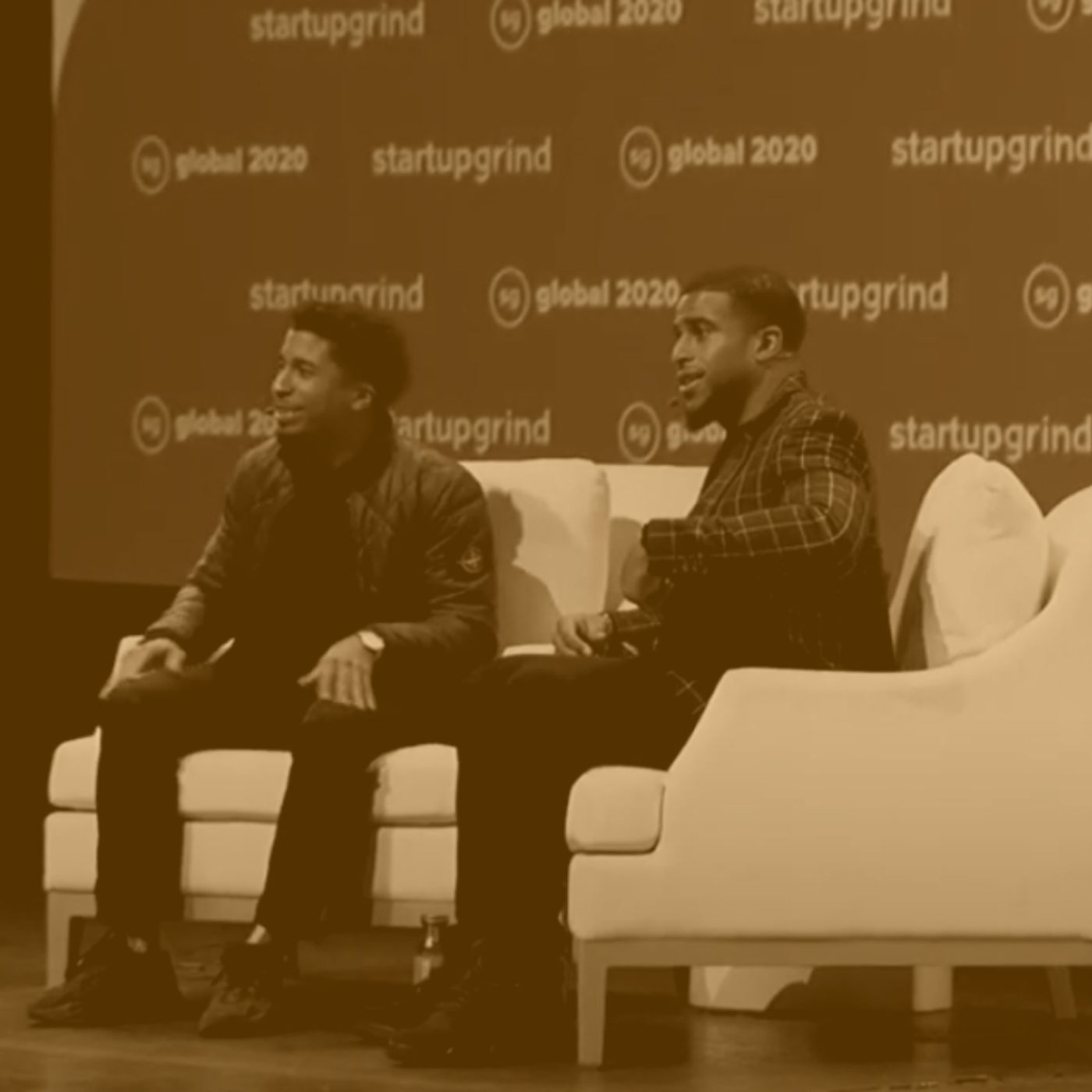
Ep 549The Next Generation of Cultural Influencers in Tech
This episode—which originally took place as a live event—is a conversation between Seattle Seahawks linebacker Bobby Wagner and a16z Cultural Leadership Fund partner Chris Lyons. Wagner is known for his power on the field and his business acumen off it. Last year, he negotiated his own three-year, $54 million contract extension to become the highest-paid middle linebacker in the NFL. In this candid conversation, Wagner and Lyons discuss how to identify standout companies and talent (for better or worse), the growing influence of cultural leaders in tech, and the potential of "shared genius." Stay Updated:Find a16z on YouTube: YouTubeFind a16z on XFind a16z on LinkedInListen to the a16z Show on SpotifyListen to the a16z Show on Apple PodcastsFollow our host: https://twitter.com/eriktorenberg Please note that the content here is for informational purposes only; should NOT be taken as legal, business, tax, or investment advice or be used to evaluate any investment or security; and is not directed at any investors or potential investors in any a16z fund. a16z and its affiliates may maintain investments in the companies discussed. For more details please see a16z.com/disclosures. Hosted by Simplecast, an AdsWizz company. See pcm.adswizz.com for information about our collection and use of personal data for advertising.

Ep 548The Chief Security Officer in (and out of) a Crisis
The Chief Security Officer (CSO/CISO) used to manage on-premise servers, now the information they have to secure has migrated to the cloud. As the responsibility of CSOs has expanded, the role has moved from technical IT to the boardroom. How do the best CSOs prepare for and respond to a crisis, from redteaming to comms? What responsibility should cloud & SaaS vendors, not to mention the government, have in security and data breaches? And how is the role going to evolve in the next five years? At our a16z Innovation Summit last year, we sat down with two security leaders whose career has evolved as the role has – Joe Sullivan, former CSO at Uber and Facebook, now at Cloudflare and Joel de la Garza, current security partner at a16z, formerly CISO at Box. Stay Updated:Find a16z on YouTube: YouTubeFind a16z on XFind a16z on LinkedInListen to the a16z Show on SpotifyListen to the a16z Show on Apple PodcastsFollow our host: https://twitter.com/eriktorenberg Please note that the content here is for informational purposes only; should NOT be taken as legal, business, tax, or investment advice or be used to evaluate any investment or security; and is not directed at any investors or potential investors in any a16z fund. a16z and its affiliates may maintain investments in the companies discussed. For more details please see a16z.com/disclosures. Hosted by Simplecast, an AdsWizz company. See pcm.adswizz.com for information about our collection and use of personal data for advertising.
Ep 547Journal Club: Finding New Antibiotics with Machine Learning, What Coronavirus Structures Tell Us
a16z Journal Club (part of the a16z Podcast), curates and covers recent advances from the scientific literature -- what papers we’re reading, and why they matter from our perspective at the intersection of biology & technology (for bio journal club). This inaugural episode covers 2 different topics, in discussion with Lauren Richardson:0:26 #1 identifying new antibiotics through a novel machine-learning based approach -- a16z general partner Vijay Pande and bio deal partner Andy Tran discuss the business of pharma; the specific methods/ how it works; and other applications for deep learning in drug discovery and development based on this paper:"A Deep Learning Approach to Antibiotic Discovery" in Cell (February 2020), by Jonathan Stokes, Kevin Yang, Kyle Swanson, Wengong Jin, Andres Cubillos-Ruiz, Nina Donghia, Craig MacNair, Shawn French, Lindsey Carfrae, Zohar Bloom-Ackermann, Victoria Tran, Anush Chiappino-Pepe, Ahmed Badran, Ian Andrews, Emma Chory, George Church, Eric Brown, Tommi Jaakkola, Regina Barzilay, James Collins11:43 #2 characterizing the novel coronavirus causing the COVID-19 pandemic -- a16z bio deal partner Judy Savitskaya shares what we can learn from the protein structures; the relationship to the 2002-2004 SARS epidemic; and more based on these two research articles: "Structure, Function, and Antigenicity of the SARS-CoV-2 Spike Glycoprotein" in Cell (April 2020), by Alexandra Walls, Young-Jun Park, M. Tortorici, Abigail Wall, Andrew McGuire, David Veesler"Cryo-EM structure of the 2019-nCoV spike in the prefusion conformation" in Science (March 2020), by Daniel Wrapp, Nianshuang Wang, Kizzmekia Corbett, Jory Goldsmith, Ching-Lin Hsieh, Olubukola Abiona, Barney Graham, Jason McLellanYou can find these episodes at a16z.com/journalclub. Stay Updated:Find a16z on YouTube: YouTubeFind a16z on XFind a16z on LinkedInListen to the a16z Show on SpotifyListen to the a16z Show on Apple PodcastsFollow our host: https://twitter.com/eriktorenberg Please note that the content here is for informational purposes only; should NOT be taken as legal, business, tax, or investment advice or be used to evaluate any investment or security; and is not directed at any investors or potential investors in any a16z fund. a16z and its affiliates may maintain investments in the companies discussed. For more details please see a16z.com/disclosures. Hosted by Simplecast, an AdsWizz company. See pcm.adswizz.com for information about our collection and use of personal data for advertising.
Ep 546Introducing Journal Club
Announcing a16z Journal Club, a new show where we curate and discuss recent research papers with a16z experts and others. This new show continues the a16z Podcast mission of not just bringing you conversations about the future (as well as about building companies for this), but of also putting specific trends in context -- whether through news (as with our other show 16 Minutes), or, through journal articles (as with this new show -- which will soon have its own feed as well). The first episode, of bio journal club, focuses on why specific scientific advances matter from our perspective at the intersection of biology & technology. It is hosted by one of our a16z bio editors, Lauren Richardson, a former senior editor of open-access journal PLOS Biology with a background in cell and molecular biology and genetics (and with a Ph.D. from the University of Washington and a postdoctoral fellowship at UC Berkeley).You will hear it next in this feed, and can also find new episodes here as they come out every few weeks and at a16z.com/journalclub. ~sonal Stay Updated:Find a16z on YouTube: YouTubeFind a16z on XFind a16z on LinkedInListen to the a16z Show on SpotifyListen to the a16z Show on Apple PodcastsFollow our host: https://twitter.com/eriktorenberg Please note that the content here is for informational purposes only; should NOT be taken as legal, business, tax, or investment advice or be used to evaluate any investment or security; and is not directed at any investors or potential investors in any a16z fund. a16z and its affiliates may maintain investments in the companies discussed. For more details please see a16z.com/disclosures. Hosted by Simplecast, an AdsWizz company. See pcm.adswizz.com for information about our collection and use of personal data for advertising.
Ep 545What the Narrow Waist of the Internet Means for Innovation Today
Here is Ali's tweetstorm on the Narrow Waist of Blockchain Computing Stay Updated:Find a16z on YouTube: YouTubeFind a16z on XFind a16z on LinkedInListen to the a16z Show on SpotifyListen to the a16z Show on Apple PodcastsFollow our host: https://twitter.com/eriktorenberg Please note that the content here is for informational purposes only; should NOT be taken as legal, business, tax, or investment advice or be used to evaluate any investment or security; and is not directed at any investors or potential investors in any a16z fund. a16z and its affiliates may maintain investments in the companies discussed. For more details please see a16z.com/disclosures. Hosted by Simplecast, an AdsWizz company. See pcm.adswizz.com for information about our collection and use of personal data for advertising.

Ep 544IT'S TIME TO BUILD
“It's Time to Build” by Marc Andreessen. You can also find and share this essay at a16z.com/build Stay Updated:Find a16z on YouTube: YouTubeFind a16z on XFind a16z on LinkedInListen to the a16z Show on SpotifyListen to the a16z Show on Apple PodcastsFollow our host: https://twitter.com/eriktorenberg Please note that the content here is for informational purposes only; should NOT be taken as legal, business, tax, or investment advice or be used to evaluate any investment or security; and is not directed at any investors or potential investors in any a16z fund. a16z and its affiliates may maintain investments in the companies discussed. For more details please see a16z.com/disclosures. Hosted by Simplecast, an AdsWizz company. See pcm.adswizz.com for information about our collection and use of personal data for advertising.
Ep 543Introducing Read Alouds
We wanted to let you know about a special new series of posts occasionally read out loud from us (you can learn more about the why and why now in episode #500 on how we podcast); we may release these in a separate feed in future, for now, the first episode is next in this feed. Thank you for listening!You can also check out our other shows and series:16 MinutesHustlin' Tech Stay Updated:Find a16z on YouTube: YouTubeFind a16z on XFind a16z on LinkedInListen to the a16z Show on SpotifyListen to the a16z Show on Apple PodcastsFollow our host: https://twitter.com/eriktorenberg Please note that the content here is for informational purposes only; should NOT be taken as legal, business, tax, or investment advice or be used to evaluate any investment or security; and is not directed at any investors or potential investors in any a16z fund. a16z and its affiliates may maintain investments in the companies discussed. For more details please see a16z.com/disclosures. Hosted by Simplecast, an AdsWizz company. See pcm.adswizz.com for information about our collection and use of personal data for advertising.
Ep 542The Passion Economy: Redefining Work
This episode of the a16z Podcast covers the the rise of online platforms that enable people to make a living off their unique interests and skills. It's a trend that's become increasingly relevant as the demand for virtual work grows. The discussion -- with Patreon cofounder and CTO Sam Yam and a16z consumer tech partner Li Jin in conversation with Lauren Murrow -- covers the new forms of work made possible by these online platforms, why creators today are effectively making more money off fewer fans, and what all of this means for the future of entrepreneurship.See more on the Passion Economy, metrics for it, 100 True Fans, and more at a16z.com/creatoreconomies. Stay Updated:Find a16z on YouTube: YouTubeFind a16z on XFind a16z on LinkedInListen to the a16z Show on SpotifyListen to the a16z Show on Apple PodcastsFollow our host: https://twitter.com/eriktorenberg Please note that the content here is for informational purposes only; should NOT be taken as legal, business, tax, or investment advice or be used to evaluate any investment or security; and is not directed at any investors or potential investors in any a16z fund. a16z and its affiliates may maintain investments in the companies discussed. For more details please see a16z.com/disclosures. Hosted by Simplecast, an AdsWizz company. See pcm.adswizz.com for information about our collection and use of personal data for advertising.

Ep 541When Bad Policy = Bad Business Models = Bad Public Health
with @JorgeCondeBio, @julesyoo, and @omnivorousreadIn some ways, the coronavirus feels like it came out of nowhere—a kind of Black Swan event. But at the same time, it's been exposing a lot of the fundamental flaws in our healthcare system that now feel like a perfect storm coming together... and have hurt our ability to address the problem that we should really have seen coming.In this episode, a16z General Partners Jorge Conde and Julie Yoo talk with Hanne Tidnam about some of those big forces and dynamics in the healthcare system, at the intersection of business, policy, and public health: how in healthcare like perhaps nowhere else, broken policy can lead to broken business models that, in the wrong circumstances, can then lead major failures in public health like the one we’re seeing today; where we’ve seen this before, in the markets of vaccines, antibiotics, and diagnostics; and what should be different next time, so that when a new pandemic hits we aren’t facing another perfect storm. Stay Updated:Find a16z on YouTube: YouTubeFind a16z on XFind a16z on LinkedInListen to the a16z Show on SpotifyListen to the a16z Show on Apple PodcastsFollow our host: https://twitter.com/eriktorenberg Please note that the content here is for informational purposes only; should NOT be taken as legal, business, tax, or investment advice or be used to evaluate any investment or security; and is not directed at any investors or potential investors in any a16z fund. a16z and its affiliates may maintain investments in the companies discussed. For more details please see a16z.com/disclosures. Hosted by Simplecast, an AdsWizz company. See pcm.adswizz.com for information about our collection and use of personal data for advertising.
Ep 540Moving to Remote Development (and Work)
From agile project management to asynchronous collaboration, development teams have pioneered many of the tools and best practices for remote work. However, new shelter-in-place orders have more organizations moving to remote development -- and remote work -- often quickly and without a lot of time to plan.Will remote work be our new reality, even after the current pandemic? And if so, what are the current technologIes and practices that support organizational communication and alignment for distributed teams, development and otherwise? In this hallway-style podcast, Jason Warner, the CTO of GitHub, and a16z General Partner David Ulevitch cover how working from home is evolving our software as well as how we use it -- from communication tools and best practices to interviewing and hiring when you can’t see someone face to face. Stay Updated:Find a16z on YouTube: YouTubeFind a16z on XFind a16z on LinkedInListen to the a16z Show on SpotifyListen to the a16z Show on Apple PodcastsFollow our host: https://twitter.com/eriktorenberg Please note that the content here is for informational purposes only; should NOT be taken as legal, business, tax, or investment advice or be used to evaluate any investment or security; and is not directed at any investors or potential investors in any a16z fund. a16z and its affiliates may maintain investments in the companies discussed. For more details please see a16z.com/disclosures. Hosted by Simplecast, an AdsWizz company. See pcm.adswizz.com for information about our collection and use of personal data for advertising.
Ep 539Virtual Oncology
with @vintweeta @pbcancerdoc @sumitshahmd @omnivorousreadCoronavirus is now disrupting the entire health care system, not just because of the burden of dealing with the actual disease itself, but because of everything else that's had to grind to a halt. One of the areas where we really worry about things coming to a total stop like that is, of course, cancer treatment, which can often feel like a race against the clock even under the best conditions.In this episode, Dr. Bobby Green, MD (Community Oncologist and Chief Medical Officer, Flatiron Health) and Dr. Sumit Shah (Oncologist and Head of Digital Health, Stanford Cancer Center) join a16z's Vineeta Agarwala (physician and general partner) and Hanne Tidnam to talk about what is happening to oncology during the outbreak—how treatment is affected; what kind of clinical decisions oncologists and patients are having to make, and how they're making them; the tech tools that specialists are using, and how they could improve; and what happens to oncology as a whole when it's forced to go virtual. Stay Updated:Find a16z on YouTube: YouTubeFind a16z on XFind a16z on LinkedInListen to the a16z Show on SpotifyListen to the a16z Show on Apple PodcastsFollow our host: https://twitter.com/eriktorenberg Please note that the content here is for informational purposes only; should NOT be taken as legal, business, tax, or investment advice or be used to evaluate any investment or security; and is not directed at any investors or potential investors in any a16z fund. a16z and its affiliates may maintain investments in the companies discussed. For more details please see a16z.com/disclosures. Hosted by Simplecast, an AdsWizz company. See pcm.adswizz.com for information about our collection and use of personal data for advertising.
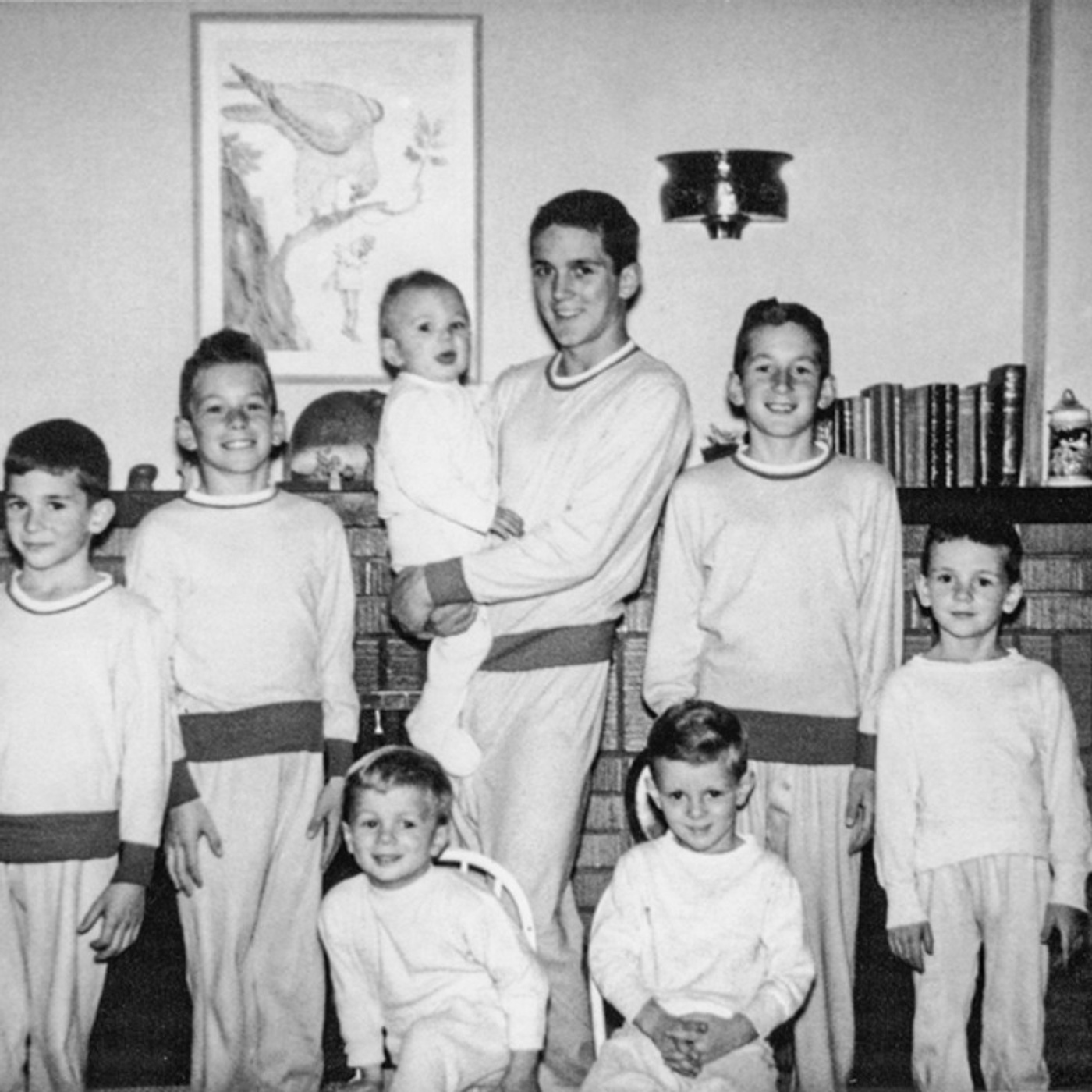
Ep 538The Story of Schizophrenia
Descriptions of the mental illness we today call schizophrenia are as old as humankind itself. And more than likely, we are are all familiar with this disease in some way, as it touches 1% of us—millions of lives—and of course, their families. In this episode, we dive into the remarkable story of one such American family, the Galvins: Mimi, Don, and their 12 children, 6 of whom were afflicted with schizophrenia.In his new book, Hidden Valley Road: Inside the Mind of an American Family, Robert Kolker follows the family from the 1950s to today, through, he writes, "the eras of institutionalization and shock therapy, the debates between psycho-therapy versus medication, the needle-in-a-haystack search for genetic markers for the disease, and the profound disagreements about the cause and origin of the illness itself." Because of that, this is really more than just a portrait of one family; it’s a portrait of how we have struggled over the last decades to understand this mysterious and devastating mental illness: the biology of it, the drivers, the behaviors and pathology, the genomics, and of course the search for treatments that might help, from lobotomies to ECT to thorazine.Also joining Robert Kolker and a16z's Hanne Tidnam in this conversation is Stefan McDonough, Executive Director of Genetics at Pfizer World R&D, one of the genetic researchers who worked closely with the Galvins. The conversation follows the key moments where our understanding of this disease began to shift, especially with new technologies and the advent of the Human Genome Project—and finally where we are today, and where our next big break might come from. Stay Updated:Find a16z on YouTube: YouTubeFind a16z on XFind a16z on LinkedInListen to the a16z Show on SpotifyListen to the a16z Show on Apple PodcastsFollow our host: https://twitter.com/eriktorenberg Please note that the content here is for informational purposes only; should NOT be taken as legal, business, tax, or investment advice or be used to evaluate any investment or security; and is not directed at any investors or potential investors in any a16z fund. a16z and its affiliates may maintain investments in the companies discussed. For more details please see a16z.com/disclosures. Hosted by Simplecast, an AdsWizz company. See pcm.adswizz.com for information about our collection and use of personal data for advertising.

Ep 537Navigating the Numbers
For any business, there are three core financial statements – the income or P&L statement, the balance sheet, and the cash flow statement. While these statements can show investors and the board how the business is doing, they can do more than just keep score on your business – they are one of the best tools you have to run it.In this podcast, a16z General Partner and managing partner Jeff Jordan, who previously ran several businesses and took a company public right after the 2008 financial crisis; David George, who runs the a16z late-stage venture operation; and former CFO Caroline Moon, who leads the a16z financial operations team, break down what the numbers do (and don’t) tell you, both in financial statements and KPIs. They cover the most common mistakes people make when it comes to understanding their numbers; how investors look at a company's P&L; what metrics they use to determine if a business is healthy; and how founders can use the numbers to navigate in times of crisis. Stay Updated:Find a16z on YouTube: YouTubeFind a16z on XFind a16z on LinkedInListen to the a16z Show on SpotifyListen to the a16z Show on Apple PodcastsFollow our host: https://twitter.com/eriktorenberg Please note that the content here is for informational purposes only; should NOT be taken as legal, business, tax, or investment advice or be used to evaluate any investment or security; and is not directed at any investors or potential investors in any a16z fund. a16z and its affiliates may maintain investments in the companies discussed. For more details please see a16z.com/disclosures. Hosted by Simplecast, an AdsWizz company. See pcm.adswizz.com for information about our collection and use of personal data for advertising.
Ep 536Gaming and Livestreaming: Connecting While Distancing
Since social distancing measures were first put in place, time spent gaming has gone up—way up. According to a recent report by Verizon, video game usage in the U.S. has risen 75 percent during peak hours. The "stay at home" movement has given way to an upswell of new and returning gamers—as well as new challenges, as online platforms struggle to keep up with the surge.In this episode, a16z partner Jon Lai joins host Lauren Murrow to talk about how game developers are grappling with skyrocketing numbers, why this may be an inflection point for VR, the surprising transition of professional sports into esports, and why live-streaming is having its moment. Stay Updated:Find a16z on YouTube: YouTubeFind a16z on XFind a16z on LinkedInListen to the a16z Show on SpotifyListen to the a16z Show on Apple PodcastsFollow our host: https://twitter.com/eriktorenberg Please note that the content here is for informational purposes only; should NOT be taken as legal, business, tax, or investment advice or be used to evaluate any investment or security; and is not directed at any investors or potential investors in any a16z fund. a16z and its affiliates may maintain investments in the companies discussed. For more details please see a16z.com/disclosures. Hosted by Simplecast, an AdsWizz company. See pcm.adswizz.com for information about our collection and use of personal data for advertising.

Ep 535The Hustlers's Guide to Suing the Man
EThis is the next cycle (Q1 2020) of Hustlin' Tech, a podcast series (from the a16z Podcast) about technology platforms that create opportunities for people. Recorded right before the coronavirus pandemic, these next 3 episodes touch on many things that are top of mind right now: from the profession of nursing and taking care of the elderly and the professionalization of caregivers; to fighting bureaucracy to get money back (and to now get help delaying utility bills and rent payments that are eligible for an extension or waiver of late fees due to the coronavirus crisis).Episode #6, “The Hustler’s Guide to Suing the Man” features:Joshua Browder, CEO and founder of DoNotPay, the world's first "robot lawyer" which helps people automatically fight bureaucracy to get money back, whether parking tickets or hidden bank fees; find other hidden money or cancel free trials; sue others or go to small claims court -- and now also helps people delay utility bills and rent payments that are eligible for an extension or waiver of late fees due to the coronavirus crisis.Makiri Duckett, a small business owner who currently operates an adult on-demand delivery service (and therefore gets frequent parking tickets) and is a power user of the platform;...both interviewed by Ben Horowitz and Shaka Senghor.You can find the first cycle of this series (Q4 2019) -- including more about the what and the why -- here. Stay Updated:Find a16z on YouTube: YouTubeFind a16z on XFind a16z on LinkedInListen to the a16z Show on SpotifyListen to the a16z Show on Apple PodcastsFollow our host: https://twitter.com/eriktorenberg Please note that the content here is for informational purposes only; should NOT be taken as legal, business, tax, or investment advice or be used to evaluate any investment or security; and is not directed at any investors or potential investors in any a16z fund. a16z and its affiliates may maintain investments in the companies discussed. For more details please see a16z.com/disclosures. Hosted by Simplecast, an AdsWizz company. See pcm.adswizz.com for information about our collection and use of personal data for advertising.
Ep 534The Hustler's Guide to Elder Care
This is the next cycle (Q1 2020) of Hustlin' Tech, a podcast series (from the a16z Podcast) about technology platforms that create opportunities for people. Recorded right before the coronavirus pandemic, these next 3 episodes touch on many things that are top of mind right now: from the profession of nursing; to taking care of the elderly; to fighting bureaucracy to get money and time back (and to get help delaying utility bills and rent payments that are eligible for an extension or waiver of late fees due to the coronavirus crisis).Episode #5, “The Hustler’s Guide to Taking Care of Old Folks” features:Seth Sternberg, CEO and co-founder of Honor, a home care company and national network of local home care agencies that brings high-touch, personalized care to elders while also scaling workforce management; matching special needs, skills, and unique demands; and offering tools that help caregivers with jobs and more.Samantha Ludwig, a care professional who has always had a job thanks to Honor (and who journeyed from abroad as a foreign nurse);...both interviewed by Ben Horowitz and Shaka Senghor.You can find the first cycle of this series (Q4 2019) -- including more about the what and the why -- here. Stay Updated:Find a16z on YouTube: YouTubeFind a16z on XFind a16z on LinkedInListen to the a16z Show on SpotifyListen to the a16z Show on Apple PodcastsFollow our host: https://twitter.com/eriktorenberg Please note that the content here is for informational purposes only; should NOT be taken as legal, business, tax, or investment advice or be used to evaluate any investment or security; and is not directed at any investors or potential investors in any a16z fund. a16z and its affiliates may maintain investments in the companies discussed. For more details please see a16z.com/disclosures. Hosted by Simplecast, an AdsWizz company. See pcm.adswizz.com for information about our collection and use of personal data for advertising.

Ep 533The Hustler's Guide to Nursing Jobs
This is the next cycle (Q1 2020) of Hustlin' Tech, a podcast series (from the a16z Podcast) about technology platforms that create opportunities for people. Recorded right before the coronavirus pandemic, these next 3 episodes touch on many things that are top of mind right now: from the profession of nursing; to taking care of the elderly; to fighting bureaucracy to get money and time back (and to get help delaying utility bills and rent payments that are eligible for an extension or waiver of late fees due to the coronavirus crisis).Episode #4, “The Hustler’s Guide to Nursing Jobs” features:Iman Abuzeid, MD, CEO and co-founder of Incredible Health, a hiring platform for nurses in the U.S. used by hospitals and health systems that helps hospitals find nurses faster, offers free continuing education to nurses everywhere, and puts nurses at the center.Stephanie Anyanwu, RN, who found her nursing job on the platform and also journeyed to the U.S. from abroad;...both interviewed by Ben Horowitz and Shaka Senghor.You can find the first cycle of this series (Q4 2019) -- including more about the what and the why -- here. Stay Updated:Find a16z on YouTube: YouTubeFind a16z on XFind a16z on LinkedInListen to the a16z Show on SpotifyListen to the a16z Show on Apple PodcastsFollow our host: https://twitter.com/eriktorenberg Please note that the content here is for informational purposes only; should NOT be taken as legal, business, tax, or investment advice or be used to evaluate any investment or security; and is not directed at any investors or potential investors in any a16z fund. a16z and its affiliates may maintain investments in the companies discussed. For more details please see a16z.com/disclosures. Hosted by Simplecast, an AdsWizz company. See pcm.adswizz.com for information about our collection and use of personal data for advertising.

Ep 532Hustlin' Tech, Round Two
This is the next cycle of Hustlin' Tech -- a podcast series co-hosted by bestselling authors, a16z co-founder Ben Horowitz; and Shaka Senghor, a leading voice in criminal justice reform. Each episode is a "Hustler's Guide" to a new technology platform that creates opportunity for people. We previously released 3 episodes in this series last quarter, and this quarter are releasing 3 new episodes that follow in this feed, over the next few days. These episodes were all recorded right before the coronavirus pandemic. However, given what's going on in the world, they touch on many things that are top of mind right now: from the profession of nursing (including online communities and free continuing education from home); to taking care of the elderly (many of whom live alone or need other in-home assistance); and fighting bureaucracy to get money back -- or to get help delaying utility bills and rent payments that are eligible for an extension or waiver of late fees due to the crisis:#4 The Hustler's Guide to Nursing Jobs#5 The Hustler's Guide to Taking Care of Old Folks#6 The Hustler's Guide to Suing the Man You can read more about the what and the why of the entire Hustlin Tech series -- and sign up to be notified about future episodes -- here. Stay Updated:Find a16z on YouTube: YouTubeFind a16z on XFind a16z on LinkedInListen to the a16z Show on SpotifyListen to the a16z Show on Apple PodcastsFollow our host: https://twitter.com/eriktorenberg Please note that the content here is for informational purposes only; should NOT be taken as legal, business, tax, or investment advice or be used to evaluate any investment or security; and is not directed at any investors or potential investors in any a16z fund. a16z and its affiliates may maintain investments in the companies discussed. For more details please see a16z.com/disclosures. Hosted by Simplecast, an AdsWizz company. See pcm.adswizz.com for information about our collection and use of personal data for advertising.

Ep 531Security When the Workforce Goes Remote
We are in the midst of a rapid and unprecedented shift to remote work. What does it mean for security when the airgap between work and life is gone? How prepared are organizations? And what should security professionals as well as individual workers be doing to protect themselves and their companies?In this podcast, a16z security expert Joel de la Garza breaks down the current risks and how to defend against them. But beyond just immediate security needs, he explains what bigger transformations may be happening, most notably a shift from the traditional hub-and-spoke, point to point, security architectures to a more distributed approach to workloads as well as trust. Stay Updated:Find a16z on YouTube: YouTubeFind a16z on XFind a16z on LinkedInListen to the a16z Show on SpotifyListen to the a16z Show on Apple PodcastsFollow our host: https://twitter.com/eriktorenberg Please note that the content here is for informational purposes only; should NOT be taken as legal, business, tax, or investment advice or be used to evaluate any investment or security; and is not directed at any investors or potential investors in any a16z fund. a16z and its affiliates may maintain investments in the companies discussed. For more details please see a16z.com/disclosures. Hosted by Simplecast, an AdsWizz company. See pcm.adswizz.com for information about our collection and use of personal data for advertising.

Ep 530The Delivery-Optimized Future of Food
The spike in online ordering and food delivery—a trend that's particularly relevant now—is evidence of how tech is fundamentally changing how and what we eat. Is this the end of the traditional restaurant experience as we know it?In this conversation between Virtual Kitchen Co. CEO Ken Chong, Snackpass CEO Kevin Tan, a16z general parter Andrew Chen, and host Lauren Murrow, we discuss what's driving this transformation, the infusion of data into the restaurant industry, how take-out and delivery is becoming surprisingly social, and the specter of the "kitchenless home."Virtual Kitchen Co. is a network of delivery-only kitchens that partners with restaurants to expand their reach without opening additional brick-and-mortar locations. Snackpass is a food-ordering app currently on college campuses in which customers can order ahead at restaurants and skip the line. In this discussion, both CEOs explain what their business models could mean for the future of dining and cooking.This episode was recorded on-site at the a16z Summit in November 2019. Stay Updated:Find a16z on YouTube: YouTubeFind a16z on XFind a16z on LinkedInListen to the a16z Show on SpotifyListen to the a16z Show on Apple PodcastsFollow our host: https://twitter.com/eriktorenberg Please note that the content here is for informational purposes only; should NOT be taken as legal, business, tax, or investment advice or be used to evaluate any investment or security; and is not directed at any investors or potential investors in any a16z fund. a16z and its affiliates may maintain investments in the companies discussed. For more details please see a16z.com/disclosures. Hosted by Simplecast, an AdsWizz company. See pcm.adswizz.com for information about our collection and use of personal data for advertising.

Ep 529Remote Work and Our New Reality
Stay Updated:Find a16z on YouTube: YouTubeFind a16z on XFind a16z on LinkedInListen to the a16z Show on SpotifyListen to the a16z Show on Apple PodcastsFollow our host: https://twitter.com/eriktorenberg Please note that the content here is for informational purposes only; should NOT be taken as legal, business, tax, or investment advice or be used to evaluate any investment or security; and is not directed at any investors or potential investors in any a16z fund. a16z and its affiliates may maintain investments in the companies discussed. For more details please see a16z.com/disclosures. Hosted by Simplecast, an AdsWizz company. See pcm.adswizz.com for information about our collection and use of personal data for advertising.

Ep 528When Medicine Goes Virtual
We’re at a moment where we are now seeing medicine go virtual faster, and at a scale that it has never done before. In this conversation, a16z bio general partners Vijay Pande and Julie Yoo, who come from the worlds of bio, technology and care delivery, talk with Hanne Tidnam all about what exactly virtual care and “telemedicine” is... and what it isn’t; what it works well for, what doesn’t (yet), and where there’s potential; and finally, the current pain points (including regulation), and what we’ll learn from this current moment for the next generation of virtual medicine tools. Stay Updated:Find a16z on YouTube: YouTubeFind a16z on XFind a16z on LinkedInListen to the a16z Show on SpotifyListen to the a16z Show on Apple PodcastsFollow our host: https://twitter.com/eriktorenberg Please note that the content here is for informational purposes only; should NOT be taken as legal, business, tax, or investment advice or be used to evaluate any investment or security; and is not directed at any investors or potential investors in any a16z fund. a16z and its affiliates may maintain investments in the companies discussed. For more details please see a16z.com/disclosures. Hosted by Simplecast, an AdsWizz company. See pcm.adswizz.com for information about our collection and use of personal data for advertising.

Ep 527Labs for Diagnostics: Then, Now, and Next
A lot's going on in the world of healthcare right now, and one topic that's especially relevant is how diagnostic labs work. In this episode with Dave King, Executive Chairman of Lab Corp (one of the largest clinical lab networks in the world) and a16z's General Partner Jorge Conde and Hanne Tidnam, we cover the evolution of the modern lab over the past 50 years, especially as new technologies and new tests are added; how tests go from specialized to mainstream and widely available; and who pays for most tests and how reimbursement affects all this. We also discuss where lab information flows—in electronic health records and in the health system at large—and touch on what the lab of the future might be like. Stay Updated:Find a16z on YouTube: YouTubeFind a16z on XFind a16z on LinkedInListen to the a16z Show on SpotifyListen to the a16z Show on Apple PodcastsFollow our host: https://twitter.com/eriktorenberg Please note that the content here is for informational purposes only; should NOT be taken as legal, business, tax, or investment advice or be used to evaluate any investment or security; and is not directed at any investors or potential investors in any a16z fund. a16z and its affiliates may maintain investments in the companies discussed. For more details please see a16z.com/disclosures. Hosted by Simplecast, an AdsWizz company. See pcm.adswizz.com for information about our collection and use of personal data for advertising.
Ep 526How a16z's Crypto Startup School Went Remote
On February 21, Andreessen Horowitz kicked off its very first Crypto Startup School, with 45 students from around the U.S. and three countries gathering to learn how to build crypto projects. But just two weeks into the seven-week course, community spread of the novel coronavirus meant the school had to go remote — not just for the health and safety of everyone involved, but for others too, given the recommendations around social distancing and the importance of “flattening the curve”.Marketing partner Kim Milosevich and Jesse Walden, former founder of Mediachain who’s helping lead our Crypto Startup School, chat with a16z crypto editor Zoran Basich — in this hallway-style episode of the a16z Podcast — about virtual learning and collaboration in a new, uncharted world. Stay Updated:Find a16z on YouTube: YouTubeFind a16z on XFind a16z on LinkedInListen to the a16z Show on SpotifyListen to the a16z Show on Apple PodcastsFollow our host: https://twitter.com/eriktorenberg Please note that the content here is for informational purposes only; should NOT be taken as legal, business, tax, or investment advice or be used to evaluate any investment or security; and is not directed at any investors or potential investors in any a16z fund. a16z and its affiliates may maintain investments in the companies discussed. For more details please see a16z.com/disclosures. Hosted by Simplecast, an AdsWizz company. See pcm.adswizz.com for information about our collection and use of personal data for advertising.

Ep 525When Fintech Meets Social
The last financial crisis prompted many consumers to reassess their banking expectations—none more so than millennials and Gen-Z-ers. While revealing one's financial information was once considered taboo, now consumers are more apt than ever to openly discuss money and debt on online platforms. It's a trend that's evident on both ends of the spectrum, whether that’s people divulging their crushing levels of debt on Twitter and Instagram (#debtfreejourney), bragging about their credit scores, or bemoaning their latest stock trades. And the repercussions extend far beyond social media. In this conversation with fintech general partner Anish Acharya (a former product manager at Credit Karma), consumer tech partner D'Arcy Coolican (a social+ fintech founder himself), and host Lauren Murrow, we discuss why the "holy grail" of social plus fintech is both so challenging and, potentially, so rewarding. We cover which products and companies are taking advantage of it (some in rather novel ways), how it's being driven by various subcultures online, and why this shift is happening now. Stay Updated:Find a16z on YouTube: YouTubeFind a16z on XFind a16z on LinkedInListen to the a16z Show on SpotifyListen to the a16z Show on Apple PodcastsFollow our host: https://twitter.com/eriktorenberg Please note that the content here is for informational purposes only; should NOT be taken as legal, business, tax, or investment advice or be used to evaluate any investment or security; and is not directed at any investors or potential investors in any a16z fund. a16z and its affiliates may maintain investments in the companies discussed. For more details please see a16z.com/disclosures. Hosted by Simplecast, an AdsWizz company. See pcm.adswizz.com for information about our collection and use of personal data for advertising.

Ep 524Innovation Through Software Development and IT
One of the recurring themes we talk about a lot on the a16z Podcast is how software changes organizations, and vice versa... More broadly: it’s really about how companies of all kinds innovate with the org structures and tools that they have. But we've come a long way from the question of "does IT matter" to answering the question of what org structures, processes, architectures, and roles DO matter when it comes to companies -- of all sizes -- innovating through software and more. So in this episode (a re-run of a popular episode from a couple years ago), two of the authors of the book Accelerate: The Science of Lean Software and DevOps, by Nicole Forsgren, Jez Humble, and Jean Kim join Sonal Chokshi to share best practices and large-scale findings about high performing companies (including those who may not even think they’re tech companies). Nicole was co-founder and CEO of Dora, which was acquired by Google in December 2018; she will soon be joining GitHub as VP of Research & Strategy. Jez was CTO at DORA; is currently in Developer Relations at Google Cloud; and is the co-author of the books The DevOps Handbook, Lean Enterprise, and Continuous Delivery. Stay Updated:Find a16z on YouTube: YouTubeFind a16z on XFind a16z on LinkedInListen to the a16z Show on SpotifyListen to the a16z Show on Apple PodcastsFollow our host: https://twitter.com/eriktorenberg Please note that the content here is for informational purposes only; should NOT be taken as legal, business, tax, or investment advice or be used to evaluate any investment or security; and is not directed at any investors or potential investors in any a16z fund. a16z and its affiliates may maintain investments in the companies discussed. For more details please see a16z.com/disclosures. Hosted by Simplecast, an AdsWizz company. See pcm.adswizz.com for information about our collection and use of personal data for advertising.
Ep 523The Open Source CIO
In 2014, in "Why There Will Never Be Another Red Hat," Peter Levine argued that Red Hat’s open source business model of commercializing support and services was highly difficult to replicate. Instead, he predicted the future of open source companies would be open source-as-a-service. And today SaaS has emerged as the dominant business model.In this podcast, recorded as a hallway-style conversation as part of the a16z Innovation Summit last year, Peter chats with Red Hat CIO, Mike Kelly, about what it means to be an open source CIO today – and how even Red Hat is evolving in the open SaaS era. They cover everything from why open hybrid has become the dominant enterprise architecture to how CIOs should think about adopting new technologies to what it takes for an M&A to be successful, beyond the spreadsheets. Stay Updated:Find a16z on YouTube: YouTubeFind a16z on XFind a16z on LinkedInListen to the a16z Show on SpotifyListen to the a16z Show on Apple PodcastsFollow our host: https://twitter.com/eriktorenberg Please note that the content here is for informational purposes only; should NOT be taken as legal, business, tax, or investment advice or be used to evaluate any investment or security; and is not directed at any investors or potential investors in any a16z fund. a16z and its affiliates may maintain investments in the companies discussed. For more details please see a16z.com/disclosures. Hosted by Simplecast, an AdsWizz company. See pcm.adswizz.com for information about our collection and use of personal data for advertising.
Ep 522Novel Coronavirus Updates: How Healthcare System, Tests Work; More
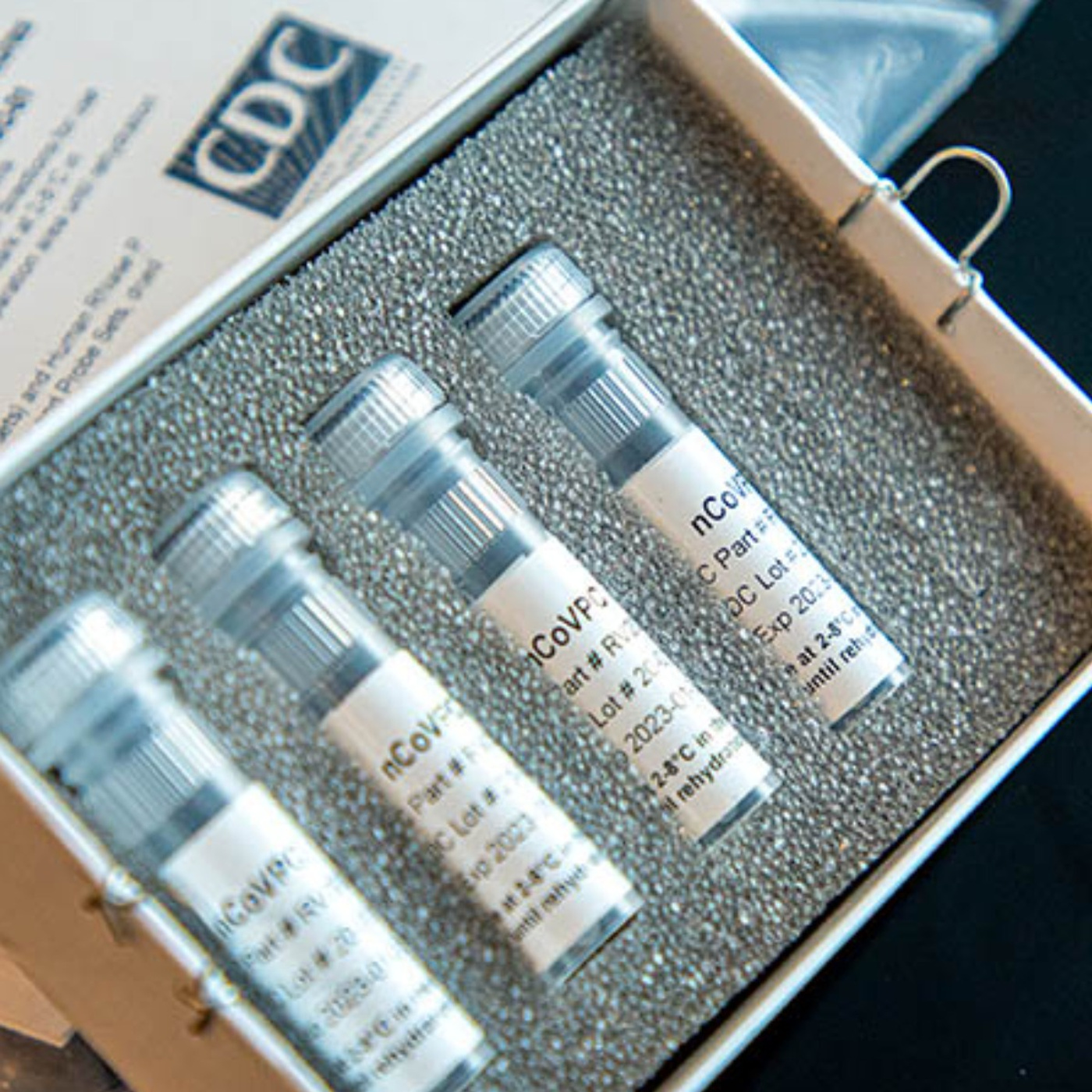
This episode covers the following -- since our previous deep-dive on the novel coronavirus outbreak -- including:practical implications for the U.S. healthcare system given how it works today, and where we might go in the future — with a16z general partner Julie Yoo, given our vantage point in tech; andhow the rt-PCR test works — with a16z bio partner Judy Savitskaya;…in conversation with Sonal Chokshi.Sources for updates at top:CDC's latest briefing February 26, 2020, transcriptWHO situation report #27 February 25, 2020 [we covered #6 and #25 on previous episodes]Sources for last week's episode:latest numbers: cases in the U.S. (CDC, as of February 17, 2020); global cases (WHO situation report #25, February 14, 2020); spike in diagnosing cases as reported in China (SCMP, Scott Gottlieb)situation & policy statements/reports: CDC summary (as of February 14, 2020); “Annual report on global preparedness for health emergencies”, WHO (Global Preparedness Monitoring Board, 2019)on definitions (of pandemics, endemics), other terms, and various naming conventions: “Understanding pandemics: What they mean, what they don’t mean, and what comes next with the coronavirus”, Helen Branswell, StatNews (February 12, 2020); on disease occurrence and levels (CDC); “misinfodemic“; best practices on naming new human infectious diseases (WHO); qPCR (Keith Robison)image: CDC test kit for COVID-19/ Wikimedia Commons Stay Updated:Find a16z on YouTube: YouTubeFind a16z on XFind a16z on LinkedInListen to the a16z Show on SpotifyListen to the a16z Show on Apple PodcastsFollow our host: https://twitter.com/eriktorenberg Please note that the content here is for informational purposes only; should NOT be taken as legal, business, tax, or investment advice or be used to evaluate any investment or security; and is not directed at any investors or potential investors in any a16z fund. a16z and its affiliates may maintain investments in the companies discussed. For more details please see a16z.com/disclosures. Hosted by Simplecast, an AdsWizz company. See pcm.adswizz.com for information about our collection and use of personal data for advertising.
Ep 521Metrics and Mindsets for Retention & Engagement
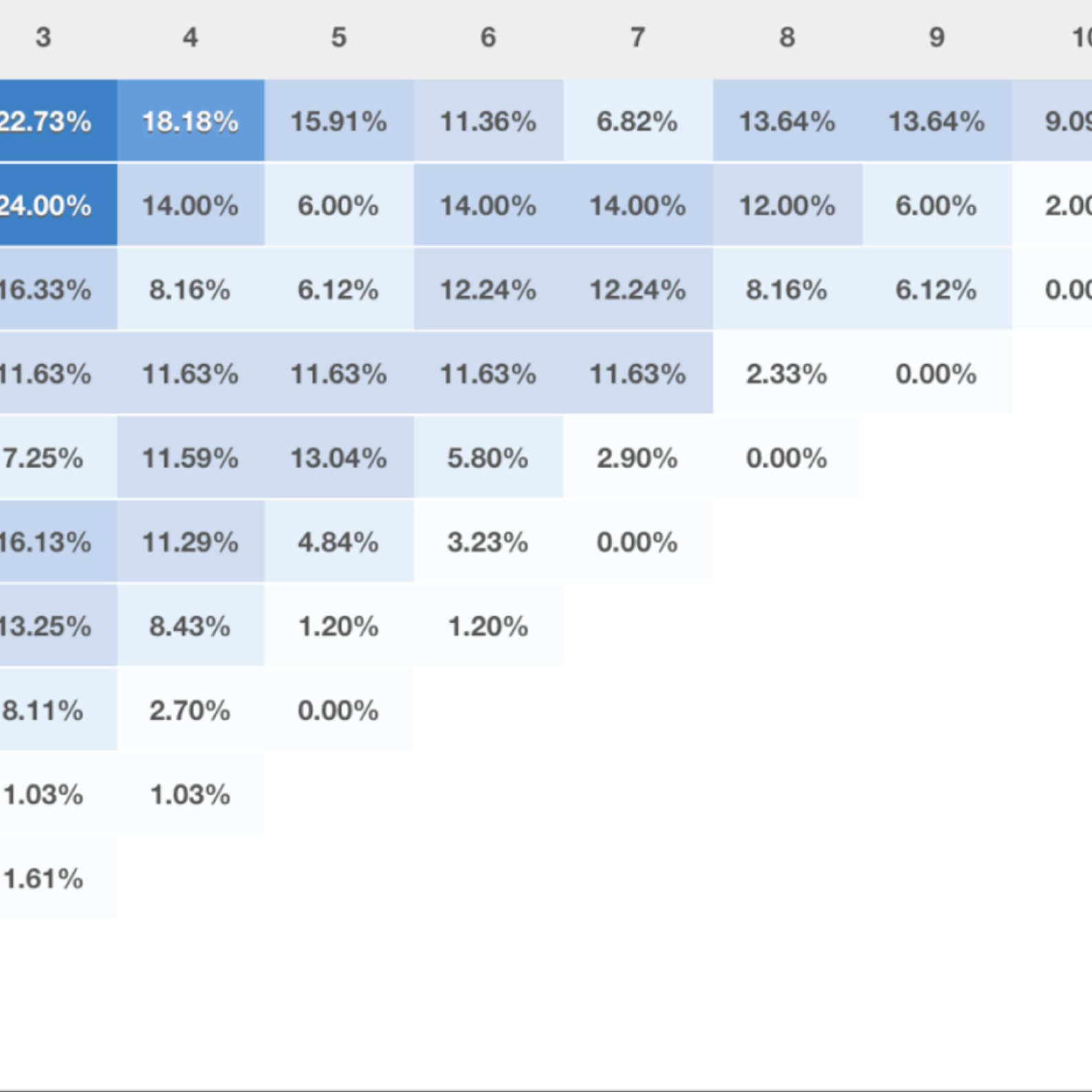
It's "Marketplaces Week" for us at a16z, thanks to our consumer team releasing a new index of the next industry-defining marketplaces, the Marketplace 100. But what happens as such marketplaces and other platforms evolve over time, as do their users? This episode is a rerun of a popular conversation from a couple years ago -- featuring general partners Andrew Chen and Jeff Jordan (in conversation with Sonal Chokshi) -- on what comes after user acquisition: retention. It's all about engagement. So what are the key metrics? And if different kinds of users join a platform over time -- what does that mean for engagement, and where do cohort analyses come in? Stay Updated:Find a16z on YouTube: YouTubeFind a16z on XFind a16z on LinkedInListen to the a16z Show on SpotifyListen to the a16z Show on Apple PodcastsFollow our host: https://twitter.com/eriktorenberg Please note that the content here is for informational purposes only; should NOT be taken as legal, business, tax, or investment advice or be used to evaluate any investment or security; and is not directed at any investors or potential investors in any a16z fund. a16z and its affiliates may maintain investments in the companies discussed. For more details please see a16z.com/disclosures. Hosted by Simplecast, an AdsWizz company. See pcm.adswizz.com for information about our collection and use of personal data for advertising.
Ep 520Tough Love, Global Diplomacy, and Lessons on Leadership
Susan shares how she learned to leverage the characteristics of her personality early in her career as assistant secretary of state [2:05]One of the important conversations Susan had with a mentor that changed the trajectory of her career [4:50]Her parent’s commitment to education, their personal backgrounds, and the legacies they created [8:10]The result of instilling self-belief into children and mastering “psychological jiu jitsu” [10:22]What the early lessons of family diplomacy taught her [14:00]The importance of strategic compartmentalization [16:48]How to approach crisis during high stakes situations [18:29]How to practice compassionate leadership while maintaining effectiveness [20:10]Hacking the concept of “work-life balance” [21:10]The required characteristics of powerful leaders [28:14]The hard things about leadership and the idea of being liked [31:20]The “middle finger story”/the time Susan stood up for herself in an important meeting [33:23]Susan talks about China’s intelligence collection in the US [39:45]A call for unity between the private, public, and academic sectors [42:54] Stay Updated:Find a16z on YouTube: YouTubeFind a16z on XFind a16z on LinkedInListen to the a16z Show on SpotifyListen to the a16z Show on Apple PodcastsFollow our host: https://twitter.com/eriktorenberg Please note that the content here is for informational purposes only; should NOT be taken as legal, business, tax, or investment advice or be used to evaluate any investment or security; and is not directed at any investors or potential investors in any a16z fund. a16z and its affiliates may maintain investments in the companies discussed. For more details please see a16z.com/disclosures. Hosted by Simplecast, an AdsWizz company. See pcm.adswizz.com for information about our collection and use of personal data for advertising.
Ep 519Building the First CAR T Company
with @OzAzamTmunity1, @JorgeCondeBio, and @omnivorousreadCAR T therapy, the groundbreaking new medicines that uses engineered T-cells to attack cancer, has been so effective in childhood leukemias that we believe it may actually be a potential cure. But this isn't just one new medicine, it's an entirely new therapeutic tool—and a total paradigm shift from most traditional medicines we've seen before.Tmunity CEO Usman "Oz" Azam was previously the head of Cell and Gene Therapies at Novartis, in many ways the first CAR T company and the team brought us blood cancer CAR T-cell therapy Kymriah—the first cell-based gene therapy to be approved in the US. In this conversation, Azam discusses with a16z's general partner Jorge Conde and Hanne Tidnam what CAR T therapy really is and how it all works. The conversation begins with the “patient and cell journey” of this treatment and how this medicine is developed, manufactured, delivered to patients; why exactly it's so different traditional medicines; what it will take to make these new medicines work on more kinds of cancer, scale to more patients, and cost less; and finally, what company building lessons can be learned from building the first CAR T company of its kind from the ground up.This episode was recorded at the annual a16z Summit. Stay Updated:Find a16z on YouTube: YouTubeFind a16z on XFind a16z on LinkedInListen to the a16z Show on SpotifyListen to the a16z Show on Apple PodcastsFollow our host: https://twitter.com/eriktorenberg Please note that the content here is for informational purposes only; should NOT be taken as legal, business, tax, or investment advice or be used to evaluate any investment or security; and is not directed at any investors or potential investors in any a16z fund. a16z and its affiliates may maintain investments in the companies discussed. For more details please see a16z.com/disclosures. Hosted by Simplecast, an AdsWizz company. See pcm.adswizz.com for information about our collection and use of personal data for advertising.

Ep 518Rebel Talent
When we think about rebellious behavior in the context of organizations and companies, we tend to think of rebels as trouble-makers, rabble-rousers; in other words, people who make decisions and processes more difficult because they may not follow the established rules or norms. But rebel behavior can also be incredibly positive and constructive—in keeping us from stagnation, encouraging growth and learning, increasing curiosity and creativity.In this episode of the a16z Podcast, Harvard Business School Professor Francesca Gino, a social scientist who studies organizations, breaks down with a16z's Hanne Tidnam what makes rebels different in how they tend to see and do things—whether that’s cooking, flying planes, or holding board meetings—and what we can all learn from “rebel talent” to make our organizations more productive and innovative. Stay Updated:Find a16z on YouTube: YouTubeFind a16z on XFind a16z on LinkedInListen to the a16z Show on SpotifyListen to the a16z Show on Apple PodcastsFollow our host: https://twitter.com/eriktorenberg Please note that the content here is for informational purposes only; should NOT be taken as legal, business, tax, or investment advice or be used to evaluate any investment or security; and is not directed at any investors or potential investors in any a16z fund. a16z and its affiliates may maintain investments in the companies discussed. For more details please see a16z.com/disclosures. Hosted by Simplecast, an AdsWizz company. See pcm.adswizz.com for information about our collection and use of personal data for advertising.
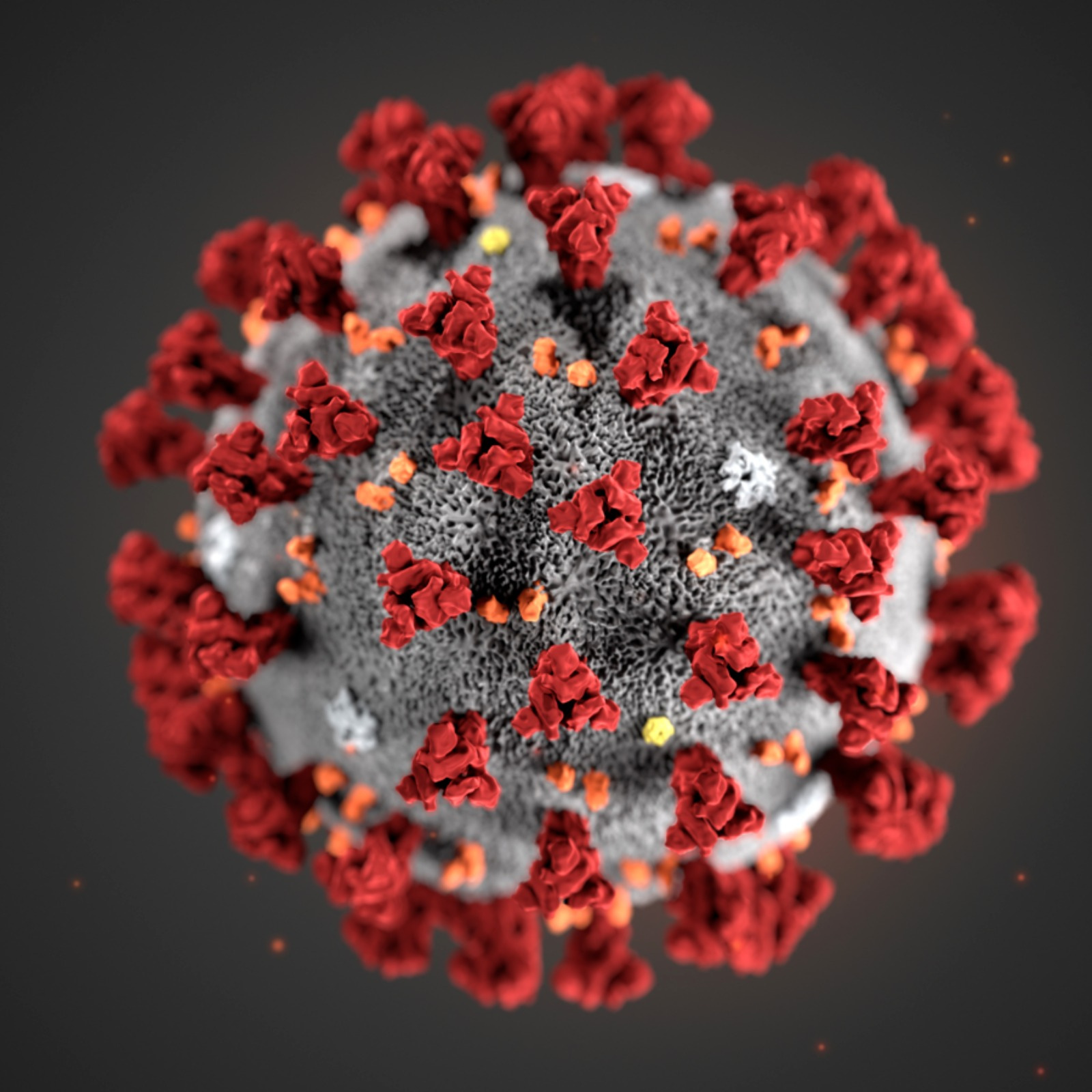
Ep 517All about the Coronavirus
This episode of 16 Minutes on the news from a16z is all about the recent coronavirus outbreak -- or rather, a new type of coronavirus called 2019-nCoV for 2019 novel coronavirus. Since it's an ongoing and fast-developing news cycle, we take a quick snapshot for where we are, what we know, and what we don't know, and discuss the vantage point of where tech comes in. Topics covered include:definition of a virus, categories of coronavirusesorigins and spreadhow this stacks up so far against SARS and MERSspeed of sequencing, implications of genomic infospeed of information sharingR0 ("r-naught"/"nought") and what it measuresdifferent ways to think about how bad a given epidemic iscurrent moves and treatmentsOur a16z guest is Judy Savitskaya on the bio team, in conversation with Sonal Chokshi.Link sources or background readings for this episode:Centers for Disease Control and Prevention (in the U.S. Department of Health and Human Services) + typesWorld Health Organization (in the United Nations) -- situation report #6, January 26Other background readings / pieces mentioned in this episode: "Scientists are moving at record speed to create new coronavirus vaccines--but they may come too late", Jon Cohen, Science (AAAS), January 27"Clinical features of patients infected with 2019 novel coronavirus in Wuhan, China", The Lancet, January 24"Discovery of a novel coronavirus associated with the recent pneumonia outbreak in humans and its potential bat origin", bioRxiv, January 2 *note - preprint, NOT peer reviewed*"The deceptively simple number sparking coronavirus fears", Ed Yong, The Atlantic, January 28 *this appeared AFTER this episode was recorded, so sharing here as additional reading only*image: CDC Stay Updated:Find a16z on YouTube: YouTubeFind a16z on XFind a16z on LinkedInListen to the a16z Show on SpotifyListen to the a16z Show on Apple PodcastsFollow our host: https://twitter.com/eriktorenberg Please note that the content here is for informational purposes only; should NOT be taken as legal, business, tax, or investment advice or be used to evaluate any investment or security; and is not directed at any investors or potential investors in any a16z fund. a16z and its affiliates may maintain investments in the companies discussed. For more details please see a16z.com/disclosures. Hosted by Simplecast, an AdsWizz company. See pcm.adswizz.com for information about our collection and use of personal data for advertising.

Ep 516The Truth about 1000 True Fans + Pricing Our Attention
The idea of "1000 true fans" -- first proposed by Kevin Kelly in 2008 and later updated for Tools of Titans -- argued that to be a successful creator, you don’t need millions of customers or clients, but need only thousands of true fans. Such a true, diehard fan "will buy anything you produce", and as such, creators can make a living from them as long as they: (1) create enough each year to earn profit from each fan, plus it's easier and better to give existing fans more; (2) have a direct relationship with those fans, which the internet (and long tail) now make possible.But patronage models have been around forever; what's new there? How has the web evolved; and how are media, and audiences/voices finding and subscribing to each other changing as a result? If the 1000-true-fans concept is also more broadly "useful to anyone making things, or making things happen" -- then what nuances do people often miss about it? For instance: That there are also regular fans in the next concentric circle around true fans, and that the most obscure node is only one click away from the most popular node.Finally -- when you combine this big idea with another idea Kelly proposed in his most recent book The Inevitable (covered previously on this episode) on inverting attention economies so audiences monetize their attention vs. the other way around, how do we connect the dots between them and some novel thought experiments? In this hallway-style episode of the a16z Podcast, which Sonal Chokshi recorded with Kevin in our pop-up podcast booth at our most recent a16z Summit, we discuss all this and more. Because on average, we all currently surrender our attention (whether to TV, books, or whatever) for about $3 an hour. Whoa?! image: whatleydude/Flickr Stay Updated:Find a16z on YouTube: YouTubeFind a16z on XFind a16z on LinkedInListen to the a16z Show on SpotifyListen to the a16z Show on Apple PodcastsFollow our host: https://twitter.com/eriktorenberg Please note that the content here is for informational purposes only; should NOT be taken as legal, business, tax, or investment advice or be used to evaluate any investment or security; and is not directed at any investors or potential investors in any a16z fund. a16z and its affiliates may maintain investments in the companies discussed. For more details please see a16z.com/disclosures. Hosted by Simplecast, an AdsWizz company. See pcm.adswizz.com for information about our collection and use of personal data for advertising.
Ep 515Writers Writing, Readers Reading, Creators Creating
We've been financing good writing with bad advertising -- and "attention monsters" (to quote Craig Mod) for way too long. So what happens when the technology for creators finally falls into place? We're finally starting to see shift in power away from publications as the sole gatekeepers of talent, towards individual writers. Especially when the best possible predictor of the value of a piece of writing is, well, the writer. The publication's brand is no longer the guarantee of quality, or the only entity we should be paying and be loyal to, when a new ecosystem is forming around the direct relationship between consumers, content creators, and the tools and business models to facilitate all this.So where do readers come in... how do they find signal in the noisy world of drive-by billboard advertising, "attention-monster" feeds, and the death of Google Reader? Particularly as machine learning-based translation, summarization, and other mediums beyond text increasingly enter our information diets, for better and for worse?This episode of the a16z Podcast features Robert Cottrell, formerly of The Economist and Financial Times and now editor of The Browser (which selects 5 pieces of writing worth reading delivered daily); Chris Best, formerly CTO of Kik and now co-founder and CEO of Substack (a full-stack platform for independent writers to publish newsletters, podcasts, and more); and Andrew Chen, formerly independent blogger/ newsletter publisher, now also an a16z general partner investing in consumer -- all in conversation with Sonal Chokshi. The discussion is all about writing and reading... but we're not just seeing this phenomenon in newsletters and podcasting, but also in people setting up e-commerce shops, video streaming, and more. Is it possible that the stars, the incentives, are finally aligning between creators and consumers? What happens next, what happens when you get more than -- and even less than -- "1000 true fans"? image: Thad Zajdowicz/ Flickr Stay Updated:Find a16z on YouTube: YouTubeFind a16z on XFind a16z on LinkedInListen to the a16z Show on SpotifyListen to the a16z Show on Apple PodcastsFollow our host: https://twitter.com/eriktorenberg Please note that the content here is for informational purposes only; should NOT be taken as legal, business, tax, or investment advice or be used to evaluate any investment or security; and is not directed at any investors or potential investors in any a16z fund. a16z and its affiliates may maintain investments in the companies discussed. For more details please see a16z.com/disclosures. Hosted by Simplecast, an AdsWizz company. See pcm.adswizz.com for information about our collection and use of personal data for advertising.
Ep 514What's Next for the Internet?
How can we evolve the web for a better future? Has the web become a mature platform — or are we still in the early days of knowing what it can do and what role it might have in our lives? Just as “social/local/mobile” once did, what are the new trends — like crypto and blockchain networks and commerce everywhere — that might converge into new products and experiences?Chris Dixon (general partner at a16z and co-lead of the a16z crypto fund) discusses all things internet with Jonah Peretti (founder and CEO of BuzzFeed). Their conversation ranges from the early days of the web to the way innovation happens (what Chris calls “outside-in vs inside-out”) to the promise of a community-owned and operated internet, and more.Together they explore the possibilities that could co-evolve and converge are we enter into the next era of the web, and they share how we might not be quite as far removed from the “wild west days” of the internet as we imagined. Stay Updated:Find a16z on YouTube: YouTubeFind a16z on XFind a16z on LinkedInListen to the a16z Show on SpotifyListen to the a16z Show on Apple PodcastsFollow our host: https://twitter.com/eriktorenberg Please note that the content here is for informational purposes only; should NOT be taken as legal, business, tax, or investment advice or be used to evaluate any investment or security; and is not directed at any investors or potential investors in any a16z fund. a16z and its affiliates may maintain investments in the companies discussed. For more details please see a16z.com/disclosures. Hosted by Simplecast, an AdsWizz company. See pcm.adswizz.com for information about our collection and use of personal data for advertising.