
TED Talks Science and Medicine
133 episodes — Page 3 of 3
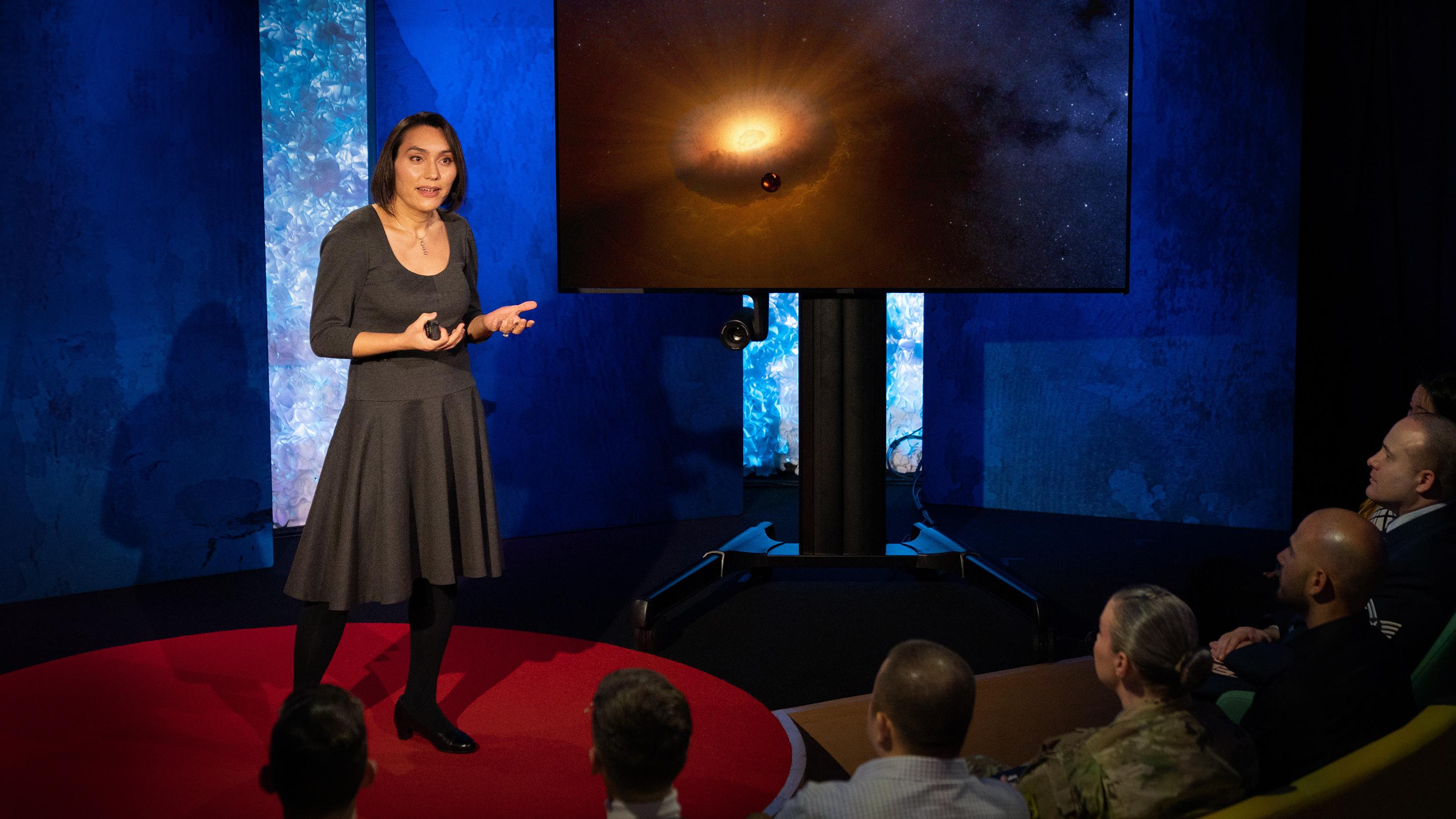
Where did the Moon come from? A new theory | Sarah T. Stewart
The Earth and Moon are like identical twins, made up of the exact same materials -- which is really strange, since no other celestial bodies we know of share this kind of chemical relationship. What's responsible for this special connection? Looking for an answer, planetary scientist and MacArthur "Genius" Sarah T. Stewart discovered a new kind of astronomical object -- a synestia -- and a new way to solve the mystery of the Moon's origin.
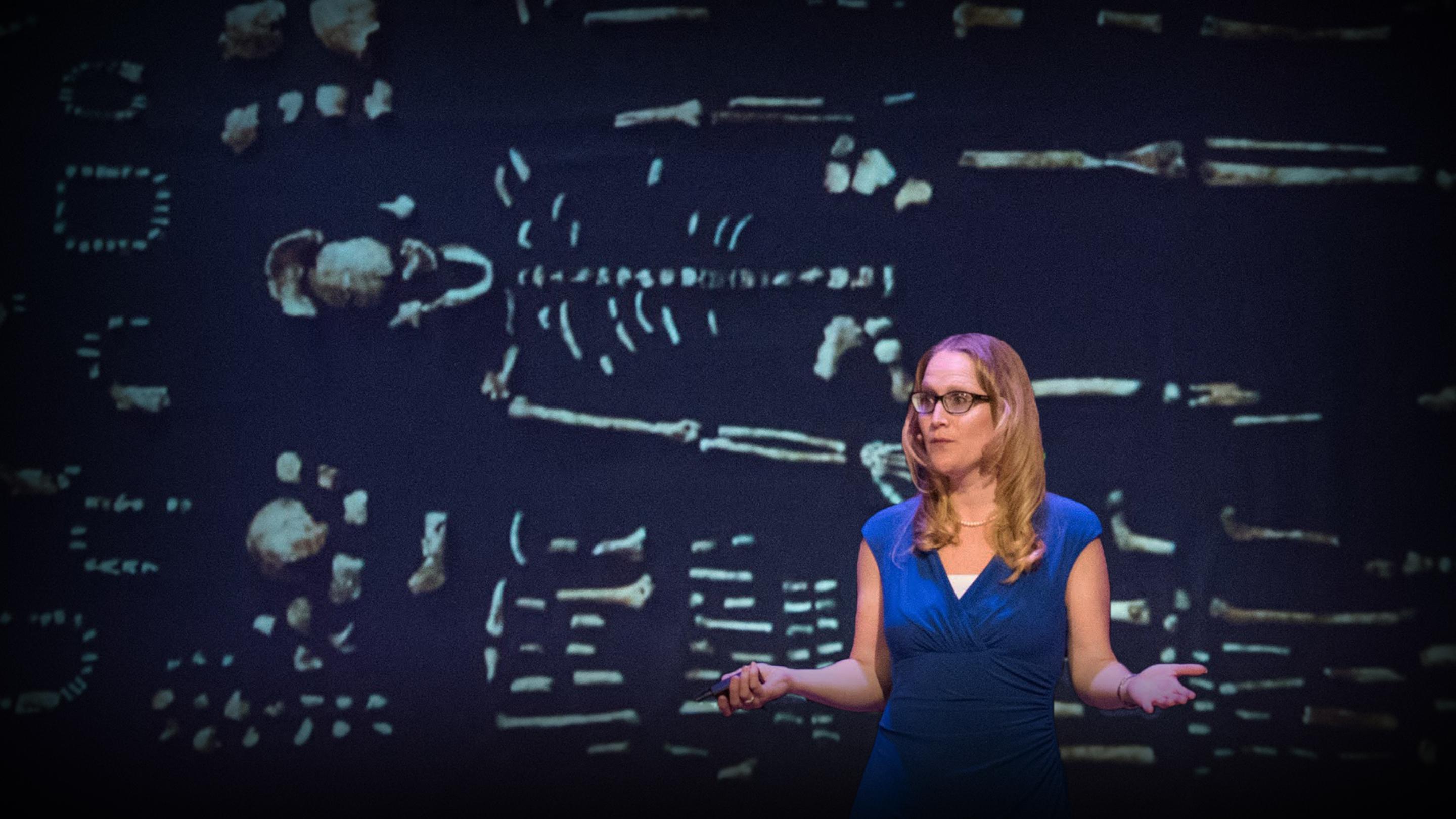
How a new species of ancestors is changing our theory of human evolution | Juliet Brophy
In 2013, a treasure trove of unusual fossils were uncovered in a cave in South Africa, and researchers soon realized: these were the remains of a new species of ancient humans. Paleoanthropologist Juliet Brophy takes us inside the discovery of Homo naledi, explaining how this mysterious ancestor is forcing us to rethink where we come from -- and what it means to be human.
The age of genetic wonder | Juan Enriquez
Gene-editing tools like CRISPR enable us to program life at its most fundamental level. But this raises some pressing questions: If we can generate new species from scratch, what should we build? Should we redesign humanity as we know it? Juan Enriquez forecasts the possible futures of genetic editing, exploring the immense uncertainty and opportunity of this next frontier.
Can we solve global warming? Lessons from how we protected the ozone layer | Sean Davis
The Montreal Protocol proved that the world could come together and take action on climate change. Thirty years after the world's most successful environmental treaty was signed, atmospheric scientist Sean Davis examines the world we avoided when we banned chlorofluorocarbons -- and shares lessons we can carry forward to address the climate crisis in our time.
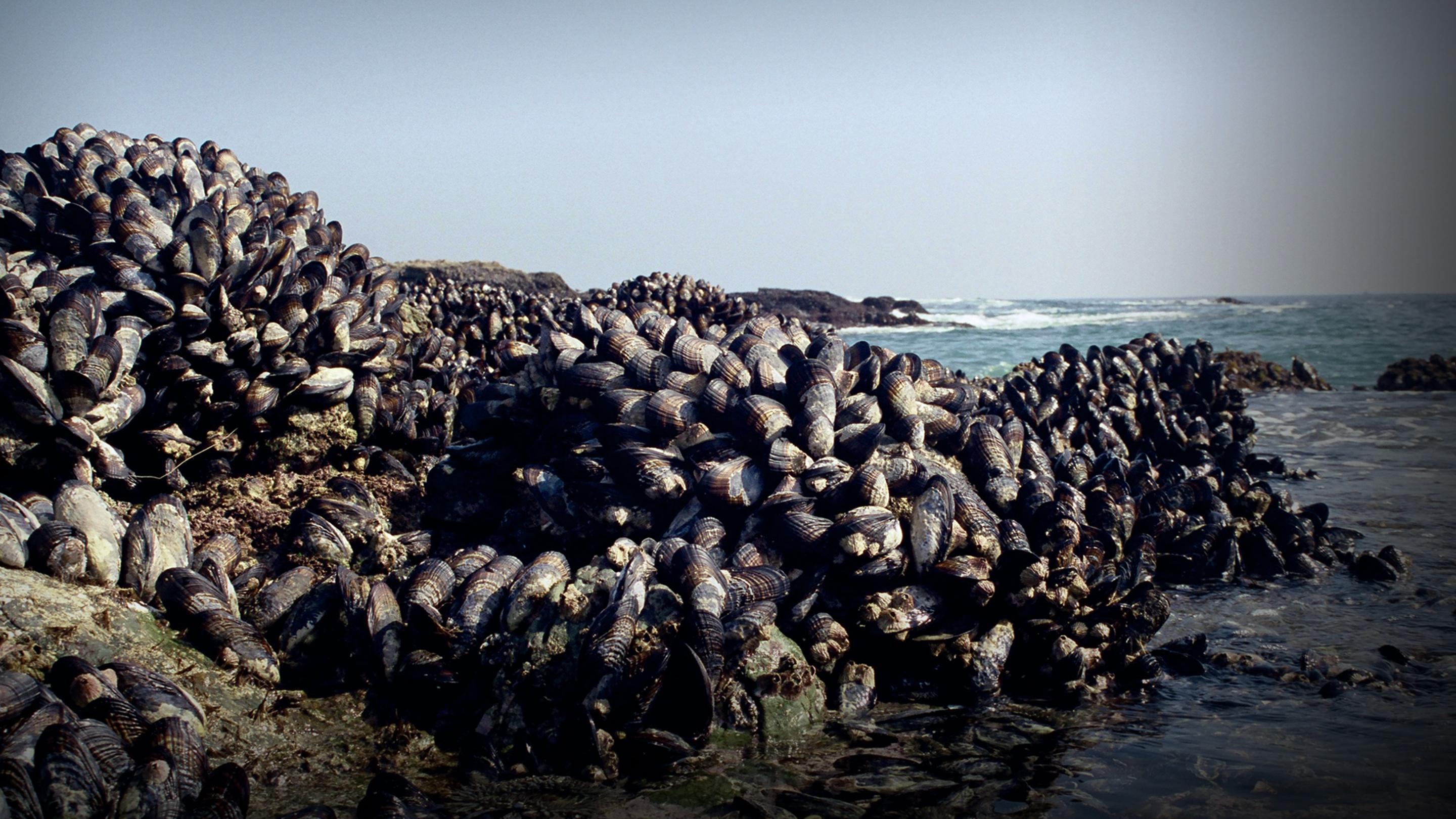
What sticky sea creatures can teach us about making glue | Jonathan Wilker
What if we could harness the sticking powers of sea creatures like mussels, oysters and barnacles, which refuse to budge even on wet, stormy coastlines? Dive into the wonderful world of animals that make their own glue and cement with scientist Jonathan Wilker -- and preview some of the amazing things we can learn from how they do it.
The most important thing you can do to fight climate change: talk about it | Katharine Hayhoe
How do you talk to someone who doesn't believe in climate change? Not by rehashing the same data and facts we've been discussing for years, says climate scientist Katharine Hayhoe. In this inspiring, pragmatic talk, Hayhoe shows how the key to having a real discussion is to connect over shared values like family, community and religion -- and to prompt people to realize that they already care about a changing climate. "We can't give in to despair," she says. "We have to go out and look for the hope we need to inspire us to act -- and that hope begins with a conversation, today."
3 kinds of bias that shape your worldview | J. Marshall Shepherd
What shapes our perceptions (and misperceptions) about science? In an eye-opening talk, meteorologist J. Marshall Shepherd explains how confirmation bias, the Dunning-Kruger effect and cognitive dissonance impact what we think we know -- and shares ideas for how we can replace them with something much more powerful: knowledge.
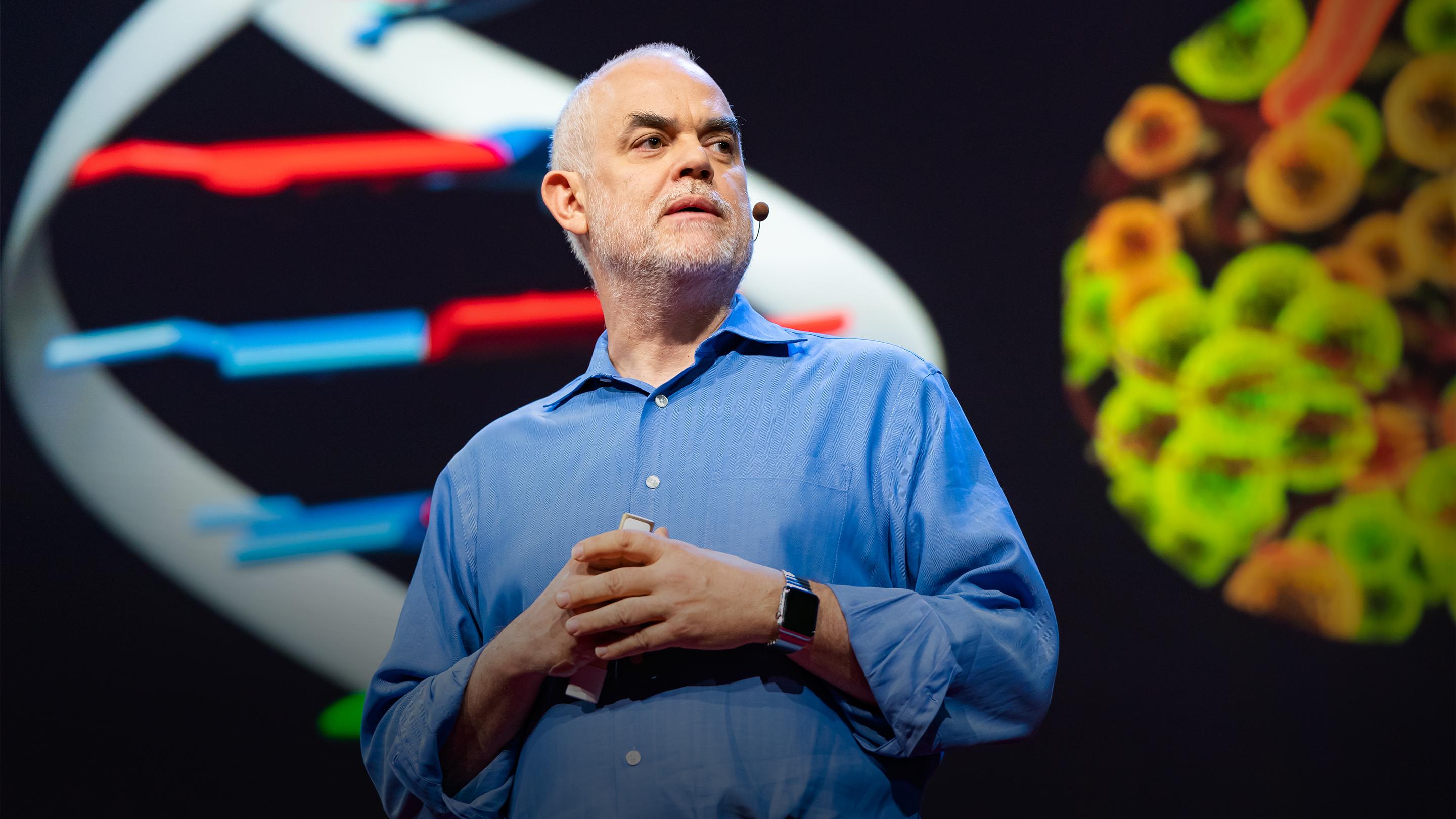
The radical possibilities of man-made DNA | Floyd E. Romesberg
Every cell that's ever lived has been the result of the four-letter genetic alphabet: A, T, C and G -- the basic units of DNA. But now that's changed. In a visionary talk, synthetic biologist Floyd E. Romesberg introduces us to the first living organisms created with six-letter DNA -- the four natural letters plus two new man-made ones, X and Y -- and explores how this breakthrough could challenge our basic understanding of nature's design.
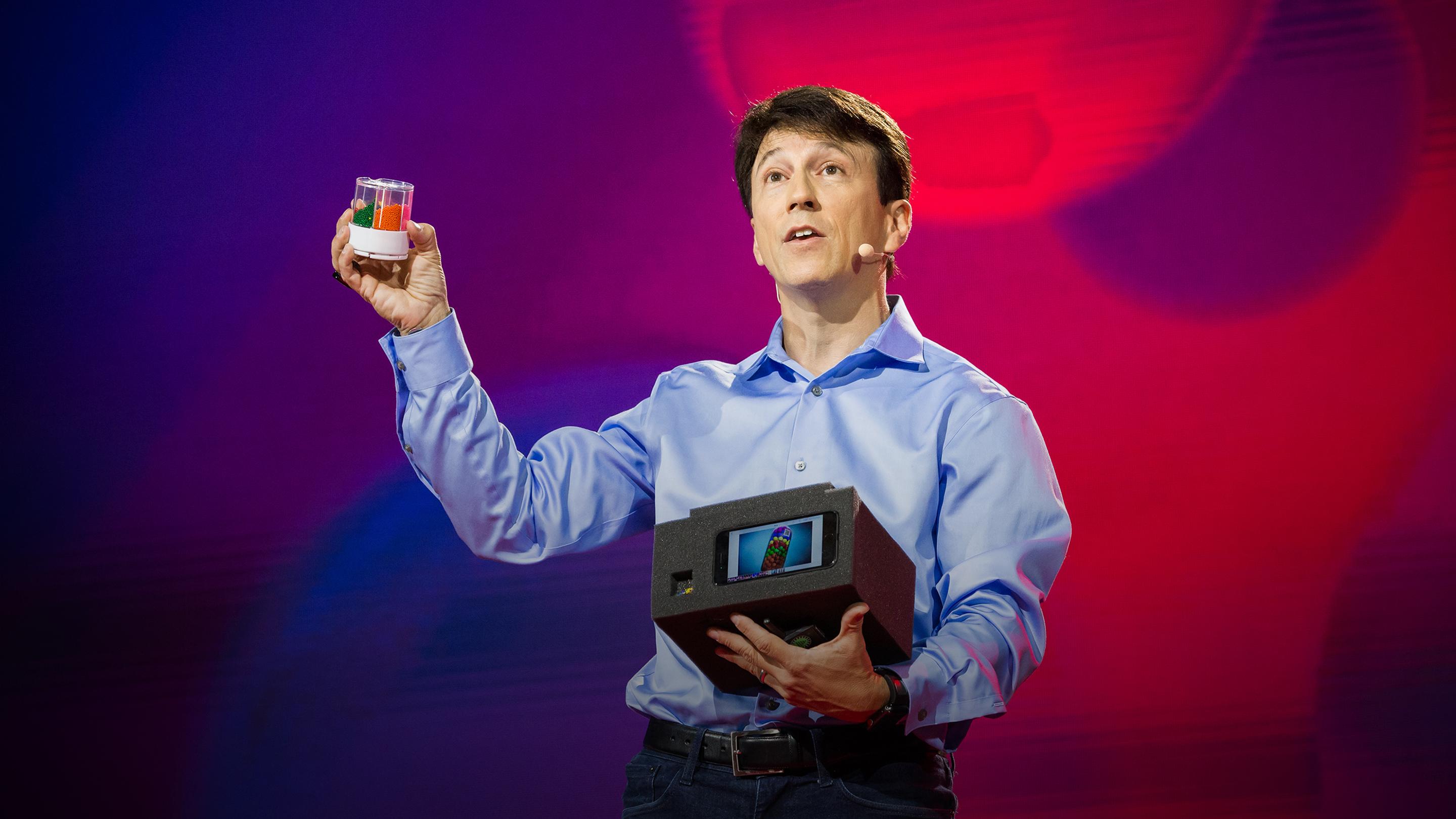
The pharmacy of the future? Personalized pills, 3D printed at home | Daniel Kraft
We need to change how we prescribe drugs, says physician Daniel Kraft: too often, medications are dosed incorrectly, cause toxic side effects or just don't work. In a talk and concept demo, Kraft shares his vision for a future of personalized medication, unveiling a prototype 3D printer that could design pills that adapt to our individual needs.

5 transformational policies for a prosperous and sustainable world | Johan Rockström
In a talk about how we can build a robust future without wrecking the planet, sustainability expert Johan Rockström debuts the Earth3 model -- a new methodology that combines the UN Sustainable Development Goals with the nine planetary boundaries, beyond which earth's vital systems could become unstable. Learn more about five transformational policies that could help us achieve inclusive and prosperous world development while keeping the earth stable and resilient.
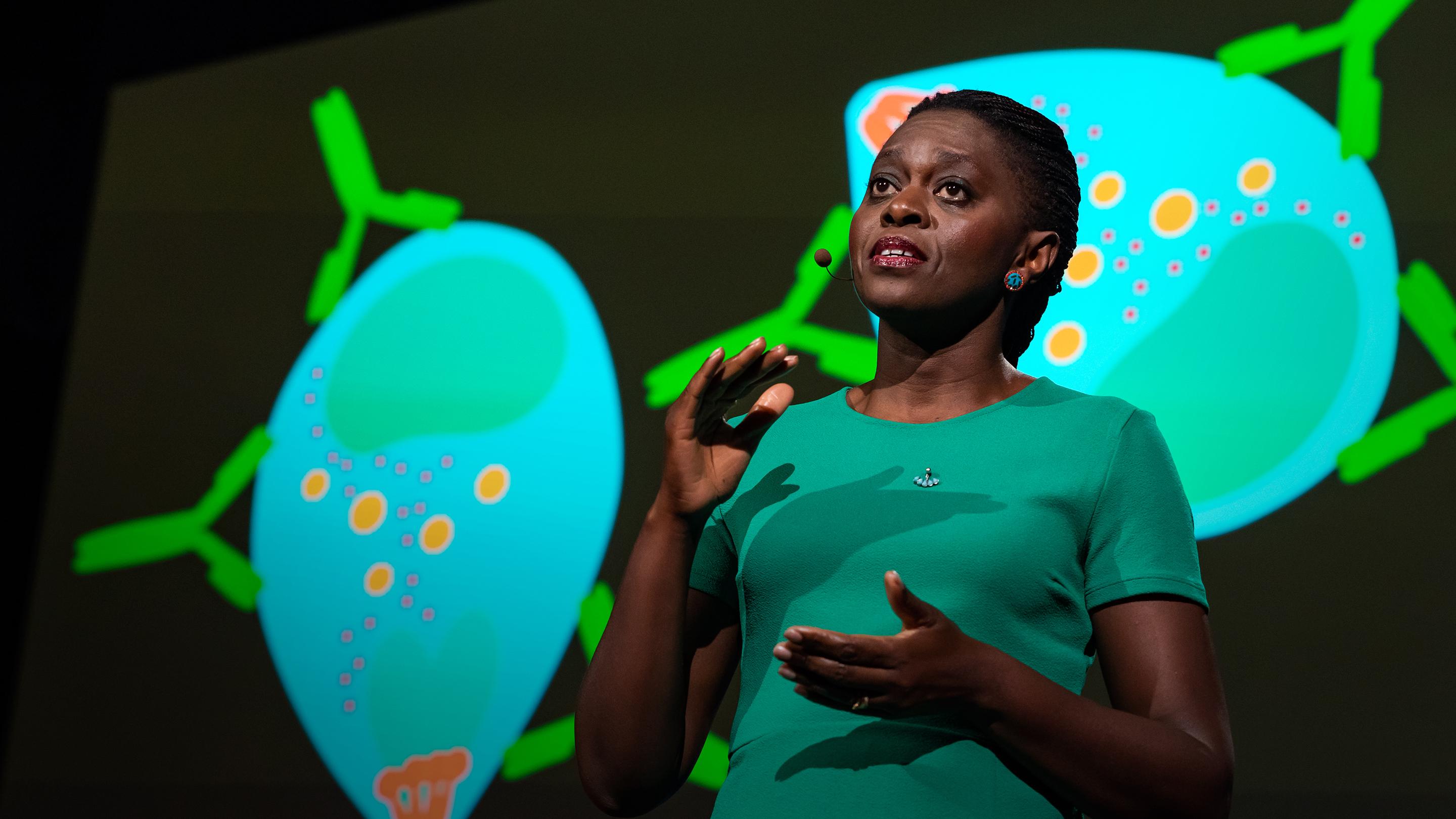
The key to a better malaria vaccine | Faith Osier
The malaria vaccine was invented more than a century ago -- yet each year, hundreds of thousands of people still die from the disease. How can we improve this vital vaccine? In this informative talk, immunologist and TED Fellow Faith Osier shows how she's combining cutting-edge technology with century-old insights in the hopes of creating a new vaccine that eradicates malaria once and for all.
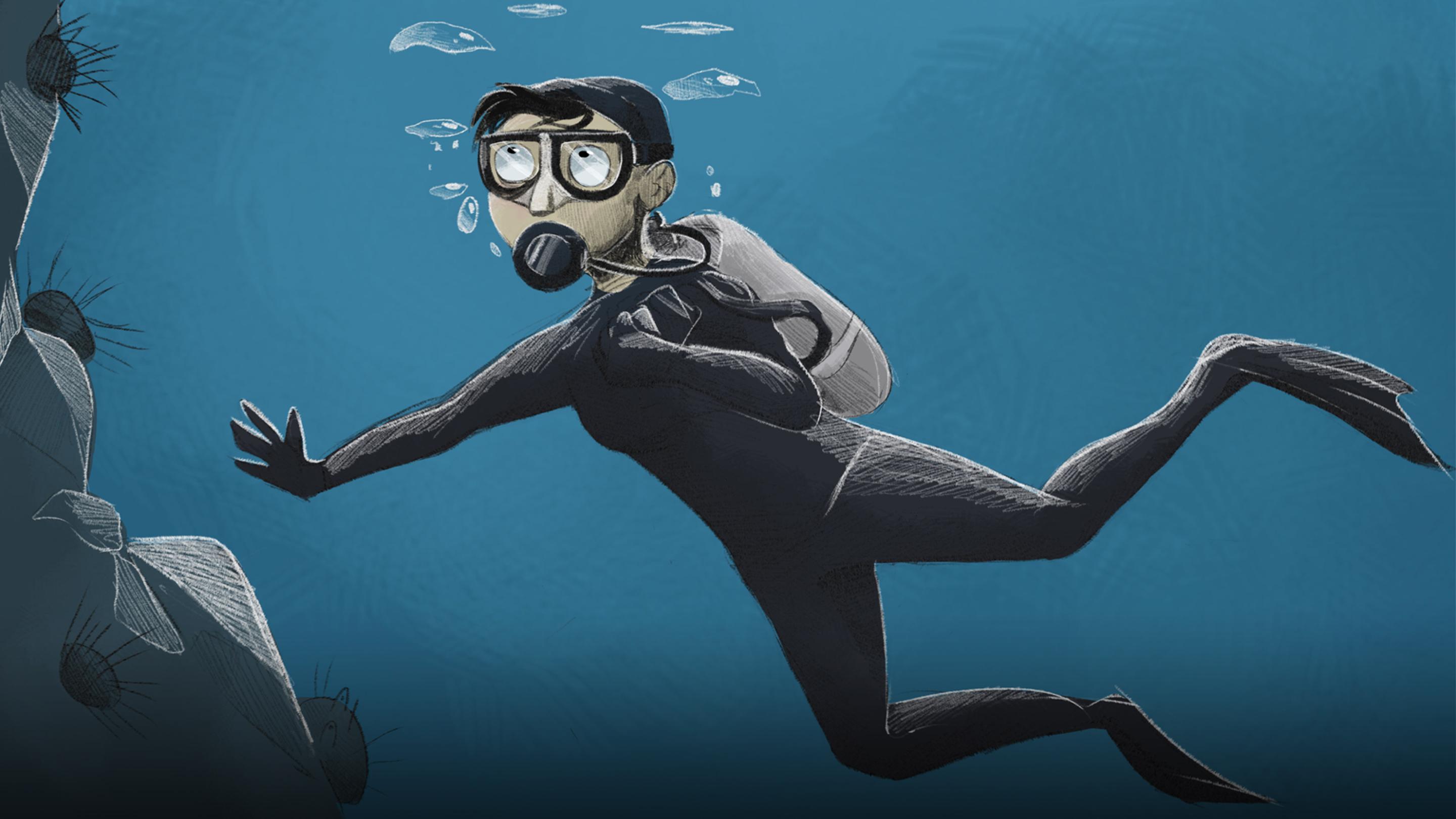
How I became part sea urchin | Catherine Mohr
As a young scientist, Catherine Mohr was on her dream scuba trip -- when she put her hand right down on a spiny sea urchin. While a school of sharks circled above. What happened next? More than you can possibly imagine. Settle in for this fabulous story with a dash of science.
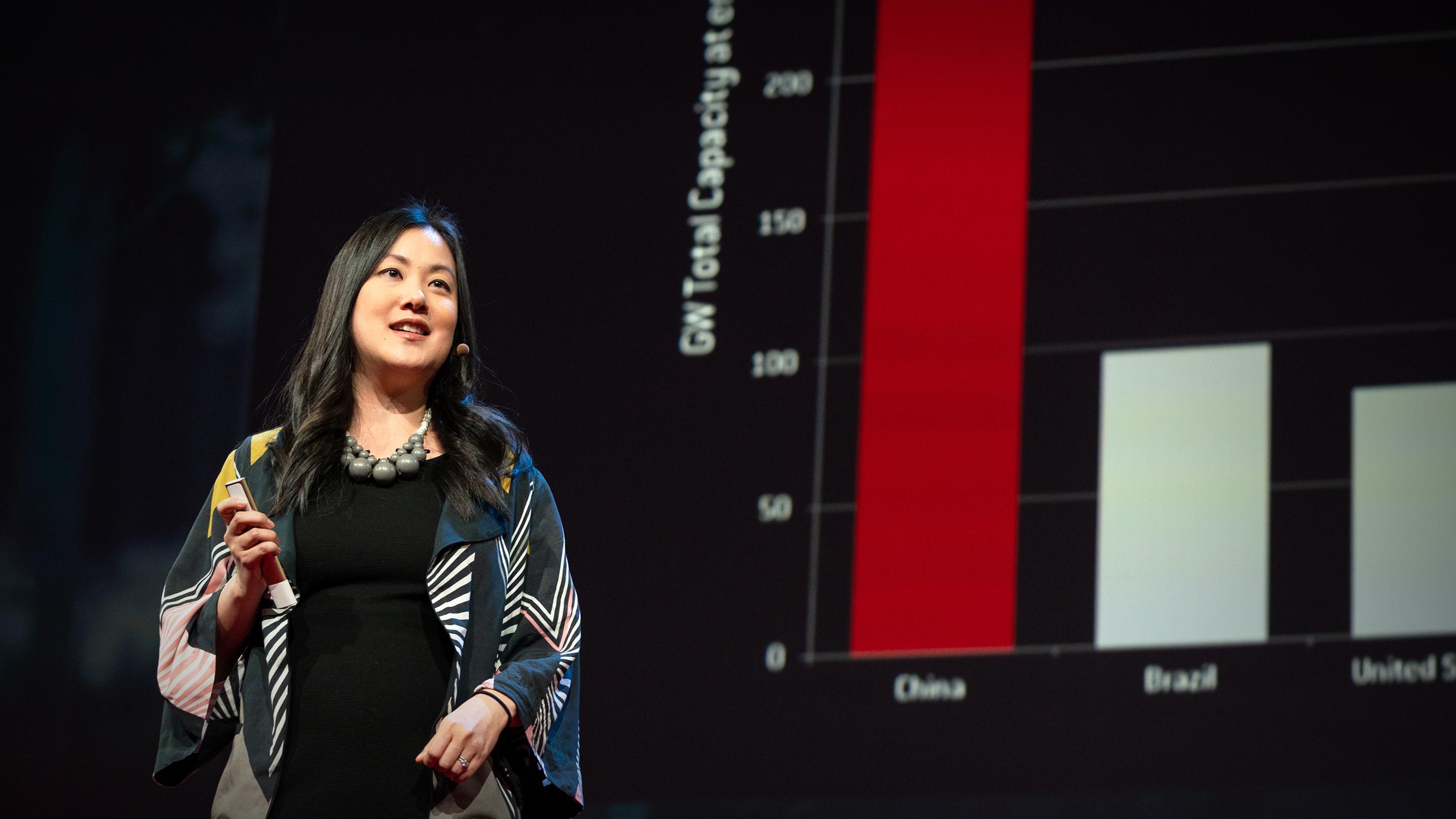
How China is (and isn't) fighting pollution and climate change | Angel Hsu
China is the world's biggest polluter -- and now one of its largest producers of clean energy. Which way will China go in the future, and how will it affect the global environment? Data scientist Angel Hsu describes how the most populous country on earth is creating a future based on alternative energy -- and facing up to the environmental catastrophe it created as it rapidly industrialized.
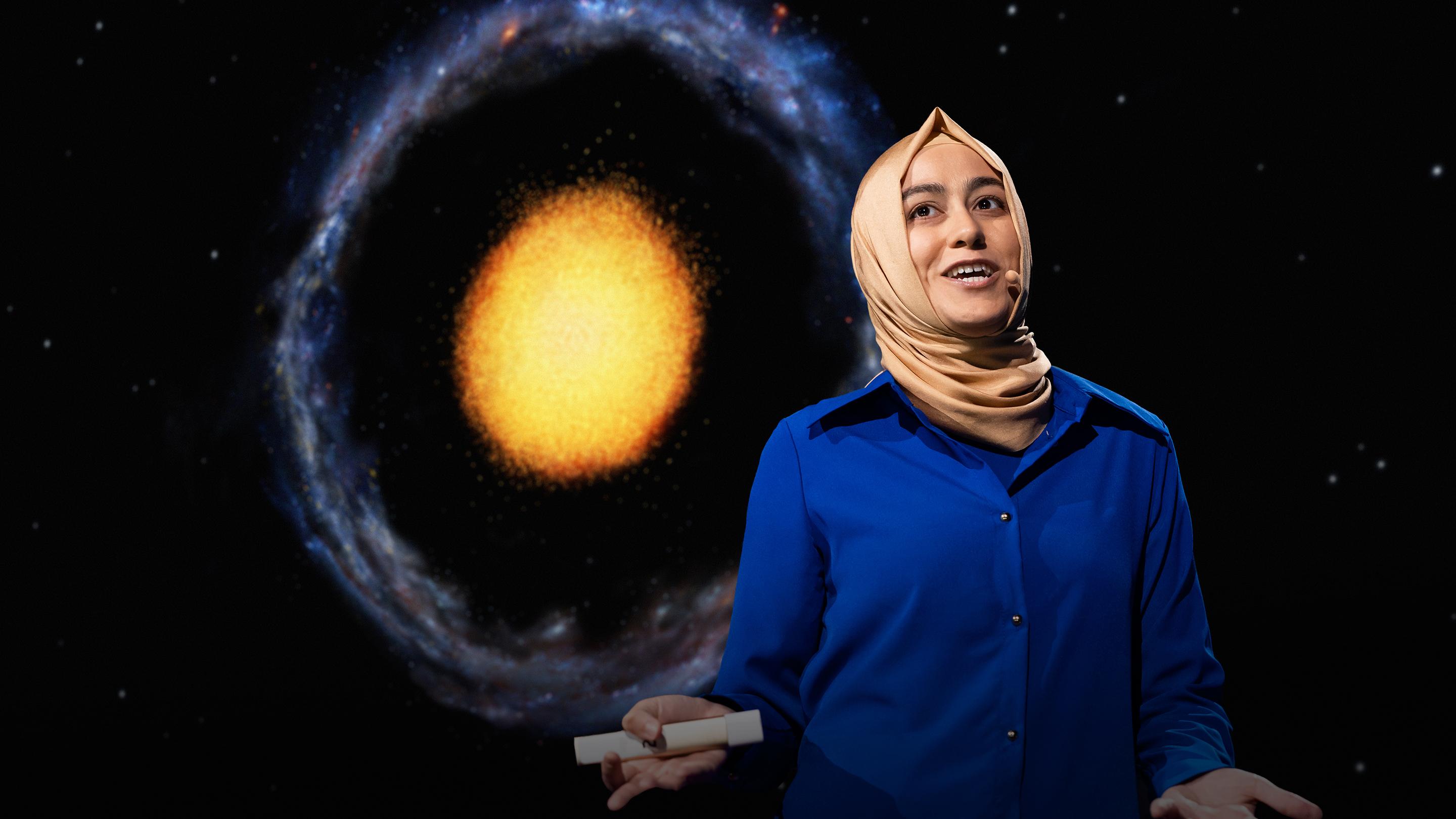
A rare galaxy that's challenging our understanding of the universe | Burçin Mutlu-Pakdil
What's it like to discover a galaxy -- and have it named after you? Astrophysicist and TED Fellow Burçin Mutlu-Pakdil lets us know in this quick talk about her team's surprising discovery of a mysterious new galaxy type.
Where are all the aliens? | Stephen Webb
The universe is incredibly old, astoundingly vast and populated by trillions of planets -- so where are all the aliens? Astronomer Stephen Webb has an explanation: we're alone in the universe. In a mind-expanding talk, he spells out the remarkable barriers a planet would need to clear in order to host an extraterrestrial civilization -- and makes a case for the beauty of our potential cosmic loneliness. "The silence of the universe is shouting, 'We're the creatures who got lucky,'" Webb says.
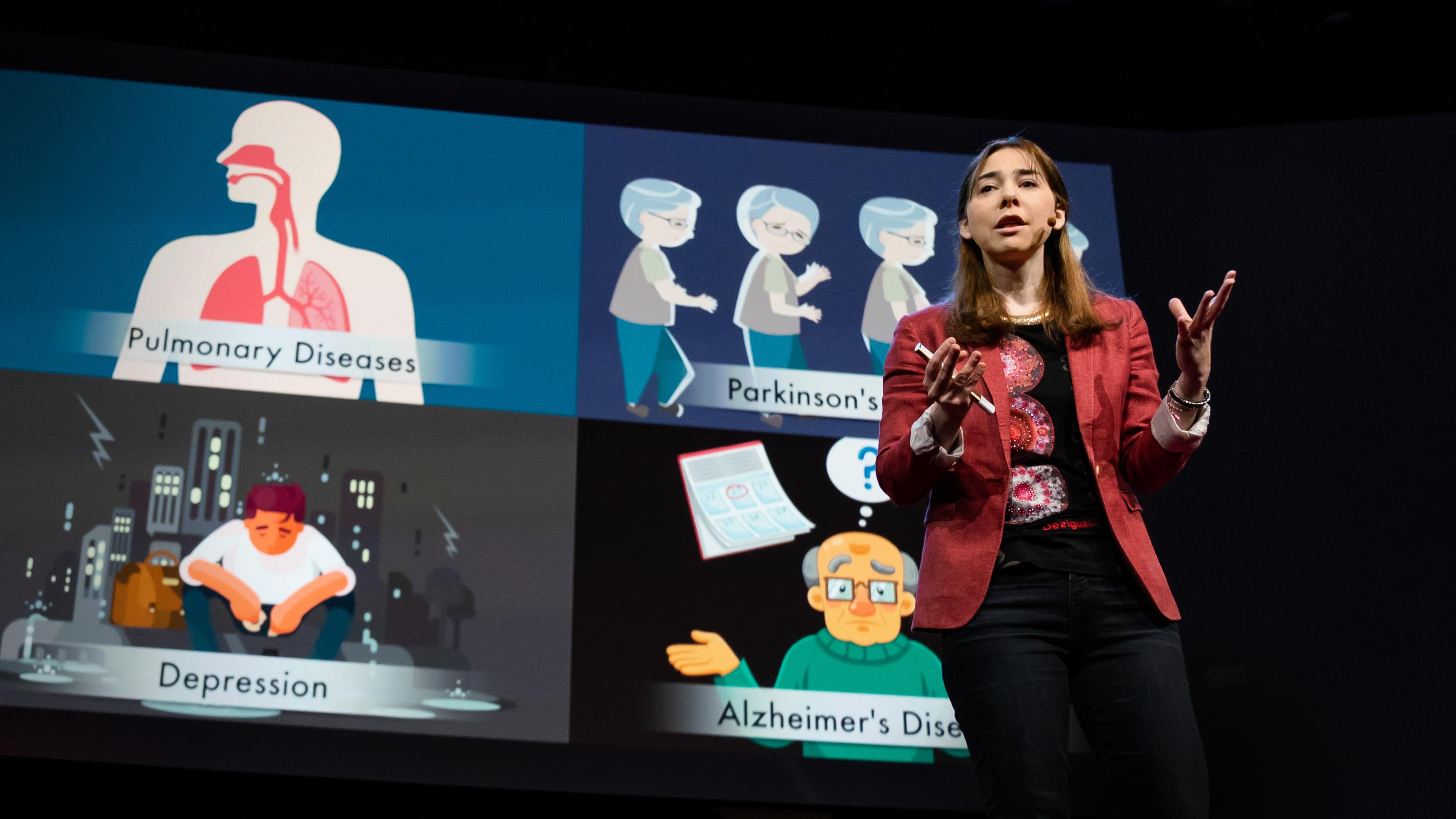
A new way to monitor vital signs (that can see through walls) | Dina Katabi
At MIT, Dina Katabi and her team are working on a bold new way to monitor patients' vital signs in a hospital (or even at home), without wearables or bulky, beeping devices. Bonus: it can see through walls. In a mind-blowing talk and demo, Katabi previews a system that captures the reflections of signals like Wi-Fi as they bounce off people, creating a reliable record of vitals for healthcare workers and patients. And in a brief Q&A with TED curator Helen Walters, Katabi discusses safeguards being put in place to prevent people from using this tech to monitor somebody without their consent.
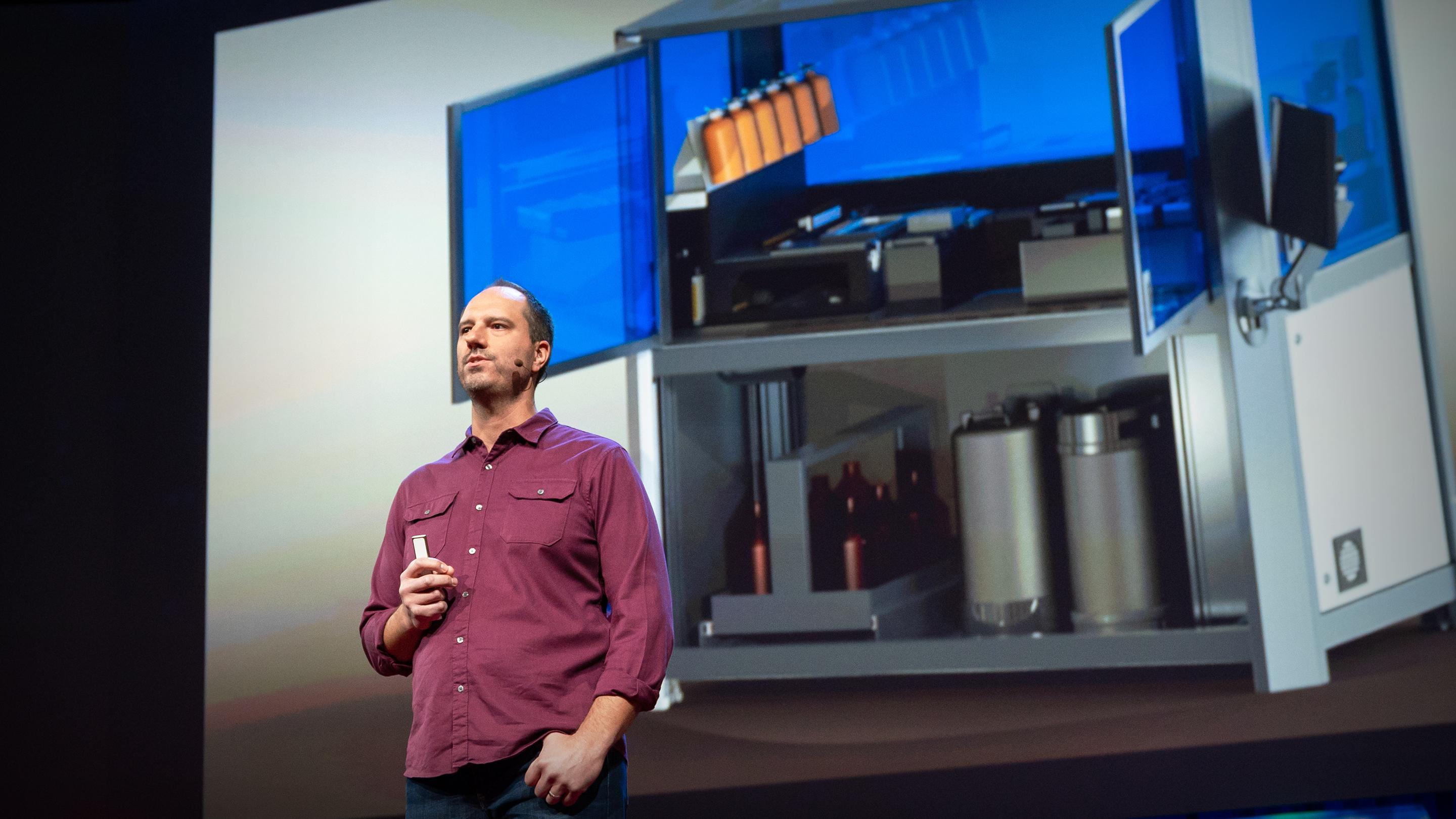
How to build synthetic DNA and send it across the internet | Dan Gibson
Biologist Dan Gibson edits and programs DNA, just like coders program a computer. But his "code" creates life, giving scientists the power to convert digital information into biological material like proteins and vaccines. Now he's on to a new project: "biological transportation," which holds the promise of beaming new medicines across the globe over the internet. Learn more about how this technology could change the way we respond to disease outbreaks and enable us to download personalized prescriptions in our homes.
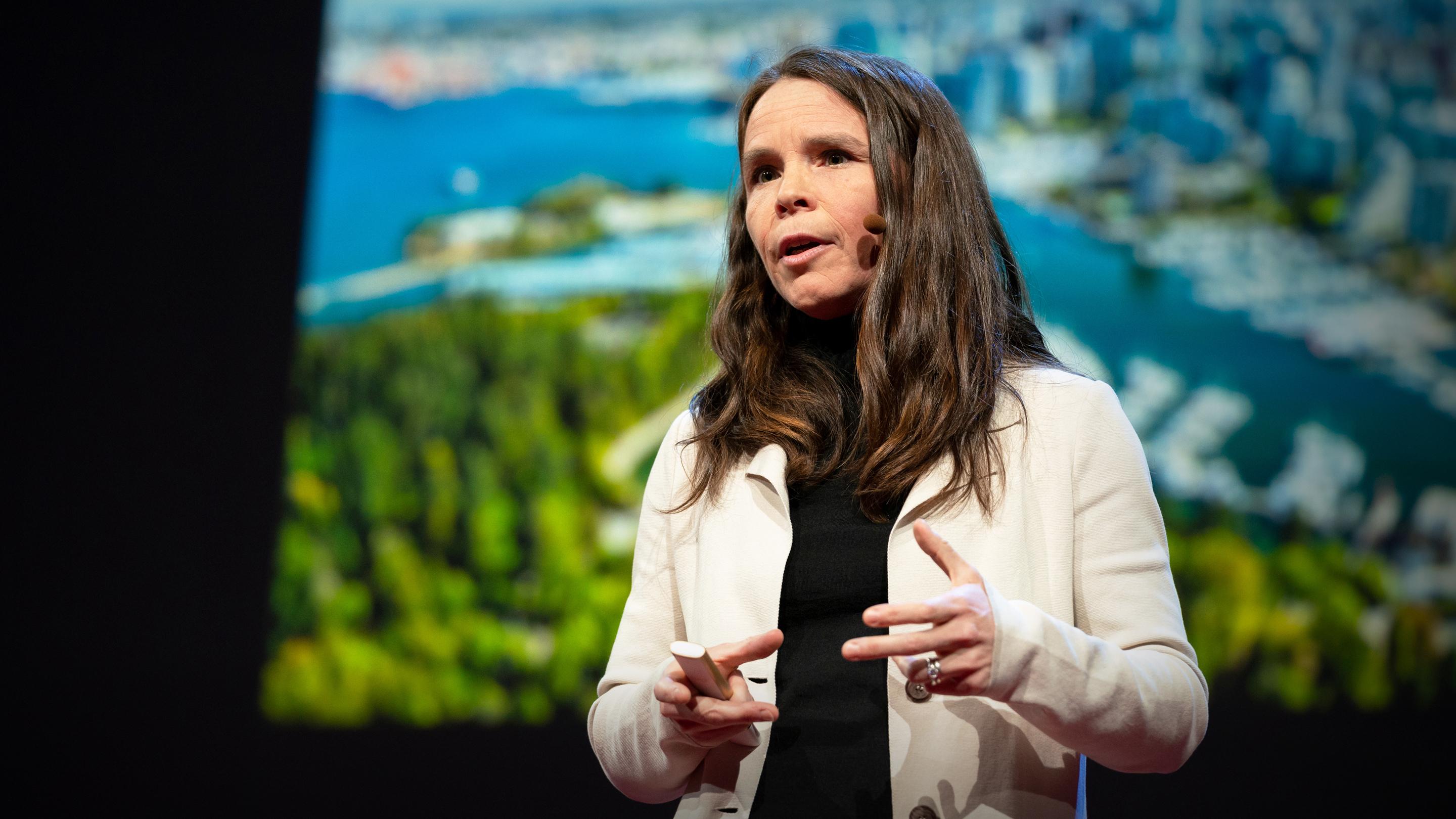
A new way to remove CO2 from the atmosphere | Jennifer Wilcox
Our planet has a carbon problem -- if we don't start removing carbon dioxide from the atmosphere, we'll grow hotter, faster. Chemical engineer Jennifer Wilcox previews some amazing technology to scrub carbon from the air, using chemical reactions that capture and reuse CO2 in much the same way trees do ... but at a vast scale. This detailed talk reviews both the promise and the pitfalls.

How we're saving one of Earth's last wild places | Steve Boyes
Navigating territorial hippos and active minefields, TED Fellow Steve Boyes and a team of scientists have been traveling through the Okavango Delta, Africa's largest remaining wetland wilderness, to explore and protect this near-pristine habitat against the rising threat of development. In this awe-inspiring talk packed with images, he shares his work doing detailed scientific surveys in the hopes of protecting this enormous, fragile wilderness.
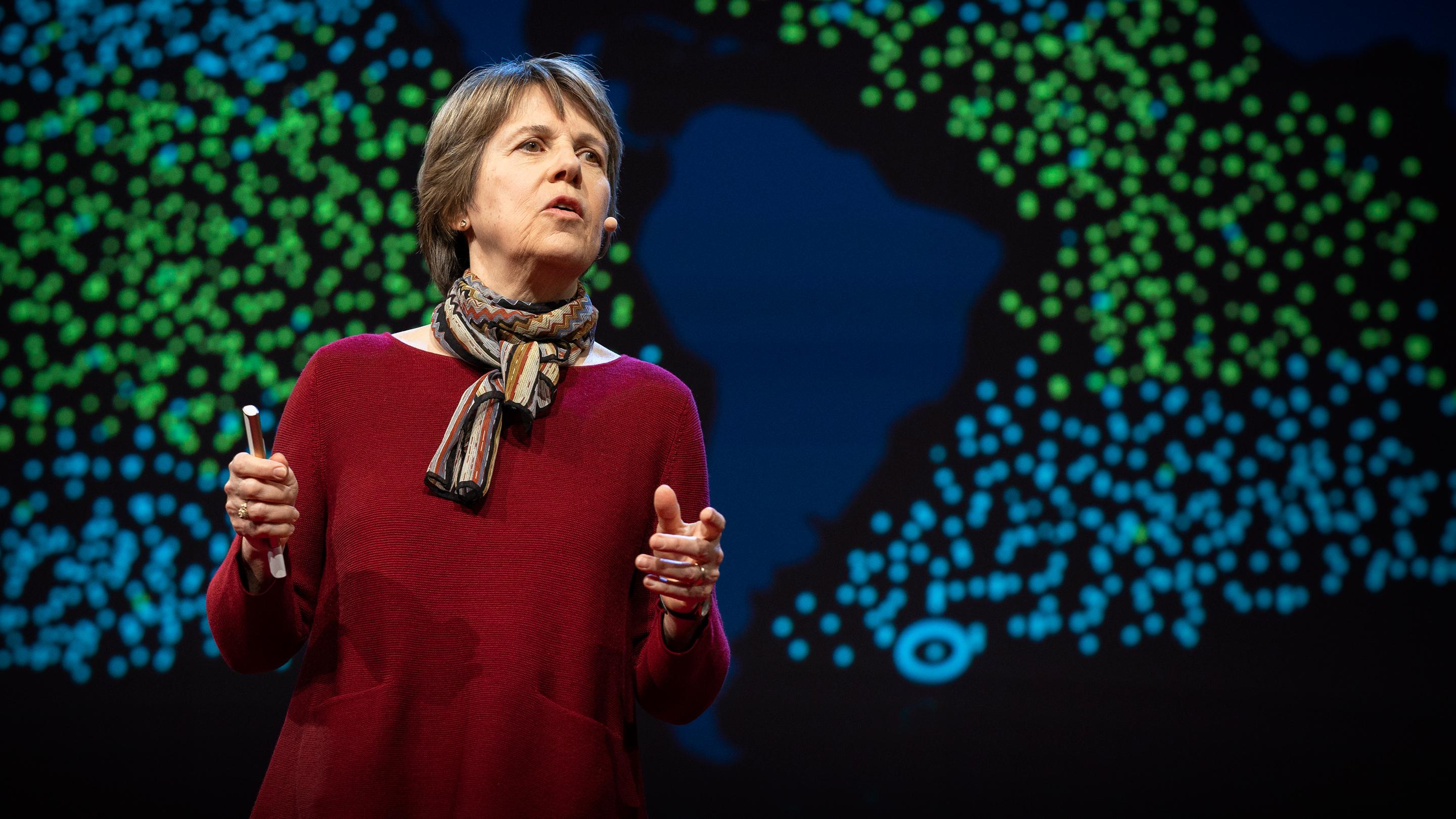
The tiny creature that secretly powers the planet | Penny Chisholm
Oceanographer Penny Chisholm introduces us to an amazing little being: Prochlorococcus, the most abundant photosynthetic species on the planet. A marine microbe that has existed for millions of years, Prochlorococcus wasn't discovered until the mid-1980s -- but its ancient genetic code may hold clues to how we can reduce our dependence on fossil fuels.
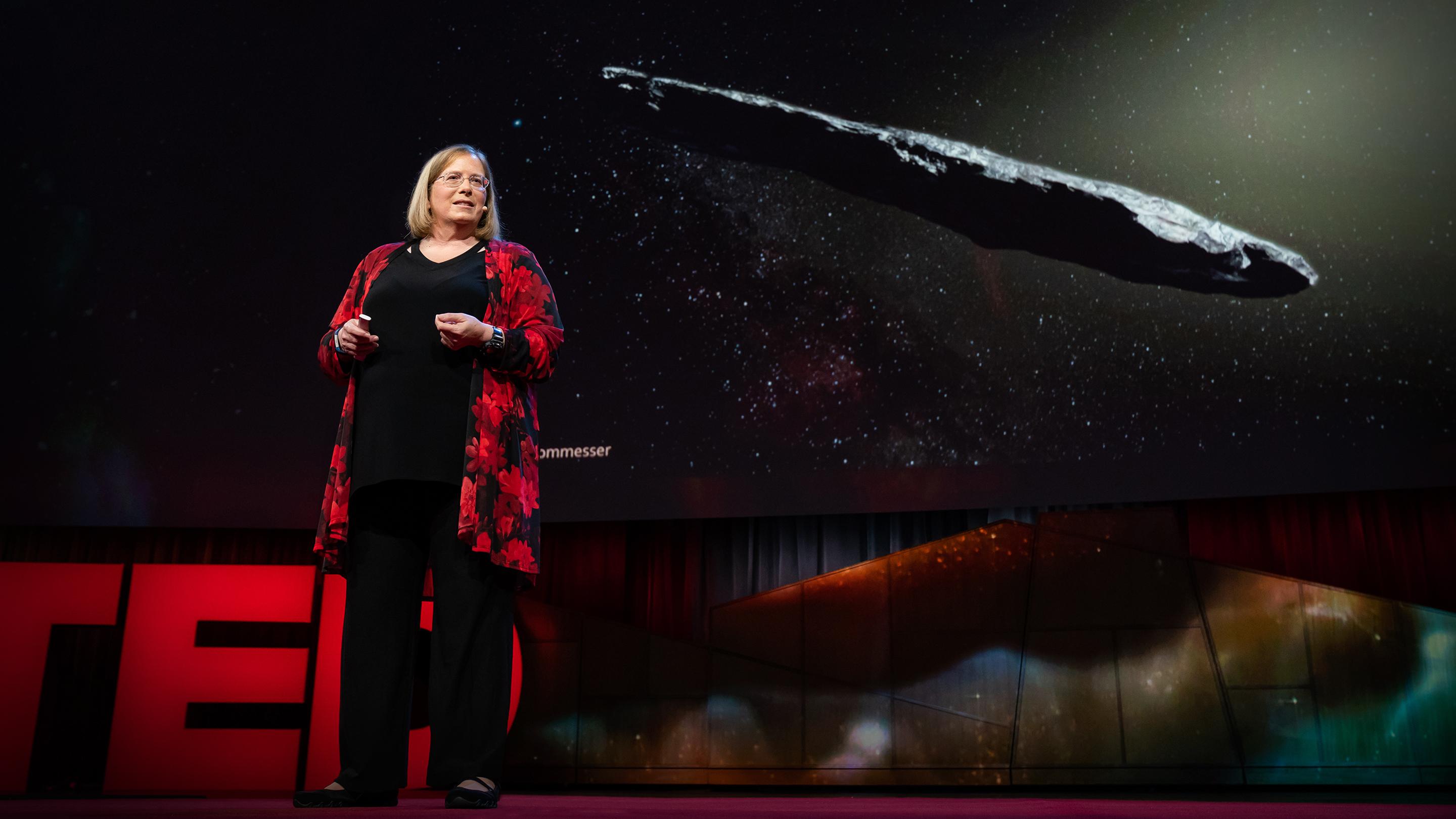
The story of 'Oumuamua, the first visitor from another star system | Karen J. Meech
In October 2017, astrobiologist Karen J. Meech got the call every astronomer waits for: NASA had spotted the very first visitor from another star system. The interstellar comet -- a half-mile-long object eventually named `Oumuamua, from the Hawaiian for "scout" or "messenger" -- raised intriguing questions: Was it a chunk of rocky debris from a new star system, shredded material from a supernova explosion, evidence of alien technology or something else altogether? In this riveting talk, Meech tells the story of how her team raced against the clock to find answers about this unexpected gift from afar.
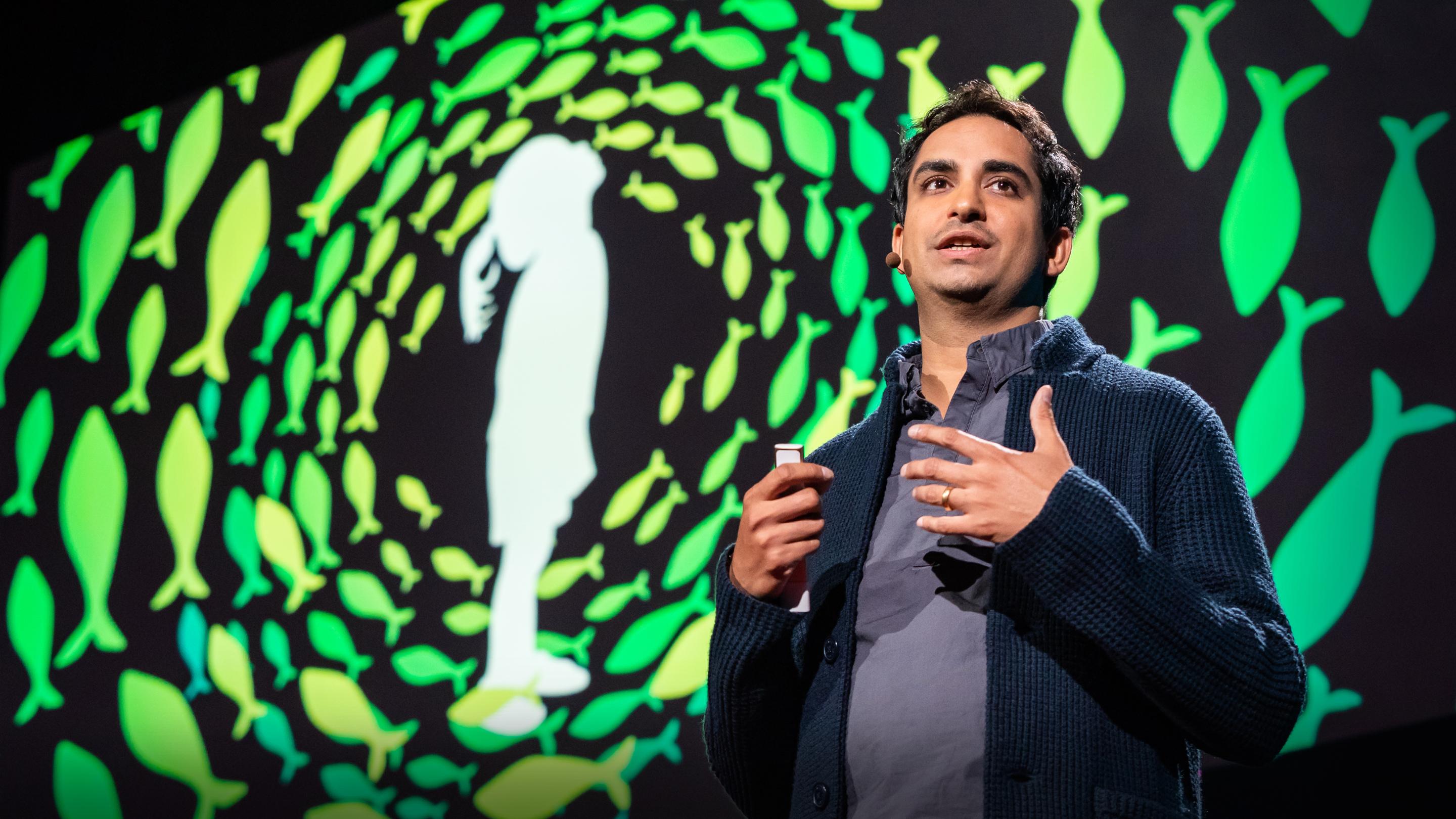
Four billion years of evolution in six minutes | Prosanta Chakrabarty
Did humans evolve from monkeys or from fish? In this enlightening talk, ichthyologist and TED Fellow Prosanta Chakrabarty dispels some hardwired myths about evolution, encouraging us to remember that we're a small part of a complex, four-billion-year process -- and not the end of the line. "We're not the goal of evolution," Chakrabarty says. "Think of us all as young leaves on this ancient and gigantic tree of life -- connected by invisible branches not just to each other, but to our extinct relatives and our evolutionary ancestors."
The journey through loss and grief | Jason B. Rosenthal
In her brutally honest, ironically funny and widely read meditation on death, "You May Want to Marry My Husband," the late author and filmmaker Amy Krouse Rosenthal gave her husband Jason very public permission to move on and find happiness. A year after her death, Jason offers candid insights on the often excruciating process of moving through and with loss -- as well as some quiet wisdom for anyone else experiencing life-changing grief.
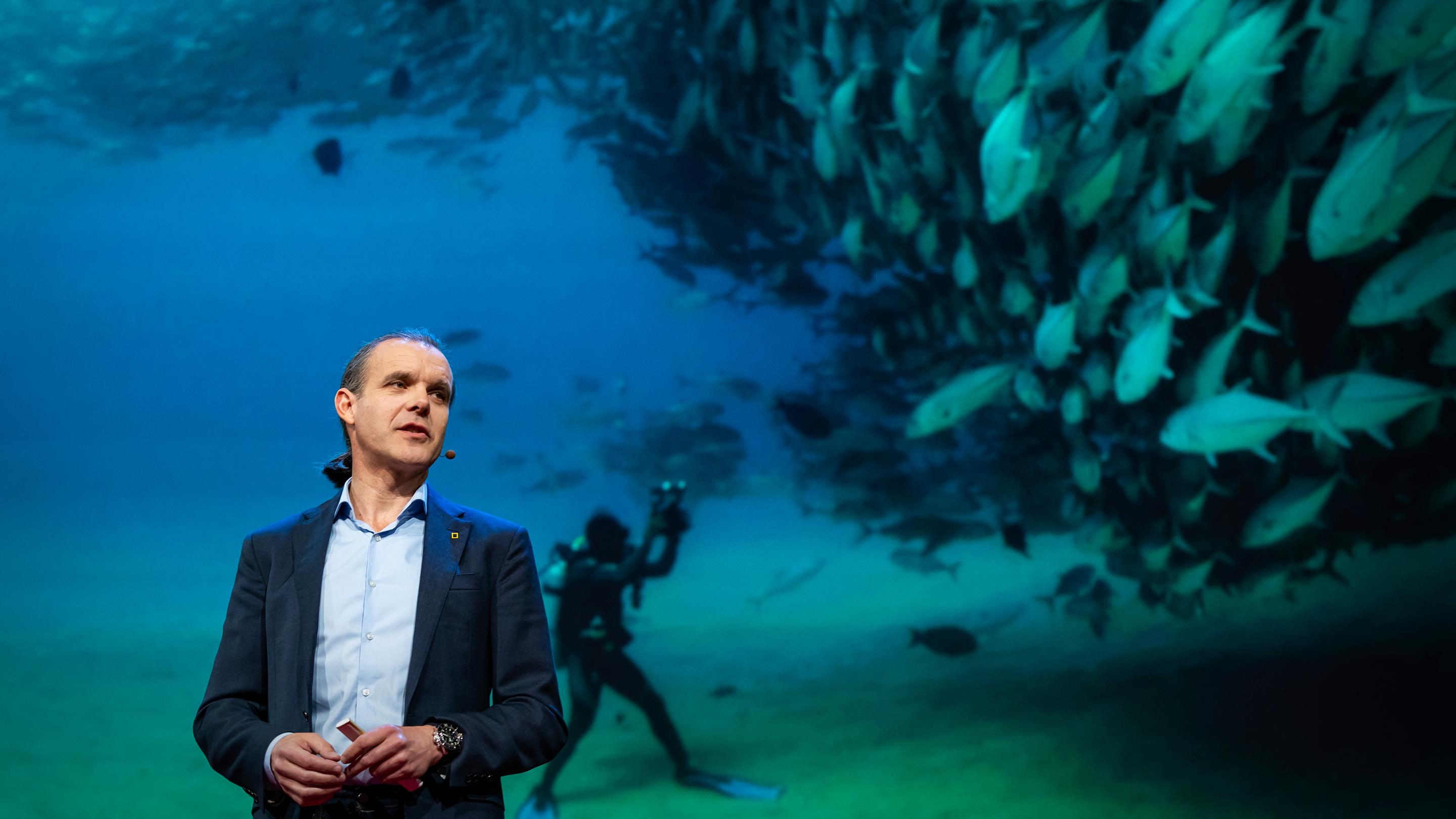
Let's turn the high seas into the world's largest nature reserve | Enric Sala
What if we could save the fishing industry and protect the ocean at the same time? Marine ecologist Enric Sala shares his bold plan to safeguard the high seas -- some of the last wild places on earth, which fall outside the jurisdiction of any single country -- by creating a giant marine reserve that covers two-thirds of the world's ocean. By protecting the high seas, Sala believes we will restore the ecological, economic and social benefits of the ocean. "When we can align economic needs with conservation, miracles can happen," Sala says.
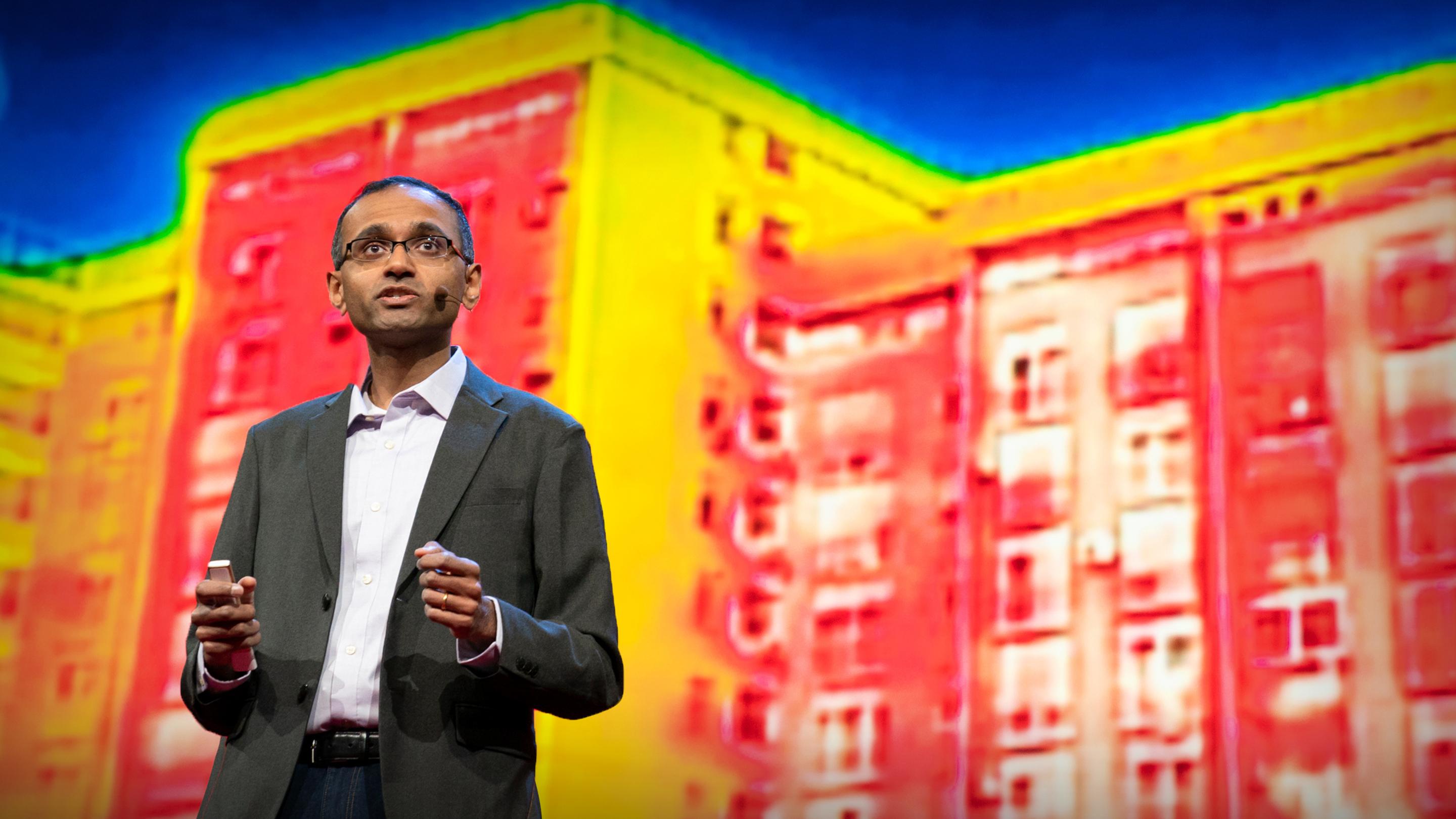
How we can turn the cold of outer space into a renewable resource | Aaswath Raman
What if we could use the cold darkness of outer space to cool buildings on earth? In this mind-blowing talk, physicist Aaswath Raman details the technology he's developing to harness "night-sky cooling" -- a natural phenomenon where infrared light escapes earth and heads to space, carrying heat along with it -- which could dramatically reduce the energy used by our cooling systems (and the pollution they cause). Learn more about how this approach could lead us towards a future where we intelligently tap into the energy of the universe.

How vultures can help solve crimes | Lauren Pharr
Can a bird that symbolizes death help the living catch criminals? In this informative and accessible talk, forensic anthropologist Lauren Pharr shows us how vultures impact crime scenes -- and the assistance they can provide to detectives investigating murders. (This talk contains graphic images.)
Scientists must be free to learn, to speak and to challenge | Kirsty Duncan
"You do not mess with something so fundamental, so precious, as science," says Kirsty Duncan, Canada's first Minister of Science. In a heartfelt, inspiring talk about pushing boundaries, she makes the case that researchers must be free to present uncomfortable truths and challenge the thinking of the day -- and that we all have a duty to speak up when we see science being stifled or suppressed.
The doctors, nurses and aid workers rebuilding Syria | Rola Hallam
Local humanitarians are beacons of light in the darkness of war, says humanitarian aid entrepreneur and TED Fellow Rola Hallam. She's working to help responders on the ground in devastated communities like Syria, where the destruction of health care is being used as a weapon of war. One of her campaigns achieved a global first: a crowdfunded hospital. Since it opened in 2017, the aptly named Hope Hospital has treated thousands of children. "Local humanitarians have the courage to persist, to dust themselves off from the wreckage and to start again, risking their lives to save others," Hallam says. "We can match their courage by not looking away or turning our backs."
The "dead zone" of the Gulf of Mexico | Nancy Rabalais
Ocean expert Nancy Rabalais tracks the ominously named "dead zone" in the Gulf of Mexico -- where there isn't enough oxygen in the water to support life. The Gulf has the second largest dead zone in the world; on top of killing fish and crustaceans, it's also killing fisheries in these waters. Rabalais tells us about what's causing it -- and how we can reverse its harmful effects and restore one of America's natural treasures.

Should we create a solar shade to cool the earth? | Danny Hillis
In this perspective-shifting talk, Danny Hillis prompts us to approach global issues like climate change with creative scientific solutions. Taking a stand for solar geoengineering, he looks at controversial solutions with open-minded curiosity.
How fungi recognize (and infect) plants | Mennat El Ghalid
Each year, the world loses enough food to feed half a billion people to fungi, the most destructive pathogens of plants. Mycologist and TED Fellow Mennat El Ghalid explains how a breakthrough in our understanding of the molecular signals fungi use to attack plants could disrupt this interaction -- and save our crops.
The wonderful world of life in a drop of water | Simone Bianco and Tom Zimmerman
"Hold your breath," says inventor Tom Zimmerman. "This is the world without plankton." These tiny organisms produce two-thirds of our planet's oxygen -- without them, life as we know it wouldn't exist. In this talk and tech demo, Zimmerman and cell engineer Simone Bianco hook up a 3D microscope to a drop of water and take you scuba diving with plankton. Learn more about these mesmerizing creatures and get inspired to protect them against ongoing threats from climate change.
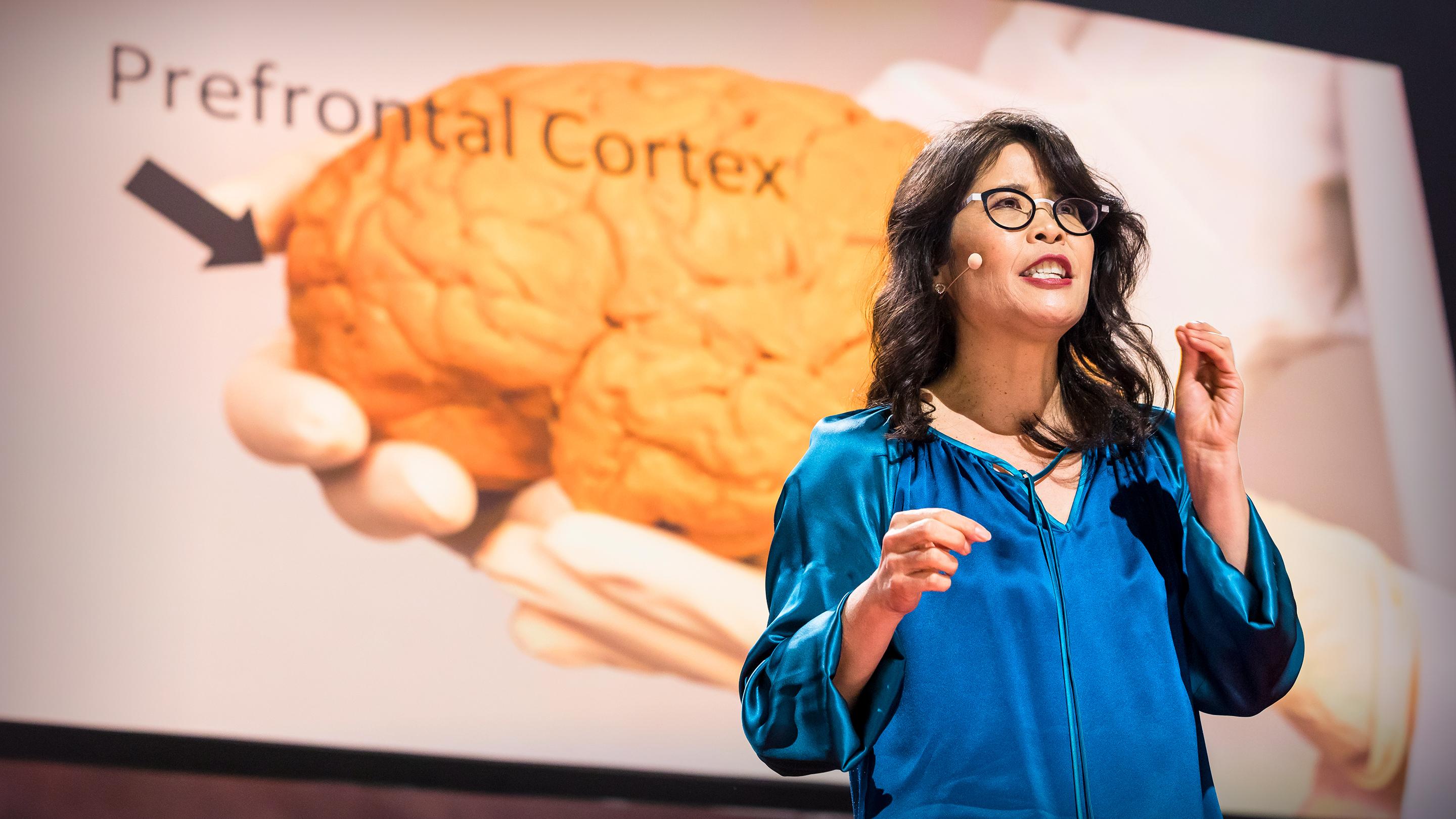
The brain-changing benefits of exercise | Wendy Suzuki
What's the most transformative thing that you can do for your brain today? Exercise! says neuroscientist Wendy Suzuki. Get inspired to go to the gym as Suzuki discusses the science of how working out boosts your mood and memory -- and protects your brain against neurodegenerative diseases like Alzheimer's.