
TED Talks Science and Medicine
133 episodes — Page 2 of 3
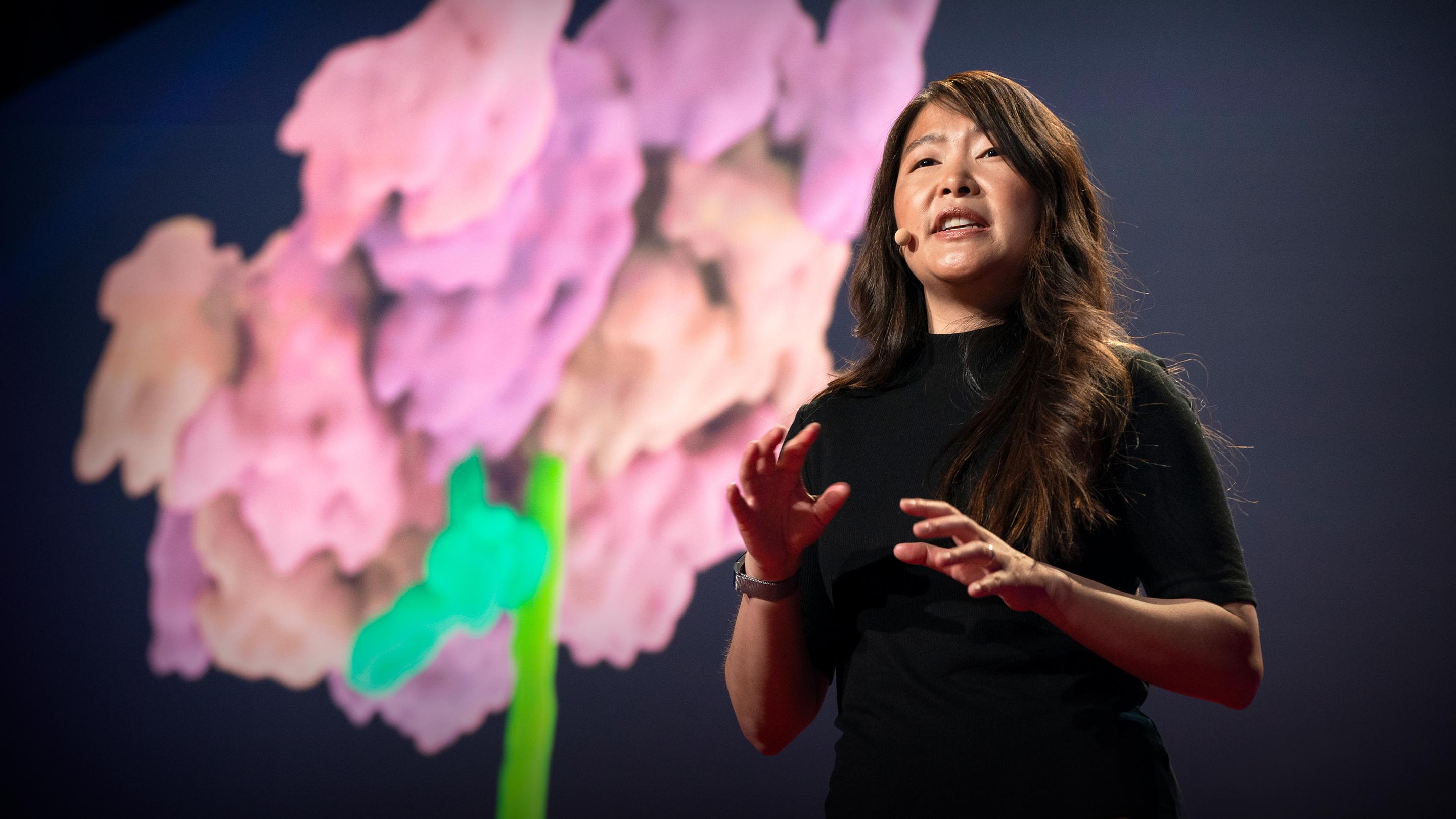
The wonders of the molecular world, animated | Janet Iwasa
Some biological structures are so small that scientists can't see them with even the most powerful microscopes. That's where molecular animator and TED Fellow Janet Iwasa gets creative. Explore vast, unseen molecular worlds as she shares mesmerizing animations that imagine how they might work.
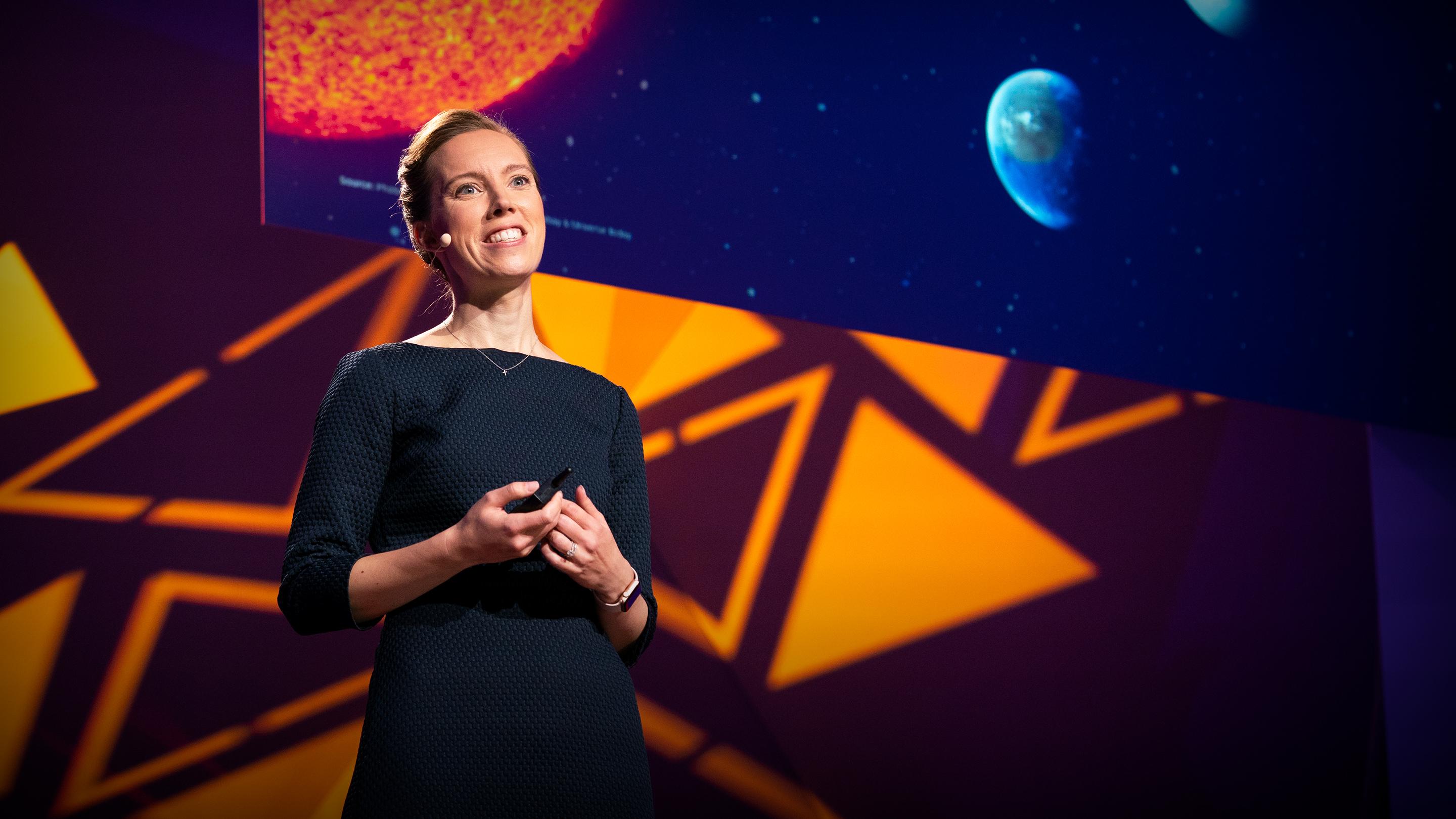
The galactic recipe for a living planet | Karin Öberg
Did you know that one of the most notorious poisons is also a key ingredient for life as we know it? Join space chemist Karin Öberg and learn how she scans the universe in search of this paradoxical chemical using ALMA, the world's largest radio telescope, to detect hotbeds of molecular activity and the formation of life-sustaining planets.
A history of Indigenous languages -- and how to revitalize them | Lindsay Morcom
Indigenous languages across North America are under threat of extinction due to the colonial legacy of cultural erasure, says linguist Lindsay Morcom. Highlighting grassroots strategies developed by the Anishinaabe people of Canada to revive their language and community, Morcom makes a passionate case for enacting policies that could protect Indigenous heritage for generations to come.
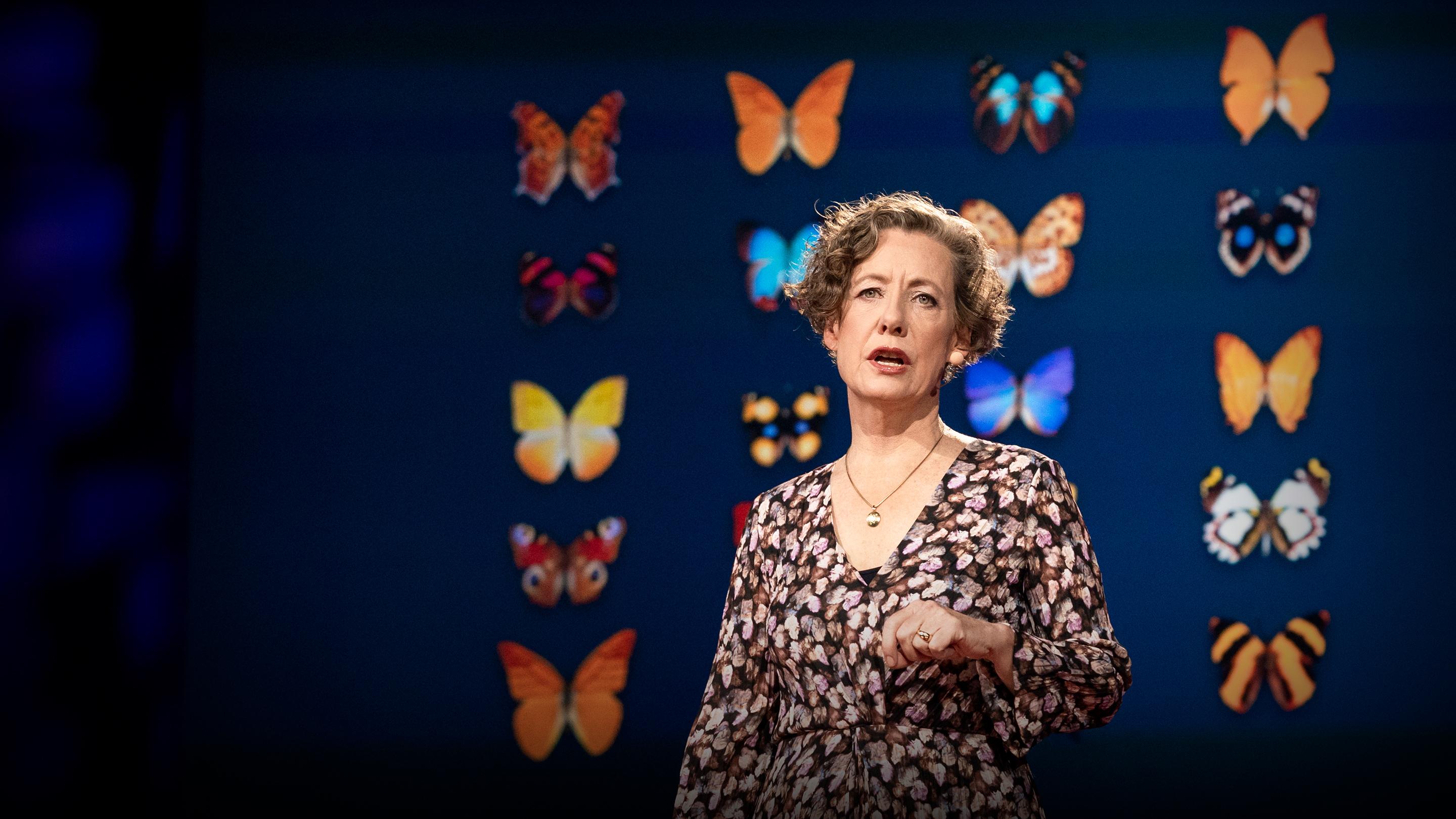
How you can help save the monarch butterfly -- and the planet | Mary Ellen Hannibal
Monarch butterflies are dying at an alarming rate around the world -- a looming extinction that could also put human life at risk. But we have just the thing to help save these insects, says author Mary Ellen Hannibal: citizen scientists. Learn how these grassroots volunteers are playing a crucial role in measuring and rescuing the monarch's dwindling population -- and how you could join their ranks to help protect nature. (You'll be in good company: Charles Darwin was a citizen scientist!)
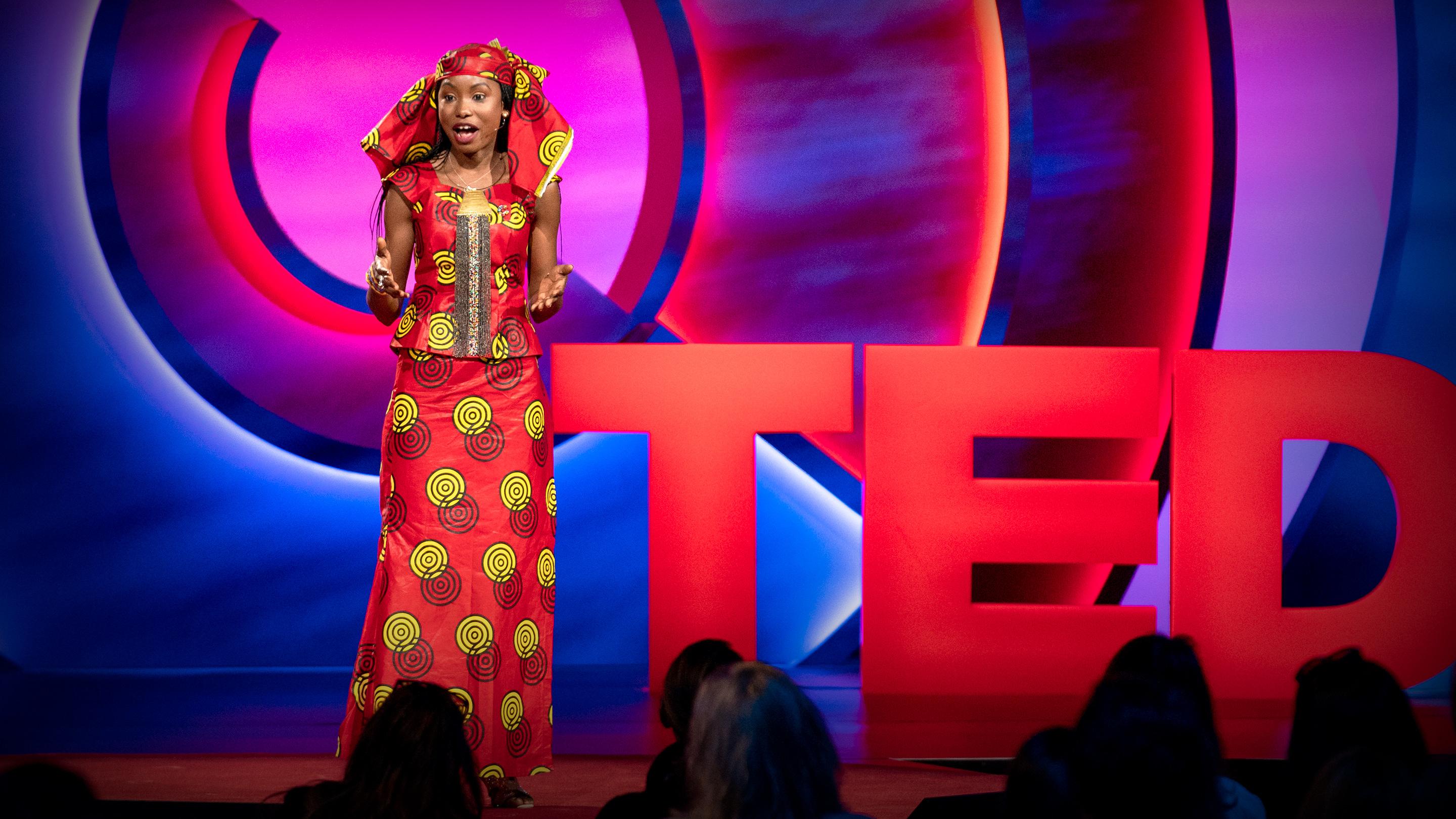
Indigenous knowledge meets science to take on climate change | Hindou Oumarou Ibrahim
To tackle a problem as large as climate change, we need both science and Indigenous wisdom, says environmental activist Hindou Oumarou Ibrahim. In this engaging talk, she shares how her nomadic community in Chad is working closely with scientists to restore endangered ecosystems -- and offers lessons on how to create more resilient communities.
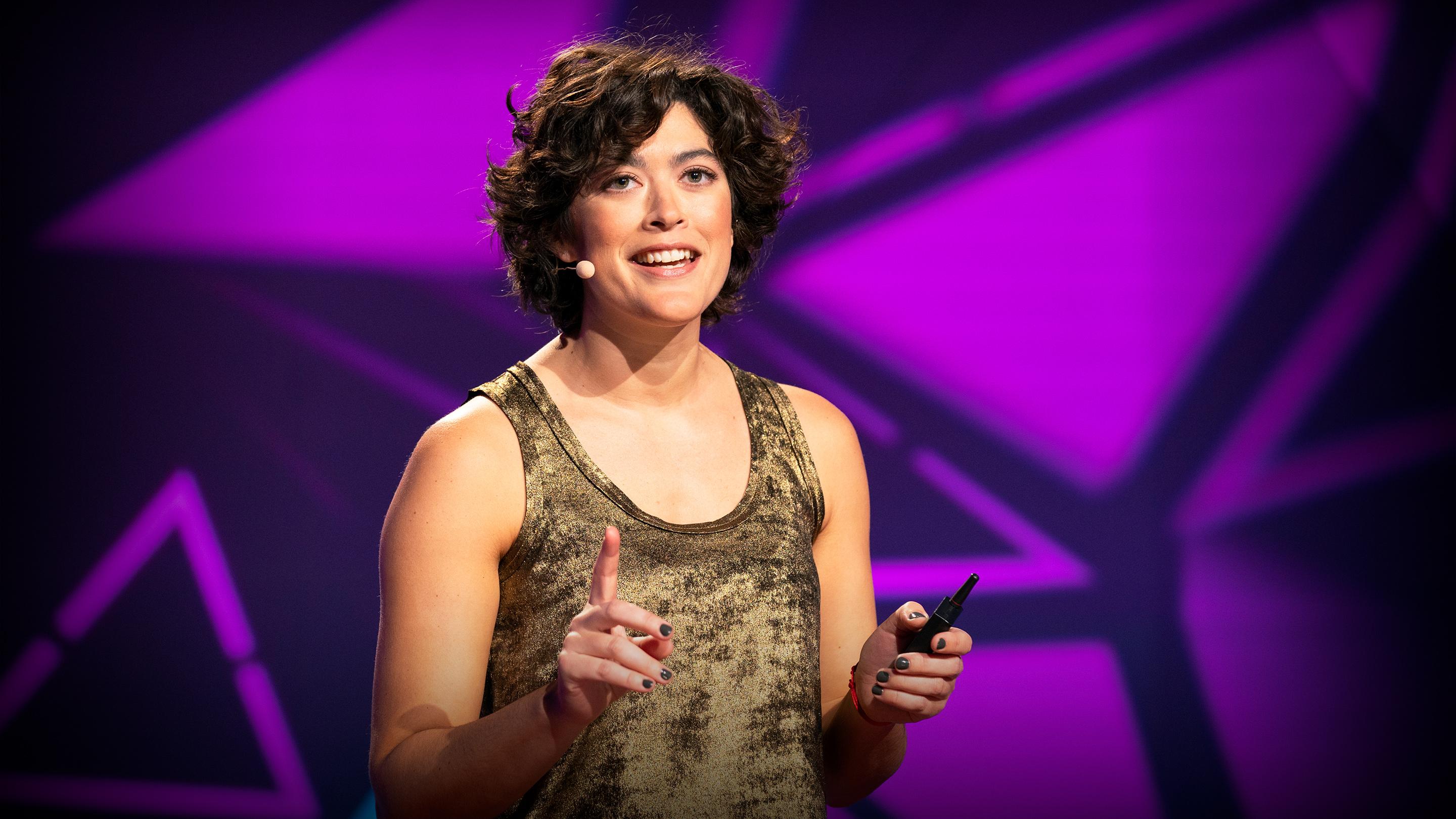
The weird history of the "sex chromosomes" | Molly Webster
The common thinking on biological sex goes like this: females have two X chromosomes in their cells, while males have one X and one Y. In this myth-busting talk, science writer and podcaster Molly Webster shows why the so-called "sex chromosomes" are more complicated than this simple definition -- and reveals why we should think about them differently.
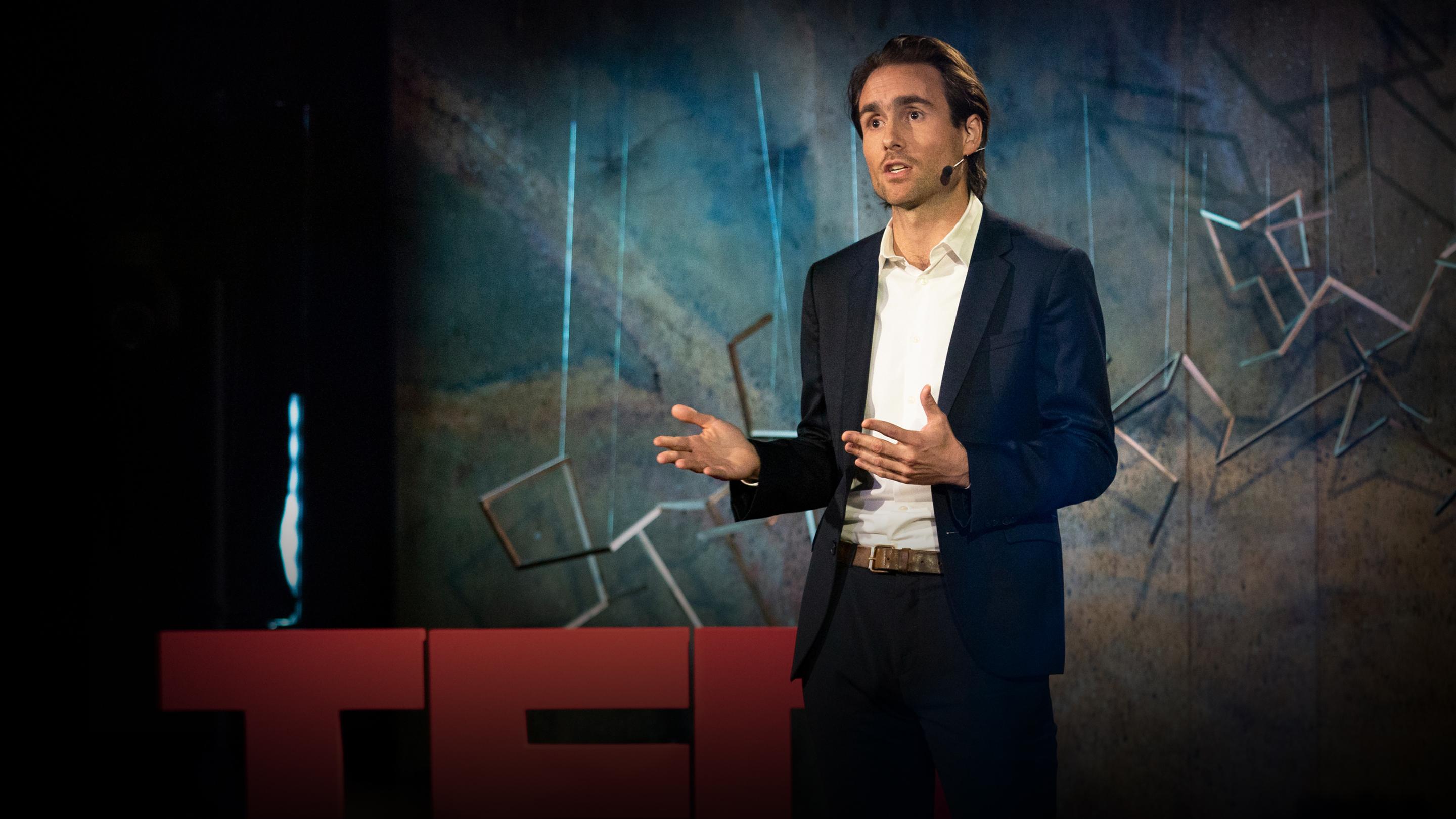
How we could change the planet's climate future | David Wallace-Wells
The climate crisis is too vast and complicated to solve with a silver bullet, says author David Wallace-Wells. What we need is a shift in how we live. Follow along as he lays out some of the dramatic actions we could take to build a livable, prosperous world in the age of global warming.

The dangers of a noisy ocean -- and how we can quiet it down | Nicola Jones
The ocean is a naturally noisy place full of singing whales, grunting fish, snapping shrimp, cracking ice, wind and rain. But human-made sounds -- from ship engines to oil drilling -- have become an acute threat to marine life, says science journalist Nicola Jones. Watch (and listen) as she discusses the strange things that happen to underwater creatures in the face of ocean noise pollution -- and shares straightforward ways we can dial down the sound to see almost immediate impacts.
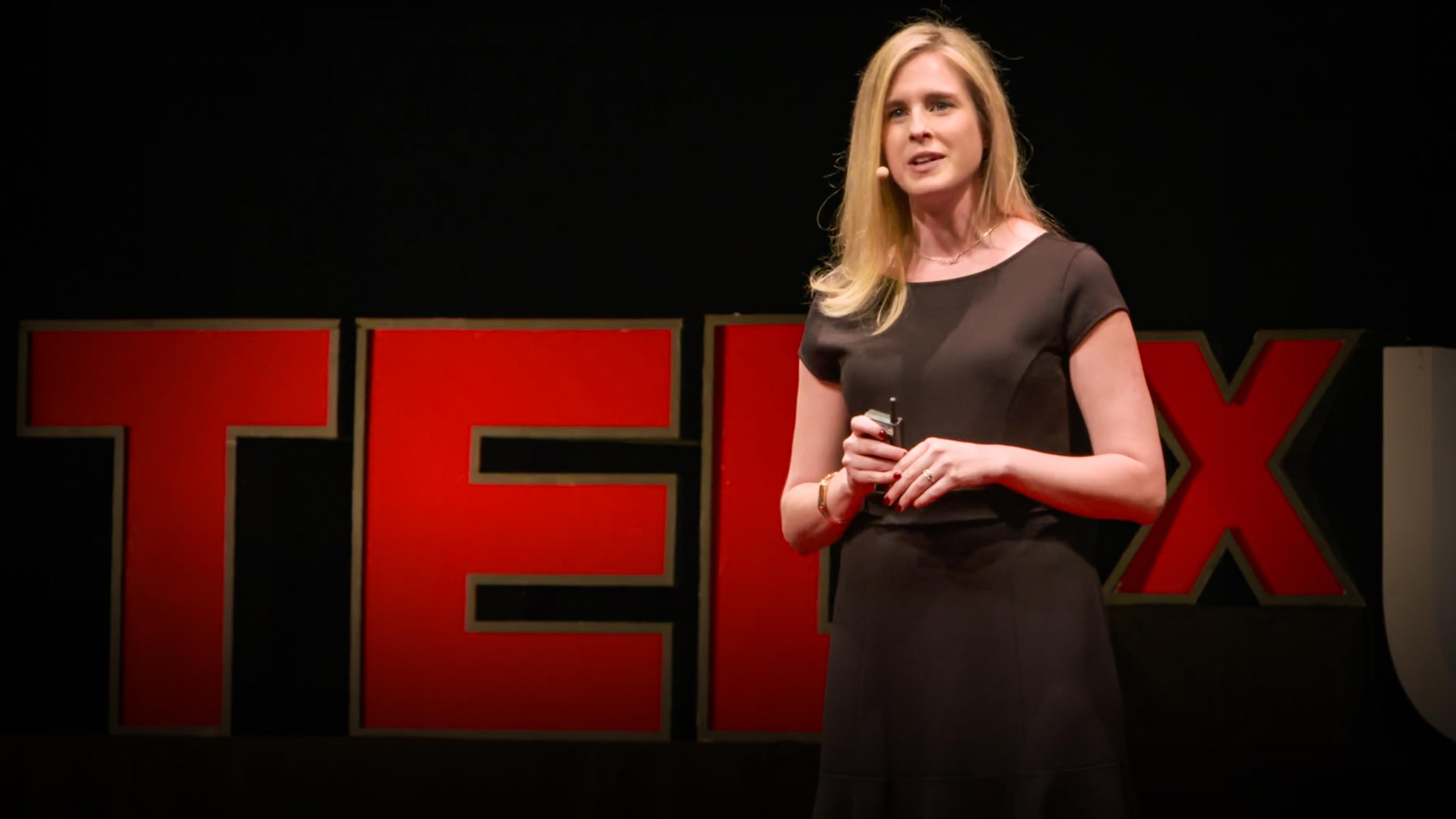
How a miniaturized atomic clock could revolutionize space exploration | Jill Seubert
Ask any deep space navigator like Jill Seubert what makes steering a spacecraft difficult, and they'll tell you it's all about the timing; a split-second can decide a mission's success or failure. So what do you do when a spacecraft is bad at telling time? You get it a clock -- an atomic clock, to be precise. Let Seubert whisk you away with the revolutionary potential of a future where you could receive stellar, GPS-like directions -- no matter where you are in the universe.
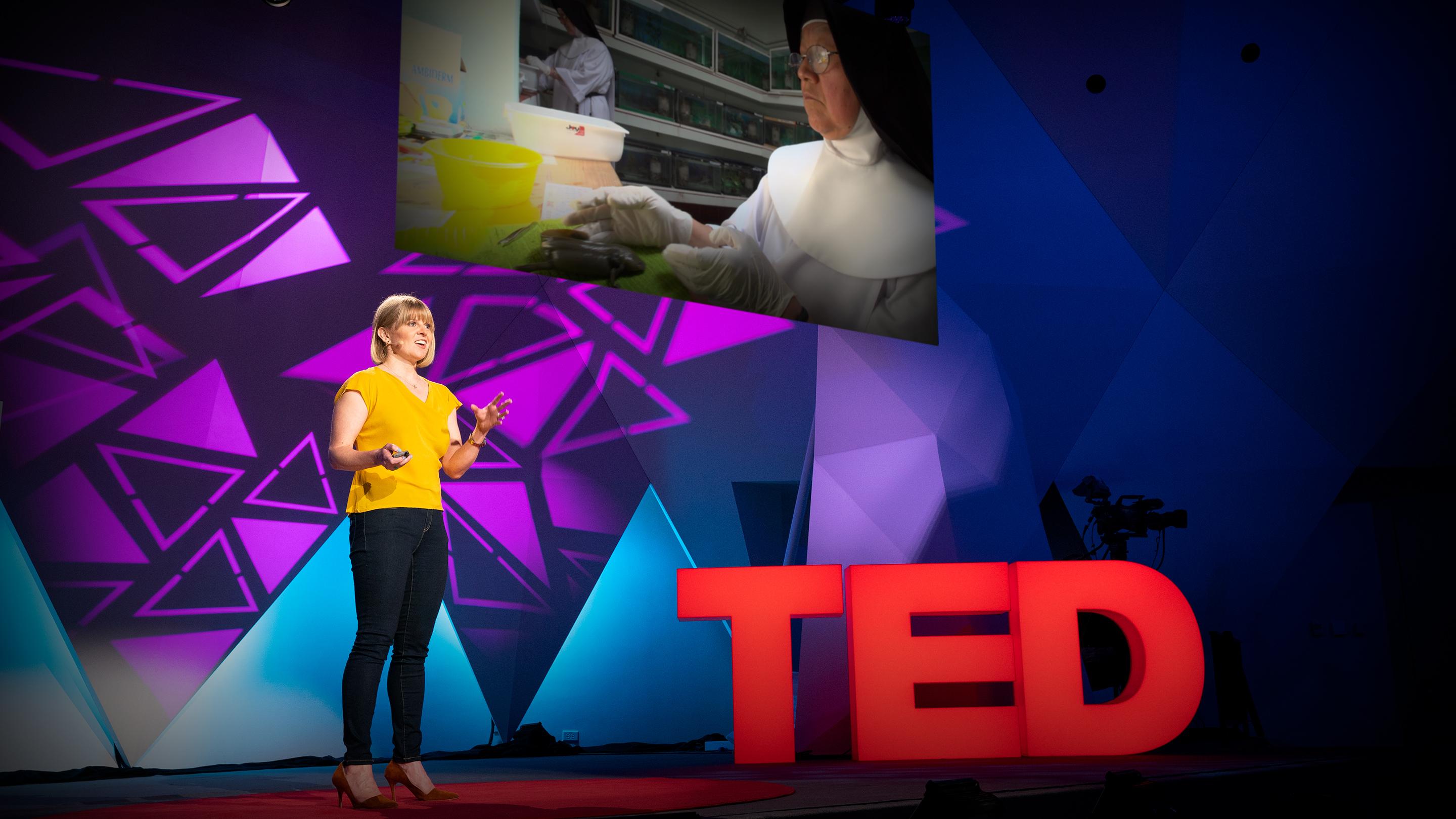
What a nun can teach a scientist about ecology | Victoria Gill
To save the achoque -- an exotic (and adorable) salamander found in a lake in northern Mexico -- scientists teamed up with an unexpected research partner: a group of nuns called the Sisters of the Immaculate Health. In this delightful talk, science journalist Victoria Gill shares the story of how this unusual collaboration saved the achoque from extinction -- and demonstrates how local and indigenous people could hold the secret to saving our planet's weird, wonderful and most threatened species.
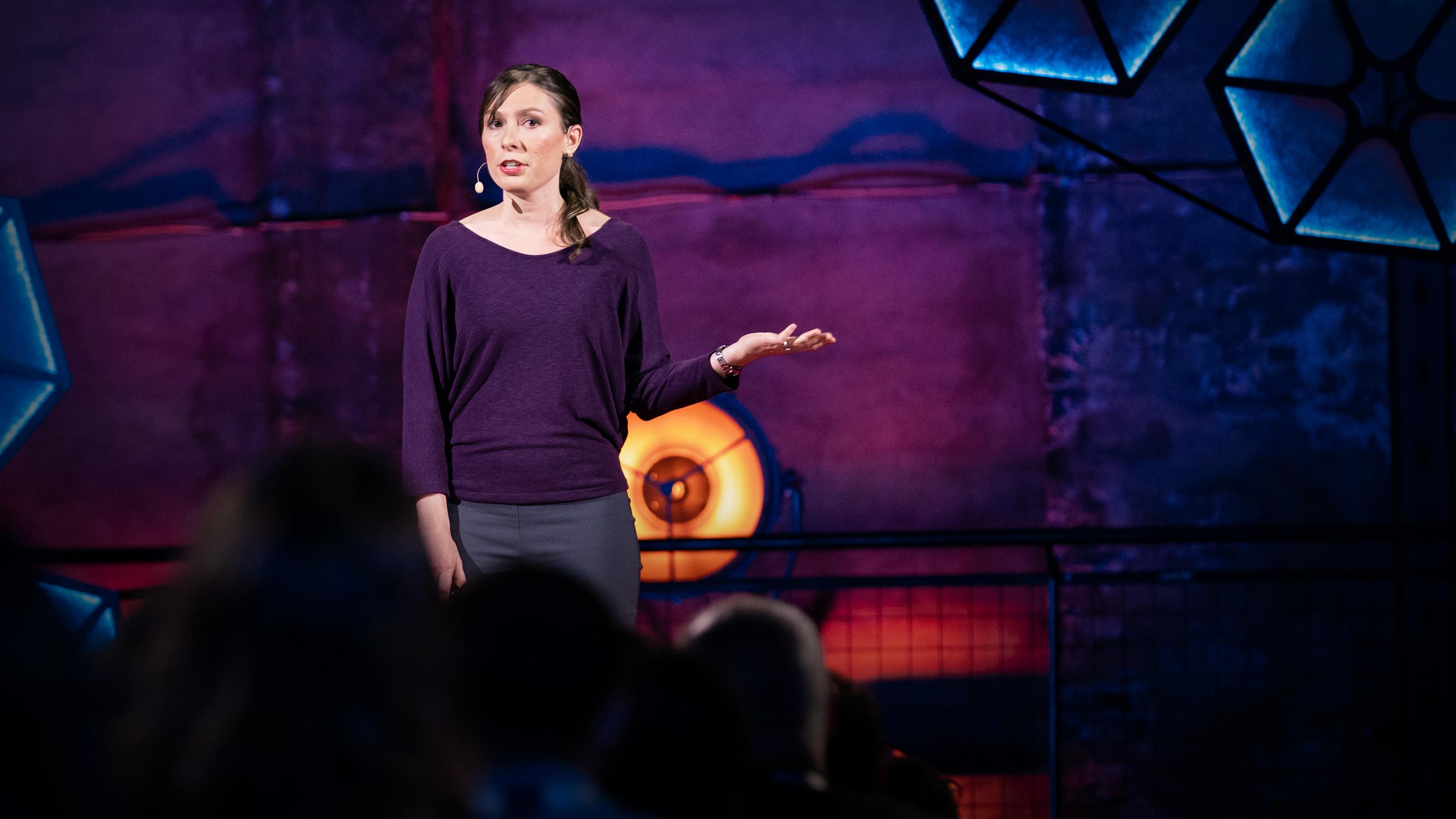
The science of friction -- and its surprising impact on our lives | Jennifer Vail
Tribology: it's a funny-sounding word you might not have heard before, but it could change how you see and interact with the physical world, says mechanical engineer Jennifer Vail. Offering lessons from tribology -- the study of friction and wear -- Vail describes the surprisingly varied ways it impacts everyday life and how it could help us make a better world.
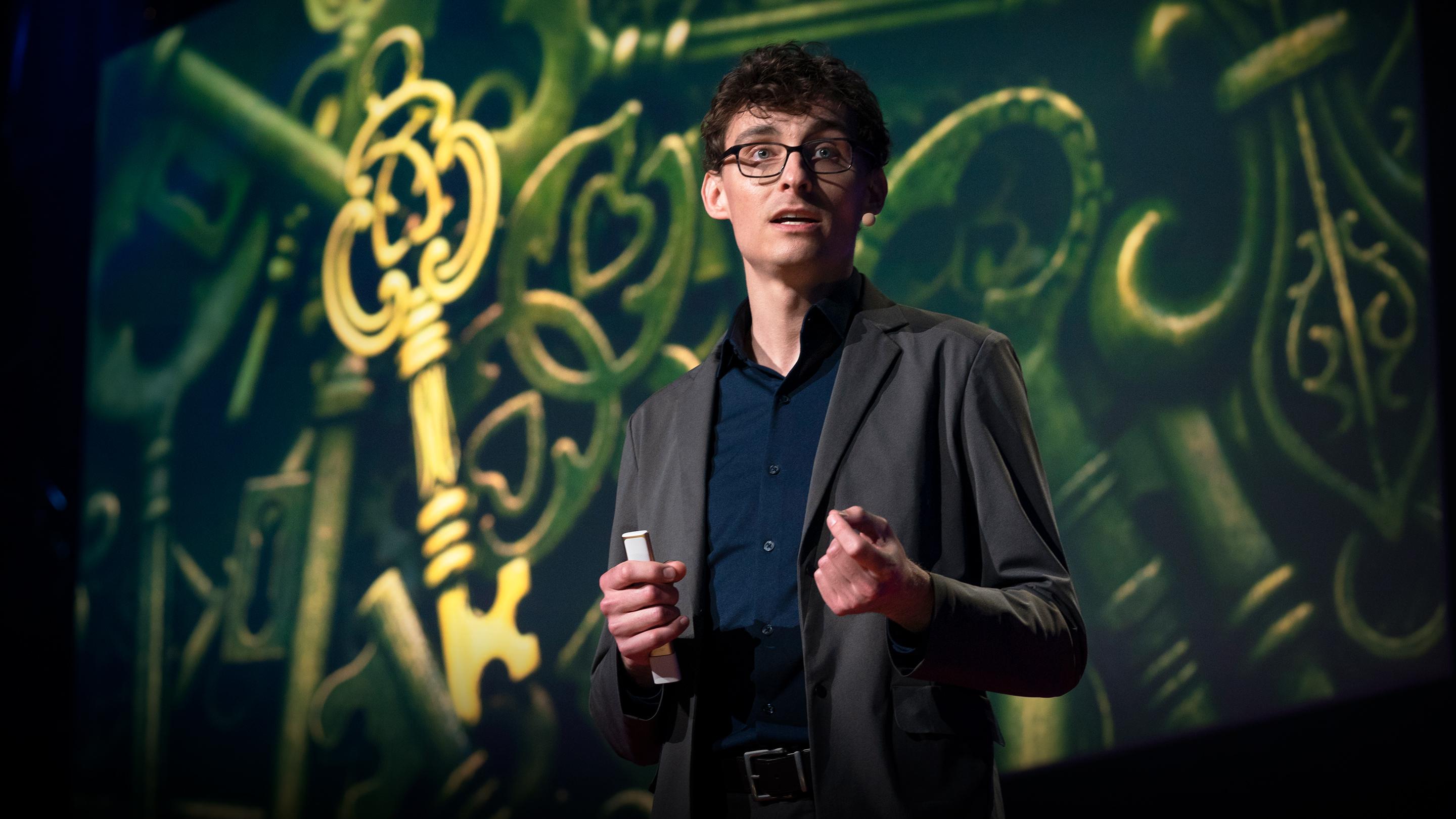
A new type of medicine, custom-made with tiny proteins | Christopher Bahl
Some common life-saving medicines, such as insulin, are made of proteins so large and fragile that they need to be injected instead of ingested as pills. But a new generation of medicine -- made from smaller, more durable proteins known as peptides -- is on its way. In a quick, informative talk, molecular engineer and TED Fellow Christopher Bahl explains how he's using computational design to create powerful peptides that could one day neutralize the flu, protect against botulism poisoning and even stop cancer cells from growing.
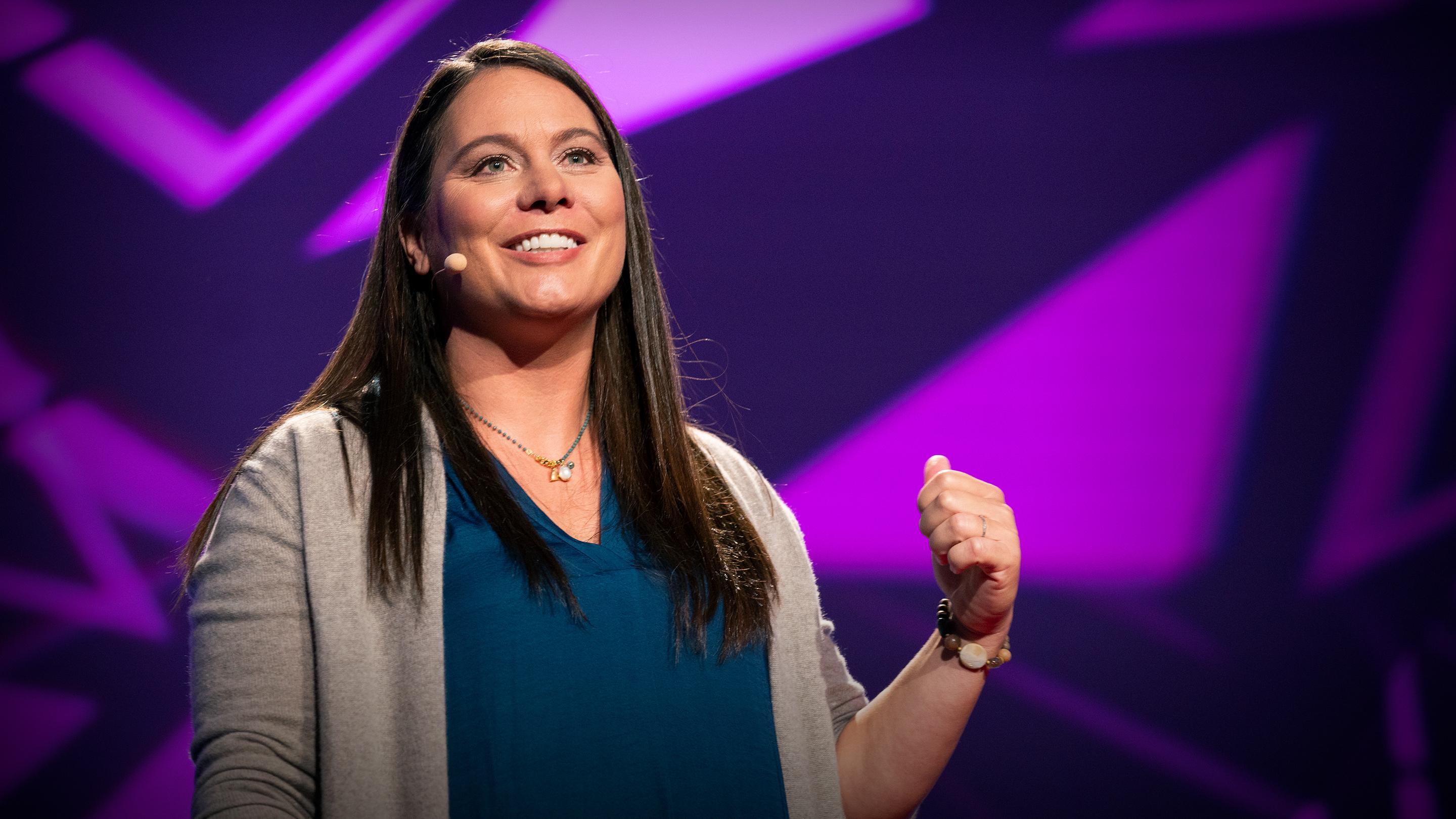
What ocean microbes reveal about the changing climate | Angelicque White
When the ocean changes, the planet changes -- and it all starts with microbes, says biological oceanographer Angelicque White. Backed by decades of data, White shares how scientists use these ancient microorganisms as a crucial barometer of ocean health -- and how we might rejuvenate them as marine temperatures steadily rise.
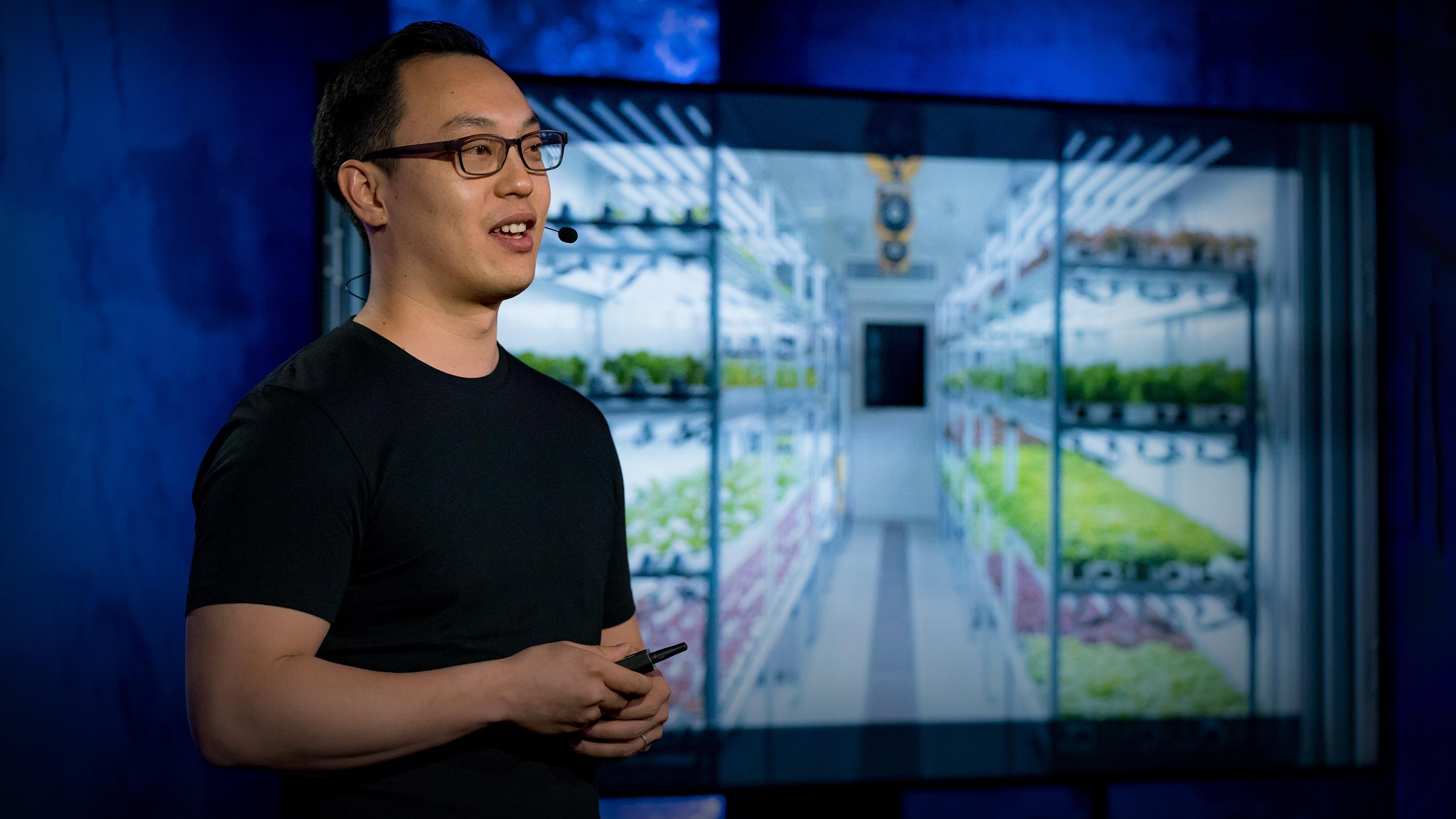
Are indoor vertical farms the future of agriculture? | Stuart Oda
By 2050, the global population is projected to reach 9.8 billion. How are we going to feed everyone? Investment-banker-turned-farmer Stuart Oda points to indoor vertical farming: growing food on tiered racks in a controlled, climate-proof environment. In a forward-looking talk, he explains how this method can maintain better safety standards, save money, use less water and help us provide for future generations.
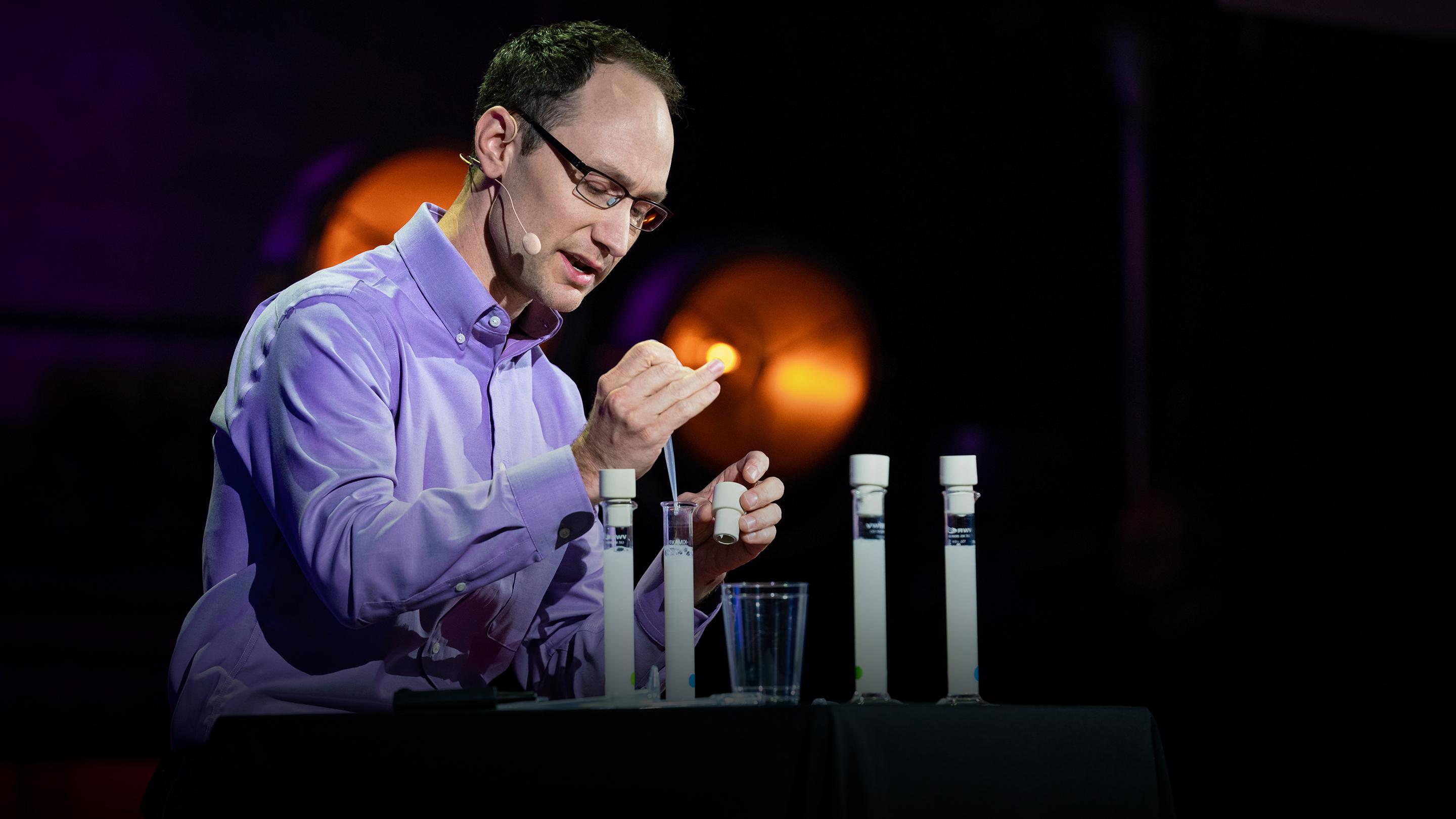
How designing brand-new enzymes could change the world | Adam Garske
"If DNA is the blueprint of life, enzymes are the laborers that carry out its instructions," says chemical biologist Adam Garske. In this fun talk and demo, he shows how scientists can now edit and design enzymes for specific functions -- to help treat diseases like diabetes, create energy-efficient laundry detergent and even capture greenhouse gases -- and performs his own enzyme experiment onstage.
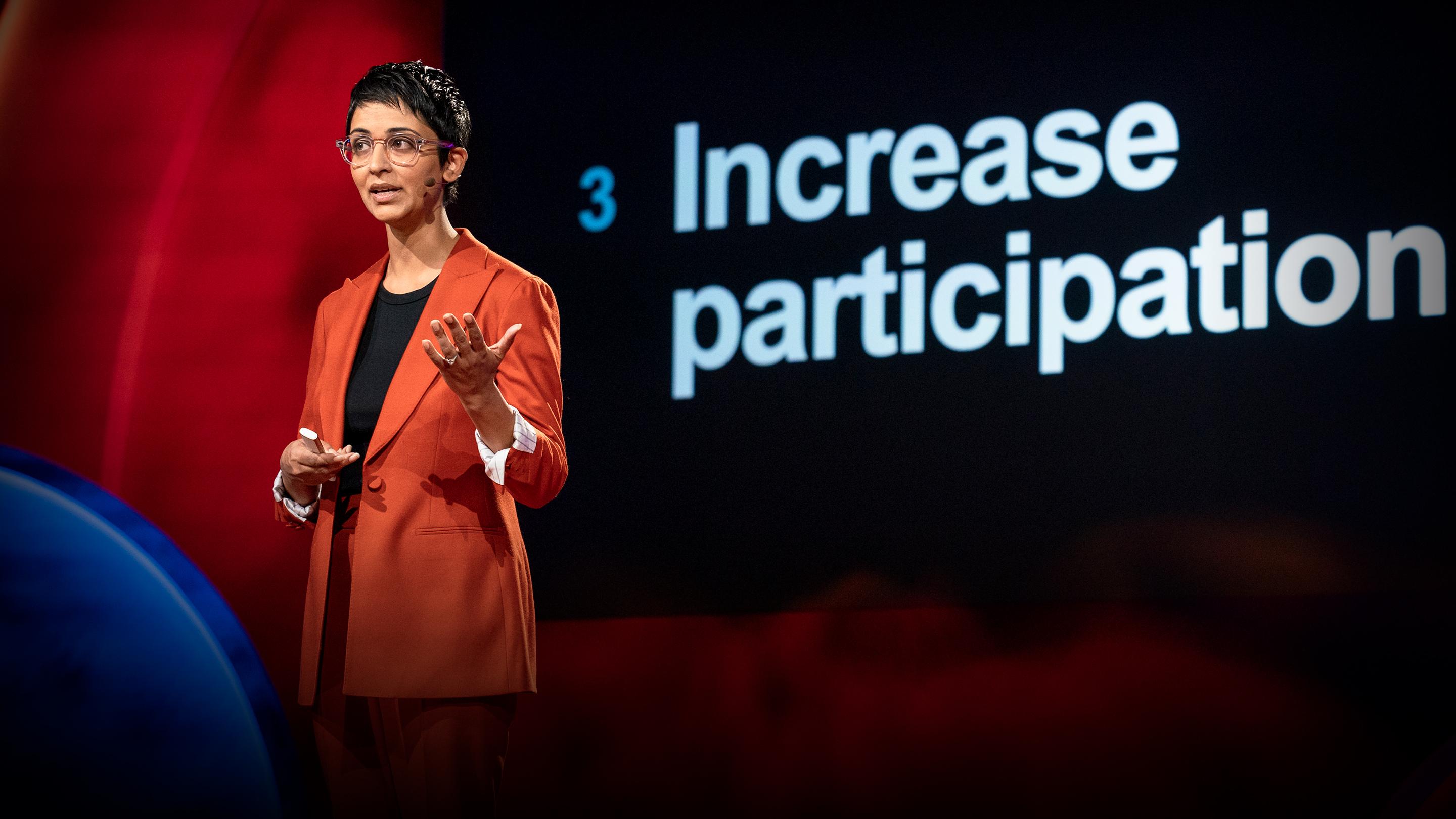
Why are drug prices so high? Investigating the outdated US patent system | Priti Krishtel
Between 2006 and 2016, the number of drug patents granted in the United States doubled -- but not because there was an explosion in invention or innovation. Drug companies have learned how to game the system, accumulating patents not for new medicines but for small changes to existing ones, which allows them to build monopolies, block competition and drive prices up. Health justice lawyer Priti Krishtel sheds light on how we've lost sight of the patent system's original intent -- and offers five reforms for a redesign that would serve the public and save lives.
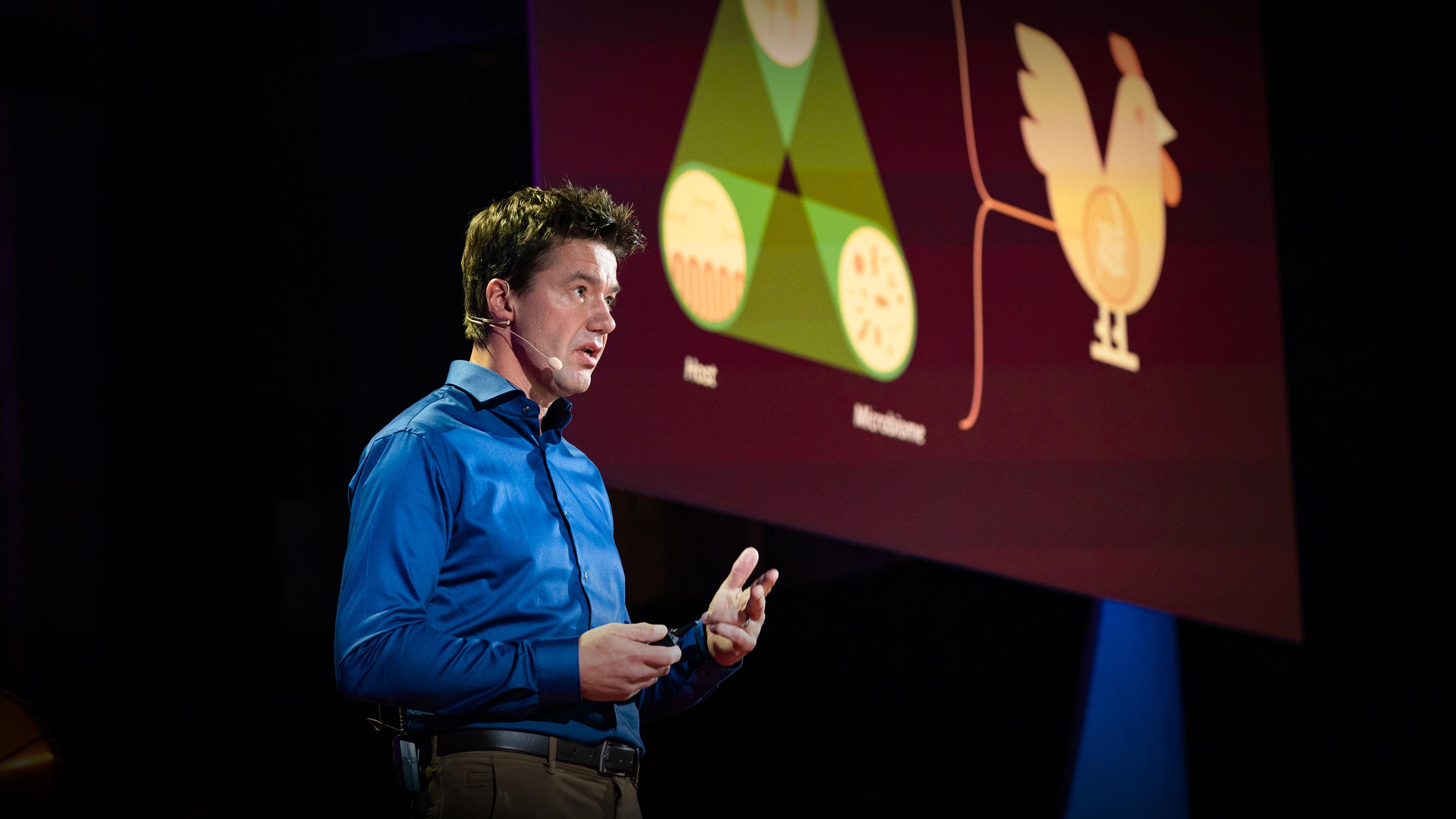
The urgent case for antibiotic-free animals | Leon Marchal
The UN predicts that antimicrobial resistance will be our biggest killer by 2050. "That should really scare the hell out of all of us," says bioprocess engineer Leon Marchal. He's working on an urgently needed solution: transforming the massive, global animal feed industry. Learn why the overuse of antibiotics in animal products, from livestock feed to everyday pet treats, has skyrocketed worldwide -- and how we can take common-sense measures to stave off a potential epidemic.
The search for dark matter -- and what we've found so far | Risa Wechsler
Roughly 85 percent of mass in the universe is "dark matter" -- mysterious material that can't be directly observed but has an immense influence on the cosmos. What exactly is this strange stuff, and what does it have to do with our existence? Astrophysicist Risa Wechsler explores why dark matter may be the key to understanding how the universe formed -- and shares how physicists in labs around the world are coming up with creative ways to study it.

Your body was forged in the spectacular death of stars | Enrico Ramirez-Ruiz
We are all connected by the spectacular birth, death and rebirth of stars, says astrophysicist Enrico Ramirez-Ruiz. Journey through the cosmic history of the universe as Ramirez-Ruiz explains how supernovas forged the elements of life to create everything from the air you breathe to the very atoms that make you.
The search for our solar system's ninth planet | Mike Brown
Could the strange orbits of small, distant objects in our solar system lead us to a big discovery? Planetary astronomer Mike Brown proposes the existence of a new, giant planet lurking in the far reaches of our solar system -- and shows us how traces of its presence might already be staring us in the face.
What it's like to live on the International Space Station | Cady Coleman
In this quick, fun talk, astronaut Cady Coleman welcomes us aboard the International Space Station, where she spent nearly six months doing experiments that expanded the frontiers of science. Hear what it's like to fly to work, sleep without gravity and live life hurtling at 17,500 miles per hour around the Earth. "The space station is the place where mission and magic come together," Coleman says.
Small rockets are the next space revolution | Peter Beck
We're in the dawn of a new space revolution, says engineer Peter Beck: the revolution of the small. In a talk packed with insights into the state of the space industry, Beck shares his work building rockets capable of delivering small payloads to space rapidly and reliably -- helping us search for extraterrestrial life, learn more about the solar system and create a global internet network.

The next software revolution: programming biological cells | Sara-Jane Dunn
The cells in your body are like computer software: they're "programmed" to carry out specific functions at specific times. If we can better understand this process, we could unlock the ability to reprogram cells ourselves, says computational biologist Sara-Jane Dunn. In a talk from the cutting-edge of science, she explains how her team is studying embryonic stem cells to gain a new understanding of the biological programs that power life -- and develop "living software" that could transform medicine, agriculture and energy.
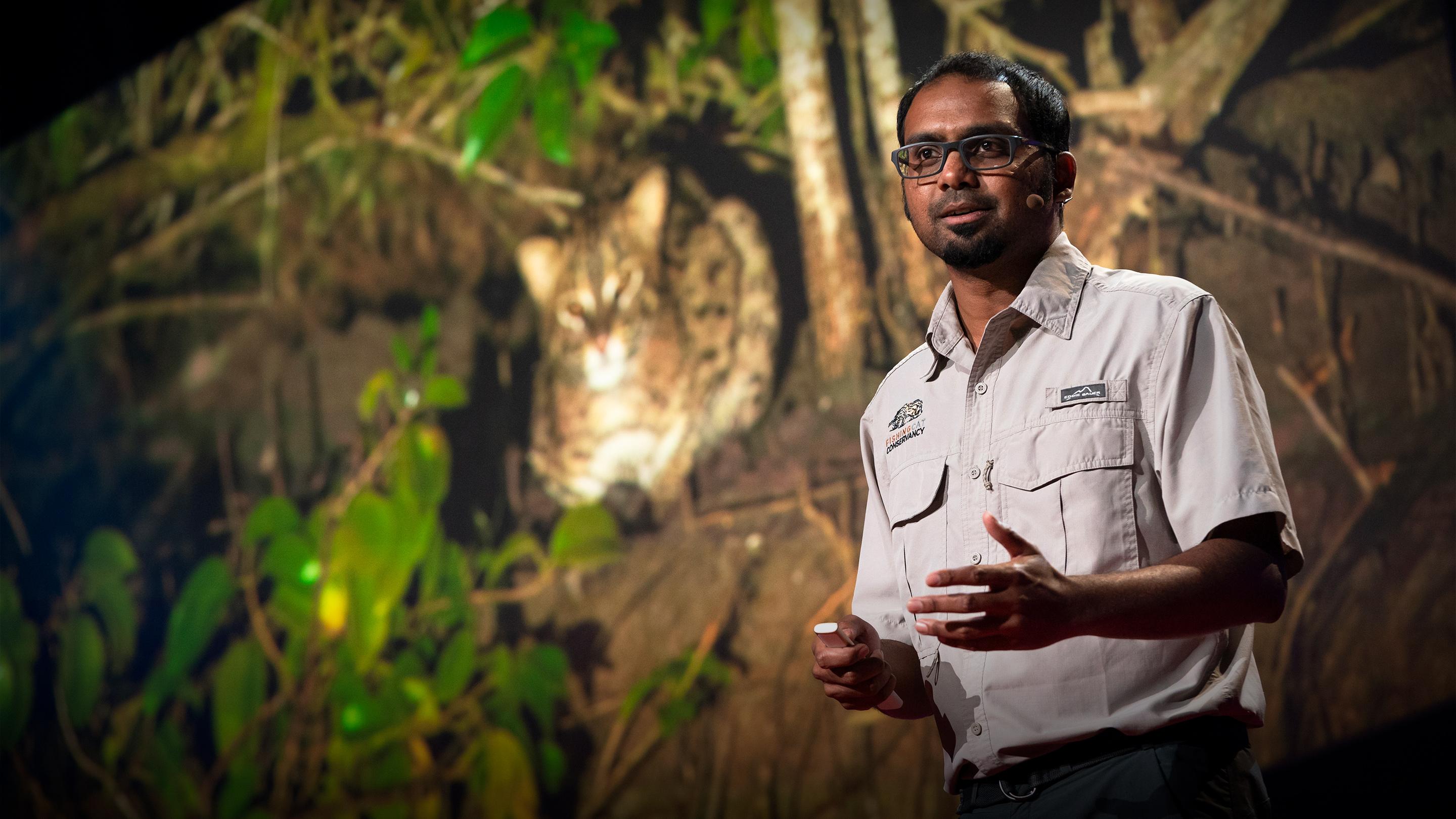
The link between fishing cats and mangrove forest conservation | Ashwin Naidu
Mangrove forests are crucial to the health of the planet, gobbling up CO2 from the atmosphere and providing a home for a diverse array of species. But these rich habitats are under continual threat from deforestation and industry. In an empowering talk, conservationist and TED Fellow Ashwin Naidu shares how community-driven efforts in South and Southeast Asia are working to protect mangroves -- all with a little help from the mysterious and endangered fishing cat.
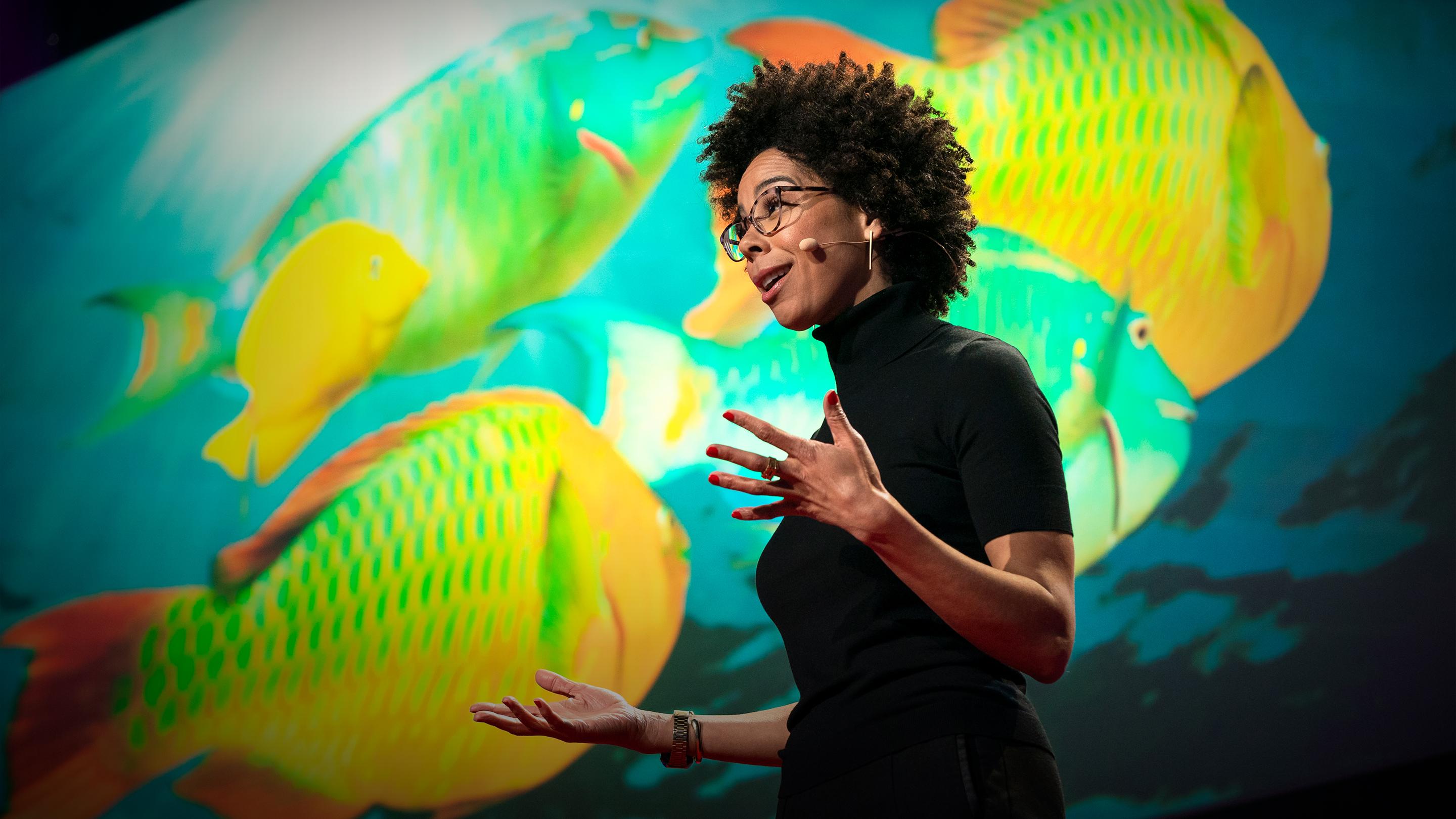
A coral reef love story | Ayana Elizabeth Johnson
Over the course of hundreds of scuba dives, marine biologist Ayana Elizabeth Johnson fell in love -- with a fish. In this ode to parrotfish, she shares five reasons why these creatures are simply amazing (from their ability to poop white sand to make colorful "wardrobe changes") and shows what's at stake -- for us and them -- as climate change threatens the future of coral reefs.
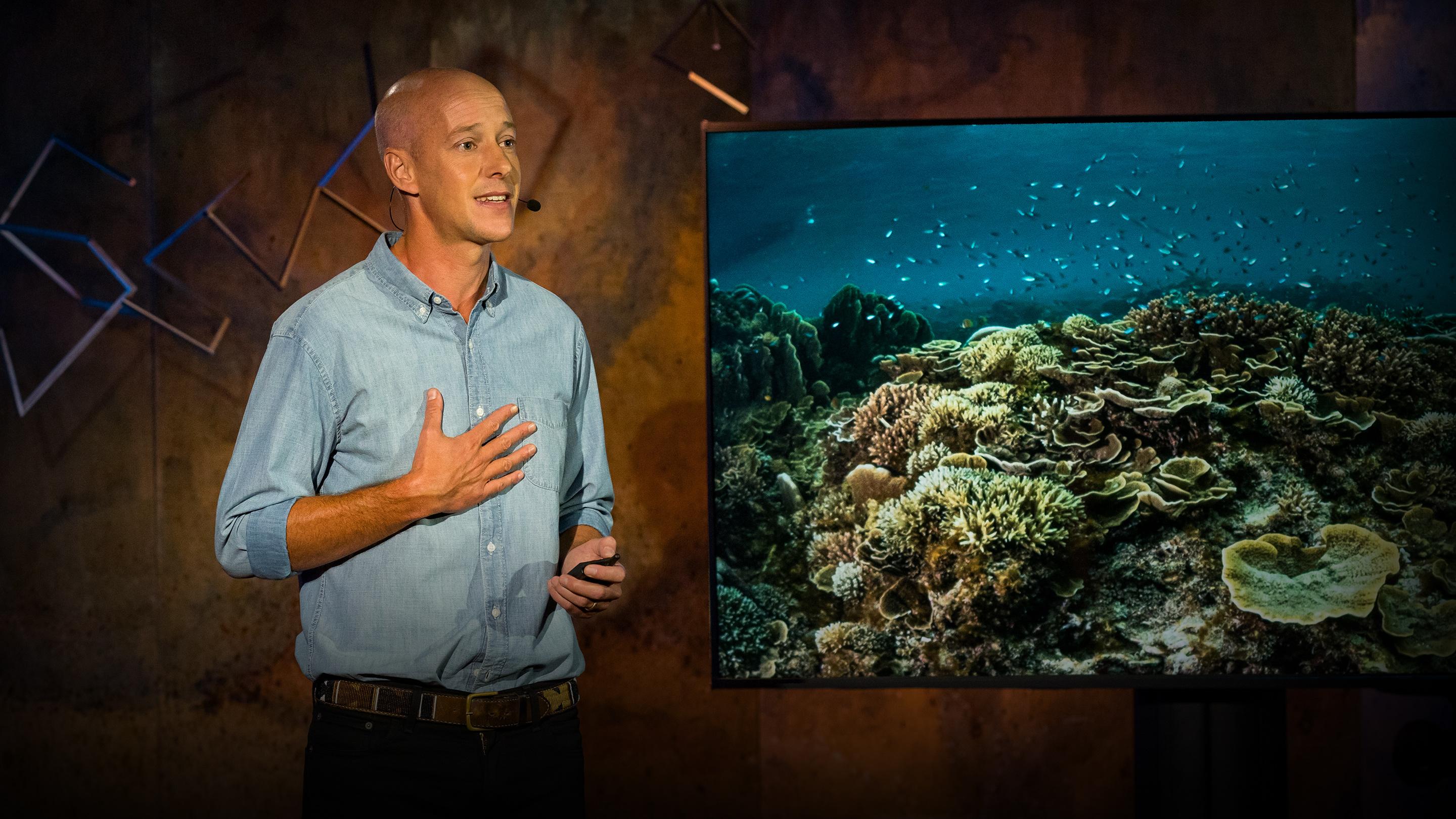
How a handful of fishing villages sparked a marine conservation revolution | Alasdair Harris
We need a radically new approach to ocean conservation, says marine biologist and TED Fellow Alasdair Harris. In a visionary talk, he lays out a surprising solution to the problem of overfishing that could both revive marine life and rebuild local fisheries -- all by taking less from the ocean. "When we design it right, marine conservation reaps dividends that go far beyond protecting nature," he says.
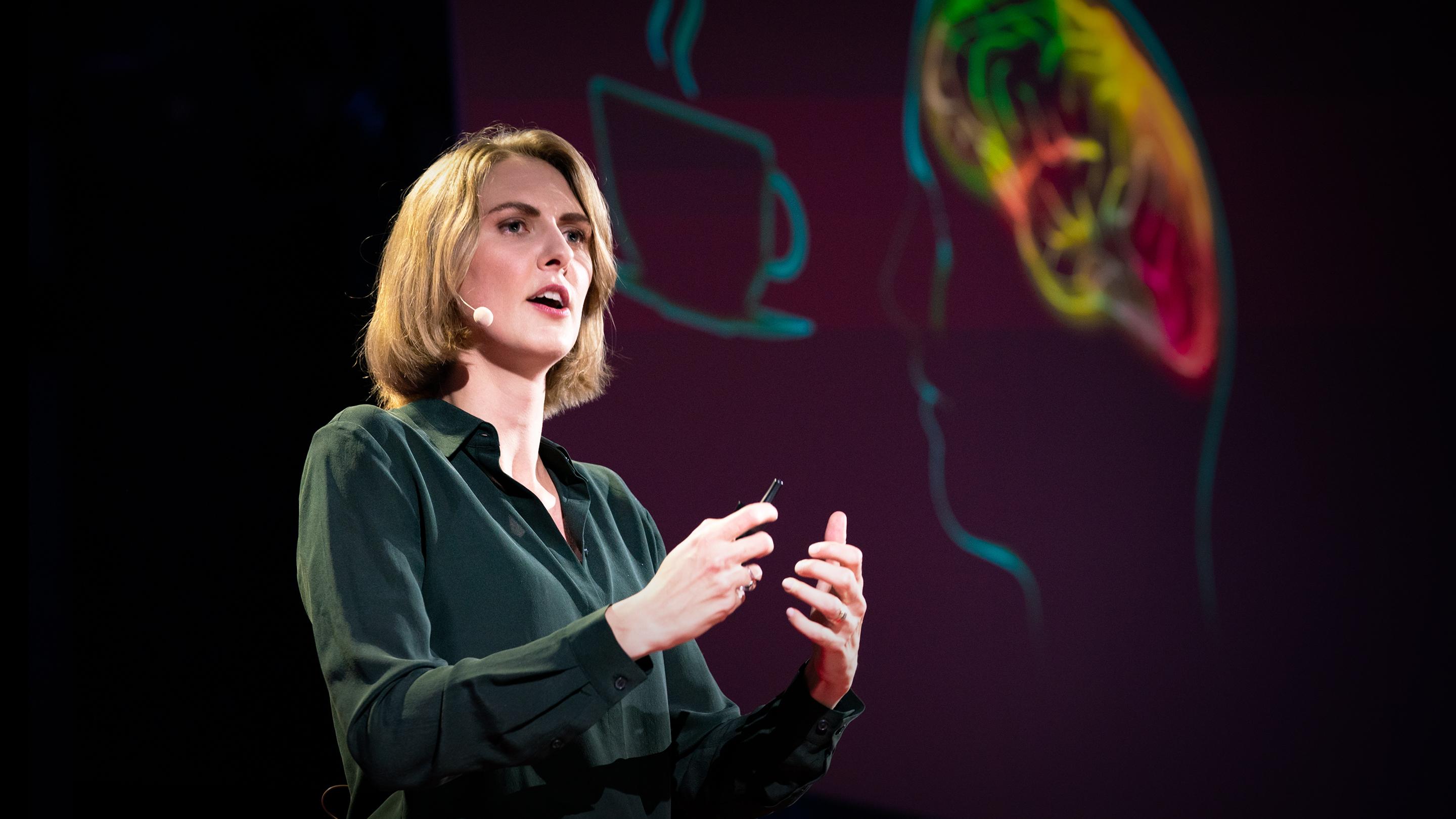
What happens in your brain when you taste food | Camilla Arndal Andersen
With fascinating research and hilarious anecdotes, neuroscientist Camilla Arndal Andersen takes us into the lab where she studies people's sense of taste via brain scans. She reveals surprising insights about the way our brains subconsciously experience food -- and shows how this data could help us eat healthier without sacrificing taste.
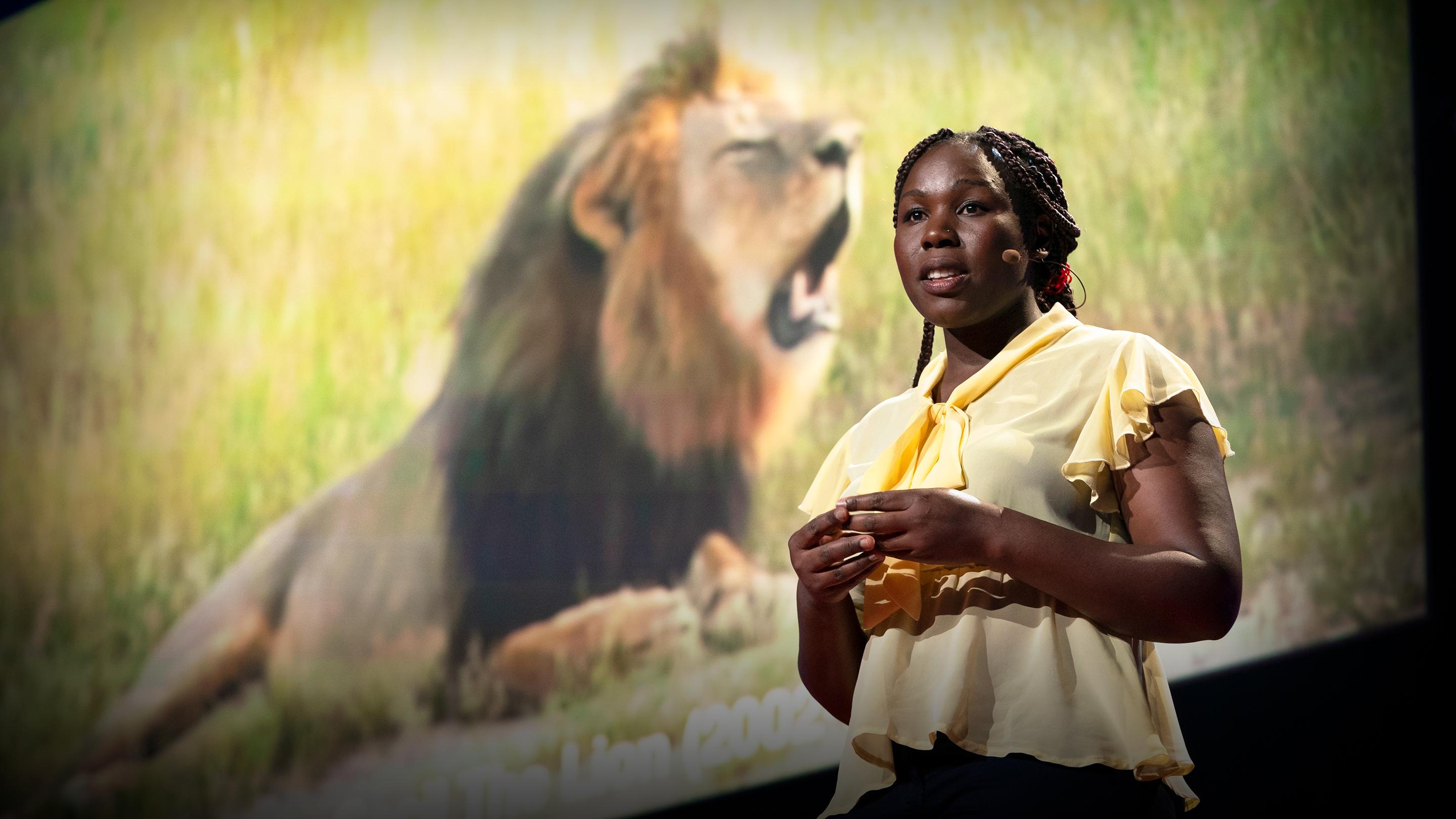
How community-led conservation can save wildlife | Moreangels Mbizah
Conservationist and TED Fellow Moreangels Mbizah studied the famous Cecil the lion until he was shot by a trophy hunter in 2015. She wonders how things could've gone differently, asking: "What if the community that lived next to Cecil was involved in protecting him?" In a quick talk, Mbizah shares the state of conservation in her home of Zimbabwe -- and why she thinks that communities living with wildlife are the ones best positioned to help them.
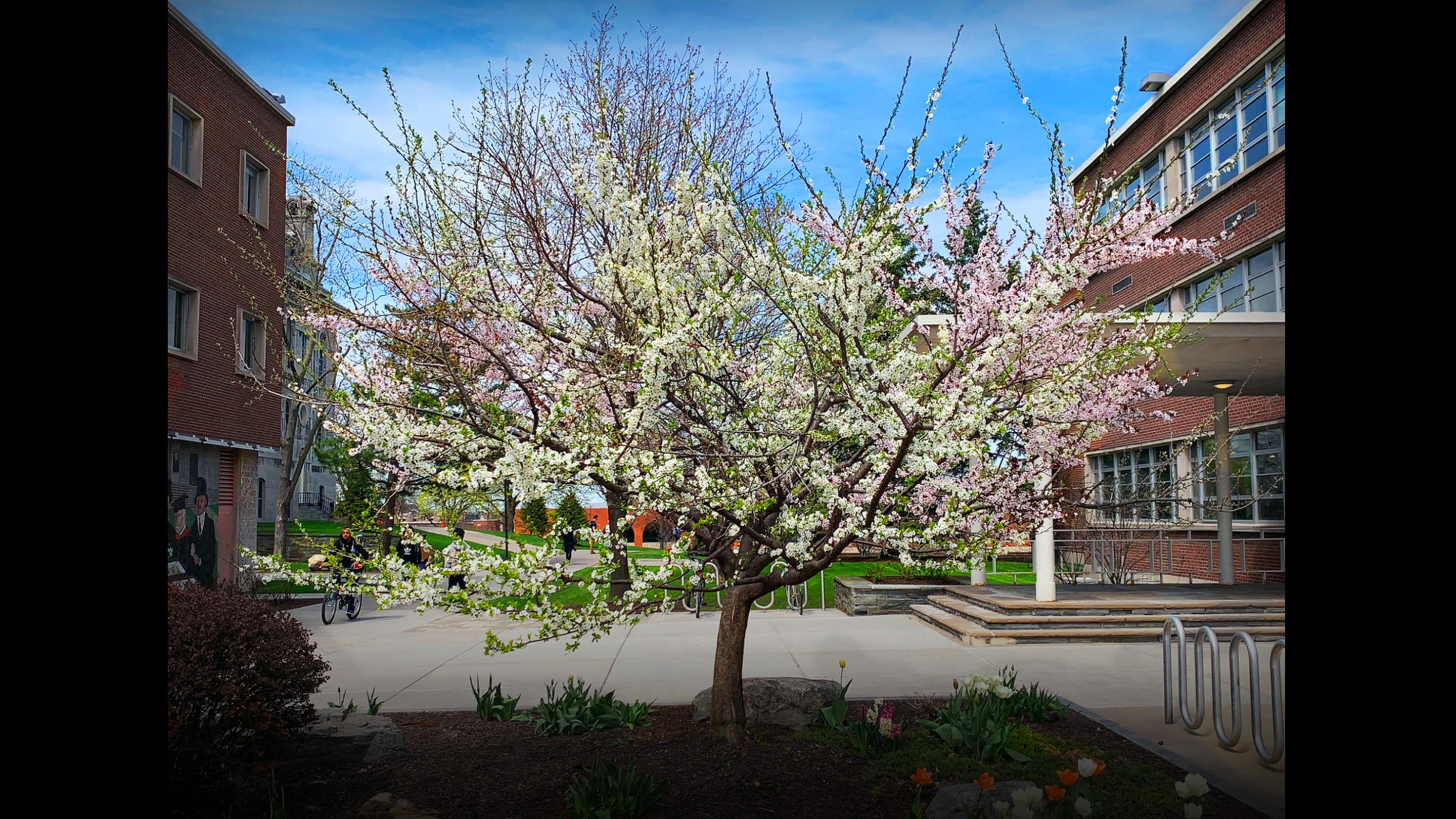
How one tree grows 40 different kinds of fruit | Sam Van Aken
Artist Sam Van Aken shares the breathtaking work behind the "Tree of 40 Fruit," an ongoing series of hybridized fruit trees that grow 40 different varieties of peaches, plums, apricots, nectarines and cherries -- all on the same tree. What began as an art project to showcase beautiful, multi-hued blossoms has become a living archive of rare heirloom specimens and their histories, a hands-on (and delicious!) way to teach people about cultivation and a vivid symbol of the need for biodiversity to ensure food security. "More than just food, embedded in these fruit is our culture ... In many ways, these fruit are our story," Van Aken says.
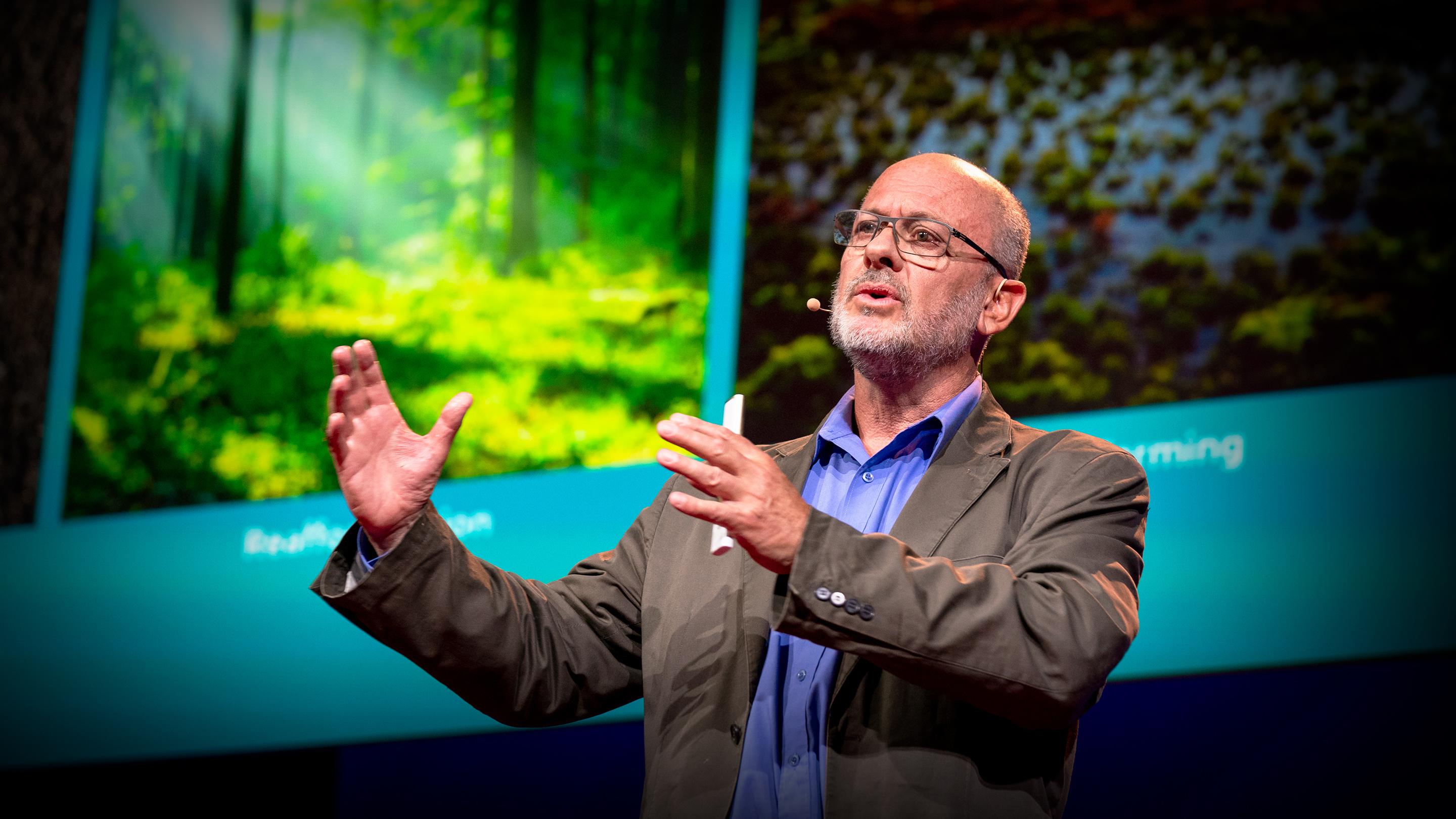
Can seaweed help curb global warming? | Tim Flannery
It's time for planetary-scale interventions to combat climate change -- and environmentalist Tim Flannery thinks seaweed can help. In a bold talk, he shares the epic carbon-capturing potential of seaweed, explaining how oceangoing seaweed farms created on a massive scale could trap all the carbon we emit into the atmosphere. Learn more about this potentially planet-saving solution -- and the work that's still needed to get there.
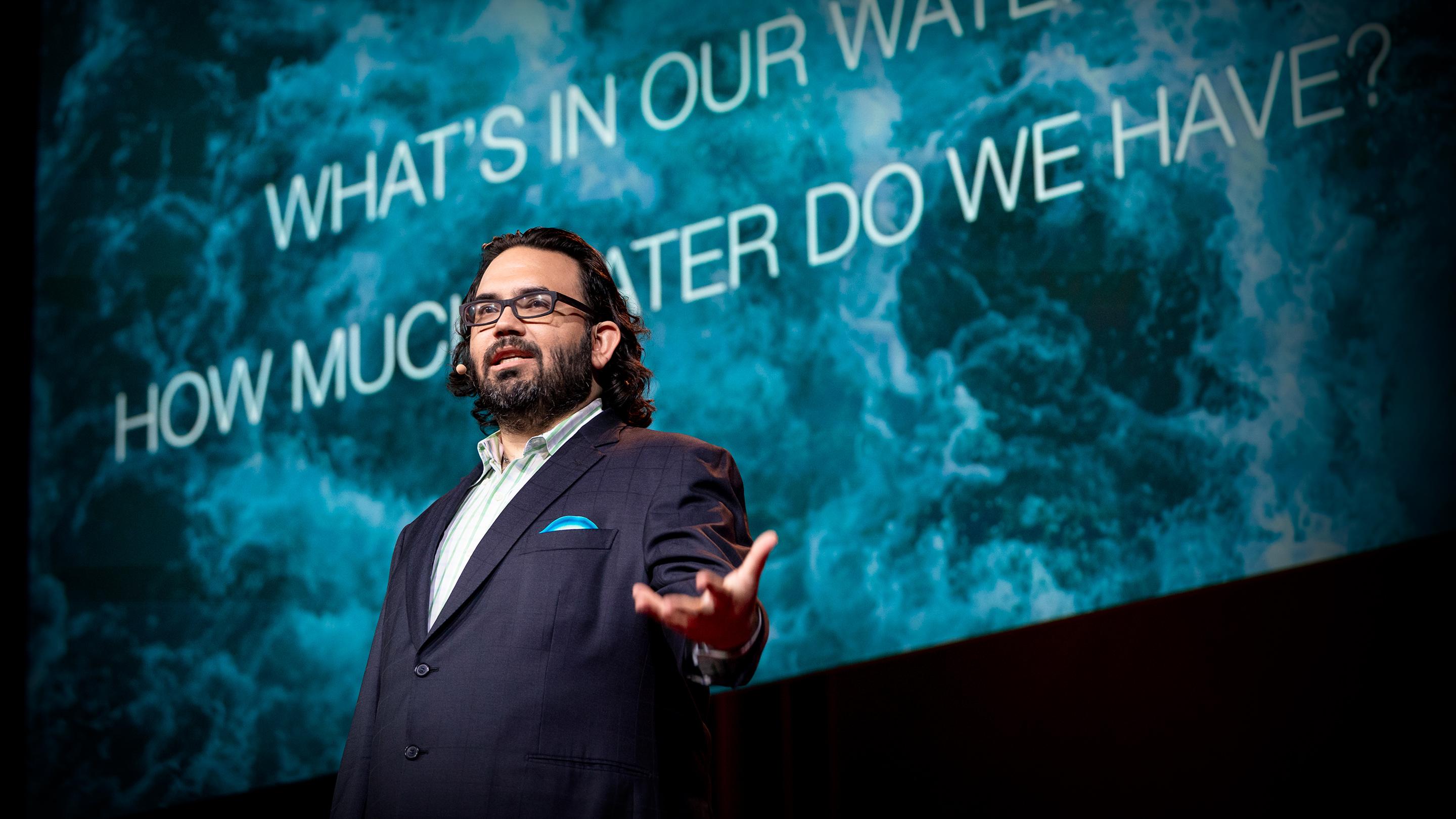
We need to track the world's water like we track the weather | Sonaar Luthra
We need a global weather service for water, says entrepreneur and TED Fellow Sonaar Luthra. In a talk about environmental accountability, Luthra shows how we could forecast water shortages and risks with a global data collection effort -- just like we monitor the movement of storms -- and better listen to what the earth is telling us.
How climate change could make our food less nutritious | Kristie Ebi
Rising carbon levels in the atmosphere can make plants grow faster, but there's another hidden consequence: they rob plants of the nutrients and vitamins we need to survive. In a talk about global food security, epidemiologist Kristie Ebi explores the potentially massive health consequences of this growing nutrition crisis -- and explores the steps we can take to ensure all people have access to safe, healthy food.
A climate change solution that's right under our feet | Asmeret Asefaw Berhe
There's two times more carbon in the earth's soil than in all of its vegetation and the atmosphere -- combined. Biogeochemist Asmeret Asefaw Berhe dives into the science of soil and shares how we could use its awesome carbon-trapping power to offset climate change. "[Soil] represents the difference between life and lifelessness in the earth system, and it can also help us combat climate change -- if we can only stop treating it like dirt," she says.
Emergency medicine for our climate fever | Kelly Wanser
As we recklessly warm the planet by pumping greenhouse gases into the atmosphere, some industrial emissions also produce particles that reflect sunshine back into space, putting a check on global warming that we're only starting to understand. Climate activist Kelly Wanser asks: Can we engineer ways to harness this effect and further reduce warming? Learn more about the promises and risks of "cloud brightening" -- and how it could help restore our climate to health.
How climate change affects your mental health | Britt Wray
"For all that's ever been said about climate change, we haven't heard nearly enough about the psychological impacts of living in a warming world," says science writer Britt Wray. In this quick talk, she explores how climate change is threatening our well-being -- mental, social and spiritual -- and offers a starting point for what we can do about it.
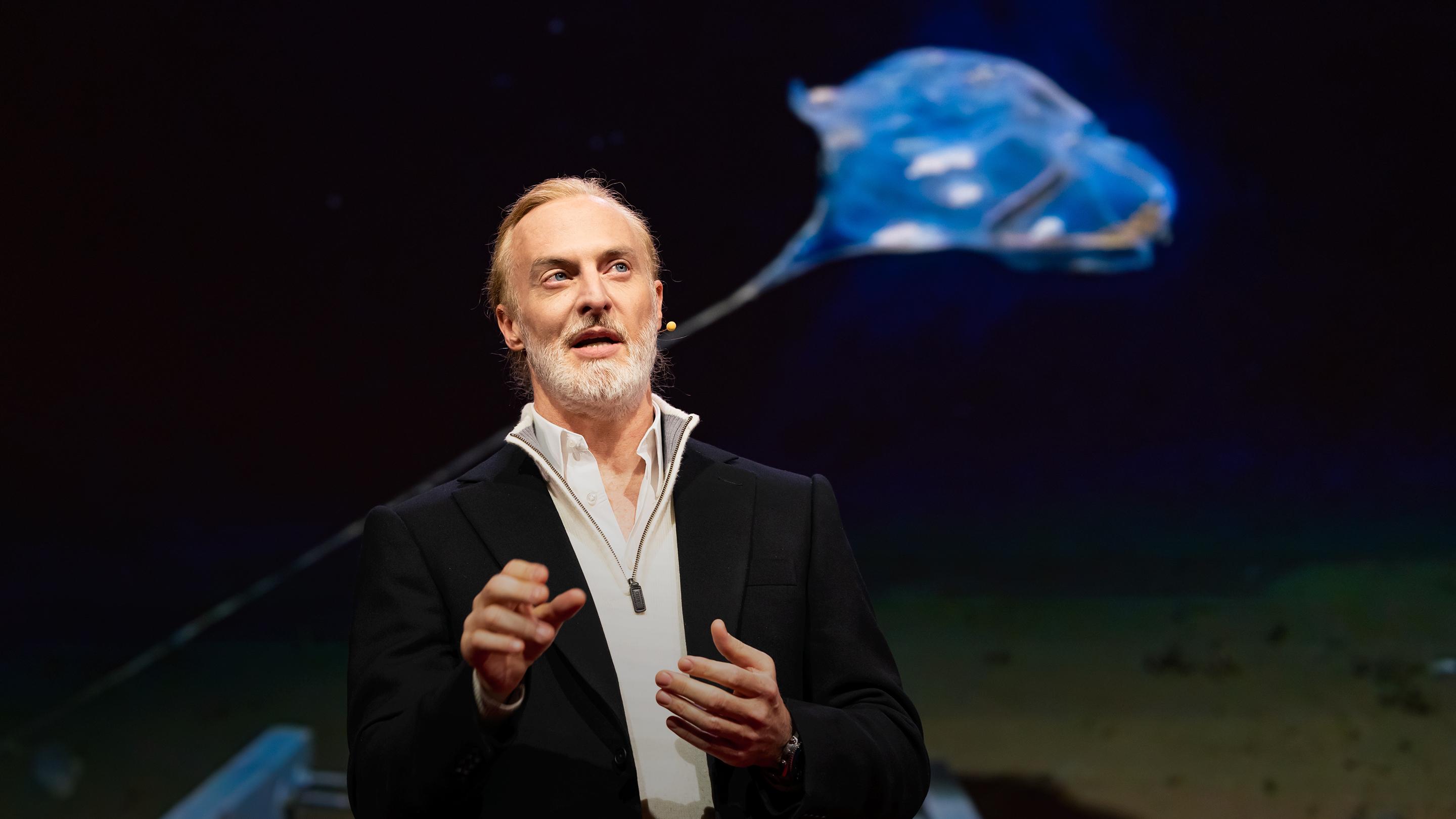
What's at the bottom of the ocean -- and how we're getting there | Victor Vescovo
Victor Vescovo is leading the first-ever manned expedition to the deepest point of each of the world's five oceans. In conversation with TED science curator David Biello, Vescovo discusses the technology that's powering the explorations -- a titanium submersible designed to withstand extraordinary conditions -- and shows footage of a never-before-seen creature taken during his journey to the bottom of the Indian Ocean.
The fascinating (and dangerous) places scientists aren't exploring | Ella Al-Shamahi
We're not doing frontline exploratory science in a huge portion of the world -- the places governments deem too hostile or disputed. What might we be missing because we're not looking? In this fearless, unexpectedly funny talk, paleoanthropologist Ella Al-Shamahi takes us on an expedition to the Yemeni island of Socotra -- one of the most biodiverse places on earth -- and makes the case for scientists to explore the unstable regions that could be home to incredible discoveries.
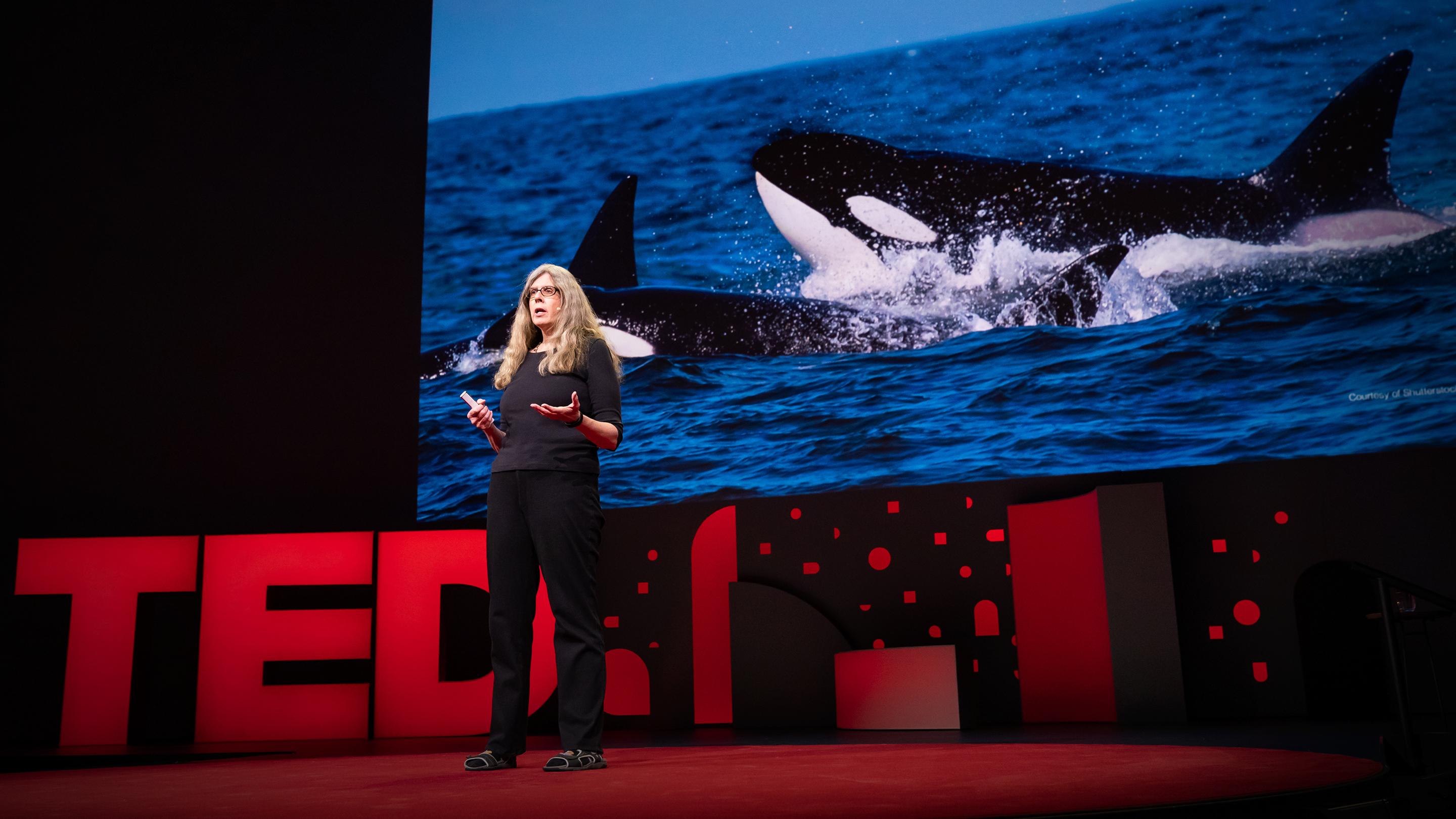
Grief and love in the animal kingdom | Barbara J. King
From mourning orcas to distressed elephants, biological anthropologist Barbara J. King has witnessed grief and love across the animal kingdom. In this eye-opening talk, she explains the evidence behind her belief that many animals experience complex emotions, and suggests ways all of us can treat them more ethically -- including every time we eat. "Animals don't grieve exactly like we do, but this doesn't mean that their grief isn't real," she says. "It is real, and it's searing, and we can see it if we choose."
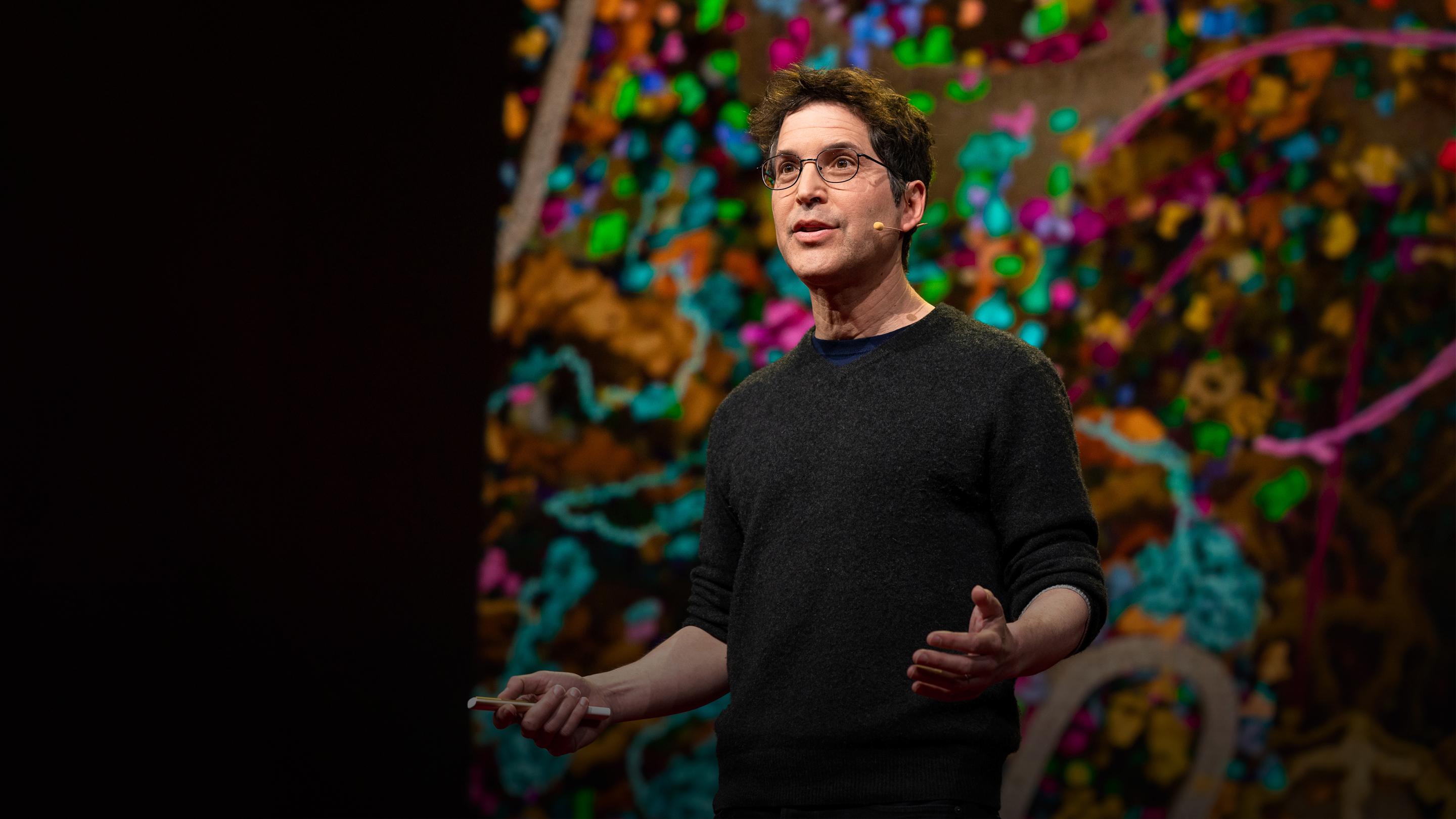
5 challenges we could solve by designing new proteins | David Baker
Proteins are remarkable molecular machines: they digest your food, fire your neurons, power your immune system and so much more. What if we could design new ones, with functions never before seen in nature? In this remarkable glimpse of the future, David Baker shares how his team at the Institute for Protein Design is creating entirely new proteins from scratch -- and shows how they could help us tackle five massive challenges facing humanity. (This ambitious plan is a part of the Audacious Project, TED's initiative to inspire and fund global change.)

The mysterious microbes living deep inside the earth -- and how they could help humanity | Karen Lloyd
The ground beneath your feet is home to a massive, mysterious world of microbes -- some of which have been in the earth's crust for hundreds of thousands of years. What's it like down there? Take a trip to the volcanoes and hot springs of Costa Rica as microbiologist Karen Lloyd shines a light on these subterranean organisms and shows how they could have a profound impact on life up here.
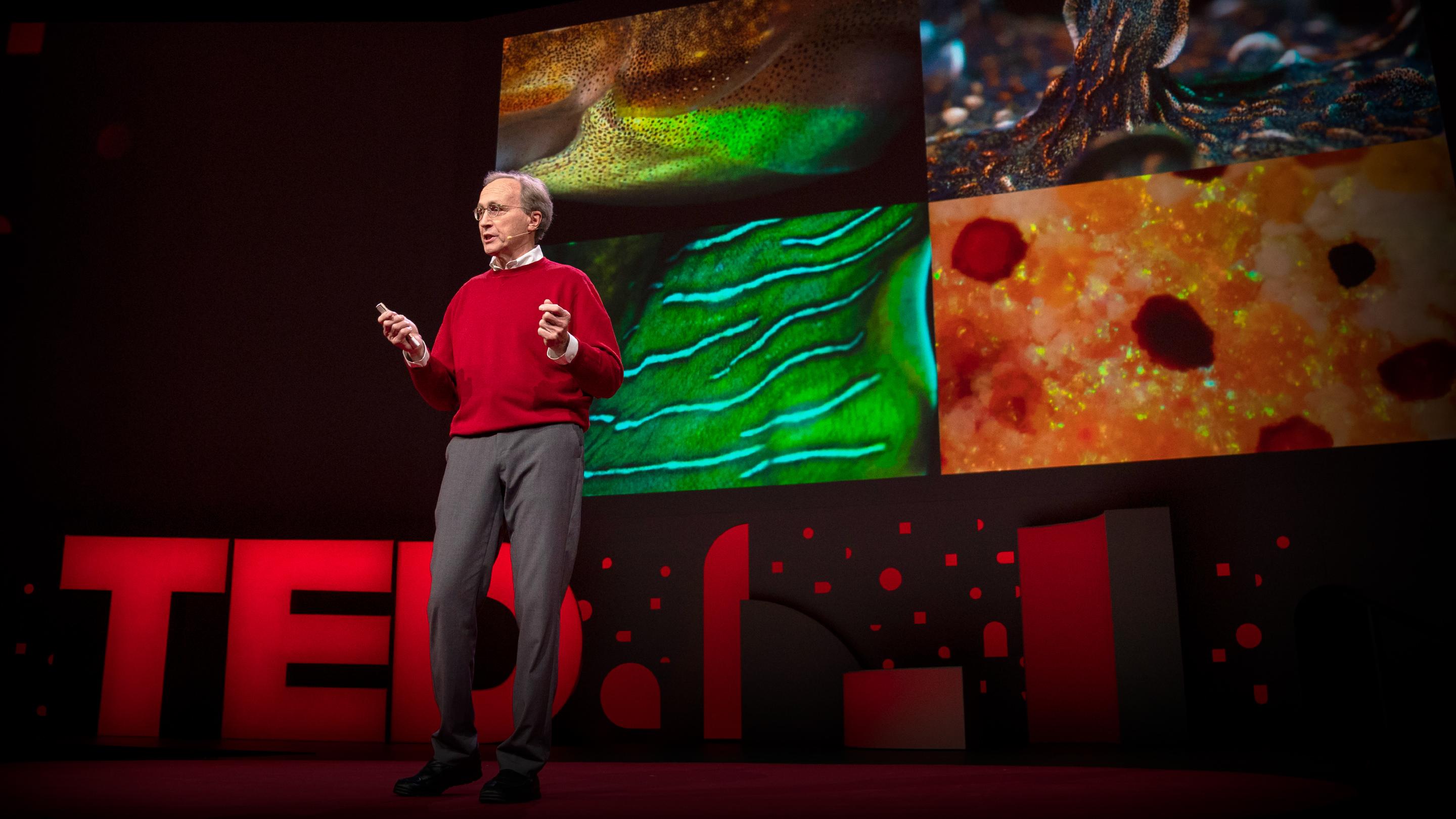
The amazing brains and morphing skin of octopuses and other cephalopods | Roger Hanlon
Octopus, squid and cuttlefish -- collectively known as cephalopods -- have strange, massive, distributed brains. What do they do with all that neural power? Dive into the ocean with marine biologist Roger Hanlon, who shares astonishing footage of the camouflaging abilities of cephalopods, which can change their skin color and texture in a flash. Learn how their smart skin, and their ability to deploy it in sophisticated ways, could be evidence of an alternative form of intelligence -- and how it could lead to breakthroughs in AI, fabrics, cosmetics and beyond.
These bacteria eat plastic | Morgan Vague
Humans produce 300 million tons of new plastic each year -- yet, despite our best efforts, less than 10 percent of it ends up being recycled. Is there a better way to deal with all this waste? Morgan Vague describes her research with microbiologist Jay Mellies on bacteria that have evolved the unexpected ability to eat plastic -- and how they could help us solve our growing pollution problem.
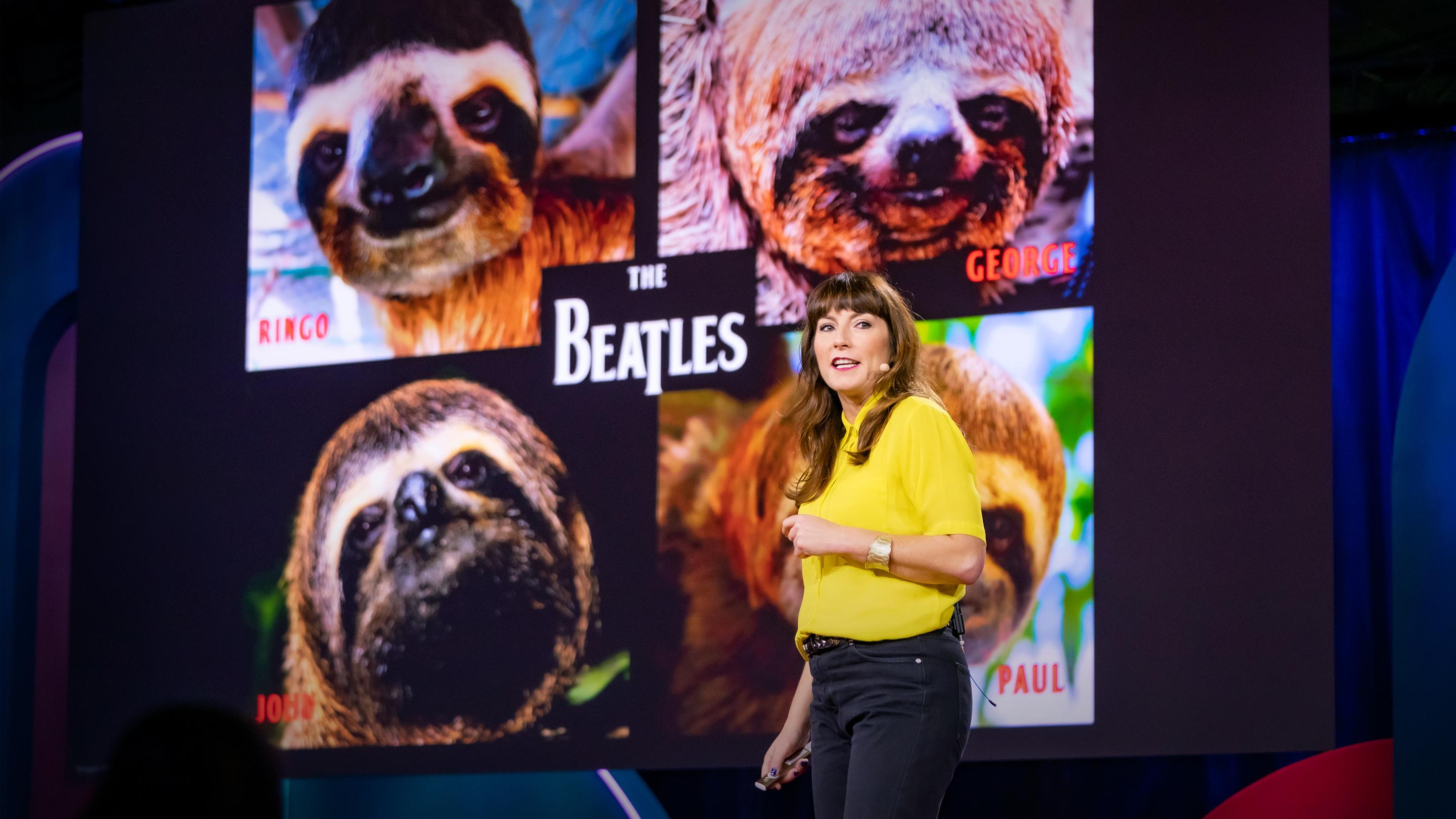
Sloths! The strange life of the world's slowest mammal | Lucy Cooke
Sloths have been on this planet for more than 40 million years. What's the secret to their success? In a hilarious talk, zoologist Lucy Cooke takes us inside the strange life of the world's slowest mammal and shows what we can learn from their ingenious adaptations.
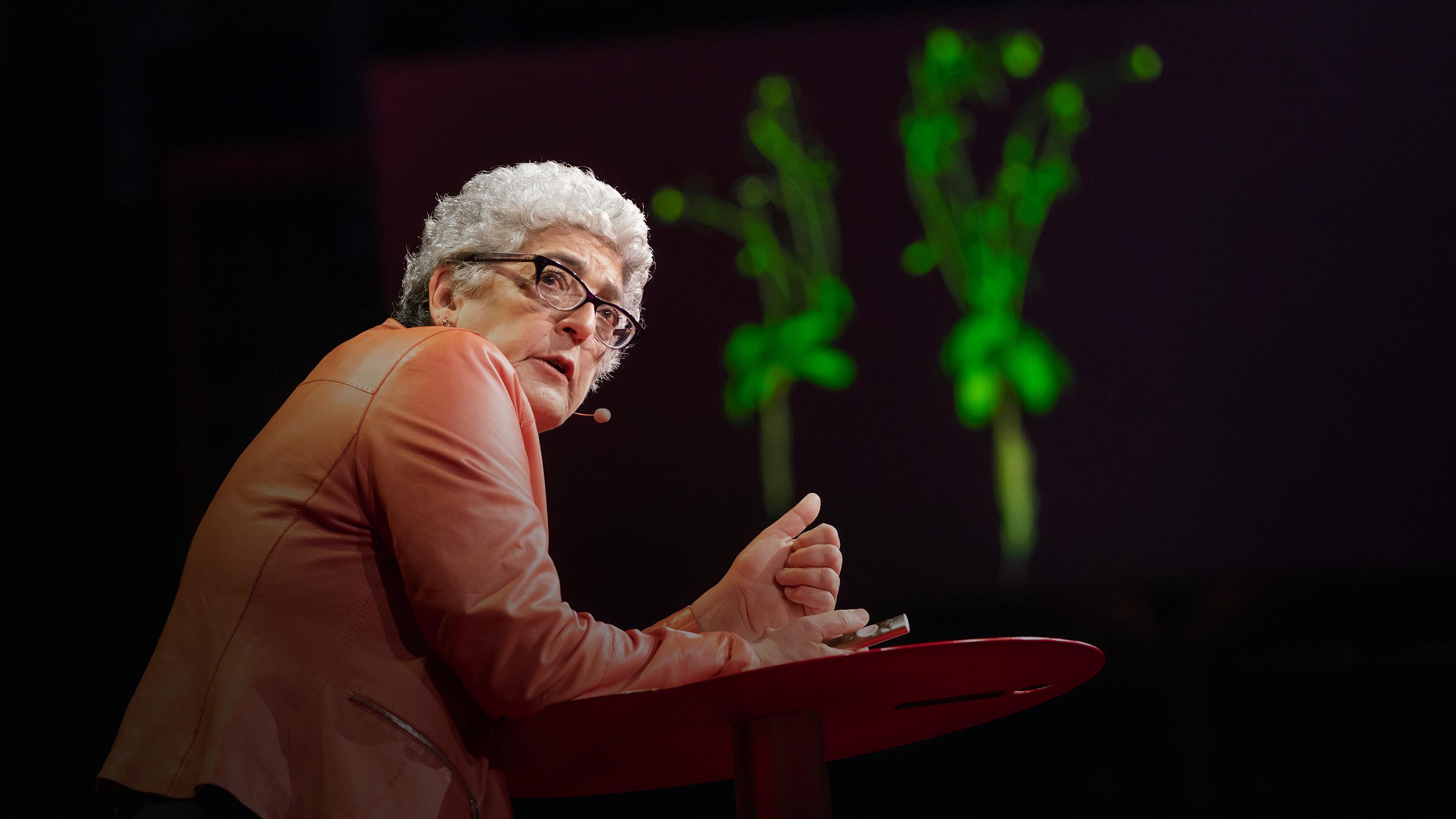
How supercharged plants could slow climate change | Joanne Chory
Plants are amazing machines -- for millions of years, they've taken carbon dioxide out of the air and stored it underground, keeping a crucial check on the global climate. Plant geneticist Joanne Chory is working to amplify this special ability: with her colleagues at the Salk Plant Molecular and Cellular Biology Laboratory, she's creating plants that can store more carbon, deeper underground, for hundreds of years. Learn more about how these supercharged plants could help slow climate change. (This ambitious plan is a part of the Audacious Project, TED's initiative to inspire and fund global change.)
A personal air-quality tracker that lets you know what you're breathing | Romain Lacombe
How often do you think about the air you're breathing? Probably not enough, says entrepreneur and TED Fellow Romain Lacombe. He introduces Flow: a personal air-quality tracker that fits in your hand and monitors pollution levels in real time. See how this device could help you track and understand pollution street by street, hour by hour -- and empower you to take action to improve your health.
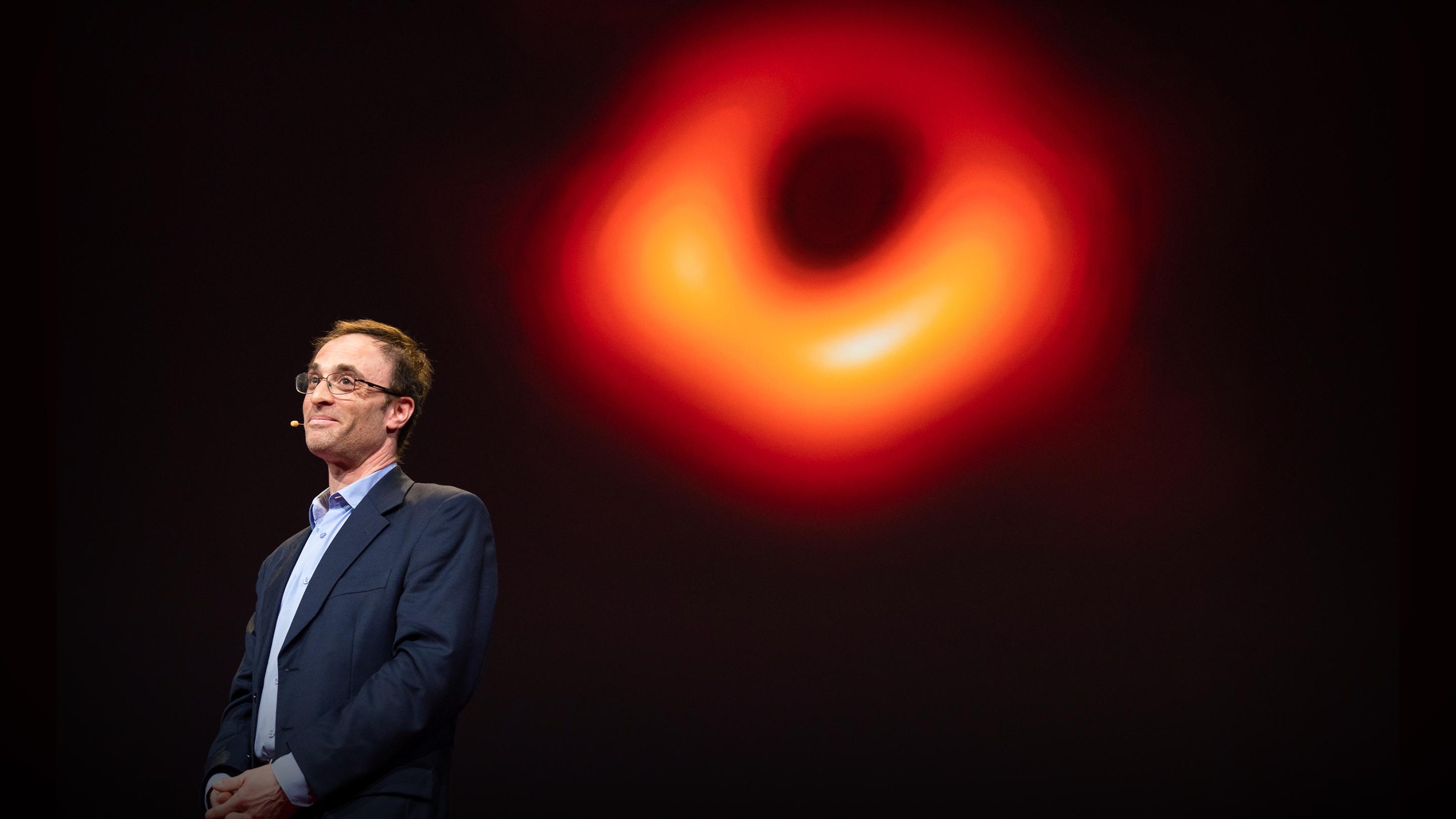
Inside the black hole image that made history | Sheperd Doeleman
At the center of a galaxy more than 55 million light-years away, there's a supermassive black hole with the mass of several billion suns. And now, for the first time ever, we can see it. Astrophysicist Sheperd Doeleman, head of the Event Horizon Telescope collaboration, speaks with TED's Chris Anderson about the iconic, first-ever image of a black hole -- and the epic, worldwide effort involved in capturing it.
Can we regenerate heart muscle with stem cells? | Chuck Murry
The heart is one of the least regenerative organs in the human body -- a big factor in making heart failure the number one killer worldwide. What if we could help heart muscle regenerate after injury? Physician and scientist Chuck Murry shares his groundbreaking research into using stem cells to grow new heart cells -- an exciting step towards realizing the awesome promise of stem cells as medicine.
To detect diseases earlier, let's speak bacteria's secret language | Fatima AlZahra'a Alatraktchi
Bacteria "talk" to each other, sending chemical information to coordinate attacks. What if we could listen to what they were saying? Nanophysicist Fatima AlZahra'a Alatraktchi invented a tool to spy on bacterial chatter and translate their secret communication into human language. Her work could pave the way for early diagnosis of disease -- before we even get sick.
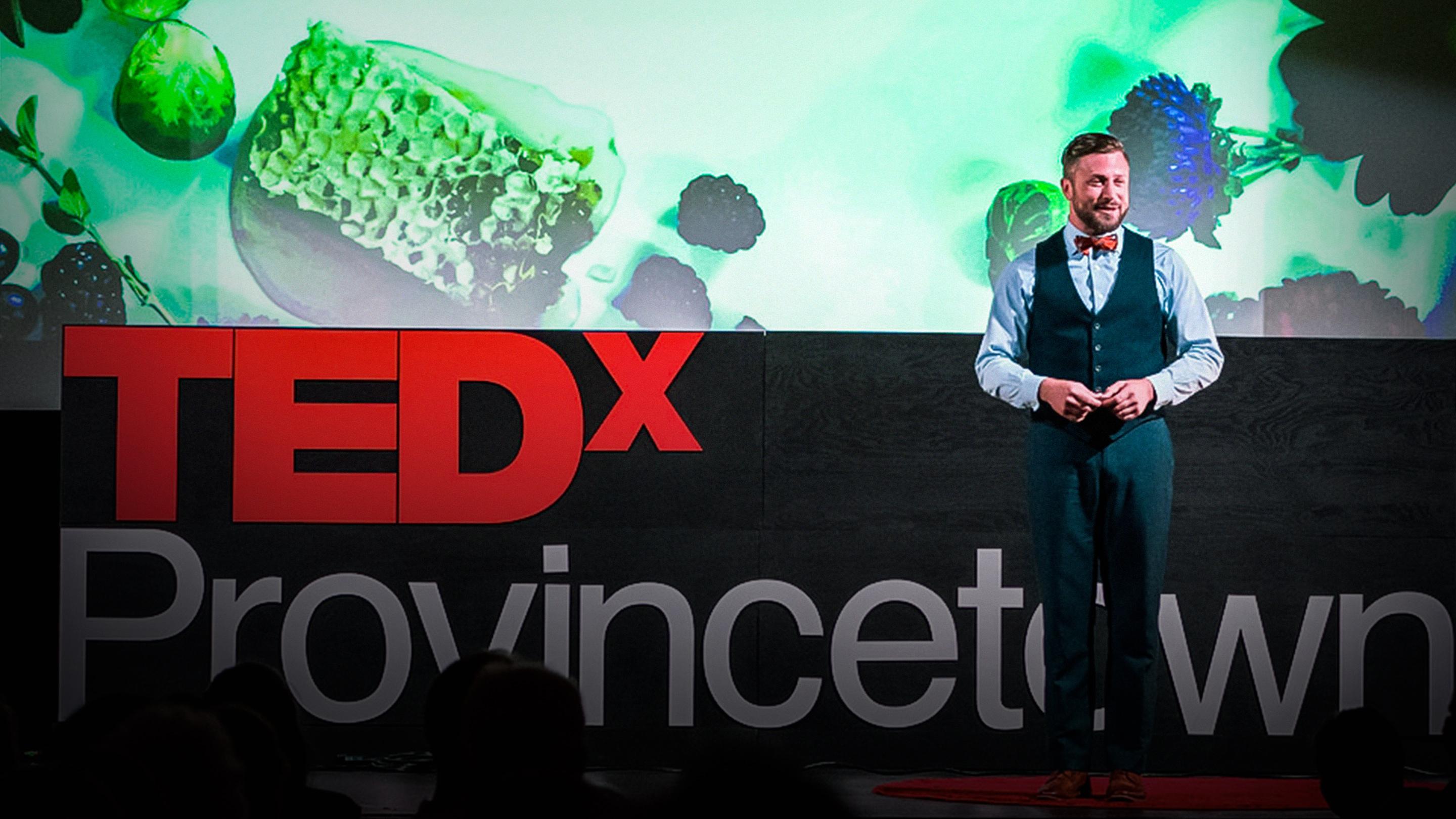
Why bees hold the key to our future | Noah Wilson-Rich
Bees are dying off in record numbers, but ecologist Noah Wilson-Rich is interested in something else: Where are bees healthy and thriving? To find out, he recruited citizen scientists across the US to set up beehives in their backyards, gardens and rooftops. Learn how these little data factories are changing what we know about the habitats bees need to thrive -- and keep our future food systems stable.
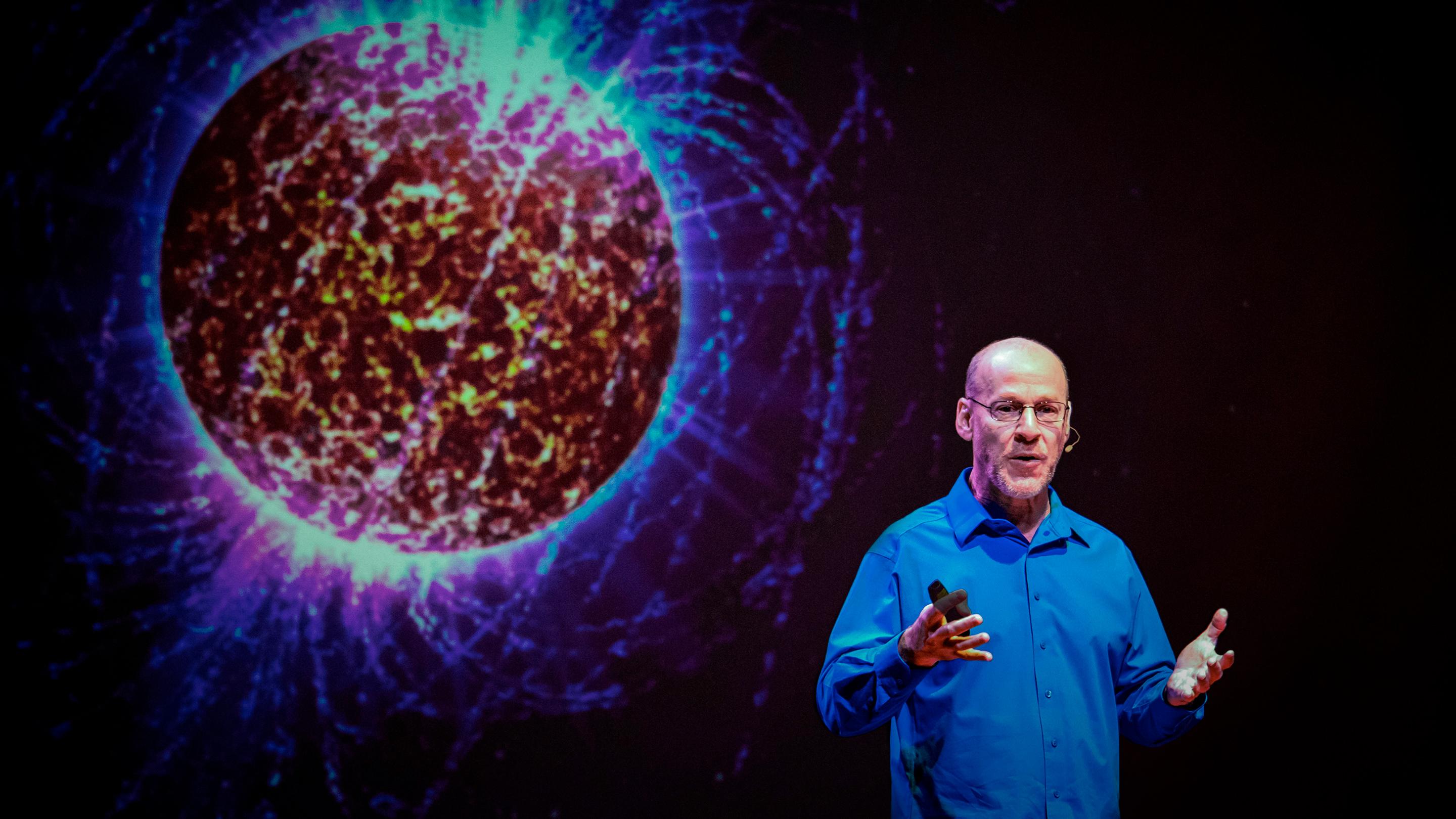
The secret to scientific discoveries? Making mistakes | Phil Plait
Phil Plait was on a Hubble Space Telescope team of astronomers who thought they may have captured the first direct photo of an exoplanet ever taken. But did the evidence actually support that? Follow along as Plait shows how science progresses -- through a robust amount of making and correcting errors. "The price of doing science is admitting when you're wrong, but the payoff is the best there is: knowledge and understanding," he says.