
TED Talks Kids and Family
147 episodes — Page 2 of 3
How to use family dinner to teach politics | Hajer Sharief
Everyone should participate in decision-making and politics -- and it starts at home, says activist Hajer Sharief. She introduces a simple yet transformative idea: that parents can teach their children about political agency by giving them a say in how their households are run, in the form of candid family meetings where everyone can express their opinions, negotiate and compromise. "We need to teach people that political, national and global affairs are as relevant to them as personal and family affairs," she says. "Can you really afford not to be interested or not participate in politics?"
The case for having kids | Wajahat Ali
The global fertility rate, or the number of children per woman, has halved over the last 50 years. What will having fewer babies mean for the future of humanity? In this funny, eye-opening talk, journalist (and self-described exhausted dad) Wajahat Ali examines how the current trend could lead to unexpected problems -- and shares why he believes we need to make it easier for people to have babies. "For those who can and choose to, may you pass on this beautiful thing called life with kindness, generosity, decency and love," he says.
Empower a girl, transform a community | Kakenya Ntaiya
Kakenya Ntaiya turned her dream of getting an education into a movement to empower vulnerable girls and bring an end to harmful traditional practices in Kenya. Meet two students at the Kakenya Center for Excellence, a school where girls can live and study safely -- and uplift their community along the way. "When you empower a girl, you transform a community," Ntaiya says.
How risk-taking changes a teenager's brain | Kashfia Rahman
Why do teenagers sometimes make outrageous, risky choices? Do they suddenly become reckless, or are they just going through a natural phase? To find out, Kashfia Rahman -- winner of the Intel International Science and Engineering Fair (and a Harvard freshman) -- designed and conducted an experiment to test how high school students respond to and get used to risk, and how it changes their still-developing brains. What she discovered about risk and decision-making could change how we think about why teens do what they do.
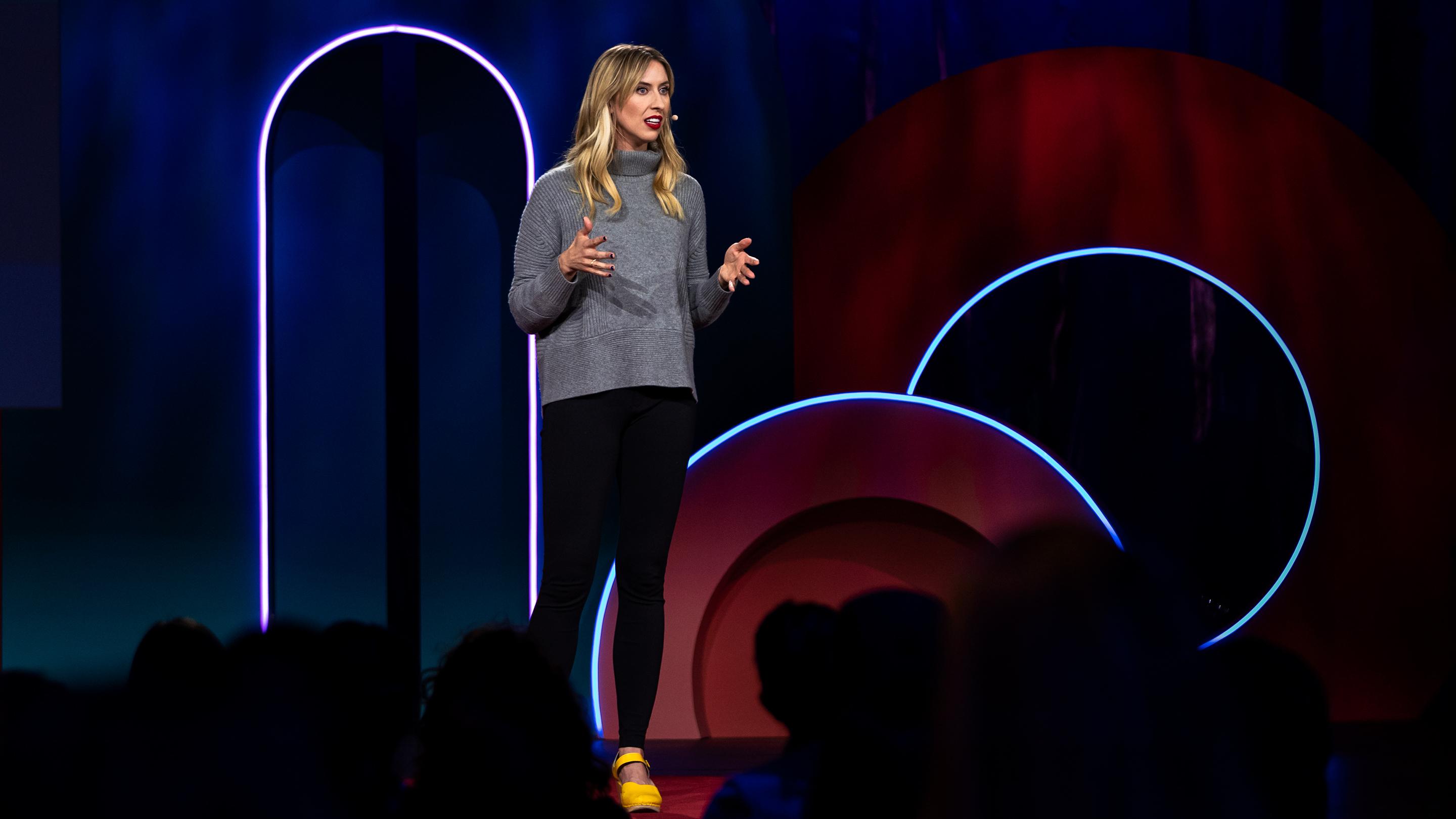
We don't "move on" from grief. We move forward with it | Nora McInerny
In a talk that's by turns heartbreaking and hilarious, writer and podcaster Nora McInerny shares her hard-earned wisdom about life and death. Her candid approach to something that will, let's face it, affect us all, is as liberating as it is gut-wrenching. Most powerfully, she encourages us to shift how we approach grief. "A grieving person is going to laugh again and smile again," she says. "They're going to move forward. But that doesn't mean that they've moved on."
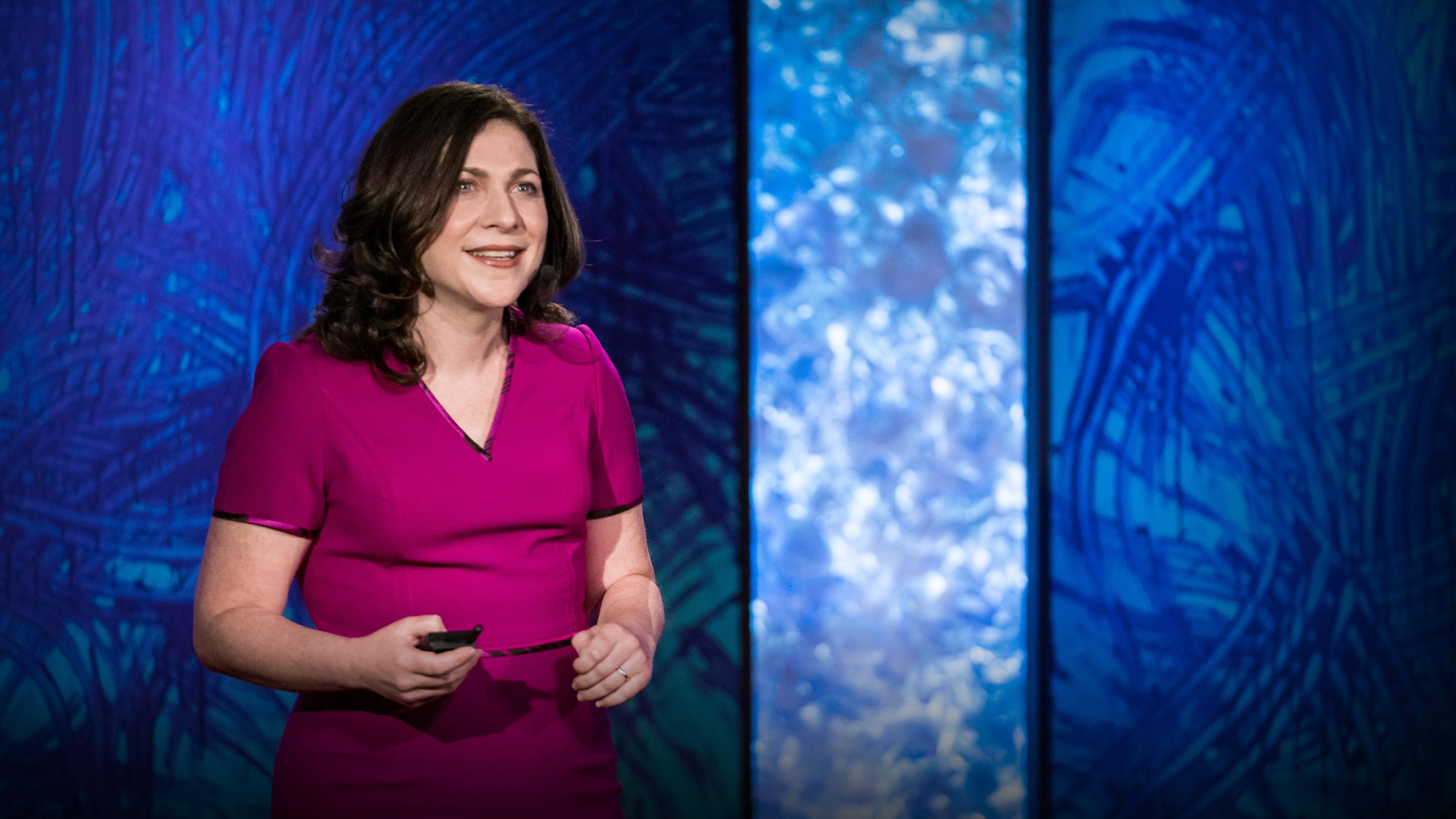
How does income affect childhood brain development? | Kimberly Noble
Neuroscientist and pediatrician Kimberly Noble is leading the Baby's First Years study: the first-ever randomized study of how family income changes children's cognitive, emotional and brain development. She and a team of economists and policy experts are working together to find out: Can we help kids in poverty simply by giving families more money? "The brain is not destiny," Noble says. "And if a child's brain can be changed, then anything is possible."
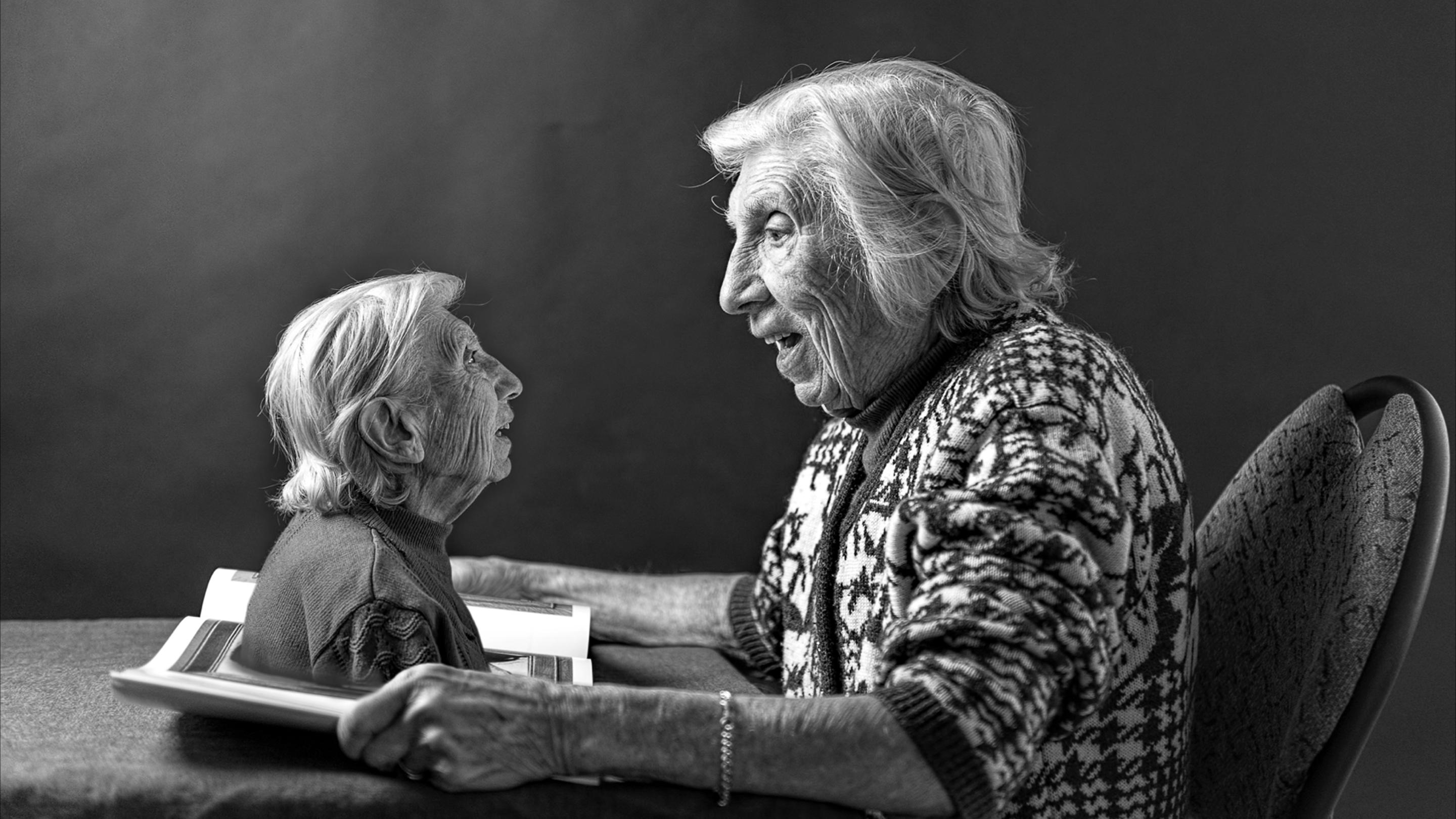
A mother and son's photographic journey through dementia | Tony Luciani
Artist Tony Luciani was testing out a new camera when his 91-year-old mother, Elia, snuck into the background of his photos. The spontaneous images that resulted sparked a years-long collaboration, with Luciani documenting his mom's life and spirit as she lived with dementia. In this touching talk, he shares the stories behind some of their favorite shots, capturing the joy and grief of caring for an aging parent.
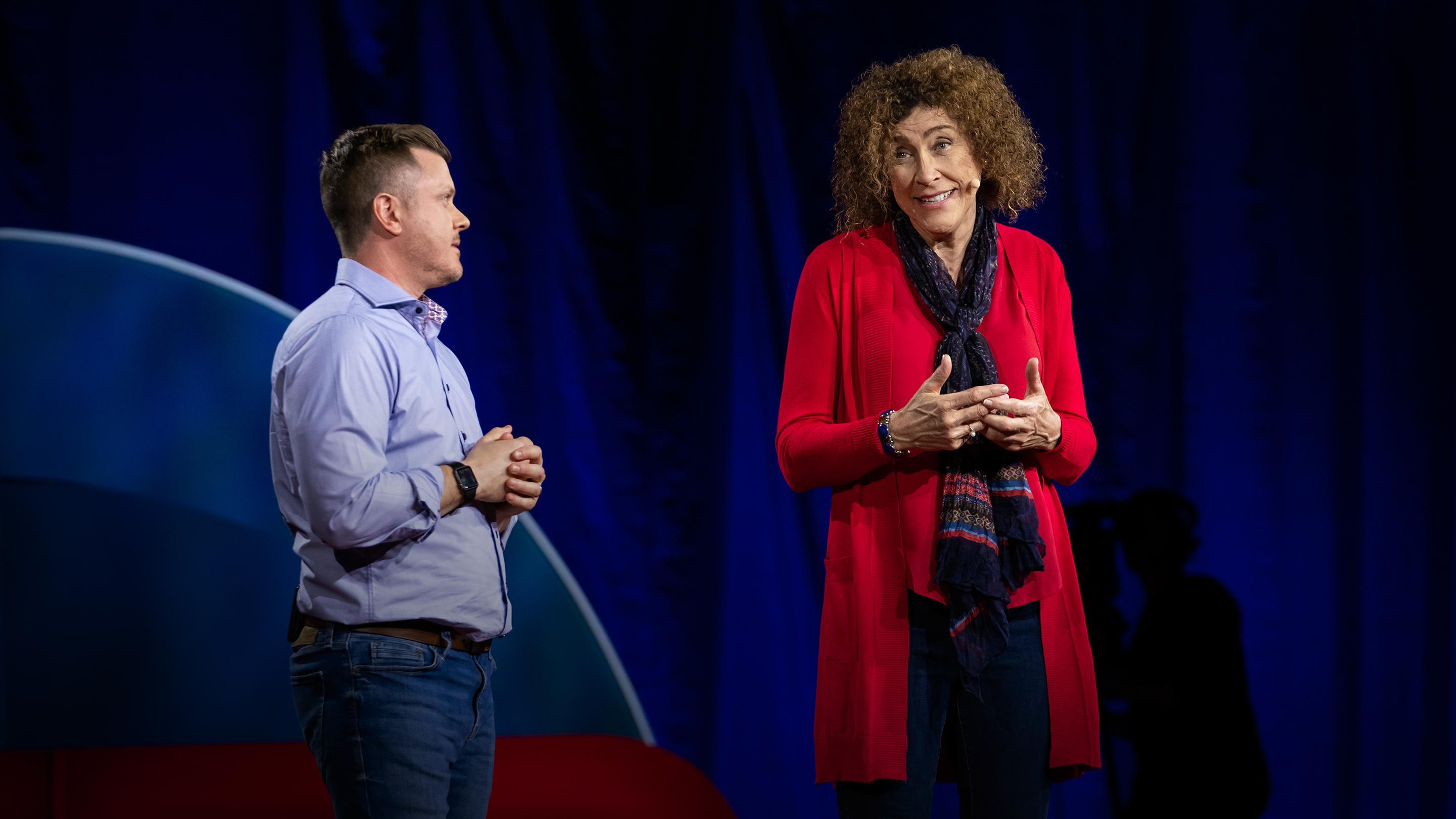
The story of a parent's transition and a son's redemption | Paula Stone Williams and Jonathan Williams
Paula Stone Williams knew from a young age that she was transgender. But as she became a parent and prominent evangelical pastor, she feared that coming out would mean losing everything. In this moving, deeply personal talk, Paula and her son Jonathan Williams share what Paula's transition meant for their family -- and reflect on their path to redemption. As Jonathan says: "I cannot ask my father to be anything other than her true self."
How storytelling helps parents in prison stay connected to their kids | Alan Crickmore
When a parent is sent to prison, the unintended victims of their crimes are their own children -- without stability and support, kids are at higher risk for mental health and development issues. In a heartfelt talk, Alan Crickmore explains how the charity Storybook Dads is keeping families connected through the simple act of storytelling.
The work that makes all other work possible | Ai-jen Poo
Domestic workers are entrusted with the most precious aspects of people's lives -- they're the nannies, the elder-care workers and the house cleaners who do the work that makes all other work possible. Too often, they're invisible, taken for granted or dismissed as "help," yet they continue to do their wholehearted best for the families and homes in their charge. In this sensational talk, activist Ai-Jen Poo shares her efforts to secure equal rights and fair wages for domestic workers and explains how we can all be inspired by them. "Think like a domestic worker who shows up and cares no matter what," she says.
How kids can help design cities | Mara Mintzer
Adults tend to think of kids as "future citizens" -- their ideas and opinions will matter someday, just not today. But kids make up a quarter of the population, so shouldn't they have a say in what the world they'll inherit will look like? Urban planner Mara Mintzer shares what happened when she and her team asked kids to help design a park in Boulder, Colorado -- and how it revealed an important blind spot in how we construct the built environment. "If we aren't including children in our planning, who else aren't we including?" Mintzer asks.
A new way to think about the transition to motherhood | Alexandra Sacks
When a baby is born, so is a mother -- but the natural (and sometimes unsteady) process of transition to motherhood is often silenced by shame or misdiagnosed as postpartum depression. In this quick, informative talk, reproductive psychiatrist Alexandra Sacks breaks down the emotional tug-of-war of becoming a new mother -- and shares a term that could help describe it: matrescence.
To transform child welfare, take race out of the equation | Jessica Pryce
In this eye-opening talk about the impact of race and neighborhood on foster-care decisions, social worker Jessica Pryce shares a promising solution to help child welfare agencies make bias-free assessments about when to remove children from their families. "Let's work together to build a system that wants to make families stronger instead of pulling them apart," Pryce says.
Why I fight for the education of refugee girls (like me) | Mary Maker
After fleeing war-torn South Sudan as a child, Mary Maker found security and hope in the school at Kenya's Kakuma Refugee Camp. Now a teacher of young refugees herself, she sees education as an essential tool for rebuilding lives -- and empowering a generation of girls who are too often denied entrance into the classroom. "For the child of war, an education can turn their tears of loss into a passion for peace," Maker says.
Why doctors are offering free tax prep in their waiting rooms | Lucy Marcil
More than 90 percent of children in the US see a doctor at least once a year, which means countless hours spent in waiting rooms for parents. What if those hours could be used for something productive -- like saving money? Through her organization StreetCred, pediatrician and TED Fellow Lucy Marcil is offering free tax prep to parents right in the waiting room, reimagining what a doctor's visit can look like and helping to lift families out of poverty. Learn more about how free tax prep and guidance could be the best poverty prescription we have in the US.
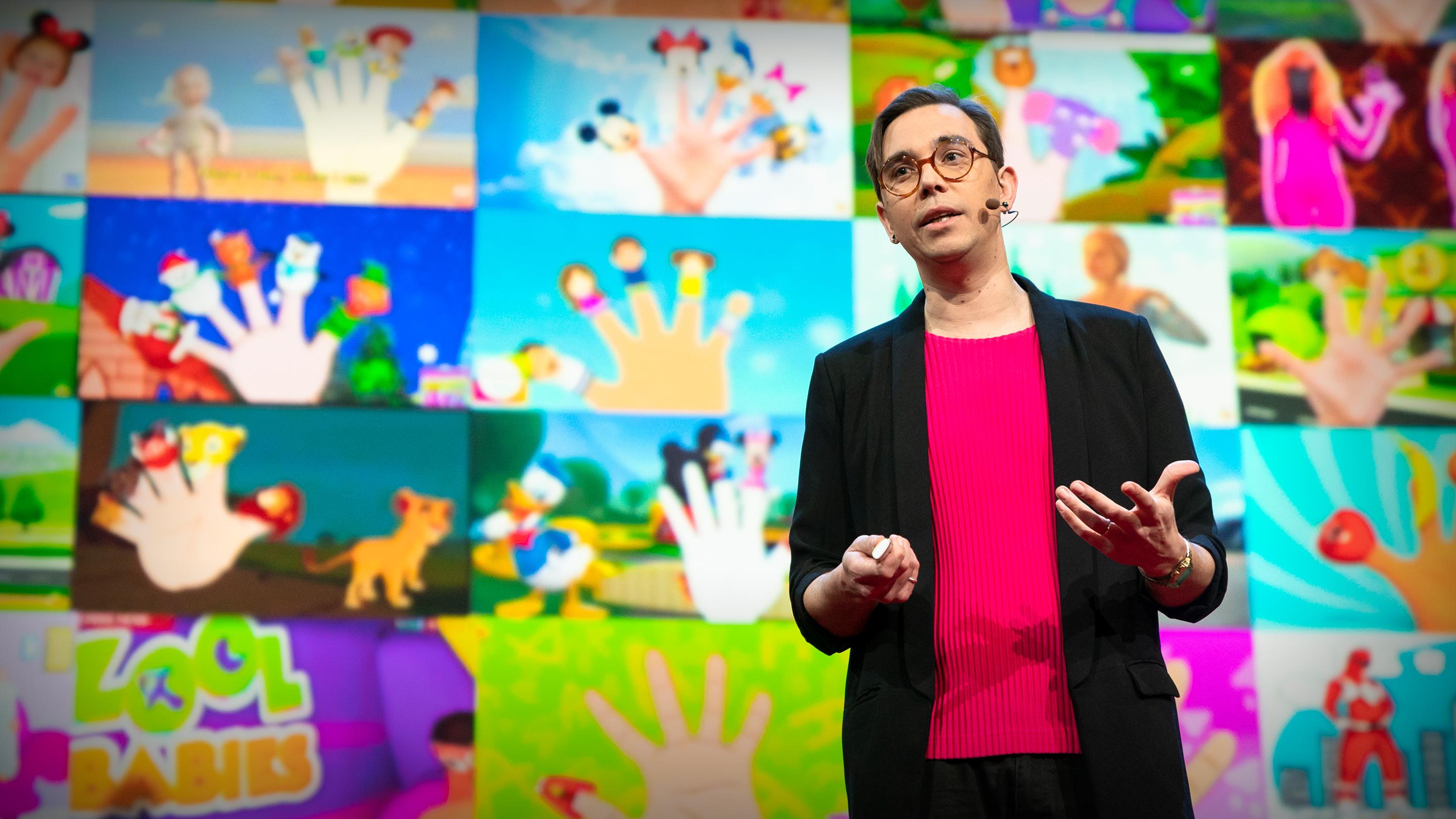
The nightmare videos of children's YouTube -- and what's wrong with the internet today | James Bridle
Writer and artist James Bridle uncovers a dark, strange corner of the internet, where unknown people or groups on YouTube hack the brains of young children in return for advertising revenue. From "surprise egg" reveals and the "Finger Family Song" to algorithmically created mashups of familiar cartoon characters in violent situations, these videos exploit and terrify young minds -- and they tell us something about where our increasingly data-driven world is headed. "We need to stop thinking about technology as a solution to all of our problems, but think of it as a guide to what those problems actually are, so we can start thinking about them properly and start to address them," Bridle says.
Can home cooking change the world? | Gastón Acurio
When Gastón Acurio started his now world-famous restaurant Astrid & Gastón in the 1990s, no one suspected that he would elevate the Peruvian home-cooking he grew up with to haute cuisine. Nearly thirty years and a storied career later, the chef wants the rest of us to embrace our culinary roots and transform the world with the meals we prepare each day. (In Spanish with English subtitles)
A teen scientist's invention to help wounds heal | Anushka Naiknaware
Working out of her garage, Anushka Naiknaware designed a sensor that tracks wound healing, becoming the youngest winner (at age 13) of the Google Science Fair. Her clever invention addresses the global challenge of chronic wounds, which don't heal properly due to preexisting conditions like diabetes and account for billions in medical costs worldwide. Join Naiknaware as she explains how her "smart bandage" works -- and how she's sharing her story to inspire others to make a difference.
This simple test can help kids hear better | Susan Emmett
Children who live in rural areas can have a hard time getting to the doctor -- much less to an audiologist's clinic for expensive, complex tests to check their hearing. The result for too many kids is hearing loss caused by ear infections and other curable or preventable problems. That's why ear surgeon and TED Fellow Susan Emmett is working with 15 communities in rural Alaska to create a simple, low-cost test that only requires a cell phone. Learn more about her work and how it could change the lives of children who don't have access to hearing care.
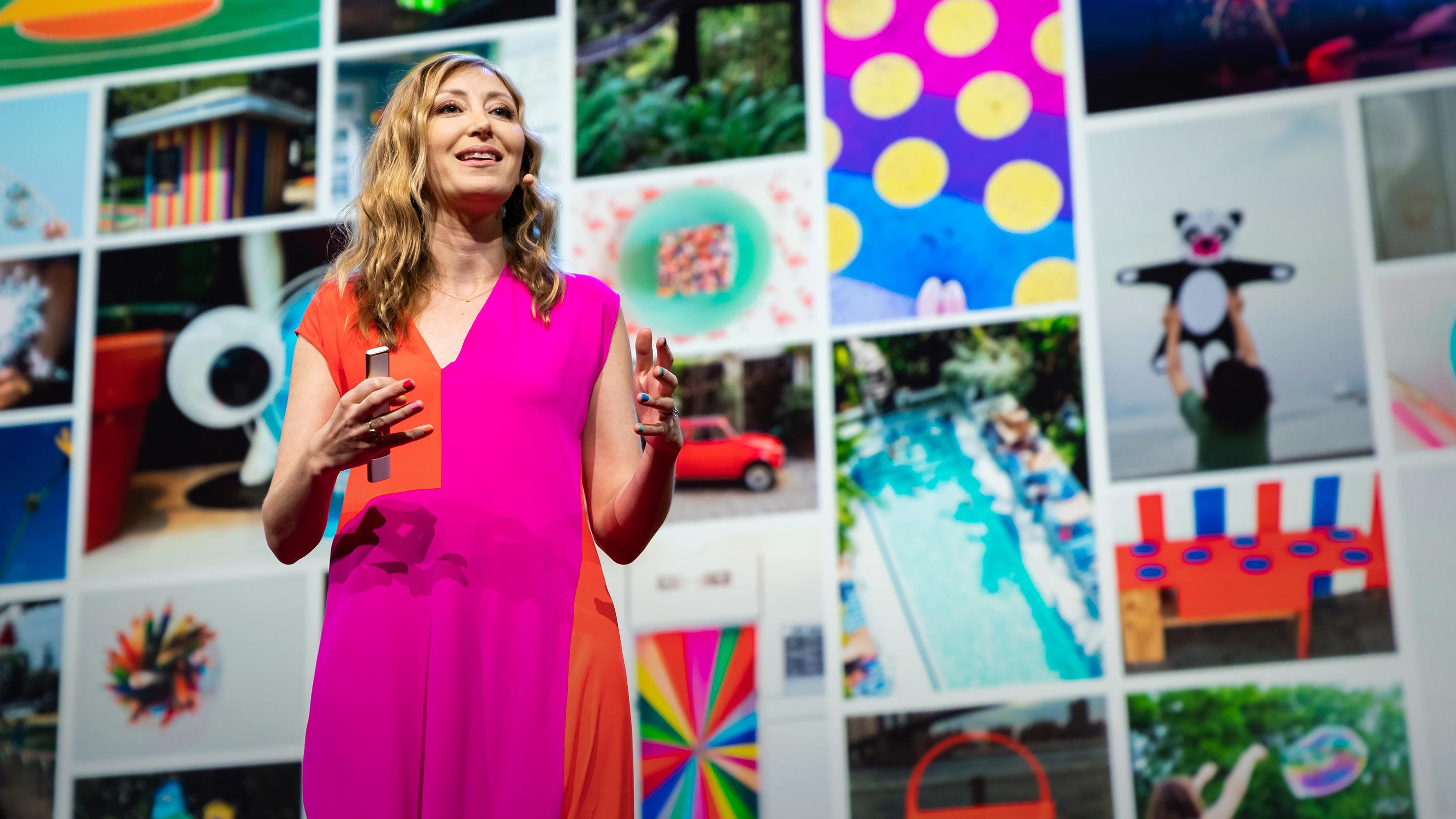
Where joy hides and how to find it | Ingrid Fetell Lee
Cherry blossoms and rainbows, bubbles and googly eyes: Why do some things seem to create such universal joy? In this captivating talk, Ingrid Fetell Lee reveals the surprisingly tangible roots of joy and shows how we all can find -- and create -- more of it in the world around us.
What it's like to be a transgender dad | LB Hannahs
LB Hannahs candidly shares the experience of parenting as a genderqueer individual -- and what it can teach us about authenticity and advocacy. "Authenticity doesn't mean 'comfortable.' It means managing and negotiating the discomfort of everyday life," Hannahs says.
How I use Minecraft to help kids with autism | Stuart Duncan
The internet can be an ugly place, but you won't find bullies or trolls on Stuart Duncan's Minecraft server, AutCraft. Designed for children with autism and their families, AutCraft creates a safe online environment for play and self-expression for kids who sometimes behave a bit differently than their peers (and who might be singled out elsewhere). Learn more about one of the best places on the internet with this heartwarming talk.
A mother and son united by love and art | Deb Willis and Hank Willis Thomas
An art school professor once told Deb Willis that she, as a woman, was taking a place from a good man -- but the storied photographer says she instead made a space for a good man, her son Hank Willis Thomas. In this moving talk, the mother and son artists describe how they draw from one another in their work, how their art challenges mainstream narratives about black life and black joy, and how, ultimately, everything comes down to love.
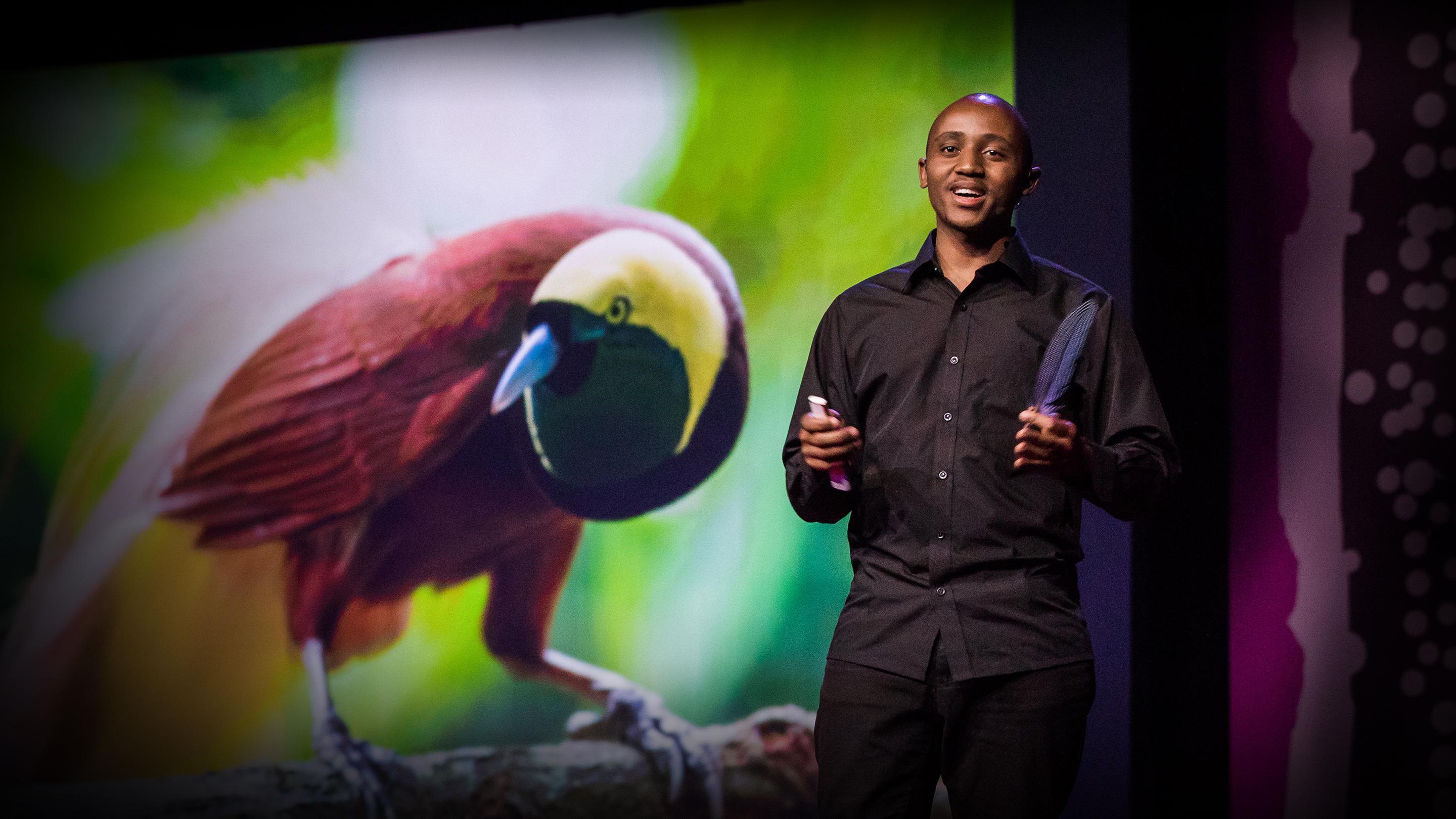
For the love of birds | Washington Wachira
From the glorious crested guinea fowl to the adulterous African jacana to vultures that can pick a zebra carcass clean in 30 minutes, Washington Wachira wants us all to get to know the marvelous species of birds that share the planet with us. If you're not already a fan of earth's feathermakers -- or concerned about their conservation -- you will be after you watch this delightful talk.
3 fears about screen time for kids -- and why they're not true | Sara DeWitt
We check our phones upwards of 50 times per day -- but when our kids play around with them, we get nervous. Are screens ruining childhood? Not according to children's media expert Sara DeWitt. In a talk that may make you feel a bit less guilty about handing a tablet to a child while you make dinner, DeWitt envisions a future where we're excited to see kids interacting with screens and shows us exciting ways new technologies can actually help them grow, connect and learn.
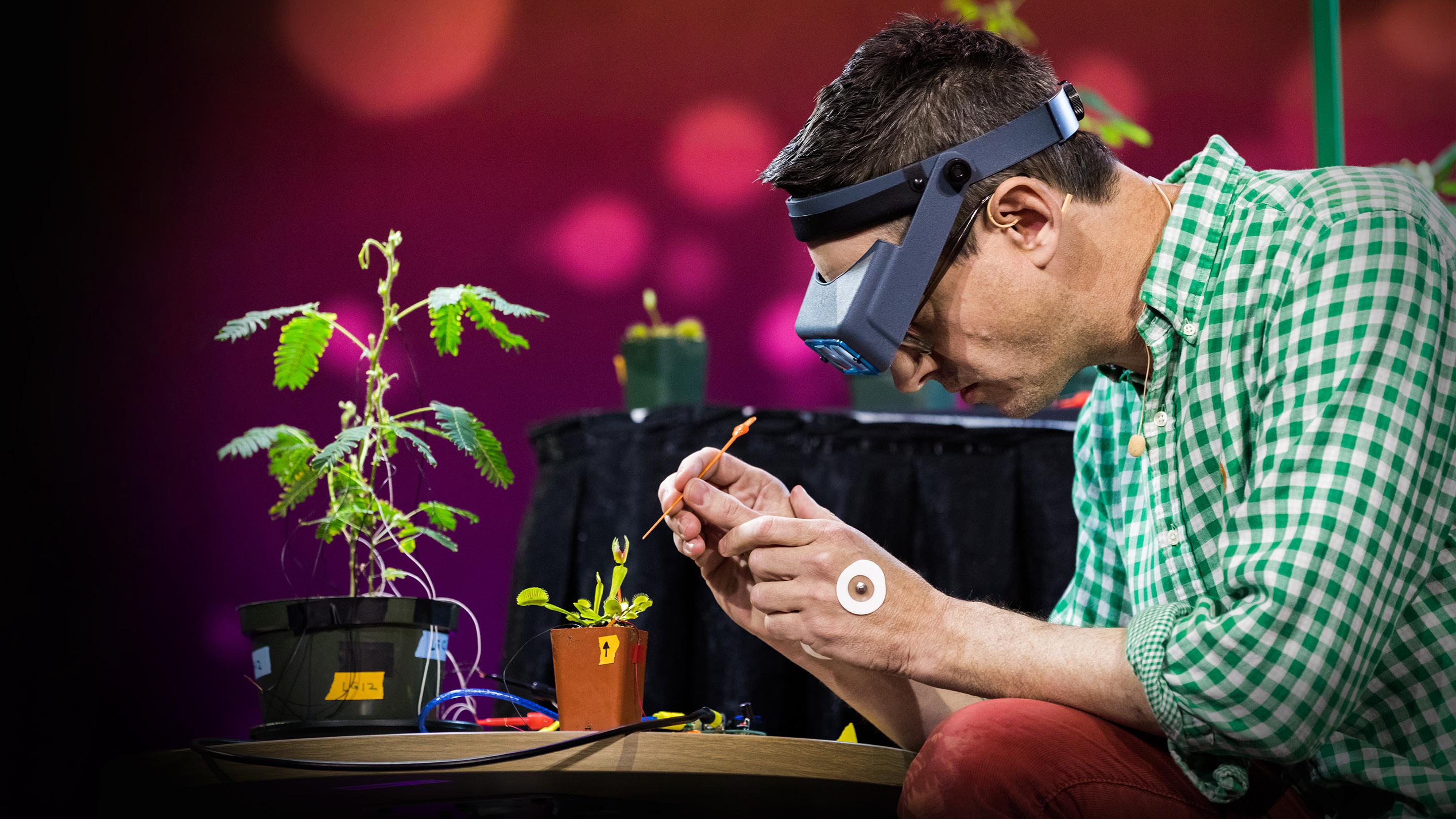
Electrical experiments with plants that count and communicate | Greg Gage
Neuroscientist Greg Gage takes sophisticated equipment used to study the brain out of graduate-level labs and brings them to middle- and high-school classrooms (and, sometimes, to the TED stage.) Prepare to be amazed as he hooks up the Mimosa pudica, a plant whose leaves close when touched, and the Venus flytrap to an EKG to show us how plants use electrical signals to convey information, prompt movement and even count.
The fascinating physics of everyday life | Helen Czerski
Physics doesn't just happen in a fancy lab -- it happens when you push a piece of buttered toast off the table or drop a couple of raisins in a fizzy drink or watch a coffee spill dry. Become a more interesting dinner guest as physicist Helen Czerski presents various concepts in physics you can become familiar with using everyday things found in your kitchen.
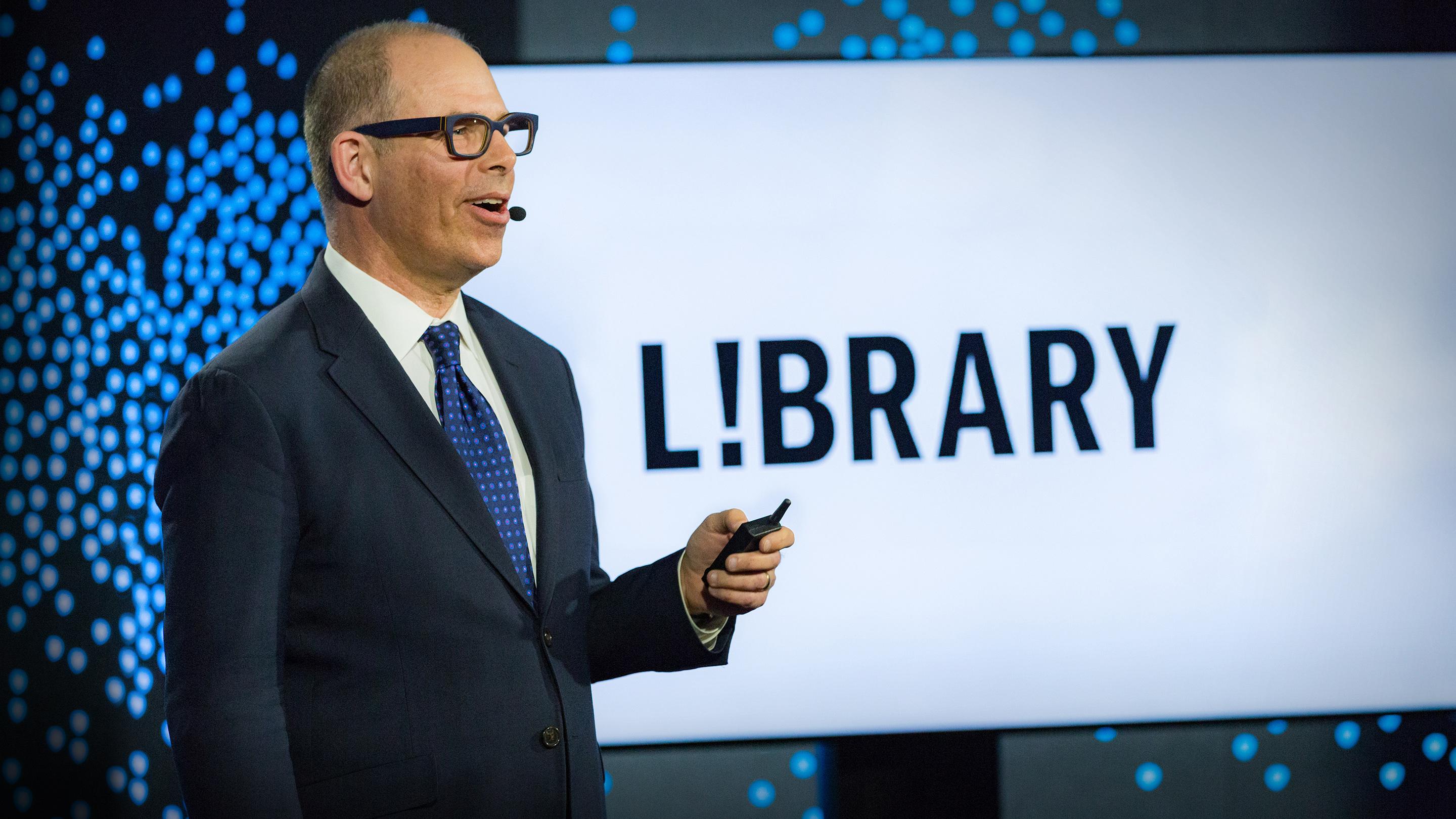
How to design a library that makes kids want to read | Michael Bierut
When Michael Bierut was tapped to design a logo for public school libraries, he had no idea that he was embarking on a years-long passion project. In this often hilarious talk, he recalls his obsessive quest to bring energy, learning, art and graphics into these magical spaces where school librarians can inspire new generations of readers and thinkers.
Why school should start later for teens | Wendy Troxel
Teens don't get enough sleep, and it's not because of Snapchat, social lives or hormones -- it's because of public policy, says Wendy Troxel. Drawing from her experience as a sleep researcher, clinician and mother of a teenager, Troxel discusses how early school start times deprive adolescents of sleep during the time of their lives when they need it most.
A summer school kids actually want to attend | Karim Abouelnaga
In the US, most kids have a very long summer break, during which they forget an awful lot of what they learned during the school year. This "summer slump" affects kids from low-income neighborhoods most, setting them back almost three months. TED Fellow Karim Abouelnaga has a plan to reverse this learning loss. Learn how he's helping kids improve their chances for a brighter future.
A plan to recycle the unrecyclable | Ashton Cofer
From packing peanuts to disposable coffee cups, each year the US alone produces some two billion pounds of Styrofoam -- none of which can be recycled. Frustrated by this waste of resources and landfill space, Ashton Cofer and his science fair teammates developed a heating treatment to break down used Styrofoam into something useful. Learn more out their original design.
Stories from a home for terminally ill children | Kathy Hull
To honor and celebrate young lives cut short, Kathy Hull founded the first freestanding pediatric palliative care facility in the United States, the George Mark Children's House. Its mission: to give terminally ill children and their families a peaceful place to say goodbye. She shares stories brimming with wisdom, joy, imagination and heartbreaking loss.
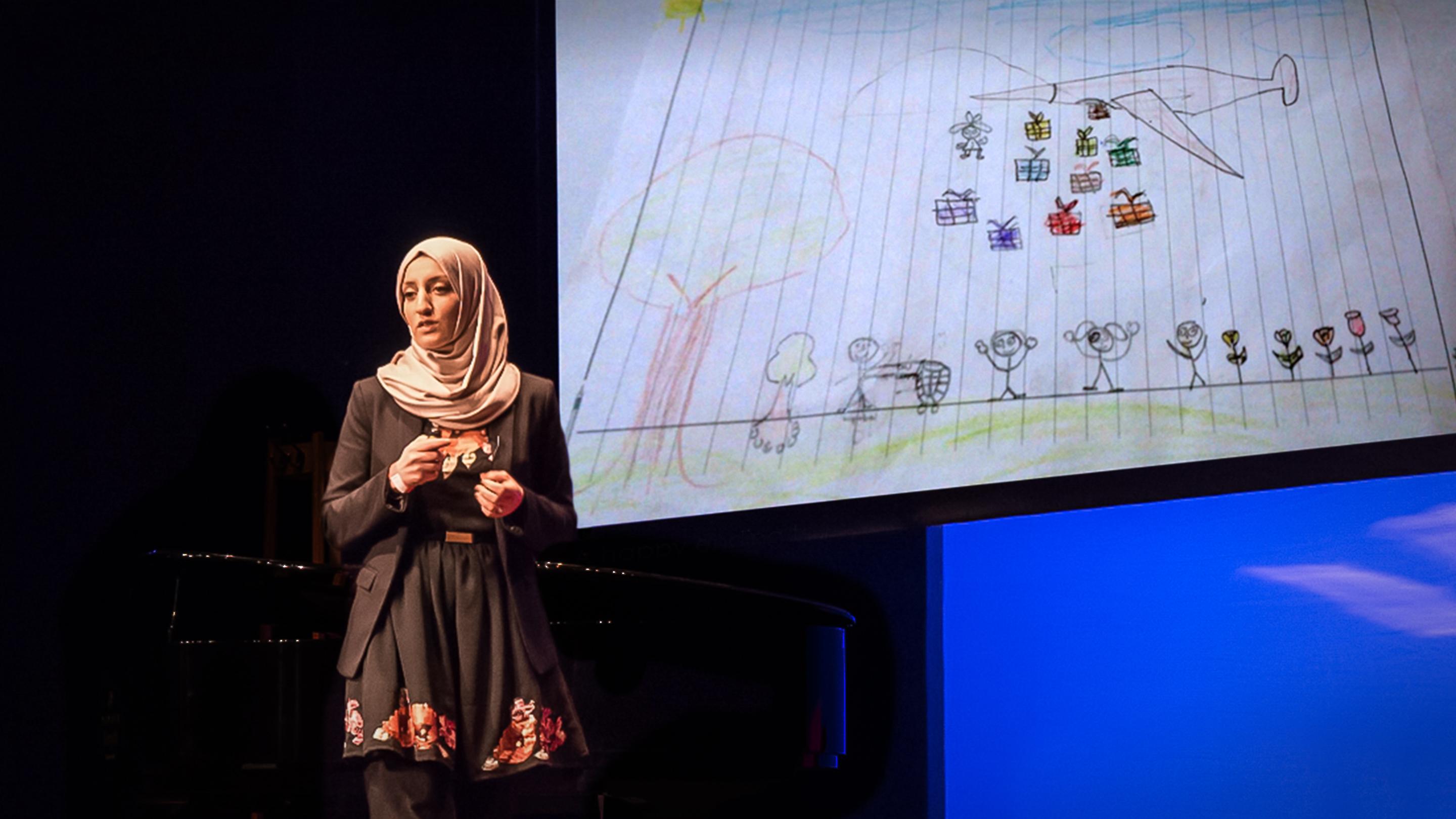
What it's like to be a parent in a war zone | Aala El-Khani
How do parents protect their children and help them feel secure again when their homes are ripped apart by war? In this warm-hearted talk, psychologist Aala El-Khani shares her work supporting -- and learning from -- refugee families affected by the civil war in Syria. She asks: How can we help these loving parents give their kids the warm, secure parenting they most need?
A young scientist's quest for clean water | Deepika Kurup
Deepika Kurup has been determined to solve the global water crisis since she was 14 years old, after she saw kids outside her grandparents' house in India drinking water that looked too dirty even to touch. Her research began in her family kitchen -- and eventually led to a major science prize. Hear how this teenage scientist developed a cost-effective, eco-friendly way to purify water.
What I learned from 100 days of rejection | Jia Jiang
Jia Jiang adventures boldly into a territory so many of us fear: rejection. By seeking out rejection for 100 days -- from asking a stranger to borrow $100 to requesting a "burger refill" at a restaurant -- Jiang desensitized himself to the pain and shame that rejection often brings and, in the process, discovered that simply asking for what you want can open up possibilities where you expect to find dead ends.
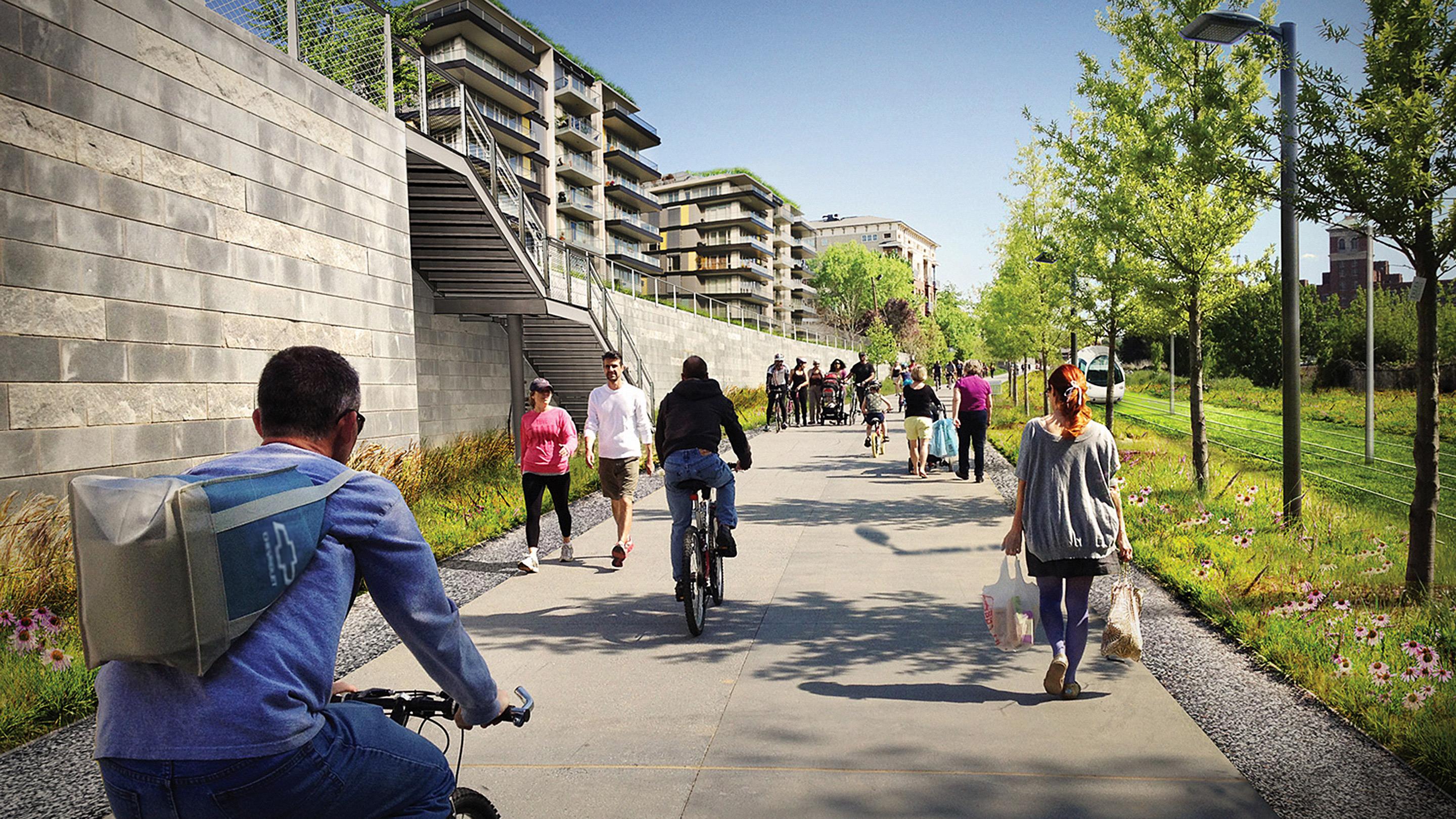
How an old loop of railroads is changing the face of a city | Ryan Gravel
Urban planner Ryan Gravel shares the story of how his hometown of Atlanta, Georgia, rallied to build a massive urban park that will transform an abandoned railroad track into 22 miles of public green space called the Atlanta BeltLine. The places we live aren't inevitable, he says -- and if we want something different, we need to speak up.
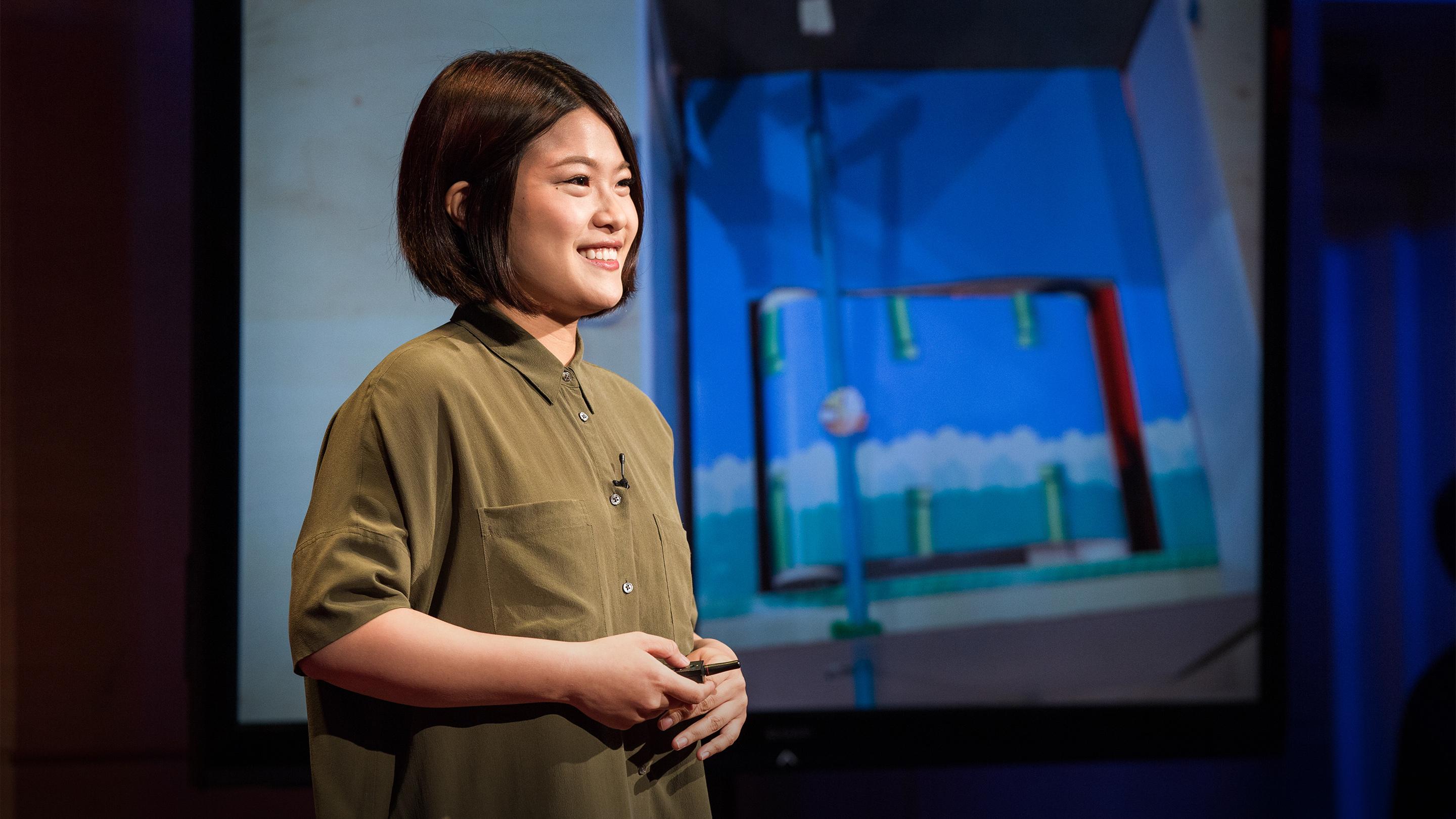
Easy DIY projects for kid engineers | Fawn Qiu
TED Resident Fawn Qiu designs fun, low-cost projects that use familiar materials like paper and fabric to introduce engineering to kids. In this quick, clever talk, she shares how nontraditional workshops like hers can change the perception of technology and inspire students to participate in creating it.
How to raise successful kids -- without over-parenting | Julie Lythcott-Haims
By loading kids with high expectations and micromanaging their lives at every turn, parents aren't actually helping. At least, that's how Julie Lythcott-Haims sees it. With passion and wry humor, the former Dean of Freshmen at Stanford makes the case for parents to stop defining their children's success via grades and test scores. Instead, she says, they should focus on providing the oldest idea of all: unconditional love.
Bring on the female superheroes! | Christopher Bell
Why is it so hard to find female superhero merchandise? In this passionate, sparkling talk, media studies scholar (and father of a Star Wars-obsessed daughter) Christopher Bell addresses the alarming lack of female superheroes in the toys and products marketed to kids -- and what it means for how we teach them about the world.
Nature is everywhere -- we just need to learn to see it | Emma Marris
How do you define "nature?" If we define it as that which is untouched by humans, then we won't have any left, says environmental writer Emma Marris. She urges us to consider a new definition of nature -- one that includes not only pristine wilderness but also the untended patches of plants growing in urban spaces -- and encourages us to bring our children out to touch and tinker with it, so that one day they might love and protect it.
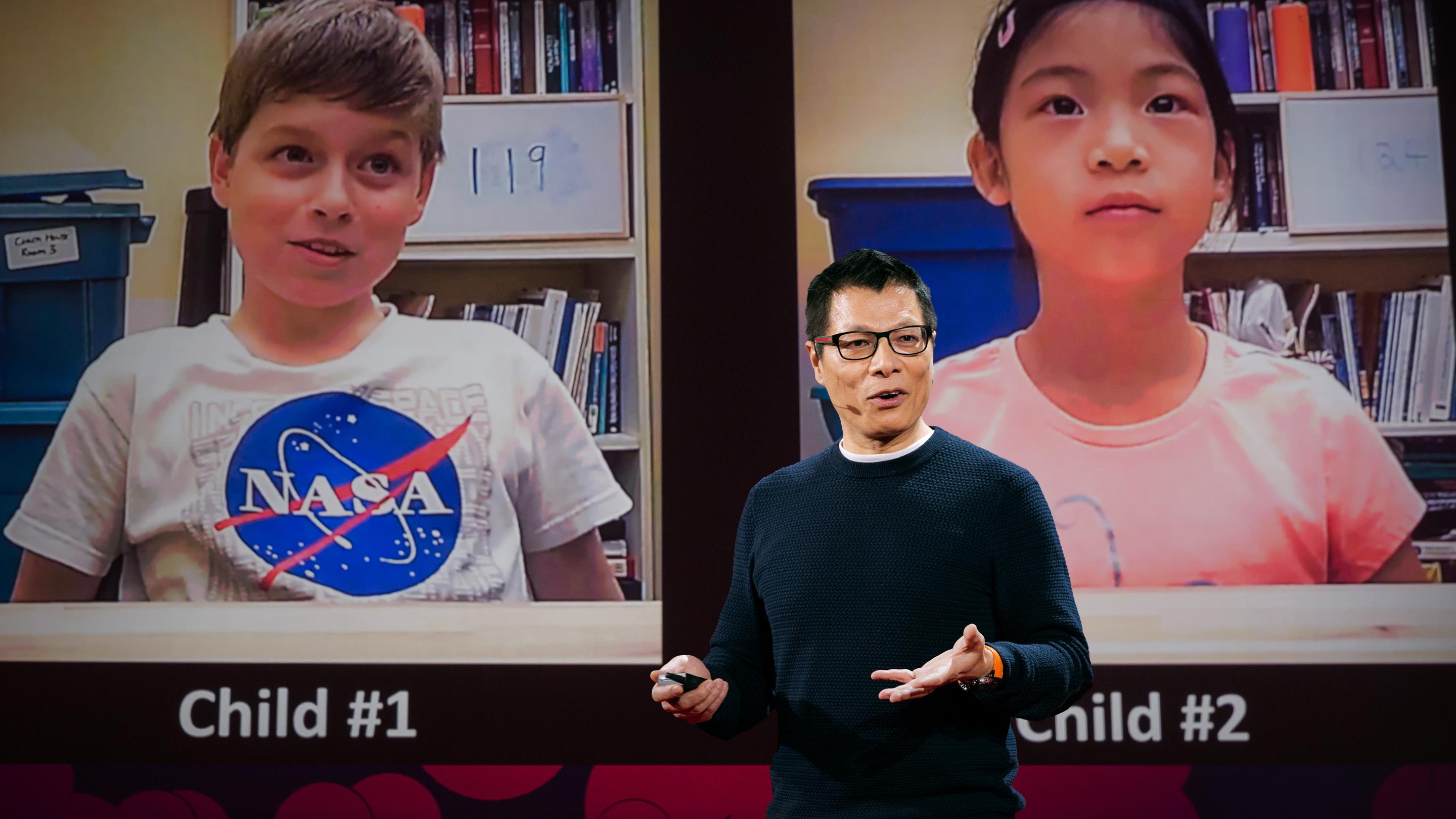
Can you really tell if a kid is lying? | Kang Lee
Are children poor liars? Do you think you can easily detect their lies? Developmental researcher Kang Lee studies what happens physiologically to children when they lie. They do it a lot, starting as young as two years old, and they're actually really good at it. Lee explains why we should celebrate when kids start to lie and presents new lie-detection technology that could someday reveal our hidden emotions.
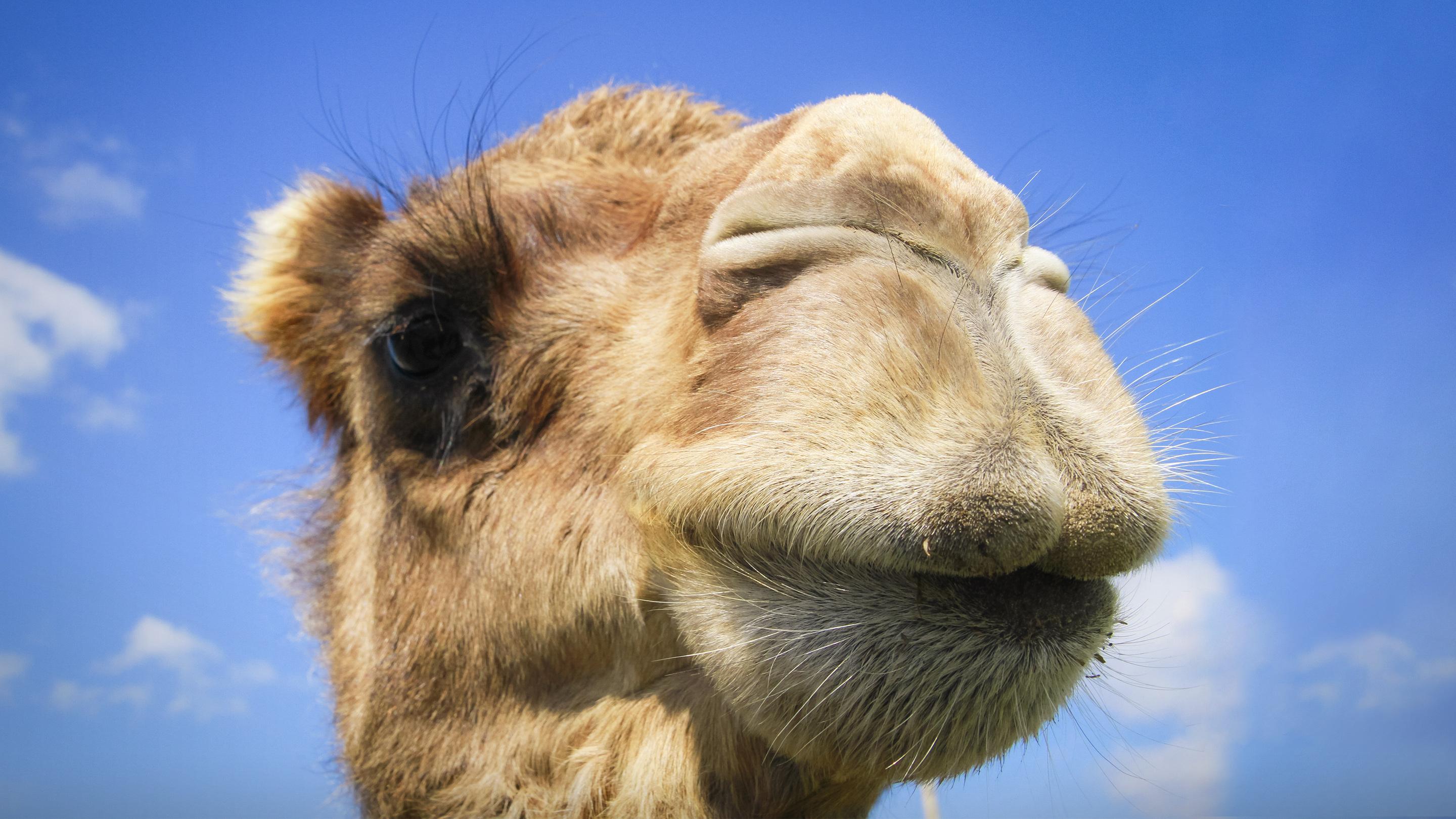
You have no idea where camels really come from | Latif Nasser
Camels are so well adapted to the desert that it's hard to imagine them living anywhere else. But what if we have them pegged all wrong? What if those big humps, feet and eyes were evolved for a different climate and a different time? In this talk, join Radiolab's Latif Nasser as he tells the surprising story of how a very tiny, very strange fossil upended the way he sees camels, and the world. This talk comes from the PBS special "TED Talks: Science & Wonder."
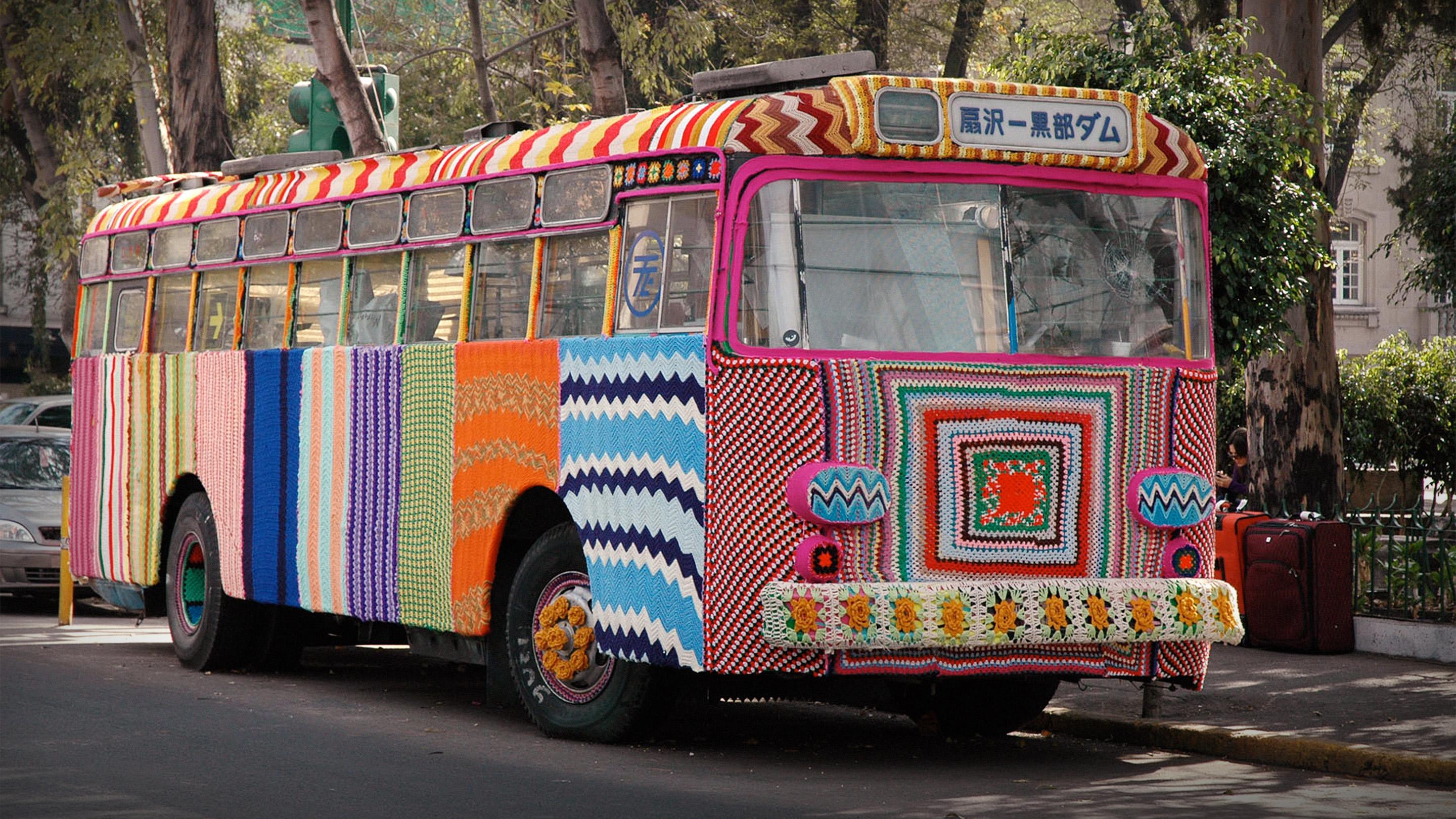
How yarn bombing grew into a worldwide movement | Magda Sayeg
Textile artist Magda Sayeg transforms urban landscapes into her own playground by decorating everyday objects with colorful knit and crochet works. These warm, fuzzy "yarn bombs" started small, with stop sign poles and fire hydrants in Sayeg's hometown, but soon people found a connection to the craft and spread it across the world. "We all live in this fast-paced, digital world, but we still crave and desire something that's relatable," Sayeg says. "Hidden power can be found in the most unassuming places, and we all possess skills that are just waiting to be discovered."
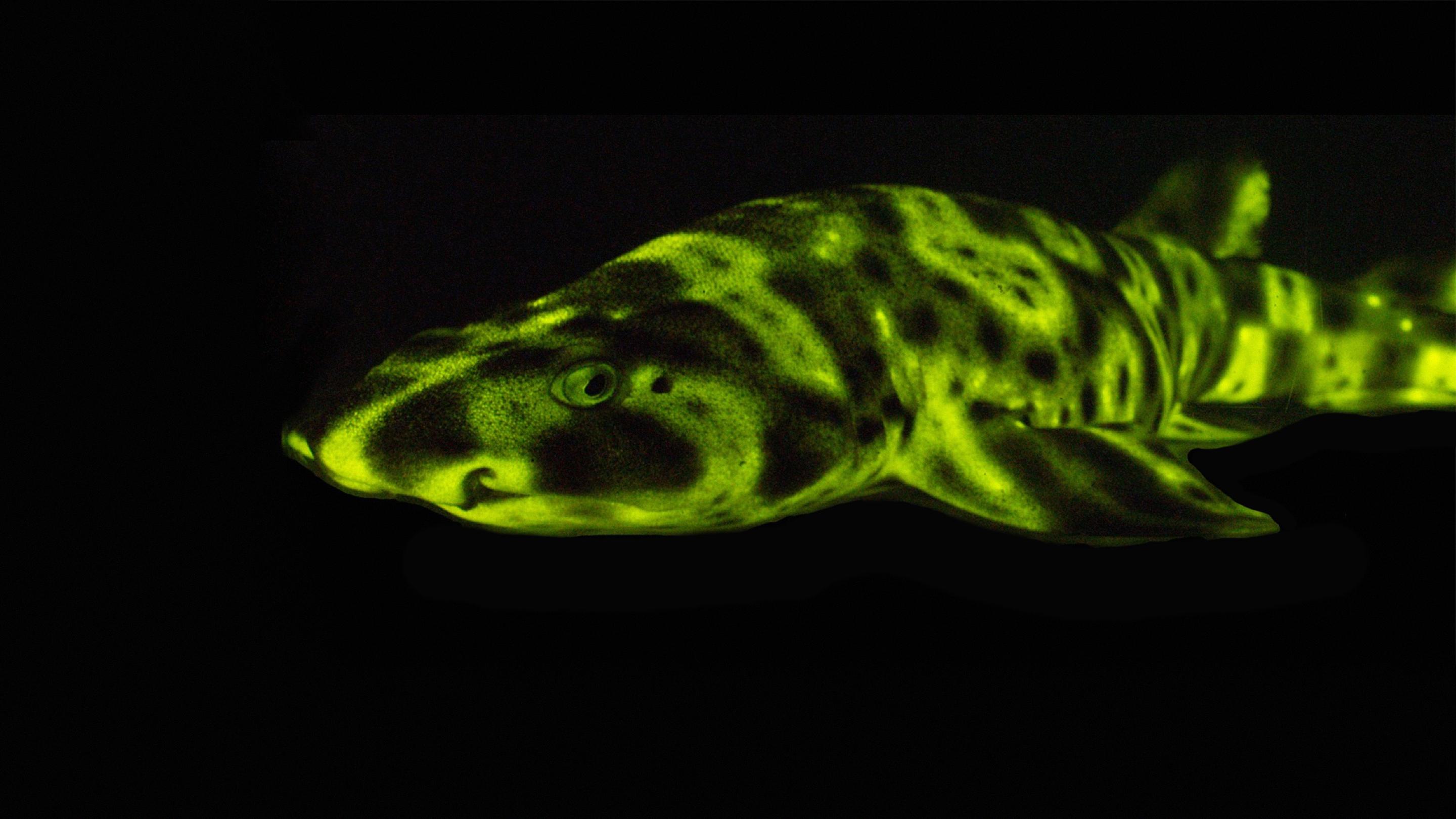
Glow-in-the-dark sharks and other stunning sea creatures | David Gruber
Just a few meters below the waves, marine biologist and explorer-photographer David Gruber discovered something amazing -- a surprising new range of sea creatures that glow in many colors in the ocean's dim blue light. Join his journey in search of biofluorescent sharks, seahorses, sea turtles and more, and learn how these light-up creatures could illuminate a new understanding of our own brains.
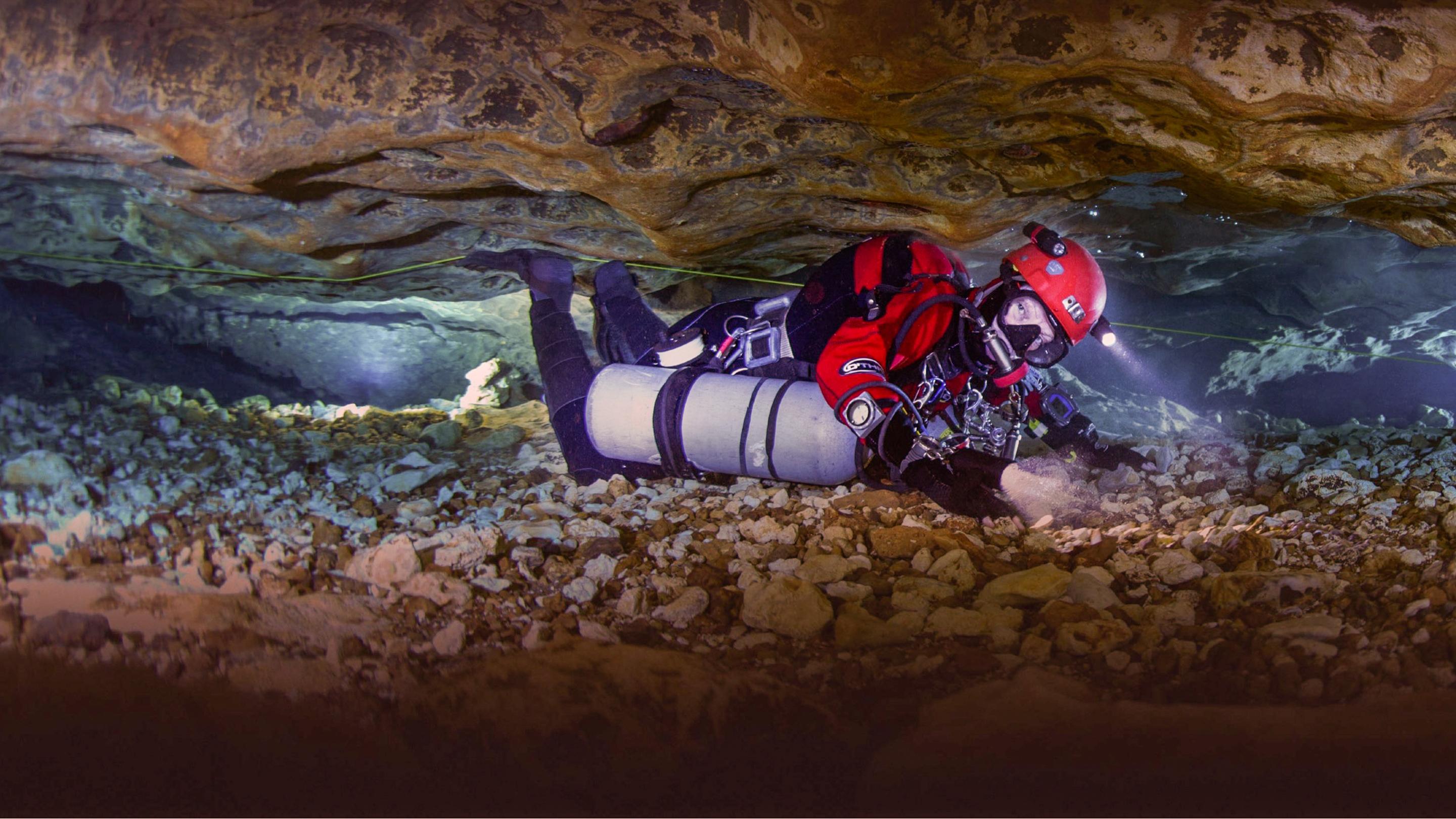
The mysterious world of underwater caves | Jill Heinerth
Cave diver Jill Heinerth explores the hidden underground waterways coursing through our planet. Working with biologists, climatologists and archaeologists, Heinerth unravels the mysteries of the life-forms that inhabit some of the earth's most remote places and helps researchers unlock the history of climate change. In this short talk, take a dive below the waves and explore the wonders of inner space.
How I teach kids to love science | Cesar Harada
At the Harbour School in Hong Kong, TED Senior Fellow Cesar Harada teaches citizen science and invention to the next generation of environmentalists. He's moved his classroom into an industrial mega-space where imaginative kids work with wood, metal, chemistry, biology, optics and, occasionally, power tools to create solutions to the threats facing the world's oceans. There, he instills a universal lesson that his own parents taught him at a young age: "You can make a mess, but you have to clean up after yourself."
The surprisingly logical minds of babies | Laura Schulz
How do babies learn so much from so little so quickly? In a fun, experiment-filled talk, cognitive scientist Laura Schulz shows how our young ones make decisions with a surprisingly strong sense of logic, well before they can talk.
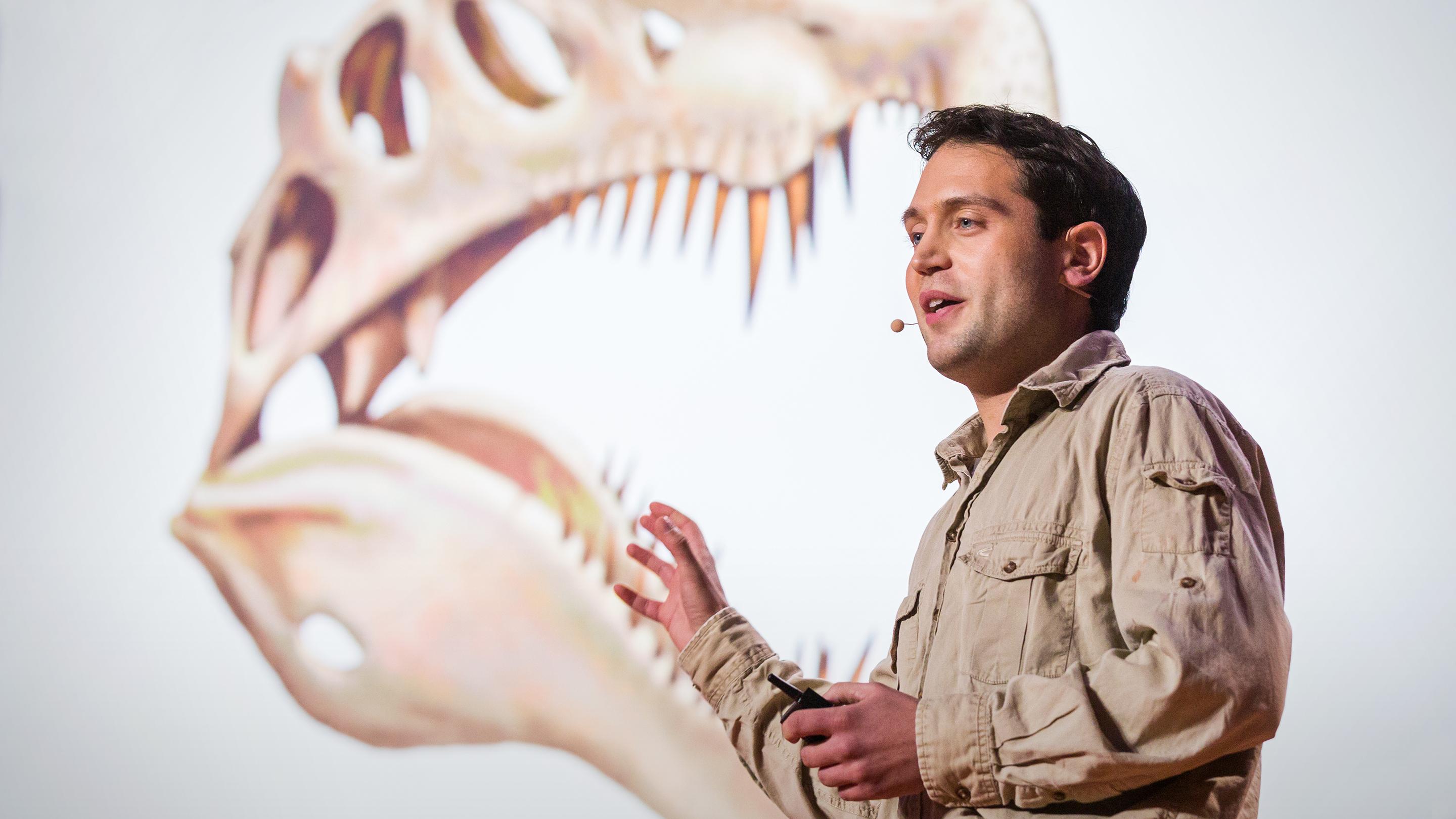
How we unearthed the Spinosaurus | Nizar Ibrahim
A 50-foot-long carnivore who hunted its prey in rivers 97 million years ago, the Spinosaurus is a "dragon from deep time." Paleontologist Nizar Ibrahim and his crew found new fossils, hidden in cliffs of the Moroccan Sahara desert, that are helping us learn more about the first swimming dinosaur -- who might also be the largest carnivorous dinosaur of all.

How to raise a Black son in America | Clint Smith
As kids, we all get advice from parents and teachers that seems strange, even confusing. This was crystallized one night for a young Clint Smith, who was playing with water guns in a dark parking lot with his white friends. In a heartfelt piece, the poet paints the scene of his father's furious and fearful response.
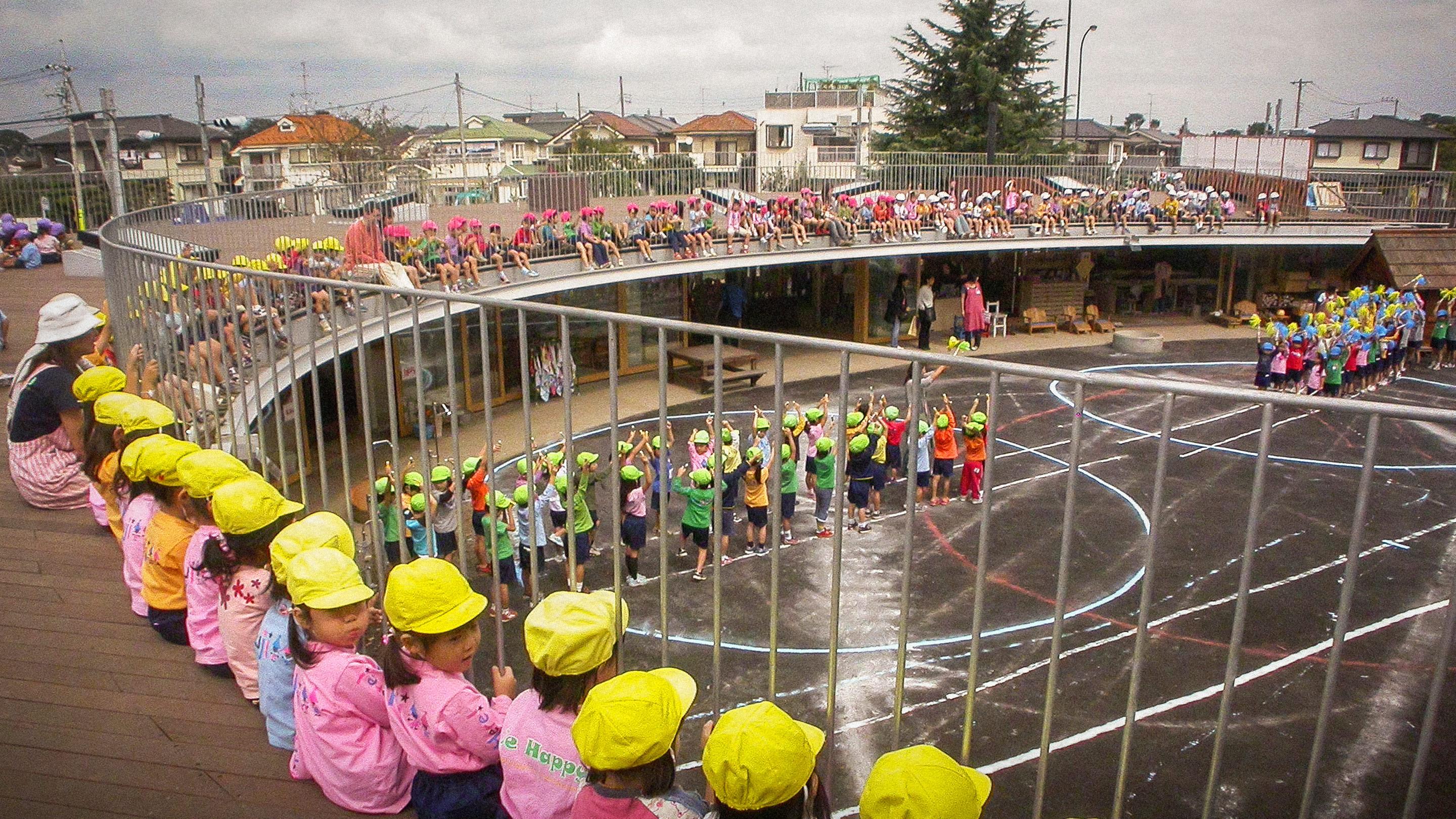
The best kindergarten you’ve ever seen | Takaharu Tezuka
At this school in Tokyo, five-year-olds cause traffic jams and windows are for Santa to climb into. Meet: the world's cutest kindergarten, designed by architect Takaharu Tezuka. In this charming talk, he walks us through a design process that really lets kids be kids.