
TED Talks Education
137 episodes — Page 2 of 3
A librarian's case against overdue book fines | Dawn Wacek
Libraries have the power to create a better world; they connect communities, promote literacy and spark lifelong learners. But there's one thing that keeps people away: the fear of overdue book fines. In this thought-provoking talk, librarian Dawn Wacek makes the case that fines don't actually do what we think they do. What if your library just ... stopped asking for them altogether?
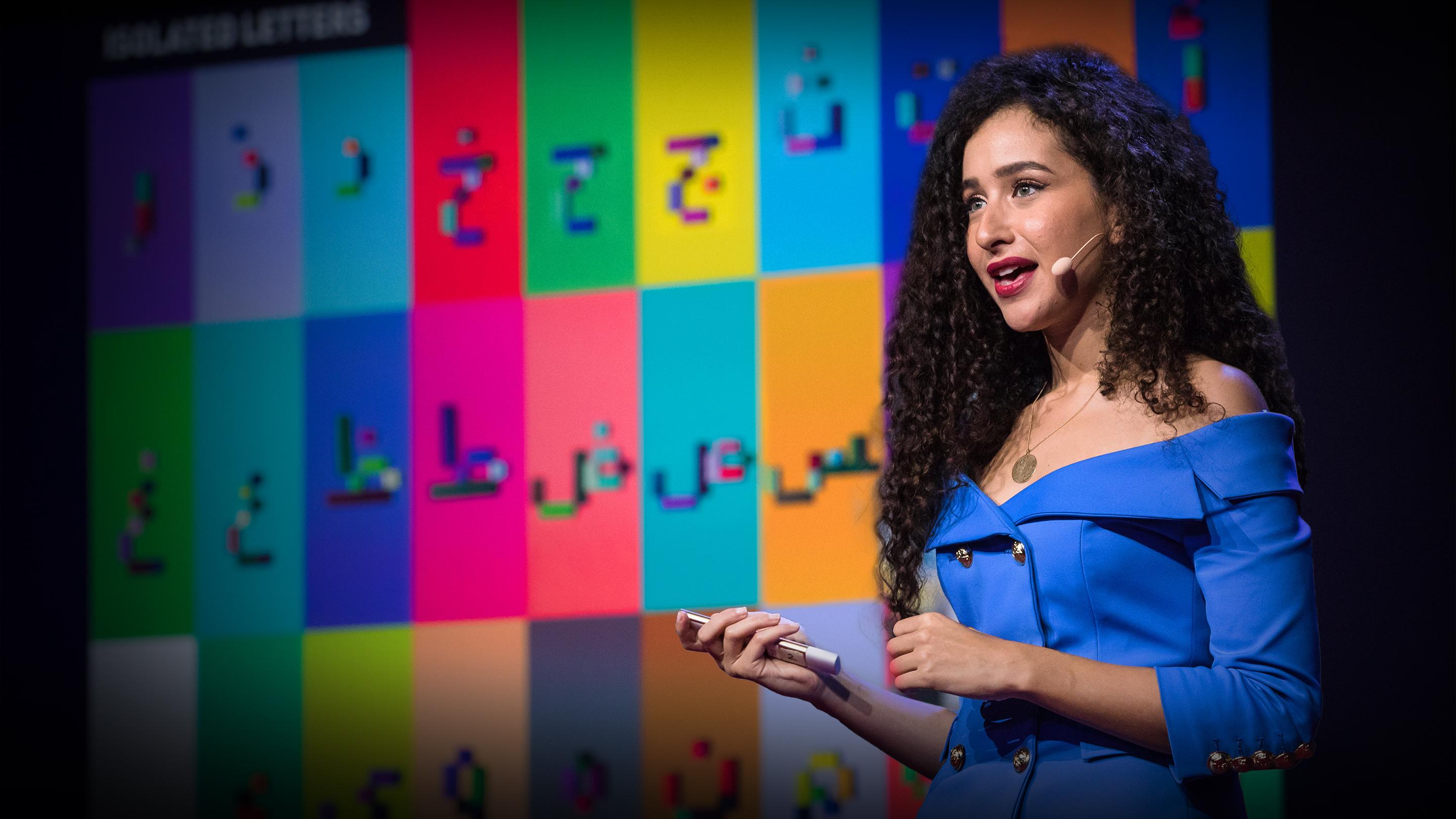
How I'm using LEGO to teach Arabic | Ghada Wali
After a visit to a European library in search of Arabic and Middle Eastern texts turned up only titles about fear, terrorism and destruction, Ghada Wali resolved to represent her culture in a fun, accessible way. The result: a colorful, engaging project that uses LEGO to teach Arabic script, harnessing the power of graphic design to create connection and positive change. "Effective communication and education is the road to more tolerant communities," Wali says.
How teachers can help kids find their political voices | Sydney Chaffee
Social justice belongs in our schools, says educator Sydney Chaffee. In a bold talk, she shows how teaching students to engage in activism helps them build important academic and life skills -- and asks us to rethink how we can use education to help kids find their voices. "Teaching will always be a political act," Chaffee says. "We can't be afraid of our students' power. Their power will help them make tomorrow better."
How farming could employ Africa's young workforce -- and help build peace | Kola Masha
Africa's youth is coming of age rapidly, but job growth on the continent isn't keeping up. The result: financial insecurity and, in some cases, a turn towards insurgent groups. In a passionate talk, agricultural entrepreneur Kola Masha details his plan to bring leadership and investment to small farmers in Africa -- and employ a rising generation.
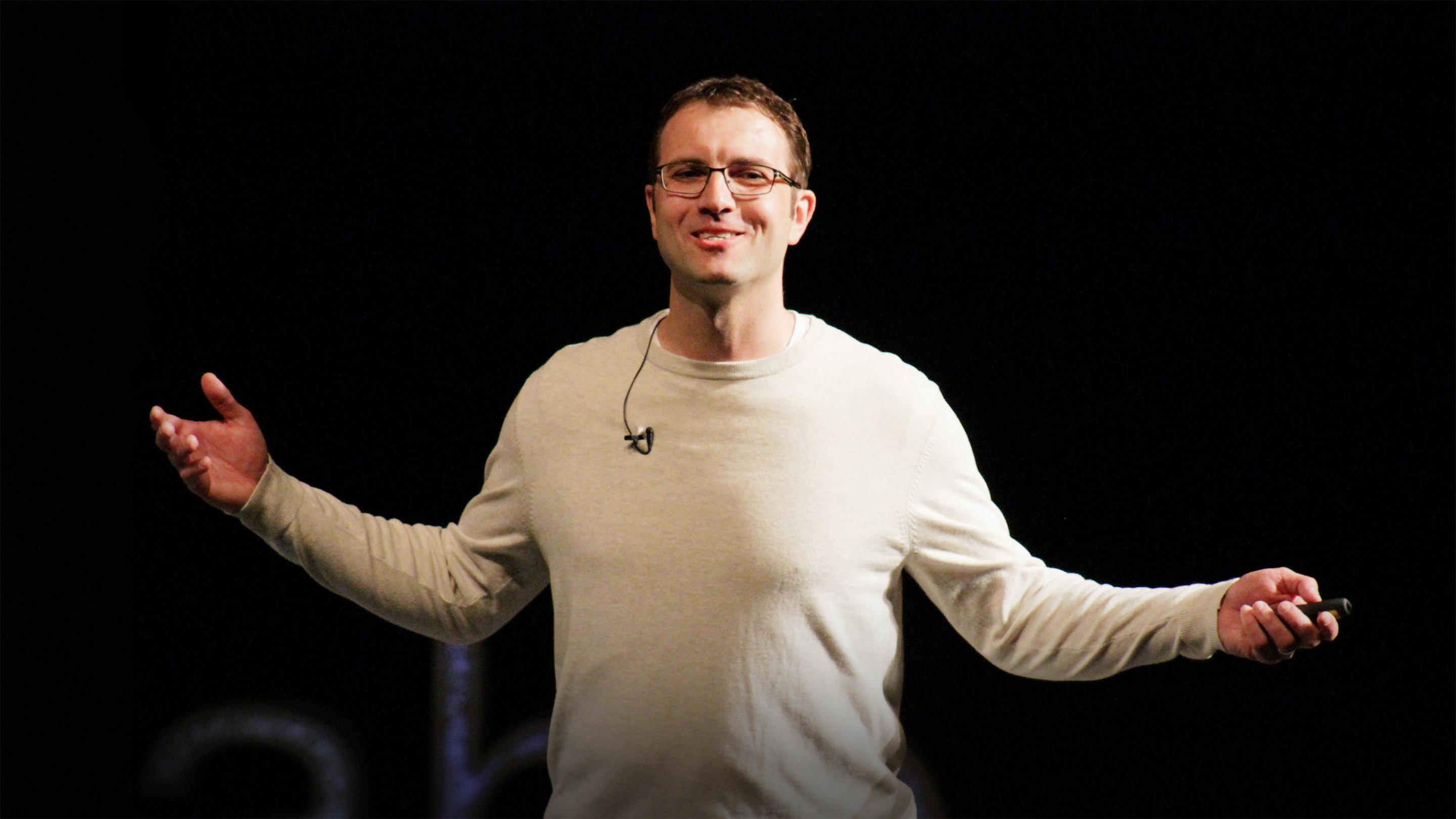
A crash course in organic chemistry | Jakob Magolan
Jakob Magolan is here to change your perception of organic chemistry. In an accessible talk packed with striking graphics, he teaches us the basics while breaking the stereotype that organic chemistry is something to be afraid of.
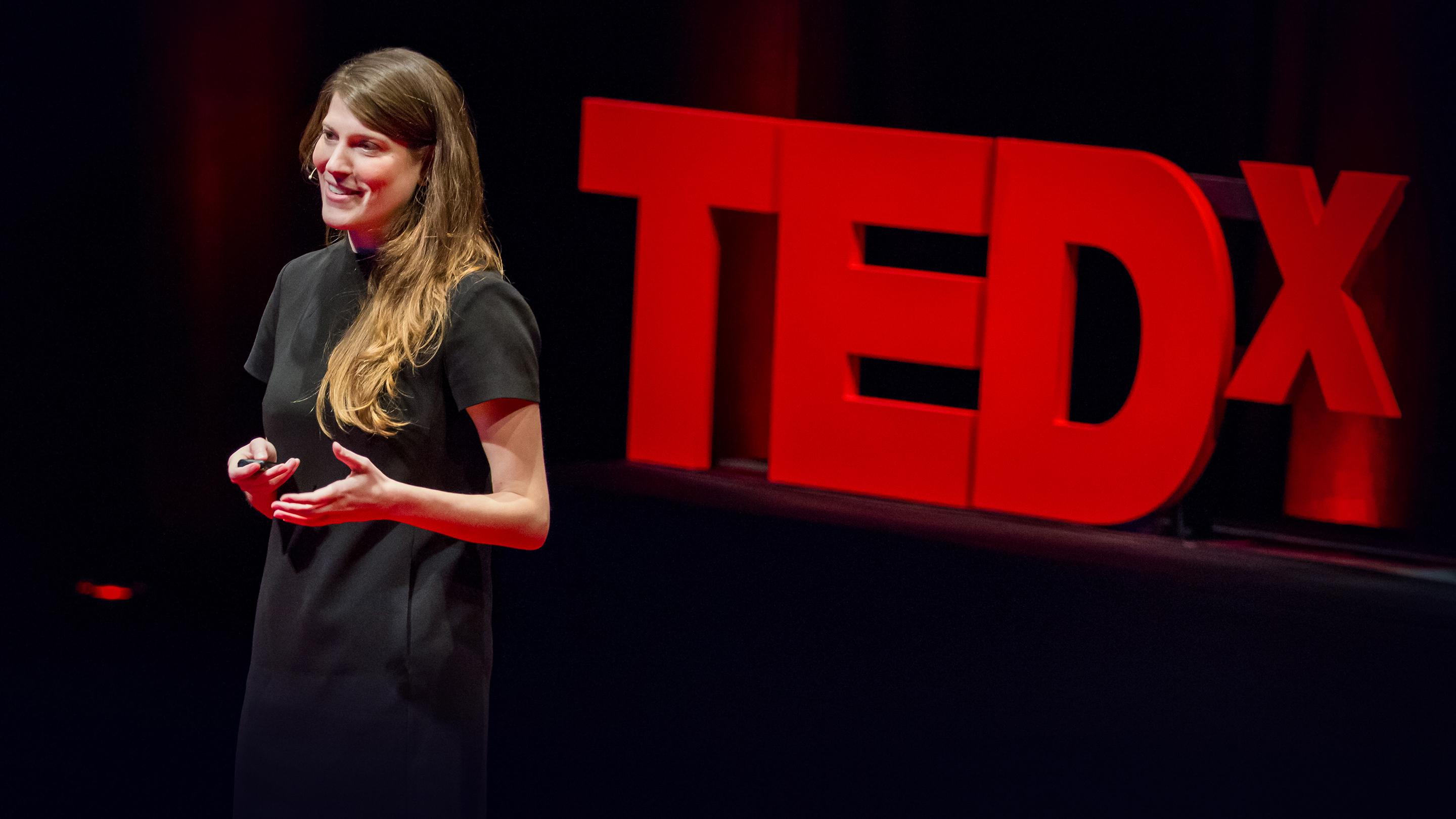
Why you should love gross science | Anna Rothschild
What can we learn from the slimy, smelly side of life? In this playful talk, science journalist Anna Rothschild shows us the hidden wisdom of "gross stuff" and explains why avoiding the creepy underbelly of nature, medicine and technology closes us off to important sources of knowledge about our health and the world. "When we explore the gross side of life, we find insights that we never would have thought we'd find, and we even often reveal beauty that we didn't think was there," Rothschild says.
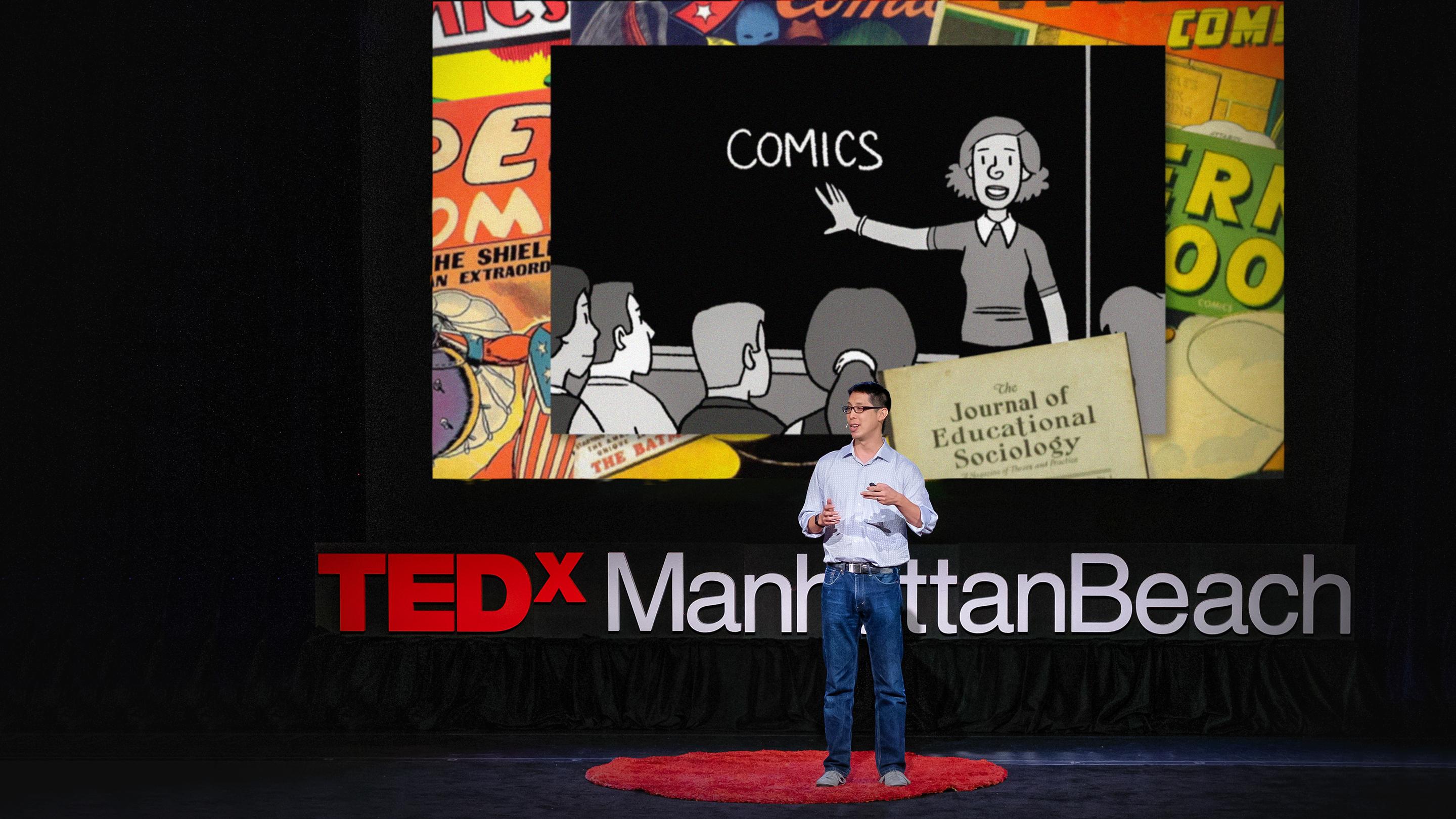
Comics belong in the classroom | Gene Luen Yang
Comic books and graphic novels belong in every teacher's toolkit, says cartoonist and educator Gene Luen Yang. Set against the backdrop of his own witty, colorful drawings, Yang explores the history of comics in American education -- and reveals some unexpected insights about their potential for helping kids learn.
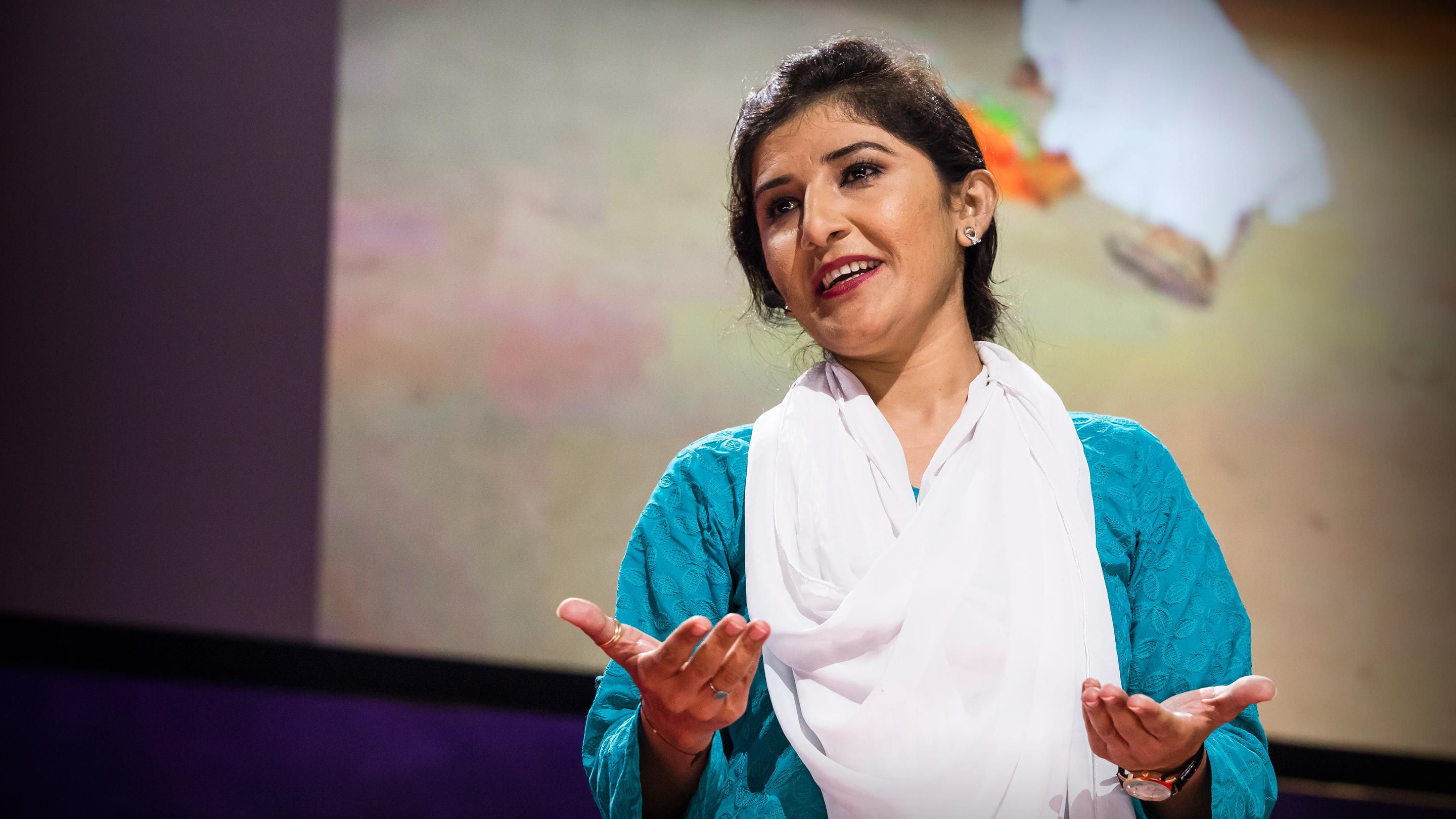
To learn is to be free | Shameem Akhtar
Shameem Akhtar posed as a boy during her early childhood in Pakistan so she could enjoy the privileges Pakistani girls are rarely afforded: to play outside and attend school. In an eye-opening, personal talk, Akhtar recounts how the opportunity to get an education altered the course of her life -- and ultimately changed the culture of her village, where today every young girl goes to school.
This company pays kids to do their math homework | Mohamad Jebara
Mohamad Jebara loves mathematics -- but he's concerned that too many students grow up thinking that this beautiful, rewarding subject is difficult and boring. His company is experimenting with a bold idea: paying students for completing weekly math homework. He explores the ethics of this model and how it's helping students -- and why learning math is crucial in the era of fake news.
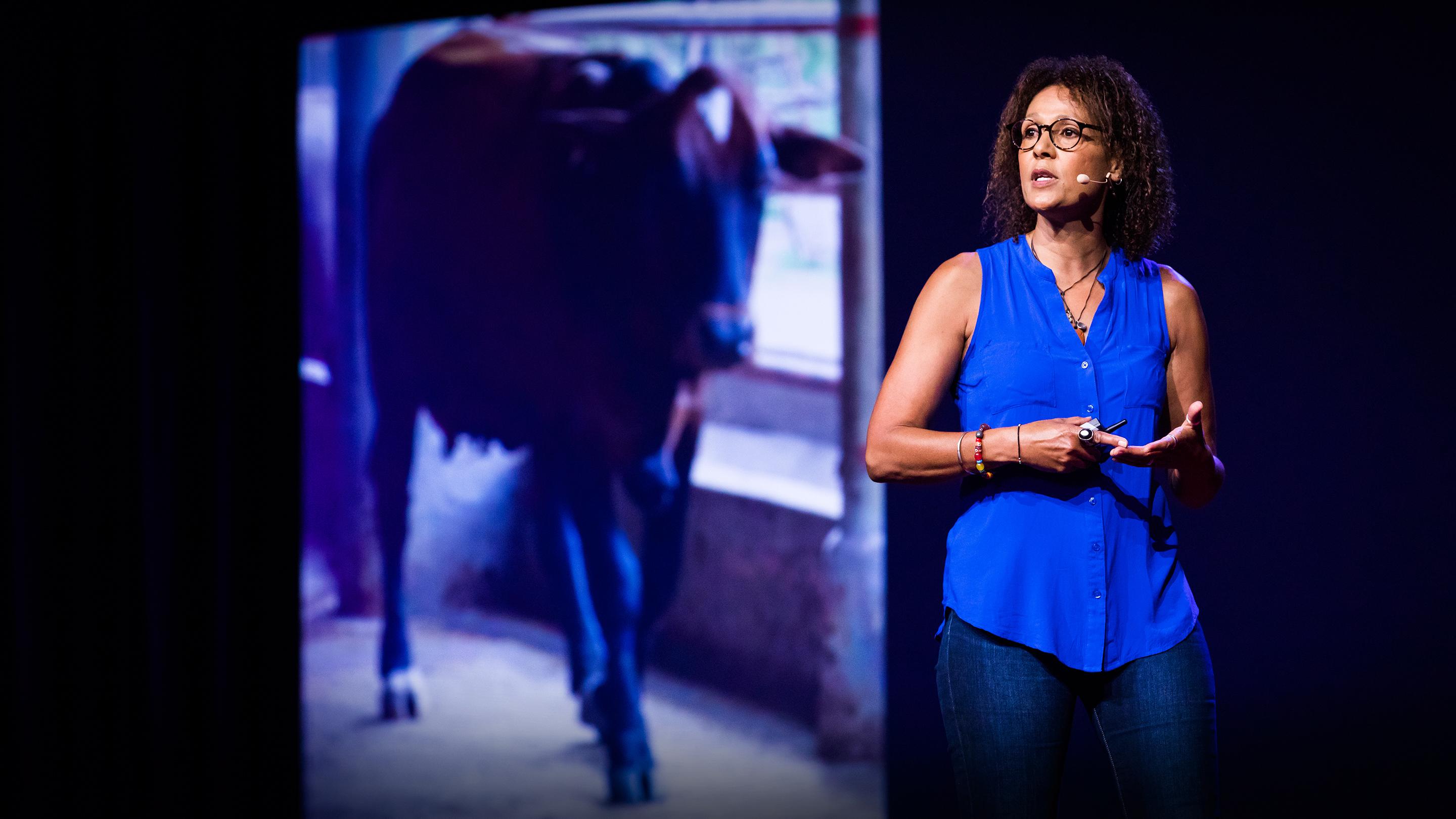
How we can help hungry kids, one text at a time | Su Kahumbu
Su Kahumbu raises badass cows -- healthy, well-fed animals whose protein is key to solving a growing crisis in Africa: childhood nutritional stunting. With iCow, a simple SMS service she developed to support small-scale livestock farmers, the TED Fellow is helping farmers across the continent by texting them tips on caring for and raising animals. Learn more about how this cheap innovation is helping feed hungry kids, one text at a time.
What we don't teach kids about sex | Sue Jaye Johnson
As parents, it's our job to teach our kids about sex. But beyond "the talk," which covers biology and reproduction, there's so much more we can say about the human experience of being in our bodies. Introducing "The Talk 2.0," Sue Jaye Johnson shows us how we can teach our children to tune in to their sensations and provide them with the language to communicate their desires and emotions -- without shutting down or numbing out.
The global learning crisis -- and what to do about it | Amel Karboul
The most important infrastructure we have is educated minds, says former Tunisian government minister Amel Karboul. Yet too often large investments go to more visible initiatives such as bridges and roads, when it's the minds of our children that will really create a brighter future. In this sharp talk, she shares actionable ideas to ensure that every child is in school -- and learning -- within just one generation.
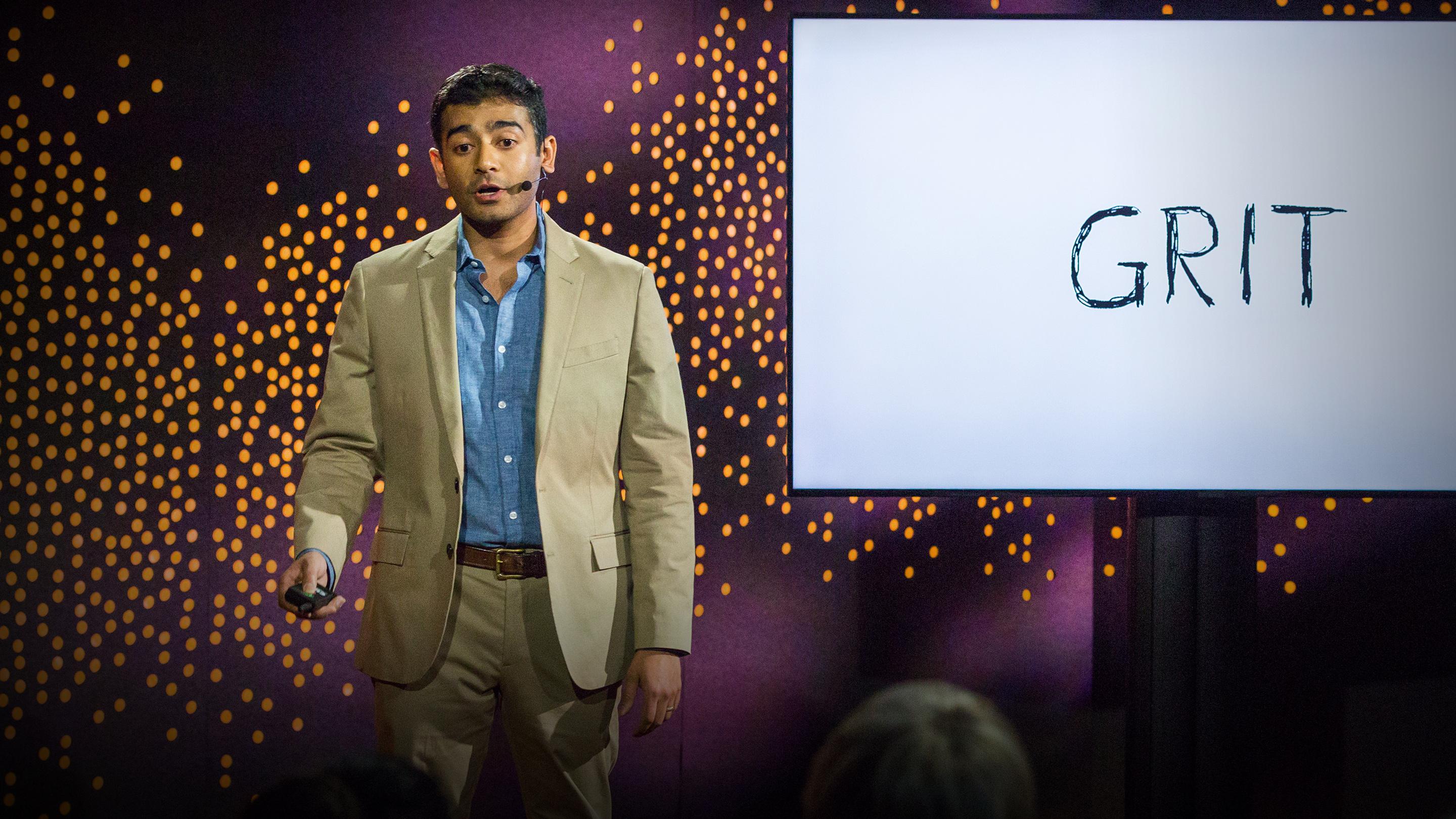
The boost students need to overcome obstacles | Anindya Kundu
How can disadvantaged students succeed in school? For sociologist Anindya Kundu, grit and stick-to-itiveness aren't enough; students also need to develop their agency, or their capacity to overcome obstacles and navigate the system. He shares hopeful stories of students who have defied expectations in the face of personal, social and institutional challenges.
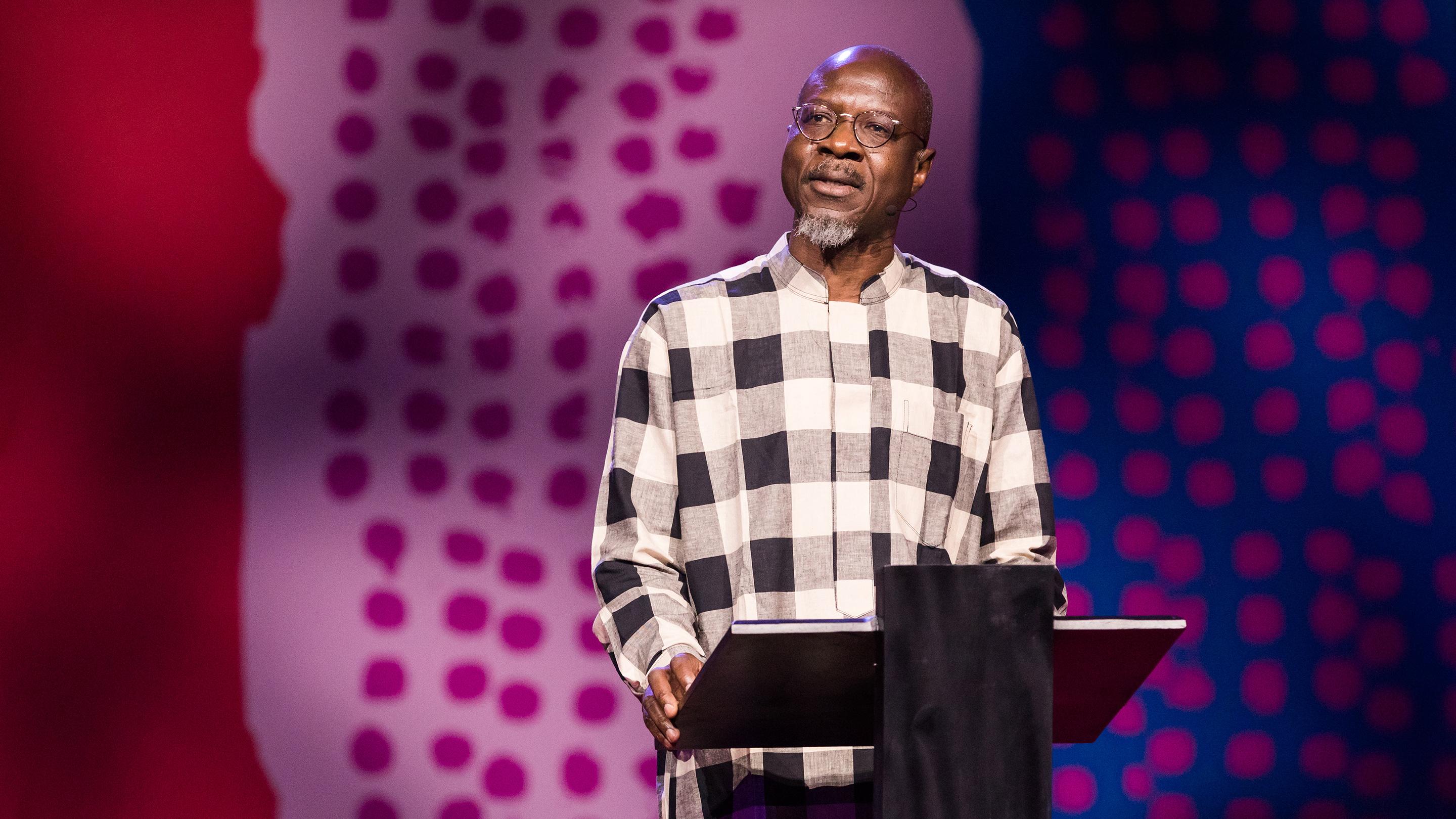
Why Africa must become a center of knowledge again | Olúfẹ́mi Táíwò
How can Africa, the home to some of the largest bodies of water in the world, be said to have a water crisis? It doesn't, says Olúfẹ́mi Táíwò -- it has a knowledge crisis. Táíwò suggests that lack of knowledge on important topics like water and food is what stands between Africa's current state and a future of prosperity. In a powerful talk, he calls for Africa to make the production of knowledge within the continent rewarding and reclaim its position as a locus of learning on behalf of humanity.

To solve old problems, study new species | Alejandro Sánchez Alvarado
Nature is wonderfully abundant, diverse and mysterious -- but biological research today tends to focus on only seven species, including rats, chickens, fruit flies and us. We're studying an astonishingly narrow sliver of life, says biologist Alejandro Sánchez Alvarado, and hoping it'll be enough to solve the oldest, most challenging problems in science, like cancer. In this visually captivating talk, Alvarado calls on us to interrogate the unknown and shows us the remarkable discoveries that surface when we do.
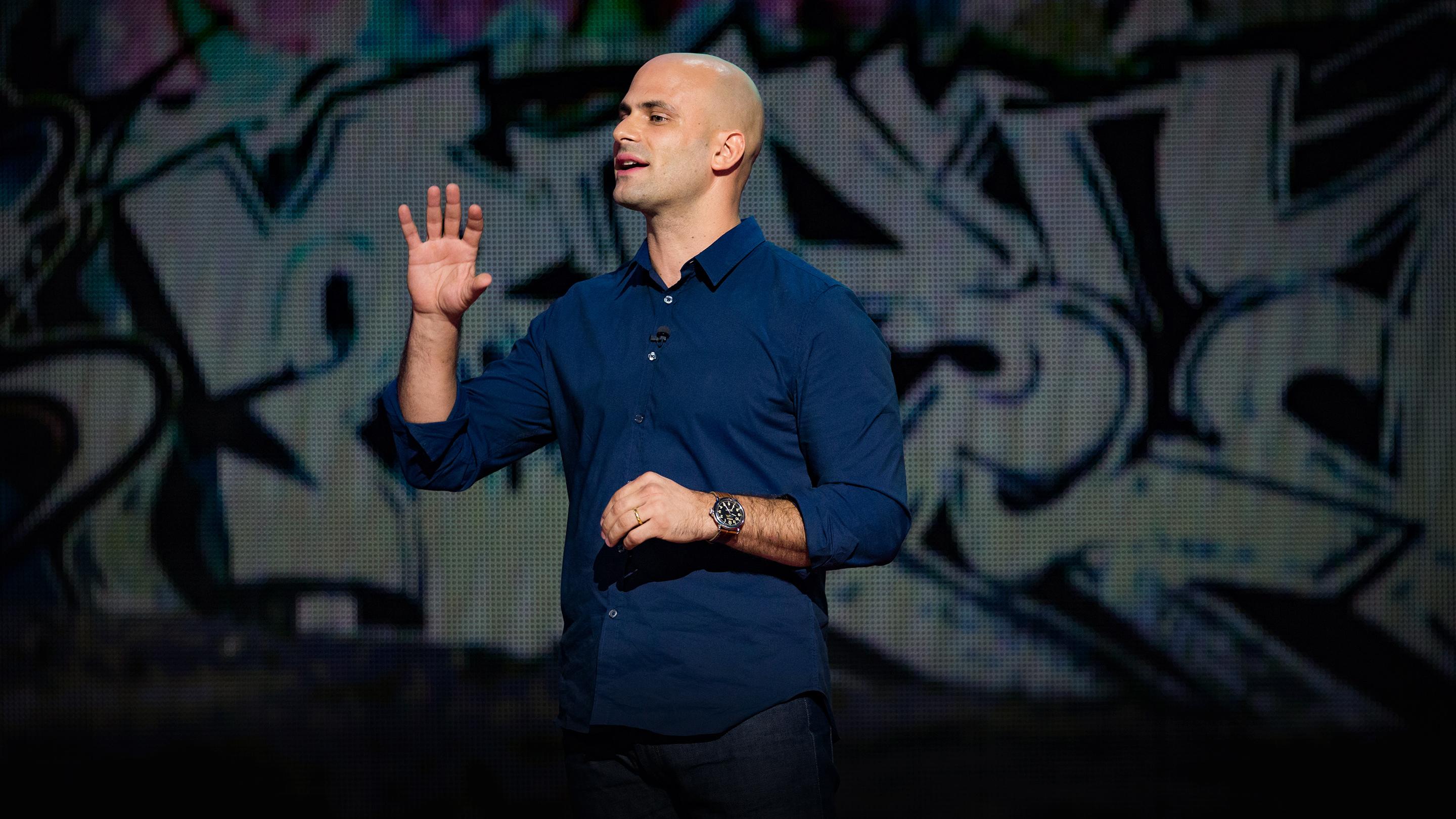
Want kids to learn well? Feed them well | Sam Kass
What can we expect our kids to learn if they're hungry or eating diets full of sugar and empty of nutrients? Former White House Chef and food policymaker Sam Kass discusses the role schools can play in nourishing students' bodies in addition to their minds.
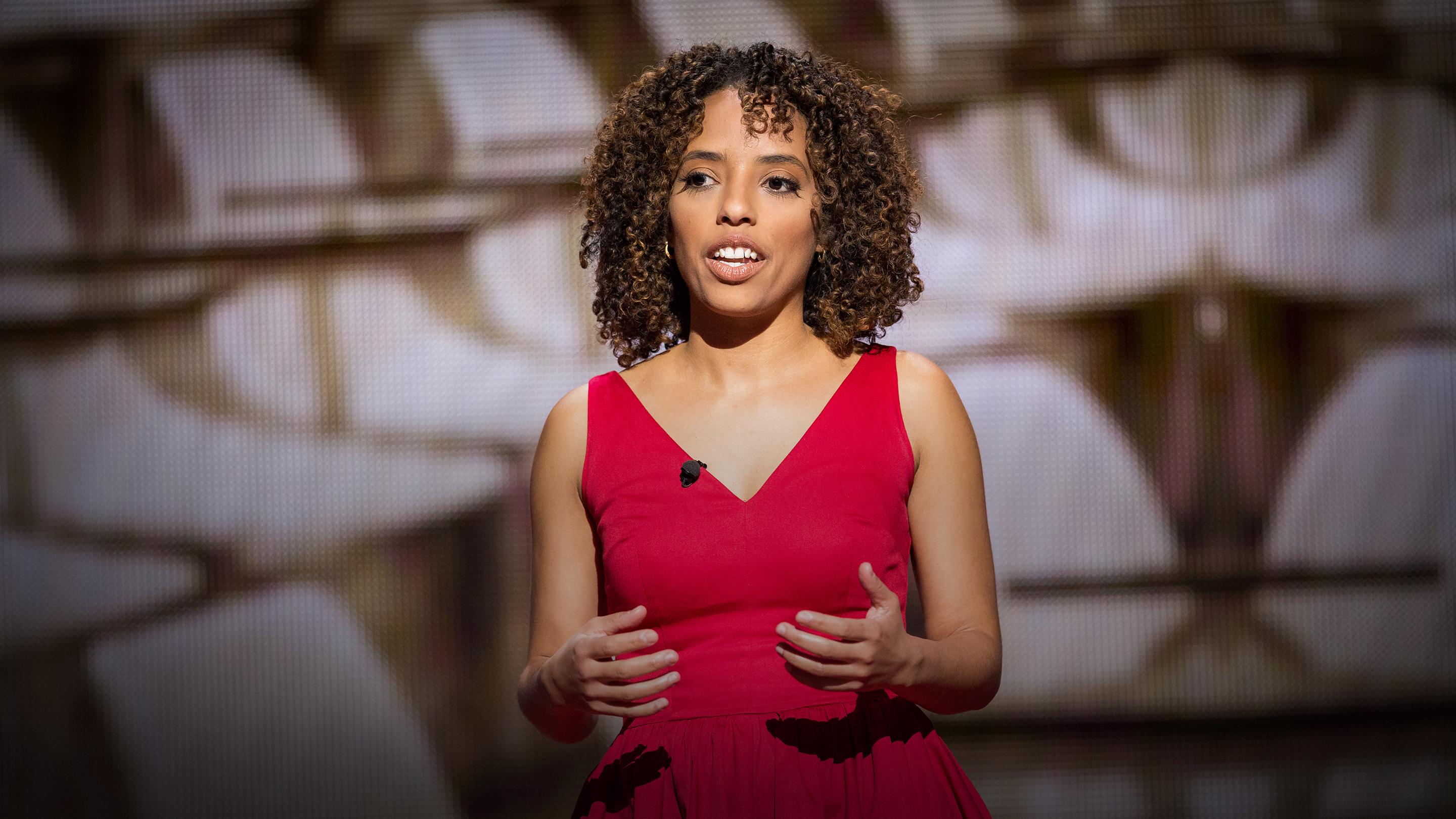
How students of color confront impostor syndrome | Dena Simmons
As a black woman from a tough part of the Bronx who grew up to attain all the markers of academic prestige, Dena Simmons knows that for students of color, success in school sometimes comes at the cost of living authentically. Now an educator herself, Simmons discusses how we might create a classroom that makes all students feel proud of who they are. "Every child deserves an education that guarantees the safety to learn in the comfort of one's own skin," she says.
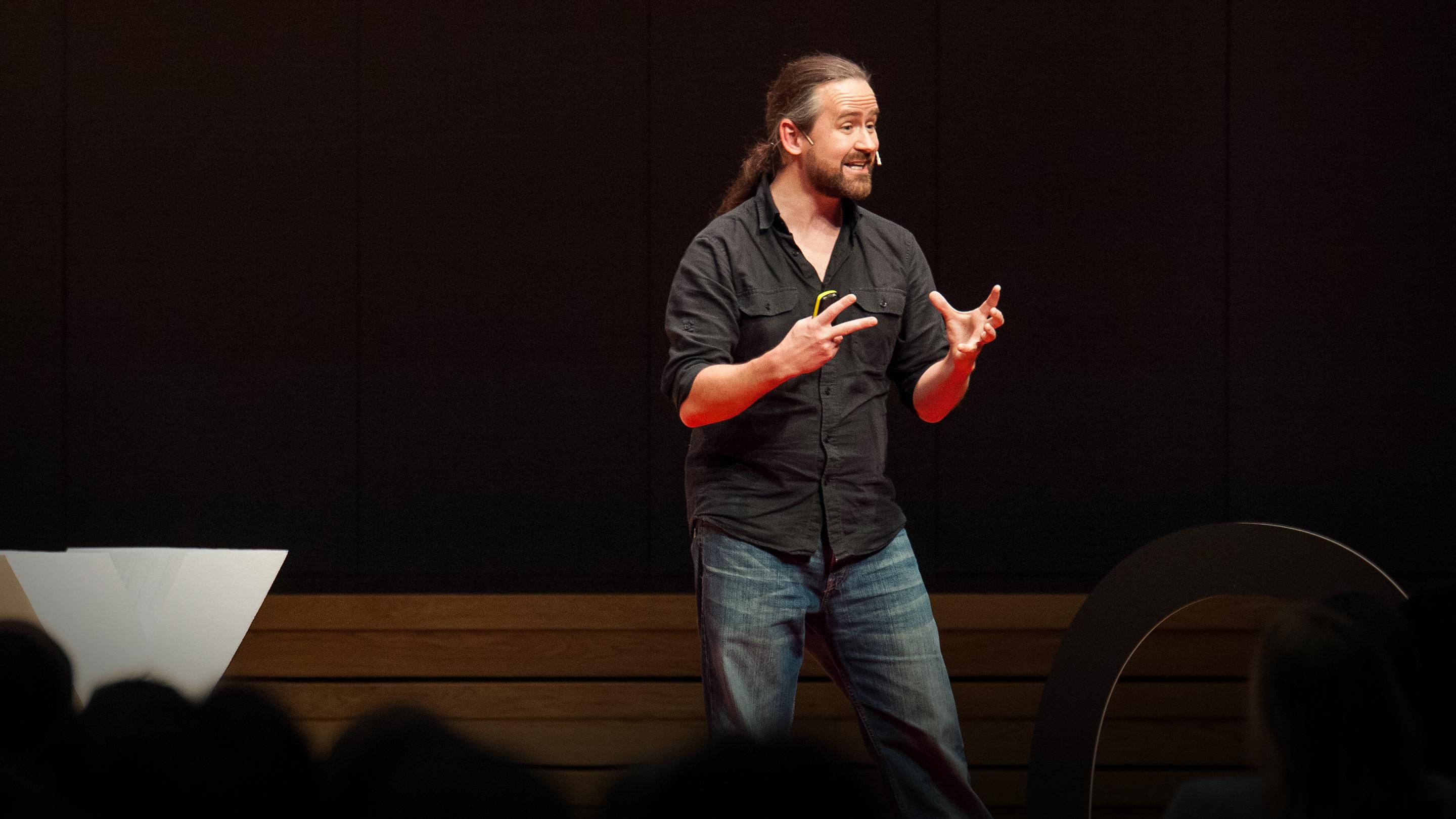
Math is the hidden secret to understanding the world | Roger Antonsen
Unlock the mysteries and inner workings of the world through one of the most imaginative art forms ever -- mathematics -- with Roger Antonsen, as he explains how a slight change in perspective can reveal patterns, numbers and formulas as the gateways to empathy and understanding.
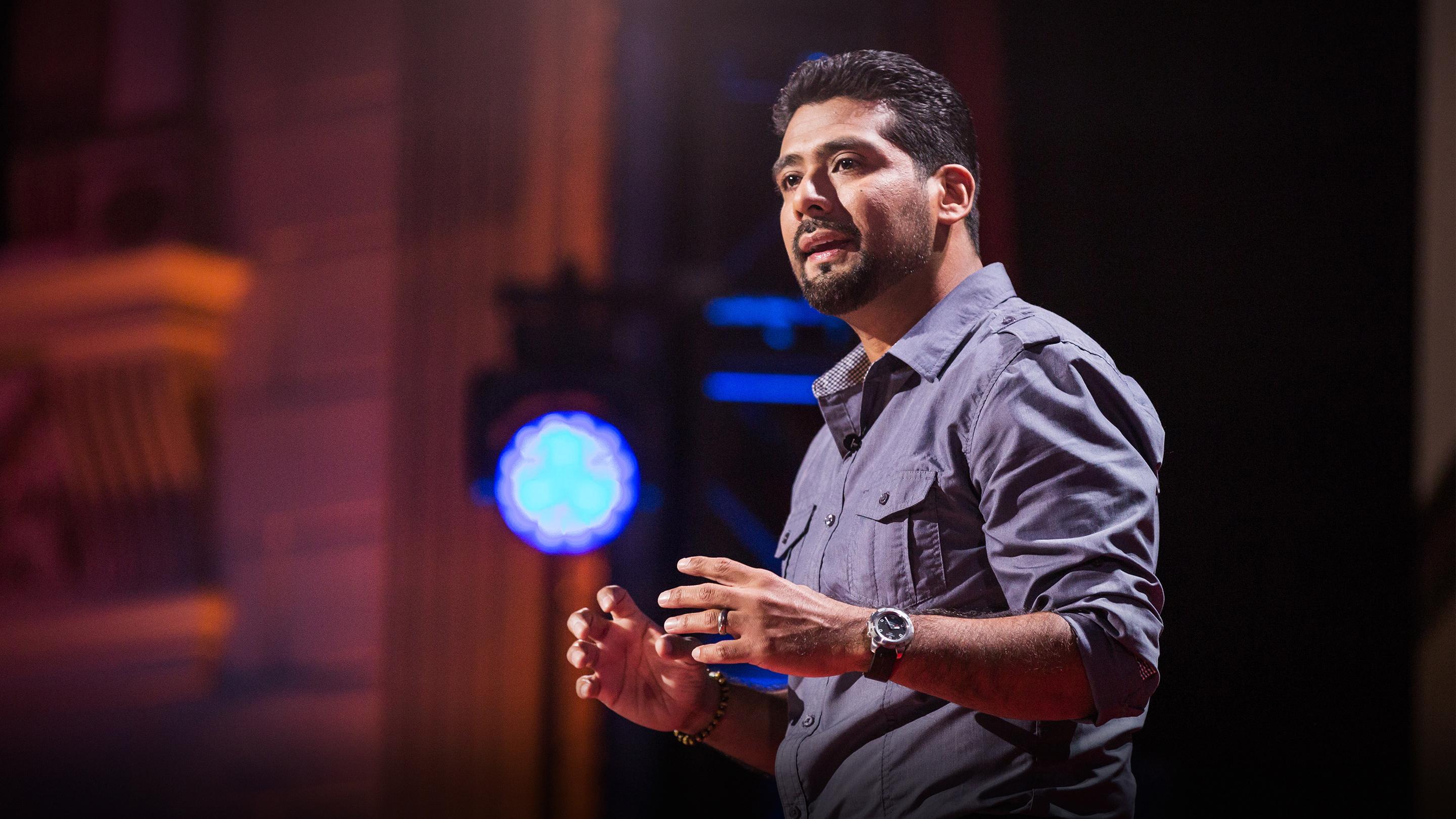
Help for kids the education system ignores | Victor Rios
Define students by what they contribute, not what they lack -- especially those with difficult upbringings, says educator Victor Rios. Interweaved with his personal tale of perseverance as an inner-city youth, Rios identifies three straightforward strategies to shift attitudes in education and calls for fellow educators to see "at-risk" students as "at-promise" individuals brimming with resilience, character and grit.
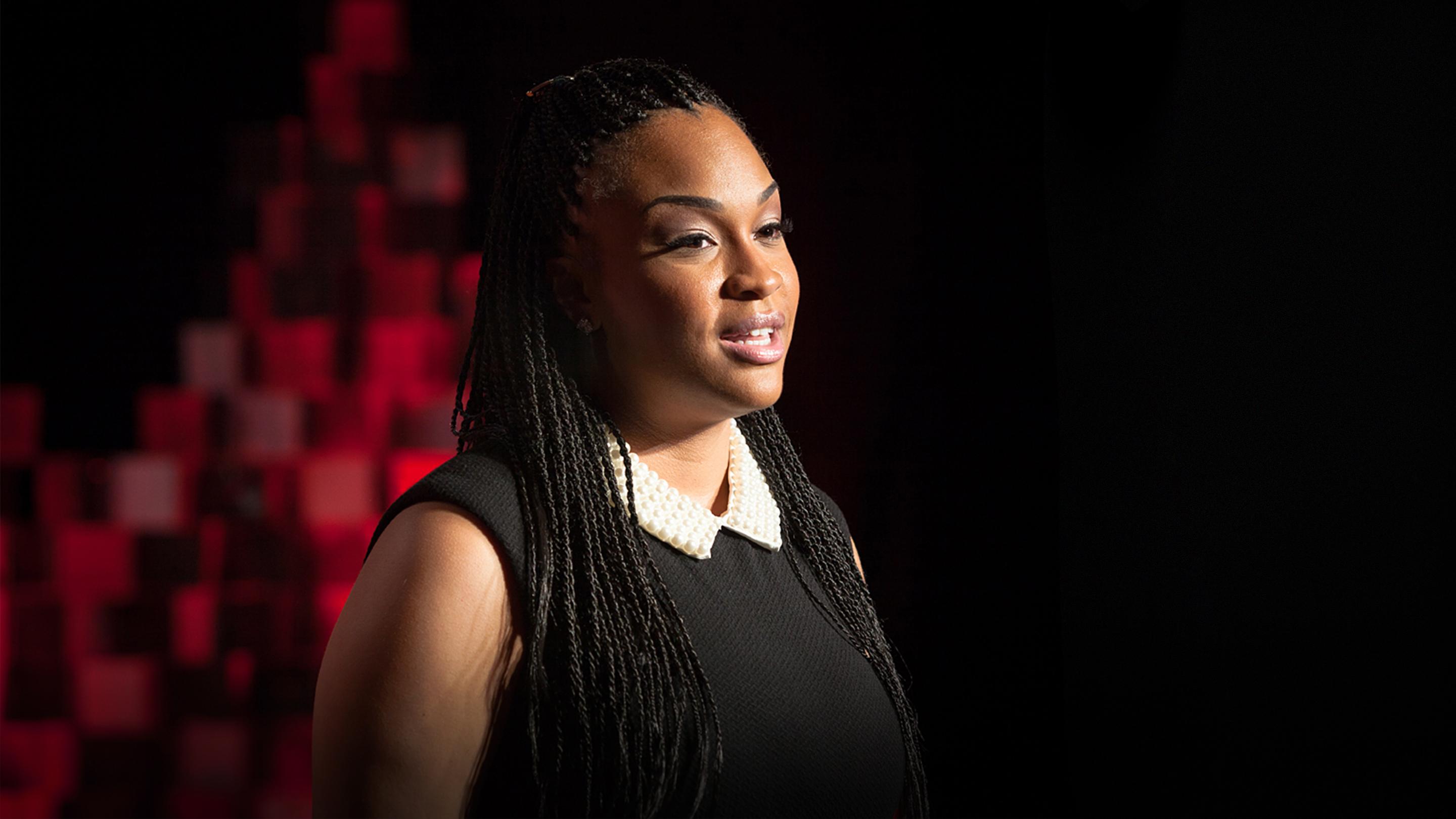
How America's public schools keep kids in poverty | Kandice Sumner
Why should a good education be exclusive to rich kids? Schools in low-income neighborhoods across the US, specifically in communities of color, lack resources that are standard at wealthier schools -- things like musical instruments, new books, healthy school lunches and soccer fields -- and this has a real impact on the potential of students. Kandice Sumner sees the disparity every day in her classroom in Boston. In this inspiring talk, she asks us to face facts -- and change them.
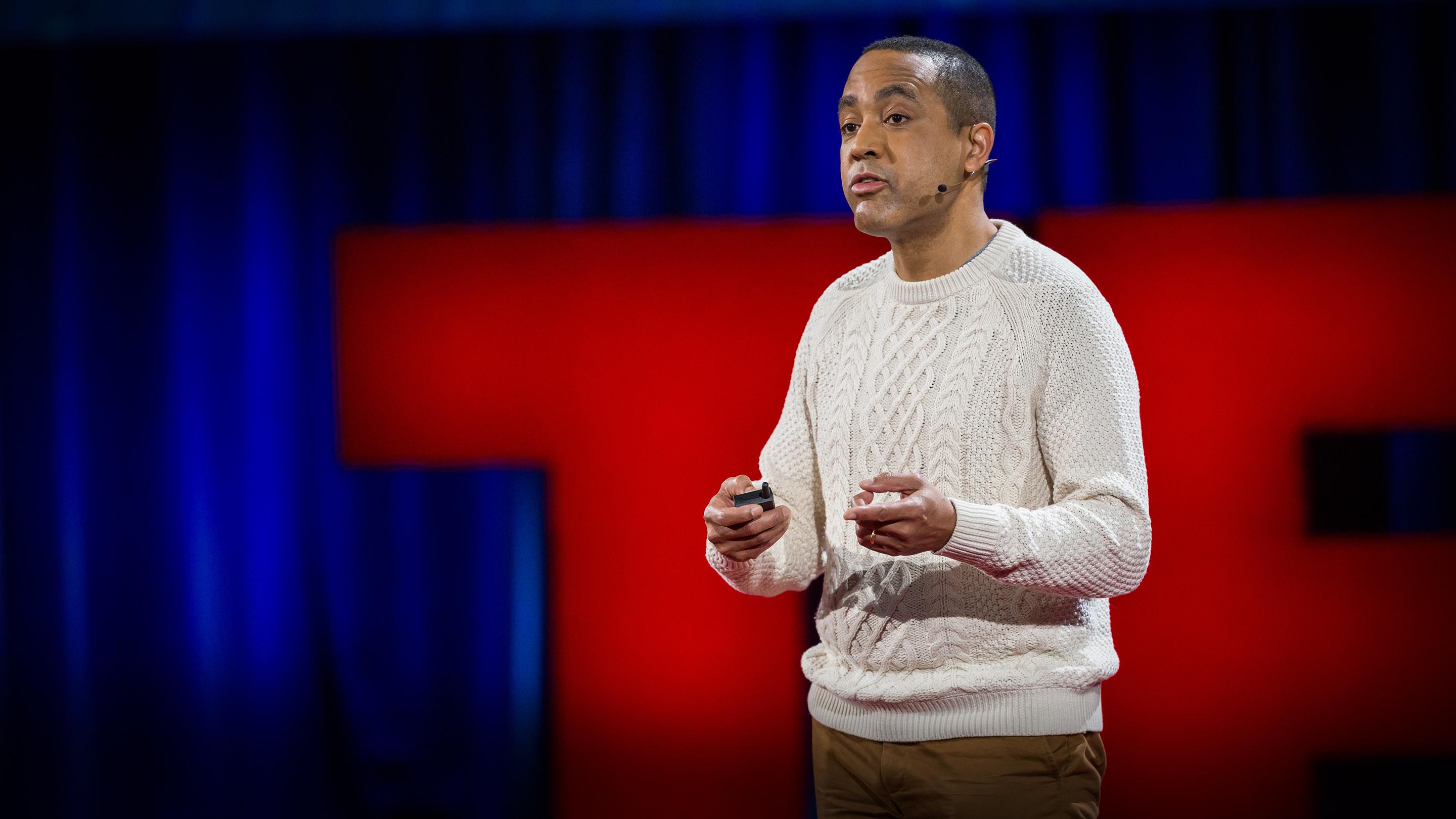
4 reasons to learn a new language | John McWhorter
English is fast becoming the world's universal language, and instant translation technology is improving every year. So why bother learning a foreign language? Linguist and Columbia professor John McWhorter shares four alluring benefits of learning an unfamiliar tongue.
Why open a school? To close a prison | Nadia Lopez
Our kids are our future, and it's crucial they believe it themselves. That's why Nadia Lopez opened an academic oasis in Brownsville, Brooklyn, one of the most underserved and violent neighborhoods in New York -- because she believes in every child's brilliance and capabilities. In this short, energizing talk, the founding principal of Mott Hall Bridges Academy (and a star of Humans of New York) shares how she helps her scholars envision a brighter future for themselves and their families.
Let's teach for mastery -- not test scores | Sal Khan
Would you choose to build a house on top of an unfinished foundation? Of course not. Why, then, do we rush students through education when they haven't always grasped the basics? Yes, it's complicated, but educator Sal Khan shares his plan to turn struggling students into scholars by helping them master concepts at their own pace.
How to fix a broken education system ... without any more money | Seema Bansal
Seema Bansal forged a path to public education reform for 15,000 schools in Haryana, India, by setting an ambitious goal: by 2020, 80 percent of children should have grade-level knowledge. She's looking to meet this goal by seeking reforms that will work in every school without additional resources. Bansal and her team have found success using creative, straightforward techniques such as communicating with teachers using SMS group chats, and they have already measurably improved learning and engagement in Haryana's schools.
What's so sexy about math? | Cédric Villani
Hidden truths permeate our world; they're inaccessible to our senses, but math allows us to go beyond our intuition to uncover their mysteries. In this survey of mathematical breakthroughs, Fields Medal winner Cédric Villani speaks to the thrill of discovery and details the sometimes perplexing life of a mathematician. "Beautiful mathematical explanations are not only for our pleasure," he says. "They change our vision of the world."
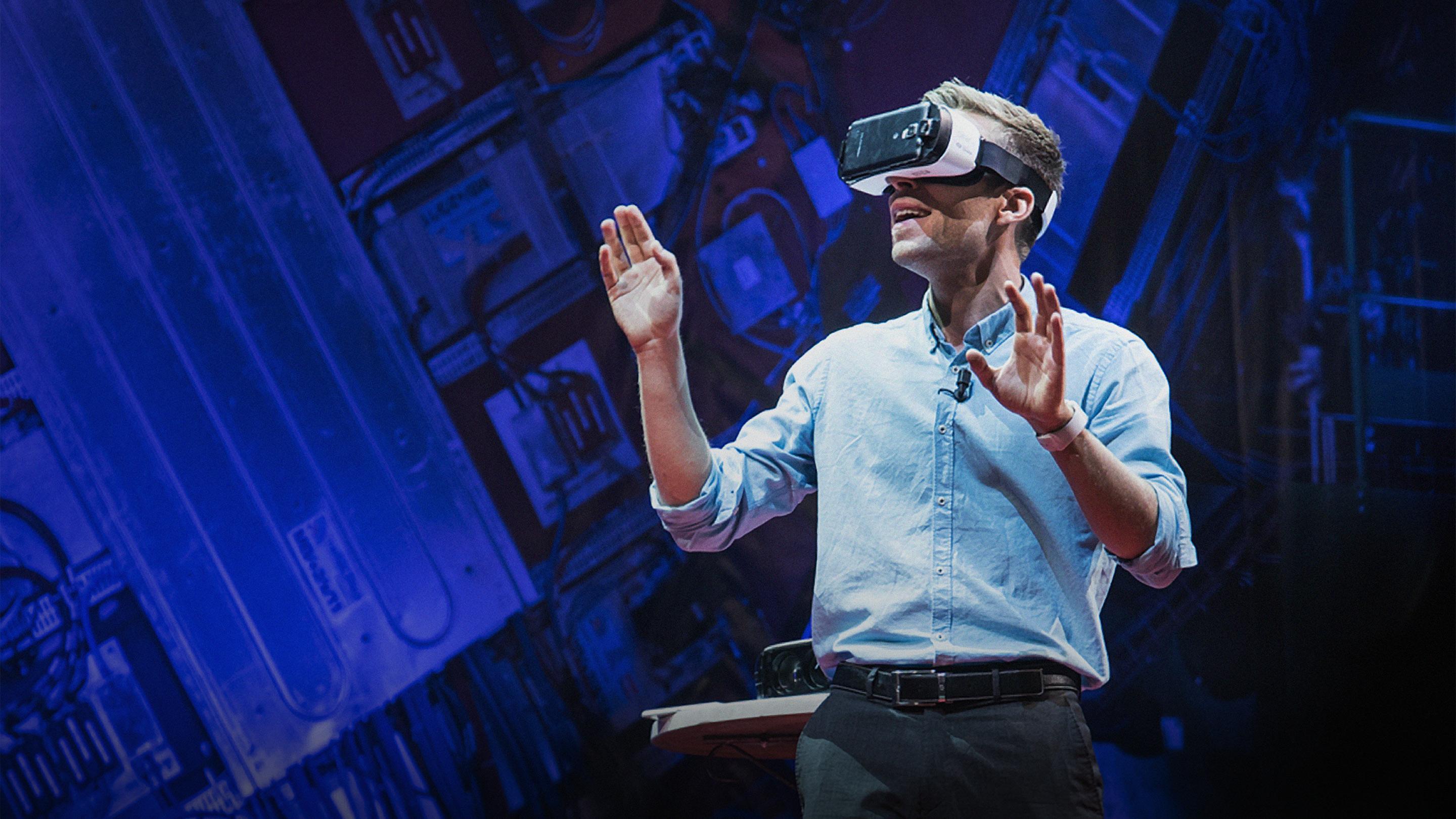
This virtual lab will revolutionize science class | Michael Bodekaer
Virtual reality is no longer part of some distant future, and it's not just for gaming and entertainment anymore. Michael Bodekaer wants to use it to make quality education more accessible. In this refreshing talk, he demos an idea that could revolutionize the way we teach science in schools.
The nit-picking glory of The New Yorker's Comma Queen | Mary Norris
"Copy editing for The New Yorker is like playing shortstop for a Major League Baseball team -- every little movement gets picked over by the critics," says Mary Norris, who has played the position for more than thirty years. In that time, she's gotten a reputation for sternness and for being a "comma maniac," but this is unfounded, she says. Above all, her work is aimed at one thing: making authors look good. Explore The New Yorker's distinctive style with the person who knows it best in this charming talk.
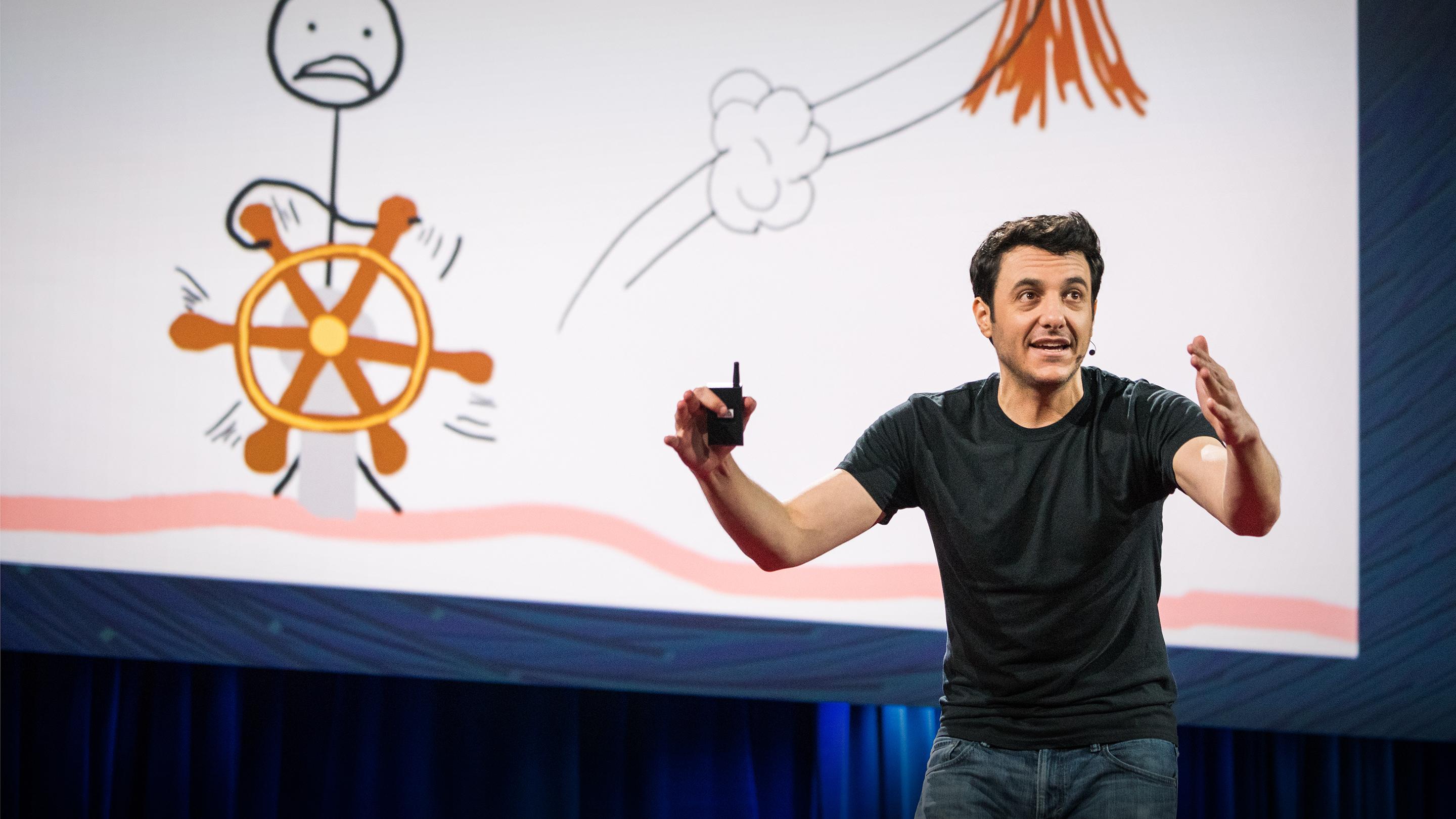
Inside the mind of a master procrastinator | Tim Urban
Tim Urban knows that procrastination doesn't make sense, but he's never been able to shake his habit of waiting until the last minute to get things done. In this hilarious and insightful talk, Urban takes us on a journey through YouTube binges, Wikipedia rabbit holes and bouts of staring out the window -- and encourages us to think harder about what we're really procrastinating on, before we run out of time.
How I stopped the Taliban from shutting down my school | Sakena Yacoobi
When the Taliban closed all the girls' schools in Afghanistan, Sakena Yacoobi set up new schools, in secret, educating thousands of women and men. In this fierce, funny talk, she tells the jaw-dropping story of two times when she was threatened to stop teaching -- and shares her vision for rebuilding her beloved country.

The story we tell about poverty isn't true | Mia Birdsong
As a global community, we all want to end poverty. Mia Birdsong suggests a great place to start: Let's honor the skills, drive and initiative that poor people bring to the struggle every day. She asks us to look again at people in poverty: They may be broke — but they're not broken.
How I learned to communicate my inner life with Asperger's | Alix Generous
Alix Generous is a young woman with a million and one ideas -- she's done award-winning science, helped develop new technology and tells a darn good joke (you'll see). She has Asperger's, a form of autistic spectrum disorder that can impair the basic social skills required for communication, and she's worked hard for years to learn how to share her thoughts with the world. In this funny, personal talk, she shares her story -- and her vision for tools to help more people communicate their big ideas.

What explains the rise of humans? | Yuval Noah Harari
Seventy thousand years ago, our human ancestors were insignificant animals, just minding their own business in a corner of Africa with all the other animals. But now, few would disagree that humans dominate planet Earth; we've spread to every continent, and our actions determine the fate of other animals (and possibly Earth itself). How did we get from there to here? Historian Yuval Noah Harari suggests a surprising reason for the rise of humanity.
The nerd's guide to learning everything online | John Green
Some of us learn best in the classroom, and some of us ... well, we don't. But we still love to learn -- we just need to find the way that works for us. In this charming, personal talk, author John Green shares the community of learning that he found in online video.
How to fix a broken school? Lead fearlessly, love hard | Linda Cliatt-Wayman
On Linda Cliatt-Wayman's first day as principal at a failing high school in North Philadelphia, she was determined to lay down the law. But she soon realized the job was more complex than she thought. With palpable passion, she shares the three principles that helped her turn around three schools labeled "low-performing and persistently dangerous." Her fearless determination to lead -- and to love the students, no matter what -- is a model for leaders in all fields.
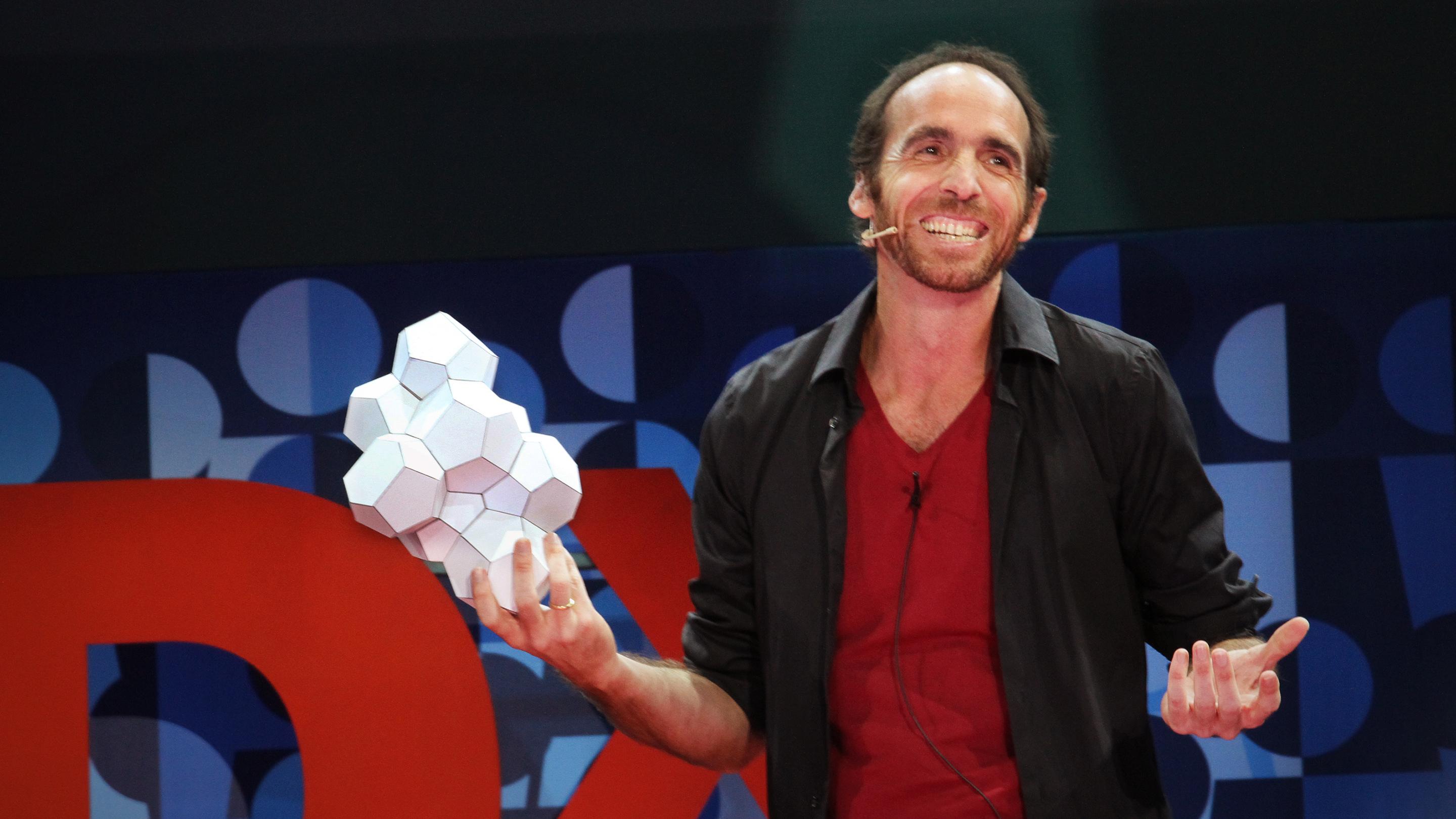
Math is forever | Eduardo Sáenz de Cabezón
With humor and charm, mathematician Eduardo Sáenz de Cabezón answers a question that's wracked the brains of bored students the world over: What is math for? He shows the beauty of math as the backbone of science — and shows that theorems, not diamonds, are forever. In Spanish, with English subtitles.

A love poem for lonely prime numbers | Harry Baker
Performance poet (and math student) Harry Baker spins a love poem about his favorite kind of numbers -- the lonely, love-lorn prime. Stay on for two more lively, inspiring poems from this charming performer.
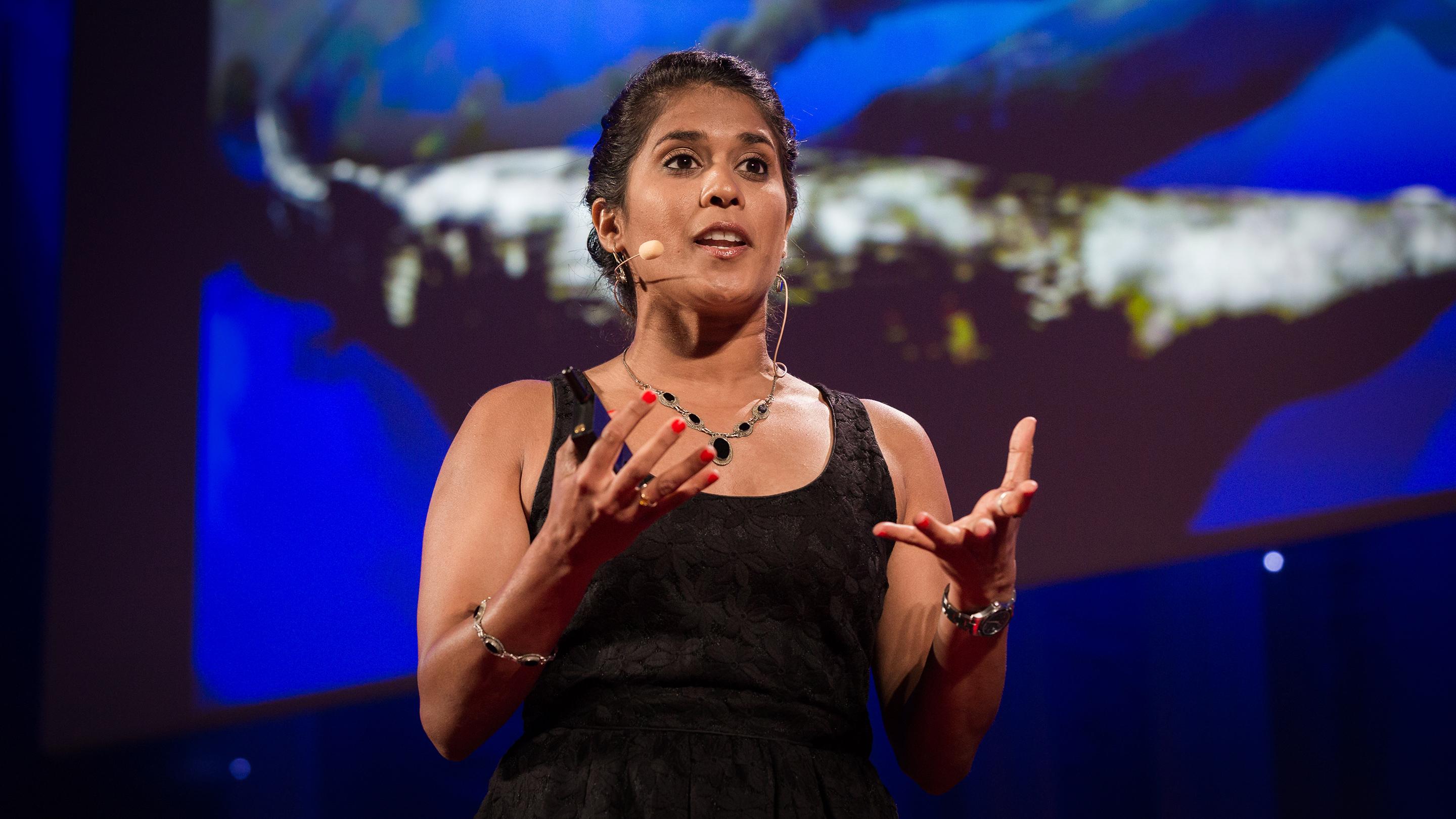
Why you should care about whale poo | Asha de Vos
Whales have a surprising and important job, says marine biologist Asha de Vos: these massive creatures are ecosystem engineers, keeping the oceans healthy and stable by ... well, by pooping, for a start. Learn from de Vos, a TED Fellow, about the undervalued work that whales do to help maintain the stability and health of our seas -- and our planet.

Photos that give voice to the animal kingdom | Frans Lanting
Nature photographer Frans Lanting uses vibrant images to take us deep into the animal world. In this short, visual talk he calls for us to reconnect with other earthly creatures, and to shed the metaphorical skins that separate us from each other.
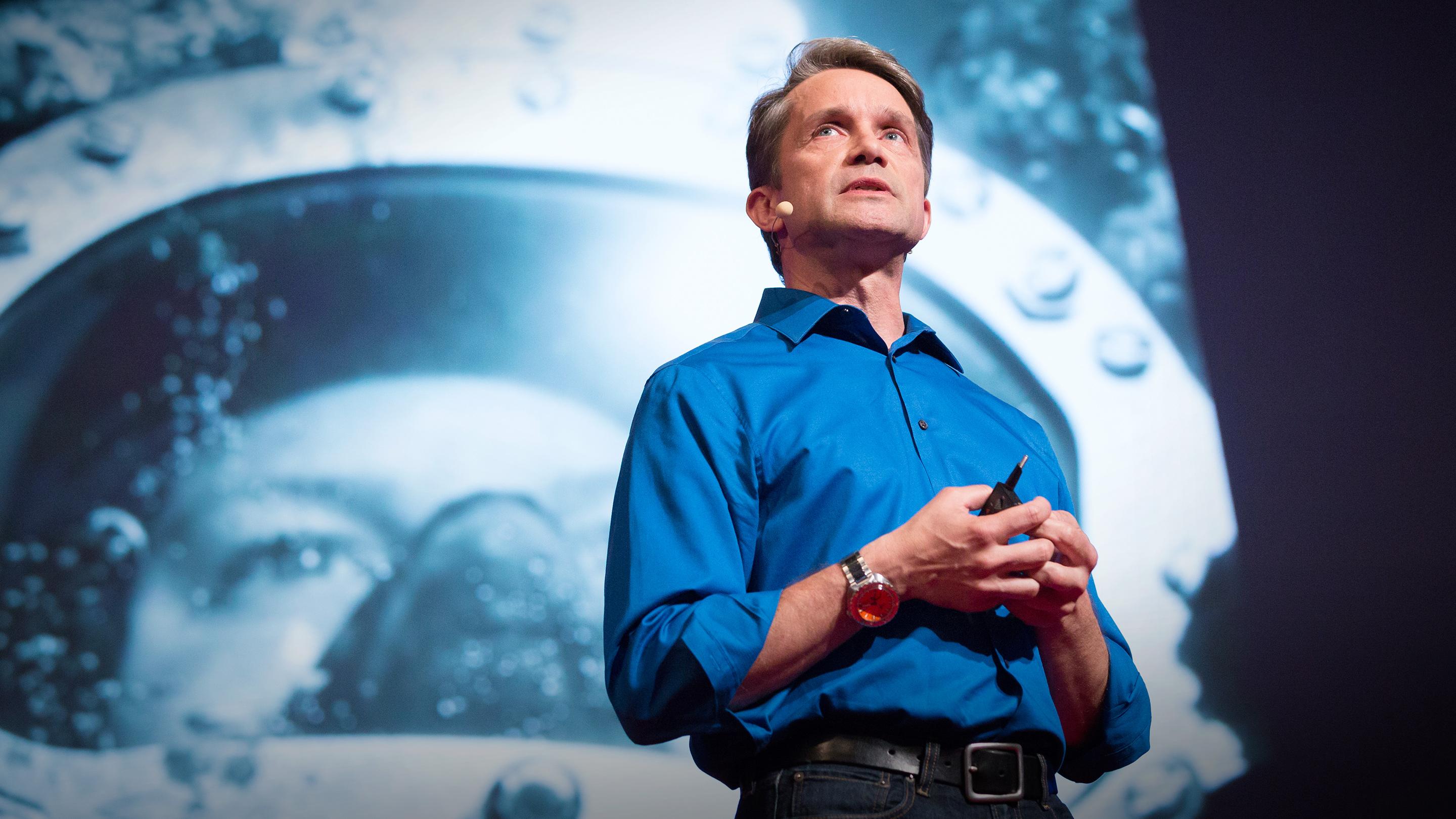
What I learned from spending 31 days underwater | Fabien Cousteau
In 1963, Jacques Cousteau lived for 30 days in an underwater laboratory positioned on the floor of the Red Sea, and set a world record in the process. This summer, his grandson Fabien Cousteau broke that record. Cousteau the younger lived for 31 days aboard the Aquarius, an underwater research laboratory nine miles off the coast of Florida. In a charming talk he brings his wondrous adventure to life.
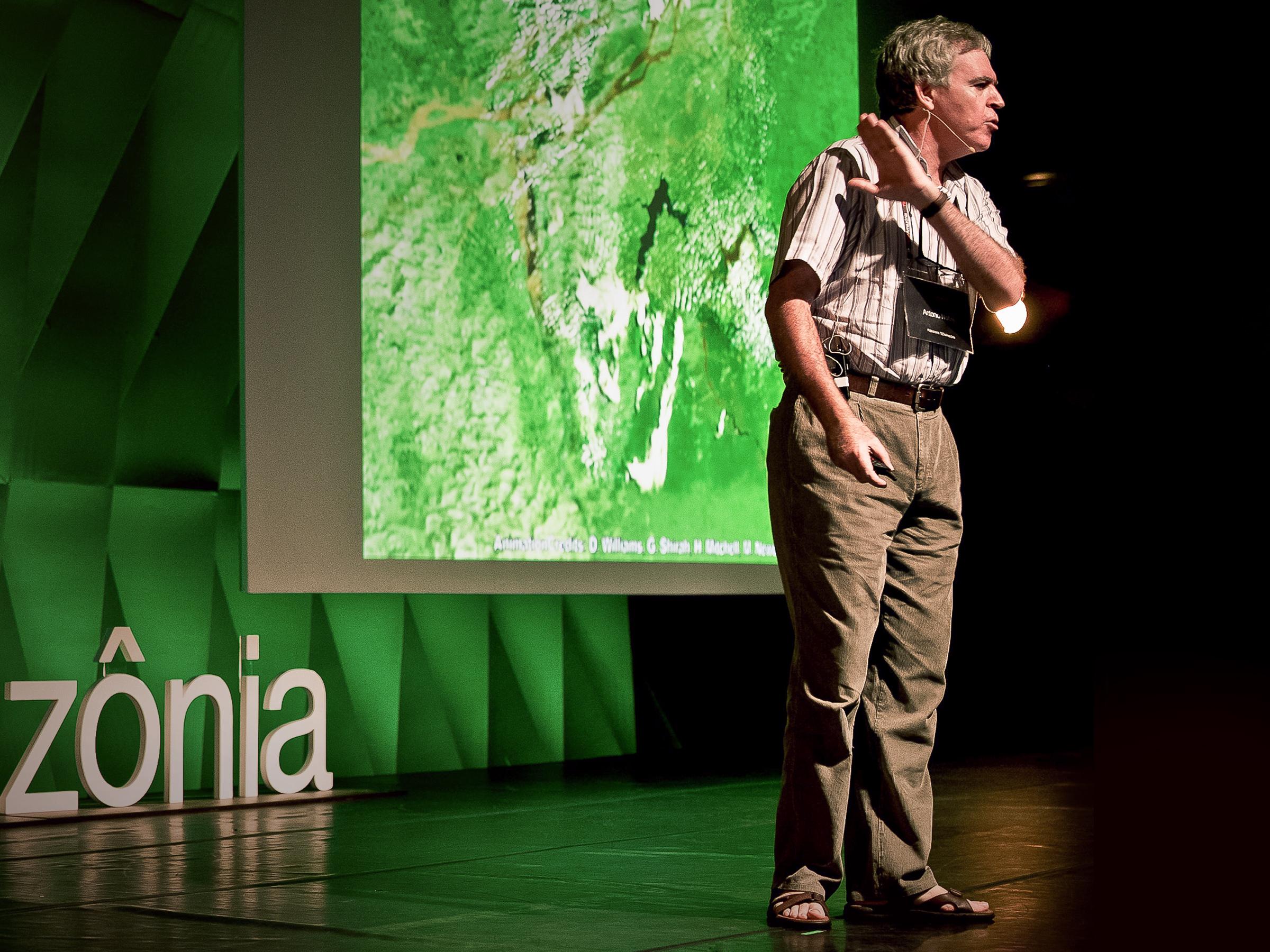
The magic of the Amazon: A river that flows invisibly all around us | Antonio Donato Nobre
The Amazon River is like a heart, pumping water from the seas through it, and up into the atmosphere through 600 billion trees, which act like lungs. Clouds form, rain falls and the forest thrives. In a lyrical talk, Antonio Donato Nobre talks us through the interconnected systems of this region, and how they provide environmental services to the entire world. A parable for the extraordinary symphony that is nature.

How not to be ignorant about the world | Hans and Ola Rosling
How much do you know about the world? Hans Rosling, with his famous charts of global population, health and income data (and an extra-extra-long pointer), demonstrates that you have a high statistical chance of being quite wrong about what you think you know. Play along with his audience quiz — then, from Hans’ son Ola, learn 4 ways to quickly get less ignorant.
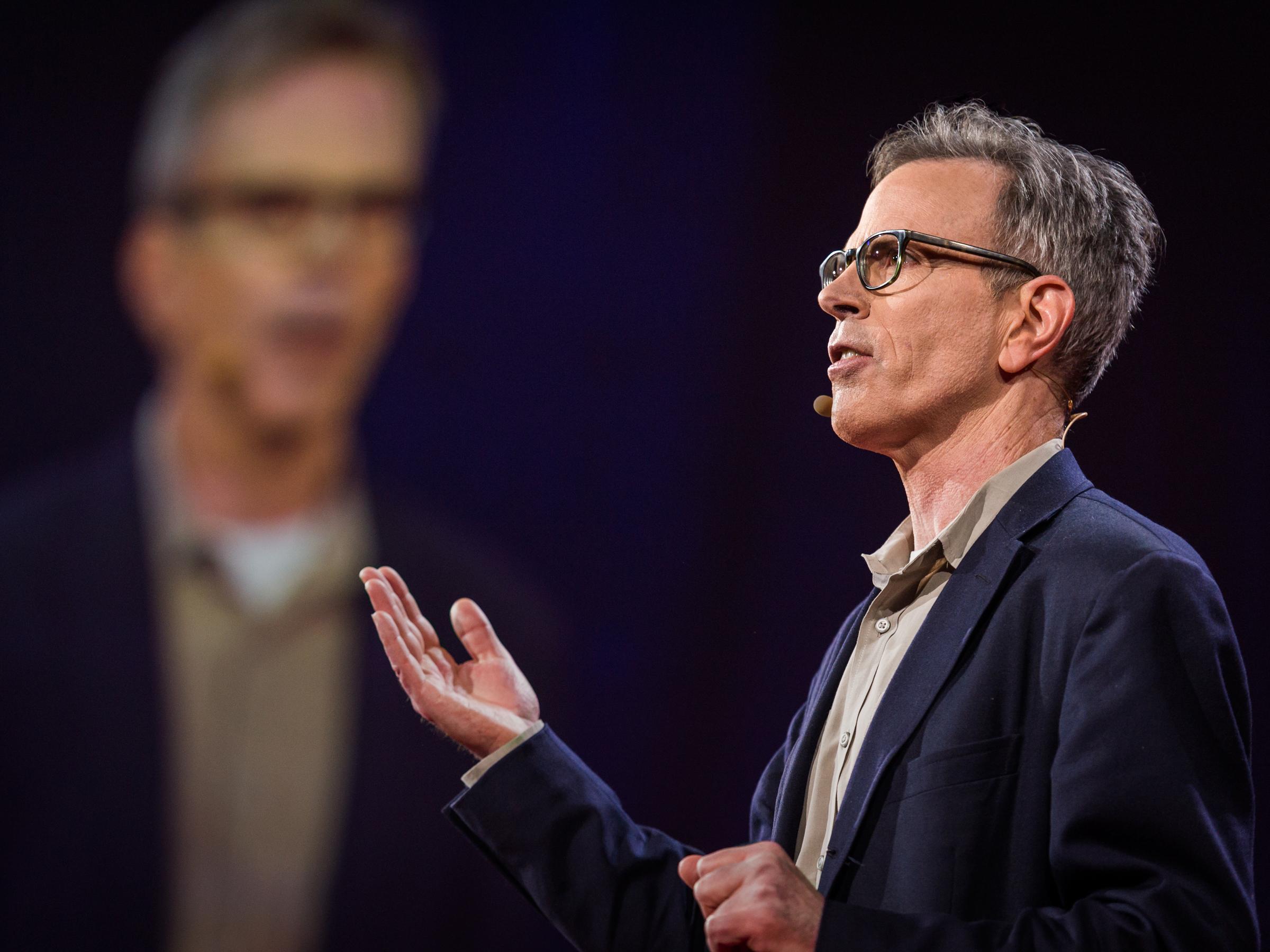
Why does the universe exist? | Jim Holt
Why is there something instead of nothing? In other words: Why does the universe exist (and why are we in it)? Philosopher and writer Jim Holt follows this question toward three possible answers. Or four. Or none.
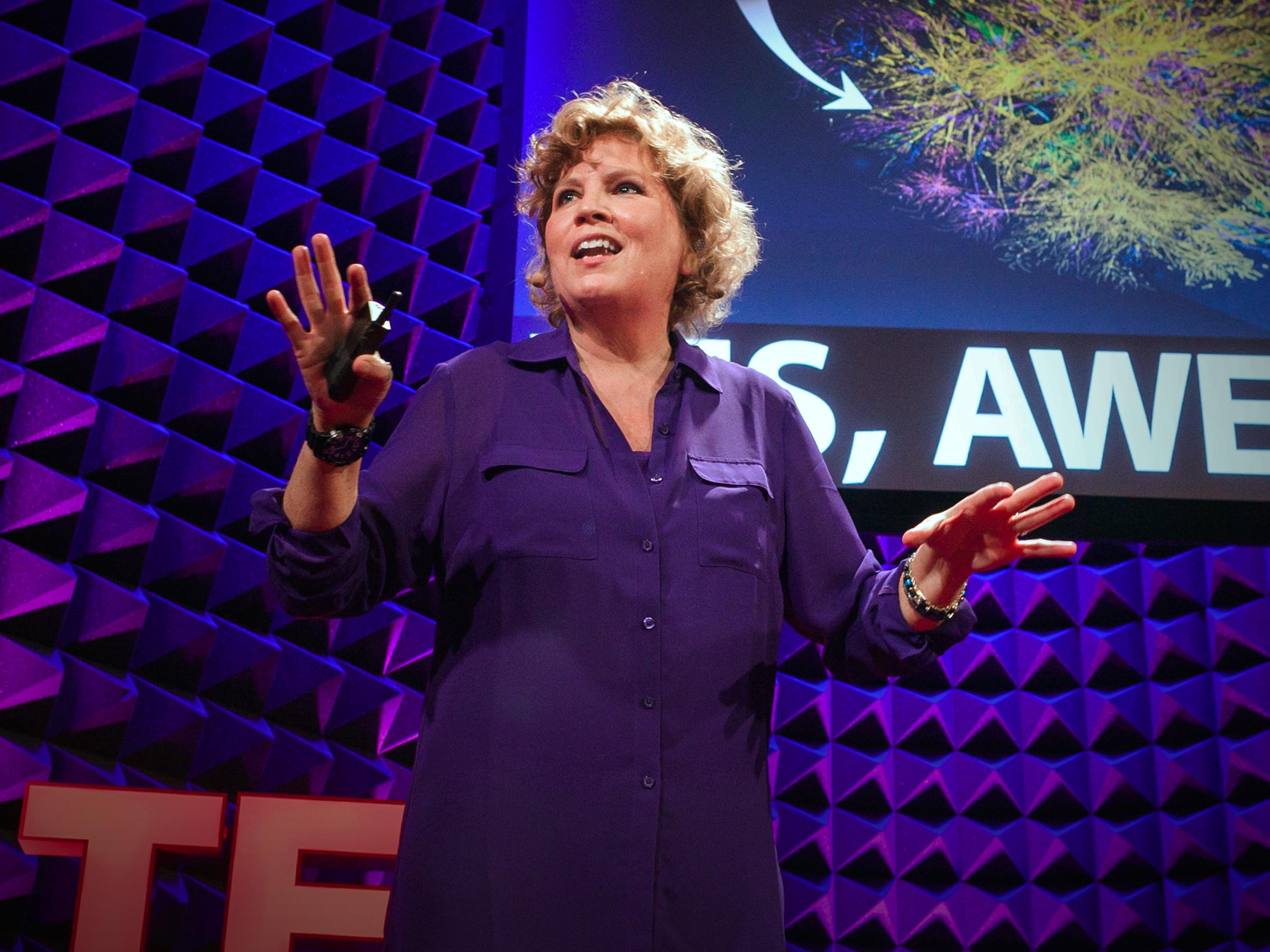
Please, please, people. Let's put the 'awe' back in 'awesome' | Jill Shargaa
Which of the following is awesome: your lunch or the Great Pyramid of Giza? Comedian Jill Shargaa sounds a hilarious call for us to save the word "awesome" for things that truly inspire awe.
The danger of silence | Clint Smith
"We spend so much time listening to the things people are saying that we rarely pay attention to the things they don't," says poet and teacher Clint Smith. A short, powerful piece from the heart, about finding the courage to speak up against ignorance and injustice.

Why I live in mortal dread of public speaking | Megan Washington
Megan Washington is one of Australia's premier singer/songwriters. And, since childhood, she has had a stutter. In this bold and personal talk, she reveals how she copes with this speech impediment—from avoiding the letter combination “st” to tricking her brain by changing her words at the last minute to, yes, singing the things she has to say rather than speaking them.

An ultra-low-cost college degree | Shai Reshef
At the online University of the People, anyone with a high school diploma can take classes toward a degree in business administration or computer science — without standard tuition fees (though exams cost money). Founder Shai Reshef hopes that higher education is changing "from being a privilege for the few to a basic right, affordable and accessible for all."

What makes a word "real"? | Anne Curzan
One could argue that slang words like ‘hangry,’ ‘defriend’ and ‘adorkable’ fill crucial meaning gaps in the English language, even if they don't appear in the dictionary. After all, who actually decides which words make it into those pages? Language historian Anne Curzan gives a charming look at the humans behind dictionaries, and the choices they make.
What ants teach us about the brain, cancer and the Internet | Deborah Gordon
Ecologist Deborah Gordon studies ants wherever she can find them -- in the desert, in the tropics, in her kitchen ... In this fascinating talk, she explains her obsession with insects most of us would happily swat away without a second thought. She argues that ant life provides a useful model for learning about many other topics, including disease, technology and the human brain.
Comics that ask "what if?" | Randall Munroe
Web cartoonist Randall Munroe answers simple what-if questions ("what if you hit a baseball moving at the speed of light?") using math, physics, logic and deadpan humor. In this charming talk, a reader's question about Google's data warehouse leads Munroe down a circuitous path to a hilariously over-detailed answer — in which, shhh, you might actually learn something.
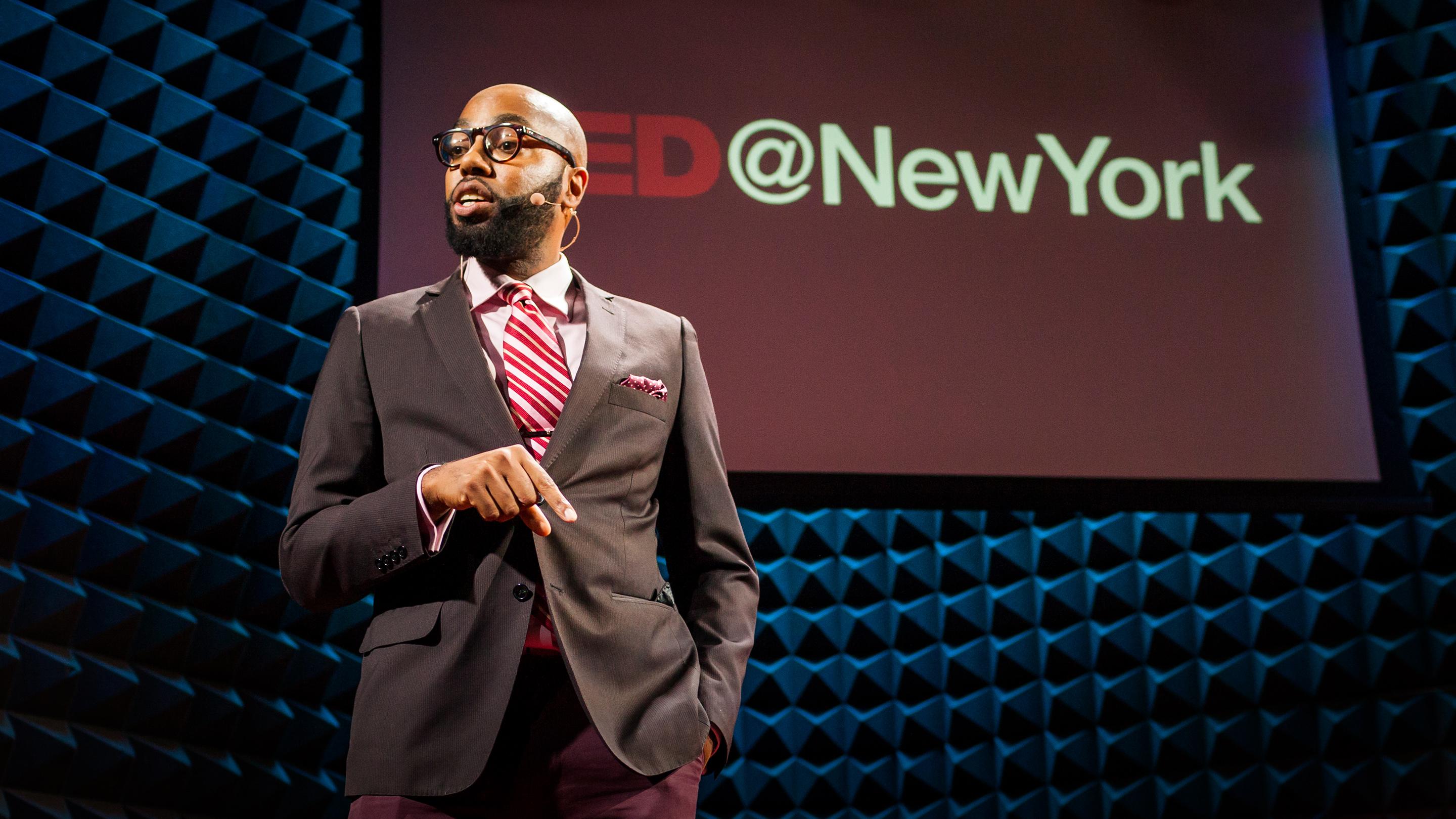
Teach teachers how to create magic | Christopher Emdin
What do rap shows, barbershop banter and Sunday services have in common? As Christopher Emdin says, they all hold the secret magic to enthrall and teach at the same time — and it's a skill we often don't teach to educators. A longtime teacher himself, now a science advocate and cofounder of Science Genius B.A.T.T.L.E.S. with the GZA of the Wu-Tang Clan, Emdin offers a vision to make the classroom come alive.