
TED Talks Daily
2,892 episodes — Page 55 of 58
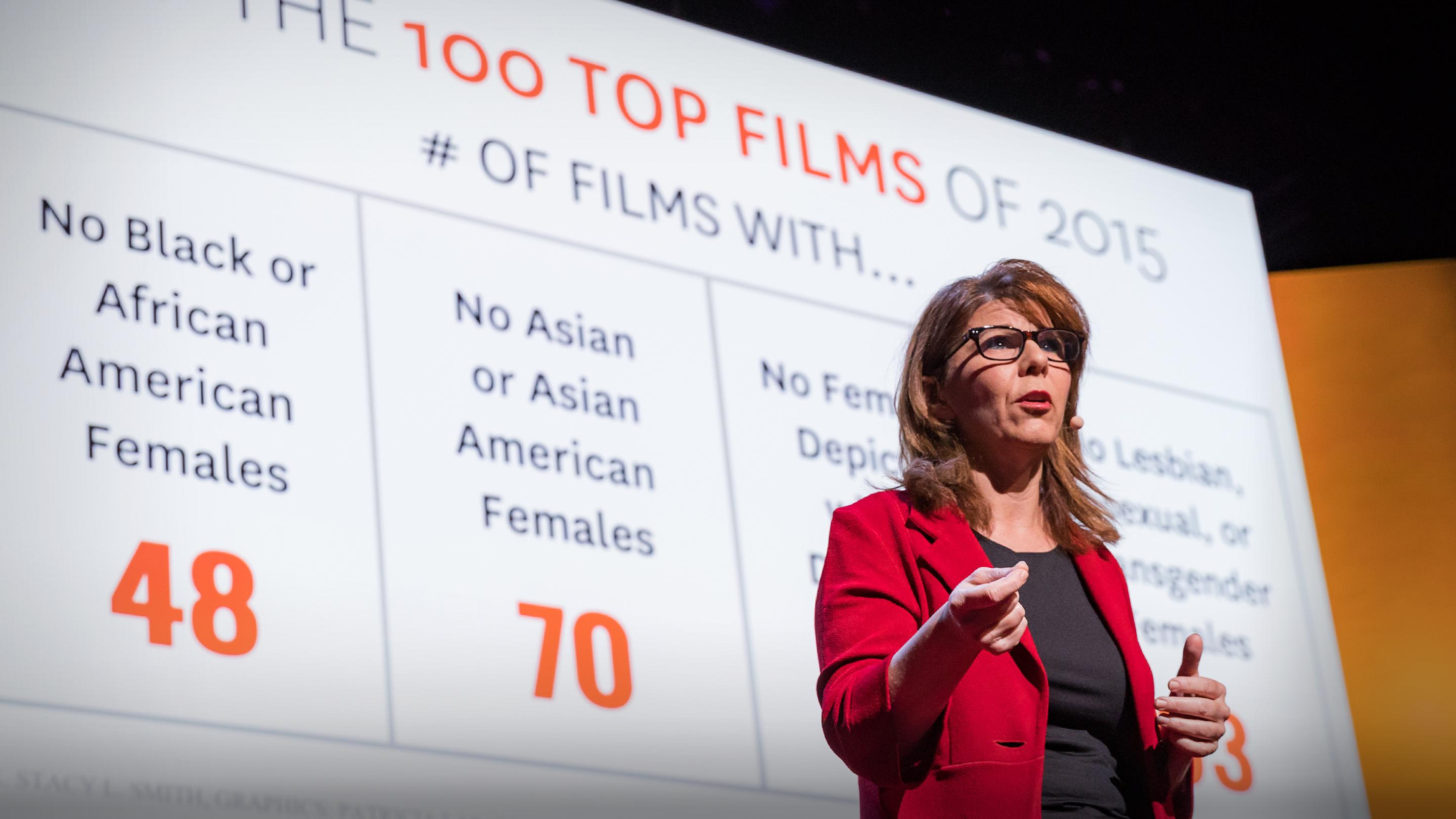
The data behind Hollywood's sexism | Stacy Smith
Where are all the women and girls in film? Social scientist Stacy Smith analyzes how the media underrepresents and portrays women -- and the potentially destructive effects those portrayals have on viewers. She shares hard data behind gender bias in Hollywood, where on-screen males outnumber females three to one (and behind-the-camera workers fare even worse.)Learn more about our flagship conference happening this April at attend.ted.com/podcast Hosted on Acast. See acast.com/privacy for more information.
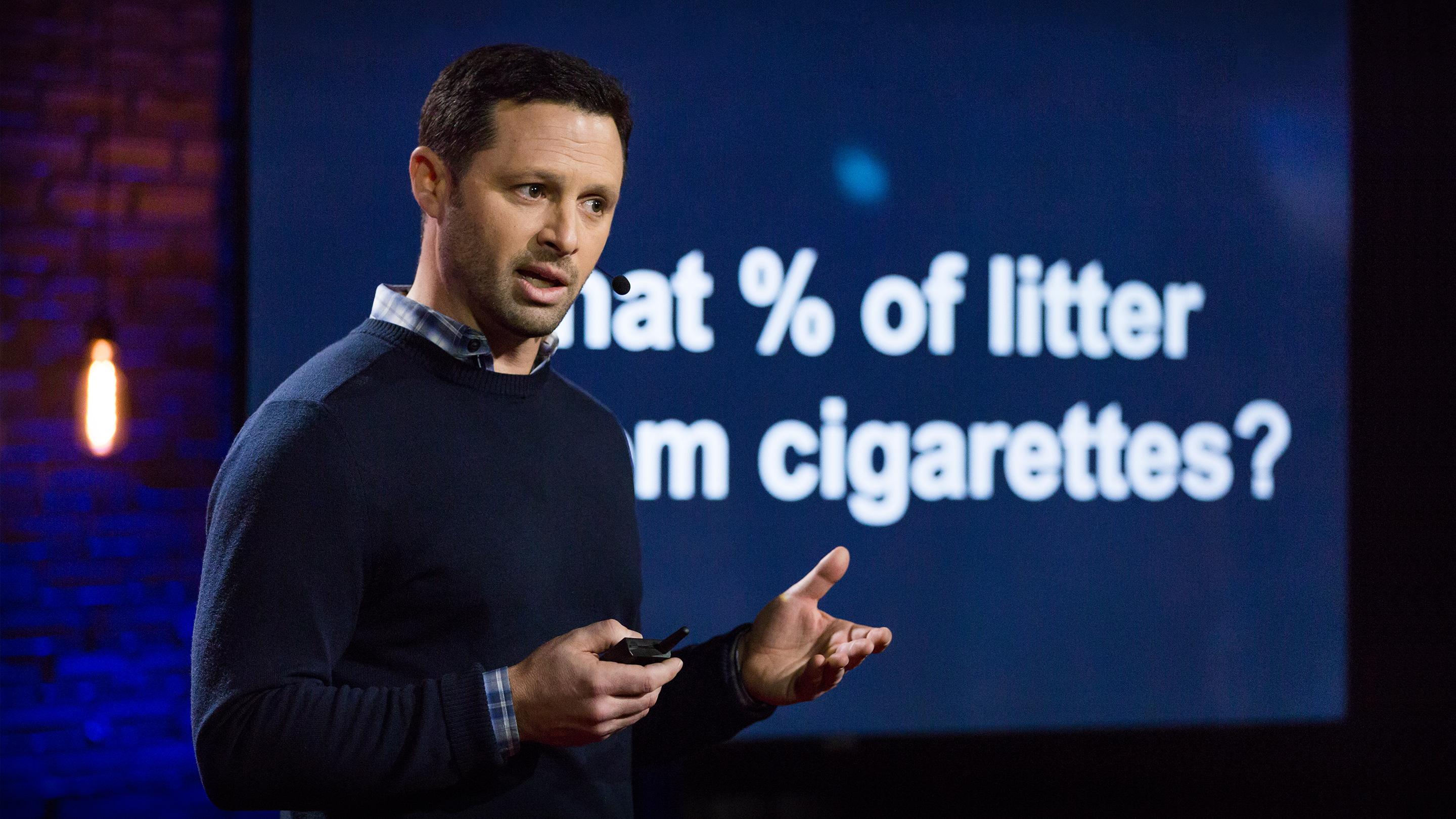
This app makes it fun to pick up litter | Jeff Kirschner
The earth is a big place to keep clean. With Litterati -- an app for users to identify, collect and geotag the world's litter -- TED Resident Jeff Kirschner has created a community that's crowdsource-cleaning the planet. After tracking trash in more than 100 countries, Kirschner hopes to use the data he's collected to work with brands and organizations to stop litter before it reaches the ground.Learn more about our flagship conference happening this April at attend.ted.com/podcast Hosted on Acast. See acast.com/privacy for more information.
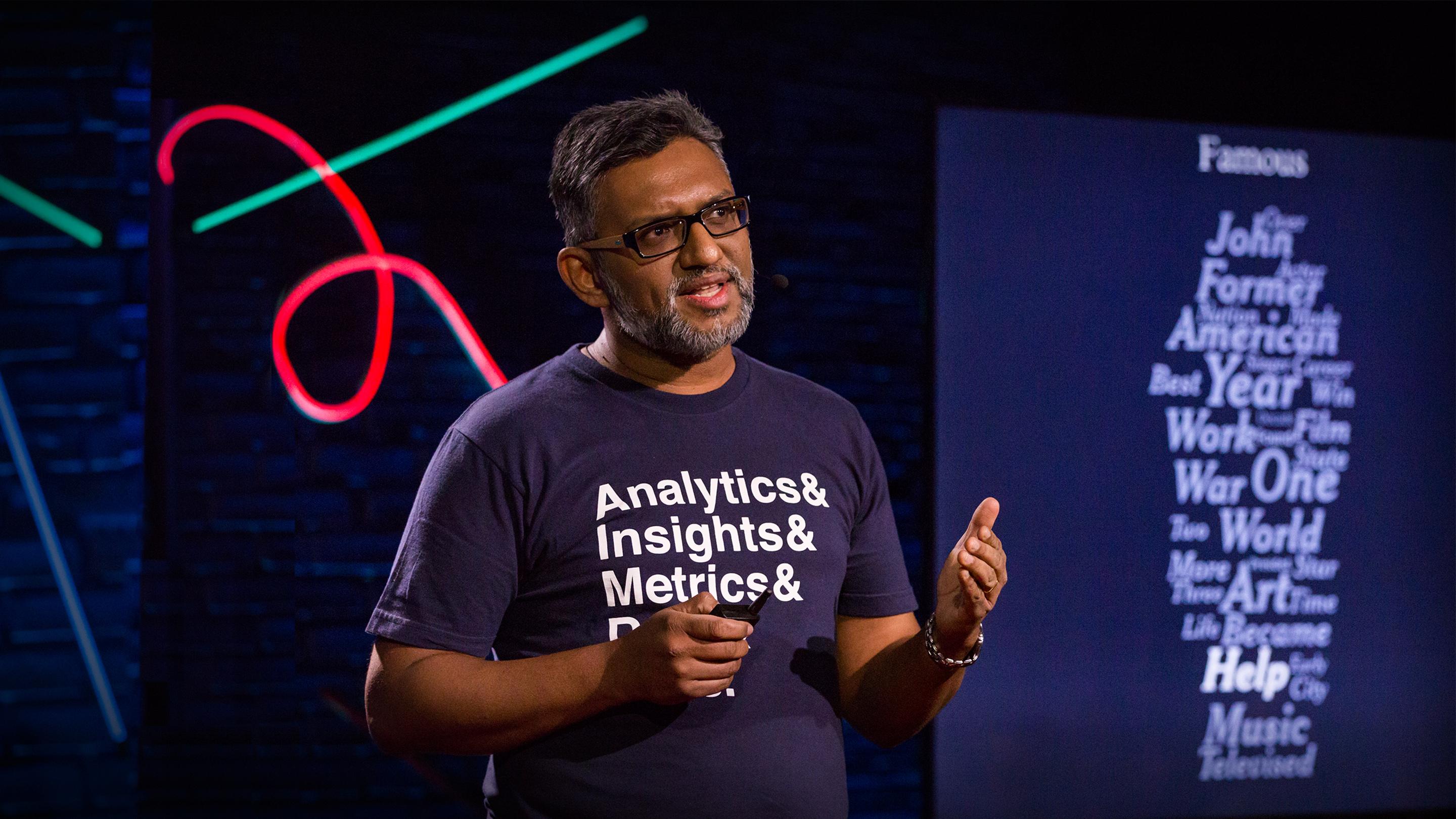
What I learned from 2,000 obituaries | Lux Narayan
Lux Narayan starts his day with scrambled eggs and the question: "Who died today?" Why? By analyzing 2,000 New York Times obituaries over a 20-month period, Narayan gleaned, in just a few words, what achievement looks like over a lifetime. Here he shares what those immortalized in print can teach us about a life well lived.Learn more about our flagship conference happening this April at attend.ted.com/podcast Hosted on Acast. See acast.com/privacy for more information.
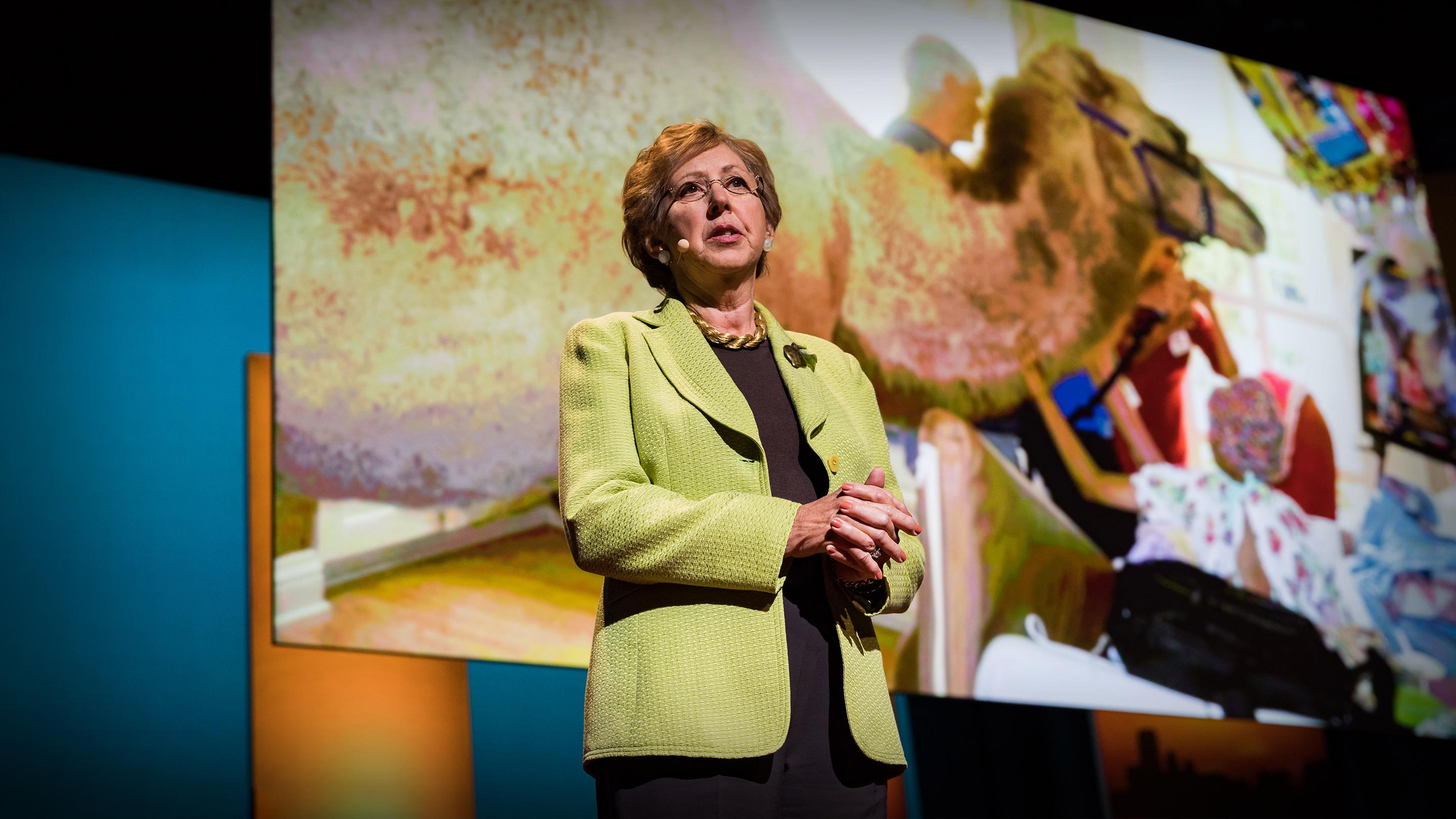
Stories from a home for terminally ill children | Kathy Hull
To honor and celebrate young lives cut short, Kathy Hull founded the first freestanding pediatric palliative care facility in the United States, the George Mark Children's House. Its mission: to give terminally ill children and their families a peaceful place to say goodbye. She shares stories brimming with wisdom, joy, imagination and heartbreaking loss.Learn more about our flagship conference happening this April at attend.ted.com/podcast Hosted on Acast. See acast.com/privacy for more information.
To raise brave girls, encourage adventure | Caroline Paul
Gutsy girls skateboard, climb trees, clamber around, fall down, scrape their knees, get right back up -- and grow up to be brave women. Learn how to spark a little productive risk-taking and raise confident girls with stories and advice from firefighter, paraglider and all-around adventurer Caroline Paul.Learn more about our flagship conference happening this April at attend.ted.com/podcast Hosted on Acast. See acast.com/privacy for more information.
Why women should tell the stories of humanity | Jude Kelly
For many centuries (and for many reasons) critically acclaimed creative genius has generally come from a male perspective. As theater director Jude Kelly points out in this passionately reasoned talk, that skew affects how we interpret even non-fictional women's stories and rights. She thinks there's a more useful, more inclusive way to look at the world, and she calls on artists -- women and men -- to paint, draw, write about, film and imagine a gender-equal society.Learn more about our flagship conference happening this April at attend.ted.com/podcast Hosted on Acast. See acast.com/privacy for more information.

Beautiful new words to describe obscure emotions | John Koenig
John Koenig loves finding words that express our unarticulated feelings -- like "lachesism," the hunger for disaster, and "sonder," the realization that everyone else's lives are as complex and unknowable as our own. Here, he meditates on the meaning we assign to words and how these meanings latch onto us.Learn more about our flagship conference happening this April at attend.ted.com/podcast Hosted on Acast. See acast.com/privacy for more information.
A burial practice that nourishes the planet | Caitlin Doughty
Here's a question we all have to answer sooner or later: What do you want to happen to your body when you die? Funeral director Caitlin Doughty explores new ways to prepare us for inevitable mortality. In this thoughtful talk, learn more about ideas for burial (like "recomposting" and "conservation burial") that return our bodies back to the earth in an eco-friendly, humble and self-aware way.Learn more about our flagship conference happening this April at attend.ted.com/podcast Hosted on Acast. See acast.com/privacy for more information.
What young women believe about their own sexual pleasure | Peggy Orenstein
Why do girls feel empowered to engage in sexual activity but not to enjoy it? For three years, author Peggy Orenstein interviewed girls ages 15 to 20 about their attitudes toward and experiences of sex. She discusses the pleasure that's largely missing from their sexual encounters and calls on us to close the "orgasm gap" by talking candidly with our girls from an early age about sex, bodies, pleasure and intimacy.Learn more about our flagship conference happening this April at attend.ted.com/podcast Hosted on Acast. See acast.com/privacy for more information.
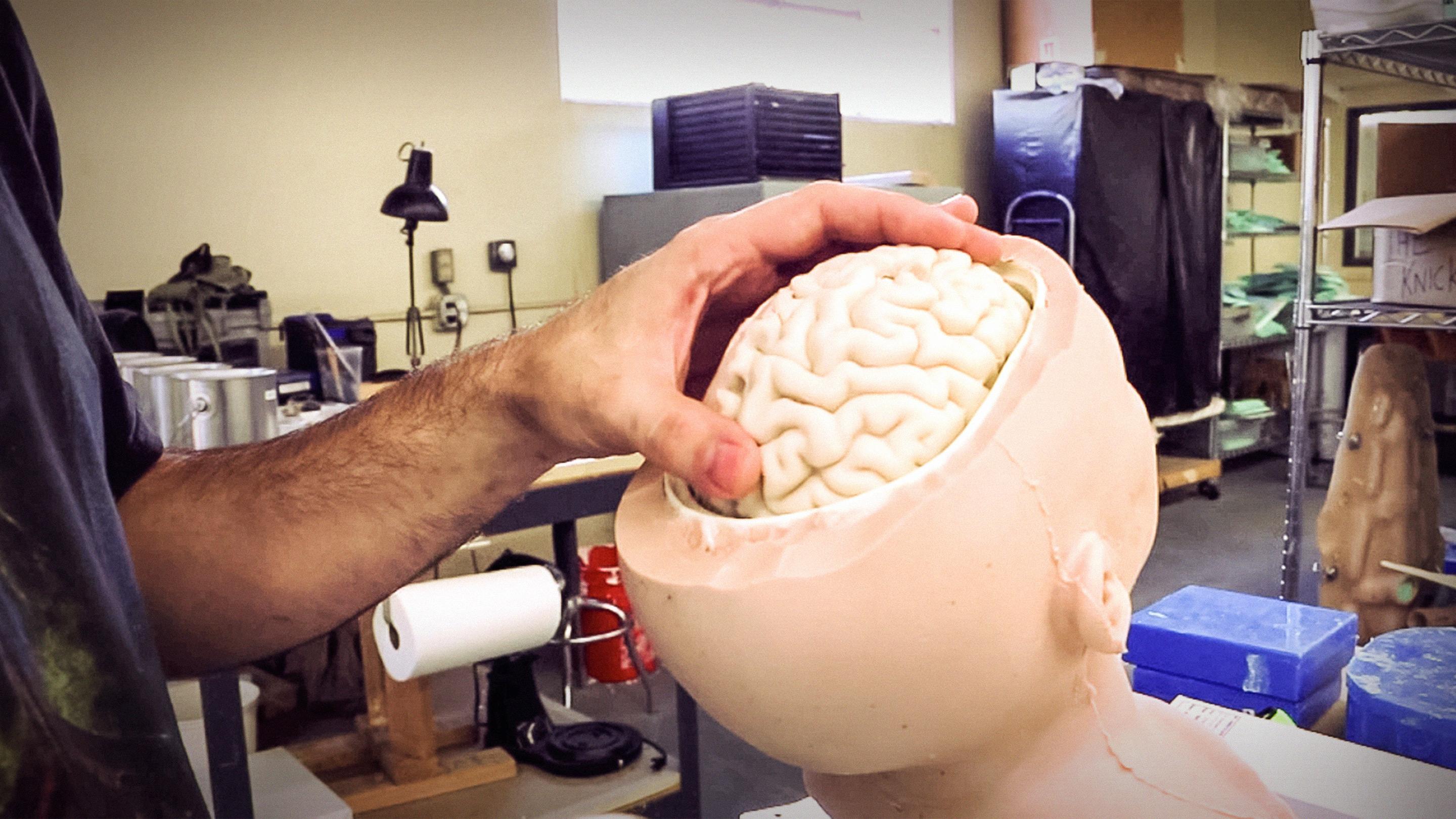
Lifelike simulations that make real-life surgery safer | Peter Weinstock
Critical care doctor Peter Weinstock shows how surgical teams are using a blend of Hollywood special effects and 3D printing to create amazingly lifelike reproductions of real patients -- so they can practice risky surgeries ahead of time. Think: "Operate twice, cut once." Glimpse the future of surgery in this forward-thinking talk.Learn more about our flagship conference happening this April at attend.ted.com/podcast Hosted on Acast. See acast.com/privacy for more information.
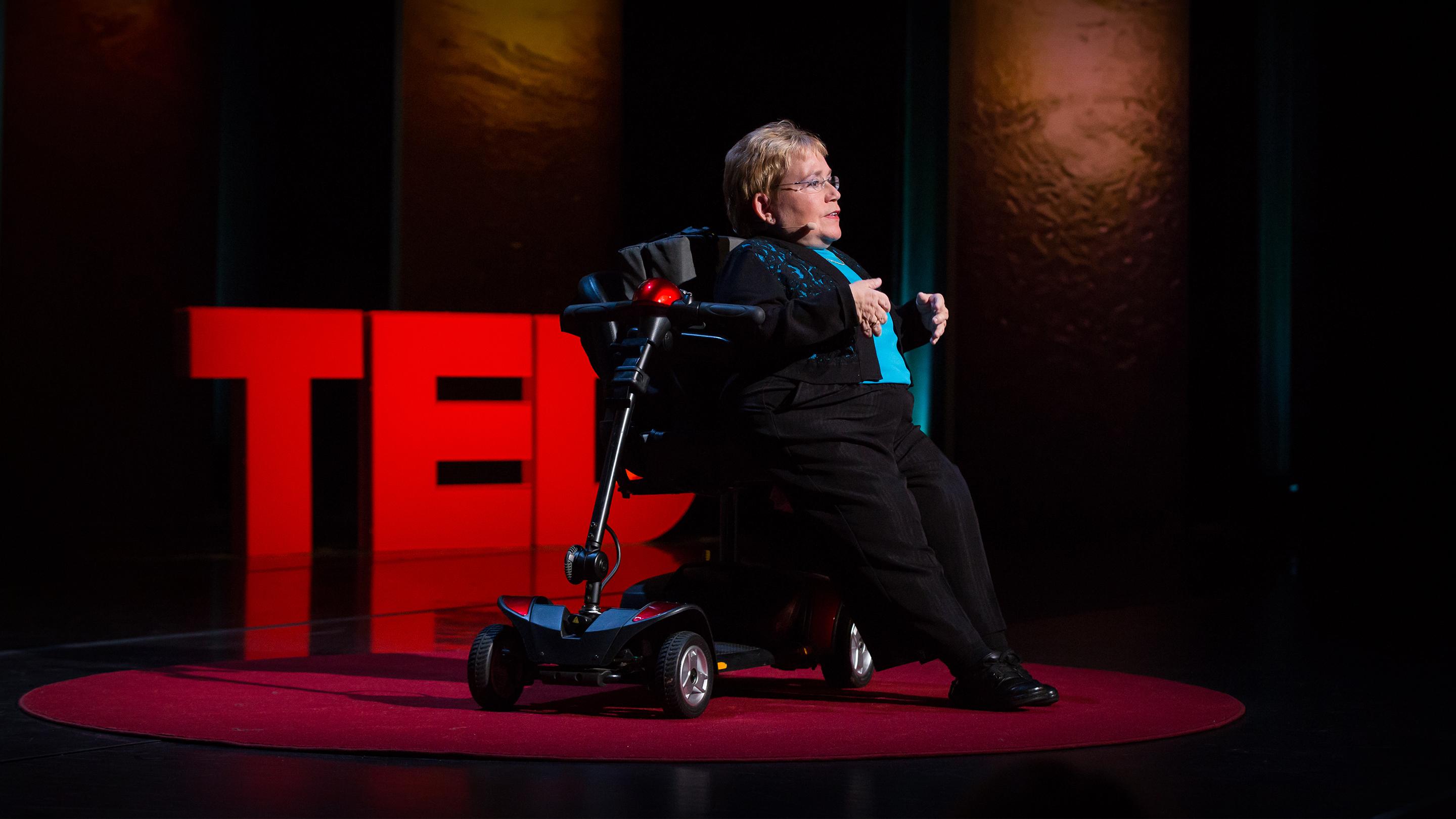
Asking for help is a strength, not a weakness | Michele L. Sullivan
We all go through challenges -- some you can see, most you can't, says Michele L. Sullivan. In a talk about perspective, Sullivan shares stories full of wit and wisdom and reminds us that we're all part of each other's support systems. "The only shoes you can walk in are your own," she says. "With compassion, courage and understanding, we can walk together, side by side."Learn more about our flagship conference happening this April at attend.ted.com/podcast Hosted on Acast. See acast.com/privacy for more information.
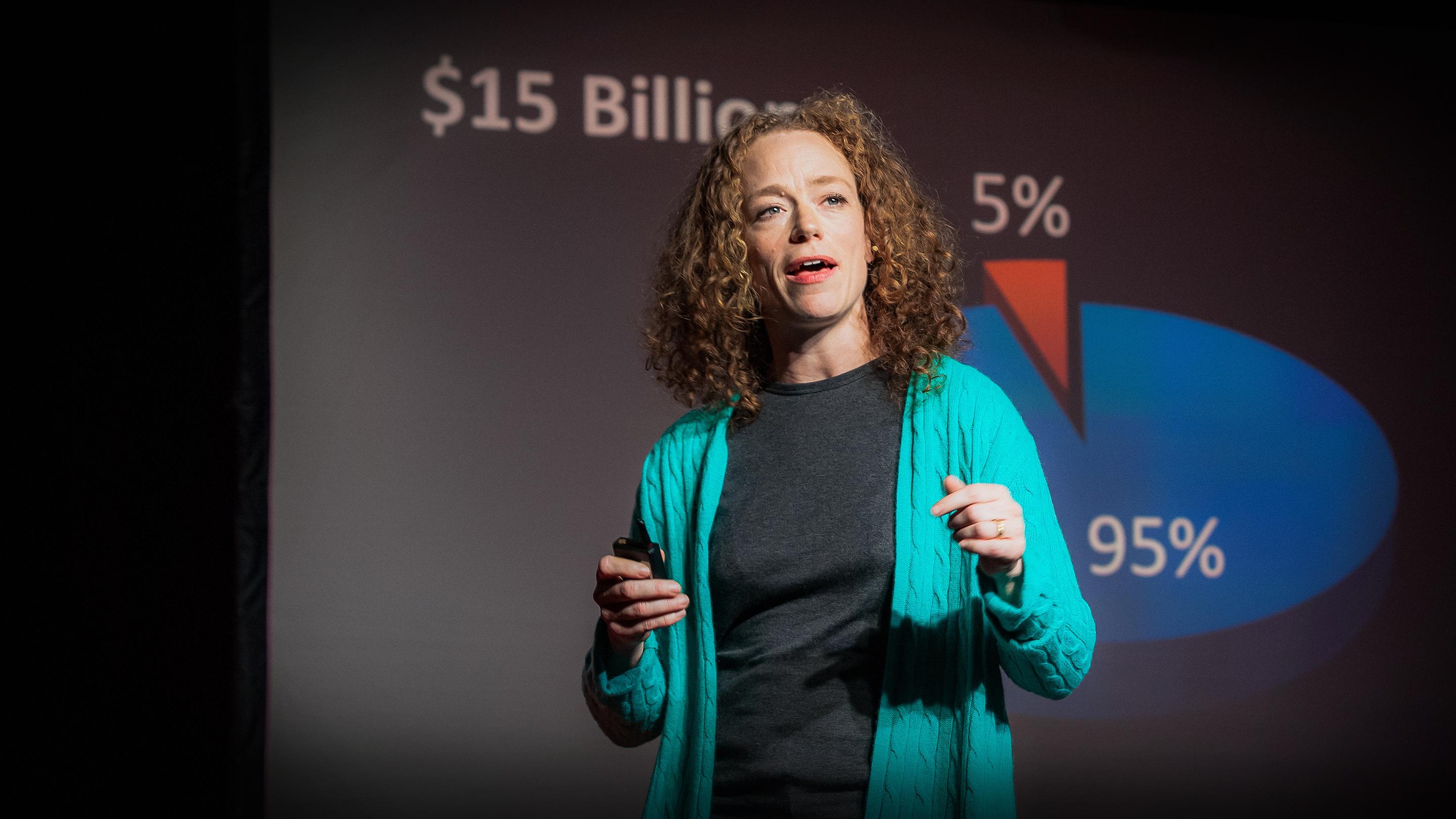
Why civilians suffer more once a war is over | Margaret Bourdeaux
In a war, it turns out that violence isn't the biggest killer of civilians. What is? Illness, hunger, poverty -- because war destroys the institutions that keep society running, like utilities, banks, food systems and hospitals. Physician Margaret Bourdeaux proposes a bold approach to post-conflict recovery, setting priorities on what to fix firstLearn more about our flagship conference happening this April at attend.ted.com/podcast Hosted on Acast. See acast.com/privacy for more information.
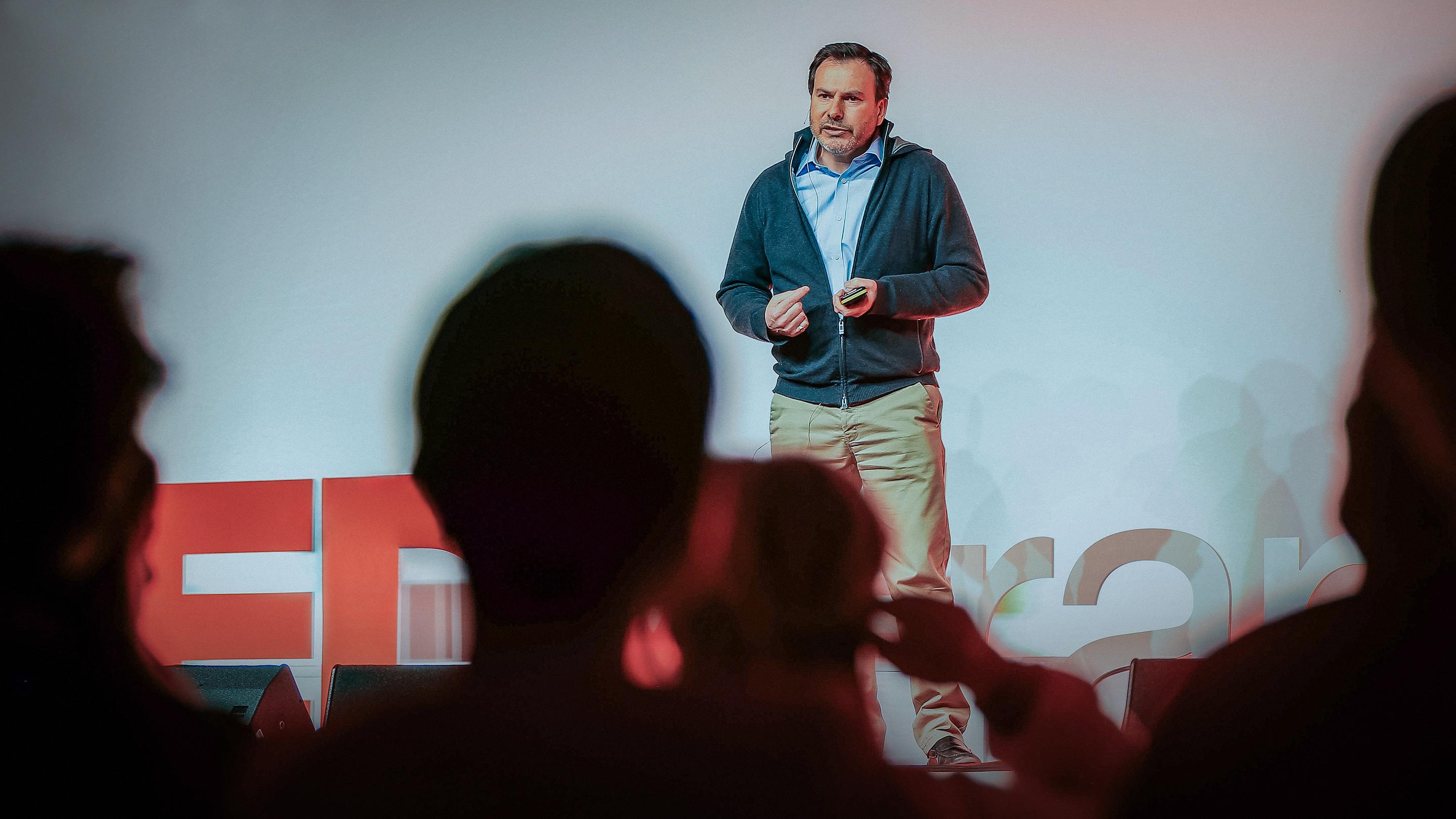
Who would the rest of the world vote for in your country's election? | Simon Anholt
Wish you could vote in another country's election? Simon Anholt unveils the Global Vote, an online platform that lets anybody, anywhere in the world, "vote" in the election of any country on earth (with surprising results).Learn more about our flagship conference happening this April at attend.ted.com/podcast Hosted on Acast. See acast.com/privacy for more information.
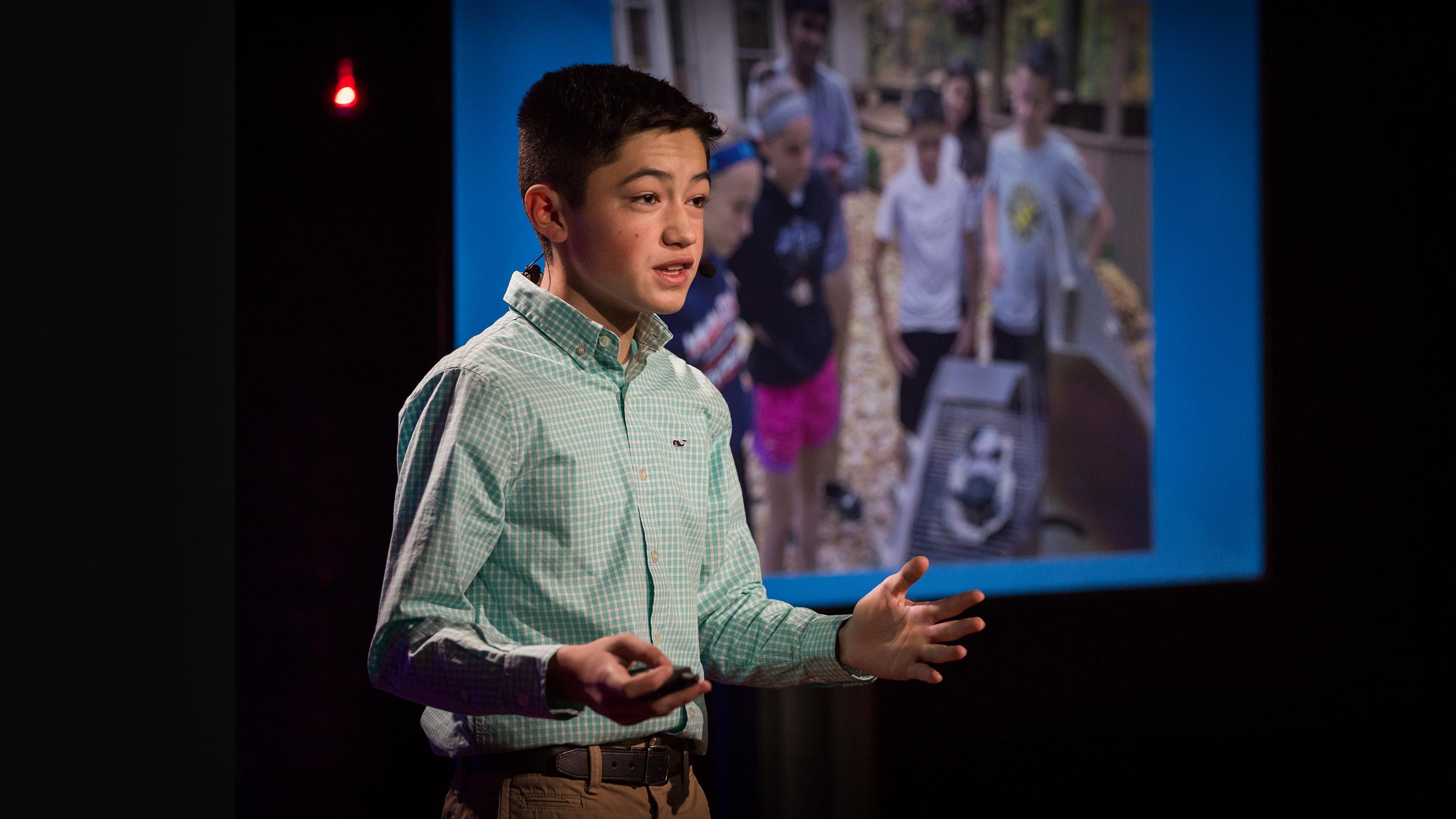
A young inventor's plan to recycle Styrofoam | Ashton Cofer
From packing peanuts to disposable coffee cups, each year the US alone produces some two billion pounds of Styrofoam -- none of which can be recycled. Frustrated by this waste of resources and landfill space, Ashton Cofer and his science fair teammates developed a heating treatment to break down used Styrofoam into something useful. Check out their original design, which won both the FIRST LEGO League Global Innovation Award and the Scientific American Innovator Award from Google Science Fair.Learn more about our flagship conference happening this April at attend.ted.com/podcast Hosted on Acast. See acast.com/privacy for more information.
Addiction is a disease. We should treat it like one | Michael Botticelli
Only one in nine people in the United States gets the care and treatment they need for addiction and substance abuse. A former Director of National Drug Control Policy, Michael Botticelli is working to end this epidemic and treat people with addictions with kindness, compassion and fairness. In a personal, thoughtful talk, he encourages the millions of Americans in recovery today to make their voices heard and confront the stigma associated with substance use disorders.Learn more about our flagship conference happening this April at attend.ted.com/podcast Hosted on Acast. See acast.com/privacy for more information.
Know your worth, and then ask for it | Casey Brown
Your boss probably isn't paying you what you're worth -- instead, they're paying you what they think you're worth. Take the time to learn how to shape their thinking. Pricing consultant Casey Brown shares helpful stories and learnings that can help you better communicate your value and get paid for your excellence.Learn more about our flagship conference happening this April at attend.ted.com/podcast Hosted on Acast. See acast.com/privacy for more information.
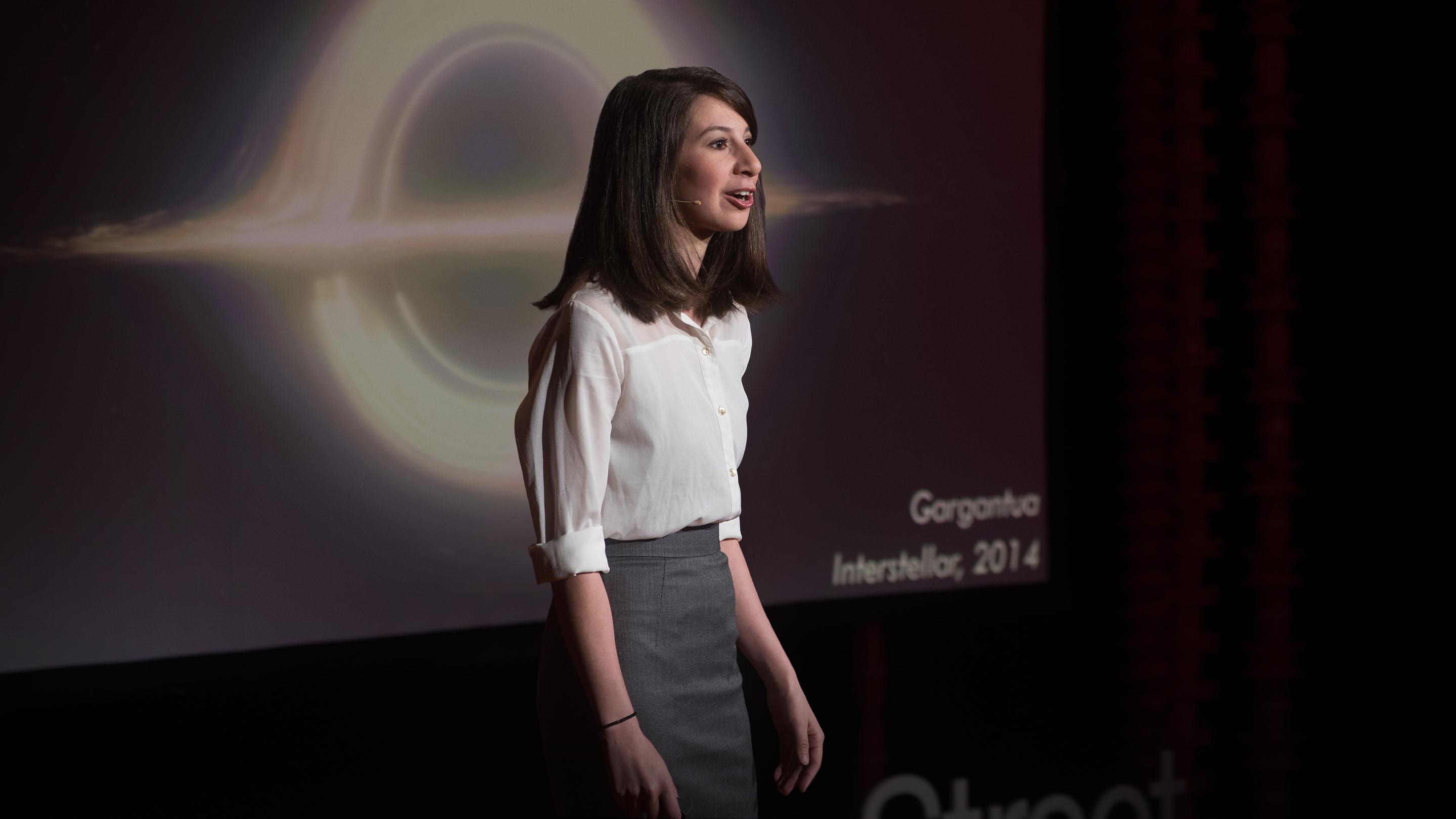
How to take a picture of a black hole | Katie Bouman
At the heart of the Milky Way, there's a supermassive black hole that feeds off a spinning disk of hot gas, sucking up anything that ventures too close -- even light. We can't see it, but its event horizon casts a shadow, and an image of that shadow could help answer some important questions about the universe. Scientists used to think that making such an image would require a telescope the size of Earth -- until Katie Bouman and a team of astronomers came up with a clever alternative. Bouman explains how we can take a picture of the ultimate dark using the Event Horizon Telescope.Learn more about our flagship conference happening this April at attend.ted.com/podcast Hosted on Acast. See acast.com/privacy for more information.
How racism makes us sick | David R. Williams
Why does race matter so profoundly for health? David R. Williams developed a scale to measure the impact of discrimination on well-being, going beyond traditional measures like income and education to reveal how factors like implicit bias, residential segregation and negative stereotypes create and sustain inequality. In this eye-opening talk, Williams presents evidence for how racism is producing a rigged system -- and offers hopeful examples of programs across the US that are working to dismantle discrimination.Learn more about our flagship conference happening this April at attend.ted.com/podcast Hosted on Acast. See acast.com/privacy for more information.
3 ways to plan for the (very) long term | Ari Wallach
We increasingly make decisions based on short-term goals and gains -- an approach that makes the future more uncertain and less safe. How can we learn to think about and plan for a better future in the long term ... like, grandchildren-scale long term? Ari Wallach shares three tactics for thinking beyond the immediate.Learn more about our flagship conference happening this April at attend.ted.com/podcast Hosted on Acast. See acast.com/privacy for more information.

How do you build a sacred space? | Siamak Hariri
To design the Bahá'í Temple of South America, architect Siamak Hariri focused on illumination -- from the temple's form, which captures the movement of the sun throughout the day, to the iridescent, luminous stone and glass used to construct it. Join Hariri for a journey through the creative process, as he explores what makes for a sacred experience in a secular world.Learn more about our flagship conference happening this April at attend.ted.com/podcast Hosted on Acast. See acast.com/privacy for more information.
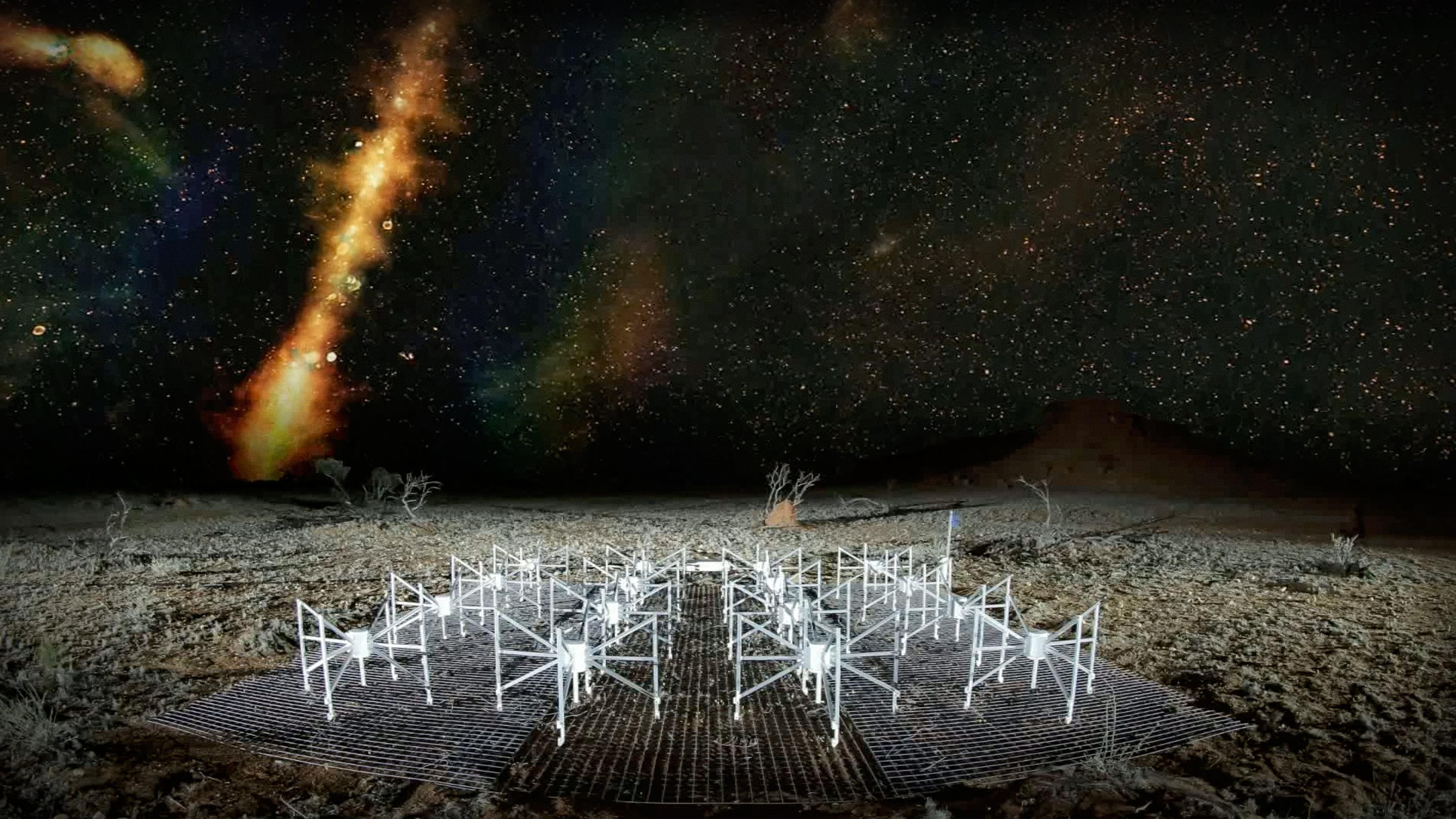
How radio telescopes show us unseen galaxies | Natasha Hurley-Walker
Our universe is strange, wonderful and vast, says astronomer Natasha Hurley-Walker. A spaceship can't carry you into its depths (yet) -- but a radio telescope can. In this mesmerizing talk, Hurley-Walker shows how she probes the mysteries of the universe using special technology that reveals light spectrums we can't see.Learn more about our flagship conference happening this April at attend.ted.com/podcast Hosted on Acast. See acast.com/privacy for more information.
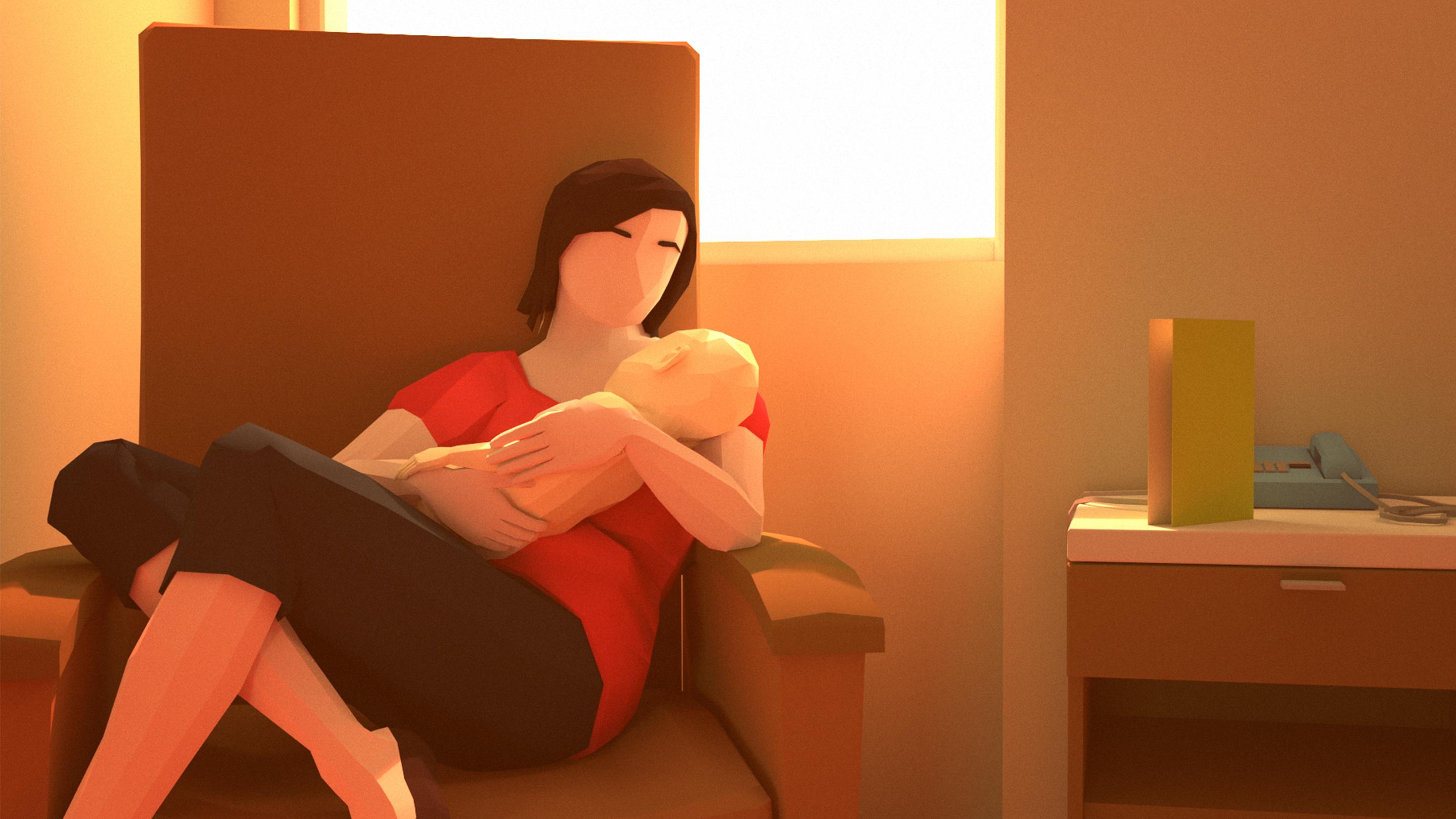
A video game to cope with grief | Amy Green
When Amy Green's young son was diagnosed with a rare brain tumor, she made up a bedtime story for his siblings to teach them about cancer. What resulted was a video game, "That Dragon, Cancer," which takes players on a journey they can't win. In this beautiful talk about coping with loss, Green brings joy and play to tragedy. "We made a game that's hard to play," she says, "because the hardest moments of our lives change us more than any goal we could ever accomplish."Learn more about our flagship conference happening this April at attend.ted.com/podcast Hosted on Acast. See acast.com/privacy for more information.
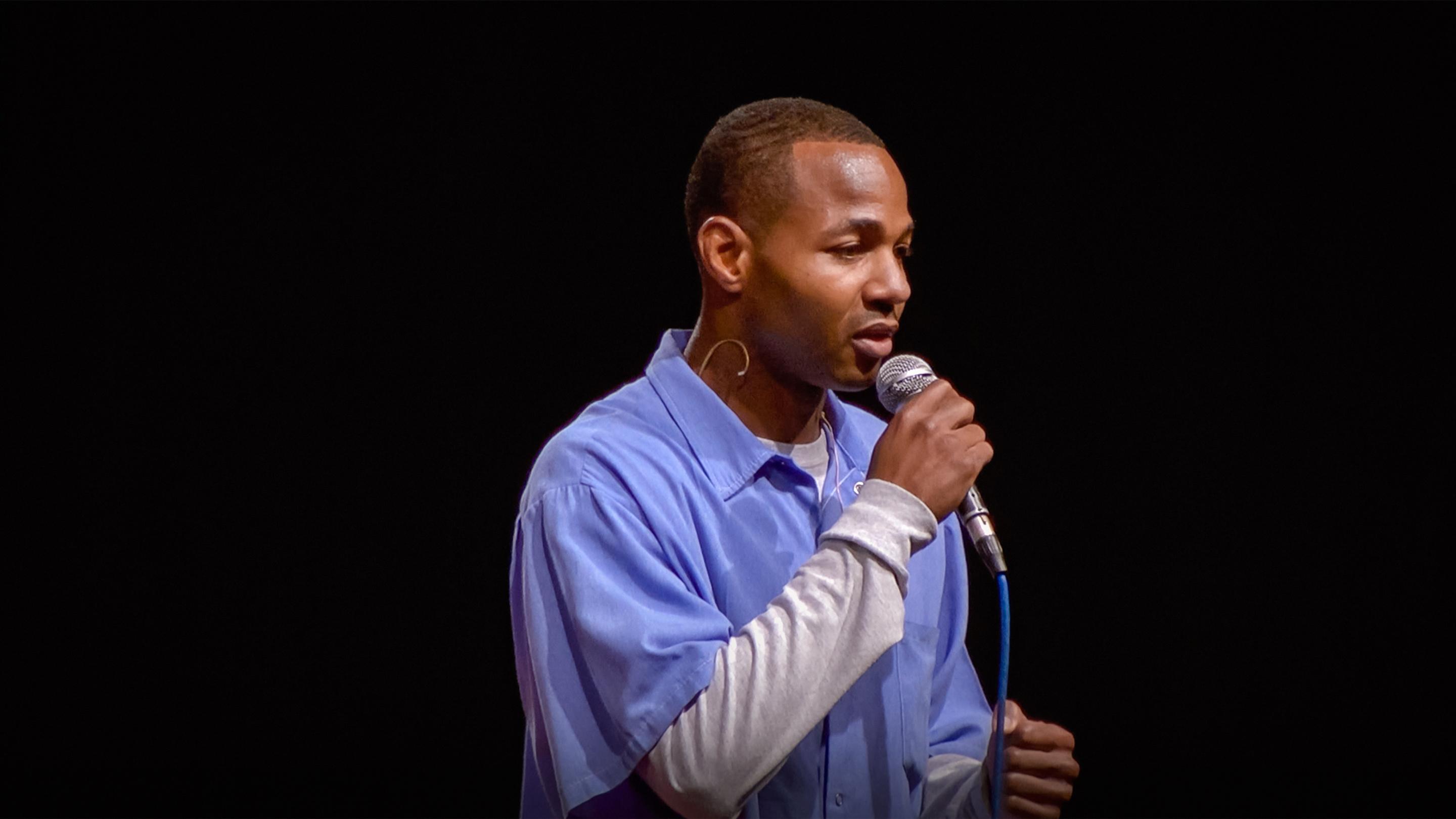
How I learned to read -- and trade stocks -- in prison | Curtis "Wall Street" Carroll
Financial literacy isn't a skill -- it's a lifestyle. Take it from Curtis "Wall Street" Carroll. As an incarcerated individual, Carroll knows the power of a dollar. While in prison, he taught himself how to read and trade stocks, and now he shares a simple, powerful message: we all need to be more savvy with our money.Learn more about our flagship conference happening this April at attend.ted.com/podcast Hosted on Acast. See acast.com/privacy for more information.
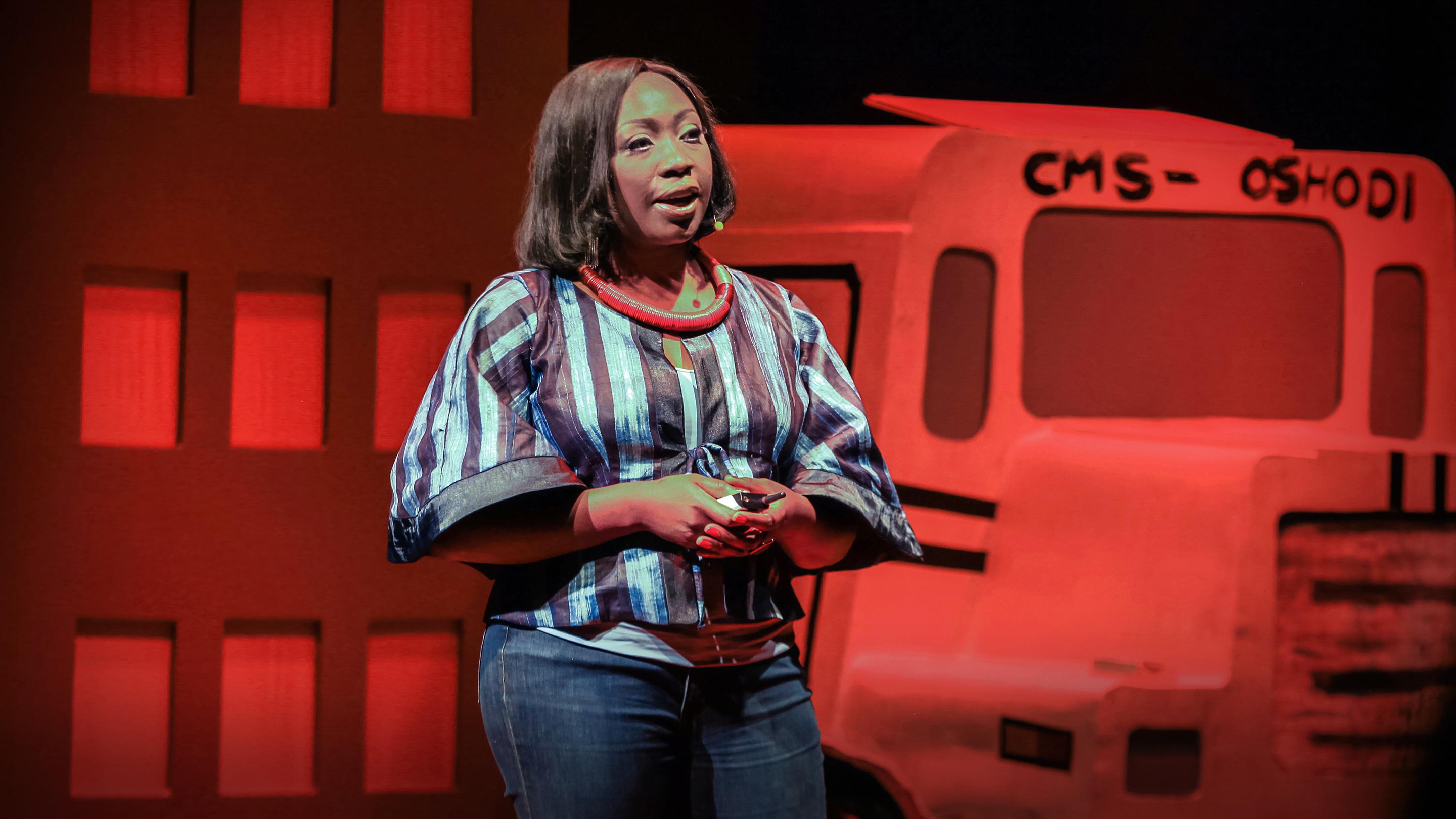
How fake news does real harm | Stephanie Busari
On April 14, 2014, the terrorist organization Boko Haram kidnapped more than 200 schoolgirls from the town of Chibok, Nigeria. Around the world, the crime became epitomized by the slogan #BringBackOurGirls -- but in Nigeria, government officials called the crime a hoax, confusing and delaying efforts to rescue the girls. In this powerful talk, journalist Stephanie Busari points to the Chibok tragedy to explain the deadly danger of fake news and what we can do to stop it.Learn more about our flagship conference happening this April at attend.ted.com/podcast Hosted on Acast. See acast.com/privacy for more information.
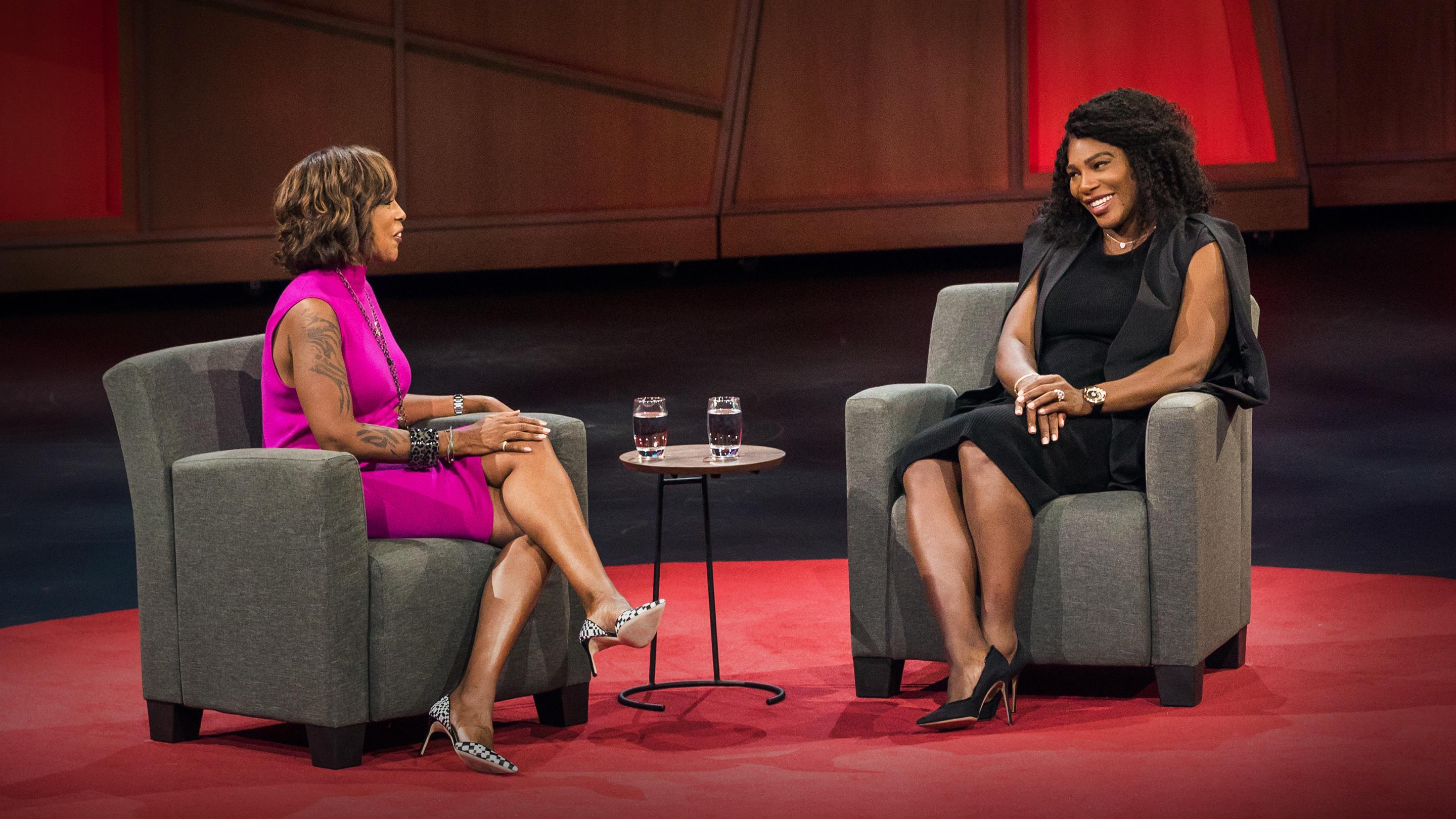
On tennis, love and motherhood | Serena Williams and Gayle King
Twenty-three Grand Slam titles later, tennis superstar Serena Williams sits down with journalist Gayle King to share a warm, mischievous conversation about her life, love, wins and losses -- starting with the story of how she accidentally shared her pregnancy news with the world.Learn more about our flagship conference happening this April at attend.ted.com/podcast Hosted on Acast. See acast.com/privacy for more information.
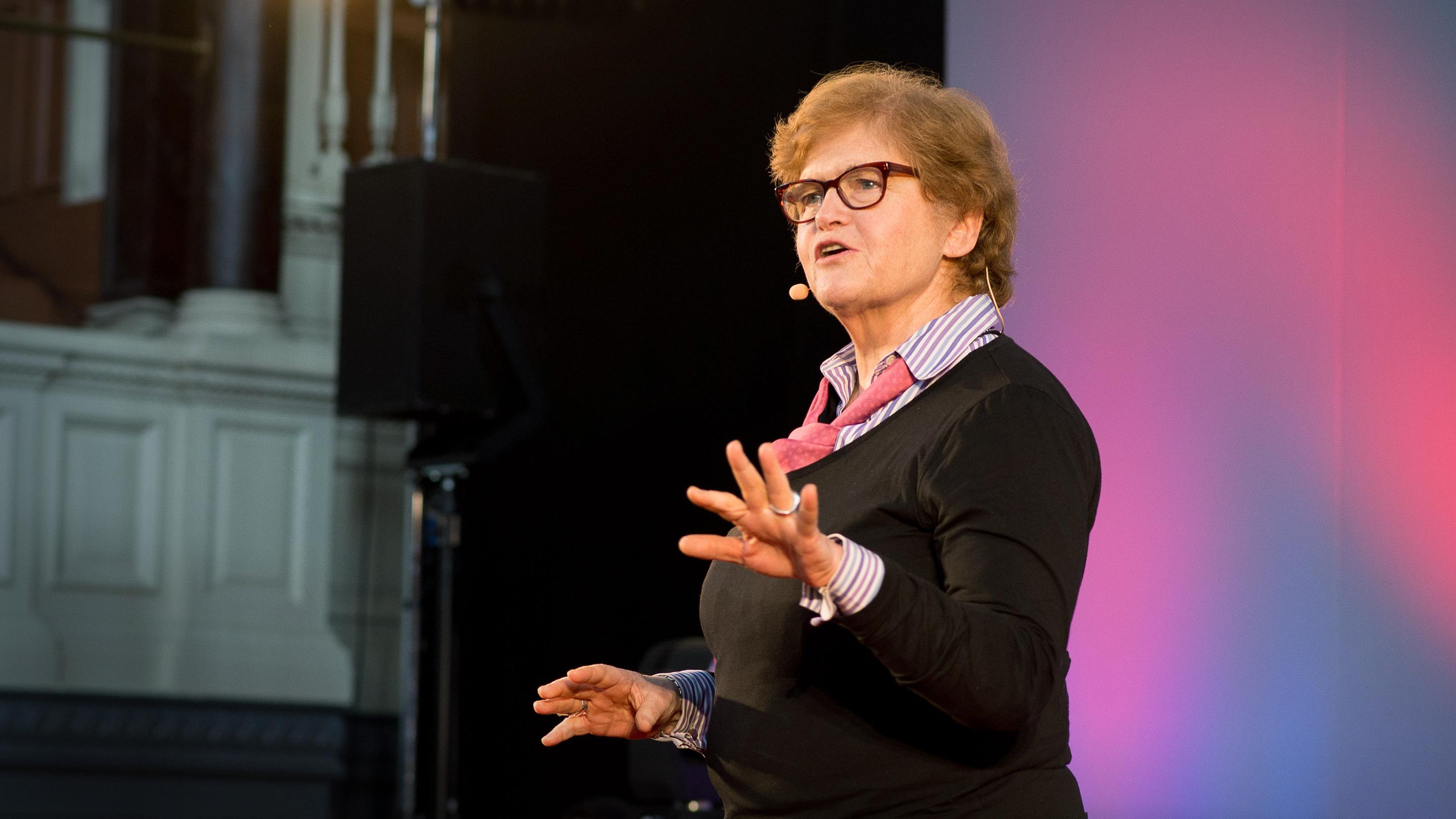
Behind the lies of Holocaust denial | Deborah Lipstadt
"There are facts, there are opinions, and there are lies," says historian Deborah Lipstadt, telling the remarkable story of her research into Holocaust deniers -- and their deliberate distortion of history. Lipstadt encourages us all to go on the offensive against those who assault the truth and facts. "Truth is not relative," she says.Learn more about our flagship conference happening this April at attend.ted.com/podcast Hosted on Acast. See acast.com/privacy for more information.
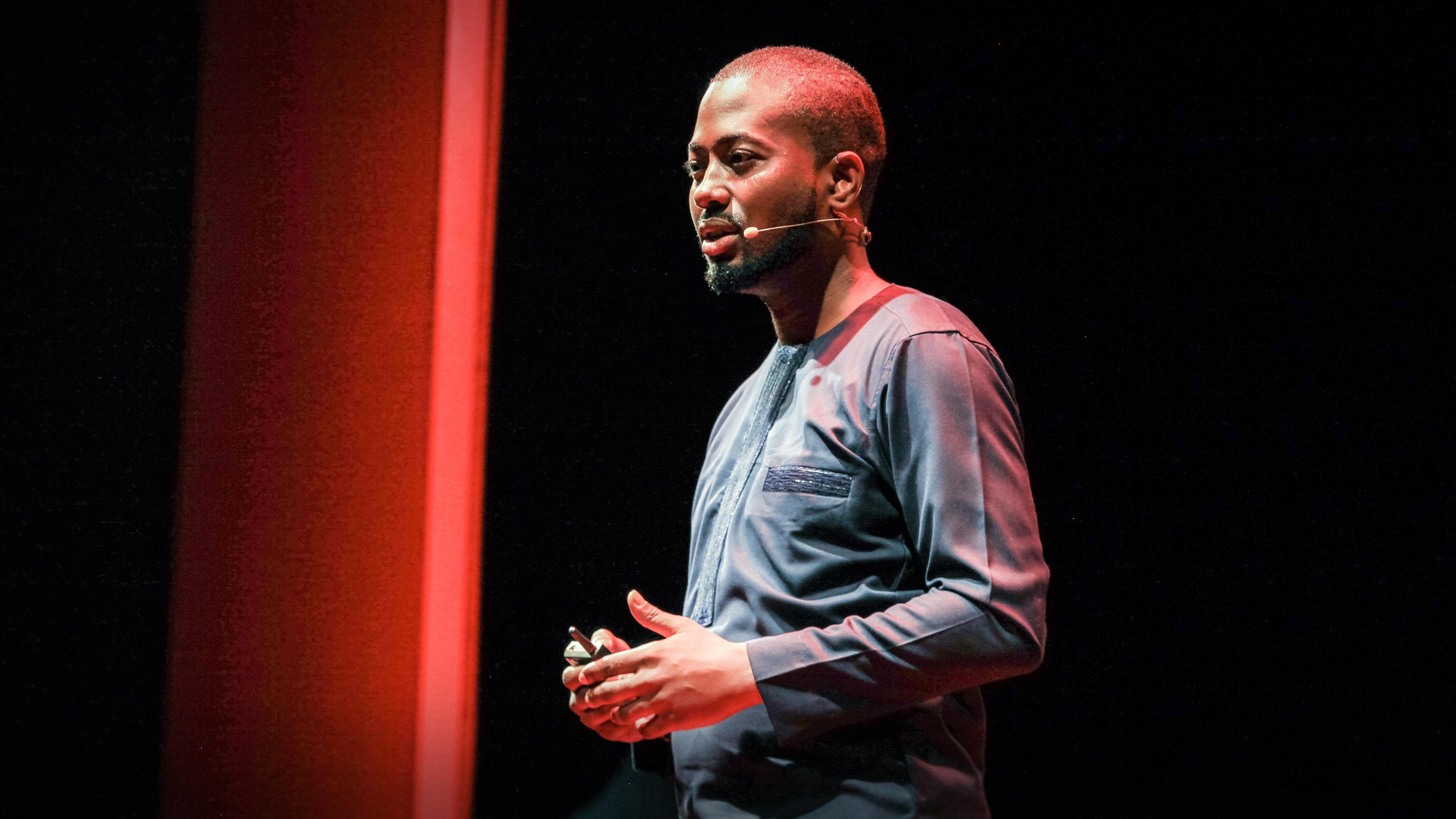
There's no shame in taking care of your mental health | Sangu Delle
When stress got to be too much for TED Fellow Sangu Delle, he had to confront his own deep prejudice: that men shouldn't take care of their mental health. In a personal talk, Delle shares how he learned to handle anxiety in a society that's uncomfortable with emotions. As he says: "Being honest about how we feel doesn't make us weak -- it makes us human."Learn more about our flagship conference happening this April at attend.ted.com/podcast Hosted on Acast. See acast.com/privacy for more information.
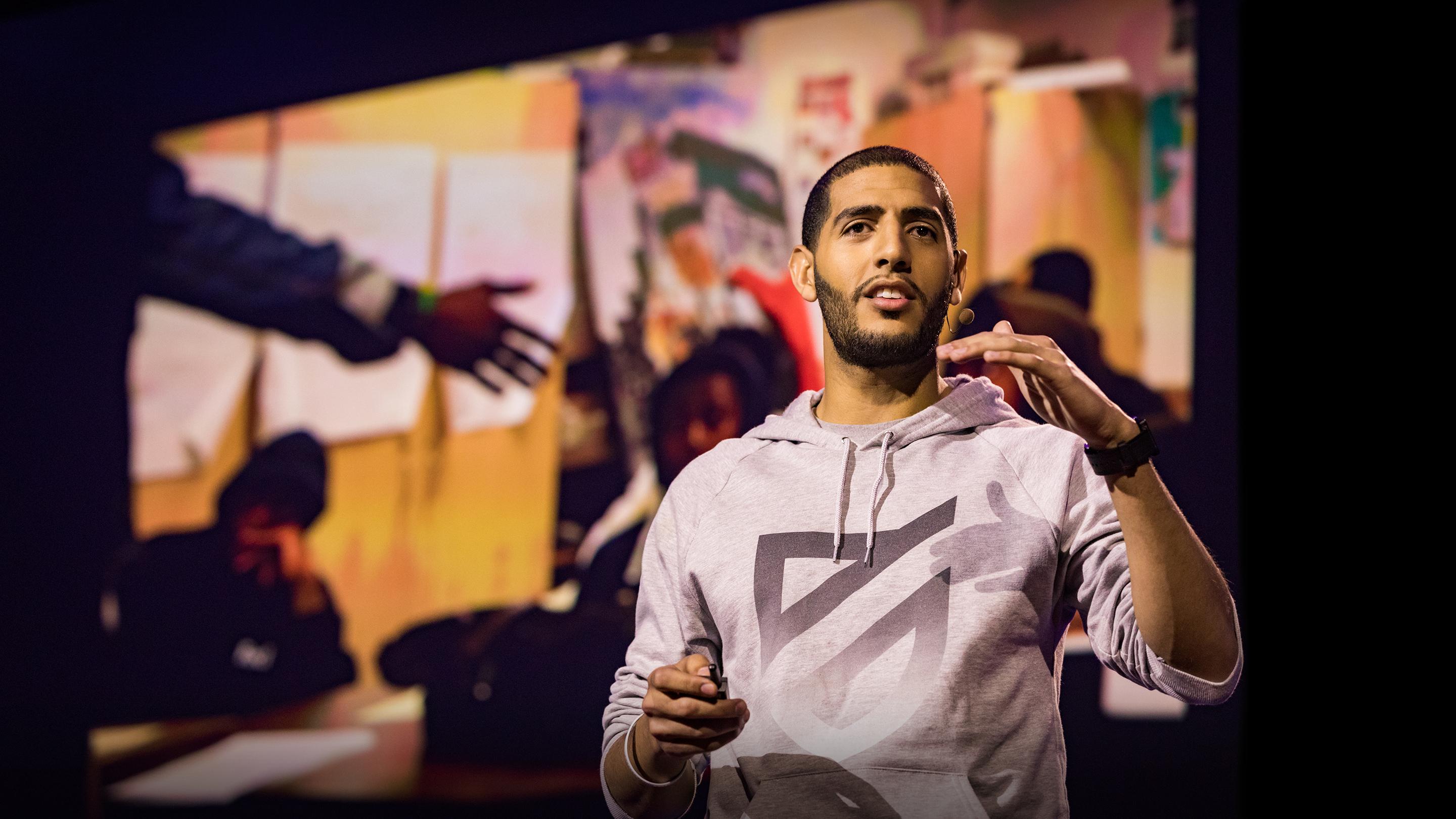
A summer school kids actually want to attend | Karim Abouelnaga
In the US, most kids have a very long summer break, during which they forget an awful lot of what they learned during the school year. This "summer slump" affects kids from low-income neighborhoods most, setting them back almost three months. TED Fellow Karim Abouelnaga has a plan to reverse this learning loss. Learn how he's helping kids improve their chances for a brighter future.Learn more about our flagship conference happening this April at attend.ted.com/podcast Hosted on Acast. See acast.com/privacy for more information.
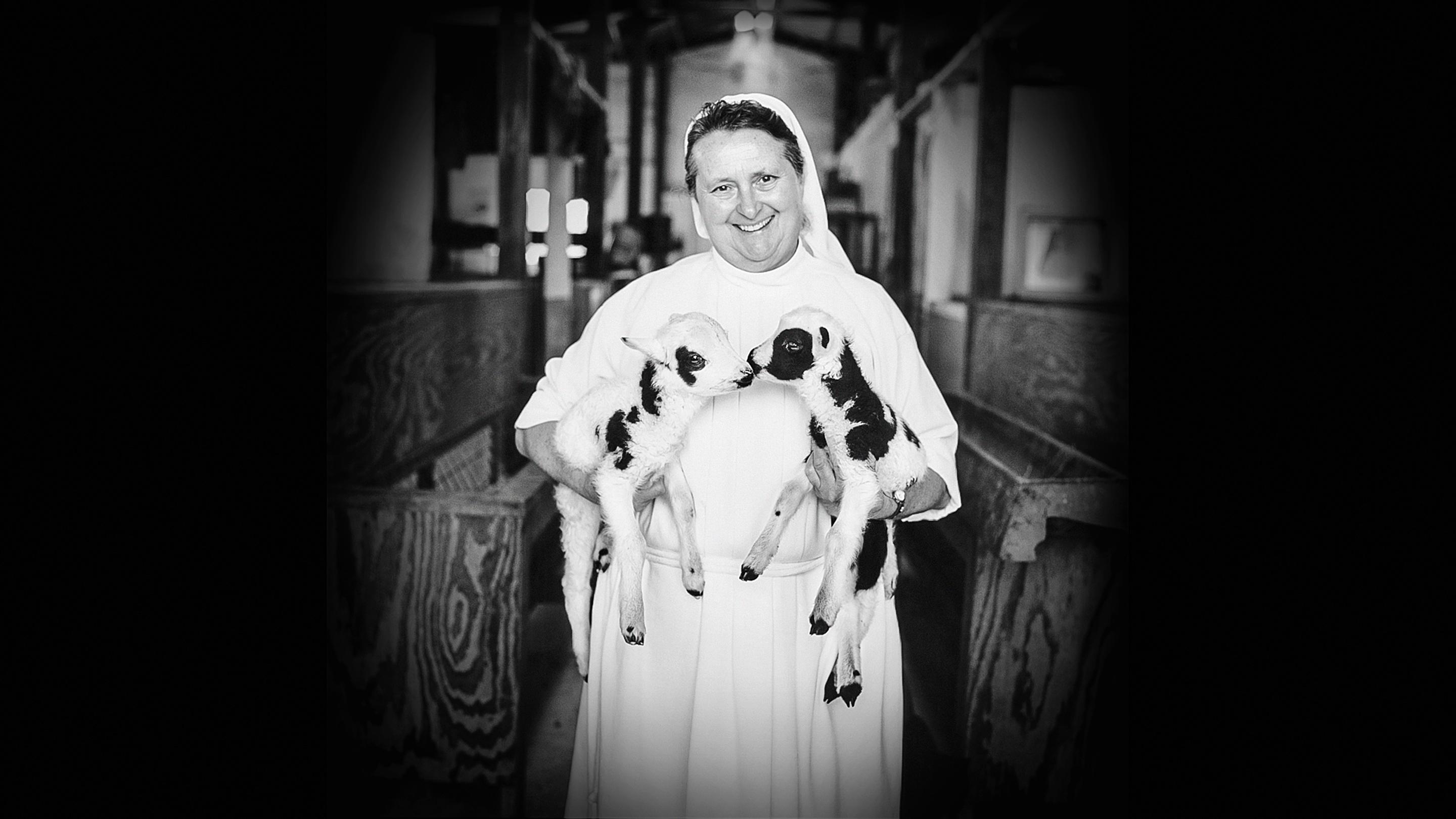
A tribute to nurses | Carolyn Jones
Carolyn Jones spent five years interviewing, photographing and filming nurses across America, traveling to places dealing with some of the nation's biggest public health issues. She shares personal stories of unwavering dedication in this celebration of the everyday heroes who work at the front lines of health care.Learn more about our flagship conference happening this April at attend.ted.com/podcast Hosted on Acast. See acast.com/privacy for more information.

A climate solution where all sides can win | Ted Halstead
Why are we so deadlocked on climate, and what would it take to overcome the seemingly insurmountable barriers to progress? Policy entrepreneur Ted Halstead proposes a transformative solution based on the conservative principles of free markets and limited government. Learn more about how this carbon dividends plan could trigger an international domino effect towards a more popular, cost-effective and equitable climate solution.Learn more about our flagship conference happening this April at attend.ted.com/podcast Hosted on Acast. See acast.com/privacy for more information.
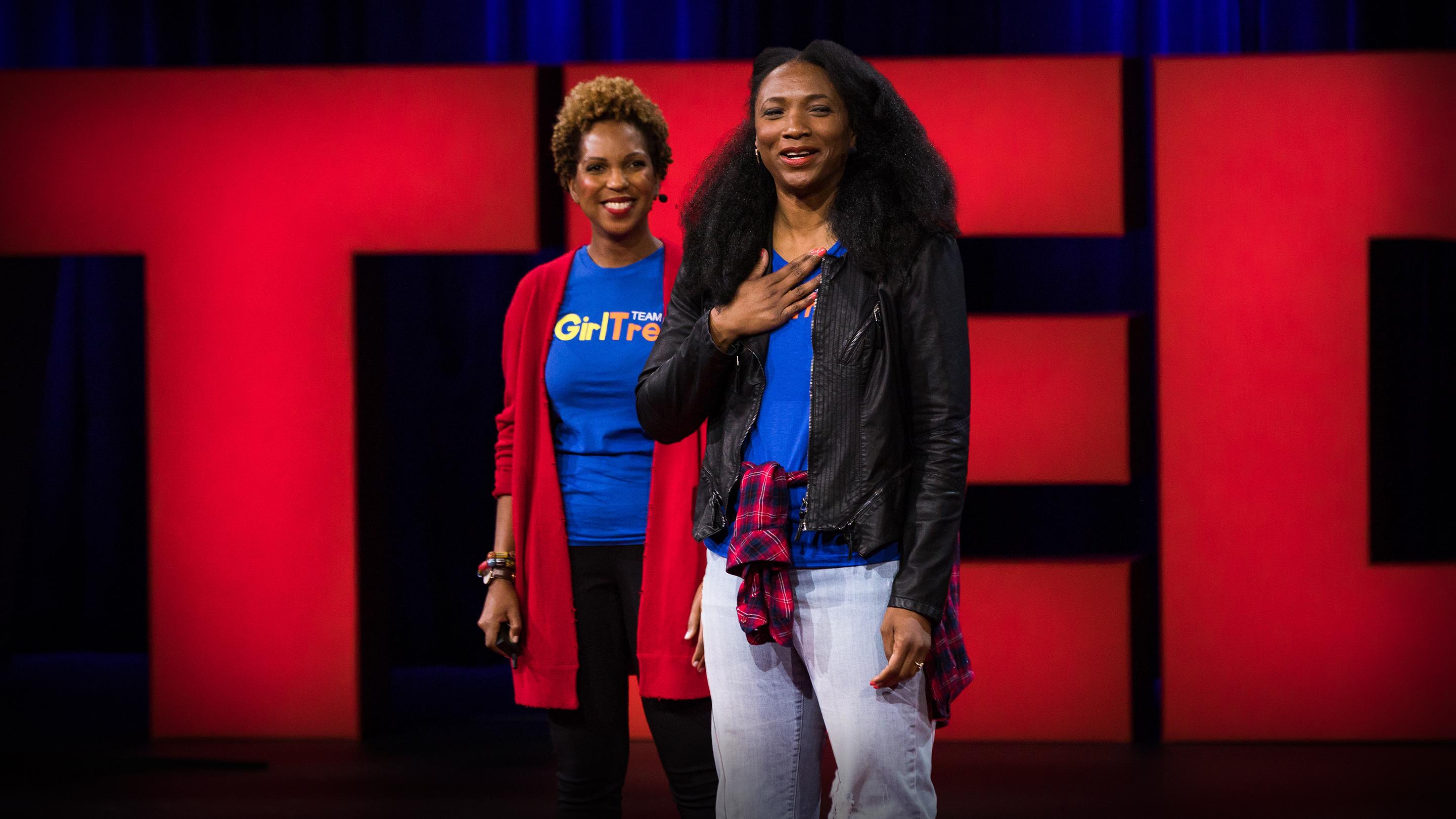
Walking as a revolutionary act of self-care | T. Morgan Dixon and Vanessa Garrison
"When black women walk, things change," say T. Morgan Dixon and Vanessa Garrison, the founders of the health nonprofit GirlTrek. They're on a mission to reduce the leading causes of preventable death among black women -- and build communities in the process. How? By getting one million black women and girls to prioritize their self-care, lacing up their shoes and walking in the direction of their healthiest, most fulfilled lives.Learn more about our flagship conference happening this April at attend.ted.com/podcast Hosted on Acast. See acast.com/privacy for more information.
Poverty isn't a lack of character; it's a lack of cash | Rutger Bregman
"Ideas can and do change the world," says historian Rutger Bregman, sharing his case for a provocative one: guaranteed basic income. Learn more about the idea's 500-year history and a forgotten modern experiment where it actually worked -- and imagine how much energy and talent we would unleash if we got rid of poverty once and for all.Learn more about our flagship conference happening this April at attend.ted.com/podcast Hosted on Acast. See acast.com/privacy for more information.
Why I speak up about living with epilepsy | Sitawa Wafula
Once homebound by epilepsy, mental health advocate Sitawa Wafula found her strength in writing about it. Now, she advocates for others who are yet to find their voices, cutting through stigma and exclusion to talk about what it's like to live with the condition.Learn more about our flagship conference happening this April at attend.ted.com/podcast Hosted on Acast. See acast.com/privacy for more information.
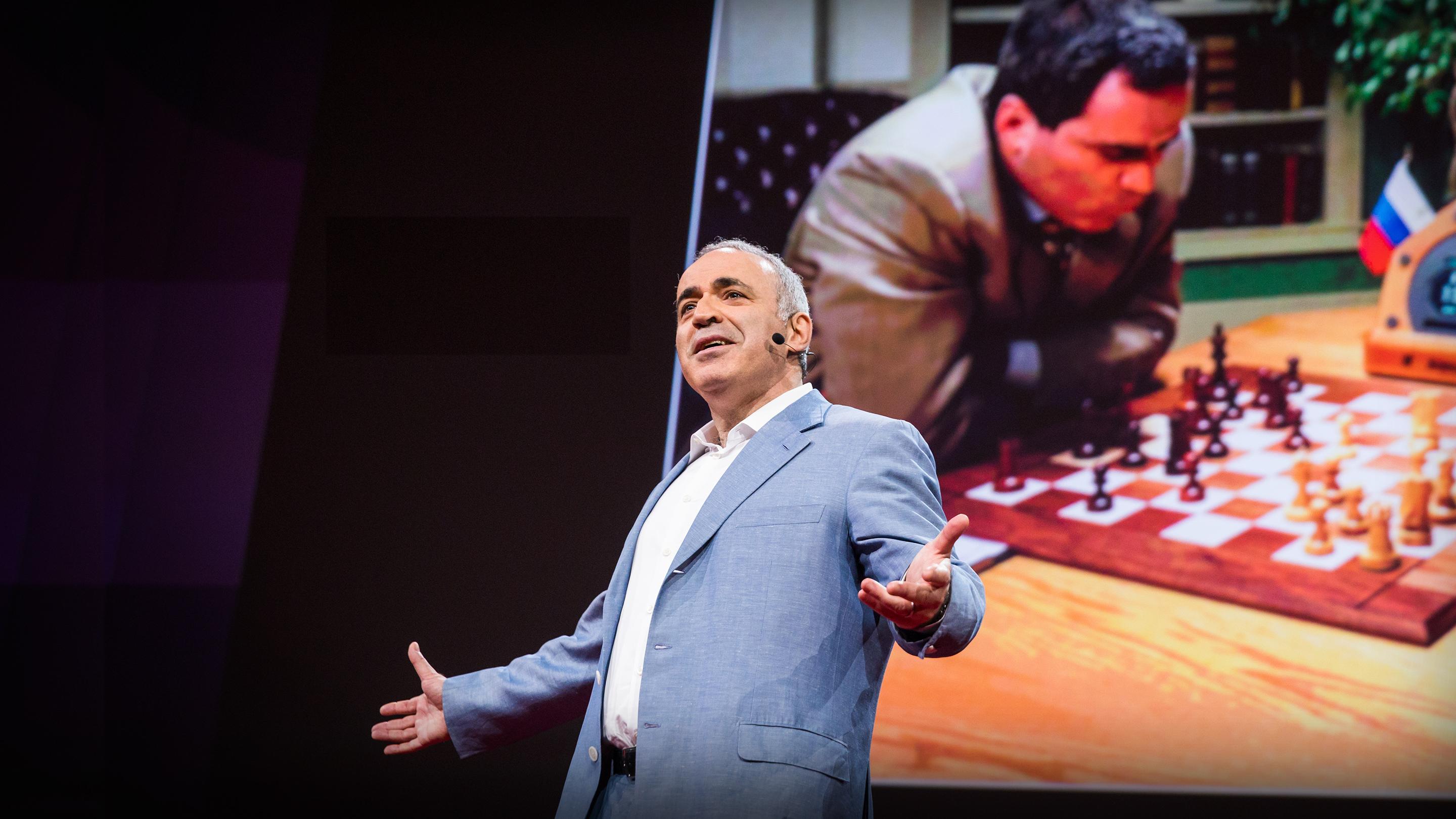
Don't fear intelligent machines. Work with them | Garry Kasparov
We must face our fears if we want to get the most out of technology -- and we must conquer those fears if we want to get the best out of humanity, says Garry Kasparov. One of the greatest chess players in history, Kasparov lost a memorable match to IBM supercomputer Deep Blue in 1997. Now he shares his vision for a future where intelligent machines help us turn our grandest dreams into reality.Learn more about our flagship conference happening this April at attend.ted.com/podcast Hosted on Acast. See acast.com/privacy for more information.
Am I not human? A call for criminal justice reform | Marlon Peterson
For a crime he committed in his early twenties, the courts sentenced Marlon Peterson to 10 years in prison -- and, as he says, a lifetime of irrelevance. While behind bars, Peterson found redemption through a penpal mentorship program with students from Brooklyn. In this brave talk, he reminds us why we should invest in the humanity of those people society would like to disregard and discard.Learn more about our flagship conference happening this April at attend.ted.com/podcast Hosted on Acast. See acast.com/privacy for more information.
I don't want children -- stop telling me I'll change my mind | Christen Reighter
One in five women in the United States will not have a biological child, and Christen Reighter is one of them. From a young age, she knew she didn't kids, in spite of the insistence of many people (including her doctor) who told her she'd change her mind. In this powerful talk, she shares her story of seeking sterilization -- and makes the case that motherhood is an extension of womanhood, not the definition.Learn more about our flagship conference happening this April at attend.ted.com/podcast Hosted on Acast. See acast.com/privacy for more information.
What it's like to be a woman in Hollywood | Naomi McDougall-Jones
What we see in movies matters: it affects our hobbies, our career choices, our emotions and even our identities. Right now, we don't see enough women on screen or behind the camera -- but waiting for Hollywood to grow a conscience isn't going to fix the problem, says Naomi McDougall Jones. Join forces with the actress and activist as she outlines her four-point plan for a total representation revolution in Hollywood.Learn more about our flagship conference happening this April at attend.ted.com/podcast Hosted on Acast. See acast.com/privacy for more information.
A pro wrestler's guide to confidence | Mike Kinney
You are more than you think you are, says former pro wrestler Mike Kinney -- you just have to find what makes you unique and use it to your advantage. For years Kinney "turned up" the parts of himself that made him special as he invented and perfected his wrestling persona, Cowboy Gator Magraw. In a talk equal parts funny and smart, he brings his wisdom from the ring to everyday life, sharing how we can all live more confidently and reach our full potential.Learn more about our flagship conference happening this April at attend.ted.com/podcast Hosted on Acast. See acast.com/privacy for more information.
The powerful stories that shaped Africa | Gus Casely-Hayford
In the vast sweep of history, even an empire can be forgotten. In this wide-ranging talk, Gus Casely-Hayford shares origin stories of Africa that are too often unwritten, lost, unshared. Travel to Great Zimbabwe, the ancient city whose mysterious origins and advanced architecture continue to confound archeologists. Or to the age of Mansa Musa, the ruler of the Mali Empire whose vast wealth built the legendary libraries of Timbuktu. And consider which other history lessons we might unwittingly overlook.Learn more about our flagship conference happening this April at attend.ted.com/podcast Hosted on Acast. See acast.com/privacy for more information.
A precise, three-word address for every place on earth | Chris Sheldrick
With what3words, Chris Sheldrick and his team have divided the entire planet into three-meter squares and assigned each a unique, three-word identifier, like famous.splice.writers or blocks.evenly.breed, giving a precise address to the billions of people worldwide who don't have one. In this quick talk about a big idea, Sheldrick explains the economic and political implications of giving every location on earth an accurate address -- from building infrastructure to sending aid to disaster zones to delivering hot pizza.Learn more about our flagship conference happening this April at attend.ted.com/podcast Hosted on Acast. See acast.com/privacy for more information.
Portraits that transform people into whatever they want to be | Uldus Bakhtiozina
With her gorgeous, haunting photographs, artist Uldus Bakhtiozina documents dreams, working with daily life as she imagines it could be. She creates everything in her work by hand -- from costumes to stages -- without digital manipulation, bringing us images from the land of escapism, where anyone can become something else.Learn more about our flagship conference happening this April at attend.ted.com/podcast Hosted on Acast. See acast.com/privacy for more information.
The new age of corporate monopolies | Margrethe Vestager
Margrethe Vestager wants to keep European markets competitive -- which is why, on behalf of the EU, she's fined Google $2.8 billion for breaching antitrust rules, asked Apple for $15.3 billion in back taxes and investigated a range of companies, from Gazprom to Fiat, for anti-competitive practices. In an important talk about the state of the global business, she explains why markets need clear rules -- and how even the most innovative companies can become a problem when they become too dominant. "Real and fair competition has a vital role to play in building the trust we need to get the best of our societies," Vestager says. "And that starts with enforcing our rules."Learn more about our flagship conference happening this April at attend.ted.com/podcast Hosted on Acast. See acast.com/privacy for more information.
We can hack our immune cells to fight cancer | Elizabeth Wayne
After decades of research and billions spent in clinical trials, we still have a problem with cancer drug delivery, says biomedical engineer Elizabeth Wayne. Chemotherapy kills cancer -- but it kills the rest of your body, too. Instead of using human design to fight cancer, why not use nature's? In this quick talk, Wayne explains how her lab is creating nanoparticle treatments that bind to immune cells, your body's first responders, to precisely target cancer cells without damaging healthy ones.Learn more about our flagship conference happening this April at attend.ted.com/podcast Hosted on Acast. See acast.com/privacy for more information.
What's hidden under the Greenland ice sheet? | Kristin Poinar
The Greenland ice sheet is massive, mysterious -- and melting. Using advanced technology, scientists are revealing its secrets for the first time, and what they've found is amazing: hidden under the ice sheet is a vast aquifer that holds a Lake Tahoe-sized volume of water from the summer melt. Does this water stay there, or does it find its way out to the ocean and contribute to global sea level rise? Join glaciologist Kristin Poinar for a trip to this frozen, forgotten land to find out.Learn more about our flagship conference happening this April at attend.ted.com/podcast Hosted on Acast. See acast.com/privacy for more information.
How I became an entrepreneur at 66 | Paul Tasner
It's never too late to reinvent yourself. Take it from Paul Tasner -- after working continuously for other people for 40 years, he founded his own start-up at age 66, pairing his idea for a business with his experience and passion. And he's not alone. As he shares in this short, funny and inspirational talk, seniors are increasingly indulging their entrepreneurial instincts -- and seeing great success.Learn more about our flagship conference happening this April at attend.ted.com/podcast Hosted on Acast. See acast.com/privacy for more information.
3 fears about screen time for kids -- and why they're not true | Sara DeWitt
We check our phones upwards of 50 times per day -- but when our kids play around with them, we get nervous. Are screens ruining childhood? Not according to children's media expert Sara DeWitt. In a talk that may make you feel a bit less guilty about passing your phone to a bored kid at a restaurant, DeWitt envisions a future where we're excited to see kids interacting with screens and shows us exciting ways new technologies can actually help them grow, connect and learn.Learn more about our flagship conference happening this April at attend.ted.com/podcast Hosted on Acast. See acast.com/privacy for more information.
Why jobs of the future won't feel like work | David Lee
We've all heard that robots are going to take our jobs -- but what can we do about it? Innovation expert David Lee says that we should start designing jobs that unlock our hidden talents and passions -- the things we spend our weekends doing -- to keep us relevant in the age of robotics. "Start asking people what problems they're inspired to solve and what talents they want to bring to work," Lee says. "When you invite people to be more, they can amaze us with how much more they can be."Learn more about our flagship conference happening this April at attend.ted.com/podcast Hosted on Acast. See acast.com/privacy for more information.
The forgotten art of the zoetrope | Eric Dyer
Artist Eric Dyer spent years working at a computer to produce images for the screen. Longing to get his hands back on his work, he began exploring the zoetrope, a popular 19th-century device that was used to create the illusion of motion long before the arrival of film. In this vibrant talk, he showcases his resulting art inventions: spinning sculptures and that evoke beautiful, dreamlike scenes. (Warning: This talk includes flashing images and lights. Those who are photosensitive or have seizures trigged by strobes are advised to avoid.)Learn more about our flagship conference happening this April at attend.ted.com/podcast Hosted on Acast. See acast.com/privacy for more information.
Electrical experiments with plants that count and communicate | Greg Gage
Neuroscientist Greg Gage takes sophisticated equipment used to study the brain out of graduate-level labs and brings them to middle- and high-school classrooms (and, sometimes, to the TED stage.) Prepare to be amazed as he hooks up the Mimosa pudica, a plant whose leaves close when touched, and the Venus flytrap to an EKG to show us how plants use electrical signals to convey information, prompt movement and even count.Learn more about our flagship conference happening this April at attend.ted.com/podcast Hosted on Acast. See acast.com/privacy for more information.
How Africa can use its traditional knowledge to make progress | Chika Ezeanya-Esiobu
Chika Ezeanya-Esiobu wants to see Africans unleash their suppressed creative and innovative energies by acknowledging the significance of their indigenous, authentic knowledge. In this powerful talk, she shares examples of untapped, traditional African knowledge in agriculture and policy-making, calling on Africans to make progress by validating and dignifying their reality.Learn more about our flagship conference happening this April at attend.ted.com/podcast Hosted on Acast. See acast.com/privacy for more information.