
TED Talks Daily
2,892 episodes — Page 54 of 58
How we're using drones to deliver blood and save lives | Keller Rinaudo
Keller Rinaudo wants everyone on earth to have access to basic health care, no matter how hard it is to reach them. With his start-up Zipline, he has created the world's first drone delivery system to operate at national scale, transporting blood and plasma to remote clinics in East Africa with a fleet of electric autonomous aircraft. Find out how Rinaudo and his team are working to transform health care logistics throughout the world -- and inspiring the next generation of engineers along the way.Learn more about our flagship conference happening this April at attend.ted.com/podcast Hosted on Acast. See acast.com/privacy for more information.
The science of cells that never get old | Elizabeth Blackburn
What makes our bodies age ... our skin wrinkle, our hair turn white, our immune systems weaken? Biologist Elizabeth Blackburn shares a Nobel Prize for her work finding out the answer, with the discovery of telomerase: an enzyme that replenishes the caps at the end of chromosomes, which break down when cells divide. Learn more about Blackburn's groundbreaking research -- including how we might have more control over aging than we think.Learn more about our flagship conference happening this April at attend.ted.com/podcast Hosted on Acast. See acast.com/privacy for more information.
How to speak so that people want to listen | Julian Treasure
Have you ever felt like you're talking, but nobody is listening? Here's Julian Treasure to help. In this useful talk, the sound expert demonstrates the how-to's of powerful speaking — from some handy vocal exercises to tips on how to speak with empathy. A talk that might help the world sound more beautiful.Learn more about our flagship conference happening this April at attend.ted.com/podcast Hosted on Acast. See acast.com/privacy for more information.
An interview with the Queen of Creole Cuisine | Leah Chase
Leah Chase's New Orleans restaurant Dooky Chase changed the course of American history over gumbo and fried chicken. During the civil rights movement, it was a place where white and black people came together, where activists planned protests and where the police entered but did not disturb -- and it continues to operate in the same spirit today. In conversation with TEDWomen Curator Pat Mitchell, the 94-year old Queen of Creole Cuisine (who still runs the Dooky Chase kitchen), shares her wisdom from a lifetime of activism, speaking up and cooking.Learn more about our flagship conference happening this April at attend.ted.com/podcast Hosted on Acast. See acast.com/privacy for more information.
Activism needs introverts | Sarah Corbett
For the introverts among us, traditional forms activism like marches, protests and door-to-door canvassing can be intimidating and stressful. Take it from Sarah Corbett, a former professional campaigner and self-proclaimed introvert. She introduces us to "craftivism," a quieter form of activism that uses handicrafts as a way to get people to slow down and think deeply about the issues they're facing, all while engaging the public more gently. Who says an embroidered handkerchief can't change the world?Learn more about our flagship conference happening this April at attend.ted.com/podcast Hosted on Acast. See acast.com/privacy for more information.
How Amazon, Apple, Facebook and Google manipulate our emotions | Scott Galloway
The combined market capitalization of Amazon, Apple, Facebook and Google is now equivalent to the GDP of India. How did these four companies come to infiltrate our lives so completely? In a spectacular rant, Scott Galloway shares insights and eye-opening stats about their dominance and motivation -- and what happens when a society prizes shareholder value over everything else. Followed by a Q&A with TED Curator Chris Anderson. (Note: This talk contains graphic language.)Learn more about our flagship conference happening this April at attend.ted.com/podcast Hosted on Acast. See acast.com/privacy for more information.
The hidden opportunities of the informal economy | Niti Bhan
Niti Bhan studies business strategy for Africa's informal markets: the small shops and stands, skilled craftspeople and laborers who are the invisible engine that keeps the continent's economy running. It's tempting to think of these workers as tax-dodgers, even criminals -- but Bhan makes the case that this booming segment of the economy is legitimate and worthy of investment. If we do, she says, we might create thousands more jobs. "These are the fertile seeds of businesses and enterprises," Bhan says. "Can we start by recognizing these skills and occupations?"Learn more about our flagship conference happening this April at attend.ted.com/podcast Hosted on Acast. See acast.com/privacy for more information.
Why do I make art? To build time capsules for my heritage | Kayla Briët
Kayla Briët creates art that explores identity and self-discovery -- and the fear that her culture may someday be forgotten. She shares how she found her creative voice and reclaimed the stories of her Dutch-Indonesian, Chinese and Native American heritage by infusing them into film and music time capsules.Learn more about our flagship conference happening this April at attend.ted.com/podcast Hosted on Acast. See acast.com/privacy for more information.
How my dad's dementia changed my idea of death (and life) | Beth Malone
With warmth and grace, Beth Malone tells the deeply personal story of her dad's struggle with frontotemporal lobe dementia, and how it changed her idea of death (and life). A moving talk about a daughter's love -- and of letting go and finding peace.Learn more about our flagship conference happening this April at attend.ted.com/podcast Hosted on Acast. See acast.com/privacy for more information.
How the military fights climate change | David Titley
Military leaders have known for millennia that the time to prepare for a challenge is before it hits you, says scientist and retired US Navy officer David Titley. He takes us from the humanitarian catastrophe in Syria to the icy shores of Svalbard to show how the military approaches the threat of climate change, in a refreshingly practical, nonpartisan take on climate preparedness. "The ice doesn't care who's in the White House. It doesn't care which party controls your congress. It doesn't care which party controls your parliament," Titley says. "It just melts."Learn more about our flagship conference happening this April at attend.ted.com/podcast Hosted on Acast. See acast.com/privacy for more information.
The Housing First approach to homelessness | Lloyd Pendleton
What do you think would happen if you invited an individual with mental health issues who had been homeless for many years to move directly from the street into housing? Loyd Pendleton shares how he went from skeptic to believer in the Housing First approach to homelessness -- providing the displaced with short-term assistance to find permanent housing quickly and without conditions -- and how it led to a 91 percent reduction in chronic homelessness over a ten-year period in Utah.Learn more about our flagship conference happening this April at attend.ted.com/podcast Hosted on Acast. See acast.com/privacy for more information.
How to talk (and listen) to transgender people | Jackson Bird
Gender should be the least remarkable thing about someone, but transgender people are still too often misunderstood. To help those who are scared to ask questions or nervous about saying the wrong thing, Jackson Bird shares a few ways to think about trans issues. And in this funny, frank talk, he clears up a few misconceptions about pronouns, transitioning, bathrooms and more.Learn more about our flagship conference happening this April at attend.ted.com/podcast Hosted on Acast. See acast.com/privacy for more information.
What I learned serving time for a crime I didn't commit | Teresa Njoroge
In 2011, Teresa Njoroge was convicted of a financial crime she didn't commit -- the result of a long string of false accusations, increasing bribe attempts and the corrupt justice system in her home in Kenya. Once incarcerated, she discovered that most of the women and girls locked up with her were also victims of the same broken system, caught in a revolving door of life in and out of prison due to poor education and lack of economic opportunity. Now free and cleared by the courts of appeal, Njoroge shares how she's giving women in prison the skills, tools and support they need to break the cycle of poverty and crime and build a better life.Learn more about our flagship conference happening this April at attend.ted.com/podcast Hosted on Acast. See acast.com/privacy for more information.
How judges can show respect | Victoria Pratt
In halls of justice around the world, how can we ensure everyone is treated with dignity and respect? A pioneering judge in New Jersey, Victoria Pratt shares her principles of "procedural justice" -- four simple, thoughtful steps that redefined the everyday business of her courtroom in Newark, changing lives along the way. "When the court behaves differently, naturally people respond differently," Pratt says. "We want people to enter our halls of justice ... and know that justice will be served there."Learn more about our flagship conference happening this April at attend.ted.com/podcast Hosted on Acast. See acast.com/privacy for more information.
The biggest risks facing cities -- and some solutions | Robert Muggah
With fantastic new maps that show interactive, visual representations of urban fragility, Robert Muggah articulates an ancient but resurging idea: cities shouldn't just be the center of economics -- they should also be the foundation of our political lives. Looking around the world, from Syria to Singapore to Seoul and beyond, Muggah submits six principles for how we can build more resilient cities. "Cities are where the future happens first. They're open, creative, dynamic, democratic, cosmopolitan, sexy," Muggah says. "They're the perfect antidote to reactionary nationalism."Learn more about our flagship conference happening this April at attend.ted.com/podcast Hosted on Acast. See acast.com/privacy for more information.
We should aim for perfection -- and stop fearing failure | Jon Bowers
Sometimes trying your best isn't enough; when the situation demands it, you need to be perfect. For Jon Bowers, who runs a training facility for professional delivery drivers, the stakes are high -- 100 people in the US die every day in car accidents -- and it's perfection, or "a willingness to do what is difficult to achieve what is right," that he looks to achieve. He explains why we should all be equally diligent about striving toward perfection in everything we do, even if it means failing along the way.Learn more about our flagship conference happening this April at attend.ted.com/podcast Hosted on Acast. See acast.com/privacy for more information.
Why wildfires have gotten worse -- and how we can stop them | Paul Hessburg
Megafires, individual fires that burn more than 100,000 acres, are on the rise in the western United States -- the direct result of unintentional yet massive changes we've brought to the forests through a century of misguided management. What steps can we take to avoid further destruction? Forest ecologist Paul Hessburg confronts some tough truths about wildfires and details how we can help restore the natural balance of the landscape.Learn more about our flagship conference happening this April at attend.ted.com/podcast Hosted on Acast. See acast.com/privacy for more information.
I survived a terrorist attack. Here's what I learned | Gill Hicks
Gill Hicks's story is one of compassion and humanity, emerging from the ashes of chaos and hate. A survivor of the London terrorist bombings on July 7, 2005, she shares her story of the events of that day -- and the profound lessons that came as she learned how to live on.Learn more about our flagship conference happening this April at attend.ted.com/podcast Hosted on Acast. See acast.com/privacy for more information.
For the love of birds | Washington Wachira
From the glorious crested guinea fowl to the adulterous African jacana to vultures that can pick a zebra carcass cleanin 30 minutes, Washington Wachira wants us all to get to know the marvelous species of birds that share the planet with us. If you're not already a fan of earth's feathermakers -- or concerned about their conservation -- you will be after you watch this delightful talk.Learn more about our flagship conference happening this April at attend.ted.com/podcast Hosted on Acast. See acast.com/privacy for more information.
How we can end sexual harassment at work | Gretchen Carlson
When Gretchen Carlson spoke out about her experience of workplace sexual harassment, it inspired women everywhere to take their power back and tell the world what happened to them. In a remarkable, fierce talk, she tells her story -- and identifies three specific things we can all do to create safer places to work. "We will no longer be underestimated, intimidated or set back," Carlson says. "We will stand up and speak up and have our voices heard. We will be the women we were meant to be."Learn more about our flagship conference happening this April at attend.ted.com/podcast Hosted on Acast. See acast.com/privacy for more information.
The global learning crisis -- and what to do about it | Amel Karboul
The most important infrastructure we have is educated minds, says former Tunisian government minister Amel Karboul. Yet too often large investments go to more visible initiatives such as bridges and roads, when it's the minds of our children that will really create a brighter future. In this sharp talk, she shares actionable ideas to ensure that every child is in school -- and learning -- within just one generation.Learn more about our flagship conference happening this April at attend.ted.com/podcast Hosted on Acast. See acast.com/privacy for more information.
Sci-fi stories that imagine a future Africa | Nnedi Okorafor
"My science fiction has different ancestors -- African ones," says writer Nnedi Okorafor. In between excerpts from her "Binti" series and her novel "Lagoon," Okorafor discusses the inspiration and roots of her work -- and how she opens strange doors through her Afrofuturist writing.Learn more about our flagship conference happening this April at attend.ted.com/podcast Hosted on Acast. See acast.com/privacy for more information.
How to win at evolution and survive a mass extinction | Lauren Sallan
Congratulations! By being here, alive, you are one of history's winners -- the culmination of a success story four billion years in the making. The other 99 percent of species who have ever lived on earth are dead -- killed by fire, flood, asteroids, ice, heat and the cold math of natural selection. How did we get so lucky, and will we continue to win? In this short, funny talk, paleobiologist and TED Fellow Lauren Sallan shares insights on how your ancestors' survival through mass extinction made you who you are today.Learn more about our flagship conference happening this April at attend.ted.com/podcast Hosted on Acast. See acast.com/privacy for more information.
Can we stop climate change by removing CO2 from the air? | Tim Kruger
Could we cure climate change? Geoengineering researcher Tim Kruger wants to try. He shares one promising possibility: using natural gas to generate electricity in a way that takes carbon dioxide out of the air. Learn more -- both the potential and the risks -- about this controversial field that seeks creative, deliberate and large-scale intervention to stop the already catastrophic consequences of our warming planet.Learn more about our flagship conference happening this April at attend.ted.com/podcast Hosted on Acast. See acast.com/privacy for more information.
The future of storytelling | Shonda Rhimes and Cyndi Stivers
"We all feel a compelling need to watch stories, to tell stories ... to discuss the things that tell each one of us that we are not alone in the world," says TV titan Shonda Rhimes. A dominant force in television since "Grey's Anatomy" hit the airwaves, Rhimes discusses the future of media networks, how she's using her narrative-building skills as a force for good, an intriguing concept known as "Amish summers" and much more, in conversation with Cyndi Stivers, director of the TED Residency.Learn more about our flagship conference happening this April at attend.ted.com/podcast Hosted on Acast. See acast.com/privacy for more information.
We're building a dystopia just to make people click on ads | Zeynep Tufekci
We're building an artificial intelligence-powered dystopia, one click at a time, says technosociologist Zeynep Tufekci. In an eye-opening talk, she details how the same algorithms companies like Facebook, Google and Amazon use to get you to click on ads are also used to organize your access to political and social information. And the machines aren't even the real threat. What we need to understand is how the powerful might use AI to control us -- and what we can do in response.Learn more about our flagship conference happening this April at attend.ted.com/podcast Hosted on Acast. See acast.com/privacy for more information.
The awful logic of land mines -- and an app that helps people avoid them | Carlos Bautista
Fifty years of armed conflict in Colombia has left the countryside riddled with land mines that maim and kill innocent people who happen across them. To help keep communities safe from harm, TED Resident Carlos Bautista is developing an app to track land mines -- and direct travelers away from them. Learn more about how this potentially life-saving tool could promote peace in countries plagued by land mines once conflicts end.Learn more about our flagship conference happening this April at attend.ted.com/podcast Hosted on Acast. See acast.com/privacy for more information.
How we'll earn money in a future without jobs | Martin Ford
Machines that can think, learn and adapt are coming -- and that could mean that we humans will end up with significant unemployment. What should we do about it? In a straightforward talk about a controversial idea, futurist Martin Ford makes the case for separating income from traditional work and instituting a universal basic income.Learn more about our flagship conference happening this April at attend.ted.com/podcast Hosted on Acast. See acast.com/privacy for more information.
Want a more innovative company? Hire more women | Rocío Lorenzo
Are diverse companies really more innovative? Rocío Lorenzo and her team surveyed 171 companies to find out -- and the answer was a clear yes. In a talk that will help you build a better, more robust company, Lorenzo dives into the data and explains how your company can start producing fresher, more creative ideas by treating diversity as a competitive advantage.Learn more about our flagship conference happening this April at attend.ted.com/podcast Hosted on Acast. See acast.com/privacy for more information.
Why I risked my life to expose a government massacre | Anjan Sundaram
A war zone can pass for a mostly peaceful place when no one is watching, says investigative journalist and TED Fellow Anjan Sundaram. In this short, incisive talk, he takes us inside the conflict in the Central African Republic, where he saw the methodical preparation for ethnic cleansing, and shares a lesson about why it's important to bear witness to other people's suffering. "Ignored people in all our communities tell us something important about who we are," Sundaram says. "A witness can become precious, and their gaze most necessary, when violence passes silently, unseen and unheard."Learn more about our flagship conference happening this April at attend.ted.com/podcast Hosted on Acast. See acast.com/privacy for more information.
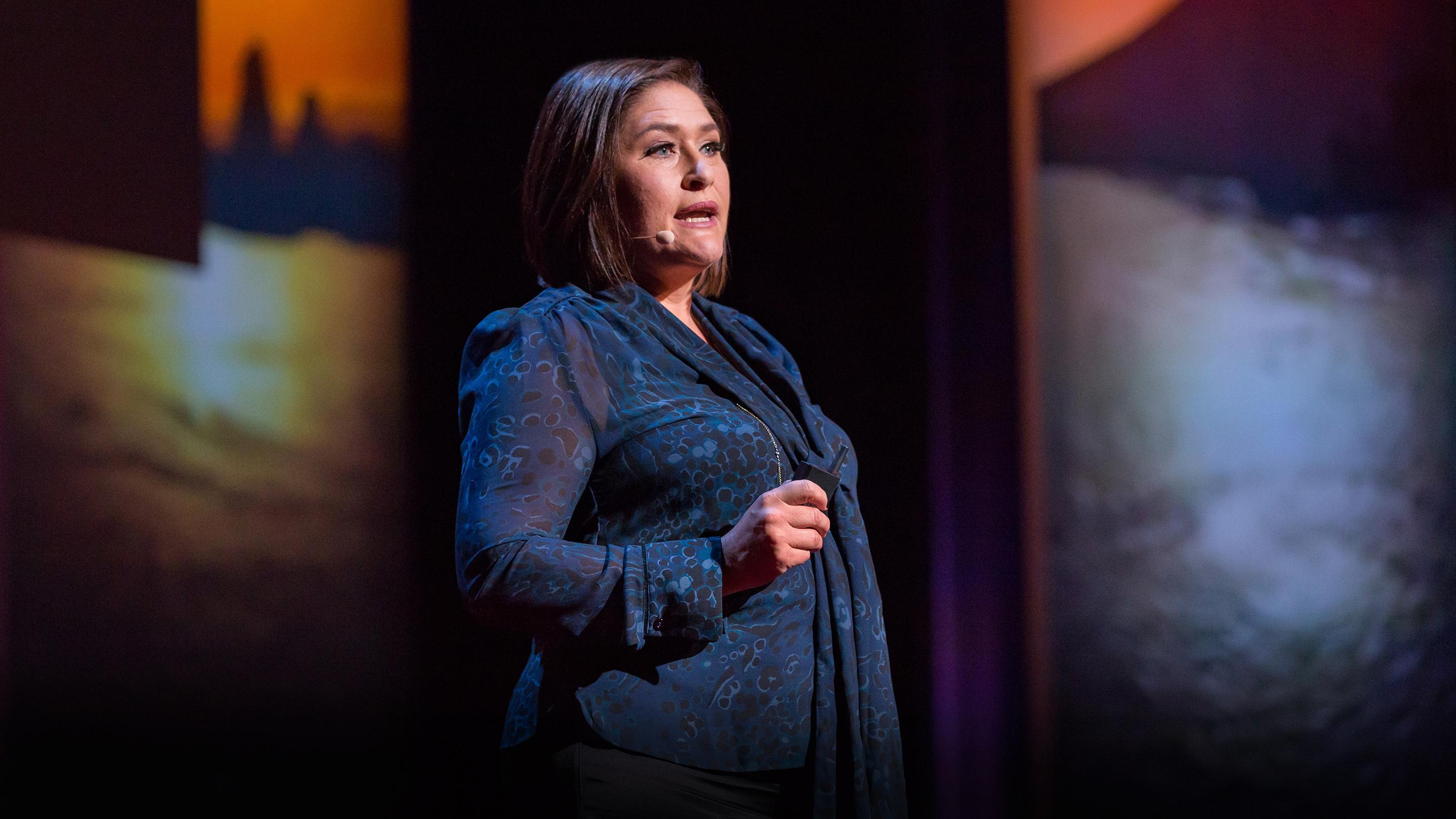
The world doesn't need more nuclear weapons | Erika Gregory
Today nine nations collectively control more than 15,000 nuclear weapons, each hundreds of times more powerful than those dropped on Hiroshima and Nagasaki. We don't need more nuclear weapons; we need a new generation to face the unfinished challenge of disarmament started decades ago. Nuclear reformer Erika Gregory calls on today's rising leaders -- those born in a time without Cold War fears and duck-and-cover training -- to pursue an ambitious goal: ridding the world of nuclear weapons by 2045.Learn more about our flagship conference happening this April at attend.ted.com/podcast Hosted on Acast. See acast.com/privacy for more information.
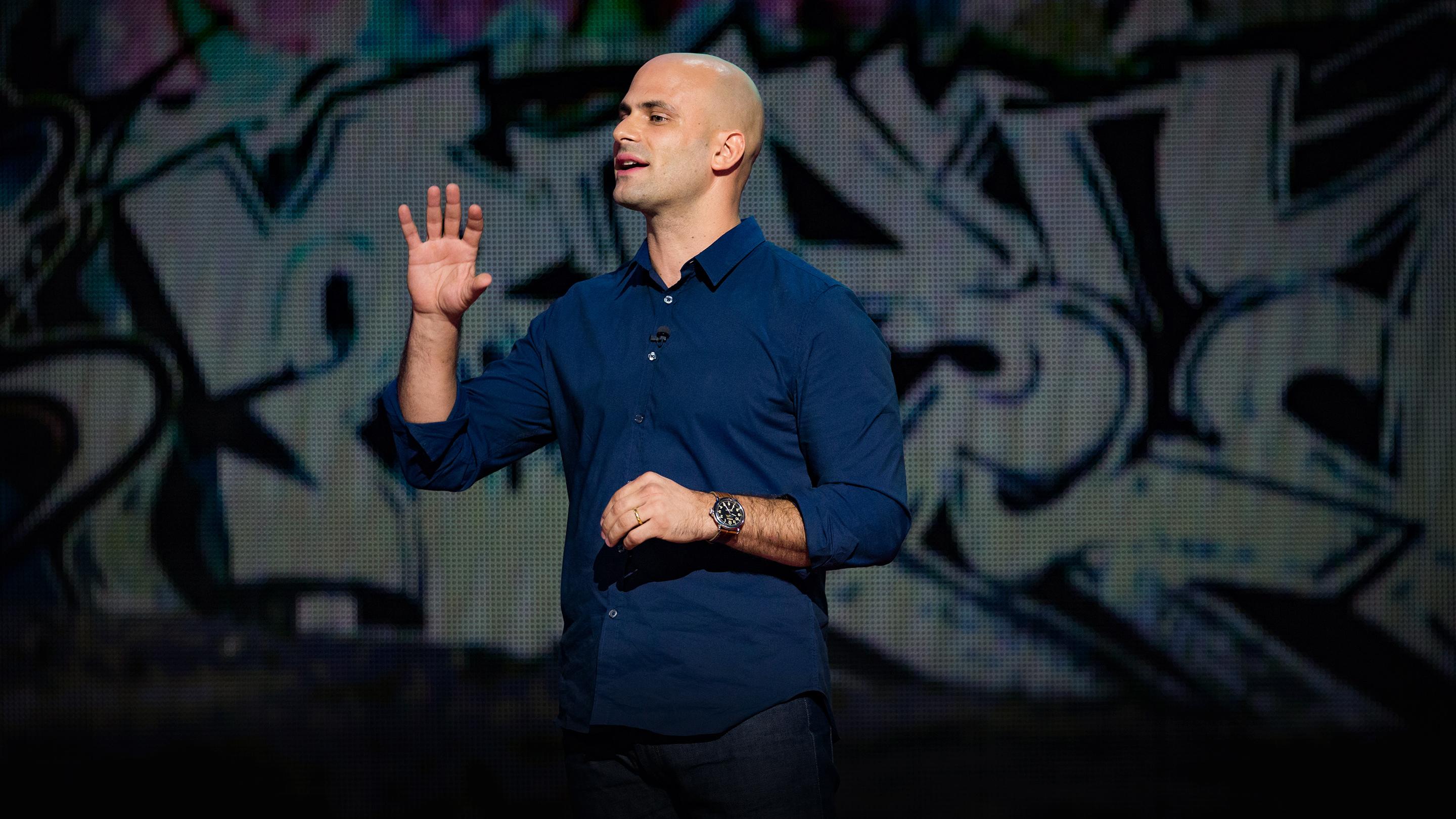
Want kids to learn well? Feed them well | Sam Kass
What can we expect our kids to learn if they're hungry or eating diets full of sugar and empty of nutrients? Former White House Chef and food policymaker Sam Kass discusses the role schools can play in nourishing students' bodies in addition to their minds.Learn more about our flagship conference happening this April at attend.ted.com/podcast Hosted on Acast. See acast.com/privacy for more information.
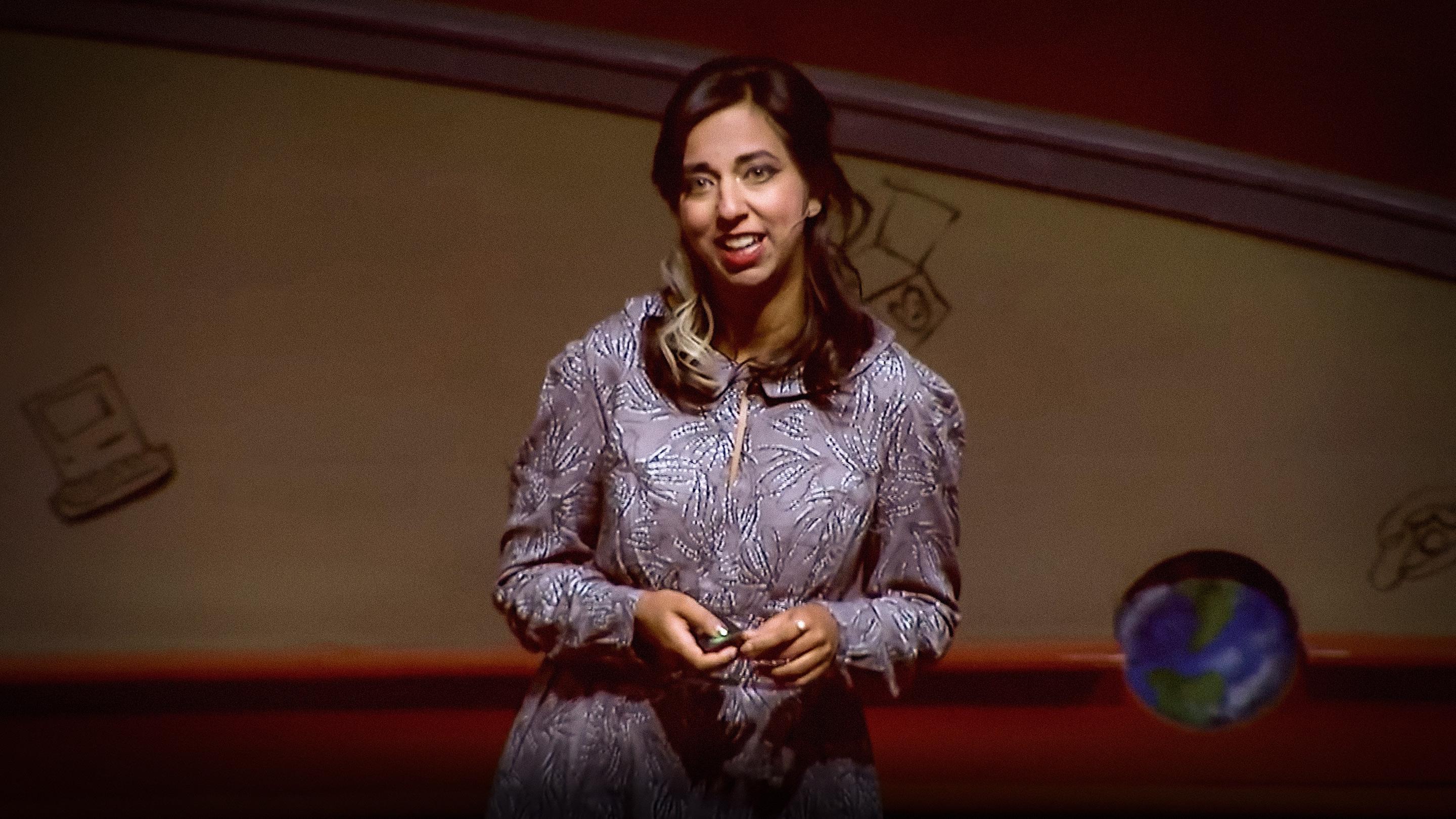
The lies we tell pregnant women | Sofia Jawed-Wessel
"When we tell women that sex isn't worth the risk during pregnancy, what we're telling her is that her sexual pleasure doesn't matter ... that she in fact doesn't matter," says sex researcher Sofia Jawed-Wessel. In this eye-opening talk, Jawed-Wessel mines our views about pregnancy and pleasure to lay bare the relationship between women, sex and systems of power.Learn more about our flagship conference happening this April at attend.ted.com/podcast Hosted on Acast. See acast.com/privacy for more information.
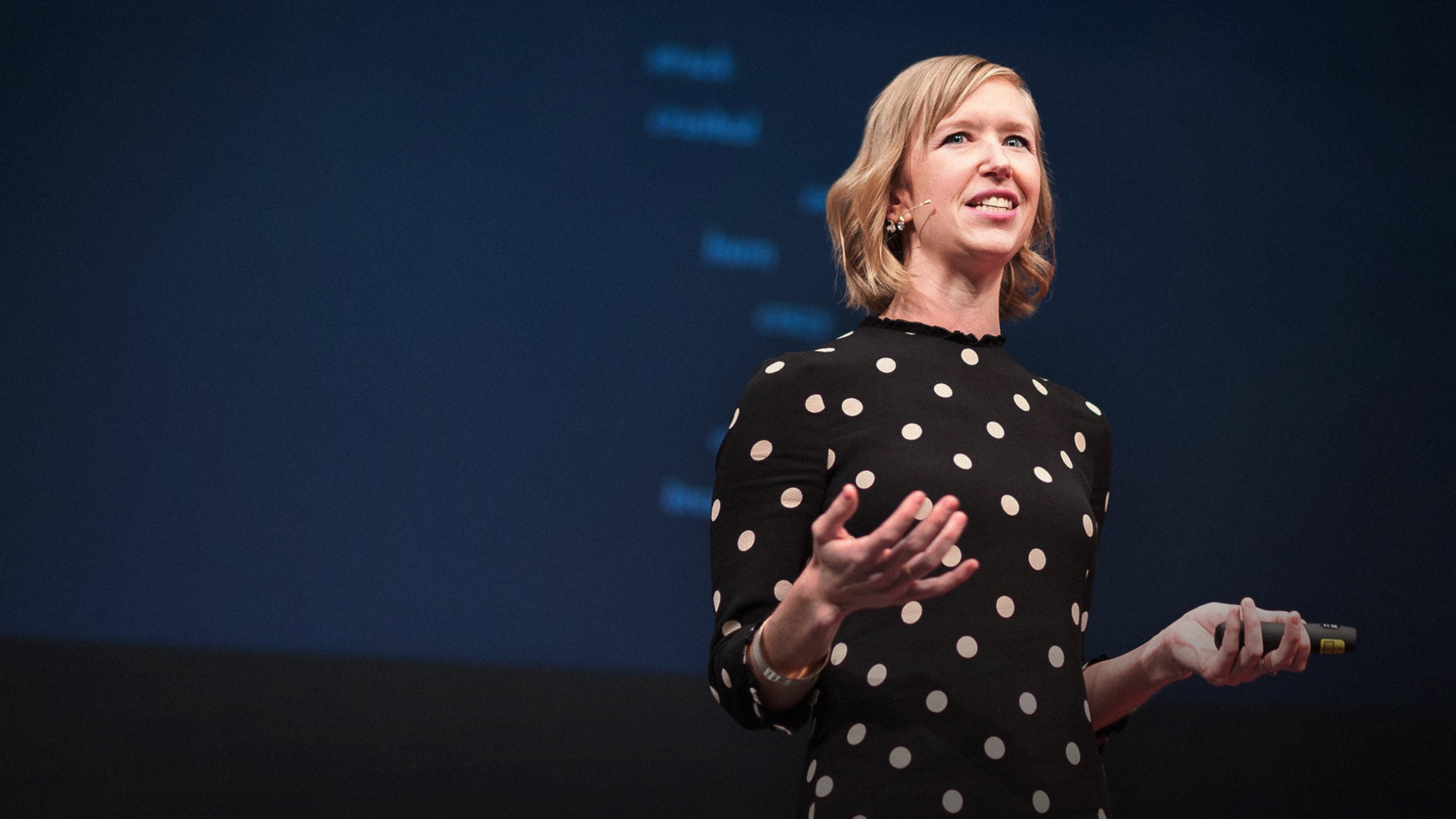
A better way to talk about love | Mandy Len Catron
In love, we fall. We're struck, we're crushed, we swoon. We burn with passion. Love makes us crazy and makes us sick. Our hearts ache, and then they break. Talking about love in this way fundamentally shapes how we experience it, says writer Mandy Len Catron. In this talk for anyone who's ever felt crazy in love, Catron highlights a different metaphor for love that may help us find more joy -- and less suffering -- in it.Learn more about our flagship conference happening this April at attend.ted.com/podcast Hosted on Acast. See acast.com/privacy for more information.
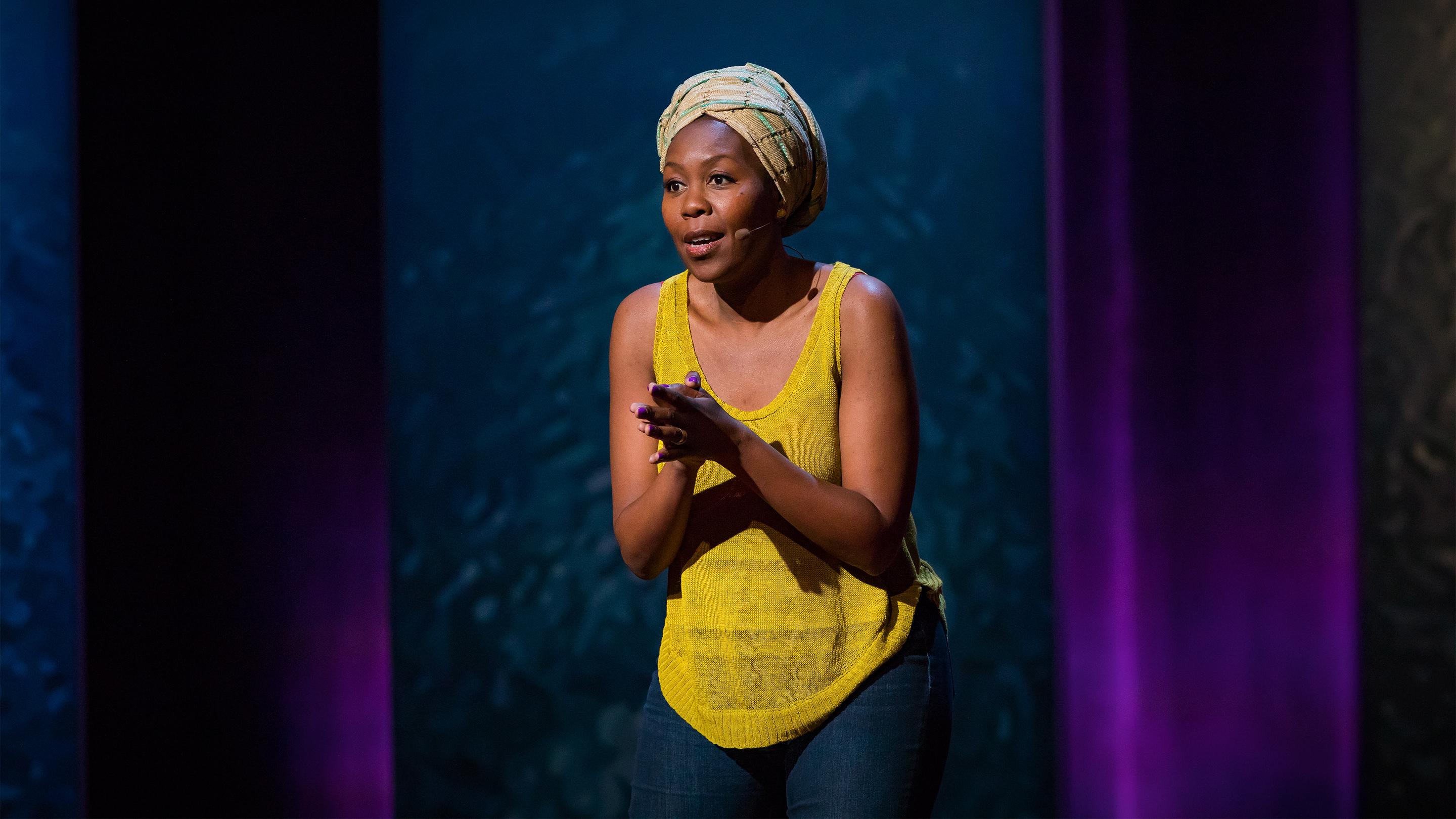
If a story moves you, act on it | Sisonke Msimang
Stories are necessary, but they're not as magical as they seem, says writer Sisonke Msimang. In this funny and thoughtful talk, Msimang questions our emphasis on storytelling and spotlights the decline of facts. During a critical time when listening has been confused for action, Msimang asks us to switch off our phones, step away from our screens and step out into the real world to create a plan for justice.Learn more about our flagship conference happening this April at attend.ted.com/podcast Hosted on Acast. See acast.com/privacy for more information.

Art made of the air we breathe | Emily Parsons-Lord
Emily Parsons-Lord re-creates air from distinct moments in Earth's history -- from the clean, fresh-tasting air of the Carboniferous period to the soda-water air of the Great Dying to the heavy, toxic air of the future we're creating. By turning air into art, she invites us to know the invisible world around us. Breathe in the Earth's past and future in this imaginative, trippy talk.Learn more about our flagship conference happening this April at attend.ted.com/podcast Hosted on Acast. See acast.com/privacy for more information.

Buildings that blend nature and city | Jeanne Gang
A skyscraper that channels the breeze ... a building that creates community around a hearth ... Jeanne Gang uses architecture to build relationships. In this engaging tour of her work, Gang invites us into buildings large and small, from a surprising local community center to a landmark Chicago skyscraper. "Through architecture, we can do much more than create buildings," she says. "We can help steady this planet we all share."Learn more about our flagship conference happening this April at attend.ted.com/podcast Hosted on Acast. See acast.com/privacy for more information.

Where is cybercrime really coming from? | Caleb Barlow
Cybercrime netted a whopping $450 billion in profits last year, with 2 billion records lost or stolen worldwide. Security expert Caleb Barlow calls out the insufficiency of our current strategies to protect our data. His solution? We need to respond to cybercrime with the same collective effort as we apply to a health care crisis, sharing timely information on who is infected and how the disease is spreading. If we're not sharing, he says, then we're part of the problem.Learn more about our flagship conference happening this April at attend.ted.com/podcast Hosted on Acast. See acast.com/privacy for more information.
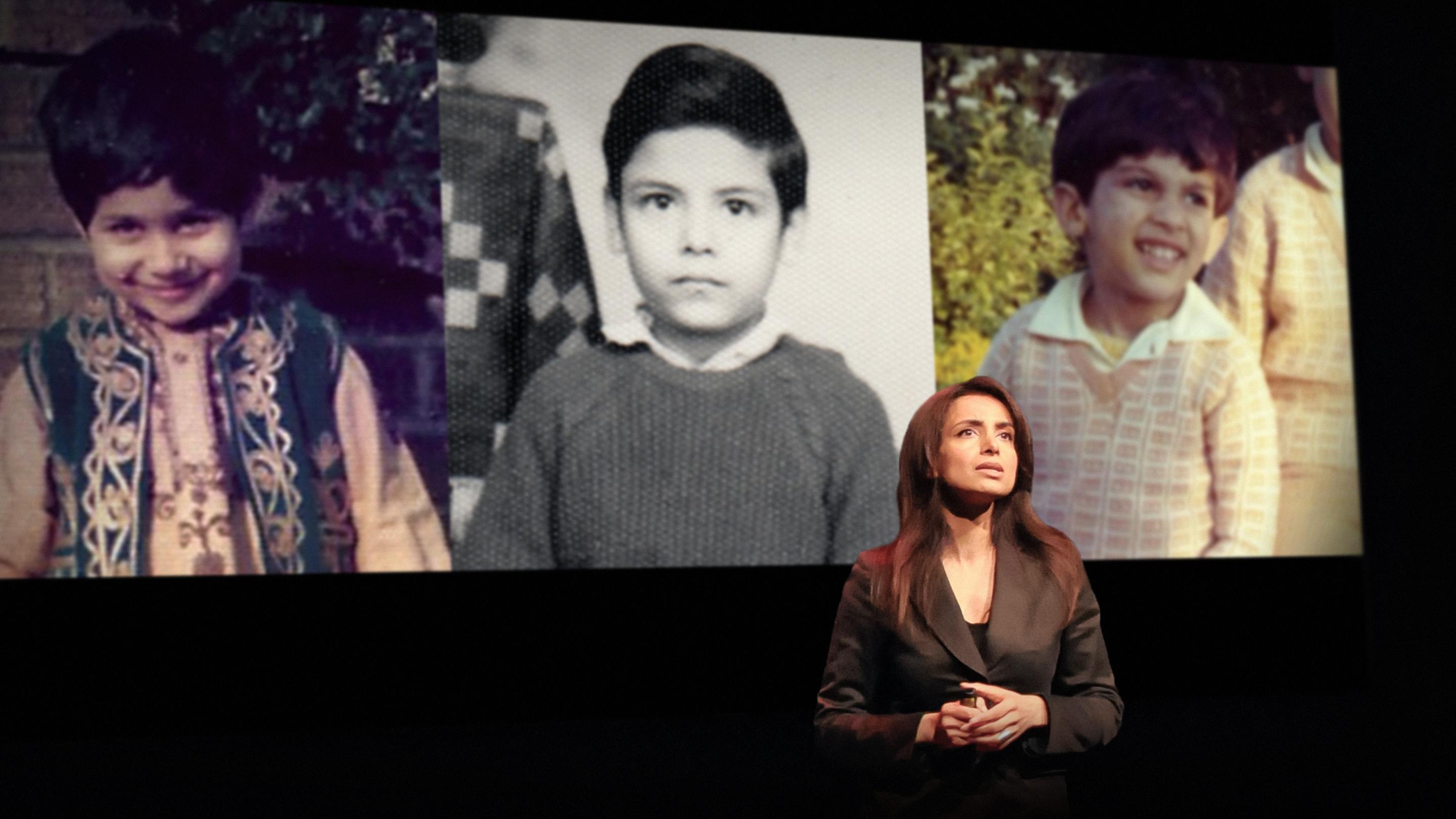
What we don't know about Europe's Muslim kids | Deeyah Khan
As the child of an Afghan mother and Pakistani father raised in Norway, Deeyah Khan knows what it's like to be a young person stuck between your community and your country. In this powerful, emotional talk, the filmmaker unearths the rejection and isolation felt by many Muslim kids growing up in the West -- and the deadly consequences of not embracing our youth before extremist groups do.Learn more about our flagship conference happening this April at attend.ted.com/podcast Hosted on Acast. See acast.com/privacy for more information.
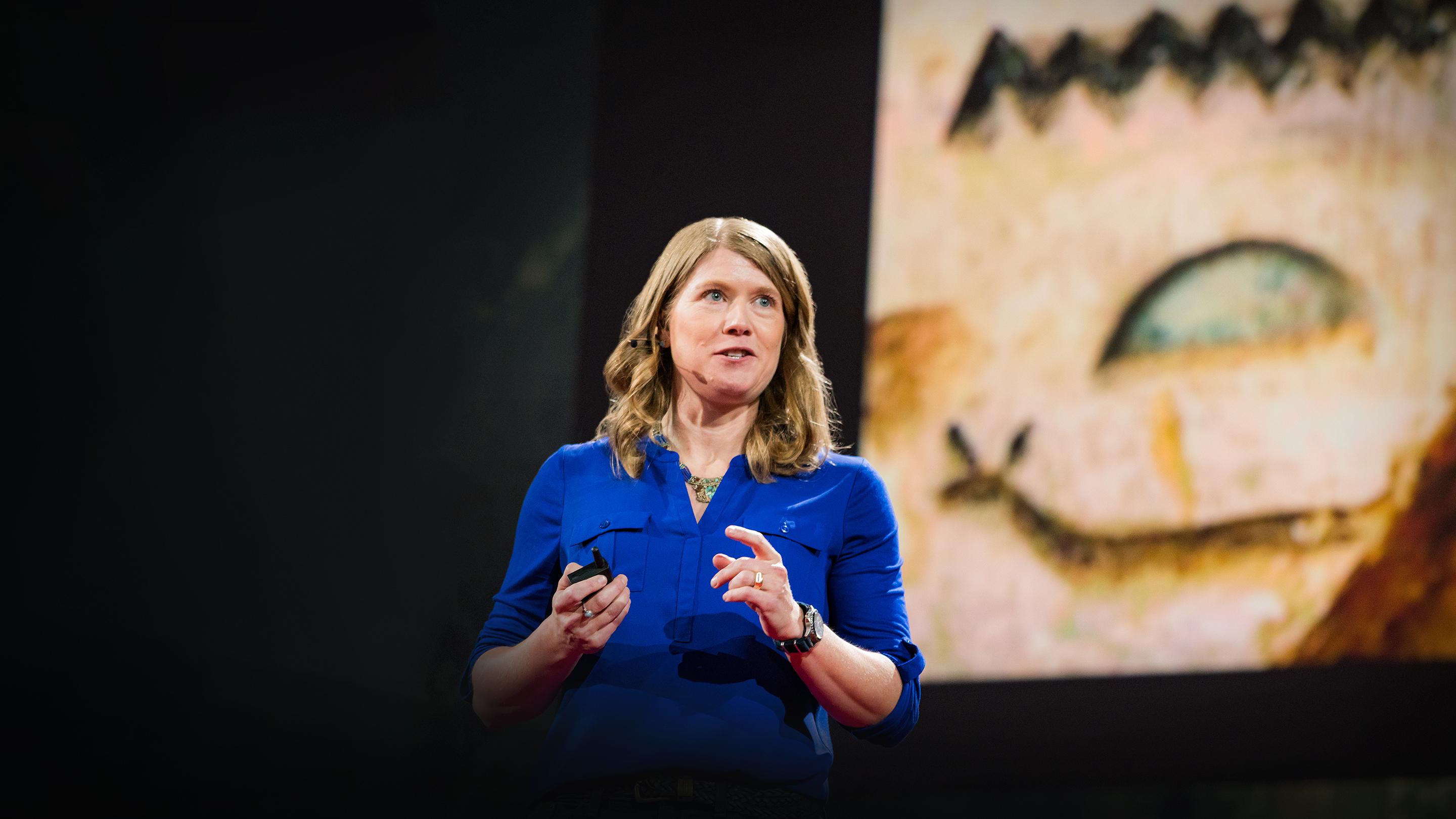
Help discover ancient ruins -- before it's too late | Sarah Parcak
Sarah Parcak uses satellites orbiting hundreds of miles above Earth to uncover hidden ancient treasures buried beneath our feet. There's a lot to discover; in the Egyptian Delta alone, Parcak estimates we've excavated less than a thousandth of one percent of what's out there. Now, with the 2016 TED Prize and an infectious enthusiasm for archaeology, she's developed an online platform called GlobalXplorer that enables anyone with an internet connection to discover unknown sites and protect what remains of our shared human inheritance.Learn more about our flagship conference happening this April at attend.ted.com/podcast Hosted on Acast. See acast.com/privacy for more information.
My son was a Columbine shooter. This is my story | Sue Klebold
Sue Klebold is the mother of Dylan Klebold, one of the two shooters who committed the Columbine High School massacre, murdering 12 students and a teacher. She's spent years excavating every detail of her family life, trying to understand what she could have done to prevent her son's violence. In this difficult, jarring talk, Klebold explores the intersection between mental health and violence, advocating for parents and professionals to continue to examine the link between suicidal and homicidal thinking.Learn more about our flagship conference happening this April at attend.ted.com/podcast Hosted on Acast. See acast.com/privacy for more information.
Our story of rape and reconciliation | Thordis Elva and Tom Stranger
In 1996, Thordis Elva shared a teenage romance with Tom Stranger, an exchange student from Australia. After a school dance, Tom raped Thordis, after which they parted ways for many years. In this extraordinary talk, Elva and Stranger move through a years-long chronology of shame and silence, and invite us to discuss the omnipresent global issue of sexual violence in a new, honest way. For a Q&A with the speakers, visit go.ted.com/thordisandtom.Learn more about our flagship conference happening this April at attend.ted.com/podcast Hosted on Acast. See acast.com/privacy for more information.
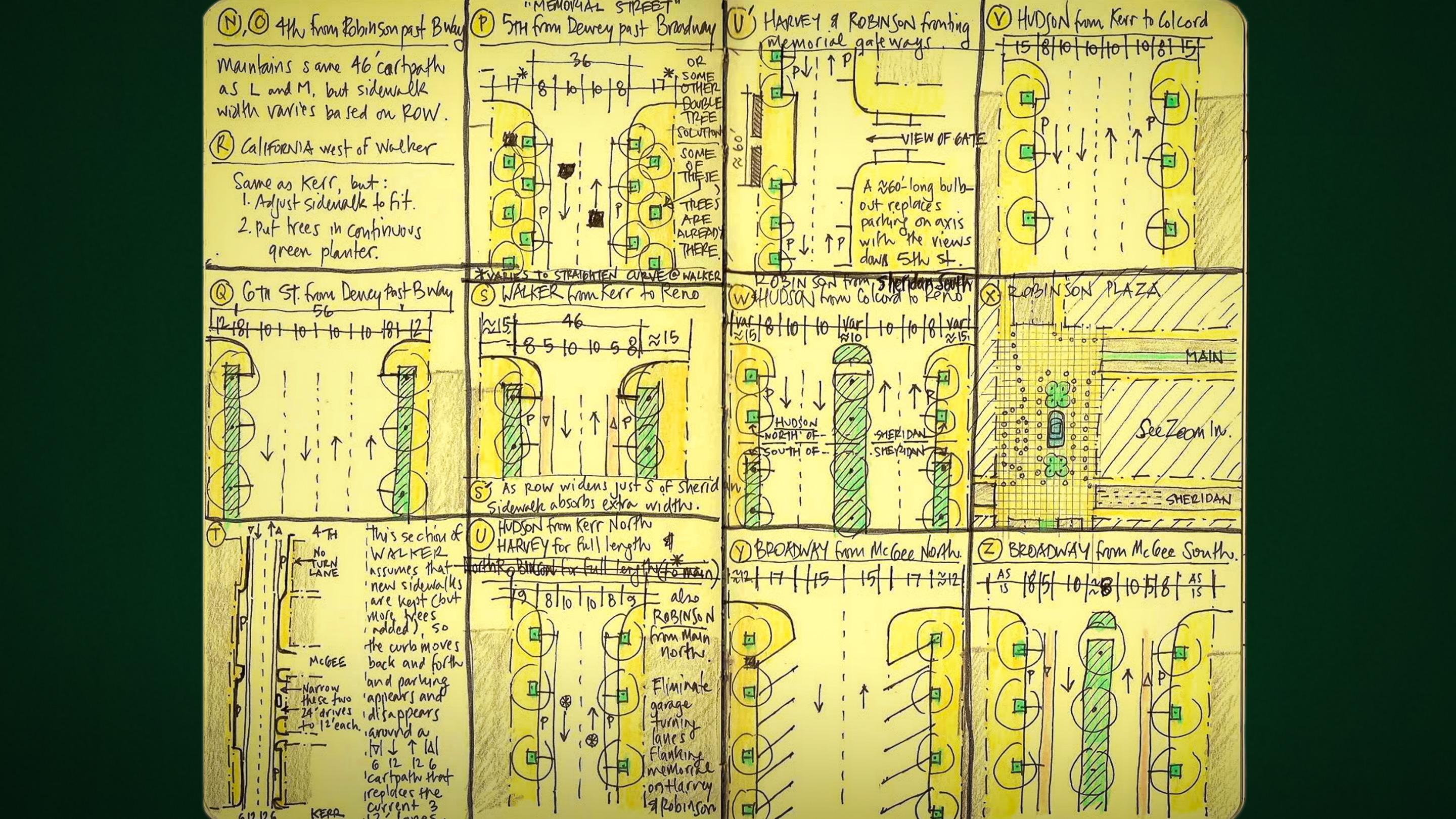
4 ways to make a city more walkable | Jeff Speck
Freedom from cars, freedom from sprawl, freedom to walk your city! City planner Jeff Speck shares his "general theory of walkability" -- four planning principles to transform sprawling cities of six-lane highways and 600-foot blocks into safe, walkable oases full of bike lanes and tree-lined streets.Learn more about our flagship conference happening this April at attend.ted.com/podcast Hosted on Acast. See acast.com/privacy for more information.
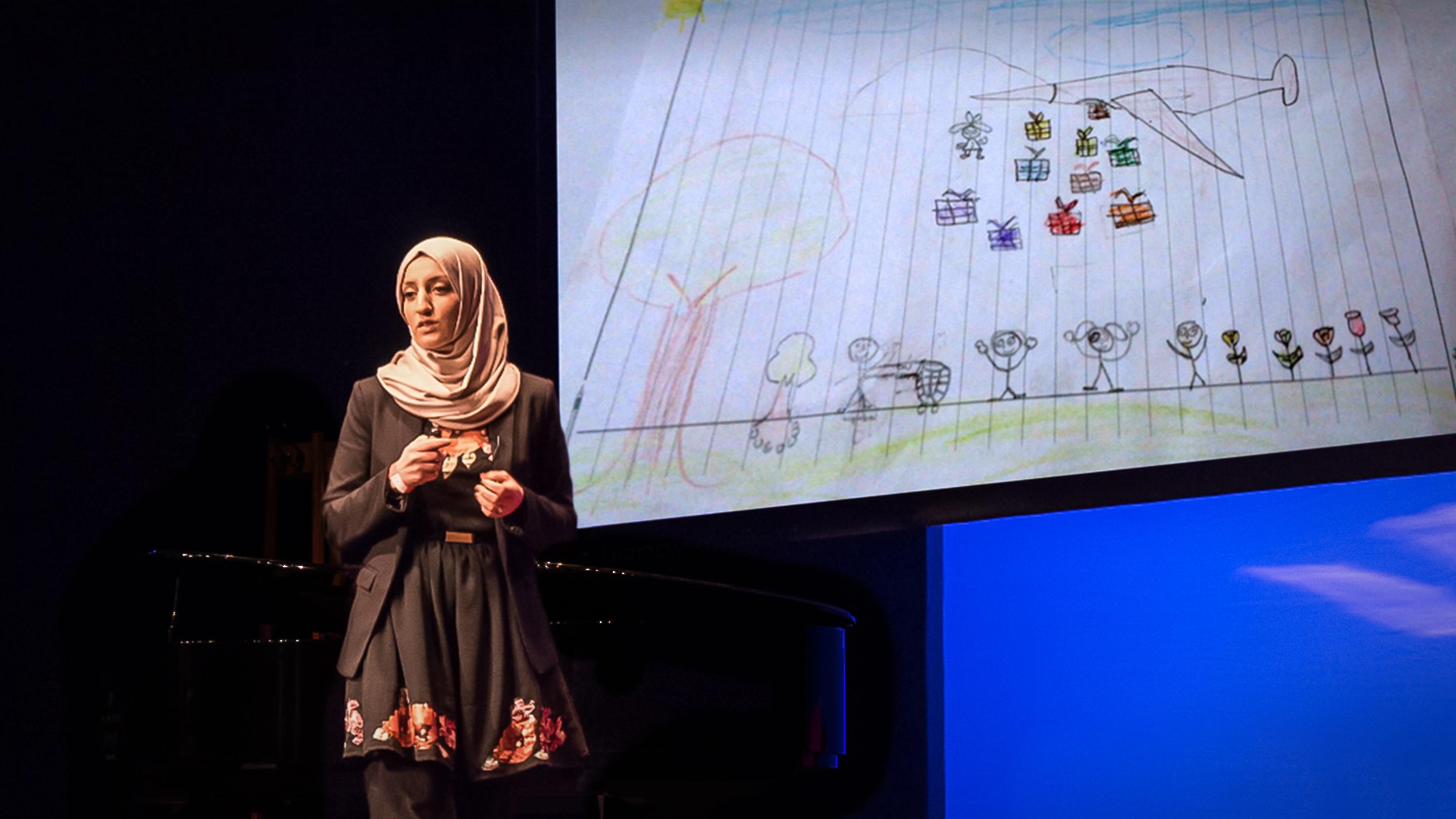
What it's like to be a parent in a war zone | Aala El-Khani
How do parents protect their children and help them feel secure again when their homes are ripped apart by war? In this warm-hearted talk, psychologist Aala El-Khani shares her work supporting -- and learning from -- refugee families affected by the civil war in Syria. She asks: How can we help these loving parents give their kids the warm, secure parenting they most need?Learn more about our flagship conference happening this April at attend.ted.com/podcast Hosted on Acast. See acast.com/privacy for more information.
How racism harms pregnant women -- and what can help | Miriam Zoila Pérez
Racism is making people sick -- especially black women and babies, says Miriam Zoila Pérez. The doula turned journalist explores the relationship between race, class and illness and tells us about a radically compassionate prenatal care program that can buffer pregnant women from the stress that people of color face every day.Learn more about our flagship conference happening this April at attend.ted.com/podcast Hosted on Acast. See acast.com/privacy for more information.
How to practice safe sexting | Amy Adele Hasinoff
Sexting, like anything that's fun, runs its risks -- but a serious violation of privacy shouldn't be one of them. Amy Adele Hasinoff looks at problematic responses to sexting in mass media, law and education, offering practical solutions for how individuals and tech companies can protect sensitive (and, ahem, potentially scandalous) digital files.Learn more about our flagship conference happening this April at attend.ted.com/podcast Hosted on Acast. See acast.com/privacy for more information.
3 ways to fix a broken news industry | Lara Setrakian
Something is very wrong with the news industry. Trust in the media has hit an all-time low; we're inundated with sensationalist stories, and consistent, high-quality reporting is scarce, says journalist Lara Setrakian. She shares three ways we can fix the news to better inform all of us about the complex issues of our time.Learn more about our flagship conference happening this April at attend.ted.com/podcast Hosted on Acast. See acast.com/privacy for more information.
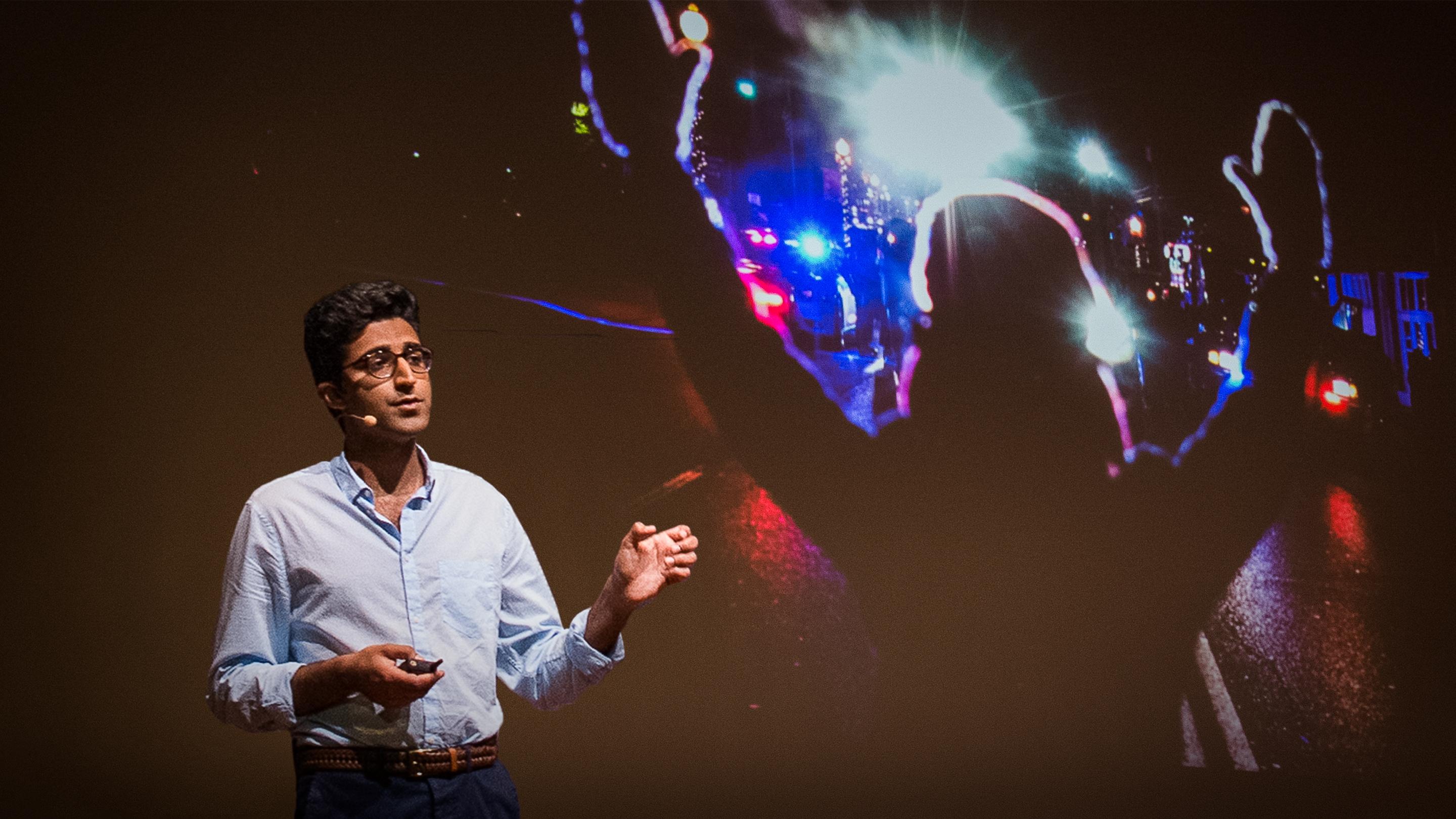
How jails extort the poor | Salil Dudani
Why do we jail people for being poor? Today, half a million Americans are in jail only because they can't afford to post bail, and still more are locked up because they can't pay their debt to the court, sometimes for things as minor as unpaid parking tickets. Salil Dudani shares stories from individuals who have experienced debtors' prison in Ferguson, Missouri, challenging us to think differently about how we punish the poor and marginalized.Learn more about our flagship conference happening this April at attend.ted.com/podcast Hosted on Acast. See acast.com/privacy for more information.
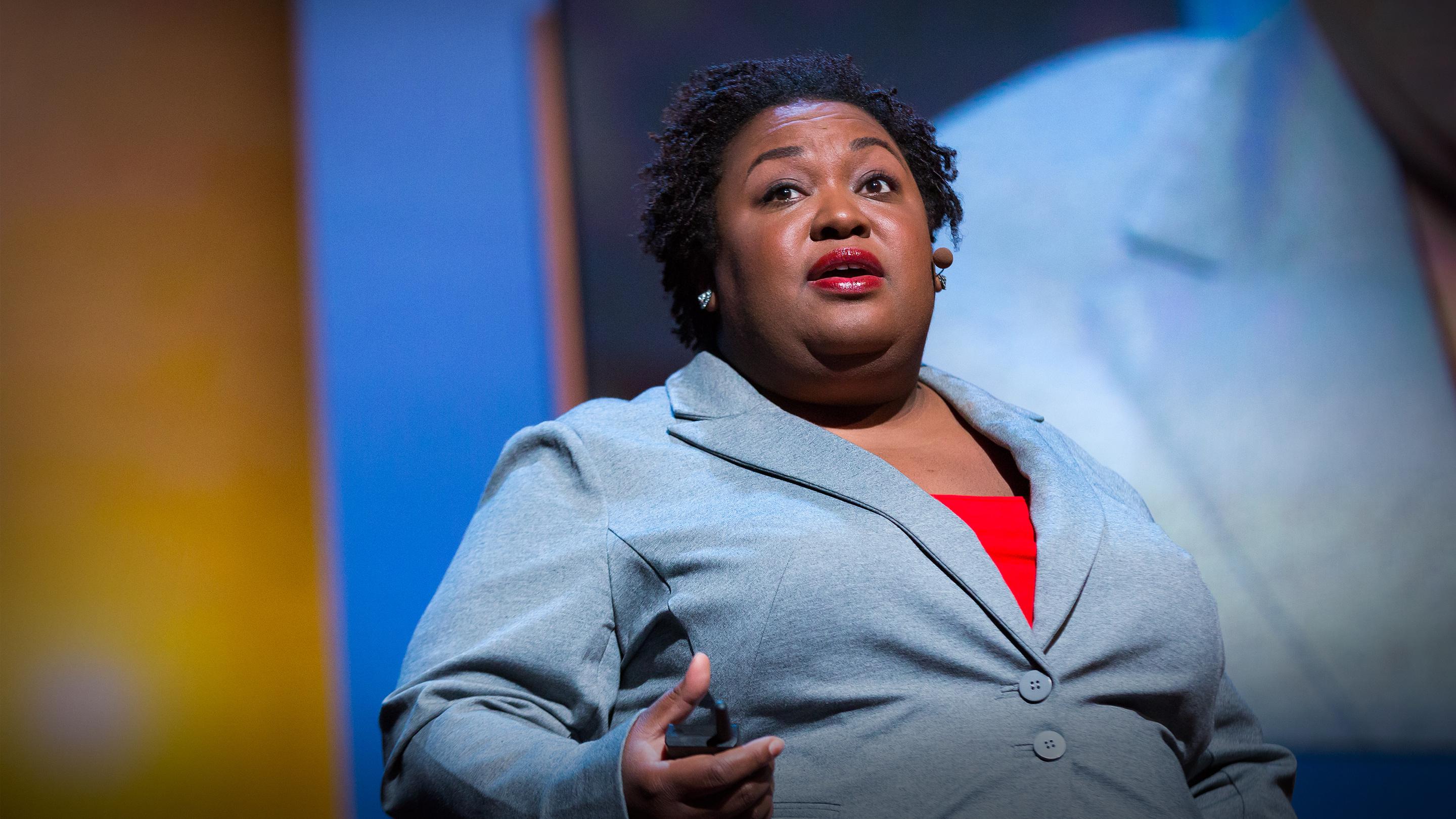
The racial politics of time | Brittney Cooper
Cultural theorist Brittney Cooper examines racism through the lens of time, showing us how historically it has been stolen from people of color, resulting in lost moments of joy and connection, lost years of healthy quality of life and the delay of progress. A candid, thought-provoking take on history and race that may make you reconsider your understanding of time, and your place in it.Learn more about our flagship conference happening this April at attend.ted.com/podcast Hosted on Acast. See acast.com/privacy for more information.
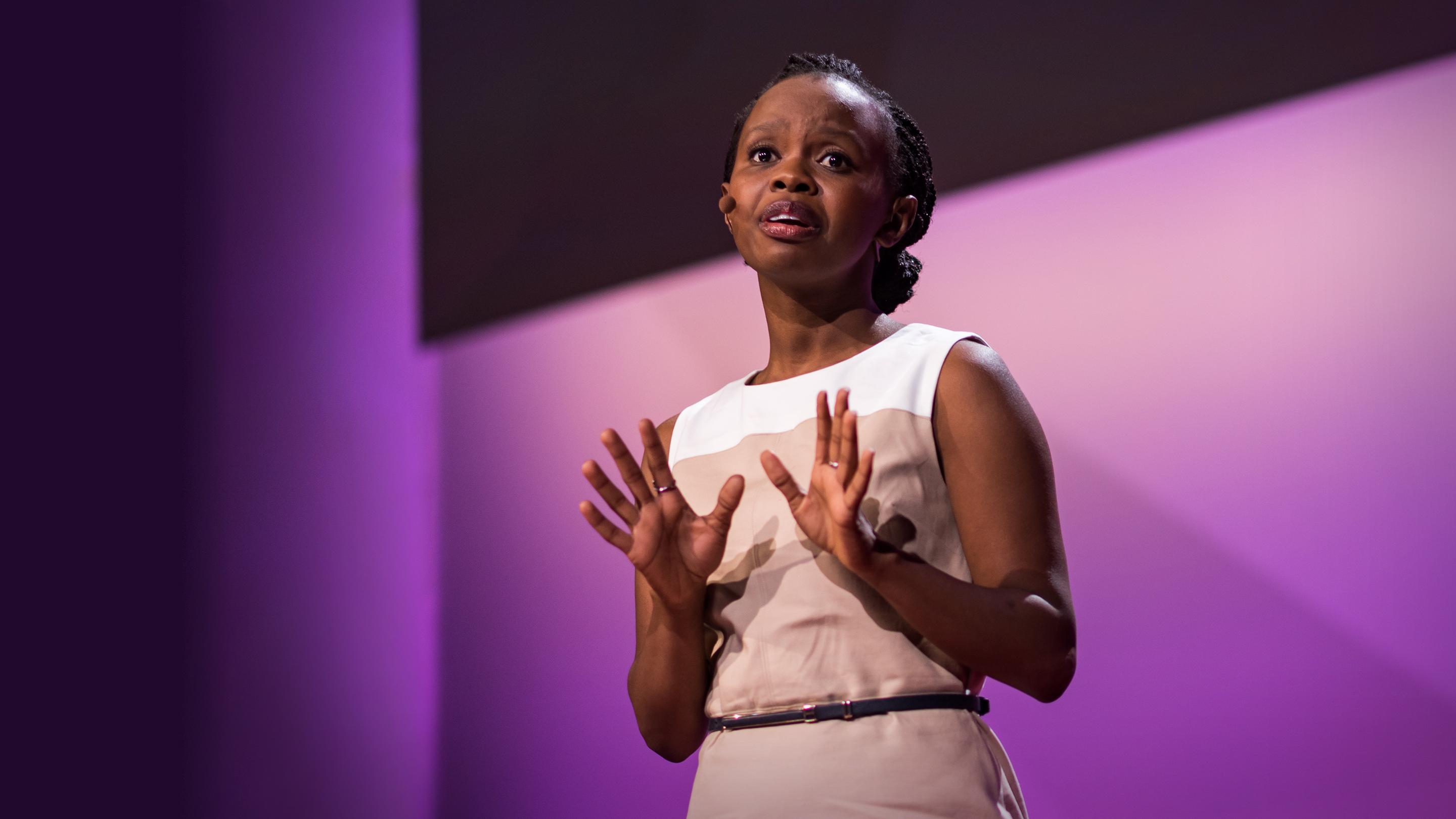
A few ways to fix a government | Charity Wayua
Charity Wayua put her skills as a cancer researcher to use on an unlikely patient: the government of her native Kenya. She shares how she helped her government drastically improve its process for opening up new businesses, a crucial part of economic health and growth, leading to new investments and a World Bank recognition as a top reformer.Learn more about our flagship conference happening this April at attend.ted.com/podcast Hosted on Acast. See acast.com/privacy for more information.