
Tech Life
377 episodes — Page 2 of 8

Web-scraping bots
We look at the impact data-scraping robots from AI firms are having on the online encyclopedia used by hundreds of millions of people. Also in this edition of Tech Life: if you work in the fashion industry, if you are a fashion model, are you worried about AI ? A lot are, and we find out why. And how do we prevent children from seeing online adult content ? Many parts of the world are requiring sites to verify the ages of their users. Now the biggest adult site argues that we need a better system.Presenter: Chris Vallance Producer: Tom Quinn(Image: A photo illustration of the Wikipedia logo displayed on a smartphone screen. Credit: Getty Images)

Red lines for AI
More than 200 prominent individuals and 70 organisations want international agreement on 'do not cross' red lines for artificial intelligence, to prevent risks to humanity. We speak to Stuart Russell, professor of computer science at the University of California in Berkeley, who is backing the call. He spells out some of the potential risks that AI could pose to us all, and says global agreement on AI red lines is the solution.Also on Tech Life this week: We look at how artificial intelligence is having an impact on the legal profession. In Ghana, holograms are helping to spread breast cancer health advice. And Shiona McCallum speaks to a young tech YouTuber in Dubai.Presenter: Shiona McCallum Producer: Tom Quinn(Image: An illustration of AI letters against a red backdrop. Credit: Wong Yu Liang/Getty Images)

Drones with Tasers
We speak to the founder and CEO of Axon Enterprise, maker of the Taser, about the tech's future. And the future includes drones armed with Tasers.Also in this edition of Tech Life: why an underwater glider is circumnavigating the globe, gathering data on the oceans. And find out why the quantum computing revolution could arrive sooner than expected.Presenter: Chris Vallance Producer: Tom Quinn(Image: A close-up photo of a Taser being aimed. Credit: Jordan Pettitt/PA Wire)

Class action
A class action lawsuit is underway in Italy against Meta and TikTok. Lawyers say they want to protect younger children from social media harm. We look at the issues.Also in Tech Life this week, we have another story about social media. It's about farmers in Africa, so-called agri-influencers, and how they're cultivating an online movement. Shiona McCallum tests a new maritime AI communication system. And a Japanese tech company is trying to eradicate malaria using drones.Presenter: Shiona McCallum Producer: Tom Quinn(Image: A child uses a smartphone. Credit: Getty Images)

Pinterest boss on online safety
An exclusive interview with Bill Ready, boss of social media platform Pinterest. Plus – what is actually stolen in a cyber-attack, the end of dial-up and are AI pets the future?Presenter: Chris Vallance Producer: Imran Rahman-Jones(Image: A phone with the red Pinterest logo on it. Credit: Getty Images)
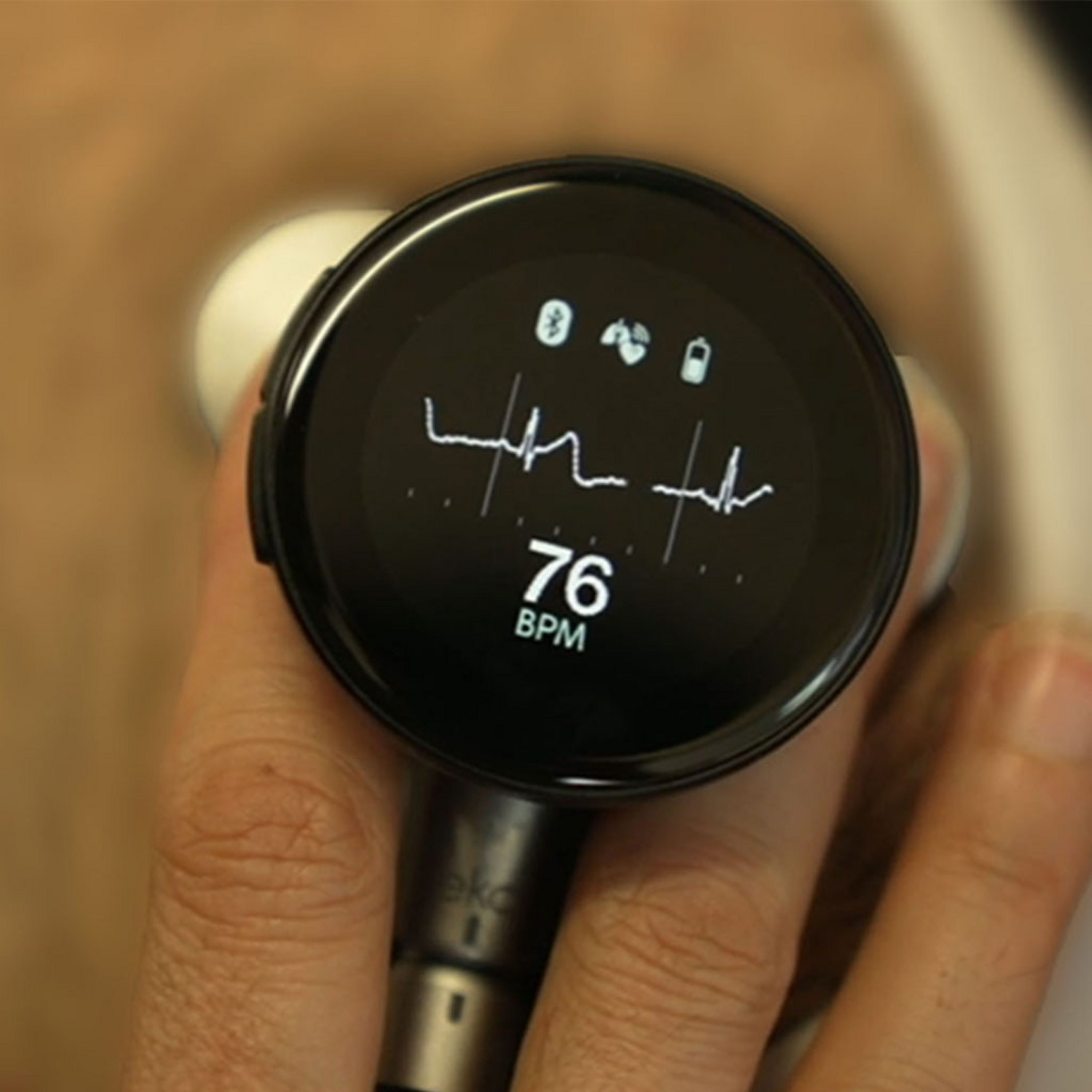
Can we trust AI in health?
We hear from experts on the pros and cons of using AI in the healthcare world. Plus ex-Minecraft YouTuber Stampy, AKA Joseph Garrett, on turning to game design. But are console games getting too expensive? And the students from India whose innovative renewable energy tech has won a prestigious award.This week's Tech Life was presented by Shiona McCallum and produced by Imran Rahman-Jones. Our editor is Monica Soriano.(Image: A stethoscope with a small screen on it, shown a person's heart rate at 76 BPM. A hand hold it to a person's chest.)

Keeping connected
This week we're talking about connectivity. How to keep the internet running when international data cables are damaged by earthquakes or war. And are light beams a solution ?Also this week: Satellites and AI are being used to count migrating wildebeest in Africa. We hear how tech is challenging long-standing estimates of animal numbers.Presenter: Shiona McCallum Producer: Tom Quinn(Image: A photo of many fibre optic cables emitting bright light against a dark background. Credit: Getty Images)
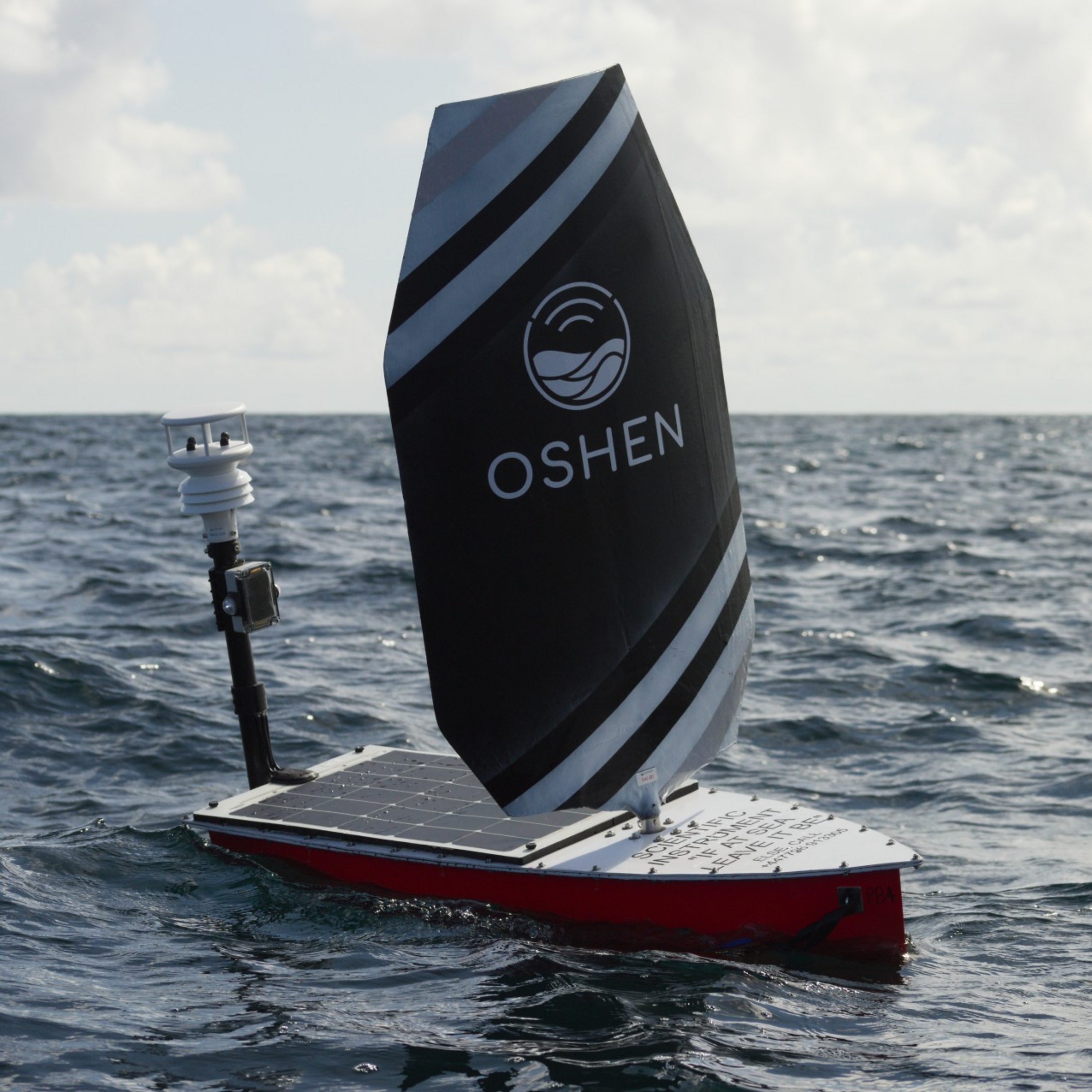
Sailing into stormy seas
A fleet of small robotic sailboats, packed with sensors, are ready to sail into the path of storms, to gather data on developing hurricanes. We find out how they'll do it. The data will help experts predict where a hurricane might reach land, giving people time to prepare and evacuate.Also on Tech Life this week: we're at Europe's biggest tech show to find out what the next big thing might be. We speak to a Tech Life listener in Zambia who is teaching children about robotics and coding. And rented batteries, charged with solar energy, could offer a clean energy alternative in Africa.Presenter: Shiona McCallum Producer: Tom Quinn(Image: A photo of a small robotic C-Star sailboat developed by British company Oshen. Credit: Oshen)

Talking translation
We test the AI tech that offers live language translation on the telephone. India bans online money games. And AI in the workplace - a global study looks at who uses it, and why.Presenter: Shiona McCallum Producer: Tom Quinn(Image: A photo of a young woman speaking into a smartphone. Credit: pocketlight/Getty Images)

What happens when you lose your social media?
For months, we have been hearing from people all over the world who say they have been unfairly banned from their Facebook and Instagram accounts. Meta has, so far, said nothing publicly about what’s going on. Plus, we chart the rise and fall of an American tech giant, and the author of Empire of AI, Karen Hao, tells us what she thinks the industry gets wrong.Presenter: Shiona McCallum Producer: Imran Rahman-Jones Editor: Monica Soriano(Image: An illustration of a mobile phone with barbed wire surrounding it. Credit: Getty Images)

Tech and performance at the Edinburgh Festivals
A special from Edinburgh, where art and performance meet tech with spectacular results. Including a magician with robot assistants, an AI improv group and an electrifying dance act.Every August, Edinburgh becomes the centre of the arts world, with half a million visitors and thousands of acts descending on the Scottish capital. Among these are performers using some pioneering tech, asking questions about the role of AI in our lives and even a choreographer stimulating his dancers’ muscles with electricity.Tell us about your own mini-adventure with tech by emailing [email protected] or sending us a Whatsapp voice note to +44 330 1230 320.Presenter and producer: Imran Rahman-Jones Editor: Monica Soriano(Image: A man in a white shirt a grey waistcoat, on stage with a humanoid robot head. Credit: Getty Images)

Dealing with cyber attacks
Singapore is experiencing an increase in cyber threats, and its critical infrastructure was targeted in a cyber attack. We speak to the country's Commissioner of Cybersecurity.Also in Tech Life this week: we hear the real voice of a fake spokesperson for a synthetic band. And presenter Zoe Kleinman has a mini tech adventure involving social media and a metal detectorist.You can contact us by emailing [email protected] or send us a Whatsapp message or voice memo on +44 330 1230 320. Please include your name and where you live.Presenter: Zoe Kleinman Producer: Tom Quinn Editor: Monica SorianoImage: Hands are held over a computer keyboard as screens display computer data. Credit: Getty Images.

What happened to DeepSeek?
China’s DeepSeek took the AI world by storm this year. Where is it now? Plus the AI doomsday scenario capturing the imagination of the tech world. How seriously should we take it? And the future of driving with Volvo’s tech lead.Presenter: Graham Fraser Producer: Imran Rahman-Jones Editor: Monica Soriano(Image: A hand holding a phone with the blue and white Deepseek whale logo on it. In the background is the red flag of China. Credit: Getty Images)

Your AI servant
Imagine a world in which AI servants are at your beck and call. They work for you, shop for you, book your travel and help organise your family life. It's called Agentic AI. And it's coming. A senior figure at Amazon tells us how they see AI agents changing our lives.Also this week on Tech Life: Kenya's plastic waste problem is being turned into a 3D-printed teaching solution. And a charity is helping to save animals from extinction by freezing their cells.We enjoy reading your messages about tech and Tech Life. Please get in touch by emailing [email protected] or send us a Whatsapp message or voice memo on +44 330 1230 320. Please include your name and where you live.Presenter: Chris Vallance Producer: Tom Quinn Editor: Monica SorianoImage: A futuristic illustration of a human head connected to technology by an AI Agent. Credit: MF3d/Getty Images

Can sewage make tech cleaner ?
Thousands of tonnes of excess sewage, manure, food waste and paper sludge are being pumped hundreds of meters underground in the USA, where it will stay for centuries, preventing greenhouse gases from being released. Microsoft is backing the method to help offset carbon emissions. We speak to the co-founder and CEO of Vaulted Deep.Also on Tech Life: We sound out some in the music industry about the impact of generative AI. And a high altitude Tech Life listener tells us about the time his tech went wrong.We enjoy reading your messages about Tech Life. Please get in touch by emailing [email protected] or send us a Whatsapp message or voice memo on +44 330 1230 320. Please include your name and where you live.Presenter: Chris Vallance Producer: Tom Quinn Editor: Monica SorianoImage: Slurry injection technology in use on location in the USA. Credit: Vaulted Deep

Quantum question time
We step inside a quantum computer lab to answer your questions about technology that promises to revolutionise everything from particle physics to fertiliser production.Also this week on Tech Life: lots of us upload and download large quantities of data, and the expectation is that the demand for data will only increase in the future. How will our current networks cope ? The solution travels at the speed of light.And how do you teach AI to speak in different accents ? We find out.We enjoy reading your messages about Tech Life. Please get in touch by emailing [email protected] or send us a Whatsapp message or voice memo on +44 330 1230 320. Please include your name and where you live.Presenter: Chris Vallance Producer: Tom Quinn Editor: Monica SorianoImage: The word "Quantum" is illuminated on a circuit board. Credit: Wong Yu Liang/Getty Images

AIs on the road
This week on Tech Life, we speak to the company behind an AI safe driving device that's fitted to thousands of delivery vans and fleet vehicles around the world. Using cameras and an onboard AI system, it assesses how safely a vehicle is being driven. And it warns both the driver, and their manager, if it spots a serious safety risk inside or outside the vehicle.Also this week, we find out about cargo drones parachuting humanitarian aid into parts of central Africa. And what can children tell us about AI ?We enjoy reading your messages about Tech Life. Please get in touch by emailing [email protected] or send us a Whatsapp message or voice memo on +44 330 1230 320.You can use the same contact details to send us any questions you've ever wanted to have answered about quantum computers. We're hoping to gather up your questions and ask an expert about quantum computing for a future episode.Presenter: Chris Vallance Producer: Tom Quinn Editor: Monica SorianoImage: A photo taken inside a car of the road ahead and other road traffic outside. Credit: egon69/Getty Images

The future of the internet is up for debate
The way the internet will operate in the future is being discussed at the moment. Will it remain as it is now, or could governments become more involved and take more control ? We speak to ICANN, one of the technical institutions which help to keep the internet functioning, about their concerns.Also this week: the man behind one of the most popular websites in the world talks to Tech Life. And we hear from the award-winning teenage inventor of a toxic dust detector.We enjoy reading your messages about the one item of tech you simply can't do without. If you want to tell us about your must-have piece of tech, please get in touch by emailing [email protected] or send us a Whatsapp message or voice memo on +44 330 1230 320.You can use the same contact details to send us any questions you've ever wanted to have answered about quantum computers. We're hoping to gather up your questions and ask an expert about quantum computing in a future episode.Presenter: Graham Fraser Producer: Tom Quinn Editor: Monica SorianoImage: An illustration of a woman holding a tablet device connected to the internet. Credit: Suwanmanee99/Getty Images

Digital twin cities
What are the advantages of creating a digital mirror of a city – or an entire island? We speak to a company making digital twins to create simulations of the real world. Then we hear from a real set of twins about their award-winning carbon capture project. And the company sending tiny satellites into space to help environmental researchers.Presenter: Chris Vallance Producer: Imran Rahman-Jones Editor: Monica Soriano(Image: A graphic of a person's hand holding a mini city on its fingertips. Credit: Getty Images.)

Tackling illegal mining with tech
This week on Tech Life, we're looking at the problems caused by illegal gold mining in Ghana. We'll hear how drones, AI and GPS trackers are being used to tackle the trade.Also this week, Meta goes to court as it battles ads for so-called Nudifying apps. Is "I don't know" the solution to AI chatbot hallucinations ? And the pay-as-you-cook stove that's winning awards and improving health in Africa.We enjoy reading your messages about the one item of tech you simply can't do without. If you want to tell us about your must-have piece of tech, please get in touch by emailing [email protected] or send us a Whatsapp message or voice memo on +44 330 1230 320.Presenter: Chris Vallance Producer: Tom Quinn Editor: Monica SorianoImage: A photo of two gold miners in Ghana. Credit: Christian Thompson/EPA-EFE/REX/Shutterstock

China's booming EV industry
We hear from inside China on the remarkably fast electric vehicle transition going on there, as the country moves away from petrol and diesel-powered cars and lorries. BBC Transport Correspondent Nick Marsh reports on the latest EV technology that's making Chinese brands popular and affordable.Also on Tech Life this week, who has the fastest computer in the world ? And what is it used for ? An expert tells us everything we need to know about supercomputers. And we find out about a new piece of tech that can provide electricity, transport and clean drinking water in disaster zones - using solar power.We enjoy reading your messages about the one item of tech you simply can't do without. If you want to tell us about your must-have piece of tech, please get in touch by emailing [email protected] or send us a Whatsapp message or voice memo on +44 330 1230 320.Presenter: Zoe Kleinman Producer: Tom Quinn Editor: Monica SorianoImage: A photo of an electric car charging in China. Credit: Master/Getty Images.

Data and me
What happens when a company we trust with our most personal data gets into financial trouble ? We hear from a woman who trusted a US company with her genetic information.Also on Tech Life this week, will there be enough electricity for the demands of artificial intelligence ? The International Energy Agency tells us about the challenges of powering the AI boom. And we find out how to grow an island in The Maldives. The tech involved could protect low-lying territories from erosion and rising sea levels.We enjoy reading your messages about the one item of tech you simply can't do without. If you want to tell us about your must-have piece of tech, please get in touch by emailing [email protected] or send us a Whatsapp message or voice memo on +44 330 1230 320.Presenter: Chris Vallance Producer: Tom Quinn Editor: Monica SorianoImage: A scientist holds a DNA sample with the results on a computer screen in a laboratory. Credit: Westend61/Getty Images

The digital afterlife business
This week we're looking at a growing digital industry which allows people to interact - in a way - with the likeness or the voice of someone they care about who has passed away. It's not science fiction, and it does involve AI chatbots.Also on Tech Life this week, we'll be finding out about two tech solutions to the problem of food which goes to waste. Tech Life's Alasdair Keane explores the challenge of making a Formula 1 racing car more eco friendly. And what is digital art ?We enjoy reading your messages about the one item of tech you simply can't do without. If you want to tell us about your must-have piece of tech, please get in touch by emailing [email protected] or send us a Whatsapp message or voice memo on +44 330 1230 320.Presenter: Graham Fraser Producer: Tom Quinn Editor: Monica SorianoImage: An illustration of a human hand reaching toward the unknown. Science fiction becoming reality. Credit: Yana Iskayeva/Getty Images

Protecting your invention
This week we're learning about patents - what they are, and who wants one. And by analysing the global demand for patents, we can see future trends in tech.Also in this edition of Tech Life, what are doctors and patients around the world saying about the use of artificial intelligence in hospitals ? And we'll be finding out about Google's latest injection of AI into online search.We enjoy reading the messages being sent in about the one item of tech you simply can't do without. If you want to tell us about your must-have piece of tech, please get in touch by emailing [email protected] or send us a Whatsapp message or voice memo on +44 330 1230 320.Presenter: Zoe Kleinman Producer: Tom Quinn Editor: Monica Soriano(Image: A photo of a woman with a lightbulb sticker on her forehead, indicating she's had an idea. Credit: Peter Dazeley/Getty Images)

The impact of online abuse
An international study looks at the online experiences of young people from marginalised groups, including sex workers, gay and transgender people, and people living with HIV. It concludes they are facing a surge in online abuse. We speak to Phong from Vietnam about his experience, then hear about the study from the lead researcher.Also on Tech Life this week, find out how a drone company in Ghana has benefited from US foreign aid cuts. And how could catching the bus help improve your posture ?We enjoy reading the messages being sent in about the one item of tech you simply can't do without. If you want to tell us about your must-have piece of tech, please get in touch by emailing [email protected] or send us a Whatsapp message or voice memo on +44 330 1230 320.Presenter: Imran Rahman-Jones Producer: Tom Quinn Editor: Monica Soriano(Image: A photo of a woman who has received online abuse. Credit: OcusFocus/Getty Images)

What you don’t see
ELuckily much of what we see on social media is safe. But somewhere, somebody has to watch all the horrific content uploaded online in order to filter it out for the general public. We speak to a former moderator who worked on Meta platforms in Ghana. Plus, the community project in Puerto Rico with an innovative way of keeping its power on. And we say goodbye to video call program Skype. (Warning – this episode includes some distressing content and a reference to suicide.)Presenter: Chris Vallance Producer: Imran Rahman-Jones Editor: Monica Soriano(Image: A blurred out picture with a graphic of an eye and the text imprinted on it: "Sensitive content". Credit: Getty Images.)
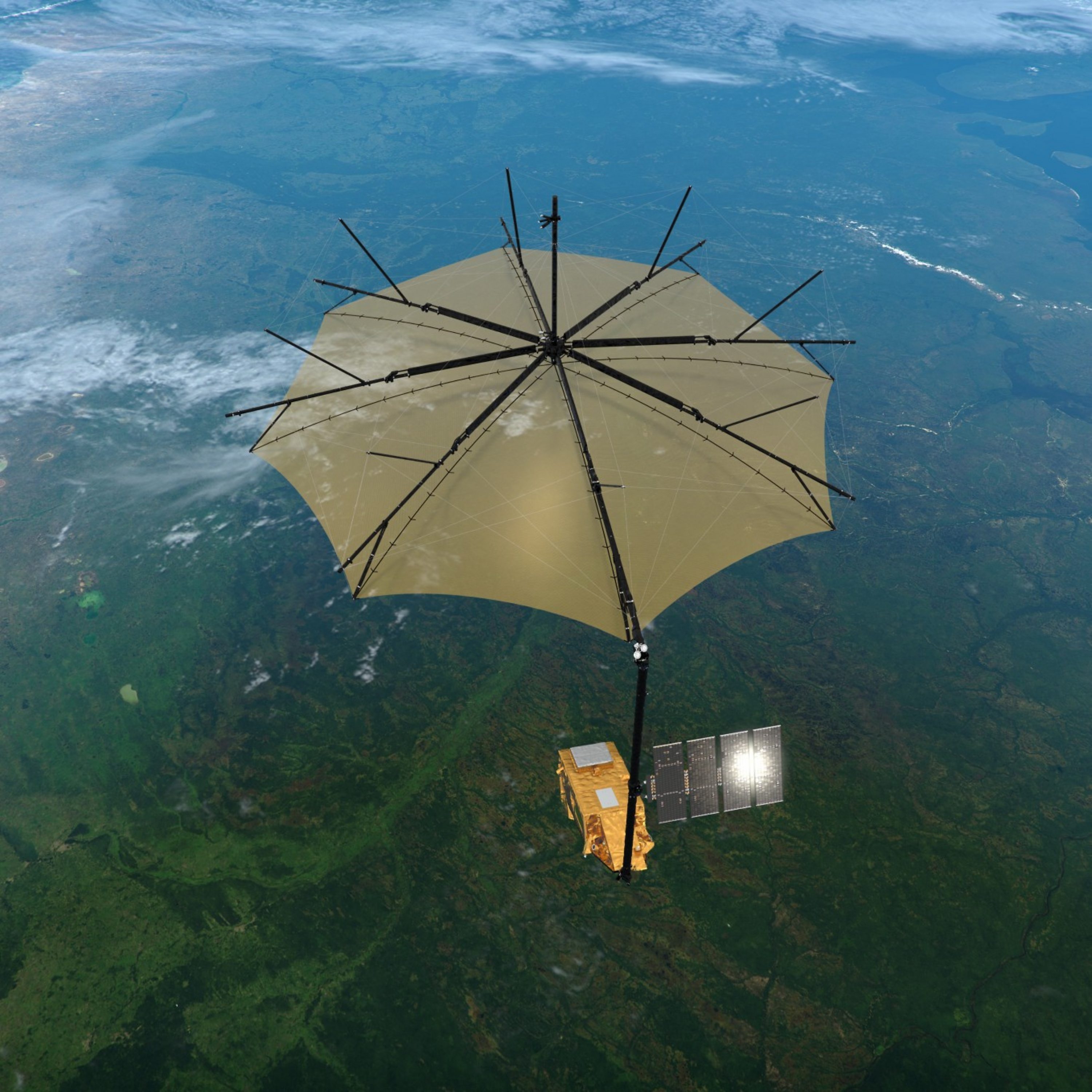
Weighing the world's forests
A groundbreaking space mission will help scientists peer through dense jungle canopy to measure the difference the world's forests are making to climate change. We interview the expert who came up with the idea.Also on Tech Life: It's clicked billions of times a day, but do you know how it started in the first place ? We find out why the world gave a big thumbs up to the 'like' button. And digitising agriculture in Ghana - how tech is streamlining the growing and selling process for thousands of farmers.Tell us about the one item of tech that you simply can't do without – please get in touch by emailing [email protected] or send us a Whatsapp message or voice memo on +44 330 1230 320.Presenter: Chris Vallance Producer: Tom Quinn Editor: Monica Soriano(Image: An illustration of the Biomass satellite in space. Credit: ESA/ATG medialab)
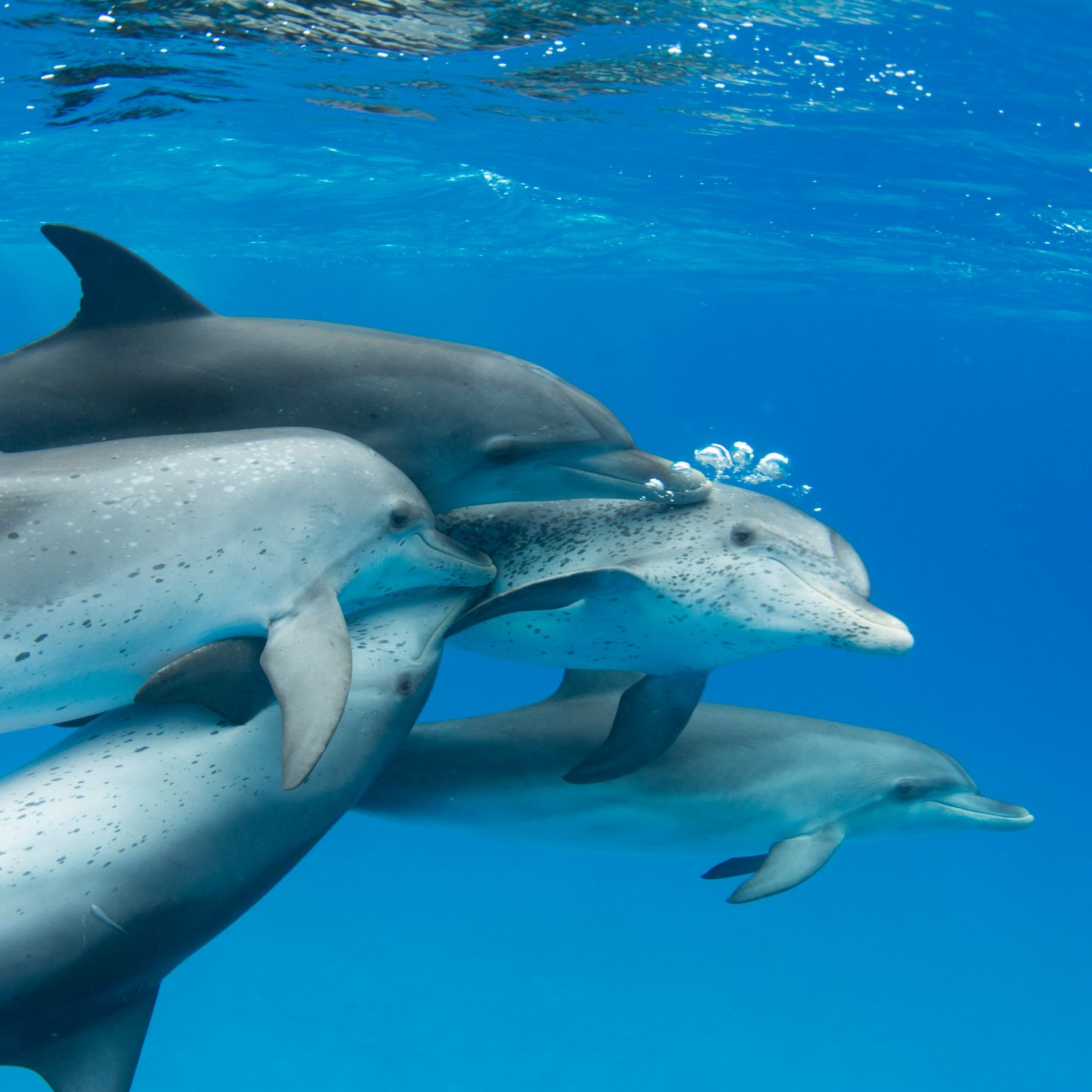
Talking dolphin
Do dolphins have their own language ? And could we 'speak' to them ? An AI large language model from Google, called DolphinGemma, is helping experts study dolphin communication. We interview Doctor Denise Herzing, the Research Director and founder of the Wild Dolphin Project, about her work and how it might bring benefits for humans and dolphins.Also in this edition, we find out how tech is changing the way NFL fans watch football games, and mega-batteries are helping to keep the lights on.Tell us about the one item of tech that you simply can't do without – please get in touch by emailing [email protected] or send us a Whatsapp message or voice memo on +44 330 1230 320.Presenter: Chris Vallance Producer: Tom Quinn Editor: Monica Soriano(Image: A photograph of Atlantic spotted dolphins. Credit: Google)

AI discrimination
This week we're looking at artificial intelligence and how it can discriminate against us, affecting our chances of getting work or being approved for a loan. What causes it ? On the flip side - could it be AI to the rescue ? We learn about a computer model that predicts the behaviour of people who go missing. Could it help emergency services find those lost in the wilderness ?And Tech Life's gaming expert gets hands-on with the new Nintendo Switch 2.You can tell us about the one item of tech that you use in your life everyday – please get in touch by emailing [email protected] or send us a Whatsapp message or voice memo on +44 330 1230 320.Presenter: Chris Vallance Producer: Tom Quinn Editor: Monica Soriano(Image: A hand holds a magnifying glass with the word BIAS magnified on a white background. Credit: Getty Images)
Beyond the tip of the iceberg
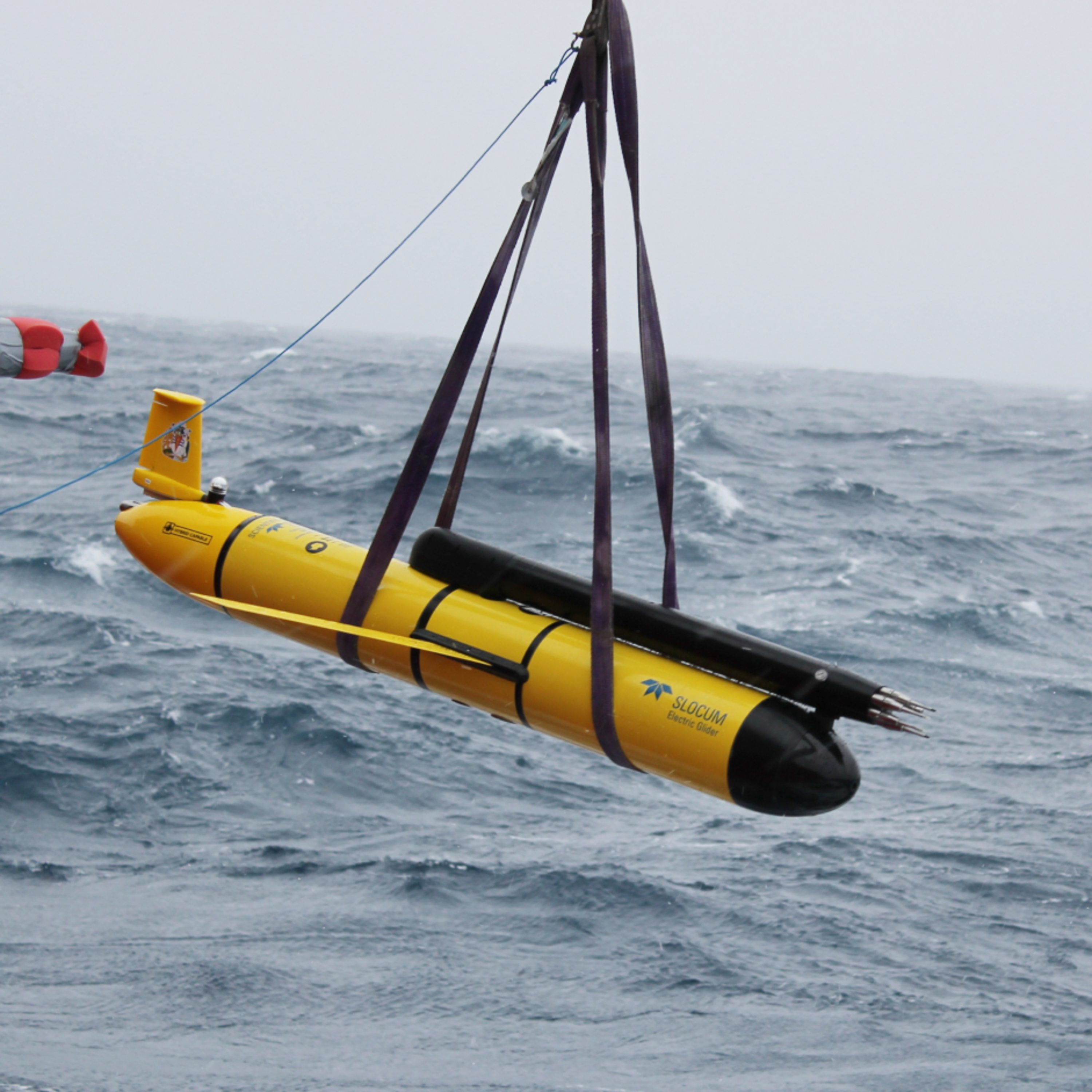
Tech Life looks at icebergs. Climate change means there are more of them in our oceans, breaking away and slowly melting. Scientists need to study them - but how ? We speak to an expert about robotic gliders, which are opening up new research opportunities.Also in this edition, can we trust artificial intelligence ? One of its problems is that it hallucinates, so we find out more about it.How can tech help people who are blind or partially sighted watch TV ?And our reporter gets his hands dirty examining rhino poo!You can tell us about the one item of tech that you use in your life everyday – please get in touch by emailing [email protected] or send us a Whatsapp message or voice memo on +44 330 1230 320.Presenter: Imran Rahman-Jones Producer: Tom Quinn Editor: Monica Soriano(Image: A photograph of a robotic glider suspended above the water. Credit: Doctor Natasha Lucas)

Jamming and spoofing
Tech Life looks at satellite navigation and the increase in cases of signal interference. How could this affect shipping and aviation safety, and what can be done about it ?Also in this edition, what digital material of cultural significance should be stored for the future ? A volunteer project is improving Wikipedia's photographs. And we find out about efforts to harness the power of the moon on the Faroe Islands.Tell us about the one bit of tech you use in your life everyday – get in touch by emailing [email protected] or send us a Whatsapp on +44 330 1230 320.Presenter: Zoe Kleinman Producer: Tom Quinn Editor: Monica Soriano(Image: An image of a Galileo navigation satellite. Credit: BBC)
Living life with a mind-reading chip
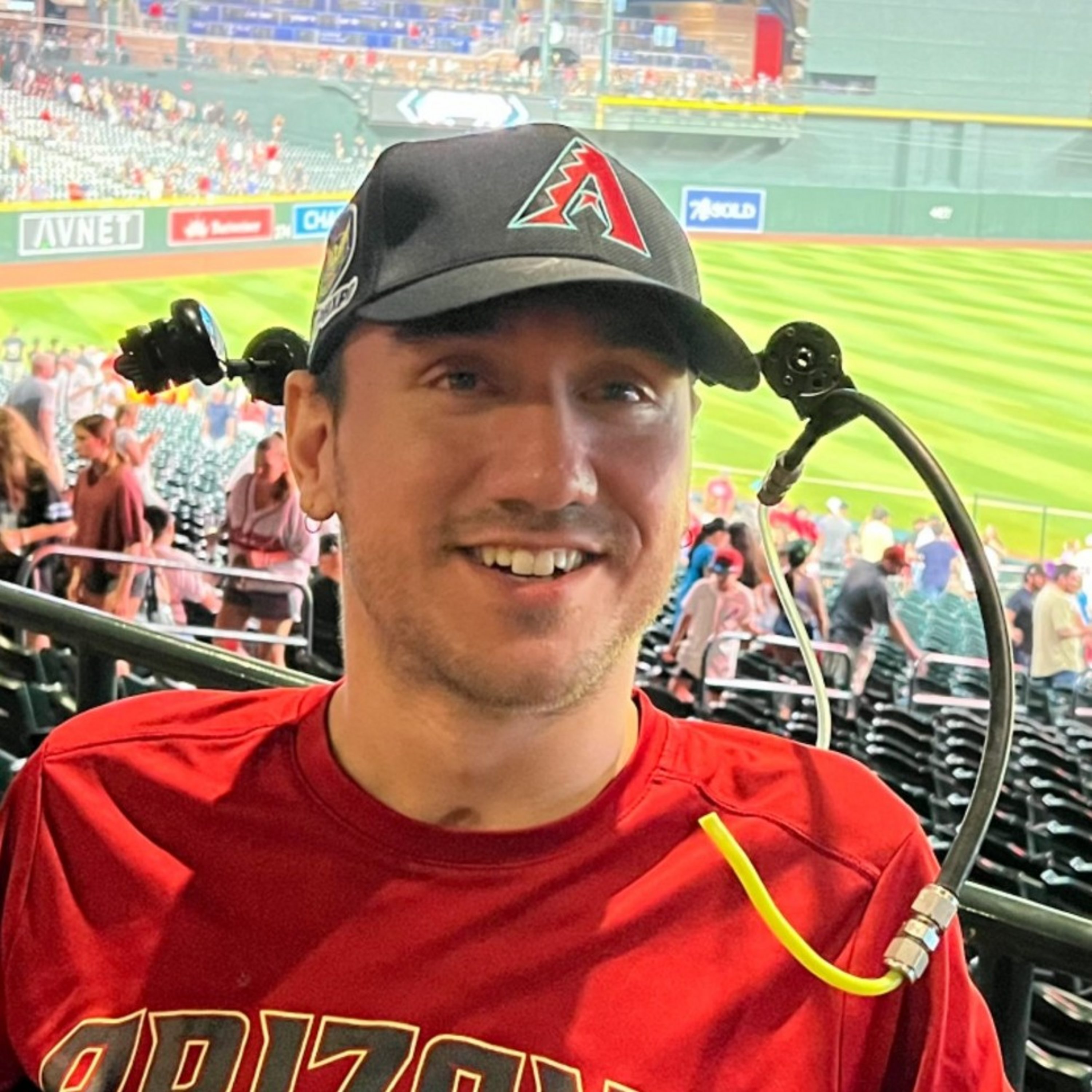
What is it like to live with a computer chip in your brain ? Noland Arbaugh became the first person to receive a device from Elon Musk's neurotechnology firm, Neuralink. Noland tells the BBC about his operation to implant the chip, how he can control a computer with his thoughts, and how it has improved his life.Also on Tech Life this week, we explore a crypto solution to an electricity problem in rural Zambia, and look at one attempt to tackle the tricky subject of copyright and AI.Tell us about the one bit of tech you use in your life everyday – get in touch by emailing [email protected] or send us a Whatsapp on +44 330 1230 320.Presenter: Imran Rahman-Jones Producer: Tom Quinn Editor: Monica Soriano(Image: A photograph of Noland Arbaugh attending a sporting event. Credit: Noland Arbaugh)
Archiving achievement
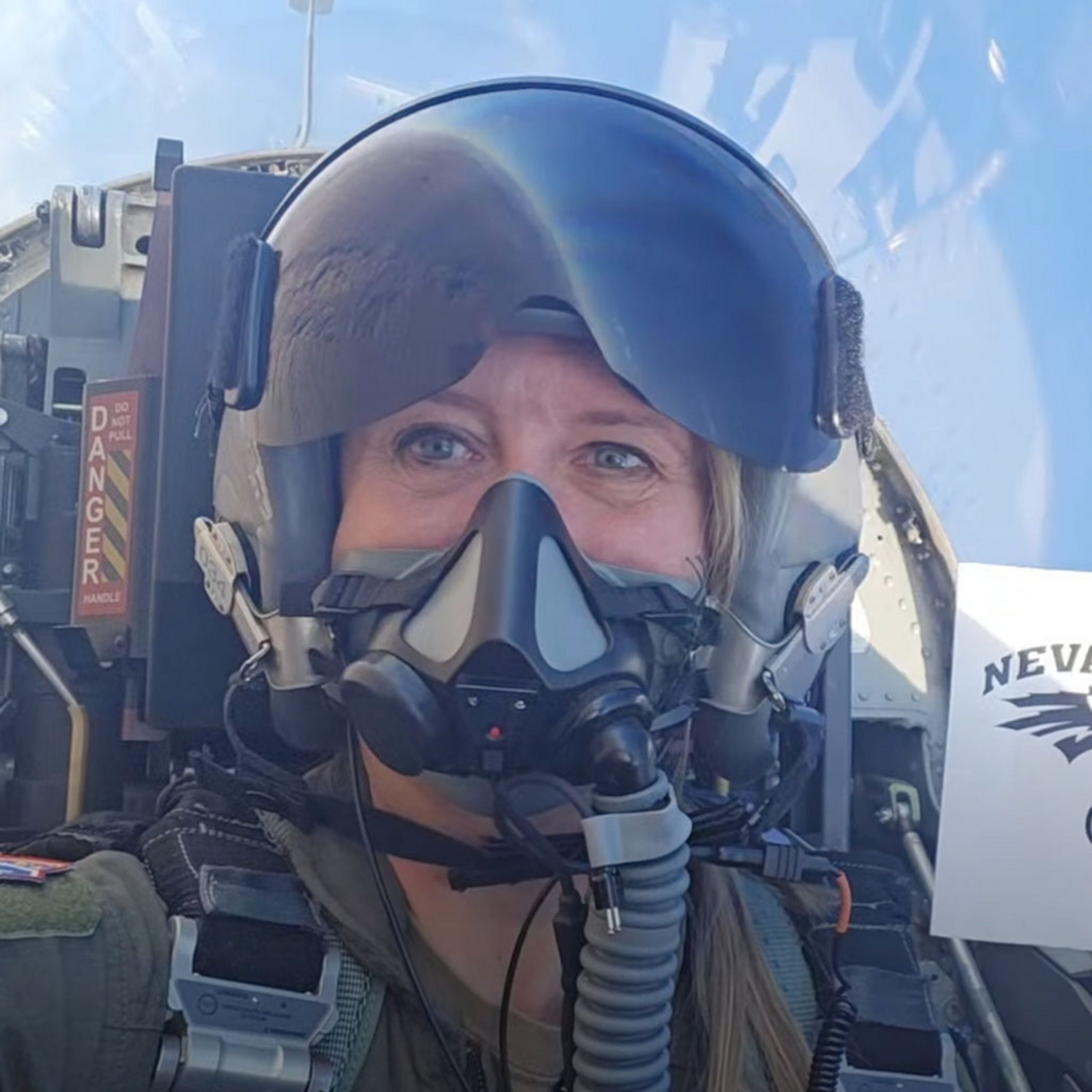
A former US Air Force engineer found articles about her were removed from the internet, on US government instructions. She tells us why she wants to archive them for the future. Then, we go inside Africa’s biggest tech market. Plus, the blind astronomer who listens to space. And quantum computers may be on the verge of a breakthrough. We explain why this matters.Tell us about the one bit of tech you use in your life everyday – get in touch by emailing [email protected] or send us a Whatsapp on +44 330 1230 320.Presenter: Chris Vallance Producer: Imran Rahman-Jones Editor: Monica Soriano(Image: Ex-US Air Force flight test engineer Jessica Peterson in the back seat of a T-38, taking a selfie video as the plane does an upside down roll. Credit: Getty Images)

Surviving digital banking outages
This week on Tech Life, we ask why online banking and payment outages happen, and find out what you can do to protect your data and money.The first Saudi Arabian woman to run an international body speaks to us about her life in tech, and her role in charge of the Digital Co-operation Organisation. And if you had to spend a long time on the Moon or Mars, what kind of base would you want to live in ?We are always keen to hear from you. You can email us: [email protected], or send us a text message or voice note on Whatsapp: +44 330 1230 320.Presenter: Graham Fraser Producer: Tom Quinn Editor: Monica Soriano(Image: A woman's hand holds a mobile phone. A login window for online banking is on the screen. Credit: Torsten Asmus/Getty Images)

The doctor will see you now
Live trials are under way in Ghana of holoportation 3D telemedicine tech. It allows a patient in a remote location to connect to a doctor many miles away, and be examined. We speak to the lead engineer involved in the project, as well as a patient and a doctor benefiting from the portable kit.Also on Tech Life, what happens when a country's leader decides the names of some places (or stretches of water) are about to change ? Do online maps update ? How is it decided ? Our reporter has been searching for the answers.And what is it like working as a technology correspondent, reporting on the busy and ever-changing North America tech scene ? We chat to Lily Jamali who does exactly that for the BBC.We are always keen to hear from you. You can email us: [email protected], or send us a text message or voice note on Whatsapp: +44 330 1230 320.Presenter: Graham Fraser Producer: Tom Quinn Editor: Monica Soriano(Image: Image of a female doctor communicating with a patient on a portable video link. Credit: Hiraman/Getty Images)

Could AI pick the next James Bond?
With Amazon now in charge of James Bond, how will they use data to shape the franchise. We speak to a company which analyses scripts using AI and suggests actors or story changes. Plus, the computer scientist who got her native language on to Google Translate, and the Indian village which became a YouTube sensation.We love hearing from you. Send us an email on [email protected] or send a Whatsapp to +44330 1230 320.Presented and produced by Imran Rahman-Jones. Our editor is Monica Soriano.(Image: Daniel Craig in a black tuxedo and bow tie, looking down the barrel of the camera. Credit: Getty Images.)

Human life under the oceans
Planet Earth's oceans remain relatively unexplored. Now one company has a bold plan to build habitats for humans to live and work underwater for long spells of time. We hear about the tech challenges of life on the seabed.Also on Tech Life, we speak to a Californian TikTok content creator, and a company benefiting from being on TikTok, as the future of the video-sharing platform in the United States remains uncertain. And who needs big crowds and long queues ? Is the future of gaming expos virtual ? We are always keen to hear from you. You can email us: [email protected], or send us a text message or voice note on Whatsapp: +44 330 1230 320.Presenter: Chris Vallance Producer: Tom Quinn Editor: Monica Soriano(Image: An illustration of an underwater human habitat known as a Sentinel. Credit: Deep.)
Decoding the brain
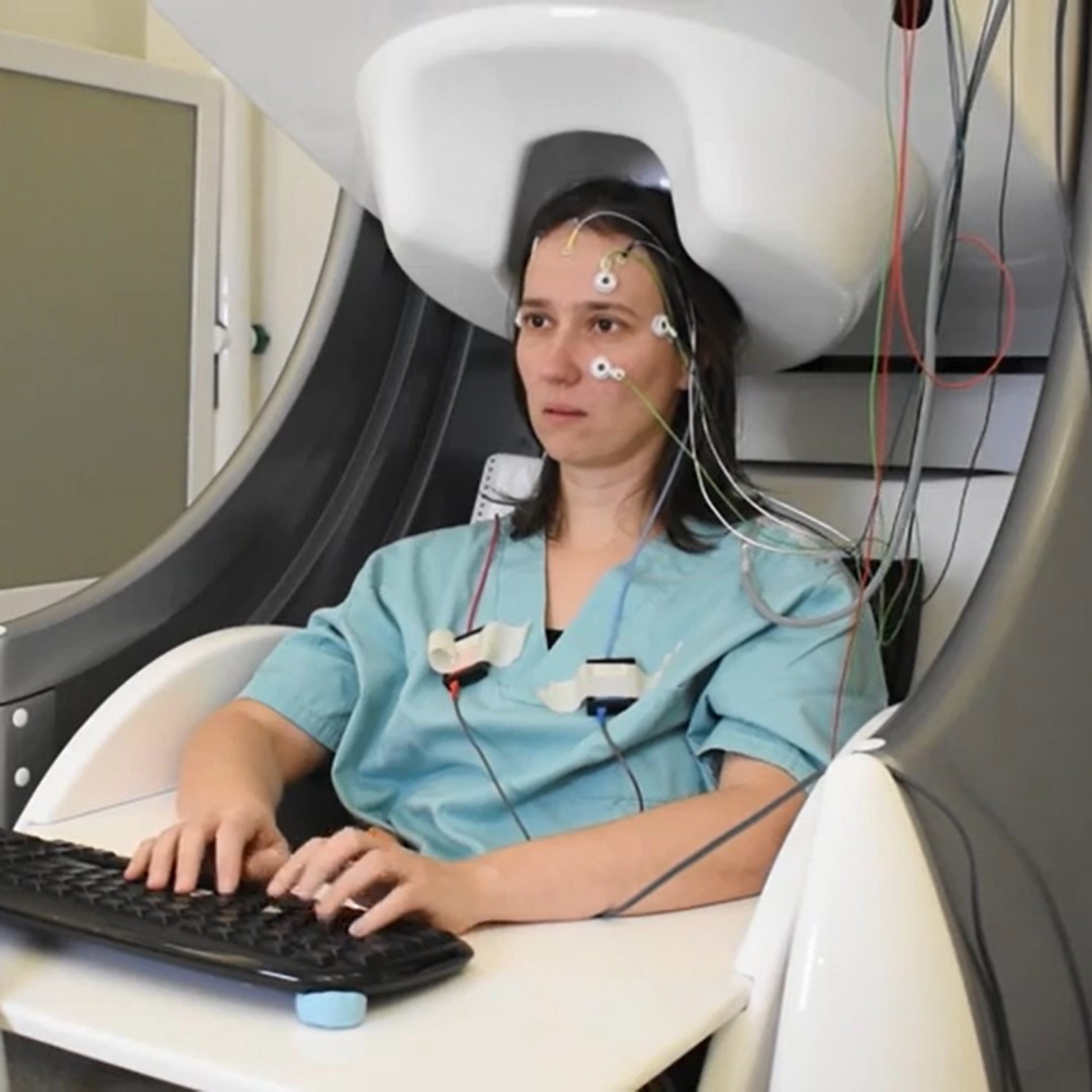
Artificial intelligence can pick out the words we're typing from analysis of our brainwaves. Could it give a voice to those who can't speak because of brain injury or illness ? We interview an expert leading the research.Also on this week's edition of Tech Life, will AI and 3D printing revolutionise the shoe business ? And the hot and cold solution to keep fish fresh in Kenya.We are always keen to hear from you. You can email us: [email protected], or send us a text message or voice note on Whatsapp: +44 330 1230 320.Presenter: Chris Vallance Producer: Tom Quinn Editor: Monica Soriano(Image: A photo of a female volunteer typing words onto a keyboard while her brain is being scanned. Credit: Meta)

China's AI world
As DeepSeek shocked the world, we speak to an AI expert who worked at a Chinese AI firm. We hear about a new battery exchange system for EVs in Addis Ababa. And imagine a world without potholes - we've got a scientist on who is working on self-healing roads.Get in touch by emailing [email protected] or sending a Whatsapp to +44330 1230 320.Presenter: Chris Vallance Producer: Imran Rahman-Jones Editor: Monica Soriano(Photo: The logo of the Alibaba AI model Qwen, a blue triangle with Chinese characters beneath. Credit: Getty Images.)
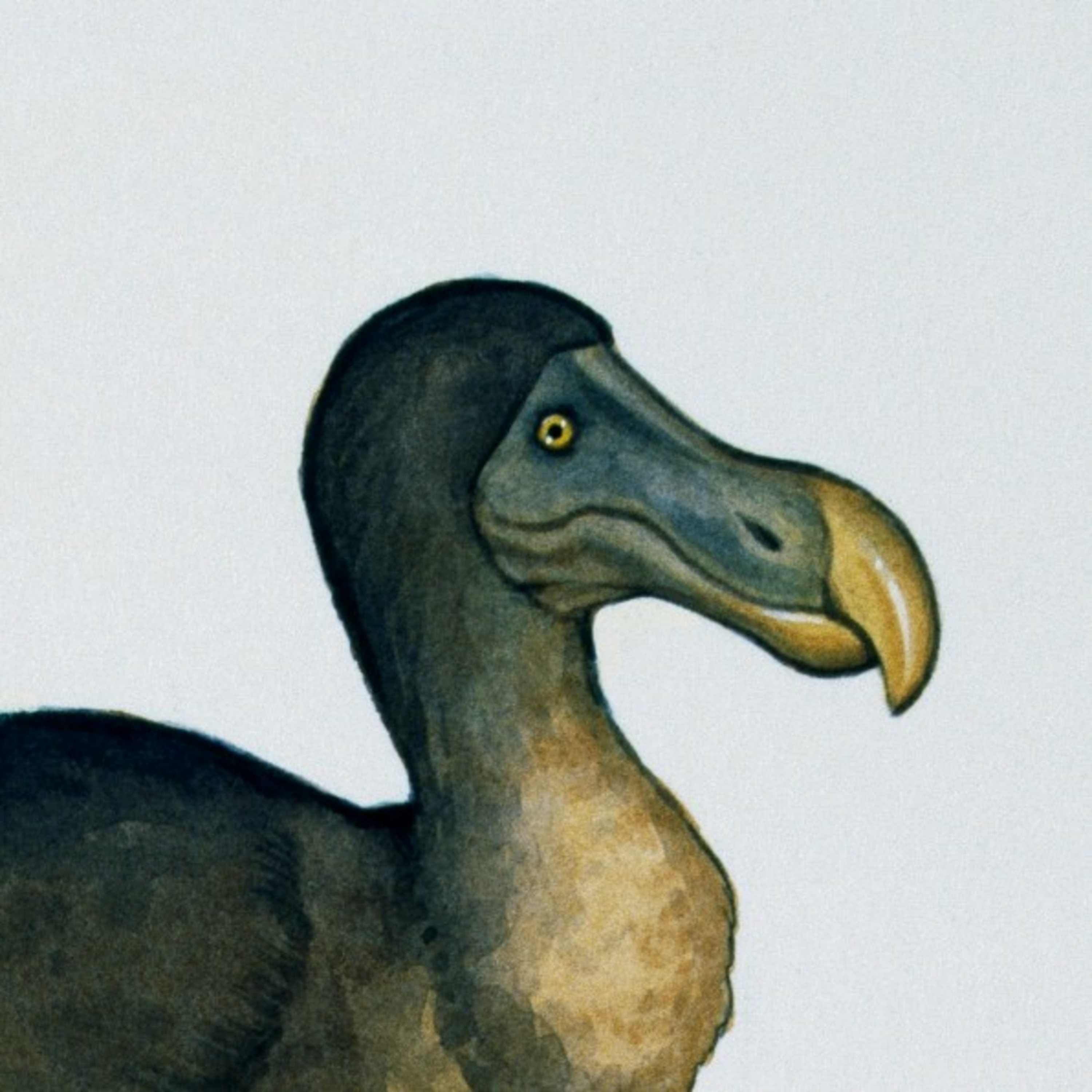
Not as dead as a dodo?
It sounds like a Hollywood movie - bringing extinct animals like the dodo back to life - but a company has attracted hundreds of millions of dollars of investment to do just that. We hear the arguments for and against de-extinction technology.Also, losing the alcohol but keeping the taste, our reporter takes a sober dive into the tech behind alcohol-free beer.We are always keen to hear from you. You can email us: [email protected], or send us a text message or voice note on Whatsapp: +44 330 1230 320.Presenter: Chris Vallance Producer: Tom Quinn Editor: Monica Soriano(Image: An illustration of a dodo bird. Credit: DeAgostini Picture Library/Getty Images)
VPNs and India
In this edition we're trying to find out why some popular security and privacy services - known as VPNs - are disappearing from app stores in India.Also on this week's Tech Life, we speak to the team behind a super-lightweight plane, powered by the sun's rays, that could be used like a steerable satellite.And does talk of artificial intelligence make you worried about your job, or make you wonder what the future might hold ? Don't worry, it's not all gloom ! We hear from a historian who is taking a very long view of AI.We’re always keen to hear from you. You can email us: [email protected], or send us a text message or voice note on Whatsapp: +44 330 1230 320.Presenter: Zoe Kleinman Producer: Tom Quinn Editor: Monica Soriano(Image: An illustration of Internet access via a VPN. A shield with the inscription VPN and a globe. Credit: Getty Images)

Trust and verify
In this edition we discuss ways of checking facts on social media. This is after Meta boss Mark Zuckerberg announced Facebook and Instagram will change the way facts are checked.Also in Tech Life, data is being saved for the future, deep underground in the Arctic Circle. Our reporter Adrienne Murray visits the Arctic World Archive in Svalbard. LinkedIn tell us how they are verifying their users are real. And find out why online mapping has become more than getting from A to B.We’re always keen to hear from you. You can email us: [email protected], or send us a text message or voice note on Whatsapp at +44 330 1230 320.Presenter: Imran Rahman-Jones Producer: Tom Quinn Editor: Monica Soriano(Image: A photo image of Meta chief executive Mark Zuckerberg. Credit: Getty Images)

A glimpse into the future of tech
Tech Life is at CES in Las Vegas, one of the world’s biggest consumer tech shows. We hunt for some of the event’s weirdest tech, and speak to the people behind the showcase. Plus, why is the tech world now obsessed with cars? We love hearing from you. Get in touch by emailing us on [email protected] or send us a Whatsapp on +443301230320. Presented and produced by Imran Rahman-Jones, Alasdair Keane and Lily Jamali Edited by Monica Soriano(Image: The neon "Welcome to Las Vegas" sign lit up against a blue sky. Credit: Getty Images.)

Tech Life looks forward to 2025
Want to know what’s in store for the tech world in 2025? Tech Life has got you covered. From AI to cybersecurity, gaming and crypto and beyond, we bring you our predictions for the next 12 months. And we’re not alone. We’re calling on the help of friends of the show and experts around the world – with some familiar voices for regular Tech Life listeners.
Tech Life's look back at the year
From the innovations that flourished to those that flopped, from providing virtual boyfriends to taking very real jobs, we look back an another fascinating twelve months in tech – and hear from reporters, experts and listeners about which tech most changed your lives in 2024.(Image: a montage of text message like speech boxes on a background of what looks like code. Copyright: Getty Images).

Does the robotaxi have a future?
One of the world’s biggest car manufacturers pulled the plug on its robotaxi project. So what next? We also ask the experts how AI will impact your job. And we’re at the launch of a new music discovery tool, which uses a mix of AI and expert curation. We’re always keen to hear from you. You can email us on [email protected], or send us a voice note on Whatsapp at +44330 1230 320. Presenter: Graham Fraser Producer: Imran Rahman-Jones Editor: Monica Soriano (Image: A Cruise car with cameras attached to its exterior at an intersection in San Francisco. Credit: Getty Images)

Cyber warfare
We speak to cyber security experts about how cyber warfare works – and how it stays out of the headlines. Then we hear about the aerodynamics tech making athletes more streamlined. And we meet the new Indiana Jones, gaming star Troy Baker.Tell us about the new tech you've tried out in 2024. What gadgets or apps helped you out this year? Send us an email to [email protected] or Whatsapp us on +44 330 123 0320. Presenter: Chris Vallance Producer: Imran Rahman-Jones Editor: Monica Soriano(Image: A computer-generated, pixelated image of a globe with a neon blue padlock superimposed on top. Credit: Getty Images.)

How green is AI?
Computer scientist Sasha Luccioni is a pioneering voice in AI, especially when it comes to its environmental impact. We speak to her as she is announced on the BBC 100 Women list. We also meet one of the only AI startups in Bhutan, and the two friends who met online and have finally met in real life – after 13 years of knowing each other.Presenter: Zoe Kleinman Producer: Imran Rahman-Jones Editor: Monica Soriano(Image: A black and white portrait photo of Sasha Luccioni smiling at the camera. In the background are orange computer-generated geometric shapes. Credit: Steve Gerrard.)

Tiger trackers used to spy on women
Women in a forest in India found they were being followed and recorded by cameras which were meant to be for monitoring tigers and other wildlife. We speak to the researcher who interviewed hundreds of women in the community. We learn about how online shopping tries to influence your behaviour. And we visit an Arctic island which is turning to renewables.We want to know about the big tech stories of 2024 where you are. Get in touch with us by emailing [email protected] or Whatsapp us on +44 330 1230 320.Presenter: Alasdair Keane Producer: Imran Rahman-Jones Editor: Monica Soriano(Image: A tiger among green foliage looking at the camera. Credit: Getty Images.)

Donald Trump’s robodogs
Robot security dogs have been spotted at Mar-A-Lago, the Florida home of US president-elect Donald Trump. Who are behind them, and what security services do they offer? Also on the programme, we hear about one phone company’s plan to waste phone scammers’ time. And the startup using AI to provide loans to people without a credit history. We love hearing from you on Tech Life. Get in touch by emailing [email protected] or sending us a Whatsapp on +44330 1230 320. Presenter: Zoe Kleinman Producer: Imran Rahman-Jones Editor: Monica Soriano(Image: A picture of a Boston Dynamics dog, “Spot”. Credit: Reuters.)