TCS - The TechCentral Show
151 episodes — Page 2 of 4
Deep impact: Dean Furman on the implications of China's DeepSeek
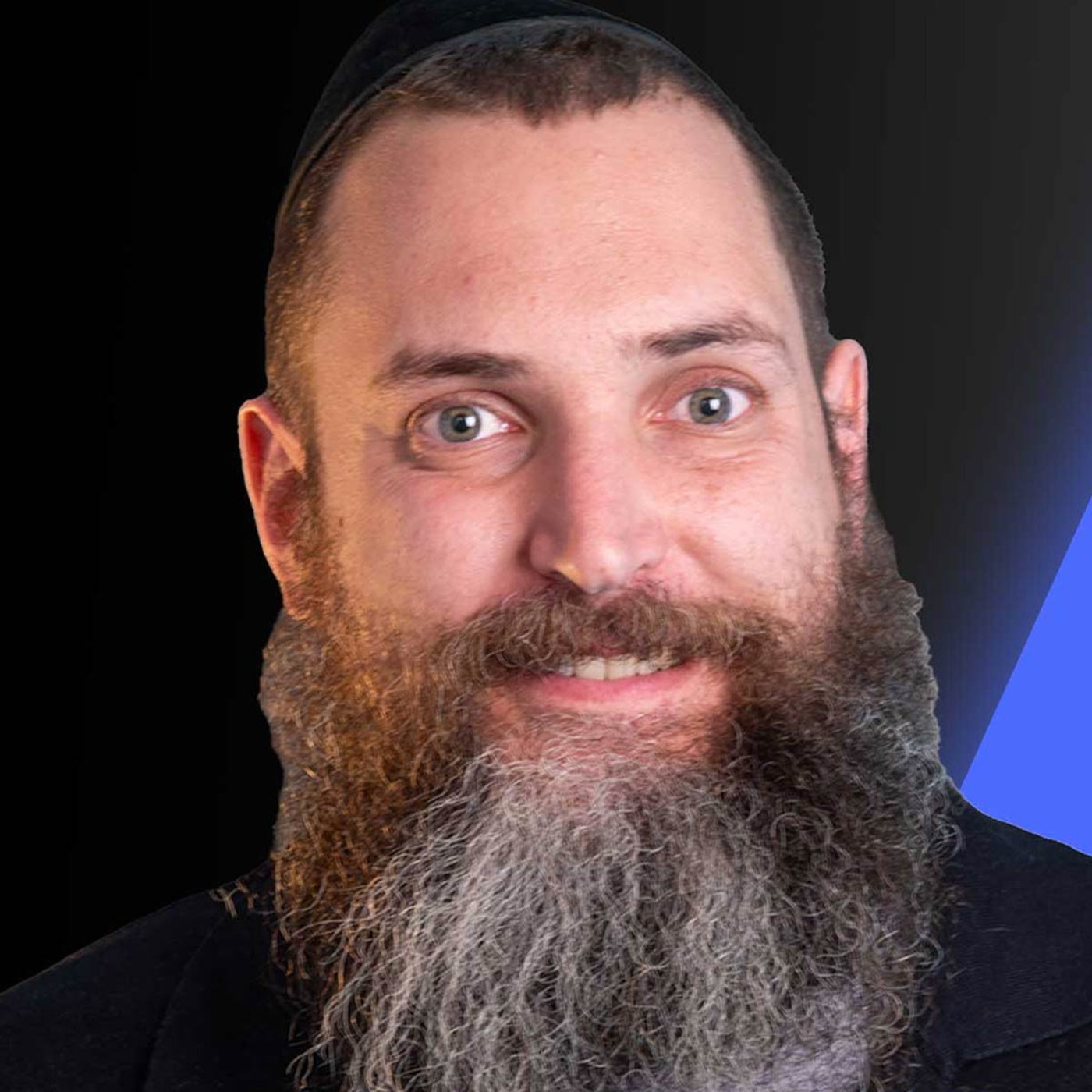
China’s DeepSeek rocked US technology stocks last month after the company appeared to have developed an artificial intelligence model akin to OpenAI’s most advanced ChatGPT models at a tiny fraction of the cost. Stocks like Nvidia, Google and Microsoft cratered on the news as it raised serious questions about whether the tens of billions – if not hundreds of billions of dollars – that Big Tech is pouring into AI infrastructure makes sense and whether China is further ahead than many people had realised. To unpack the potential implications of DeepSeek and the rise of Chinese AI models, TechCentral editor Duncan McLeod spoke to South African AI expert and keynote speaker Dean Furman to unpack the subject is greater detail – including what it could mean in the South African context. In this episode of the TechCentral Show, Furman discusses: • Whether China – and DeepSeek specifically – just upended the economics of AI; • Whether American Big Tech firms should be worried; • DeepSeek’s strengths and weaknesses in relation to AI tools from the likes of Google, Meta Platforms and OpenAI; • Chinese government censorship of DeepSeek’s results and whether this matters to users outside China; • The significance of DeepSeek’s models being released using an open-source licence and what this means for the future development of AI; and • How far the world is from AGI, or artificial general intelligence. It’s a fascinating discussion – be sure not to miss it!

We test drive South Africa’s cheapest electric car
We strongly recommend watching the video version of this episode of TCS. -- Enviro Automotive has launched South Africa’s most affordable electric car yet, the Dayun S5 Mini SUV – and TechCentral has taken the vehicle for a test drive. In this episode of the TechCentral Show, we are joined by Environ Automotive executives Gideon Wolvaardt and Francois Malan to unpack the new Chinese EV and why they believe the S5 Mini is a gamechanger for South Africa’s motoring industry. The four-seater compact SUV features a 31.7kWh ternary lithium battery, offering a range of about 300km and a top speed of 115km/h, making it ideal for urban commuting. The vehicle has a modern interior equipped with a touchscreen infotainment system, multifunction steering wheel and a digital instrument panel. Convenience features include central locking, electric windows and air conditioning that can be operated remotely via an app, allowing drivers to start the vehicle before entering. In this episode of TCS, TechCentral editor Duncan McLeod takes the car for a test drive and shares his views on the build and ride quality – and much more!
'Activist CEO' Adam Craker on iqbusiness, the GNU and fixing Joburg
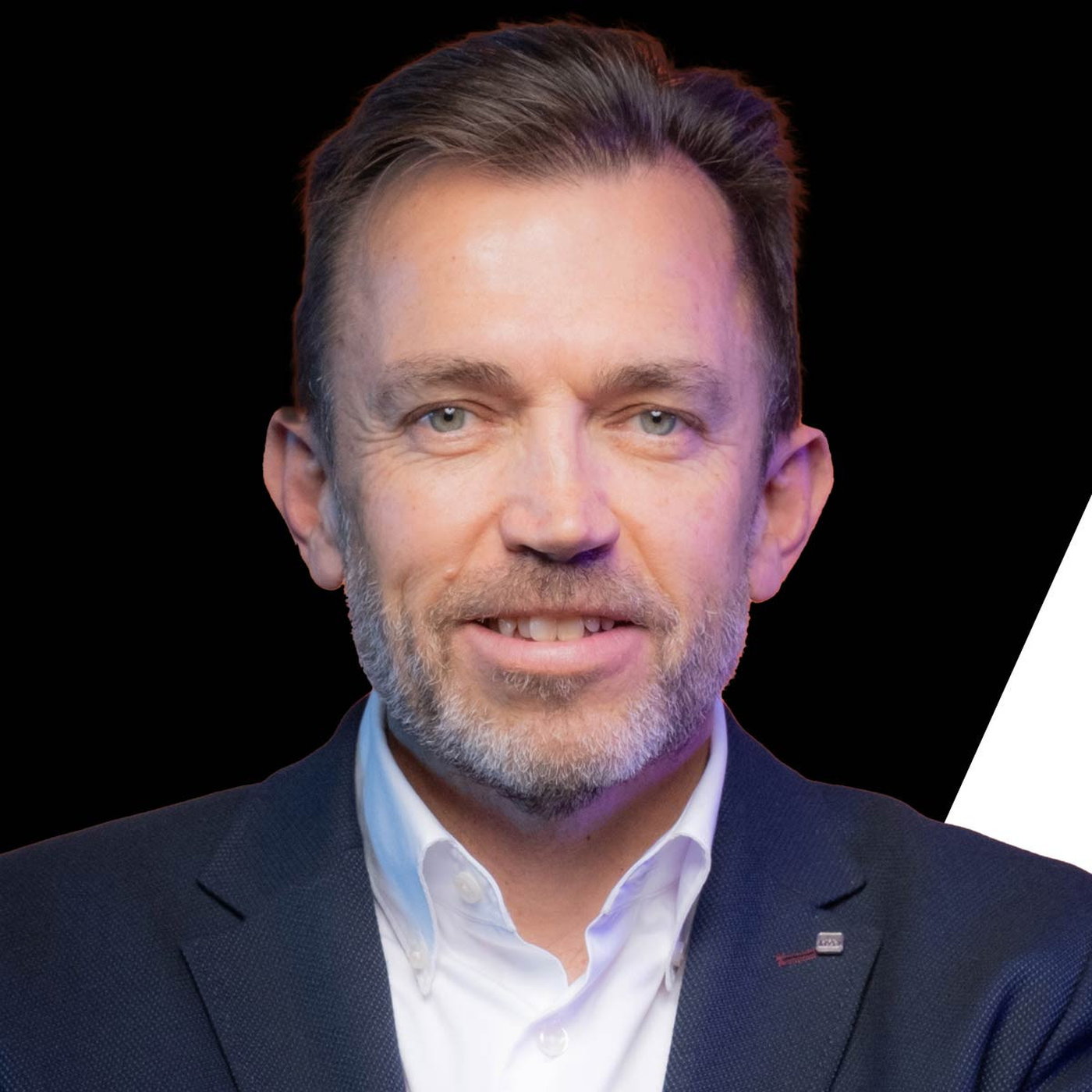
Adam Craker has strong views on what’s needed to turn around South Africa’s fortunes and fix its biggest city, Johannesburg, which has fallen into a state of disrepair. The CEO of iqbusiness, a digital integrator in the Reunert stable formed recently though the merger of IQbusiness and +OneX, is our guest in this episode of the TechCentral Show. Craker – whose career has seen him working for the likes of Accenture, Merchants, Dimension Data and Super Group – tells TechCentral editor Duncan McLeod about his plans for iqbusiness post-merger, how it fits in with Reunert’s overall growth plans and why the transaction made sense. He also unpacks: • His take on the government of national unity and why he remains bullish about South Africa’s prospects; • The news that government is considering listing some of South Africa’s state-owned enterprises on the JSE; • His biggest concerns about the country’s future; and • What needs to be done to save Joburg – and the role of the Jozi My Jozi initiative. Don’t miss a great conversation!

Meet the team behind Matric Live, South Africa’s App of the Year
Matric Live is a study tool to help students in grades 10-12 supplement their in-class learning with additional exercises – and even get exam practice via a digital platform. And it recently won the FNB App of the Year award amid stiff competition from the likes of Checkers Sixty60 and TFG’s Bash. In this episode of the TechCentral Show, Matric Live CEO Kagisho Masae and chief technology officer Lesego Finger tell TechCentral’s Nathi Ndlovu about their journey as a start-up and the growth Matric Live has gone through in the last few years. They delve into: • The inspiration behind the Matric Live app and the problem it seeks to solve for students; • The journey from app idea to full-fledged live system and the challenges faced along the way; • How the application is being monetised while keeping access to the platform free for its users; • The impact Matric Live has had on South African students; • Some success stories about students who have used the app; • Upcoming features to look forward to on the application; • The vision Masae and Finger have for the future of their business; and • The significance of winning the App of the Year award. Masae and Finger tell an inspiring story of battling against the odds and succeeding at solving one of the most foundational problems confronting South African society: the dissemination of quality education to all corners of the country. Don’t miss a great conversation!
Springboks rugby deal: the tech plan behind the audacious bid
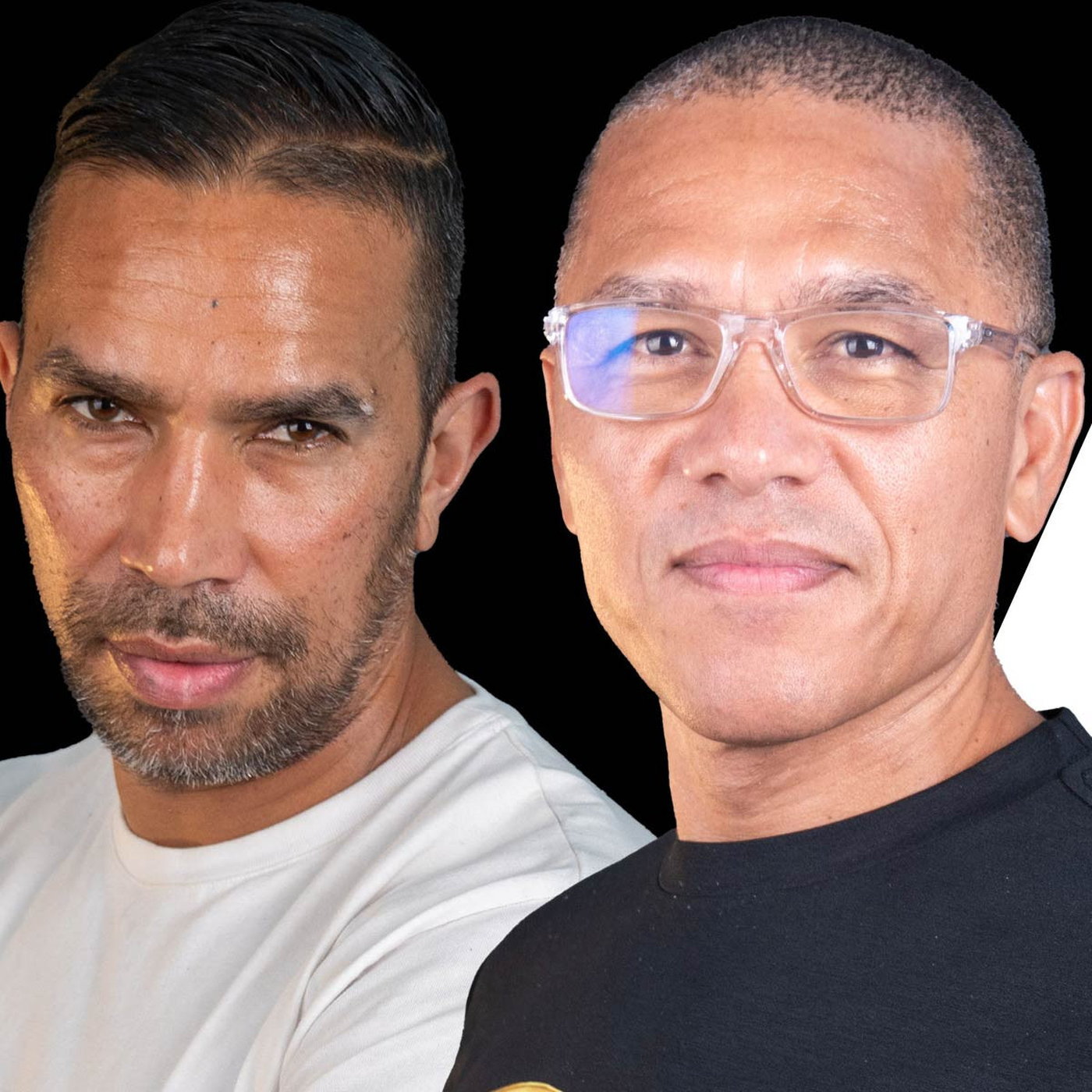
Well-known South African technology entrepreneur Stafford Masie is one of the key backers behind an audacious bid to buy a stake of up to 40% in the South African Rugby Union (Saru)-owned entity that owns the commercial rights to the Springboks brand. Masie, who chairs JSE-listed Altvest Capital – a key player in the consortium making the bid – joins the TechCentral Show with Altvest CEO Warren Wheatley to unpack the plan and what spurred it, and to explain why tech is central to the bid. The bid comes after member unions of SA Rugby last week rejected a plan to sell a 20% in the commercial rightsholder to US-based Ackerley Sports Group for US$75-million. Ackerley has until the end of the year to submit a revised offer, but Wheatley and Masie told TechCentral that they do not expect a deal with the American firm will succeed. The South African consortium is made up of Altvest as well as EasyEquities, RainFin and 27four Investment Managers. In a statement, the consortium explained that if its bid is successful, it will list the special purpose vehicle that has been created to do the deal on the JSE and allow investors to buy shares. This is not dissimilar to Altvest’s business model, which sees it taking stakes in companies on behalf of public shareholders who participate in the economic benefits thereof. “Worth thinking about for the tech community is that our platform allows for ‘crowdfunding’ in a regulated environment that allows for participation in a funding round to anybody with disposable income – from first-time users or customers, all the way through to regulated institutions and pension funds,” Wheatley explained. In this episode of TCS, Masie and Wheatley unpack: • The background to their consortium’s Springboks bid – and why the consortium members came together; • How the bidders will work with SA Rugby to commercialise the rights, assuming their bid is successful; • How the deal could affect broadcast partners; and • Why they believe the deal could be used as a platform for technology innovation in South Africa. It’s an interesting discussion – don’t miss it!
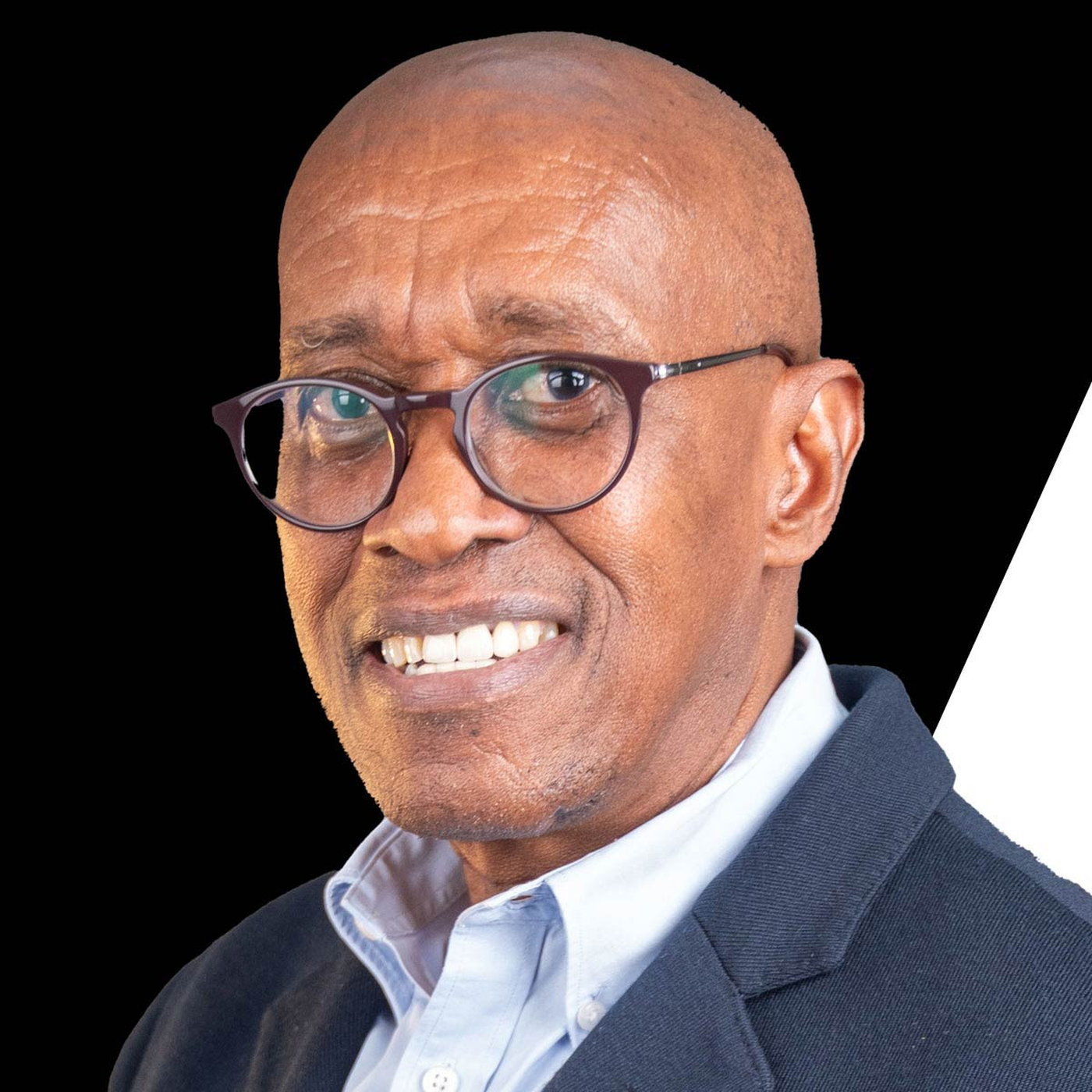
Reserve Bank’s big payments shake-up – an interview with Tim Masela
The South African Reserve Bank is working with its peers in the Southern African region to drive financial inclusion by digitising cash and making instant payments across borders an everyday reality. In this episode of the TechCentral Show (TCS), Tim Masela, head of the National Payments System department at the Reserve Bank – he has been with the Bank for the past 30 years – tells TechCentral’s Nathi Ndlovu about the efforts it is making to create a “cash smart” society not only in Southern Africa but across the Southern African Development Community (Sadc) region. Masela unpacks: • Why the introduction of non-bank fintechs into the national and regional clearance and settlements systems is important; • The importance of designing “fit for purpose” regulations that allow fintech to remain nimble and innovative; • A detailed explanation of how the payments and settlements system worked historically, including how it has evolved in the digital era; • The efforts the Reserve Bank and its regional counterparts are undertaking to standardise financial legislation and regulation across Sadc; - The importance of the Transactions Cleared on an Immediate Basis (TCIB) platform, which facilitates PayShap-style instant payments across borders; - The challenges that currency conversion poses in facilitating instant payments across borders; - Findings from the National Payments Study conducted by the Reserve Bank and released in September; - What a “cash light” and “cash smart” society are and why the Reserve Bank believes this is desirable; and - Where the Reserve Bank stands on crypto assets and the road to their incorporation into South Africa’s National Payments System. Do not miss this insightful and informative episode.

Datafree’s plan to make R1-billion/year from ‘free data’
Datafree Technologies, the company behind popular zero-rated messaging tool MoyaApp, has an ambitious plan to build a R1-billion/year business by tapping to the APN market provided by the mobile operators. In this episode of the TechCentral Show (TCS), Datafree chief commercial officer Kruben Pillay tells Duncan McLeod about the company’s plan to build a software-as-a-service-based APN – or “access point name” – to sell to businesses. An APN is a gateway that allows a mobile device to connect to the network and the internet. Datafree describes itself as a specialist in “mobile data optimisation” that “identified the opportunity to empower inclusive mobile connection by removing the data cost barrier to engage mobile audiences”. To do this, it uses reverse-billing technology for data, not dissimilar to the way toll-free numbers work for phone calls. Although many people use or are at least aware of MoyaApp, much less is known about Datafree. In this episode of TCS, Pillay tells McLeod more about the business. He also unpacks: • His history in the telecommunications industry, including his time at Vodacom and Telkom; • How MoyaApp is doing; • Datafree’s R1-billion/year APN opportunity; and • How APNs work, why companies use them (and why they sometimes run into issues) and Datafree’s APN services for business. Don’t miss the interview!

The story of Telviva, with David Meintjes and Rob Lith
The world of telephony might not be particularly sexy, but it is an industry that has changed fundamentally in the past 20 years. And David Meintjes and Rob Lith of Telviva, a South African company specialising in cloud-based unified communications solutions for businesses, has been at the forefront of the technology changes that have swept through the industry in that time. In this episode of the TechCentral Show, the pair tells TechCentral editor Duncan McLeod about the journey from the early days of the business – when it was known as Connection Telecom – to the cloud-based telephony specialist it is today, as Telviva. In the interview, Meintjes and Lith chat about: • The evolution of Connection Telecom, its original mission, and how the business evolved into the unified communications as a service (UCaaS) provider it is today; • How the telephony market in South Africa has changed beyond recognition over the past 20 years; and • Telviva’s international expansion plans and its strategy around acquisitions. There’s plenty more in this interview with two ICT industry legends – don’t miss it.

Andrew Middleton on the state of rooftop solar in South Africa
South Africa’s rooftop solar installation industry has a bright future and is on track for its second-best year on record, despite the suspension of load shedding in March. That’s according to Andrew Middleton, co-founder and CEO of GoSolr, one of South Africa’s largest rooftop solar installation companies, who spoke to TechCentral editor Duncan McLeod on the TechCentral Show (TCS) earlier this week. According to Middleton, citing figures from Eskom, 749MW of rooftop solar capacity has been installed in South Africa this year, taking the total to 5.9GW. Some 162MW of new rooftop solar was added in the third quarter, down 267MW from the same three months in 2023, when load shedding was frequently at stage 4 or higher. The figures are contained in the latest quarterly report published by GoSolr on the state of the industry. In his interview with TCS, Middleton unpacks: • The impact of the suspension of load shedding on the rooftop solar industry; • What’s driving consumers to consider solar at home today; • The impact of the adoption of electric vehicles on the demand for home solar – and what sort of solar installation consumers who own or are thinking of buying an EV need to consider; • The state of play in the municipalities around feed-in tariff structures – an update on Cape Town, Johannesburg, Tshwane, Nelson Mandela Bay and more; • The future role of embedded generation systems in communities – the way forward and the hurdles that might be encountered; and • Why government was wrong to withdraw the tax rebate on solar panels and to impose higher taxes on their importation. Don’t miss this insightful conversation about the state of South Africa’s rooftop solar industry.

Sandile Dube on Equinix and South Africa’s data centre boom
Nasdaq-listed Equinix has completed construction of the first phase of a new data centre in Johannesburg, part of a R7.5-billion commitment to building cloud infrastructure in South Africa and the rest of the continent over the next five years. The company’s South African MD, Sandile Dube – a former country manager at Hewlett Packard Enterprise and a former executive at Dimension Data (now NTT Data) – tells TechCentral Show host Duncan McLeod about the new Johannesburg data centre, which is located in Isando on the East Rand, and what type of clients it’s hoping to attract. In the interview, Dube chats about: • Equinix’s African investment plans and where it intends to build data centre facilities and why; • The Isando data centre and what it offers; • The Equinix company and its investment focus – including its investments in West Africa; • Whether there is an overbuild of data centres taking place in South Africa. Can market demand sustain the level of investment taking place?; and • How Equinix differentiates itself in an increasingly crowded market. Don’t miss a great interview!

Lesaka’s Lincoln Mali on the fintech opportunity in South Africa
Lincoln Mali has been at the helm of Lesaka Technologies Southern Africa, a fintech with a sizeable footprint in Southern Africa’s informal markets, since 2021. One of his main tasks has been to turn the company’s finances around by reigning in business units that were haemorrhaging cash in the past. Lesaka’s latest set of financial results suggests it’s making progress. In this episode of TechCentral Show, Mali speaks to TechCentral’s Nathi Ndlovu about: • Lesaka’s latest financial results, breaking down each of the group's key business units; • The resilience of Lesaka’s loans business; • The importance of data analytics in driving Lesaka’s merchant lending business; • The impact of the interest rate cycle on business; • How the digitisation of cash is progressing in the informal market; • Lesaka’s acquisition strategy, including the recent blockbuster purchase of Adumo; and • The rationale behind Lesaka’s primary listing on the Nasdaq in the US (it has a secondary listing on the JSE). Don’t miss this fast-paced episode of the TechCentral Show.

The Solly Malatsi interview - BEE, SOEs and Starlink
Communications minister Solly Malatsi, a DA MP and the first non-ANC politician to hold the key technology portfolio in the democratic era, has been in the job for three months – sufficient time to get a broad handle on the big issues. In this first interview with the TechCentral Show, TechCentral editor Duncan McLeod asks Malatsi a range of questions about the sector, including his views on how he plans to address some of the more intractable problems in his inbox. The interview, which was recorded on Friday, 4 October – shortly before he announced he was issuing a policy direction to communications regulator Icasa that could see a big change to empowerment rules governing licensing in the sector – covers a wide range of topics, from Elon Musk’s Starlink to the ongoing feud between the SABC and Sentech. Other topics covered in the interview include: • The minister’s engagements with Starlink and the recent meeting in New York between Musk and President Cyril Ramaphosa; • His views on black economic empowerment and why his top priority is reducing the cost of data and ensuring more South Africans can connect affordably to the internet and online services; • His plan for private sector participation in the Post Office, and whether the company is really worth saving; • The war between the SABC and Sentech, and how it can be resolved; • Future funding models for the SABC and the future of TV licences in South Africa; • The problems at the State IT Agency, and what the focus should be of government’s central IT procurement and services provider; • The planned merger of Sentech and Broadband Infraco and why he believes it needs to happen; • Government’s 40.5% stake in Telkom and what should happen to it; • The road to digital migration and whether there is still a need for terrestrial television in 2024; • 2G and 3G switch-off in South Africa and whether this should be mandated by the government; and • The legislative programme for the department of communications & digital technologies. Don’t miss the interview!
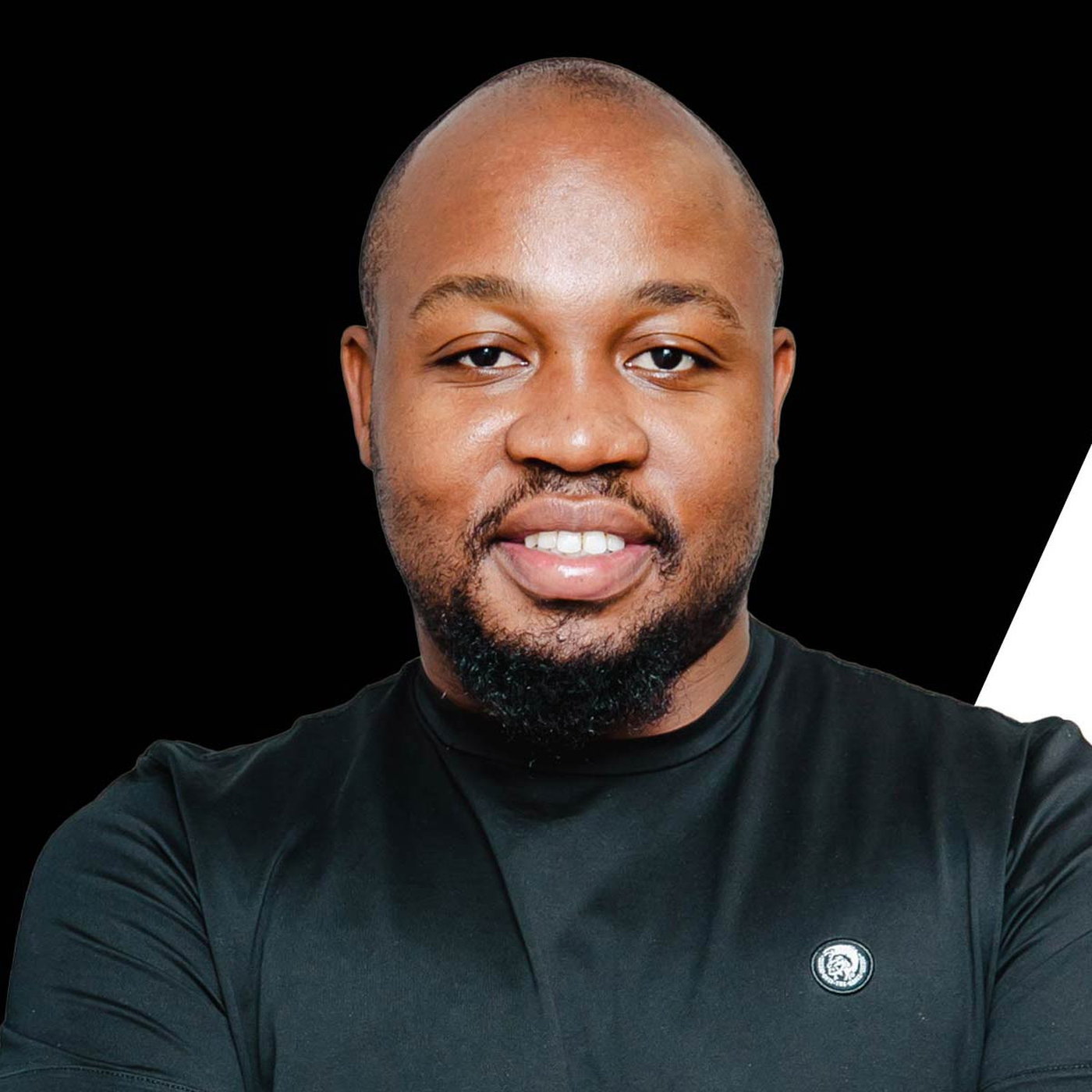
Donald Valoyi: South African on-demand e-commerce pioneer
Donald Valoyi saw the potential market for on-demand grocery delivery in South Africa early on, and his company Zulzi was a pioneer in the space. It even went on to help Shoprite Holdings launch the Checkers Sixty60 app. Zulzi was founded in 2013 as an “aggregator” of various shopping outlets to help consolidate online shopping for customers. Today the company provides support to Sixty60 and continues to operate as a separate entity through seven of its own “dark stores”, or warehouses. Zulzi founder Valoyi joins the TechCentral Show to chat about the company's journey, which began with his exit from corporate South Africa into entrepreneurship. He shares his views on the innovations reshaping the e-commerce sector and how South African businesses should equip themselves to handle competition from international players. Valoyi also chats about: • His entrepreneurial ambitions and why he chose e-commerce as his focus; • The early days of Zulzi, and how he built the business; • How Zulzi’s relationship with Shoprite and the Checkers Sixty60 app came about; • Why Valoyi believes the Post Office is key to driving e-commerce growth in South Africa; • Why the medical sector is ripe for e-commerce disruption; and • How technologies like artificial intelligence are changing the online shopping experience. Don’t miss the interview!
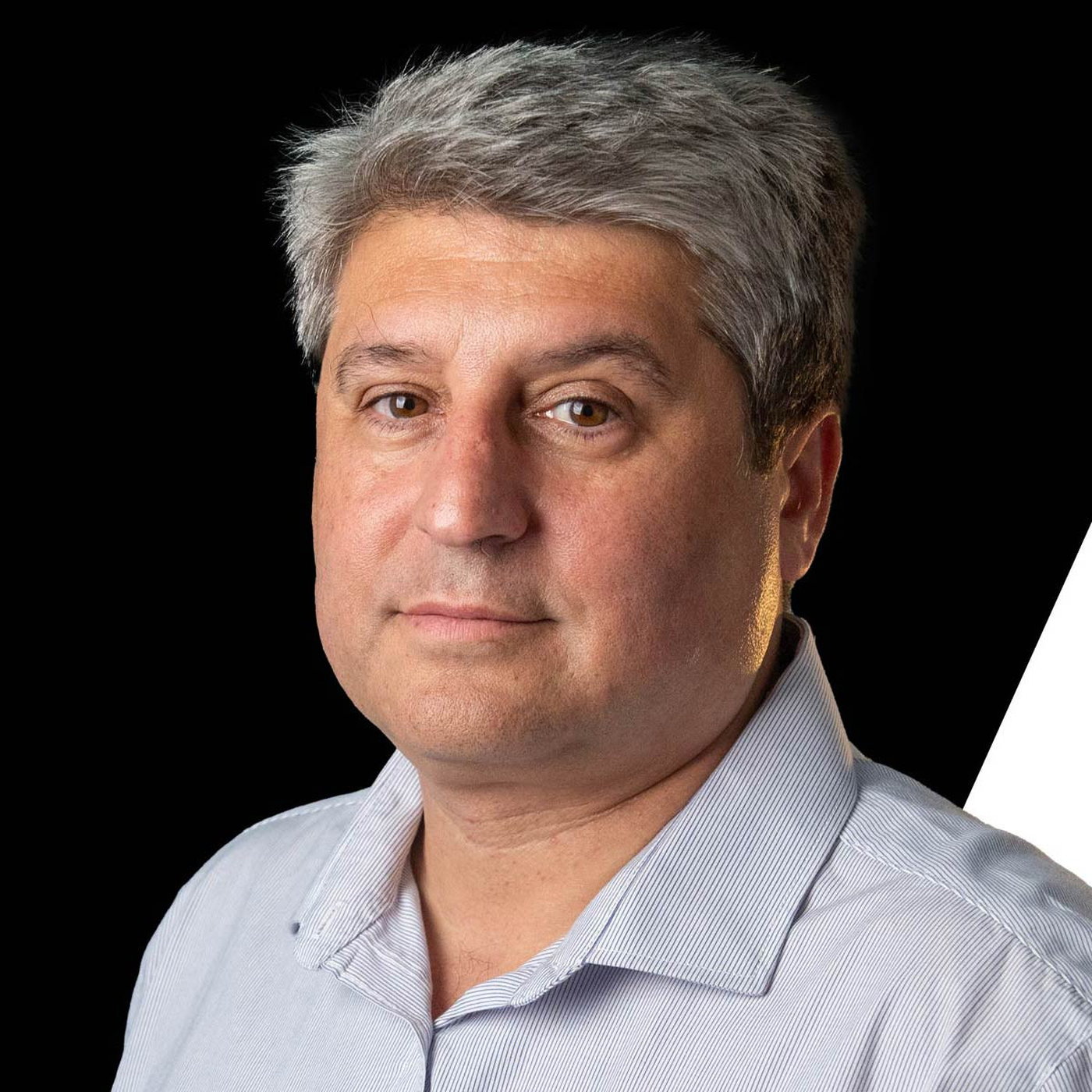
Bruce Mellado on the tech-led fight against air pollution in South Africa
South African scientists have launched a cost-effective air-quality monitoring system built using internet of things and artificial intelligence technologies. Bruce Mellado, professor of particle physics and director of the Institute for Collider Particle Physics at Wits University, is one of the key people behind the new initiative, which is aimed at improving air quality in South Africa and eventually other markets around the world. He recently joined Duncan McLeod on the TechCentral Show to discuss the project. Mellado, who also director at the iThemba Laboratories for Accelerator Based Sciences – a unit of South Africa’s National Research Foundation – takes TechCentral through the devices, how they were built and how they’re being deployed in South Africa to detect reportable problems with air quality. “We decided to create, for the first time in South Africa, a cost-effective air-quality monitoring system based on sensors, IoT and AI. We have named this system Ai_r.,” Mellado wrote in a recent article for The Conversation and published on TechCentral. “Our team of 25 people includes more than 20 years of experience as particle physicists in working with sensors, communications and AI,” he wrote. “There are only 130 big air-quality measuring stations in South Africa. They only measure the air quality in the vicinity of the station. This is why we need cost-effective, dense networks made up of Ai_r systems set up all around these stations, to measure air quality in a much wider area. Our vision is to place tens of thousands of these devices all over South Africa.” In this episode of TCS, Mellado chats about: • The latest developments in particle physics, some of the work he is involved in and how a particle physicist got involved in an air-quality monitoring project; • Where the idea for the Ai_r device came from, its development and how it works; • The role of IoT and AI in the device, and why the development team made the technology choices it did; • The data that’s been collected so far, and what it can be used for; • How much the solution costs, and how you can buy one to monitor your air quality at home. Don’t miss a great conversation!
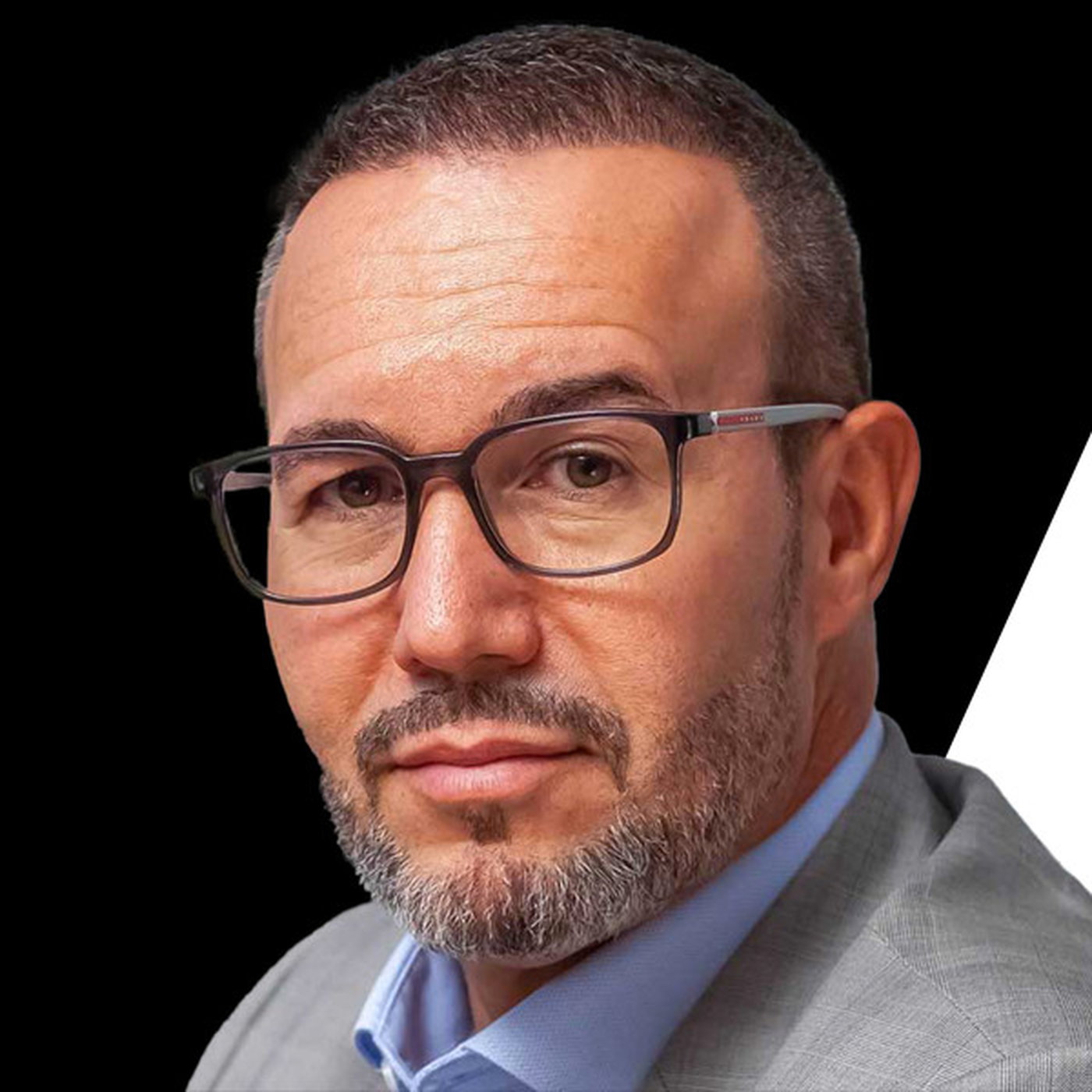
TCS | Rebooting Cell C: Jorge Mendes sets out his strategic plan
Jorge Mendes has been in the hot seat at Cell C for just over a year, and the turnaround at the long-troubled mobile operator is starting to gain traction. In this episode of the TechCentral Show (TCS), Mendes sits down with TechCentral editor Duncan McLeod for a detailed interview in which he provides an update on what’s happened in the past year at Cell C, paints of a picture of the state of the business today, and sets out what comes next for the mobile operator. To signal the management team’s intentions, and to declare the business is on a new strategic footing and is in the market for the long term, Cell C recently refreshed its brand identity and signalled its intention to take back market share from its bigger rivals. In this episode of TCS, Mendes tackles a range of questions, including: • Why he left what seemed to be a plum job at Vodacom to take on the difficult challenge of turning around Cell C; • What went through his mind in the first few days on the job; • Cell C’s plan to recapture the title of third largest mobile operator from Telkom – and to take the fight to MTN and Vodacom; • Why Cell C has struggled to compete, how it accumulated huge amounts of debt and why the new strategy is its best but last chance of success; • The state of Cell C’s finances – and especially its balance sheet – following the recent recapitalisation led by its largest shareholder, Blue Label Telecoms; • His relationship with Blue Label founders and co-CEOs Brett Levy and Mark Levy; • The role of regulatory support, especially in call termination; • Why Cell C handed back the spectrum it secured in the 2022 spectrum auction, and its plans for participation in future auctions; • The role of mobile virtual network operators and wholesale services in Cell C’s recovery plan; and • Cell C’s strategy to capture more of the lucrative contract market. There’s plenty more in the interview with Mendes – don’t miss the conversation!

Dominic Cull on why 'Fair Share' is a non-starter in South Africa
The big mobile network operators in South Africa “have never shown a willingness to … accommodate smaller players”, so the notion that they should be entitled to “Fair Share” is “difficult to swallow for smaller operators who have been at the end of their [unfair] business practices”. That’s the view of Dominic Cull, a leading specialist South African ICT lawyer and regulatory adviser to the Internet Service Providers’ Association (Ispa), who was speaking to the TechCentral Show (TCS) in an interview (published below). Cull’s criticism of Fair Share – at least in the form being advanced by the large telecoms operators – comes as the Association of Comms & Technology (ACT), a lobby group that represents the country’s largest telecoms providers, agitates for its adoption by policymakers in South Africa. Fair Share is an idea that has gained traction among operators in Europe, where margins have been pressured in a competitive market. They argue that so-called OTT – “over the top” – companies, which include streaming video providers such as Netflix, Disney+ and TikTok, should contribute a “fair share” to the development of broadband infrastructure. Critics have said this is simply a move by infrastructure providers, which have experienced margin compression with the move from voice to data services, to try to claw back lost profits. Speaking at last month’s Datacentrix Showcase 2024 event in Sandton, ICT industry stalwart Andile Ngcaba – who founded Convergence Partners – said the move by ACT to pressure policymakers and regulators over “Fair Share” is not needed or wanted in the South African context. “If it ain’t broke, don’t fix it,” said Ngcaba, who is a previous policymaker in South Africa and who served as director-general of communications in the Nelson Mandela administration. In the interview with TCS, Cull echoed this view and said ACT’s lobbying for Fair Share is partly aimed at “catching the ear” of newly appointed communications minister Solly Malatsi and influencing what is included in forthcoming amendments to legislation that governs the ICT sector in South Africa. In this episode of TCS, Cull chats about: • Whether ACT has a point about Fair Share; • How big content players impact smaller operators and internet service providers, and why the call for Fair Share is coming from the industry’s biggest players; • The investments by the OTT players in both terrestrial and subsea fibre infrastructure, including Google’s investment in the Equiano cable and Meta Platforms’ involvement in 2Africa; • Whether mobile network operators doomed to become low-margin “dumb pipes” like other utility industries. Can they somehow avoid that fate? Don’t miss the discussion, and if you enjoyed it, check out our December 2023 interview with Dominic Cull on Starlink in South Africa.

Scott Gibson on his new role as Pragma CEO
Former Britehouse CEO Scott Gibson was recently appointed as chief executive of enterprise asset management company Pragma. He is the guest in this episode of the TechCentral Show (TCS). Gibson, who also previously headed Dimension Data’s (now NTT Data’s) global digital practice, tells TCS about his appointment and why he decided to join Pragma, which develops a software platform in South Africa that it exports to companies around the world. Gibson plans to step up that internationalisation effort as CEO. “Pragma’s software competes comfortably with the world’s top brands, such as SAP, Maximo and IFS Ultimo. I plan to use my experience growing software businesses to help Pragma achieve its international expansion goals,” he says. Co-founder and outgoing CEO Adriaan Scheeres, who led Pragma for 34 years, will remain a shareholder and member of the board. In the interview, Gibson chats about: • Pragma’s history and what it does; • The size of the business, and the opportunities he sees abroad for the company; • The firm's clients; • The trends in the enterprise software market; and • The application of artificial intelligence. Don’t miss the conversation!

ESP's Herman Maritz on Eskom's miraculous turnaround
Herman Maritz, one half of the pair that developed the ESP load shedding app (formerly known as EskomSePush), is grateful that Eskom may finally have load shedding licked – even if that means fewer people are using the app. Maritz, who returns to the TechCentral Show (TCS) – he was last a guest in 2021 – reflects on the past four-and-a-half months without load shedding, and what that’s meant for ESP – apart from giving himself and his business partner, Dan Southwood-Wells, to focus on other projects. In this episode of TCS, Maritz unpacks the impact of the suspension of load shedding, what that’s meant for advertising and subscriptions on the platform, and what’s next for ESP. He also chats about: • How ESP is helping communities with load reduction; • How they’re using generative artificial intelligence in the app; and • The opportunities to launch the software in new markets. Lastly, he reveals a few interesting statistics about ESP, including the number of times the app has been downloaded (it’s a staggering number).
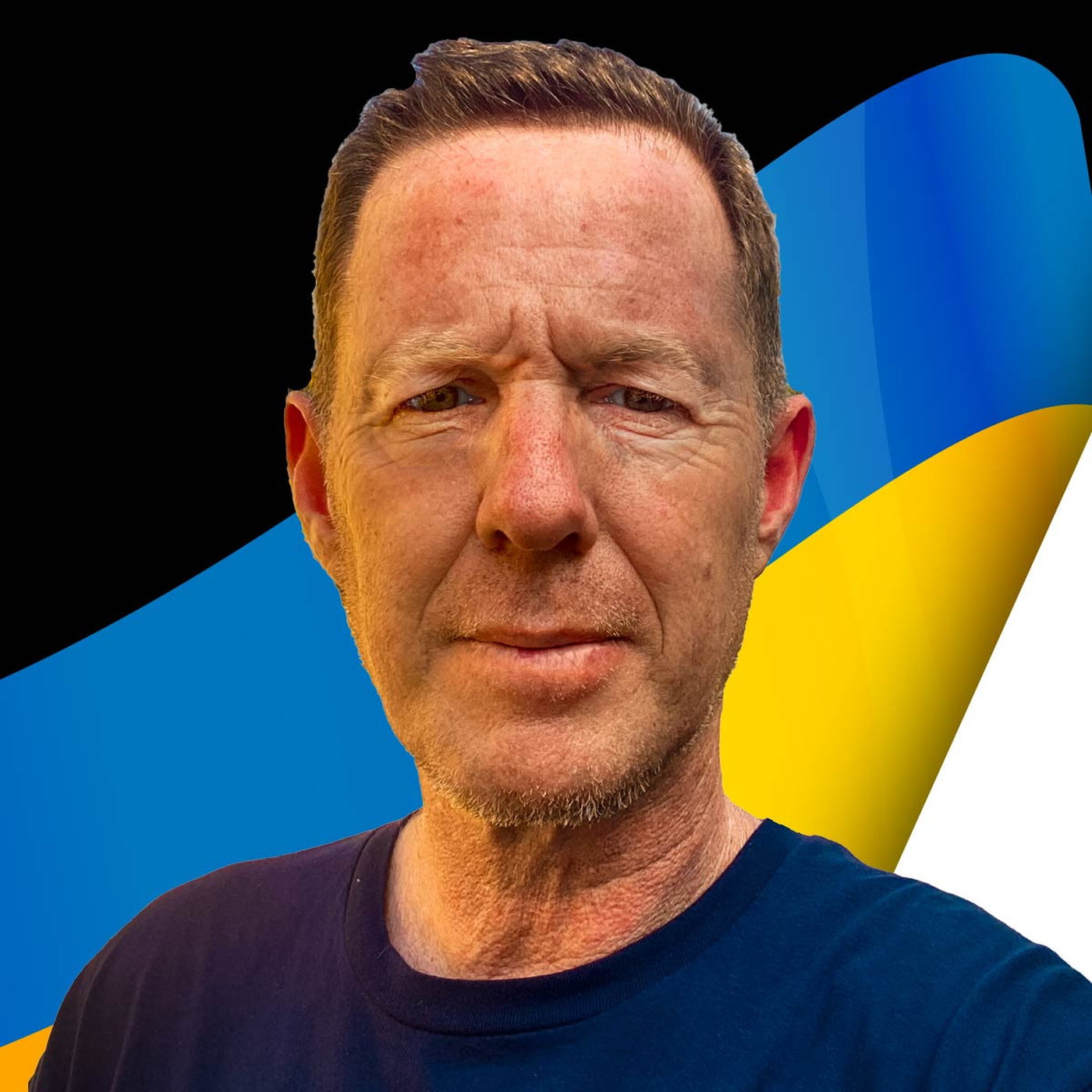
The Ronnie Apteker interview - his life in Ukraine
The 24th of February 2022 is a day Ronnie Apteker – and millions of his countrymen in his adopted home of Ukraine – will never forget. Apteker woke up early that morning – as millions of others did – to the sound of bombs and missiles raining down. After months of military build-up along Ukraine’s eastern flank, Russian dictator Vladimir Putin had ordered a full-scale invasion. In this special edition of the TechCentral Show, we chat to Apteker – a pioneer in South Africa’s internet industry – about his life in Ukraine amid the ongoing war. Apteker has a storied career as co-founder of Internet Solutions, one of South Africa’s first and most successful internet service providers. He is also well known as a producer and promoter of movies, including Material and Beyond the River. In 2015 Apteker bought an apartment in Kyiv and started a new life in the city, attracted by the country’s diverse tech scene and its incredibly beauty. He had established a new and promising life for himself in Ukraine – he married a local woman, Marta, with whom he has a young boy (affectionately called “the Bunster”). Both Marta and the Bunster are now refugees from the war, living in Poland. Never in a million years did Apteker expect he would be caught up in a major conflict, never mind the biggest land war in Europe since World War 2. Today his life involves moving between Poland and Kyiv, where he has friends as well as business interests in the tech sector which he continues to nurture despite the chaos caused by Putin’s aggression. In this sometimes emotionally raw interview, Apteker tells TechCentral editor Duncan McLeod about why he left South Africa to go and live in Ukraine, how the war started (he woke up early one morning to missiles raining down on Kyiv), what it’s like to live in a warzone, and how he’s coping with the daily hardships caused by the conflict. Apteker, who is known for his wicked sense of humour – in a previous life he was even briefly a stand-up comedian – admits it’s been exceptionally difficult to stay positive about the future, but that he’s managed to keep going even us Putin’s war machine grinds on. In the interview, Apteker chats about his daily life now and what it entails; the US election, and why Ukrainians fear another Donald Trump presidency; the new documentary film about the war that he’s been working on; his passion for moviemaking; and why love is the most important thing in the world. Don’t miss the interview.

The Volvo EX30 electric car, reviewed by an owner
The Volvo EX30 is undoubtedly one of the most exciting electric cars to be launched in South Africa in 2024. The vehicle, whose price starts at R792 000, offers a combination of price, performance and luxury tweaks that has attracted considerable appeal among South African consumers interested in making the switch to electric mobility. But what is the Volvo EX30 like to drive? TechCentral recently had the opportunity to spend time with the twin-motor version of the EX30 to put it through its paces. Apart from a few minor niggles, including the quality of materials used in the dashboard, we can confidently say this is a very compelling option for those interested in buying an EV in the sub-R1-million price category. While it’s not as affordable as more entry-level EV models from the likes of China’s BYD, the vehicle offers many luxuries usually reserved for more expensive EVs, including a panoramic (non-opening) sunroof, high-end Harman Kardon audio and well-thought-out software features. It’s easy to see where Volvo has compromised to get the price down, but the decisions it has made in this regard have mostly been carefully considered. As for the driving experience, the power underfoot is extraordinary. The twin motor version TechCentral tested accelerated from 0-100km/h more quickly than a Porsche 911 – it really is a thrill to drive! This is a sentiment shared by Greg Cress, who owns the EX30 and has been driving it since March, when he took delivery from Volvo. Cress joined TechCentral editor Duncan McLeod on the TechCentral Show (TCS) recently to review the vehicle and to talk about the state of the EV market more broadly in South Africa. Cress, who works for Accenture – where he is principal director of automotive and e-mobility – told TCS about his experiences with the vehicle and what he likes about it and what he doesn’t. He unpacks his experiences so far, including with the regular software updates that Volvo has issued and why he settled on the EX30 over other EV options available in the South African market. He also shares details about a recent long-distance return trip he did from Pretoria to White River in Mpumalanga and how he found utilising the charging points along South Africa’s national roads. Then, in the second part of the TCS interview, Cress shares his views on the state of the EV market in South Africa, what is hindering its wider adoption and the outlook for electric mobility in the country. Don’t miss a hugely informative interview.
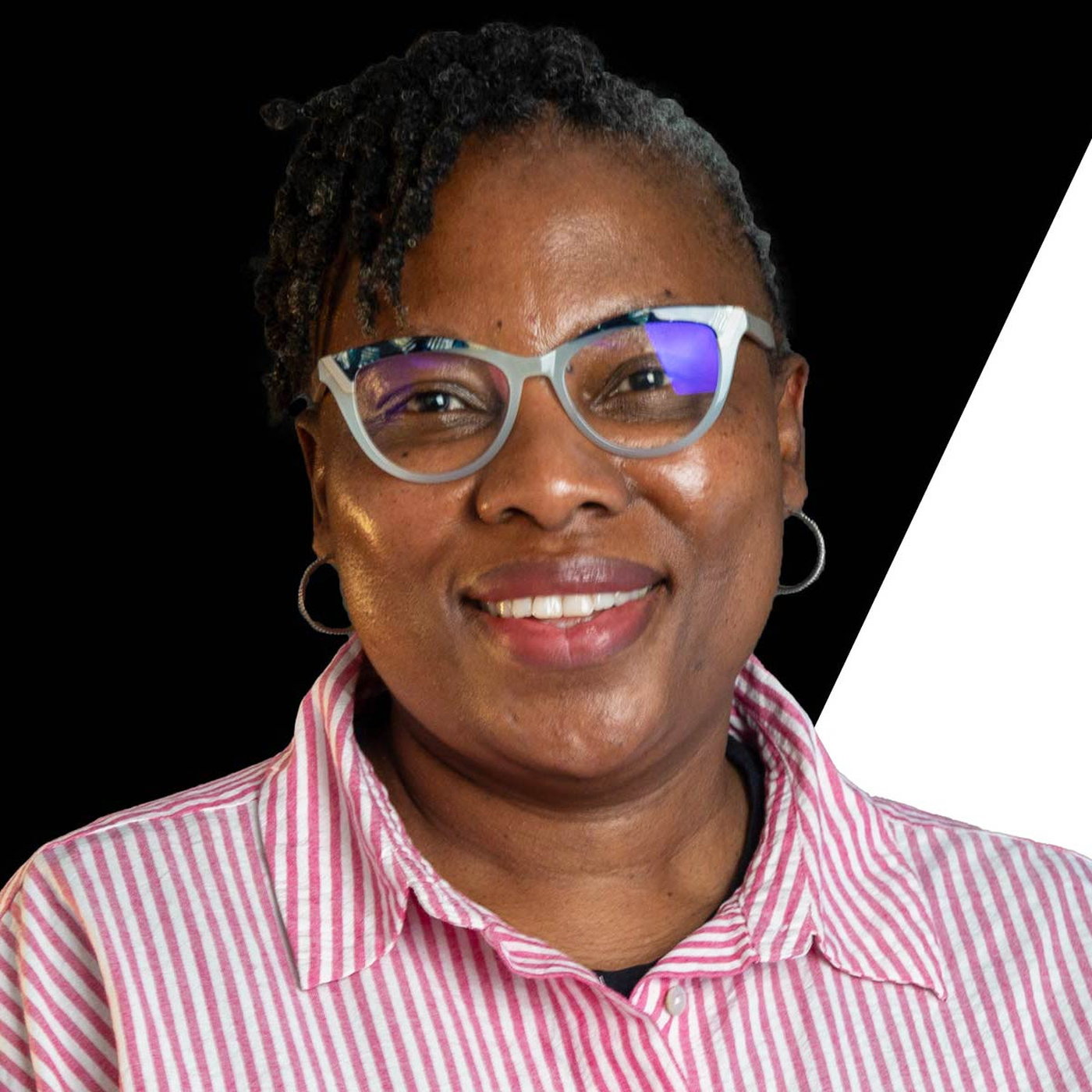
Nomvuyiso Batyi on what needs fixing in SA telecoms
South Africa’s telecommunications industry is facing a barrage of threats, from crime and vandalism to power cuts and overreach by politicians. This is the word from Nomvuyiso Batyi, CEO of telecommunications industry lobby group the Association for Comms & Technology (ACT) and an industry stalwart who served as a councillor at communications regulator Icasa for eight years and as special adviser to the minister of communications. She was speaking to TechCentral editor Duncan McLeod on the TechCentral Show (watch or listen to the interview below). ACT, which represents the six big telecoms operators in South Africa – MTN, Vodacom, Rain, Liquid Intelligent Technologies, Telkom and Cell C – was founded two years ago as an interface between the industry and policymakers and regulators. In the interview, Batyi unpacks a range of issues affecting ACT members. She discusses: • Her first engagement with newly appointed communications minister Solly Malatsi, and her views on him; • What her day-to-day work involves; • Why government shouldn’t be setting deadlines for 2G and 3G switch-off in South Africa; • Import taxes on cellphones, and why luxury taxes on 4G devices should be scrapped; • How the load shedding problem has been replaced with the load reduction problem, and what the impact has been on operators; • The scourge of theft and vandalism, and why urgent action is needed to address the problem; and • South Africa’s upcoming spectrum auction, and why telecoms operators should get access to spectrum below 694MHz that has traditionally been reserved for broadcasting. Don’t miss the interview!

Andy Higgins on the outlook for online shopping in South Africa
Andy Higgins, founder of e-commerce solutions company Bob Group, knows more about e-commerce in South Africa than most people. Higgins founded Bidorbuy (now Bob Shop) at the height of the dot-com boom in the late 1990s, and over the past 25 years has actively participated in the industry as it has mushroomed from those nascent beginnings. In this episode of the TechCentral Show (TCS), Higgins has a look back at the growth of the industry, and what’s likely to propel its future expansion. In the show, Higgins unpacks: • How Bob Group has done since it was created nearly two years ago through the merger of Bidorbuy and uAfrica, and what the future holds for the business; • What is driving the rapid growth in South Africa’s e-commerce industry – did Covid lockdowns give it the spark for its current rapid expansion, or is there more at play?; • The rise of on-demand deliveries in South Africa and what it means for online retailers; • The rise of Chinese competitors – how much of a threat are Shein and Temu really, and is the South African Revenue Service right to crack down?; • The Competition Commission’s intervention in the market and whether it is warranted; • Whether Amazon’s South African launch was a flop; and • What trends to look out for as the market develops further in the coming years. Don’t miss a fascinating discussion!

VezoPay on new South African-made payment ring
A new smart payment ring has been launched in South Africa – and it’s built by South Africans for South Africans. In this episode of the TechCentral Show (TCS), TechCentral editor Duncan McLeod chats to VezoPay founders Jake Pinkus and Lawrence Baker about the launch of the ring – it’s available in three variants at launch – and what was behind the idea. In the interview, they not only explain why they decided to build a payment ring, but also why they’re entering what could soon become a highly competitive market globally, with both Samsung Electronics and Apple expected to launch their own smart rings later this year. Pinkus and Lawrence unpack: • How long they’ve been working on the payment ring, and where the idea came from; • How much research and development was involved, and who’s backing the innovation; • How the technology works, and what exactly is inside the ring; • The various options available at launch; • How it works without having to be charged; • How the security features work (without giving the game away); • How VezoPay is working with South African banks; • Whether the ring can be used for ticketing (concerts, Gautrain, etc); • How much it costs; • The potential competition from Samsung and Apple; and • VezoPay’s plans to expand beyond South Africa’s borders. Don’t miss the interview!
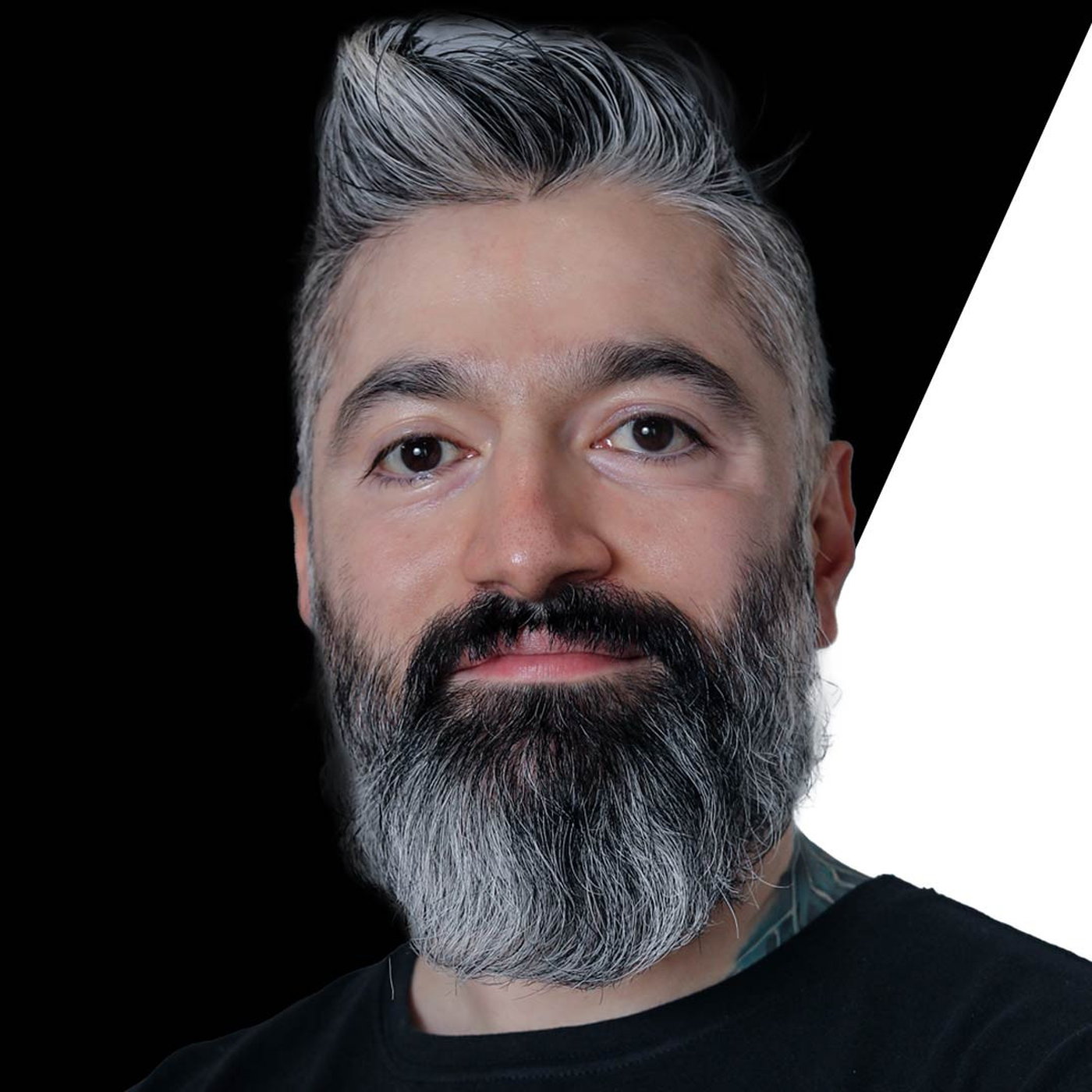
Kartik Mistry on Standard Bank Connect and SA's MVNO industry
Kartik Mistry, recently appointed head of Standard Bank Connect, believes there is still strong growth ahead for South Africa’s mobile virtual network operator (MVNO) market. Standard Bank, which recently rebranded its MVNO from Standard Bank Mobile to Standard Bank Connect and shifted its network partner from Cell C to MTN South Africa, has launched a new value proposition in cellular communications for its customers. TechCentral editor Duncan McLeod is joined by Mistry on the TechCentral Show, where he explains the bank’s decision to partner with MTN and why it decided to engage directly with a mobile network operator rather than working through an “enablement” partner as it had done previously. Kartik, who has experience in both telecommunications – he has previously served as chief operating officer at Rain – and in banking, talks about the state of the MVNO market in South Africa, where Standard Bank Connect is positioning itself strategically, and why the market might be primed for consolidation. Don’t miss the discussion!

Dean Furman on who is winning the AI race
The big developer conferences by Microsoft, Google and Apple this year all focused on artificial intelligence, with each setting out a unique strategy to win in the AI race. But what did Microsoft’s Build, Google’s I/O and Apple’s Worldwide Developers Conference tell us about each company’s strategy, and which company is leading in the race to commercialise generative AI? Dean Furman, a South African AI expert and keynote speaker, joins TechCentral editor Duncan McLeod on the TechCentral Show (TCS) to unpack the companies’ keynote presentations and what they tell us not only about their strategies but also where the technology is headed in the coming years. Furman, who also provides training on AI to corporate South Africa, chats about what the latest developments mean for businesses and consumers, and dives into what the technology means for productivity.
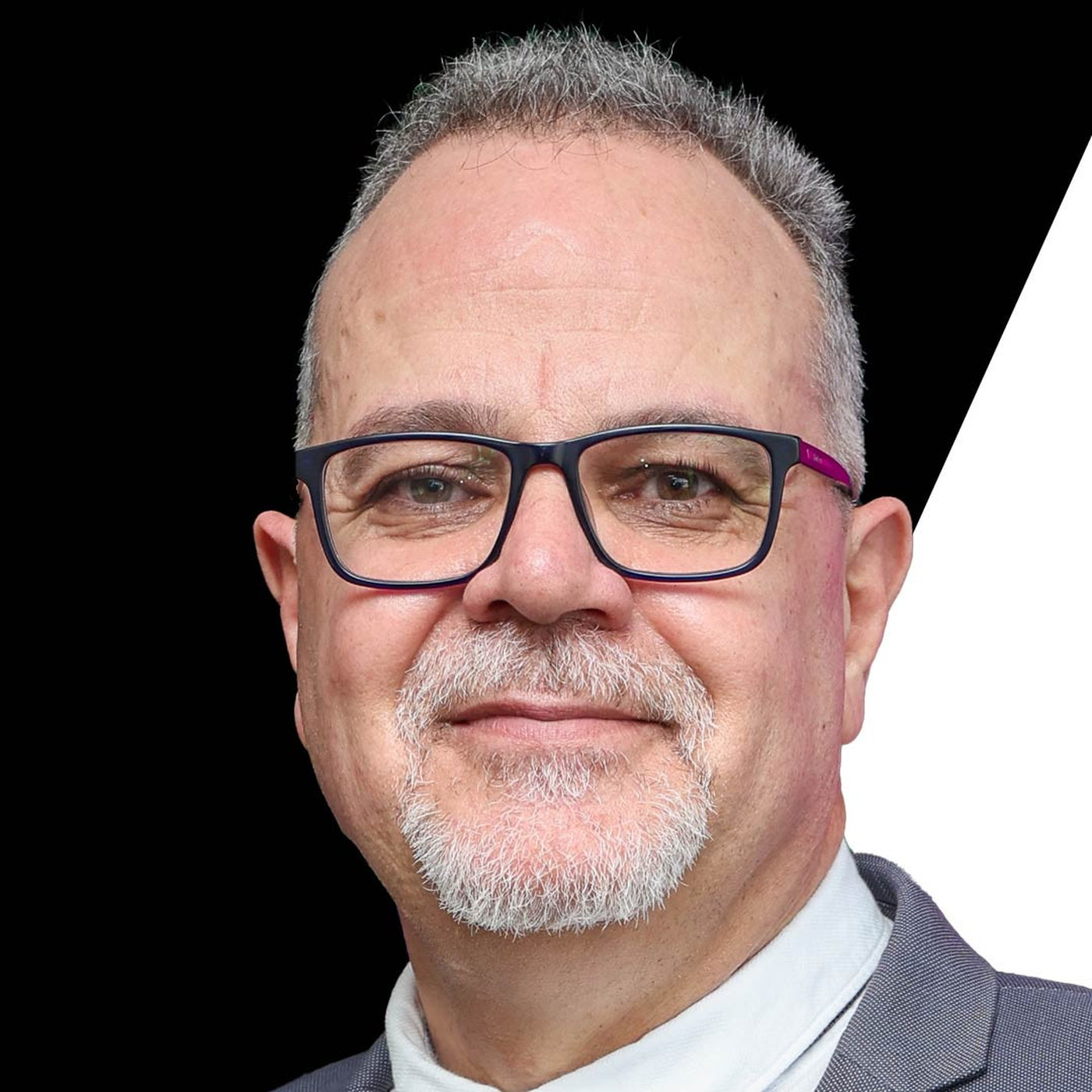
MultiChoice declares war on piracy - the man leading the fight
MultiChoice Group has been involved in two major enforcement actions against piracy kingpins in as many weeks. Frikkie Jonker, of MultiChoice subsidiary Irdeto, is the man leading the charge against these pirate operations, and he tells the TechCentral Show (TCS) that, despite recent arrests, the broadcaster’s war on streaming piracy is just getting started. More arrests and other enforcement actions are on the cards. On 5 June, MultiChoice revealed it had succeeding in nailing the streaming piracy platform Waka TV in an operation that involved Western Cape police investigators. It described the dismantling of Waka TV as “a significant victory in the fight against internet streaming piracy”. The broadcaster said it was involved in a “meticulously planned raid” on 31 May, which led to the arrest of a “key suspect involved in one of the most extensive pirate operations in Africa”. A day later, on 6 June, the broadcaster announced that through Irdeto – and working with law enforcement agencies – it had acted against another pirate streaming operation, this one in Gauteng, where a suspect was arrested for the “illegal sale of internet streaming pirate devices that allowed individuals to access MultiChoice content”. Jonker, who is antipiracy director in broadcasting and cybersecurity at Irdeto, takes TechCentral’s audience into some detail about the two law enforcement operations and what transpired. And he explains why MultiChoice is stepping up its battle against content thieves and pirate streaming operations in South Africa and the rest of the African continent. In the interview, Jonker unpacks: • How serious content piracy has become on the continent; • Why it’s often associated with organised criminal syndicates, and why consumers are putting themselves at risk by signing up to pirate streaming platforms as well as encouraging further criminal activity; • Why MultiChoice is now warning that, in addition to targeting the pirate platform operators, it may go after consumers who sign up to these platforms, too; and • How the broadcaster is working with law enforcement authorities. Don’t miss a fascinating conversation.
MTN's Bradwin Roper on PayShap - and the future of mobile money
MTN South Africa last week announced that PayShap, South Africa’s rapid payments platform, is being integrated into its Mobile Money (MoMo) platform. Bradwin Roper, chief financial services officer at MTN South Africa, is the guest in the latest episode of the TechCentral Show (TCS). He unpacks the PayShap development and what it means, and explores MTN’s fintech strategy and the future of mobile money in South Africa. In this episode of TCS, Roper chats about: * The significance of MTN becoming the first non-banking platform to offer access to PayShap; * Why and how it’s working with Investec and technical service provider Electrum to deploy the solution; * What MTN customers will be able to do with PayShap; * The growth of mobile money in South Africa, and the work that MTN is doing to grow the ecosystem; and * Lessons South Africa can draw from other emerging markets, notably India and Brazil, in mobile money and rapid payments. Don’t miss the interview!
Meet the CHIPendales - South Africa's biohacker duo
In this special episode of the TechCentral Show (TCS) – presented by MTN Business – Duncan McLeod chats to two South African biohackers, Daniel de Kock and Jarryd Bekker, about why they have voluntarily installed microchips in their bodies. Respectively the chief technology officer and CEO of Riot Network – the wireless broadband specialist that is building low-cost networks in underserviced areas, including Olievenhoutbosch in Gauteng – they tell TechCentral about why they chose to implant the chips and what they’re used for. The pair, who both profess a desire to receive brain implants from Elon Musk’s Neuralink, explain how they started augmenting their biological bodies with electronics, what’s involved, the information they’re able to glean from the chips, and where the fusion of human biology and electronics is headed over the coming decade. In the interview, Bekker and De Kock unpack how electronic circuitry in the human body can help detect and manage serious health issues, and the impact this could have on fighting disease and prolonging people’s lives. The two discuss a range of issues related to biohacking, including: • What’s involved when it’s time to upgrade the chips; • How one goes about having them installed; • The growing online biohacker community; • Integration with artificial intelligence; and • Much more. Don’t miss this offbeat but fascinating discussion!

From Namibian start-up to regional powerhouse: the rapid rise of Paratus
Paratus Group is rapidly emerging as a major player in the telecommunications industry in Southern Africa. But who’s behind Paratus, and what’s its history? From landing Google’s Equiano subsea cable in Swakopmund and building a new fibre route between South Africa and Namibia – providing a new data corridor between Gauteng and the world – to working with Meta Platforms to wire up Zambia and building expansive satellite ground stations, the Namibian-born group has its eyes firmly set on becoming a significant telecoms player in the region. In this episode of the TechCentral Show (TCS), TechCentral editor Duncan McLeod chats to Paratus Group chief commercial officer Martin Cox about the company’s origins (although founded in Namibia, it cut its teeth in Angola), its current footprint and its future growth plans. Among other topics, Cox discusses: • The impact of the recent subsea cable breaks in West Africa and the role of diverse routes in reducing the impact; • Paratus’s new fibre route from Swakopmund to Johannesburg, which runs through Botswana – its significance and what was involved in its construction; • The group’s footprint in South Africa, including its new satellite ground station in Irene, near Pretoria; and • Paratus’s culture, and why its management team is happiest in “the trenches”; and • Whether a listing for Paratus Group could be on the cards at some point (its Namibian operation is already listed in Windhoek). Don’t miss the discussion!
The internet revolution happening in Olievenhoutbosch
A dusty township in Gauteng is the site of a South African-developed mesh network that could change everything. Read the full story at https://techcentral.co.za/internet-revolution-in-olievenhoutbosch/241698/
Pretoria firm Hydrox Holdings in global hydrogen ‘breakthrough’
South African firm Hydrox Holdings has developed a new way of extracting hydrogen for use in cars and other applications that it believes will help usher in a new era of plentiful clean energy for the world. The company, based in Pretoria, has won a number of awards and other accolades for its patented intellectual property, which involves extracting hydrogen from water using a “membrane-less” electrolyser technology that it has patented globally. Corrie de Jager, the CEO and founder of Hydrox Holdings, joins the TechCentral Show (TCS) to chat about the progress the company has made in recent years in developing the technology – and why he is now looking for investors to help commercialise it. De Jager, who has been working on the technology for more than two decades, claims the technology could help move the world to non-polluting and mass-scale hydrogen fuel cell-powered cars more quickly by dramatically reducing the cost of extracting hydrogen from water. In this episode of TCS, he unpacks: • Where the idea to build a membrane-less electrolyser came from; • The proofs of concept the company has launched; • The hurdles that Hydrox’s team has had to overcome while developing the technology; • The cost and production advantages of membrane-less electrolysers; • Why hydrogen could be the next big thing in clean energy production; • What’s stopping the widespread adoption of hydrogen fuel cell-powered cars; and • Where Hydrox plans to take the technology and how it intends to commercialise it. Don’t miss a fascinating interview about a potentially ground-breaking South African innovation.

TechCentral announces TCS Legends
TechCentral, the publisher of South Africa’s leading business technology podcasts, is thrilled to announce the launch of TCS Legends. The new show will feature interviews with (and about) some of the leading figures who helped shape South Africa’s technology industry into what it is today. As the show’s name implies, we’ll be interviewing leading figures who achieved great things in – and for – the tech sector in South Africa. From PCs to IT services and software to telecoms, TCS Legends features some of the leading figures in the industry over the last 30 years. With season 1 launching later in February, TCS Legends is a by-invitation-only, editorially driven tech show that builds on TechCentral’s credible, market-leading multimedia productions, including the TechCentral Show (TCS) and TCS+. TCS Legends is powered by Mitel. For all your unified communications and customer experience needs, visit Mitel.com.
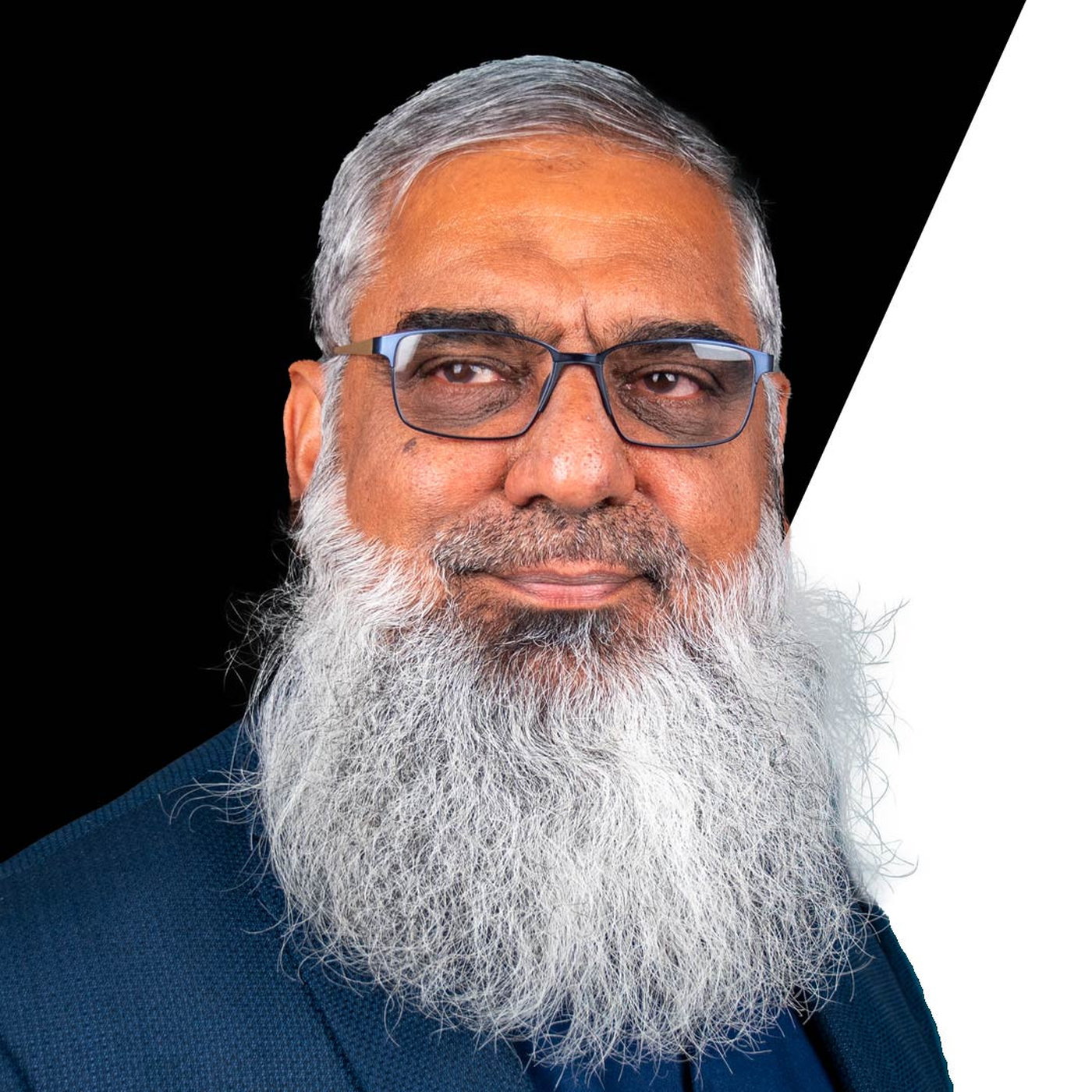
Datacentrix CEO Ahmed Mahomed on the Convergence Partners deal
Andile Ngcaba’s Convergence Partners last week announced it was buying storied South African IT services group Datacentrix from Alviva Holdings for an undisclosed sum. Datacentrix’s long-serving CEO, Ahmed Mahomed, joins the TechCentral Show (TCS) to discuss the acquisition, how it happened, why Alviva decided to sell and what the future holds for the company. In the show, Mahomed unpacks: • Datacentrix’s history, when it was founded, its JSE listing and the acquisition by Alviva; • The business’s key focus areas today; • What the Convergence Partners deal means for the future of Datacentrix; • How Datacentrix will work with Ngcaba; and • Whether the company might head back to the JSE at some point. Don’t miss the discussion!

Pheello Maboea on Kena Health winning App of the Year
Kena Health took top honours at the recent MTN Business App of the Year Awards. Its chief technology officer, Pheello Maboea, tells the TechCentral Show (TCS) about the telehealth start-up’s journey so far. Founded by Saul Kornik in 2021, Kena Health aims to improve the reach of quality healthcare services by digitising access to primary healthcare professionals. The TCS interview, hosted by TechCentral’s Nkosinathi Ndlovu, delves into: • Barriers to telehealth adoption in South Africa and how new entrants are legitimising the industry; • The challenges of designing applications for two very distinct audiences – highly technical medical staff on one hand and vulnerable patients on the other; • How the company approaches talent retention and recruitment in what can be described as a seller’s market for technical skills; • How emergent technologies such as machine learning and artificial intelligence are going to disrupt healthcare provision; and • What winning the MTN Business App of the Year means for the start-up. Don’t miss a fascinating conversation on the future of healthcare.
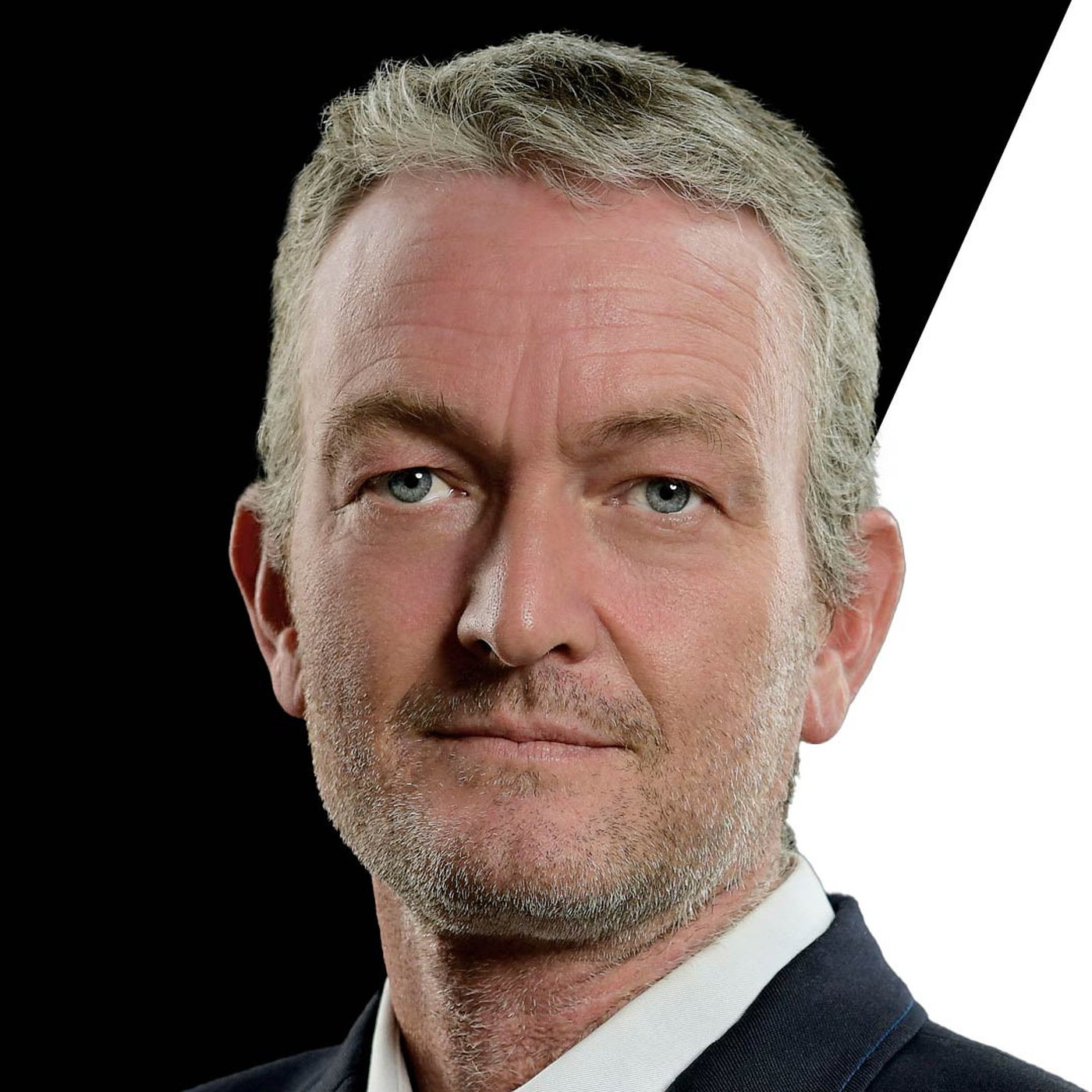
TCS | Starlink in South Africa – separating fact from fiction
There has been considerable noise about the launch – or otherwise – of Elon Musk’s Starlink satellite internet service in South Africa, much of it conjecture. What’s the real story? To unpack what exactly is required of SpaceX-launched Starlink to launch in South Africa – including the rules around black economic empowerment (BEE) – the TechCentral Show spoke to Dominic Cull, a legal expert on the subject. Cull, who serves as the regulatory adviser to the Internet Service Providers’ Association (Ispa), shares some surprising insights into the process. Topics tackled by Cull in the discussion include: • Who is really to blame for Starlink’s failure to launch in South Africa so far; • What the law really says about BEE and the issuing of telecommunications licences? • What Icasa’s licensing regime looks like, and which licence types Starlink needs to apply for to launch its services in South Africa. • Why there is an artificial restriction on the issuing of new licences – and why this makes no sense anymore. • How Icasa’s “type approvals” for communications equipment work and what they’re for. • Why Ispa members are keen to work with Starlink. Don’t miss a fascinating discussion that clears up some of the misconceptions in the market about Starlink in South Africa.

TCS | GG Alcock on the digitisation of the township economy
In this episode of the TechCentral Show, author, marketer and consultant GG Alcock chats to Nkosinathi Ndlovu about how South Africa’s informal economy is being digitised. Alcock’s background as a white boy growing up in rural Msinga, KwaZulu-Natal has helped him develop a deep cultural understanding of township life and the way business is conducted there. Indeed, he has built his career as a marketer and consultant based on his intimate understanding of the township economies. In the show, Alcock shares some of his personal history, speaks about his earliest innovations and gives detailed insight into how the adoption of digital technologies has progressed in South Africa’s informal economy in recent years. The conversation delves into: • How the Covid-19 pandemic influenced the adoption of digital payments in the informal economy; • Why card payments are outpacing banking apps, third-party payment platforms like Zapper and even PayShap in townships; • Data-driven insights about what informal business owners really think about ditching cash for digital; and • The outlook for digitisation and payments in the informal economy. Don’t miss a fascinating conversation!

Revix founder Sean Sanders on the creation of Altify
TechCentral reported on Friday that South African cryptocurrency platforms Revix and BitFund are joining forces and, together with Austria’s Coinpanion, have formed a new alternative investment platform called Altify. Revix founder and now Altify CEO Sean Sanders joins Duncan McLeod on the TechCentral Show to unpack the merger, how it came about, and what Altify hopes to do in the alternative investment space not only in South Africa but the broader Europe, Middle East and Africa region. In its new form, Altify will continue to offer the crypto investment products that Revix, Coinpanion and BitFund became known for, including a wide selection of ETF-style crypto bundles, along with other alternative finance products. He said the recent downturn in the crypto market acted as a catalyst for the merger and accelerated Altify’s expansion into non-crypto investment options. According to Sanders, these market dynamics have also primed the environment for consolidation among retail investment platforms, especially in the crypto space. “Altify is leaning into these opportunities and is engaging with other investment platforms in the UAE, the UK and Europe who could join Altify over the coming months.” Don’t miss the interview!

OneCart CEO Aidan Johnson on SA's on-demand shopping boom
Aidan Johnson, appointed by Massmart to lead on-demand delivery platform OneCart, believes South Africa is on the cusp of huge growth in online shopping – and that everything is to play for. Johnson, who joins Duncan McLeod on this episode of the TechCentral Show (TCS), talks about the OneCart business, why Massmart bought it and where it’s headed. The conversation delves into: • Why OneCart works with third-party retailers that compete with Walmart-owned Massmart, the parent of brands such as Makro, Builders and Game; • How OneCart fits into Massmart’s overarching e-commerce strategy for South Africa; • The state of the e-commerce market in South Africa, including the on-demand segment, and the impact that Covid has had on its development; • With the launch of Amazon.com’s retail marketplace operators in South Africa looming large, the impact this will have on the local retail industry – are local retailers ready to take on the global e-commerce giant?; • The outlook for e-commerce growth in South Africa for the rest of the 2020s and what needs to be overcome for online sales as a percentage of total retail sales to reach 15%, from 5% now. Don’t miss a fascinating discussion about online shopping in South Africa and how local retailers – including Massmart and OneCart – are preparing for significant disruption to the retail sector in the years ahead.

How ShotSpotter is fighting gun crime in Cape Town
ShotSpotter, a technology that “listens” for gunshots to help law enforcement authorities pinpoint potential criminal activity, has been deployed in high-crime parts of Cape Town for some years. In this episode of the TechCentral Show (TCS), Duncan McLeod chat to Tom Chittum, senior vice president for forensic services at SoundThinking, the company that owns the acoustic gunshot detection technology, to learn about how it’s being deployed not only in South Africa but in cities around the world. In the interview, Chittum chats about: • How ShotSpotter is being used in Cape Town; • How the technology works – its advantages and drawbacks; • How law enforcement agencies use ShotSpotter to fight crime; and • How ShotSpotter is being used in US cities to tackle gun violence. Don’t miss a fascinating discussion.

Mesh.trade's Connie Bloem on the future of finance
The future of finance is on the blockchain. That’s according to Connie Bloem, co-founder and MD of Mesh.trade, who was speaking to the TechCentral Show (TCS) about alternative (AltFi) and decentralised finance (DeFi). Mesh is owned by 42Markets Group, which recently secured a R182-million funding round from technology investor Convergence Partners. Much of that funding will be used in Mesh’s expansion plans. Bloem, who lives in Paris, told TCS that Mesh is attempted to serve as a bridge between the world of traditional finance, also known as TradFi, and AltFi and DeFi. Among other topics, Bloem chats about what these changes mean for ordinary investors. Don’t miss a great discussion!

Rahul Jain on Peach Payments’ big funding round
Earlier this month, Cape Town-based fintech Peach Payments announced it had secured US$30-million (R570-million) in a fundraising round led by Apis Partners. In this episode of the TechCentral Show, Rahul Jain, co-founder of CEO of Peach Payments, tells TechCentral editor Duncan McLeod about the funding round and what the company plans to use the money to do. In the interview, Jain unpacks: * His background growing up in India and how his career brought him to South Africa; * What Peach Payments does and why; * The company’s business model; and * Its growth plans, including expansion outside South Africa. Jain also explains why Peach Payments went the private equity route with the latest funding round. Don’t miss the interview!
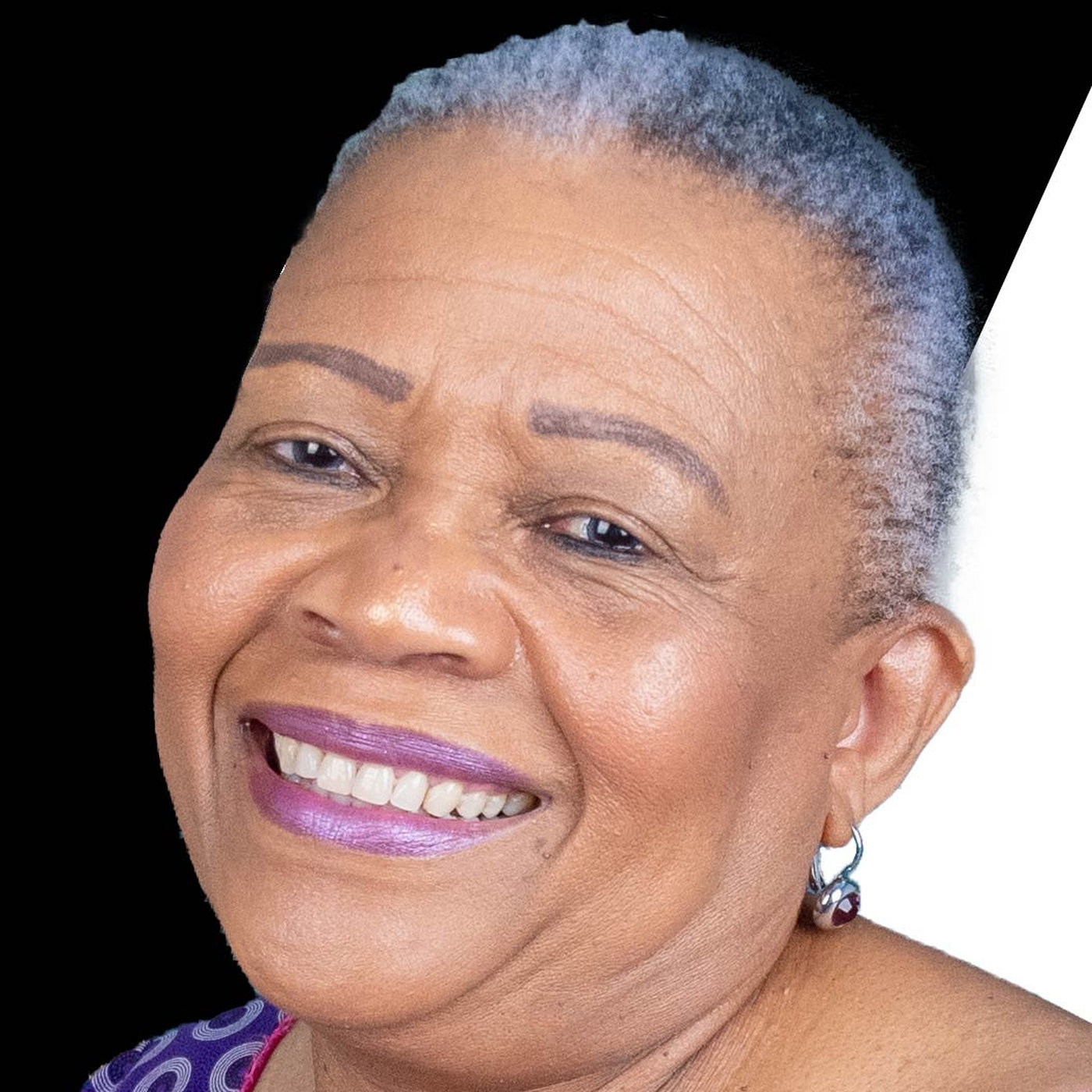
The Information Regulator bares its teeth - an interview with Pansy Tlakula
TCS | Pansy Tlakula: Information Regulator bares its teeth The Information Regulator, the agency responsible for enforcing the Protection of Personal Information Act (Popia), is starting to flex its muscles. Among other things, the regulator is tasked with investigating data breaches – including cyberattacks – and will not hesitate to mete out punishment on companies and government entities that don’t take the protection of customer or citizen information seriously. Already engaged in an enforcement action over a cyberattack at the department of justice & constitutional development – the department was fined R5-million – the regulator is seeing a flood of self-reported incidents reach its offices. In fact, more than a thousand such incidents have been reported this year alone, a sharp increase from the 2022 figure of about 600. TechCentral recently welcomed the Information Regulator’s chair, Adv Pansy Tlakula, onto the TechCentral Show (TCS) for a discussion about the regulator, its enforcement actions and some of the investigations it is pursuing. In the TCS interview, Tlakula chats about: • Her day-to-day duties as chair of the Information Regulator; • Popia and the Promotion of Access to Information Act and the Information Regulator’s role in enforcing both pieces of legislation; • What organisations in both the private and public sectors should know about the work of the regulator; • Enforcement actions that it has been involved in, including the ongoing matter involving the department of justice and a resolution to a dispute with pharmacy chain Dis-Chem over a recent incident involving customer information; • The reported cyberattack on the State Security Agency and what the regulator plans to do about it; • The rising number of cyberattacks on public sector infrastructure, what’s driving it and what can be done about it; and • Much more besides. Don’t miss a great discussion!

The Levy brothers on the future of Blue Label and Cell C
TCS | The Levy brothers on the future of Blue Label and Cell C When JSE-listed Blue Label Telecoms released its annual results two weeks ago, it showed its core business continuing to grow at a respectable pace. Yet investors dumped the share, worried about a lack of disclosure about Cell C’s performance. Now, in an exclusive interview with the TechCentral Show (TCS), the company’s founders and co-CEOs, brothers Brett and Mark Levy, have spelt out exactly why they believe investors have punished the share, why they decided not to publish numbers for Cell C (this time around), and what their strategy is for the long-troubled mobile operator after the completion last year of its second recapitalisation in six years. In the interview, Mark Levy looks back to the founding of the company more than 20 years ago, how it pivoted into cellular airtime, and its listing on the JSE. The conversation later shifts to a detailed discussion with Brett Levy on Cell C. He answers a wide range of questions, including: • Why did Blue Label buy Cell C in the first place? • What went wrong after the first recap? • What’s stop things going awry again at Cell C? • Why is Blue Label pursuing a controlling stake in the mobile operator? • What’s the potential upside at Cell C? • Just how important is the mobile virtual network operator business? (Cell C recently concluded an MVNO deal with Capitec.) The brothers also tackle the difficulty in understanding Blue Label’s results, driven by the highly complex restructuring at Cell C. They tackle these questions: • Shouldn’t Blue Label be doing more to make its results understandable to shareholders, especially ordinary investors? • Doesn’t buying control of Cell C expose Blue Label to even greater potential risk? • What’s the outlook for Blue Label’s core business? • What are the exciting growth areas in the core business, such as betting/gaming? • Is Blue Label mulling a buyout of minorities and a delisting from the JSE? Don’t miss the most detailed and information-packed interview the Levy brothers have given in years. If you enjoyed the interview, please consider subscribing on YouTube or your favourite podcast app.

Sumeshin Naidoo on Sigfox and the future of IoT in South Africa
It’s been a year since investors, including the business’s own customers, came to the rescue the Sigfox internet-of-things (IoT) network in South Africa. Now its chief commercial officer, Sumenish Naidoo, has told the TechCentral Show (TCS) that Sigfox South Africa is not only on a sustainable growth trajectory, but has big big growth plans for the rest of this decade. This comes after Remgro’s CIVH in 2021 pulled the plug on Sigfox operator SqwidNet, citing weak customer demand. Founded eight years ago under CIVH subsidiary Dark Fibre Africa, the difficulties at SqwidNet came as a shock to its customers, including Discovery Insure and ADT, that had come to rely heavily on the nationwide Sigfox network. Former CIVH CEO Raymond Ndlovu said in an interview with TechCentral at the time that the decision to shut down SqwidNet, which by then had been moved out of Dark Fibre Africa as a separate entity under CIVH, was because customer take-up had not been as strong as hoped. The Covid-19 pandemic and associated lockdowns resulted in depressed commercial activity, which worsened the problems at SqwidNet. Support from SqwidNet’s customers, though, ensured the Sigfox network was saved. CIVH has remained a shareholder in the newly created Sigfox South Africa, albeit now as a minority one, along with Macrocomm, Discovery Insure, Fidelity ADT and Buffet Investments. In this episode of TCS, Naidoo tells TechCentral editor-in-chief Duncan McLeod about what’s happened at Sigfox South Africa since the rescue deal last year, and why he believes there is still a significant opportunity for growth in IoT in the country, despite the troubles experienced at SqwidNet. Naidoo also talks about: • What IoT is, and why it could help grease the wheels of commerce; • The history of Sigfox in South Africa, and how Sigfox’s technology differs from traditional cellular communication and other IoT protocols; • What the Sigfox network in South Africa looks like today; • How the network is being used; and • How consumers can get their hands on Sigfox-capable IoT devices. Don’t miss a fascinating interview!

Joel Bronkowski on Paystack's big expansion plans
Nigerian fintech Paystack, which was acquired by Stripe, the Irish-American firm founded by the Collison brothers in 2020 for US$200-million, has big plans to expand elsewhere in Africa. Joel Bronkowski, Paystack’s country head for South Africa, joins the TechCentral Show (TCS) to talk about these expansion plans as well as the state of fintech on the continent. Paystack, which is headquartered in Lagos, was founded by Shola Akinlade and Ezra Olubi and received early funding from Silicon Valley start-up accelerator Y Combinator. In the TCS interview, Bronkowski also chats about: • Paystack’s plans for the South African market; • How the company is approaching the South African market in comparison to its strategy for Nigeria and other countries; • The problems the company is trying to solve; • The Stripe acquisition and what it means for Paystack; and • Paystack’s growth strategy. Don’t miss a great discussion about disruption in financial services in Africa.

TCS | Superbalist founders on their new venture, Bash
Luke Jedeikin and Claude Hanan are well known for founding Superbalist, the online fashion store bought in 2014 by Takealot Group. Now the pair has embarked on a new venture, launched in The Foschini Group (TFG) stable, called Bash, and they tell Duncan McLeod on the TechCentral Show (TCS) all about it. To start the discussion, Hanan and Jedeikin talk about the origin of Superbalist – it began life as a group-buying deals site akin to Groupon. They then chat about how the big Takealot deal happened and what it meant for Superbalist. The conversation them turns to how the TFG opportunity came about and what the JSE-listed retail group is hoping to achieve with the launch of Bash – it’s online at bash.com. They also explain why they chose the name Bash and what was involved in securing a four-letter dot-com domain. Among many other topics, Jedeikin and Hanan provide their views on: • The state of e-commerce in South Africa; • Why Bash is a mobile-first app shopping destination – it also works fine on the web; • The complexities of selling fashion online; and • The competitive landscape in South Africa and how it’s evolving. Don’t miss a fascinating discussion!

Takealot Group CEO Mamongae Mahlare on the outlook for e-commerce
What does the future hold for e-commerce in South Africa? Takealot Group CEO Mamongae Mahlare joins the TechCentral Show (TCS) to unpack this and more. In the interview, Mahlare talks about her career background and how she came to Takealot. She also discusses: • The transformative impact of the Covid-19 pandemic, how it drove up online shopping and why it’s impact is still being felt. • Takealot Group’s slowing growth – why it’s happening, and what it says about the e-commerce space in South Africa. • The impact of increased competition from traditional retailers embracing internet commerce. • The Competition Commission’s investigation into online markets, and why the authorities need to tread carefully. • The rumoured launch later this year of an Amazon marketplace in South Africa, and how this will impact the market and Takealot. • What will shape the development of e-commerce in South Africa in the coming years. • The role, if any, for the Post Office in e-commerce fulfilment. Don’t miss a fascinating discussion.

Volvo MD Greg Maruszewski: SA is ready for EVs
Volvo Cars, part of Sweden’s Volvo Group, has seen a big growth in interest in electric vehicles from the South African motoring public – and the company hopes the introduction early next year of its most affordable EV yet, the EX30, will accelerate that. That’s according to Volvo Cars South Africa MD Greg Maruszewski, who was speaking to Duncan McLeod on the TechCentral Show (TCS) – watch or listen to the interview below. Volvo has been one of the most aggressive car manufacturers in pivoting from internal combustion engines to electric motors. Indeed, it said two years ago already that it intends to become a fully electric car company by 2030. In this episode of TCS, Maruszewski unpacks: • Volvo’s transition to EVs and its strategy around electro-mobility; • What South Africans think about EVs, and why they’re warming to the concept; • Where Volvo is positioned in the car market, and why some of its newer models, like the XC30, are aimed at a younger audience; • Volvo’s expectations for the EX30 compact sports utility vehicle in the local market, and more details about the new model – including performance, battery range, integrated technology and pricing, which is expected to start at about R776 000; • Volvo’s relationship with Google; • The development of charging infrastructure in South Africa; • What government could be doing to encourage greater EV adoption; and • The future of the cars – what can we expect in the coming years? Don’t miss a fascinating interview!
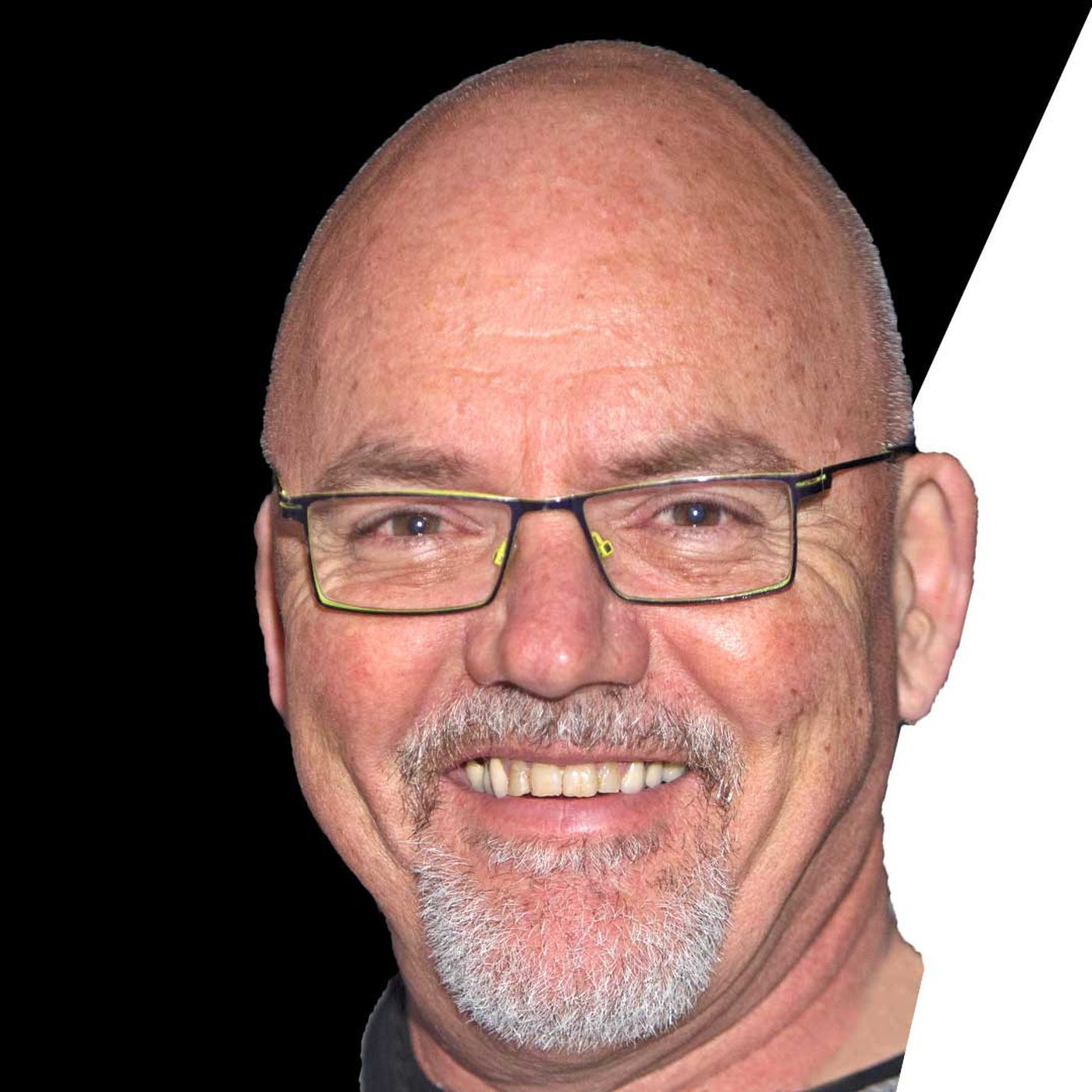
Bryan Hattingh on what’s required of leaders in 2023
Bryan Hattingh, CEO of Cycan, is well-known in South Africa’s technology industry for his leadership coaching and for helping companies find top talent. Hattingh joins Duncan McLeod on the TechCentral Show (TCS) to discuss what he believes is required of leadership in a post-Covid world – hint: it’s not more of the same. He discusses a range of issues in the interview, including: • How the pandemic changed what’s required of business leaders; • How companies can maintain their unique cultures in the era of remote working; • What artificial intelligence means for the modern workplace; • What works best – hybrid, remote or in-office only – and why; • Why companies might not be measuring success correctly – it should go beyond regular reporting on financial metrics such as Heps and Ebitda; • How firms can help employees find meaning and satisfaction in the workplace; and • The emigration wave in South Africa and its impact on the country. Don’t miss a great discussion!
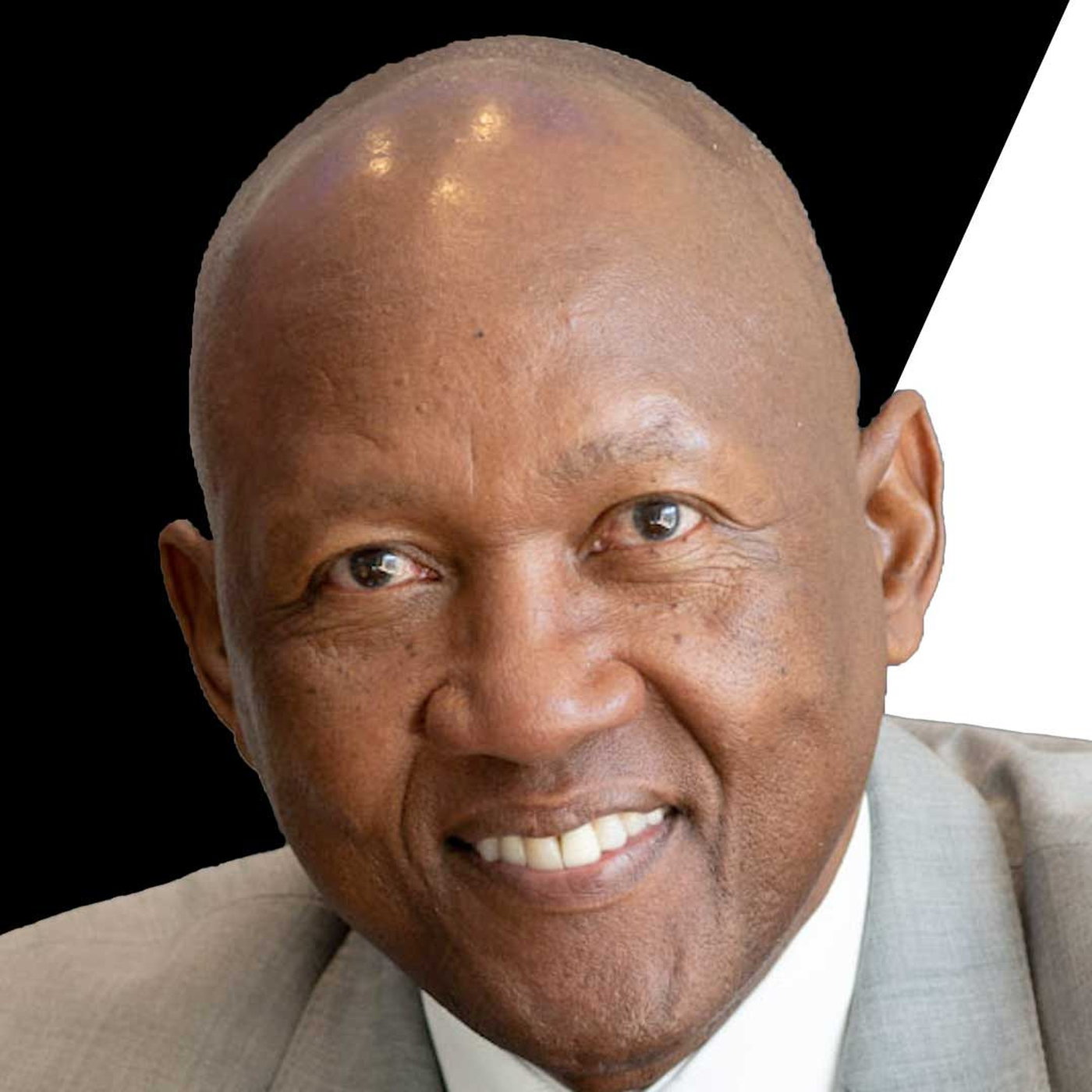
Andile Ngcaba on his go-global investment plans
It’s been just over 20 years since Andile Ngcaba quit his government job – he was director-general of communications – and became an investor in the technology sector. Now, in an interview with Duncan McLeod on the TechCentral Show (TCS), Ngcaba looks back at the past two decades, the formation of Convergence Partners, the investments the business has made and why, and its focus areas. Ngcaba, who splits his time between Africa and Silicon Valley – where he has a home – unpacks the recent announcement that Convergence Partners Investments is rebranding as Solcon Capital and has appointed a new CEO, Pramod Venkatesh, and why its focus has been broadened beyond Africa to both developing and developed markets. “Under this new brand, Solcon will focus on international deep tech investments in generative AI and large language models, synthetic data and big data, cybersecurity, and quantum computing across South Africa, India and Southeast Asia, leveraging scale through platform economics,” Solcon said in a statement last week. Also in this TCS interview, Ngcaba talks about: • What he has learnt from his time in Silicon Valley, and why it’s not easy to replicate the Valley model in other parts of the model. “It’s more a state of mind,” Ngcaba tells TechCentral. • What he set out to achieve when he started Convergence Partners. • The highlights of the investments the company has made over the years. • What excites him the technology space today, and why. The original Convergence Partners pitch presentation to investor Nedbank, which Ngcaba talks about in the opening minutes of the interview, is available to download on TechCentral's website. Don’t miss a wide-ranging and fascinating discussion!