Tante Belle Cose, an Italy Travel podcast
52 episodes — Page 1 of 2
Ep. 46: More Wisdom For How To Plan Multigenerational Travel to Italy
Ep. 45: A Permanent State of Astonishment
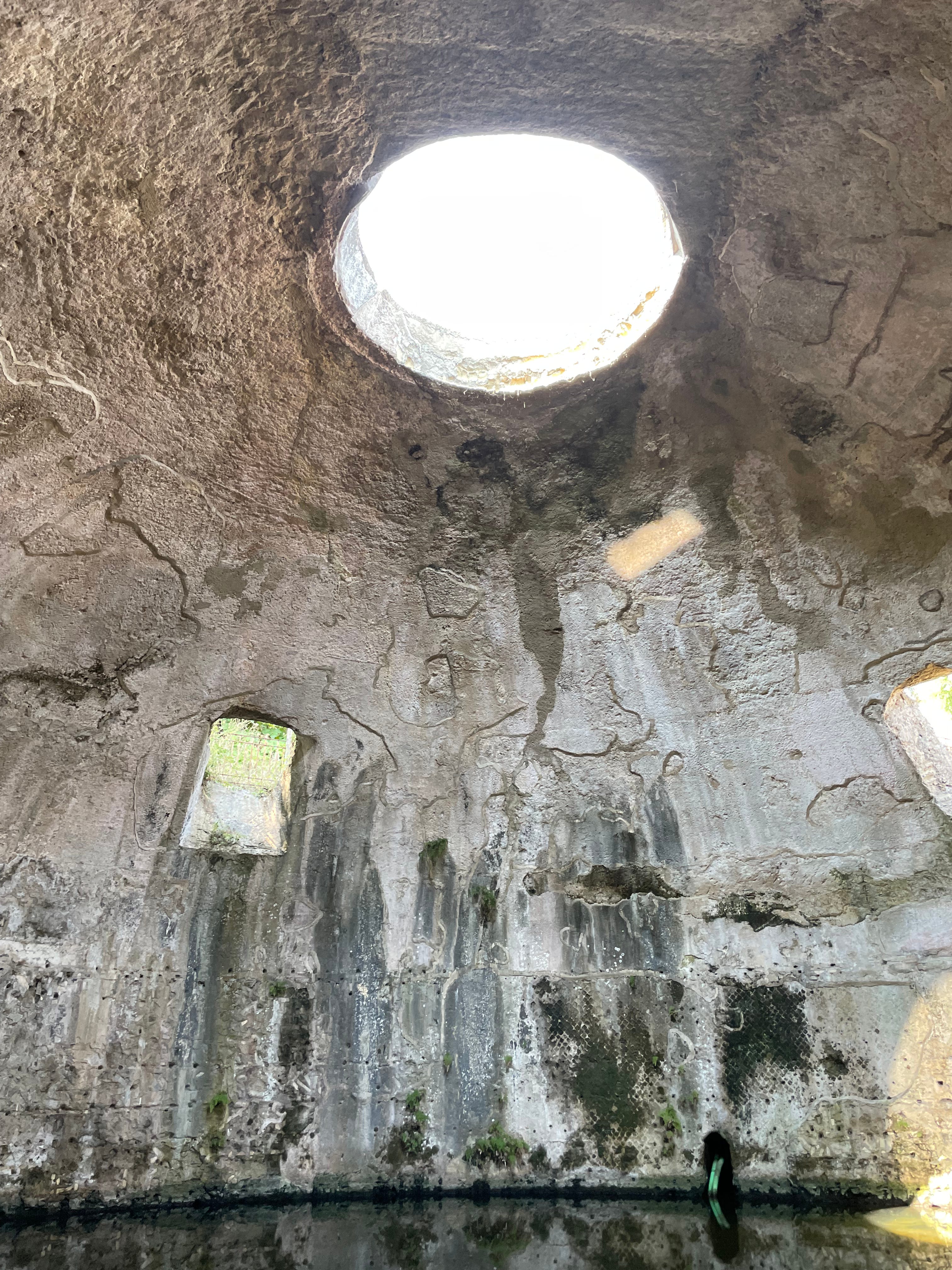
Ep. 44: Discovering Italy’s Atlantis: Baia and the Sybil’s Cave at Cuma
Ep. 42: When to Go To Italy and Where to Go in 2027
Ep. 42: The Fake (Maybe) at the Met
Voice Note: Summer Update from Italy and Special Announcement
Ep. 41: Sirens, Shipwrecks, and the Real Ulysses Coast
Ep. 40: What To Pack For Your Italy Trip
Ep. 39: Location, Location, Salvation
Ep. 38: How to Plan Multigenerational Travel to Italy
Ep. 37: The Secret of Florence's Dome
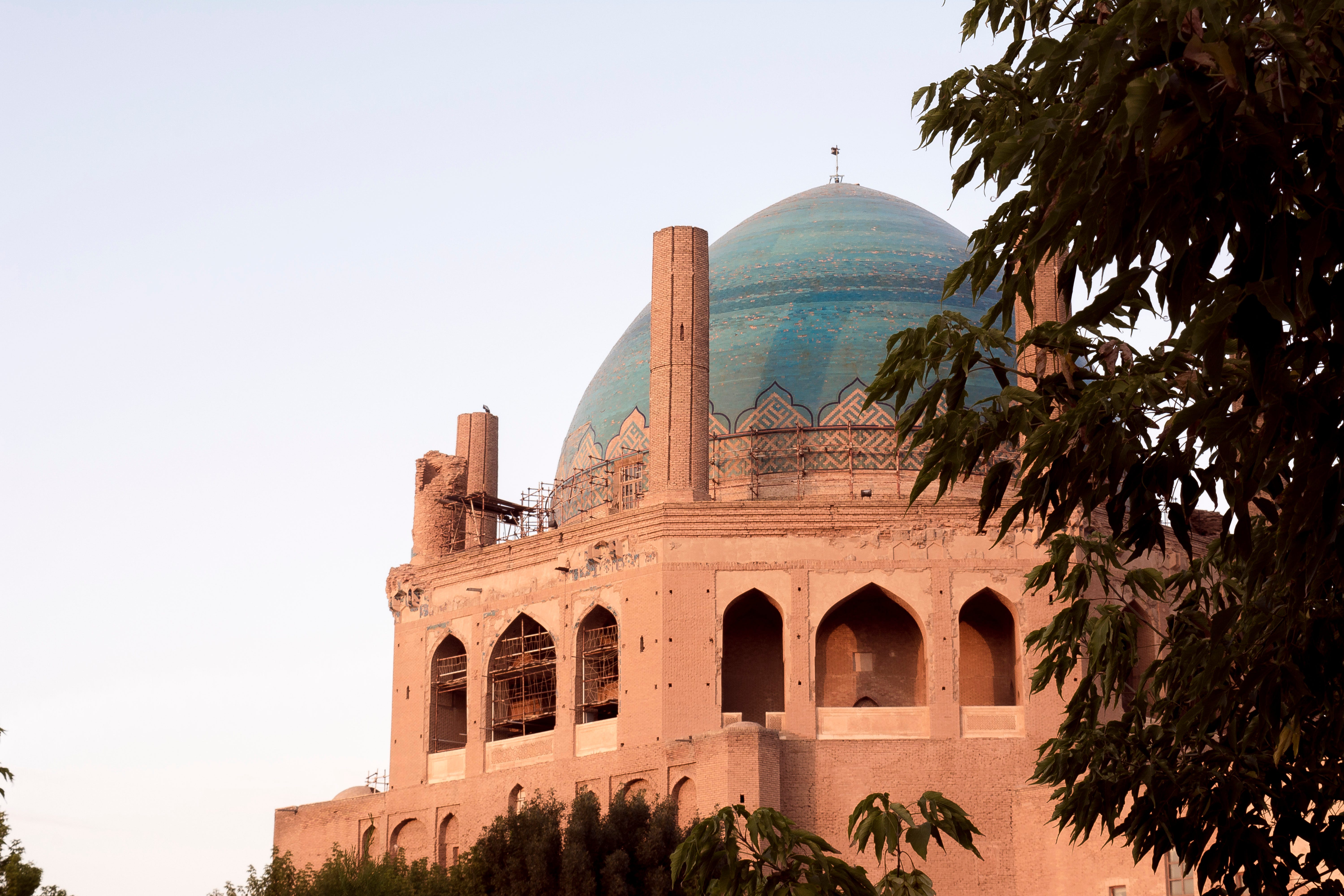
Every day, every single tour guide in Florence tells thousands of tourists a story that is not true. It’s the story of the construction of the dome, a feat of engineering so ingenious that even today, architects and engineers can’t understand how it was done, achieved by one single man, a goldsmith with no formal training.But Filippo Brunelleschi’s innovation — a double-shell dome built with herringbone masonry — had been used to build mosques and mausoleums in Iran. And 15th-century Florentine merchants, who had large networks and communities in Iran, particularly Soltaniyeh, were no doubt very well acquainted with them.In this episode, I’m discussing this incredible story with Massoud Katebeh, an Iranian-American engineer who studied in Florence. We are both fascinated with the story of Piero Sanpaolesi, the professor who first revealed these Persian models for the dome of Florence in 1971, and was ignored. Now, a new generation of scholars, in particular Dr. Lorenzo Vigotti and Prof. Hadi Safaeipour, is building on Sanpaolesi’s groundbreaking research and adding brilliant new insights. Please learn more about DOMES: Architectural Technology Transfer on the Silk Road at iraniandomes.eu, an ongoing project that is very much imperiled by the war.If you enjoyed this essay episode, you can subscribe for more at danielleoteri.com. If you’re planning a trip to Italy and would like some expert guidance, book a trip consultation at danielleoteri-italy.com. Lastly, you can always buy me a coffee.Also, if you like stories about history revealed through science, listen to the episode Vittoria Colonna Had It All, and find out how the most famous woman of the Italian Renaissance had an extraordinary secret that was only revealed in the 1980s when scientists conducted tests on her mummified body. This is a public episode. If you'd like to discuss this with other subscribers or get access to bonus episodes, visit www.danielleoteri.com/subscribe
Ep. 36: The Loss of the Picturesque
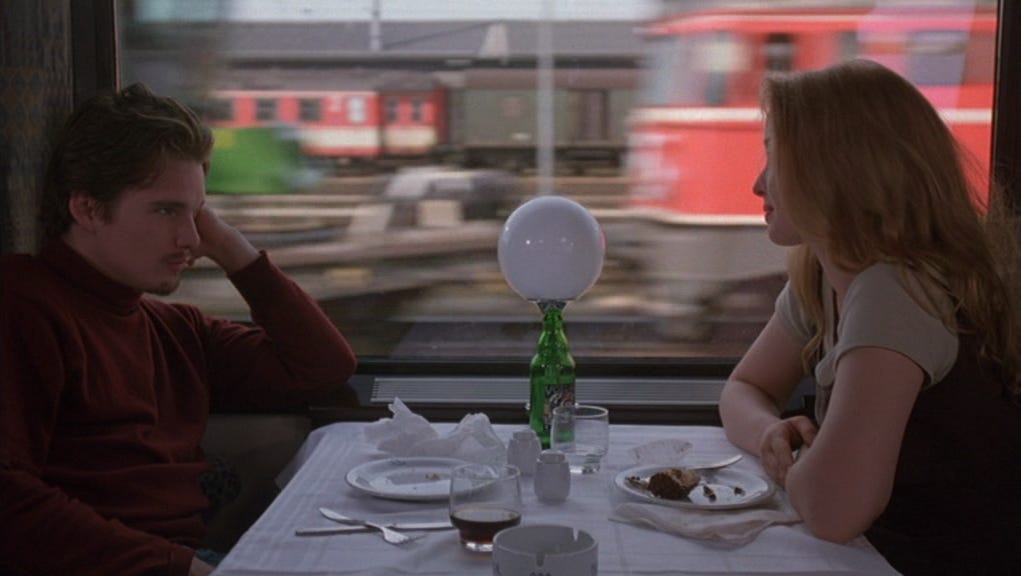
If you enjoyed this essay episode, you can subscribe for more at danielleoteri.com. If you’re planning a trip to Italy and would like some expert guidance, book a trip consultation at danielleoteri-italy.com. Lastly, you can always buy me a coffee.Guidebooks have several lives, and despite the internet, they have been diminished but are far from dead. That’s because they are among the only fact-checked pieces of travel material available. When you are paying for a guidebook, you are paying for knowledge. The transaction is clear.Purchasing a guidebook is first a dream. It’s a catalog of possibilities. Then it becomes a strategic tool, a travel companion, and, when it returns home, either a beloved souvenir or totally useless. Often, people will hold on to them until they have to move or really clean and make space, and then Lonely Planet Prague has to go in the trash. And don’t even try to “donate” your 15-year-old guidebook; you know nobody wants it.But guidebooks have another life if you hold on to them long enough. They become a time capsule — an eyewitness account that was also aggressively fact-checked about a world that no longer exists, that you can use to reflect on that world, and see just how much has changed.That’s what has suddenly caused an essay I wrote in August of 2022 to go viral. It’s called “The Before Sunrise Generation,” and I wrote it in response to Gen X clients who were returning to travel now that their kids were leaving home and they had time and money to travel once again. They would ask if they should buy a Eurail pass or stay in a pensione, and I found myself explaining how the way they had traveled in the 1990s really no longer exists.Then this current wave of 90s nostalgia — inspired by “Love Story,” about JFK Jr. and Carolyn Bessette — has the children of Gen Xers marveling at how free the 90s seemed. One hundred percent of social interactions were in real life, with total presence, nobody on their phone because they didn’t exist. Think about Jesse and Celine, the protagonists of the 1995 film Before Sunrise. They start talking while riding the train, and decide to get off together in Vienna, and spend the night wandering the city and talking. Nobody is tracking their location, and no photos are taken. Two strangers on a train, just figuring it out. If this movie were set in the present day, maybe they’d meet in line for a much-delayed Ryanair flight and maybe start talking only if they had been there so long their phone batteries died.But the thing that today seems so old school and authentic at one point, the vulgar new thing.We Will Simply DriftPrior to rail travel, making the Grand Tour of Italy required private transportation, personal invitations, and letters of introduction. You had to be a person of means and education. Trains democratized travel. And then another industry emerged to meet that new tourist: the guidebook. Baedeker guides, first published in Germany, were famous for their red cloth covers. They were comprehensive guides to cities and rural places, and they removed the need for a letter of introduction forever. They liberated people from relying solely on local guides who were only available to elite networks. The term “Baedekering” could be used with the same snark I sometimes reserve for TikTok tourism. In E.M. Forster’s A Room with a View, “Baedeker” is a codeword for the pedantic sightseeing that Forster portrayed as typical of the English touring Italy. It’s funny that they were portrayed as kind of low-brow, because they were very dense with information on art and history, and were written by specialists. They were especially praised for their German precision, which was exactly what made them fall out of favor after World War II. German precision was uh, no longer a virtue. Early in the story, Lucy is shown studying Baedeker’s Handbook to Northern Italy and committing “to memory the most important dates of Florentine history.” Later, she meets an eccentric lady novelist who disapproves of such solemnity and tells her, “No, you are not to look at your Baedeker. We will simply drift.”Overtourism in 1909?The author Henry James was not a fan of the new train-traveling tourist. In 1909, he wrote Italian Hours, where he decried that Venice was overrun by tourists, totally devoid of authenticity — that the sentimental tourist’s sole quarrel with his Venice is that he has too many competitors there. He likes to be alone, to be original, to have — at least to himself — the air of making discoveries.Just as I can be very eye-rolly about TikTok tourism, those who had experienced the Grand Tour were disgusted by the overtourism that proliferated in the 1890s.I have been saying for a while that, because of technology, those of us born pre-Y2K have witnessed an accelerated period of time in which technology has changed more quickly than anything else in history. But Ada Palmer, the author of the fantastic book Inventing the Renaissance: Myths of a Golden Age, a
Ep. 35: The Mozzarella Highway
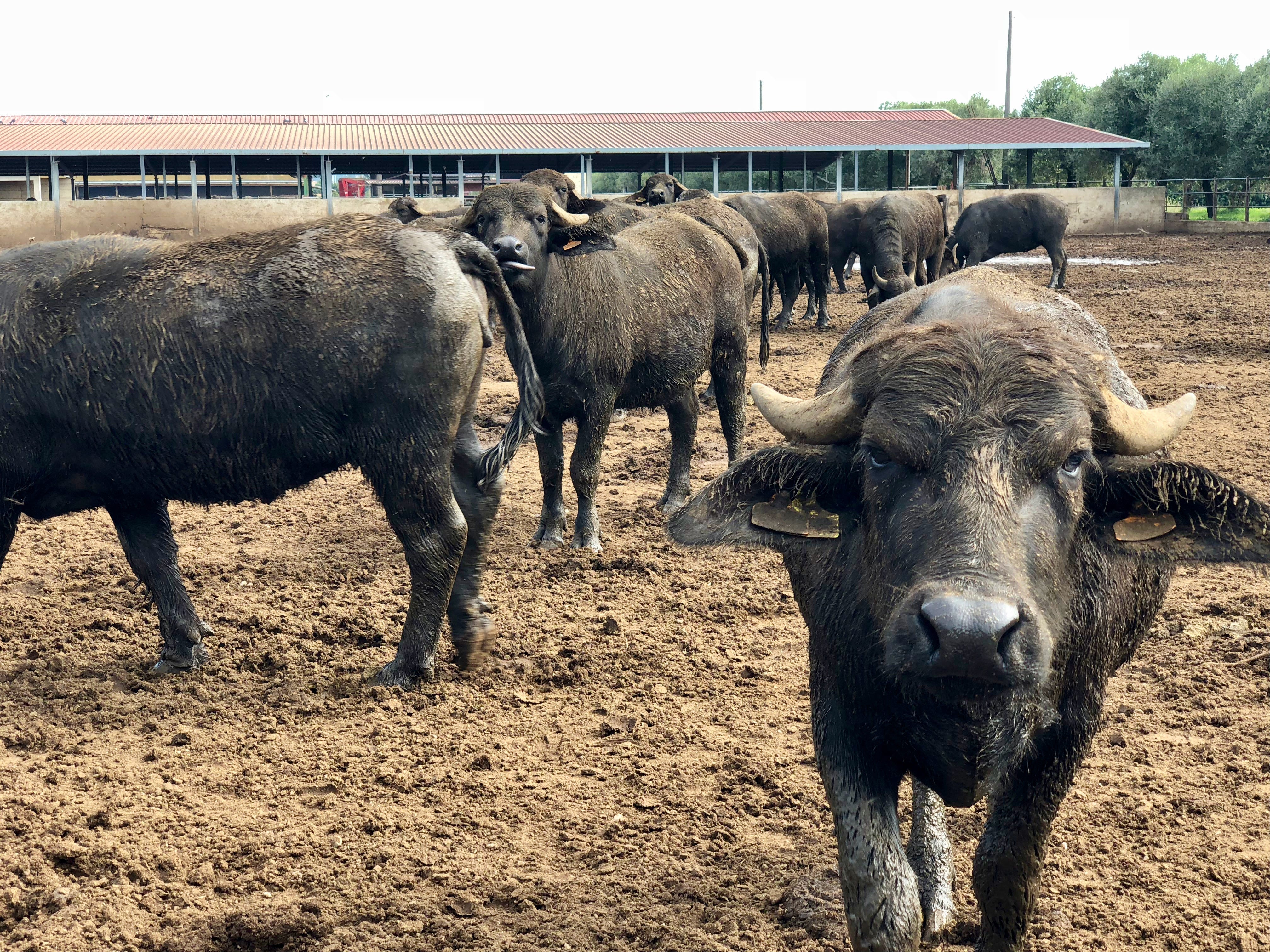
If you enjoyed this essay episode, you can subscribe for more at danielleoteri.com. If you're planning a trip to Italy and would like some expert guidance, book a consultation at danielleoteri-italy.com. And if neither of those is right for you but you'd like to show a little love, you can always buy me a coffee. The most delicious thing you can eat in Southern Italy is buffalo milk mozzarella. Italy has earned such a sterling culinary reputation that most people just open their mouths and say yes to whatever is put in front of them. But every once in a while, someone says buffalo mozzarella, what the hell is that?It is a strange thing to encounter, especially because the languid, enormous, but very sensitive water buffalo are cugini to the ones you’ll find in Vietnam or Cambodia, where buffalo milk mozzarella is not a thing. Buffalo mozzarella is made primarily in the region of Campania. It graces pizzas in Naples and has a different casein than most cow’s milk, so the lactose-intolerant among us can indulge. Buffalo farms abound in Caserta, near the stupendous Palace of Caserta, from where the Bourbon monarchy ruled over “the Kingdom of the Two Sicilies.” Before Italy became the nation we know it as today in 1861, it was a monarchy that pioneered several industries, including a dairy industry based on buffalo milk. But even more exquisite is the stuff made at a handful of farms, a little farther south.If you’re driving there, maybe on a day trip from Naples or the Amalfi Coast, you’ll inevitably get snarled in traffic on what locals call “the mozzarella highway” through Battipaglia. Every sign on the roadside is flashing mozzarella di bufala. The traffic is largely due to hundreds of trucks that pass through daily to pick up mozzarella and transport it to supermarkets across Italy. I’ve heard waiters in Florence extol the virtues of its freshness, boasting that it just arrived in the restaurant that afternoon. I’ve also heard waiters in New York cooing that they just picked it up from JFK that morning. Keep driving; Battipaglia is an industrial farming zone, and everything is pasteurized for export. Better things await in the town called Capaccio-Paestum.Paestum is most famous for three extraordinarily well-preserved Greek temples. They are massive and built of travertine, a volcanic stone, then coated in plaster and painted to mimic marble, which doesn’t exist in Southern Italy. Paestum was colonized by Greeks, conquered by Lucanians, who were the indigenous people of the area, whom the Greeks employed as their security goons, and then became a Roman city. Paestum was considered very old when the Romans conquered it. The oldest of the three temples was 280 years old. The Greeks regarded everything around the temples as sacred ground, but the Romans were insatiable real estate developers. There developed markets, civic buildings, a large Asclepieion, which was the closest thing to a hospital in the classical world, and dozens of smaller temples, all surrounding the big, very old ones.Roman Paestum was bigger and far more important than Pompeii or Herculaneum, and though it’s beyond the reach of Mount Vesuvius’s molten tentacles, it is still affected by earthquakes. The Roman Empire declined, and Paestum sank. Literally. The reason: a phenomenon called bradyseism, which is a Greek word: bradys means slow, and seismos means movement.” It’s an imperceptible but continuous slow rising and falling of the earth - a slow-motion earthquake.When the Greeks built the temples close to the glittering Tyrrhenian sea, things were on the up. But by the third and fourth centuries, Paestum was a swamp, infested with malaria carrying mosquitos. Mal aria means ‘bad air.”The Paestani fled for the hills. Some went to the hills just above Paestum, founding Capaccio, my grandmother’s hometown, while others went higher to the sea-facing cliffs of the Amalfi Coast. The name Positano may be related to the Paestani who settled there.And certainly people also went to Salerno, which was a Roman city, then under Lombard rule, and in 1077 was officially conquered by the Normans, proud descendants of the Vikings, loosely related to the Normans who just 11 years earlier had taken England at the Battle of Hastings. Salerno was a luxurious city, full of international merchants, and home to the world’s first medical school. Meanwhile, once glorious Paestum, not very far away at all, must have looked like the zombie apocalypse.Just to let you know, I haven’t forgotten we were talking about buffalo and delicious cheese; they will soon re-enter our story, but first, we need to make a stop in Salerno.Salerno was where the Norman king built a cathedral dedicated to Saint Matthew the Apostle. It’s believed he died in either Ethiopia or Persia, but his bones somehow ended up near Paestum, and two people had a dream, alerting them to the location. They retrieved the old bones, and the cathedral was built around them. The Normans also began to adorn
Ep. 34: Paradise for Normal People
In this episode, I speak with writer Susan van Allen about Ischia, the island very close to Capri that I like to call paradise for normal people. The last time I was there, Susan introduced me to her favorite place to stay on Ischia, the Pensione Di Lustro, a throwback to another era of travel and the place where Truman Capote spent 97 days living and writing “Local Color.”I hope you enjoy it!Links from the episode:Episode 4: Vittoria Colonna Had It AllNaples Destination Deep DiveRome Destination Deep DiveFlorence Destination Deep Dive This is a public episode. If you'd like to discuss this with other subscribers or get access to bonus episodes, visit www.danielleoteri.com/subscribe
Ep. 33: The Art of Looking: Designing an Italy Trip Around Beauty, and Simplicity
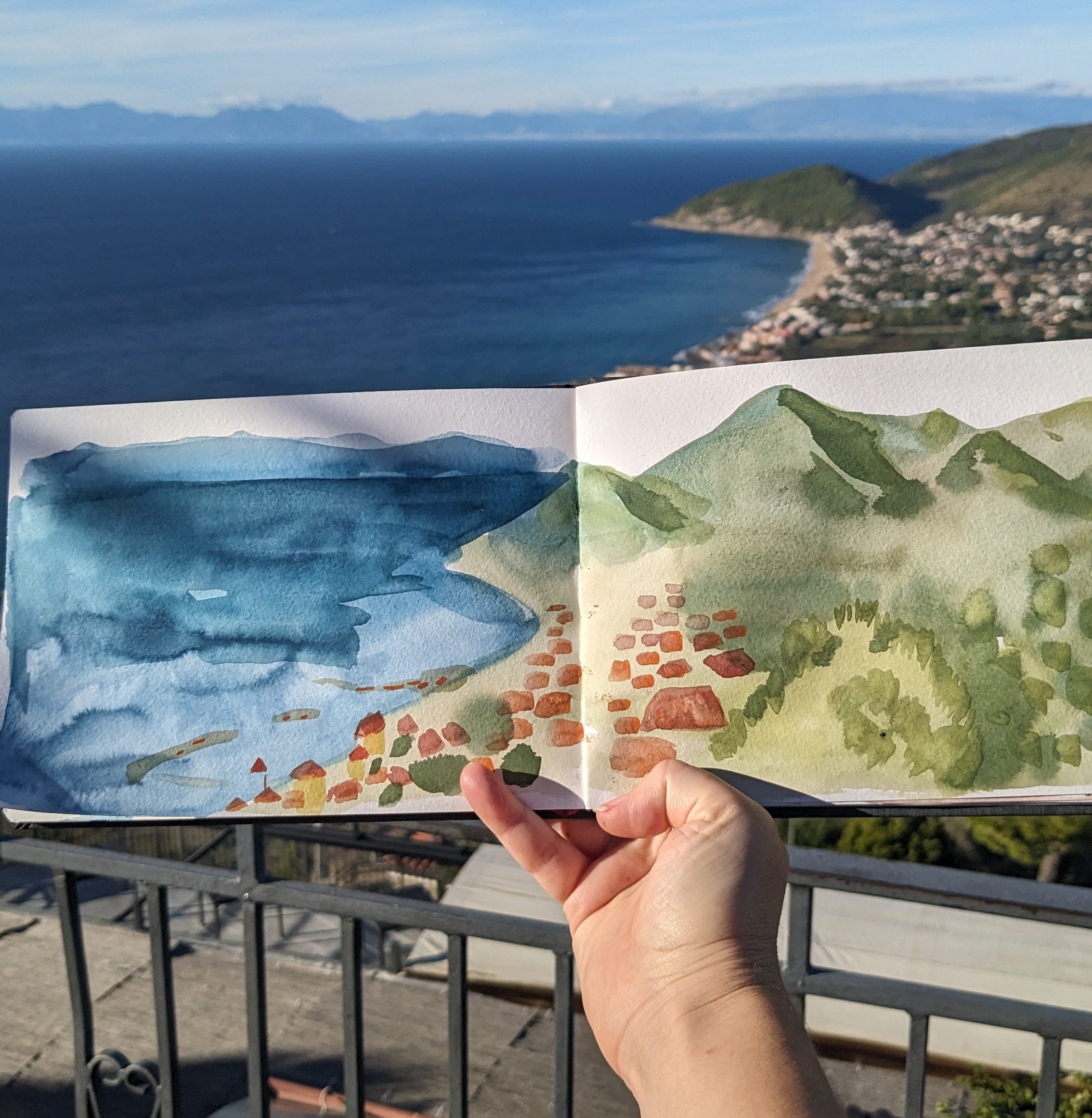
In this episode, I share why I don’t pack my days in Italy too tightly, and unpack what I mean when I advise clients to leave time for walking and wandering. This episode is dedicated to Morton Kaish, who taught me how to “walk like an artist” in Italy and how even passively taking in great art and architecture can change you for the better.You will also hear a conversation with illustrator Jenny Kroik. We talk about why places that don’t photograph well often end up being the ones that stay with you, and how sketching can help you process complex, layered moments that don’t fit neatly into “good day/bad day.”Finally, I walk through what is planned for Jenny’s Art Retreat in May at Borgo La Pietraia, including Chef Mario’s deceptively simple food, daily gentle art prompts, visits to the Paestum temples, a buffalo farm, Amalfi’s historic paper mill, and the turquoise waters of Cilento.I share these details as inspiration for planning your own self‑guided trip to Italy: choosing a single home base, slowing the pace of your days, leaving room for serendipity, and designing an itinerary around the kind of beauty you want to experience.Links* Retreat details and booking: Jenny’s Art Retreat at Borgo La Pietraia (May 17–24)* Jenny Kroik’s Arthur Avenue illustrations for The New Yorker* Jenny’s website and her Substack newsletter This is a public episode. If you'd like to discuss this with other subscribers or get access to bonus episodes, visit www.danielleoteri.com/subscribe
Ep. 32: Venice Is Not a Day Trip
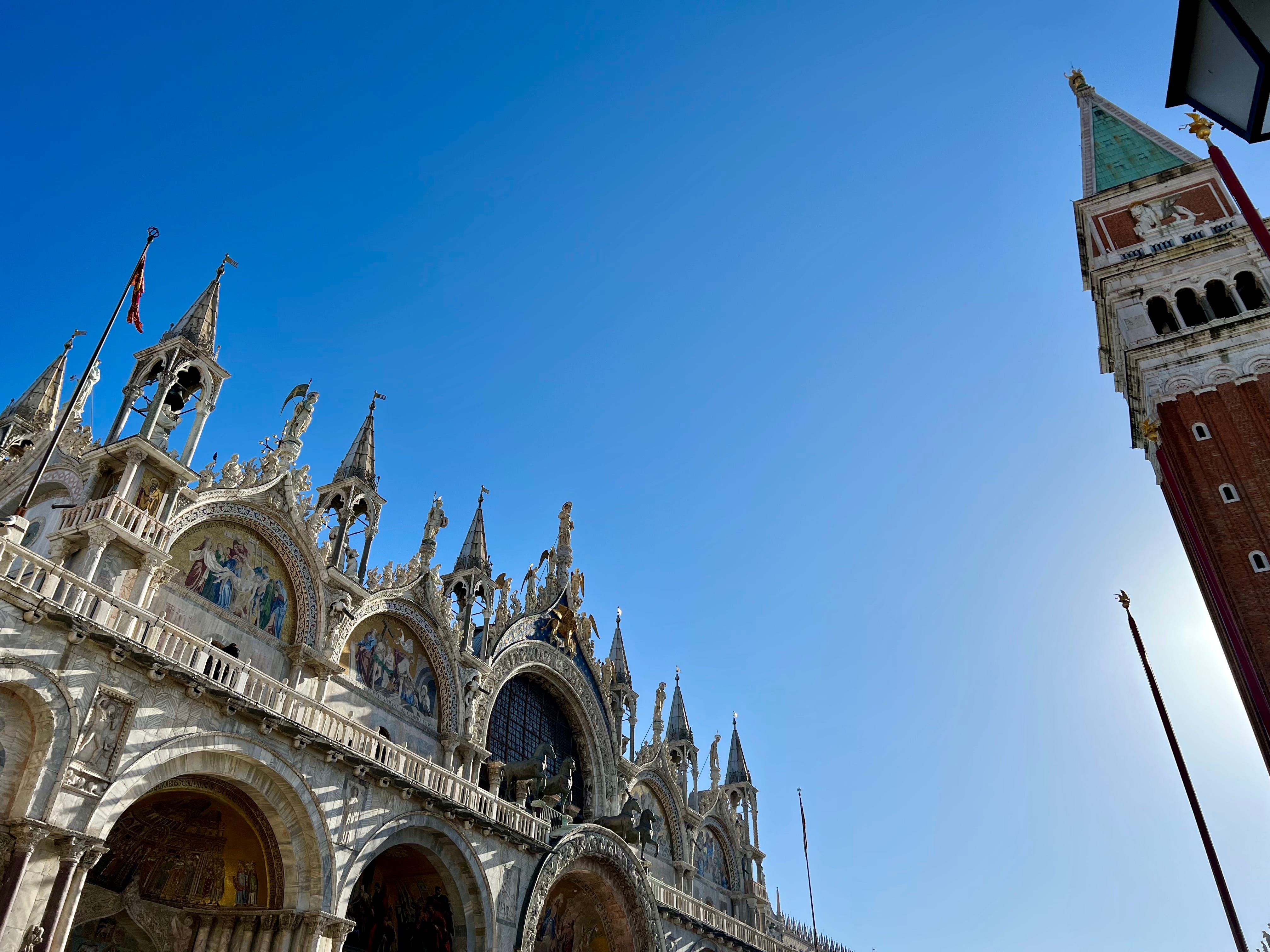
Happy New Year, and welcome back to Danielle Oteri’s Italy—we’re starting 2026 in Venice, the Italian city everyone rushes through, with no idea of how much they’re missing. This episode is your invitation to slow down, understand how Venice really works, and get ready for the Venice Destination Deep Dive premiering for paid subscribers on January 22 at 8 p.m. ET.In this episode* Why most popular Venice advice is shallow, and how “hit‑and‑run” tourism (20–30 million visitors a year, most of them day‑trippers) is reshaping the city.* What changed when large cruise ships were banned, and how the new €5 day‑tripper fee on peak days actually works.* Why Venice is not an ancient city like Rome or Naples, but a preposterous “upside‑down forest” built on millions of submerged wooden piles in a lagoon.How to experience Venice without the crush* Why a day trip to Venice is “the worst way to see it,” and why staying at least three nights changes everything about your sensory memory of the city.* Practical timing advice: understanding when day‑trippers flood in (roughly 11 a.m.–4 p.m.) so you can have quiet mornings and atmospheric evenings.* Trip‑planning strategy: skipping the Rome–Florence–Venice conveyor belt in favor of flying in and out of Milan and pairing Venice with a few days in Turin.A local lens with Gillian Longworth‑McGuire* Meet writer Gillian Longworth McGuire, author of the Substack Gillian Knows Best, who spent many years in Rome before making the unexpected decision to settle in Venice.* What drew her to the “real life” of Venice: garbage boats, the total absence of wheels, and the pleasure of living in a city where everything happens on foot or by boat.* How she navigates living near the Arsenale in one of the last streets with mostly Venetian neighbors, and what it means when only 13 longtime residents remain on a street that once held hundreds.* Why her wish for Venice is simple: slow down, stay in Venice proper (not on the mainland), and stay longer than you think you “have time” for.Glass, budgets, and where to stay* How to experience Murano glass without the timeshare‑style hard sell: asking your hotel to connect you with a trusted furnace, or booking with Wave, a younger collective of master glassmakers and students.* Honest talk about Venice pricing: why Venetians have always been merchants, why Venice is less forgiving than Rome or Florence, and why you need to research carefully and budget more here than elsewhere.* Hotel strategy: why it often pays to spend more for a well‑located, non‑damp, genuinely comfortable room.About the Destination Deep Dives* What you get as a paid subscriber: a live Zoom premiere, with Q&A, then 50% off the beautifully produced, MasterClass‑style course with video lessons and a fully detailed 5‑day itinerary.* What each Deep Dive covers: what makes the city special and challenging, how to tackle the “must‑sees,” and thoughtful alternatives that help you avoid lines and TikTok‑driven FOMO.* Existing and upcoming Deep Dives: Florence (being migrated to the new platform), Naples (available now), Rome (landing shortly), with Matera, Cilento, and Venice all in the queue. This is a public episode. If you'd like to discuss this with other subscribers or get access to bonus episodes, visit www.danielleoteri.com/subscribe
A Beautiful Lesson from the Tomb of the Diver
I want to wish you happy holidays and express my profound gratitude for reading, listening, and supporting this podcast and newsletter. I hope you enjoy this two-minute video reflection on the passing of the seasons, inspired by one of art history’s most enigmatic works. I’ll see you in 2026. This is a public episode. If you'd like to discuss this with other subscribers or get access to bonus episodes, visit www.danielleoteri.com/subscribe
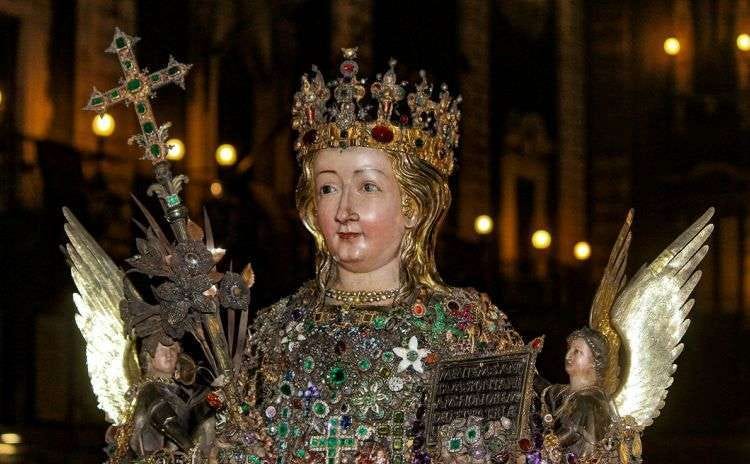
Ep. 31: Collective Effervescence: Why Italy’s Festivals Make Us Cry, Give Us Chills, and Feel Less Alone
In this episode, I explore the phenomenon of “collective effervescence,” a term coined by the sociologist Émile Durkheim to describe the intense, shared emotional experiences that make us feel briefly part of something bigger than ourselves.Please support my work by taking out a premium subscription (just $8 per month).From saint processions in Ischia to bonfire rituals in Abruzzo and the miracle of San Gennaro’s blood in Naples, I explore how Italy’s festas and sagre are a kind of emotional infrastructure—places where community, memory, and the sacred all converge. I’m joined by writer and festival researcher Katerina Ferrara, whose regional guides help travelers weave these events into their itineraries.Together we discuss:* How festivals in Italy layer pre‑Christian rites, Catholic devotion, and modern life* Why small‑town saint days and harvest feasts are often the most powerful travel experiences* The role of children and returning emigrants in keeping these traditions alive* Catania’s identity as “the Black City” under Mount Etna* The story and cult of Sant’Agata, patron saint of Catania and of women with breast cancer* What actually happens during the three‑day February feast of Sant’Agata* The emotional “wave” when the saint’s statue leaves the church, and the crowd erupts* Festival foods you can only find on these days, including Minne di Sant’Agata and local arancine* Practical tips for tracking down festivals and sagre when dates shift every yearI want to thank my paid subscribers, who I hope are enjoying our monthly Q&A Zoom meetings and Destination Deep Dives. So far, we’ve explored Florence, Matera, Naples, and Rome. Next up: Venice and the Amalfi Coast.And since trip planning season is nearly here, I’ve refreshed my menu of trip planning services. From one-hour Trip Consultations to hybrid Custom Itinerary Design or full Bespoke Trip Planning, everything is explained there so you can choose the option that best fits your needs and budget.Chapters/timestamps00:00 – What is “collective effervescence”?02:00 – Why Italian saint festivals feel so powerful05:00 – Bonfires, solstices, and ancient roots of Italian rituals08:00 – Meet Katerina Ferrara and her festival guides11:00 – How to actually find and plan for festivals and sagre15:00 – Food festivals, fundraising, and “festifusion”19:00 – The Infiorata of Noto: a two‑day flower masterpiece24:00 – Children, memory, and passing traditions on28:00 – Catania and the Val di Noto: baroque cities under Etna32:00 – The legend and martyrdom of Sant’Agata36:00 – Inside Sant’Agata’s three‑day feast and all‑night procession43:00 – Devotion, identity, and the bond with a patron saint47:00 – Festival sweets: Minne di Sant’Agata and more51:00 – Catania’s unique arancine and horse‑meat culture54:00 – How to follow Katerina and use her guidesGuestKaterina Ferrara – Author of regional festival and sagra guides for Sicily, Puglia, Rome & Lazio, and Venice & the Veneto. She helps travelers anchor their trips around local celebrations.* Website: katerinaferrara.com* Instagram: @katerinaferrara_author This is a public episode. If you'd like to discuss this with other subscribers or get access to bonus episodes, visit www.danielleoteri.com/subscribe
Ep. 30: Travel Agents, Advisors, and Influencers Explained
In this episode, I explain the differences between travel agents, advisors, and influencers…because I know first-hand how confusing this world can be!You’ll hear industry insider stories, plus the simple method I give people to decide when to DIY their trip, when to get professional help, and when to trust their own gut over another influencer’s feed. I’ll also share unglamorous but essential tips picked up over the years on the road—like the realities of country driving in Tuscany or the best place to stop for gas on your way to Naples airport.You’ll also meet my new collaborator, Angela Miklos, whom I first met in 2023 as a Trip Consultation client and who will now help me offer a brand-new hybrid service called Custom Itinerary Design. (The photo in your podcast player is the classic Forio sunset that Angela mentions.) This option is for people who love research and planning but want an expert to provide the best advice and handle the heavy lifting so that they can focus on the fun parts.A reminder for paid subscribers that the next Ask Me Anything About Italy is on December 11th at 8 pm ET on Zoom, and the Venice Destination Deep Dive happens on December 18th at 8 pm ET. Right now, both the Naples and Rome Destination Deep Dives are available to watch for paid subscribers. They’ll leave the website soon when the polished, final versions with the itinerary and bonus segments are ready for purchase. (Naples leaves in a week, Rome will be up for at least 2 weeks more.) This is a public episode. If you'd like to discuss this with other subscribers or get access to bonus episodes, visit www.danielleoteri.com/subscribe
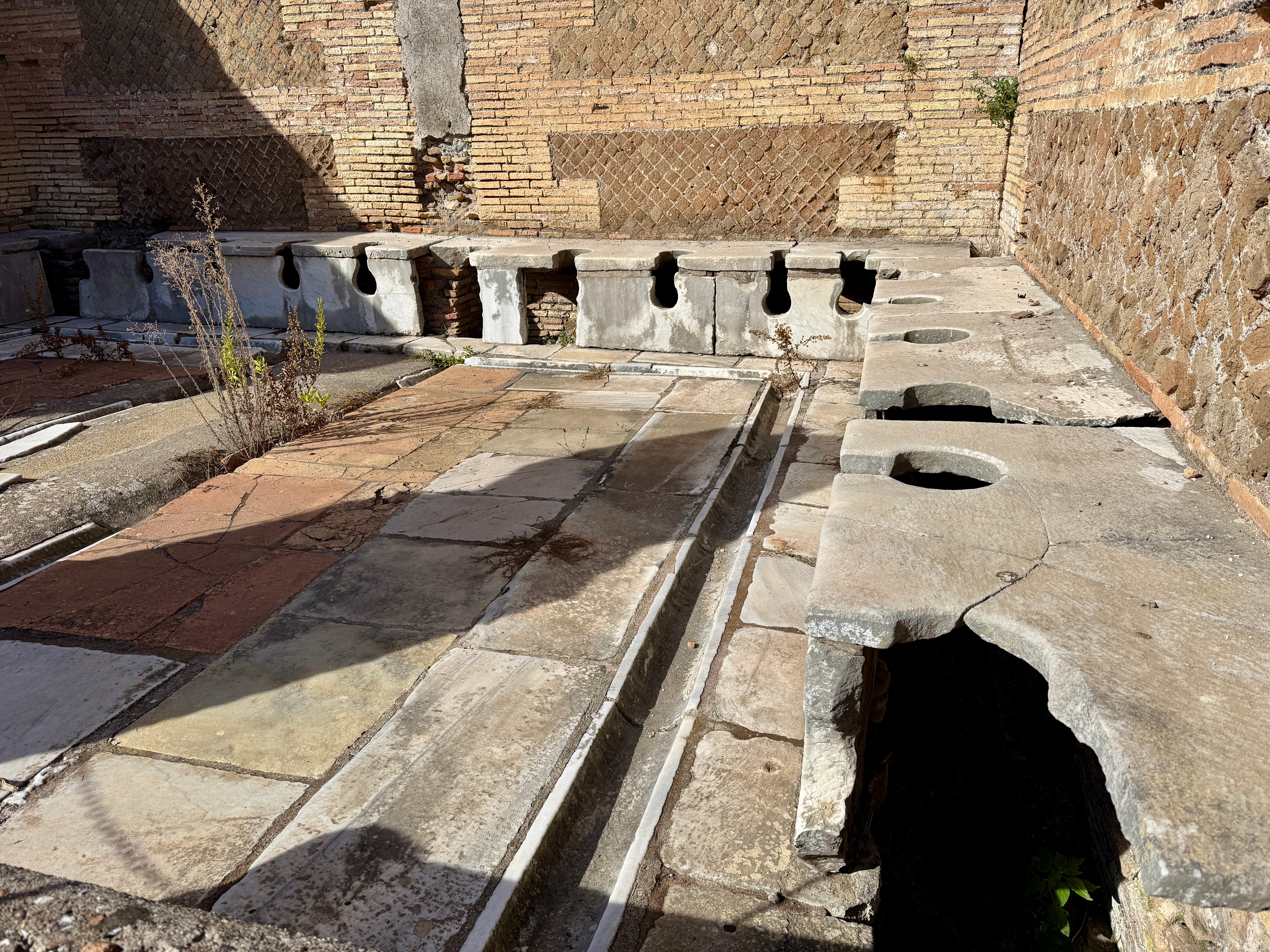
Ep. 29: Lessons from Rome’s Lost Seaside City
I’m back from my research trip and have so many interesting things to share with you. Before I tell you all about Ostia, here’s a reminder for my paid subscribers that Thursday November 13th is the next “Ask Me Anything about Italy.” It’s happening at 8:00 p.m. ET on Zoom, and if you can’t make it, please send me an email with your question. I’ll answer it live, and then you can watch the replay the following morning.Then, on November 20th, I’ll be premiering the next Destination Deep Dive on Rome. I spent 5 days in Rome just to research this Deep Dive. Here’s how it works. If you’re a paid subscriber, you’re invited to the live premiere on Zoom. It will be available to paid subscribers until I finalize the version, which will then be made available for sale along with a complete itinerary and bonus resources. And paid subscribers get a 50% discount.Last Sunday, I was wandering around Ostia Antica, desperately searching for the restroom. Not the modern one, which was located right next to the entrance of the archaeological park, but the ancient one, where Romans would take care of their essential personal business sitting, uh… cheek to cheek.The communal toilets are the most famous thing in Ostia, but they aren’t marked on the map or any of the signage. I knew they were part of the bath complex that was adjacent to the forum. Today, the ancient city of Ostia is located near the airport, but 2,000 years ago, it was also an industrial hub where goods came in and out, due to its strategic position where the Tiber River meets the sea. The experience is similar to Pompeii, but Ostia wasn’t buried by a volcanic eruption; instead, it sank into the silt and turned into a swamp fiercely guarded by malaria-carrying mosquitoes until it was reclaimed in the 1940s. Today, it’s a well-tended but little-visited archaeological site. It’s easy to reach from the center of Rome, and easier to traverse than Pompeii, with lots of spots to sit on ancient stone beneath lush umbrella pines that stretch their lush branches in all directions like they slept late and just got out of bed.After winding my way through the Forum baths, the gym, the hot room, and the cold room, I found the famous toilets. The engineering is all exposed, including a channel where water would constantly flow to flush away waste. The openings in the marble bench where people sat are about as close to each other as the indents on the New York City subway. Being shocked at the lack of privacy is not something most people, throughout most of human history, would have even noticed. Today we are awash in privacy and convenience that we take entirely for granted. And while the pleasures of indoor plumbing, kitchens, washing machines, and air conditioning eliminate much of the drudgery of life, these conveniences have fundamentally reshaped our society. The more privacy we enjoy, the less we need the public square and each other.I always discourage people from taking a day trip to Pompeii in favor of a much easier trip to Ostia Antica. While yes, it’s possible to take the fast train, and there are lots of bus tours offering this, it’s a very long and expensive day of getting there and back for what is necessarily a swift and shallow experience of Pompeii, which deserves a good, long visit. Ostia Antica offers the same experience, allowing you to walk through a Roman city along the same roads as everyday citizens, past their homes, shops, and public buildings.Also, it’s so peaceful. Even though it’s extremely easy to get there, just $3.50 on the very pleasant Metromare train, only the most interested travelers go there, along with school groups, so you can take your time gazing at the mosaics of sea horses and the gods of the sea in what were the baths of Nerone. You can explore a thermopolium, a typical Roman quick-service restaurant, as only the wealthiest Romans had kitchens, and enslaved people to prepare meals for them at home. There’s a theater, a district of warehouses, as this was a port town where the work of shipping across the Roman Empire was done, and the oldest known synagogue in Europe. Just outside the archaeological park is a castle and a cobblestoned district of restaurants where you can eat very well. Or go one more stop on the train, or grab a quick taxi ride to be right on the beach and enjoy a perfect dish of spaghetti and clams for lunch.Ostia Antica was diverse, like most Roman cities. As armies conquered lands across Europe, North Africa, and the Middle East, people captured as slaves during wars across the empire were brought back as war booty and put to work. There were also the indigenous people who had founded cities, including Pompeii, before the Romans took over. They continued to speak their own languages and imparted many of their customs to the Romans, which have been passed down to us today without the appropriate label.Life for most Romans was extremely public. Homes weren’t much more than places to sleep. The baths were places to
Italy, On Your Terms—New Off-Season Trips for 2026
Paid subscribers, tonight is the premiere of the Naples Destination Deep Dive! See you at 8 pm ET. The replay will be sent out tomorrow and will be available until Monday. The Zoom link was sent last week and will be posted again in the subscriber chat.This week I have a quick video episode to share with you some of my new programs for 2026.I share that I have developed four hybrid experiences, all during the quieter off-season, in Florence, Naples, Venice, and Rome.* One guided tour each day, so you get to see the good stuff with the smartest guides, without feeling over-programmed.* Four shared group meals—think real conversations at local favorites. We’ll talk about books, politics, truth, beauty, and all the things we’re discovering in the city when we’re not together.* Pay only for your time with me and what’s included: the tours, entrance tickets, and the four shared meals.* Freedom to choose your own lodging, whether that’s an Airbnb, a five-star, or use the Marriott Bonvoy points burning a hole in your pocket. Stay wherever best suits your budget and vibe.* No single supplements or “forced group activities.” Bring a partner or friend, and let them do their own thing while you spend time with us. (Perfect if you have a cranky spouse.)Each city’s experience is built around what I think makes it unique:* 5 Days in Florence, January 20-25: All about art. We’ll be at the Fra Angelico exhibition during its final week and dig deep into Renaissance masterpieces.* 5 Days in Naples, January 27-31: A journey from ancient times to today, including a special day trip to Herculaneum and Villa Oplontis. The intensity of a city positioned between two active super volcanoes without the heat. Be sure to read some Elena Ferrante before the trip.* 5 Days in Venice, October 27th-31: Venice is a fever dream, and I’m designing this itinerary to draw out its inherent magic. This is Venice for people who hate selfies.* 5 Days in Rome, November 3-7: More focused, for travelers who love art with a dramatic edge. Caravaggio, Baroque drama, and all the classic Roman dishes.I’m also excited to share the dates for the next artist retreat with Jenny Kroik at Borgo La Pietraia. This will be the fourth time we host this special week focused on peace, calm, and the chance to reconnect with your creativity. Jenny welcomes everyone—total beginners, working artists, and anyone who just wants focused time to enjoy making art. Daily sessions are relaxed and supportive, with inspiration from the landscape, local food, and easy day trips. The only thing you need to bring is the desire to create and be inspired—no experience required.Also, this retreat has the best food ever. Chef Mario Stellato prepares most of our meals, and it is just BEYOND.If the idea of exploring Italy with structure but not rigidity appeals to you, I think you’ll find these trips hit the mark. You can look at all the trips here. This is a public episode. If you'd like to discuss this with other subscribers or get access to bonus episodes, visit www.danielleoteri.com/subscribe
Ep. 28: How To Renovate a Home in Italy
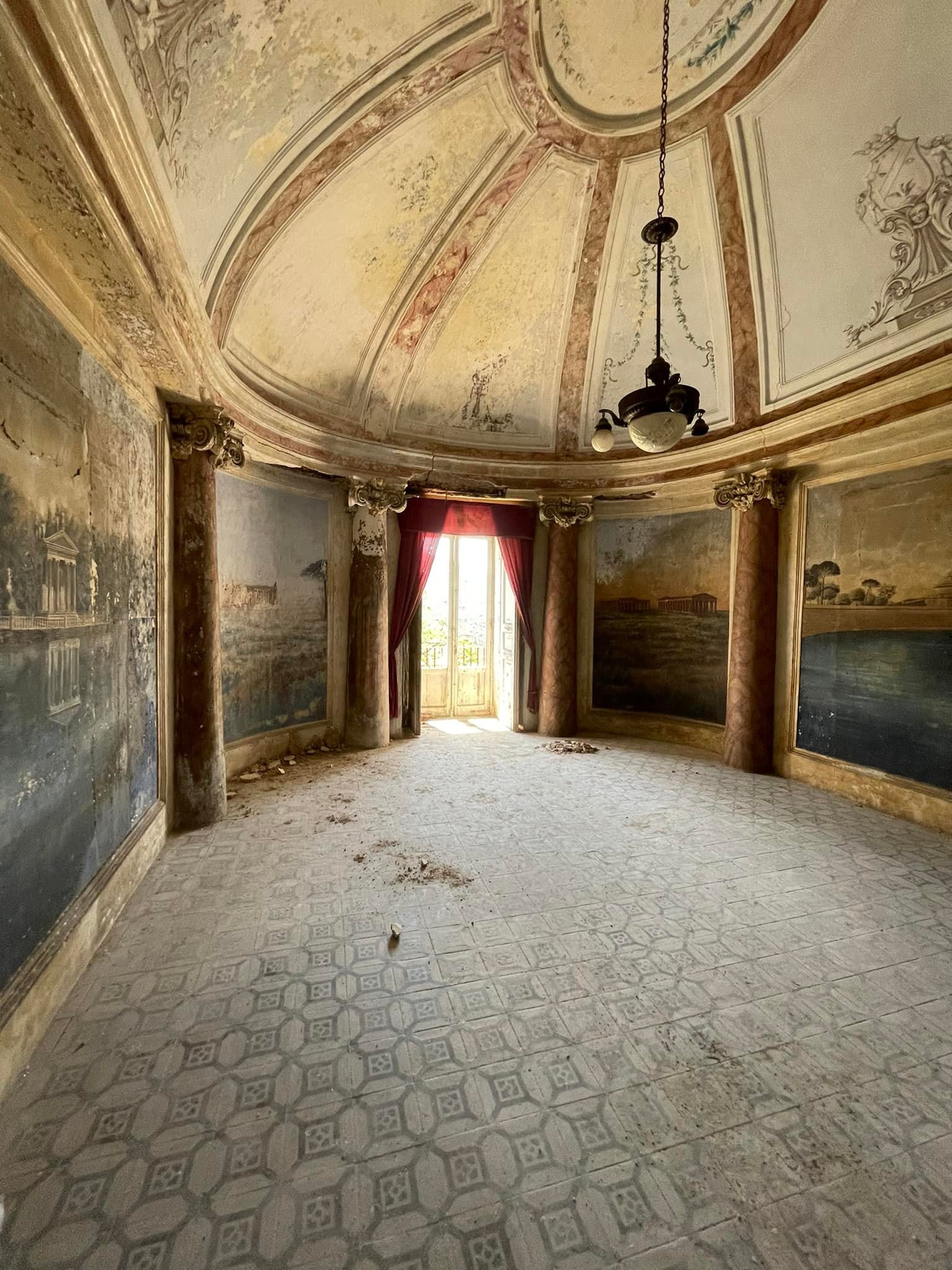
Purchasing a home in Italy is a dream of many. In the 1990s, Tuscany was the most popular region, as well as a more affordable alternative to France, following the publication of the 1989 book “A Year in Provence,” which inspired the rustic farmhouse fantasy. Many British and American citizens began buying old farmhouses surrounded by cypress and olive trees, while in the US, people renovated their kitchens with a “Tuscan farmhouse” theme. Then came Frances Mayes’s memoir, “Under the Tuscan Sun,” which chronicled the complex but romantic work of renovating a house in Cortona, and an industry fully bloomed.Today, Italy’s hot spot for expats is Puglia. When Tuscany was taking off in the 90s, the region of Puglia was struggling even to welcome tourists, but all that has dramatically changed, and prices there have risen sharply. I regularly receive questions about where to find the best home-buying opportunities in Italy. (My answer: Le Marche, Abruzzo, and Cilento.) I can help you hone in on where to settle in Italy, thinking about lifestyle, access, and budget, but I know nothing about renovating a house. If I ever do buy a home in Italy, I will have a budget dedicated to hiring someone who has the skill and patience to navigate the commune for me, because permits and paperwork are not my thing.To offer you a more informed perspective, I interviewed Massoud Katebeh, a licensed engineer in both the United States and Italy. Originally from Tehran, he studied engineering at the University of Florence, where, like me as an art history student, he had the opportunity to study right inside the Duomo. We discuss the intersection of engineering and art, as well as the rigorous process of becoming a professional engineer in Italy.We then discuss the challenges of renovating homes in Italy, why it is necessary to engage professional architects and engineers, and what makes a home renovation project different in Italy than in the US. Finally, Massoud shares his thoughts on whether it’s best to buy a new home with all the modern conveniences built in, or take a chance on renovating an ancient structure.If you’d like to get in touch with Massoud for a nuts and bolts perspective on your Italian dream home, you can find him at mgkengineering.comThe Destination Deep Dive devoted to Florence is now available. It includes a 45-minute video that guides you through everything you need to know, including highlights, tourist traps, the best time of year to visit, what to see, where to eat, and where to take a day trip, as well as a detailed 5-day itinerary. You can easily modify this to suit your travel dates. If you want a well-researched and thoughtful trip but don’t have 30 hours of research time available, this is the shortcut. That’s about how much time it took me to put this together, and that doesn’t include the year I lived in Florence and many times I’ve returned since. There are also two bonus cheat sheets, one devoted to the foods of Florence – because it’s not the pizza and pasta people typically associate with Italian food – and a second dedicated to lesser-known sites where you can truly access the soul of the city.If you’re a paid subscriber, you are invited to the launch for each month’s destination deep dive for free, which includes a Q&A, and then later, when the presentation is formalized, along with a detailed itinerary and bonus content, you get 50% off. I’m about to publish the Matera Deep Dive, and on October 15th at 8 pm ET, I’ll be debuting the Naples Deep Dive. This is a public episode. If you'd like to discuss this with other subscribers or get access to bonus episodes, visit www.danielleoteri.com/subscribe
Ep. 27: Questions You Need to Answer Before You Start Trip Planning
Let’s talk about how late 2025 is the perfect time to think about your trip, before you start planning it.A Rare Invitation: October 2025 Research TripBefore diving into my trip-planning strategy, I have something special to announce:Next month (yes, October!) I’m going on a research trip and I’d like to invite you to join me.* See the awe-inspiring temples of Paestum, where we will go deep into discussion rather than just “touring.” * Bake bread with Chef Mario Stellato and his grandmother.* Taste wine at my beloved Tempa di Zoe vineyard.* Geek out on medieval history with me in Salerno and go shopping.You can also extend the adventure with two nights in Matera and a final night in Naples. Because it’s last-minute and at the magical end-of-season pricing, this is an opportunity I cannot repeat in another season. There are 4–5 spots filled, and I’m capping at 10. All the details are here. Why You Should Dream NOW (Not Just Plan Later)So many clients arrive to me stressed and glazed over. They’re paralyzed by too much information, and the most challenging part of planning an Italy trip is knowing how to sift through it all, but I can help you.Why start now? Because dreaming early lets you clarify:* What do I want to FEEL on this trip? * What experiences genuinely matter most to me?* What can I afford to spend (and what’s realistic for 2026 Italy)?Starting with intention and honesty is the secret to coming home fulfilled instead of overwhelmed or overspent.Hard Truths: Logistics & Budget* Don’t overdo it: If you have 10 days, pick a maximum of three bases. Don’t be swayed by fast trains or bucket lists. Trenitalia won’t deliver you straight to the Amalfi Coast or Tuscan countryside—you’ll need transfers, ferry rides, or a car rental for rural adventures.* Timelines matter: The big cities (Rome, Florence, Venice) are best in the off-season (think February or early December). Prices drop and the crowds thin, which can be a dream for the right traveler.* Regional closures: Places like Amalfi and Puglia shut down after November 1st. Budget-wise, don’t assume Italy is the cheap-and-cheerful destination it was in the days of the lira. The cost has shifted—especially for Americans. Get clear on your comfort zone and be upfront about your priorities: a great trip can be planned on any budget if you’re realistic from the start.The Most Important Question: What Truly Inspires You?Everyone always skips this step, so let me insist:* Do you crave outdoor adventure?* Dream of sitting in a Roman piazza like a Ripley character?* Want to reconnect with family or celebrate a milestone?Clarifying how you want to feel will make all the difference.My Four-Ingredient Recipe for a Great Italian TripMix these in for the perfect adventure:* Plug In: See something iconic and take it in deeply—think Colosseum, Florence’s Duomo, or a UNESCO heritage marvel. * Unplug: Plan unstructured downtime—a wine tasting, a soak in thermal springs, or a two-hour people-watching session with a notebook in a piazza.* Indiana Jones Moments: Seek real adventure—ruins, archaeological wonders, challenging hikes, or a boat trip beneath ancient cliffs.* What You Love, Italian-Style: Bring your passion (cooking, fashion, sports, spirituality) and live it the Italian way for a fresh perspective.Two Final Notes: Budget & Flight MythsBe honest and up-front about your budget. Don’t feel guilty about your number—it’s your trip. Prioritize accordingly. If Venice is your dream, go all-in on one destination during the low season for a richer experience. It will likely be better than a three-city trip with a bigger budget.And on flights? When you find a fare you’re satisfied with, book it and move on with your life.For Paid Subscribers…Sept 11th at 8 pm ET, I’m offering a live Zoom Destination Deep Dive on Matera (with replay available for three days). Last month’s Florence Deep Dive, including a very detailed 5-day itinerary, is now available to purchase. This is a public episode. If you'd like to discuss this with other subscribers or get access to bonus episodes, visit www.danielleoteri.com/subscribe
Ep. 26: Fra Angelico: Art, Spirit, and the San Marco Experience
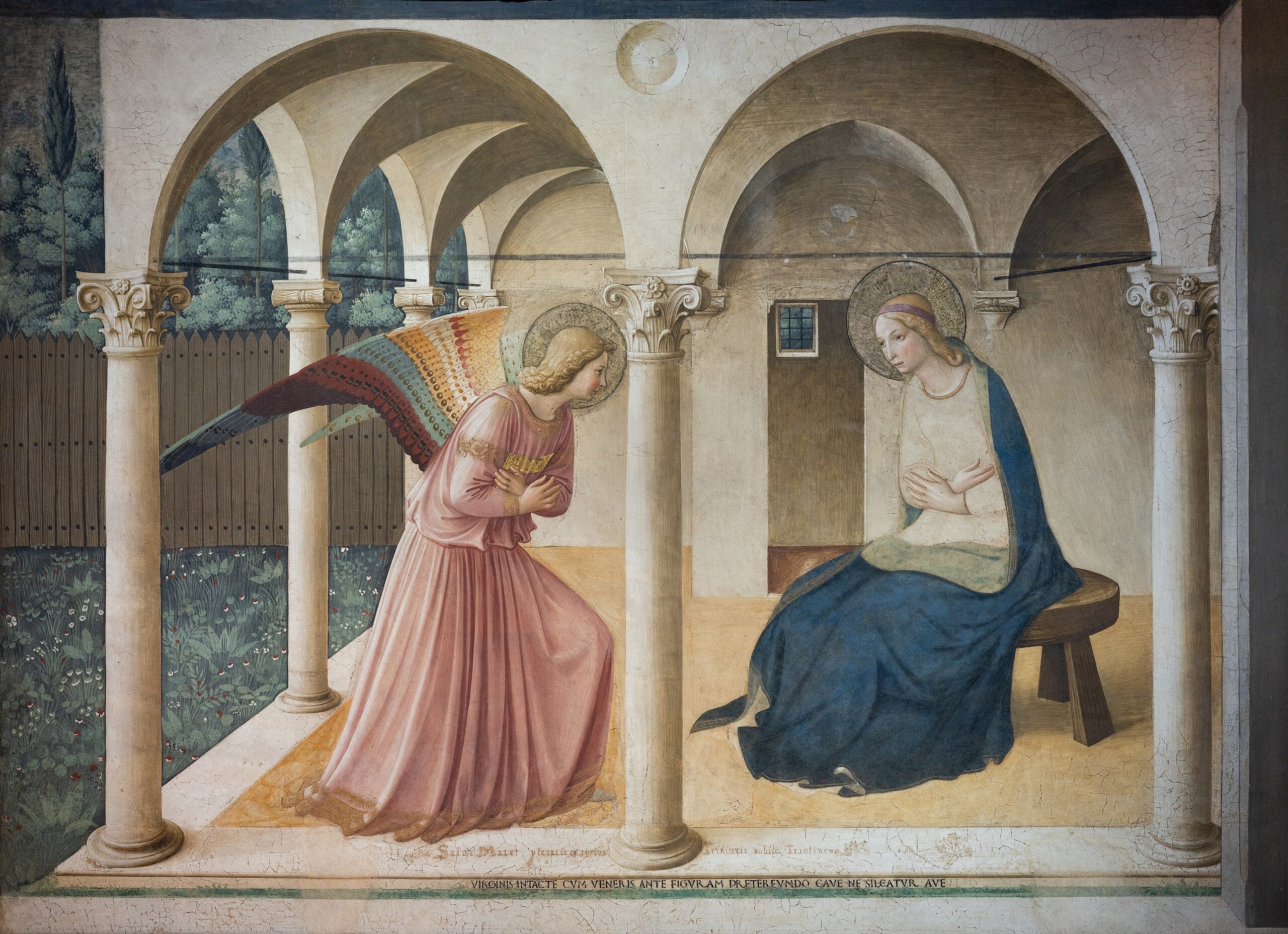
This episode is about the magic of Fra Angelico, the Renaissance “angelic painter” behind Florence’s most tranquil and moving frescoes. I’m joined by historian Alexandra Lawrence, who shares the thrill of experiencing art in its original context, and what visitors can expect from Florence’s major fall exhibition at Palazzo Strozzi and San Marco.Plus: personal stories about being transformed by Italian art, teaching and learning through travel, and a candid conversation about the difference between Florence and Naples.* Here’s the link to join Heaven Bound: The Life and Art of Fra Angelico, Alexandra’s online course that starts on September 4th. * Subscribe to Alexandra’s newsletter Illuminare* Finally, are you planning a trip to Florence and want insight, not just information, plus a detailed itinerary that you can modify for your trip dates? Get my brand new Destination Deep Dive: Florence. This is a public episode. If you'd like to discuss this with other subscribers or get access to bonus episodes, visit www.danielleoteri.com/subscribe
Ep. 25: Murder, Music & the Madness Behind a Genius
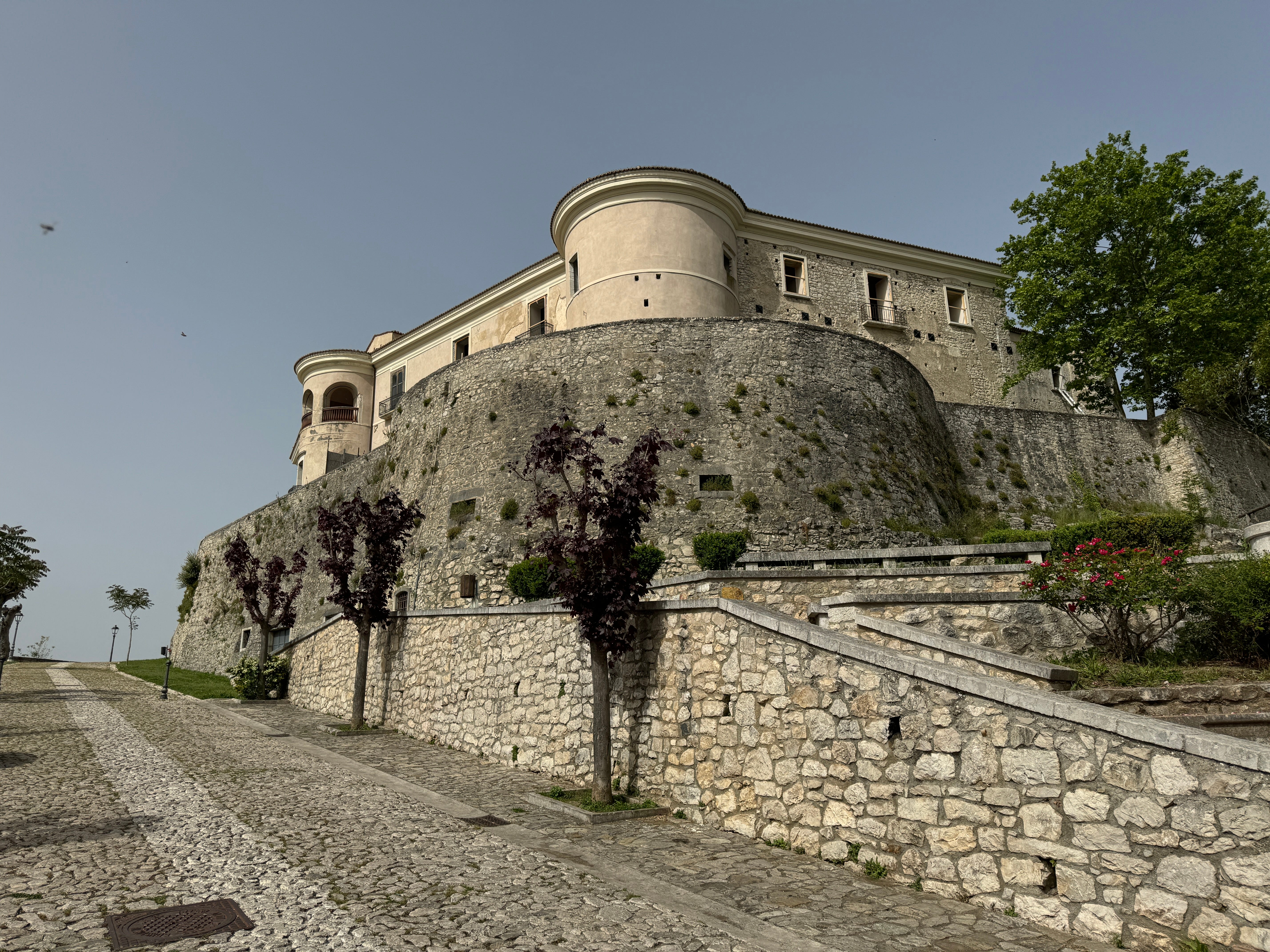
Warning: this episode contains grisly descriptions of a historical double murder.Episode 25 looks at the brilliant and violent life of Carlo Gesualdo — the Renaissance prince who murdered his wife and her lover, then retreated to his castle in rural Southern Italy, where he wrote music and had himself flagellated, among many other strange activities. Although Gesualdo faced no legal punishment, his crimes haunted him and manifested in his music, which was both beautiful and weird, and wildly ahead of its time.This episode features my conversation with Michael Cirigliano II, author of the newsletter Shades of Blue, who explains how you can hear Gesualdo’s emotional breakdown in music that was also wildly innovative, it wouldn’t be fully appreciated for another 250 years.We also discuss:* The official report of the murders in Naples, the horrifying scene, and the eyewitness’s account of Gesualdo’s actions.* Gesualdo’s exile to his hilltop town of Gesualdo in Irpinia and the spooky, isolated life he led there.* The two creative periods in his output: the refined madrigals written in Ferrara at the Court of Este, and the sonically weird madrigals written at the end of his life.* Why twentieth-century composers like Stravinsky re-discovered him and why his music continues to fascinate performers and listeners.* How to travel to Gesualdo’s castle, and the Sansevero Chapel in Naples (home to the Veiled Christ) with Gesualdo’s music playing in your AirPods.I also discuss Werner Herzog’s absolutely bonkers 1990 documentary and how local lore and modern storytelling shape what we think we know about Gesualdo. The episode weaves music, travel, and history. And if you want to go deeper into Gesualdo’s life, Alex Ross’s article in The New Yorker is an exciting read and an excellent summation of decades of scholarship. Thanks to Michael, here is a concise listen to Gesualdo’s descent into genius and madness:I. An example of Gesualdo's early madrigals:Book 1: "Baci, soavi, e cari" (1594, written in Ferrara)* Text and translationII. Two examples of Gesualdo's late, chromatic, nightmarish madrigals:Book 6: "Moro, lasso, al mio duolo" (1611, written in Gesualdo)* Text and translationBook 6: "Beltà, poiché t'assenti" (1611, written in Gesualdo)* Text and translationIII. And an example of his rare foray into sacred music. Here, Gesualdo is more conservative in his writing, likely because he's seeking penitence and absolution (this was published shortly after he commissioned Il Perdono di Gesualdo)"O vos omnes," from Tenebrae Responsoria: Responsory at Matins for Holy Saturday (1611, written in Gesualdo)* Text and translationFinally, Michael and I reconnected after working on this essay about Manhattan Castles for the Metropolitan Museum of Art. Years later, I wrote this essay, which features Henryk Gorecki’s Symphony of Sorrowful Songs, which Michael explains here. If you enjoyed this episode, please consider becoming a subscriber. I want to continue creating episodes that can deepen your experience of Italy and provide you with stories that you can transform into your own travel adventures. They require lots of research and editing, and the more support I receive through subscriptions, the more I can offer. This is a public episode. If you'd like to discuss this with other subscribers or get access to bonus episodes, visit www.danielleoteri.com/subscribe
Ep. 24: Q&A "What the heck is a UNESCO World Heritage Site?"
Upcoming Events for Paid Subscribers🗓️ Ask Me Anything About Italy – Wednesday, July 24 at 8 pm ET - The Zoom link will be sent to subscribers on Thursday afternoon!🗓️ Destination Deep Dive: Florence – Wednesday, July 31If you're a paid subscriber, you'll receive access to both Zoom events — ask your travel questions live on the 24th, and then join me for an immersive cultural deep dive into Florence, its Renaissance treasures, and its hidden gems on the 31st.💌 Not a paid subscriber yet? Subscribe here to unlock all Italy travel resources, including itineraries, deep dives, and replays.This week’s question comes from Kristin on Instagram, who asks, “What the heck is a UNESCO World Heritage Site?”Whenever I help someone plan their trip to Italy, I try to include what I call an Indiana Jones moment. This place invites a sense of wonder and curiosity, where history comes alive and you're completely immersed in the experience.One of the best places to look for ideas? Italy’s UNESCO World Heritage list.In this episode, I discuss the stories behind some of the most famous sites, including the historic centers of Rome and Florence, as well as lesser-known places like Matera, the Arab-Norman architecture in Palermo, and the monumental Certosa di Padula monastery in the Cilento.You'll hear why these sites matter, how they got their designation, and what happens after — including both the benefits and some of the criticisms of the UNESCO system. I also discuss what it means for travelers like us and how to find meaningful experiences, not just the Instagrammable ones.So if you're looking for inspiration — especially something a little more adventurous — this episode is a great starting point.00:00 - 02:00: Introduction to UNESCO and its role in preserving cultural heritage. 02:01 - 05:00: Italy's prominence with 59 UNESCO sites and what it means. 05:01 - 08:00: The transformation of Matera and its historical significance. 08:01 - 11:00: Discovering the Certosa di Padula and its architectural wonders. 11:01 - 14:00: The Arab-Norman cathedrals in Sicily and their cultural fusion. 14:01 - 17:00: The impact of UNESCO designation on tourism and preservation. 17:01 - 20:00: Tips for visiting and incorporating UNESCO sites into your itinerary. This is a public episode. If you'd like to discuss this with other subscribers or get access to bonus episodes, visit www.danielleoteri.com/subscribe
Ep. 23: The Real Godfather of Arthur Avenue
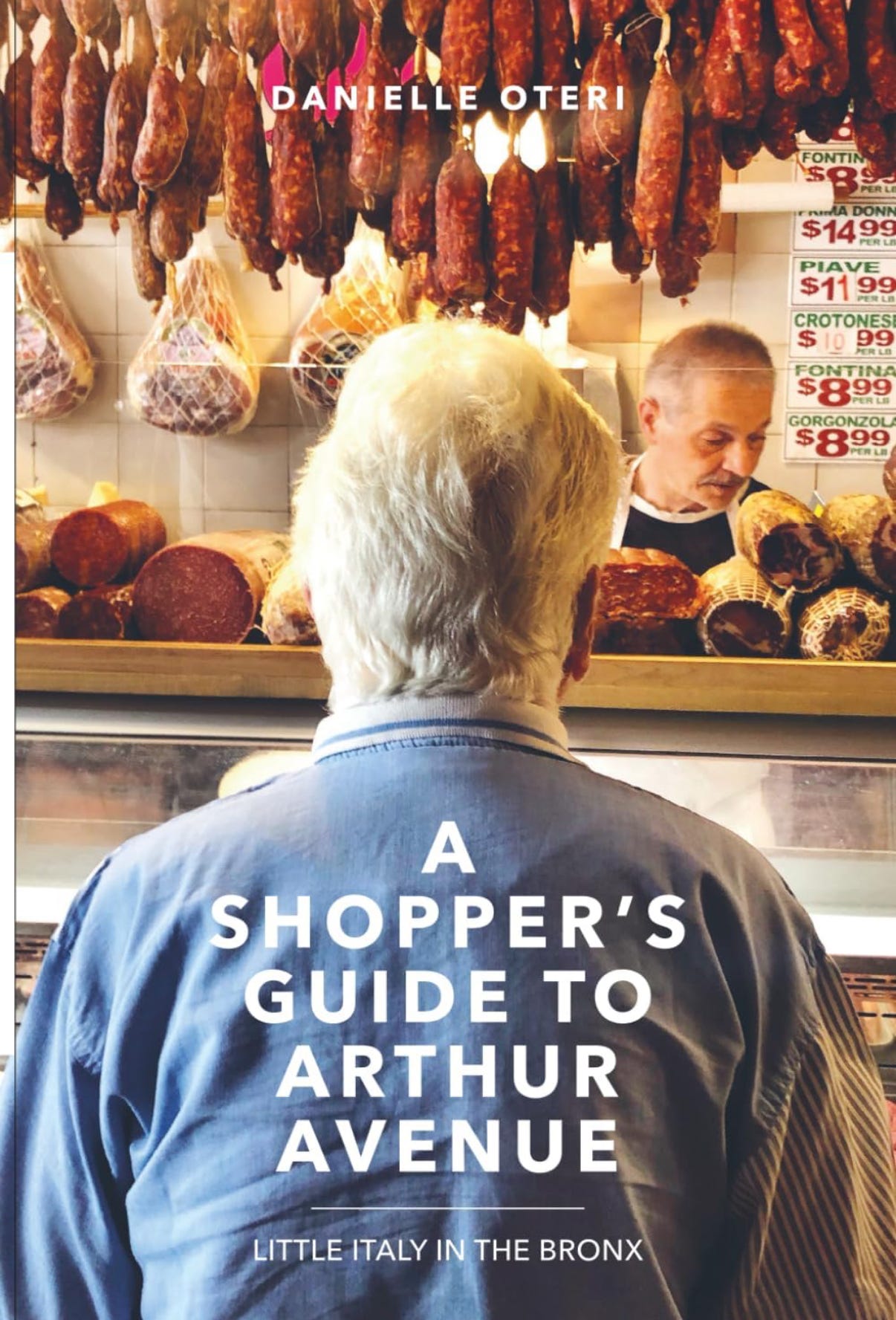
Subscribe to support this podcast and get access to exclusive monthly Zoom Q&As and Destination Deep Dives for just $8/month or $80/year at danielleoteri.com.This week, in honor of the 4th of July, I’m taking you to a piece of Italy in the United States—Little Italy in the Bronx, better known as Arthur Avenue. This episode also celebrates the publication of A Shopper’s Guide to Arthur Avenue, which I wrote to help you discover the best bites in each of the historic, family-run Italian food shops in Little Italy in the Bronx.My great-grandparents opened a baccalà shop there in 1918. Their son John took it over in 1950 and turned it into a butcher shop, which was also used for the opening scenes of Marty, which won the Academy Award for Best Picture in 1955. It remains a butcher shop today, now known as Vincent’s Meat Market. In 2010, I started Arthur Avenue Food Tours to help people experience the rich legacy of this unique neighborhood and help support and sustain this enclave of family-run food businesses. But as a historian, I was also curious to learn more about the origins of the neighborhood. The “official” story of Arthur Avenue’s foundation is that the area quickly became an Italian enclave after Catherine Lorillard Wolfe donated land to form what is now the New York Botanical Garden and also sold tracts of land to the city of New York. It was first published in a 1984 history book by the Bronx Historical Society that she had requested that the main thoroughfare be named after Chester A. Arthur, 21st President of the United States. Upon examining old maps, it was immediately clear that this story was false. The urban grid you see today was there as far back as the 1870s, and Arthur Avenue was named Arthur Street before Chester Allen Arthur was even born. Moreover, Catherine Lorillard Wolfe never owned any of this land, though ancestors who were not in her direct line of descent did own farmland in the area. The real founder of Little Italy in the Bronx was an Italian immigrant named Pietro Cinelli. He bought land, developed apartment houses, and petitioned the Archdiocese of New York for an Italian church. He also fought off threats from the Black Hand, a vicious criminal syndicate with its origins in Southern Italy that was the precursor to the Italian mafia that rose during and after World War II. The big question is this: Why was Pietro Cinelli written out of the official record? In this episode, I’ll share with you the story of his daughter’s kidnapping, and then invite you to help me figure out the larger mystery.00:00 Introduction to Little Italy in the Bronx00:37 The Historical Significance of Arthur Avenue05:36 The Mystery of Pietro Cinelli12:27 Uncovering the Truth Behind Arthur Avenue's History20:58 The Importance of Personal Stories in Immigration History—🛒 A Shopper’s Guide to Arthur Avenue is now available on Amazon🎧 Paid subscribers get full access to my travel deep dives, including this month’s focus on Florence📍 Subscribe at danielleoteri.com This is a public episode. If you'd like to discuss this with other subscribers or get access to bonus episodes, visit www.danielleoteri.com/subscribe
Ep. 22: Why Amalfi Is Everywhere, What to Do on Day 1, and Renting a Car in Italy
In this new Q&A episode, I answer three listener questions with the candidness you've come to expect from me. :)* You keep saying Cilento, but the rest of planet Earth says Amalfi. I believe you, but I’m not convinced. What’s the deal?(Let’s talk about commissionable networks, affiliate travel content, and why repetition creates false assurance.* My flight lands in the morning — should I plan something for that first day?(Short answer: no.) But I’ve got a surprising answer about what you should do.* What about renting a car, and is driving in Italy totally insane?(It depends on where you’re going.) Additionally, I share with you what you need to watch out for when driving in Italy, coming from someone who learned to drive from a New York City bus driver!You’ll also hear about this month’s Destination Deep Dive: Cilento, available for free now. Starting in July, Deep Dives will be available only to paid subscribers, beginning with Florence.👉 Support this work and get access to all Deep Dives by becoming a paid subscriber at danielleoteri.com🎙️ Have a question you’d like me to answer? Record a voice note on your phone (under 60 seconds) and email it to: [email protected] This is a public episode. If you'd like to discuss this with other subscribers or get access to bonus episodes, visit www.danielleoteri.com/subscribe
Introducing the Destination Deep Dive
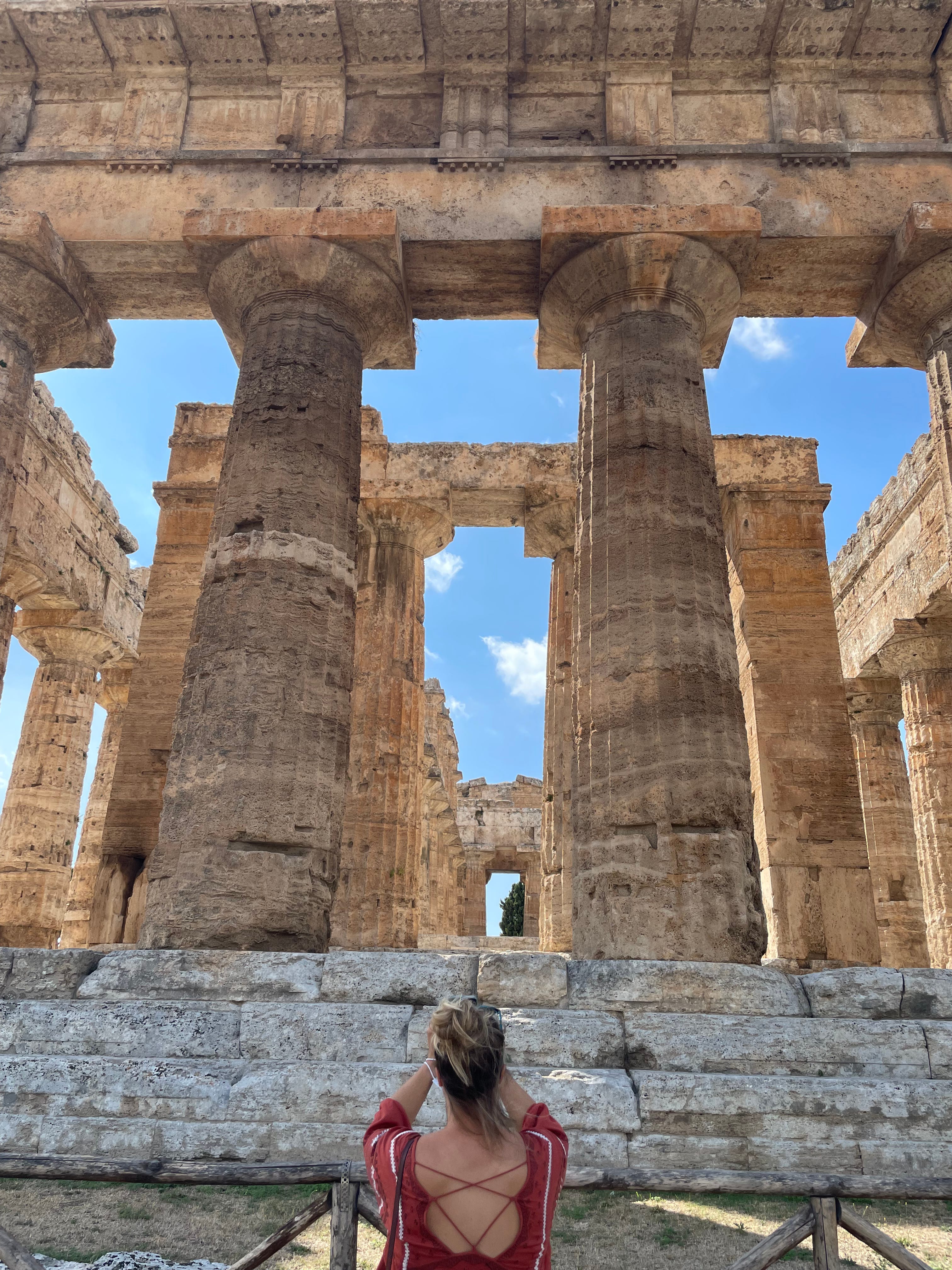
I’m thrilled to introduce the Destination Deep Dive — a live Zoom session where I will unfold one destination or itinerary in Italy.This isn’t a tidy region-by-region breakdown a la Stanley Tucci. (No offense to the Tooch, he’s great.) Instead, these are strategies for people like you who are planning meaningful trips that may include popular spots like Rome or Florence, but who want to go deeper and live their own story.Each session will discuss:* Why the destination is worthy of your time and money* What to see, eat, drink, and also what to skip* Lots of history and stories, as well as practical tips* A downloadable itinerary so you can make this trip your ownThis month’s session is free for all subscribers, and we’re starting in Cilento — my second home and one of Italy’s best unsung places. We’ll cover the temples of Paestum, the origins of the Mediterranean Diet, the Cilento Coast’s best villages and beaches, and where to find the most heavenly buffalo mozzarella.➡️ Join us live on Zoom or watch the replay, which will be sent out on June 20th.🗓️ Thursday, June 19th at 8 pm ET📍 Click for Zoom linkPaid subscribers will also receive a full itinerary after the session. Starting next month, these Deep Dives will be available only behind the paywall, so now’s a great time to upgrade if you’ve been thinking about it. As the archive grows, so does the value.Hope to see you there!Danielle This is a public episode. If you'd like to discuss this with other subscribers or get access to bonus episodes, visit www.danielleoteri.com/subscribe
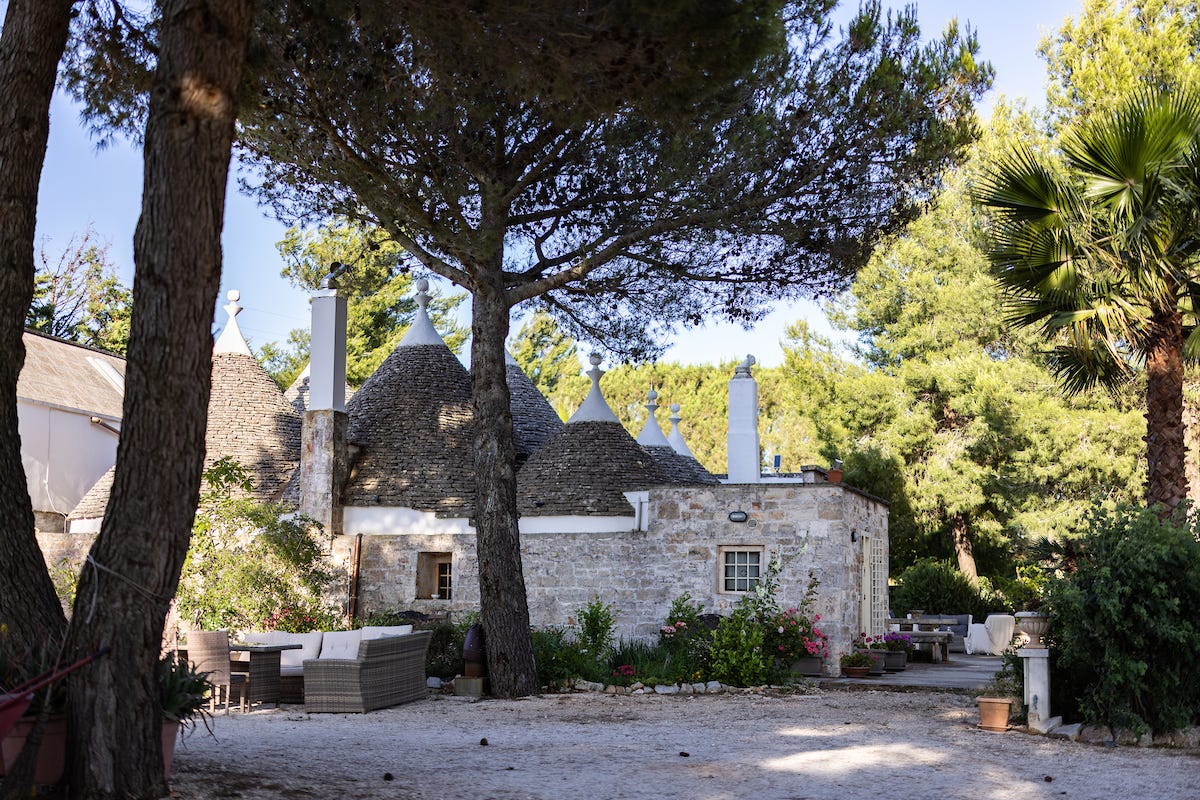
Ep. 21: The Best Cooking Classes in Tuscany and Puglia
Cooking classes are now on nearly every Italy itinerary—and for good reason. Food is one of the most intimate ways to understand Italy’s culture and traditions. But as tourism to Italy has exploded, so has the number of cooking classes—many of them aggressively mediocre experiences offering pizza, pasta, and gelato in every city.In this episode, I explore what it means to take a meaningful cooking class in Italy—one that connects you to a region’s real foodways, people, and stories. You’ll hear from two women who offer exactly that:Pamela Sheldon Johns has been living and cooking in Tuscany for over 20 years. She has written a large pile of books on Italian cuisine and teaches classes rooted in cucina povera. Pamela was running her own cooking school in Santa Barbara, California, when she started leading culinary tours to Italy in 1992. In 2001, she made the leap, bought a farmhouse, and moved her family to the Tuscan countryside, the beauty of which still amazes her. Giovanella Russo runs Masseria Battaglini in Puglia, where she teaches traditional regional recipes as well as historic dishes passed down from the Neapolitan monarchy. After a career in Naples’ corporate world, she now grows lentils and chickpeas and hosts guests from around the world in her trullo. Giovanella has “big baronessa energy,” and a cooking class with her is the experience of a lifetime. We also touch on:* Why “pizza and gelato” classes are everywhere—and why I don’t like them* How regional food in Italy differs dramatically* Why tiramisu isn’t actually a traditional dessert* How to choose a cooking class that gives you a deep cultural experienceIf you're planning a trip and want to have an experience that’s truly local and memorable, this episode is for you.Listen to discover what to look for in a cooking class—and why these two women are my go-to recommendations.00:00 Introduction to Italian Cooking Classes00:39 The Evolution of Italian Cuisine01:05 The Importance of Regional Specialties01:52 Meet Pamela Sheldon Johns03:10 Pamela's Tuscan Lifestyle07:48 The Shift in Tuscan Food Culture16:10 Meet Giovanella Russo18:25 Giovanella’s Culinary Journey22:01 Traditional Pugliese Recipes You Don’t Know29:22 Conclusion and Additional Recommendations This is a public episode. If you'd like to discuss this with other subscribers or get access to bonus episodes, visit www.danielleoteri.com/subscribe
Ep. 20: Why These Travelers Skipped the Crowds To Find the Heart of Italy
In this episode, I share personal conversations with two independent and savvy travelers - Matt Littlejohn and Caroline Rausch. Matt's Italy trip began with a Zoom call with me during the COVID lockdowns, which gave me an idea for a new business offering that, over time, evolved into my signature Trip Consultations. His recent trip to Naples was preceded by months of reading books and watching movies in anticipation of his trip, which he explains made it richer for both him and his family. I met Caroline shortly after I formalized Trip Consultations into a service and launched it on another Italy podcast. We worked out the details for a trip to Cilento and Calabria to search for family roots. Caroline is a master planner who loves considering every detail, but the most memorable thing that happened on her trip is an experience that could never be anticipated — and it will give you chills!I’m sharing these conversations because both Matt and Caroline love research and planning, and yet they hit the same walls that everyone hits when trying to travel beyond Venice, Florence, Rome, the Cinque Terre, and the Amalfi Coast. I enjoyed geeking out with them and hope you will also enjoy listening and take inspiration from how their deep dives into history and culture made their trips unforgettable.00:00 Introduction 00:10 Matt Littlejohn: The First Consultation01:37 Caroline Raush: Heritage Trip to Calabria02:33 The Importance of Research in Travel03:41 Matt's Journey to Naples08:03 Falling in Love with Naples09:46 The best part of Naples: The People16:46 “One of the best things I ever saw” 22:26 Exploring Naples: A Blend of History and Modernity23:01 Planning the Perfect Trip: Research and Preparation24:30 Buying a suit in Naples26:04 Discovering Calabria: A Journey to the Roots27:08 Falling in Love with Italy By Cheating on France29:22 Deep Dive into Italian Culture and History30:44 Uncovering Hidden Gems38:41 The Magic House in Calabria42:06 Reflections on Travel and Culture45:05 Conclusion: Crafting Meaningful Journeys This is a public episode. If you'd like to discuss this with other subscribers or get access to bonus episodes, visit www.danielleoteri.com/subscribe
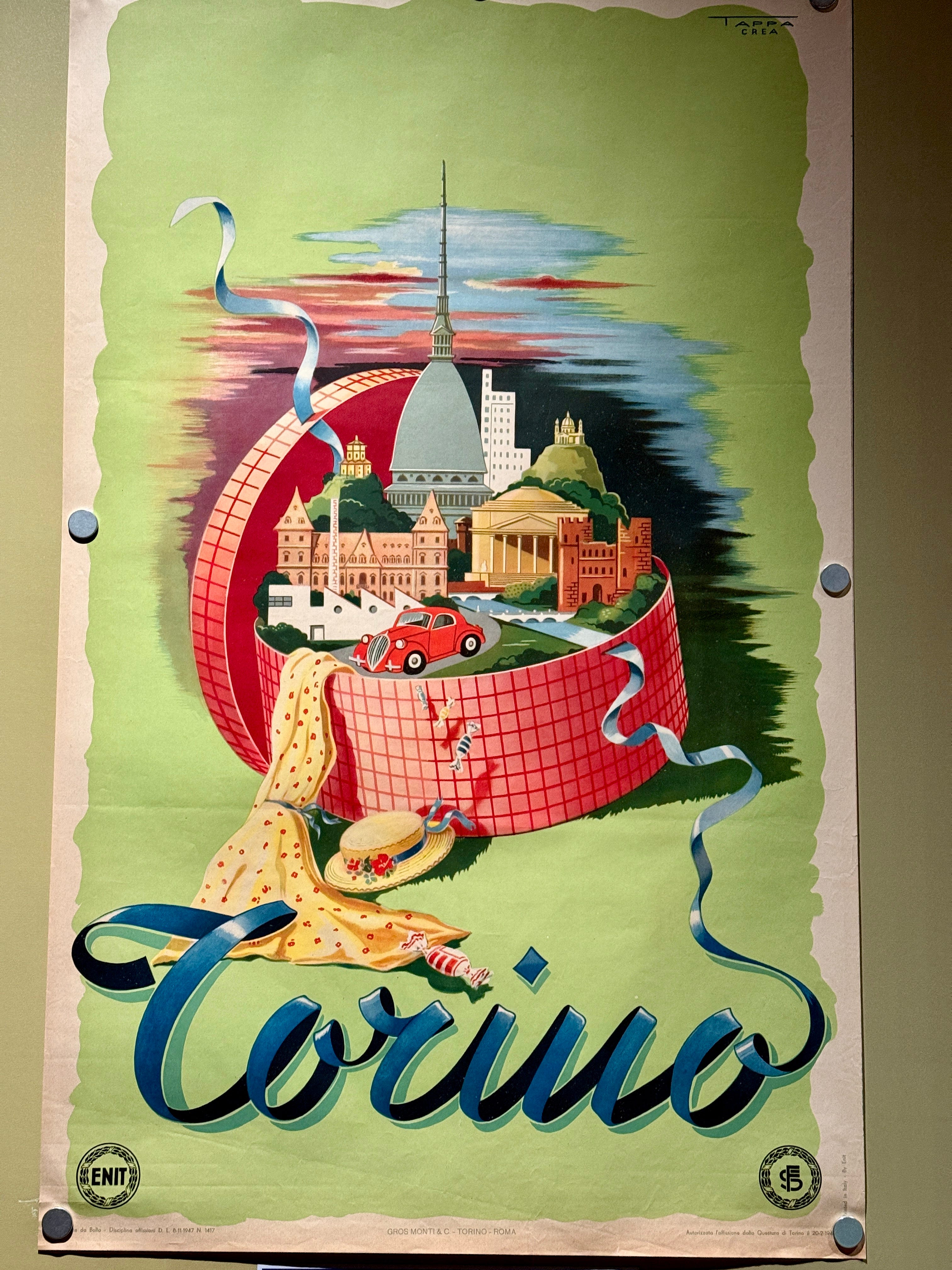
Episode 19: Turin: Chocolate, Historic Cafés, and Italy Without the Crowds
Turin is one of Italy’s major cities. It’s an affordable, walkable city full of history, culture, centuries-old cafes, and chocolate shops. Prestigious locations like Barolo and Alba surround it, yet the city has no mass tourism. Did I mention it’s only an hour by train from one of the biggest airports in Europe? Or that it has the largest open-air food market in Europe?This episode introduces Turin, drawing from my explorations there in late March 2025. Research is the best part of my job, and testing out cafes, cocktail bars, and chocolate shops was one of the better assignments I’ve ever given myself. As you’ll hear, I recommend you start your visit at Cafe al Bicerin, and then let your Turin adventure unfold from there. To expand more on food in Turin, especially the truly amazing Porta Palazzo Market, I interviewed Marco Romeo, founder of Streaty Food Tours, who recently launched a tour in Turin. His marketing agency said there aren’t many searches for food tours in Turin, so it may not be a good market for business, but he says it is all the better for those who visit because Turin is the real Italy.The next “Ask Me Anything About Italy” is happening on May 15th at 8pm ET. Paid subscribers will receive the Zoom link via email on May 14th, along with a link to add your question if you can’t join us live. The session will be recorded and the replay sent to subscribers the following day. This is a public episode. If you'd like to discuss this with other subscribers or get access to bonus episodes, visit www.danielleoteri.com/subscribe

Ep. 18: The Passing of Pope Francis and the Upcoming Papal Conclave
In this episode, I discuss the unexpected passing of Pope Francis on Easter Monday and its significant historical context given the ongoing Papal Jubilee. For insight into what to expect, especially for those wondering if their Vatican tours will be cancelled, I spoke with Margherita Capponi, our most trusted guide in Rome. She is an archaeologist and a seventh-generation Roman, who provides insights into the historical traditions and logistical arrangements for the forthcoming papal funeral and the election of a new pope. The episode covers the special ceremonial events in Rome, the role of pilgrims during the Jubilee year, and the impact on Vatican tours. We also discuss the conclave process, and Margherita answers my burning question about what the cardinals will eat while they’re in Rome! If you’re coming to Rome, or want to know more about this piece of history about to be written, listen first to Margherita. 00:00 Breaking News: Pope Francis Passes Away 00:30 Interview with Margherita Capponi02:48 Understanding the Papal Jubilee 05:41 Upcoming Events and Changes in Rome 09:12 The Conclave: Electing the New Pope 13:28 Touring Rome During the Jubilee Year 22:31 Final Thoughts and Travel TipsIf you'd like to explore Rome with Margherita, please get in touch! We work together to organize tours of all the major sites, but highly recommend getting off the beaten path with Margherita as well. Last June, Margherita took us on a tour of the Museum of the Walls, the Via Appia, the catacombs, and then finally to lunch in Testaccio for a classic Roman meal. Nothing was crowded, and we learned so much.This podcast is free, but if you become a paid subscriber on Substack, you’ll gain access to our monthly Zoom calls, where you can ask all your trip planning questions. If you'd like to delve deeper and have me strategize your entire trip, consider a Trip Consultation. In just one hour, I will save you months of research, eliminate confusion, and provide you with all the resources you need to book your ideal trip to Italy. This is a public episode. If you'd like to discuss this with other subscribers or get access to bonus episodes, visit www.danielleoteri.com/subscribe
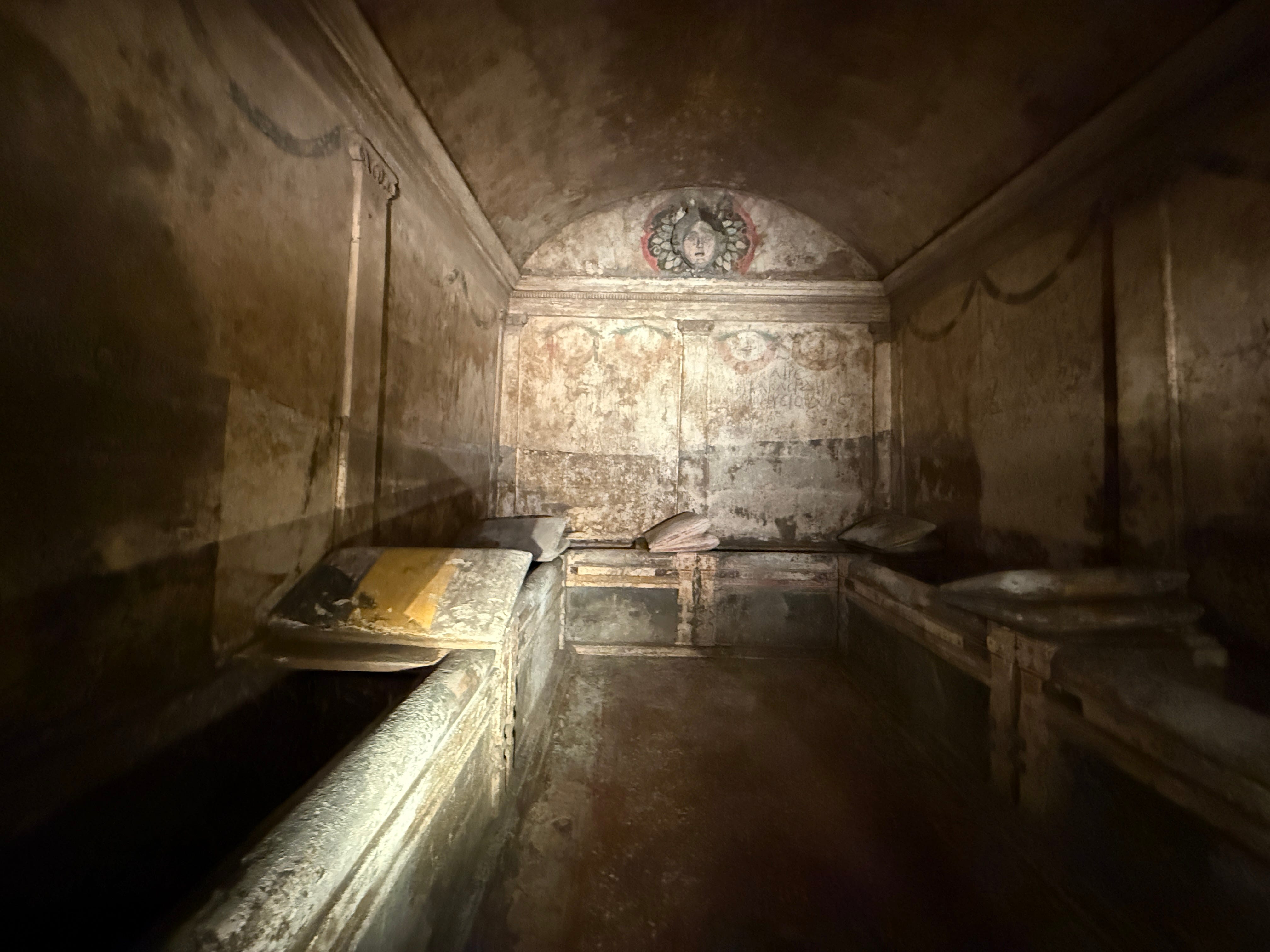
Ep. 17: The Theater of Death in Naples, Part 2
The second part of Episode 17 takes you inside the Ipogeo dei Cristallini, which has only been open to the public since 2022. Italy is full of tombs and catacombs, and while each one holds fascinating stories, I appreciate that it can be challenging to connect with archaeological sites like these, especially when compared to something more relatable, like the Colosseum. To bridge the gap, I’m offering you a deeply personal story about the secrets in my family’s mausoleum, which isn’t much different than the ancient Greek one on Via Cristallini.The podcast is available and always free on Apple Podcasts, Spotify, and YouTube. If you would like to join our trip planning community, become a paid subscriber right here on Substack, and get access to our monthly Q&As where I’ll personally answer all your trip planning questions.00:00 Introduction: Brief recap of Part 1 of Episode 17 and Introduction to Ipogeo Cristallini28:59 A Link To My Family History29:21 Connecting People Across History29:33 Archaeological Discoveries in the Ipogeo dei Cristallini, Including 700 Objects, and Bones30:02 Rinascita (Rebirth)30:09 ConclusionFinally, if you’d like to watch the video reconstruction of the Ipogeo, it’s available on YouTube. This is a public episode. If you'd like to discuss this with other subscribers or get access to bonus episodes, visit www.danielleoteri.com/subscribe
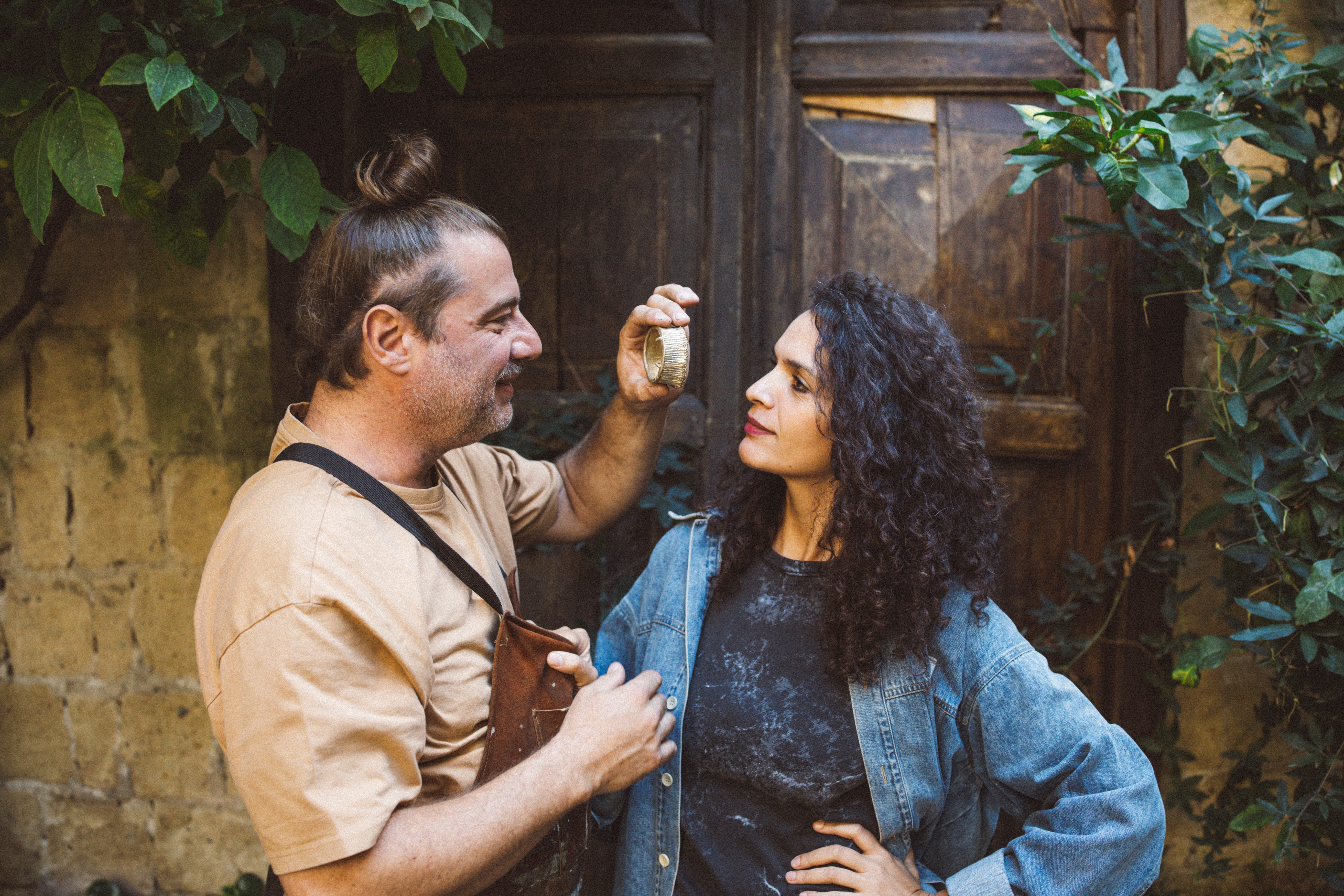
Ep. 17: The Theater of Life in Naples Part 1
Paid subscribers, our April “Ask Me Anything About Italy” meeting will be on April 17th at 8 pm ET. Subscribers will receive the Zoom link the day before. This is your opportunity to ask all your trip planning questions, or other questions you may have about art, history, and food in Italy. If you can’t join us live, you can email me your questions and I’ll answer them on the call. I send out the replay and resource list the following day.This two-part episode will explain why I think Naples is Italy's most vibrant, fascinating city. We’ll visit the Rione Sanità, a working-class district next to the Centro Storico. When Naples was a Greek, and then a Roman town, the Sanità was just outside the city gates and was where people buried their dead. The early Christians built catacombs in this district, carved out of the soft tufa stone deposited in Naples by ancient volcanic eruptions. In the Middle Ages, mudslides covered these ancient structures, and another city developed on top. During the glory period of Naples in the 18th and 19th centuries, the Sanità was home to noble palaces and artisans whose shops lined Via Cristallini. Then, the area fell into decline and was the territory of the Camorra, the loathsome mafia of Naples, especially in the 1980s and 90s.Today, Sanità remains a working-class neighborhood inhabited by artists and a local community invested in preserving and sharing its many treasures, from the early Christian catacombs to the Blue Church, which local artists recently reclaimed. In this episode, you’ll meet Ines Sallemi, co-owner of Atelier Ines. This boutique hotel provides travelers (not tourists) an entryway to the creativity and mystery that define this neighborhood. Together with her husband and artist Vincenzo Oste, whose art studio is inside the palazzo, they’ve taken the spirit of the place, which used to be an open-air theater that lets guests have an authentic experience of the city.Directly below the wine cellar at Atelier Ines is the Ipogeo Cristallini, a 2,300-year-old Greek mausoleum. Though it was discovered a century ago, it has only been open to the public since 2022. I’ll take you inside the Ipogeo in part 2 of this episode, which will be available next week.00:00 Introduction and Monthly Q&A Announcement01:10 Exploring the Historic Center of Naples02:00 Discovering the Sanità Neighborhood02:54 Ancient Temples and Modern Art in Naples04:23 A Visit to Atelier Ines06:39 The Duality of Naples: Beauty and Danger07:54 Life and Community in Sanità09:07 The Unique Hospitality of Atelier Ines19:39 The Rich History of Naples30:06 A Personal Connection to the Past31:42 Conclusion and Next Episode Preview This is a public episode. If you'd like to discuss this with other subscribers or get access to bonus episodes, visit www.danielleoteri.com/subscribe
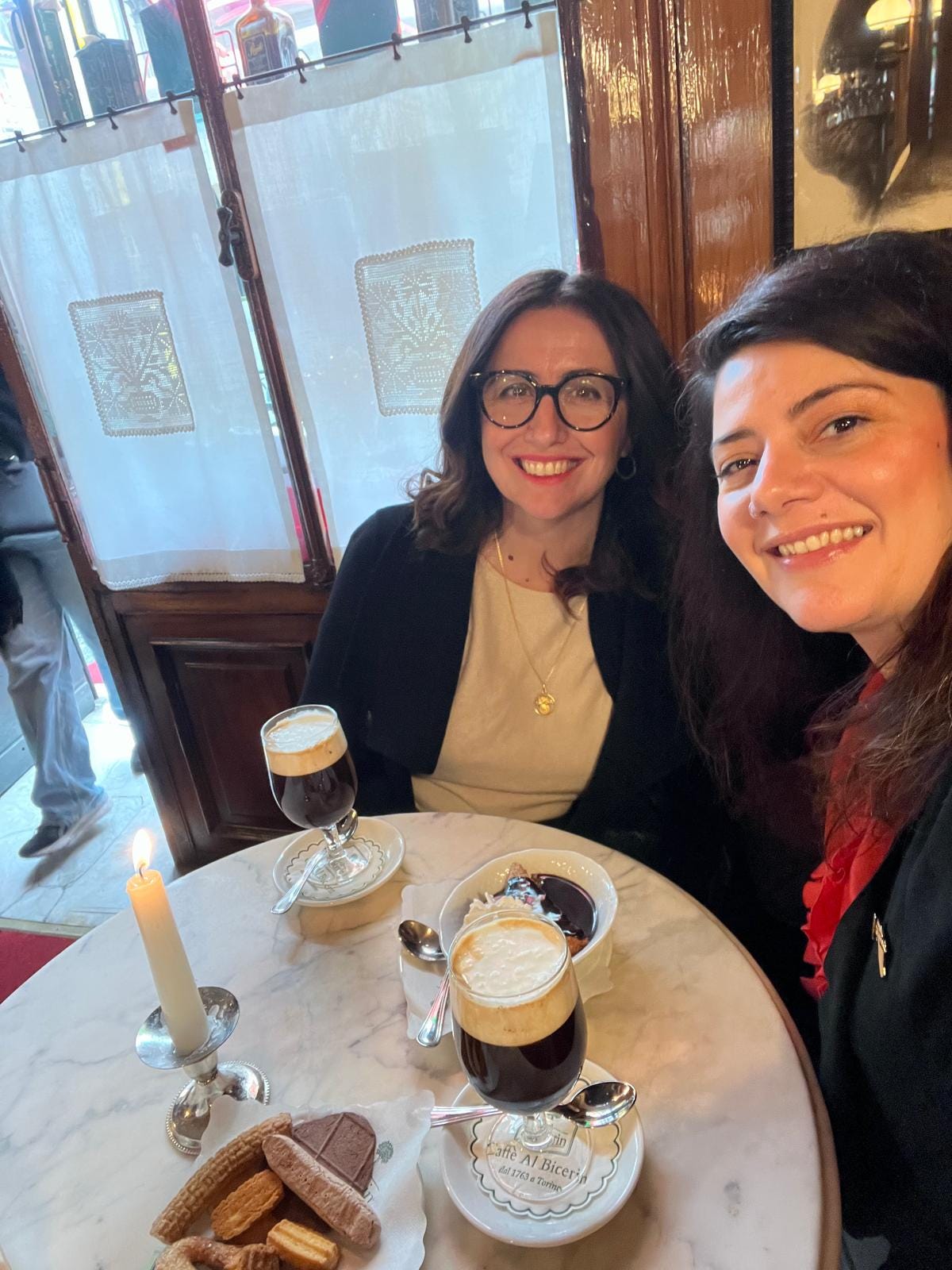
Ep. 16: Quick Travel Insights for Italy in 2025
I just got back from a quick trip to Italy—11 days, which is about the average stay for most of my clients. In doing so, I had the chance to better walk in your shoes and check and challenge the travel planning advice I offer. Now that I’m home and have had time to reflect, I’m doubling down on my advice for what to do on arrival day, the maximum number of locations you should have in a 10-day trip, and where to find the best food experiences. I’ll also offer a little preview of my trip to Turin, which will be the subject of a forthcoming episode. Finally, I discuss the view of Americans in Italy right now in this strained political moment and share my advice on how to navigate it. 00:17 Experiencing a Short Trip to Italy00:56 Dealing with Jet Lag04:37 Traveling Between Cities via Train08:05 Restaurant Reservations in Rome10:28 Exploring Authentic Italian Food Culture12:09 The Charm of Torino14:06 Perceptions of Americans in Europe16:47 Community and Subscription Information This is a public episode. If you'd like to discuss this with other subscribers or get access to bonus episodes, visit www.danielleoteri.com/subscribe
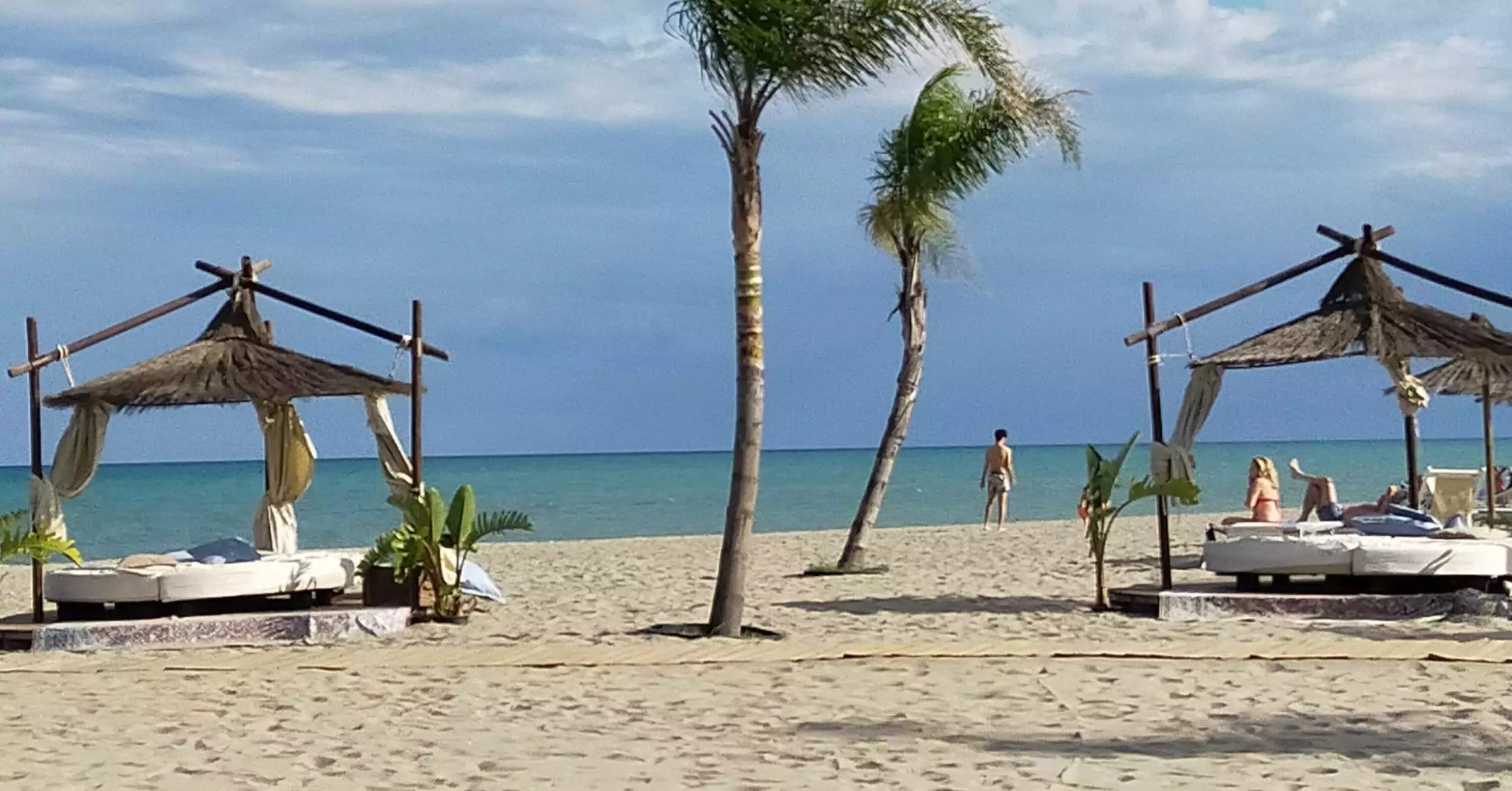
Ep. 15: Basilicata's Beachside Paradise with Author Helene Stapinski
This episode features an interview with author and journalist Helene Stapinski about Basilicata. I discuss Helene’s remarkable investigation into a family mystery in her book Murder in Matera, which blends Italian history, true crime, and personal discovery. We delve into Basilicata's beautiful yet lesser-known area, exploring its pristine beaches, ancient ruins, and local culture. Helene provides insights into where to stay, where she had the best meal of her life, and about the completed untouristed ruins and beaches along the Ionian coast. We also discussed the arduous journey of Italian immigrants from small towns to Naples before setting sail for America, which she beautifully described in her book.This episode is packed with personal anecdotes, like why so many Southern Italians don’t know how to swim, travel tips for getting around Basilicata by car and train, and a deeper understanding of Italy’s hidden treasures like the extraordinary gold wreath at the archeaological museum at Metaponto.00:00 Introduction to Helene Stapinski’s writing01:23 Murder in Matera: A Deep Dive 02:53 Exploring Matera and Basilicata 03:40 Interview with Helene Stepinski 04:18 Hidden Gems of Basilicata 08:37 Cultural Insights and Personal Stories 22:03 The Emigrant Experience 35:01 Conclusion and Future PlansRead Helene’s New York Times story about the Ionian CoastRead A History of Hunger Lies Beneath Italy’s Food Culture in Time Magazine This is a public episode. If you'd like to discuss this with other subscribers or get access to bonus episodes, visit www.danielleoteri.com/subscribe
Ep. 14: The Ultimate Italy Travel FAQ
In this FAQ episode, I address travelers' most common questions about planning a trip to Italy, drawn from a deep dive into Google Analytics. Topics include what to wear, how much Italian you should learn, budgeting for your trip, safety concerns, the best times to visit, hidden gems, cash needs, gluten-free dining, and Italian cultural quirks. Additionally, I offer tips on respectful conversations about politics abroad because, let’s face it, things are different now.00:00 Introduction 00:49 Why Planning an Italy Trip is Challenging01:49 What to Wear in Italy08:59 How Much Italian Should You Learn?10:29 Budgeting for Your Italy Trip15:52 Safety in Italy16:44 Best Time to Visit Italy20:25 Hidden Gems and Authentic Italy21:33 Handling Money in Italy23:31 Dietary Considerations in Italy25:14 Why Italians Don’t Drink As Much Water as Americans26:31 Conclusion and Additional Resources This is a public episode. If you'd like to discuss this with other subscribers or get access to bonus episodes, visit www.danielleoteri.com/subscribe
Episode 13: Italy's Ancient Spas at Pompeii, Baia, Ischia and Rome
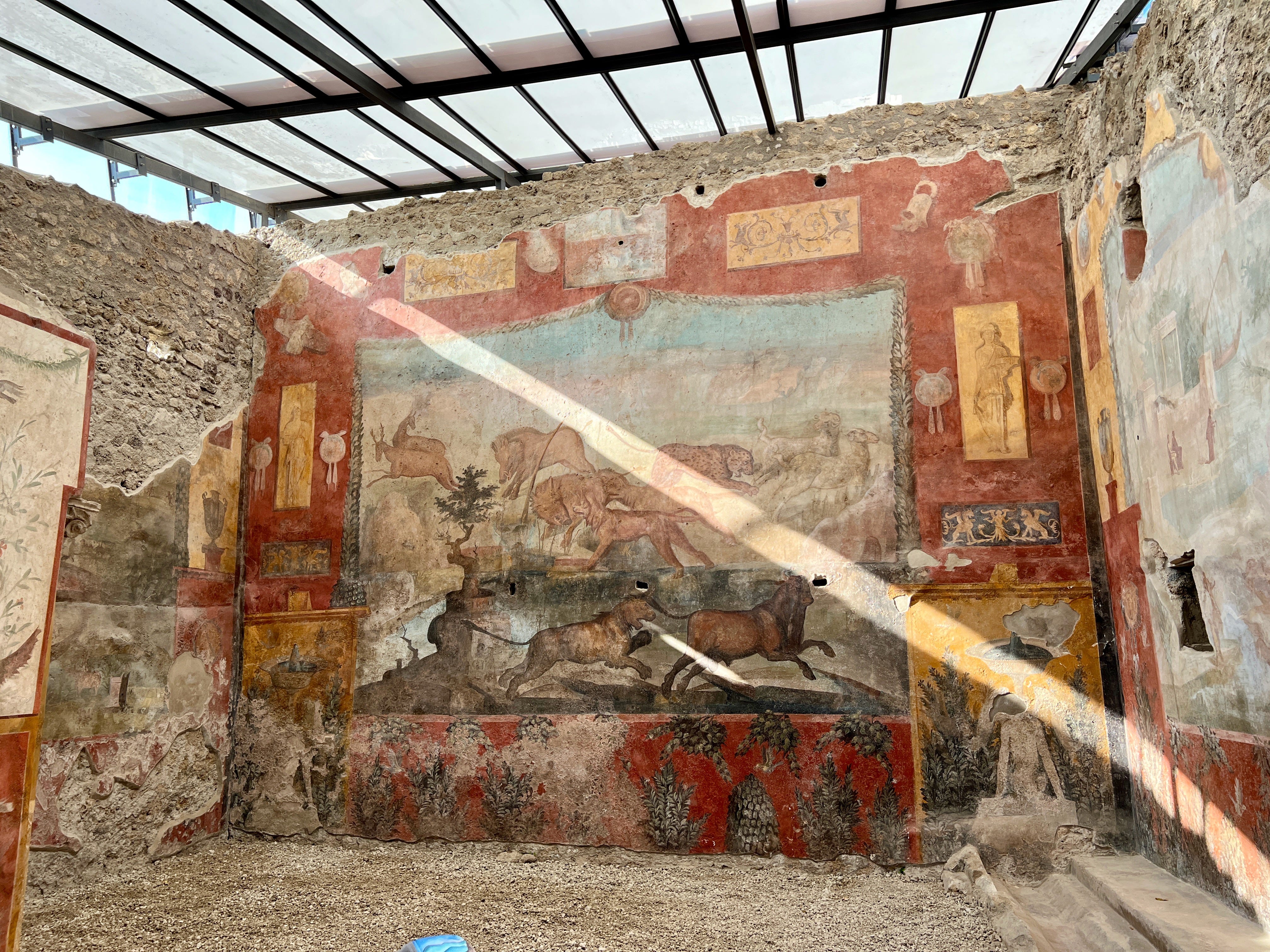
This episode explores the rich history and luxurious experiences of ancient spas, from the newly discovered private spa in Pompeii to the ancient thermal baths of Baia and the renowned Baths of Caracalla in Rome. I’ll also take you to Ischia's hot springs and Nitrodi, the oldest spa in the world. Learn about the technological marvels of Roman baths and how to incorporate these rejuvenating experiences into your own Italian travel itinerary.00:00 Special Announcement: Chef Mario Stellato will visit New York on February 28, 2025, for a dinner at the James Beard Foundation’s Platform at Pier 57. Buy tickets here and use code cheffeb10 for a 10% discount.01:59 Road Trip and Pompeii's New Discovery02:59 The Wonders of Ancient Roman Spas03:57 Exploring Pompeii's Private Spa07:26 Baia: The Roman Elite's Luxury Escape12:15 The Baths of Caracalla in Rome16:56 Ischia: The Island of Hot Springs19:41 Nitrodi: The World's Oldest Spa24:41 Conclusion and Future EpisodesWant more ideas for your self-planned itinerary? Join our subscriber community here to access our monthly Zoom calls or book a one-on-one Trip Consultation. This is a public episode. If you'd like to discuss this with other subscribers or get access to bonus episodes, visit www.danielleoteri.com/subscribe
Ep. 12: From Frescoes to Filters: Renaissance Florence's Beauty Obsessions
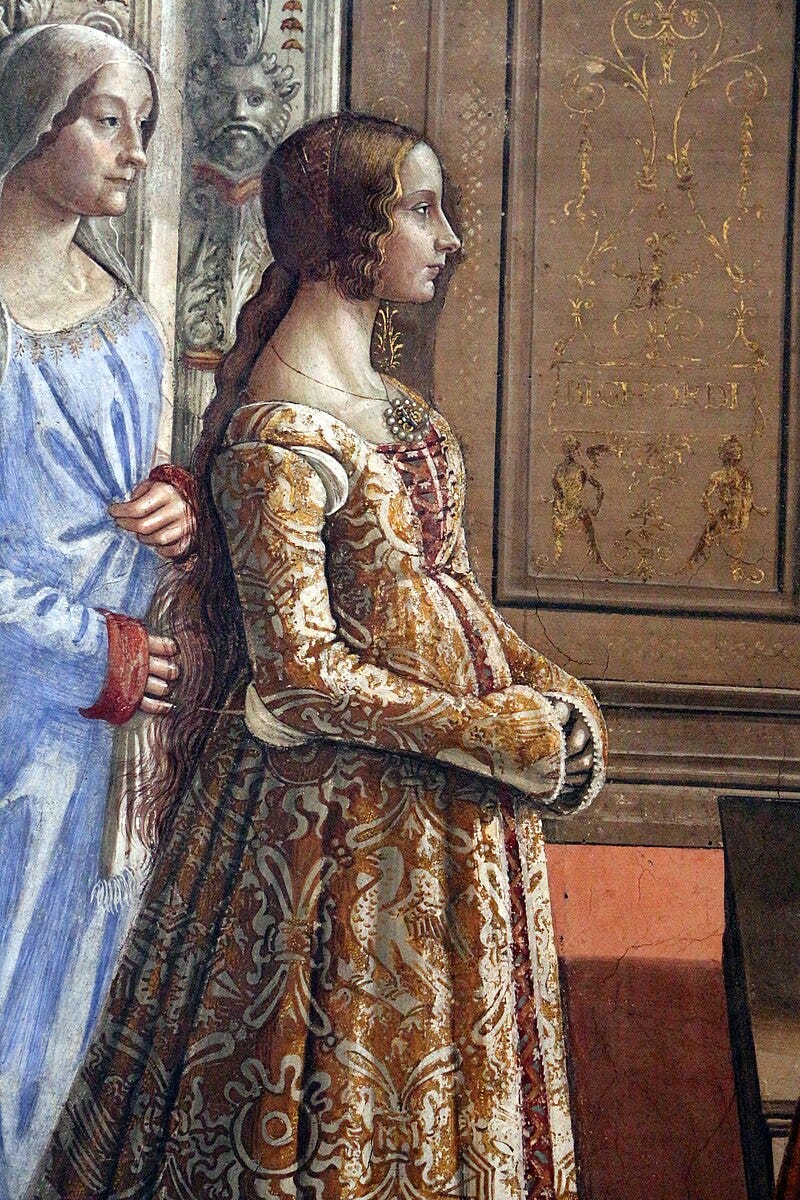
Note for subscribers: Our monthly Zoom is on January 21st at 8 pm ET and the link is the Tante Belle Cose community. If you can’t make it, email me your question. I’ll answer it live and share the recording the next day. Florence is experiencing some of the world’s worst over-tourism, with wine windows and big sandwiches overshadowing the best reason to go there: art. In this episode, I hope to inspire you to step into the world of the Renaissance by introducing you to the Tornabuoni family. They were the second wealthiest family in Florence, next to the Medici, and their lives can be easily compared to those of the billionaire class of New York City or Silicon Valley. In particular, you’ll meet 14-year-old Ludovica Tornabuoni and learn how she would have used horse urine to dye her blonde hair and the toxic herb belladonna to dilate her pupils, conforming to the beauty standards of her day. This deep dive into the Renaissance offers a few solutions to Florence's toxic tourism. We can play a vital role in preserving Florence's cultural legacy by shifting focus from fleeting social media trends to the city's enduring artisanal traditions—be it leather crafting, paper marbling, or art restoration. If you think you’re not an “art or museum person,” give this a listen, and let me know if I’ve changed your mind in the comments. 00:38 Falling in Love with Florence00:57 The Art of Florence01:49 Experiencing Art in Its Original Setting02:45 Overtourism in Florence04:43 A Different Perspective on Florence04:59 Exploring Santa Maria Novella08:18 The Tornabuoni Chapel18:18 Beauty Ideals in Renaissance Florence24:14 Florentine Artisan Heritage27:28 Conclusion and Subscriber Community This is a public episode. If you'd like to discuss this with other subscribers or get access to bonus episodes, visit www.danielleoteri.com/subscribe
Episode 11: Origin of the Feast of the Seven Fishes
In this festive episode, I delve into the origins and traditions of the Feast of the Seven Fishes, a cherished Italian American Christmas Eve celebration. Joined by Patrick O'Boyle from the Italian American Podcast, I explore the history and myths surrounding the 'seven fishes' notion, its sudden popularity in the 1980s, and how different fish dishes evolved. We share personal anecdotes, regional variations, and insights from chef Anita DiPietro on the significance of numbers in Italian culinary traditions. The episode also features a detailed account of Christmas Eve preparations and recipes from my dear friend Jennifer Federico, spotlighting the cultural richness and adaptability of Italian American holiday customs.00:00 Introduction to the Feast of the Seven Fishes00:39 Origins and Theories of the Seven Fishes02:44 Italian American Traditions and Memories05:37 Post-War Changes and Modern Adaptations08:40 Cultural Significance and Personal Stories19:28 Conclusion and Future Plans This is a public episode. If you'd like to discuss this with other subscribers or get access to bonus episodes, visit www.danielleoteri.com/subscribe
Ep. 10: Trip Consultation: How To Design A Trip To Italy For Both Culture And Relaxation
This episode features a live trip consultation with Krista Senatore over Zoom. We discuss her upcoming trip to Italy with her 13-year-old daughter. We explore logistics, including traveling to Naples, renting a car, and visiting historical sites like Pompeii, Herculaneum, Oplontis, Matera, and various coastal towns in Cilento and Puglia. I provide detailed recommendations on accommodations, transportation, and unique experiences, such as the underwater archaeological site in Baia. We also discuss potential beach destinations and how to incorporate authentic cultural experiences into their trip. The episode aims to offer valuable insights and practical advice for anyone planning a trip to Italy, mainly focusing on less touristy and more enriching experiences.00:00 Welcome to Tante Belle Cose00:14 Live Trip Consultation Introduction01:33 Meet Krista and Her Travel Plans03:15 Travel Logistics and Flight Options05:45 Exploring Matera: The Cave City15:13 Pompeii and Surrounding Archaeological Sites22:30 Driving in Italy: Tips and Advice25:43 Navigating Matera: Parking and Hospitality Tips26:21 Exploring Matera: Hotels and Walking Tips27:20 Discovering Matera's Historical Sites27:44 The Murgia Valley: Cave Churches and Ancient Footprints28:28 The Cave of the Original Sin: A Unique Experience31:37 Exploring Altamura and Nearby Beaches34:44 Puglia: Beaches, Cities, and Budget Tips41:58 Returning to Naples: Must-See Sites and Tips46:33 Planning Your Trip: Final Tips and ResourcesIf you’d like to book your Trip Consultation, visit: https://www.feasttravel.com/travel-consultation This is a public episode. If you'd like to discuss this with other subscribers or get access to bonus episodes, visit www.danielleoteri.com/subscribe
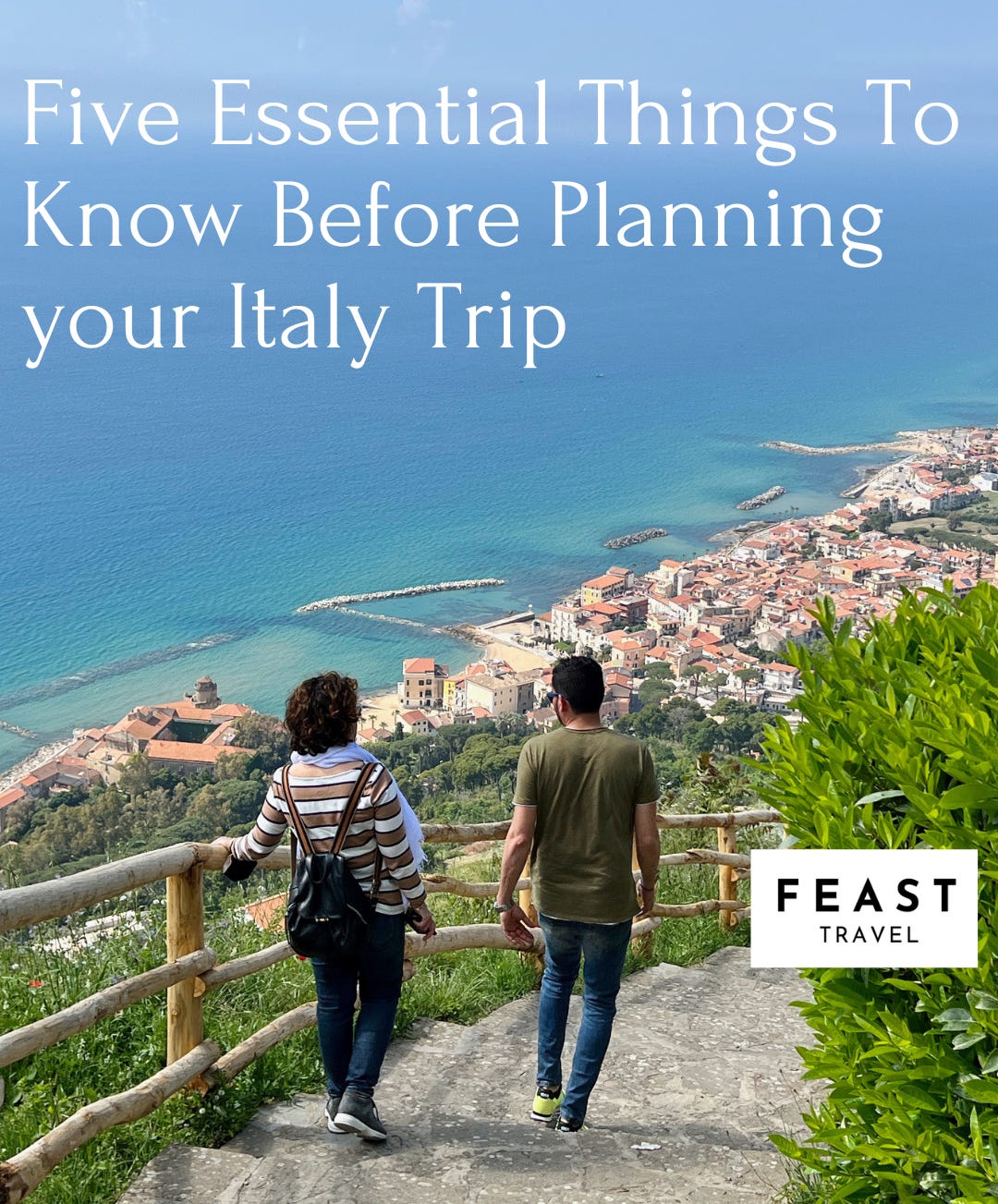
Ep. 9: Five Things To Know Before Planning Your Italy Trip
When I sat down to update our free guide, Five Essential Things to Know Before Planning Your Italy Trip, I realized it deserved more than a refresh—it needed to become a podcast episode that could be easily shared. With overtourism’s effects becoming increasingly visible, it’s important to have a realistic picture of what to expect so you can plan well. This episode distills the guide into actionable advice with fresh insights added. I’ve also decided to offer a live Q&A for our subscribers. Put December 2 at 8 PM ET on your calendar. I’ll answer your travel questions live, and if you can’t attend, put your question in the subscriber chat, and I’ll answer it. Subscribers will also get a link to the Zoom recording the following day.If you're already a subscriber, you don’t need to do anything. I’ll send you the Zoom link before the call—just mark the date. And if you’re not yet a subscriber…00:38 Upcoming Changes for 202502:14 Trip Planning Essentials03:07 Overtourism and Pricing04:57 Exploring the Amalfi Coast09:24 Rome Travel Tips12:42 Venice Is Not A Day Trip14:24 Wine Tasting Beyond Tuscany16:31 Debunking Myths About Naples18:45 Bonus Round!20:04 Conclusion and Q&A Reminder This is a public episode. If you'd like to discuss this with other subscribers or get access to bonus episodes, visit www.danielleoteri.com/subscribe
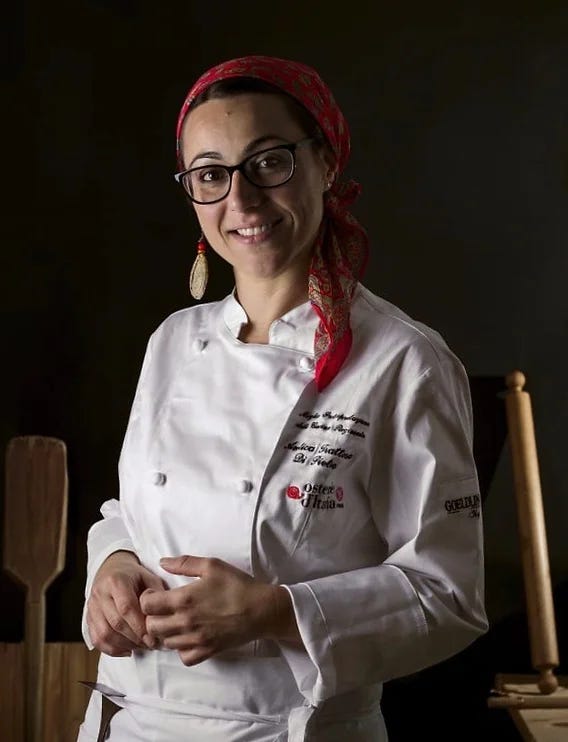
Ep. 8: Irpinia's Magic Circle
Last year, I wrote “Authentic Italian Food Is Not What The Internet Thinks It Is” about the unlikely places where traditional Italian cooking is found. One is Antica Trattoria Di Pietro, which opened in 1934 in the village of Melito Irpino. When an earthquake destroyed the ancient town, the government built a new Melito designed by Brutalist architects. The trattoria moved into its new home, where it remains today. Since last year, I’ve gotten to know Anita Di Pietro a little better, and I was honored she opened the doors for me on their day off to record this episode. Officially, she is the chef but doesn’t feel comfortable with that title, which she’ll explain in this episode. Her mother, Teresa, who helmed the kitchen before Anita returned home at 27 years old to take over, was also there testing a new recipe while we chatted. Crescenzo, Anita’s father and one of the fiercest stewards of traditional Italian cuisine, was out shopping with Rafi Bildner, an American chef who fell deeply in love with the Di Pietro family, and you’ll hear all about his restaurant called Hilltown, which will recreate a piece of Melito in the Berkshires. You’ll also meet Sarah Pompei, a passionate ambassador for Irpinia’s food and winemakers who have so much to share but are challenging to find in the tourism marketplace.I intended for this episode to explore traditional recipes in depth, but when you’re in Anita’s “magic circle,” you go where the conversation takes you. It’s an episode full of laughter, clanking forks, and a cameo from my dog Lenù, who ate her weight in steak that day. We do also discuss dishes like minestra maritata, from which the Americanized “Italian wedding soup” derives. In Irpinia, it’s made with seven different kinds of wild greens, inexpensive pork cuts, and a crunchy piece of polenta. You’ll also hear me gush over the delicious involtinti di verza and cabbage-wrapped cheese, and I’ve included the recipe for our paid subscribers.The episode also discusses the massive changes in Italian food culture, including the impact of the passing generations and the importance of local food and food makers.00:24 Discovering Melito Irpino01:16 Inside the Trattoria01:41 Traditional Italian Recipes04:22 The History of Antica Trattoria di Pietro from Melito to South Africa06:32 Anita's Magic Circle10:48 Cooking Classes Are Part of a New Era For the Trattoria17:39 Why Anita Does Not Want To Be Called A Chef23:07 Reflections on Simple LivingIf you enjoy this episode, please share it on social media! This is a new podcast, and I want it to reach all those who will appreciate these stories about Italy's hidden treasures. This is a public episode. If you'd like to discuss this with other subscribers or get access to bonus episodes, visit www.danielleoteri.com/subscribe
Episode 7: A Walk Around A Small Italian Village
Last week, I helped one of my relatives harvest olives at Borgo La Pietraia. Giovanni reflected on his memories of when women collected olives entirely by hand and would place them in the folds of their aprons. We discussed this while watching the gardener use a mechanical weed whacker designed to knock the olives loose from the tree, and he said something wise. (Giovanni has many wise things to say; I call him my Italian Yoda.) He said that we're no longer at the end of an era. We're firmly at the beginning of a new, very long era. And changes are occurring that we can't barely imagine. But we're also still at a place where we can look back and see how people have lived for centuries, especially in these small villages around southern Italy. And they are very much worth looking back at because they have so much to teach us.In this week’s episode, I’ll take you for a walk around Trentinara, one of my favorite small towns in Italy, and share how I look and notice all the small details that reveal so much.00:17 Harvesting Olives with Giovanni01:11 Exploring Small Villages in Italy01:44 A Walk Through Trentinara03:33 The Charm of Small Towns08:06 The Wisdom of Small-Town Living11:53 Revitalizing Small Villages13:41 Finding and Visiting Small Villages and the Borghi Piu Belli21:56 Conclusion and Community Invitation This is a public episode. If you'd like to discuss this with other subscribers or get access to bonus episodes, visit www.danielleoteri.com/subscribe
Episode 6: Essential Italy Insights: Myths, Realities, and Insider Tips
Planning an Italy trip is difficult, especially considering the incredible range of experiences you can have in a geographically small country. This challenge is paired with many misconceptions that can lead you astray. In this episode of Tante Belle Cose, I’ll discuss the most common ones and give you a more accurate picture of iconic experiences like the Tuscan Villa and Amalfi Coast. I will address practical challenges such as driving necessities and hidden costs of renting a villa while debunking fear-mongering myths, particularly around pickpocketing. I’ll also discuss why August can be the best month for travelers seeking a truly authentic experience of Italian life for those willing to leave the bucket list behind and get into Italy’s small towns in the mountains and along the coast. It also offers strategies to navigate the crowded, popular sites impacted by cruise tourism, with tips on visiting during off-peak times and exploring lesser-known regions. And for the early-bird planners who fear that Italy is already sold out for 2025, I’ll explain how the sausage is made in the travel industry and why you’re not too late to book your trip. 00:12 Common Misconceptions About Italy Trips01:13 The Tuscan Villa Experience03:07 Challenges of Driving in Italy05:00 The Reality of the Amalfi Coast07:36 Navigating YouTube Travel Advice11:11 August: A Controversial Travel Month11:21 Debunking August Travel Myths11:45 Discovering Authentic Italy in August12:32 Exploring Italy's Summer Festivals13:52 Tips for Visiting Italy's Small Towns15:50 Navigating Italy's Tourist Hotspots19:22 Planning for Your Italian Adventure21:41 Join Our Subscriber CommunityDo you want a one-on-one evaluation of your Italy travel plan?Trip Audits are a professional evaluation of your travel plans and/or self-planned itinerary. Within 48 hours, you’ll receive a detailed video packed with my advice, recommendations, and tips.Trip Consultations are a 60-minute conversation on Zoom with Danielle Oteri about your trip. It’s ideal for those overwhelmed by trip planning to skip the learning curve and get right to the best answers. This is a public episode. If you'd like to discuss this with other subscribers or get access to bonus episodes, visit www.danielleoteri.com/subscribe
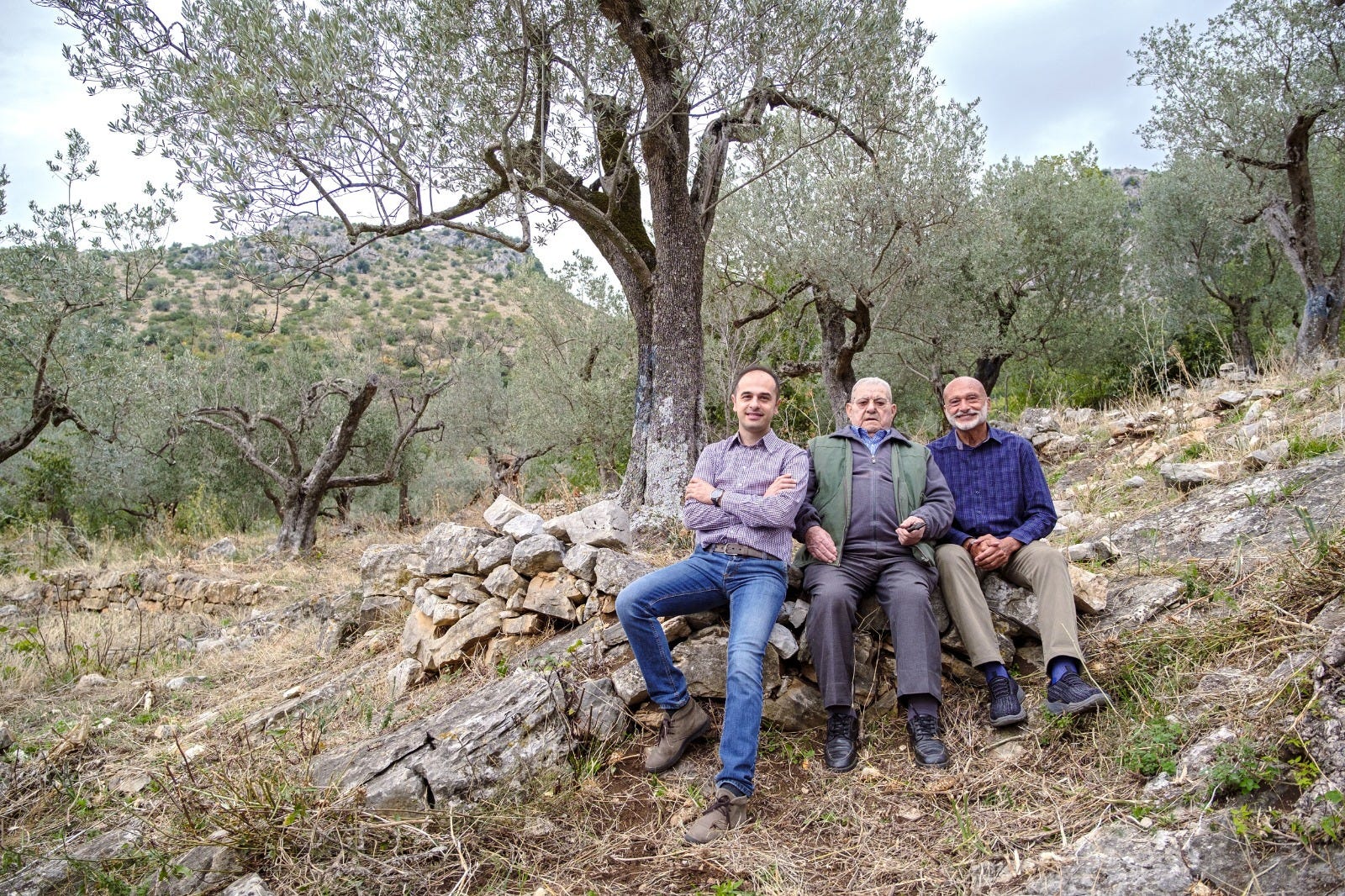
Episode 5: The Story of Ventiolivi
Last year, Michele Iorio gave me the most delicious olive oil I ever tasted. I was fresh off an overnight flight and had just stepped out of the shower when Arianna, my cousin and business partner, sent me a messagino to come say a quick hello to her friend. He, too, had a business with his American family. Seeing my wet hair and tired eyes, Michele said, “I speak English!” which was a relief. He told me a little about his new olive oil company, Ventiolivi, which means twenty olives. Over one hundred years ago, his great-great uncle left Italy when he was just 16 years old to work in the Pennslyvania coal mines. He sent back money that allowed the family to purchase land with twenty olive trees and change their fates. Michele had stopped by Borgo La Pietraia to give samples to Arianna and Chef Mario Stellato, and he also gave me two small bottles. Back home, I carefully rationed every drop of olive oil because not only did it taste brighter or fresher than anything I could buy in the US, but it also tasted like the herb-strewn land of Cilento—the place I love best and where my own family tree is rooted. In this episode, I speak with Michele, who makes this olive oil from the thousands of olive trees that followed those first twenty. In June of 2024, we met again at Borgo La Pietraia to discuss his company and oleo tourism, which connects tourists with olive oil producers to have experiences similar to wine tastings and more deeply connect to Italy’s food culture. Michele is also a professor of oleo tourism at Università degli Studi Roma Tre.Then, in August, I chatted with his American cousin, Michael Yorio. Michael met Michele when he traveled to Italy to run a half-marathon. He decided to go up in the hills and find his grandfather’s village. A local cop spent the afternoon digging through the village’s records and reconnected the family who had lost contact for decades. I spent the afternoon with Michael at The Cloisters in New York City, where you can hear birds chirping in the background. I hope you will be inspired by this story, which taught me how beautiful life can be when you give attention and appreciation to the earth and all her gifts. This is a public episode. If you'd like to discuss this with other subscribers or get access to bonus episodes, visit www.danielleoteri.com/subscribe
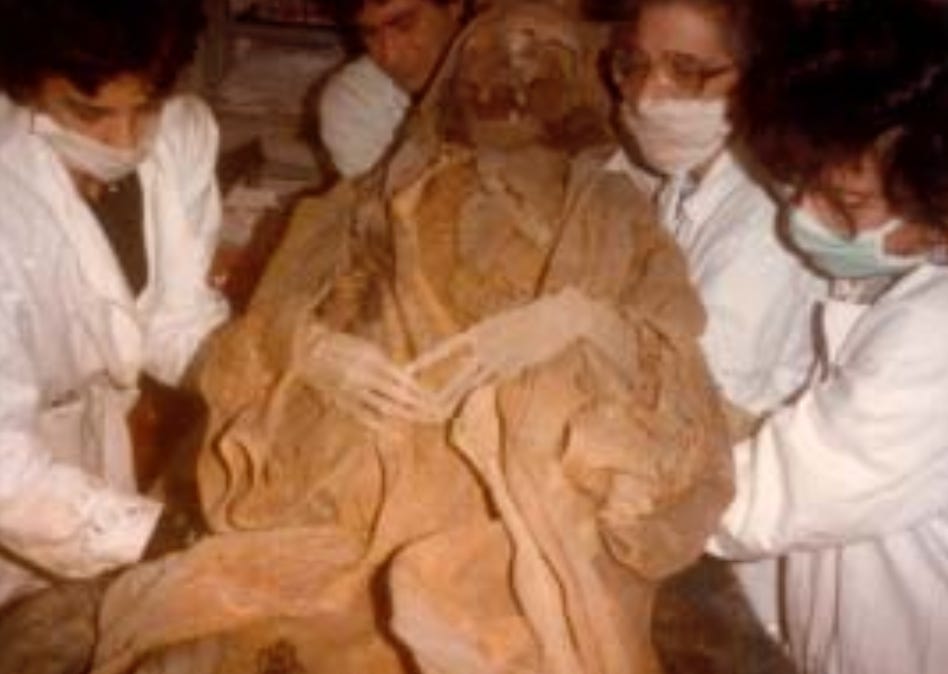
Episode 4: Vittoria Colonna Had It All
Vittoria Colonna was the most influential woman of the Renaissance, known for her 'male brains' and collaborations with Michelangelo. The discovery of a mummy in Naples may explain what happened to her body when she died and reveal an even more significant, history-changing secret.00:00 A Love Story for the Ages01:05 Exploring Naples and Ischia with Rita01:44 The Aragonese Kings and Their Health Secrets02:41 The Mysterious Mummy Discovery03:53 Unraveling the Mystery of Vittoria Colonna05:44 A Personal Journey to Ischia08:57 The Life and Legacy of Vittoria Colonna12:58 Michelangelo's Obsession22:15 The Androgynous Ideal in the Renaissance31:14 The Final Mystery and Conclusion This is a public episode. If you'd like to discuss this with other subscribers or get access to bonus episodes, visit www.danielleoteri.com/subscribe
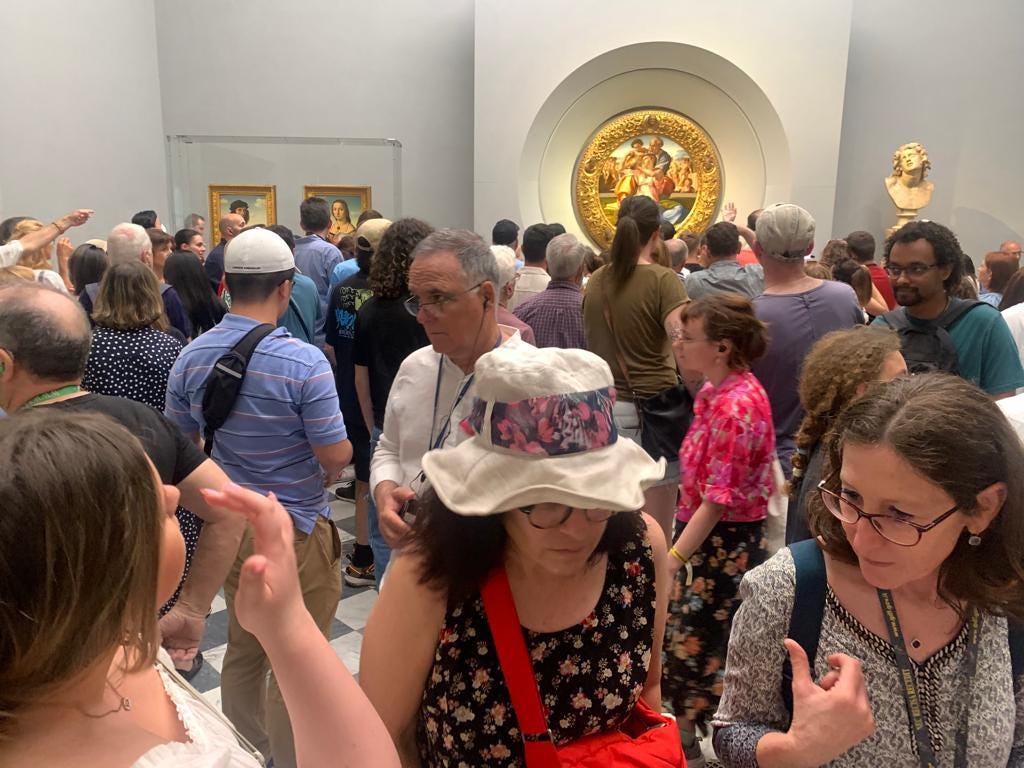
Episode 3: To Tour Or Not To Tour
Subscribe on Substack to join our Travel Planning Community.Before entering the travel business, I was a professional art history nerd. I was a lecturer at the Met Cloisters for 16 years and had the opportunity to hone my craft as a tour host and speaker, and it has made me very selective about the tours I choose for my travels. There’s a lot of junk out there, and knowing where to invest your time and money is not straightforward. For this episode, I chatted with Petulia Melideo of Context Travel about the overcrowding of the most famous sites and how to get the most out of your trip. It’s an honest, straightforward conversation that I hope will provide you with fantastic value.00:16 My Journey from the Met Cloisters and the Secret of the Unicorn Tapestries00:53 The Art of Being a Tour Guide03:19 Choosing the Right Tour05:44 The Impact of Over Tourism in Rome and Florence10:38 Exploring Off the Beaten Path in Ostia Antica21:26 Traveling with Kids in Italy Is So Much Easier Than You Think26:29 A Slice of Local Life Near the Pantheon in the Piazza di Pietra29:24 Conclusion and Invitation This is a public episode. If you'd like to discuss this with other subscribers or get access to bonus episodes, visit www.danielleoteri.com/subscribe
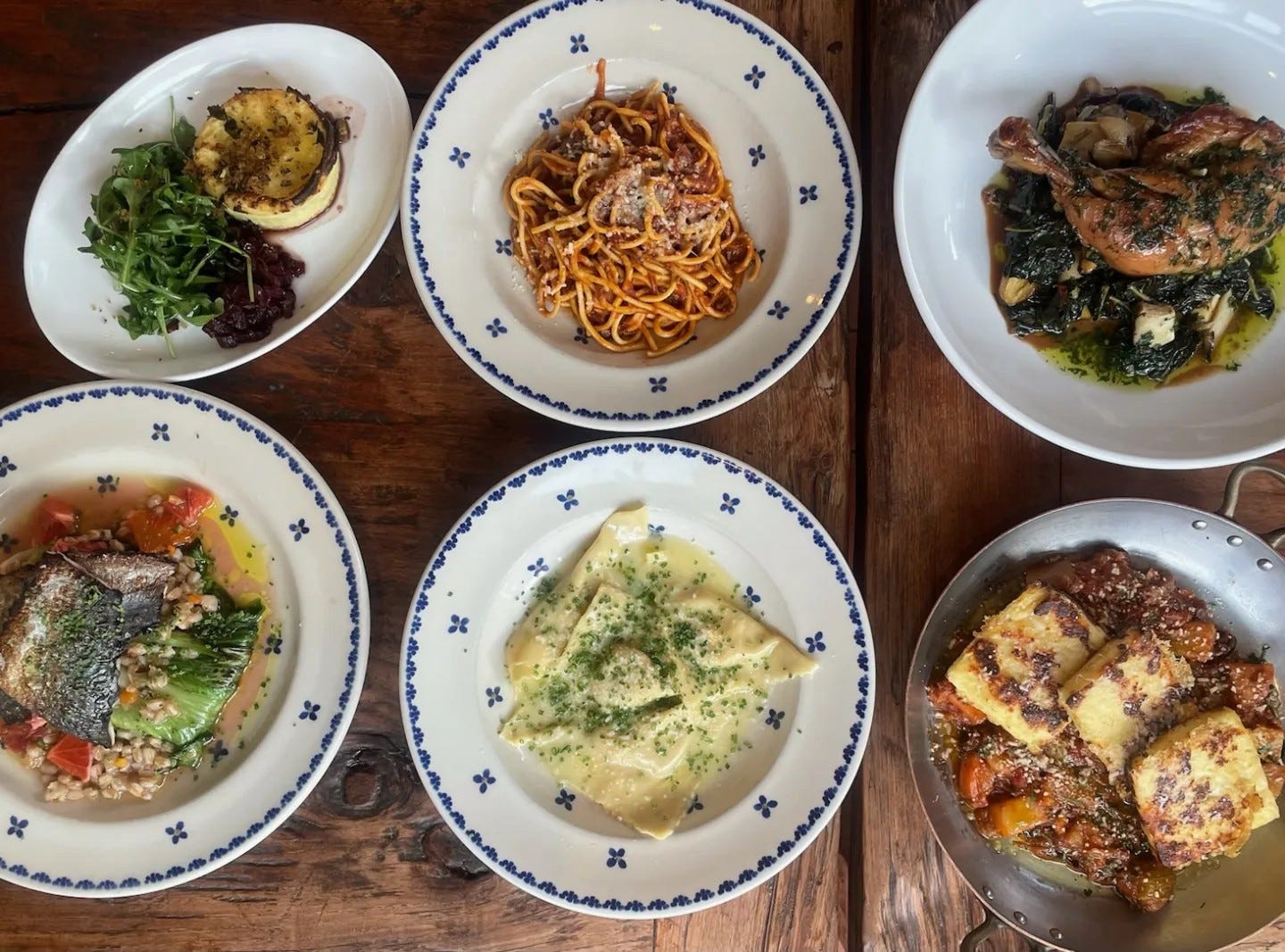
Episode 2: The Miracle of the Panarda
Episodes are always free, but to join our Italy trip-planning community, subscribe on Substack at danielleoteri.com. In this episode, I sit down with Francis Cratil and Cathy Lee, owners of Le Virtù, a South Philadelphia restaurant dedicated to Abruzzese cuisine. We explore the ancient Panarda, a 40-course feast held annually since 1657 in Villavallelonga, a tiny village in the Abruzzo mountains. The episode delves into the region’s rich traditions, including the ancient January fire festivals and the incredible food culture that remains largely undiscovered by tourists.00:00 Introduction to Tante Belle Cose 00:55 Meet Francis and Cathy: The Heart of Le Virtù 01:55 The Abruzzo Connection: Francis’s grandfather and the old South Philly03:44 The Birth of Le Virtù Restaurant: “Everything you don’t do”08:01 La Panarda: A Feast of Tradition, a 40 course feast that has become a hot ticket every since Domenica Marchetti wrote about it for the Washington Post. 09:45 The Magic of Abruzzo in Philadelphia 15:58 The Mayor's Visit and a Special Invitation19:08 A Magical Keyhole in the Cold Abruzzese Winter30:12 Conclusion and Invitation to the Travel Community This is a public episode. If you'd like to discuss this with other subscribers or get access to bonus episodes, visit www.danielleoteri.com/subscribe