Tante Belle Cose, an Italy Travel podcast
Danielle Oteri is a writer, art historian, and travel advisor focused exclusively on Italy. Real stories, honest advice, no influencing.
Danielle Oteri
Show overview
Tante Belle Cose, an Italy Travel podcast has been publishing since 2024, and across the 2 years since has built a catalogue of 52 episodes. That works out to roughly 25 hours of audio in total. Releases follow a monthly cadence.
Episodes typically run twenty to thirty-five minutes — most land between 19 min and 34 min — though episode length varies meaningfully from one episode to the next. None of the episodes are flagged explicit by the publisher. It is catalogued as a EN-language Society & Culture show.
The show is actively publishing — the most recent episode landed 2 weeks ago, with 16 episodes already out so far this year. Published by Danielle Oteri.
From the publisher
Discover the best of authentic Italy with travel expert and art historian Danielle Oteri. Each episode delivers inspiring stories and practical tips to help you confidently plan your next Italian adventure, covering art, archaeology, culture, food, wine, and history. Listeners get trusted recommendations and insider insights that unlock unforgettable experiences across Italy. www.danielleoteri.com
Latest Episodes
View all 52 episodesEp. 46: More Wisdom For How To Plan Multigenerational Travel to Italy
Ep. 45: A Permanent State of Astonishment
Ep. 44: Discovering Italy’s Atlantis: Baia and the Sybil’s Cave at Cuma
Ep. 42: When to Go To Italy and Where to Go in 2027
Ep. 42: The Fake (Maybe) at the Met
Voice Note: Summer Update from Italy and Special Announcement
Ep. 41: Sirens, Shipwrecks, and the Real Ulysses Coast
Ep. 40: What To Pack For Your Italy Trip
Ep. 39: Location, Location, Salvation
Ep. 38: How to Plan Multigenerational Travel to Italy
Ep. 37: The Secret of Florence's Dome
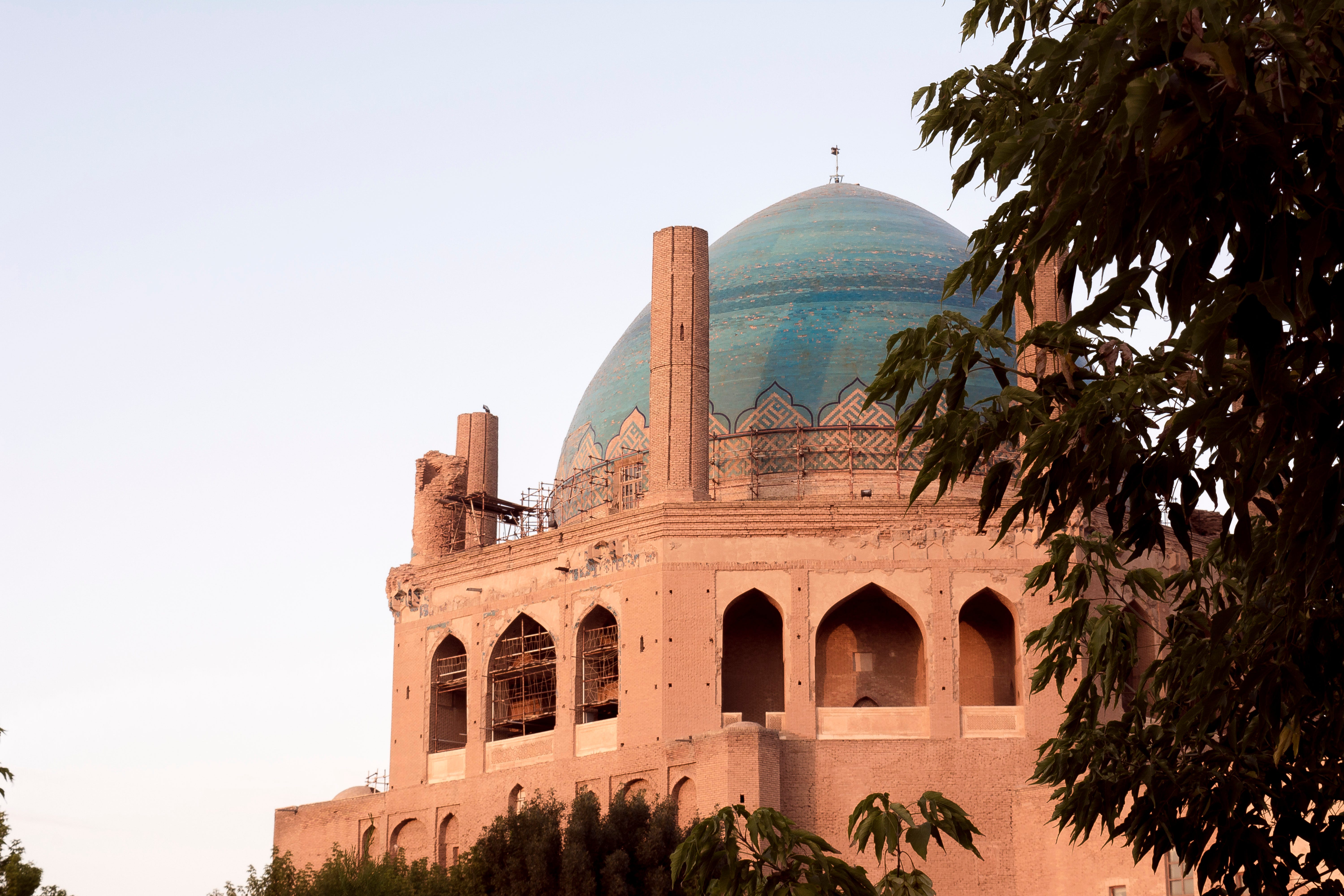
Every day, every single tour guide in Florence tells thousands of tourists a story that is not true. It’s the story of the construction of the dome, a feat of engineering so ingenious that even today, architects and engineers can’t understand how it was done, achieved by one single man, a goldsmith with no formal training.But Filippo Brunelleschi’s innovation — a double-shell dome built with herringbone masonry — had been used to build mosques and mausoleums in Iran. And 15th-century Florentine merchants, who had large networks and communities in Iran, particularly Soltaniyeh, were no doubt very well acquainted with them.In this episode, I’m discussing this incredible story with Massoud Katebeh, an Iranian-American engineer who studied in Florence. We are both fascinated with the story of Piero Sanpaolesi, the professor who first revealed these Persian models for the dome of Florence in 1971, and was ignored. Now, a new generation of scholars, in particular Dr. Lorenzo Vigotti and Prof. Hadi Safaeipour, is building on Sanpaolesi’s groundbreaking research and adding brilliant new insights. Please learn more about DOMES: Architectural Technology Transfer on the Silk Road at iraniandomes.eu, an ongoing project that is very much imperiled by the war.If you enjoyed this essay episode, you can subscribe for more at danielleoteri.com. If you’re planning a trip to Italy and would like some expert guidance, book a trip consultation at danielleoteri-italy.com. Lastly, you can always buy me a coffee.Also, if you like stories about history revealed through science, listen to the episode Vittoria Colonna Had It All, and find out how the most famous woman of the Italian Renaissance had an extraordinary secret that was only revealed in the 1980s when scientists conducted tests on her mummified body. This is a public episode. If you'd like to discuss this with other subscribers or get access to bonus episodes, visit www.danielleoteri.com/subscribe
Ep. 36: The Loss of the Picturesque
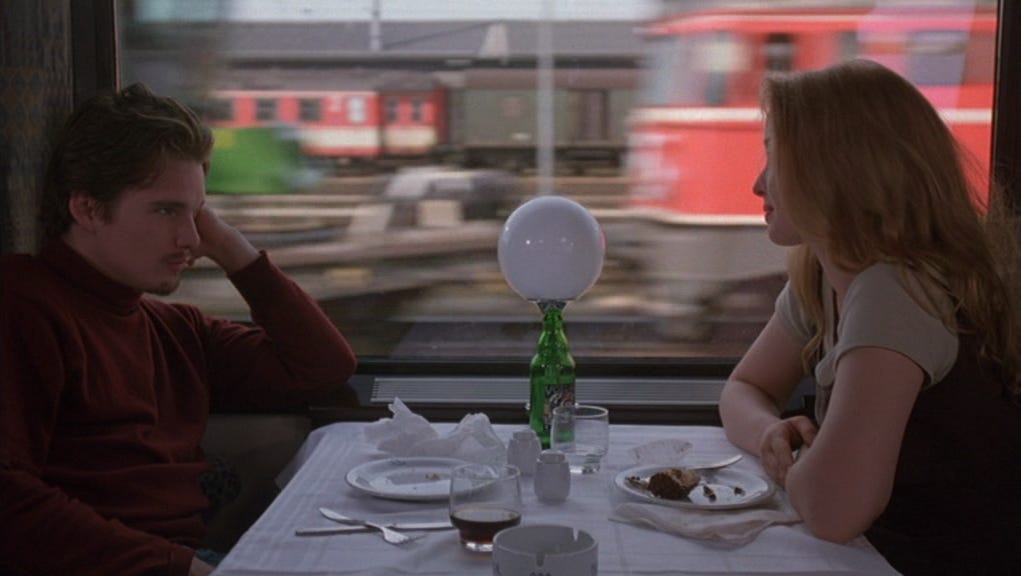
If you enjoyed this essay episode, you can subscribe for more at danielleoteri.com. If you’re planning a trip to Italy and would like some expert guidance, book a trip consultation at danielleoteri-italy.com. Lastly, you can always buy me a coffee.Guidebooks have several lives, and despite the internet, they have been diminished but are far from dead. That’s because they are among the only fact-checked pieces of travel material available. When you are paying for a guidebook, you are paying for knowledge. The transaction is clear.Purchasing a guidebook is first a dream. It’s a catalog of possibilities. Then it becomes a strategic tool, a travel companion, and, when it returns home, either a beloved souvenir or totally useless. Often, people will hold on to them until they have to move or really clean and make space, and then Lonely Planet Prague has to go in the trash. And don’t even try to “donate” your 15-year-old guidebook; you know nobody wants it.But guidebooks have another life if you hold on to them long enough. They become a time capsule — an eyewitness account that was also aggressively fact-checked about a world that no longer exists, that you can use to reflect on that world, and see just how much has changed.That’s what has suddenly caused an essay I wrote in August of 2022 to go viral. It’s called “The Before Sunrise Generation,” and I wrote it in response to Gen X clients who were returning to travel now that their kids were leaving home and they had time and money to travel once again. They would ask if they should buy a Eurail pass or stay in a pensione, and I found myself explaining how the way they had traveled in the 1990s really no longer exists.Then this current wave of 90s nostalgia — inspired by “Love Story,” about JFK Jr. and Carolyn Bessette — has the children of Gen Xers marveling at how free the 90s seemed. One hundred percent of social interactions were in real life, with total presence, nobody on their phone because they didn’t exist. Think about Jesse and Celine, the protagonists of the 1995 film Before Sunrise. They start talking while riding the train, and decide to get off together in Vienna, and spend the night wandering the city and talking. Nobody is tracking their location, and no photos are taken. Two strangers on a train, just figuring it out. If this movie were set in the present day, maybe they’d meet in line for a much-delayed Ryanair flight and maybe start talking only if they had been there so long their phone batteries died.But the thing that today seems so old school and authentic at one point, the vulgar new thing.We Will Simply DriftPrior to rail travel, making the Grand Tour of Italy required private transportation, personal invitations, and letters of introduction. You had to be a person of means and education. Trains democratized travel. And then another industry emerged to meet that new tourist: the guidebook. Baedeker guides, first published in Germany, were famous for their red cloth covers. They were comprehensive guides to cities and rural places, and they removed the need for a letter of introduction forever. They liberated people from relying solely on local guides who were only available to elite networks. The term “Baedekering” could be used with the same snark I sometimes reserve for TikTok tourism. In E.M. Forster’s A Room with a View, “Baedeker” is a codeword for the pedantic sightseeing that Forster portrayed as typical of the English touring Italy. It’s funny that they were portrayed as kind of low-brow, because they were very dense with information on art and history, and were written by specialists. They were especially praised for their German precision, which was exactly what made them fall out of favor after World War II. German precision was uh, no longer a virtue. Early in the story, Lucy is shown studying Baedeker’s Handbook to Northern Italy and committing “to memory the most important dates of Florentine history.” Later, she meets an eccentric lady novelist who disapproves of such solemnity and tells her, “No, you are not to look at your Baedeker. We will simply drift.”Overtourism in 1909?The author Henry James was not a fan of the new train-traveling tourist. In 1909, he wrote Italian Hours, where he decried that Venice was overrun by tourists, totally devoid of authenticity — that the sentimental tourist’s sole quarrel with his Venice is that he has too many competitors there. He likes to be alone, to be original, to have — at least to himself — the air of making discoveries.Just as I can be very eye-rolly about TikTok tourism, those who had experienced the Grand Tour were disgusted by the overtourism that proliferated in the 1890s.I have been saying for a while that, because of technology, those of us born pre-Y2K have witnessed an accelerated period of time in which technology has changed more quickly than anything else in history. But Ada Palmer, the author of the fantastic book Inventing the Renaissance: Myths of a Golden Age, a
Ep. 35: The Mozzarella Highway
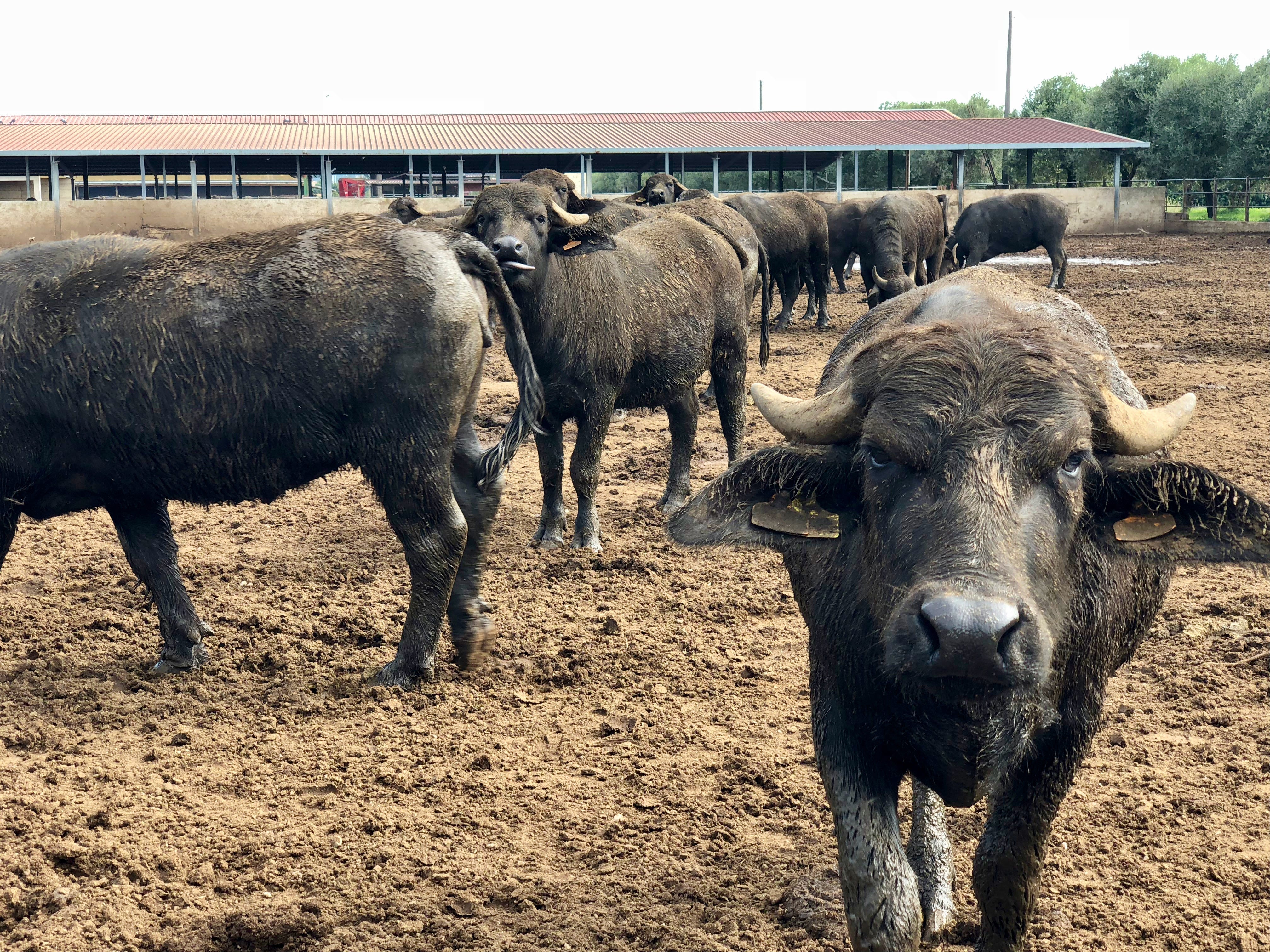
If you enjoyed this essay episode, you can subscribe for more at danielleoteri.com. If you're planning a trip to Italy and would like some expert guidance, book a consultation at danielleoteri-italy.com. And if neither of those is right for you but you'd like to show a little love, you can always buy me a coffee. The most delicious thing you can eat in Southern Italy is buffalo milk mozzarella. Italy has earned such a sterling culinary reputation that most people just open their mouths and say yes to whatever is put in front of them. But every once in a while, someone says buffalo mozzarella, what the hell is that?It is a strange thing to encounter, especially because the languid, enormous, but very sensitive water buffalo are cugini to the ones you’ll find in Vietnam or Cambodia, where buffalo milk mozzarella is not a thing. Buffalo mozzarella is made primarily in the region of Campania. It graces pizzas in Naples and has a different casein than most cow’s milk, so the lactose-intolerant among us can indulge. Buffalo farms abound in Caserta, near the stupendous Palace of Caserta, from where the Bourbon monarchy ruled over “the Kingdom of the Two Sicilies.” Before Italy became the nation we know it as today in 1861, it was a monarchy that pioneered several industries, including a dairy industry based on buffalo milk. But even more exquisite is the stuff made at a handful of farms, a little farther south.If you’re driving there, maybe on a day trip from Naples or the Amalfi Coast, you’ll inevitably get snarled in traffic on what locals call “the mozzarella highway” through Battipaglia. Every sign on the roadside is flashing mozzarella di bufala. The traffic is largely due to hundreds of trucks that pass through daily to pick up mozzarella and transport it to supermarkets across Italy. I’ve heard waiters in Florence extol the virtues of its freshness, boasting that it just arrived in the restaurant that afternoon. I’ve also heard waiters in New York cooing that they just picked it up from JFK that morning. Keep driving; Battipaglia is an industrial farming zone, and everything is pasteurized for export. Better things await in the town called Capaccio-Paestum.Paestum is most famous for three extraordinarily well-preserved Greek temples. They are massive and built of travertine, a volcanic stone, then coated in plaster and painted to mimic marble, which doesn’t exist in Southern Italy. Paestum was colonized by Greeks, conquered by Lucanians, who were the indigenous people of the area, whom the Greeks employed as their security goons, and then became a Roman city. Paestum was considered very old when the Romans conquered it. The oldest of the three temples was 280 years old. The Greeks regarded everything around the temples as sacred ground, but the Romans were insatiable real estate developers. There developed markets, civic buildings, a large Asclepieion, which was the closest thing to a hospital in the classical world, and dozens of smaller temples, all surrounding the big, very old ones.Roman Paestum was bigger and far more important than Pompeii or Herculaneum, and though it’s beyond the reach of Mount Vesuvius’s molten tentacles, it is still affected by earthquakes. The Roman Empire declined, and Paestum sank. Literally. The reason: a phenomenon called bradyseism, which is a Greek word: bradys means slow, and seismos means movement.” It’s an imperceptible but continuous slow rising and falling of the earth - a slow-motion earthquake.When the Greeks built the temples close to the glittering Tyrrhenian sea, things were on the up. But by the third and fourth centuries, Paestum was a swamp, infested with malaria carrying mosquitos. Mal aria means ‘bad air.”The Paestani fled for the hills. Some went to the hills just above Paestum, founding Capaccio, my grandmother’s hometown, while others went higher to the sea-facing cliffs of the Amalfi Coast. The name Positano may be related to the Paestani who settled there.And certainly people also went to Salerno, which was a Roman city, then under Lombard rule, and in 1077 was officially conquered by the Normans, proud descendants of the Vikings, loosely related to the Normans who just 11 years earlier had taken England at the Battle of Hastings. Salerno was a luxurious city, full of international merchants, and home to the world’s first medical school. Meanwhile, once glorious Paestum, not very far away at all, must have looked like the zombie apocalypse.Just to let you know, I haven’t forgotten we were talking about buffalo and delicious cheese; they will soon re-enter our story, but first, we need to make a stop in Salerno.Salerno was where the Norman king built a cathedral dedicated to Saint Matthew the Apostle. It’s believed he died in either Ethiopia or Persia, but his bones somehow ended up near Paestum, and two people had a dream, alerting them to the location. They retrieved the old bones, and the cathedral was built around them. The Normans also began to adorn
Ep. 34: Paradise for Normal People
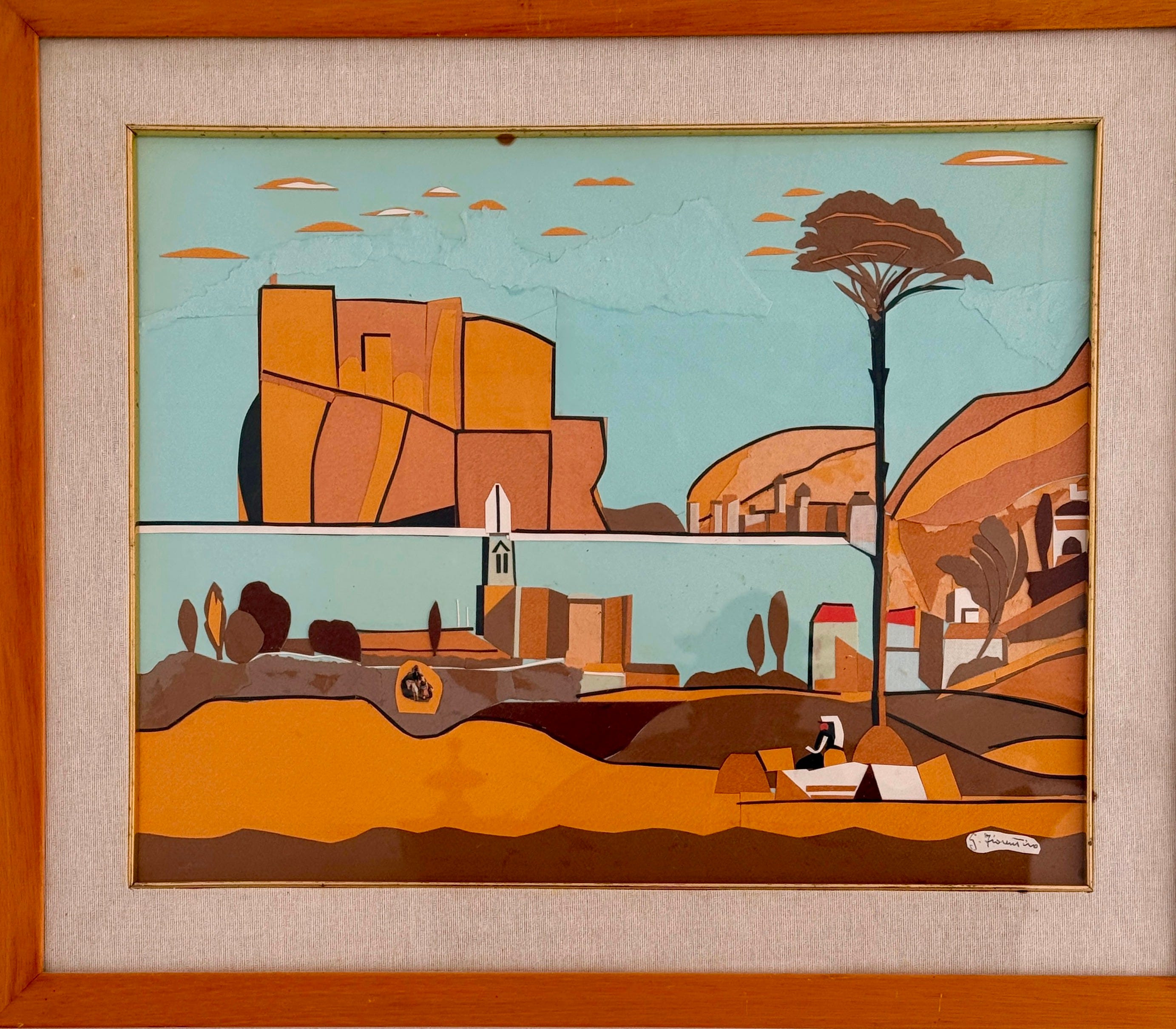
In this episode, I speak with writer Susan van Allen about Ischia, the island very close to Capri that I like to call paradise for normal people. The last time I was there, Susan introduced me to her favorite place to stay on Ischia, the Pensione Di Lustro, a throwback to another era of travel and the place where Truman Capote spent 97 days living and writing “Local Color.”I hope you enjoy it!Links from the episode:Episode 4: Vittoria Colonna Had It AllNaples Destination Deep DiveRome Destination Deep DiveFlorence Destination Deep Dive This is a public episode. If you'd like to discuss this with other subscribers or get access to bonus episodes, visit www.danielleoteri.com/subscribe
Ep. 33: The Art of Looking: Designing an Italy Trip Around Beauty, and Simplicity
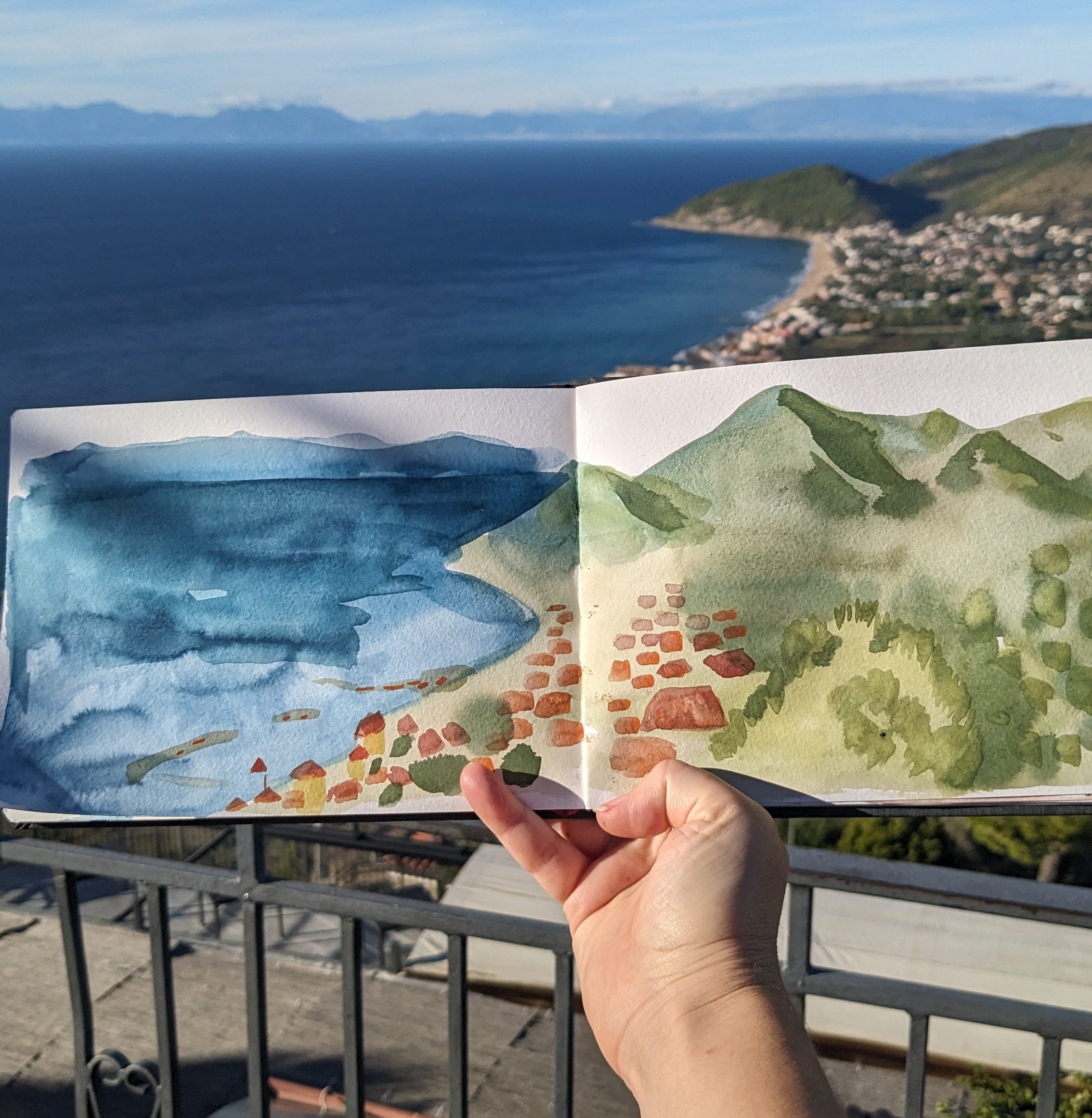
In this episode, I share why I don’t pack my days in Italy too tightly, and unpack what I mean when I advise clients to leave time for walking and wandering. This episode is dedicated to Morton Kaish, who taught me how to “walk like an artist” in Italy and how even passively taking in great art and architecture can change you for the better.You will also hear a conversation with illustrator Jenny Kroik. We talk about why places that don’t photograph well often end up being the ones that stay with you, and how sketching can help you process complex, layered moments that don’t fit neatly into “good day/bad day.”Finally, I walk through what is planned for Jenny’s Art Retreat in May at Borgo La Pietraia, including Chef Mario’s deceptively simple food, daily gentle art prompts, visits to the Paestum temples, a buffalo farm, Amalfi’s historic paper mill, and the turquoise waters of Cilento.I share these details as inspiration for planning your own self‑guided trip to Italy: choosing a single home base, slowing the pace of your days, leaving room for serendipity, and designing an itinerary around the kind of beauty you want to experience.Links* Retreat details and booking: Jenny’s Art Retreat at Borgo La Pietraia (May 17–24)* Jenny Kroik’s Arthur Avenue illustrations for The New Yorker* Jenny’s website and her Substack newsletter This is a public episode. If you'd like to discuss this with other subscribers or get access to bonus episodes, visit www.danielleoteri.com/subscribe
Ep. 32: Venice Is Not a Day Trip
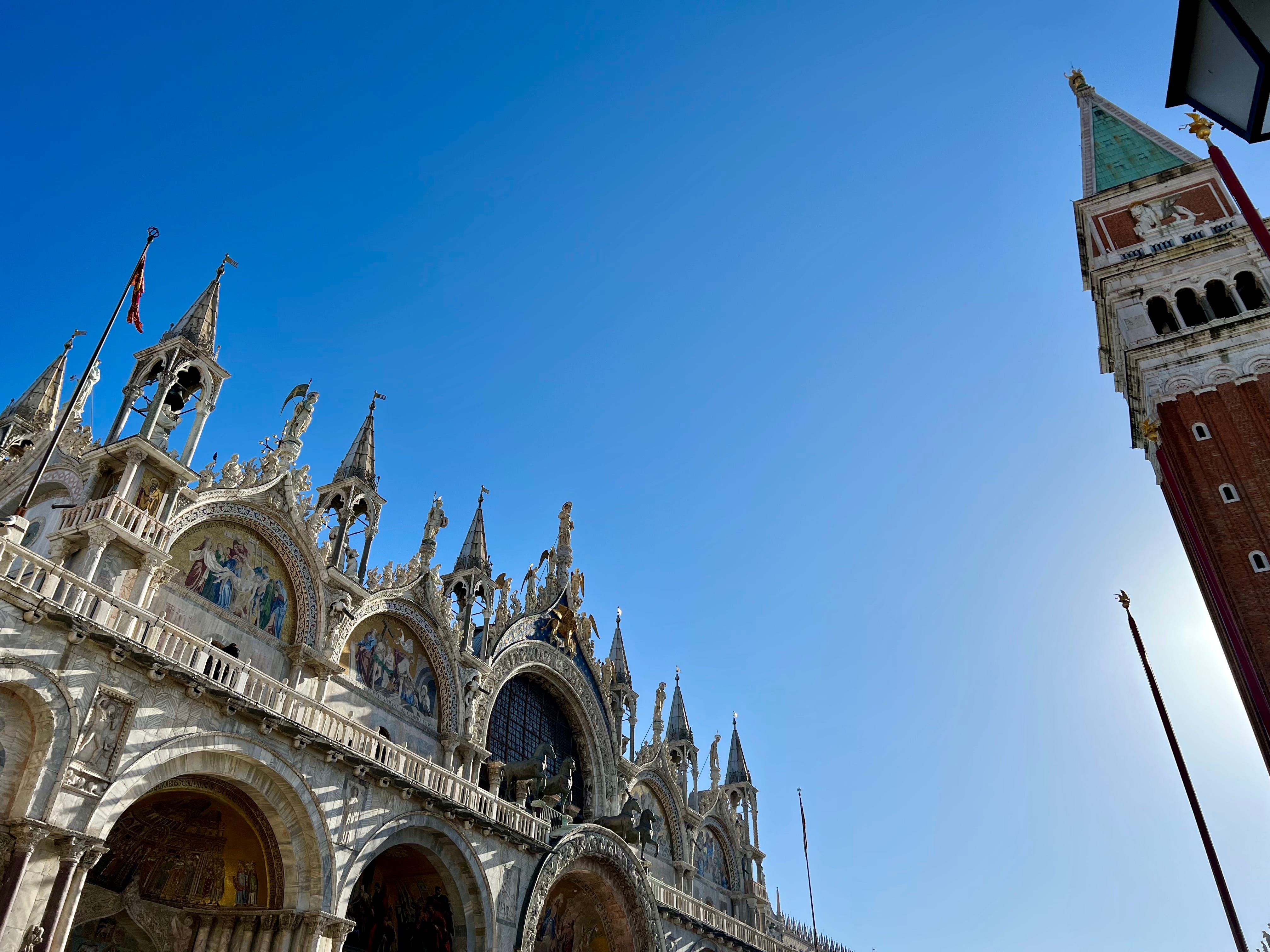
Happy New Year, and welcome back to Danielle Oteri’s Italy—we’re starting 2026 in Venice, the Italian city everyone rushes through, with no idea of how much they’re missing. This episode is your invitation to slow down, understand how Venice really works, and get ready for the Venice Destination Deep Dive premiering for paid subscribers on January 22 at 8 p.m. ET.In this episode* Why most popular Venice advice is shallow, and how “hit‑and‑run” tourism (20–30 million visitors a year, most of them day‑trippers) is reshaping the city.* What changed when large cruise ships were banned, and how the new €5 day‑tripper fee on peak days actually works.* Why Venice is not an ancient city like Rome or Naples, but a preposterous “upside‑down forest” built on millions of submerged wooden piles in a lagoon.How to experience Venice without the crush* Why a day trip to Venice is “the worst way to see it,” and why staying at least three nights changes everything about your sensory memory of the city.* Practical timing advice: understanding when day‑trippers flood in (roughly 11 a.m.–4 p.m.) so you can have quiet mornings and atmospheric evenings.* Trip‑planning strategy: skipping the Rome–Florence–Venice conveyor belt in favor of flying in and out of Milan and pairing Venice with a few days in Turin.A local lens with Gillian Longworth‑McGuire* Meet writer Gillian Longworth McGuire, author of the Substack Gillian Knows Best, who spent many years in Rome before making the unexpected decision to settle in Venice.* What drew her to the “real life” of Venice: garbage boats, the total absence of wheels, and the pleasure of living in a city where everything happens on foot or by boat.* How she navigates living near the Arsenale in one of the last streets with mostly Venetian neighbors, and what it means when only 13 longtime residents remain on a street that once held hundreds.* Why her wish for Venice is simple: slow down, stay in Venice proper (not on the mainland), and stay longer than you think you “have time” for.Glass, budgets, and where to stay* How to experience Murano glass without the timeshare‑style hard sell: asking your hotel to connect you with a trusted furnace, or booking with Wave, a younger collective of master glassmakers and students.* Honest talk about Venice pricing: why Venetians have always been merchants, why Venice is less forgiving than Rome or Florence, and why you need to research carefully and budget more here than elsewhere.* Hotel strategy: why it often pays to spend more for a well‑located, non‑damp, genuinely comfortable room.About the Destination Deep Dives* What you get as a paid subscriber: a live Zoom premiere, with Q&A, then 50% off the beautifully produced, MasterClass‑style course with video lessons and a fully detailed 5‑day itinerary.* What each Deep Dive covers: what makes the city special and challenging, how to tackle the “must‑sees,” and thoughtful alternatives that help you avoid lines and TikTok‑driven FOMO.* Existing and upcoming Deep Dives: Florence (being migrated to the new platform), Naples (available now), Rome (landing shortly), with Matera, Cilento, and Venice all in the queue. This is a public episode. If you'd like to discuss this with other subscribers or get access to bonus episodes, visit www.danielleoteri.com/subscribe
A Beautiful Lesson from the Tomb of the Diver
I want to wish you happy holidays and express my profound gratitude for reading, listening, and supporting this podcast and newsletter. I hope you enjoy this two-minute video reflection on the passing of the seasons, inspired by one of art history’s most enigmatic works. I’ll see you in 2026. This is a public episode. If you'd like to discuss this with other subscribers or get access to bonus episodes, visit www.danielleoteri.com/subscribe

Ep. 31: Collective Effervescence: Why Italy’s Festivals Make Us Cry, Give Us Chills, and Feel Less Alone
In this episode, I explore the phenomenon of “collective effervescence,” a term coined by the sociologist Émile Durkheim to describe the intense, shared emotional experiences that make us feel briefly part of something bigger than ourselves.Please support my work by taking out a premium subscription (just $8 per month).From saint processions in Ischia to bonfire rituals in Abruzzo and the miracle of San Gennaro’s blood in Naples, I explore how Italy’s festas and sagre are a kind of emotional infrastructure—places where community, memory, and the sacred all converge. I’m joined by writer and festival researcher Katerina Ferrara, whose regional guides help travelers weave these events into their itineraries.Together we discuss:* How festivals in Italy layer pre‑Christian rites, Catholic devotion, and modern life* Why small‑town saint days and harvest feasts are often the most powerful travel experiences* The role of children and returning emigrants in keeping these traditions alive* Catania’s identity as “the Black City” under Mount Etna* The story and cult of Sant’Agata, patron saint of Catania and of women with breast cancer* What actually happens during the three‑day February feast of Sant’Agata* The emotional “wave” when the saint’s statue leaves the church, and the crowd erupts* Festival foods you can only find on these days, including Minne di Sant’Agata and local arancine* Practical tips for tracking down festivals and sagre when dates shift every yearI want to thank my paid subscribers, who I hope are enjoying our monthly Q&A Zoom meetings and Destination Deep Dives. So far, we’ve explored Florence, Matera, Naples, and Rome. Next up: Venice and the Amalfi Coast.And since trip planning season is nearly here, I’ve refreshed my menu of trip planning services. From one-hour Trip Consultations to hybrid Custom Itinerary Design or full Bespoke Trip Planning, everything is explained there so you can choose the option that best fits your needs and budget.Chapters/timestamps00:00 – What is “collective effervescence”?02:00 – Why Italian saint festivals feel so powerful05:00 – Bonfires, solstices, and ancient roots of Italian rituals08:00 – Meet Katerina Ferrara and her festival guides11:00 – How to actually find and plan for festivals and sagre15:00 – Food festivals, fundraising, and “festifusion”19:00 – The Infiorata of Noto: a two‑day flower masterpiece24:00 – Children, memory, and passing traditions on28:00 – Catania and the Val di Noto: baroque cities under Etna32:00 – The legend and martyrdom of Sant’Agata36:00 – Inside Sant’Agata’s three‑day feast and all‑night procession43:00 – Devotion, identity, and the bond with a patron saint47:00 – Festival sweets: Minne di Sant’Agata and more51:00 – Catania’s unique arancine and horse‑meat culture54:00 – How to follow Katerina and use her guidesGuestKaterina Ferrara – Author of regional festival and sagra guides for Sicily, Puglia, Rome & Lazio, and Venice & the Veneto. She helps travelers anchor their trips around local celebrations.* Website: katerinaferrara.com* Instagram: @katerinaferrara_author This is a public episode. If you'd like to discuss this with other subscribers or get access to bonus episodes, visit www.danielleoteri.com/subscribe
Ep. 30: Travel Agents, Advisors, and Influencers Explained
In this episode, I explain the differences between travel agents, advisors, and influencers…because I know first-hand how confusing this world can be!You’ll hear industry insider stories, plus the simple method I give people to decide when to DIY their trip, when to get professional help, and when to trust their own gut over another influencer’s feed. I’ll also share unglamorous but essential tips picked up over the years on the road—like the realities of country driving in Tuscany or the best place to stop for gas on your way to Naples airport.You’ll also meet my new collaborator, Angela Miklos, whom I first met in 2023 as a Trip Consultation client and who will now help me offer a brand-new hybrid service called Custom Itinerary Design. (The photo in your podcast player is the classic Forio sunset that Angela mentions.) This option is for people who love research and planning but want an expert to provide the best advice and handle the heavy lifting so that they can focus on the fun parts.A reminder for paid subscribers that the next Ask Me Anything About Italy is on December 11th at 8 pm ET on Zoom, and the Venice Destination Deep Dive happens on December 18th at 8 pm ET. Right now, both the Naples and Rome Destination Deep Dives are available to watch for paid subscribers. They’ll leave the website soon when the polished, final versions with the itinerary and bonus segments are ready for purchase. (Naples leaves in a week, Rome will be up for at least 2 weeks more.) This is a public episode. If you'd like to discuss this with other subscribers or get access to bonus episodes, visit www.danielleoteri.com/subscribe
Ep. 29: Lessons from Rome’s Lost Seaside City
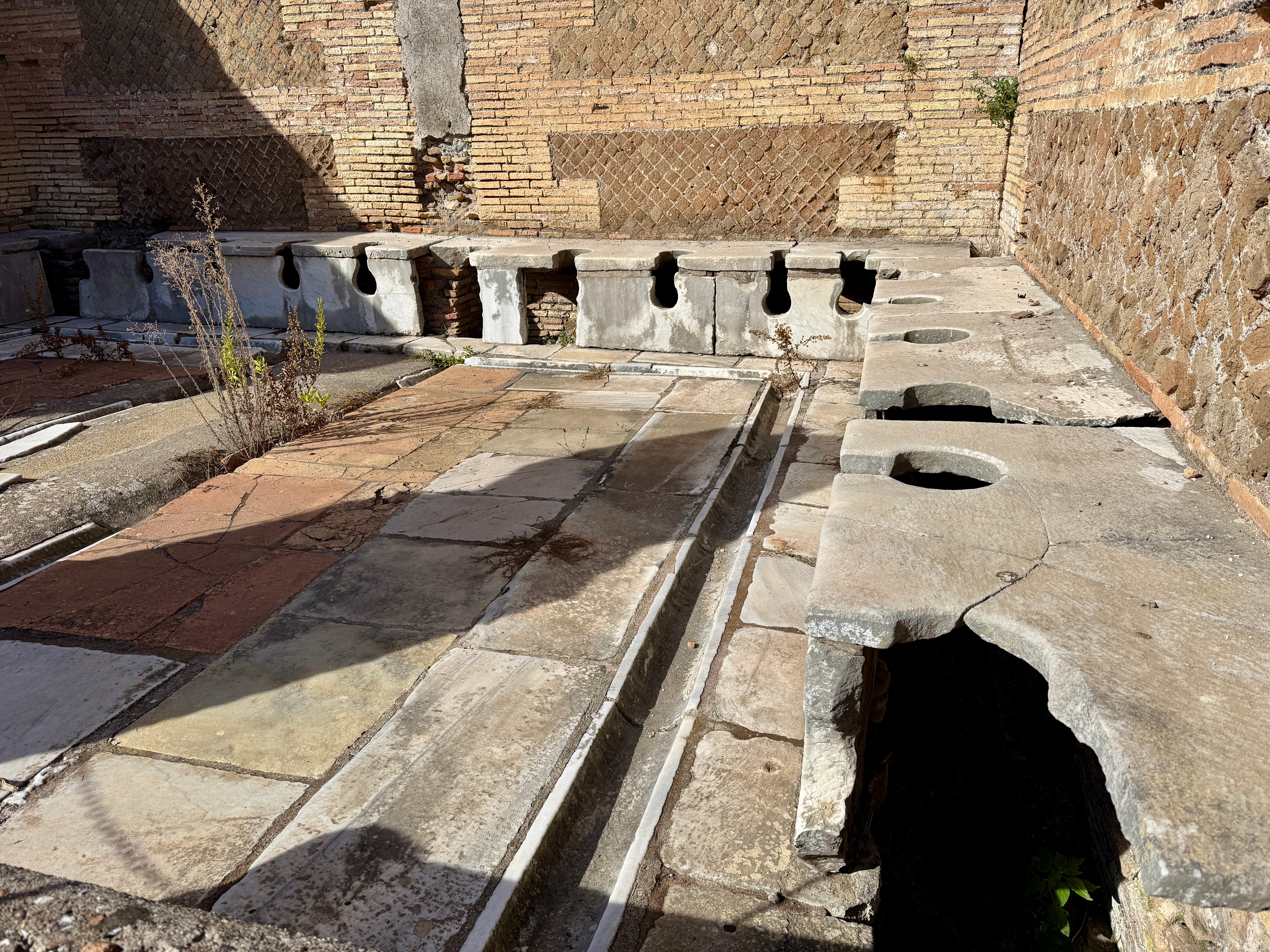
I’m back from my research trip and have so many interesting things to share with you. Before I tell you all about Ostia, here’s a reminder for my paid subscribers that Thursday November 13th is the next “Ask Me Anything about Italy.” It’s happening at 8:00 p.m. ET on Zoom, and if you can’t make it, please send me an email with your question. I’ll answer it live, and then you can watch the replay the following morning.Then, on November 20th, I’ll be premiering the next Destination Deep Dive on Rome. I spent 5 days in Rome just to research this Deep Dive. Here’s how it works. If you’re a paid subscriber, you’re invited to the live premiere on Zoom. It will be available to paid subscribers until I finalize the version, which will then be made available for sale along with a complete itinerary and bonus resources. And paid subscribers get a 50% discount.Last Sunday, I was wandering around Ostia Antica, desperately searching for the restroom. Not the modern one, which was located right next to the entrance of the archaeological park, but the ancient one, where Romans would take care of their essential personal business sitting, uh… cheek to cheek.The communal toilets are the most famous thing in Ostia, but they aren’t marked on the map or any of the signage. I knew they were part of the bath complex that was adjacent to the forum. Today, the ancient city of Ostia is located near the airport, but 2,000 years ago, it was also an industrial hub where goods came in and out, due to its strategic position where the Tiber River meets the sea. The experience is similar to Pompeii, but Ostia wasn’t buried by a volcanic eruption; instead, it sank into the silt and turned into a swamp fiercely guarded by malaria-carrying mosquitoes until it was reclaimed in the 1940s. Today, it’s a well-tended but little-visited archaeological site. It’s easy to reach from the center of Rome, and easier to traverse than Pompeii, with lots of spots to sit on ancient stone beneath lush umbrella pines that stretch their lush branches in all directions like they slept late and just got out of bed.After winding my way through the Forum baths, the gym, the hot room, and the cold room, I found the famous toilets. The engineering is all exposed, including a channel where water would constantly flow to flush away waste. The openings in the marble bench where people sat are about as close to each other as the indents on the New York City subway. Being shocked at the lack of privacy is not something most people, throughout most of human history, would have even noticed. Today we are awash in privacy and convenience that we take entirely for granted. And while the pleasures of indoor plumbing, kitchens, washing machines, and air conditioning eliminate much of the drudgery of life, these conveniences have fundamentally reshaped our society. The more privacy we enjoy, the less we need the public square and each other.I always discourage people from taking a day trip to Pompeii in favor of a much easier trip to Ostia Antica. While yes, it’s possible to take the fast train, and there are lots of bus tours offering this, it’s a very long and expensive day of getting there and back for what is necessarily a swift and shallow experience of Pompeii, which deserves a good, long visit. Ostia Antica offers the same experience, allowing you to walk through a Roman city along the same roads as everyday citizens, past their homes, shops, and public buildings.Also, it’s so peaceful. Even though it’s extremely easy to get there, just $3.50 on the very pleasant Metromare train, only the most interested travelers go there, along with school groups, so you can take your time gazing at the mosaics of sea horses and the gods of the sea in what were the baths of Nerone. You can explore a thermopolium, a typical Roman quick-service restaurant, as only the wealthiest Romans had kitchens, and enslaved people to prepare meals for them at home. There’s a theater, a district of warehouses, as this was a port town where the work of shipping across the Roman Empire was done, and the oldest known synagogue in Europe. Just outside the archaeological park is a castle and a cobblestoned district of restaurants where you can eat very well. Or go one more stop on the train, or grab a quick taxi ride to be right on the beach and enjoy a perfect dish of spaghetti and clams for lunch.Ostia Antica was diverse, like most Roman cities. As armies conquered lands across Europe, North Africa, and the Middle East, people captured as slaves during wars across the empire were brought back as war booty and put to work. There were also the indigenous people who had founded cities, including Pompeii, before the Romans took over. They continued to speak their own languages and imparted many of their customs to the Romans, which have been passed down to us today without the appropriate label.Life for most Romans was extremely public. Homes weren’t much more than places to sleep. The baths were places to