The depth in saying “I don’t know.” Mystica Theologica. Lola Jul 22, 1985
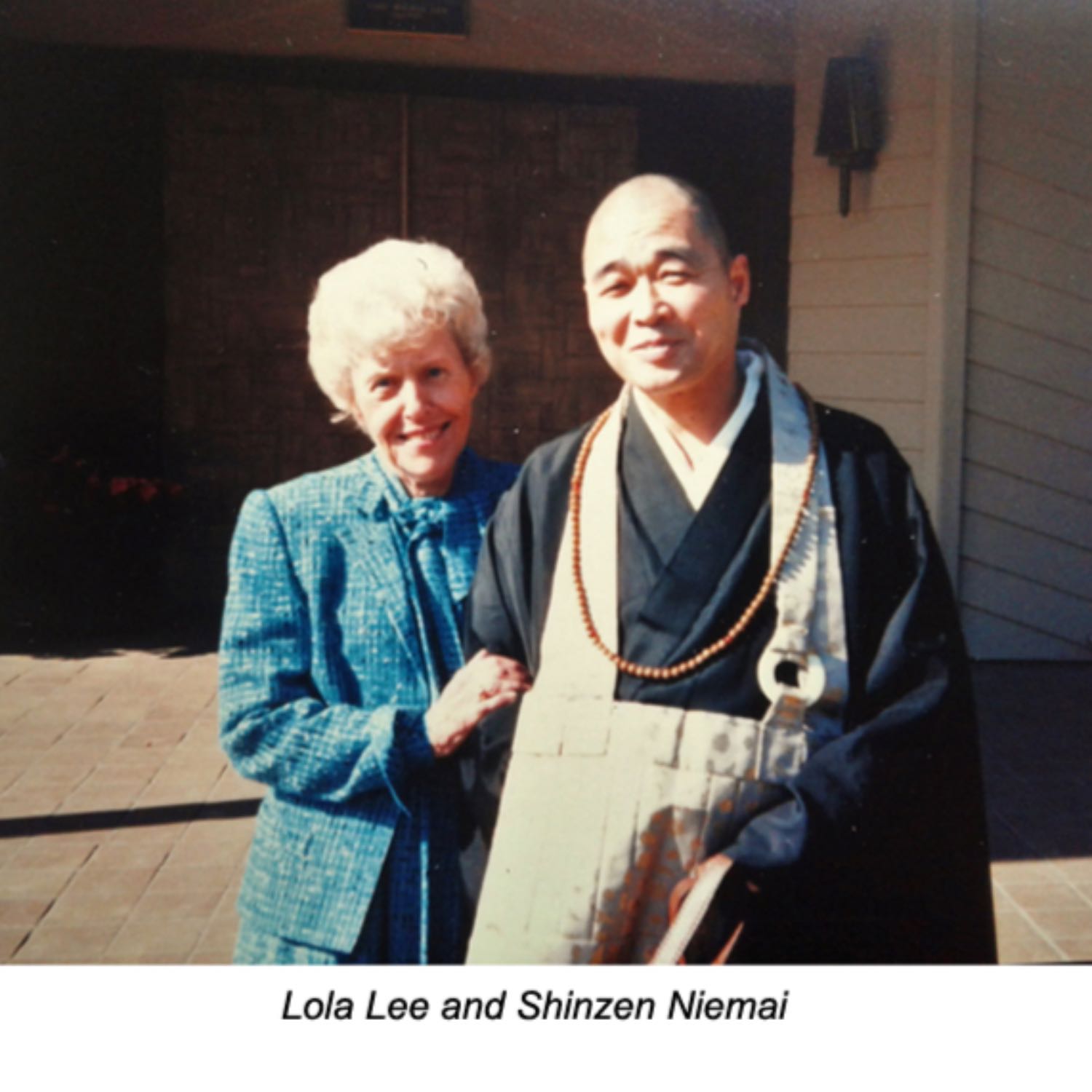
Talks by Zen Roshi, Lola McDowell Lee · I & A Publishing
Audio is streamed directly from the publisher (content.rss.com) as published in their RSS feed. Play Podcasts does not host this file. Rights-holders can request removal through the copyright & takedown page.
Show Notes
Zen Roshi, Lola McDowell Lee, discusses Mystica Theologica by St Dionysias. He said religious experience can’t be described. Like music: as much as you might name notes, no description is adequate to explain what music really is. So it is with religious experience. Dionysias called it “agnosia” or unknowing. There is a depth in saying “I don’t know.” Even Socrates said the only thing he knows is that he knows nothing. The atheist who says he knows there is no God… does not speak from experience. He really does not know. Both the theist and atheist make wrong assumptions.
We meditate to reduce conditioning, etc. The aim is to set ourselves up to experience an empty silence. The emptiness of unknowing. Of Dionysias’ agnosia. Dionysias called it the “translucent darkness.” Or “Knowing ignorance.” God is light and darkness together. Only then can reality of God be experienced. It can be remembered, but cannot be described. Just: “Ah, this.” That is why the Taoists say the wise man keeps his mouth shut. The world is one—the seen and the unseen—even though we don’t see the world as united. Lola Jul 22, 1985