
Sustainability Now! on KSQD.org
36 episodes
Fire and Ice on the Roof of the World, with Jonathan Mingle, Independent journalist and science writer
Rancho Coyote Viejo--A Pilot Land Access Project for Farmers, with Josefina Lara Chavez, Executive Director of RegenerationLA
Speculations on Conjunctural Futures: What Might We Expect, What Must We Do? With Kim Stanley Robinson, author of The Ministry for the Future
Trump’s War on California’s Environment, with Jason Rylander and Hollin Kretzmann from the Center for Biological Diversity
The Santa Cruz Mountains Stewardship Network With Dylan Skybrook, Network Manager
The San Francisco Bay Area—An Environmental History With David D. Schmidt
Everyone talks about climate, but no one does anything about it with Dr. Daniel Swain, UCANR and NCAR
Extractive Frontiers: Critical Minerals and Green Capitalism, with Professor Thea Riofrancos, Providence College
Is that Teflon in your food and water? Good for eggs, maybe, but probably not for you! with Dr. Faith Kibuye, Penn State University
Microplastics: invisible, insidious, and...fixable with Dr. Myra Finkelstein and Dr. Steven Mentor
"We think they'll kill someone" indigenous resistance in Oaxaca, Mexico, with Anjan Sundaram, The Stringer Foundation
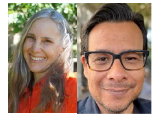
Ep 179Transformative Climate Communities in California With Nancy Faulstitch and Eloy Ortiz, Regeneración Pajaro Valley
The State of California has created a program called “Transformative Climate Communities,” focused on making low-income, urban areas more resilient, efficient and responsive to housing, energy and climate challenges. What does this mean on the ground? Join host Ronnie Lipschutz for a conversation with Nancy Faulstitch, Executive Director and Eloy Ortiz, Special Projects Manager at Regeneración Pajaro Valley which, along with Monterey County, received a TCC planning grant in 2021. They have been leaders in this effort and will talk about the planning process and what happens next. Regeneración is a Pajaro Valley non-profit that builds bridges between residents and climate practitioners in local cities, counties, and at the state level.
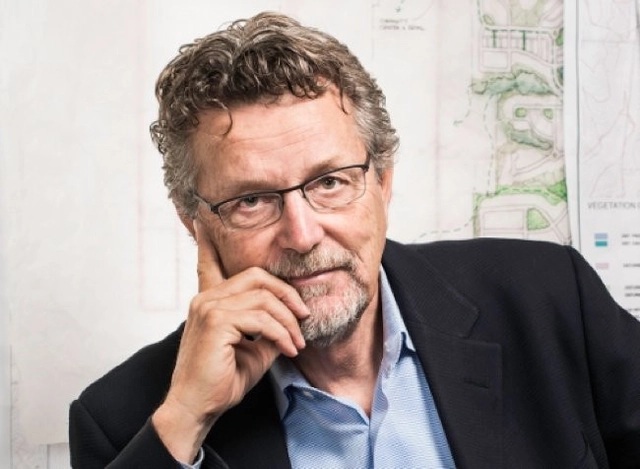
Ep 178The Past and Future of Sustainable Communities with Peter Calthorpe, Architect & Urban Designer
The world’s cities are big and getting bigger. By 2050, 80% of the world’s people will live in cities. Can cities be made sustainable? Who is thinking about this? Join host Ronnie Lipschutz for a conversation with Peter Calthorpe, architect and urban designer with HDR, a global company specializing in architecture, engineering, environmental and construction services. Over the past 45 years, Calthorpe has been a primary advocate for sustainable communities, the New Urbanism and transit-oriented development. His most recent publications are "Ending Global Sprawl: Urban Standards for Sustainable and Resilient Development" for the World Bank and “Grand Boulevards and the AB2011 Revolution: Reinventing the Strip to Solve California’s Housing Crisis.”
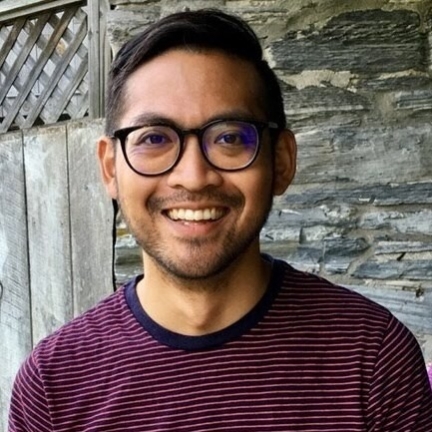
Ep 177Biologists Unite! The Rise and Fall of Ecosystem Services with Professor Daniel Suarez, Middlebury College
Over the past several decades, there has been a concerted effort by biologists, economists and others to put a value on nature’s services: what would it cost, for example, to provide clean water the way nature does? Oxygen, photosynthesis, soil? Early estimates were around $30 trillion per year; arguably, today they are much higher, over $100 trillion. But getting from hypothetical calculations to actual incorporation into real work policy and development projects is no easy task. Join host Ronnie Lipschutz for a conversation with Daniel Chiu Suarez, Assistant Professor of Environmental Studies at Middlebury College in Vermont. He has just published Biologists Unite! The Rise and Fall of Ecosystem Services, an account of why three decades of academic, activist and policy efforts have failed to incorporate ecosystems services into global economic accounting and action.
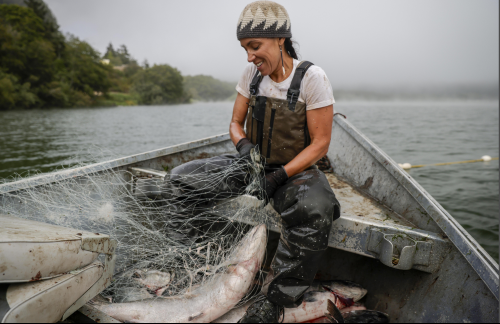
Ep 176The Water Remembers—My Indigenous Family’s Fight to Save a River and a Way of Life with Amy Bowers Cordalis Ridges to Riffles Indigenous Conservation Group
The removal of four dams from the Klamath River in Northern California is rapidly becoming one of the great recent success stories in conservation and restoration. The riverbank habitat is returning to its former condition and salmon have been spotted swimming upriver past the sites where the dams once blocked their passage. Along with this comes the restoration of the indigenous peoples’ way of life, heavily dependent on those fish. Join Host Ronnie for an update on the Klamath in a conversation with Amy Bowers Cordalis, who has just published The Water Remembers—My Indigenous Family’s Fight to Save a River and a Way of Life. She is a mother, fisherwoman, attorney, executive director of Ridges to Riffles, and member of the Yurok Nation and its former general counsel. (Photo by Brontë Wittpenn, San Francisco Chronicle)
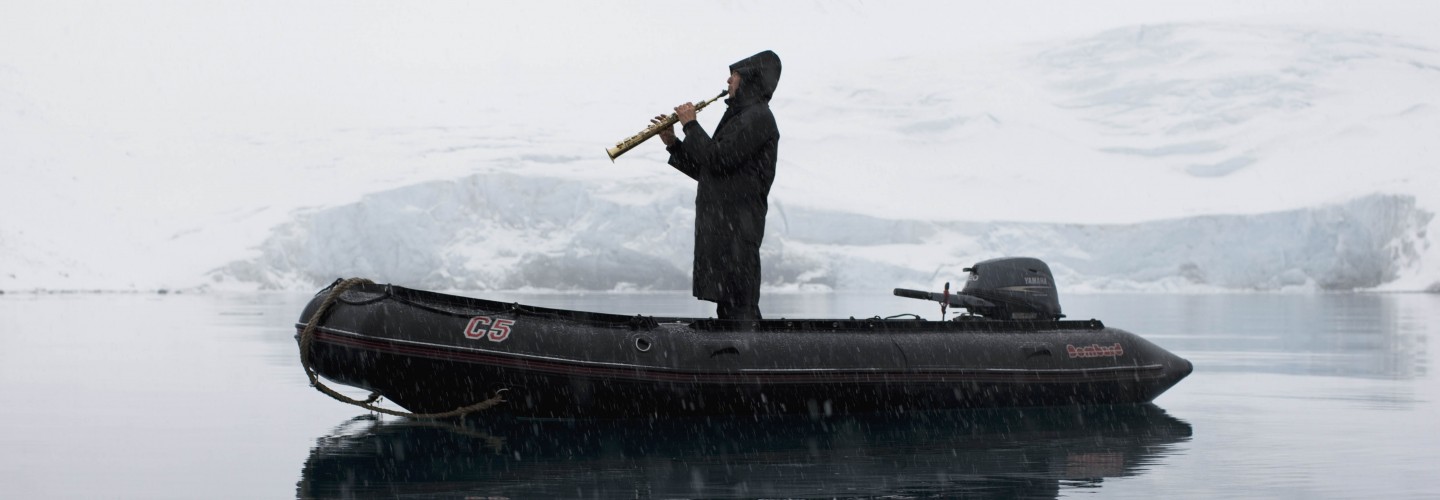
Ep 175Secret Sounds of Ponds and Other Animal Music with Professor David Rothenberg, NJ Institute of Technology
Who knew that ponds make music? To the eye and ears, they seem silent and tranquil—except at night when, maybe, choruses of frogs serenade listeners. But ponds are much noisier than that: you have to be very quiet and have the right equipment to really hear what’s going on. And there is a lot going on: both the critters and the plants speak out. Indeed, nature is full of sounds, many of them musical and, quite possible, the forerunners of human music. Join host Ronnie Lipschutz for a conversation with Dr. David Rothenberg, scholar, author, musician and composer and Distinguished Professor of Philosophy and Music at the New Jersey Institute of Technology whose focus is on animal sounds as music. We talk about his most recent book, Secret Sounds of Ponds, for which Rothenberg tossed a microphone into ponds and heard “an entirely new world, a realm of the unexpected and stirring rhythms and tones of some of the smallest and loudest creatures on Earth.”
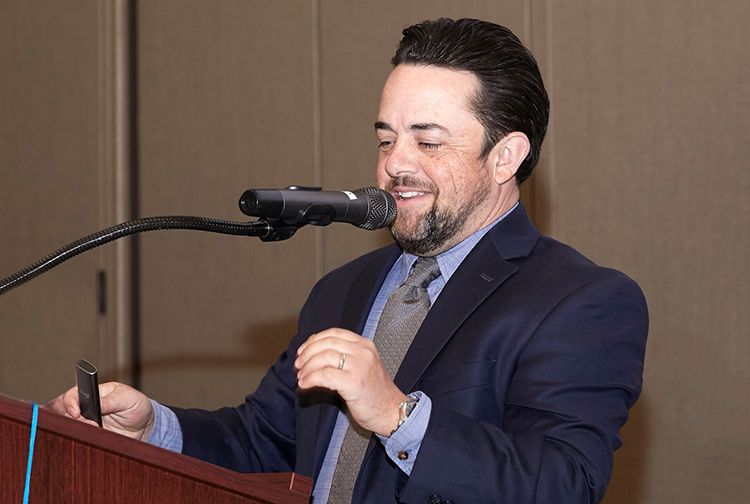
Ep 174Plutonium Pit Production--The Risks and Costs of US Plans to Build New Nuclear Weapons with Dr. Dylan K. Spaulding of the Union of Concerned Scientists
Nuclear weapons have been with us for 80 years. There are fewer today than was the case at the height of the Cold War, but there are more countries with nukes than ever before. Some heads of state have been, of late, threatening to use them. If you’ve seen Kathryn Bigelow’s recent film, “House of Dynamite,” you’ll know that human psychology is the linchpin on which the entire system of nuclear deterrence rests: would the President (or Premier or whatever) exchange their capitals for others? Trade Washington, DC for Moscow or Beijing? There is reason to be concerned about this question: The United States is planning a $1.7 trillion overhaul of its entire nuclear arsenal, designing new warheads and investing in new bombers, missiles, and submarines to carry them, all in the name of “modernization.” It’s not that the current generations of platforms and warheads won’t work; it’s more that Admirals, Generals and Presidents don’t trust devices put into operation when they were very young and that there is a lot of money and prestige in having the latest generation of gadgets and lording that over the competing services. Oh, and new weapons are “manlier” than the old ones. Join host Ronnie Lipschutz for a conversation with Dr. Dylan K. Spaulding a senior scientist in the Global Security Program of the Union of Concerned Scientists. His work focuses on technical issues related to nuclear stockpile stewardship and policies that can reduce the threat posed by nuclear weapons. He recently authored a UCS report entitled “Plutonium Pit Production--The Risks and Costs of US Plans to Build New Nuclear Weapons.” Its focus is on the stuff that makes warheads go “boom” but along the way, Spaulding covers a lot of other ground and the report is a good primer on nuclear weapons.
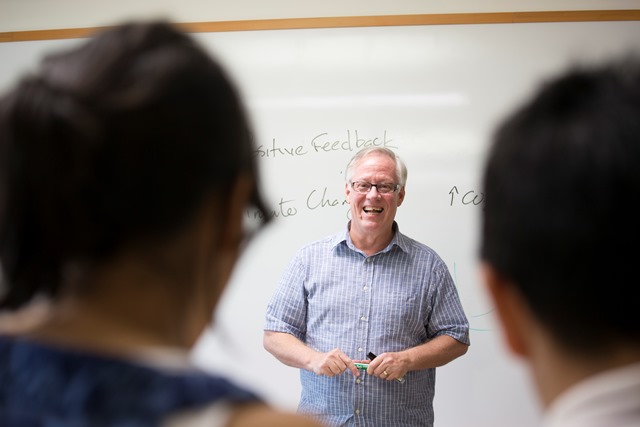
S1 Ep 173The Living Green Myth: The Promise and Limits of Lifestyle Environmentalism with Dr. Michael Maniates
Many listeners are probably familiar with the tags found in hotel bathrooms that read: “Save Our Planet,” followed by instructions about reusing and replacing towels, and concluding “Thank you for helping us converse the Earth’s vital resources.” Reusing towels might help conserve the hotel’s financial resources but does that make any difference for the Planet? Such “lifestyle environmentalism” is widespread, providing a sense of doing something in a world in which collective action is so difficult. In two weeks, join host Ronnie Lipschutz for a conversation with Dr. Michael Maniates, for a conversation about his new book, The Living-Green Myth: The Promise and Limits of Lifestyle Environmentalism. Maniates dismisses the notion that individual actions can make a significant impact on the state of the planet. But if not that, what are we to do?
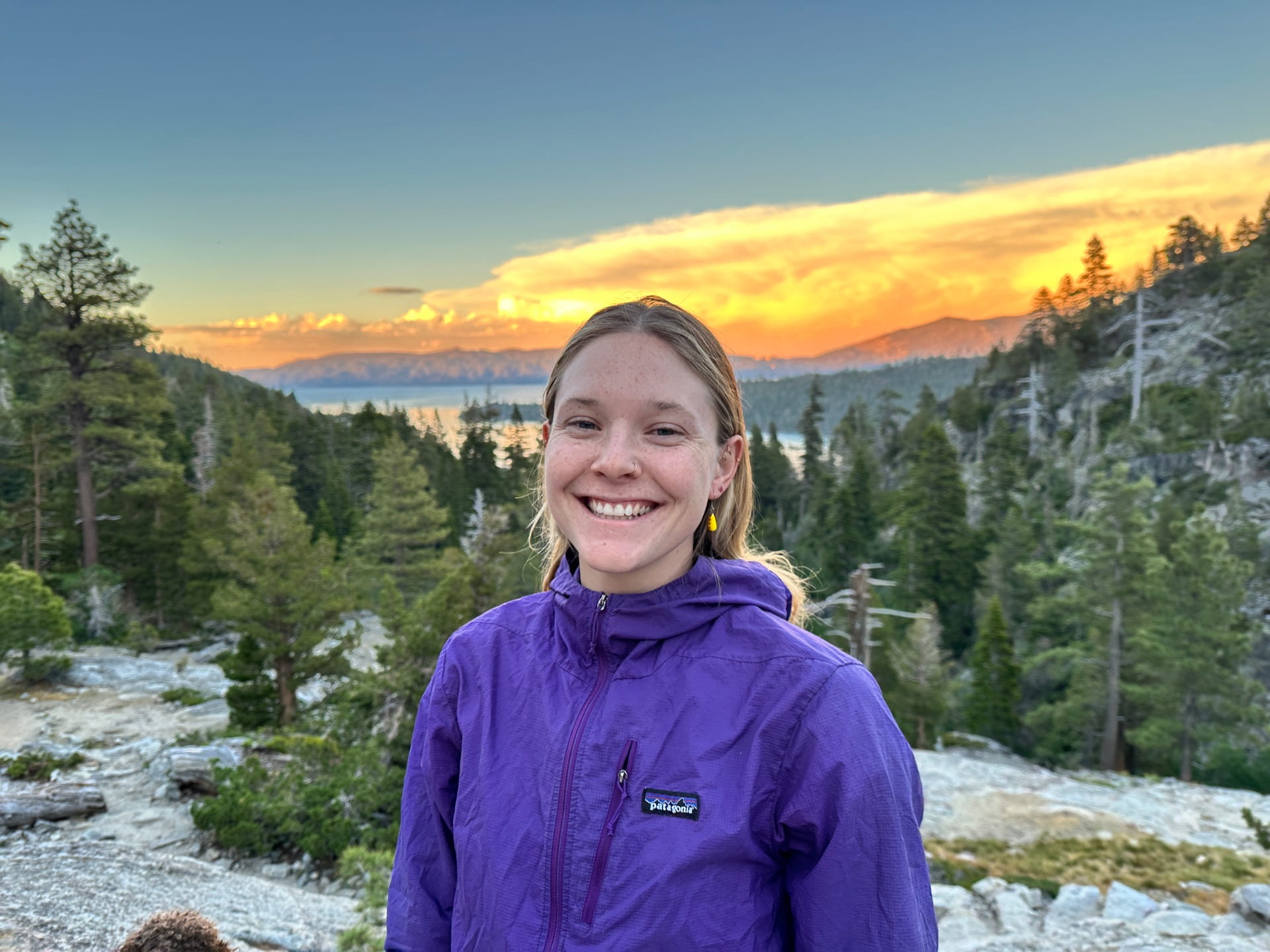
Ep 172Microplastics in Lake Tahoe: What are They Doing There? What are they Doing? With Madison “Madio” Wallner
Lake Tahoe is one of California’s natural jewels but it is under siege and increasingly awash in plastic wastes, as visitors carelessly dispose of bottles and packages and discarded items degrade into small pieces washed into the lake. What happens to that stuff? As we have been learning, microplastics are everywhere, in the environment and in our bodies. What are their impacts on people, animals and nature? Join host Ronnie Lipschutz for a conversation with Madison “Madio” Wallner, a UCSC PhD student in Environmental Science, who is studying microplastics and tire particles in Tahoe’s bottom sediments.
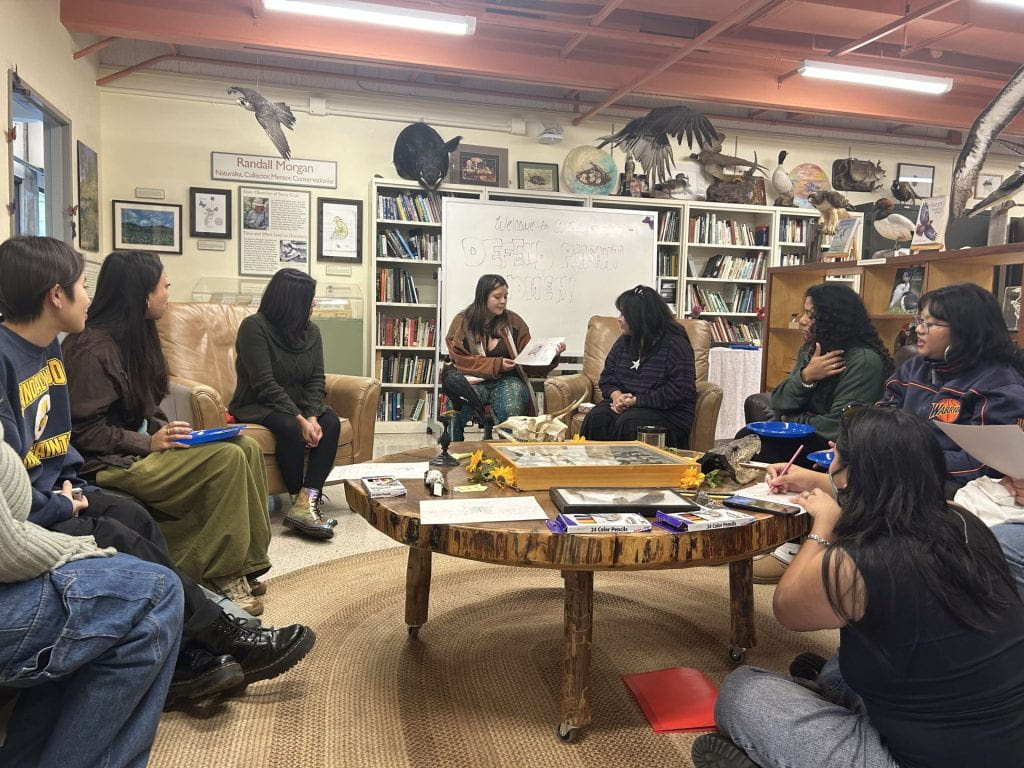
Ep 171The Norris Center for Natural History at UCSC: What is it? Why is it there? With Professor Ingrid Parker and Center Director Chris Lay
The Kenneth S. Norris Center at UC Santa Cruz is one of the little-known jewels of the campus as well as the Monterey Bay Region. Ken Norris was an American marine mammal biologist, conservationist, naturalist, and co-founder of SeaWorld, as well as a professor of natural history at UCSC. He was the creator of the UC Natural Reserve System, too. The Norris Center holds a vast collection of insects, plants and seeds from the Santa Cruz Mountains and supports classes, internships and research by UCSC students, faculty and staff. Join me in two weeks for a conversation about the Norris Center with Professor Ingrid Parker, the Center’s Faculty Director and Chris Lay, the Center’s Director. Find out about the Center’s treasures and how you can see them!
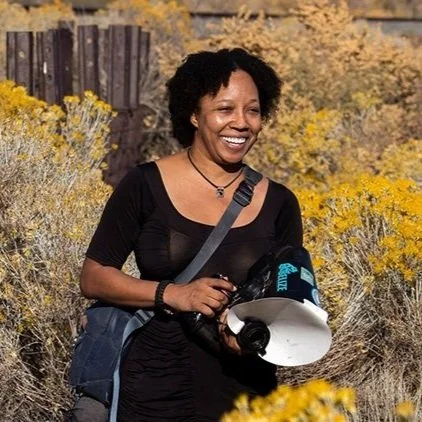
Ep 170The ABCs of California Native Bees with Krystle Hickman, Conservation Photographer and National Geographic Explorer
If you venture out into parks, farms and gardens with various flowering species, you are almost sure to see European honeybees flying about. When we think of bees, those are the ones that usually come to mind. But there are more than 1,600 native bee species in California alone, and many of those are threatened with extinction. Krystle Hickman is a National Geographic Explorer, conservation photographer, and native bee expert who uses her photography to raise awareness about the decline of native bee species and their complex ecosystems. Her new book, The ABCs of California Native Bees, a compendium of text about and stunning photos of native bees in their California habitats, has just been published by Berkeley's Heyday Books. Learn how a conservation photographer goes about her work and how she finds those bees.
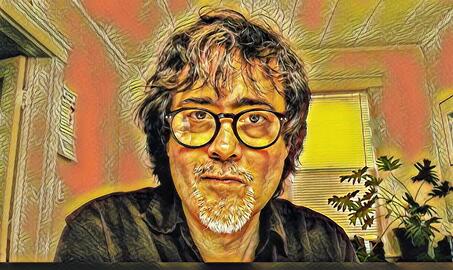
Ep 169The Omnivore’s Deception--What We get wrong about meat, animals and ourselves, with Professor John Sabonmatsu, Worcester Polytechnic Institute
Millions of Americans see themselves as "conflicted omnivores," worrying about the ethical and environmental implications of their choice to eat animals. Yet their attempts to justify their choices only obscure the truth of the matter. Join host Ronnie Lipschutz for a conversation with Dr. John Sabonmatsu, Professor of Philosophy at Worcester Polytechnic Institute in Massachusetts. His recently published book, The Omnivore’s Deception, provides a deeply observed philosophical meditation on the nature of our relationship with animals. Sabonmatsu argues that killing and eating animals is unethical, regardless of whether they are "free range" or factory farmed. The problem with raising and killing animals for food isn't just that it's "bad for the environment,” but the wrong way to live a human life.
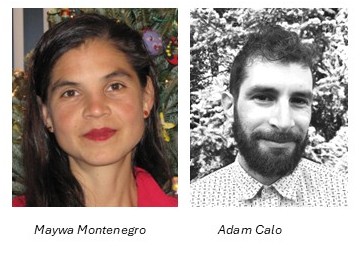
Ep 168The Enduring Fantasy of ‘Feeding the World’ with Professors Adam Calo and Maywa Montenego
Even before the publication of Paul Ehrlich’s The Population Bomb in 1968, we heard warnings that humanity would be doomed to a future of famine, hunger and starvation unless industrial agriculture were unleashed to grow food as efficiently as possible in every nook and cranny of the world’s arable lands to feed the “ten billion.” Those warnings continue today. But is it correct? In “The Enduring Fantasy of ‘Feeding the World’,” a recent article in the journal Spectre, four members of the Agroecology Research-Action Collective challenge those who make this claim. Join host Ronnie Lipschutz for a conversation about feeding the world with Dr. Adam Calo, Assistant Professor in the Geography, Planning and Environment group at Radboud University in the Netherlands, and Dr. Maywa Montenegro, Associate Professor of Agroecology and Critical Technology Studies in the UCSC Environmental Studies Department.
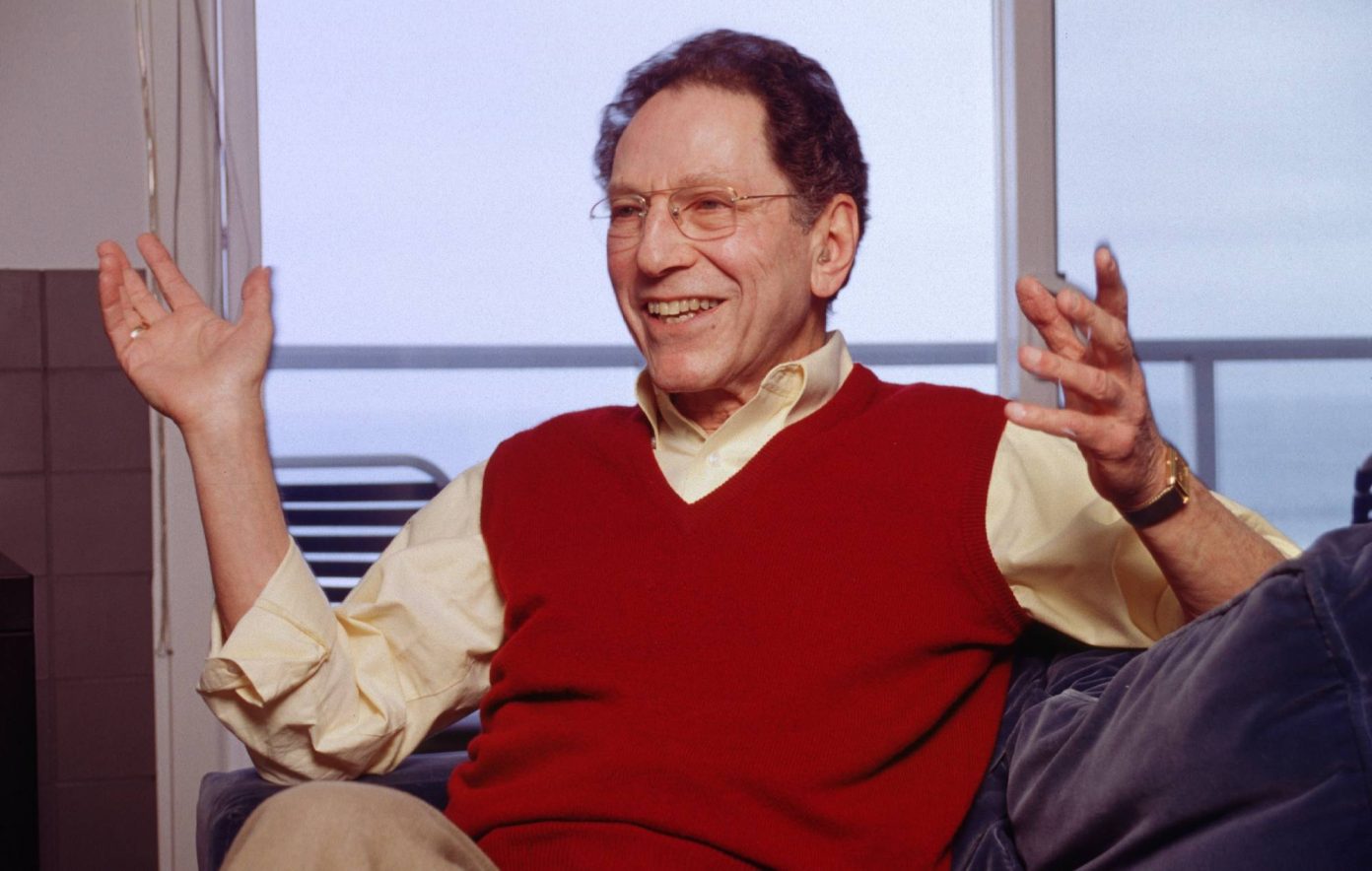
An Hour Wasted with Tom Lehrer A Tribute to the Man and His Music
Tom Lehrer, the musical satirist par excellence of the 1950s and 1960s, died this past July at age 97. Many listeners and their progeny grew up listening to and singing his compelling compositions: easy to remember, easy to sing and easy to finish. Who could forget “The Vatican Rag” or “The Elements?” What some might not know is that, from 1972 to 2001, in flight from East Coast winters, Tom also taught math and theater at UC Santa Cruz, as a lecturer in American Studies. Along the way, he made many friends and inspired countless students. Join Ronnie Lipschutz for a tribute to Tom Lehrer, including brief commentary, songs and interviews. It certainly won’t be wasted. If you would like to know all about Tom and his music, you can find resources and links in this folder: https://tinyurl.com/tdh7n8d9 ( Photo by Anthony Pidgeon/Redferns )
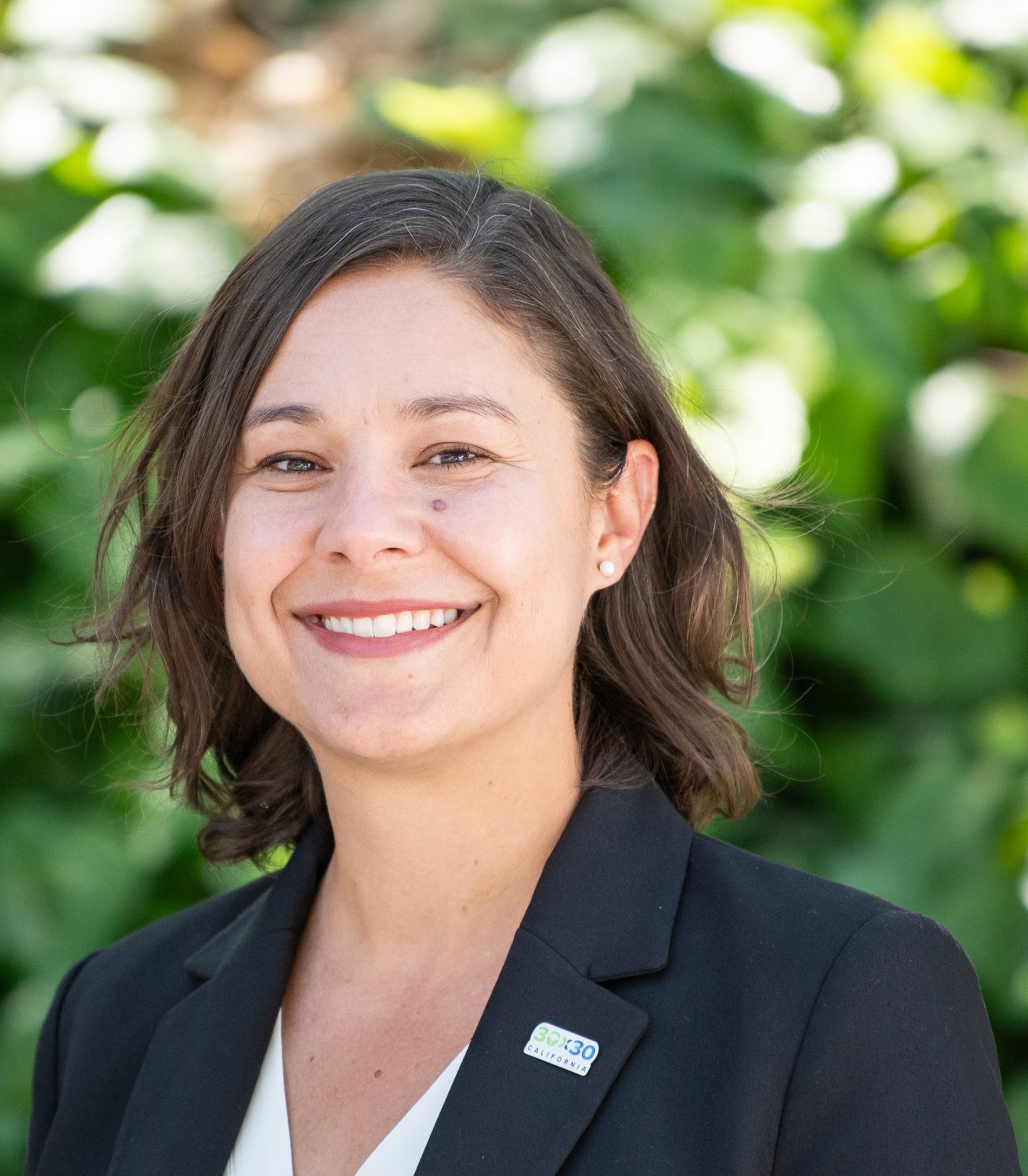
Ep 167Conserving California’s Lands and Coastal Waters: A Progress Report with Meghan Hertel, Deputy Secretary for Biodiversity and Habitat at the California Natural Resources Agency
In October 2020, Governor Newsom issued Executive Order N-82-20 which establishes a state goal of conserving 30% of California’s lands and coastal waters by 2030 – known as 30x30. The 30x30 goal is intended to help accelerate conservation of our lands and coastal waters through voluntary, collaborative action with partners across the state. Five years later, how well has 30X30 met its goals? Join host Ronnie Lipschutz for a conversation about 30X30 with Meghan Hertel, Deputy Secretary for Biodiversity and Habitat at the California Natural Resources Agency, who recently drafted and published the 2025 annual progress report on 30x30, in coordination with the Governor’s Office.
Ep 156What's Happening with Climate Law across the World, the United States and California? with Professor Alice Kaswan, USF School of Law
What’s up with climate change and climate law? The U.S. Environmental Protection Agency has announced that it is going to cancel the “endangerment finding” of 2009 that provided the legal basis for regulation of greenhouse gas emissions. In July, the Department of Energy released “A Critical Review of Impacts of Greenhouse Gas Emissions on the U.S. Climate,” which downplayed the research, the impacts and the importance of climate change. The Trump Administration has pretty much declared that is it going to eliminate anything that suggests climate change is a threat. And fossil fuel companies have been unleashed to produce anywhere the is even a hint of fossil carbon. At the same time, three international courts—the International Court of Justice, the Inter-American Court of Human Rights and the International Tribunal for the Law of the Sea—have issued opinions that international climate law requires countries to act now to reduce emissions. What does the law say? What is law’s impact? Join host Ronnie Lipschutz for a conversation with Professor Alice Kaswan of the University of San Francisco School of Law. Professor Kaswan’s scholarly work focuses on climate change with a particular emphasis on federalism and on environmental justice. She has written extensively about the role of state and local governments in climate change adaptation and mitigation policy. In addition, she has addressed the environmental justice dimensions of domestic climate change policy. Feeling warm? Tune in! Photo Copyright: Photographs©2015 Barbara Ries. All rights reserved.
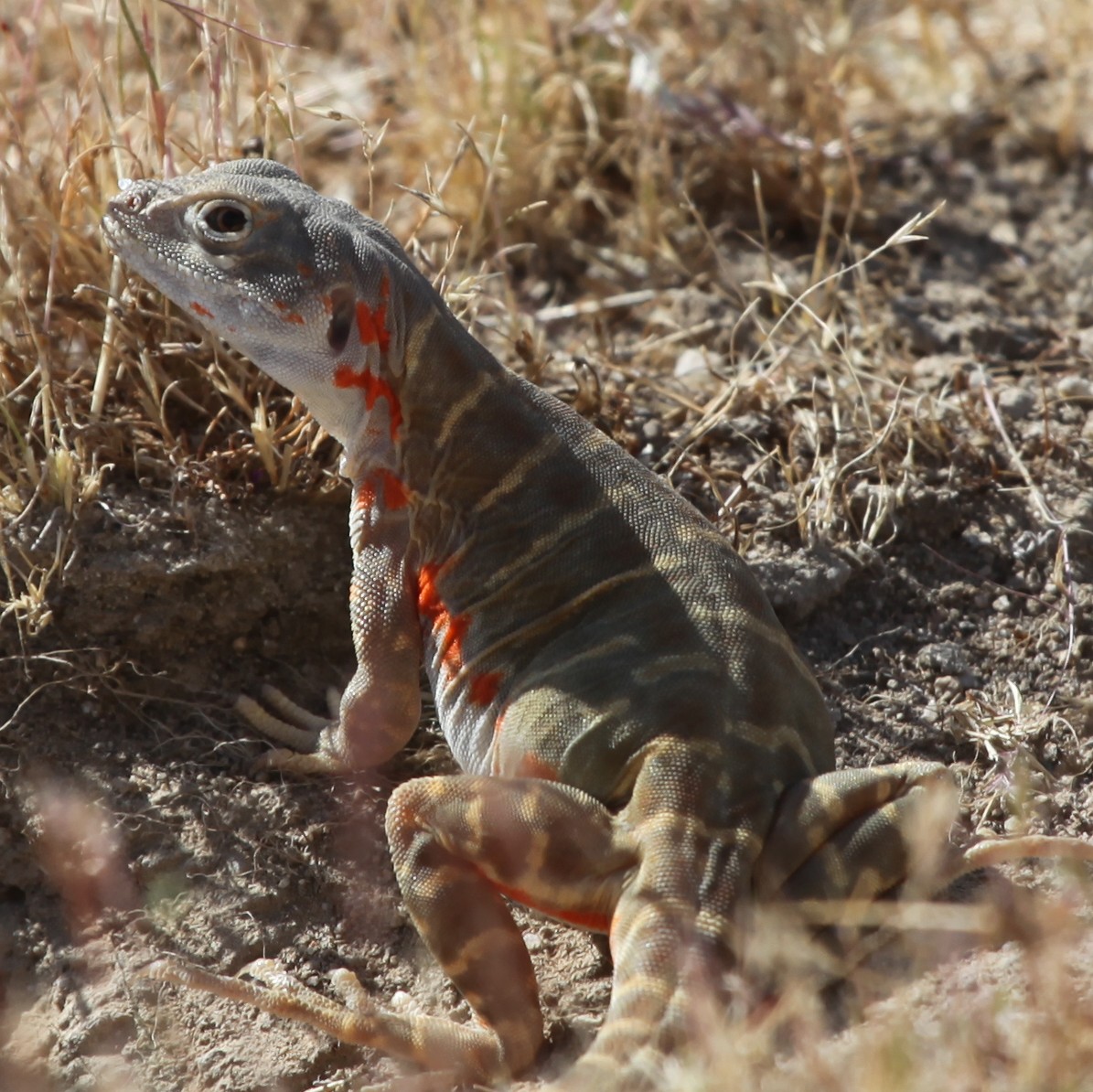
S1 Ep 155Save the Valley Dragons! Restoring the Blunt-Notes Leopard Lizard to the San Joaquin Desert with Dr. Michael Telemeco and Dr. Michael Westphal
Who knew there was a desert in the San Joaquin Valley inhabited by the “valley dragon,” aka, the “blunt-nosed leopard lizard.” The lizards have disappeared from 85% of their historical range as a result of agriculture, rural and urban development and pesticides, and are now threatened in what remains of the San Joaquin Desert. The Fresno Chaffee Zoo is raising leopard lizards and releasing them back into the wild, equipped with radio telemetry backpacks. Join host Ronnie Lipschutz on Sunday, August 31st for a conversation about the desert and the lizards, with guests Dr. Rory Telemeco, Research Director at the Fresno Chaffee Zoo, and Dr. Michael Westphal, from the Bureau of Land Management.
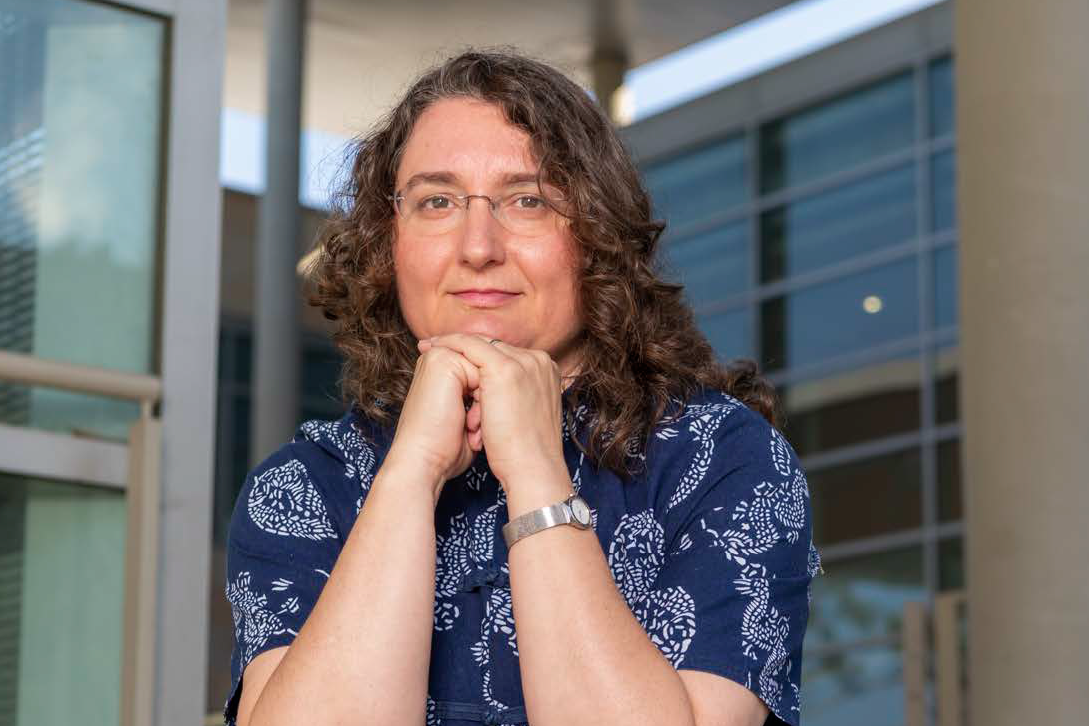
S1 Ep 125"What's in Those Plastics, Anyway?" with Professor Susannah Scott of UC Santa Barbara
The world is awash in plastic. According to a study published in 2020, total production of plastics since 1950 is now over 10 billion tons, with more than half of that simply discarded. And the production of plastics will only increase in the future. There is a lot of oil and natural gas in the world and, if and when we wean ourselves from fossil fuels, oil and chemical companies will be looking for other places to use their stocks. So far, only about one billion tons of plastic have been recycled—that is, put into the recycling chain. What exactly has happened to that material is less clear. Different types of plastic require different post-consumer processing to turn them back into pellets of raw material. Most factories are set up to use only particular types of plastic and it is still cheaper to buy virgin pellets than recycled ones. Are compostable plastics the solution? What is a compostable plastic? What is it made from? How is it broken down? Are there plastics that will simply decompose into constituent molecules by weathering and micro-organisms? Questions, questions. Are there answers? Join host Ronnie Lipschutz for a chemistry and economics lesson from Dr. Susannah Scott, Distinguished Professor of Chemical Engineering and occupant of the Duncan and Suzanne Mellichamp Chair in Sustainable Catalytic Processing at the University of California Santa Barbara. Here I quote from a UCSB website: "Her research interests include the design of heterogeneous catalysts with well-defined active sites for the efficient conversion of conventional and new feedstocks, as well as environmental catalysts to promote air and water quality."
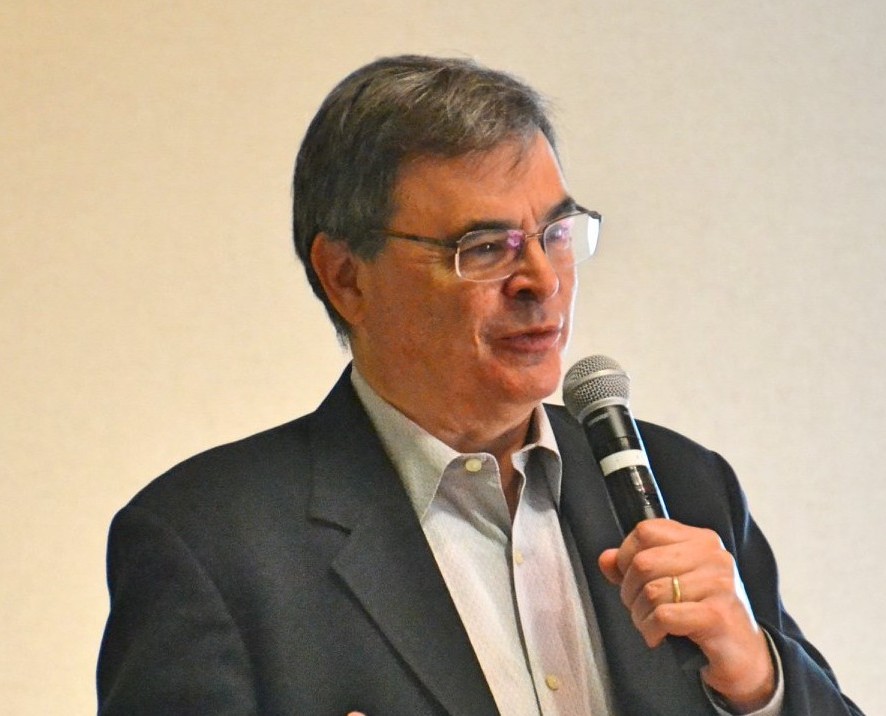
S1 Ep 153After the Floods--The Search for Resilience in Ellicott City, with Professor Ken Conca, American University
As the recent deadly floods in Central Texas remind us, Nature bats last. There seem to be a growing number of severe weather-related disasters that kill many people and lay waste to towns and communities. But what happens after the floods, as communities make plans to repair the damages? Why does rebuilding often become the trigger of intense and extended political and social struggle, sometimes lasting many years? Dr. Ken Conca, Emeritus Professor of Environment, Development and Health at American University in Washington, DC, decided to follow the planning process in a flood-prone town in which he lived. He has just published After the Floods--The Search for Resilience in Ellicott City (Oxford University Press) a study that offers a blow-by-blow account of these struggles and elucidates his explanation for why the arise and persist, long after the water has vanished. Join host Ronnie Lipschutz for a conversation with Dr. Conca about his book and his broader conclusions about community planning for inclement weather and climate change, especially “after the floods.”
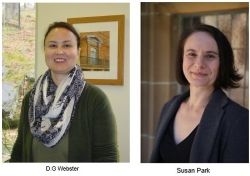
S1 Ep 152The False Promise of Deep-Sea Mining with Professors D.G. Webster and Susan Park
The United States has indicated that it will begin to explore commercial mining of mineral nodules on the international seabed, in violation of the UN Conference on the Law of the Sea and the International Seabed Authority. These nodules contain a variety of minerals used in cell phones, electric cars and other high-tech devices and could reduce U.S. reliance on questionable sources of rare earth and other metals. Opponents counter that the ecological damage imposed by such mining would far outweigh any benefits. But there is another argument for letting sleeping nodules lie: deep-sea mining is a multi-billion-dollar solution to problems that do not exist. Join host Ronnie Lipschutz for a discussion with Professors D.G. Webster of Dartmouth College and Susan Park, from the University of Sydney. They, along with several colleagues, recently published “The false promise of deep-sea mining,” a critique of the proposal focused on terrestrial mineral availability, limited social benefits and supply chain economics.
S1 Ep 126Cull of the Wild: Killing in the Name of Conservation with Hugh Warwick (rerun)
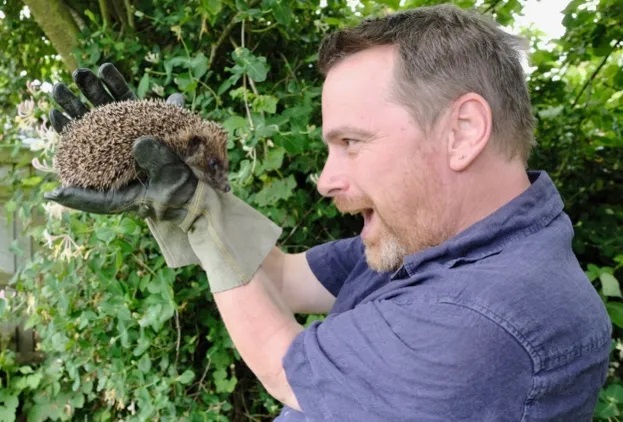
Do you remember the Northern Spotted Owl, icon of the old-growth Redwood Wars of the 1990s? Well, the Northern Spotted Owl is, once again, under threat. This time, however, the threat comes from another species of owl, the Barred Owl, a larger and more aggressive bird native to the United States, whose range has been expanding westward as a result of development and climate change. The U.S. Fish & Wildlife has devised a plan to protect the Northern Spotted Owl: shoot Barred Owls. Scientists, conservationists and the public are torn: should humans intervene to prevent animal extinctions by competitors and invasive species if they threaten the survival of endemic ones, or should we let nature take its course? And since humans have intervened in nature for thousands of years, everyday and everywhere, what is the right thing to do? How can we decide? Join host Ronnie Lipschutz for a rerun of a 2024 conversation with Hugh Warwick, spokesperson for the British Hedgehog Preservation Society, who has been looking into this dilemma around the world. He has just published Cull of the Wild: Killing in the Name of Conservation. Warwick is a frequent speaker on wildlife conservation in public talks and on British radio and TV. He also runs courses on hedgehog conservation. Warwick with hedgehog photo © Zoe Broughton
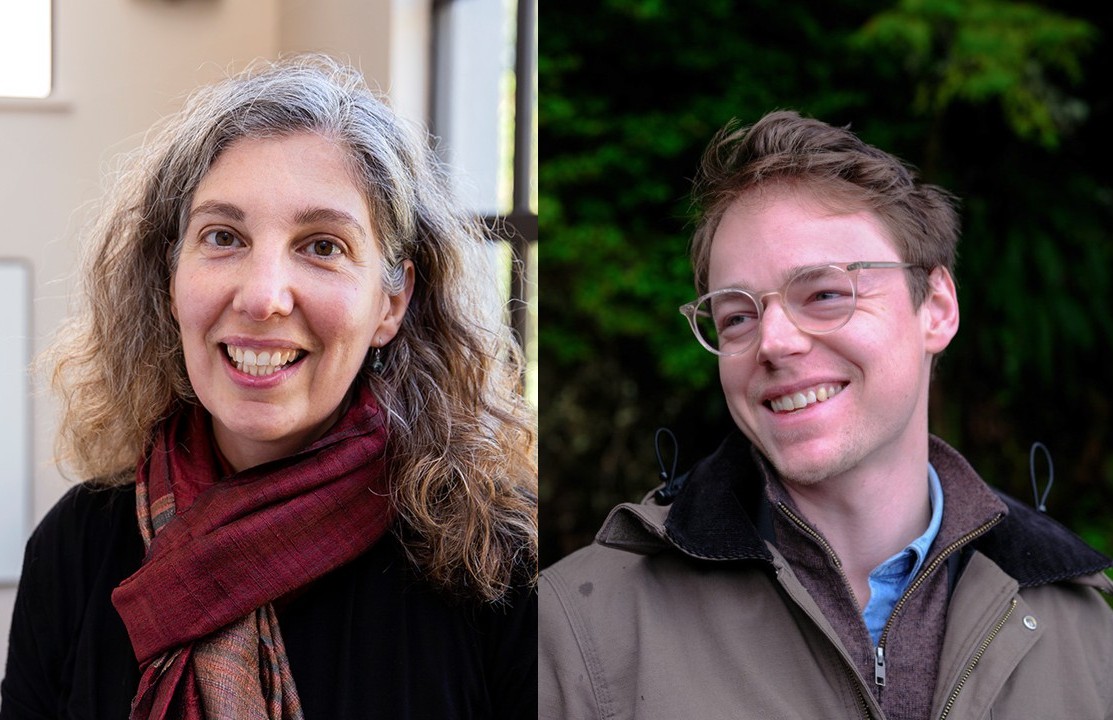
S1 Ep 150Out, Out, Damned Carbon! with Dr. Barbara Haya & Dr. Stephen Lezak, Berkeley Carbon Trading Project
Carbon is a boon and a bane. It is at the core of all life on Earth, past and present. In the atmosphere, carbon is what keeps the Earth’s temperature at tolerable levels. Yet, carbon dioxide levels in the atmosphere are rising, raising global temperatures and disrupting climate and weather. California’s cap and trade system is one approach to controlling carbon emissions. But what is it? How does it work? And are there other ways to achieve the same objectives? Join host Ronnie Lipschutz for a conversation about cap and trade and how the resources it generates could be put to better use, with Dr. Barbara Haya, director of UC Berkeley’s Carbon Trading Project, and Stephen Lezak, a Visiting Fellow at BCTP.
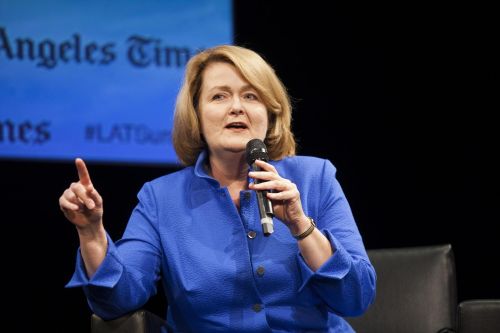
S1 Ep 149What's the Matter with California's Electricity System? with Loretta Lynch
Everyone is angry with California’s private utilities. Rates keep rising, the utilities lack accountability and they are running roughshod over small-scale renewable energy. Why make your customers so mad? Is that anger justified? And what are the utilities planning for the future? Join SN! host Ronnie Lipschutz for a conversation with Loretta Lynch. Lynch was President of the California Public Utilities Commission from 2000 through 2002 and continued as a CPUC Commissioner until January 2005. Since then, she has been a strident advocate for the protection of ratepayers and against corruption in the utility industry, a role in which she continues today.
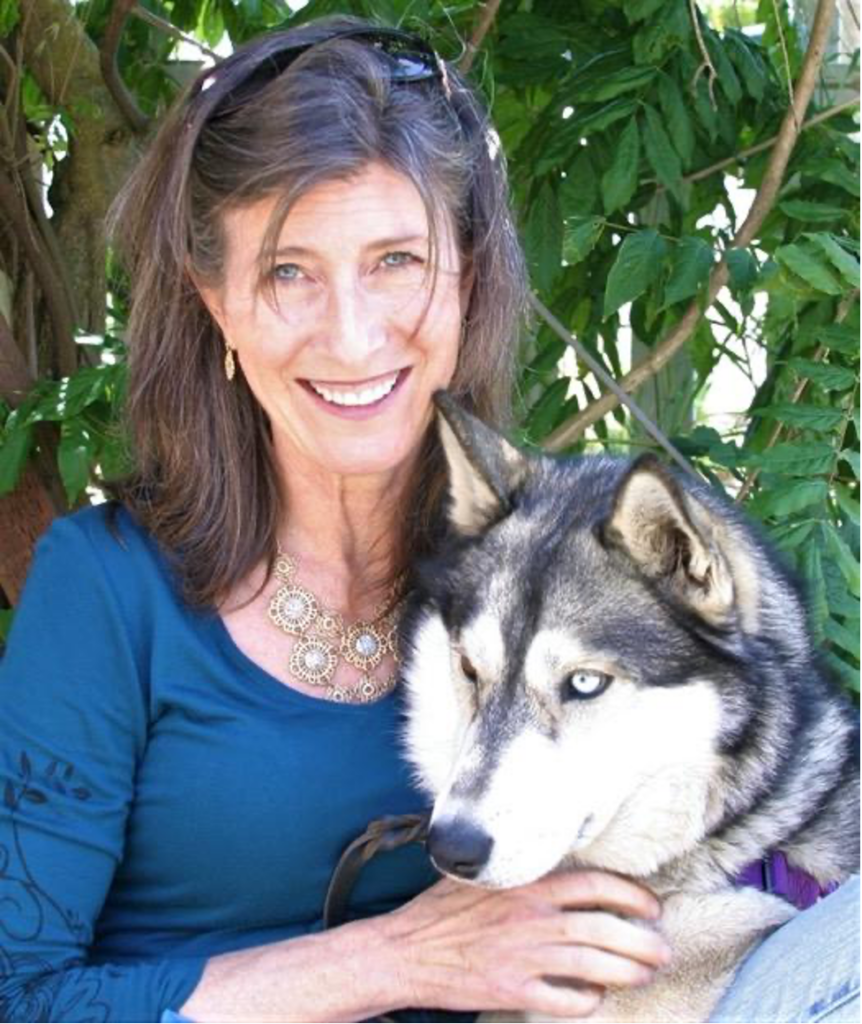
S1 Ep 148The Return of Wolves to California with Amaroq Weiss, Center for Biological Diversity
Gray wolves were once ubiquitous across California but the state’s last surviving individual was killed in 1924. In 2011, the first documented wolf since 1924 was observed crossing into California from Oregon. Today, there are at least 7 gray wolf packs in California with some 50 individuals. That’s not so many but 3 counties are worried about wolf attacks on livestock and people and are asking for permission from the state to allow more aggressive hazing, including shooting wolves with beanbags and rubber bullets. Is this really necessary? To learn more about gray wolves in California, join host Ronnie Lipschutz for a conversation with Amaroq Weiss, Senior Wolf Advocate at the Center for Biological Diversity
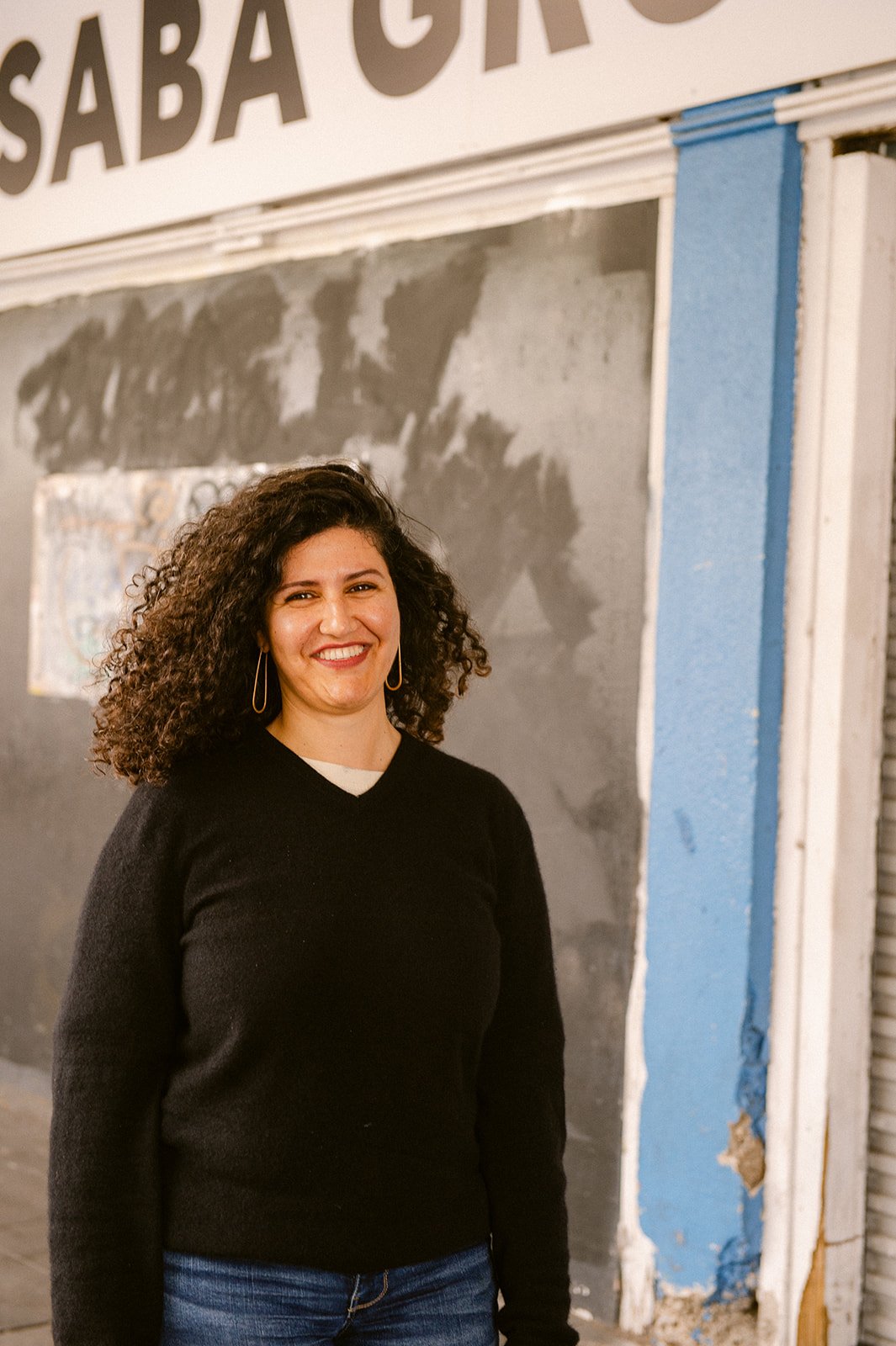
S1 Ep 142Food Apartheid and Food Hubs--A Visit with Saba Grocers and co-founder Lina Ghanem
Food insecurity and food apartheid are a common challenge in many low-income and minority neighborhoods across the United States. Big supermarket companies avoid those areas because stores are unprofitable and small stores find that they make the most money on junk foods, sodas and liquor. Saba Grocers is an Oakland-based organization, founded in 2019, that works with those small stores to enable them to sell fresh produce sourced from minority farmers across the region. Join host Ronnie Lipschutz for a conversation with Lina Ghanem, director and co-founder of the Saba Grocers Initiative in Oakland. Here is another podcast of interest from Michael Olson Staff of Life is a locally-owned grocery store competing for consumer dollars in a market dominated by corporate giants. And so we ask: How does a local grocery store survive in a marketplace of corporate giants? The Food Chain Radio Show - Podcast with Michael Olson hosts Gary Bascou, Co-Founder of Staff of Life Natural Foods for a conversation about how a locally-owned grocery store can survive 56 years to be among the last to stand in a market dominated by corporate grocery giants. Topics include the culture that gave rise to “natural” and “organic” food markets; how those foods gave rise to Staff of Life Natural Foods Market; and how Staff of Life survives 56 years of competition with corporate food giants. Show Recording: Staff of Life: Local Grocer V. Corporate Giants Radio: www.santacruzvoice.com Host: www.metrofarm.com Sponsor: TimeShare Media
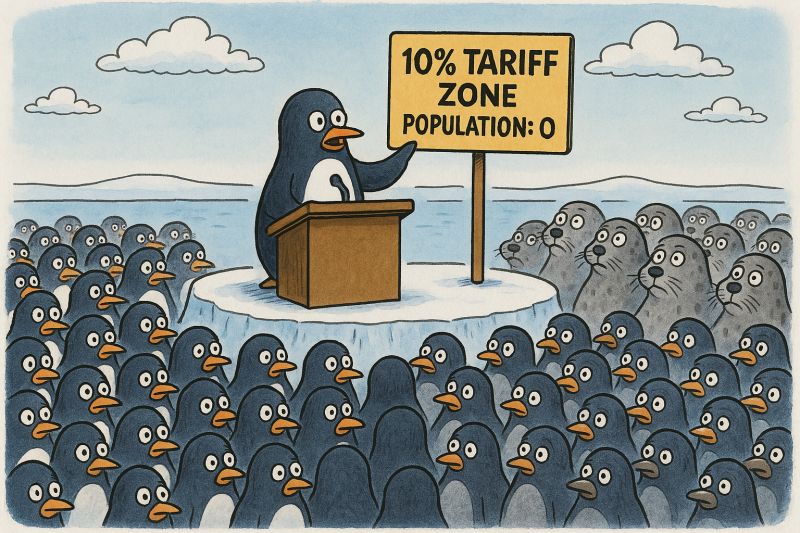
S1 Ep 146Are Tariffs Good for the Environment? Bad? Or What? With Ronnie Lipschutz and Christine Barrington
Tariffs are in the air and on the news. Tariffs are up and down. Tariffs are in and out. Who knows where they might go and what they might do. But what do tariffs mean for sustainability and the environment? Will they help or hurt? Do they matter either way? Tune into Sustainability Now! to hear Christine Barrington and Ronnie Lipschutz discuss tariffs and what they might mean for the environment and the planet. Lipschutz is neither an economist or an expert on the design or history of tariffs but has had many opportunities to study and write about taxes and the environment. He’s promised to keep economic jargon to the minimum and intelligibility to the maximum.