Sustainability Now! on KSQD.org
Are you concerned about the Earth's future? Are you interested in what is being done in Northern California and the world to address environmental issues? Do you want to act? Then tune in every other Sunday to Sustainability Now! on KSQD.org. SN!! was launched on KSQD in 2019 by Ronnie Lipschutz. The show features interviews with activists, scholars, scientists, authors, philosophers, and others on a range of topics and issues that address the relationships among humans and nature, including life, death, taxes, biodiversity, energy, electricity, climate change, nuclear matters, animal rights, environmental activism, books, articles and many others. If you have a question, we have a podcast for you! SN! is broadcast on KSQD every two weeks, on Sundays, from 5-6 PM. Archives for shows beginning in 2019 are here and other podcast sites. Sustainability Now! is underwritten by the Sustainable Systems Research Foundation in Santa Cruz, California.
KSQD 90.7 FM in Santa Cruz & KSQD.org · Ronnie Lipschutz
Show overview
Sustainability Now! on KSQD.org launched in 2025 and has put out 36 episodes in the time since. That works out to roughly 35 hours of audio in total. Releases follow a fortnightly cadence.
Episodes typically run thirty-five to sixty minutes — most land between 53 min and 55 min — and the run-time is fairly consistent across the catalogue. None of the episodes are flagged explicit by the publisher. It is catalogued as a EN-language Science show.
The show is actively publishing — the most recent episode landed 2 weeks ago, with 18 episodes already out so far this year. Published by Ronnie Lipschutz.
From the publisher
Are you concerned about the Earth's future? Are you interested in what is being done in Northern California and the world to address environmental issues? Do you want to act? Then tune in every other Sunday to Sustainability Now! on KSQD.org. SN!! was launched on KSQD in 2019 by Ronnie Lipschutz. The show features interviews with activists, scholars, scientists, authors, philosophers, and others on a range of topics and issues that address the relationships among humans and nature, including life, death, taxes, biodiversity, energy, electricity, climate change, nuclear matters, animal rights, environmental activism, books, articles and many others. If you have a question, we have a podcast for you! SN! is broadcast on KSQD every two weeks, on Sundays, from 5-6 PM. Archives for shows beginning in 2019 are here and other podcast sites. Sustainability Now! is underwritten by the Sustainable Systems Research Foundation in Santa Cruz, California.
Latest Episodes
View all 36 episodesFire and Ice on the Roof of the World, with Jonathan Mingle, Independent journalist and science writer
Rancho Coyote Viejo--A Pilot Land Access Project for Farmers, with Josefina Lara Chavez, Executive Director of RegenerationLA
Speculations on Conjunctural Futures: What Might We Expect, What Must We Do? With Kim Stanley Robinson, author of The Ministry for the Future
Trump’s War on California’s Environment, with Jason Rylander and Hollin Kretzmann from the Center for Biological Diversity
The Santa Cruz Mountains Stewardship Network With Dylan Skybrook, Network Manager
The San Francisco Bay Area—An Environmental History With David D. Schmidt
Everyone talks about climate, but no one does anything about it with Dr. Daniel Swain, UCANR and NCAR
Extractive Frontiers: Critical Minerals and Green Capitalism, with Professor Thea Riofrancos, Providence College
Is that Teflon in your food and water? Good for eggs, maybe, but probably not for you! with Dr. Faith Kibuye, Penn State University
Microplastics: invisible, insidious, and...fixable with Dr. Myra Finkelstein and Dr. Steven Mentor
"We think they'll kill someone" indigenous resistance in Oaxaca, Mexico, with Anjan Sundaram, The Stringer Foundation
Ep 179Transformative Climate Communities in California With Nancy Faulstitch and Eloy Ortiz, Regeneración Pajaro Valley
The State of California has created a program called “Transformative Climate Communities,” focused on making low-income, urban areas more resilient, efficient and responsive to housing, energy and climate challenges. What does this mean on the ground? Join host Ronnie Lipschutz for a conversation with Nancy Faulstitch, Executive Director and Eloy Ortiz, Special Projects Manager at Regeneración Pajaro Valley which, along with Monterey County, received a TCC planning grant in 2021. They have been leaders in this effort and will talk about the planning process and what happens next. Regeneración is a Pajaro Valley non-profit that builds bridges between residents and climate practitioners in local cities, counties, and at the state level.
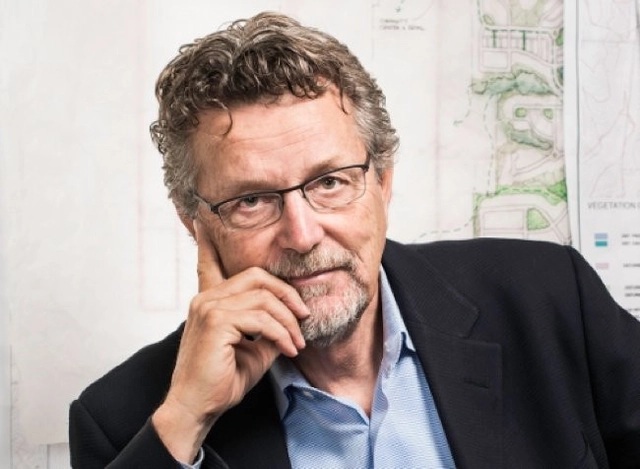
Ep 178The Past and Future of Sustainable Communities with Peter Calthorpe, Architect & Urban Designer
The world’s cities are big and getting bigger. By 2050, 80% of the world’s people will live in cities. Can cities be made sustainable? Who is thinking about this? Join host Ronnie Lipschutz for a conversation with Peter Calthorpe, architect and urban designer with HDR, a global company specializing in architecture, engineering, environmental and construction services. Over the past 45 years, Calthorpe has been a primary advocate for sustainable communities, the New Urbanism and transit-oriented development. His most recent publications are "Ending Global Sprawl: Urban Standards for Sustainable and Resilient Development" for the World Bank and “Grand Boulevards and the AB2011 Revolution: Reinventing the Strip to Solve California’s Housing Crisis.”
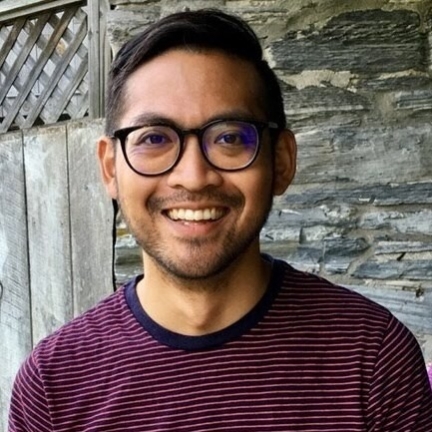
Ep 177Biologists Unite! The Rise and Fall of Ecosystem Services with Professor Daniel Suarez, Middlebury College
Over the past several decades, there has been a concerted effort by biologists, economists and others to put a value on nature’s services: what would it cost, for example, to provide clean water the way nature does? Oxygen, photosynthesis, soil? Early estimates were around $30 trillion per year; arguably, today they are much higher, over $100 trillion. But getting from hypothetical calculations to actual incorporation into real work policy and development projects is no easy task. Join host Ronnie Lipschutz for a conversation with Daniel Chiu Suarez, Assistant Professor of Environmental Studies at Middlebury College in Vermont. He has just published Biologists Unite! The Rise and Fall of Ecosystem Services, an account of why three decades of academic, activist and policy efforts have failed to incorporate ecosystems services into global economic accounting and action.
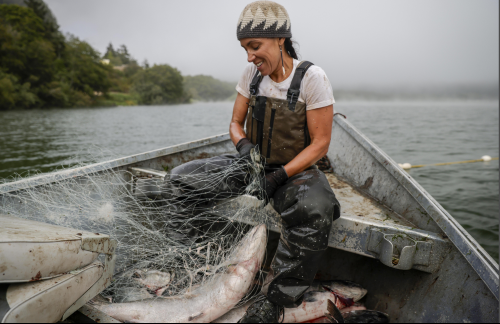
Ep 176The Water Remembers—My Indigenous Family’s Fight to Save a River and a Way of Life with Amy Bowers Cordalis Ridges to Riffles Indigenous Conservation Group
The removal of four dams from the Klamath River in Northern California is rapidly becoming one of the great recent success stories in conservation and restoration. The riverbank habitat is returning to its former condition and salmon have been spotted swimming upriver past the sites where the dams once blocked their passage. Along with this comes the restoration of the indigenous peoples’ way of life, heavily dependent on those fish. Join Host Ronnie for an update on the Klamath in a conversation with Amy Bowers Cordalis, who has just published The Water Remembers—My Indigenous Family’s Fight to Save a River and a Way of Life. She is a mother, fisherwoman, attorney, executive director of Ridges to Riffles, and member of the Yurok Nation and its former general counsel. (Photo by Brontë Wittpenn, San Francisco Chronicle)
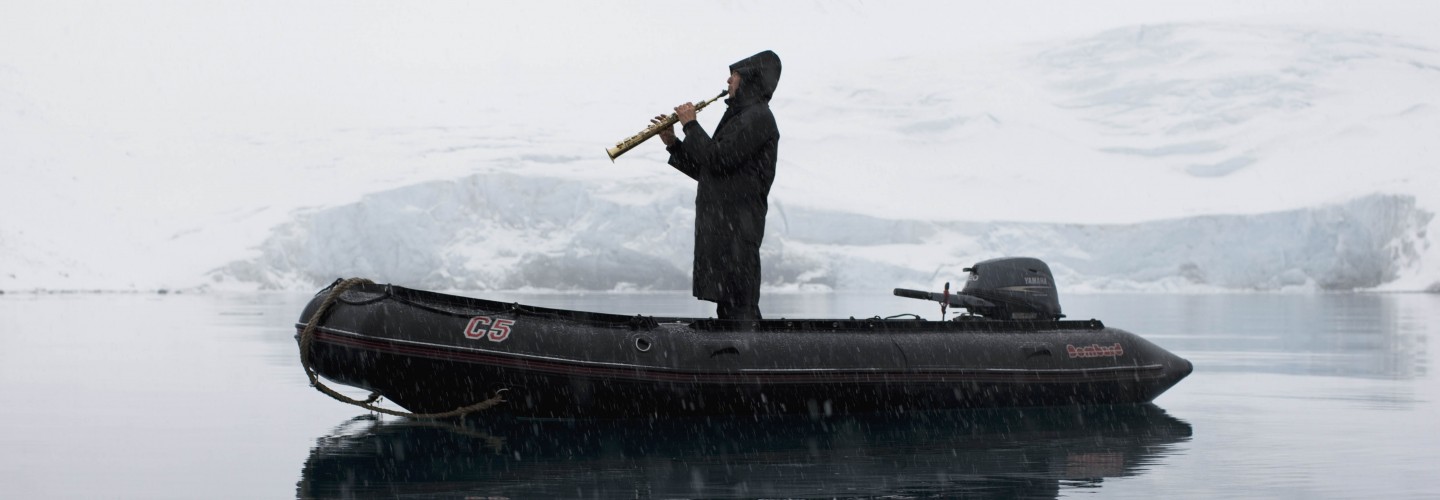
Ep 175Secret Sounds of Ponds and Other Animal Music with Professor David Rothenberg, NJ Institute of Technology
Who knew that ponds make music? To the eye and ears, they seem silent and tranquil—except at night when, maybe, choruses of frogs serenade listeners. But ponds are much noisier than that: you have to be very quiet and have the right equipment to really hear what’s going on. And there is a lot going on: both the critters and the plants speak out. Indeed, nature is full of sounds, many of them musical and, quite possible, the forerunners of human music. Join host Ronnie Lipschutz for a conversation with Dr. David Rothenberg, scholar, author, musician and composer and Distinguished Professor of Philosophy and Music at the New Jersey Institute of Technology whose focus is on animal sounds as music. We talk about his most recent book, Secret Sounds of Ponds, for which Rothenberg tossed a microphone into ponds and heard “an entirely new world, a realm of the unexpected and stirring rhythms and tones of some of the smallest and loudest creatures on Earth.”
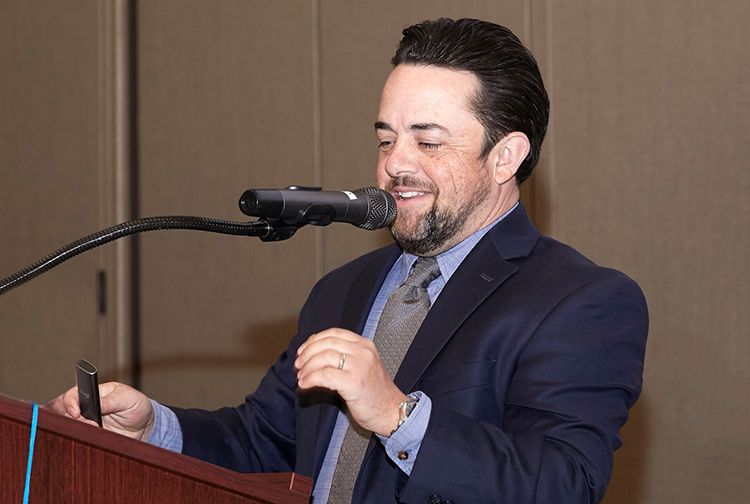
Ep 174Plutonium Pit Production--The Risks and Costs of US Plans to Build New Nuclear Weapons with Dr. Dylan K. Spaulding of the Union of Concerned Scientists
Nuclear weapons have been with us for 80 years. There are fewer today than was the case at the height of the Cold War, but there are more countries with nukes than ever before. Some heads of state have been, of late, threatening to use them. If you’ve seen Kathryn Bigelow’s recent film, “House of Dynamite,” you’ll know that human psychology is the linchpin on which the entire system of nuclear deterrence rests: would the President (or Premier or whatever) exchange their capitals for others? Trade Washington, DC for Moscow or Beijing? There is reason to be concerned about this question: The United States is planning a $1.7 trillion overhaul of its entire nuclear arsenal, designing new warheads and investing in new bombers, missiles, and submarines to carry them, all in the name of “modernization.” It’s not that the current generations of platforms and warheads won’t work; it’s more that Admirals, Generals and Presidents don’t trust devices put into operation when they were very young and that there is a lot of money and prestige in having the latest generation of gadgets and lording that over the competing services. Oh, and new weapons are “manlier” than the old ones. Join host Ronnie Lipschutz for a conversation with Dr. Dylan K. Spaulding a senior scientist in the Global Security Program of the Union of Concerned Scientists. His work focuses on technical issues related to nuclear stockpile stewardship and policies that can reduce the threat posed by nuclear weapons. He recently authored a UCS report entitled “Plutonium Pit Production--The Risks and Costs of US Plans to Build New Nuclear Weapons.” Its focus is on the stuff that makes warheads go “boom” but along the way, Spaulding covers a lot of other ground and the report is a good primer on nuclear weapons.
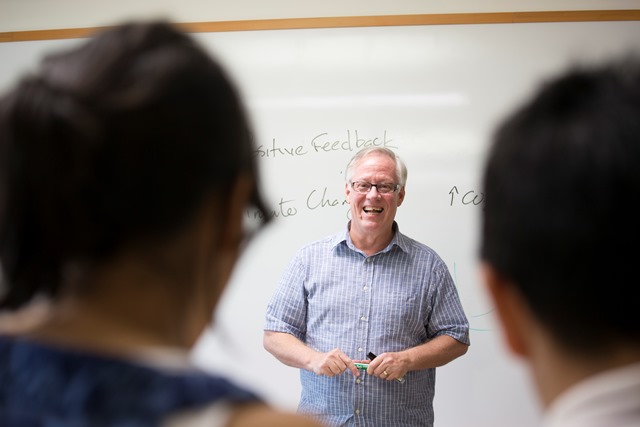
S1 Ep 173The Living Green Myth: The Promise and Limits of Lifestyle Environmentalism with Dr. Michael Maniates
Many listeners are probably familiar with the tags found in hotel bathrooms that read: “Save Our Planet,” followed by instructions about reusing and replacing towels, and concluding “Thank you for helping us converse the Earth’s vital resources.” Reusing towels might help conserve the hotel’s financial resources but does that make any difference for the Planet? Such “lifestyle environmentalism” is widespread, providing a sense of doing something in a world in which collective action is so difficult. In two weeks, join host Ronnie Lipschutz for a conversation with Dr. Michael Maniates, for a conversation about his new book, The Living-Green Myth: The Promise and Limits of Lifestyle Environmentalism. Maniates dismisses the notion that individual actions can make a significant impact on the state of the planet. But if not that, what are we to do?
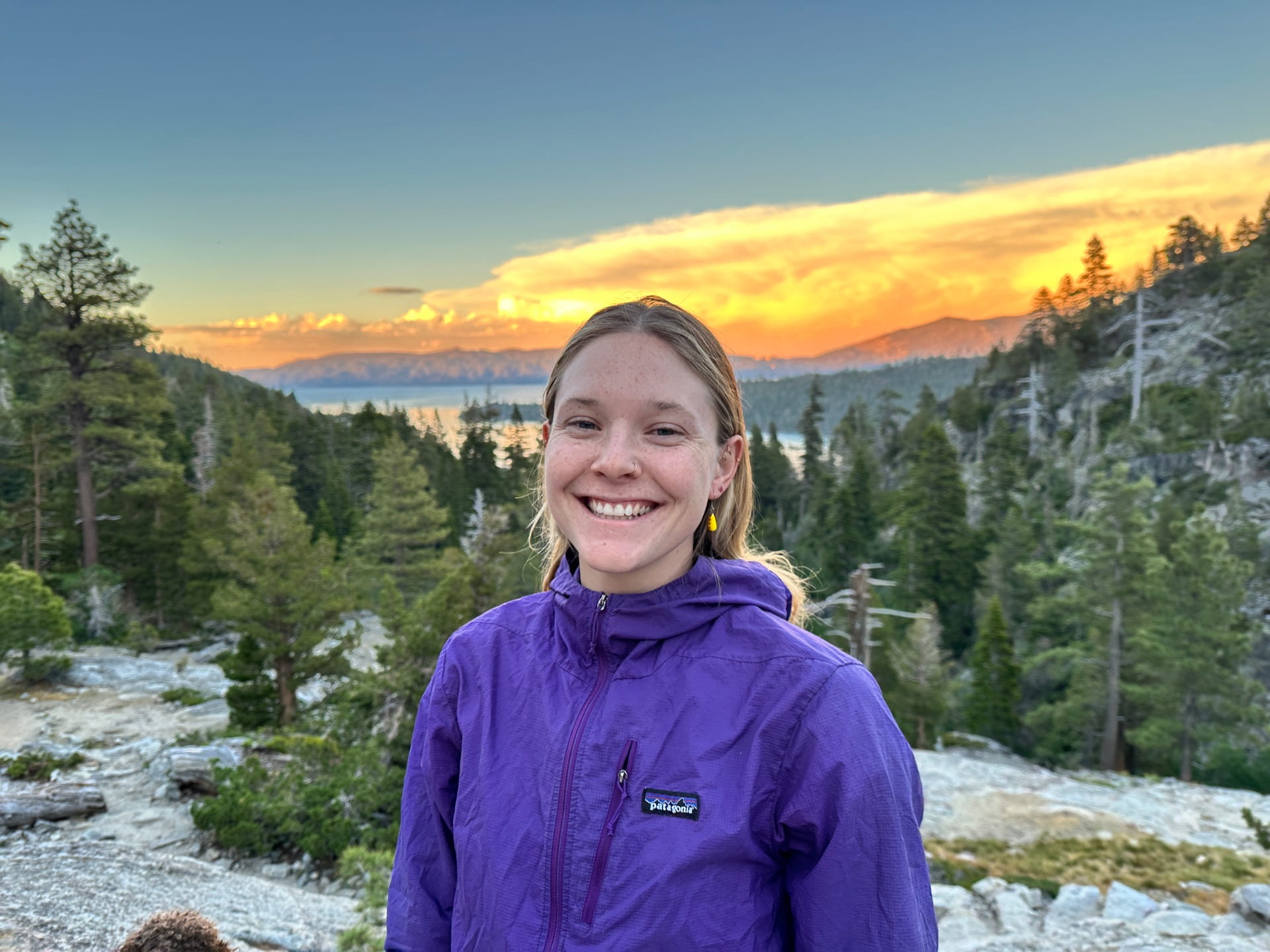
Ep 172Microplastics in Lake Tahoe: What are They Doing There? What are they Doing? With Madison “Madio” Wallner
Lake Tahoe is one of California’s natural jewels but it is under siege and increasingly awash in plastic wastes, as visitors carelessly dispose of bottles and packages and discarded items degrade into small pieces washed into the lake. What happens to that stuff? As we have been learning, microplastics are everywhere, in the environment and in our bodies. What are their impacts on people, animals and nature? Join host Ronnie Lipschutz for a conversation with Madison “Madio” Wallner, a UCSC PhD student in Environmental Science, who is studying microplastics and tire particles in Tahoe’s bottom sediments.
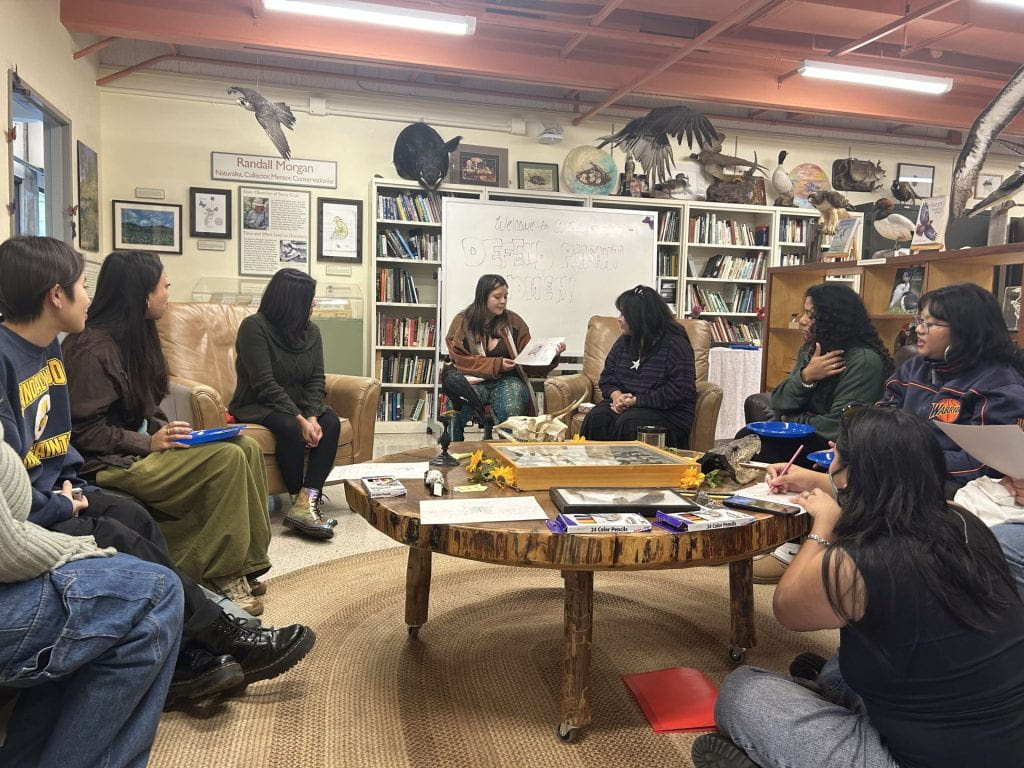
Ep 171The Norris Center for Natural History at UCSC: What is it? Why is it there? With Professor Ingrid Parker and Center Director Chris Lay
The Kenneth S. Norris Center at UC Santa Cruz is one of the little-known jewels of the campus as well as the Monterey Bay Region. Ken Norris was an American marine mammal biologist, conservationist, naturalist, and co-founder of SeaWorld, as well as a professor of natural history at UCSC. He was the creator of the UC Natural Reserve System, too. The Norris Center holds a vast collection of insects, plants and seeds from the Santa Cruz Mountains and supports classes, internships and research by UCSC students, faculty and staff. Join me in two weeks for a conversation about the Norris Center with Professor Ingrid Parker, the Center’s Faculty Director and Chris Lay, the Center’s Director. Find out about the Center’s treasures and how you can see them!