
Stretch Four Podcast
Four Insights drops a daily show on technology, venture capital, and startup tea.
Matthew Parker
Show overview
Stretch Four Podcast has been publishing since 2023, and across the 3 years since has built a catalogue of 56 episodes. That works out to roughly 30 hours of audio in total. Releases follow a monthly cadence.
Episodes typically run twenty to thirty-five minutes — most land between 16 min and 47 min — with run-times ranging widely across the catalogue. None of the episodes are flagged explicit by the publisher. It is catalogued as a EN-language Business show.
There hasn’t been a new episode in the last ninety days; the most recent episode landed 7 months ago. The busiest year was 2024, with 27 episodes published. Published by Matthew Parker.
From the publisher
The Stretch Four Podcast is hosted by Matthew Parker and covers topics across his world of venture-backed startup building, performance and health, family life, and living in San Francisco. He is joined by occasional guests and high performers who share their knowledge on company building their lifestyle hacks. New episodes released every Monday at 8 AM PST. stretchfour.substack.com
Latest Episodes
View all 56 episodes
Anthropic Is Suing the Pentagon. OpenAI and Google Are Backing Them.
Happy Tuesday. Little bit of a hiatus — a lot happening with the companies I'm running. Sometimes content takes a back seat. But today, that's not the case. This might be the biggest single news day in a while. The news cycle is insane right now in tech, especially as it pertains to first, second, and third order effects for founders. Let's get into it.Anthropic Sued the Pentagon — And Their Competitors Are Standing Behind ThemThe Anthropic-Pentagon story just escalated to a new level. Anthropic filed two federal lawsuits yesterday — one in Northern California, one in DC — alleging the supply-chain risk designation violates their First Amendment rights and exceeds the scope of law. They’re seeking a temporary restraining order to keep working with military partners while this plays out.The massive development: 30+ OpenAI and Google DeepMind employees filed an amicus brief supporting Anthropic. Among the signatories — Jeff Dean, Google’s chief scientist and the leader of the Gemini AI program.The brief is blunt: the government’s designation was “an improper and arbitrary use of power that has serious ramifications for our industry.” The Pentagon could have simply cancelled the contract and hired another AI company. Instead, they weaponized a national security label to punish a private company. Even Sam Altman, who literally took the $200 million Pentagon deal that Anthropic lost, called this “very bad for our industry.”Here’s the thing I want to say to founders. This actually affects early-stage startups. Your political ties, your political positions are really, really important in how your product is commercially used. I work in an industry where things are regulated. We have a large government agency — the SBA — that oversees how our commercial partners provide services. It’s better to be on the side of the political institution because that gives you the benefit of the doubt when you bring services to market.Church and state are very integrated in business right now. Your political affiliation, your religious affiliation — all of it is part of how you’re judged as a builder. That’s just reality. I grew up on the principle that church and state are things you stay away from in business. That’s over.Anthropic has been the lone soldier among the big companies that hasn’t bowed down to Trump. Everyone else went MAGA in the past 18 months. Dario has been outspoken — he’s not from that ilk. He’s not giving money, not showing up at events. And now there are real ramifications. The supply-chain risk designation is going to cause a trickle-down effect. It’s going to slow the business in the short term.And here’s the part nobody wants to say: competitors will support Anthropic in court while taking the opportunity in the market. OpenAI already took the $200 million contract. Google will probably lean into whatever the military needs. The industry is standing behind Anthropic because this shouldn’t be happening, but the reality is that business moves on.Anthropic isn’t going anywhere. But this will probably go into litigation for a while.Oracle Reports Tonight — And the Pressure Is RealOracle’s reporting after the bell today, and their AI cloud numbers will tell us a lot about whether this infrastructure buildout is real or hype.I’ve been reading a book on Dario Amodei, and the biggest thing to understand about the AI story is that these companies are built around access to compute. The more data centers, the more compute, the more power — the better. That’s how it works. That’s the reality of why these companies are building out massive infrastructure.But Larry Ellison is under pressure. Oracle has more than $100 billion in debt and massive layoffs as they push ahead with this transformation. Expected numbers: $16.9 billion in revenue, cloud up 43% to $8.9 billion. That cloud number represents a historic shift. Oracle used to be an on-prem database company. Now cloud is more than half the business. There’s a learning lesson here for every startup: you have to always be reinventing yourself, especially in the AI-first market. What you were a year ago may not be what you are today.The capex numbers are staggering: $50 billion expected this year. Q3 alone, $14 billion, up 139%. And their Stargate initiative with OpenAI appears to be scaling back. The Information has reporting on why OpenAI walked away from the Stargate expansion in Albany.Oracle’s stock tells the story of the market’s uncertainty. Down 54% over six months. Flat over the past year. Up 125% over five years. The AI bet is massive, but the market is nervous about whether $300 billion in commitments upfront is justified for something we don’t know the full scale of yet.Mira Murati Hit Back — A Gigawatt of Nvidia and a Comeback StoryMira Murati is back in the news. And this time, it’s a good story.The background: she’s 37, ex-CTO at OpenAI, previously at Tesla. She founded Thinking Machines Lab, raised $2 billion out the gate at a $12 billion valuation — no
Databricks Overtook Snowflake. Here's Why They Should IPO Before SpaceX.
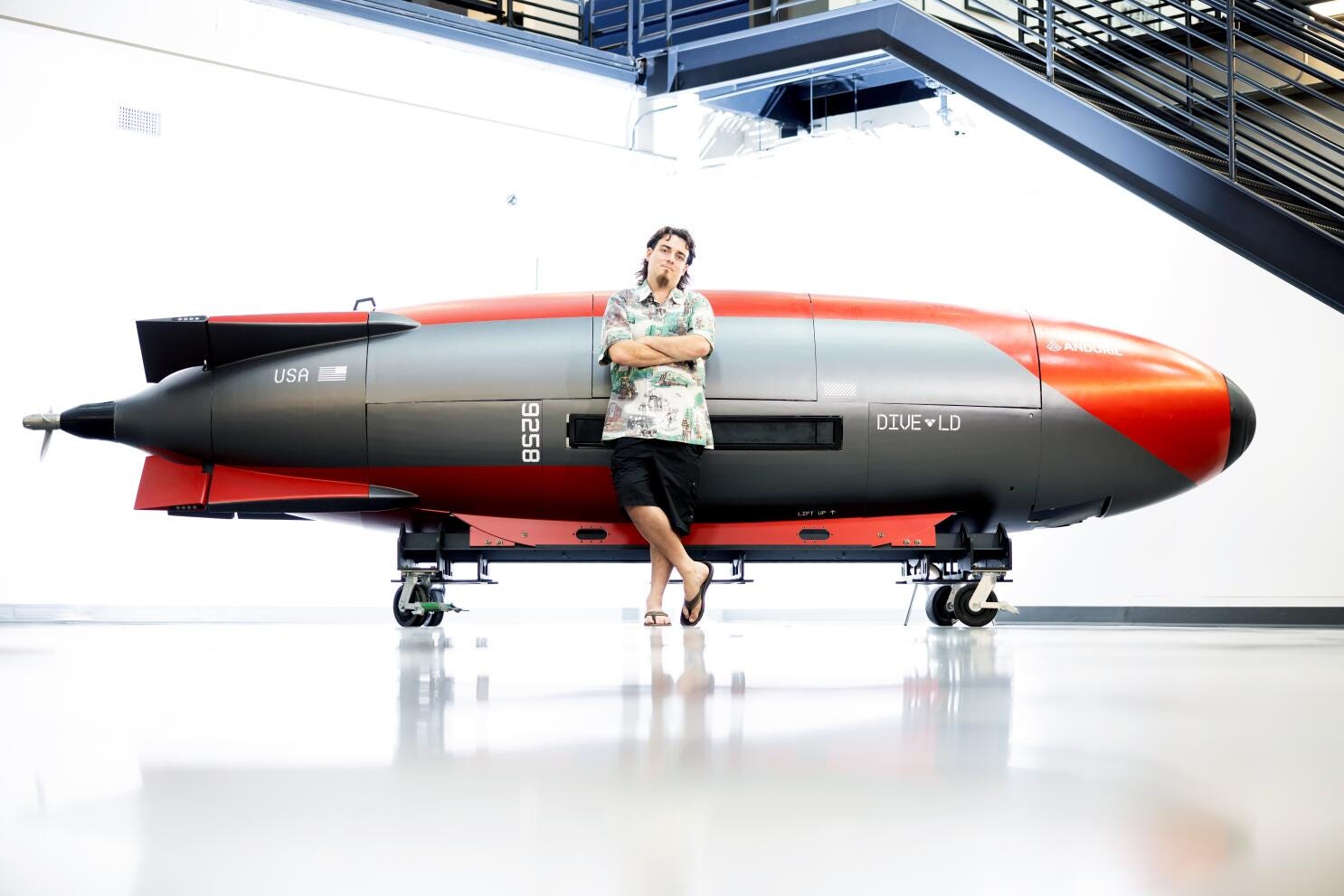
Databricks has overtaken Snowflake in quarterly revenue — and Matt argues they should IPO before SpaceX does. Anduril raises $4 billion at $60 billion amid the US-Israel war with Iran. And Claude crashed under "unprecedented demand" as 700K users pledge to quit ChatGPT.In today's episode:Databricks vs. Snowflake deep dive: Tunguz revenue crossover data, the public-vs-private dynamic, and the case for being the first IPO of 2026Anduril's $4B raise: war context, Trae Stephens shoutout, and the irony of Anthropic being banned while their tools are used at warClaude demand surge: the outage, ChatGPT exodus numbers (295% uninstalls, 775% one-stars, 700K cancellation pledges), and why the product speaks for itselfA personal note on Americans stuck in Dubai and the human cost of what's happeningSound bites: "It's kind of weird to see private companies get so big they're trolling public companies." "The people are speaking." "I've voted with my pocketbook."Sources: Tomasz Tunguz (Theory Ventures), Bloomberg, Reuters, TechCrunch, CNBC, Sensor TowerTomorrow: SpaceX confidential IPO (timing TBD — Elon's the master marketer)Host: Matt Parker | Newsletter: stretchfour.substack.com | Presented by ModernTax (moderntax.io) Get full access to Four Insights at stretchfour.substack.com/subscribe

AI Is Replacing AND Augmenting Workers. Here's the Data.
Happy Monday. Three stories that tie together more than you’d think.1Naval Ravikant: Software Engineering Isn’t Dead — It’s More Leveraged Than EverX PostOn Artificial Intelligence (Youtube)Naval dropped a post over the weekend that became the clearest articulation I’ve seen of what AI actually means for knowledge workers. Not the hype version. Not the doom version. The real version.His argument: software engineers are now among the most leveraged people on earth. Not because they write code — AI writes code. Because they think in code. They understand what’s happening underneath. And all abstractions are leaky.I’ve lived this. As a non-technical founder who’s been building with Claude Code and these tools, the bottleneck is exactly what Naval describes: understanding what’s happening underneath the platforms, writing the correct specs, knowing when the AI got something wrong. A strong software engineer isn’t just writing code anymore — they’re writing product specs that AI tools can actually execute on. And they’re catching the bugs, the suboptimal architecture, the leaky abstractions that every AI-built product ships with.Naval draws a distinction that matters enormously: codified knowledge versus tacit knowledge. Codified is what you learn from textbooks. Tacit is what you learn from experience. AI replicates the first. It cannot replicate the second.Companies are still hiring software engineers because even if 90% of your code is written by an AI agent, the people prompting those agents and creating those specs have a massive advantage if they’re strong engineers. At the worst, software engineers become the people who fix the problems AI agents create. That’s not replacement. That’s leverage.The uncomfortable punchline: “There is no demand for average.” But the set of things you can be best at is infinite. “Become the best in the world at what you do. Keep redefining what you do until this is true.”I see this every day at ModernTax. We build voice agents handling codified, repeatable workflows with government services. But we also have a human component — enrolled agents doing the work. The AI tools help those experienced agents do their jobs better. The more trained and experienced an agent is, the better they perform with the technology. AI amplifies expertise. It doesn’t replace it.Claude Hit #1 on the App Store — And Nobody Expected What Happened NextI woke up Monday morning and everybody was talking about Claude. It’s down, it’s back up, but look at these numbers.The free app rankings tell the whole story: Claude is #1. ChatGPT is #2. Google Gemini is #3. AI has completely taken over the top of the App Store. When you see these three at the top of a global ranking, you understand the sheer scale of what’s happening. This isn’t Silicon Valley in an echo chamber. This is global adoption.Anthropic went from #42 in the App Store in January to #1 over the weekend. Not purely product — the Super Bowl commercials helped, but the real catalyst was the Pentagon standoff.Here’s what happened. Anthropic has a $200 million contract with the Department of War. The Pentagon demanded unrestricted use of Claude’s AI models, including for surveillance and autonomous weapons. Dario Amodei, Anthropic’s CEO, said no. The political fallout was immediate: Trump called Anthropic “radical left,” Defense Secretary Hegseth designated them a “supply chain risk to national security,” and OpenAI jumped in to replace Anthropic on the deal.And then the opposite of what the administration expected happened. #CancelChatGPT went viral. Claude’s downloads surged. The attempt to punish Anthropic turned into the best marketing campaign they never paid for.There’s a political parallel here that I can’t stop thinking about. Remember 2016? The more liberal and progressive media attacked Trump, called him names, said he was a bad candidate — and it helped his popularity. There’s a correlation with this. The more this administration targets Claude, the more publicity and public support Anthropic gets. The Streisand effect in real time.My position: I use Claude constantly. It’s one of the best model companies. When you think about Coworking, Claude Code, all these tools — they’re phenomenal and everyone’s using them. Nobody is going to stop. And this weekend proved it.The Dallas Fed: AI Is Replacing AND Augmenting Workers — But I Think Companies Are Getting It WrongThe Dallas Fed put out a paper that does something most AI hot takes don’t: it looks at real data. Real wages. Real employment numbers. Not doom and gloom — economics.The findings confirm what Naval said, but with numbers. US employment is up 2.5% since ChatGPT launched. But in the top 10% of AI-exposed sectors, employment is down 1%. Computer systems design is down 5%.The decline is hitting young workers hardest — under 25 specifically. Not because of layoffs. Because of a collapsed job-finding rate. Companies just aren’t hiring entry-level in these fields.But wages in those sam
$110 Billion for OpenAI, 4,000 Jobs Gone at Block, and the $1.7 Billion Medicaid Fraud That Business Identity Could Have Caught
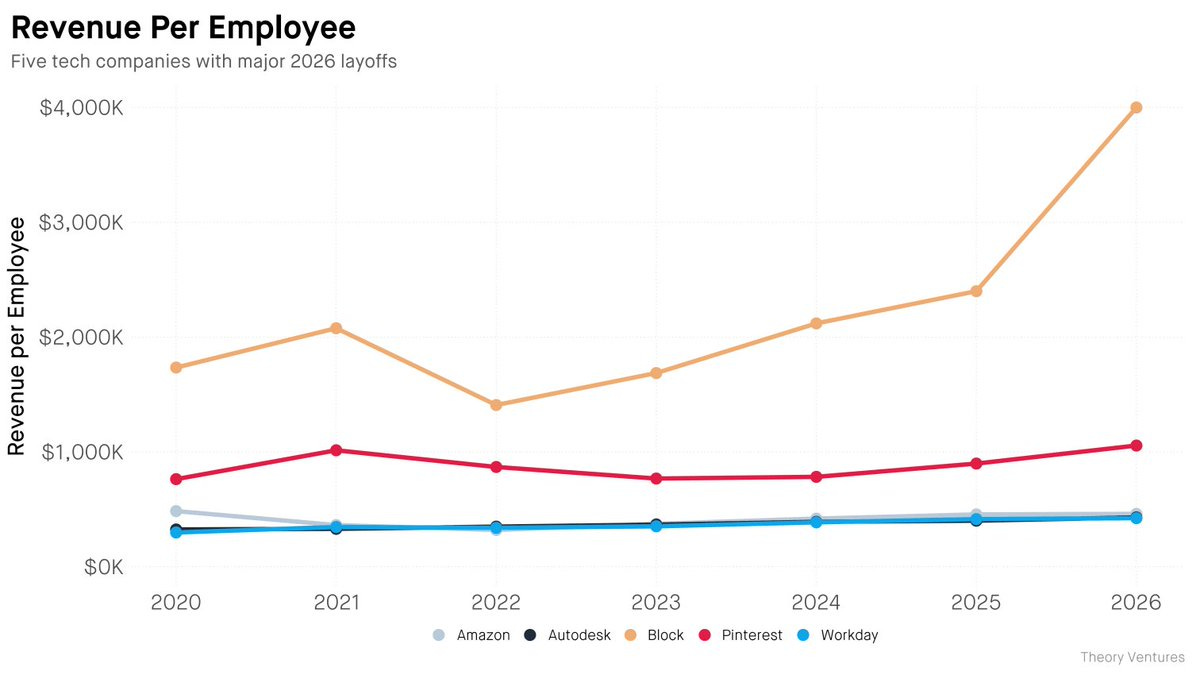
SummaryIn this episode, Matt Parker discusses the latest in tech funding, AI advancements, layoffs, and fraud detection, providing insights into the rapidly evolving tech landscape and its implications.KeywordsAI funding, OpenAI, tech layoffs, Medicaid fraud, SpaceX IPO, tech industry insightsKey TopicsOpenAI's massive funding round and valuationImpact of layoffs in the tech industryMedicaid fraud detection using data analyticsSpaceX's confidential IPO plansThe role of AI in business productivity and fraud preventionGuest NametitlesOpenAI's $110 Billion Funding Round: What It Means for TechThe Future of AI: Insights from the Latest Funding and InnovationsSound Bites"Relevancy is lasting shorter and shorter""AI is making companies more productive and reducing staff""$1.7 billion in Medicaid payments went to fraud networks"Chapters00:00 Intro and Market Sentiment: Tech in a Year of Rapid Change01:16 OpenAI's Record-Breaking $110 Billion Funding Round07:27 Block's Massive Layoffs and Stock Surge10:42 Medicaid Fraud Report by Middesk: Insights and Implications13:38 Upcoming SpaceX IPO and Market Outlook15:11 Closing Remarks and Future Content* Email: [email protected]* LinkedIn: Matt Parker* X: @mattaparker: https://x.com/mattaparkerYoutube: https://www.youtube.com/@FourInsightsSubscribe if you haven’t. Share this with someone who needs the operator lens on what’s happening. I’m Matt Parker. This is Four Insights. See you Monday. Get full access to Four Insights at stretchfour.substack.com/subscribe

Nvidia's $68 Billion Quarter, the $109 Million AI Lobbying War, and the Fintech Infrastructure Company You've Never Heard Of
Four Insights — Episode 004 | Show NotesEpisode Title: Nvidia's $68 Billion Quarter, the AI Lobbying War, and the Fintech Infrastructure Company You've Never Heard OfHost: Matt Parker — Founder & CEO, ModernTax | 3x FounderDate: February 28, 2026Runtime: ~15 minutes[0:00] Introduction & Show Overview Matt introduces the show, his background as a three-time founder and CEO of ModernTax, and previews the three segments: Nvidia earnings, AI policy and lobbying, and a deep dive on Column.[1:30] Segment 1 — Nvidia's $68 Billion Quarter & China Chip Standoff Nvidia posted $68.1B in Q4 revenue, up 73% YoY. They received a US license to export H200 chips to China, but the CFO confirmed zero chips have been sold. CoreWeave's $67B in backlogged bookings signals a supply chain bottleneck. Square's 4,000 layoffs and 24% stock jump illustrate AI's displacement of knowledge work. Matt discusses the shift from "is AI real" to "who controls the supply chain" and connects it to infrastructure geopolitics.[7:30] Advisory CTA Matt invites listeners and readers who are building or allocating in AI infrastructure to compare notes on supply chain risk. Reply with "NVIDIA" or email [email protected].[8:00] Segment 2 — The $109 Million AI Lobbying War Tech and AI companies spent $109M on lobbying in 2025—a record. Meta led at $26M+, Nvidia increased 7x to $4.9M. The $100M Leading the Future super PAC (a16z, Greg Brockman, Ron Conway, Joe Lonsdale, Perplexity) is targeting 2026 midterm candidates. David Sacks serves as White House AI czar. Matt connects this to his public policy background and recommends The Wolves of K Street. He argues that regulatory frameworks are competitive moats in regulated industries.[11:00] Premium CTA Matt previews an upcoming premium breakdown on AI regulatory frameworks, key players, and implications for founders and investors. Reply with "PREMIUM" for early access.[11:30] Segment 3 — Column: The Most Important Fintech Company You've Never Heard Of Alex Conrad at Upstarts Media profiled Column—William Hockey's (Plaid co-founder) fintech infrastructure company. Key numbers: $200M revenue, $100M free cash flow, 110 employees, zero VC, ~$6B estimated valuation. Powers Bilt, Brex, Ramp, Mercury, Wise, and Plaid. Controls ~40% of Bay Area tech money movement. Matt discusses Hockey's second act, the personal details revealed in the profile, and how Column fits into the broader fintech infrastructure thesis and the "financial Cold War" between the US and China.[14:30] Close Sponsorship mention and sign-off. Matt invites operators, engineers, and companies building in AI infrastructure, fintech, or developer tools to connect at [email protected].* Email: [email protected]* LinkedIn: Matt Parker* X: @mattaparker Get full access to Four Insights at stretchfour.substack.com/subscribe

Stripe Could Buy PayPal for Less Than a Quarter of Its Own Valuation
Stripe x PayPal, Workday's AI Pivot, and the J-Mail Story | Four Insights 003Description:Day 3 of the daily show. Workday funds the AI pivot but the market doesn't care. Stripe ($159B) circles PayPal ($43B) in what could be the biggest fintech M&A deal ever. And two engineers built what the DOJ said was impossible.TIMESTAMPS: 0:00 — Intro: Day 3, the Legacy Infrastructure Thread 1:30 — Workday: AI Revenue Hits $400M, Market Still Punishing 5:30 — PayPal: $1.75T in Transactions, 82% Off Its Peak 9:00 — Stripe's Play: $159B Buying $43B 11:00 — Reducto & J-Mail: Parsing What the DOJ Couldn't 14:00 — Closing: What Would You Do With PayPal?SOURCES & CREDITS:Workday earnings: App Economy Insights / How They Make Money (Substack)Bloomberg: Stripe Considers PayPal Acquisition (Feb 24, 2026)Sheel Mohnot (@pitdesi) — Better Tomorrow VenturesThe Verge: AI PDF parsing / ReductoReducto (reducto.ai) — YC 2024J-Mail projectFIS earnings: ModernTax Daily Beat (Feb 24, 2026)SUBSCRIBE: https://stretchfour.substack.com ModernTax Daily Beat: https://moderntax.substack.com Website: https://moderntax.io🔗 Follow AlongYouTubeLinkedInX (Four Insights)X (Matt Parker) Get full access to Four Insights at stretchfour.substack.com/subscribe

The Through Line: Banking, AI Guardrails, and the Re-Plumbing of Payments
Today I've got three things: FIS earnings, Anthropic (of course) and the Pentagon, and why stablecoins are a B2B story. I also teased out my prediction for who will become the "SBF of AI" at then end .Tomorrow I will dig into Stripe at $160B potentially acquiring PayPal. Happy Tuesday.FIS Q4 Earnings (0:00–5:00)Theme: AI as Banking Infrastructure* FIS reported $2.7B in Q4 2025 revenue* 78% recurring revenue, serves 14 of top 25 US banks* Predicting 4X AI spend in 2026, targeting 8X industry AI adoption vs. 2023* New AI transaction platform launched* Stock flat — which for a legacy company in this market is actually fine* Bridge to payments: Stripe letter (and so did Checkout.com) dropped today — $160B valuation (up from $92B). Stripe potentially acquiring PayPal will be talked about tomorrow. PayPal down 37% in past year, with a new CEO starting March 1.“If you’re a public company, it just behooves you to speak about AI in some capacity. But it’s very interesting for these companies where they tend to adopt new technology slower.”AI Guardrails & National Security (5:00–12:00)Theme: Who Sets the Rules When AI Is Strategic Infrastructure?* Dario Amodei (Anthropic CEO) in active conversations with Pentagon about model access* This mirrors what’s happening at consumer level — many sites blocking Claude/MCP agents for various reasons. But in this case Anthropic is setting boundaries on where it will go with and the Pentagon is pushing back on the AI guardrails.* The repeating question: who governs when AI becomes strategic infrastructure?* My IRS parallel: government services + AI = massive policy questions* People using Claude/GPT for taxes with minimal regulation* Anthropic’s political positioning vs. current administration creating friction* Supply chain risk in AI becoming a policy issue* Anthropic + IBM / COBOL teaser — we will do a deeper dive on this likely on the ModernTax channel“It’s not a surprise that Anthropic is going through this and not OpenAI because Anthropic has been outspoken against the current administration.”Stablecoins as B2B Payment Infrastructure (12:00–18:00)Theme: Stablecoins Aren’t a Crypto Story — They’re a Payments Infrastructure Story* Continuing from yesterday’s Citrini report breakdown* Your personal experience: paying 2.5% on payment processing fees, looking for alternatives* The real opportunity is B2B, not consumer: settlements, marketplaces, creator payouts, remittances, cross-border* Hour-long conversation with risk manager at major payment processor — cross-border payments, programmable payouts, platform distribution* $1.75 trillion in annual payroll taxes — what happens when AI reshapes where that revenue comes from?“Every time you process a payment and you’re paying 2.5%, if you’re a business owner, it has to hurt your soul.”The Through Line & Predictions (18:00–20:00)Theme: Connecting the Dots* The through line: banking margins are being compressed from every direction — AI agents, stablecoins, new entrants* Enterprise agents are coming, but adoption outside Silicon Valley is much slower* Compliance perimeter expands as infrastructure moves off traditional rails* “Who’s going to be the SBF of AI?” — legal repercussions are coming* Mentor quote: “Every day I’m trying to make investments I won’t be embarrassed of in a year”* Teaser: Founders who get product into enterprise hands before vendor procurement catches up are winning right nowFour Insights is a reader-supported publication. To receive new posts and support my work, consider becoming a free or paid subscriber.📚 Resources & Links* ModernTax* Clearfirm🔗 Follow Along* YouTube* LinkedIn* X (Four Insights)* X (Matt Parker) Get full access to Four Insights at stretchfour.substack.com/subscribe
Earnings Week, Agentic Commerce, and the 40,000-Acre Problem
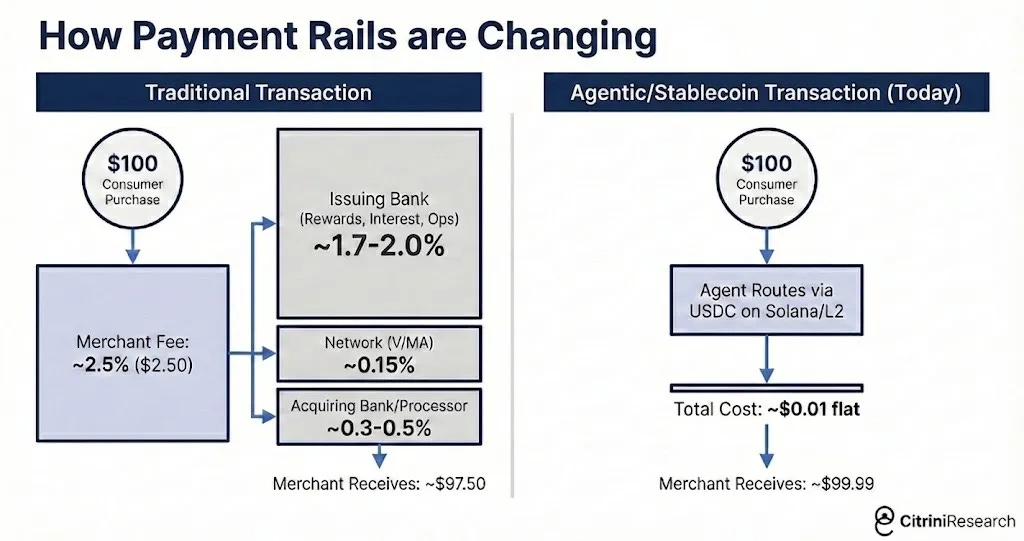
Welcome to the Four Insights weekly data breakdown. Each week I’m tracking the companies, trends, and signals that matter across the ecosystems I operate in — fintech infrastructure, merchant services, lending, and AI. This is Week 9 of 2026. Let’s get into it.Big Earnings Week: FIS, Workday, Nvidia, and CoreWeaveFour companies reporting this week that I’m watching closely, each for different reasons.FIS reports Q4 earnings tomorrow. FIS has been a pretty flat stock, but that’s not why I care about them. They provide a window into what’s happening with U.S. merchants — transaction volumes, payment trends, and the health of the businesses we serve through both ModernTax and Clearfirm. Their report is less about the stock price and more about the signal it sends about where merchant activity is heading.Workday is in trouble — or at least, the market thinks so. Down 7% today, down 38% year-to-date. This isn’t just a Workday story. It’s the broader question of what happens to SaaS companies when AI starts eating into their value propositions. Workday sits in HR tech, which is a space we touch through ModernTax’s service lines. The question I keep coming back to: if AI agents can handle the workflows these platforms were built to manage, what exactly are customers paying for? We’ll get into their numbers when they drop.Nvidia reports this week too. The stock has been flat year-to-date, which is notable given the 1,200% run over the past five years and 46% gain over the trailing twelve months. The questions are starting to pile up around the sustainability of the AI infrastructure buildout — which connects directly to the last topic I’ll get to. When Nvidia reports, I’m less interested in the headline number and more interested in what they say about customer concentration and forward demand.CoreWeave also announces this week. Same theme — who’s taking on the capital risk for this massive AI infrastructure buildout, and who’s on the hook for delivering the compute? Their numbers will tell us a lot about whether the buildout is accelerating or hitting friction.The Viral Post: Citrini’s 2028 Global Intelligence Crisis ReportIf you were on X this weekend, you probably saw it. Citrini Research dropped a research piece that’s already at 6.1 million views, 399 reposts, and climbing. Every major tech beat writer is covering it. They described it as “a scenario, not a prediction” — and said dismissing it outright “requires the kind of intellectual laziness that tends to get expensive.”I’m not going to summarize the whole thing — you can read it on their Substack — but the parts that caught my attention are directly relevant to what we do.The agentic commerce thesis is real. The report breaks down a comparison that I think about constantly: traditional payment rails versus agentic stablecoin transactions. Here’s the math:In the traditional model, a $100 purchase costs the merchant roughly $2.50 in fees. The issuing bank takes 1.7–2%, the network takes about 15 basis points, and the acquiring bank takes 3–5 bips. The merchant receives $97.50.In the agentic stablecoin model, that same $100 gets routed by an agent via USDC on Solana or an L2. Total cost: one cent flat. The merchant receives $99.99 — with instant settlement.This is the part that should make anyone in payments pay attention. We use Stripe for both of our businesses, and I’m always looking for ways to avoid those 2.5–3% fees. ACH helps, but it’s slow. Stablecoin rails solve for both cost and speed simultaneously.The broader implication: this isn’t just about SaaS companies getting disrupted. This is about Amex, Stripe, Visa — companies that make their money in that 2–3% merchant fee layer — facing a fundamentally different cost structure. If agents are routing transactions and optimizing for the cheapest rail in real time, the entire payment stack gets repriced.On Citrini themselves: I hadn’t heard of them much before this, but they’re now the #1 finance publication on Substack. They’re charging $125/month for their research, with a bundle at $2,000/month. That’s a serious content business built on the back of deep research and strong distribution. Worth studying as a model.The 40,000-Acre Problem: AI’s Physical ConstraintsThis is the story that got me thinking differently this week.The Guardian ran a piece on U.S. farmers rejecting multimillion-dollar data center bids for their land. The headline number: there’s a projected 40,000-acre deficit for data center development globally over the next five years, according to a September 2025 report from JLL. That’s double the roughly 20,000 acres currently in use.We think about AI as this purely digital, online thing. But when you break it down to first principles, the entire AI buildout runs on three physical inputs: land, power, and water. And all three require financing and permitting — which is exactly the world I live in.I own some rural property back where I grew up. This article actually has me doing math on w
AI's Search Disruption, OpenAI's $150B Valuation, and Visa's Antitrust Battle
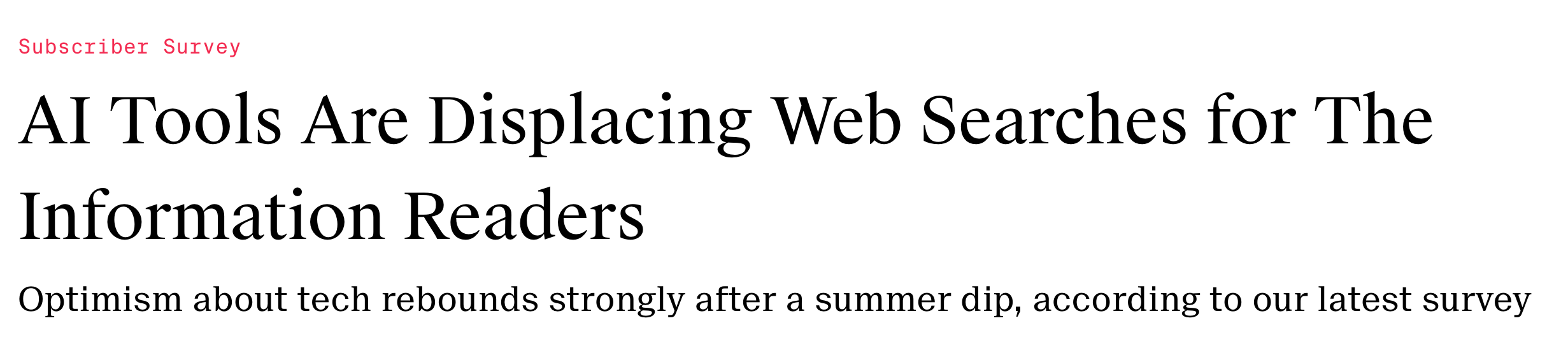
Hey, Four Insights community,Matt Parker here, and I have missed sharing content. Let's dive into the latest developments shaking up Silicon Valley and beyond.This memo is presented by Flippa.Looking for your next big opportunity in the digital space? Check out this quickly growing fitness KDP business on Flippa:* 52 books in the fitness market* TTM revenue: $409.9K* Monthly profit: $22,264* 68% profit marginVisit Flippa.com for more exciting business opportunities like this and others!AI Reshaping SearchOne of the most intriguing stories this week comes from a report by The Information dating back to September 19th. It highlights how AI tools are displacing traditional web searches, which could have a drastic impact on how startups market their companies in the future. To even understand why AI chatbots have become so important is simply to realize that Google/Alphabet generated $48.5 billion in revenue on search in Q2 2024. This is their core business that pays for everything else, and ChatGPT and Perplexity-like apps are chipping away at this even if it is minuscule it has the potential to be a massive opportunity. Key findings:* 25% of respondents are using traditional search engines less due to generative AI* 40% reported using search engines 0-25% less* Top AI displacers: ChatGPT (76%), Perplexity (37%), Google's Gemini (36%)As a founder and content creator, I'm particularly interested in how this shift affects our ability to find credible information and reach our target audiences. This will be an ongoing development and I expect to see more and more innovation from all players including Google, who will likely stop at no costs to defend their search dominance at all costs.OpenAI's Record-Breaking Funding RoundSam Altman and OpenAI are making waves again with a potential $6.5 billion funding round, valuing the company at a staggering $150 billion. This would make OpenAI the second most valuable private company globally, behind only ByteDance (TikTok's parent company).The big question on everyone's mind, or at least mine: Will Sam Altman finally become a stakeholder in OpenAI? It's unusual for a CEO of such a valuable company to not have equity, especially in Silicon Valley where founder ownership is the norm. It feels so weird that Altman is not a shareholder with the tablestakes rising by the month. Sure Sam lives in a $30M home in Russian Hill, has a weekend ranch in Napa, and seemingly has a mult-million dollar car collection alone, but something is simply unsettling about him not being on the cap table.Visa Faces Antitrust LawsuitThe Justice Department is suing Visa, alleging monopolistic practices in the payment processing industry. With Visa controlling about 60% of debit card transactions in the US, this case could have far-reaching implications for the fintech sector.Key allegations:* Visa punishes customers for using competing services* The company coerces fintech firms to work exclusively with themAs someone who's been in the fintech world for seven years, I find this case fascinating. Visa's profitability per employee is astronomical, outperforming even its closest competitors. This lawsuit could potentially open up the market for new players in the payment processing space.These are just a few highlights. Listen to the rest of the episode for more insights on how these developments could impact startups and the tech ecosystem at large.This newsletter is also brought to you by Diginius.Whether you're looking to optimize your PPC campaigns or need help finding the right marketing agency, Diginius has you covered. Their platform offers powerful tools for digital marketing automation and analytics.For Four Insights listeners and readers, get a special 14-day free trial of Diginius. That's all for this edition! Don't forget to check out the latest episode of Four Insights on YouTube, where we dive deeper into these topics and more.Stay curious, Matt Parker Get full access to Four Insights at stretchfour.substack.com/subscribe
8 Essential Strategies for Founders & The Media War Between Tech Titans
Happy Tuesday. In today's show and essay, I talk about the state of fundraising and the growing media war between All-In and Y-combinator. For more: How To Raise Millions For Your Startup in 60 Days | Youtube | InstagramIn this episode, I discuss the current state of fundraising and share key strategies for founders looking to raise capital. He highlights the challenges in the current fundraising market, such as increased selectivity from investors and longer fundraising cycles. I also provide eight strategies for founders, including preparing for a long fundraising cycle, casting a wide net, and creating urgency and momentum. In the second part of the episode, I talk about a growing rift between Paul Graham and David Sacks, two prominent figures in the venture capital world. He explores the drama and tensions between them, highlighting their different perspectives and successes.Sponsored by FlippaWhile you're sprinting towards your fundraising goals, don't forget about alternative paths to success. Flippa, the #1 platform to buy and sell online businesses, offers opportunities for both buyers and sellers in the tech ecosystem. Whether you're looking to acquire a promising startup or considering an exit strategy, Flippa provides a marketplace to explore your options.Takeaways* The current fundraising market is more challenging, with increased selectivity from investors and longer fundraising cycles.* Founders should prepare for a long fundraising cycle and optimize for a 60 to 90-day process.* Casting a wide net and creating urgency and momentum are important strategies for fundraising success.* Protecting the pitch and materials, being persistent with follow-ups, and considering alternative funding sources are also key strategies.There is a growing rift between Paul Graham and David Sacks, with tensions and differing perspectives in the venture capital world.Chapters00:00 Introduction and Overview02:21 The Current State of Fundraising08:48 Key Strategies for Fundraising Success15:22 The Drama and Tensions in the Venture Capital World21:10 The Rift Between Paul Graham and David SacksBrought to you by:* First Meeting — Tracking enterprise AI budgets, spending patterns, and decision-making processes.* OpenPhone —brings your business calls, texts, and contacts into one delightful app that works anywhere.* Webflow — Design and develop at the same time.—Run reliable, impactful experiments* Navan — the leading travel and expense platform that employees love.* Thanks for reading! If you find this valuable, please share it with your network. Check out the YouTube channel | Leave us a rating on Apple Podcasts | Follow me on Twitter Get full access to Four Insights at stretchfour.substack.com/subscribe
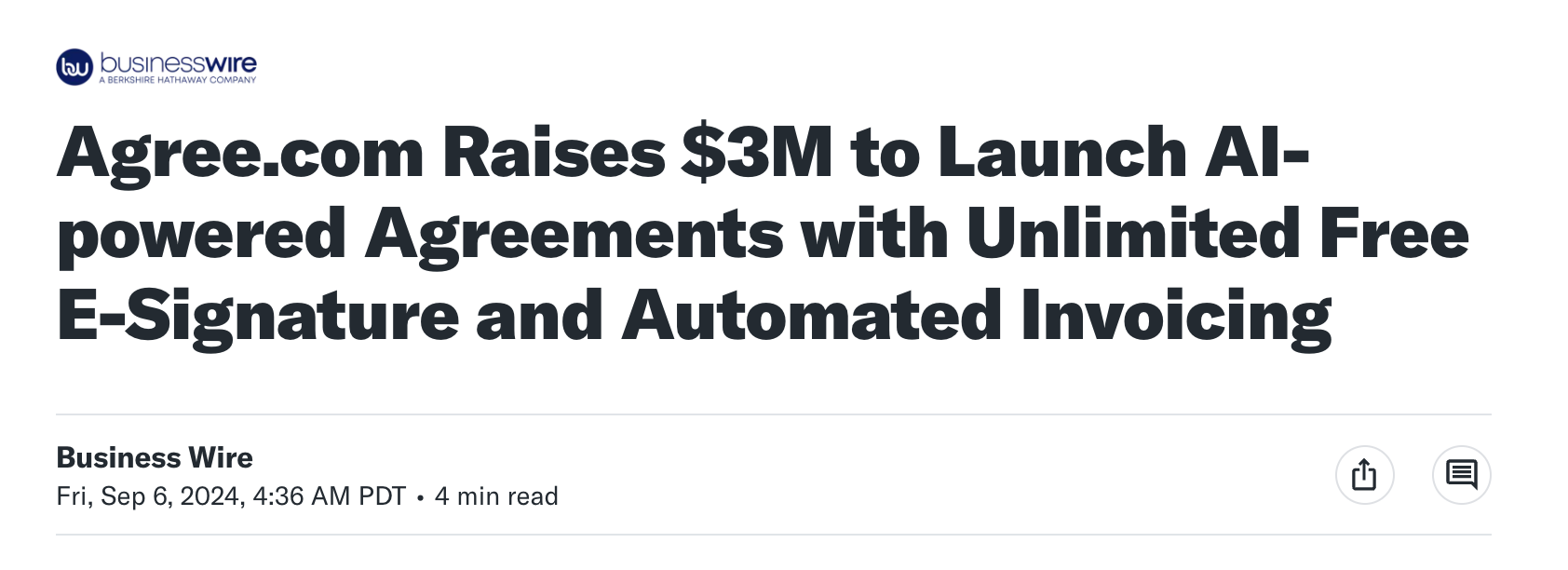
Venture Capital is Back
episode of the End of the Day Show with Matt Parker discusses the return of venture capital funding and the focus on a specific type of founder. It also highlights two interesting fund announcements: Better Tomorrow Ventures and Slauson and Co. The episode provides insights into fundraising strategies and the importance of building a network. It concludes with a mention of the supporting sponsor, Flippa.venture capital, funding, founders, online businesses, valuation, fundraising, network, whales, Slauson and Co, Better Tomorrow Ventures, FlippatakeawaysVenture capital funding is back, with a surge in funding announcements and a focus on a specific type of founder.Online businesses have value beyond their content, and it's important to understand the analytics and potential for monetization.Fundraising requires building a network and targeting key investors, with warm introductions leading to higher conversion rates.Finding 'whales' or big checkwriters is crucial for fundraising success.Two interesting fund announcements: Wishoff Ventures and Slauson and Co.Flippa is a valuable platform for buying and selling online businesses, offering business valuations and other services.Chapters00:00 The Return of Venture Capital Funding01:00 The Focus on a Specific Type of Founder02:29 Agree: A Unique Business Model for E-Signature Services07:00 Fundraising Strategies: Insights from Nicole Wischoff14:54 Slauson and Co: A Venture Fund with a Friends and Family Program Get full access to Four Insights at stretchfour.substack.com/subscribe

The Labor Day to Christmas Fundraising Sprint: Raise Millions in 90 Days
Happy Wednesday. In today's show and essay, I talk about the Labor Day to Christmas sprint that exists in startups and venture capital. For more: How To Raise Millions For Your Startup in 60 Days | Youtube | InstagramThe Flippa AdvantageSponsored by FlippaWhile you're sprinting towards your fundraising goals, don't forget about alternative paths to success. Flippa, the #1 platform to buy and sell online businesses, offers opportunities for both buyers and sellers in the tech ecosystem. Whether you're looking to acquire a promising startup or considering an exit strategy, Flippa provides a marketplace to explore your options.While we were enjoying those last summer vibes this weekend, I was thinking about the intense fundraising season that's about to kick off, or well if you are reading this now it already has. As Alexis Ohanian tweeted on Tuesday:"It's officially the time of year when everyone (else) starts pushing - before the holiday slowdown - so take advantage of it."🕒 Timestamps: 0:00 - Introduction 1:30 - The Current Fundraising Landscape 3:45 - Why This Sprint Matters 7:15 - Tips for a Successful Fundraising Sprint 12:30 - The Flippa Advantage (Sponsor Segment) 14:00 - Final Thoughts and Q&AThinking of selling your business? There is only one way to sell an online business and that is with our friends at FlippaFinal ThoughtsRemember, this sprint isn't just about securing funding – it's about positioning your startup for long-term success. Stay focused, be persistent, and don't be afraid to pivot if necessary.Good luck with your fundraising efforts! If you want to dive deeper into fundraising strategies, I do a webinar each Wednesday and Thursday focused on fundraising tactics. Tonight I will be sharing a list of 66 investors actively seeking deals right now.Join me here on Wednesdays.Join me here on Thursdays. This one is private so you will need to email me for the code at [email protected] are your thoughts on this fundraising sprint? Let me know in the comments! Get full access to Four Insights at stretchfour.substack.com/subscribe

Flounder Mode: A Critical Look at Paul Graham's Viral Essay
Happy Tuesday. In today's show, I share my thoughts on the newest meme in technology and entrepreneurship: Founder Mode. For more: How To Raise Millions For Your Startup in 60 Days | YoutubeHey! I hope you enjoyed your extended Labor Day weekend. I spent mine in the Pacific Northwest and thinking about Paul Graham's Founder Mode essay. While I agree with several points, especially for the best founders, I think we need to take a step back.Not all founders are Steve Jobs, not all managers are John Sculley, and not all companies are Apple. Some companies may be better off in manager mode, or some kind of tweaner focus where you are not the founder that takes themselves so seriously! If you read it too, I'd love to hear your thoughts.Today's episode and memo dive into Paul Graham's viral Founder Mode essay. Let's unpack its key points, examine its implications for startup culture, and discuss why it might not be the universal solution it's being presented as.Was this forwarded to you?The Essence of Founder ModePaul Graham's essay on Founder Mode has taken Silicon Valley by storm. Here are a few key points:* Contrast between founder-led and manager-led companies* Critique of professional managers and MBAs* Examples like Steve Jobs and Brian Chesky as great leadersGraham argues that founders often feel gaslit when told to run companies like managers. He suggests that "Founder Mode" - a more hands-on, visionary approach - leads to better outcomes. The Risks of Over-Indexing on Founder ModeWhile there's merit to Graham's arguments, I believe we need to be cautious about applying these principles universally:* Not all founders are visionaries: Early-stage startups often need solid operational skills more than grand visions.* Success stories of manager-led companies: Look at Uber under Dara Khosrowshahi or Microsoft under Satya Nadella.* The danger of emulation: Young founders of small startups shouldn't try to lead like Steve Jobs or Brian Chesky prematurely. I think this is where the cultish brand of PG and his essays can do a lot of damage. How can you optimize for founder mode when you are in survival mode as many founders are until they reach a certain revenue or fundraising round that validates and de-risks their business?What Matters for Early-Stage StartupsIf you're running an early-stage startup, here's what I think you should focus on instead of worrying about "Founder Mode" (PG is in no way saying these things do not matter and he has likely written essays about many of these topics before)* Cash Management: Keep enough cash in the bank to reach your next milestone.* Product-Market Fit: Or in YC speak, “Make Something People Want” and understand and solve real problems for your customers. This is a priority over any type of founder-mode strategy for leading a team* Customer Service: Talk to customers, handle support tickets, learn, and iterate. If founders are doing this they will set an example and the best leaders lead by example not with overly aggressive micro-managing. If you are really in the weeds you can answer some support tickets and make a couple hundred cold calls a week.* Team Building: Hire slow, fire fast, and build a strong core team. Founder mode is more for when you have built out a team at scale, the example PG uses references Steve Jobs and his 100-person retreat.* Remember, even the most successful founders didn't start in "Founder Mode" - they grew into it as their companies scaled. The TakeawayWhile Paul Graham's essay offers valuable insights, don't get caught up in trying to emulate the management styles of billion-dollar company CEOs. Focus on what matters most for your stage of growth, and let your leadership style evolve naturally as your company grows.As I said in the episode:"In all in all, think founder mode's a great thing. It went viral, it got a lot of traction, but don't over-index on trying to do founder mode. You'll end up in flounder mode and you won't be successful with your company."What do you think about Founder Mode? Hit reply and let me know your thoughts!Enjoy Four Insights? Tell them to sign up. I'll send them next Monday's memo. Hit the link below to share:Thanks for reading Four Insights! This post is public so feel free to share it.Other News* Are you a founder raising venture capital right now? Check out my all-new Scorecard and get your score for free.* Less than two weeks until my Fundraising Course starts. Enroll now!Brought to you by:* First Meeting — Tracking enterprise AI budgets, spending patterns, and decision-making processes.* OpenPhone —brings your business calls, texts, and contacts into one delightful app that works anywhere.* Webflow — Design and develop at the same time.—Run reliable, impactful experiments* Navan — the leading travel and expense platform that employees love.* Thanks for reading! If you find this valuable, please share it with your network. Check out the YouTube channel | Leave us a rating on Apple Podcasts | Follow me on Twi

SAFEs Dominate Pre-Seed, Twitter X's Secret Investors, and Job Market Shifts
Happy Friday. In today's show, we dive into Carta’s new report on pre-seed funding in 2024, Twitter/X is forced to reveal their investors. For more: How To Raise Millions For Your Startup in 60 Days | YoutubeEOD Show 019 - Detailed Podcast Show NotesHost: Matt ParkerEpisode OverviewIn this episode, Matt Parker dives into the latest trends in pre-seed funding, reveals the surprising list of Twitter X acquisition backers, and discusses recent economic data affecting the startup ecosystem.Key Topics1. The State of Pre-Seed Funding in 2024 (Carta)* SAFEs dominate early-stage funding:* 90% of rounds under $1 million use SAFEs* Preferred for rounds under $3 million* SAFE characteristics:* 85% are post-money SAFEs* 57% have only a valuation cap* 35% have both a valuation cap and a discount* 7% offer only a discount* Valuation trends:* Median valuation cap for $1 million raise: $10 million post-money* $500K raises see valuation caps around $7-8 million* Changes in check sizes:* Small checks under $25K are becoming scarcer* Larger checks taking a bigger slice of investments* Discount rates:* A median discount of 20% when present* Convertible notes:* Interest rates increased to 7.8% in Q2 2024 (up from 6.8% in Q2 2023)2. Twitter X Acquisition Backers Revealed* High-profile investors include:* Andreessen Horowitz* Sequoia Capital* Fidelity* Larry Ellison* Prince Alwaleed Bin Talal of Saudi Arabia* Binance (cryptocurrency exchange)* Sean "Diddy" Combs* Matt's insights:* Demonstrates the complex web of relationships in major tech deals* Importance of building a diverse investor list for fundraising3. Economic News and Job Market Shifts* Labor Department revision:* 818,000 fewer jobs were added in the year ending March than previously reported* Suggests cooling the job market* Impact on startup ecosystem:* Challenging job market for tech workers* Shift from abundant opportunities to more network-based hiring* Insider connections are becoming more crucial for job seekers4. Startup Funding Highlight: Lettuce* San Francisco-based automated tax and accounting system* Raised $15 million in Series A funding from Zeev Ventures* Targets businesses of one, helping with tax and accounting automation* Indicates continued investor interest in fintech and automation startupsCall to Action* Check out Matt's new fundraising course on Maven* Free webinar every Thursday related to fundraising strategies* Subscribe to the End of Day Show on YouTube and podcast platforms* Follow For Insights media platform for more startup and tech newsClosing ThoughtsMatt emphasizes the changing landscape of startup funding and job markets, encouraging founders to stay informed and adapt their strategies accordingly.* 📺 YouTube: FourInsights* 📸 Instagram: @FourInsights* 🌳 LinkTree: mattaparker* 🐦 X (Twitter): @mattaparker* 🎵 TikTok: @mattaparkerStay curious,Matt ParkerThe End of Day Show is hosted by Matt Parker and airs four times a week on YouTube and Substack. Get full access to Four Insights at stretchfour.substack.com/subscribe

The Bolt Story: Lessons in Startup Resilience and Founder Tactics
Happy Thursday! In today's deep dive, we unpacked the fascinating saga of Bolt and its founder, Ryan Breslow. This story is a masterclass in startup resilience, founder and investor tactics, and the high-stakes game of venture capital. For more: How To Raise Millions For Your Startup in 60 Days | Youtube EpisodeThroughout the show, we hear from our sponsors:* Quickbooks - Save 30% on Quickbooks for 6 months* Apollo.io - AI-powered sales intelligence platform* ZoomInfo - Comprehensive database of business information for prospectingIn this episode, I discusses the story of Ryan Breslow and his company Bolt. I exploring the learning points for founders from the negotiating tactics and PR strategies used by Breslow, as well as the risks and benefits of aggressive deals. I also talk about founder compensation and incentives, highlighting Breslow's requests for a return bonus, back pay, and the option to sell 10% of his shares. We touch on the topic of managing multiple ventures as a founder and the importance of media coverage for startups. Overall, the episode provides valuable insights for founders and entrepreneurs.Takeaways* Negotiating tactics and PR strategies can be effective in raising funds and maintaining a strong presence in the startup ecosystem.* Aggressive deals, such as pay to play provisions, can help founders maintain control and ownership of their companies.* Founder compensation and incentives should be carefully considered, taking into account the company's financial situation and past actions.* Managing multiple ventures as a founder requires balancing commitments and leveraging one's personal brand.* Media coverage is crucial for startups to gain visibility and tell their story.Sound Bites* "Bolt is up to allegedly raise an additional $450 million." * "Pay to play provisions require current investors to participate in the current round." * "Ryan Breslow is asking for a return bonus of $2 million."Chapters00:00 Introduction and Background00:59 The Story of Ryan Breslow and Bolt04:41 Aggressive Deals: Pay to Play Provisions08:25 Founder Compensation and Incentives10:45 Managing Multiple Ventures as a Founder15:31 The Importance of Media Coverage for Startups18:55 Sponsor Message19:27 Conclusion and Key LessonsCheck the show notes for today's key takeaways and timestamps. Please review us on Apple Podcasts or Spotify to support our content. Until next time, keep striving for success!* 📺 YouTube: FourInsights* 📸 Instagram: @FourInsights* 🌳 LinkTree: mattaparker* 🐦 X (Twitter): @mattaparker* 🎵 TikTok: @mattaparkerStay curious,Matt Parker Get full access to Four Insights at stretchfour.substack.com/subscribe

Surviving the Startup Shutdown Wave: 71 Failures, 3 Funding Lifelines, and My 10% Rule
Happy Tuesday! In today's show, I share Carta’s report and startup shutdowns, three funding sources founders can apply for right now, and my rule on how much of your round you should spend. For more: My Course Is Live: How To Raise Millions For Your Startup in 60 Days | Tech Billionaires' Twitter WAR Shocks Silicon Valley | YoutubeIn this episode, I discuss several topics related to startups and fundraising. I highlight the increasing number of venture-backed startups that are shutting down and share some strategies for startup founders. I then mention three opportunities for funding, including Berkeley's Skydeck program, the AI grant, and Y Combinator. I also talk about the importance of maximizing online media presence as a founder and introduce Flippa, a platform for buying and selling digital businesses. Takeaways* The number of venture-backed startups shutting down is increasing, making it a difficult time for many founders.* There are several opportunities for funding, including Berkeley's Skydeck program, the AI grant, and Y Combinator.* Maximizing online media presence is crucial for founders and platforms like Flippa can help in valuing and selling digital businesses.* To make a startup more attractive to investors in a tough market, founders should focus on growth benchmarks, market potential, and building relationships.Titles* Maximizing Online Media Presence as a Founder* Flippa: Valuing and Selling Digital BusinessesSound Bites* "Venture shutdowns are increasing, making it a difficult time for many founders."* "Funding opportunities: Berkeley Skydeck, AI grant, and Y Combinator."ChaptersIntroduction and OverviewIncreasing Number of Venture-Backed Startups Shutting DownOpportunities for Funding: Berkeley Skydeck, AI Grant, and Y CombinatorMaximizing Online Media Presence as a FounderFlippa: Valuing and Selling Digital BusinessesMaking a Startup Attractive to Investors in a Tough MarketConclusionBrought to you by:* First Meeting — Tracking enterprise AI budgets, spending patterns, and decision-making processes.* OpenPhone —brings your business calls, texts, and contacts into one delightful app that works anywhere.* Webflow — Design and develop at the same time.—Run reliable, impactful experiments* Navan — the leading travel and expense platform that employees love. Get full access to Four Insights at stretchfour.substack.com/subscribe

The Unspoken Truths: Tech Giants, Work Culture, and the Power of Words
Happy Thursday! In today's show, I give commentary on Eric Schmidt’s latest comments and Michael Rubin’s comments on black culture. For more: The Founder's Fundraising Blueprint: From Cold Email to $1M in 60 Days | The $48B Fast Fashion King | YoutubeSummaryIn this episode, Matt Parker discusses controversial statements made by two billionaires, Eric Schmidt and Michael Rubin. Schmidt, the former CEO of Google, sparked controversy when he claimed that most companies like Google have a culture where people aren't working hard and work-life balance has become a priority. Parker believes that this is how many wealthy people in Silicon Valley think. Rubin, the founder and CEO of Fanatics, made statements about black culture and the dissension within it. Both Schmidt and Rubin quickly retracted their statements after receiving backlash.TakeawaysMany wealthy people in Silicon Valley believe that most companies have a culture where people aren't working hard and work-life balance is prioritized.Controversial statements made by powerful individuals often get retracted quickly due to backlash.There is dissension within black culture, particularly in the entertainment and sports industries.Open and honest discussions about work culture and societal issues are important, even if they are uncomfortable.Building relationships with influential individuals is crucial for people of color to access economic opportunities.Sound Bites"Most companies like Google have a culture where people aren't working that hard and work-life balance has become a very large part of the conversation.""Work from home won't be around in 2025. If you're a company, you're not gonna hire people that can't come into your office."Chapters00:00 Introduction and Overview02:18 Controversial Statements on Work Culture in Silicon Valley06:10 The End of Work from Home07:54 Dissension within Black Culture10:07 Powerful Individuals and Their Views12:00 Building Relationships for Economic Opportunities13:06 ConclusionBrought to you by:* First Meeting — Tracking enterprise AI budgets, spending patterns, and decision-making processes.* OpenPhone —brings your business calls, texts, and contacts into one delightful app that works anywhere.* Webflow — Design and develop at the same time.—Run reliable, impactful experiments* Navan — the leading travel and expense platform that employees love.How would you rate today's show?👍🏾or 👎🏾Was this forwarded to you?Four Insights is a reader-supported publication. To receive new posts and support my work, consider becoming a free or paid subscriber.Check out the YouTube channel | Leave us a rating on Apple Podcasts | Follow me on Twitter Get full access to Four Insights at stretchfour.substack.com/subscribe
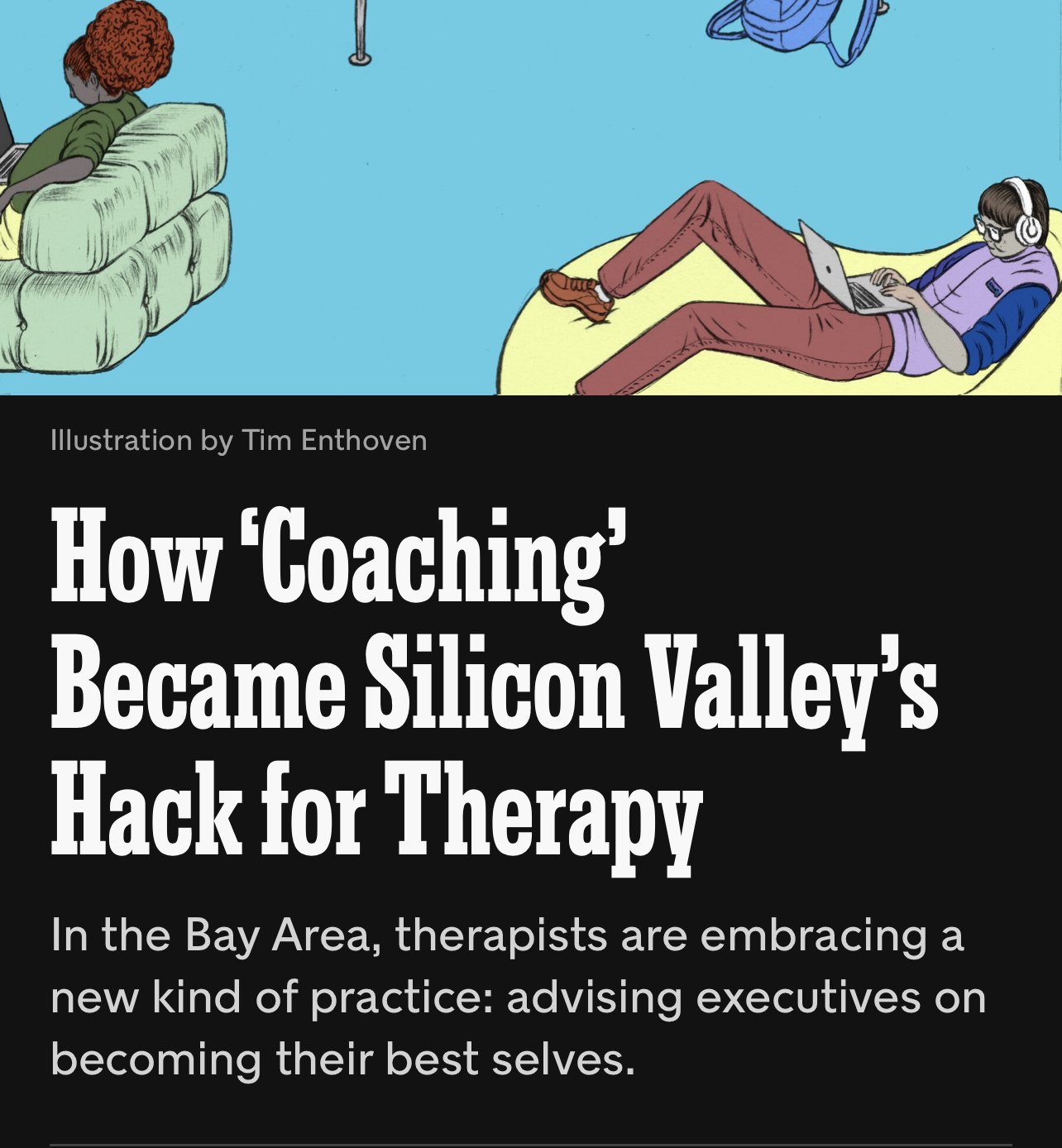
The Coaching Revolution and AI's Data Dilemma
End of the Day Show - Episode 14 Show NotesDate: August 14, 2024 (Wednesday) Host: Matt Parker Location: San FranciscoEpisode SummaryIn this episode, Matt Parker discusses two key stories shaping the tech landscape: the rise of coaching in Silicon Valley and the debate surrounding AI companies' use of Wikipedia data.Key Topics1. The Coaching Phenomenon in Silicon Valley. Coaches become influential in how companies are built and founders operate. Coaching as a replacement for traditional therapy2. AI Companies and Wikipedia Data (AI-cyclopedia). AI companies using Wikipedia as a primary data source for training. Debate over the use of public data for commercial AI development. Wikipedia's response: developing an enterprise product for AI companies. Comparison to Reddit's $60 million deal with Google for data access. Discussion on the future of AI training data sources. Mention of the debate between using synthetic data vs. internet data for model trainingResources MentionedNew York Times article on Silicon Valley coachingJerry Colangelo's book "Reboot""The Trillion Dollar Coach" book about Bill CampbellBill Walsh's book "The Score Takes Care of Itself"TLDR.tech newsletterSherwood News article on "AI-cyclopedia"Subscribe to the show on YouTubeLeave a review on Apple Podcasts or SpotifyCheck out the accompanying Substack newsletter for additional information and linksNext EpisodeTune in tomorrow for the next episode of the End of the Day Show!The End of the Day Show is brought to you by Four Insights. For more in-depth analysis and daily tech updates, visit fourinsights.comBrought to you by:* First Meeting — Tracking enterprise AI budgets, spending patterns, and decision-making processes.* OpenPhone —brings your business calls, texts, and contacts into one delightful app that works anywhere.* Webflow — Design and develop at the same time.—Run reliable, impactful experiments* Navan — the leading travel and expense platform that employees love.How would you rate this week's memo?👍🏾or 👎🏾Was this forwarded to you?Four Insights is a reader-supported publication. To receive new posts and support my work, consider becoming a free or paid subscriber.Check out the YouTube channel | Leave us a rating on Apple Podcasts | Follow me on Twitter Get full access to Four Insights at stretchfour.substack.com/subscribe
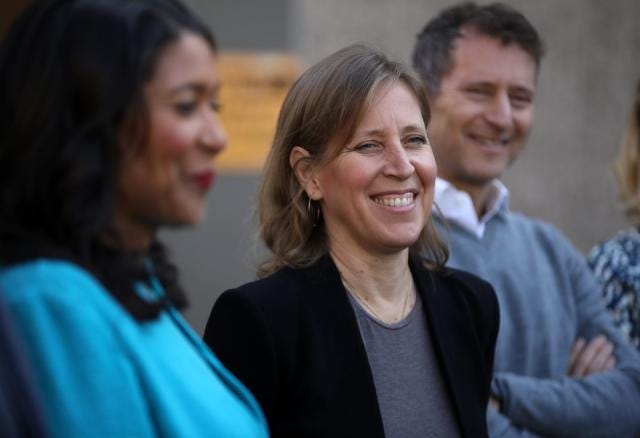
Honoring A Tech Titan, Basketball's Business Evolution, and The Cloud 100 Surges by 25%
Happy Tuesday! In today's show, we honor a legend who succumbed to her two-year battle with cancer, I discuss the NBA’s future post-KD-LeBron-Steph, and The Cloud 100 2024 is worth $820 billion in market value. For more: The Founder's Fundraising Blueprint: From Cold Email to $1M in 60 Days | The $48B Fast Fashion King | YoutubeSummaryIn this episode, Matt Parker discusses three main topics. First, he commemorates the passing of Susan Wojcicki, the former CEO of YouTube, and highlights her career guidance and mentorship as her key contributions. Second, he talks about the business of basketball and the evolution of the game, particularly in terms of individualism and branding. Lastly, he discusses the Cloud 100 report, which showcases the top 100 cloud companies in Silicon Valley and highlights the dominance of AI companies and the rapid scaling of these companies.KeywordsSusan Wojcicki, YouTube, Silicon Valley, basketball, NBA, business, Cloud 100, AI, scalingTakeawaysSusan Wojcicki was a highly influential leader in Silicon Valley, known for her leadership at YouTube and her emphasis on career guidance and mentorship.The business of basketball has evolved over the years, becoming more individualistic and focused on branding. The future of the NBA and its importance in 20 years is a topic of debate.The Cloud 100 report highlights the rapid growth and dominance of AI companies in Silicon Valley, with a record valuation of $820 billion for the top 100 cloud companies.Companies in the cloud industry are scaling faster than ever, reaching $100 million in annual recurring revenue in about 7.8 years.The trends in Silicon Valley and the cloud industry show the rapid evolution and change in the tech landscape.TitlesThe Evolution of Basketball: Individualism and BrandingThe Cloud 100: Rapid Growth and Dominance of AI CompaniesSound Bites"Susan Wojcicki valued time over money.""Susan Wojcicki left a great legacy in Silicon Valley.""The business of basketball has become more individualistic and focused on branding."Chapters00:00 Remembering Susan Wojcicki: A Legacy of Leadership07:20 The Changing Landscape of the NBA12:02 The Rapid Growth of Cloud CompaniesBrought to you by:* First Meeting — Tracking enterprise AI budgets, spending patterns, and decision-making processes.* OpenPhone —brings your business calls, texts, and contacts into one delightful app that works anywhere.* Webflow — Design and develop at the same time.—Run reliable, impactful experiments* Navan — the leading travel and expense platform that employees love.These three stories, while distinct, point to a common thread: the increasing importance of individual impact, whether it's in leadership, personal branding, or rapid company scaling. As we navigate this new landscape, it's crucial to consider how these trends will shape the future of business, technology, and entertainment.Four Insights is a reader-supported publication. To receive new posts and support my work, consider becoming a free or paid subscriber.How would you rate this week's show?👍 or 👎Was this forwarded to you?Four Insights is a reader-supported publication. To receive new posts and support my work, consider becoming a free or paid subscriber.Check out the YouTube channel | Leave us a rating on Apple Podcasts | Follow me on Twitter Get full access to Four Insights at stretchfour.substack.com/subscribe

The $48B Fast Fashion King & YouTube's Creator Exodus
Happy Friday! In today's show, we're diving into some fascinating developments that go far beyond the sports arena. From China's new e-commerce billionaire to the mass exodus of car YouTubers, there's a lot to unpack. For more: The Founder's Fundraising Blueprint: From Cold Email to $1M in 60 Days | Yesterday’s Show On The Olympics | YoutubeMatt Parker00:00 - 00:30: Introduction and show overview00:30 - 02:28: China's new richest person - Colin Huang and e-commerce trends02:28 - 04:48: YouTube car creators leaving their channels, private equity acquisitions04:48 - 07:12: Discussion on Elon Musk, Tesla, and X.ai07:12 - 09:27: Sam Lessin's essay on "price of intent" in digital advertising09:27 - 11:45: Analysis of attention economy and targeted advertising11:45 - 14:05: Venture capital trends and recession fears, advice for founders14:05 - End: Closing remarks, promotion of ebook and upcoming courseBrought to you by:* First Meeting — Tracking enterprise AI budgets, spending patterns, and decision-making processes.* OpenPhone —brings your business calls, texts, and contacts into one delightful app that works anywhere.* Webflow — Design and develop at the same time.—Run reliable, impactful experiments* Navan — the leading travel and expense platform that employees love.How would you rate this week's memo?👍 or 👎Four Insights is a reader-supported publication. To receive new posts and support my work, consider becoming a free or paid subscriber.Check out the YouTube channel | Leave us a rating on Apple Podcasts | Follow me on Twitter/X Get full access to Four Insights at stretchfour.substack.com/subscribe