Stories of Women in Neuroscience
189 episodes — Page 4 of 4
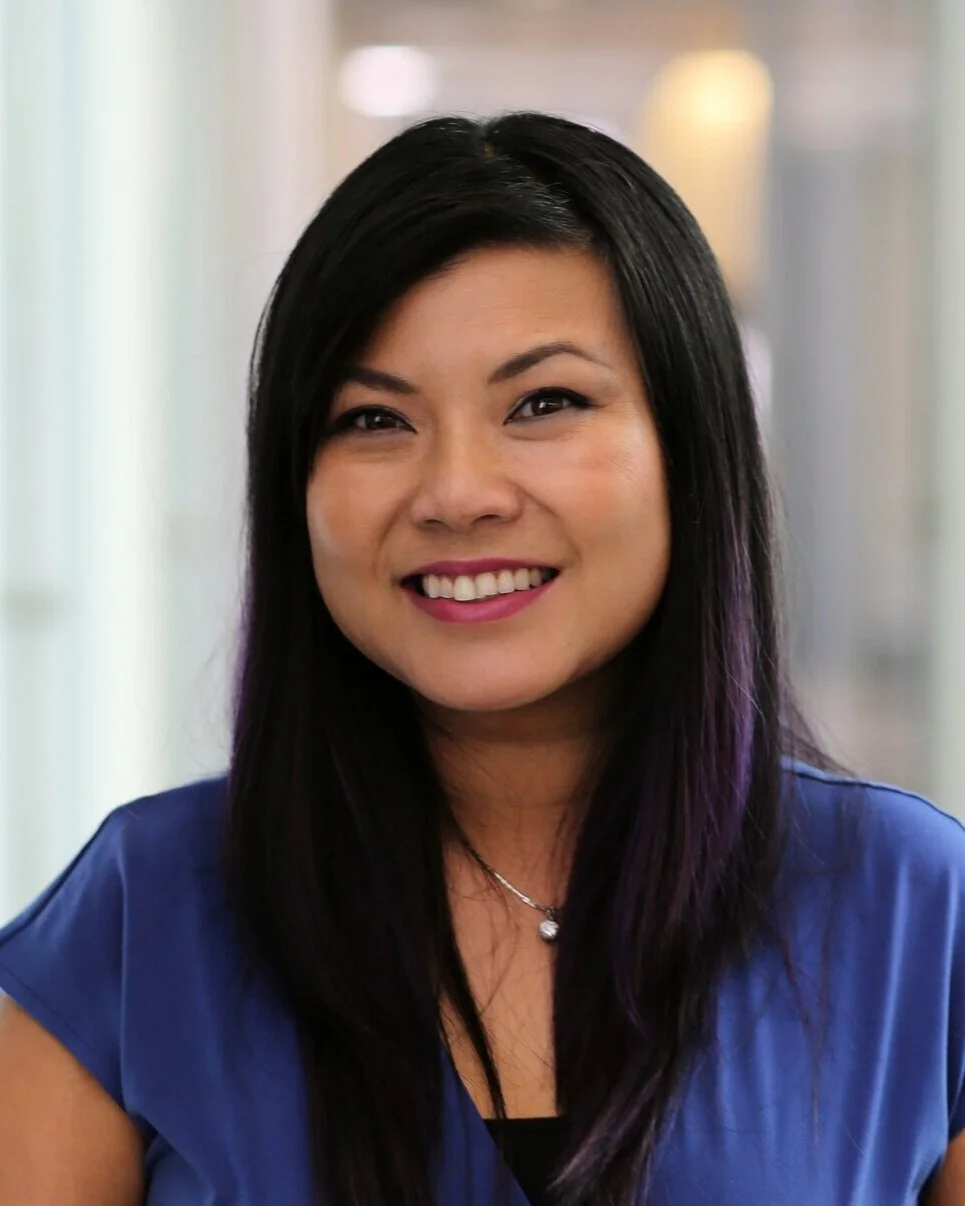
S1 Ep 39Dr. Denise Cai
Denise is an Assistant Professor in the Department of Neuroscience at the Icahn School of Medicine at Mount Sinai whose interest in the brain ironically took hold as she was interviewing for law schools. When she realized she was more interested in how the brain makes decisions rather than the judicial implications of those decisions, she hopped on the Neuroscience train and never looked back. For her Ph.D. thesis at UCSD, she looked at the interplay between sleep, memory, and creativity in both humans and in a rodent model. Then as a postdoc at UCLA, Denise decided to take a closer look at the links formed between memories of events occurring close together in time, which carries tremendous clinical implications for understanding aging and memory-related disorders. This translational approach to studying memory, as well as her ongoing passion for collaboration with other scientists has carried over into her current work in her own lab. Denise’s enthusiasm for working as part of a team and passion for innovation--despite some of the challenges she has faced regarding gender bias--are on full display in her interview with Nancy.
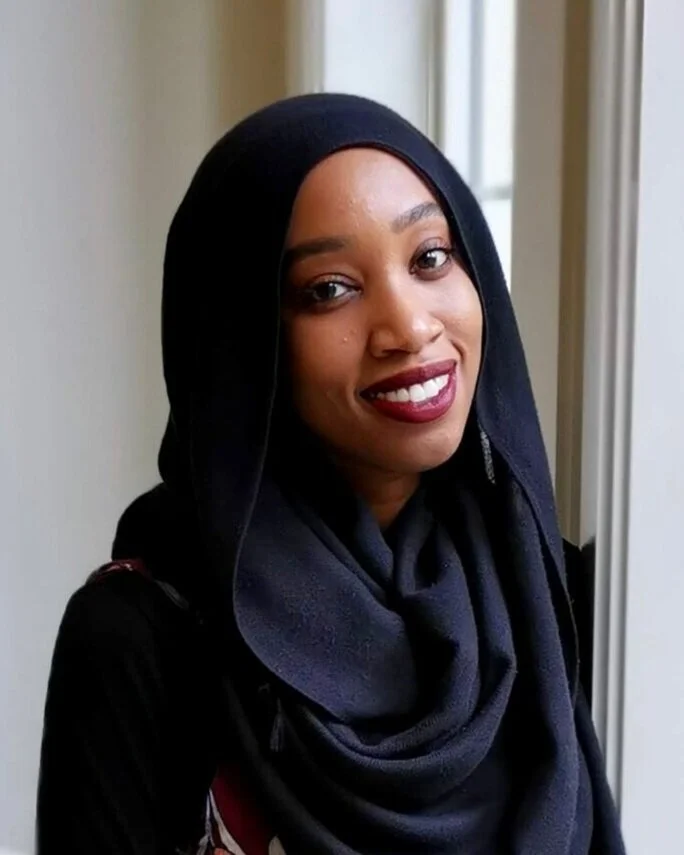
S1 Ep 38Dr. Asma Bashir
Asma is a Postdoctoral Fellow at the UK Dementia Research Institute in Edinburgh, Scotland studying interactions between astrocytes and blood vessels in disease. In her interview with Catie, Asma shares her journey that has spanned multiple disciplines and three countries, including initially wanting to study psychology in college at Boston University and moving to Vancouver for her graduate research developing an improved mouse model of traumatic brain injury (TBI). While her graduate work had important clinical implications for both TBI and biomarkers of Alzheimer’s Disease, Asma realized that research was not the only way she wanted to have a broader impact. To create a community of scientists from minoritized groups who shared her experiences in the world of research, she started her own podcast “Her Royal Science” where she welcomes a new scientist to this community, and speaks with them about their stories. Asma’s dedication to cultivating personal connections while doing cutting-edge research is a testament to her desire to improve lives and make a lasting difference.

S1 Ep 37Dr. Alison Barth
Alison is a Professor in the Department of Biological Sciences and Center for the Neural Basis of Cognition at Carnegie Mellon University. Long before she established her lab seeking to understand mechanisms underlying synaptic plasticity, though, she dabbled in a variety of experimental questions--anything that piqued her curiosity. Even at age 7 with a keen interest in ESP, she was designing experiments to test her “mind-reading” ability on her friends. As an undergraduate, she was drawn to questions related to evolution and anthropogeny, while her graduate work was primarily conducted in an immunology lab. It wasn’t until her later graduate studies that she finally made the deep dive into the world of neuroscience. Alison’s eternal enthusiasm for tackling interesting questions of all kinds and her courage to change paths when new questions arise have undoubtedly contributed to her ability to balance many passions: professor, researcher, mentor, mom, and budding violinist(!) which she describes in her interview with Cristiana.
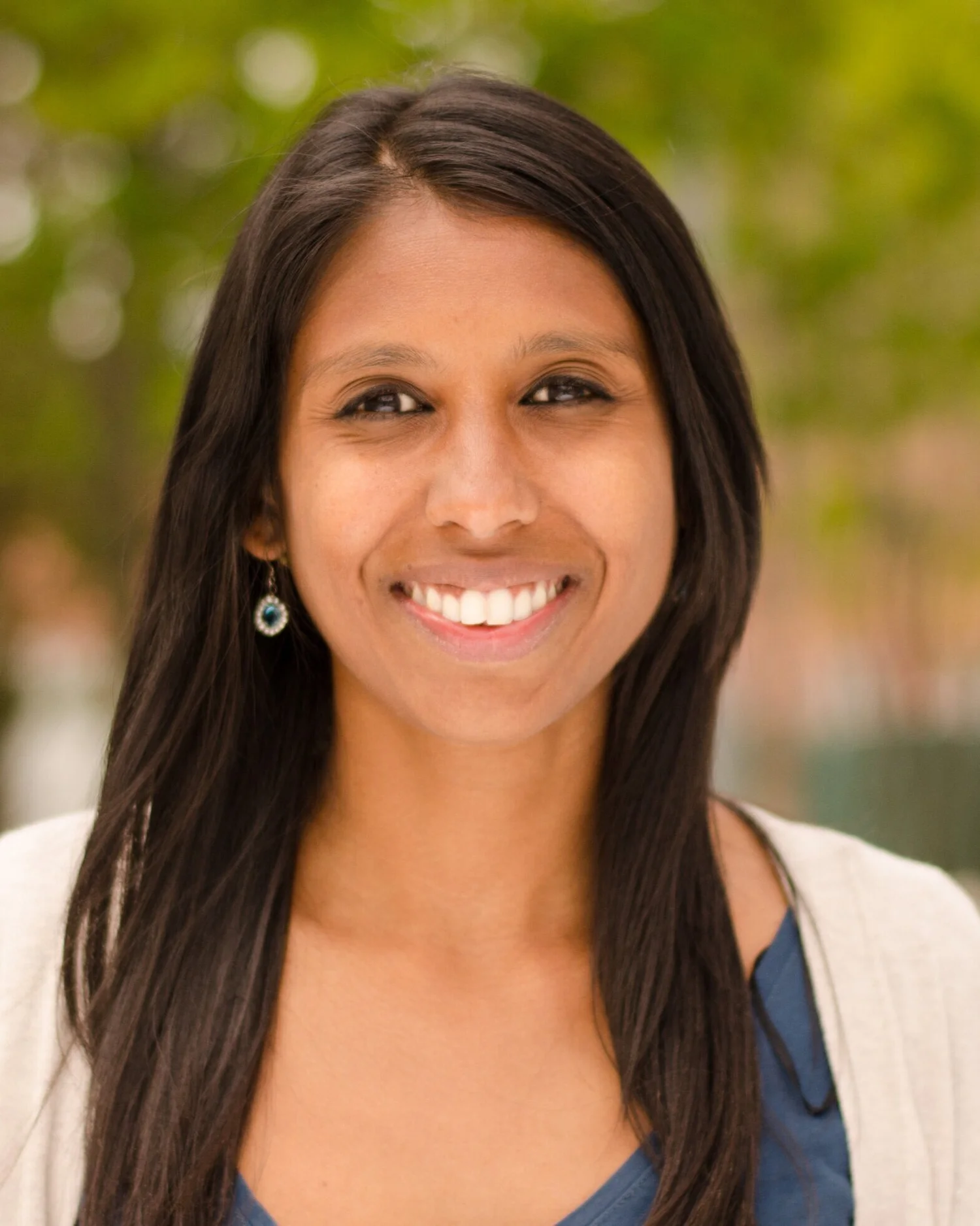
S1 Ep 36Dr. Anita Devineni
Anita is a Postdoctoral Fellow at Columbia University’s Zuckerman Mind Brain Behavior Institute whose research looks at the interaction between taste and smell in the fruit fly. In particular, she discovered that hungry fruit flies are attracted to acetic acid but averse to this same stimulus when they’re well-fed, suggesting that hunger can change the valence of a taste stimulus. Anita describes the path her research has taken throughout grad school and as a postdoc--both the ups and downs--and how after some challenges in the lab she reinvigorated her passion for neuroscience by starting her own blog. In her interview with Nancy, she goes back even further to a spring break in high school where a beach read--not a science class--sparked an interest in the link between a person’s DNA and their behavior. This experience, along with her love of Star Trek, were among the first pivotal moments in a chain reaction that propelled her toward the scientific field and have shaped her into the distinguished neuroscientist she is today.
S1 Ep 35Dr. Lisa Giocomo
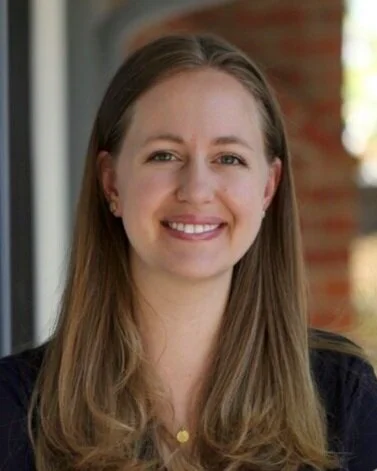
Lisa is an Associate Professor at Stanford University who studies biophysical and network properties of grid cells in the entorhinal cortex. Although she hesitates to describe herself as a “card-carrying computational neuroscientist ”, Lisa has quite a bit of computational experience in her past. In her interview with Dakota, she reveals why grid cells are so incredibly interesting, and how this interest and her thirst for understanding led her all the way to Norway to study them experimentally and to model their unique coding properties. Lisa also recalls the challenges she faced as a new PI and shares some valuable advice on how to navigate the uncertainty and the many ups and downs accompanying a career in academia: “At the end of the day, you have to find inspiration in the questions you’re trying to address.”
S1 Ep 34Dr. Stacey Dutton
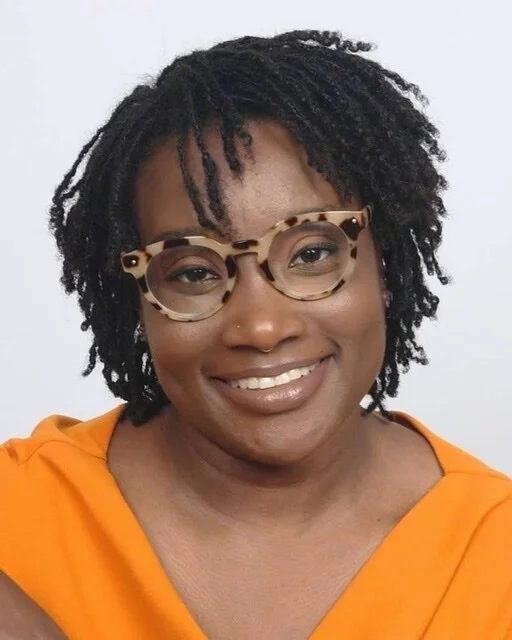
Stacey is an Assistant Professor in the Department of Biology at Agnes Scott College whose research focuses on voltage-gated ion channels. In her interview with Brielle, Stacey describes the incident that suddenly and dramatically launched her from the world of immunology to neuroscience, and more recently how her passion and curiosity again prompted her research focus to shift in a unique direction. She also candidly explains the tremendous obstacles she encountered along her journey, especially as a Black woman in a predominantly white- and male-dominated field. Although her career has taken some unexpected twists, Stacey has been unwavering in her passion for discovery and her commitment to mentorship. And despite the challenges she has faced, Stacey’s hard work and dedication have led her to emerge as a tremendously inspiring Black Woman in Neuroscience.

S1 Ep 33Dr. Sana Suri
Sana is an Alzheimer ’s Society Research Fellow at the University of Oxford who uses multimodal neuroimaging techniques to study risk and resilience for cognitive decline in aging. In Cristiana’s interview with Sana, they discuss the many forms in which Sana’s passion for neuroscience has materialized: her postdoctoral research involving risk factors for developing dementia, how she almost left research to focus on growing her neuroscience blog, and her role as a science communicator informing policy in Parliament. She also runs an independent research group at Oxford and is an active advocate for promoting women and people of color in science. Despite having to juggle all of these commitments, Sana is adamant about not working on weekends and shares great insights on balancing her career with family time and celebrating every small victory.
S1 Ep 32Dr. Anne Churchland
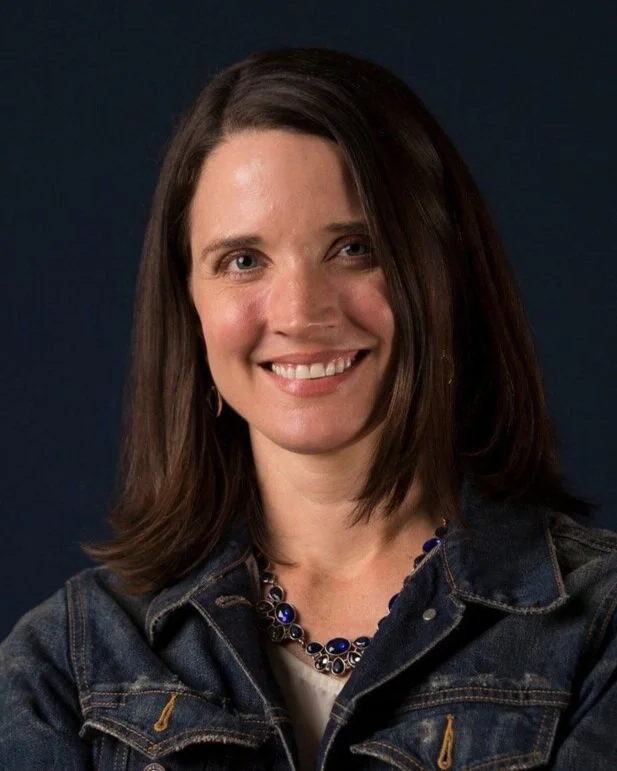
This episode features Megan’s interview with Anne, who studies the neural circuits and computations underlying decision-making at Cold Spring Harbor (and will soon be moving her lab to the University of California - Los Angeles).
S1 Ep 31Dr. Grace Lindsay
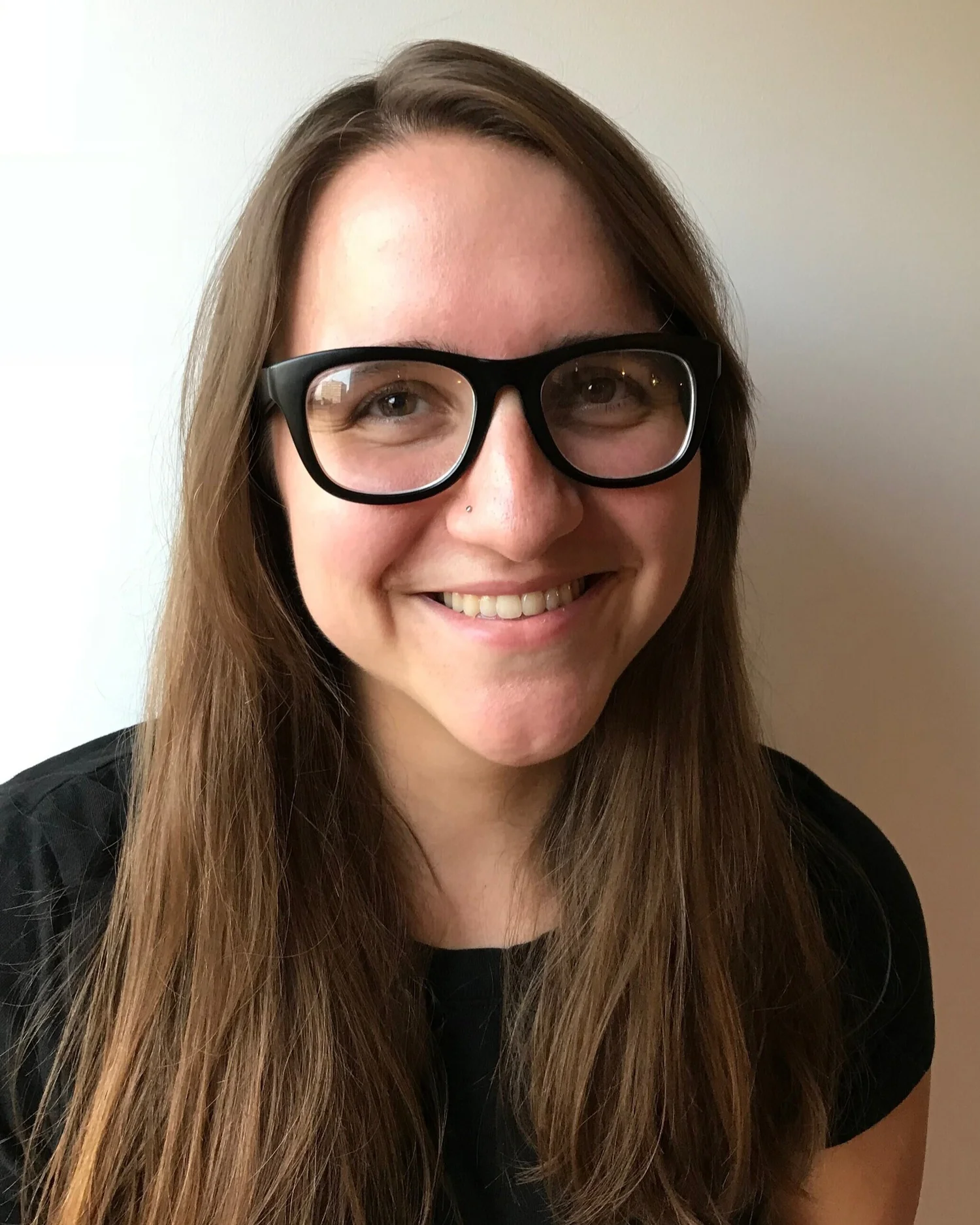
This episode features Nancy’s interview with Grace, who creates data-inspired neural networks to model and study the visual cortex.Dr. Grace Lindsay was hooked on neuroscience before she even knew its name. In her high school psychology class, she was fascinated by topics of human behavior and the inner workings of the mind, but the class left her with more questions than answers. Grace realized that the focal point of her curiosity was not the thoughts or behavior per se, but rather the biological mechanisms underlying those thoughts and behavior. She googled “biopsychology”, wondering if that was even a field of study. Grace eventually came to realize that her piqued interest did indeed have its own name: neuroscience. This intellectual passion morphed into a serious career plan when she found out that most science doctoral programs pay their students. Thrilled at the idea of studying the brain as a job, Grace left high school hoping to eventually pursue a PhD in neuroscience. She went on to do exactly that.
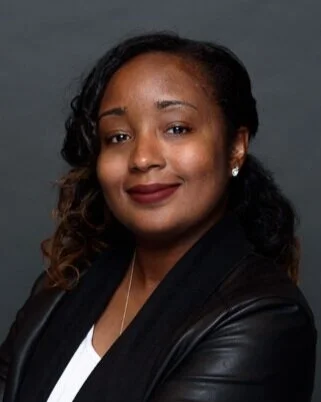
S1 Ep 30Dr. Charisse Winston-Gray
In this episode, Nancy chats with Charisse about her research at UCSD studying blood-based biomarkers for Alzheimer's Disease as well as her perspective on mentorship and how she has gained strength from having an open mind.
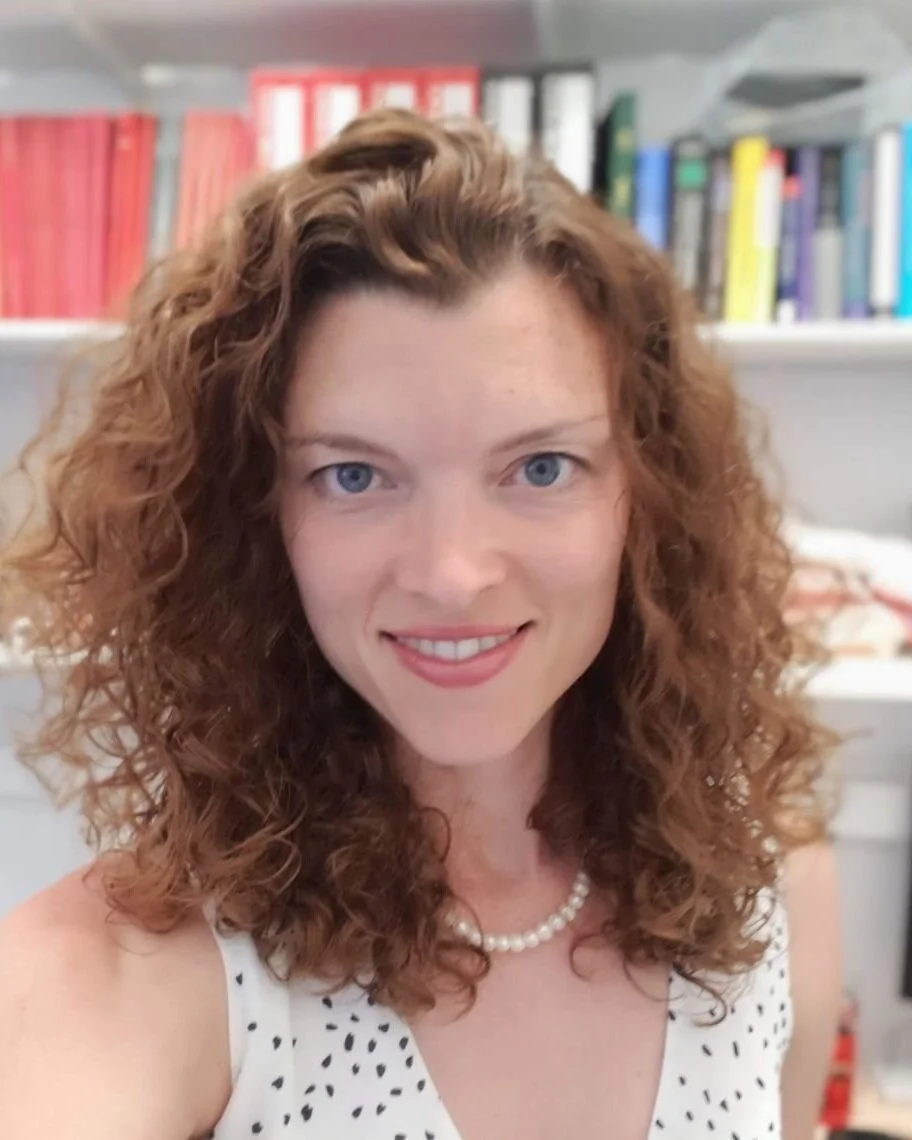
S1 Ep 29Dr. Kerry Walker
In this episode, Cristiana chats with Kerry about her research at the University of Oxford on neural encoding of complex sound features in auditory cortex.
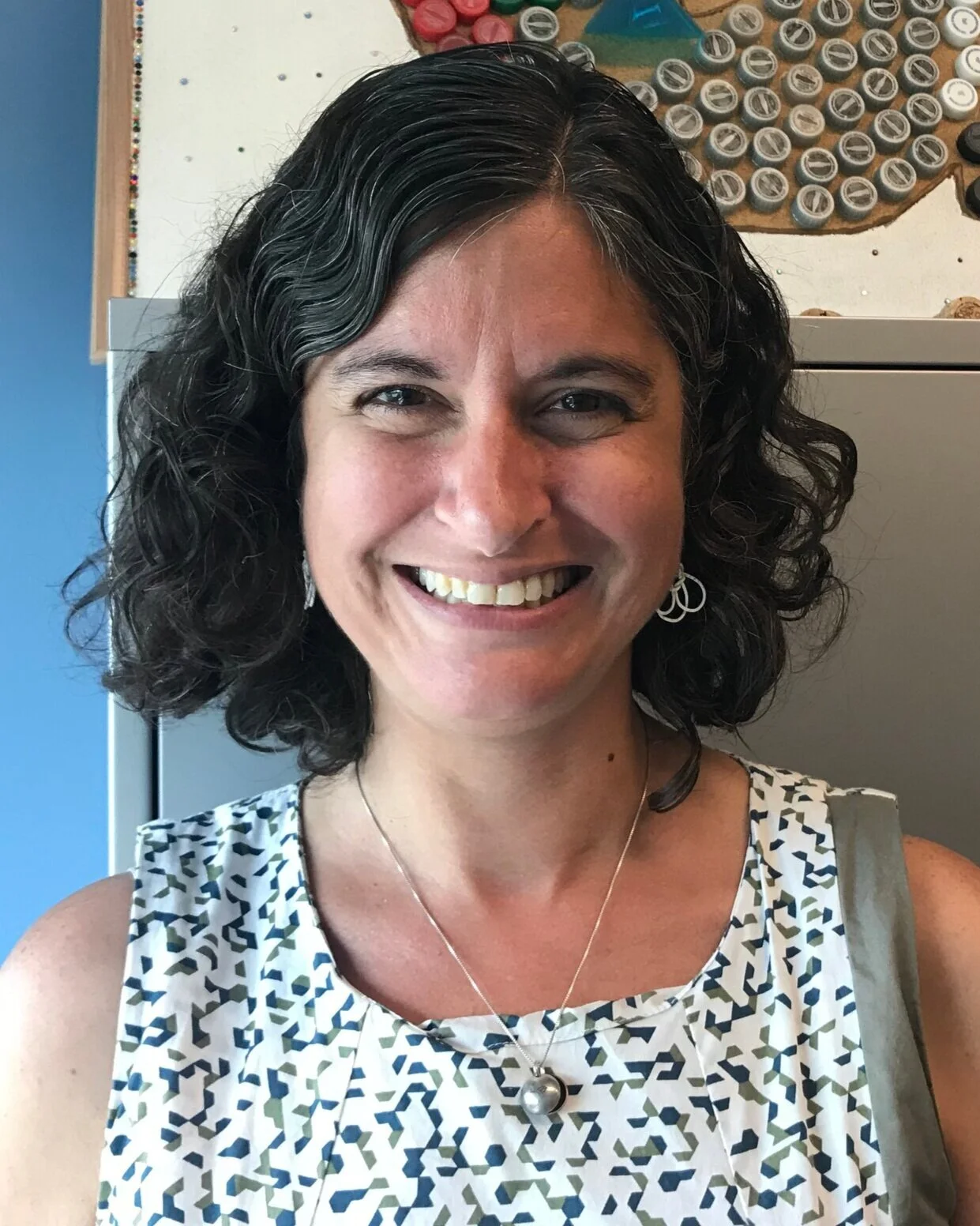
S1 Ep 28Dr. Susanne Ahmari
In this episode, Megan interviews Susanne who studies circuit mechanisms underlying compulsive behaviors in mouse models of OCD at the University of Pittsburgh.
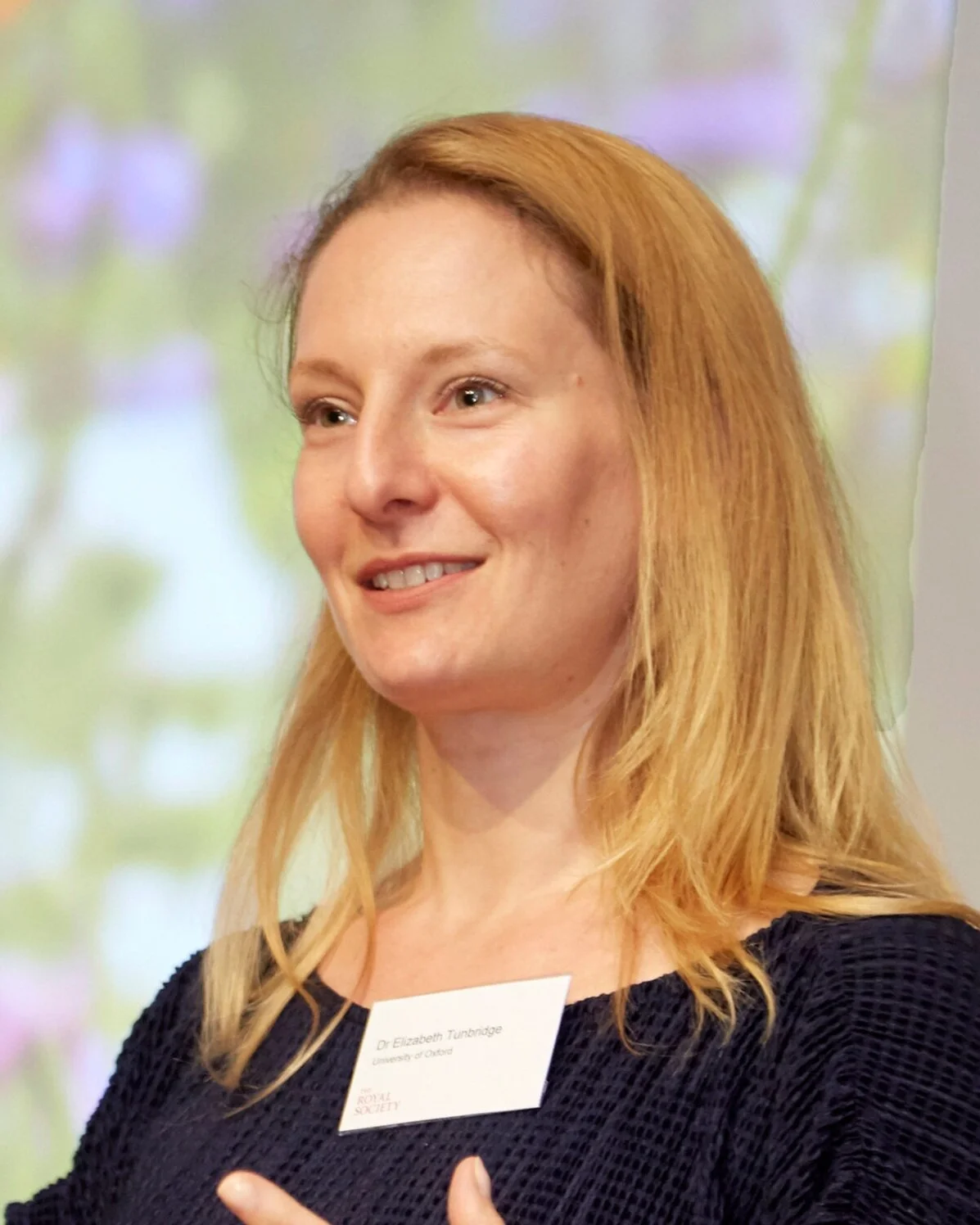
S1 Ep 27Dr. Elizabeth Tunbridge
This episode features Cristiana's interview with Liz who studies links between genes and brain dysfunction in psychiatric illness.
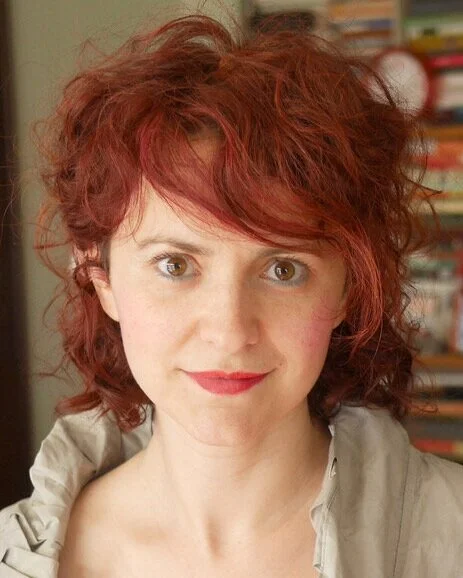
S1 Ep 26Dr. Renata Batista-Brito
This episode features Daniela’s interview with Renata, who studies the role of interneurons in cortical sensory processing.

S1 Ep 25Dr. Elena Blanco-Suárez
This episode features Catie’s interview with Elena who studies astrocytes and their influence on neuronal vulnerability to stroke.
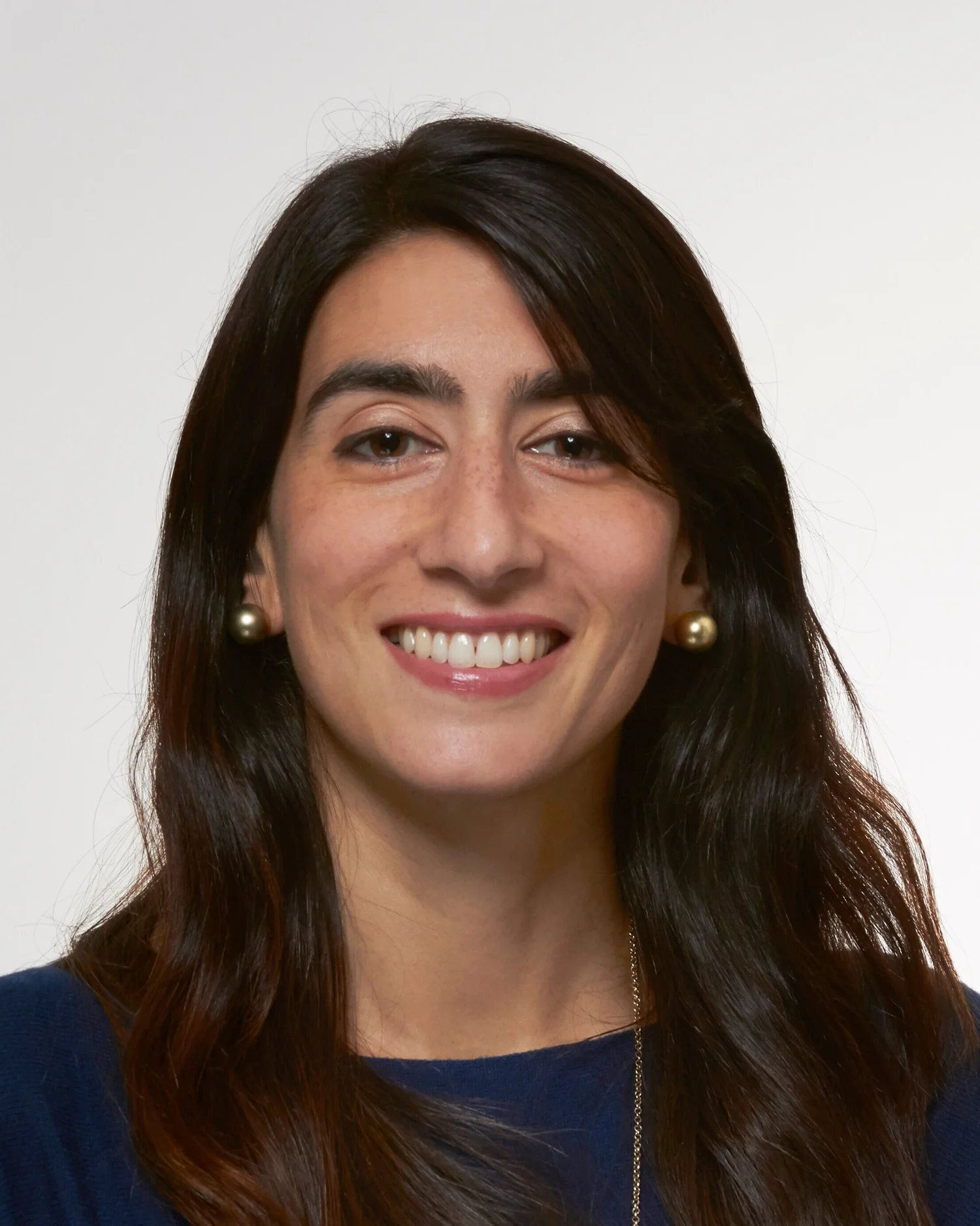
S1 Ep 24Dr. Ream Al-Hasani
This episode features Nancy’s interview with Ream who studies the neurocircuitry of addiction, stress, and pain.
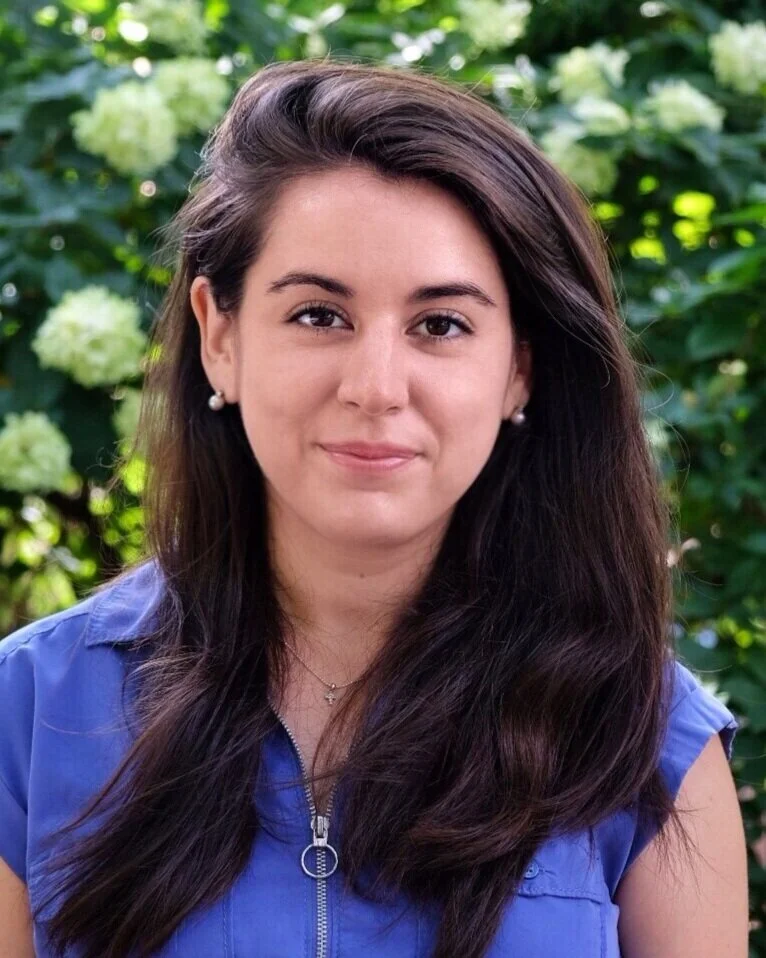
S1 Ep 23Dr. Ali Ochoa Cohen
This episode features Catie’s interview with Ali who studies the neural and cognitive mechanisms underlying age-related changes in motivated learning and memory.
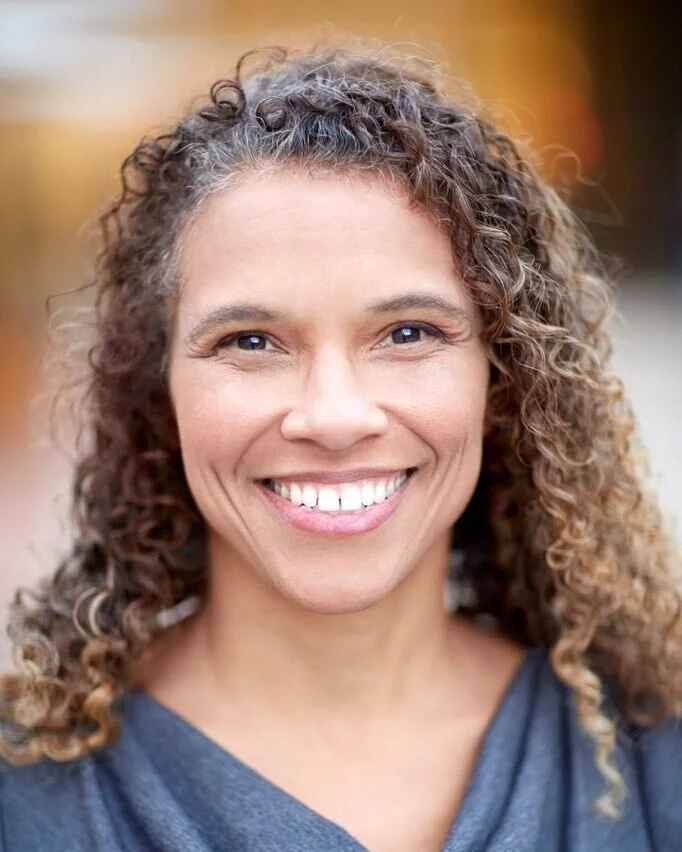
S1 Ep 22Dr. Gina Poe
This interview features Megan’s interview with Gina who studies how sleep influences learning and memory consolidation.
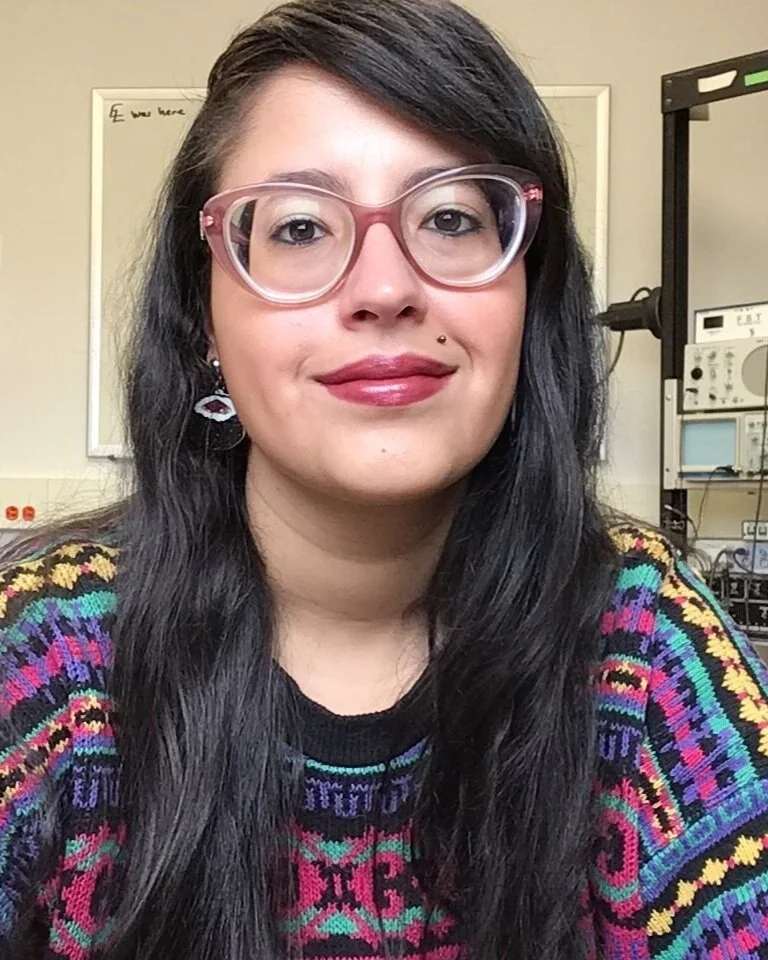
S1 Ep 21Dr. Millie Rincón-Cortés
This episode features Nancy’s interview with Millie who studies the postpartum brain and how early life events influence neuropsychiatric disorders.
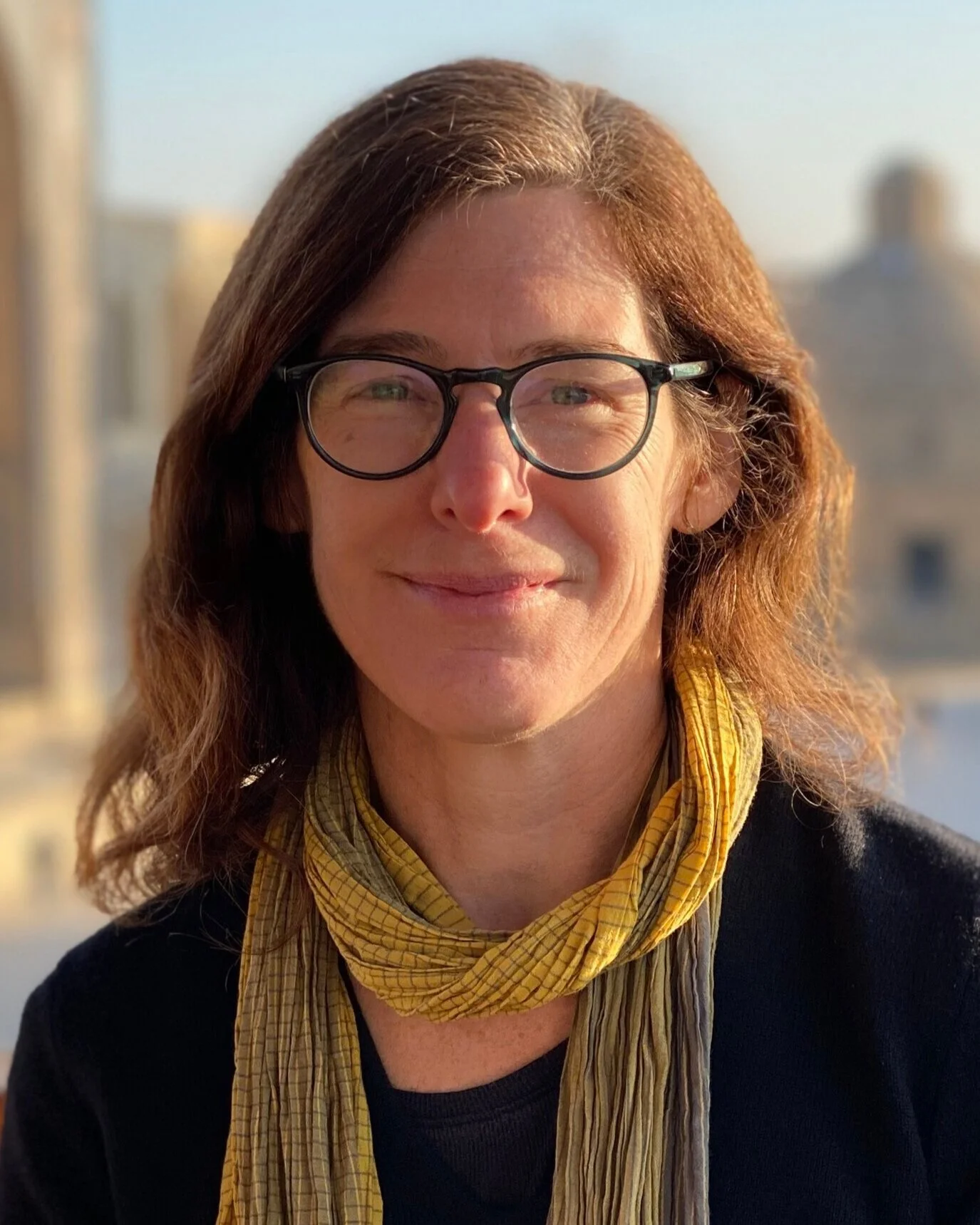
S1 Ep 20Dr. Adrienne Fairhall
This episode features Megan's interview with Adrienne who studies information processing algorithms underlying neural interactions.
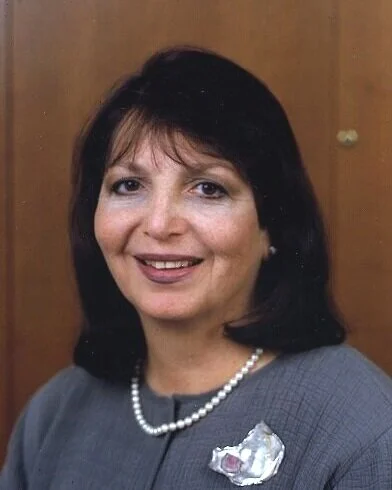
S1 Ep 19Dr. Huda Akil
This episode features Nancy’s interview with Huda who studies the neural mechanisms of pain and emotion.
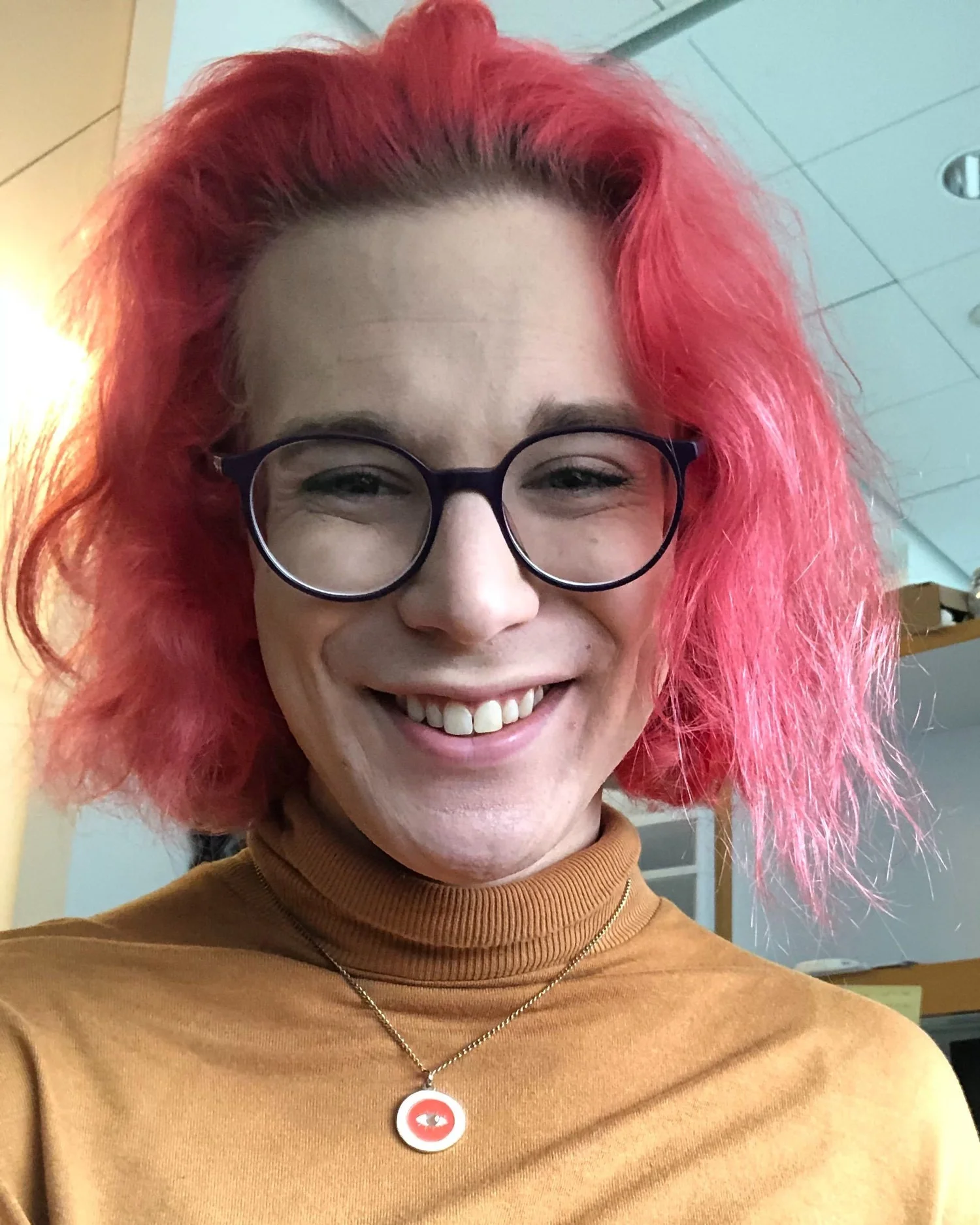
S1 Ep 18Dr. Mae Guthman
This episode features Dakota’s interview with Mae, who studies how hormonal state changes affect the neurobiology of social behavior.
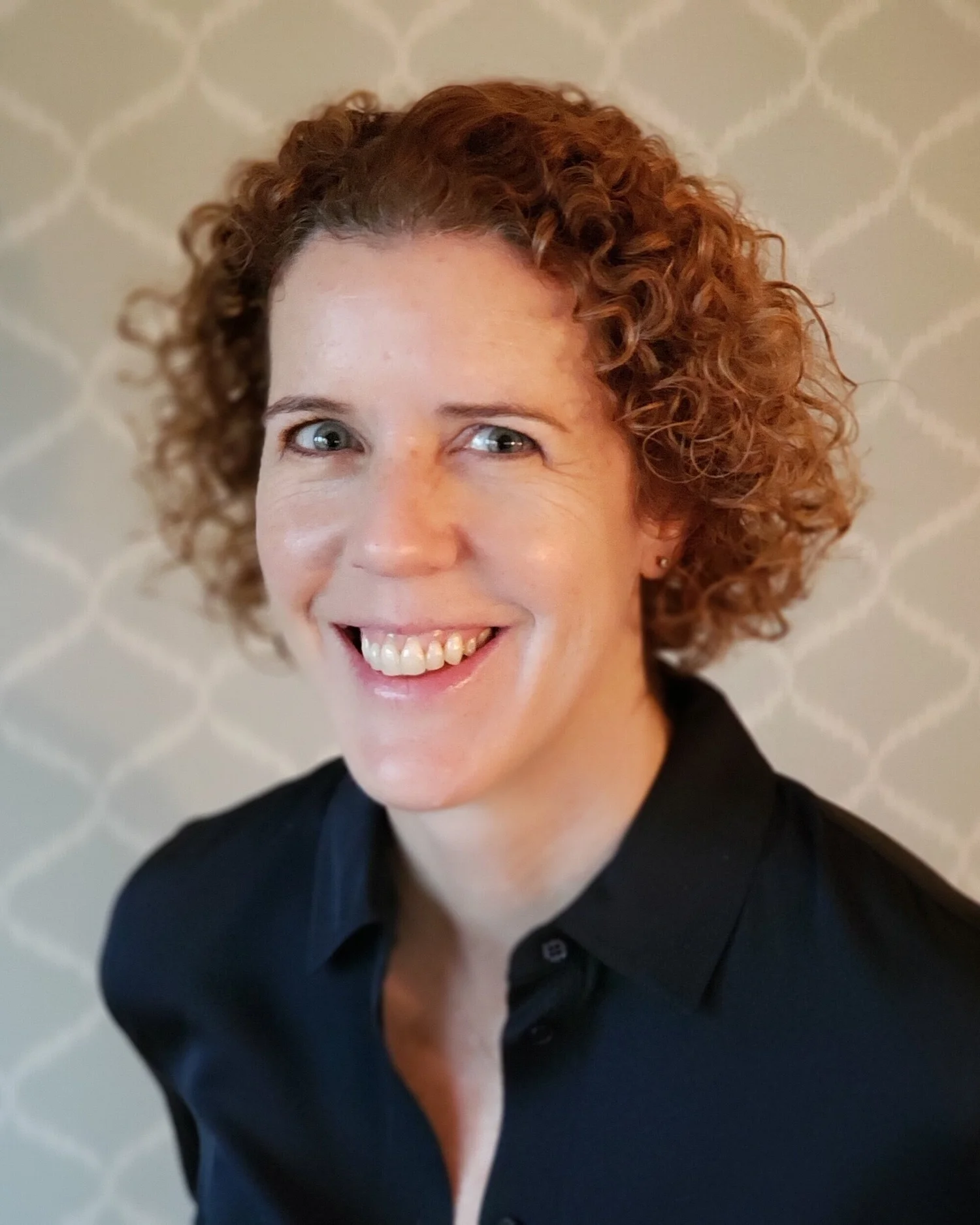
Dr. Beth Buffalo
This episode features Megan’s interview with Beth who studies the neural mechanisms of learning and memory.
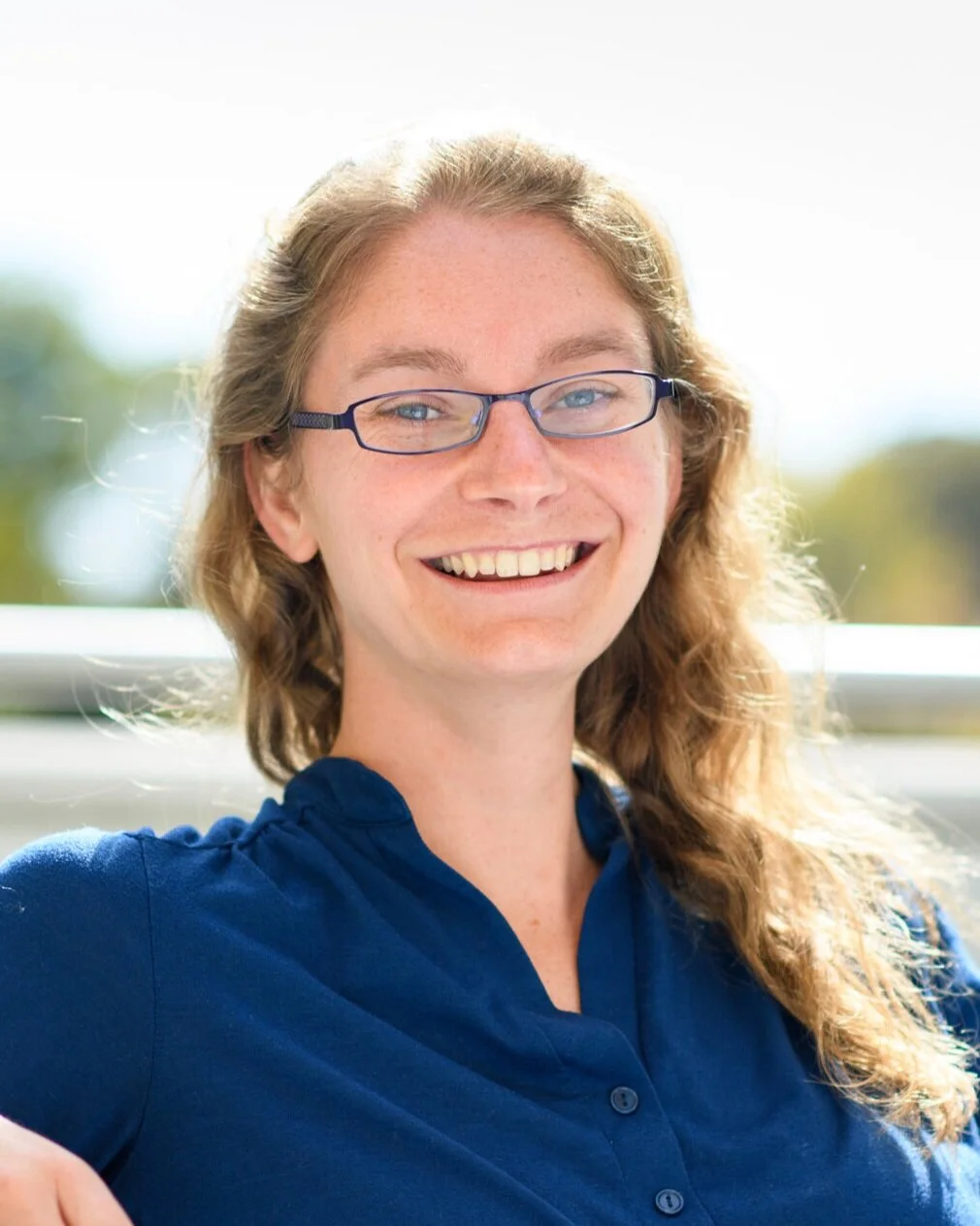
S1 Ep 16Dr. Kelly Seagraves
This episode features Dakota’s interview with Kelly who uses computational methods to study the neural correlates of observational learning.
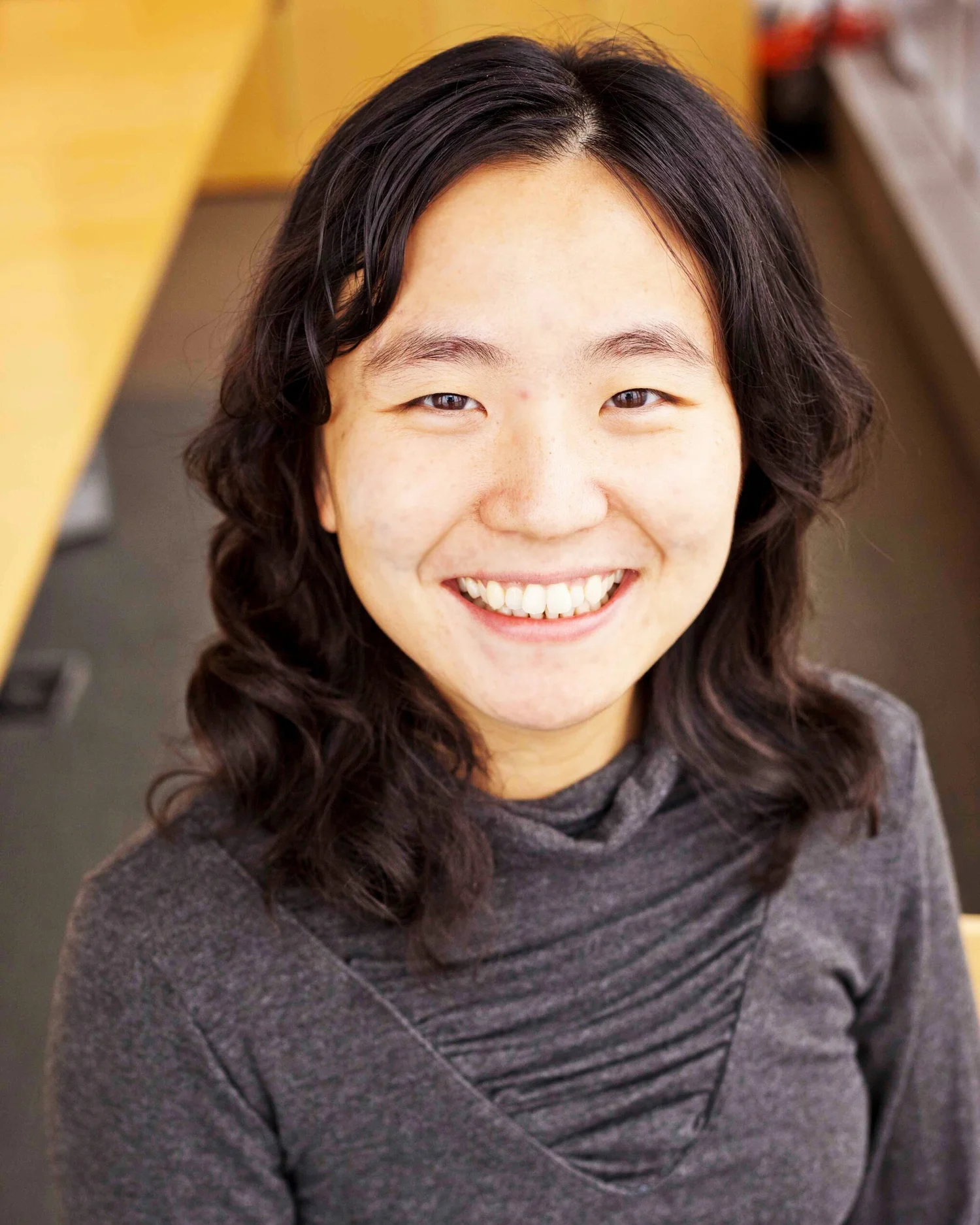
S1 Ep 15Dr. Dayu Lin
This episode features Megan’s interview with Dayu who studies the generation and modulation of social behaviors.
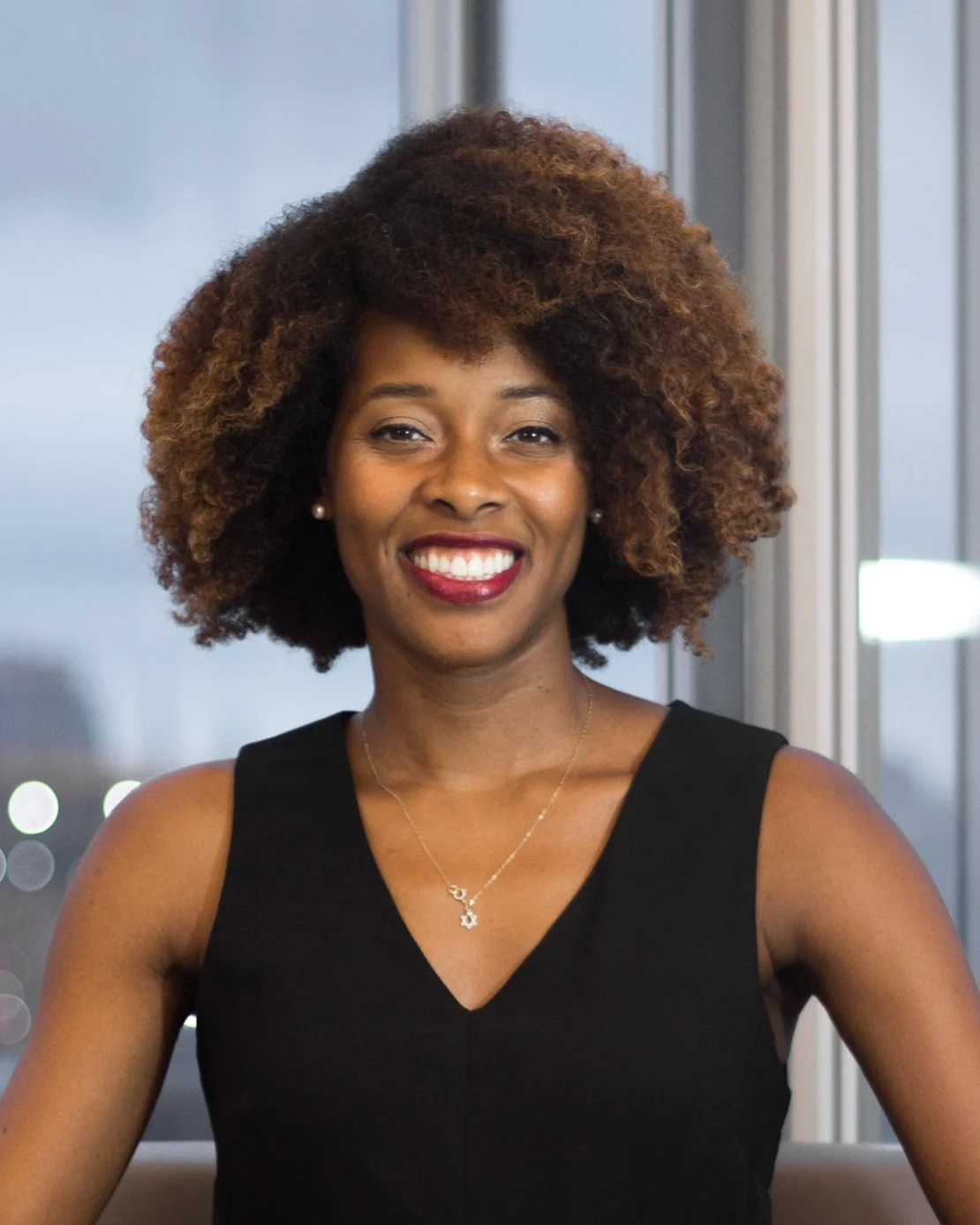
S1 Ep 14Dr. Bianca Jones Marlin
This episode features Nancy’s interview with Bianca who studies how experience can impact neurobiology and behavior.
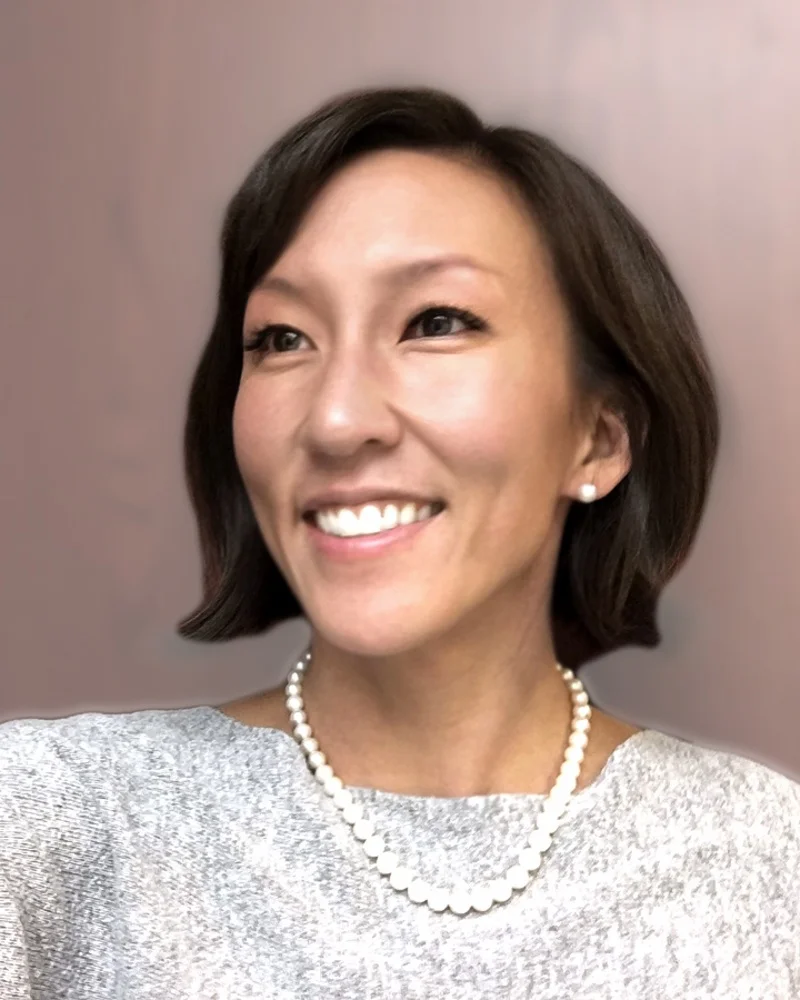
S1 Ep 13Dr. Kay Tye
This episode features Nancy’s interview with Kay who studies the neural circuits underlying motivated behaviors.
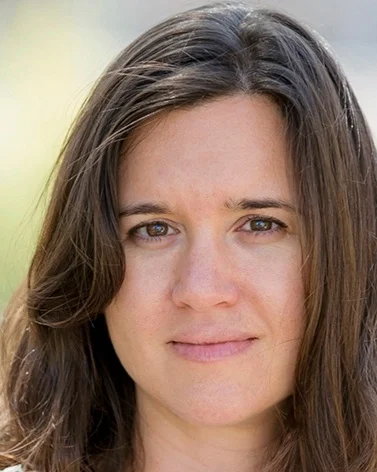
S1 Ep 12Dr. Brenda Bloodgood
This episode features Catie’s interview with Brenda who studies how brain circuitry changes in response to experience.
S1 Ep 11Dr. Wendy Campana
This episode features Catie’s interview with Wendy who studies the cellular and molecular responses to peripheral nerve injury, focusing on Schwann cells.
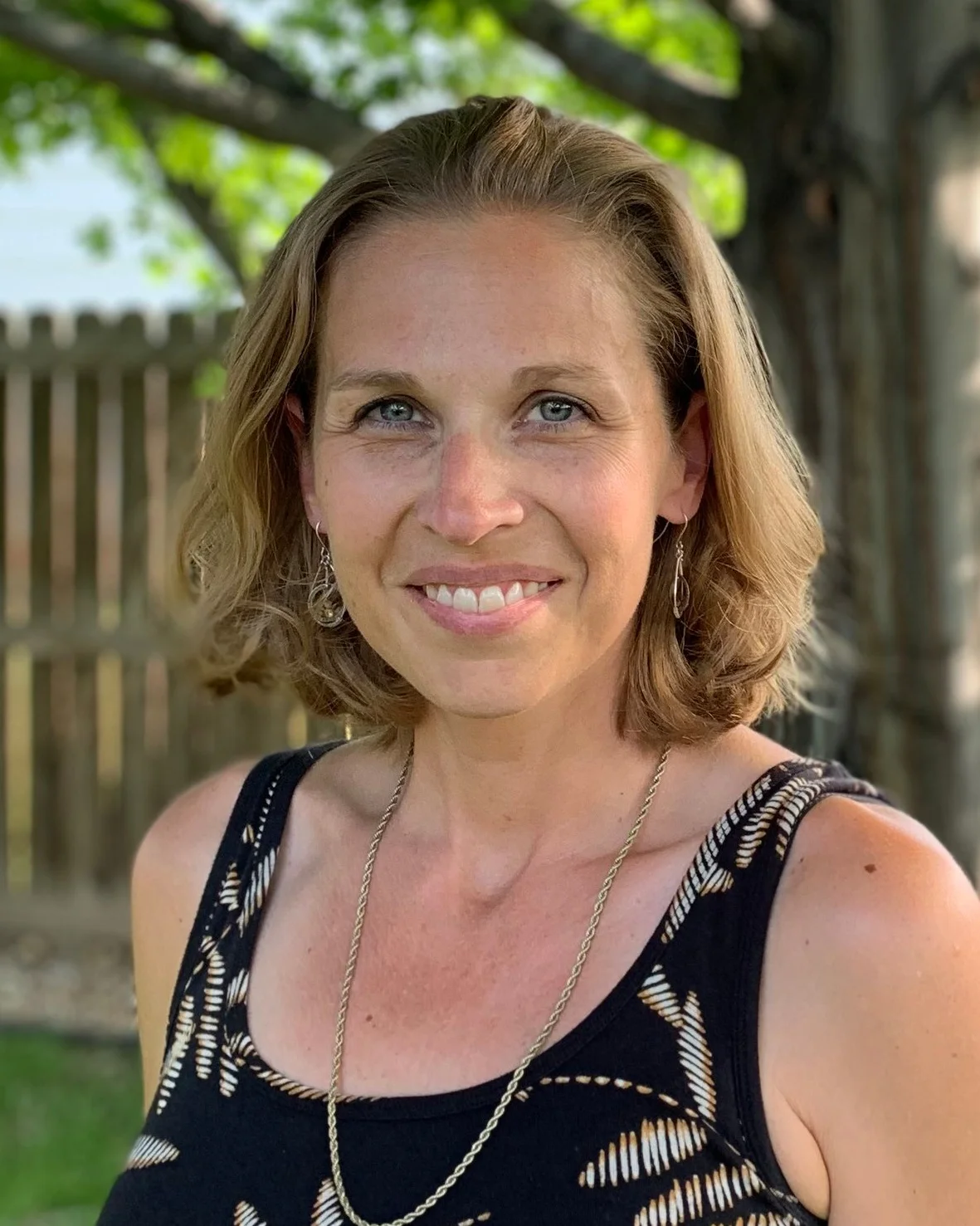
S1 Ep 10Dr. Julie Siegenthaler
This episode features Catie’s interview with Julie who studies the interaction between the brain, the meninges, and the brain vasculature.
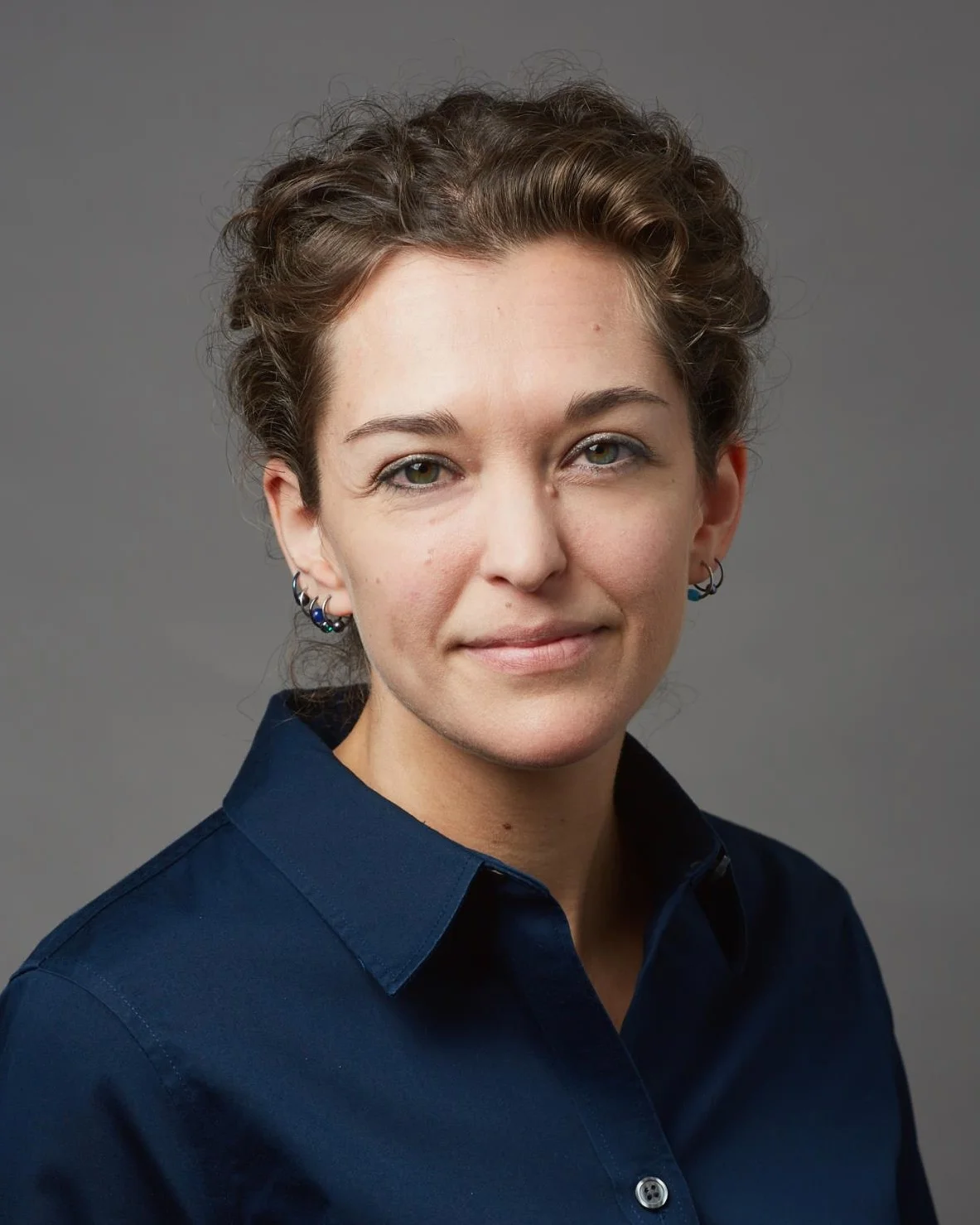
S1 Ep 9Dr. Jess Cardin
This episode features Megan’s interview with Jess who studies how neurons in the cortex act flexibly across different behavioral states.
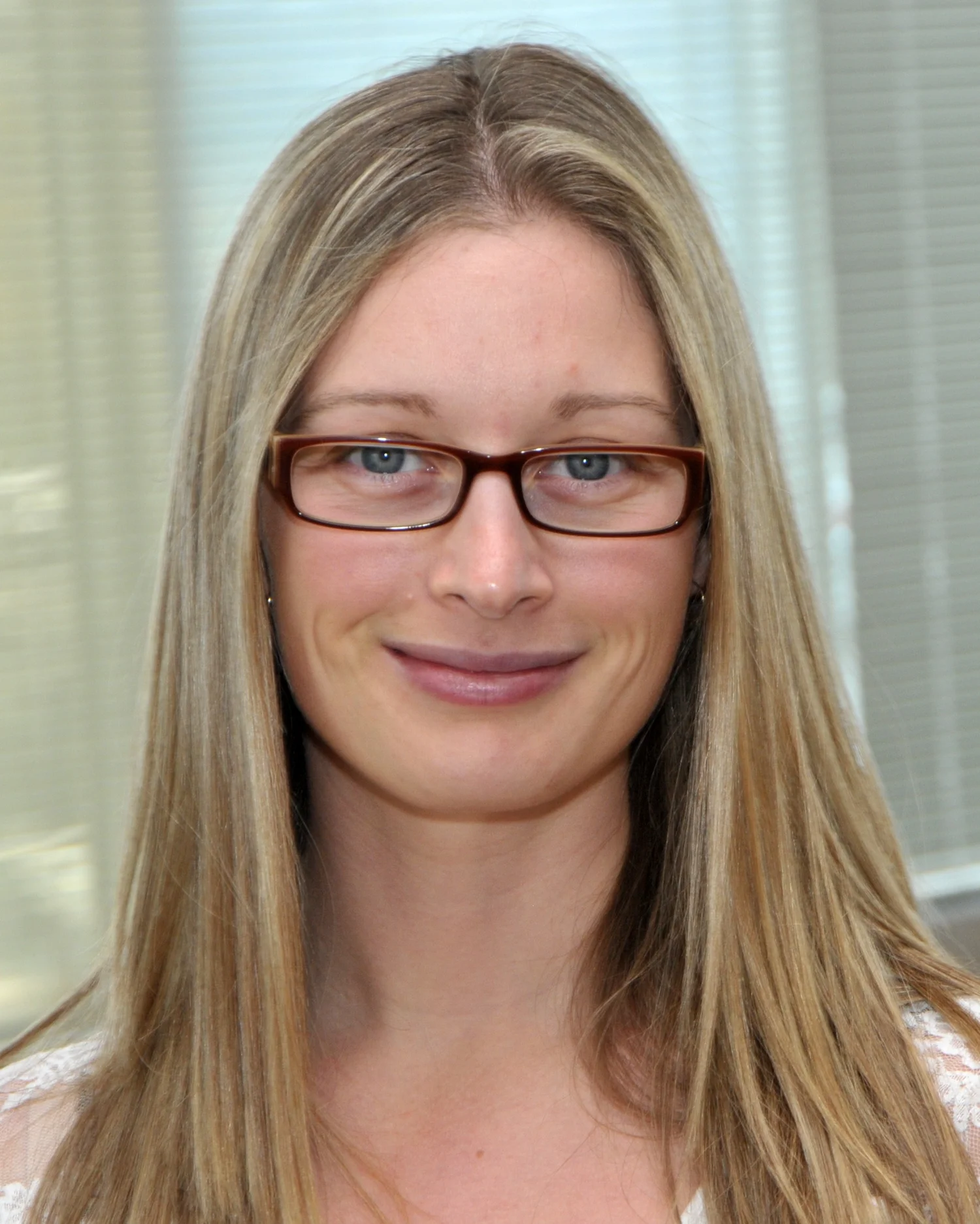
S1 Ep 8Dr. Marie Blanchette
This episode features Catie’s interview with Marie, who studies regional heterogeneity at the blood-brain barrier and its implications in health and disease.
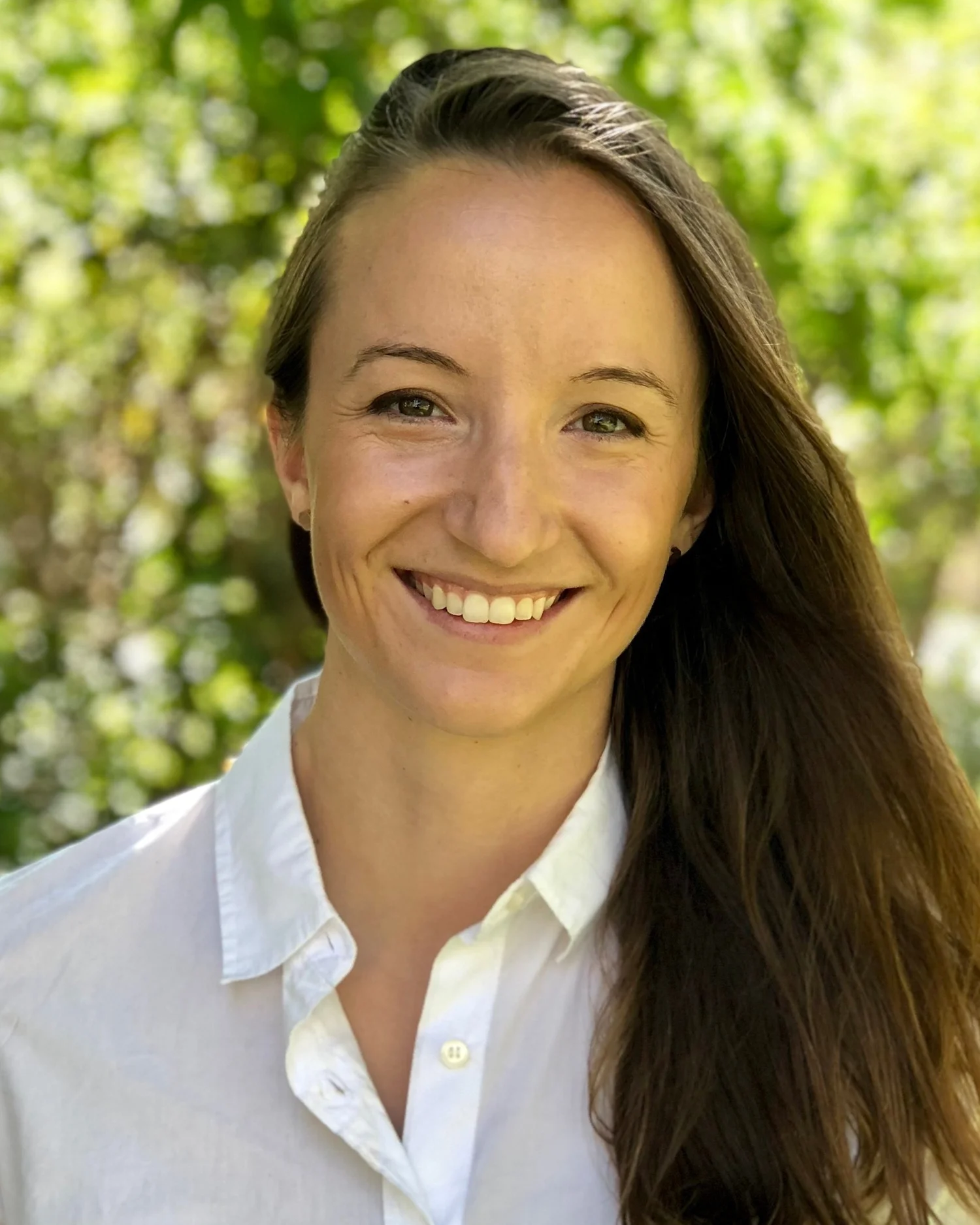
S1 Ep 7Dr. Ashley Juavinett
This episode features Megan’s interview with Ashley who studies and writes about education and careers in the field of neuroscience.
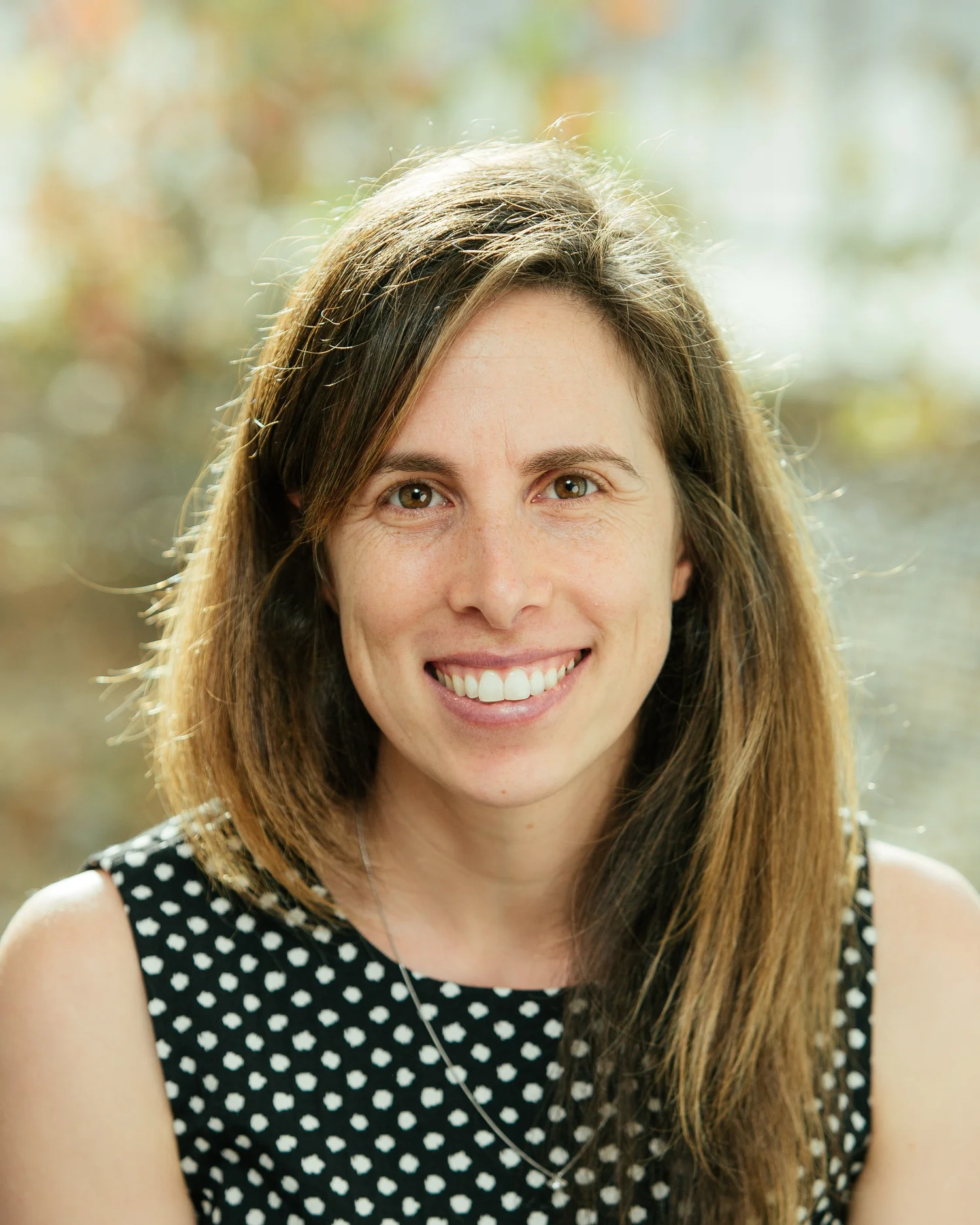
S1 Ep 6Dr. Lindsey Glickfeld
This episode features Megan’s interview with Lindsey who studies how the brain processes and uses complex visual information.
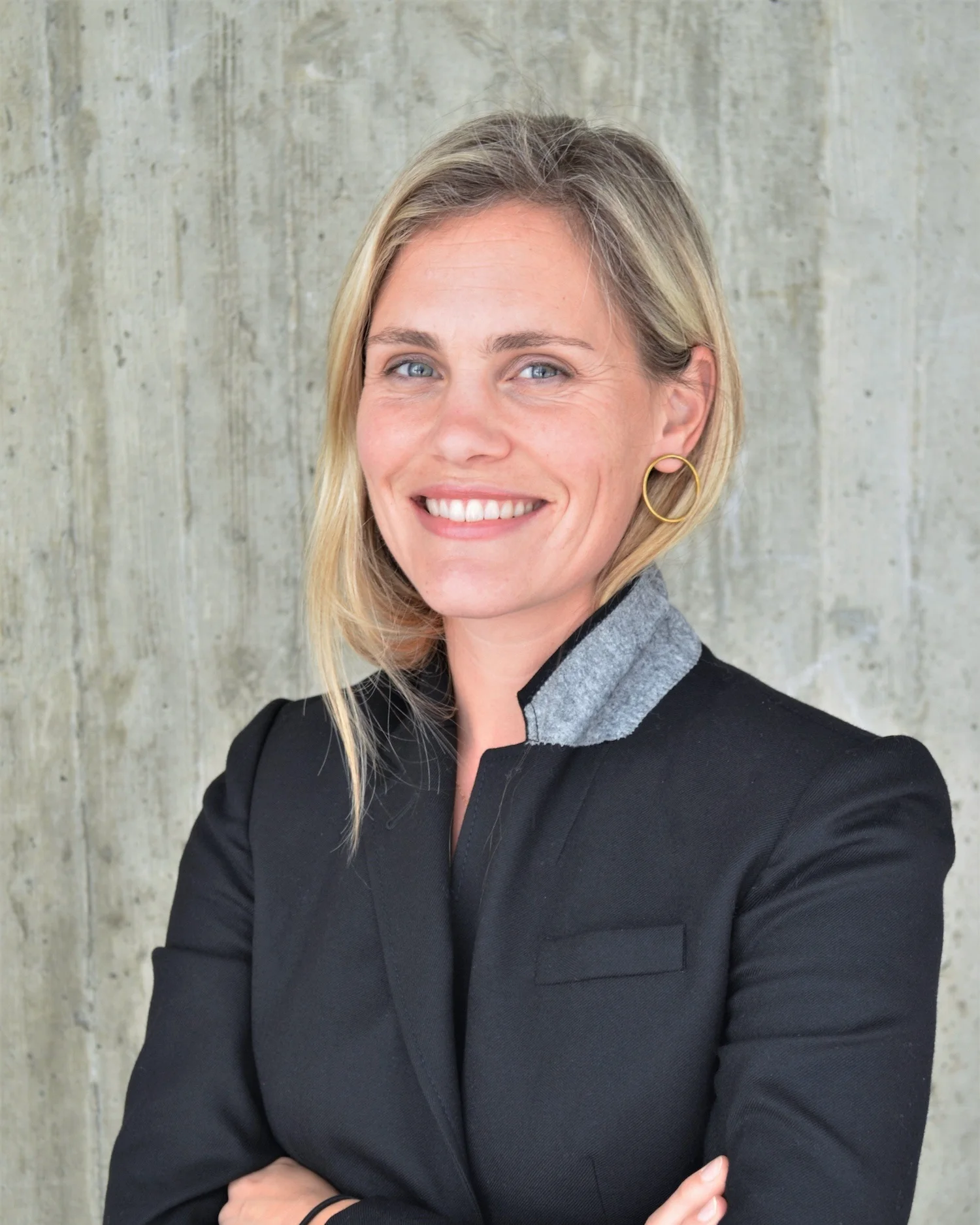
S1 Ep 5Dr. Tina Gremel
This episode features Megan's interview with Tina who studies processes underlying decision-making and how decisions become actions.
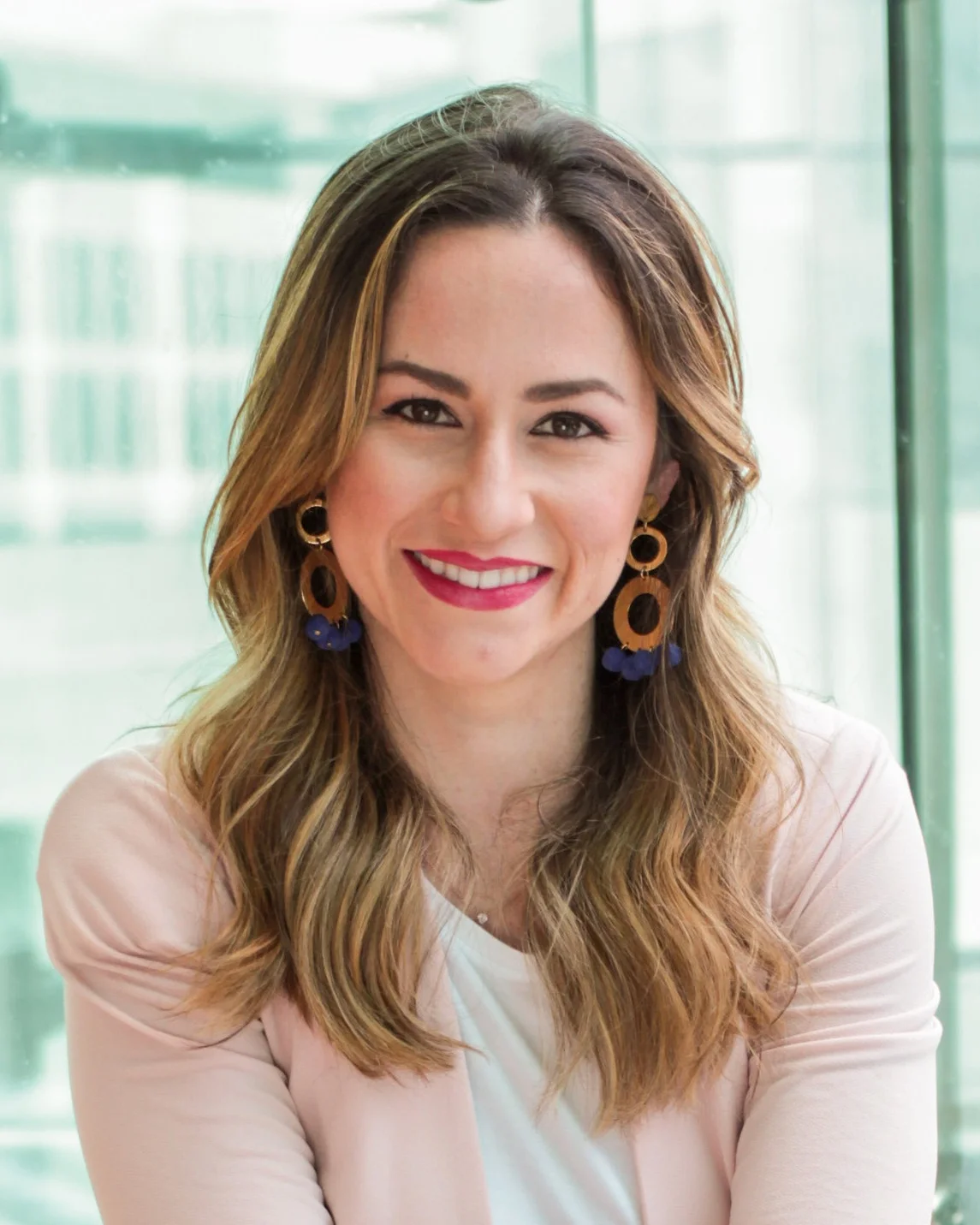
S1 Ep 4Dr. Edmarie Guzmán-Vélez
This episode features Nancy’s interview with Edmarie who studies early biomarkers of Alzheimer’s Disease in a population with genetic early-onset Alzheimer’s.
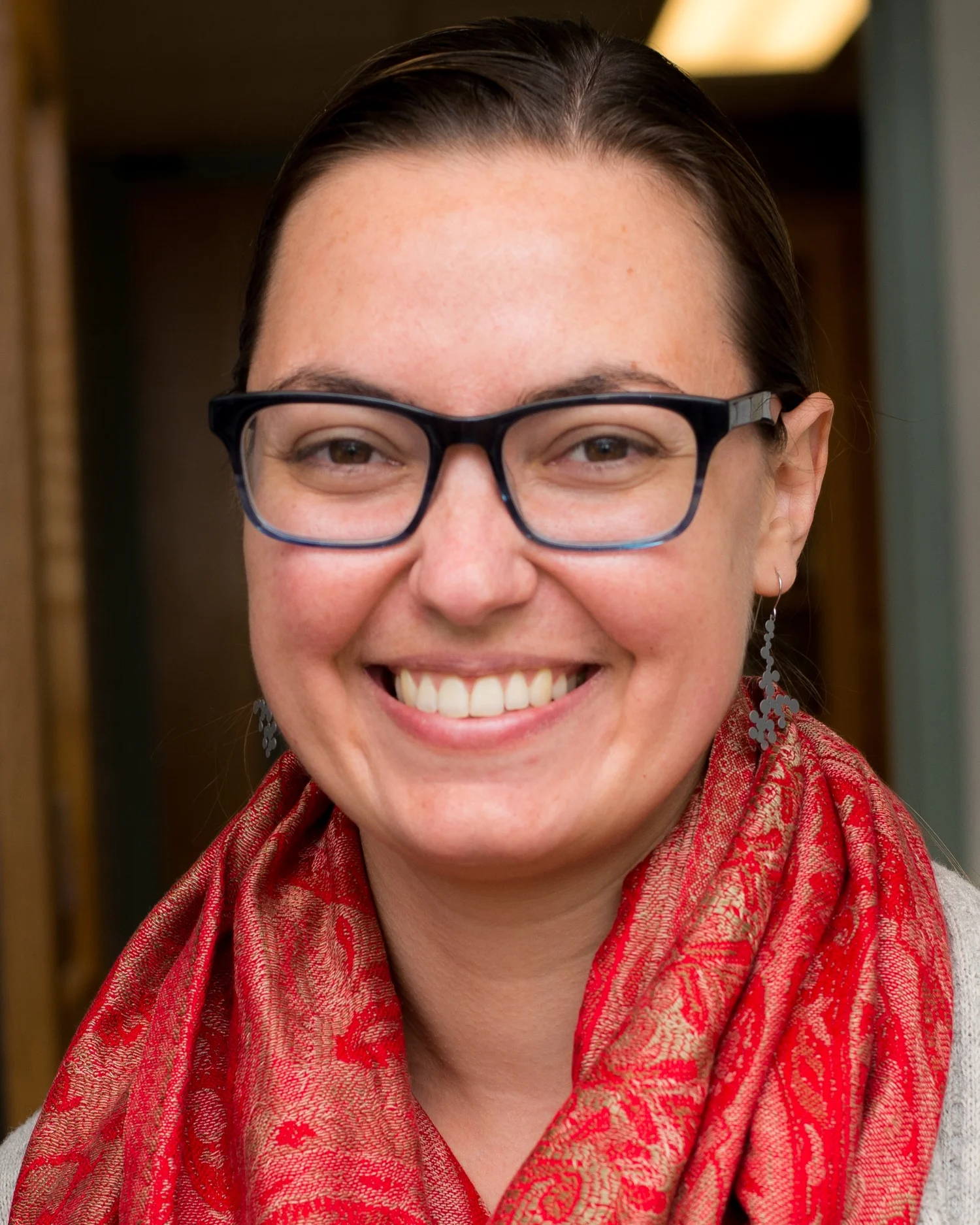
S1 Ep 3Dr. Austen Sitko
This episode features Nancy's interview with Austen who studies auditory circuit development, focusing on projections from the brainstem to the cochlea.
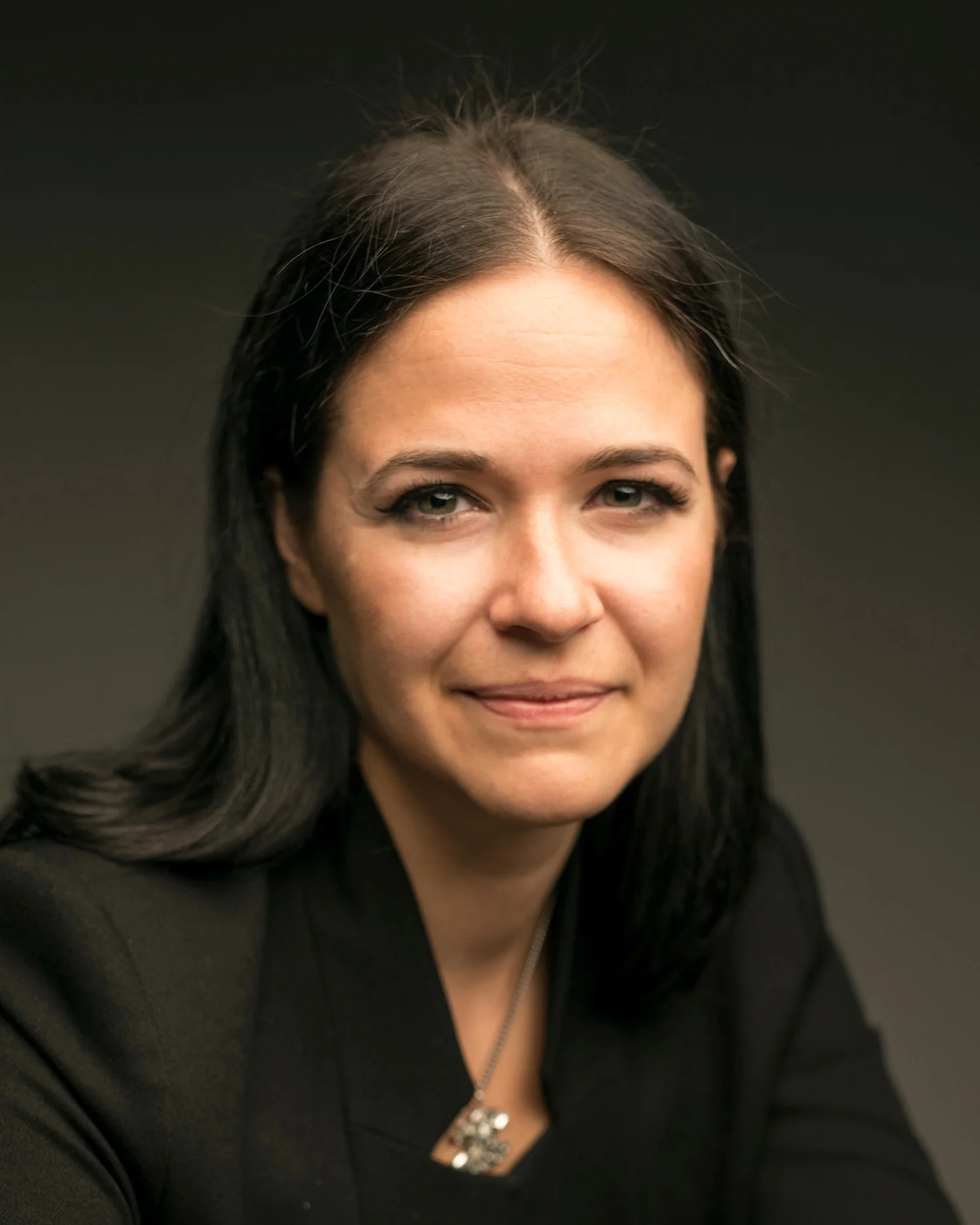
S1 Ep 2Dr. Erin Calipari
This episode features Nancy’s interview with Erin who studies neural circuitry and molecular mechanisms underlying adaptive and maladaptive behaviors.
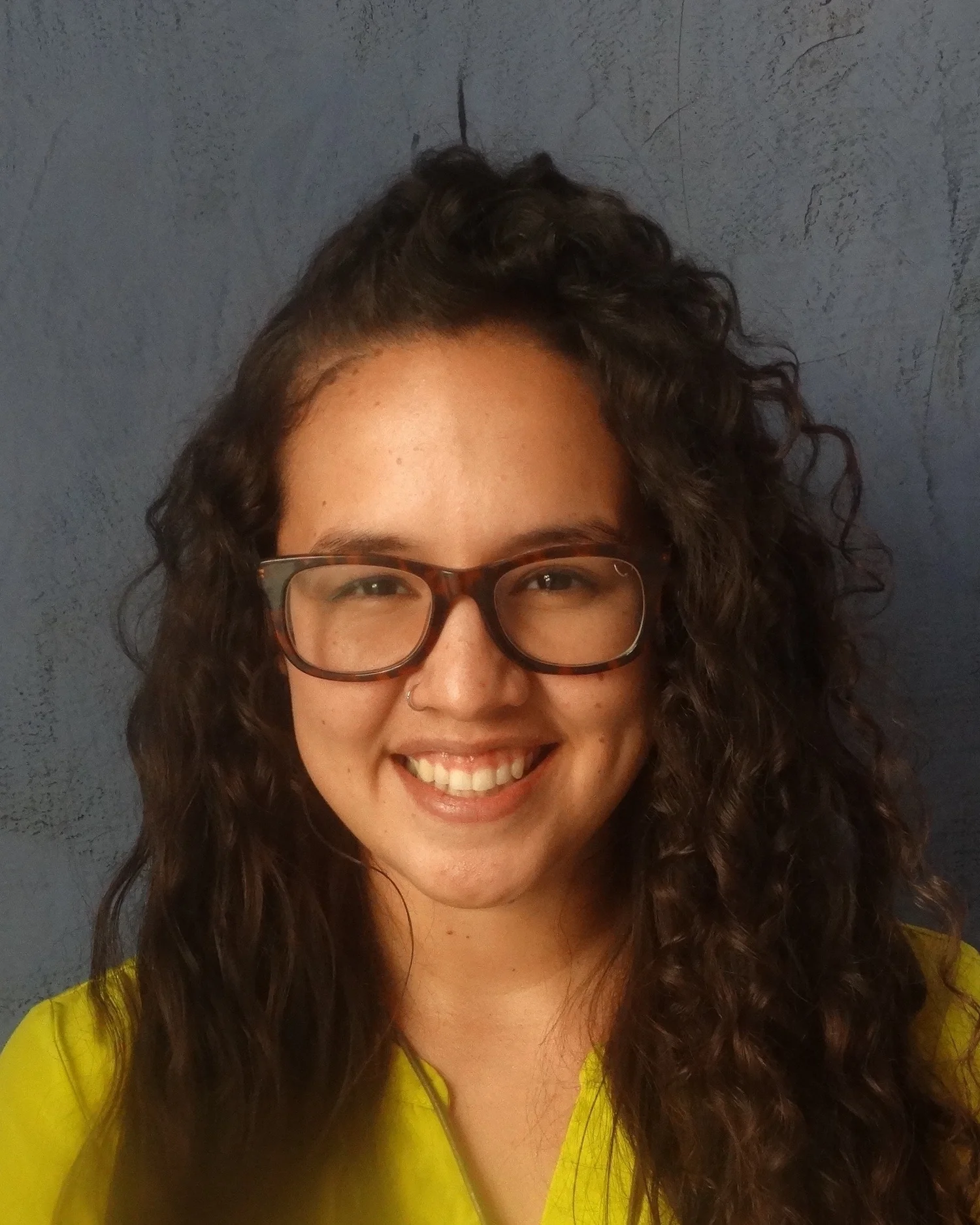
S1 Ep 1Dr. Claudia Lugo-Candelas
This episode features Nancy’s interview with Claudia who studies how prenatal factors affect brain development in health and disease.