Stories of Women in Neuroscience
189 episodes — Page 3 of 4
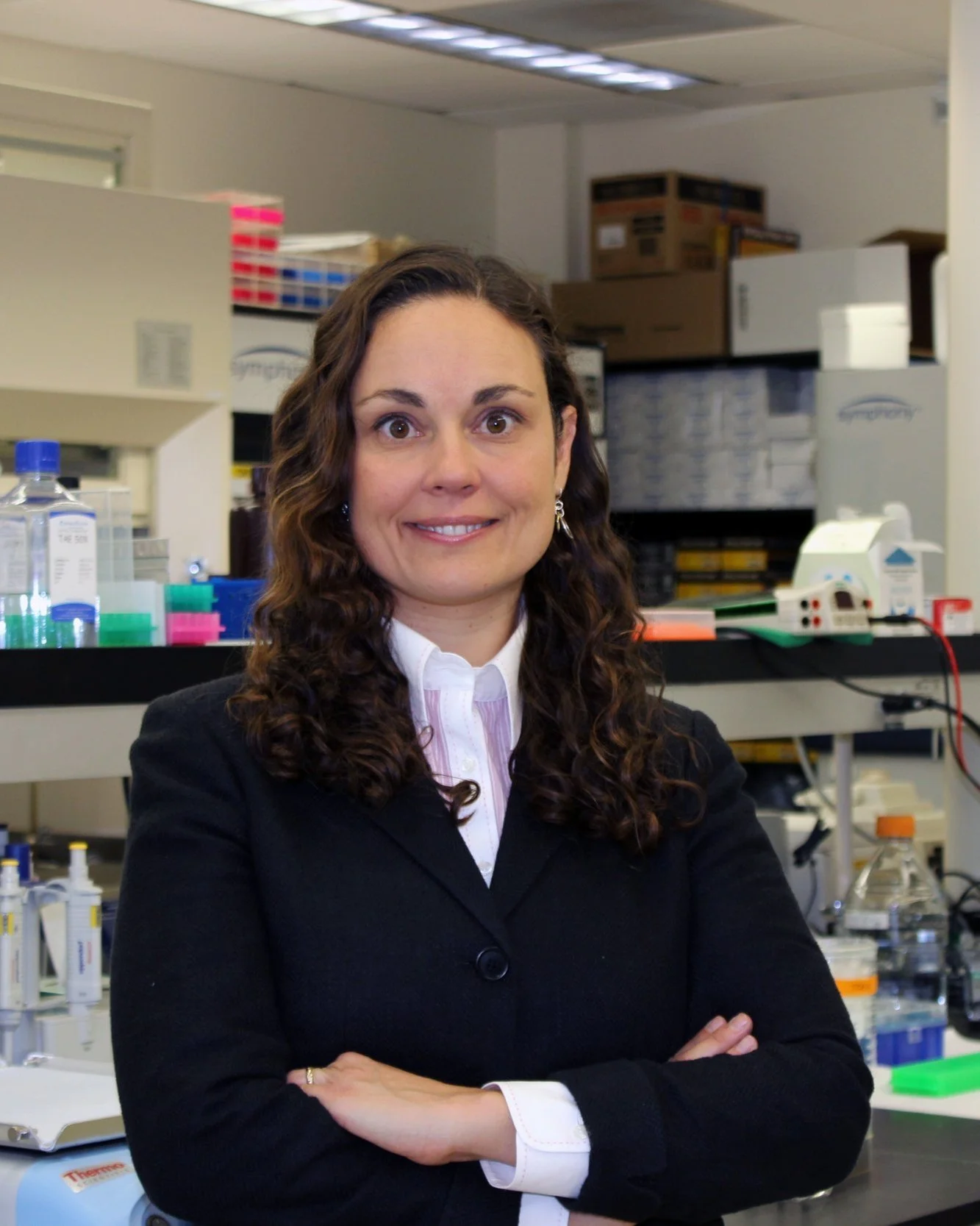
S1 Ep 89Dr. Christie Fowler
This episode features Rianne’s interview with Christie who studies the underlying neurobiology of motivated behaviors related to addiction and neuropsychiatric disorders
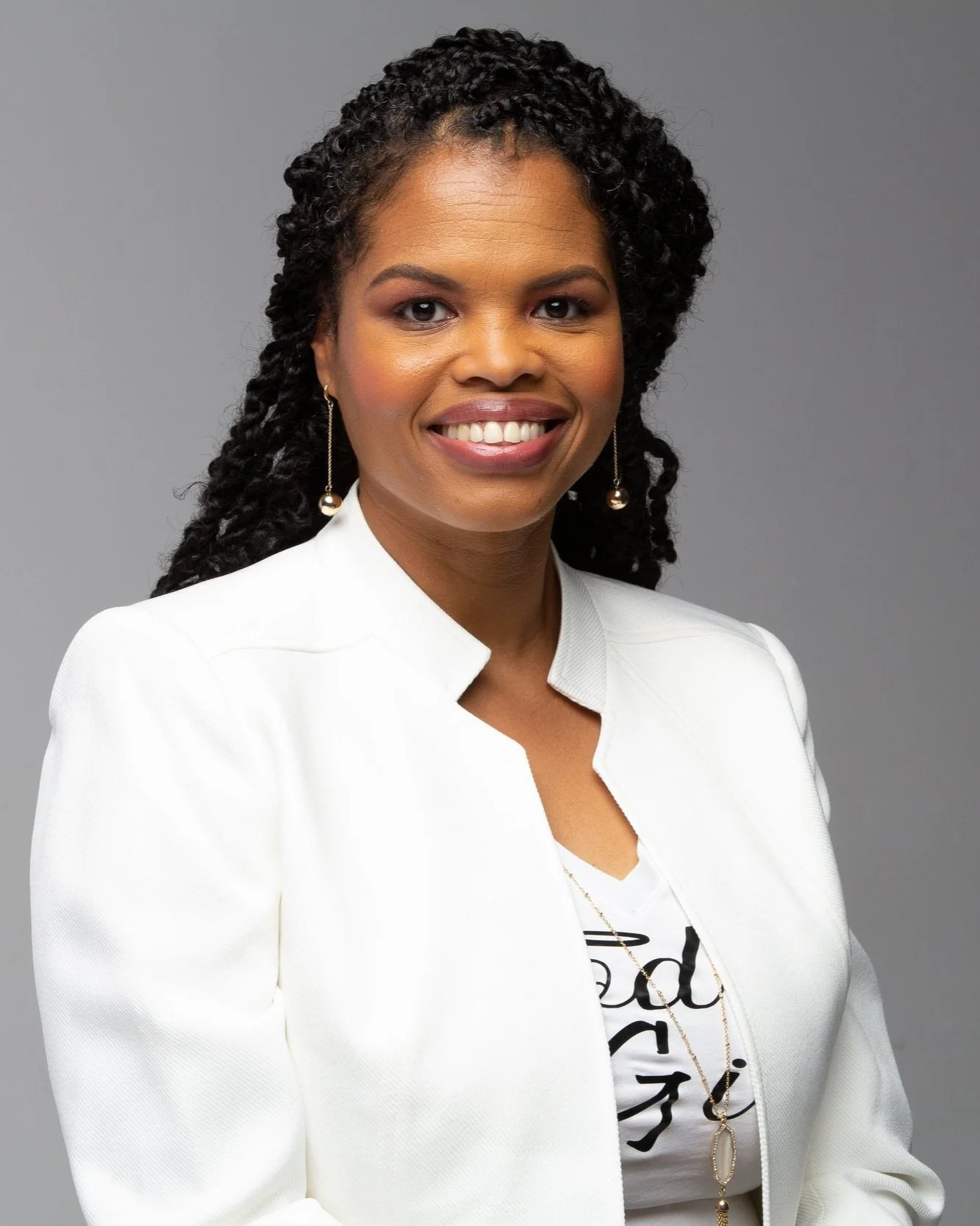
S1 Ep 88Dr. Lakiesha Williams
This episode features Nancy’s interview with Lakiesha who uses engineering principles to understand mechanistic changes in the brain resulting from repetitive head impacts.When Dr. Lakiesha Williams chose a microbiology major upon entering Louisiana State University, it was not necessarily because she loved biology. The choice was driven by a desire to emulate her older sister, who loved playing school with Lakiesha and taught her to read at the young age of three. But the copious memorizing inherent in college biology did not capture Lakiesha’s passion. Instead, she excelled in calculus and was drawn to more analytical disciplines. In her second semester, Lakiesha switched her major from microbiology to biological engineering, and she has been thriving in this field ever since. Lakiesha is now an associate professor of biomedical engineering at the University of Florida, where she focuses on brain tissue mechanics in traumatic brain injury and other neuropathologies.
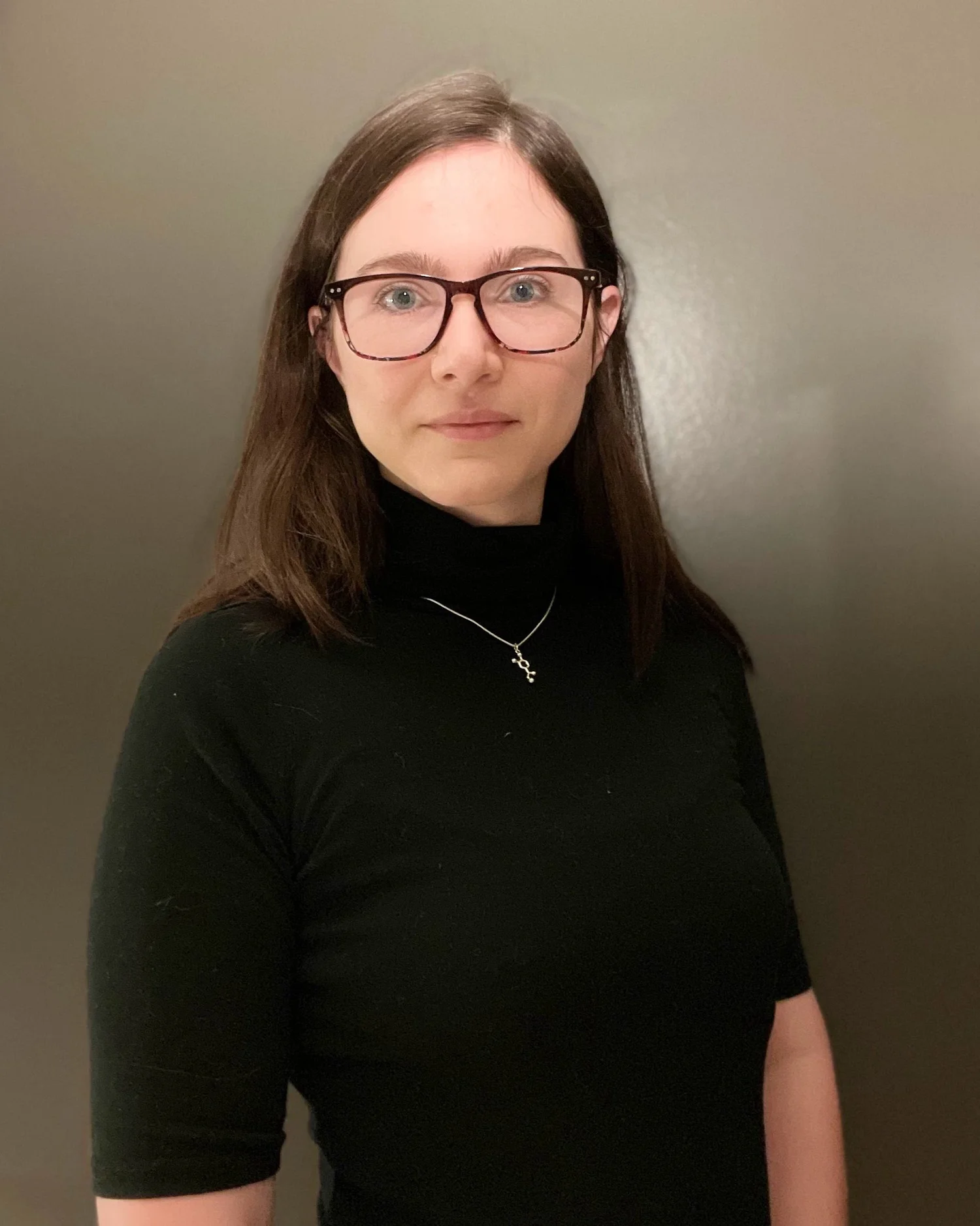
S1 Ep 87Dr. Meg Fox
This episode features Rianne’s interview with Meg who studies the neural mechanisms of substance abuse and stress disorders.
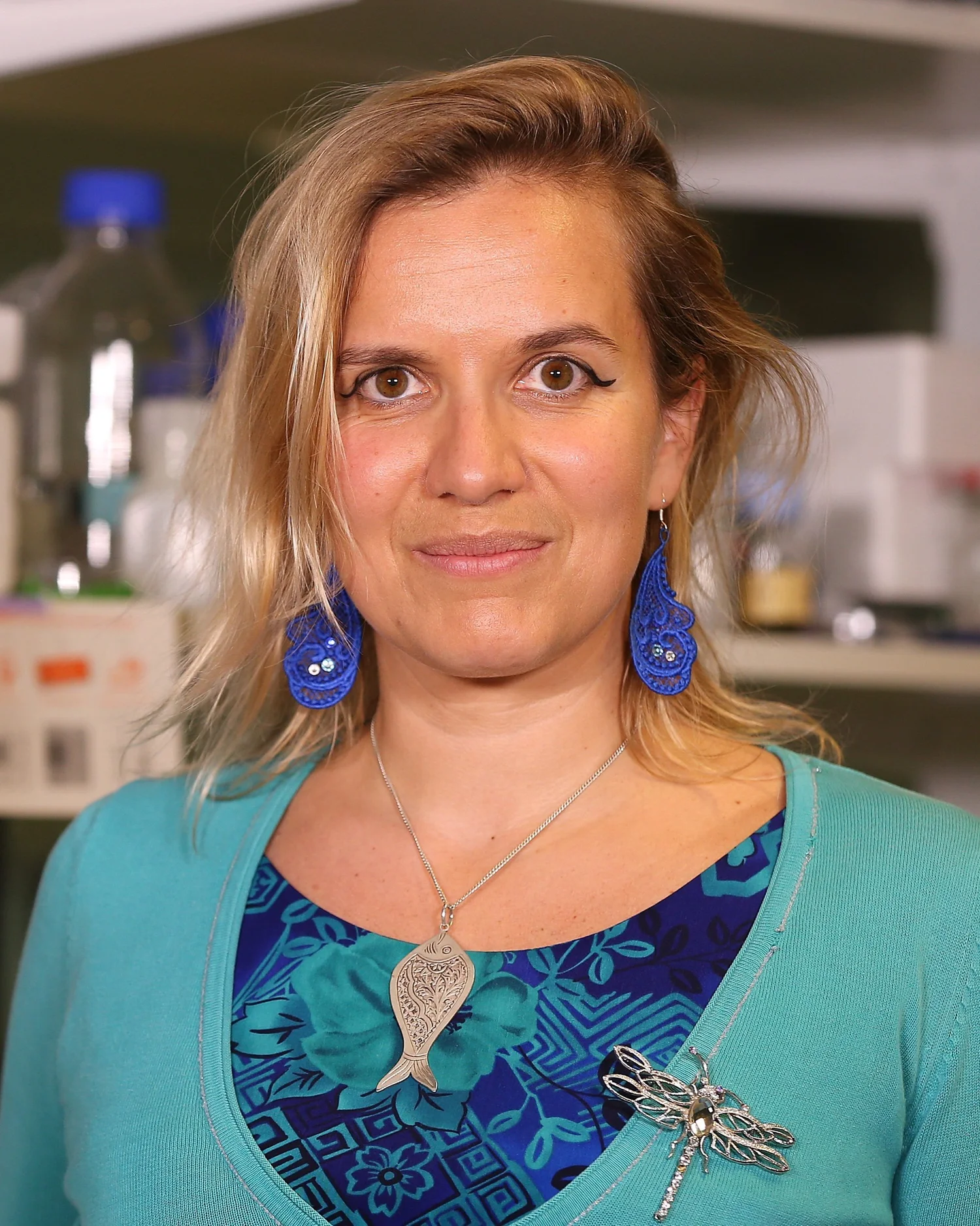
Dr. Claire Wyart
This episode features Margarida’s interview with Claire, who studies how internal and external sensory cues are integrated to shape movements and posture during active locomotion, using zebrafish as a model.Dr. Claire Wyart’s passion for science is deeply anchored in the sea. Even before university, she discovered the world of biology by looking and collecting marine life. This passion eventually came full circle when she started to do research using zebrafish as a model organism, which she still does to this day. Currently, Claire is a Principal Investigator at the Paris Brain Institute, where her lab investigates how sensory cues are integrated to shape movements and posture during active locomotion in the zebrafish.
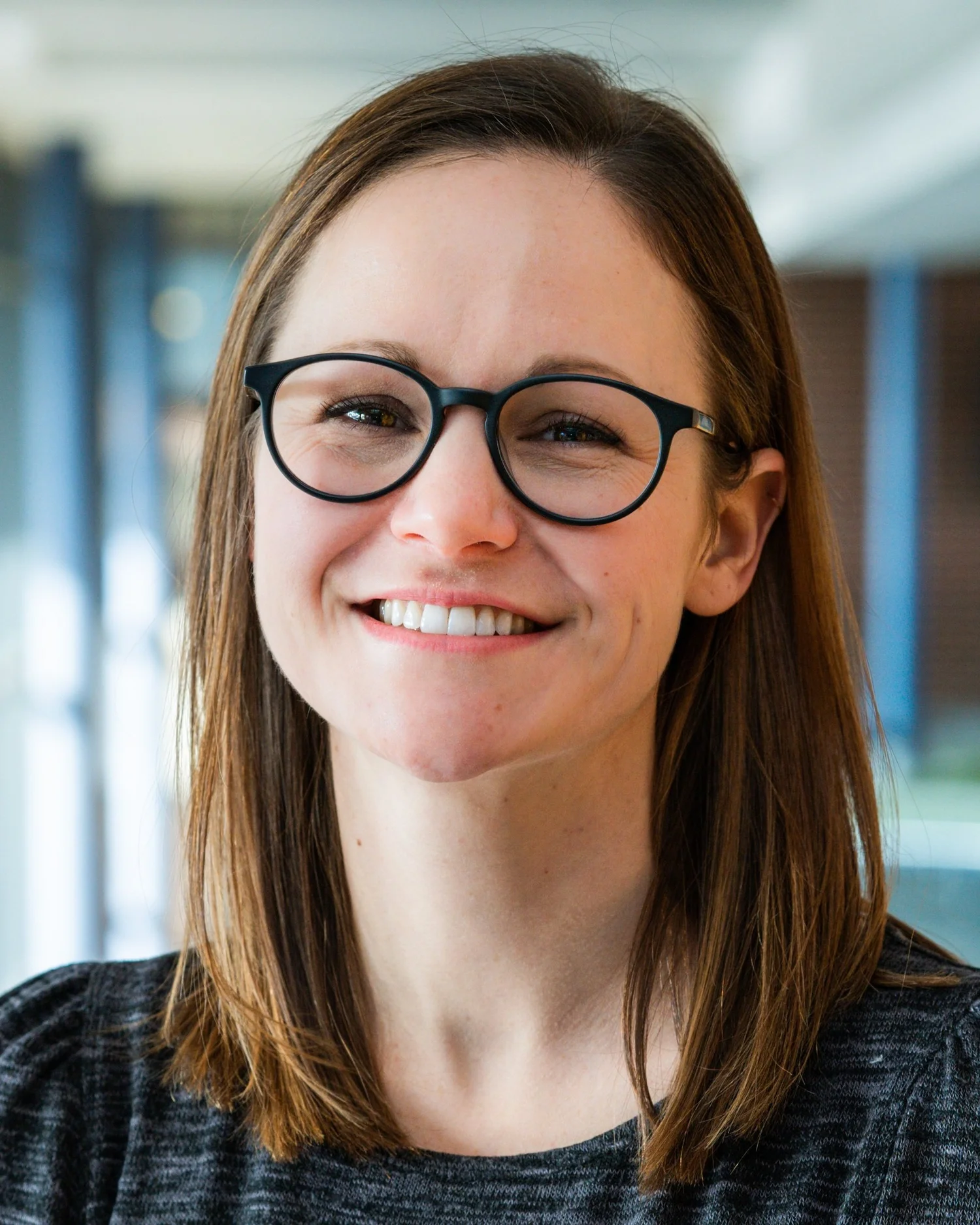
S1 Ep 85Dr. Janine Kwapis
This episode features Rianne’s interview with Janine who studies processes of memory formation.As an undergraduate, Dr. Janine Kwapis had some trepidation about starting a class in biological psychiatry, having been warned to avoid it because it was “too hard”. Today, however, she’s grateful she wasn’t scared away, as it was that course that helped her discover a lifelong interest in the biological mechanisms of memory. Janine is now an Assistant Professor of Biology at Penn State University, where her lab investigates the epigenetic and molecular processes that underlie memory formation, storage, and updating. While Janine imagines she could have been happy in a range of different careers outside of academic research, she loves having a job where every day is an opportunity to learn something new about the brain.
S1 Ep 84Dr. Andrea Gomez
This episode features Megan’s interview with Dr. Andrea Gomez who studies the role of RNA splicing in synaptic plasticityDr. Andrea Gomez saw the perfect opportunity to delve into her recent fascination with red blood cells when a classmate’s nose began to bleed during elementary school. Much to her teacher’s horror, Andrea swirled the pooling blood around with a stick, hunting for the tiny red blood cells she had recently learned comprised the liquid. Andrea learned two things from this – teachers don’t approve of impromptu science experiments involving blood, and red blood cells aren’t visible to the naked eye. This was Andrea’s modus operandus as a child; she was fascinated by the invisible elements that compose living things. As a professor of Cellular and Molecular Biology at the Helen Wills Neuroscience Institute of UC Berkeley, Andrea remains fascinated by the tiny building blocks of biology and has focused in particularly on the study of RNA. Now, she is equipped with upgraded investigative tools – a microscope, and her own lab.
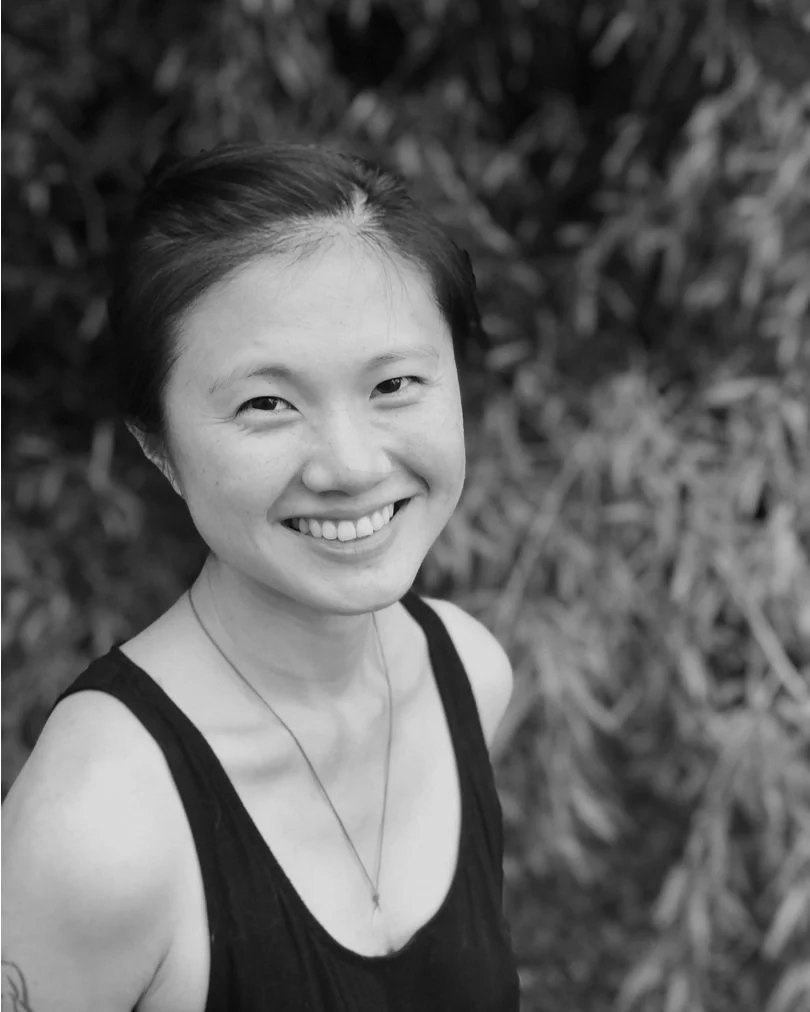
S1 Ep 83Dr. Z Yan Wang
This episode features Megan’s interview with Z Yan who studies octopuses, bumblebees, and is striving for change as a university professor
S1 Ep 82Dr. Yarimar Carrasquillo
This episode features Nancy’s interview with Yarimar who studies studies the molecular and neural mechanisms of pain perception in the amygdala.As a curious young student growing up in Puerto Rico, Dr. Yarimar Carrasquillo had always assumed there were two career paths available to those who had a talent for math and science: engineering or medical school. Then, as a pre-med biology student at the University of Puerto Rico, Rio Piedras, the world of laboratory research burst into her awareness. The idea that at her university, there were real scientists working in big labs with benches, chemicals, and microscopes felt to her like something out of Hollywood, and totally irresistible. “I just wanted to experience a real research lab, like in the movies,” she said. Now, as a Principal Investigator of her own lab at the National Institute of Health, Yarimar is living out her cinematic dreams studying the cellular and molecular mechanisms of pain.
S1 Ep 81Dr. Maria Diehl
This episode features Nancy’s interview with Maria who studies the neural mechanisms of how social interactions influence fear and avoidance behaviors.When she was in 8th grade, Dr. Maria Diehl’s curiosity drove her to a defining moment. During a fetal pig dissection in biology class, Maria first followed her teacher’s instructions, identifying different organ systems in the chest and abdomen. But then Maria decided to stray from the directions and opened the skull to sneak a peek at the brain. From then on, she was hooked. She knew she wanted to spend her career doing something brain related. Today, Maria is an assistant professor in the Department of Psychological Sciences at Kansas State University. Her lab studies adaptive behaviors and the neural circuits underlying them.
S1 Ep 80Dr. Abha Gupta
This episode features Sabrina’s interview with Abha who studies the neurogenetic underpinnings of autism within understudied populations of the broader ASD community
S1 Ep 79Dr. Silvana Valtcheva
This episode features Megan’s interview with Silvana who studies the synaptic and circuit mechanisms underlying maternal behavior and physiology
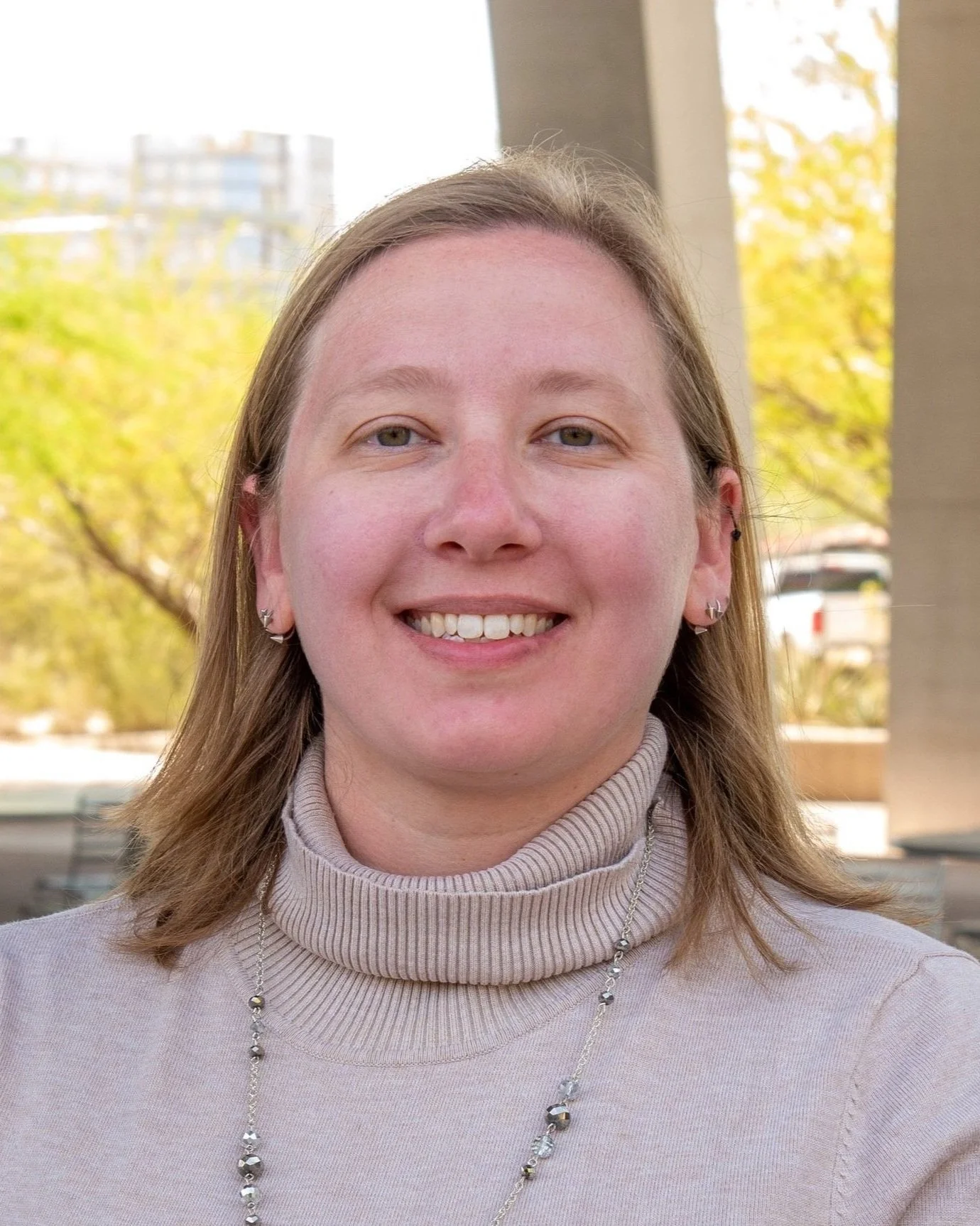
S1 Ep 78Dr. Jessica Verpeut
This episode features Nancy’s interview with Jessica who studies cerebellar influence on neural development and social and cognitive behaviors.It was the tobacco hornworm that first gave Dr. Jessica Verpeut a taste of the wonder of science research. As an undergraduate interested in biology, Jessica joined an entomology lab studying the pesty hornworm, with the eventual goal of genetically engineering tobacco plants to be unpalatable to the worms. But this agricultural aim was not the aspect that kept Jessica motivated. Instead, she was most excited about the worms themselves and animal behavior more broadly. Today, as an assistant professor at Arizona State University, Jessica is still studying animal behavior (although she has left the hornworm behind). Her lab focuses on the role of the cerebellum in neural development, and how it influences everything from neural anatomy to animal behavior.

S1 Ep 77Dr. Anne Urai
This episode features Caitlin's interview with Anne who studies how sensory information, internal states, and experience influence decision-making behavior.Dr. Anne Urai discovered her interest in the brain almost entirely by chance. Her love of science, maths, languages and philosophy in high school, and reluctance to choose between them, lead her to pursue a dual major degree in science and humanities as an undergraduate. As a first year at University College Utrecht, Anne found herself placed in cognitive neuroscience and philosophy classes — a fortunate coincidence that would profoundly shape her career in the years that followed. Now an Assistant Professor of Neuroscience at Leiden University in the Netherlands, Anne reflects that “...if they had randomly assigned me to chemistry and Spanish, I would be doing something very different!” In another life, she thinks she could have enjoyed building on her interest in languages and becoming an interpreter for the EU.
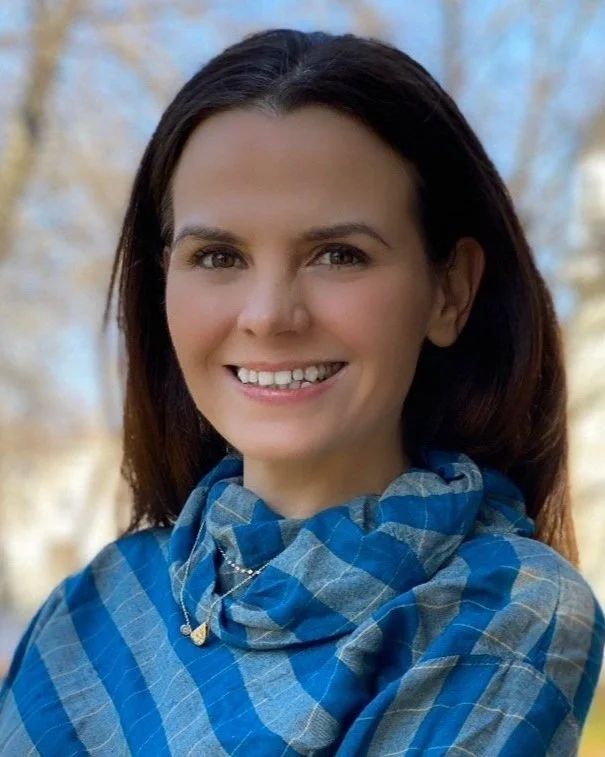
S1 Ep 76Dr. Caroline Palavicino-Maggio
This interview features Megan K.’s interview with Caroline who studies neural circuits of aggression and their perturbations in neuropsychiatric and neurodegenerative diseases
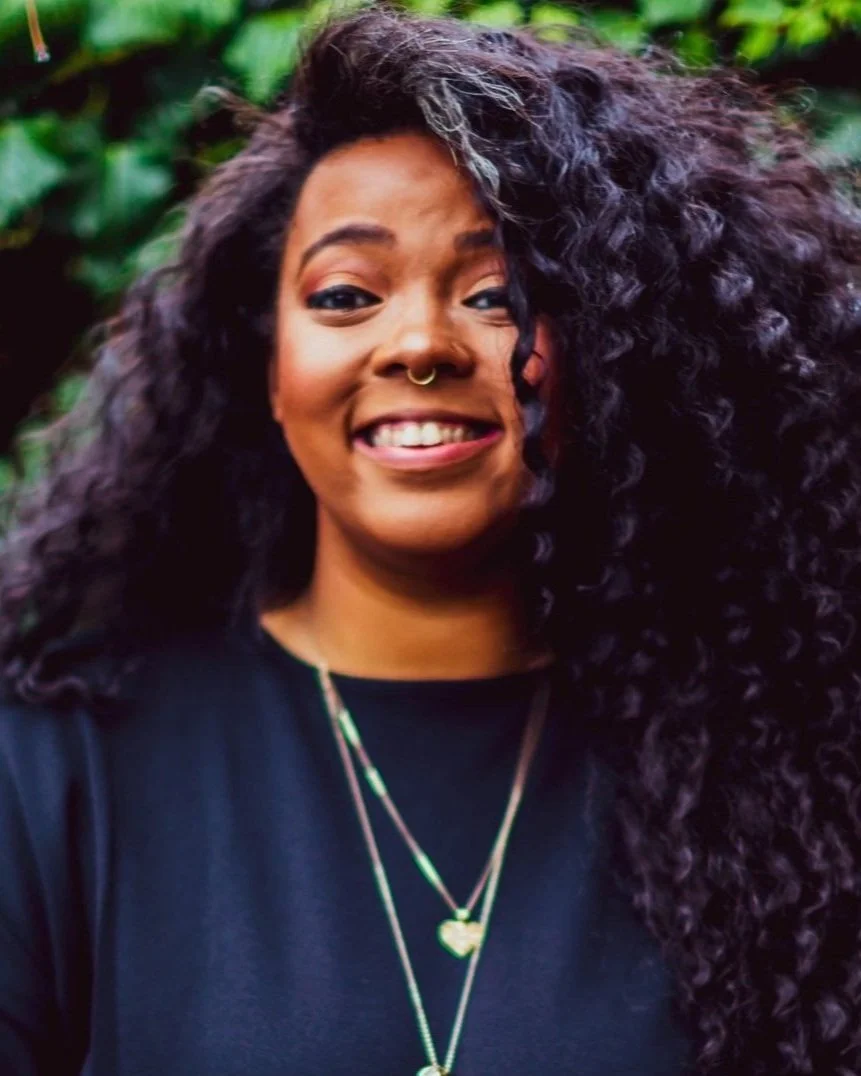
S1 Ep 75Dr. Kaela S. Singleton
This episode features Nancy Padilla’s interview with Kaela who studies Menke's diesease and neurodevelopment using molecular approaches.
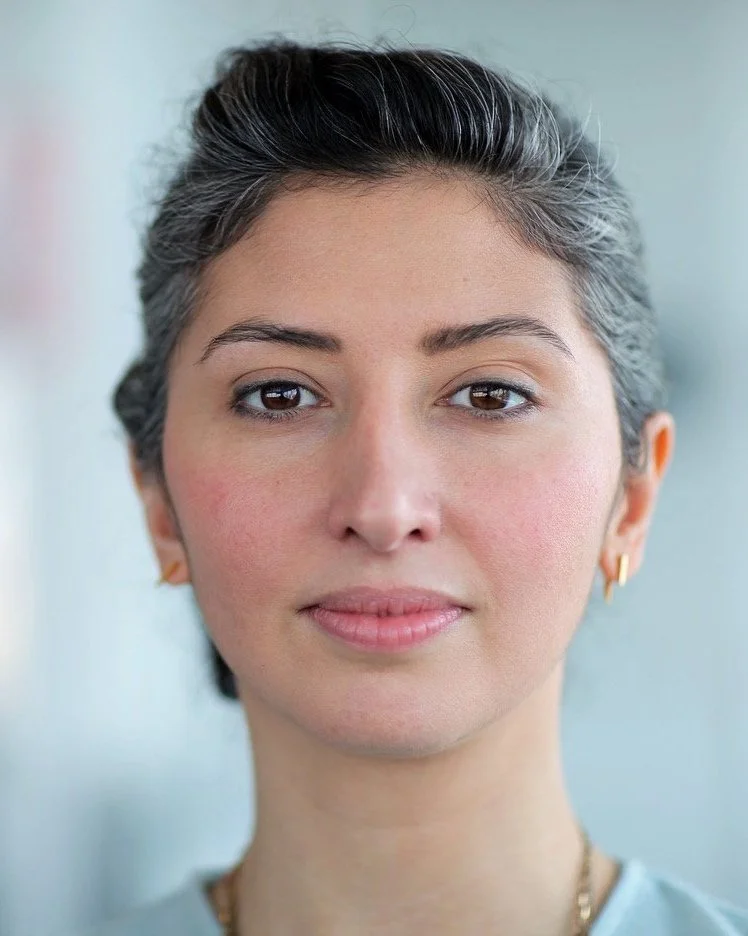
S1 Ep 74Dr. Rudy Behnia
This episode features Leslie’s interview with Rudy who studies how the encoding of visual stimuli is affected by behavioral contextIn science, we often follow the well-trodden path – we leverage skills we have already mastered, play to our lab’s strengths, and focus on research topics with a developed background. Dr. Rudy Behnia prefers the road less traveled; she prefers delving into newly formed fields using techniques far out of her comfort zone. She credits her scientific career in part to this willingness to take risks. As an Assistant Professor at Columbia University, Rudy studies sensory perception in flies to understand how the brain integrates visual information differently based on surrounding behavioral context, such as attentional or motivational state.
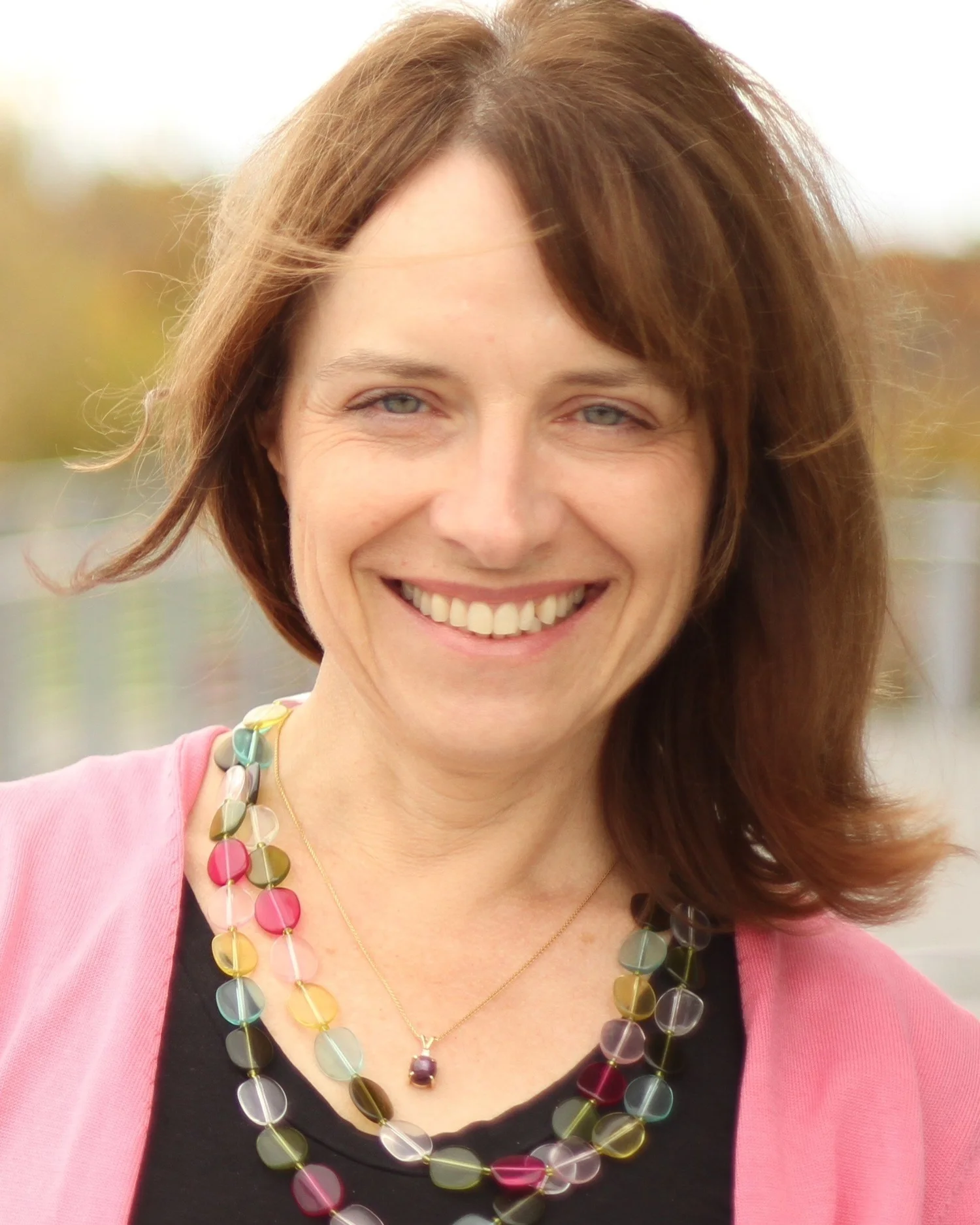
S1 Ep 73Dr. Sally Temple
This episode features Catie’s interview with Sally who studies neural stem cells to design therapeutics for neurodegenerative diseases
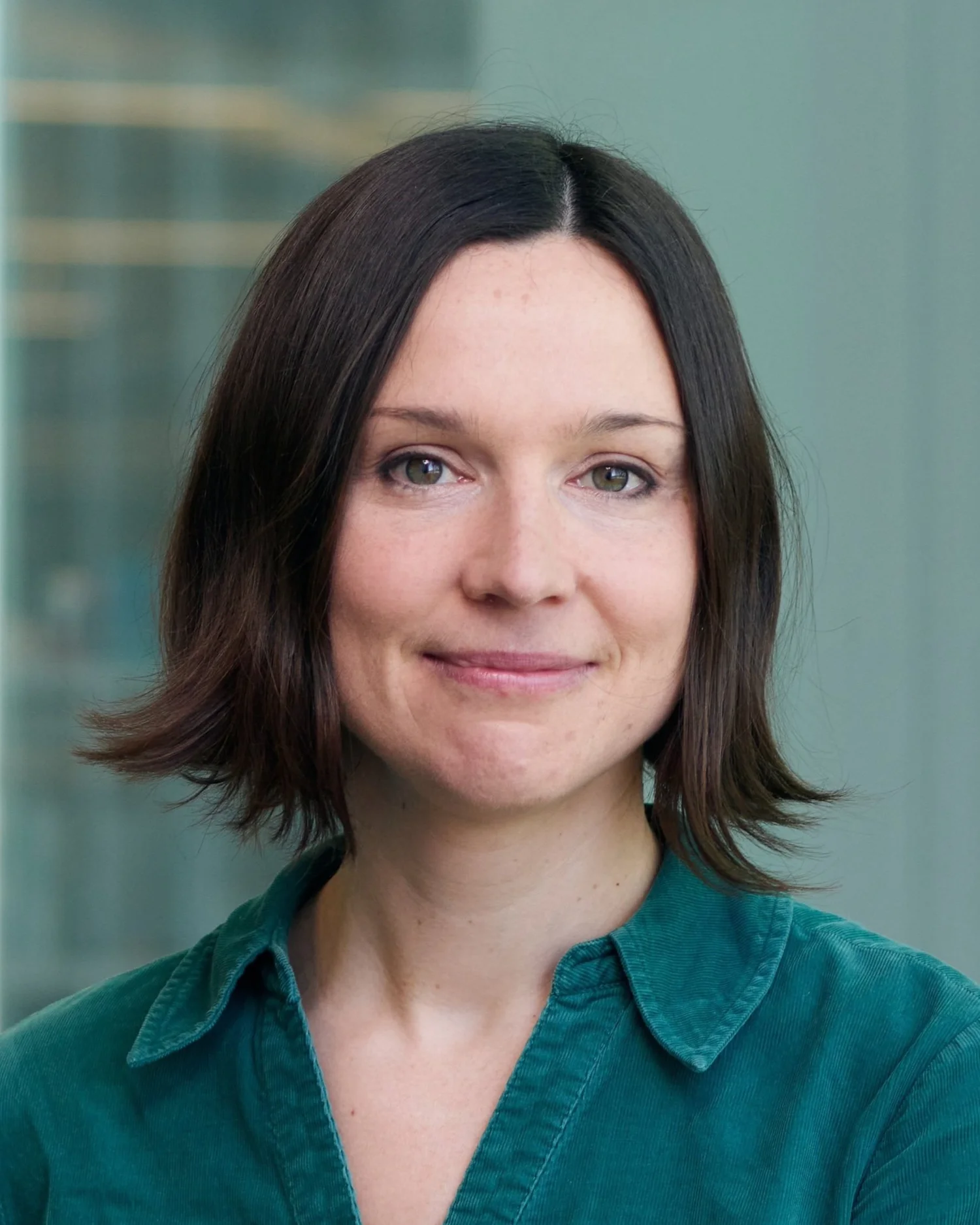
S1 Ep 72Dr. Katharina Schmack
This episode features Caitlin’s interview with Katharina who studies the neural circuits and immunological processes underpinning psychosis
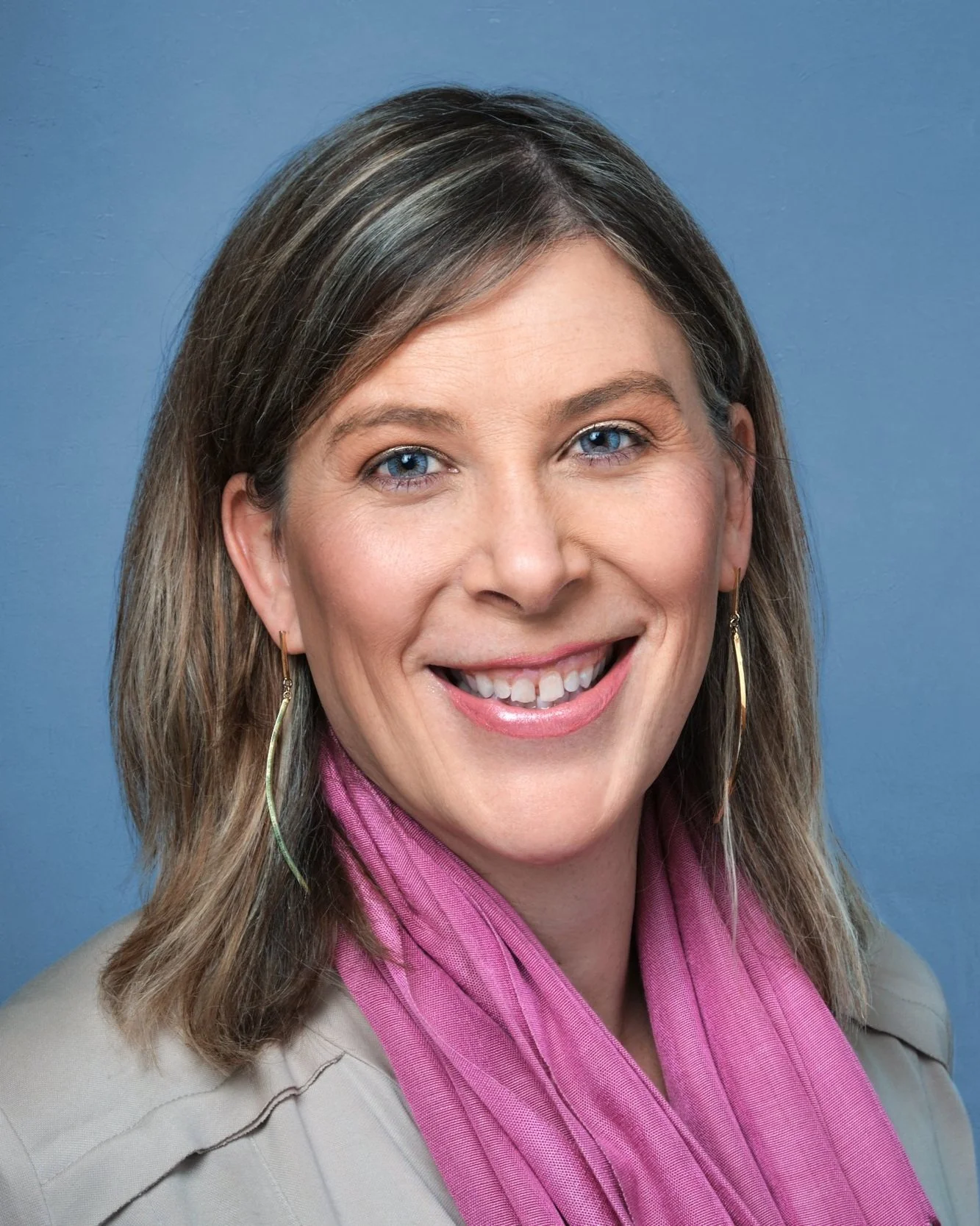
S1 Ep 71Dr. Joni Wallis
Daniela interviews Joni, a professor in the Department of Psychology at UC Berkeley who works to infer complex cognitive processes from neural activity.
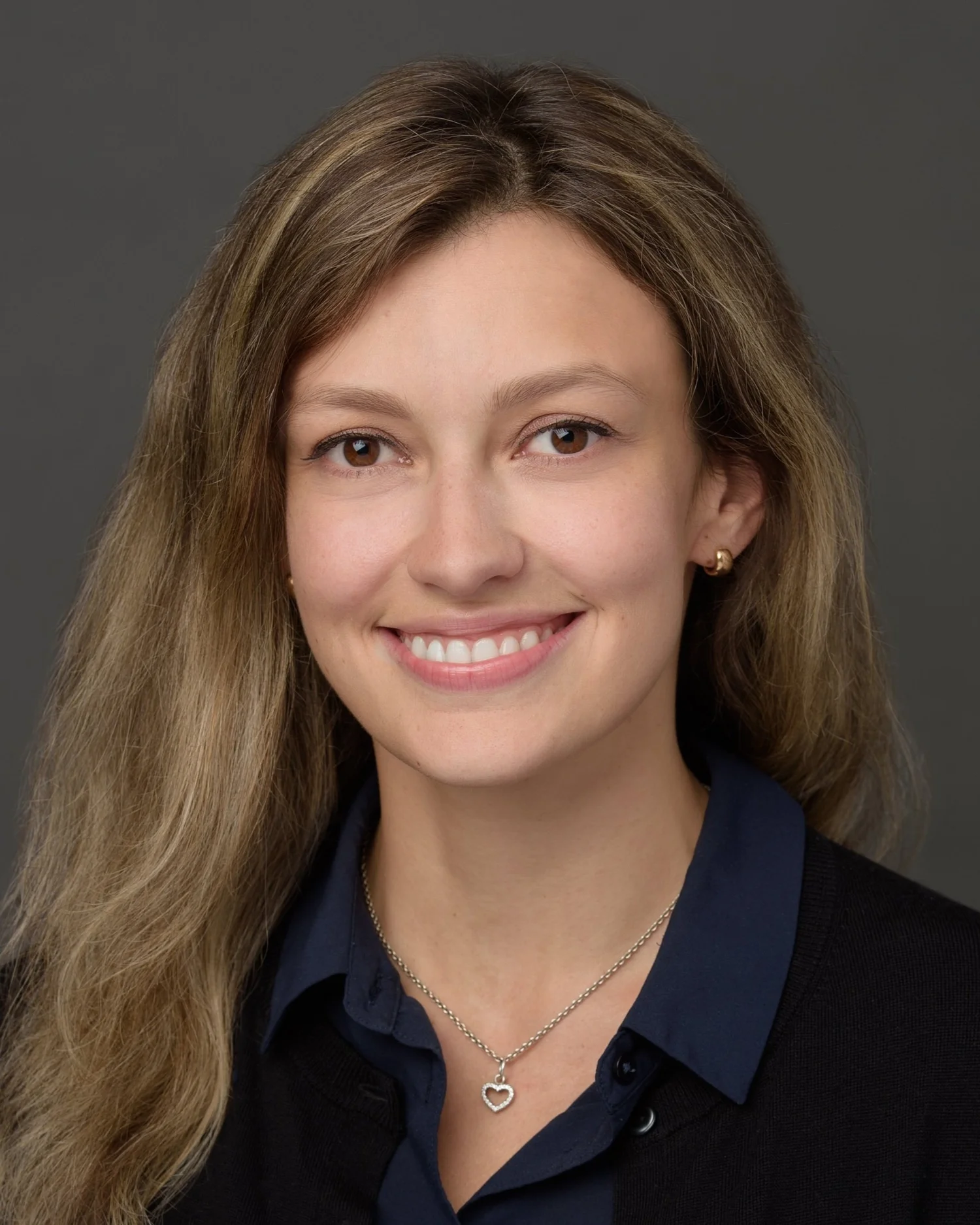
S1 Ep 70Dr. Maya Opendak
This episode features Nancy’s interview with Maya who studies how stress affects social behavior and the brain to identify targets for therapeutic intervention.
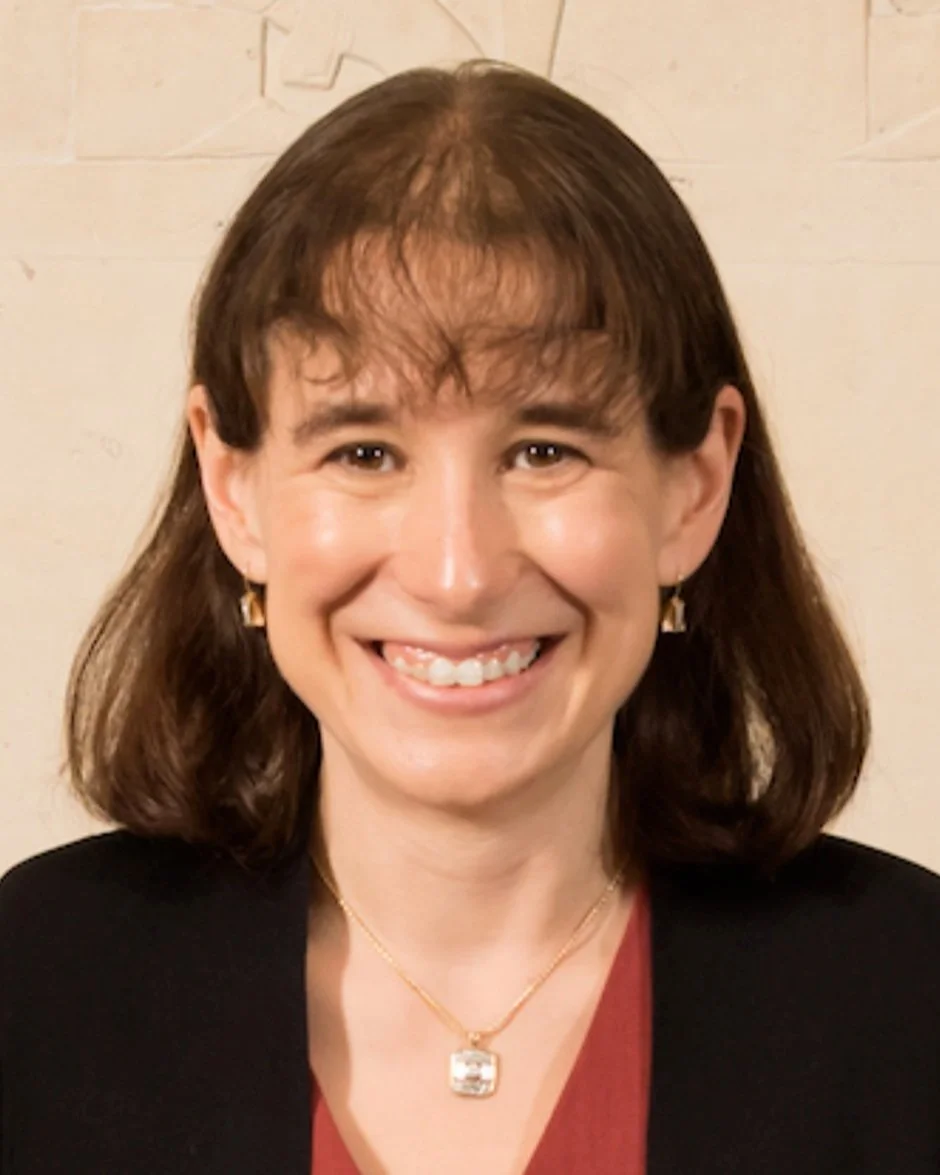
S1 Ep 69Dr. Marlene Cohen
This episode features Chiaki’s interview with Dr. Marlene Cohen who studies how visual information is encoded in groups of neurons and used to guide behavior.

S1 Ep 68Dr. Yasmin Escobedo Lozoya
Following her philosophical curiosities into the realm of neuroscience, Dr. Yazmin Escobedo Lozoya has dedicated her career to answering questions like “how do we learn”? Yazmin first started her PhD at Duke University, which was a total culture shock after her childhood in Mexico. The shock of the productivity-based priorities of the academic community at Duke was too much for her and she left the program. However, Yazmin eventually came back to research through a technician position in a lab that prioritized a collaborative, integrative approach to science. Afterwards she completed her PhD at Brandeis University, where she studied neuroplasticity in development. Now, as a postdoctoral researcher at Harvard University, Yazmin continues to study plasticity, specifically how a specific type of cells can modulate connectivity in neuronal networks using serotonin. She hopes to someday start her own lab where she can study these kinds of questions in an environment that she will cultivate to be scientifically rigorous, welcoming, and most of all, fun!

S1 Ep 67Dr. Charlotte Stagg
Dr. Charlotte Stagg has wanted to be a research scientist since the age of ten. After a slight detour into medicine, Charlotte was drawn back into neuroscience research during medical school when she used noninvasive recording and stimulation techniques to study stroke recovery. She eventually left the medical profession behind entirely and decided to get her PhD at the University of Oxford, where she investigated the role of inhibition in successful motor learning. For her postdoctoral research Charlotte remained at Oxford, a decision reinforced by her desire to keep her family in London. Now, as a professor of human neurophysiology at Oxford, the Stagg Lab studies the neural underpinnings of motor learning in healthy subjects and after stroke. In addition to her lab’s research, Charlotte makes an effort to prioritize mentorship and push herself out of her academic “comfort zone.”
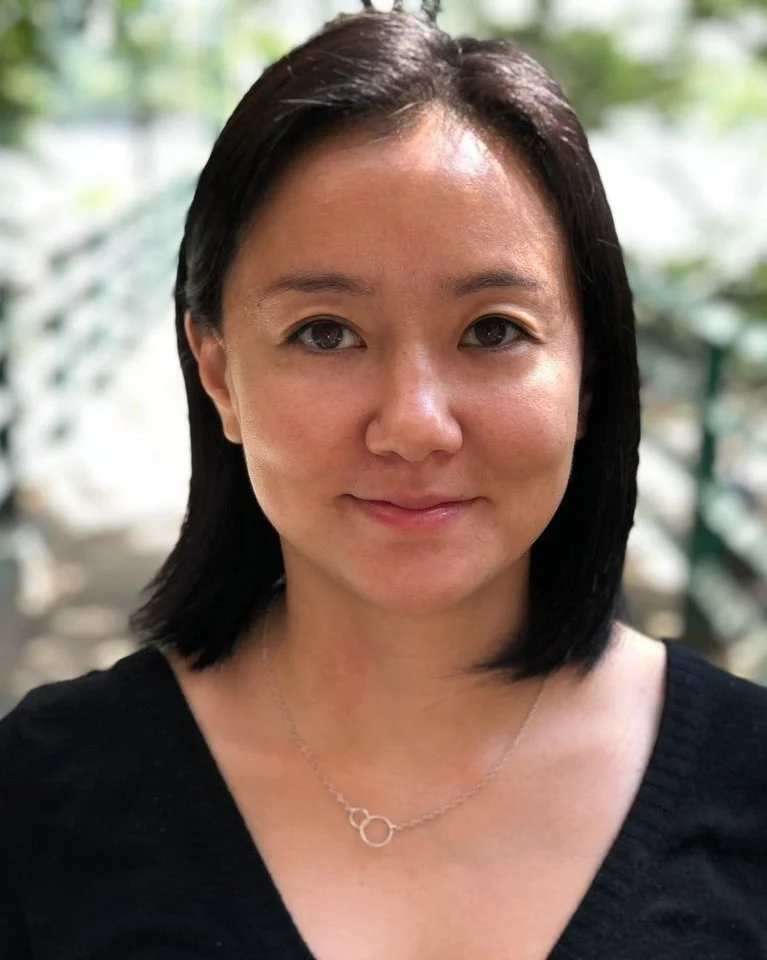
S1 Ep 66Dr. Y Kate Hong
Throughout her career, Kate Hong has followed her curiosity to make amazing discoveries about how sensory information guides behavior in the brain. After finishing her undergraduate degree in Biochemistry at Brown University, Kate worked as a research technician in labs in immunology and cancer biology. However, it wasn’t until she was working in a neuroscience lab at the Max Planck Institute in Germany on a Fulbright Scholarship that she fell in love with research. Subsequently, she applied for graduate school and began her PhD studying retinal ganglion cells at Harvard, where she discovered some of the mechanisms behind the remarkable ability of axons to “wire” themselves to their targets. Exploring this further, Kate completed two postdocs, one at Boston Children’s Hospital and a second at Columbia University, where she was intrigued by the surprising flexibility and plasticity of how sensory systems are wired in mice. Now, at her position as an Assistant Professor and Principal Investigator at Carnegie Mellon University in Pittsburgh, Kate is pursuing exciting questions about the distributed nature of sensory information in the brain. It seems that Kate’s curiosity about the mysteries of neuroscience will lead her to more thrilling discoveries and, importantly, even more questions.
S1 Ep 65Dr. Farah Lubin
Farah Lubin began her career as a neuroscientist just as the field was starting to wake up to the world of epigenetics and neuroimmunological techniques. Armed with a background in immunology from her PhD at SUNY Binghamton, Farah turned her interests to understanding the brain. In her first postdoc with Dr. Anne Anderson at Baylor College of Medicine, Farah studied how transcription factors changed in disease states, specifically epilepsy. She used her second postdoc at the University of Alabama at Birmingham (UAB) to study these epigenetic mechanisms in learning and memory. Farah ended up starting her lab at UAB where she continues to study the epigenetics of learning and memory in health and disease. Throughout her career, Farah has faced obstacles directly relating to her race and gender as a Black woman, but she has persisted by following her passion for science. At UAB, she also serves as the director of the Roadmap Scholars program, where her identity and experience help her create a supportive environment for students from backgrounds that have been historically excluded from STEM.
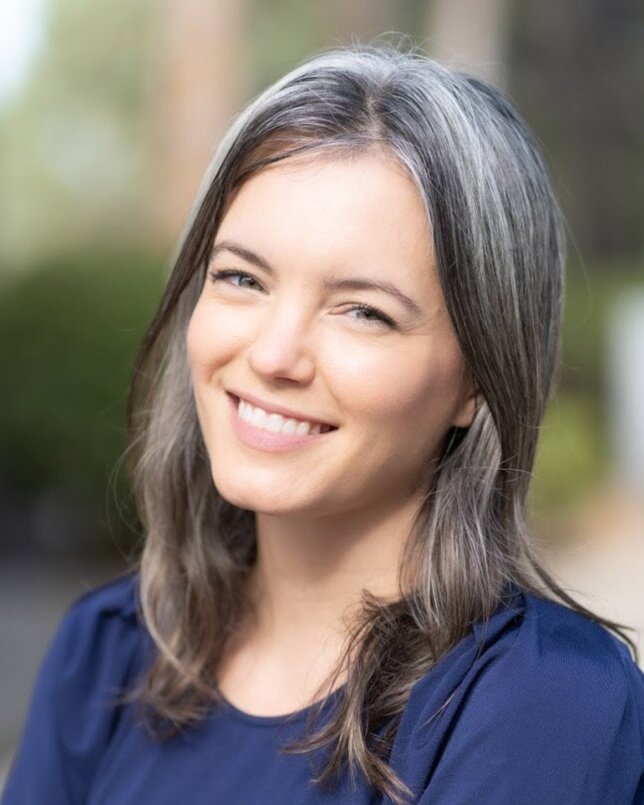
S1 Ep 64Dr. Kara Marshall
Kara Marshall’s research interests and trajectory in neuroscience have made her a bit of an outsider. After all, she studies the peripheral nervous system. Kara did her PhD research in Dr. Ellen Lumpkin’s lab studying touch perception. However, partway through her thesis, the Lumpkin Lab moved from Baylor College of Medicine to Columbia University, where she had to redo her qualifying exams and start on a completely new project. Undeterred, she defended her dissertation and continued to study the periphery, this time as a postdoc in the Nobel Prize-winning lab of Dr. Ardem Patapoutian at Scripps Research Institute. In the Patapoutian Lab, she investigated the role of the PIEZO2 mechanoreceptor in bladder stretch sensation. Now back at Baylor, Kara just started her lab to study internal perception in the periphery in health and disease and how it affects the brain and behavior.
S1 Ep 63Dr. Kia Nobre
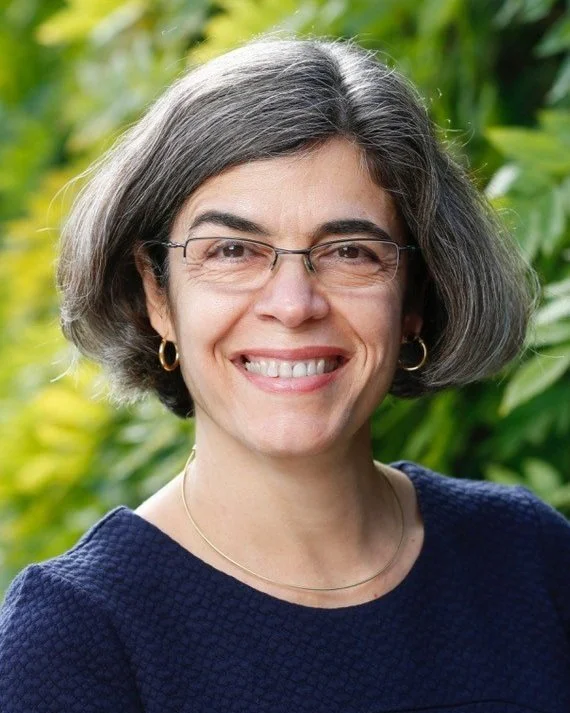
When Kia Nobre left her family home in Brazil to go to university in Massachusetts, she could never have known where her passion for science would eventually take her. After falling in love with neuroscience in undergrad at Williams College, Kia ended up pursuing a PhD at Yale where she studied human language processing, long term potentiation in animal models, and even was able to work with some of the first fMRI data ever collected. In her two postdocs, she continued to use fMRI to study global theories of cognition and attention. Kia eventually came to the UK as a lecturer at Oxford, where she was awarded a Junior Research Fellowship then an Independent Research Fellowship in Psychology. She continues to work in human brain imaging at Oxford, collaborating with the University College London to found their Functional Imaging Laboratory. She is currently the chair of Translational Cognitive Neuroscience, the director of the Oxford Centre for Human Brain Activity, and the head of the Department of Experimental Psychology. Kia’s impact on cognitive neuroscience and brain imaging has been monumental and she continues to shape international discourse on the role of science in society, education, and policy.
S1 Ep 62Dr. Kanaka Rajan
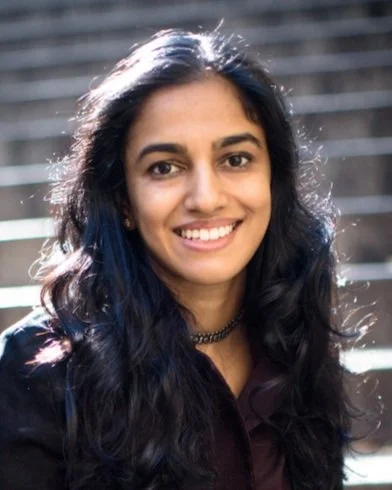
EAs a teenager in India, Kanaka Rajan decided early on that she wanted to be a scientist. After completing her undergraduate degree in engineering, Kanaka pursued a PhD at Brandeis, stepping out of her math and theory-based comfort zone and diving into the deep end of experimental neuroscience in her rotations. She eventually returned to a more computational lab with Professor Larry Abbott, where she developed a neural network model of neural sensory dynamics. In her postdoctoral research at Princeton, Kanaka branched out again into a more holistic approach to neuroscience, integrating her computational skills with those of collaborating experimentalists. With the help of her collaborators at Princeton, she developed a theory of sensory signal processing that could produce complex decision-making behaviors. Now, in her lab in New York at the Friedman Brain Institute, Kanaka continues to approach neuroscientific questions about sensory neural dynamics holistically, combining both theory and experiments. Beyond science, Kanaka is dedicated to cultivating a diverse and supportive academic community where people of all backgrounds can be both hired and fully supported in their trajectories to success.
Ep 61Dr. Indira Turney
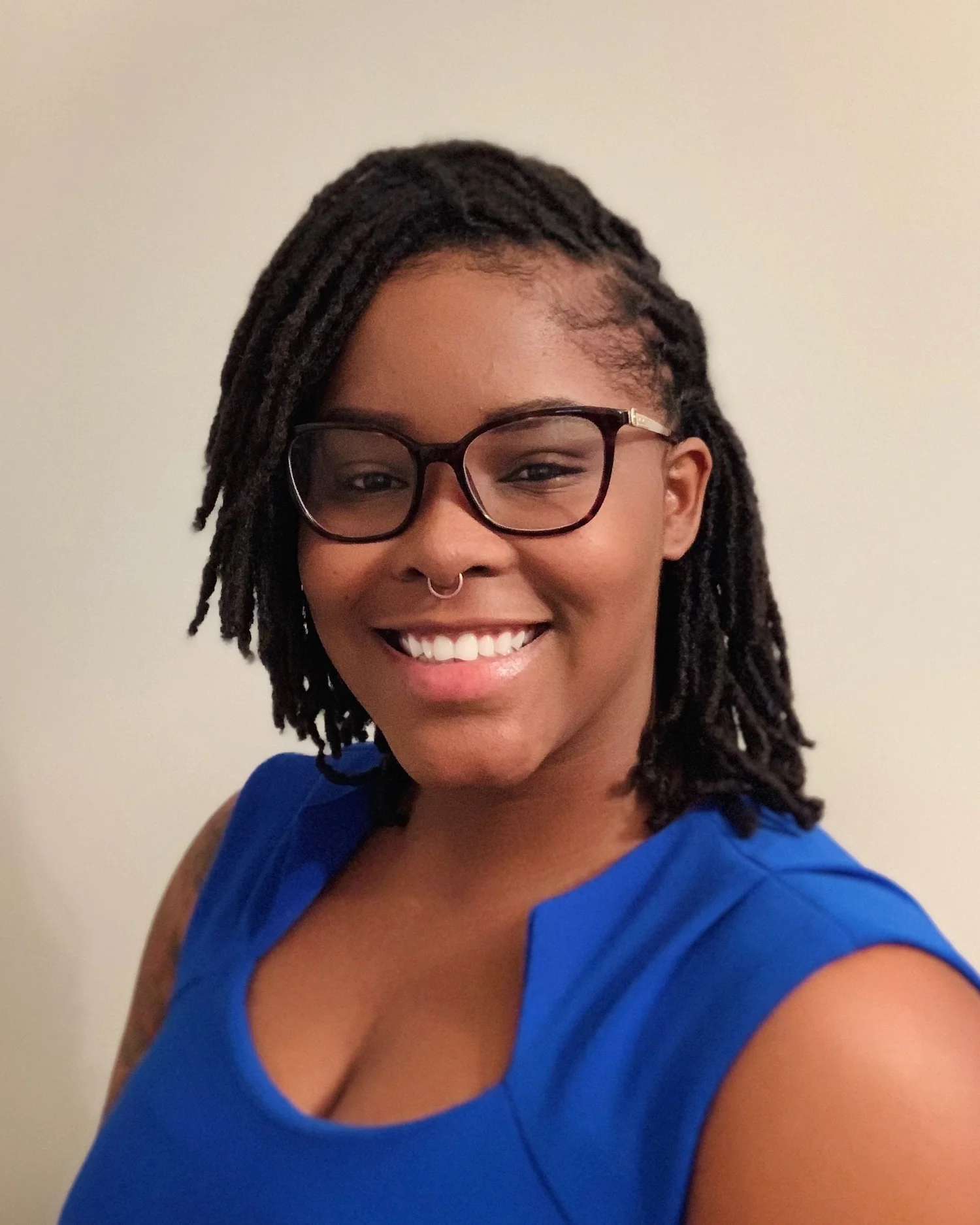
Dr. Indira Turney’s fascination with how the brain ages began when her grandmother was diagnosed with dementia. After growing up watching her grandmother lose her memories, Indira decided to leave the small Caribbean island where she had spent her childhood and went to the University of the Virgin Islands to study psychology. There, she got involved in clinical research and was immediately engaged with how neuroimaging tools like MRI can be used to study the process of memory and the aging brain. She followed her research interests to a predoctoral program at the University of Pittsburgh and, ultimately, to her PhD at Penn State where she worked under Dr. Nancy Dennis to study false memories in aging people using fMRI. At her current position as a postdoctoral researcher at Columbia University, Indira has followed her interests in the aging brain to study the impacts of life experiences in a diverse population using a combinatorial approach of neuroimaging, biology, and sociocultural methods. Her research addresses the long-standing dearth of Latin X, Black, and Indigenous people of color in neuroscientific and psychiatric research by finally including a representative population in her studies. She has already found that brain aging is accelerated among Black adults, likely caused by the forces of systemic racism on long-term health outcomes. Despite facing personal challenges born out of a lack of community when starting her PhD, Indira took it upon herself to rejuvenate the Black Graduate Student Association at Penn State. In her already impressive career, Indira continues to use her research and time to build community spaces that foster a sense of belonging and empathetic, culturally-appropriate support for underrepresented students. We look forward to the impact her justice-driven research will have on the field of neuroscience and the world.
S1 Ep 60Dr. Lucina Uddin
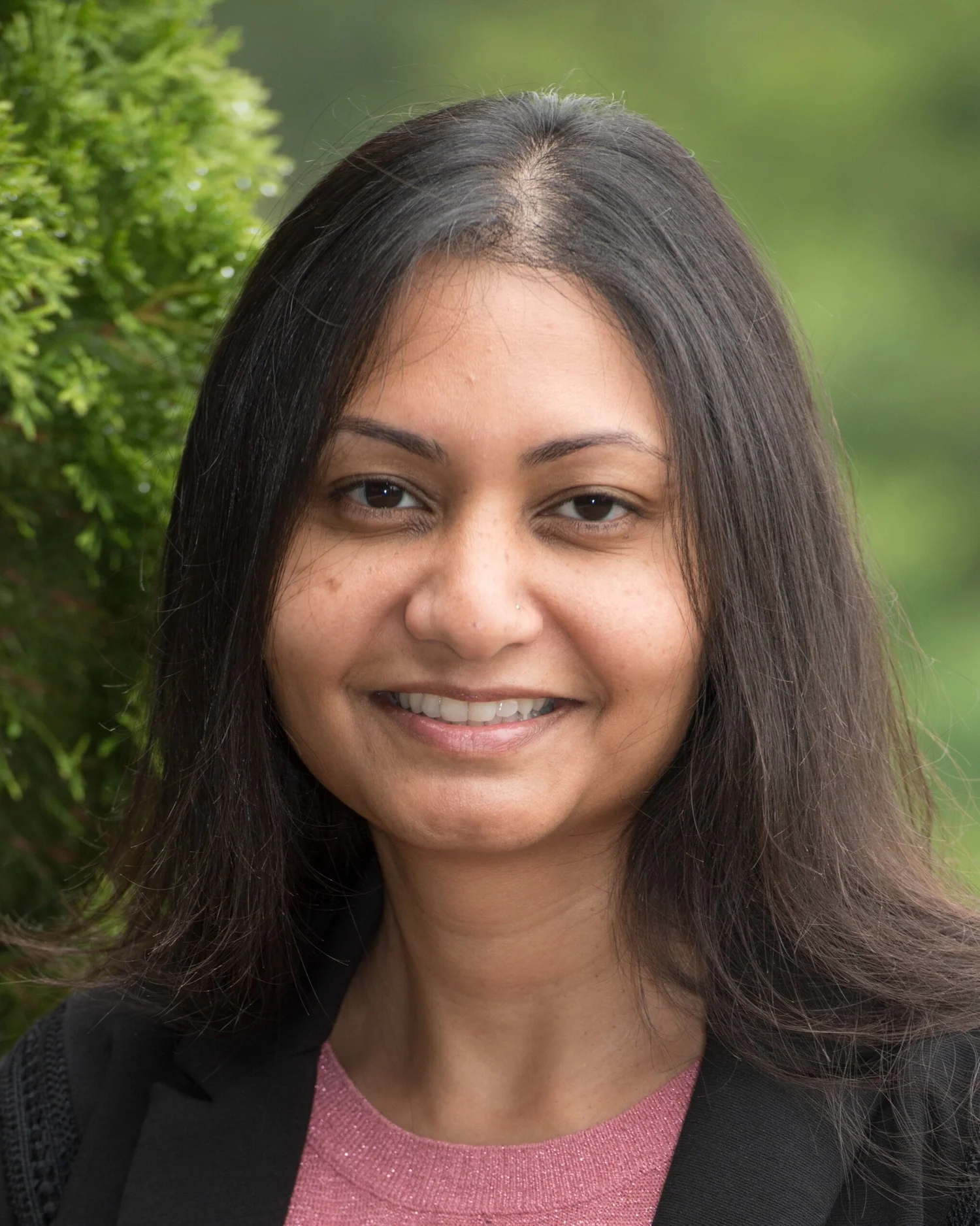
As an undergraduate, Lucina Uddin found her calling for studying the neural bases of self-cognition via a self-described “process of elimination.” As a child of Bangladeshi immigrants, Lucina prized a career in medicine and started on the pre-med track. However, she found herself more engaged by questions of human intelligence and consciousness than excited by the path to medical school. With the guidance of a helpful mentor, Dr. Eran Zaidel, Lucina began her PhD at UCLA studying self-perception in split-brain patients using non-invasive imaging techniques like fMRI, EEG and TMS. Her doctoral research guided her interests in self-perception in autism and pediatric neuroscience that she would follow throughout her career. After defending, she completed two postdocs: one at NYU in the lab of Dr. Xavier Castellanos where she studied resting state functional connectivity using fMRI, and a second with Dr. Vinod Menon at Stanford. At Stanford, Lucina investigated the role of the salience network and the insula in neurodevelopmental and psychiatric disorders. After persevering through a challenging and discouraging job search during the financial crisis of 2008, Lucina finally started her own lab at the University of Miami in 2012. There, her research on cognitive flexibility in both neurotypical and atypical populations has been propelled by both her own background as well as the interests of her students. Recently, Lucina was appointed as Professor and Co-Director of the Center for Cognitive Neuroscience Analysis Core at her alma mater, UCLA’s, Semel Institute for Neuroscience and Human Behavior. In Los Angeles, she continues her cognitive neuroscience research while practicing holistic mentorship and integrating diversity, equity, and inclusion efforts to best support the next generation of impactful researchers.
Ep 59Dr. Talia Lerner
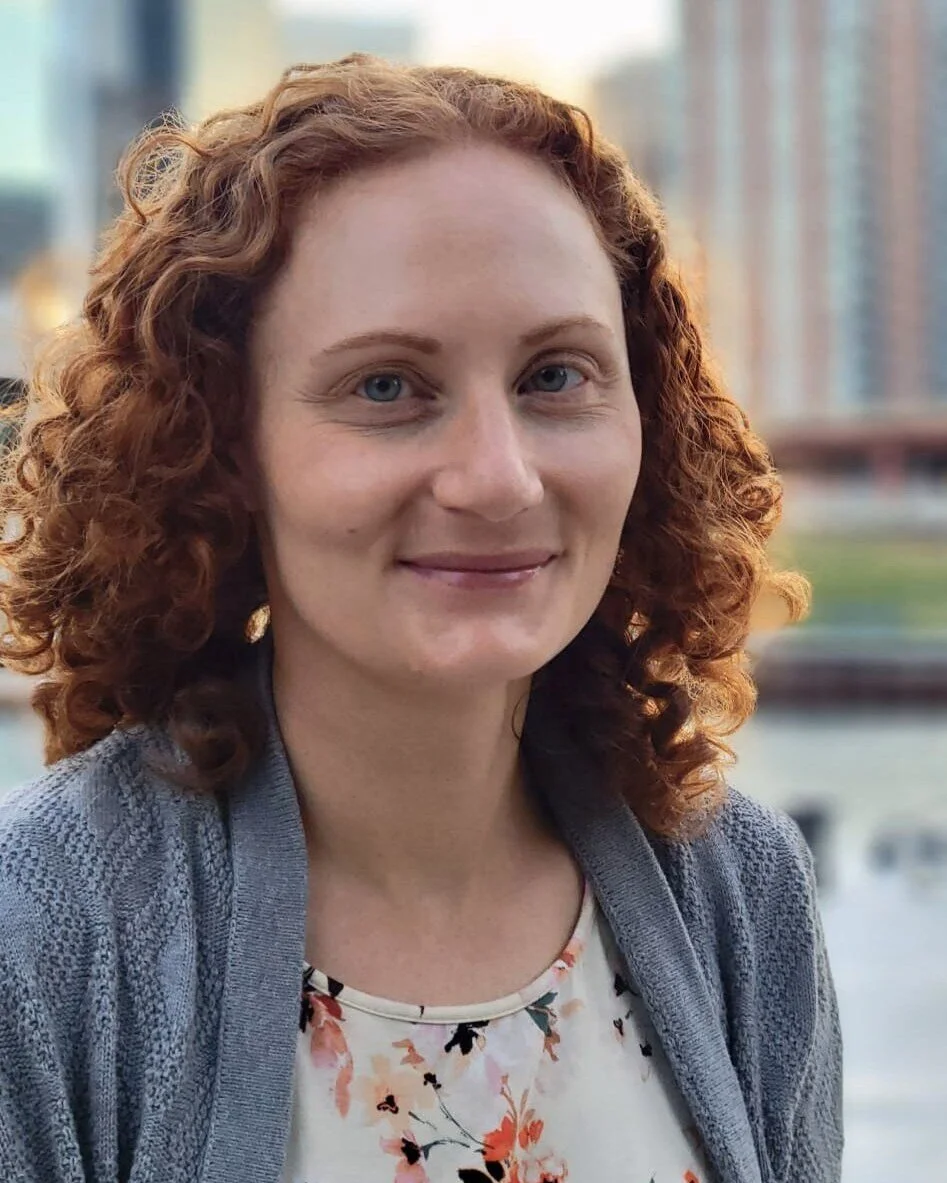
Dr. Talia Lerner knows that life as a scientist takes both dedication and risk. Talia began her career in science at Yale, where she was both brilliant and shy, struggling to muster the courage to ask to join labs for undergraduate research experience. However, her courage paid off and led her to a senior thesis in biochemistry then a productive PhD studying synaptic plasticity in dopamine systems at UCSF. Following her passion for studying dopamine, Talia then completed a postdoc at Stanford where she further investigated the complexity and specificity of dopamine circuits. Facing the next step in her career, a faculty position, Talia had to take big personal risks to do what was best for her and her family. With independence and bravery, she started her own successful lab at Northwestern University in Chicago where she continues to dedicate her research to dopamine and the specific behaviors different dopamine circuits can produce in habit formation. Her personal and professional success reminds us all that perseverance and courage walk hand in hand.
S1 Ep 58Dr. Aya Osman
Whether it’s walking down the runway or running an assay in the lab, Dr. Aya Osman lets her creativity thrive in her work. As a student in the UK, Aya followed her scientific curiosities through college and earned in biochemistry, all the while pursuing a modeling career. Ultimately she chose a career related to science, working in public health policy in England. However, she couldn’t quench her desire to do research and gave up her stable government job to begin her PhD at the University of Surrey studying the influences of the gut microbiome on brain development. She has since moved to New York City and, while continuing to model as a hobby, she has been working as a postdoctoral researcher studying the gut-brain axis. Additionally, Aya has found purpose in communicating science, especially during the COVID-19 pandemic, and wants to use her platform to spread truth and equity in science.
S1 Ep 57Dr. Ann Hermundstad
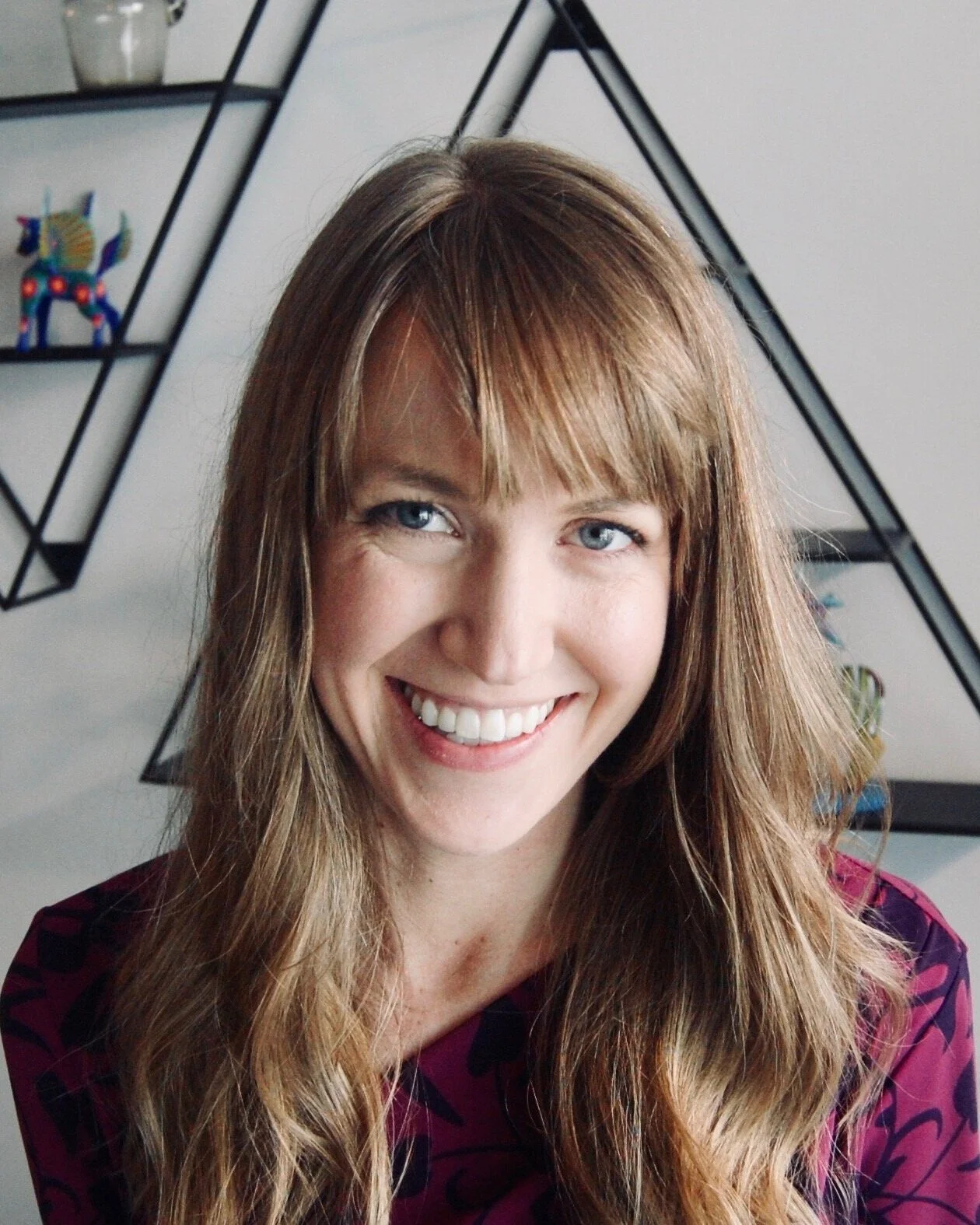
Throughout her career, Dr. Ann Hermundstad has found ways to merge creativity and technical expertise to excel in science. As a child, she loved art, writing, and math, but without a clear career path into the more traditionally creative disciplines of writing and art, she decided to pursue an engineering degree at the Colorado School of Mines. In her engineering classes, she learned there was more to science than memorization. In fact, creative thinking was the foundation for the logical frameworks and problem solving skills that are so essential to science. As a physics PhD student at the University of California, Santa Barbara, Ann was curious about how physics could be applied to understand the brain and collaborated with colleagues in the psychology department to better understand the functional organization of the brain using neuroimaging techniques. Doctorate complete, Ann fully embraced her love for neuroscience and joined Dr. Vijay Balasubramanian at the University of Pennsylvania for her postdoctoral work. At UPenn and a collaborating lab in Paris, Ann studied how neural architecture can effectively represent the statistical properties of our sensory environment. Now, as a group leader at Janelia, Dr. Hermundstad merges her creative inclinations with her background in physics and math to study efficient coding. Specifically, she wants to understand how the networks in the brain, constrained by the limits of their biology, can best encode, predict, and flexibly respond to the external environment. Learn more about Ann’s fascinating career by reading her profile and listen to her story in her own words on the Stories of WiN podcast.
S1 Ep 56Dr. Preeya Khanna
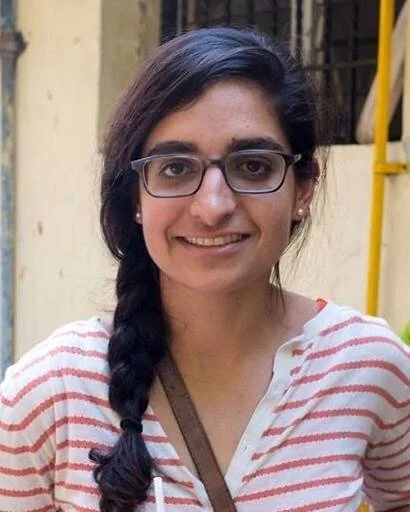
In this episode, Nancy interviews Preeya, a Postdoctoral fellow at UCSF & UC Berkeley (joint program) who develops technologies that help with rehabilitation in disorders that affect the motor system.
S1 Ep 55Dr. Letisha Wyatt
Persistence, fastidiousness, and compassion. Dr. Letisha Wyatt’s career exemplifies how these qualities can fuel a successful trajectory in neuroscience. As a first generation student and a Black woman, Letisha is no stranger to the obstacles encountered by many young scientists. After studying neurobiology as an undergraduate while working full-time to support herself, Letisha ventured into pharmaceutical research to gain more experience before her graduate studies. Through her PhD and postdoctoral research, she has studied the molecular mechanisms of alcohol addiction as well as disease and stroke, all the while recognizing the field’s need for better data stewardship and reproducibility. She carries these observations into her position as an Assistant Professor of Neurology at Oregon Health & Science University, where she advocates for open science, accessibility, and the fundamental role of diversity and equity work for all academic scientists. Dr. Wyatt’s work continues to unveil new neuroscientific discoveries in addition to reshaping the scientific community into a more inclusive, equitable, and responsible space.
S1 Ep 54Dr. Carsen Stringer
Dr. Carsen Stringer’s passion for science has manifested in a career rich with moments of creative brilliance. Starting as an undergraduate, she mused about the utility of chaotic systems to understand the vast neuronal networks in the brain, an insight she followed into her PhD at University College London. Her decision to combine computational approaches with behavioral experiments and large-scale recordings in rodents led to the discovery that behavioral states are multi-dimensional. This balanced computational-behavioral approach continued into Carsen’s postdoctoral research and eventual Group Leader position at Janelia Research Campus. Her brand new lab employs data-driven, computational approaches to study visual behavior. Dr. Stringer is also an advocate for open science and has contributed to widely-used open-access tools intended for more thorough quantification in behavioral science. Her passion for science, mentorship, and independent thinking shine through in her career and will undoubtedly lead to even more exciting discoveries.
S1 Ep 53Dr. Maria Lehtinen
Dr. Maria Lehtinen’s interest in human behavior was sparked during high school prompting her to want to become a psychiatrist. However, in college, she found the current psychological theories very unsatisfying and wanted to instead understand the brain. She switched to the newly started neuroscience major and joined a neuroscience research lab. Towards the end of her undergraduate years, as she prepared to take the MCAT she reflected on how much she liked basic neuroscience research so she decided to pursue a PhD at Harvard University where she studied what keeps neurons alive. After completing her PhD Maria returned home to Finland to complete postdoctoral training close to family. She discovered how oxidative stress leads to neurodegeneration which launched her into her independent career. In her interview with Catie, Maria discusses her research path and the importance of connecting with her trainees.
S1 Ep 52Dr. Gabrielle Gutierrez
Dr. Gabrielle Gutierrez’s plan to become a physicist changed unexpectedly. While she was a physics major looking into PhD programs, she serendipitously attended a neuroscience seminar where she discovered that physics can help us understand the brain. This experience marked the start of her career in theoretical neuroscience. During her PhD at Brandeis University, Gabrielle used a simple animal model, the crab, to learn about small and simple networks. For her postdoctoral training she decided to model the brain at larger scales and went abroad to the École Normale Supérieure in Paris. Next year Gabrielle will be starting her own research group at Barnard University, the same institution where she saw that life changing seminar. In her interview with Dakota, Gabrielle talks about the difficulties of imposter syndrome and trusting yourself even when others discourage you from your dreams.
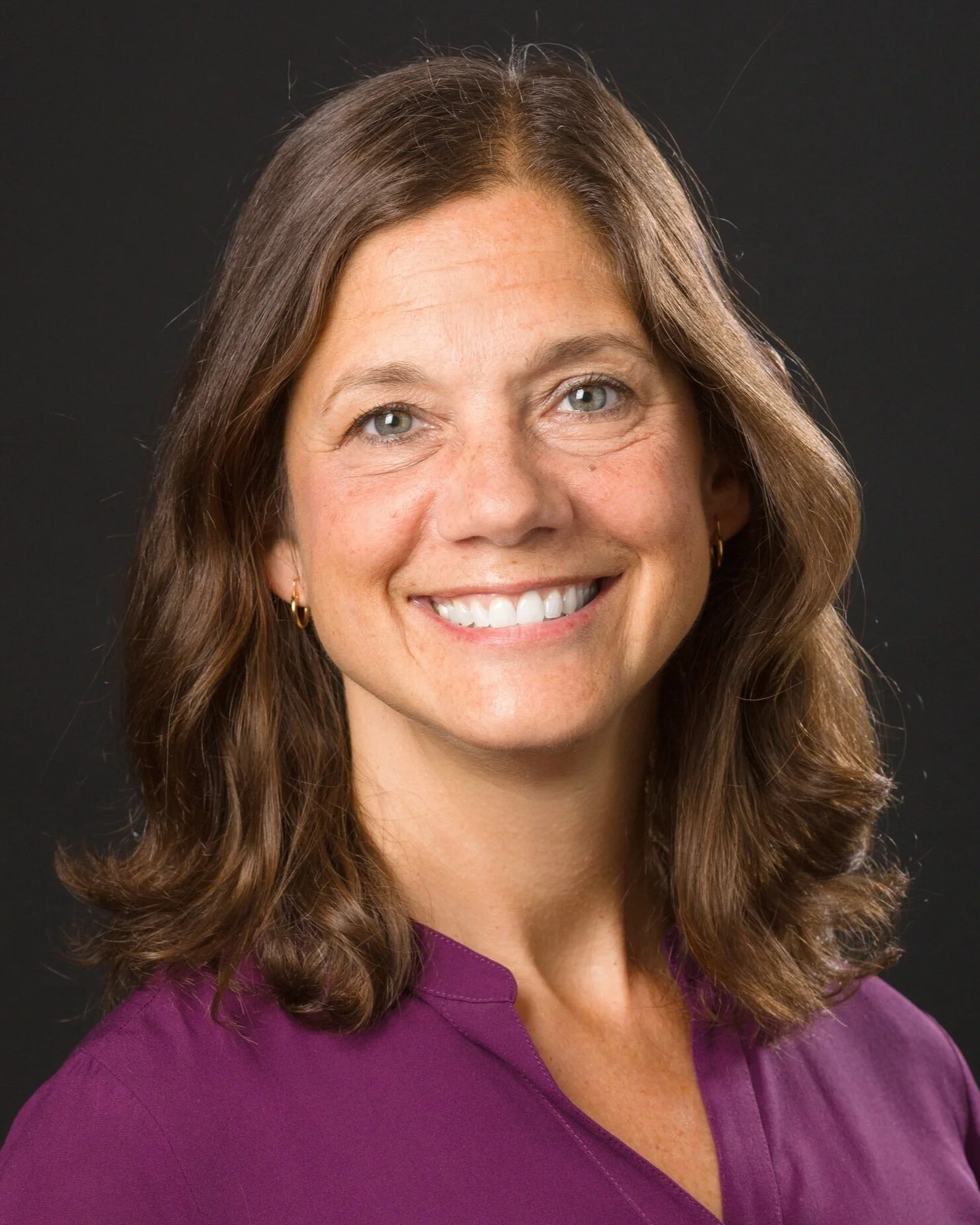
S1 Ep 51Dr. Marina Picciotto
Rather than by focusing on a single outcome--landing a tenure-track position and starting a lab--Marina has navigated her career trajectory by following her interests wherever they have led her. After completing a high-school internship in a science lab, Marina realized that she loved being at the bench and didn’t want to leave! This passion guided her journey through her Ph.D. studies at Rockefeller University and postdoctoral years abroad at Institut Pasteur. From there, Marina was able to build her own research program at Yale School of Medicine. Her interview with Leslie highlights Marina’s philosophy borne from the realization that she didn’t want to define herself by what she did in the lab, but by who she was outside of it. By taking things one step at a time and investing in what makes her happy, Marina has been able to lead her own research team, raise a daughter, and serve as Editor-in-Chief of the Journal of Neuroscience. Marina’s journey to success is clear evidence that it’s possible to both be a respected scientist and have a vibrant life outside of research.
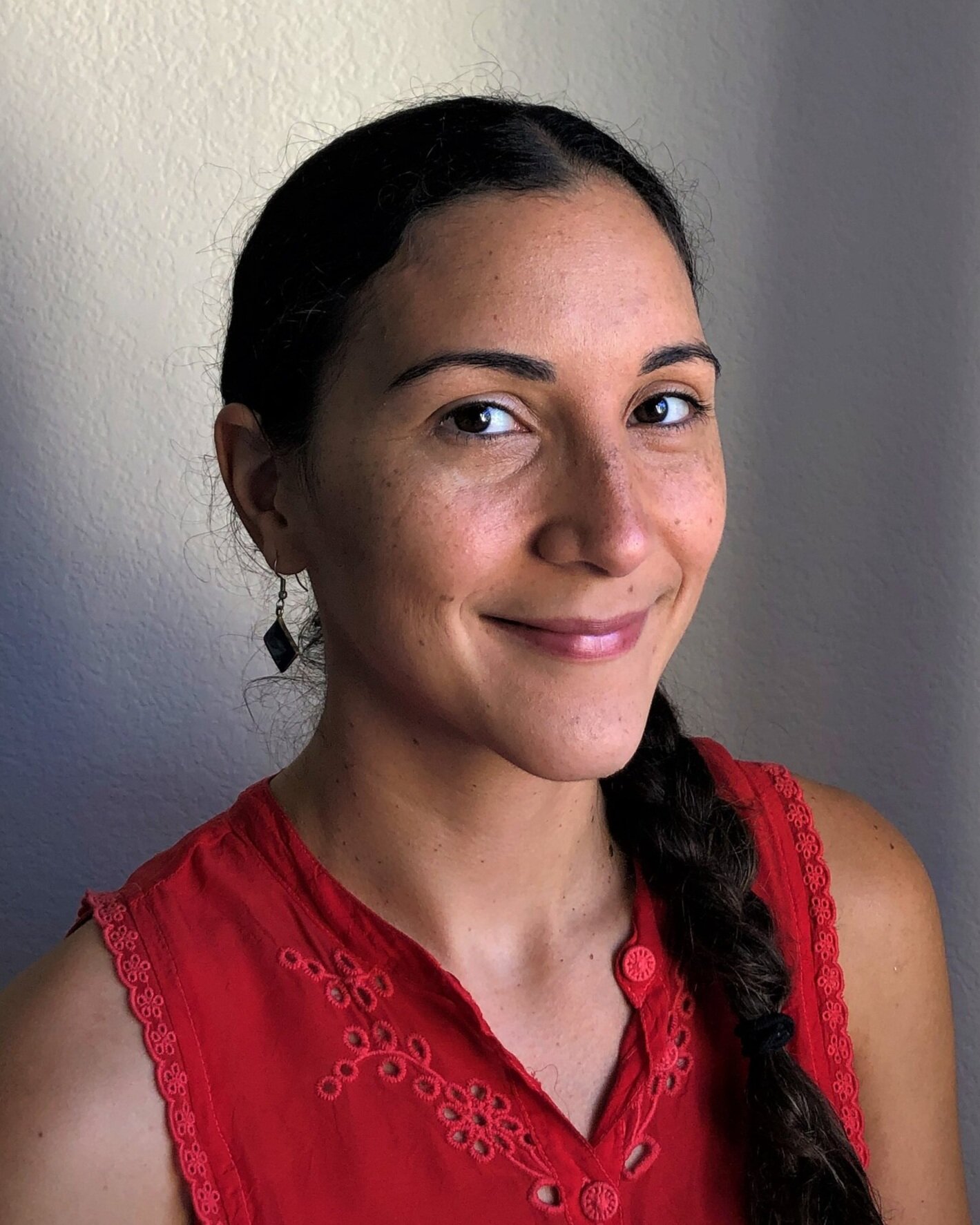
S1 Ep 50Dr. Nancy Padilla Coreano
Nancy’s interest in the brain didn’t originate in a science classroom; it instead came from reading Oliver Sacks’s book Musicophilia and his other essays about music and the brain. Following in Oliver Sacks’s footsteps as a neurologist, Nancy also decided to pursue neurology as an undergraduate. After joining a neuroscience lab, though, Nancy quickly fell in love with research and decided to pursue a Ph.D. in neuroscience instead. After studying the role of PFC circuitry in driving anxiety-like behavior in mice, she moved on to do a postdoc at MIT (now at the Salk Institute) where she has been studying neural representations of social hierarchies. As a result of her hard work and passion for impactful, cutting-edge science, Nancy is now preparing to start her own lab at the University of Florida! In her discussion with Catie and Megan, Nancy also describes the experience that sparked her commitment to making neuroscience more equitable and ultimately manifesting in her creation of Stories of WiN. Now as the subject of a Story herself, Nancy’s Stories of WiN journey has started to come full circle.
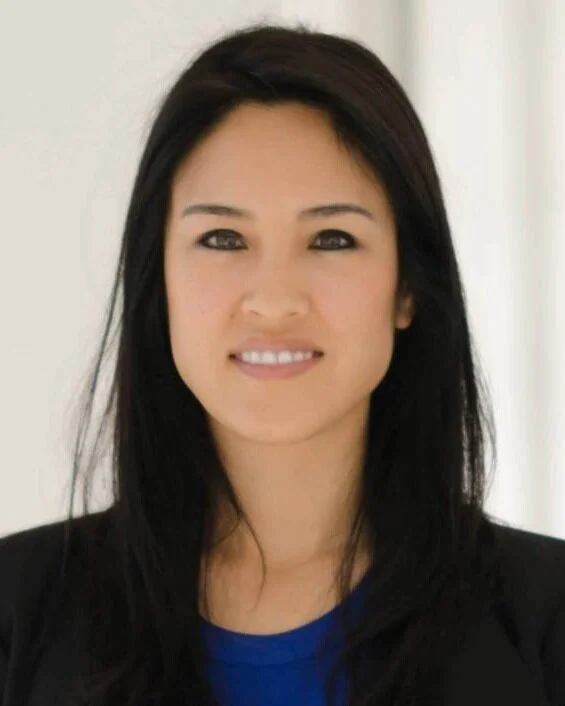
S1 Ep 49Dr. Nanthia Suthana
During her sophomore year at UC Berkeley, Dr. Nanthia Suthana was feeling lost and unsure of what she wanted to study. She made the brave decision to leave school and embark on a journey of self-discovery, determined to find her passion. For the first time in her life, Nanthia began reading for pleasure rather than school. After reading about famous figures in neuropsychology, her academic spark reignited and she returned to school to pursue neuroscience research at UCLA. Her newfound enthusiasm for research then led her to obtain her Ph.D. there. As a graduate student and then as a postdoc, Nanthia developed methods for using electrodes to provide deep brain stimulation and uncovering the neural bases of learning and memory in the human brain. Now having established her own lab, Nanthia continues to push the field forward through technological development and use of interdisciplinary collaboration to explore spatial memory in living humans.
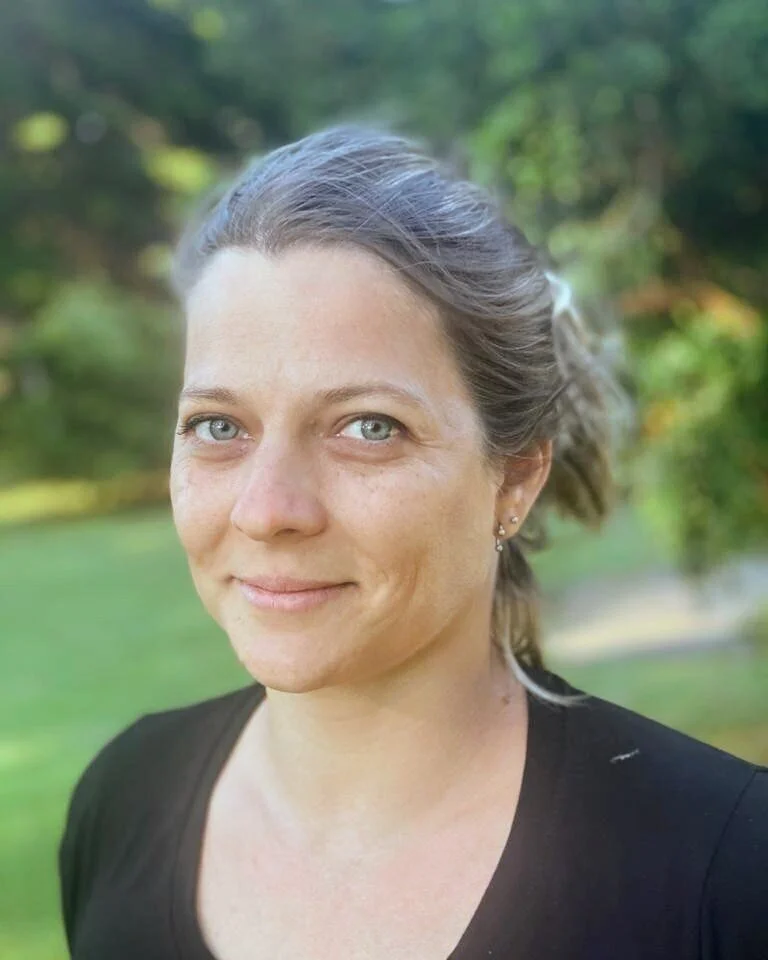
Dr. Verónica de la Fuente
Dr. Verónica de la Fuente’s passion for studying the brain was sparked over the course of a three-day neuroscience workshop at Universidad de Buenos Aires (UBA) when she was an undergraduate, and that spark never faded. Upon her return from the workshop, Verónica immersed herself in neuroscience classes and began working in a neuroscience laboratory at UBA where she stayed to earn her Ph.D. As a graduate student, she studied the molecular mechanisms underlying memory consolidation and reconsolidation. Then as a postdoc, she decided to venture outside of molecular work and instead explore circuitry of the neocortex and amygdala, both of which are vital contributors to memory reactivation. Verónica also established multiple collaborations with other labs during this time, underscoring the emphasis she places on the team-based aspect of science. As she sets up her own research group at UBA, Verónica’s commitment to fostering a supportive lab environment where members work together remains a central focus.
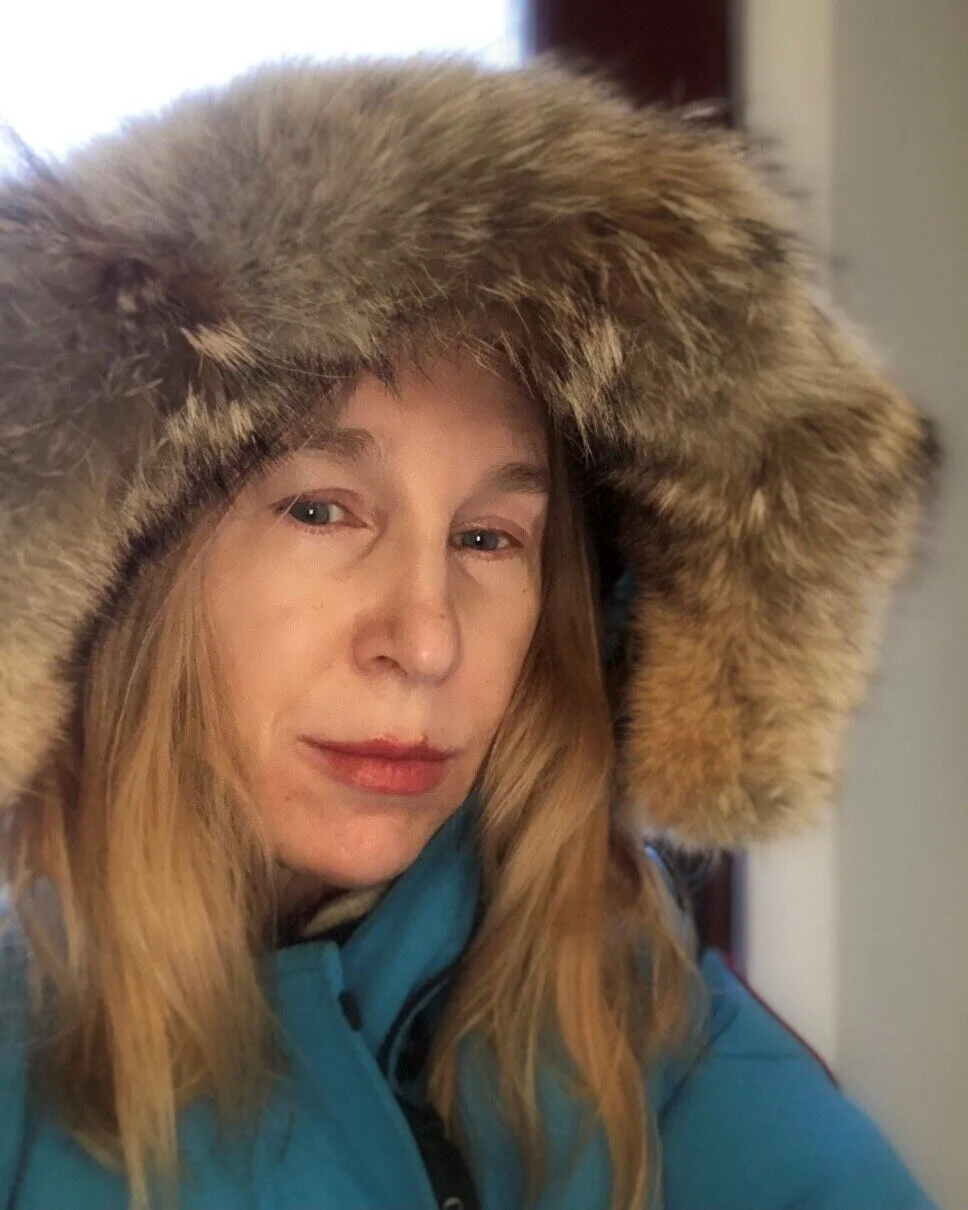
S1 Ep 47Dr. Sheena Josselyn
Dr. Sheena Josselyn’s five-year plan is simple: “Just keep going for five years!” Her vibrant personality and zest for neuroscience research are contagious, and her interview with Nancy highlights both her brilliance as a scientist and her warm sense of humor as a human being. She explains her early research stint working with rodents as a Ph.D. student and transitioning to clinical populations in her following three(!) postdoctoral experiences at the University of Toronto, Yale, and UCLA. After sampling several subfields of brain research, she found her true calling in studying memory engrams. While she was excited about her work, engrams were themselves a controversial topic in the field. Sheena had to navigate the political side of neuroscience to convince others that studying engrams was a worthwhile endeavor, and her hard work has paid dividends. Her lab is now expanding its focus to explore the memory component of substance abuse, and Sheena continues to forge ahead as a pioneer in her field.
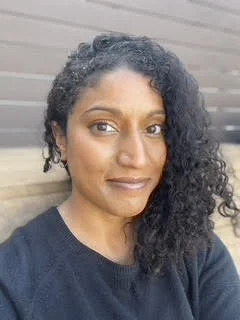
S1 Ep 46Dr. Deb Karhson
Dr. Deb Karhson had grown up always asking questions and diving deeply into anything that interested her. In particular, her brother’s autism made her wonder about atypical brain function and how she could improve his quality of life. Her boundless curiosity about the autistic brain sparked a trajectory of events that led Deb to join Dr. Edward Golob’s lab at Tulane during her Ph.D.. Rather than studying cognitive deficits in those with autism, though, she loved the idea of exploring audition, which is actually enhanced in autistic individuals. As a postdoc, she decided to focus on the endocannabinoid system as a potential intervention for ASD: a hugely unexplored area of research. Now, as Deb looks toward the future, she is thinking about the lab culture she aims to foster and the type of mentor she wants to be as a faculty researcher. In setting up own lab at Stanford to continue unraveling the complexities of the endocannabinoid system in the ASD population, Deb’s lifelong curiosity about the autistic brain is beginning to truly come full circle.
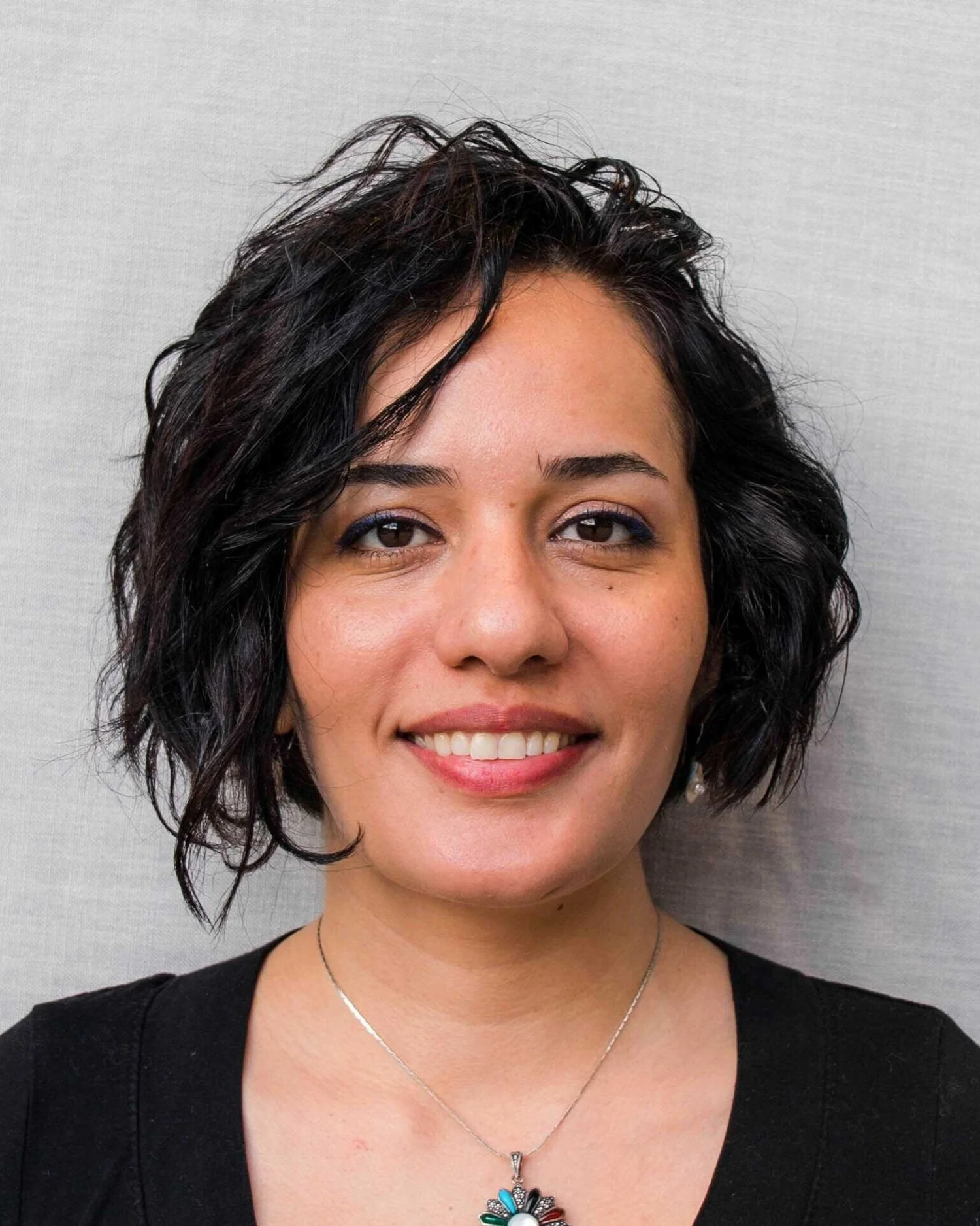
S1 Ep 45Dr. Athena Akrami
Dr. Athena Akrami hadn’t heard of neuroscience until she came across an article on artificial neural networks as an undergraduate. She wondered whether she could build a brain herself--and went on to build the first brain-computer interface in her home country, Iran. Her subsequent years as a Computational Neuroscience Ph.D. student and postdoc were spent in Trieste, Italy, where she used attractor models and in vivo experimental techniques to elucidate the underpinnings of memory and perception. After a second postdoc at Princeton, she moved to the University College London to set up her own systems neuroscience laboratory in 2018. As a long-COVID-19 survivor, she also talks candidly with Cristiana about her experience with the illness: both how she coped with symptoms and her involvement on a digital platform where patients share their experience with the disease. Through this group, Athena was able to leverage her expertise in modeling and data analysis to lead a seminal study quantifying patients’ symptoms and tracking their recovery. Her groundbreaking work on COVID and in neuroscience is a testament to Athena’s endless passion for scientific discovery.
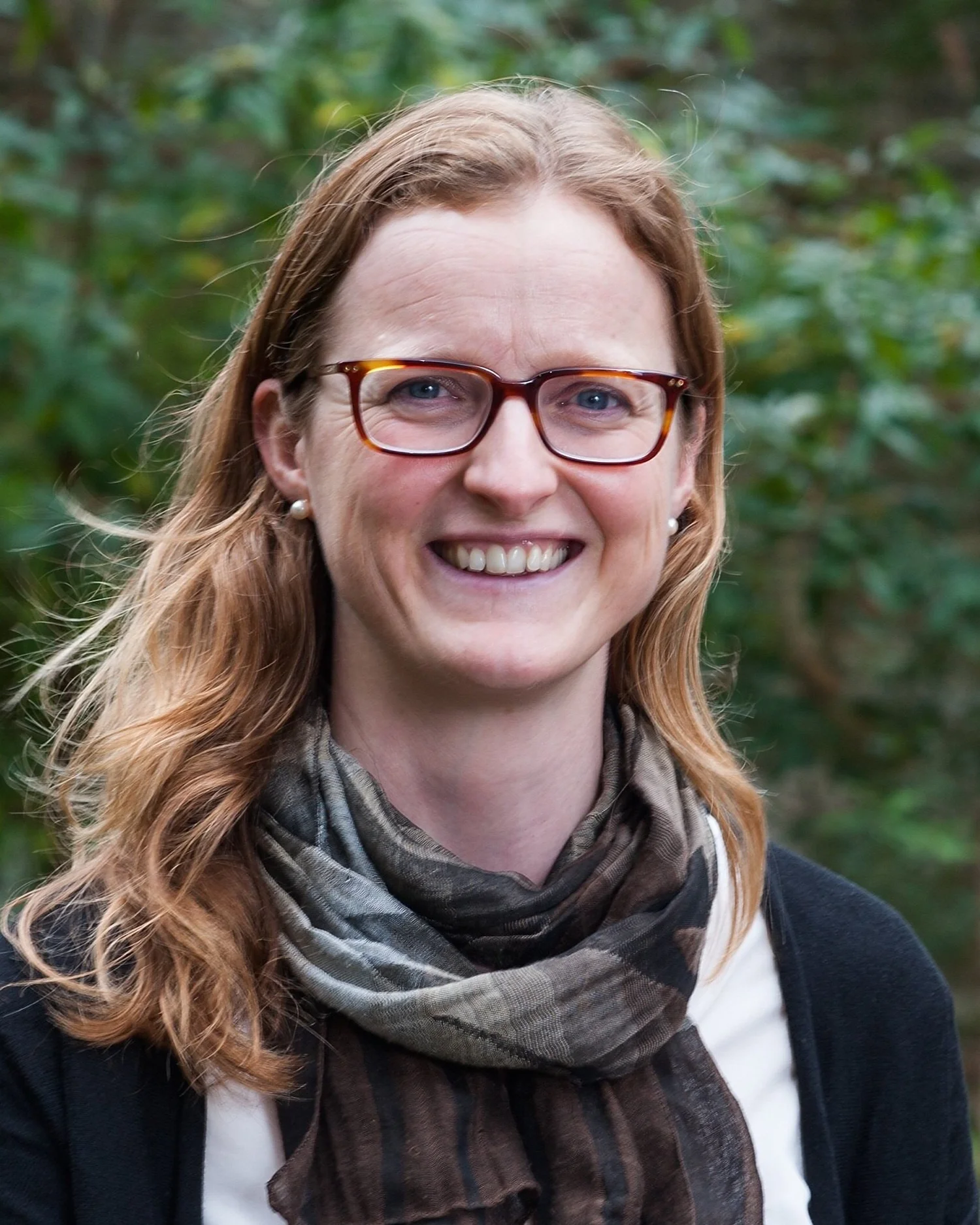
S1 Ep 44Dr. Heidi Johansen-Berg
Dr. Heidi Johansen-Berg’s interest in neuroscience was surprisingly realized through philosophy and psychology classes at university, where she indulged her curiosity about human behavior and humanity’s fundamental questions. She eventually moved deeper into experimental psychology and empirical research, entering a Neurosciences Ph.D. program at Oxford University. During her graduate years, she used techniques including fMRI and TMS to better understand the brain regions underlying patients’ successful recovery from stroke. Staying at Oxford for her postdoc, she dove further into studying imaging methods in cognitive neuroscience and fostered fruitful collaborations with mathematicians, engineers, and biologists. Heidi ultimately played a key role in the development of diffusion tractography (DTI), which permits improved non-invasive imaging of physical connections between areas in the living human brain. In her interview with Cristiana, she discusses her abrupt transition from postdoc to PI and how her lab harnesses the capabilities of DTI to uncover the mysteries surrounding white matter and its role in development, disease, and plasticity.
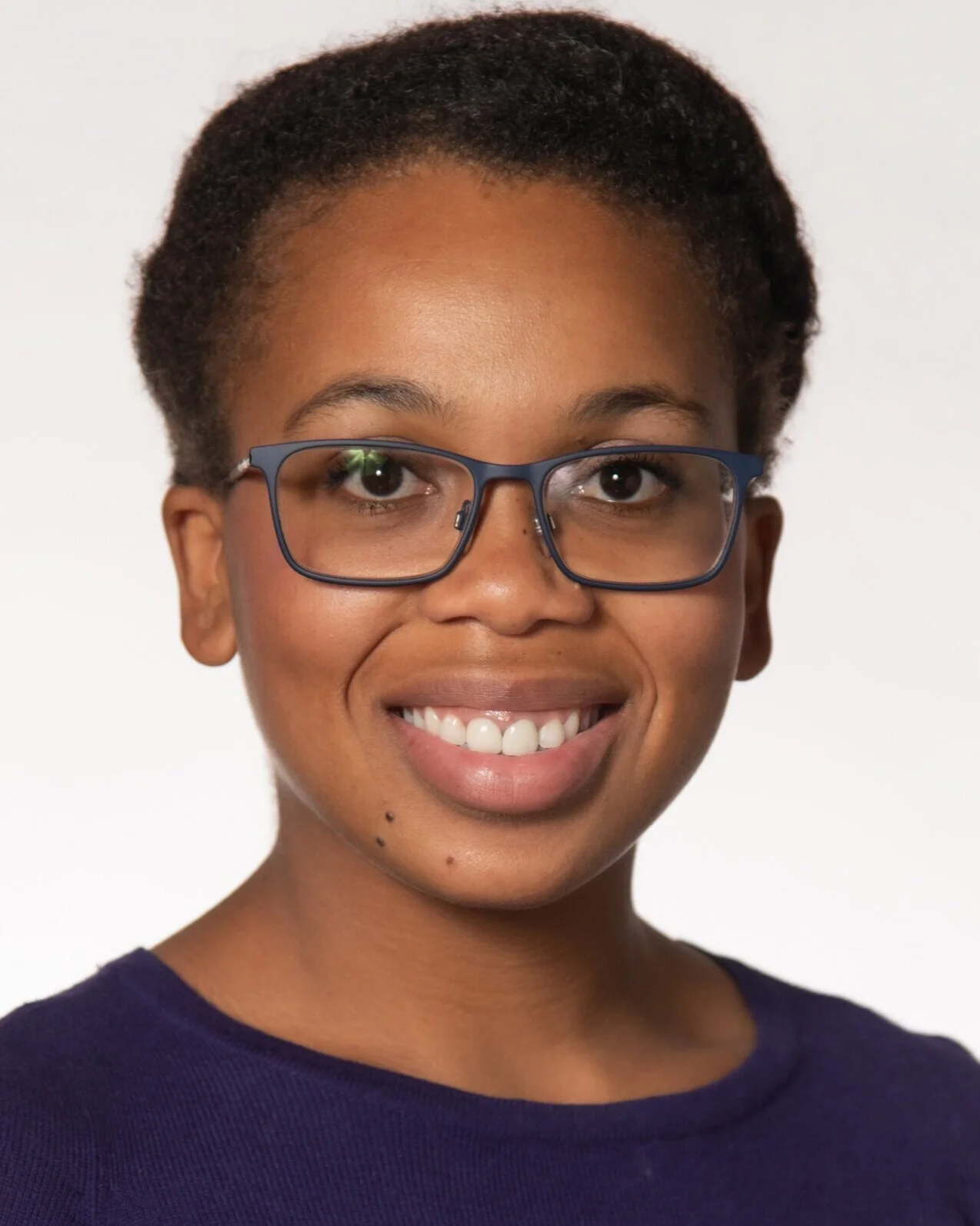
S1 Ep 43Dr. Heather Snell
Dr. Heather Snell is a Postdoctoral Fellow at the Albert Einstein College of Medicine. She didn’t initially love neuroscience in college and instead went to graduate school to study cancer biology. However, after a fascinating rotation in a neuropharmacology lab and her subsequent thesis research studying the role of a GABA-A receptor in diabetic retinopathy, she came to fully love the brain. After meeting her future postdoctoral mentor during a summer research program, she realized that passion and mentorship style mattered more to her than which subfield of neuroscience she was studying. She ultimately pivoted her focus and now studies how genetic changes in cerebellar Purkinje cells contribute to motor disorders such as episodic ataxia. In her discussion with Nancy, Heather also talks about a difficult period during her postdoc when she struggled with uterine fibroids and the importance of having a positive lab environment with members who will support you in tough times. She highlights the importance of showing yourself compassion and putting your health first. Her experiences have given her a refreshing perspective: “The science is will always be there...but you only have one body.”
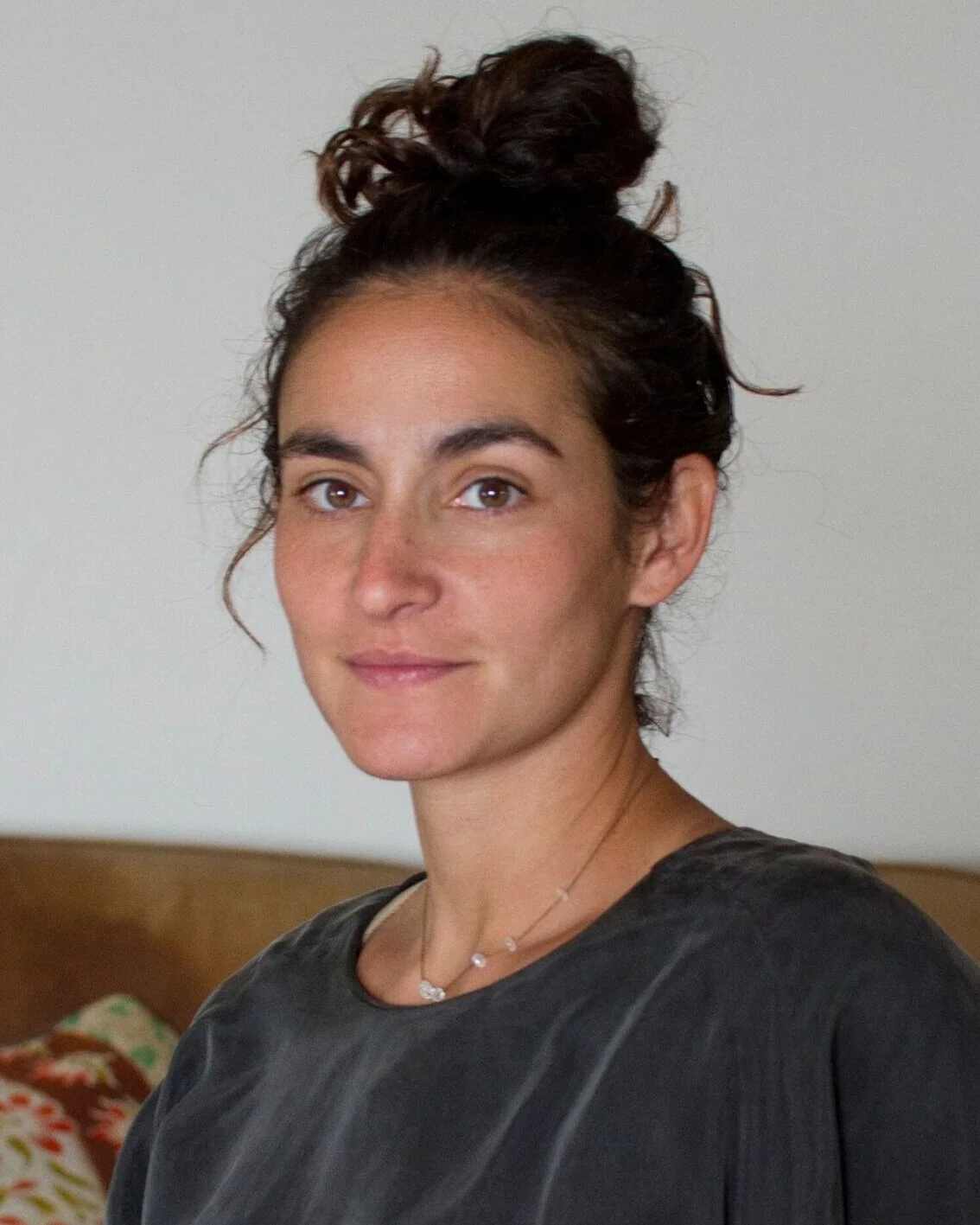
S1 Ep 42Dr. Moriel Zelikowsky
Dr. Moriel Zelikowsky is an Assistant Professor in the Department of Neurobiology and Anatomy at the University of Utah. Though she started off wanting to study film as an undergraduate, she loved thinking about big questions about human cognition and soon gravitated toward a major in philosophy. After graduating with her B.A., she did her Ph.D. in psychology with the idea that experimental psychology might allow her to address these big philosophical questions in a more concrete way. Along the way, Moriel’s interests have developed into a passion for studying neural circuitry; her thesis and postdoctoral work focused on the interplay between several brain regions and fear-based learning and behavior. Today in her own lab, she has built upon her work as a trainee and incorporated work on trauma-induced fear and aggression specifically in the context of social isolation. In Moriel’s interview with Nancy, she talks about the type of lab community she hopes to foster as a new PI, the importance of balancing lab work with physical and emotional health, and how she creates balance in her own life as a mother and an avid rock-climber.
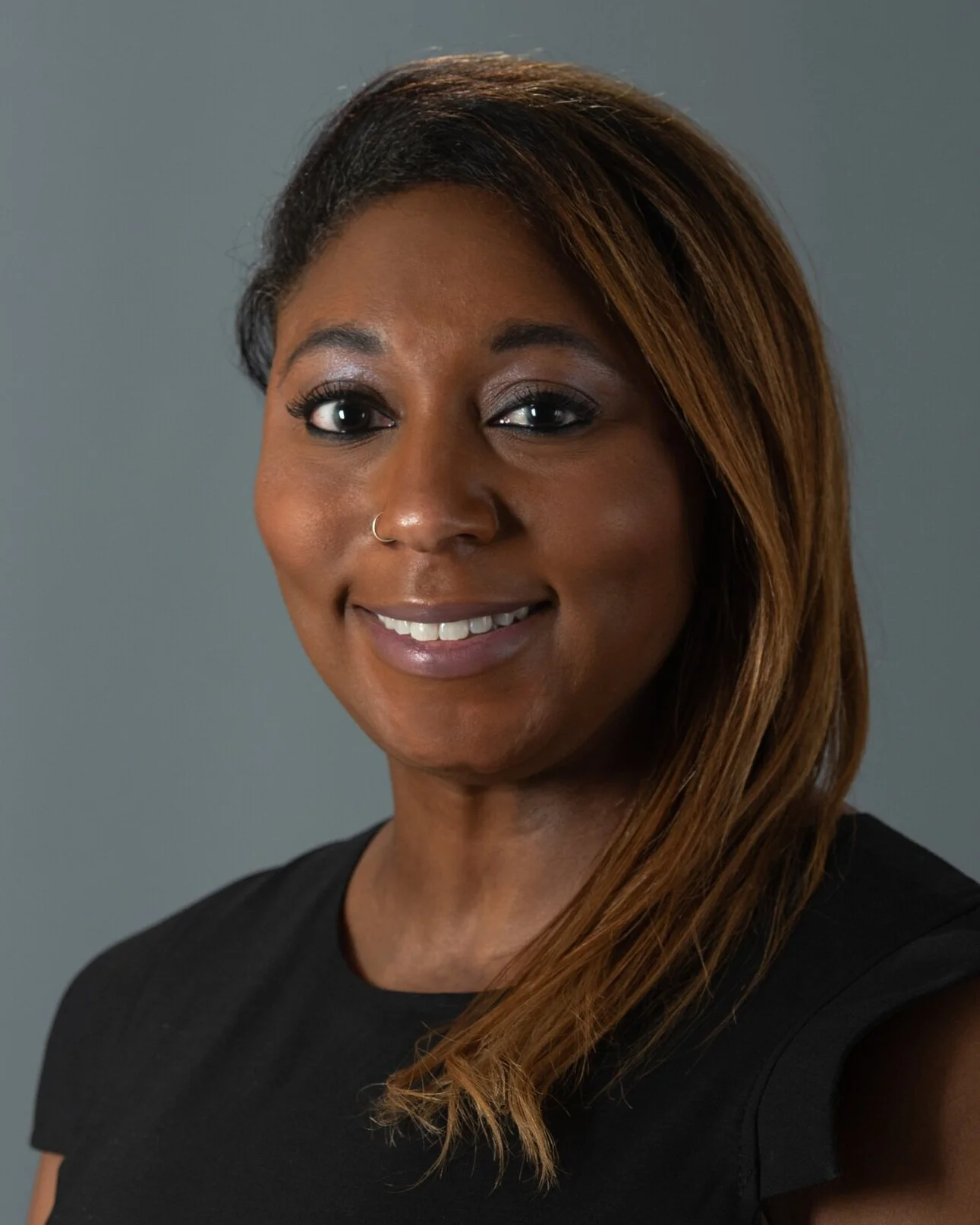
S1 Ep 41Dr. Brandy Tiernan
Dr. Brandy Tiernan is an Assistant Professor in the Department of Psychology at the Western Carolina University. She was destined to be a scientist from a young age, where playtime involved designing and conducting her own little botany experiments and where she eagerly took on the role of research subject for her older sister who was studying psychology. Fast-forward to her post-college years, Brandy’s career ultimately came full circle; a few years after graduation, she shifted her focus from practicing law back to psychology and took on a position as a clinical research coordinator before applying to graduate school. In her discussion with Nancy, she talks more about her journey from childhood to present-day, how she gained expertise in using EEG studying the neural signatures of aging, and how her research focus has evolved over the years as the director of her own research program. Brandy also highlights the overarching challenge of navigating predominantly white academic spaces as a Black woman in science, demonstrating tremendous grit and resilience.
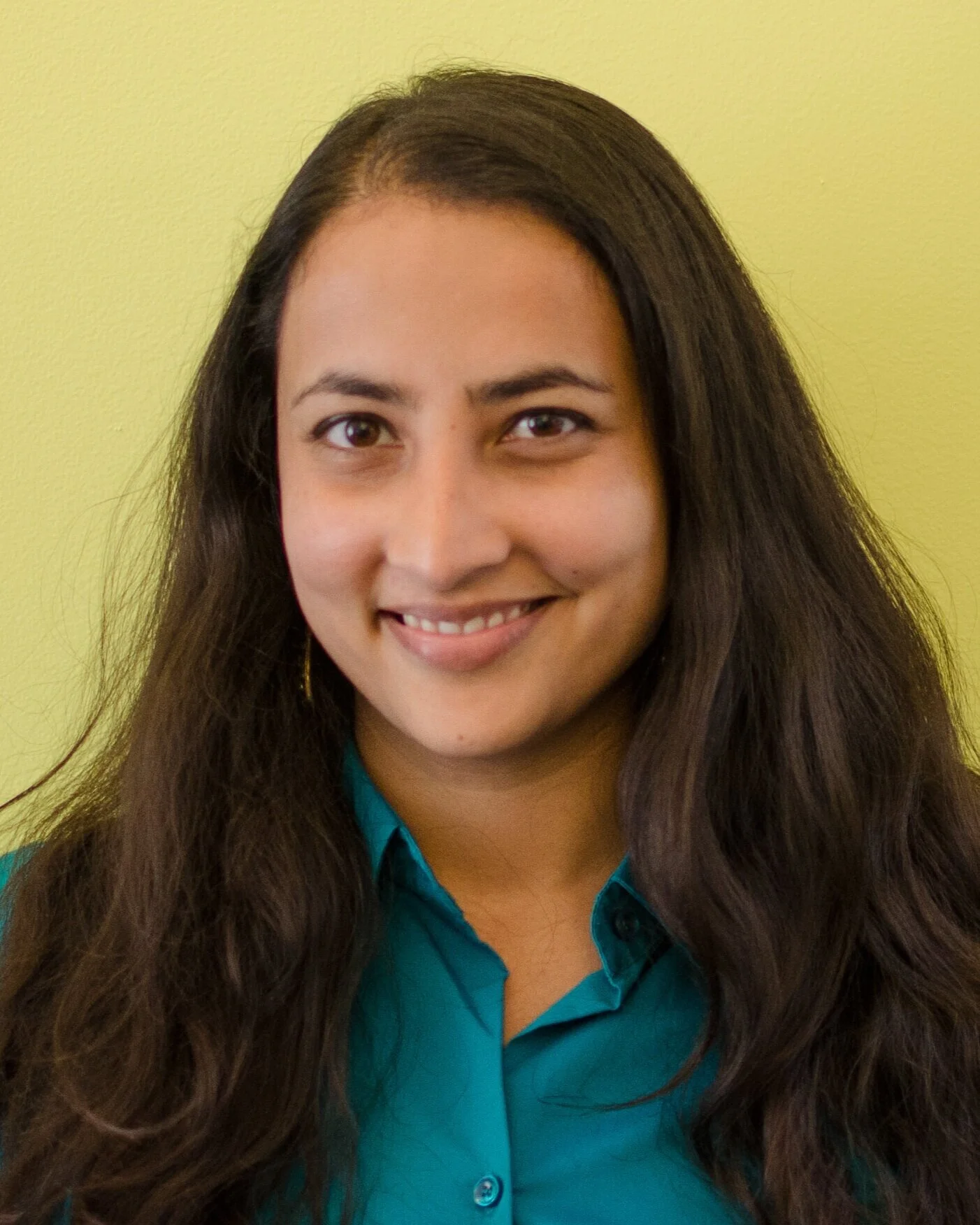
S1 Ep 40Dr. Shreya Saxena
Shreya is an Assistant Professor in the Department of Electrical Engineering at the University of Florida. Although her Master’s Degree is in Biomedical Engineering and her Ph.D. is in Electrical Engineering & Computer Science, make no mistake--Shreya is also a neuroscientist through and through. Throughout her career, from working as an undergraduate on the Blue Brain Project to her Ph.D. and postdoctoral work using control theory to study movement execution, Shreya has seamlessly married computational principles from engineering and biological principles guiding neural activity. As she finishes setting up her lab at UF, Shreya plans to continue using the engineering framework of control theory to understand certain behaviors like our ability to adjust or switch our movements at a moment’s notice. In her interview with Leslie, Shreya doesn’t just talk about her research; she also discusses the importance of having a positive lab culture, gender disparities in STEM, and how she applies control theory to her own life in setting goals and moving forward with purpose.