
Steve Blank Podcast
315 episodes — Page 3 of 7

What Happened When Deputy Secretary of Defense Kathleen Hicks visited Stanford’s Gordian Knot Center
It was an honor to host US Deputy Secretary of Defense Dr. Kathleen Hicks at Stanford’s Gordian Knot Center for National Security Innovation. (Think of the Deputy Secretary of Defense as the Chief Operating Officer of a company – but in this case the company has 3 million employees (~1.4 million active duty, 750,000 civilians, ~800,000 in the National Guard and Reserves.)
The Quantum Technology Ecosystem – Explained
Tens of billions of public and private capital are being invested in Quantum technologies. Countries across the world have realized that quantum technologies can be a major disruptor of existing businesses and change the balance of military power. So much so, that they have collectively invested ~$24 billion in in quantum research and applications.
The Semiconductor Ecosystem – Explained
The last year has seen a ton written about the semiconductor industry: chip shortages, the CHIPS Act, our dependence on Taiwan and TSMC, China, etc. But despite all this talk about chips and semiconductors, few understand how the industry is structured. I’ve found the best way to understand something complicated is to diagram it out, step by step. So here’s a quick pictorial tutorial on how the industry works.
What’s Plan B? – The Small, the Agile, and the Many
One of the most audacious and bold manifestos for the future of Naval innovation has just been posted by the Rear Admiral who heads up the Office of Naval Research. It may be the hedge we need to deter China in the South China Sea.
Technology, Innovation, and Great Power Competition – Wrap Up
We just had our final session of our Technology, Innovation, and Great Power Competition class. Joe Felter, Raj Shah and I designed the class to give our students insights on how commercial technology (AI, machine learning, autonomy, cyber, quantum, semiconductors, access to space, biotech, hypersonics, and others) will shape how we employ all the elements of national power (our influence and footprint on the world stage). At the end of the quarter, each of the teams gave a final “Lessons Learned” presentation with a follow-up a 3,000 to 5,000-word team-written paper. By the end the class all the teams realized that the problem they had selected had morphed into something bigger, deeper and much more interesting.
I Can’t See You but I’m Not Blind
If I ask you to think of an elephant do you see an elephant in your head when you close your eyes? I don’t. Regardless of how descriptive the imagery, story or text I can’t create any pictures in my head at all. 2% of people can’t do this either. This inability to visualize is called aphantasia.
The Gordian Knot Center for National Security Innovation at Stanford
75 years ago, the Office of Naval Research (ONR) helped kickstart innovation in Silicon Valley with a series of grants to Fred Terman, Dean of Stanford’s Engineering school. Terman used the money to set up the Stanford Electronics Research Lab. He staffed it with his lab managers who built the first electronic warfare and electronic intelligence systems in WWII. This lab pushed the envelope of basic and applied research in microwave devices and electronics and within a few short years made Stanford a leader in these fields. The lab became ground zero for the wave of Stanford’s entrepreneurship and innovation in the 1950’s and 60’s and helped form what would later be called Silicon Valley. 75 years later, ONR just laid down a bet again, one we believe will be equally transformative. They’re the first sponsors of the new Gordian Knot Center for National Security Innovation at Stanford that Joe Felter, Raj Shah, and I have started.
Technology, Innovation, and Great Power Competition – Class 8 – Cyber
We just completed the eighth week of our new national security class at Stanford – Technology, Innovation and Great Power Competition. Joe Felter, Raj Shah and I designed the class to cover how technology will shape the character and employment of all instruments of national power. Today’s class: Cyber
Technology, Innovation, and Great Power Competition – Class 7 – Space
We just completed the seventh week of our new national security class at Stanford – Technology, Innovation and Great Power Competition. Joe Felter, Raj Shah and I designed the class to cover how technology will shape the character and employment of all instruments of national power. Today’s class: The Second Space Age: Great Power Competition in Space.
Technology, Innovation, and Great Power Competition – Class 6 – Unmanned Systems and Autonomy
We just completed the sixth week of our new national security class at Stanford – Technology, Innovation and Great Power Competition. Joe Felter, Raj Shah and I designed the class to cover how technology will shape the character and employment of all instruments of national power....Today’s class: Unmanned Platforms and Autonomy
When There Seems to Be No Way Out – Customer Discovery for Your Head
As an entrepreneur at times you forget that being in charge doesn’t mean you have to know everything. When it feels like you’re trapped facing an unsolvable dilemma, and wrestling with a seemingly intractable problem, remember that “getting out of your head” is the personal equivalent of the Lean Startup mantra “get out of the building.” Learning this was a big step in making me a more effective entrepreneur.
Technology, Innovation, and Great Power Competition – Class 5 – AI and Machine Learning
We just completed the fifth week of our new national security class at Stanford – Technology, Innovation and Great Power Competition. Joe Felter, Raj Shah and I designed the class to cover how technology will shape all the elements of national power (America’s influence and footprint on the world stage). In class 1, we learned that national power is the combination of a country’s diplomacy, information/intelligence, its military capabilities, economic strength, finance, intelligence, and law enforcement. This “whole of government approach” is known by the acronym DIME-FIL. Class 2 focused on China, the U.S.’s primary great power competitor. China is using all elements of national power: diplomacy (soft power, alliances, coercion), information/ intelligence, its military might and economic strength (Belt and Road Initiative) as well as exploiting Western finance and technology. China’s goal is to challenge and overturn the U.S.-led liberal international order and replace it with a neo-totalitarian model. The third class focused on Russia, which since 2014 has asserted itself as a competing great power. We learned how Russia pursues security and economic interests in parallel with its ideological aims. At times, these objectives complement each other. At other times they clash, as Russian policy is run by Vladimir Putin and his political institutions. The fourth class shifted our focus to the impact commercial technologies have on DIME-FIL. The first technology we examined were semiconductors, the oil of the 21st century. The U.S. is dependent on TSMC, located in Taiwan, for its most advanced logic chips. This is problematic as China claims Taiwan is a province of China.
How to Find a Market? Use Jobs-To-Be-Done as the Front End of Customer Discovery
Modern entrepreneurship began at the turn of the 21st century with the observation that startups aren’t smaller versions of large companies – large companies at their core execute known business models, while startups search for scalable business models. Lean Methodology consists of three tools designed for entrepreneurs building new ventures...
Technology, Innovation, and Great Power Competition – Class 4- Semiconductors
We just completed the fourth week of our new national security class at Stanford – Technology, Innovation and Great Power Competition. Joe Felter, Raj Shah and I designed the class to cover how technology will shape all the elements of national power (America’s influence and footprint on the world stage). In class 1, we learned that national power is the combination of a country’s diplomacy (soft power and alliances), information/intelligence, military power, economic strength, finance, intelligence, and law enforcement. This “whole of government approach” is known by the acronym DIME-FIL. And after two decades focused on counter terrorism, the U.S. is now engaged in great power competition with both China and Russia. In class 2 the class focused on China, the U.S.’s primary great power competitor. China is using all elements of national power: diplomacy (soft power, alliances, coercion), information/ intelligence (using its economic leverage over Hollywood, controlling the Covid narrative), its military might and economic strength (Belt and Road Initiative) as well as exploiting Western finance and technology. China’s goal is to challenge and overturn the U.S.-led liberal international order and replace it with a neo-totalitarian model. The third class focused on Russia, which is asserting itself as a great power challenger. We learned how Russia pursues security and economic interests in parallel with its ideological aims. At times, these objectives complement each other. At other times they clash, Putin’s desire to restore Russia into a great power once again leads to a foreign policy that is opposite the interests of the Russia people. As Putin himself has said, “The collapse of the Soviet Union was a major geopolitical disaster of the century,” and that quote offers a window to his worldview as he tries to remake Russia into a great power once again.” Having covered the elements of national power (DIME-FIL) and China and Russia, the class now shifts to the impact commercial technologies have on DIME-FIL. Today’s topic – Semiconductors.
Technology, Innovation, and Great Power Competition – Class 3 – Russia
We just had our third week of our new national security class at Stanford – Technology, Innovation and Great Power Competition. Joe Felter, Raj Shah and I designed the class to cover how technology will shape all the elements of national power (our influence and footprint on the world stage). In class 1, we learned that national power is the combination of a country’s diplomacy (soft power and alliances), information/intelligence, its military, economic strength, finance, intelligence, and law enforcement. This “whole of government approach” is known by the acronym DIME-FIL. And after two decades focused on counter terrorism the U.S. is engaged in great power competition with both China and Russia. In class 2, we learned how China is using all elements of national power: diplomacy (soft power, alliances, coercion), information/intelligence (using its economic leverage over Hollywood, controlling the Covid narrative), its military might and economic strength (Belt and Road Initiative,) to exploit Western finance and technology. This has resulted in Western democracies prioritizing economic cooperation and trade with China above all else. China’s goal is to challenge and overturn the U.S.-led liberal international order and replace it with a neo-totalitarian model. Going forward, coexistence with China will involve competition but also cooperation. But it’s going to take the demonstrated resolve of the U.S. and its allies to continue to uphold a rules-based order where nations share a vision of a free and open Indo-Pacific where the sovereignty of all countries are respected. All which leads to today’s topic, the other great power – Russia.
Technology, Innovation, and Great Power Competition – Class 2
We just had our second week of our new national security class at Stanford – Technology, Innovation and Great Power Competition. Joe Felter, Raj Shah and I designed the class to cover how technology will shape all the elements of national power (our influence and footprint on the world stage). A key focus of the class is the return of Great Power competition. This isn’t an issue of which nation comes in first, it’s about what the world-order will look like for the rest of the century and beyond. Will it be a rules-based order where states cooperate to pursue a shared vision for a free and open region and where the sovereignty of all countries large and small is protected under international law? Or will an alternative vision for an autocratic and dystopian future be coerced and imposed by revisionist powers set on disrupting the U.S. led international order- an order that has brought the world unprecedented peace and prosperity since the end of the Second World War? All of which leads to today’s topic – China.
Technology, Innovation and Great Power Competition
For 25 years as the sole Superpower, the U.S. neglected strategic threats from China and a rearmed Russia. The country, our elected officials, and our military committed to a decades-long battle to ensure that terrorists like those that executed the 9/11 attacks are not able to attack us on that scale again. Meanwhile, our country’s legacy weapons systems have too many entrenched and interlocking interests (Congress, lobbyists, DOD/contractor revolving door, service promotion of executors versus innovators) that inhibit radical change. Our economic and foreign policy officials didn’t notice the four-alarm fire as we first gutted our manufacturing infrastructure and sent it to China (profits are better when you outsource); then passively stood by as our intellectual property was being siphoned off; and had no answer to China’s web of trade deals (China’s Belt and Road). The 2018 National Defense Strategy became a wakeup call for our nation.
Lead and Disrupt
You think startups are hard? Try innovating inside a large company where 99% of the company is executing the current business model, while you’re trying to figure out and build what comes next. Charles O’Reilly and Michael Tushman coined the term an “Ambidextrous Organization” to describe how some companies get this simultaneous execution and innovation process right. Their book Lead and Disrupt describes how others can learn how to do so. I was honored to write the forward to their second edition. Here it is in its entirety.
Why Innovation Heroes are a Sign of a Dysfunctional Organization
A week ago I got invited to an “innovation hero” award ceremony at a government agency. I don’t know how many of these I’ve been to in the last couple years, but this one just made my head explode.
The Class That Changed the Way Entrepreneurship is Taught
Revolutions start by overturning the status quo. By the end of the 20th century, case studies and business plans had reached an evolutionary dead-end for entrepreneurs. Here’s why and what we did about it.
Lean LaunchPad – For Deep Science and Technology
We just finished the 11th annual Lean LaunchPad class at Stanford — our first version focused on deep science and technology. I’ve always thought of the class as a minimal viable product – testing new ideas and changing the class as we learn. This year was no exception as we made some major changes, all of which we are going to keep going forward.
You Don’t Need Permission
I was pleasantly surprised to hear from Suresh, an ex-student I’ve known for a long time. A U.S. citizen he was now the head of sales and marketing for a company in London selling medical devices to hospitals in the UK National Health Service. His boss had identified the U.S. as their next market and wanted him to set up a U.S. salesforce. Suresh understood that the U.S. health system was very different from the system in the UK, not just the regulatory regime through the FDA, but the reimbursement process and the entire sales process.
Your Product is Not Their Problem
There are no facts inside your building, so get the heck outside: I just had a call with Lorenz, a former business school student who started a job at a biotech startup making bacteria to take CO2 out of the air. His job was to find new commercial markets for this bacteria at scale. And he wanted to chat about how to best enter a new market.
These Five Principles Will Accelerate Innovation
These Five Principles Will Accelerate Innovation by Steve Blank
Why Defense Could Now Be a Market for Startups
The U.S. Department of Defense is coming to grips with the idea that the technologies it needs to keep the country safe and secure are no longer exclusively owned by the military or its prime contractors. AI, machine learning, autonomy, cyber, quantum, access to space, semiconductors, biotech are all being driven by commercial companies. At the front-end of these innovations are startups – organizations the Department of Defense hasn’t previously dealt with at scale. They’re now learning how.
A Path to the Minimum Viable Product
I first met Shawn Carolan and his wife Jennifer at the turn of the century at 11,000 feet. I was hiking with my kids between the Yosemite High Sierra camps. Having just retired from a career as an entrepreneur I had started thinking about why startups were different from large companies. The ideas were bouncing around my head so hard that I shared them with these strangers around a campfire, drawing out the four steps with a stick in the dirt. Shawn immediately said the name I had given the four steps was confusing – I had called it market development – he suggested that I call it Customer Development – and the name stuck. What I didn’t realize was that both were graduate students at Stanford and later both would become great VCs – Shawn at Menlo Ventures and Jennifer at Reach Capital. (And Jennifer is now my co-instructor in the Stanford Lean LaunchPad class.)
E Pluribus Unum – A Rallying Cry for National Service
The Latin phrase E Pluribus Unum – Out of Many, One – is our de facto national motto. It was a rallying cry of our founders as they built a single unified nation from a collection of states. It’s a good reminder of where we need to go. Today as our country struggles to find the common threads that bind us, we need unifying, cohesive, collective, and shared national experiences to bring the country together again. Here’s what we’ve done to get started. And why I did it.
Software Once Led Us to the Precipice of Nuclear War. What Will AI Do?
The story of RYAN and Able Archer is an oft-told lesson of a U.S. intelligence failure, miscalculation, and two superpowers unaware they were on the brink of an accidental nuclear war — all because the Soviet Union relied on a software program to make predictions that were based on false assumptions. As more of our weapons systems and analytical and predictive systems become enabled by AI and Machine Learning, the lessons of RYAN and Able Archer is a cautionary tale for the DoD.
Hacking for Allies
During the Cold War U.S. diplomatic and military alliances existed to defend freedom around the world. Today, these alliances are being reshaped to respond to Russian threats to the Baltics and Eastern Europe and to China’s economic, military, and technological influence worldwide.
When National Security Falls Between the Cracks
After hearing from 20+ guest speakers, including two Secretaries of Defense, Generals, Admirals and Policy makers in our Technology, Innovation and Modern War class – the direction of technology and the future of national security came into sharper focus. This series of articles will offer suggestions to transform the DoD to face the challenges ahead.
Regaining America’s Technological Edge: Build a Civil-Military Alliance
After hearing from 20+ guest speakers, including two Secretaries of Defense, Generals, Admirals and Policy makers in our Technology, Innovation and Modern War class – the direction of technology and the future of national security came into sharper focus. This series of articles will offer suggestions to transform the DoD to face the challenges ahead. — “We need to couple the $150 billion a year U.S. Venture capitalists (VCs) spend to fund new ventures with the speed and urgency that the DOD now requires.”
Pentagon Advisory Boards Need to Offer 10X Ideas, Not 10% Ones – P.S. You’re Fired
Last week the Biden administration delayed seating several Trump appointees to defense advisory boards. It’s a welcome signal that incoming leaders recognize these groups are essential, not just patronage jobs. But the review needs to go much further than that. After this article was written the Secretary of Defense fired every member of all 40+ defense advisory boards and will start anew. Hopefully the suggestions in this post will help inform how they reconstitute the boards.
Lessons for the New Administration – Technology, Innovation, and Modern War
Our recent national security class at Stanford, Technology, Innovation, and Modern War was designed to give students insights on how the onslaught of new technologies like AI, machine learning, autonomy, cyber, access to space, biotech, hypersonics, and others have the potential to radically change how countries fight and deter threats.
Technology, Innovation, and Modern War – Wrap Up
This class, Technology, Innovation, and Modern War was designed to give our students insights on how the onslaught of new technologies like AI, machine learning, autonomy, cyber, access to space, biotech, hypersonics, and others has the potential to radically change how countries fight and deter threats. Our 20+ guest speakers were an extraordinary collection of military and policy leaders including two Secretaries of Defense, Generals, Admirals and Policy makers.
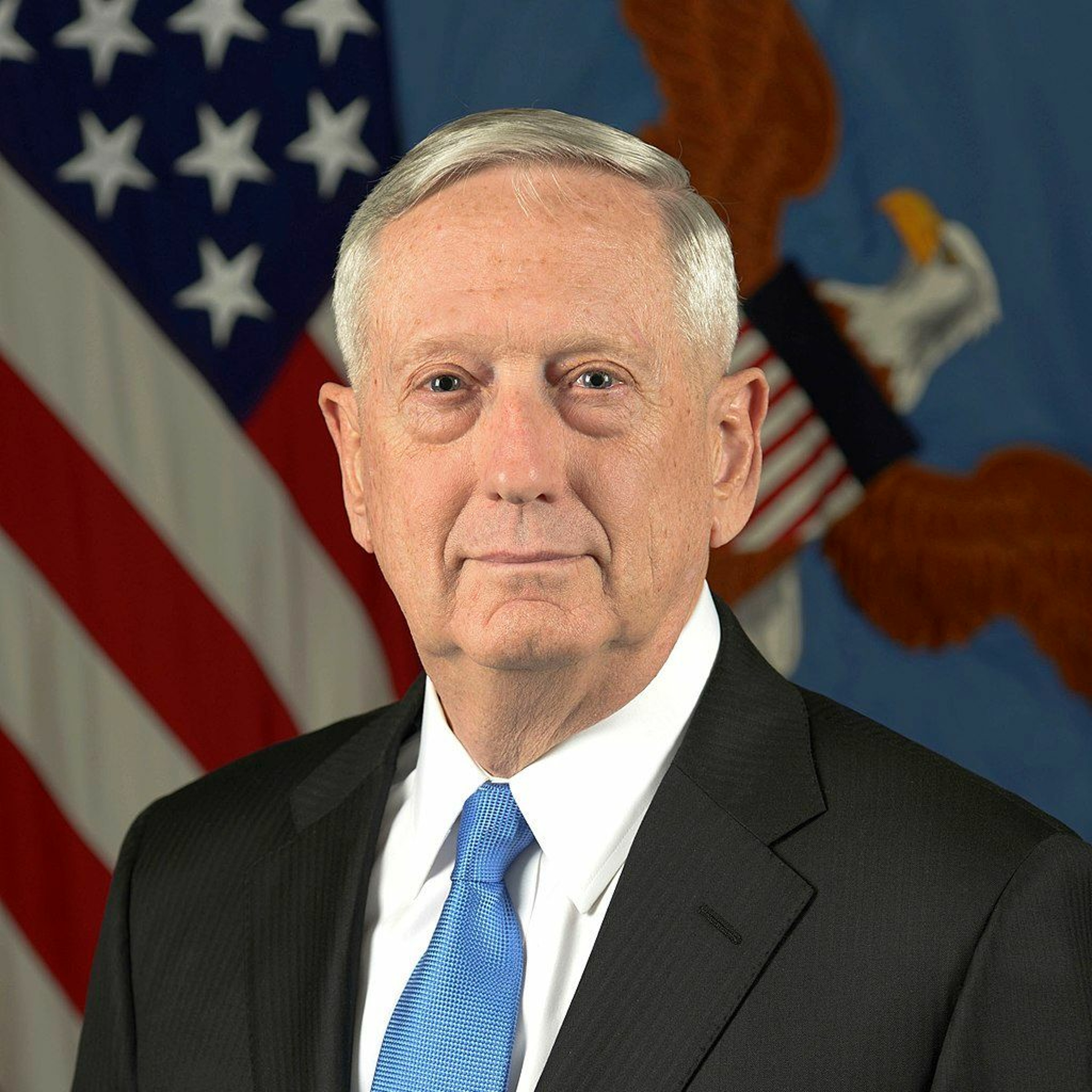
Technology, Innovation, and Modern War – Class 18 – General James Mattis
We just held our eighteenth and final session of our new national security class Technology, Innovation and Modern War. Joe Felter, Raj Shah and I designed a class to examine the new military systems, operational concepts and doctrines that will emerge from 21st century technologies – Space, Cyber, AI & Machine Learning and Autonomy. Today General James Mattis addressed the class.

Technology, Innovation, and Modern War – Class 17 – Organizational Design – Safi Bahcall
We just held our seventeenth session of our new national security class Technology, Innovation and Modern War. Joe Felter, Raj Shah and I designed a class to examine the new military systems, operational concepts and doctrines that will emerge from 21st century technologies – Space, Cyber, AI & Machine Learning and Autonomy. Today’s topic was Organizational Design and Modern War. And Finals Prep. Our guest speaker was Safi Bahcall,author of Loonshots.

Technology, Innovation, and Modern War – Class 16 – Acquisition & Sustainment – Ellen Lord
We just held our sixteenth session of our new national security class Technology, Innovation and Modern War. Joe Felter, Raj Shah and I designed a class to examine the new military systems, operational concepts and doctrines that will emerge from 21st century technologies – Space, Cyber, AI & Machine Learning and Autonomy. Today’s topic was Acquisition and Sustainment and Modern War. Our guest speaker was the Honorable Ellen Lord the Under Secretary of Defense for Acquisition and Sustainment.
The Rapture Happened but I Wasn’t Called
Last Friday the Secretary of Defense abruptly fired half of the Defense Business Board. For some reason, he forgot me. Over the last year the administration began replacing members of every defense advisory board with party loyalists. Below is my resignation letter to the Secretary of Defense.

Technology, Innovation, and Modern War – Class 15 – Mid Term– Congressman Mike Gallagher
We just held our fifteenth session of our new national security class Technology, Innovation and Modern War. Joe Felter, Raj Shah and I designed a class to examine the new military systems, operational concepts and doctrines that will emerge from 21st century technologies – Space, Cyber, AI & Machine Learning and Autonomy. Today’s topic was Midterms with Congressman Mike Gallagher. Our guest speaker Congressman Mike Gallagher, a member of the House Armed Services Committee.

Technology, Innovation, and Modern War – Class 13 – ONR– Rear Admiral Lorin Selby
We just held our thirteenth session of our new national security class Technology, Innovation and Modern War. Joe Felter, Raj Shah and I designed a class to examine the new military systems, operational concepts and doctrines that will emerge from 21st century technologies – Space, Cyber, AI & Machine Learning and Autonomy. Today’s topic was The Navy and Modern War. Our guest speaker was Rear Admiral Lorin Selby, Chief of Naval Research, United States Navy.

Technology, Innovation, and Modern War – Class 12 –The Space Force– General John Raymond
We just held our twelfth session of our new national security class Technology, Innovation and Modern War. Today’s topic was The Space Force and Modern War. Our guest speaker was Gen. John Raymond, Chief of Space Operations, United States Space Force.
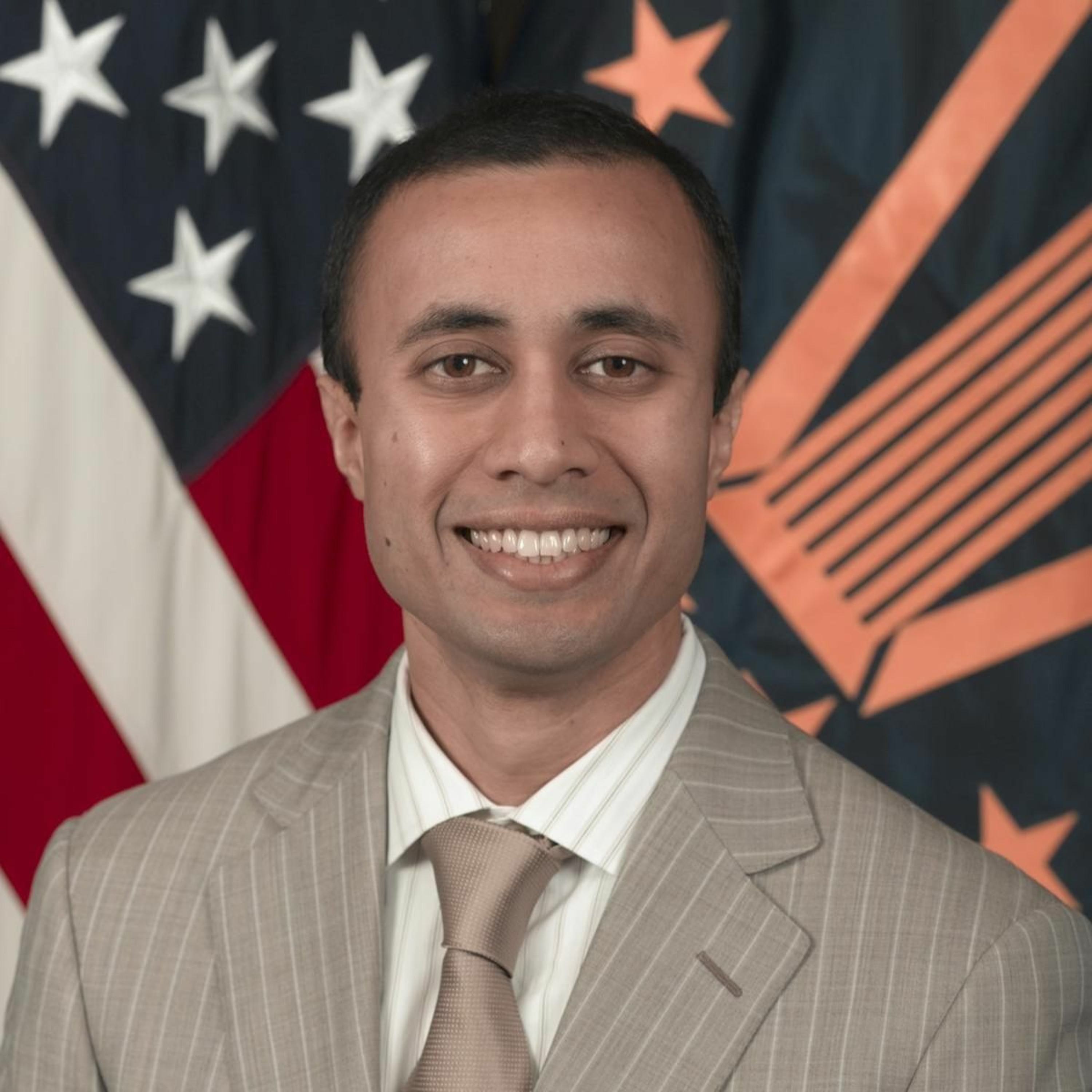
Technology, Innovation, and Modern War – Class 11 – Cyberwarfare –– Sumit Agarwal
We just held our eleventh session of our new national security class Technology, Innovation and Modern War. Joe Felter, Raj Shah and I designed a class to examine the new military systems, operational concepts and doctrines that will emerge from 21st century technologies – Space, Cyber, AI & Machine Learning and Autonomy. Today’s topic was Military Applications of Cyber. Our guest speaker was Sumit Agarwal, former Deputy Assistant Secretary of Defense and Senior Advisor for Cyber Innovation.
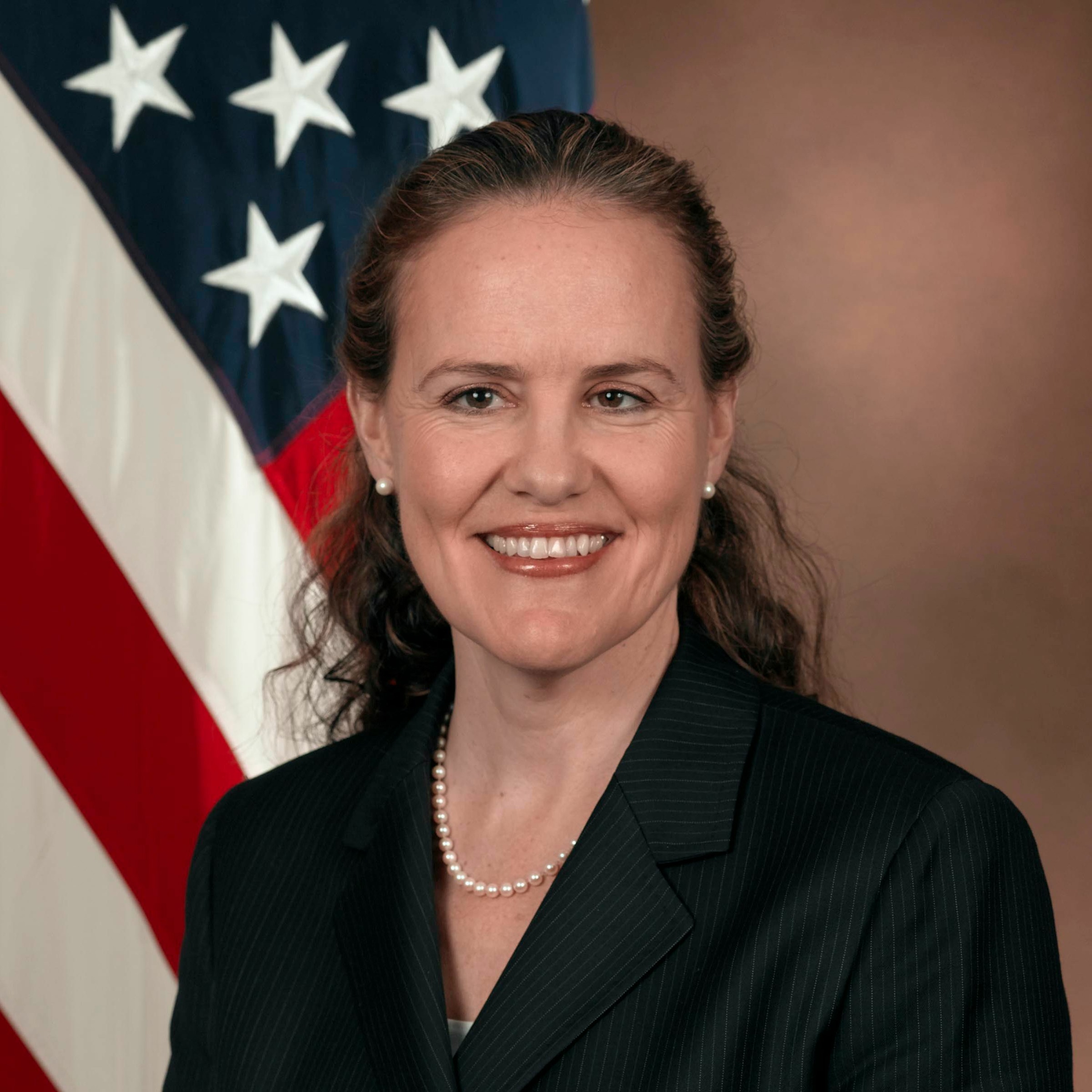
Technology, Innovation, and Modern War – Class 10 – The DOD and Modern War –– Michèle Flournoy
We just held our tenth session of our new national security class Technology, Innovation and Modern War. Joe Felter, Raj Shah and I designed a class to examine the new military systems, operational concepts and doctrines that will emerge from 21st century technologies – Space, Cyber, AI & Machine Learning and Autonomy. Today’s topic was The DoD and Modern War. With Michèle Flournoy, former Under Secretary of Defense for Policy joining us, we also assigned her recent article in Foreign Affairs, “How to Prevent a War in Asia”and CNAS report “Sharpening the US Military’s Edge: Critical Steps for the Next Generation”

Technology, Innovation and Modern War – Class 9 – Autonomy – Maynard Holliday
We just held our ninth session of our new national security class Technology, Innovation and Modern War. Joe Felter, Raj Shah and I designed a class to examine the new military systems, operational concepts and doctrines that will emerge from 21st century technologies – Space, Cyber, AI & Machine Learning and Autonomy. Today’s topic was Autonomy and Modern War. In this class session Maynard Holliday of RAND describes the potential of autonomy in the DoD.

Technology, Innovation, and Modern War – Class 8 – AI – Chris Lynch and Nand Mulchandani
We just held our eighth session of our new national security class Technology, Innovation and Modern War. Today’s topic was Artificial Intelligence and Modern War. In this class session Nand Mulchandani, JAIC CTO who just completed an extended stint as Acting Director, continued the discussion of AI and the role of the JAIC. In addition to Nand, the class also heard from Chris Lynch, founder of the Defense Digital Service (DDS), now the CEO of Rebellion Defense, a new vendor of AI to the DOD.

Technology, Innovation, and Modern War – Class 7 – Jack Shanahan
We just held our seventh session of our new national security class Technology, Innovation and Modern War. Joe Felter, Raj Shah and I designed the class to examine the new military systems, operational concepts and doctrines that will emerge from 21st century technologies – Space, Cyber, AI & Machine Learning and Autonomy. Today’s topic was Military Applications of Artificial Intelligence; our guest speaker was General Jack Shanahan LTG (ret), former Director of the Joint Artificial Intelligence Center (JAIC).
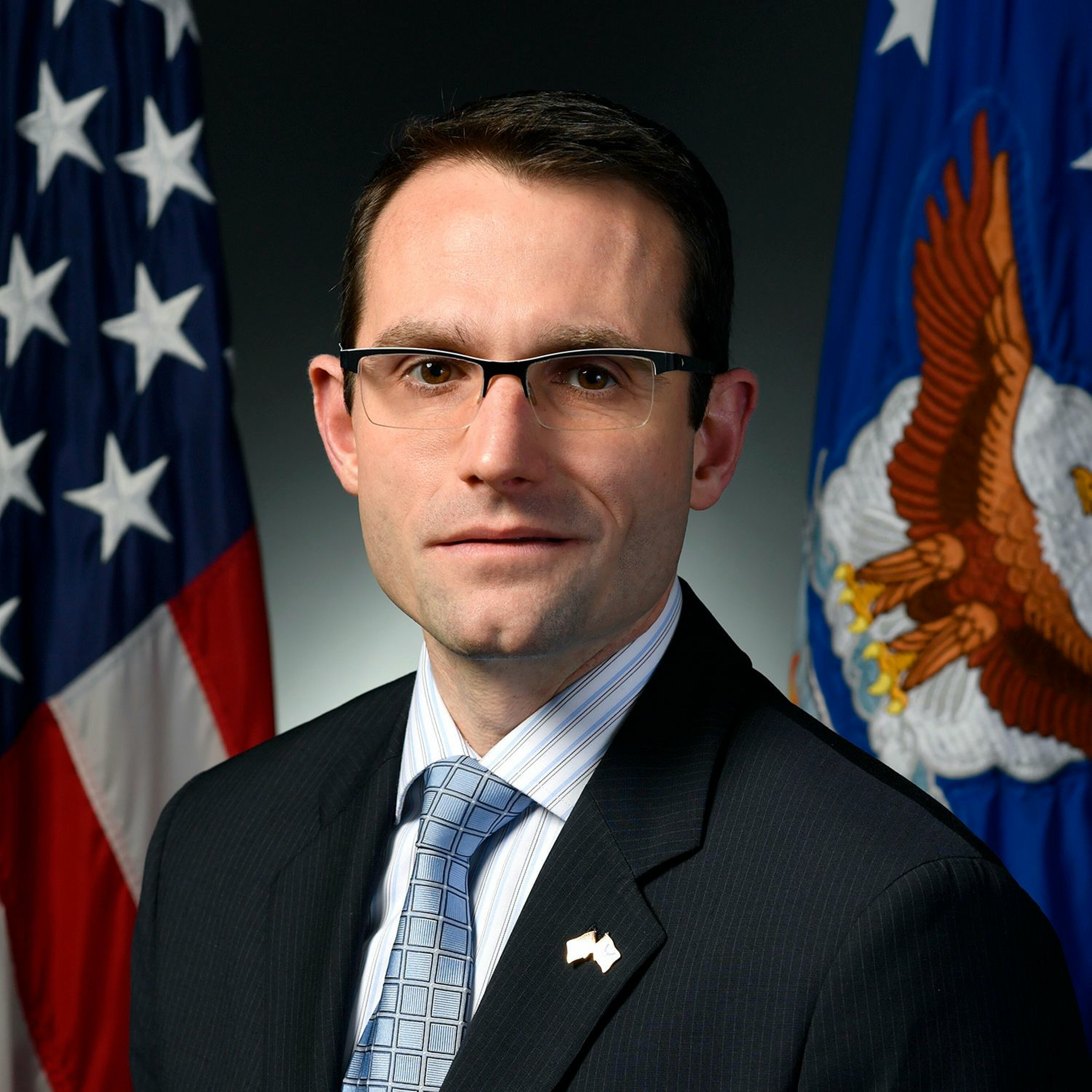
Technology, Innovation and Modern War – Class 6 – Will Roper
We just held our sixth session of our new national security class Technology, Innovation and Modern War. Joe Felter, Raj Shah and I designed a class to examine the new military systems, operational concepts and doctrines that will emerge from 21st century technologies – Space, Cyber, AI & Machine Learning and Autonomy. Today’s topic was Innovations in Acquiring Technologies for Modern War.

Technology, Innovation, and Modern War – Class 5 – Chris Brose
We just held our fifth session of our new national security class Technology, Innovation and Modern War. Joe Felter, Raj Shah and I designed a class to examine the new military systems, operational concepts and doctrines that will emerge from 21st century technologies – Space, Cyber, AI & Machine Learning and Autonomy. Today’s topic was The Challenges of Defending America in the Future of High-Tech Warfare.
Technology, Innovation, and Modern War – Class 4 – Bridge Colby
We just held our fourth sessions of our new national security class Technology, Innovation and Modern War. Joe Felter, Raj Shah and I designed a class to examine the new military systems, operational concepts and doctrines that will emerge from 21st century technologies – Space, Cyber, AI & Machine Learning and Autonomy. Today’s topic was Defense Strategies and Military Plans in an Era of Great Power Competition.

Technology, Innovation, and Modern War – Class 3 – Anja Manuel
We just held our third session of our new national security class Technology, Innovation and Modern War. Joe Felter, Raj Shah and I designed a class to examine the new military systems, operational concepts and doctrines that will emerge from 21st century technologies – Space, Cyber, AI & Machine Learning and Autonomy. Today’s topic was Sourcing, Acquiring and Deploying Technology for Modern War.