
Show overview
Star Diary has been publishing since 2016, and across the 10 years since has built a catalogue of 377 episodes, alongside 33 trailers or bonus episodes. That works out to roughly 160 hours of audio in total. Releases follow a fortnightly cadence, with the show now in its 2nd season.
Episodes typically run twenty to thirty-five minutes — most land between 17 min and 33 min — though episode length varies meaningfully from one episode to the next. None of the episodes are flagged explicit by the publisher. It is catalogued as a EN-language Science show.
The show is actively publishing — the most recent episode landed 2 weeks ago, with 20 episodes already out so far this year. The busiest year was 2023, with 72 episodes published. Published by Our Media.
From the publisher
The astronomy podcast from the makers of BBC Sky at Night Magazine.
Latest Episodes
View all 377 episodesNew space mission will hunt for alien worlds
See Mars and Jupiter in the morning sky this autumn
The mystery of comet 3I/ATLAS
The Harvest Moon and the autumn equinox
Discovery beneath the surface of Mars
August 2026 solar eclipse and Perseid meteor shower
How do you weigh a planet that hasn’t formed yet?
Mercury and Saturn return!
How to build a planet-hunting spacecraft
Summer stargazing
How spaceflight hammers the human body
May's 'blue Moon’ – what we'll really see
Strange signals from the galactic centre
The Evening Star is back
Venus is slowly returning to the evening sky, marking the re-emergence of one of the best naked-eye objects. Find out what else is happening with the planets, the Moon, stars constellations and deep-sky objects in April 2026 Learn more about your ad choices. Visit podcastchoices.com/adchoices
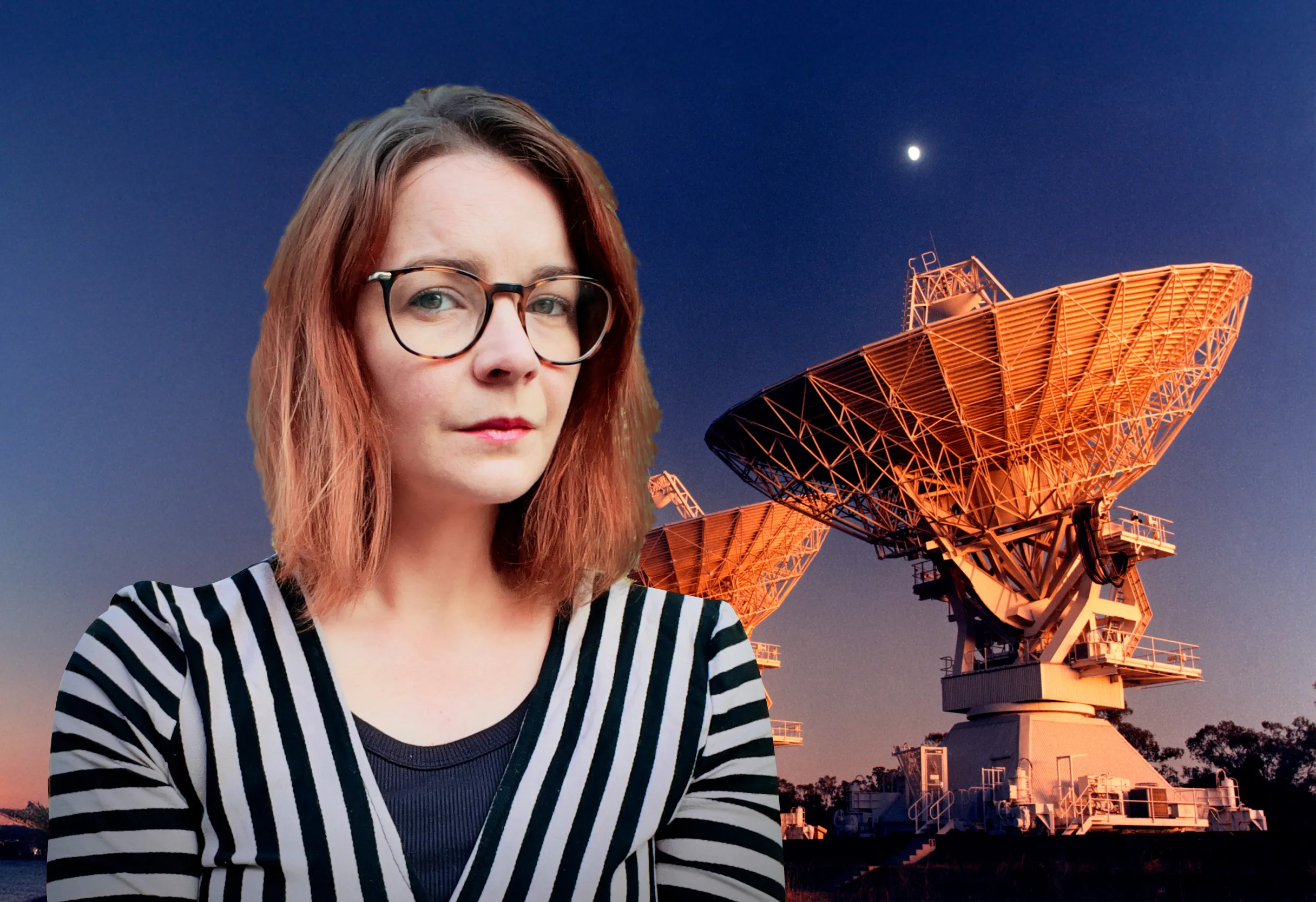
Exploring the radio Universe
Radio astronomer Dr Emma Chapman reveals how radio waves enable scientists to explore the cosmos, from mapping Venus to searching for alien life and discovering the origins of the Universe. Learn more about your ad choices. Visit podcastchoices.com/adchoices
Spring stargazing is here
Find out which planets are best in the night sky in March 2026, plus key times to observe the Moon, stars and constellations. Learn more about your ad choices. Visit podcastchoices.com/adchoices

Revealing the secrets of Mercury
The European Space Agency's BepiColombo mission arrives at Mercury later this year. Planetary scientist Emma Bunce reveals the mysteries the mission could uncover. Learn more about your ad choices. Visit podcastchoices.com/adchoices
Jupiter dominates the night sky in February 2026
Find out the best things to see in the sky this month, from the planets and constellations to deep-sky targets for your telescope. Learn more about your ad choices. Visit podcastchoices.com/adchoices

Listening to black holes colliding
Tessa Baker discusses newly-discovered cosmic collisions and how they’re helping her unlock the secrets of the Universe. Learn more about your ad choices. Visit podcastchoices.com/adchoices
New Year, new stargazing – January 2026
Pete Lawrence and Paul Abel reveal the best things to see in the night sky to kick off a new year of stargazing. Happy 2026 everyone! Learn more about your ad choices. Visit podcastchoices.com/adchoices