Silent Generation
123 episodes — Page 2 of 3

Ep 74Ep. 73: Normcore w/ Solana
Normcore is a “a post-authenticity coolness that opts into sameness.” The term was first coined by the trend forecasting group K-HOLE in their 2013 report Youth Mode: A Report on Freedom, which was a larger philosophical deliberation on the degree to which people should remain alternative into adulthood. This week’s episode of Silent Generation focuses on how the fashion world’s misclassification of normcore as an aesthetic caused internet aesthetics to become less subculture-oriented after the mid-2010s. Nathan and Solana begin by discussing the history of internet aesthetics by breaking them down into four categories and three periods: consumer aesthetics, early internet subcultures (2009-2014), Vaporwave-inspired aesthetics (2014-2020), and Tik Tok aesthetics (2020-2025). They then discuss the true meaning of K-HOLE’s report and question what normcore fashion conceptually looked like. They round out the episode by recapping the reasons why normcore killed off the subculture component of internet aesthetics: aesthetics could now be vibes or metaphysical concepts, aesthetics became a formula that could be capitalized off of by brands, and internet aesthetics became more fashion-centric. Links: Youth Mode: A Report on Freedom Normcore: Fashion for Those Who Realize They’re One in 7 Billion by Fiona Duncan Normcore: Fashion Movement or Massive In-Joke? by Alex Williams Normcore Never Died. It Just Got More Expensive by Vanessa Friedman Normcore Was Always A Misunderstood Fantasy by Delia Cai ASOS: What is Normcore/90s Normal? ASOS explains... Gap’s Dress Normal Campaign Isn’t Working Because Normal People Don’t Want to Be Normal by Rachel Raczka Artwork: Seinfeld Recorded on 5/25/2025

Ep 73Ep. 72: Utopian Scholastic
Utopian Scholastic is an aesthetic that was popular in the education field from the late 1980s to early 2000s. It consists of stock image collage, early CGI, references to academia, references to surrealism, and serifed fonts. On this week’s episode, Joseph and Nathan go into a deep dive of Utopian Scholastic and begin by discussing how the aesthetic was first identified by someone inspired by the Consumer Aesthetics Research Institute. They then theorize how factors like the echo boom, utopian beliefs about the internet, and the relative parity of traditional and digital mediums caused Utopian Scholastic to first emerge. Amongst other things they discuss how Frasurbane acts as a base for the aesthetic and how the Eyewitness TV show replicated the style of DK Eyewitness books. Links: Pinterest board: https://www.pinterest.com/silentgeneration/utopian-scholastic/ Utopian Scholastic CARI Page Utopian Scholastic Aesthetics Wiki Page Evan Collin’s Utopian Scholastic Are.Na Page The Most Overlooked Aesthetic : Utopian Scholastic by Kat Online Utopian Scholastic Designs from a Pre-9/11 World The post in Global Village Coffeehouse and Suze Huldt’s comments Peggy McNamara’s art website Ship With Butterfly Sails by Salvador Dali DK Eyewitness Intro The Making of Eyewitness Get Lit: Grown-Up Book Fair Artwork: The Arts in Education Poster Recorded on 5/18/2025

Ep 72Ep. 71: IKEA [TEASER]
Full episode available on Patreon: https://www.patreon.com/SilentGeneration On this week’s episode of Silent Generation the boys discuss what makes IKEA one of Joseph’s favorite companies. They begin by briefly summarizing how IKEA was founded by Swedish entrepreneur Ingvar Kamprad in 1943 before detailing the various innovations that made it successful (the showroom model, flat packing, and self-assembly). They then talk about how IKEA acts as a point of cross-cultural exchange between Sweden and the United States through its furniture and food products. Amongst other things they discuss how IKEA just released their largest premium collection ever and may be experiencing the effects of premiumization, how IKEA was a pioneer in using recycled materials but is still responsible for 1% of the world’s annual wood consumption, and how IKEA has eight categories of consumers that they cater to but most strongly appeals to people in their 20s. Links: Everyday Tastes from High-Brow to Low-Brow, 1949 Everyday Tastes from High-Brow to Low-Brow, Modern Interpretation Hacking IKEA - 99% Invisible IKEA - Acquired Podcast IKEA Museum House Perfect by Lauren Collins IKEA Invented "Eureka Spiritis" to Showcase Its Quality Furnishings by Laura McQuarrie At what age do people stop shopping at Ikea? by Zachary Crockett What's New at IKEA | IKEA's New LUXURY Collection! Why You Might Want To Throw Away Your Black Kitchen Utensils and Takeout Containers by Christine Byrne These Ugly Big Box Stores are Literally Bankrupting Cities - Not Just Bikes Artwork: IKEA Store in Yokohama, Japan Jmho, CC0, via Wikimedia Commons Recorded on 5/12/2025

Ep 71Ep. 70: Scene Kids
Scene is a youth subculture that evolved from emo in the mid to late 2000s. Members of the subculture were typically referred to as “scene kids”, but scene kids with large online followings were also referred to as “scene queens” or “scene kings.” On this week’s episode of Silent Generation, Joseph and Nathan begin by sharing their theory that scene spread in a diffuse manner throughout exurbia (particularly in the Sun Belt) due to early social media sites like Myspace. They then detail the elements of scene fashion (brightly colored hair, heavy eyeliner, skinny jeans, band tees, kandi bracelets, and cartoon characters) before examining notable scene queens like Kiki Kannibal, Ambrehhh Is Dead, and Vanna Venom. Amongst other things they discuss how scene kids would act performatively hyper in the way that emo kids would act performatively sad, how Warped Tour’s lineup reflected the wide range of musical genres scene kids liked (metal, EDM, crunkcore), and how modern Zoomers and TikTok influencers have reinterpreted scene through scenecore. Links: Scene Kids Pinterest board: https://www.pinterest.com/silentgeneration/scene-kids/ “Scene Kids” on Google Trends From Hardcore to Harajuku: The Origins of Scene Subculture by Ethan Stewart The comprehensive guide to scene culture (from a former scene kid) // video essay by Saoirse The Scene Queens Of Myspace: Web’s First Ever Stars (2000s Guide) by Vitalyspace everyday hair&makeup routine by Ambrehhh Is Dead Kiki Kannibal: The Girl Who Played With Fire by Sabrina Rubin Erdely Kiki Kannibal’s necklaces Scene Wolf - Know Your Meme Scene Nostalgia/ fuckyeah2012 From a real 2000-2010s former scene girl.. (w/ proof pix and playlist - Reddit post Freaxx - brokeNCYDE Alcohol - Millionaires 23 Former Scene Kids From The '00s Who Glowed The Heck Up by Anna Kopsky How zoomers think skinny jeans look vs. how millennials think skinny jeans look Artwork: Ambrehhh Is Dead Recorded on 5/5/2025

Ep 70Ep. 69: Vernacular Architecture w/ Brick of Chicago
Vernacular architecture is architecture that uses local materials and traditional techniques to construct buildings without the guidance of licensed architects. It is surprisingly common in the United States despite the country's young age, including in cities like Chicago. This week the boys are joined by Will Quam, the founder of walking tour company Brick of Chicago, to discuss Chicago's rich vernacular traditions and building types. Amongst other things they discuss how the Great Chicago Fire led to the proliferation of brick architecture throughout the city, how Chicago produced over a billion common bricks per year at the peak of brick production, how many of the city's two and three flats were built using "plan books," and how the city has a "bungalow belt" of bungalow homes that were built in the 1920s. Links: Brick of Chicago website - https://www.brickofchicago.com/ Brick of Chicago - Instagram Page Architecture Without Architects by Rusofsky Bernard Vernacular Architecture by Henry Glassie Out of the Loop: Chicago Vernacular Architecture Forum Chicago Vernacular Architecture The Chicago Workers Cottage Initiative Are Two-Flats Only A Chicago Thing? Why These Uniquely Chicago Homes Have Thrived For A Century by Kelly Bauer How bungalow-y is the Bungalow Belt? by Daniel Kay Hertz After design competition, architect will get to build vision for new Chicago two-flat by Sara Freund Even the Moon Has a Dark Side: A Critical Look at Vernacular Architecture by Sanjoy Mazumdar Artwork: Provided by Will Quam 4/28/2025

Ep 69Ep. 68: Historical Dressing & Reenactment [EXTENDED TEASER]
Full episode available on Patreon: https://www.patreon.com/SilentGeneration Historical dressing refers to the act of wearing clothing that is authentic to a specific time period, while historical reenactment refers to the act of recreating past events (such as battles). These two overlapping activities and communities have much in common but are rarely analyzed together. On this week’s episode of Silent Generation, Joseph and Nathan begin by considering the psychological motivations behind historical dressing and reenactment. They then detail the various types of historical reenactment, where to buy reenactment clothing and supplies, and why some people chose to wear historical clothing daily. Amongst other things they discuss how “farb” is used as a pejorative term to describe inauthentic reenactors, how tailors like The Progressive Tailor hand stitch their clothing, how Dandy Wellington popularized the phrase “vintage style, not vintage values,” and what the debate around vintage values in the community really means. Links: I was obsessed with the mid 19th century as kid Blunderyears post Uniforms: Why We Are What We Wear by Paul Fussell The Grenadier Company The Grenadier Company’s crashing out Instagram post The Ragged Victorians – The Great Unwashed The Milwaukee Vintage Style Society Deer Hunting in the Oregon Cascades, circa 1925. The Progressive Tailor - Instagram Page The Progressive Tailor - Facebook Page Pinsent Tailoring - https://www.pinsenttailoring.co.uk/ Pinsent Tailoring - Instagram Page Dandy Wellington - Instagram Page Mistress Pennywhistle - Instagram Page What We Each Wear in a Week: 3 Daily Historical Fashion Wearers ‘I don’t see jeans in my future’: the people who wear complete historical dress – every day by Ammar Kali Victorian Era Couple Live Like It's The 19th Century Millennial Lives His Life In Victorian Era This woman lives every day like it’s 1958 This man lives every day like it's 1965 The Meaning of ‘Vintage Style, Not Vintage Values’ in the Modern Age by Lena Bramsen Fashion-focused Jan. 6 rioter who snapped selfies with Roger Stone and white supremacist arrested thanks to Instagram: Feds by Brandi Buchman Artwork: Farb Recorded on 4/22/2025

Ep 68Ep. 67: The World’s Fair
World’s fairs, now called World Expos, are large global expositions that exhibit the achievements of nations. They originally focused on industry and technology before shifting to a focus on cultural exchange and nation branding in the mid-20th century. On this week’s episode of Silent Generation, the boys go into a deep dive of several notable world’s fairs including the 1851 Great Exhibition in London, the 1893 World’s Columbian Exposition in Chicago, the 1904 Louisiana Purchase Exposition in St. Louis, The 1933 Century of Progress Exposition in Chicago, and the 1964 World’s Fair in New York City. They conclude the episode by talking about how and why the world’s fair has declined as a cultural institution. Amongst other things they discuss how the Ferris wheel was first invented for Chicago’s 1893 world’s fair, how the 1904 St. Louis world’s fair put over 1,000 Filipino people on display, how the Van Wyck Expressway was extended to provide access to the 1964 NYC world’s fair, and how the newest world’s fair just opened in Osaka, Japan this week. Links: What Was the Great Exhibition of 1851 by Steven Brindle Falsifying History by Destroying Cities - Stewart Hicks 1500 Buildings Built in 3 Years - Louisiana Purchase Exposition 1904 - Auto Didactic Long-delayed DiCaprio/Scorsese serial killer film Devil in the White City back on track by Andrew Pulver The 1964 World’s Fair (1996) OSAKA EXPO 2025! All To Know Before You Go! Ticket presales, pavilion completion slow 1 month before Osaka Expo Expo 2025 Osaka: 8 Must-See National Pavilions The Fall of The Fair by Harry Swartout Artwork: NY World's Fair 1964-1965 by PLCjr Attribution-NonCommercial 2.0 Generic Recorded on 4/13/2025

Ep 67Ep. 66: Metrosexuals
Metrosexual is a term first coined by British journalist Mark Simpson in 1994. It is a portmanteau of the words “metropolitan” and “heterosexual,” and it describes straight men who care about their personal style in a similar manner to gay men. The term only entered mainstream discourse in 2002 after Simpson “outed” David Beckham as metrosexual in his Meet the Metrosexual article. On this week’s episode of Silent Generation, Joseph and Nathan compare and contrast the metrosexual with similar cultural figures like the flâneur and the Yuppie. Amongst other things they discuss how the 2003 series Queer Eye for the Straight Guy functioned as “metrosexuality: the reality TV show,” how there was a “retrosexual” backlash against metrosexuality towards the later half of the 2000s, and how we might be experiencing the fifth wave of the “men move to cities and become more stylish” phenomenon in the present day. Links: Here Come the Mirror Men: Why the future is metrosexual by Mark Simpson Meet the Metrosexual by Mark Simpson Metrodaddy Speaks by Mark Simpson Forget new man. Now you're hetero, retro or metro by Mark Simpson Who are you calling a metrosexual? Is it time to return to when 'men were men'? by Dave Besley Metrosexuals - A Documentary (2004) What Is a Metrosexual? The 2003 Trend That Came With the Success of ‘Queer Eye Are You a Heterosexual Male Diva? By David Crunk The Rise of the Brosexual by Megan Collins Discussing Menswear as a Woman by Ash Callaghan Artwork: AI generated Recorded on 3/30/2025
Ep 66Ep. 65: Air Travel [TEASER]
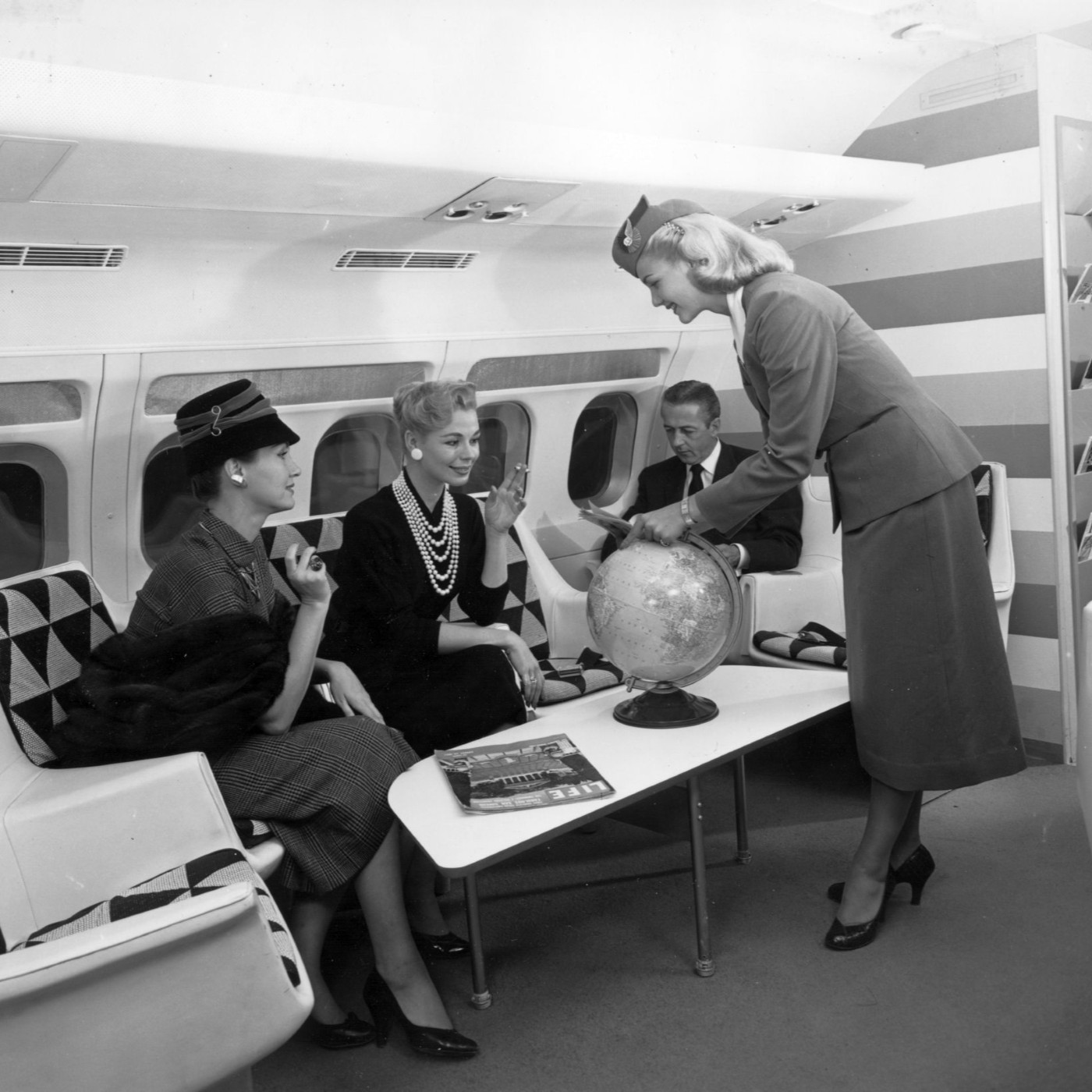
Full episode available on Patreon: https://www.patreon.com/SilentGeneration On this week’s episode of Silent Generation, Joseph and Nathan examine all things related to air travel. They begin with a historical deep dive that breaks air travel down into six distinct eras: the invention of aviation, the first golden age, WWII, the jet age, deregulation after 1978, and the modern era. The boys then go in several anecdotal directions, reminiscing about the airlines of yesteryear (Pan Am and TWA) and the decline of in-flight service. Amongst other things they discuss how the Airline Deregulation Act of 1978 caused airlines to begin competing on price instead of service, how Southwest recently got rid of their two free checked bags policy, how Pan Am used to serve passengers beluga caviar, and how the TWA Hotel in NYC gives modern people the opportunity to experience Jet Age luxury. Links: The Case For Santos Dumont The Wind Rises (2013) Airlines’ Secret Scheme to Keep Airfare Prices High Boeing: How much trouble is the company in? by Theo Leggett Passengers evacuate onto wing of American Airlines plane after engine catches fire at Denver airport by Pete Muntean and Alexandra Skores Fury as Southwest Airlines puts an end to one of its most popular perks by Ben Shimkus Goodbye to ‘bags fly free’ on Southwest Airlines, the last freebie in America by Leslie Joseph Matt Stoller: How To Fix The Airline Industry's Structural Problems The Rise And Fall Of Pan Am Come Fly With Me: The Story of Pan Am (2011, BBC Documentary) The meme about galas Joseph Meeting Griz from 30 Rock Joseph on a cargo plane Woman strips naked and walks screaming down the aisle on Southwest flight to Phoenix by Terry Dickerson Whitneylynn1 (Instagram Evangelist) You’re Crazy For Taking the Bus by Johnathan Richman Artwork: TWA Convair 880 Lounge Publicity Photo San Diego Air and Space Museum Archive, Public domain, via Wikimedia Commons Recorded on 3/20/2025
Ep 65Ep. 64: Whimsicraft w/ Evan Collins
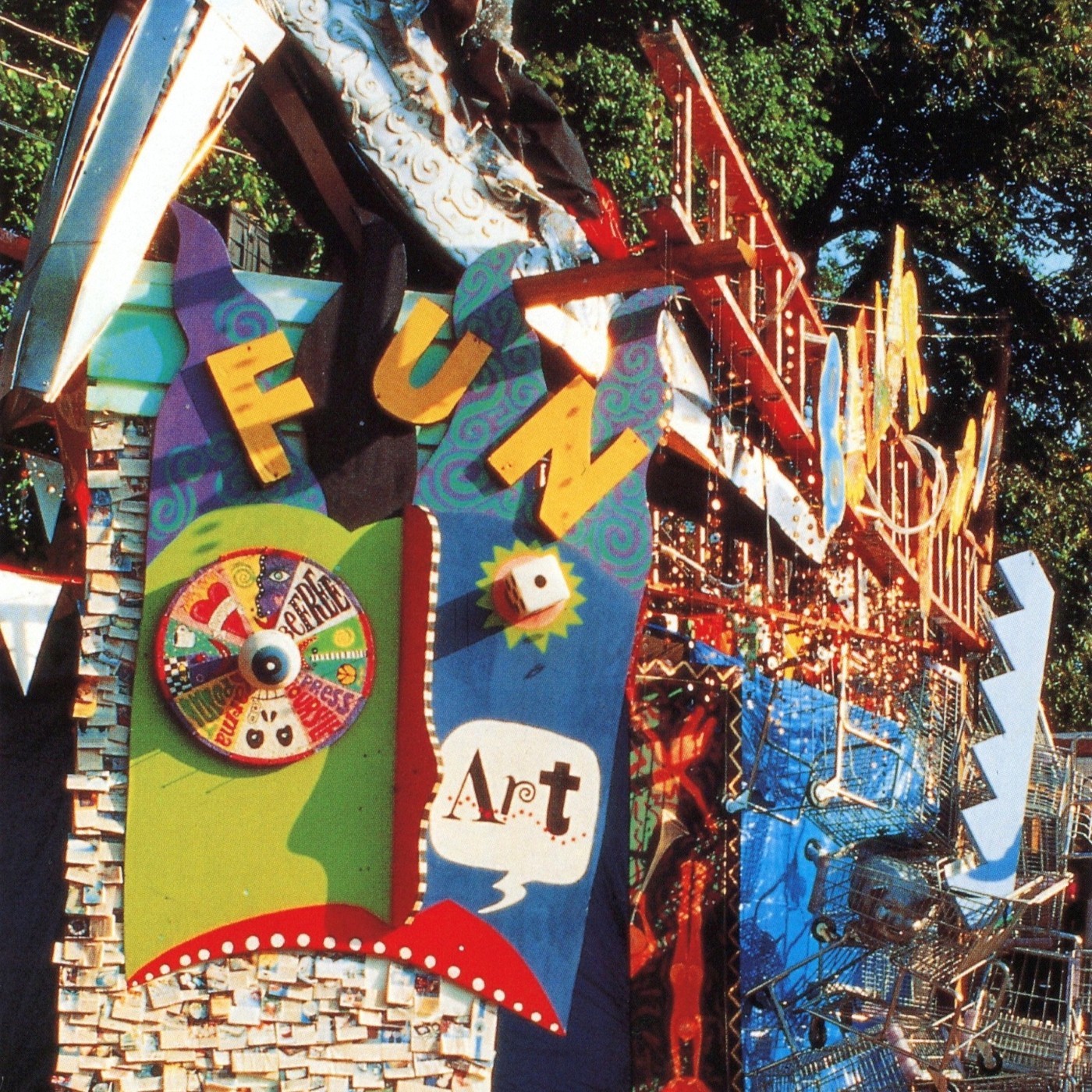
Whimsicraft is an aesthetic that flourished from the mid 1980’s to the mid 1990’s that is composed of saturated colors, celestial symbols, heavy patterns, and handmade crafts. It describes “things you would see at an art fair in 1994” and it is “the aesthetic of the 'fun quirky artsy aunt' character in 90s media.” The aesthetic was first identified by Evan Collins, one of the founding members of the Consumer Aesthetics Research Institute, who is the guest for this week’s episode. Joseph and Nathan begin by interviewing Evan about his history with CARI before diving into an exploration of Whimsicraft. Amongst other things they discuss how the art teacher depicted in Ghost World is emblematic of the wacky ‘90s art teacher trope, how the intro for the HBO kids Original series Crash Box demonstrates the darker found object subaesthetic of Whimsicraft, and how the Cows on Parade art event in the Summer of 1999 served as the culmination of the Whimsicraft ethos and aesthetic. Links: Whimsicraft Pinterest board: https://pin.it/2RP8NSgW3 Evan’s Whimsicraft Are.na: https://www.are.na/evan-collins-1522646491/whimsicraft Evan’s Consumer Aesthetics Research Institute Patreon page Evan’s Bluesky Whimsicraft CARI page Whimsigothic CARI page Whimsicraft by hellomynamesjon Whose art teacher died in Ohio? Mix It Up! All About Courtly Check from MacKenzie-Childs Victoria Mckenzie-Childs’ Youtube account Victoria MacKenzie-Childs shows her Kitchen Harriet The Spy (1996) wind chime garden scene Crashbox (1999) intro Cows On Parade Chicago 1999 Cows Milked for All Their Worth Artwork: Bazaar Bizzoso Entrance - Atlanta, GA (1993) Recorded on 3/9/2025
Ep 64Ep. 63: Cheerleader Rock w/ Christine
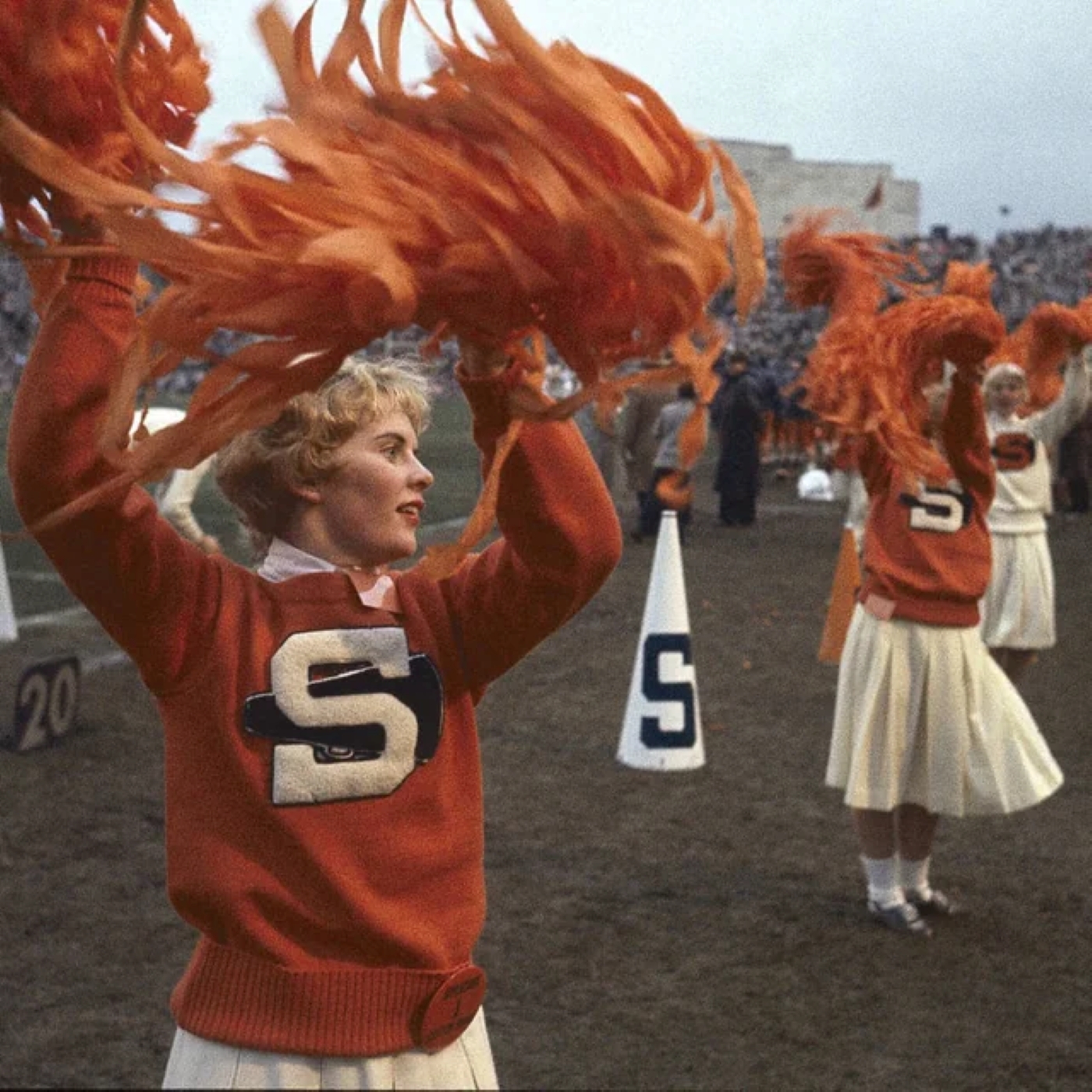
Cheerleader rock is a music genre that incorporates cheerleader chants, blaring electric guitars, and marching band instrumentals. It first emerged over two decades ago in the mid-2000s, but it was never identified as a trend or defined as a genre. On this week’s episode of Silent Generation, Nathan is joined by friend of the pod Christine to discuss the two standout acts of this style (The Go! Team and Sleigh Bells) along with several musicians who have released cheerleader rock tracks (Toni Basil, Gwen Stefani, and Junior Varsity). Amongst other things they discuss how Nathan first discovered The Go! Team through a Cartoon Network advert, how Derek E. Miller envisioned Sleigh Bells as “‘Hollaback Girl’ with metal guitars,” and how Cross The Street by Junior Varsity mirrors Huddle Formation by The Go! Team. They round off the episode by talking about cheerleader fashion and cheerleader movies. Links: Nathan and Christine’s Cheerleader rock playlist The Go! Team Doc 2011 Interview: The Go! Team The Go! Team tell us about the influences behind new album 'Get Up Sequences' by Bill Pearis Cartoon Network Presents: The Go-Team (Short Version) Sleigh Bells - Reign of Terror (Teaser Trailer) Sleigh Bells bring out the pompoms by Jeremy Henderson ”Hollaback Girl’ With Metal Guitars’: Sleigh Bells Look Back on ‘Treats’ at 10 by Claire Chaffer Sleigh Bells – the tale of an ex-pop-star fourth grade teacher and a hardcore punk from The Sunshine State by Stuart Stubbs Sleigh Bells on Their Sixth Album Texis and “Breaking Old Patterns” by Chris Vultaggio Meet the 4 Most Desired People in New York (According to OKCupid) by Logan Hill Band To Watch: Junior Varsity by Tess Growney BROLIN ALMA and HAGBERG ALICE | Disco Dance World Championship 2019 Where Cheerleading Ranks in Safety Among High School Sports by Walk Hickey Artwork: Cheerleaders, 1959 (Syracuse, NY) Recorded on 3/6/2025

Ep 63Ep. 62: Pulaski Day [TEASER]
Full episode available on Patreon: https://www.patreon.com/SilentGeneration Pulaski Day is a holiday observed in municipalities across the US that have large Polish populations. It honors General Casimir Pulaski, a Polish nobleman and military commander who played a crucial role in the American Revolutionary War. He is often called the "Father of the American Cavalry” and is celebrated for having saved George Washington’s life. This week’s episode of Silent Generation covers who Pulaski was, how the holiday came to be, and how the holiday is celebrated. Amongst other things the boys discuss how pączki are eaten on both Pulaski day and Fat Thursday (the Polish equivalent of Fat Tuesday, how the best (Polish) buffet in the Chicagoland area is the Red Apple restaurant, and how the Polish suffix “ski” was restricted to nobility. Links: Casimir Pulaski Biography Pulaski Day: An Updated the History Guy Episode The Rise of Casimir Pulaski Day by Jesse Dukes What is Pulaski Day? Here's what's closed and the history of this Chicago holiday by Rafaela Jinich Revolutionary War hero Casimir Pulaski might have been a woman or intersex by Corky Siemaszko *screams in polish* meme https://restaurantredapple.com/ LARGEST All You Can Eat TRADITIONAL POLISH BUFFET! Photograph of the soviet cars in the Polish Constitution Day Parade Casimir Pulaski Day by Sufjan Stevens Happy Pulaski Day, Fellow Chicagoans! Happy Crawford Day, Suburbanites! Artwork: Parada 2024- fot.Michael J. Ariola0004 Recorded on 2/28/2025
Ep 62Ep. 61: Urban Wildlife
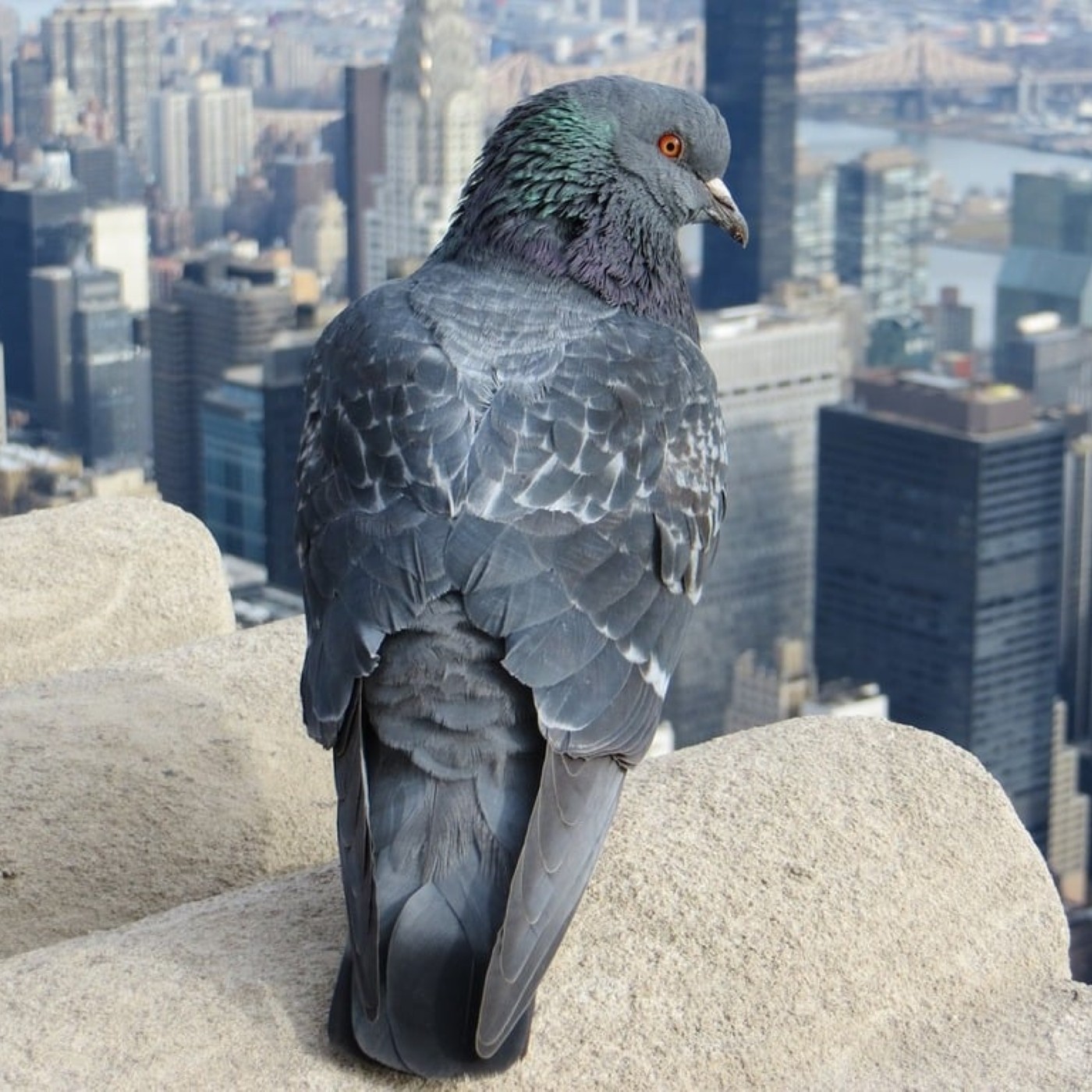
This week’s episode of Silent Generation explores the idea that “around the world, nature is moving to cities.” The boys begin by introducing listeners to the concept of the Anthropocene and the ideas presented in Fred Pearce’s book The New Wild, both of which provide frameworks to start thinking that wild animals are not out of place in urban environments. They then talk about animals that are already accepted city dwellers (pigeons, rats, and squirrels) before talking about “wilder” animals that began moving back to cities like Chicago in the ‘90s (otters, snapping turtles, beavers, white-tailed deer, and coyotes). Amongst other things they discuss how Chicago is consistently named America’s “rattiest” city, how a rotund beaver was recently spotted on the bubbly creek branch of the Chicago River, how Chicago is home to 2,000 coyotes, and how coyotes significantly expanded their range after the 1920s due to the Anthropocene. Links: Paul J. Crutzen, Nobel laureate who studied ozone and named new ‘Anthropocene’ era, dies at 87 by Harrison Smith The New Wild: Why Invasive Species Will Be Nature's Salvation by Fred Pearce Chicago Named ‘Rattiest City In America’ For 10th Straight Year by Mack Liederman Rats: Observations on the History & Habitat of the City's Most Unwanted Inhabitants by Robert Sullivan How Does Chicago Track its Coyotes? Curious City Episode River Otter Snapped for First Time in 15 Years of Monitoring by Lincoln Park Zoo’s Wildlife Cams by Patty Wetli Chonk The Thicc Snapping Turtle Is A Superstar — And Great News For The Chicago River by Maia McDonald A ‘Remarkably Rotund’ Beaver Is Making A Splash On The South Side by Leen Yasine White Tail Deer Population over Time Fear the deer: Crash data illuminates America’s deadliest animal Largest Land Predator (by weight) in Each State How Coyotes Captured the Continent Coyotes Among Us by Stanley D. Gehry Coyotes Among Us’ Authors Tell Chicagoans: Respect But Don’t Fear These Smart Predators by Web Behrens Quiznos coyote moved to another cool refuge Coyote pulled from the cold food section of Chicago Aldi store A new VCU study explores the ‘nature is healing’ memes that dominated social media at the height of the pandemic by Brian McNeill Urban Forests Are the Stroads of Urban Environmental Policy Upzoned episode The Genius of Copenhagen’s 1947 ‘Fingers Plan’ vs England’s Green Belt Policy by Johnathan Tricker In Horner Park’s Natural Area, ‘No Dogs’ Signs Ignored, Vandalized: ‘People Don’t Really Care’ by Seth Slabaugh The Nature of Cities blog r/urbanwildlife Artwork: City bird skyline building. A pigeon sitting on a ledge overlooking a city Creative Commons CC0 1.0 Universal Public Domain Dedication license https://web.archive.org/web/20161229043156/https://pixabay.com/en/service/terms/ Recorded on 2/23/2025

Ep 61Ep. 60: Early Internet Humor
From 1995 to 2010, humor on the early internet—and in broader American culture—was arguably the most simple and direct. Referencing a single “ironic” animal (like a moose, cow, or narwhal) or food item (such as tacos, waffles, or nachos) was enough to make someone giggle. As detailed by Joseph and Nathan on this week’s episode of Silent Generation, this style of humor (which they call “zimmy humor”) became so prolific that it began to pop up in places outside of the internet. Amongst other things they discuss how foamy the squirrel took inspiration from Invader Zim, how members of the Twee subculture expressed their love of whimsical animals to signal their individuality, and how Boxxy managed to do the “rawr xD” sound in real life. Links: I'm So Random / Lol So Random / So Random Know Your Meme page Baby Cha-Cha (1996) The Spirit of Christmas (1995) We Didn't Start This Website (2007) Amytiville Toaster from Neurotically Yours Peanut Butter Jelly Time (2002) Badger Badger Badger (2003) The Kitty Cat Dance (2004) Twee Aesthetics Wiki page FOAR EVERYWUN FRUM BOXXY by Boxxy Whatever Happened to Boxxy? Giant isopods eating doritos Software2050 Instagram page Leave Britney Alone (2007) Chris Crocker, 'Leave Britney Alone' Video Creator, Reflects On What's Changed by Sharon Pruitt-Young Story from North America (2009) Artwork: Foamy the Squirrel from Neurotically Yours Recorded on 2/9/2025

Ep 60Ep. 59: Outerwear [TEASER]
Full episode available on Patreon: https://www.patreon.com/SilentGeneration This week the boys discuss various outerwear styles and the types of weather they are best suited for. They begin by discussing Chicago's extreme seasonal averages before sharing their thoughts on the following outerwear styles: painter jackets, M-65 field jackets, varsity jackets, harrington jackets, denim trucker jackets, leather jackets, mackinaw coats, parkas, the Kara Koram parka, wool coats, peacoats, camel hair polo coats, snowboarder coats, rain coats, and windbreakers. Amongst other things they talk about how the popularity of varsity jackets peaked in 2011, how raincoats are the most socially acceptable way to wear yellow in Western cultures, and how windbreakers are not suitable to wear in Chicago despite the city’s “windy city” nickname. Links: Winter temperatures in selected US cities versus European capital cities The M-65 Field Jacket The Orange Kara Koram by Daniel Hakimi What Color is the Sacred by Michael Taussig Anna Khachiyan’s Puffer Jacket Tweet A Brief History of the Yellow Raincoat I have lost all faith in zips by Adrian Chiles Gold Coast estate sale Tiktok video Artwork: The K2 Expedition Recorded on 2/2/2025
Ep 59Ep. 58: The Brutalist
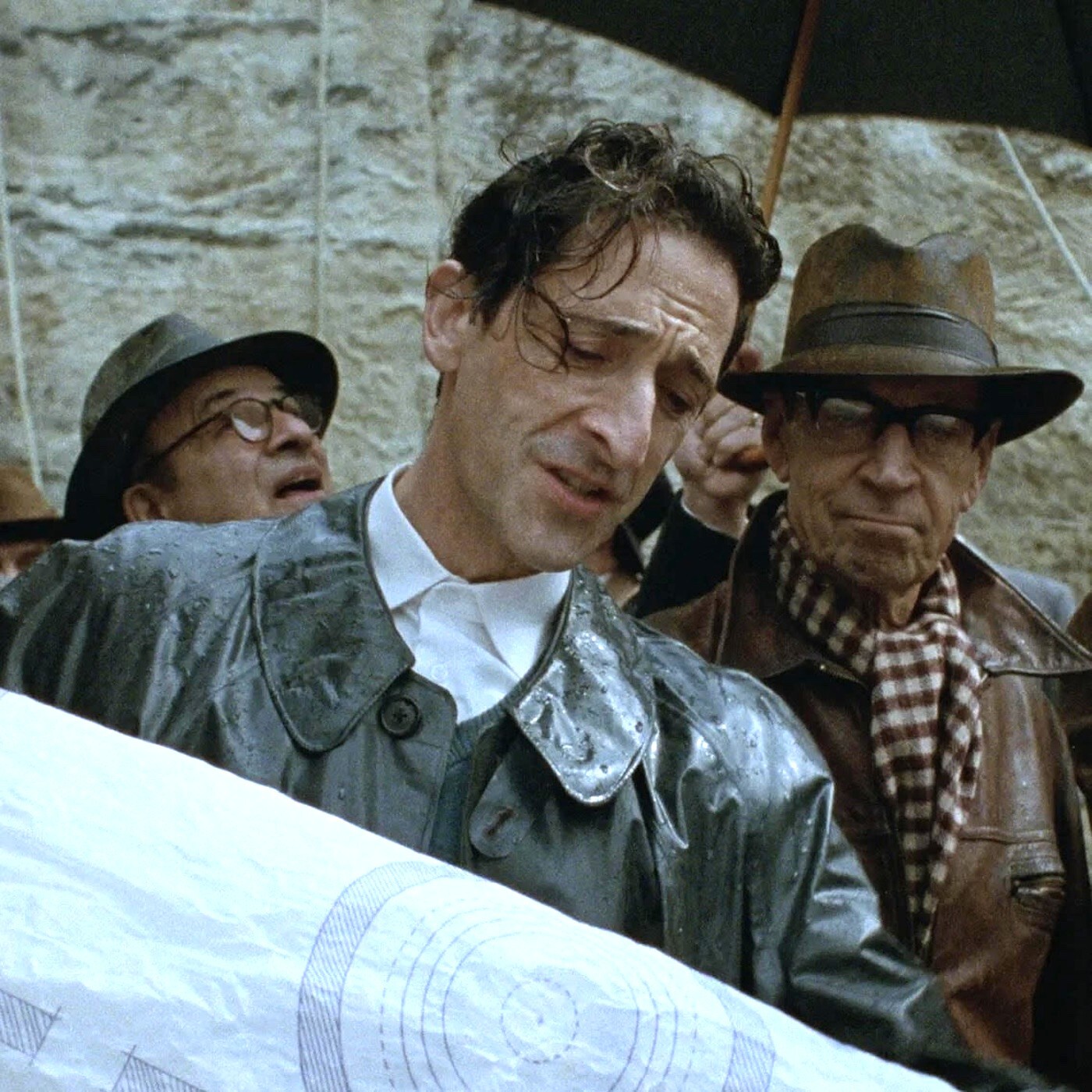
Brutalism was an architectural style that was popular from the 1950s to early 1980s that consisted of raw concrete surfaces, monochrome colors, minimal ornamentation, and exposed structural elements. It is the architectural style that is referenced in the title of The Brutalist, a film directed by Brady Corbet that has been nominated for numerous accolades this year. On this week's episode of Silent Generation they boys share their thoughts on The Brutalist before discussing Brutalism as an architectural style. Amongst other things they discuss how the the life of local Chicago architect and Holocaust survivor John Macsai differed from that of Laszlo Toth’s, how Notre Dame’s Brutalist library features a large mural religious mural that is colloquially known as “Touchdown Jesus,” and how UIC’s Brutalist campus was not in fact designed to quell student protests. Links: Brutalism Pinterest board: https://pin.it/5WbTWzVSo The Brutalist ending explained: Director Brady Corbet reflects on building that transformative epilogue by Wesley Stenzel Interview with 'The Brutalist' Filmmakers Brady Corbet and Mona Fastvold by Susan Kouguell The Trauma of Inevitability: Brady Corbet and Mona Fastvold on “The Brutalist” by Isaac Feldberg Oral history of John Macsai interviewed by Betty J. Blum. Stroger Switch + Purple Rain Redux (Ep. 90 of 99% Invisible) Were Brutalist Buildings on College Campuses Really Designed to Thwart Student Riots? by J Bryan Lowder Boston City Hall is officially a landmark by Roberto Scalese Ugly Buildings Tour Recorded on 1/26/2024
Ep 57Ep. 57: The '60s
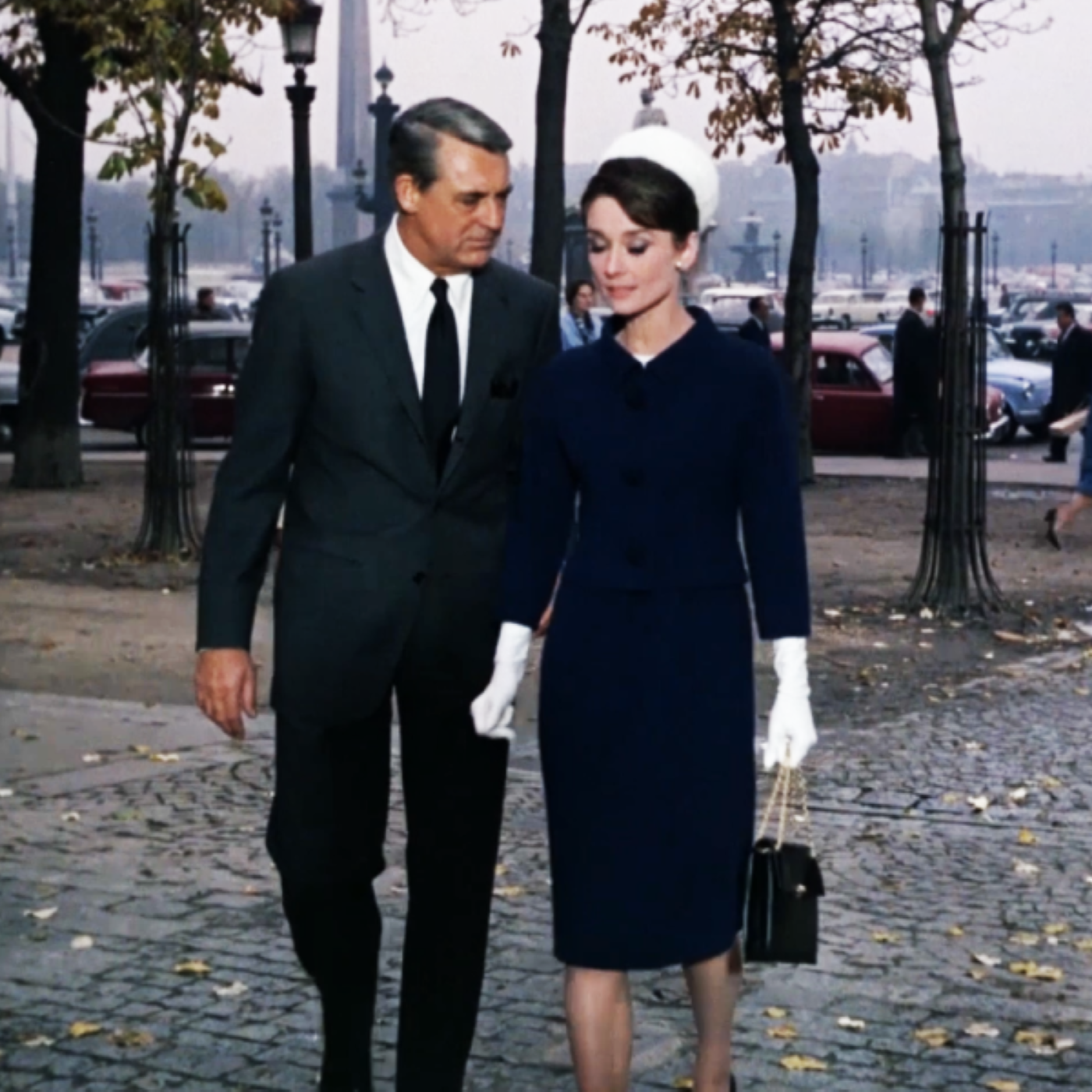
This week the boys discuss Joseph’s favorite decade: the 1960’s. They begin by touching on what life was like for everyday Americans in the ‘60s before detailing several movements (the civil rights movement, the gay rights movement, and the antiwar movement) that contributed to the decade earning the nickname “the countercultural decade.” They then talk about hippies and the elements of hippie culture that they appreciate (tie dye, flower power, rock music, and healthy living). They go on to discuss how the color baby blue stands out as the defining color of the decade, how California became the subject of many ‘60s songs after it became the largest state in the country in 1962, and how the 1963 film Charade has much funnier writing than modern CGI-reliant slapstick comedies. Links: Coming Apart : The State of White America by Charles Murray Flower Power (photograph) by Bernie Boston Shoes as a Source of First Impressions Joan Didion’s quote about Los Angeles Charade (1963) Artwork: Aubrey Hepburn and Cary Grant in Charade (1963) Recorded on 1/22/2025

Ep 56Ep. 56: Party Cities w/ Thot Topics [TEASER]
EFull episode available on Patreon: https://www.patreon.com/SilentGeneration This week the boys are joined by Nick and Cris from the Thot Topics podcast to talk about “party cities,” cities whose economies cater to debaucherous tourists. They begin by surveying the following party cities and the types of partiers they attract: Las Vegas, New Orleans, Cancun, Berlin, and Miami. They then detail some of the negative effects of overtourism on locals before sharing where each of them would go if they had the opportunity to party anywhere on Earth. Amongst other things they discuss how the carpeted areas of casinos in Las Vegas designate which areas are adults-only, how Bourbon Street in New Orleans was almost destroyed to build the Vieux Carré Riverfront Expressway, how resorts in Cancun import food from the United States so as not to upset American tourists’ stomachs, and how the Nacht Club Berlin Instagram account has documented Berlin’s decline as a cultural hub. Links: Thot Topics podcast Thot Topics Patreon Thot Topics Instagram List of party cities from Facebook Nacht Club Berlin Instagram page 'It's Tourist Hunting Season': The Street Art That's Seething About Mass Tourism by Lee Moran Reveillon in Rio de Janeiro My Weekend as a 28-year-old in Chicago Artwork: Ericlindesvard, CC BY-SA 4.0 <https://creativecommons.org/licenses/by-sa/4.0>, via Wikimedia CommonsCC BY-SA 4.0 Recorded on 1/16/2025

Ep 55Ep. 55: Y2K Futurism
Y2K futurism is an aesthetic that emerged in the late ‘90s and early-2000s that consists of the color silver, consumer electronics, large sunglasses, and "blobjects." Its depictions of what the future could look like in the 2000s were utopian and optimistic, simultaneously celebrating the new millennium and the early internet. On this week’s episode Joseph and Nathan start by listing the key elements of Y2K Futurism before detailing the various ways the aesthetic materialized in the physical world, from Capri Sun ads to airport lounges. Amongst other things they discuss how the video game Space Channel 5 took the aesthetic in a campy and extraterrestrial direction, how the availability of CAD software in the design world led to popularity of blobjects, and how the artwork of Mariko Mori incorporated an impressive number of elements from the esthetic. Links: Y2K futurism Pinterest board: https://pin.it/6KzgiZwZ3 Nathan’s Y2K Too Unlimited shirt post Terrell Davis Changed Digital Art Forever by Claudia Costa The Untold Story of the Most Bonkers Sunglasses in Olympic History by Mahalia Chang Groove Is In The Heart by Deee Lite Breathe U In by Sipper & Adore Playstation 2 condom ad The Cyberfrontier and America at the Turn of the 21st Century by Jeffrey R. Cooper The Y2K aesthetic: who knew the look of the year 2000 would endure? By Leigh Alexander Miko No Inori by Mariko Mori Artwork: Focus Dailies CM (1999) Recorded on 1/5/2025
Ep 54Ep. 54: Historic Preservation w/ Marquisdefacade [TEASER]
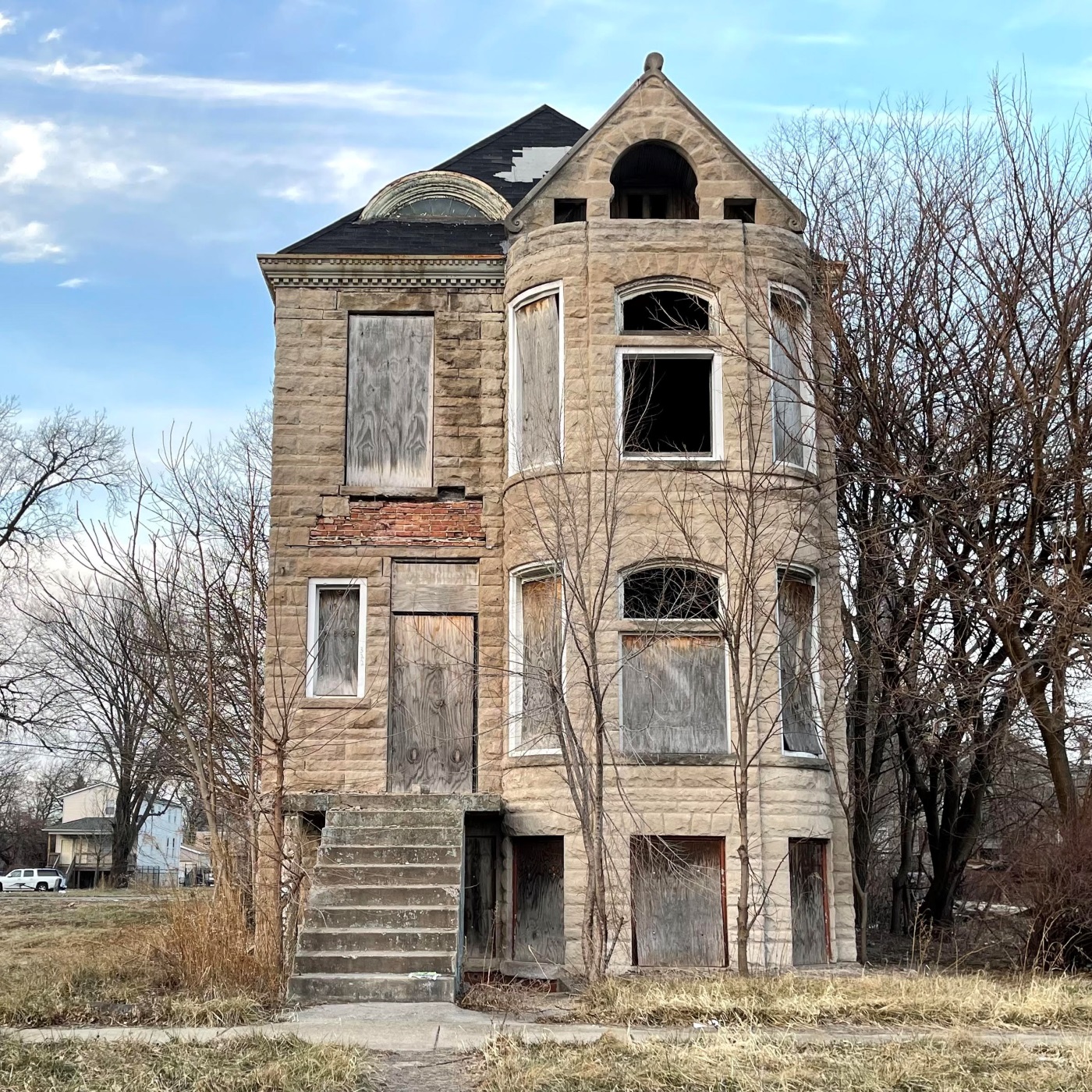
Full episode available on Patreon: https://www.patreon.com/SilentGeneration This week Joseph and Nathan are joined by local architecture influencer Steve (otherwise known as Marquisdefacade) to discuss historic preservation. They begin by weighing the pros and cons of historic preservation before detailing how the historic preservation movement in Chicago succeeded (or failed) to preserve the neighborhoods of Old Town, Bronzeville, and Logan Square. Amongst other things they discuss how Logan Square Preservation uses “preservation” to advance their NIMBY agenda in Logan Square, how Jober’s Canyon in Omaha, NE got demolished despite being listed on the National Register of Historic Places, and how 9 highrises and skyscrapers in Chicago could potentially become the Early Chicago Skyscrapers UNESCO World Heritage Site. Links: Marquisdefacade’s Instagram The Marquisdefacade Podcast Historic Preservation - Treating the Symptom Instead of the Cause by Andrew Price Housing experts say there just aren't enough homes in the U.S. by By Mary Louise Kelly Glasner Studio Virtual Tour The Architectural Record - 1907 (the article contrasting NYC and Chicago apartment buildings) Proposed Tower In Old Town Gets More Brick, Warmer Colors, But Traffic Concerns Persist by Jake Wittich Losing Track by J. W. Mason WIN: Logan Square Preservation Raises Funds to Restore Church’s Stained Glass Andy Schneider, President Of Logan Square Preservation, Running For 1st Ward Alderperson by Mina Bloom Plan To Preserve Building Character On Milwaukee Avenue In Logan Square, Avondale Moves Forward by Ariel Parrella-Aureli Historic structures are set to be demolished at Wells/Superior by Lukas Kugler Artwork: Photo provided by Marquisdefacade Recorded on 12/29/2024

Ep 53Ep. 53: New Religious Movements
New religious movements are religions that are peripheral to a society's dominant religious culture, the earliest and most enduring example being Mormonism (which began in 1830). The majority of practitioners in new religious movements are recent converts and NRMs often get labeled the pejorative term “cult.” On this week’s episode of Silent Generation the boys explore how NRMs emerged in response to the problems of modernity by examining Mormonism, The Baháʼí Faith, The Enthusiastic Sobriety Movement, The People’s Temple Movement, The Rajneesh Movement, Twin Flames Universe, and Love Has Won. Amongst other things they discuss how NRMs appeal to people raised in the suburbs because of the communal living arrangements they offer, how federal interference is often the tipping point that leads to mass casualty events, and how Nathan’s brother once worked for a restaurant operated by an NRM. Links: What are New Religious Movements ft. Professor Eileen Barker Death of a Scientologist by Tori Marlan Hunter x Hunter Intro Snowflake, Arizona LDS Temple The Love Bomb by Daniel Kolitz Wild Wild Country (2018) Escaping Twin Flames (2023) How ‘Twin Flames Universe’ leader pretends to be Jesus to create an abusive multi-level marketing scheme by Mallory Challis Cult Info Since 1979 by the The International Cultic Studies Association Artwork: The Baháʼí House of Worship in Wilmette, Illinois (1969) Recorded on 12/25/2024

Ep 52Ep. 52: Hunting Fashion
This week Joseph and Nathan examine the various aesthetics that have come out of hunting fashion. They begin by discussing how shooting and hunting in the United Kingdom are leisure activities that have historically only been available to the most wealthy, and why British clothing associated with the activity looks more formal and more conspicuous than its American counterpart (such as red fox hunting coats). The boys then go into a deep dive of how hunting camouflage developed out of military camouflage before detailing why it's worn so often by everyday people in the United States. Amongst other things they discuss how buffalo skins worn by Native Americans during buffalo jumps are an early example of camouflage, how the Harris/ Walz campaign released a camo campaign hat in response to Chappel Roan’s Midwest Princess tour camo hat, how high-visibility blaze orange is more liberal-coded than hunting camo, and how deer aren’t able to see high-visibility blaze orange because they are red-green colorblind. Links: Hunting fashion Pinterest board: https://pin.it/60F92bfWP Ep. 37: Male Desire w/ Charles Livingston [UNLOCKED] The Theory of the Leisure Class: An Economic Study of Institutions by Thorstein Veblen Gentlemanly Pursuits: Hunting & Shooting Attire by J. A. Shapira Dressed to Kill: A History of British Sporting Fashion by Kim Cady What to Wear Game Shooting by Alan Paine The Density Divide and the Southernification of Rural America by Will Wilkinson Tim Walz Struggles With Shotgun At Pheasant Hunt, Gets Mocked Elusive deer spotted wearing high-vis jacket in Canada: ‘Who is responsible?’ by Leland Cecco Blaze Orange Regulations for Every State by Teri Williams Can Deer See Blaze Orange? by Lindsay Thomas Jr. Artwork: Origin unknown Recorded on 12/22/2024

Ep 52Ep. 51: Futurism [TEASER]
Full episode available on Patreon: https://www.patreon.com/SilentGeneration Futurism was an Italian art movement focused on speed, technology, and violence that began in 1909 after Filippo Tommaso Marinetti published the Manifesto of Futurism. Italian Futurists thought that their nascently-industrialized country was developing at a slow pace due to the weight of Italy’s past and they wanted to break free; artists like Umberto Boccioni, Giacomo Balla, Luigi Russolo, and Tullio Crali depicted “futuristic” subjects like cars, trains, and airplanes in dynamic ways that challenged existing cultural conventions. On this week’s episode of Silent Generation Nathan and Joseph analyze Futurism using an urbanist lens. Amongst other things they discuss the problematic link between Futurism and Fascism in post-WW1 Italy, the Cubo-Futurist style of the short lived Russian Futurist movement, the absurdity of Futurist food, and the beauty of Tullio Crali’s Aeropittura paintings of airplanes and aerial landscapes. Links: Futurism Pinterest board: https://www.pinterest.com/silentgeneration/futurism/ Manifesto of Futurism by Filippo Tommaso Marinetti Scene of Filippo Tommaso Marinetti's accident, 15 October 1908 Screenshot from Italian Futurism: Speed, dynamism, and the fight at La Fenice Manifesto of Futurist Woman by Valentine de Saint-Point Italian Futurism, 1909–1944: Reconstructing the Universe Boccioni Recreated Recreating Boccioni's striding sculptures from 1913 How Italian Futurism Influenced the Rise of Fascism by Jad Dahsan When Futurism Led to Fascism—and Why It Could Happen Again What Is Russian Futurism? by Anastasiia S. Kirpalov Kseniya Boguslavskaya https://www.tulliocrali.com/en/ Crali and Aeropainting (Tullio Crali: A Futurist Life) Lingotto factory in Turin Modernist Architecture in Eritrea Artwork: Before the Parachute Opens (Prima che si apra il paracadute), 1939 by Tullio Crali Recorded on 12/9/2024

Ep 51Ep. 50: Modern Masculinity w/ Gent Z
How is modern masculinity different from classical masculinity? This week the boys are joined by local menswear influencer Gent Z to discuss how men in the modern era intentionally refine their masculinity through self improvement. Amongst other things they discuss what the end goal of self-improvement should be, what male role models they personally look up to, and what they think about the idea that there is a “crisis of masculinity.” Links: How to Build New Habits by Taking Advantage of Old Ones by James Clear Artwork: Paul Newman photographed by Stewart Stern, 1973

Ep 50Ep. 49: McBling
McBling is a mid-2000s aesthetic characterized by tacky displays of wealth, celebrity culture, fake tans, and bleach blonde hair. According to Vogue magazine it emerged in “2003, following the American invasion of Iraq, and ended with the onset of the Great Recession in 2008.” McBling arose organically in popular culture and was only later identified as an aesthetic by the Consumer Aesthetic Research Institute, and this is the first Silent Generation episode to cover an aesthetic identified by their organization. Amongst other things on this week’s episode, the boys discuss how the term McBling first came out of a poll in a “post-Y2K” Facebook group, how Gen Z’s interpretation of McBling favors Von Dutch too heavily, how the mid-2000s reality TV show Bad Girls Club captured the McBling zeitgeist, and how TikTok accounts like Bronzedupbrat are making McBling reach record popularity in 2024. Links: McBling Pinterest board The Consumer Aesthetic Research Institute McBling CARI description The original McBling Facebook Group Evan Collins’ McBling “joke” post Brittney Spears’ half Y2k/ half McBling outfit The second poll in the McBling Facebook group What Is McBling and How Is it Different From Y2K? by Abrigail Williams McBling on Google Trends The Antisemitic History of Early 2000s Fashion Brand Von Dutch by Sam Miller Paris Hilton changing her voice to sound more feminine Paris Hilton’s “stop being poor” meme Bad Girls Club Tanisha slamming pots and pans in season 2 Bad Girls Club Judi Jai breakfast cereal fight in season 7 The Y2K Attitude Era - A Cultural Middle Finger How do you stay so authentically 2000s? by Bronzedupbrat 4Chan mannerisms displayed by Boxxy The McBling Subreddit Trashy McBling Spotify playlist NGSUNC by Ayesha Erotica Do I Look Like a Slut by Avenue D OlderBrotherCore Tiktok McMansion Hell Artwork: Paris Hilton Recorded on 11/17/2024
Ep 49Ep. 48: Online Dating w/ Breanna [TEASER]
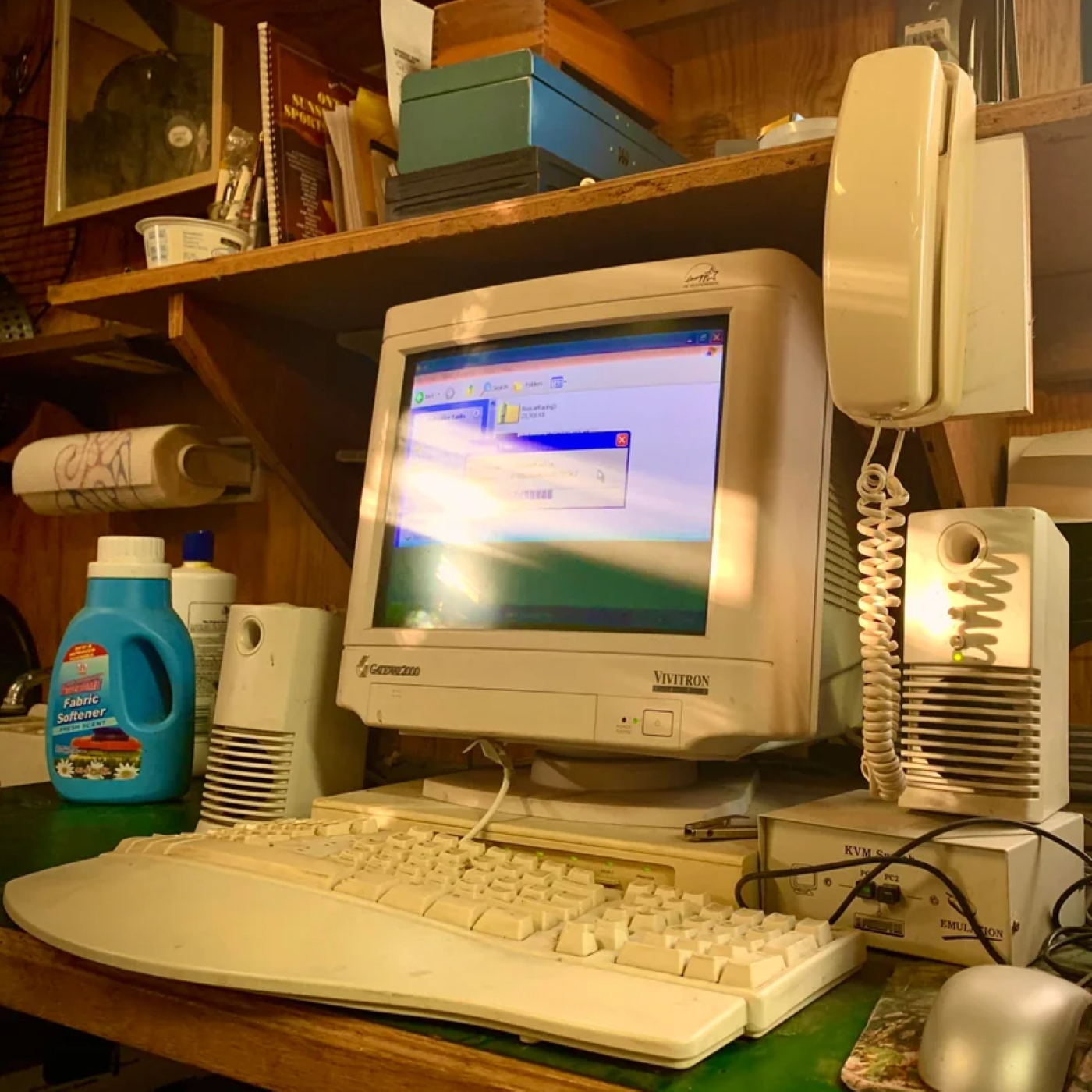
Full episode available on Patreon: https://www.patreon.com/SilentGeneration This week Joseph and Nathan are joined by Breanna, a Silent Generation listener who works as a software engineer for a major online dating company, to discuss online dating. They detail the early history of online dating (such as how the first person to develop a computer based dating service was a working class British woman named Joan Ball) before sharing their experiences with online dating websites and apps such as Match.com, Hinge, Tinder, Okcupid, and The League. Amongst other things they discuss how dating apps replaced ELO algorithms with Gale-Shapley algorithms, how a recent study found that NYC was the worst major US city for dating, and how Chicago attracts “coastal dating app refugees” who seek an easier dating market. Links: How heterosexual couples met graph The Mother of All Swipes by Mar Hicks Whitney Wolfe, founder of dating app Bumble, has had quite the year. She just can’t discuss parts of it by Todd C. Frankel Hinge’s newest feature claims to use machine learning to find your best match by Ashley Carman Towards a statistical physics of dating apps by Fabrizio Olmeda The Uncanny Swipe Drive: The Return of a Racist Mode of Algorithmic Thought on Dating Apps by Greggory Narr Not My Type: Automating Sexual Racism in Online Dating by Apryl Williams and Kendra Albert Race and Attraction, 2009 – 2014 from Oktrends NYC is the ‘worst’ US city for dating by Asia Grace River Page Grindr Tweet Hot Gays, Body Image, & Comparison by Hellvetika What is the dating culture in Chicago like? Reddit post Asian gay immigrant looking to relocate to Chicago from LA? Reddit post Artwork: First boot in 17 years, all on 90’s equipment Recorded on 11/10/2024

Ep 48Ep. 47: Pokémon
Pokémon is the highest grossest media franchise of all time, but has it declined in quality? On this week’s episode Joseph and Nathan use Pokemon as a case study to talk about gamer culture, nostalgia, and fandoms more broadly. After breaking down the history of Pokémon into three booms and one bust, the boys detail what they like about the franchise (Ken Sugimori’s artwork, HM moves, and their favorite Pokémon) and the things they dislike about it (competitive Pokémon play, shiny hunting, and legendary Pokémon). Amongst other things they discuss how Poliwhirl almost became the main mascot for the Pokémon franchise, how Pokémon became uncool in the mid-2000s, how the designs of Pokémon became rounder and cuter over time, and how a terabyte of information stolen from Game Freak’s servers (dubbed “the teraleak”) recently leaked to the public. Links: Pokémon – from bugs to blockbuster by Simon Parkin Poliwhirl: The Mascot You Never Knew Pokémon Trainer Norm MacDonald “Pokémon” on Google Trends Pokémon Go - Vaporeon stampede Central Park, NYC Target Pokémon card scalper stampede video Ken Sugimori’s artwork for the original 151 Pokémon Oh Wow, The Best Pokémon Card Art All Comes From The Same Person by John Walker How Pokémon's Art Style & Design Has 'Evolved' Generic Pokémon Design by Generation What Would Gen 8 Pokémon Look Like in Gen 1? (Part 2) The Evolution of Pokémon Design Pokemon Gold & Silver beta Pokémon Gorochu’s back sprite Project Bauer/ Pokemon Movie 24 Palworld vs. Pokémon Comparison: Just How Similar Are the Designs? by Joshua Yehl Pokemon Sword and Shield Controversy and 'Dexit', Explained by Casey DeFreitas & Matt Kim Taechichu’s Youtube Regi Noises Victreebel Scream Artwork: Charizard Pokémon Carddass artwork by Ken Sugimori Recorded on 11/3/2024

Ep 47Ep. 46: Copenhagen [TEASER]
Full episode available on Patreon: https://www.patreon.com/SilentGeneration Why did Joseph go to Copenhagen last week? Did he bike around a lot? How many hot dogs did he eat? How was Malmo, Sweden? These are some of the important questions Nathan asked Joseph on this week’s episode. Artwork: Street photo Copenhagen ... Summer and sun by Ivan Naurholm Attribution-NonCommercial-NoDerivs (CC BY-NC-ND 2.0) Recorded on 10/27/2024

Ep 45Ep. 45: Hyperpop w/ E
Hyperpop is a music genre that is noted for its hyperfeminine, artificial, and childlike sound. The term “hyperpop” came into popular use after Spotify staff created a hyperpop playlist in 2019. The music the term described emerged much earlier however, with the earliest examples coming out of the renowned UK record label PC Music starting in 2013. This week Nathan is joined by his friend E to delineate the three main subgenres of hyperpop: future pop, internet pop and digicore. They discuss music by Danny L Harle, A. G. Cook, Hannah Diamond, QT, SOPHIE, Charli XCX, 100 Gecs, Alice Gas, Food House, and others. Amongst other things they discuss how how they first came to find PC Music, how digicore is NEET music, and how both Hannah Diamond and Dis Magazine used “superreal” aesthetics. Links: Nathan and E’s Hyperpop Spotify Playlist GFOTY vs. LITTLE MIX - The Interview PC Music’s GFOTY criticised after calling Toumani & Sidiki Diabaté “Bombay Bicycle Club blacked up” Why did GFOTY leave PC Music? Reddit post THE 3 PILLARS OF HYPERPOP Reddit post Two Bloods Called by I’m so Popular https://studio.hannahdiamond.com/ MEAT’s AW12 I LUV U campaign MEAT’s AW13 Believe campaign Ur Not a Baller by Serious Thugs Alis Pelleschi’s Instagram Hey QT - The Story of a Popstar Who Never Existed Baby Bubbles by QT Hood By Air AW 2014 runway show Vroom vroom vine Hyperpop: How Charli XCX Created a New Genre 100 Gecs opening for Deftones video 404 Error, Genre Not Found: The Life Cycle of Internet Scenes by Sophie Walker Alice Gas, Alice Glass, 100 gecs Drama Explained Reddit post Dis Magazine/ PC Music collaborations Artwork: Artwork for Pink and Blue by Hannah Diamond Recorded on 10/27/2024

Ep 44Ep. 44: Net Art w/ Kevin Heckart
Kevin Heckart is a Kansas City based artist who created the artwork behind seapunk’s original aesthetic. This special episode coincides with both the one year anniversary of Silent Generation and the relaunch of the seapunk clothing line Mainframe, which features many of Heckart’s designs. The first half of episode is an interview with Heckart that serves as a spiritual threequel to Silent Generation’s prior two seapunk episodes while the later half is a broader conversation about net art and net artists such as Brad Troemel, Hito Steyerl, Laturbo Avendon, and Lorna Mills. Amongst other things they discuss how Heckart has gone viral on Tiktok for hacking animatronic fish and furby toys, how Nathan and Brad Troemel did the same undergrad program, how Hito Steyerl incorporated real life biographies into Factory of the Sun, and how Skibbidy Toilet shows how thoroughly post-internet aesthetics have permeated popular culture. Links: mainframehq.net Mainframe’s Instagram Kevin Heckart’s Instagram Kevin Heckart’s Tiktok I hacked a singing fish. - Kevin Heckart “and yet a trace of the true self exists in the false self” meme HIS BRAIN? NO. HIS HEART Brad Troemel meme The Post-internet Culture Report by Brad Troemel Untitled, 2016 by Laura Owens Trojan Horses: Activist Art and Power by Lucy R. Lippard Color(ed) Theory Series by Amanda Williams Rhizome’s Net Art Anthology My Boyfriend Came Back from the War by Olia Lialina Madison Beer #NoFilter by Dis Magazine I was Raised on the Internet exhibition at the MCA Transdimensional Serpent by Jon Rafman The Jogging Tumblr blog Army of Ants by Brad Troemel Giant Arthropods Eating Doritos early meme Liquidity Inc. by Hito Steyerl screenshot Factory of the Sun by Hito Steyerl takeSomeCrime Youtube channel In Defense of the Poor Image by Hito Steyerl In Defense of the Poor Image-esque Instagram post GIFS by Lorna Mills Repetition Mindset: Artists as Snowflakes by Brad Troemel Artwork: Provided by Kevin Heckart Recorded on 10/16/2024
Ep 43Ep. 43: Megalopolis [TEASER]
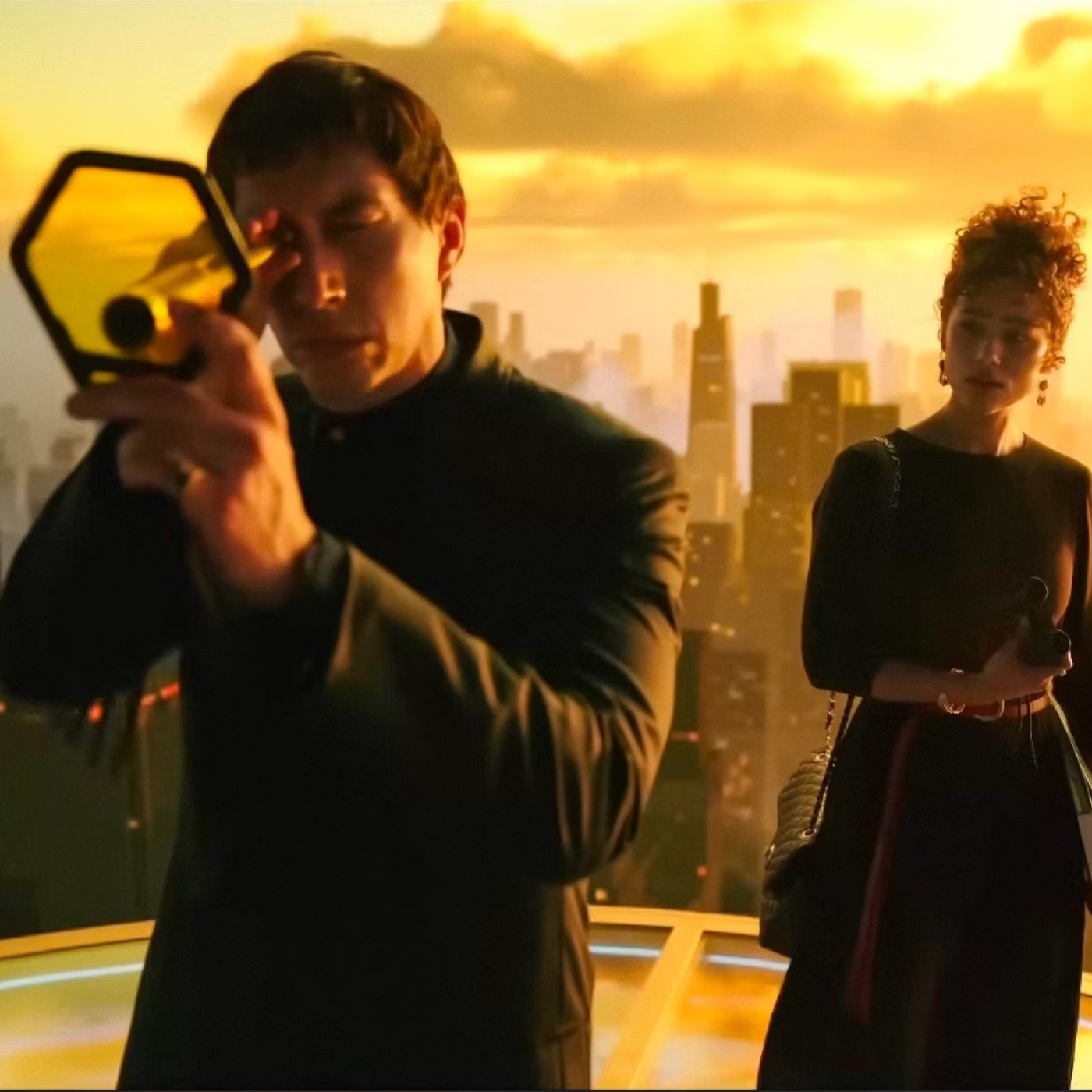
Full episode available on Patreon: https://www.patreon.com/SilentGeneration For this week’s episode Joseph and Nathan watched Francis Coppola’s latest (and likely final) film, Megalopolis. The film draws parallels between Ancient Rome and modern day New York City and has been met with widespread confusion. The boys discuss the film in the first half of the episode, detailing the performance of several actors (notably Aubrey Plaza’s role as the brilliantly named Wow Platinum) and the film's various references to Ancient Rome. In the second half of the episode the boys discuss megalopolises more broadly, including ones in real life (the Northeast Megalopolis, the European Megalopolis, Japan's Taiheiyo Belt, and China’s various megalopolises) and fictional examples (the megalopolis depicted in the 1927 film Metropolis, Mega-City One in Judge Dredd, and Coruscant in Star Wars). Links: Martin Scorsese Had a Cinema Epiphany ‘Too Late’ Megalopolis Plot meme Megalopolis Movie Clip - Cesar is Mine (Wow Platinum elevator scene) Nymphet Alumni’s Ep. 90: The Baby Name Game with Sophie Kim Francis Ford Coppola Didn’t Want ‘Megalopolis’ To Be “Some Woke Hollywood Production,” Casting “Canceled” Actors from Deadline Tell Your Children by Alex Berensen Megalopolis: The Urbanized Northeastern Seaboard of the United States by Jean Gottman What if the cities of Jersey City, Elizabeth, Union, Newark, Hoboken, and others became one larger city like NYC? Reddit post Why is there no major city here? (Boroughitis) by Urban Jersey Guy The location of Gotham city Cars.destroyed.our.cities Hartford, Connecticut post Blue Java Banana Review by Weird Explorer Artwork: From Megalopolis' Interactive Scene Explained: What Happens In It Recorded on 10/6/2024

Ep 42Ep.42: Chautauqua
What is Chautauqua? Chautauqua began in 1874 in Chautauqua, New York as a Summer camp that trained laymen to be Sunday school teachers. President Ulyses S Grant visited the assembly shortly after its founding in 1875, which gave Chautauqua widespread attention and engendered a national movement; the original Chautauqua (now known in the modern day as the Chautauqua Institution) gave rise to hundreds of “daughter” Chautauquas. They offered week long or month long retreats to religiously minded vacationers who wanted to enjoy nature but also wanted to stay productive by watching edifying sermons, lectures, historical impersonations, and concerts. On this week’s episode the boys discuss how the popular Chautauqua speech Acres of Diamonds resembles the 21st century self help book The Secret, how Chautauqua acts differed from vaudeville acts, and how a specific type of historical impersonation popular in circuit Chautauquas became synonymous with Chautauqua in the modern day. This is the third and final installment of a three part series that explores interconnected topics that deal with American culture and the outdoors. Links: The Chautauqua Institution Chautauqua: An American Narrative (2011) The History of the Chautauqua Movement Acres of Diamonds by Russell Conwell Bohumir Kryl The height of assassins versus that of their targets Reddit post Artwork: Participants of a Circuit Chautauqua at Gurdon (Clark County); circa 1919. Recorded on 9/22/2024

Ep 41Ep. 41: American Summer Camps
In a more anecdotal direction, this week’s episode is on American Summer camps. The boys detail how camping was first developed in 1861 by Frederick Gunn before discussing their own experiences as campers and counselors at American Summer camps. Amongst other things they discuss how modern Summer camps have felt the need to hyperspecialize and give parents an ROI, how Summer camp aesthetics are 1970’s by default, how Summer camps were depicted as WASPy in Addams Family Values, and how Summer camps were depicted as somewhat utopian in the 1964 Soviet film Welcome, or No Trespassing. This is the second installment of a three part series that explores interconnected topics that deal with American culture and the outdoors. Links: The Not So Happy Campers by Mimi Swartz About our Founder - The Frederick Gunn School Summer Camp Capitalism The History of American Jewish Summer Camps I can tell from her tweets that she had to go live with grandma for a lil bit meme Wednesday’s revolt from The Addams Family Values Long accused of Indigenous misappropriation, Boy Scouts ask if it’s time to change Welcome, or No Trespassing (1964) Artwork: Photograph by Andy Sweet Recorded on 9/15/2023

Ep 40Ep. 40: The Scouting Movement [TEASER]
Full episode available on Patreon: https://www.patreon.com/SilentGeneration Scouting is a grassroots, child-led movement that began in the early 1900’s after children discovered Robert Baden-Powell’s written accounts of his time working as a scout for the British Army. After learning of children’s interest in his work, Baden-Powell conducted an experimental scout camp at Brownsea Island in 1907 and subsequently published his seminal work Scouting for Boys in 1908. Dozens and hundreds of official scouting organizations followed, most of which still exist today. On this week’s episode the boys detail the history of various figures and organizations in the scouting movement. Amongst other things they discuss how arbitrary it was that the scouting movement was inspired by scouting, how scout badges and scouting uniforms create an archive of people’s childhoods, how Cub Scouts truthfully don’t create their own pinewood derby cars, and how the TTI industry and wilderness therapy are “dark scouting.” This is the first installment of a three part series that explores interconnected topics that deal with American culture and the outdoors. Links: Scouting for Boys by Robert Baden-Powell The Zoomer Question by Isaac Wilkes Remembering the Wandervogel by John Savage & Johnny Ryan David Hahn, The ‘Radioactive Boy Scout’ Who Tried To Build A Nuclear Reactor In His Backyard Joseph as a Cub Scout Nanook of the North (1922) Scouts Honor: The Secret Files of The Boy Scouts of America (2023) Artwork: Scouts with canoe - National Parks Gallery Creative Commons CC0 License Recorded on 9/9/2024

Ep 39Ep. 39: Rio de Janeiro
Why was Nathan in Rio de Janeiro last week? Why was he there in 2018? What did he do there? What new fruits did he try? These are some of the important questions Joseph asked Nathan on this week’s episode. Links: Brazil with a Z vs Brasil with an S - example 1 Brazil with a Z vs Brasil with an S - example 2 Artwork: Picture of Rio de Janeiro taken by Nathan from Pão de Açúcar Recorded on 9/2/2024

Ep 38Ep. 38: Espionage & Spy-fi
How did the spy-fi literary and cinematic genre come to be? This week Joseph and Nathan chronicle how detective fiction authors took inspiration from sensational espionage cases such as The Dreyfus Affair and The Rosenberg Trial to imagine what the front lines of The Cold War might look like. The boys cover “realistic” spy movies such as James Bond’s Dr. No, Three Days of the Condor, and The Bourne Trilogy before going into fantastical depictions of spies in Children’s media like The Spy Kids, Kim Possible, and Charlie and the Chocolate Factory. Amongst other things they discuss the difference between state and industrial espionage, Austria’s constitutionally mandated status of neutrality, and Edward Snowden’s modeling portfolio. Links: Nathan’s Instagram Was the Rosenberg trial America’s Dreyfus Affair The Scarlet Pimpernel by Baroness Orczy The Thirty-Nine Steps by Charles Buchan Ep. 53: Bond Girl Summer by Nymphet Alumni Photos from young Edward Snowden’s brief modeling career Trying to Make Sense of Hannah Diamond and Post-Ringtone Music by VICE The Real Life Spy Behind Charlie And The Chocolate Factory Children of undercover Russian spy couple only learned their nationality on flight to Moscow Exclusive: Suspected Chinese spy targeted California politicians Artwork: Sean Connery playing James Bond in From Russia With Love Recorded on 8/16/2024

Ep 37Ep. 37: Male Desire w/ Charles Livingston [TEASER]
Full episode available on Patreon: https://www.patreon.com/SilentGeneration This week the boys are joined by local filmmaker Charles Livingston to discuss male desire. They begin by first discussing straight male desire (the derision of the male gaze, male jealousy and possessiveness, and gender performance) before going into a deep exploration of Nathan’s thesis that yearning is the most universal and inexorable difficulty experienced by gay men. Amongst other things they discuss how the Ancient Romans conflated sexual conquest with imperial conquest, how Cleopatra in Shakespeare's Antony and Cleopatra weaponized mens’ desire, and how straight men and gay men seem to equally match each other in terms of desire. Links: Charles Livingston’s Instagram Wings by Charles Livingston Oscars 2018: Facts and figures about the members of the Academy of Motion Picture Arts and Sciences - Orange County Register The VICE Guide to Being Gay Armond and Mark scene from the White Lotus Artwork: Germanic Warrior with Helmet, Osmar Schindler, 1902 Recorded on 8/11/2024

Ep 36Ep. 36: Antiques w/ Kamara
On this week’s (sans Joseph) episode of Silent Generation, Nathan is joined by his friend Kamara to discuss antiques. They talk about how they first got into antiques, the best antiques that they own, and the defining characteristics of several antique furniture styles (Victorian, Arts & Crafts Movement, Art Nouveau, Art Deco, and Mid-century Modern). Amongst other things they discuss how Victorian antiques and houses are construed as being haunted, how antiques seem to be most popular in rural areas, and how the antiques industry acts as a point of intergenerational exchange between different generations of gay men. Links: Antiques Pinterest Board (Nathan’s antiques are at the bottom) A Lamp & Fixture Corp Tighlman Chicago Justanswer Antiques The Blue Fairy Book edited by Andrew Lang Campbell House Museum The Slav Epic by Alphonse Mucha THREATENED: Hector Guimard’s Art Nouveau Metra Entrance Restor-A-Finish Youtube demo The Roger Brown Study Collection Artwork: Art Deco Cubist Armchair in Vermilion Mohair Velvet and Maple, Belgium, 1920s Recorded on 8/4/2024

Ep 35Ep. 35: Unions [TEASER]
Full episode available on Patreon: https://www.patreon.com/SilentGeneration This week the boys cover a listener suggested topic that is closely associated with their lines of work: unions. Nathan is currently a librarian represented by the American Federation of State, County and Municipal Employees (AFSCME), and Joseph works in the heavily unionized construction industry. Amongst other things they discuss how violent strikes were prior to the formation of the NLRB in 1935, how the Haymarket Affair lead to creation of the 8 hour work day, how YIMBYs feel ambivalent toward unions, and how unions mitigate but don’t eliminate the deleterious effects of monopolization. Links: How Chicago’s Past Resulted in Disproportionate Lead Poisoning of Minority Children of the Present: A Narrative Review The Redneck Army Refuses to Stay Buried by Cassady Rosenblum Ep. 164: Labor Union Depictions in Hollywood by Citations Needed Ten cities facing the worst of the pension crisis CTA has only netted 4 rail operators this year Reddit post Noisy and Unsafe: Stop Fetishizing Old Homes by M. Nolan Gray A ton of variation in construction labor cost M. Nolan Gray tweet Artwork: Der Streik by Robert Koehler Recorded on 7/28/2024

Ep 34Ep. 34: Millennial Nihilism w/ Bobby [TEASER]
Full episode available on Patreon: https://www.patreon.com/SilentGeneration Christopher Lasch identified narcissism as the dominant pathology of the Baby Boomer generation in his seminal work The Culture of Narcissism and suggested that prior and future generations of Americans would also exhibit collective pathologies. What is the dominant pathology or ideology of the Millennial generation? On this week’s episode Joseph and Nathan are joined by their friend Bobby to present evidence that said ideology is nihilism. They examine the causes of Millennial nihilism (The Great Recession, 9/11, New Atheism) and the effects that nihilism has had on Millennials (“cutting off your family” discourse, distrust of authority, the proliferation of sexwork, and the increasing number of deaths of despair). Amongst other things they discuss what generation they personally identify with, how nihilism has been slowly accumulating from generation to generation, and how both Rick and Morty and Everything Everywhere All at Once use the idea of multiverses to create worlds in which nihilism is justified. Links: The Culture of Narcissism by Christopher Lasch The Revolt of the Elites by Christopher Lasch “Optimistic Nihilism” Tiktok Video The Nihilism of Generation X is an Artifact of Privilege by Shane Burley The End of History and the Last Man by Francis Fukuyama “I’m tired of living through historic events” meme The Case Against the Sexual Revolution by Louise Perry ‘Everything Everywhere All at Once’ in the Age of #StopAsianHate and Millennial Nihilism Recorded on 7/21/2024
Ep 33Ep. 33: Ivy Style
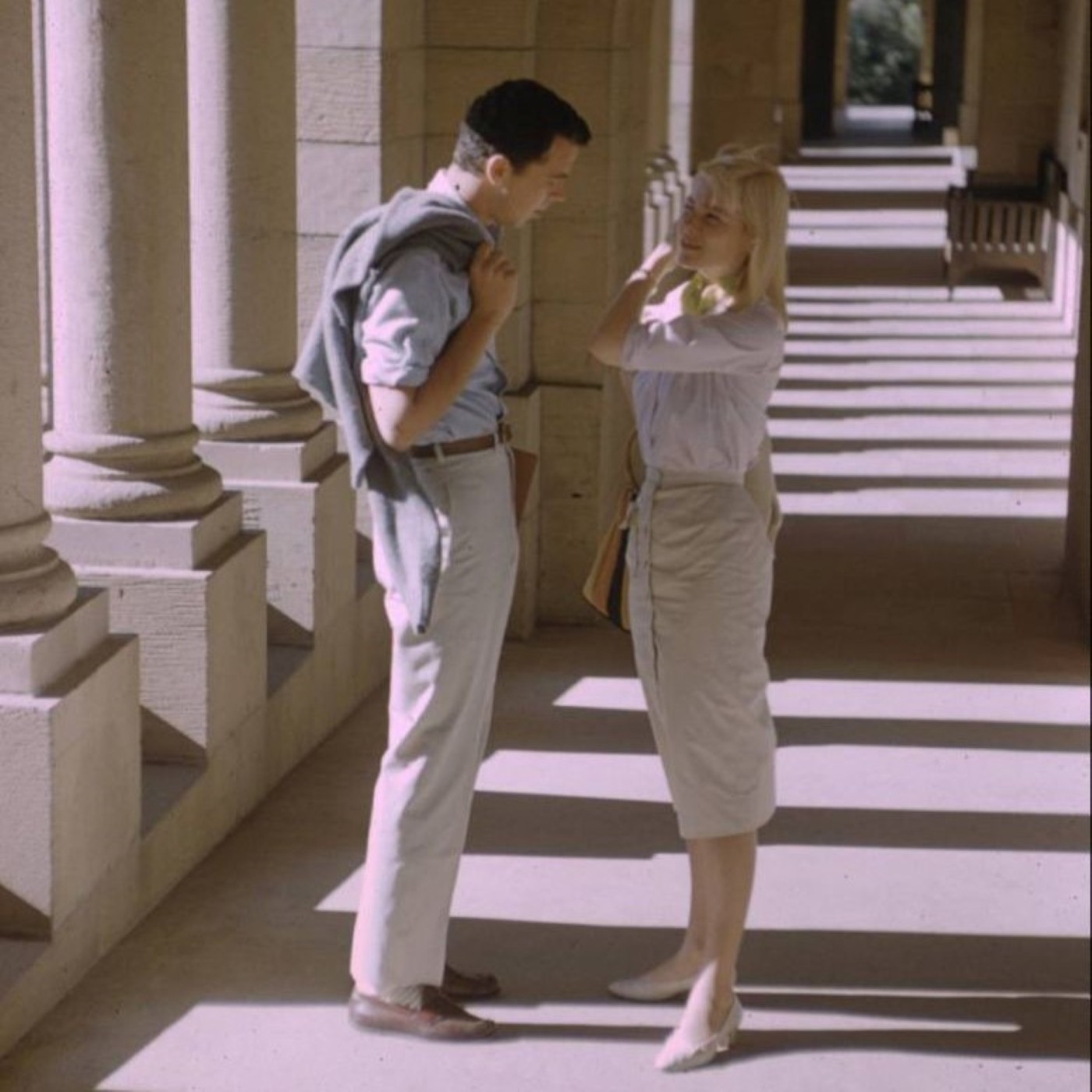
Ivy Style, otherwise known as Ivy League, is a style of men’s dress that became mainstream at Ivy League schools during the 1950’s. Students started wearing casual versions of the traditional menswear staples worn by their fathers and started wearing clothing originally designed for recreational activities outside of sports fields. On this week’s episode Joseph and Nathan delineate various Ivy Style staples and talk about several groups that adopted the look: Jews who dressed Ivy in order to blend in in professional environments, female students at the Seven Sisters schools who dressed Ivy in a strikingly masculine way, and Black civil rights activists who dressed Ivy in order to persuade White Americans that they were equals. The boys then round off the episode by critiquing the Ivy League as an institution. Links: Ivy League Pinterest Board The Ivy Style Primer American Ivy: Chapter 1 - Articles of Interest Take Ivy by Hayashida, Teruyoshi The Weird and Glorious Culture Shock of “Take Ivy” Kiel James Patrick’s Instagram Man fired for being ‘too American,’ old, wearing khakis: EEOC complaint Visual snow syndrome grid pattern post What is Black Ivy, and why you've never heard of it The Zoomer Question by Isaac Wilks Air rage triggered by walking past first-class seating, study says Liquidated: An Ethnography of Wall Street by Karen Ho Pete Buttigieg McKinsey tweet Artwork: Sunday in the Ivy League from Take Ivy Recorded on 7/15/2024
Ep 32Ep. 32: Insect Aesthetics w/ Marissa Macias
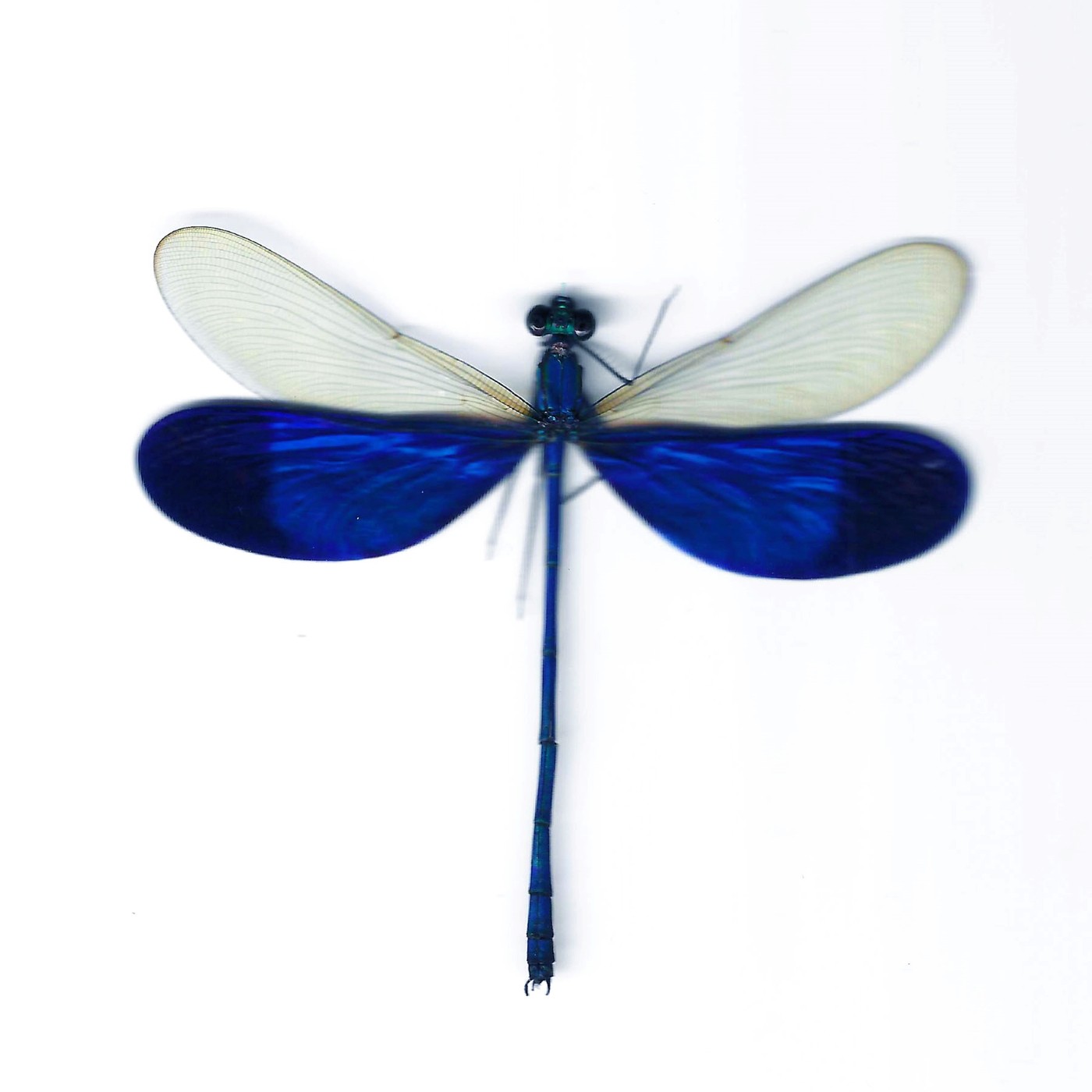
This week Joseph and Nathan are joined by Marissa Macias, a local artist and fashion designer who owns the insect-inspired clothing brand Petrichor, to discuss insect aesthetics. They begin by examining 7 of the ~30 extant insect orders: hymenoptera (ants, bees, wasps), odonata (dragonflies), coleoptera (beetles), orthoptera (grasshoppers, crickets), mantodea (mantids), lepidoptera (butterflies, moths), and heteroptera (true bugs). Amongst other things they discuss Chicago’s recent dual cicada brood emergence, how insects appeared in pre-modern still lives because of their association with death, and how decline in insect biomass could result in systems collapse and a sixth extinction. Links: https://www.petrich0r.com/ (online shop) Petrichor (Instagram) Marissa’s Neurobasis Kaupi Are.na Channel Maria Sibylla Merian The Insect Asylum Cicada Parade-a Carravagio’s Basket of Fruit Durer’s Stag Beetle Eating Bugs to Save the Planet by Dana Goodyear The Collapse of Insects By Julia Janicki, Gloria Dickie, Simon Scarr and Jitesh Chowdhury Earth Is Not in the Midst of a Sixth Mass Extinction by Peter Brannen Ocean Trash Is a Lifesaver for Insects by Daniel Strain Artwork: Neurobasis Kaupi by Marissa Macias Recorded on 7/10/2024

Ep 31Ep. 31: Health Goth [TEASER]
Full episode available on Patreon: https://www.patreon.com/SilentGeneration Originally started as a Facebook page by three Portland natives, health goth was an online internet aesthetic that proliferated from 2013 to 2015. Health goth imagery and fashion incorporated monochrome color schemes, performance wear brands (particularly Nike, Adidas, and Y-3), chav culture, light weaponry, face masks, and fitness culture. Where did it go, and why has it been erased from public memory to a greater degree than other early Tumblr aesthetics? On this week's episode the boys explore how the aesthetic was later commandeered and mishandled by the controversial former Chicago club kid Johnny Love. Amongst other things they discuss how the aesthetic side of Tumblr often made them feel “Tumblr fatigue,” how local DIY scenes are a recipe for drama and GoFundMe disasters, how goth clean girl looks eerily reminiscent to health goth, and how phonk seems to be health goth music incarnate. Links: Health Goth Pinterest Board Health Goth Facebook Page healthgoth.com Cottweiler: 2014 S/S Collection What Health Goth Actually Means by Adam Harper Health Goth Fitness Manifesto #HealthGoth - Hashtags Season II by Red Bull Music Academy execussion.tumblr.com 2012 by Celestial Youth Is the Health Goth Movement Selling Out to the Mainstream? meme about scene rants famous 2012 basement group photo w/ Johnny Love Johny Love’s recent health goth facebook post The DigiFairy’s goth clean girl Instagram reel Phonk Aesthetics Artwork: Jazzelle Zaughnatti wearing a Dead Worldwide shirt Recorded on 6/30/2024

Ep 30Ep. 30: Movie Theaters
While many recent episodes of Silent Generation have focused on decline, this episode explores how movie theaters have had multiple golden eras. Vaudeville theaters, nickelodeons, movie theaters, drive-ins, and multiplexes have each offered unique ways for moviegoers to enjoy films. Joseph and Nathan begin by discussing the history of movie theaters before examining four iconic movie palaces in Chicago: The Garrick Theater, The Chicago Theater, The Music Box, and the Ramova Theater. Amongst other things they discuss how movie studios used to bundle blockbusters and B-movies together in a now illegal practice called “block booking,” how the stars in the ceiling of The Music Box theater remind them of Grand Central Station, how modern movie theaters have an Art Deco-esque aesthetic that is called Decoplex, and how Alamo Drafthouse Cinema workers are unionizing. Links: Downtown Chicago’s Historic Movie Theaters by Schiecke, Konrad Avondale Time Machine posts about movie theaters in Avondale All Extant Louis Sullivan Buildings in Chicago The Last American Possession screening at the Music Box on July 24th CTA Bus Hit, Damaged Ramova Theatre Days After Building Earned Initial Landmark Status Alamo Drafthouse Made Millions. Exhausted Workers Said Enough Artwork: The Music Box Recorded on 6/23/2023

Ep 29Ep. 29: Preppers w/ Anna Savina
In response to the Berlin Crisis of 1961, President John F. Kennedy chose to encourage everyday Americans to construct homemade bunkers. Civilians could suddenly mitigate their fears of a nuclear holocaust through consumption, and thus prepper culture was born. This week the boys are joined by the writer and community builder Anna Savina to discuss preppers, survivalists, and other groups that have doomsday inspired “exit strategies.” They begin by examining the zine she created on bunkers, Bunker Mentality, to explain how bunkers fit into the story of how Americans shifted from being citizens to being consumers. Amongst other things they discuss how the towers that existed in medieval Italian cities were an early form of bunkers, how prepper culture seems to thrive in the interior of the United States rather than the coasts, and how the prepper aesthetics depicted in Hideo Kojima’s Death Stranding were beautiful but ultimately not representative of prepper culture. Links: Prepper Aesthetics Pinterest Board Anya is Typing… Anna Savina's Zine on bunkers: Bunker Mentality Anna Savina’s Twitter Prepper Lingo: Terms, Slang, and Acronyms from A-Z Towers of Bologna, Italy in the 12th Century San Gimignano Preppers in Death Stranding New Survivalism by Parsons & Charlesworth, The Object Guardian Conservative guy afraid of cities meme Why We Love the Apocalypse - EP183 by The Casual Preppers Podcast Wikipedia Database download Graph of the Population of Rome Through History Artwork: How to build a fallout shelter, 1957 Creative Commons CC0 License Recorded on 6/19/2024
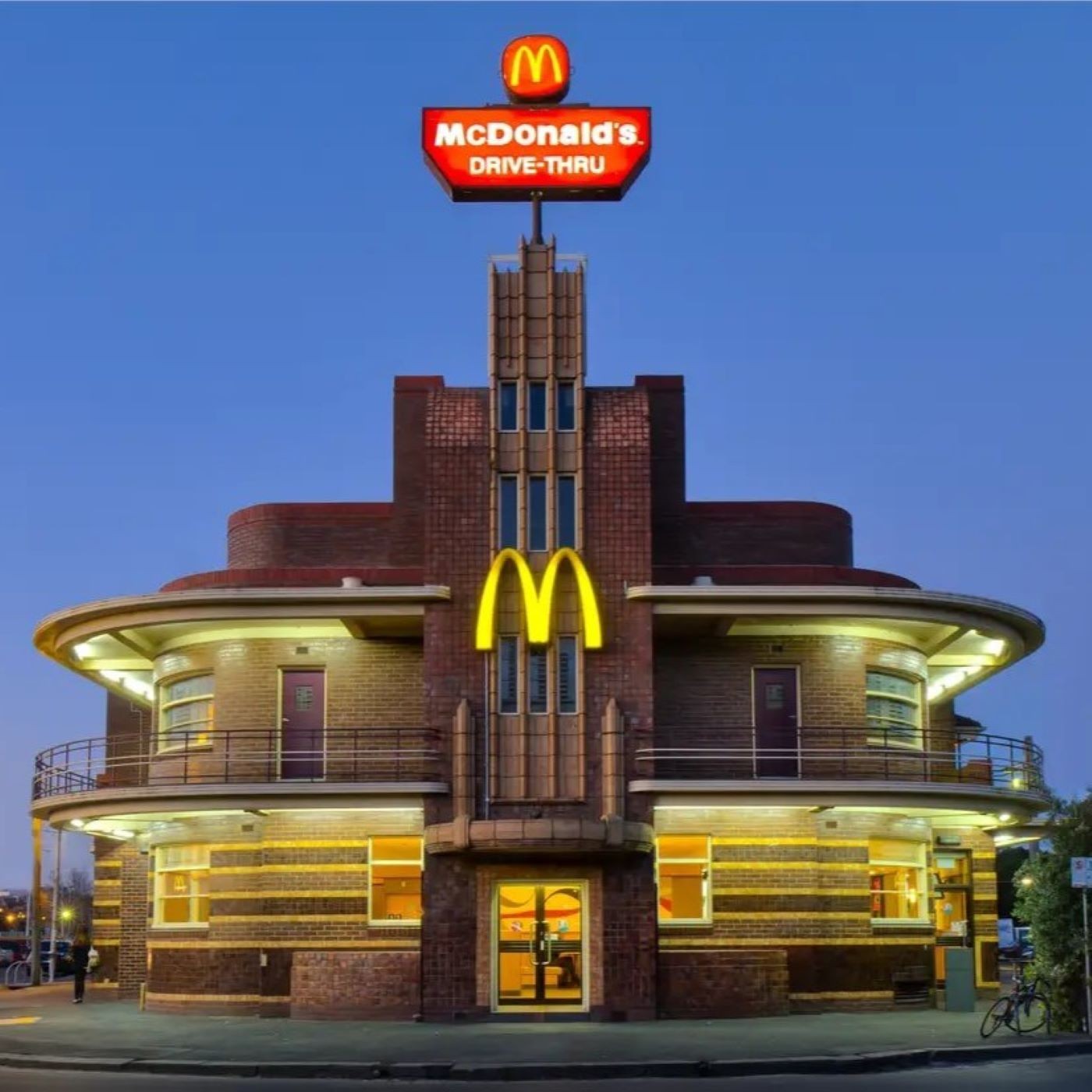
Ep 28Ep. 28: Fast Food Culture w/ Mathieu [TEASER]
Full episode available on Patreon: https://www.patreon.com/SilentGeneration Many themes thus far discussed on Silent Generation are present in fast food culture: car-centrism, postwar decline, Americanism, and uniforms. This week the boys are joined by Mathieu (who goes by Sleepy on Discord) to talk about McDonald’s, CosMc’s, Taco Bell, In-N-Out Burger, Wendy’s, and Culver’s in detail. Chicago has four (in)famous McDonald’s locations that they pay particular attention to: Rock 'n' Roll McDonald's, CrackDonald’s, Jungle McDonald’s, and the McDonald's Global Menu Restaurant. Amongst other things they discuss the decline of fast food architecture from its Googie architecture highs, chains that are holding on for dear life like KewPee Hamburgers and Quizno’s, and their favorite discontinued menu items. Links: White Castle #16 Googie 101: A Space-Age Pop-Architecture Primer Tokyo Toni 80 Pieces of Chicken McDonald’s Broke My Heart from Malcolm Gladwell’s Revisionist History Podcast Rock N Roll McDonalds by Wesley Willis Why McDonald’s looks sleek and boring now Nonstandard McDonalds The site of the former “jungle Mcdonald’s” on Google Maps The rise and fall of Wendy’s sun rooms Breaking Points: We Were TRICKED By Red Lobster Endless Shrimp Excuse! What Happened To Chipotle? Artwork: Art Deco McDonald’s from Nonstandard McDonald’s Clifton Hill, Melbourne, Australia Recorded on 6/9/2024
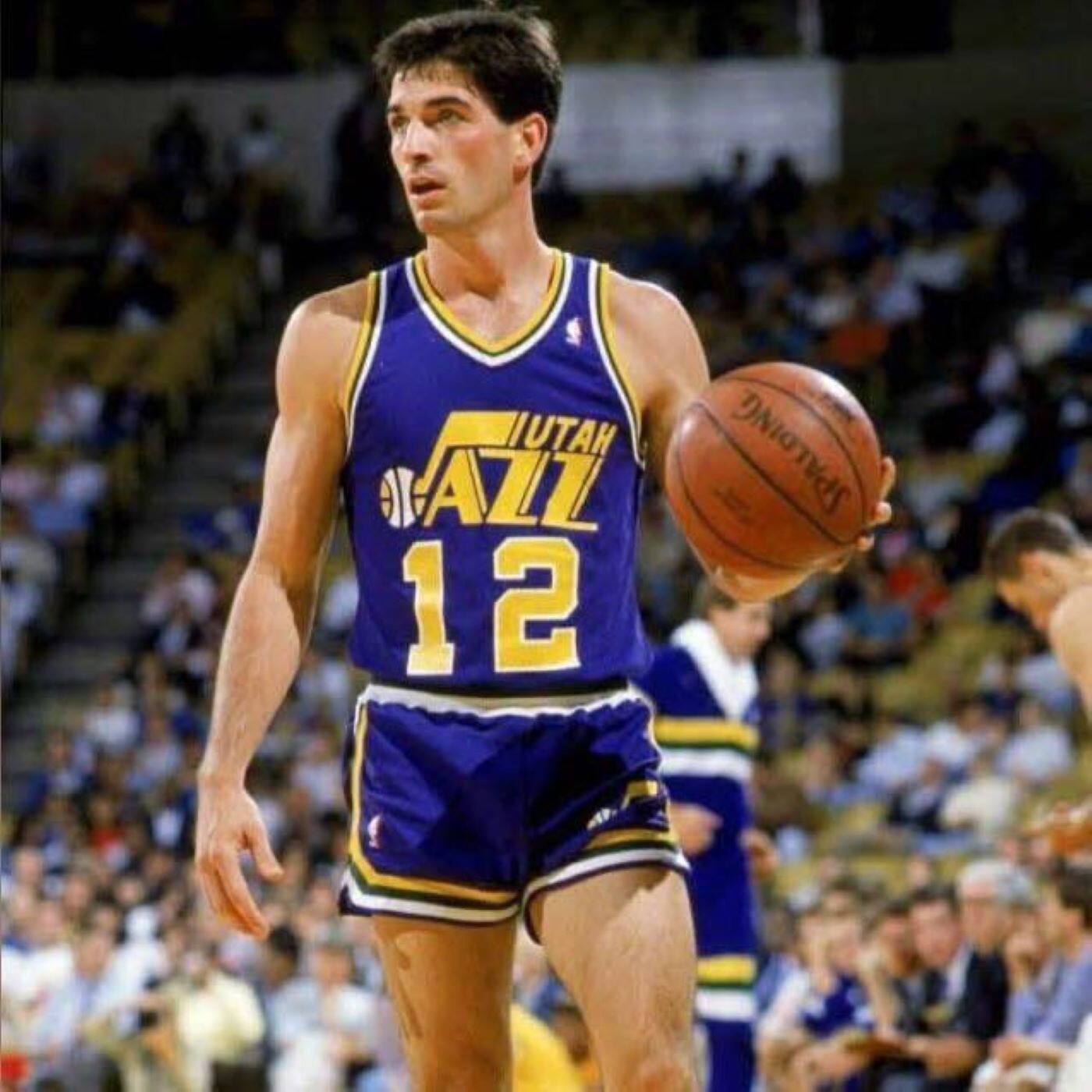
Ep 27Ep. 27: Sportswear
On this week’s episode Joseph and Nathan examine sportswear worn by both athletes and their fans. Episode 14 of Silent Generation already covered Olympic sports, so this week’s episode focuses on major league sports. They cover each of the following: baseball, basketball, football, golf, hockey, and soccer (plus rugby, road cycling, and tennis for good measure). Amongst other things they discuss how White Sox players briefly wore shorts in the 1970s, how rappers popularized hockey jerseys in the 1990s, how cyclists were depicted in The Triplets of Belleville, and how coaches (like Tom Landry and Pat Riley) dressed better prior to league-wide contracts. Links: Sportswear Pinterest Board American Apparel’s Poly Mesh Football Jersey Gay baseball raglan meme 1, Gay baseball raglan meme 2 How Hockey Jerseys Became Standard Wear for Fans When a Sweater Defined One of the Best Rivalries The Rise Of Athleisure In The Fashion Industry And What It Means For Brands Artwork: John Stockton Recorded on 6/2/2024

Ep 26Ep. 26: Nuclear Energy Discourse w/ Madison Hilly
Why has the general public been skeptical of nuclear energy, seemingly even before the technology existed? Joining the boys on this week’s episode of Silent Generation is Madison Hilly, founder and director of the Campaign for a Green Nuclear Deal, to discuss how the discourse around nuclear energy has been heavily influenced by its depictions in popular culture. They examine The China Syndrome, The Simpsons, Teenage Mutant Ninja Turtles, and Chernobyl (2019) to examine how erroneous depictions of nuclear waste and nuclear meltdowns have fomented fear. Amongst other things they talk about when Madi went viral for taking a picture next to nuclear waste while pregnant, how the baby boomer strain of environmentalism leans more “conservationist,” why nuclear waste and slime in childrens’ media is always depicted as being green, and how left wing opposition to nuclear energy seems to come from subconscious fears that radioactive material isn’t “natural.” Links: The Campaign for a Green Nuclear Deal Madison Hilly’s Twitter Pregnant Woman Poses With 'Nuclear Waste' To Prove Point About Radiation (Newsweek) By the Waters of Babylon by Stephen Vincent Benét Cornelia Hesse-Honegger’s Mutations Science Behind Science Fiction: How do Teenage Turtles become Mutant Ninjas? Studies Show That, As We Age, Our Ability To See Vivid Colors Decline Holtec reports “remarkable progress” towards restart of Palisades Artwork: Nuclear power plant LCCN, Library of Congress's Prints and Photographs division digital ID highsm.13019, CC0 Recorded on 5/26/2024

Ep 25Ep. 25: Moral Codes [TEASER]
Full episode available on Patreon: https://www.patreon.com/SilentGeneration Many parents today tell their children to simply “be a good person” and do not offer them moral guidelines beyond that. “Being a good person” isn’t a robust enough moral framework to deal with the complexities of everyday life, so many people resort to creating their own moral codes (either completely independently, or through the help of internet gurus like Jordan Peterson). On this week’s episode of Silent Generation, Nathan and Joseph reflect on their own moral codes and talk about the origins and justifications of the rules they’ve made for themselves. Amongst other things they discuss how gay culture doesn’t offer gay men a moral framework, how you should aim to be contrarian only 50% of the time, how the public has become tired of plotlines that deal with moral gray areas, and how modern Hollywood has only offered the public antiheroes in place of actual heroes. Links: Jordan Peterson - Are You a Good Person? The Epidemic of Gay Loneliness Artwork: The School of Athens by Raphael Recorded on 5/19/2024
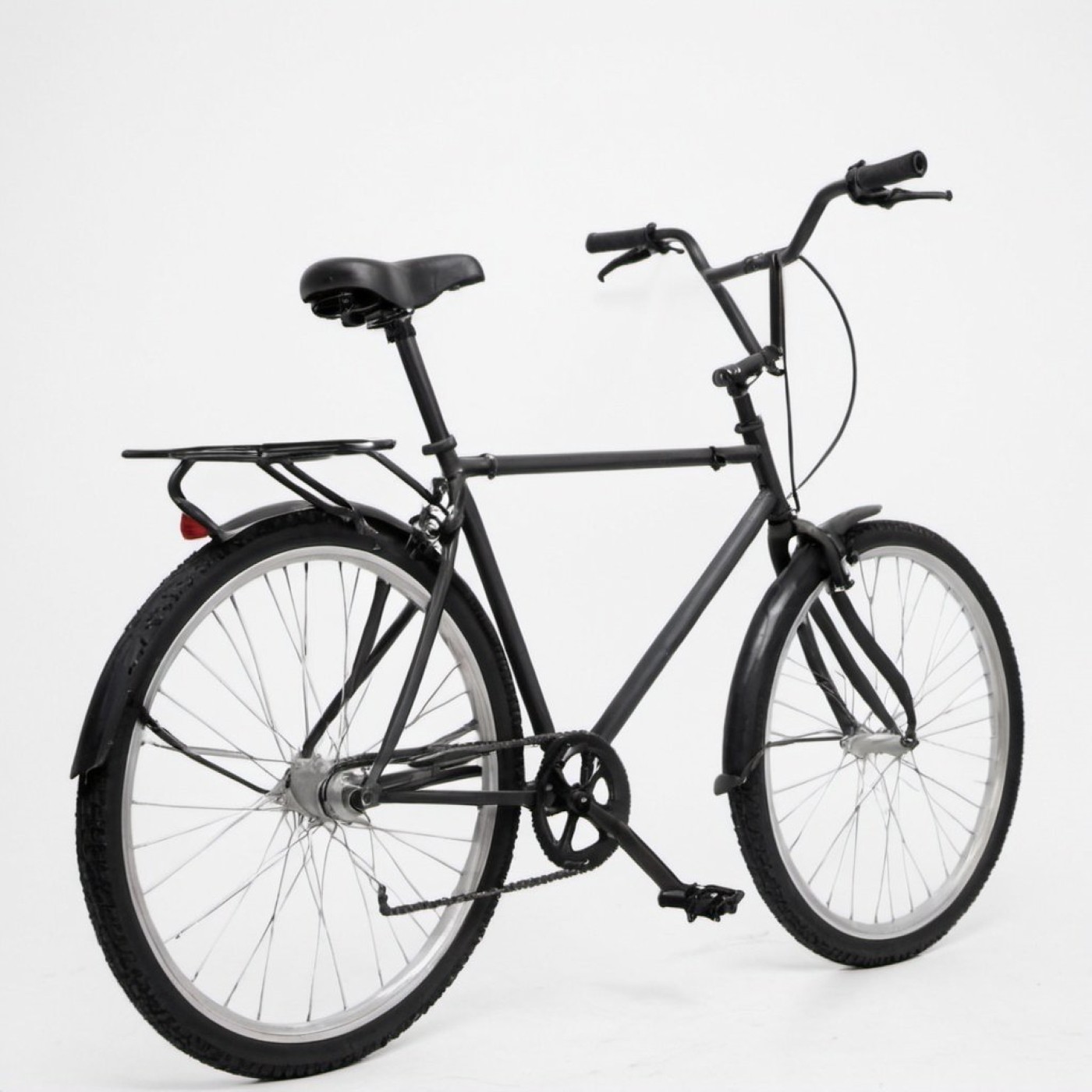
Ep 24Ep. 24: Bike Skepticism
As previously noted, Nathan has a general aversion to bikes and bike infrastructure. But where does his “bike skepticism” come from, and why do many other Americans feel the same way? On this week’s episode of Silent Generation Joseph gets to the root of Nathan’s bias (the temperament of cyclists, tacky bike lane infrastructure, and the “aesthetics of control”) and makes the case for bike-oriented cities. Amongst other things they discuss how most Americans approach biking from a sports angle, the way streets were shared by multiple transit modes in the early 20th century, how biking becomes less viable in the Winter, and how Los Angeles has the potential to become America’s foremost biking city. Links: The new Silent Generation Patreon! San Francisco streetcar footage from a hundred years ago Years and Years by Russell T Davies On Adam Levine's tattoos Why Many Cities Suck (and Los Angeles Doesn't Have to) Strong Town’s idea of “complex vs. complicated” Artwork: AI generated Recorded on 5/12/2024