Show overview
Silent Generation has been publishing since 2023, and across the 3 years since has built a catalogue of 108 episodes. That works out to roughly 110 hours of audio in total. Releases follow a weekly cadence.
Episodes typically run an hour to ninety minutes — most land between 10 min and 1h 30m — with run-times ranging widely across the catalogue. It is catalogued as a EN-language Society & Culture show.
The show is actively publishing — the most recent episode landed 1 weeks ago, with 14 episodes already out so far this year. The busiest year was 2024, with 47 episodes published.
From the publisher
Silent Generation is a Chicago-based cultural analysis podcast that surveys the cultural consequences of car-oriented development in the mid-20th century. It explores what was lost between the Silent Generation and Generation Z. Topics discussed include aesthetics, fashion, history, and urbanism.Find us on Instagram: silent.generation
Latest Episodes
View all 108 episodesEp. 104: The Clear Craze [TEASER]
Ep. 103: Those Characters From Cleveland
Ep. 102: Soft Countriana w/ Evan Collins
Ep. 101: Water Transportation [TEASER]

Ep 106The Silent Generation Thesis
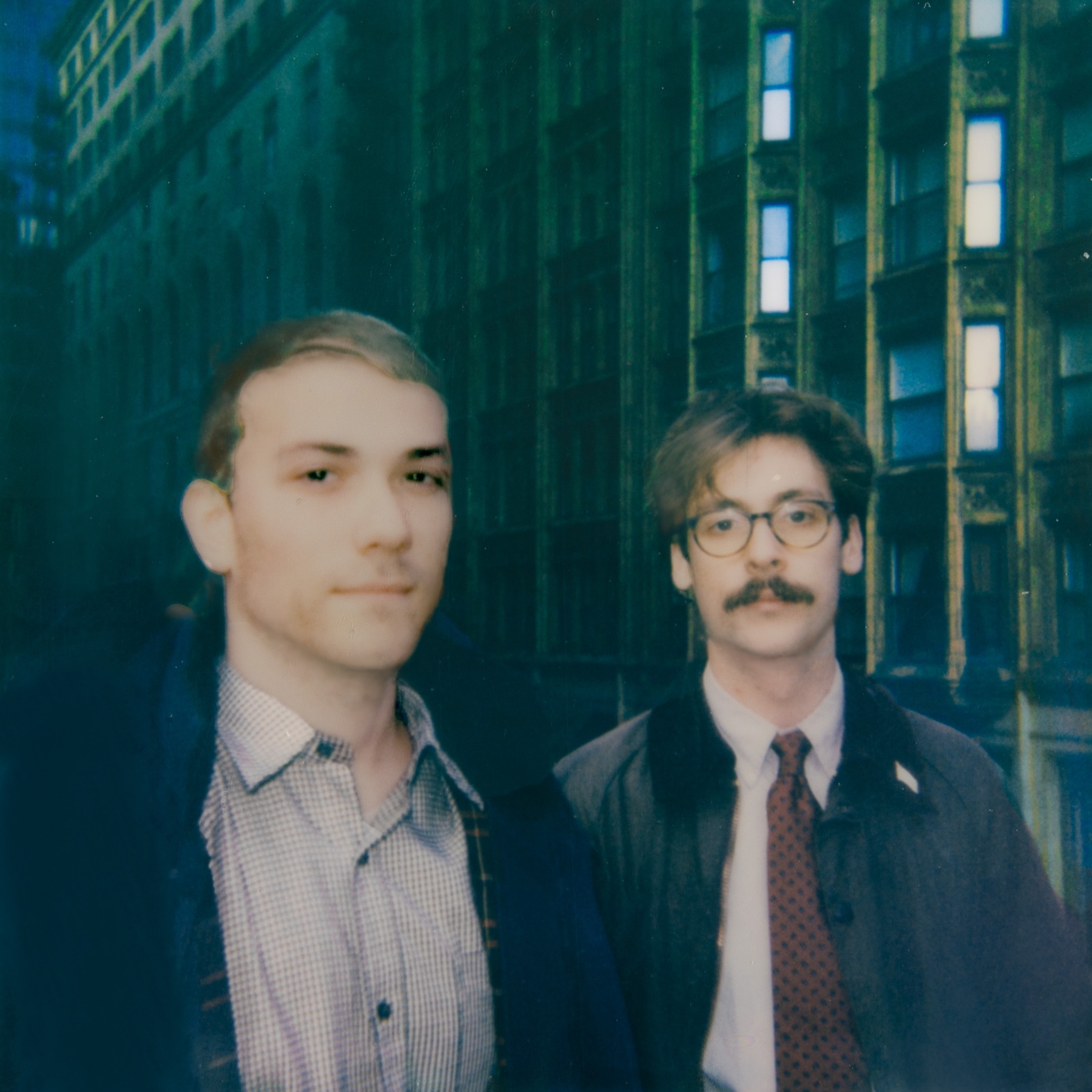
In the summer of 2023, Joseph and I were having a conversation in Podlasie Club about different generational attitudes toward ultraprocessed food. We shared anecdotes about how boomers in our personal lives had little to no reservations about consuming them, while the generation above the boomers had a healthy degree of skepticism and preferred home-cooked food. Joseph uttered the phrase “reject your parents, embrace your grandparents.” I quickly realized that the generation he advocated embracing was the Silent Generation, and the term began buzzing in my head. I had only known Joseph for a couple of months at that point, but we had amazing conversational chemistry and kept discovering that we admired many of the same things: public transit, cities, architecture, menswear, and aesthetics. He was even wearing his Crystal Castles long sleeve tee that night at Podlasie Club, which ended up being the third topic we did together and our all time most downloaded episode. I asked him to start the podcast with me after I realized that the worldview we shared was something that needed to be disseminated and preserved. The Silent Generation worldview is one that is predicated on decline. If you look at the health of American cities compared to 100 years ago, you will find that the reliability of public transit systems, walkability of neighborhoods, vibrancy of downtowns, and quality of architecture have all diminished over the last century. Cities like Detroit, Cleveland, and St. Louis saw their populations fall by more than half. While Chicago has fared better than much of the rest of the Midwest, we are still in many ways a shadow of our former self, having lost a million people from our peak in 1950. This decline can be attributed to car-oriented development in the mid-20th century. Urban neighborhoods were razed for the construction of interstate highways, and suburban lifestyles became synonymous with the American way of life. Prior urbanists have already elucidated how car-oriented lifestyles lead to lower life expectancies, decreased financial stability, and atomization. But Silent Generation is amongst the first projects to explore the cultural effects of suburbanization, to look at the cultural practices of prior generations and examine what has been lost through the lens of urbanism. As a podcast, we aim to not only identify what has been lost since the mid-century, but to offer solutions in the present day: subcultures, secular social movements, and moral codes. Each involves the identification of values within oneself and a conscious effort to engage with the wider world. We aim to teach listeners to be citizens instead of consumers, and to value their communities as participants in public life. Silent Generation has now reached 100 episodes, but there is still more to explore. Links: Silent Generation Zine Vol. 1 Silent Generation Podcast Listener Submission Form Artwork: Designed by Nathan Recorded on 4/2/2026

Ep 105Ep. 100: Witch House 2 w/ Pictureplane
Pictureplane, real name Travis Egedy, is a musician, artist, and fashion designer who popularized the term “witch house” in a 2009 interview with Pitchfork Magazine. In this follow up episode to Ep. 89: Witch House, Nathan and Breanna interview Pictureplane about his contributions to witch house and his involvement with early internet aesthetics as a whole. They ask him about what his Myspace page looked like, how he got to know Zombelle, and how the music video for Goth Star got filmed. The episode concludes with a discussion of Pictureplane’s most recent album, Sex Distortion. Links: Pictureplane - Instagram Page https://pictureplane.bandcamp.com/ https://shop.alienbody.com/ Real Is A Feeling by Pictureplane Gothstar by Pictureplane Glowing Wounds by Pictureplane Sex Distortion (Spectral Passion) by Pictureplane Heaven is a State of Mind by Pictureplane RE/Search Publications Industrial Culture Handbook Runaway Today Bukake is a Feeling by Zombelle 2011 Chicago Tumblr basement photo greeknewmediashit Photorhabdus luminescens (Angel’s glow) Artwork: Pictureplane on His Haunting New Album and His Favorite Horror Imagery by Tobias Carroll Recorded on 1/7/2026

Ep 104Ep. 99: Rockabillies
“Rockabilly” is a portmanteau of the words “rock” and “hillbilly” that originally described a subgenre of rock and roll music in the 1950s. This week’s episode of Silent Generation focuses on the rockabilly subculture: a modern interpretation of rockabilly that combines 1950s nostalgia with alternative staples like hair dye, piercings, and tattoos. Nathan and Sebastien start out by discussing traditional rockabilly music that was popularized by the likes of Elvis Presley, Janis Martin, and Wanda Jackson. The two then theorize why people are drawn to the rockabilly subculture and identify what characteristics they share. They then detail rockabilly fashion before concluding with a discussion about rockabilly values and whether or not those values still feel transgressive. Links: Rockabillies Pinterest board: https://www.pinterest.com/silentgeneration/rockabillies/ The Best of Rockabilly Playlist Bang Bang by Janis Martin Fujiyama Mama by Wanda Jackson Rockabilly - Aesthetics Wiki Page Rockabilly resurgence: A rocking revival in the 90s by 034zakia.bessaa2008 What Is Rockabilly Style? Everything You Wanted To Know by Bonnie It's a Rockabilly World (2016) Guys Episode 37 - Rockabilly Guys with Brace Belden Reviving the 1950s - Exploring Tokyo’s Rockabilly Culture by Melanie Gelo Nothing to Worry About by Peter Bjorn and John Viva Las Vegas VLV 25 Car Show LisaTV @ the Rockabilly Convention Rockabilly Duo: Your Scene Sucks Child of Rockabilly Couple Constantly Wondering What the Fuck Is Going On by Keith Buckley Drake Bell Made a Rockabilly Album? r/Rockabilly Is Rockabilly alive and well or is it a dying culture? ”Rockabilly” on Google Trends Ep. 68: Historical Dressing & Reenactment Artwork: Rockabilly women, featuring Sailor Jassie Recorded on 3/23/2026

Ep 103Ep. 98: Art Deco
Art Deco is an art and design style relevant from the 1920s to 1930s that is best characterized by its use of metallic colors, geometric patterns, futuristic forms, and references to ancient civilizations. It is the most celebrated of all of the design styles that can be grouped under Interwar Modernism, but what makes it so popular? On this week’s episode of Silent Generation, Nathan and Sebastien begin by charting Art Deco’s emergence in France to its eventual dissemination at the 1925 International Exhibition of Modern Decorative and Industrial Arts in Paris. They then detail two Art Deco skyscrapers (the Carbide & Carbon Building and the Guardian Building) before delving into a conversation about Art Deco and American identity. The episode rounds out with an analysis of Art Deco in three pieces of media: Bioshock (2007), Nightmare Alley (2021), and Metropolis (1927). Links: Art Deco Pinterest board: https://www.pinterest.com/silentgeneration/art-deco/ Art Deco of the 20s and 30s by Bevis Hillier (1968) Art Deco Architecture: Everything You Need to Know as the Style Turns 100 by By Katherine McLaughlin and Elizabeth Stamp Art Deco: Everything You Wanted to Know Ep. 110: Consumer Aesthetics Research Podcast w/ Evan Collins A History - Vienna Secession Secession Building Stoclet Palace Carbide and Carbon Building The History of The Guardian Building: An Art Deco Landmark Lobby murals at Buffalo City Hall Sen̓áḵw Bioshock (2007) Nightmare Alley (2021) Metropolis (1927) North & Pulaski Artwork: The "Spirit of Light" sculpture on the Niagara Mohawk Building in Syracuse, NY Recorded on 3/16/2026

Ep 101Ep. 97: Early Skyscrapers
On this week’s episode of Silent Generation, Nathan and Sebastien explore the early development of skyscrapers in Chicago, beginning with the construction of the Home Insurance Building in 1885. They note that nine early Chicago skyscrapers have been nominated for UNESCO World Heritage Site status and examine two in depth: the Monadnock Building and the Auditorium Building. The episode also traces the life of Louis Sullivan, whose tripartite theory shaped skyscraper design for generations. Finally, they examine several early skyscrapers in Sebastien’s hometown of Buffalo, New York (the Guaranty Building, the Ellicott Square Building, and the Dun Building) before debating the extent to which skyscrapers are monuments to capital. Links: Skyscraper | Encyclopedia Britannica Early Chicago Skyscrapers (UNESCO) The Monadnock’s original Egyptian Revival facade The Chicago Auditorium, an Architectural Pride Center for New Deal Studies The World's Tallest buildings in 1930 It looks like a fairy tale city, perhaps the Emerald City or smth like that [Historical photo of the Chicago Loop] Artwork: Guaranty Building, 1895 Church and Pearl Streets, Buffalo (NY, USA). Dankmar Adler et Louis Sullivan, architectes. © Wayne Andrews / Esto Recorded on 3/2/2026

Ep 100Introducing Sebastien
In this special announcement, Nathan welcomes Sebastien as the newest cohost of Silent Generation! Nathan begins by noting that Sebastien will be the main cohost until Breanna officially moves to Chicago. Nathan then interviews Sebastien about his background (his life in Buffalo, his passion for photography, and his interest in urbanism) before outlining the future of Silent Generation. Links: Sebastien’s Instagram sebastienbowen.com Artwork: Photographed by Katie Recorded on 3/2/2026

Ep 102Ep. 96: Fine Dining
On this week’s episode of Silent Generation, Nathan and Breanna begin by discussing how fine dining transitioned from an activity enjoyed at home to an activity enjoyed at restaurants. They then survey primary figures in the world of fine dining (A. Boulanger, Marie-Antoine Careme, Eugénie Brazier, Ferran Adria, Rene Redzepi, Joel Robuchon, and Gordon Ramsey) before discussing the pillars of fine dining. The two then detail the history of the Michelin Guide before reflecting on their recent dining experience at a restaurant in Dallas that was awarded one Michelin star, Mamani. The episode concludes with a discussion about where they want to see fine dining go moving forward. Links: Origins of the Restaurant Boulanger and the restaurant: the snowballing of a myth Eugénie Brazier: The legendary 'mother of French cuisine' by Anna Richards Bazaar Classics: Liquid Olives What Is Molecular Gastronomy!? The MICHELIN Guide 101 What Is The MICHELIN Bib Gourmand Award? Eating at Alinea. Chicago. 3 Michelin Stars. An Amazing 9 Course $345 Tasting Menu Culinary Theatre at Alinea in Chicago | World's Best Restaurants | Our Taste Chef’s Table - Season 2 Episode 1 (2016) Jiro Dreams of Sushi (2011) American Psycho, Fine Dining, and Scams VSauce - Molecular Gastronomy Artwork: Etrusca restaurant in San Francisco from Restaurants in California (Restaurant Design 3) (1993) Recorded on 2/15/2026

Ep 98Ep. 95: Dinner Parties
On this week’s episode of Silent Generation, Nathan and Breanna discuss all things dinner parties. The two begin by discussing what they like about dinner parties and their personal experiences hosting and attending them. They then review common features of traditional dinner parties (cocktail hour, place settings, multiple course meals, and after-dinner entertainment) before detailing how they have changed over time. Amongst other things they discuss how Emily Post and Martha Stewart presented competing visions of the high-effort dinner party, how the depreciation of dining-related antiques demonstrates the decline of dinner parties in America, and how modern dinner parties emphasize a relaxed approach that is best demonstrated by Allison Roman’s Nothing Fancy. Links: Etiquette in Society, in Business, in Politics, and at Home by Emily Post How Dinner Parties Became the Fuzzy Blanket of Adulthood by Alissa Wilkinson The Dinners That Shaped History by Brenda Wineapple Eating Together : Food, Friendship and Inequality Alice P. Julier The Pleasure of Your Company (but No Gaucheries, Please!): Dinner Parties in 19th-Century America by mansionmusings Entirely Entertaining: Dishing Dinner Party Trends Through the Decades I Tracked Down The Company Ruining Restaurants The Art of Entertaining Why Dinner Parties Still Matter Entertaining by Martha Stewart Martha (2024) Martha Stewart wheelbarrow clip The Exterminating Angel (1962) The Discreet Charm of the Bourgeoisie (1972) Fantastic Mr. Fox (2009) Why the dinner party is a declining art by Harmeet Kaur Politics on the menu in Seoul as Donald Trump dines on shrimp from disputed waters and 360-year-old soy sauce by Nicola Smith Cameron praises Obama at lavish state dinner by Mark Madell Presidents at State Dinners: A Historical Overview Nothing Fancy by Allison Roman Alison Roman’s “Nothing Fancy” and the Art of the Unpretentious Dinner Party by Michele Moses With 'Nothing Fancy,' Alison Roman Aims To Rebrand Having People Over For Dinner by Wynne Davis Artwork: Charlie Chaplin, Buster Keaton (and others) at a party given for Rudolph Valentino Recorded on 02/08/2026

Ep 97Ep. 94: Soft Colonial Wanderlust
Soft Colonial Wanderlust is a Victorian-inspired consumer aesthetic that was popular from the late 1980s to mid 2010s. It consists of black and white photographs, hand-colored photographs, antiquated technology, chinoiserie, japonisme, and general orientalism. Nathan and Breanna detail the aesthetic in this week’s episode of Silent Generation, from its murky origins in ‘60s/‘70s British animation to its eventual identification by CARI in 2017. They discuss how Twee is the “girl version” of Soft Colonial Wanderlust, how hand-colored photographs serve as the foundation for the aesthetic’s color scheme, and how Soft Colonial Wanderlust differentiates itself from Steampunk by eschewing digital technology. Links: Soft Colonial Wanderlust Pinterest Board: https://www.pinterest.com/silentgeneration/soft-colonial-wanderlust/ Soft Colonial Wanderlust CARI Page Soft Colonial Wanderlust Aesthetics Wiki Page What is Soft Colonialist Wanderlust? Facebook Group Soft Colonialist Wanderlust Are.na Page https://anemptyblissbeyondthisworld.neocities.org/CARI/soft-colonial The surprising evolution of hipsters in the 2000s The Mysterious Geographic Explorations Of Jasper Morello Artwork: Hendrick's Gin "Escape" Recorded on 01/31/2026

Ep 96Introducing Breanna
In this special announcement, Nathan welcomes Breanna as the newest cohost of Silent Generation! The two kick things off by reflecting on their time in Dallas and the activities they shared the day before. Nathan then interviews Breanna about her background (who she is, where she has lived, and what lenses she uses for cultural analysis) before outlining the future of Silent Generation. Links: Breanna’s Instagram Labyrinth of Art Breanna’s TikTok Breanna’s Letterboxd Artwork: Photograph by Studio Solaire Recorded on 01/31/2026

Ep 95Bidding Farewell to Joseph
In this important announcement, Joseph shares his plans to leave Silent Generation and Nathan shares his plans to continue it. The podcast will relaunch in two to three months with a new co-host that is familiar to the community. Nathan also shares that he is open to adding other regular contributors, and that a Discord member named Juniper is going to make a commemorative zine for the first iteration of the podcast. Links: Nathan’s Instagram: https://www.instagram.com/nathan_knize/ Silent Generation’s Instagram: https://www.instagram.com/silent.generation/ Recorded on 12/3/2025

Ep 94Ep. 93: Bicoastal Lifestyles w/ Nevadastyles
Nevada (also known as Nevadastyles on Instagram) is a hair artist from New York City who has lived a bicoastal lifestyle for the last half decade. For the majority of that time she has lived and worked in both New York City and Los Angeles, but her career as a hair artist has brought her all over the world. On this week’s episode of Silent Generation, she joins Nathan for a conversation about why she and other creatives aspire to live bicoastal lifestyles. They begin with a conversation about the pros and cons of New York City and Los Angeles, focusing on key geographic and cultural differences. Nathan then argues that the rise of bicoastal living represents the latest stage in the elite’s drift toward rootlessness and cosmopolitanism, a pattern described by Christopher Lasch in The Revolt of the Elites. The episode concludes with a discussion about whether having roots (and not being bicoastal) is a status symbol and the common traits shared by big city natives. Links: @nevadastyles - Instagram Profile https://www.nevadaraffaele.com/ New Data Tool and Research Show Where People Move as Young Adults by Nathaniel Hendren, Sonya R. Porter and Ben Sprung-Keyser The Death and Life of the Great Lakes by Dan Egan The Revolt of the Elites by Christopher Lasch The messy, viral fight over America's fourth 'major' city by Tessa Mclean What are the 4 major US cities? The internet can't decide. Vote for your picks by Melina Khan Artwork: New York 1971 by Hans-Peter Balfanz CC BY-SA 3.0 <https://creativecommons.org/licenses/by-sa/3.0>, via Wikimedia Commons Boyle Heights, 1979 by John Humble Recorded on 11/19/2025

Ep 93Ep. 92: Adult Contemporary
Adult contemporary is a radio format and marketing category originally created by Billboard magazine. It has encompassed many genres, starting with easy listening in the 1960s. What could be considered adult contemporary changed over the decades as genres like rock and roll and electronic music grew older, and older listeners found their sounds more palatable. But what does “adult contemporary” mean, and why do the songs that get grouped into the category appeal to adults so much? This week’s episode of Silent Generation focuses on adult contemporary music in the 1990s and 2000s. Joseph and Nathan begin by outlining the history of the radio format before discussing the common features of adult contemporary songs. They then review the music of U2, Vanessa Carlton, The Verve, Zero 7, Ivy, and After. The episode concludes with a discussion of what happened to adult contemporary, focusing on why the radio format no longer has a distinct sound. Links: Adult Contemporary Spotify Playlist: https://open.spotify.com/playlist/… Adult Contemporary Music Guide: What Is Adult Contemporary? The Adult Contemporary Billboard Chart When Rock Bands Become Adult Contemporary (part 1) by Eduard Banulescu 90s Adult Contemporary - Totally 80s and 90s Recall Clocks by Coldplay Beautiful Day by U2 A Thousand Miles by Vanessa Carlton Bitter Sweet Symphony by The Verve Destiny by Zero 7 Disappointed by Ivy Deep Diving by After Most craziest American Idol contestant ever, Mary Roach U2:UV Achtung Baby Live at Sphere The Story of 'A Thousand Miles' by Vanessa Carlton White Chicks (2004) - A Thousand Miles Terry Crews Scene The greatest songwriting theft of all time - David Hartly Ivy Talks Making the Seminal Y2K Dreampop LP ‘Long Distance’ by Myke Dodge Weiskopf Meet After, the L.A. Duo Making Y2k-Inspired Pop That Feels Like Right Now by Jeff Ihaza You’re deep diving - @aftertheband Gen X Soft Club - CARI page List of Billboard Adult Contemporary number ones of 2025 Adult Contemporary 100 week of 11/09/2025 Where Have All the Adult Contemporary Artists Gone? - Daniel Montoya Jr. Artwork: U2 at the Charles de Gaulle Airport, Paris, Summer 2000 Recorded on 11/12/2025

Ep 92Ep. 91: Fraternities
Prior episodes of Silent Generation have focused on secular social movements that emerged around the turn of the 20th century. Fraternities technically predate this era, but they occupy a similar niche, and Joseph shares an important connection to them as a former fraternity brother. Why did they first emerge, and why do universities continue to tolerate them on campus? This week’s episode of Silent Generation addresses those questions. The boys begin with a survey of the history of fraternities and related groups (social fraternities, professional organizations, secret societies, and fraternal orders). They then discuss commonalities between fraternities, the architectural characteristics of fraternity houses, the prevalence of hazing and hazing deaths, and the 1978 sex comedy Animal House. Links: Fraternity by Alexandra Robins The Founding of the North-American Fraternity and Sorority System Fraternity and Sorority Mies van der Rohe’s Forgotten Frat House Design Is Resurrected and Repurposed by Lauren Moya Ford The Sorority Quad at Northwestern University by Fran Becque Join HOTEL KAPPA for PC ‘25! - #RushTok IN DG WE TRUST: Empowering Community Engagement - #RushTok Lorax - #Sorority - #RushTok Mr. Bobinsky Halloween Costume Tik Tok Video It's Time for Congress to Ban Fraternities—Sororities, Too by Matt Robinson Here’s how much more money you could make just from joining a frat by Yoni Blumberg Why Colleges Tolerate Fraternities Houses of Horror: Secrets of College Greek Life (2024) My son was blindfolded, led to the basement and left to die on a couch by Ruth Bashinsky Animal House (1978) Gay History of Men’s Fraternities Image archive of the Theta Chi chapter at Penn State University Artwork: Theta Chi of Penn State - Spring 1988 Initiation Recorded on 11/5/2025

Ep 91Ep. 90: Cryptids [TEASER]
Full episode available on Patreon: https://www.patreon.com/SilentGeneration The field of cryptozoology emerged in the mid-20th century as people began to investigate sightings of mysterious creatures like Bigfoot and the Loch Ness Monster using pseudoscientific methods. On this week’s episode of Silent Generation, Joseph and Nathan begin by theorizing that cryptozoology emerged as a way for the United States and other Anglosphere countries to generate their own folklore. They delineate why it is a primarily American phenomenon, pointing to the country's huge swaths of undeveloped land. They then discuss several famous cryptids such as Bigfoot, Mothman, the Michigan Dogman, the Flatwoods Monster, the Loch Ness Monster, and Thunderbirds. They conclude with a discussion of how paranormal media “slopified” cable television in the early 2010s, and how the rise of AI has made photo and video evidence of cryptids even less believable. Links: What is a cryptid? Cryptomundo The Cryptid Zoo: Satyrs (or Fauns) in Cryptozoology On the Track of Unknown Animals by Bernard Heuvelmans The Discovery of the Okapi, Part 1 Backwoods Horror The Maryland Snallygaster: Devil of Racist Politics by Jake Seboe The racist roots of Maryland’s mythical Snallygaster monster by Julie Scharper Patterson-Gimlin Film HD 60fps The Mothman Prophecies by John A. Keel The Mothman Revisited - Unsolved Mysteries Episode 14: Chicago Tales - Otherworld podcast Ep. 113: The Michigan Dogman Pt. 1 - Otherworld podcast Ep. 114: The Michigan Dogman Pt. 2 - Otherworld podcast #70: Flatwoods Monster - Cryptonauts podcast Flatwoods Monster - Cryptid Wiki The Flatwoods Monster The Cryptid Collector’s Trio Scooby-Doo and the Loch Ness Monster (2004) Thunderbird - Cryptid Wiki MonsterQuest (2007-2010) Dragons: A Fantasy Made Real (2004) The Truth is out there” the Alan Champagne Morro Bay Disappearance by Katya Cengel Artwork: unknown Recorded on 10/29/2025

Ep 90Ep. 89: Witch House
Witch house is a music genre and internet aesthetic that emerged in the late 2000s as bands combined occult imagery and sounds. On this week’s episode of Silent Generation, Joseph and Nathan begin by noting that it was the very first internet aesthetic, with the earliest example being the 2005 blog Runawaytoday. They then talk about common witch house aesthetic elements such as horror, “the woods,” and occult symbols (particularly inverted crosses). The conversation then shifts to music, with a survey of several witch house bands such as SALEM, Pictureplane, CRIM3S, and Crystal Castles. The episode concludes with discussion of witch house’s legacy and what it was trying to express. Links: Pinterest board: https://www.pinterest.com/silentgeneration/witch-house/ witch-house.com Witch House - Aesthetics Wiki OG Witch House Spotify Playlist True Witch House Only Spotify Playlist Sick by SALEM Trapdoor by SALEM Better Off Alone by SALEM Goth Star by Picturplane Hyper Real by Picureplane Salt by CRIM3S Pumpkin Pumpkin by Zombelle Runawaytoday (2005) GODBLESS - Untitled (2008) by Ponyboy Guest List: Best of 2009 by Tyler Grisham Got any witch house? Why I'm on the genre-mongers' side | Music by Tom Ewing https://www.blairwitch.com/ Making of The Blair Witch Project— From a $35k Budget to $250 Million Box Office Phenomenon The surprising evolution of hipsters in the 2000s - Brad Troemel Alek Morgan’s Facebook page (NVRMND archive) Witch House Band Iceberg Infographic Witch House Music History Lana del Rey/ Jack Donoghue Cook County Penitentiary photo SALEM: The Midwest's Most Wanted (Documentary) This is the CRIM3S Biography Tik Tok video CRIM3S SQUATT RAVE @Rourotfan Rou Rot and Alice Glass MTV CRIBS: pictureplane gives a tour of Rhinoceropolis shout out to male producer female lead witch house duos Reddit post Witch House: The Ghostly Genre of The Music Industry by Clara C. Steemer Which house for witch house? Pictureplane’s goth beats are taking flight by P. J. Nutting Witch House: An Intro To The Microgenre That Influenced Everyone From Tyler, The Creator To ASAP Rocky by Kyle Garb The Occult Genre Known As "Witch House" - Pad Chennington Whatever happened to witch house? by Al Horner Artwork: Mexico City’s Dark Electronic Music Project Ritualz Releases Dual Video Premiere for “Nothing” and “Testify” by Alice Teeple Recorded on 10/22/2025