
Sidebar
403 episodes — Page 8 of 9
Special episode: Trump's first State of the Union address
Washington Post senior editor Marc Fisher and political reporter Eugene Scott discuss the major themes of President Trump's first State of the Union address -- what he said, what it means, and what comes next.
Special episode: A State of the Union listening guide
National political correspondent Karen Tumulty and senior editor Marc Fisher discuss what they’ll be listening for in Trump’s first State of the Union address.
Special episode: One year after Trump’s inauguration, we revisit his speech
One year ago, President Trump was sworn in as the 45th president of the United States. In his speech, he painted his picture of America and made promises for his presidency. White House correspondents Jenna Johnson and Josh Dawsey listen back and discuss.
We'll be back in 2018
With highlights from some of this year's best episodes, Allison Michaels signs off for now.
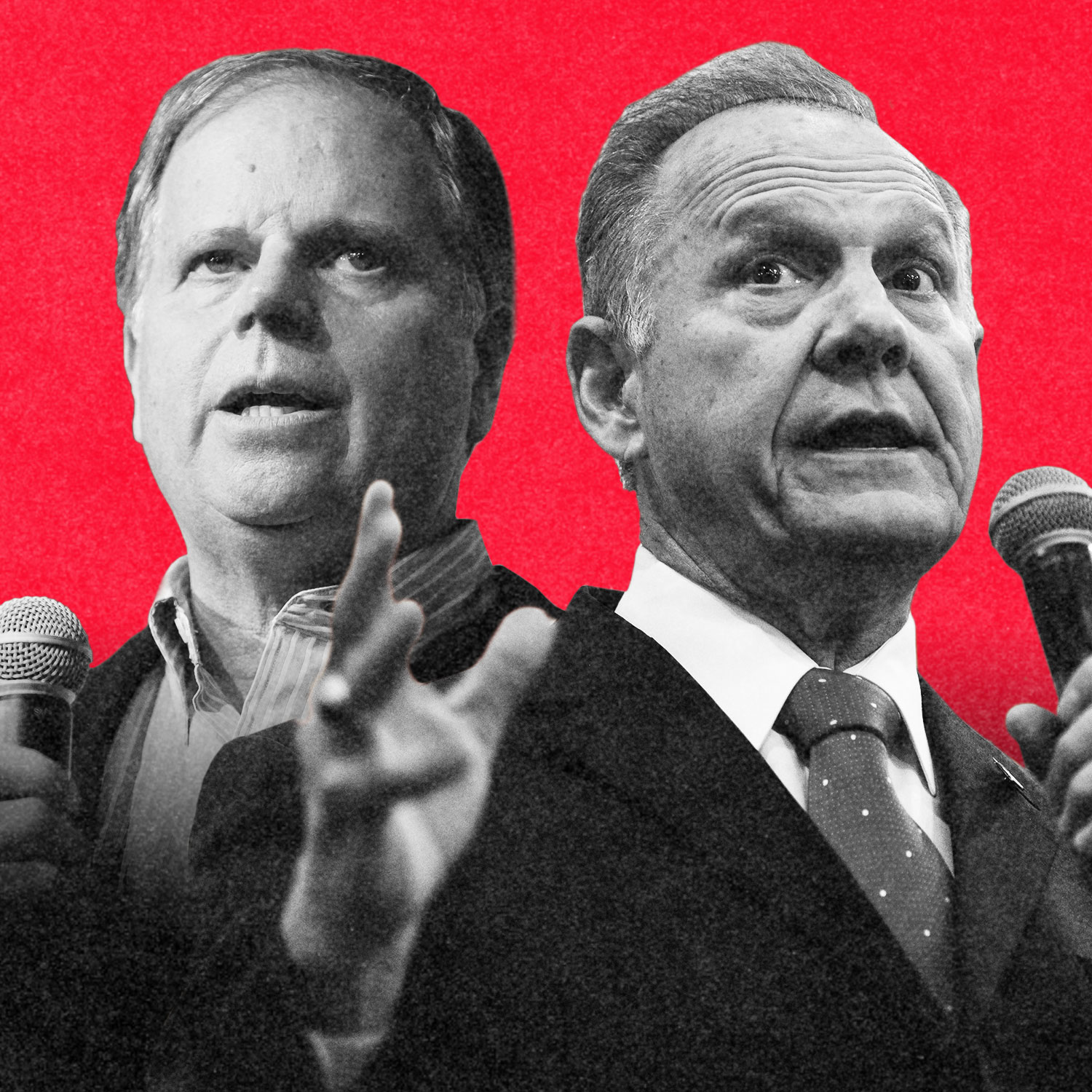
Special episode: What does Doug Jones's win in Alabama mean for the country?
Robert Costa reports on voter sentiment from Alabama. Plus, we dive into what happens for Trump, Congress, and party divisions in our country now that Alabama has elected a Democrat to the U.S. Senate.
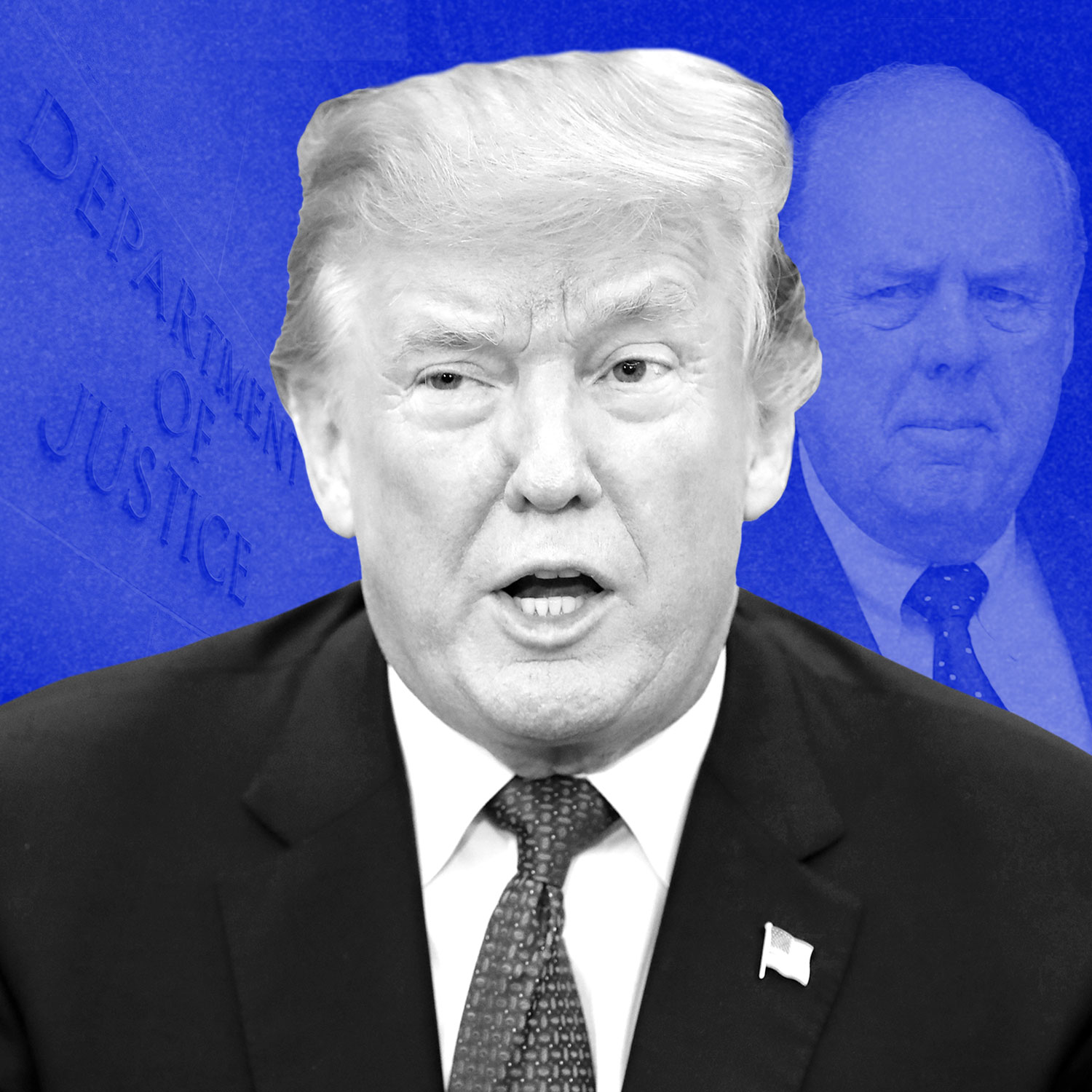
Trump's lawyer says a president can't obstruct justice. Can he?
Pulitzer Prize-winning reporter Sari Horwitz guides us through Trump's lawyers' comments on obstruction of justice. Plus, legal experts weigh in on differing legal perspectives and how presidential pardoning may play a role in obstruction.
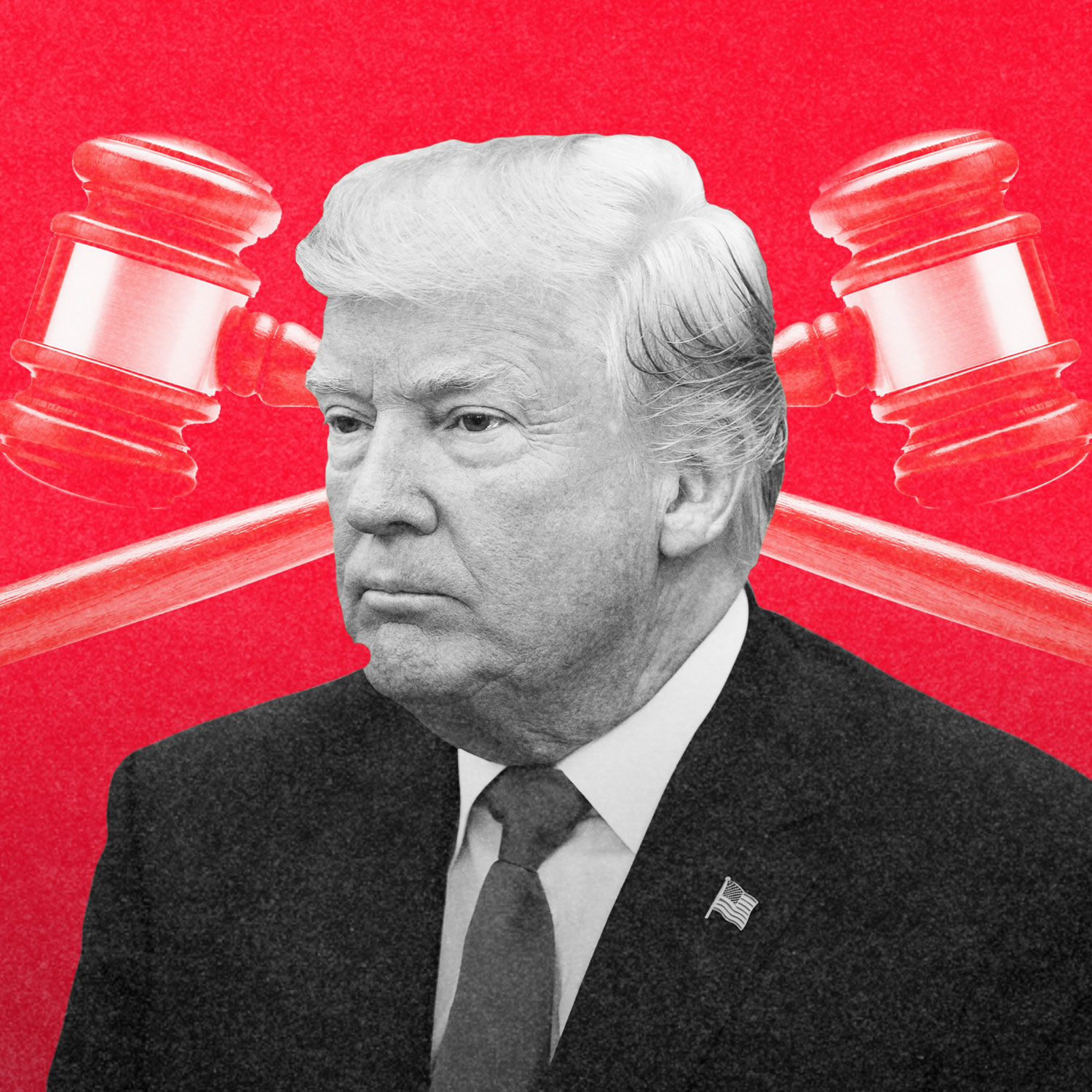
Is Trump reshaping an entire branch of government -- the judiciary?
Supreme Court reporter Robert Barnes weighs in on presidential influence on the federal courts system. Plus, we talk to a political science professor about the demographic breakdown of Trump’s nominees and how it differs from that of presidents past.
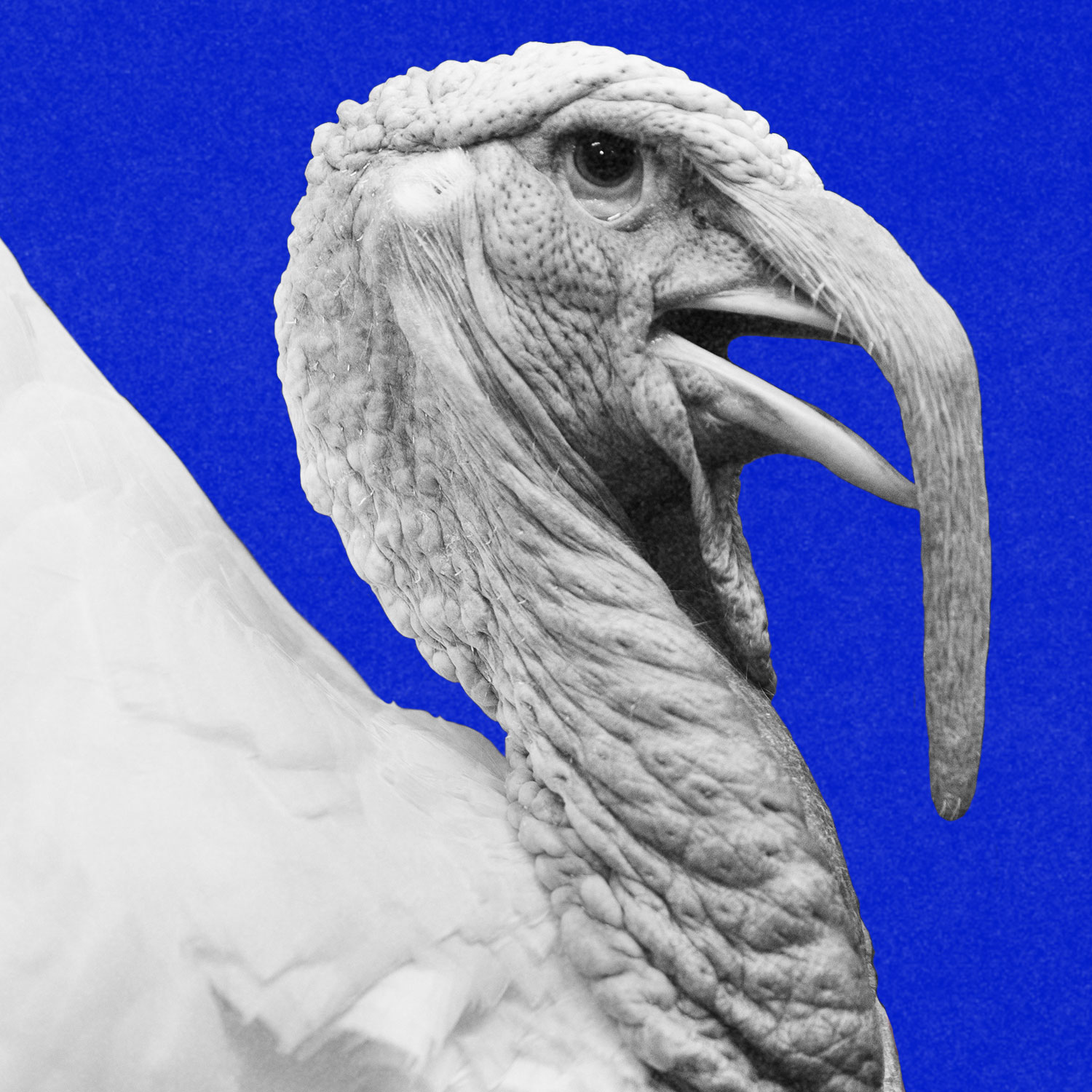
Why do American presidents pardon turkeys anyway? A holiday episode.
Where did this tradition come from? What does it mean to “pardon" a turkey? We’ve got you covered in this special holiday episode with Post reporter Jessica Contrera who attend the annual tradition at the White House.
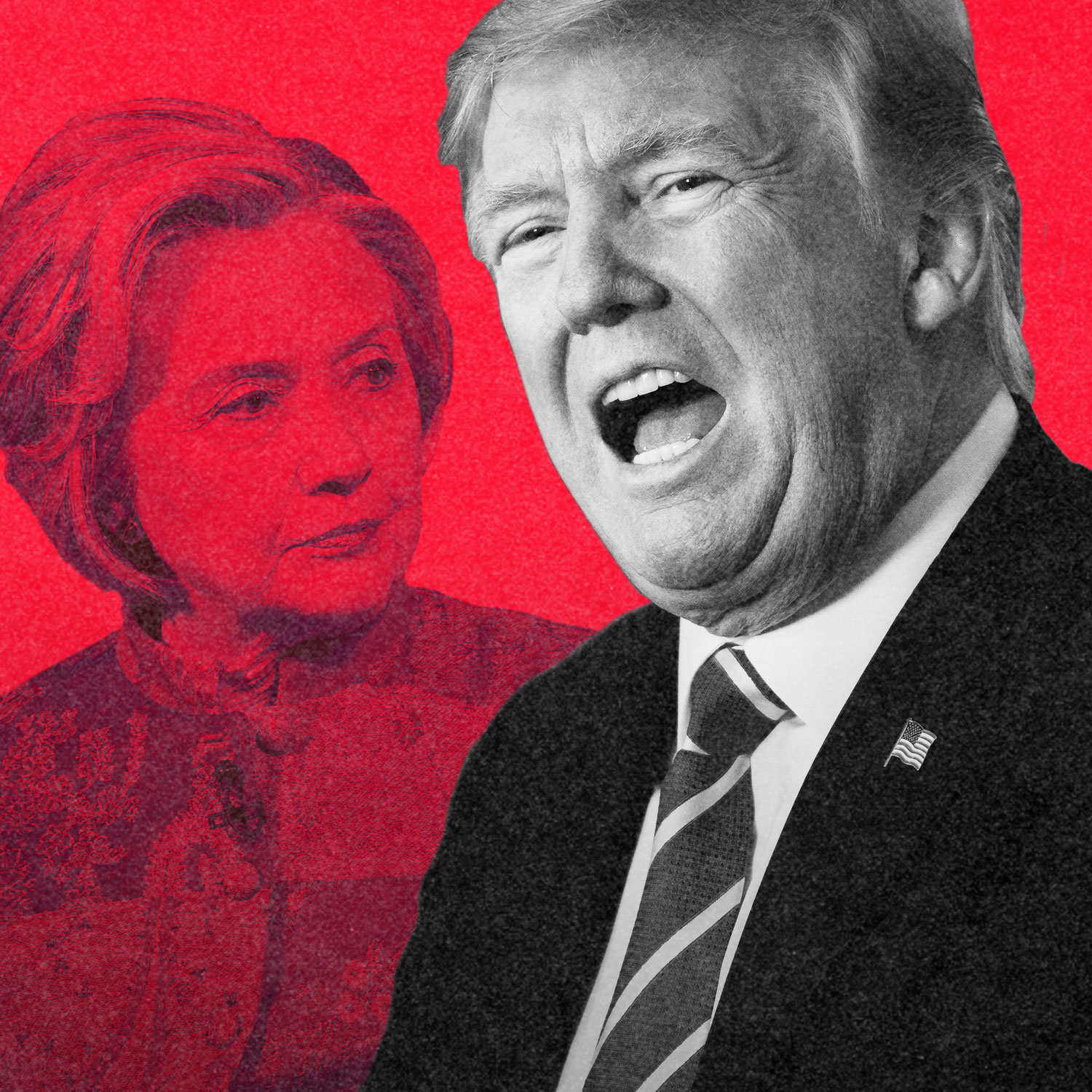
Trump’s pressuring the Justice Dept to investigate Clinton. Can he do that?
What are the limitations of a president's influence on the Justice Dept? Reporter Devlin Barrett offers the latest news, fact checker Glenn Kessler unpacks Uranium One, and a once dep. special counsel explains risks for politicizing the Justice Dept.

One year since Trump's election: Live show
Bob Woodward, David Fahrenthold and Karen Tumulty join Allison Michaels live on stage at Washington, DC's Warner Theatre for a look back on the past year, an exploration of where this presidency fits into history and plenty of laughs.
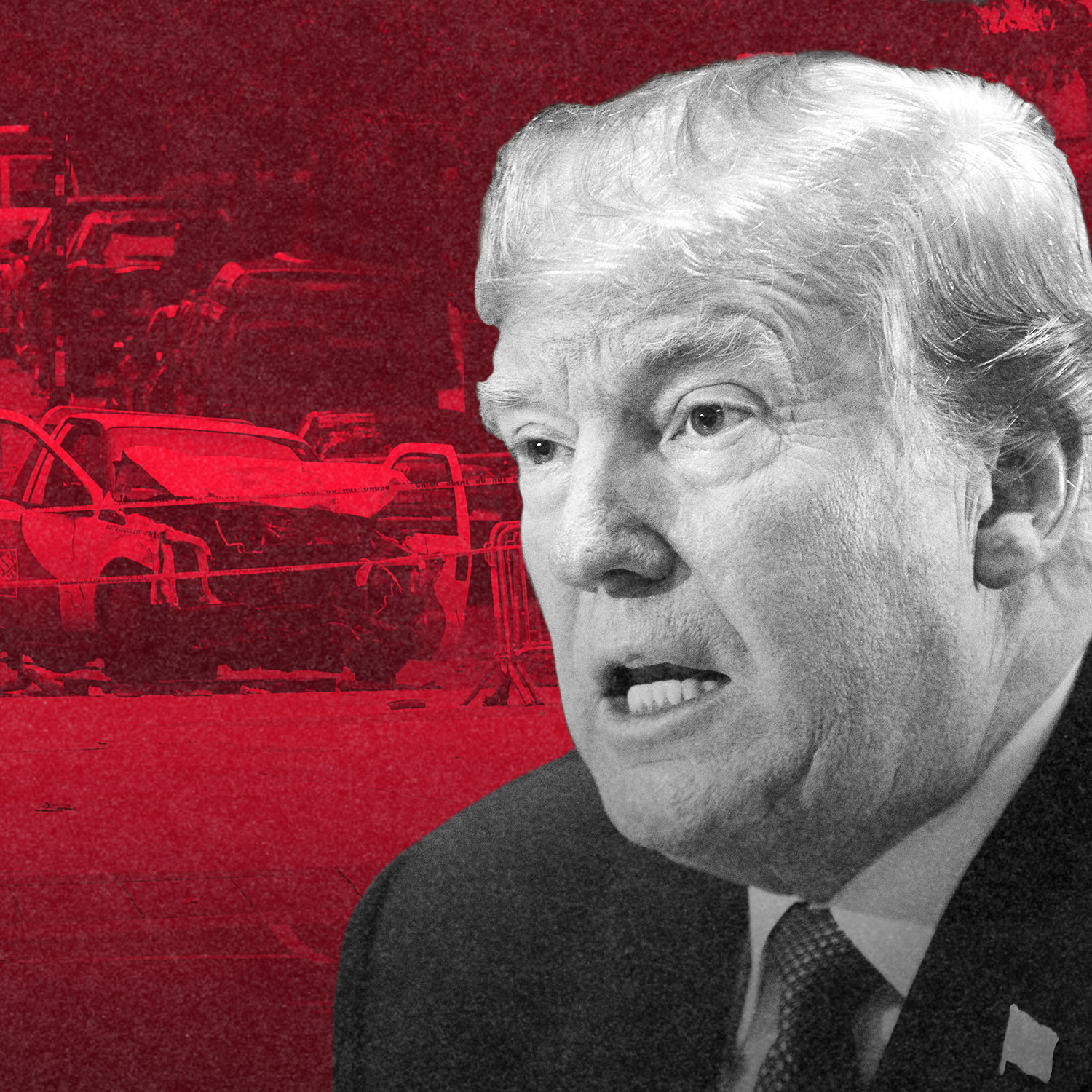
How much power does a president have to prevent terrorist attacks?
Reporter David Nakamura helps us answer: Can Trump keep us safe from terror attacks? We talk to an expert to learn how terrorist groups recruit. Plus, we examine how much power presidents have to influence counterterrorism policy.
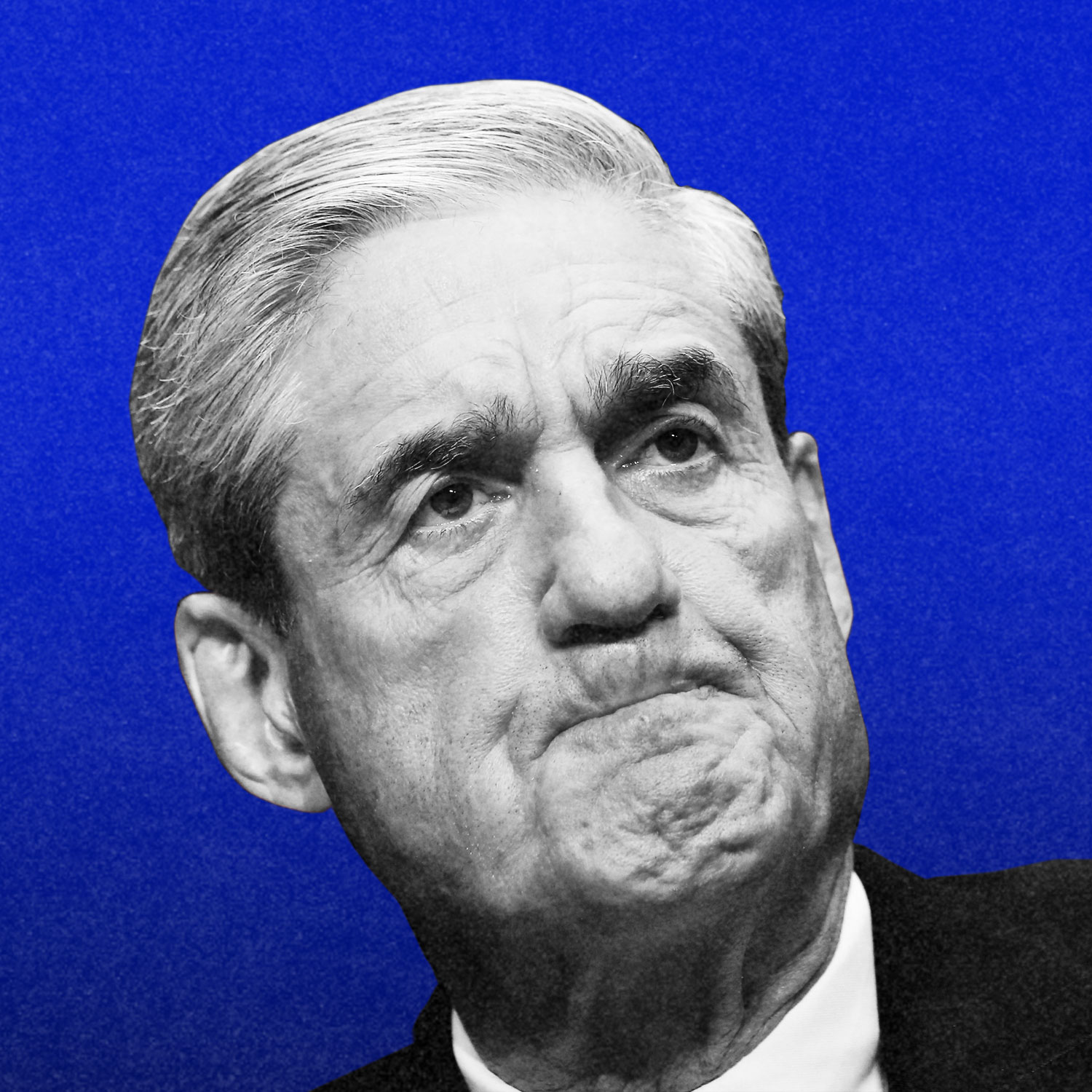
Special episode: Trump's associates have been indicted. Can Trump himself emerge unscathed?
What do developments in the Mueller investigation mean for Trump? Are indictments proof that the Trump campaign colluded with Russia to sway the 2016 election? Reporter Matt Zapotosky answers these questions on a special break-in episode.
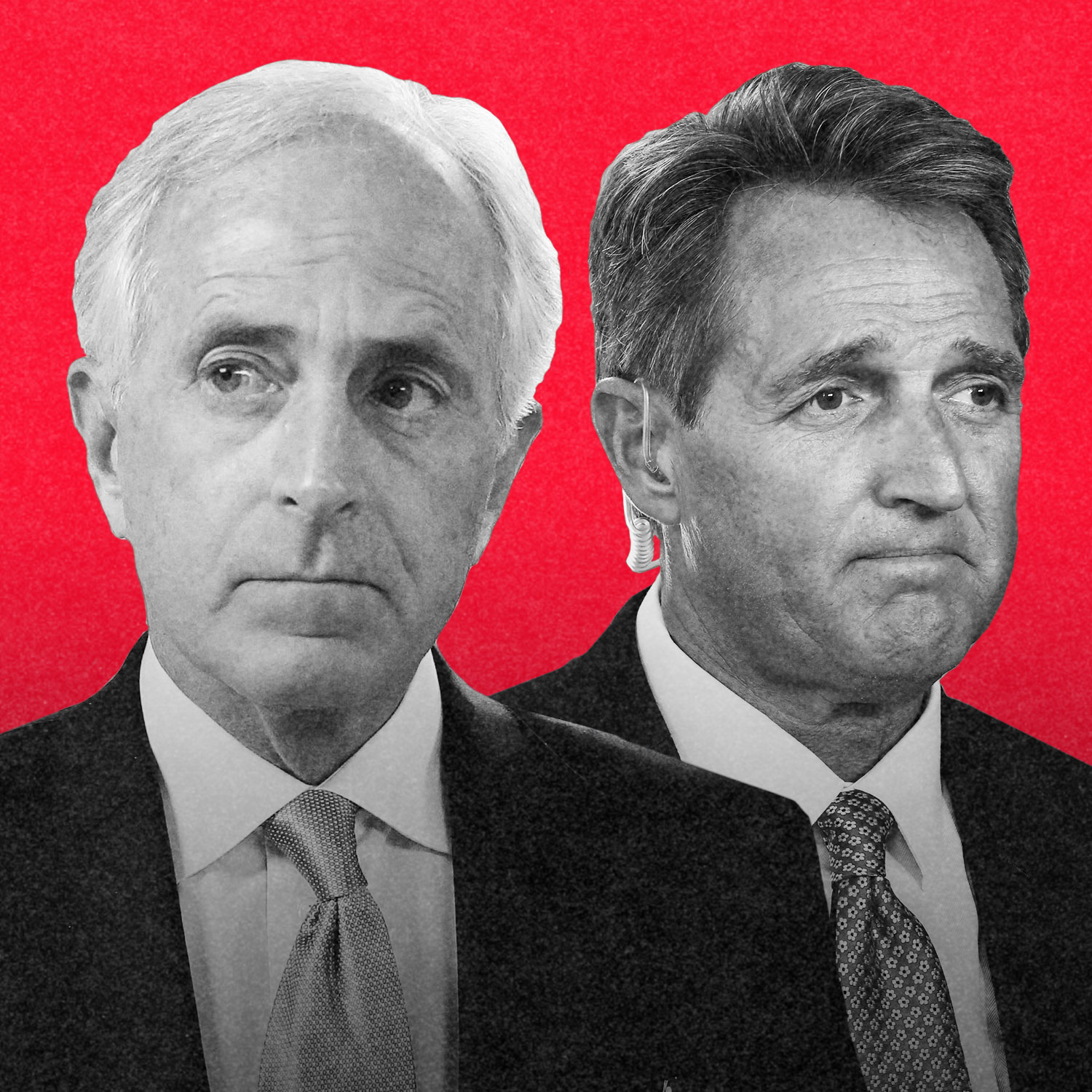
Will Trump lose GOP majorities in 2018 if he keeps fighting with Republican lawmakers?
Public criticism of the president from GOP senators seems unprecedented. But is it? Reporter Sean Sullivan weighs in on implications for the 2018 election. Plus, historian Dr. Laurence Jurdem on what FDR's past actions mean for Trump today.
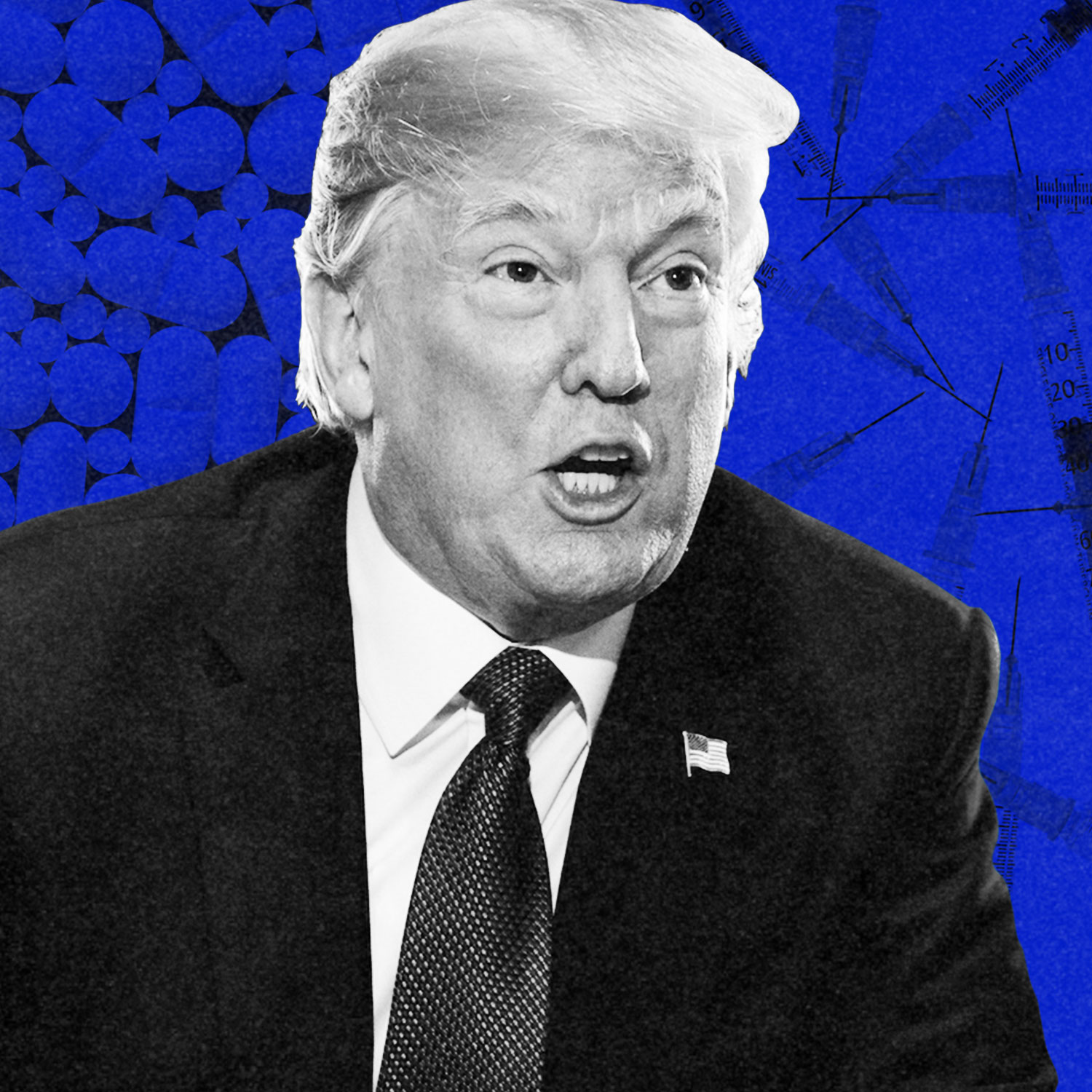
Will President Trump end the opioid crisis?
How much power does the president have to solve a crisis that kills so many Americans? Reporter Scott Higham takes us on a deep dive into The Post-60 Minutes investigation of the pharmaceutical industry's influence on America’s opioid epidemic.
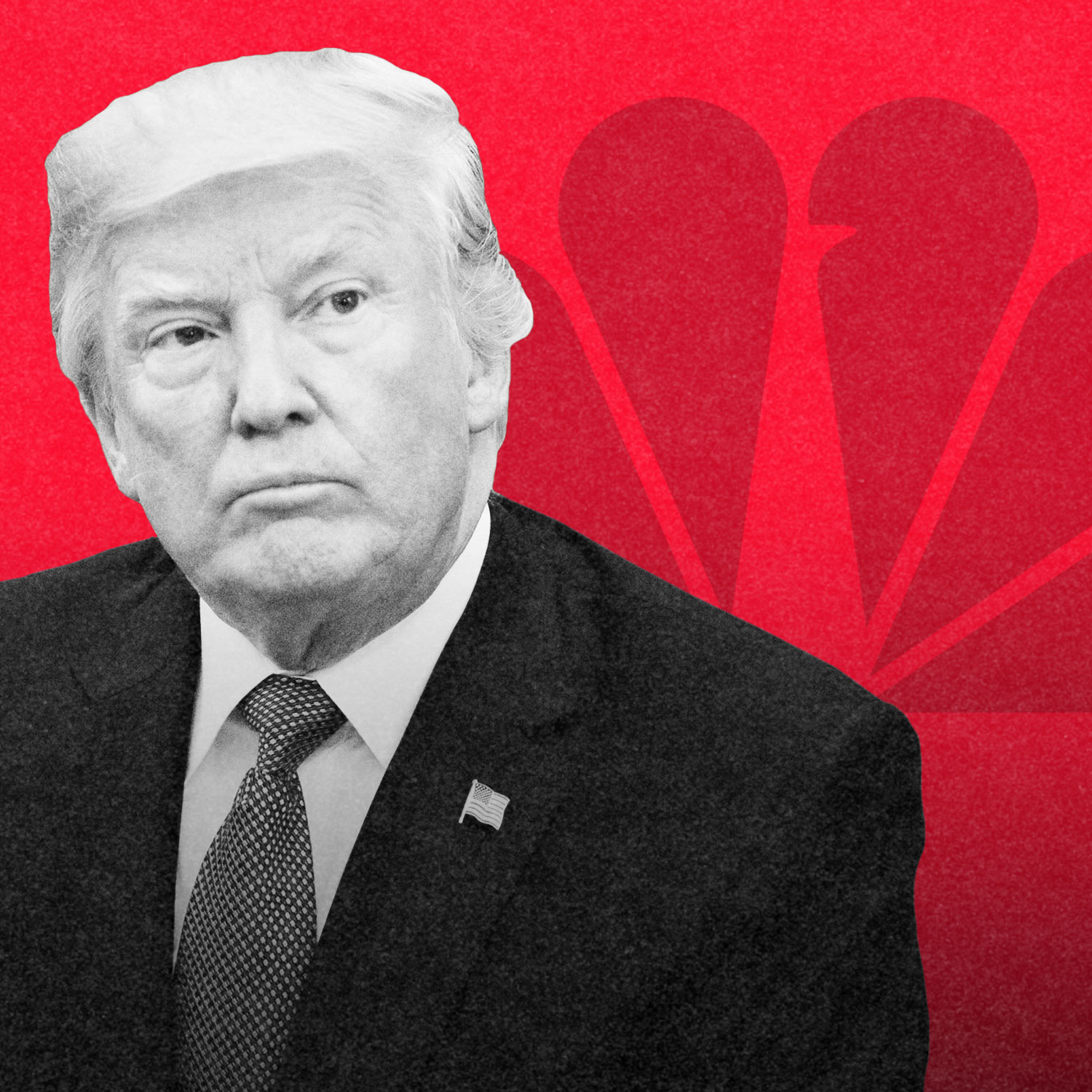
Is it within a president's power to strip broadcast licenses?
We revisit the president-press relationship with media columnist Margaret Sullivan and talk to reporter Aaron Blake about President Nixon. Plus, Georgetown's Andrew Jay Schwartzman explains limitations of the Federal Communications Commission.
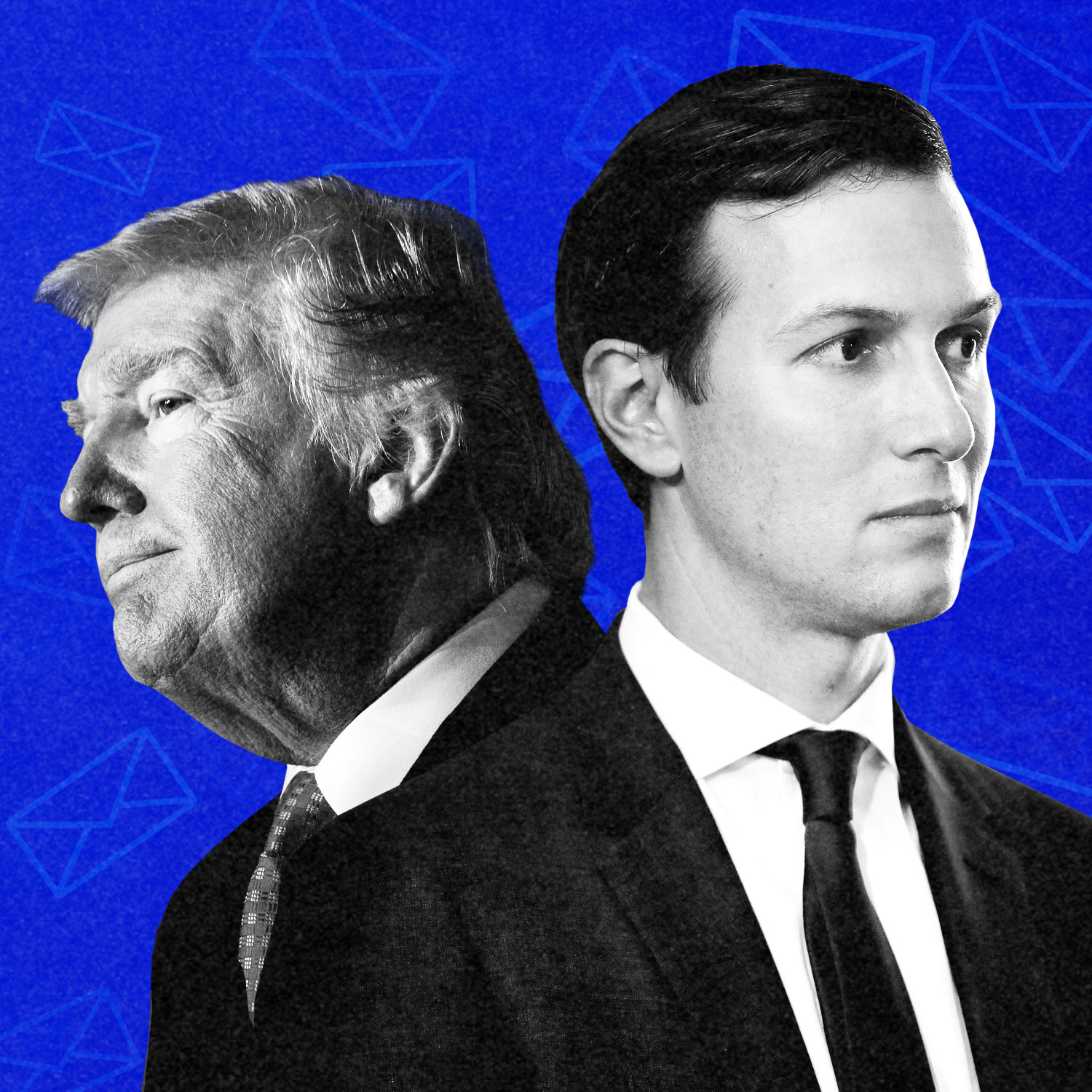
Did Trump advisers break the law by using personal email for White House business?
How does use of private email by Trump’s advisers compare to Clinton’s? We answer key questions with political investigations reporter Rosalind Helderman and former White House Staff Secretary and current global security and data lawyer Rajesh De.
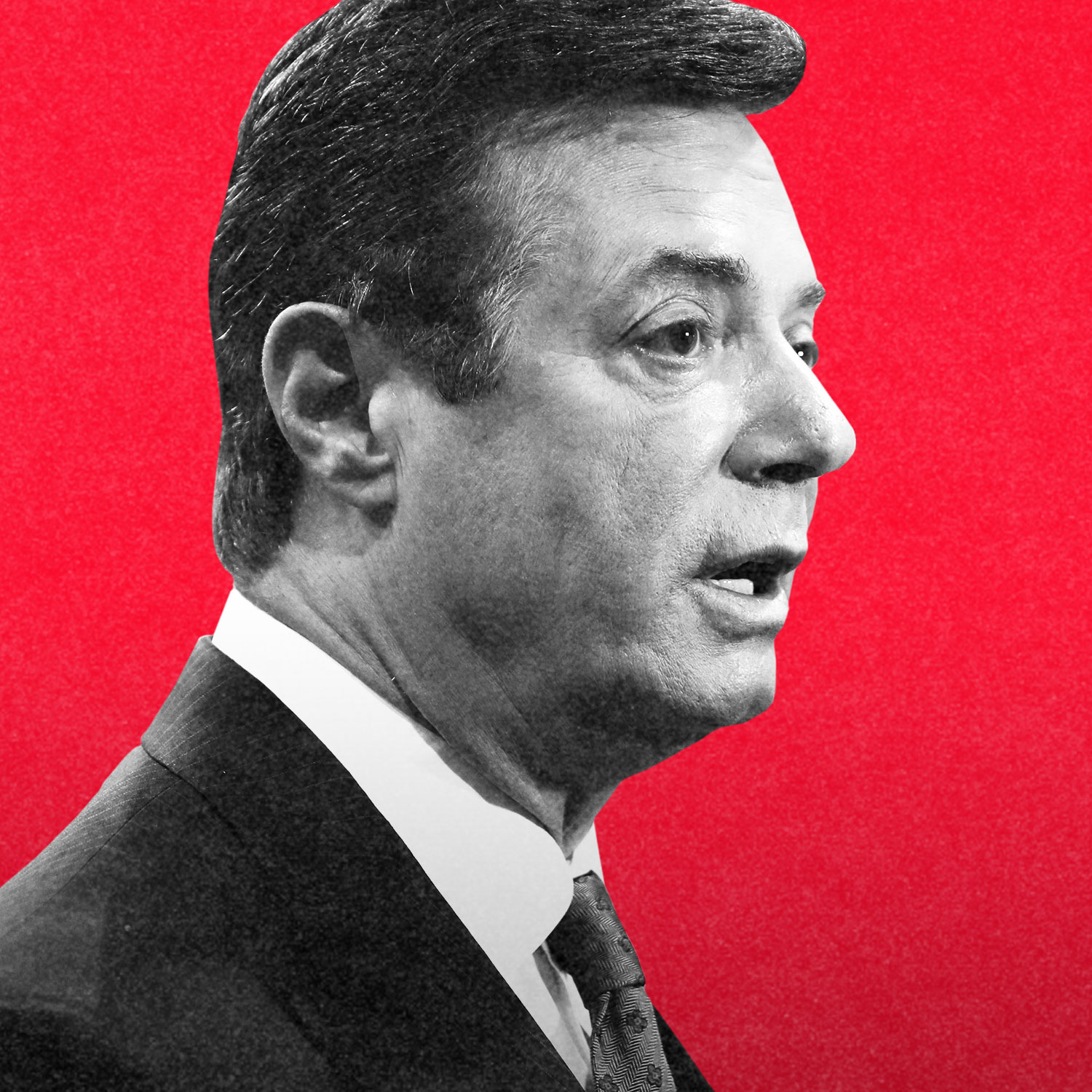
What can Paul Manafort's actions tell us about the Trump campaigns ties to Russia?
Pulitzer Prize-winner Carol Leonnig explains the complexities of Manafort's involvement in the Mueller investigation. Plus law professor Jimmy Gurulé on where Manafort’s actions may cross a legal line. Can Manafort walk away from this unscathed?
Will Trump be able to work with Democrats and still maintain the support of his base?
The Post's Robert Costa adds insight to Trump's latest deals with Democrats and what they mean for his political future. Plus, Nick Troiano of the Centrist Project explains America's political parties and the risks of a system ideologically divided.
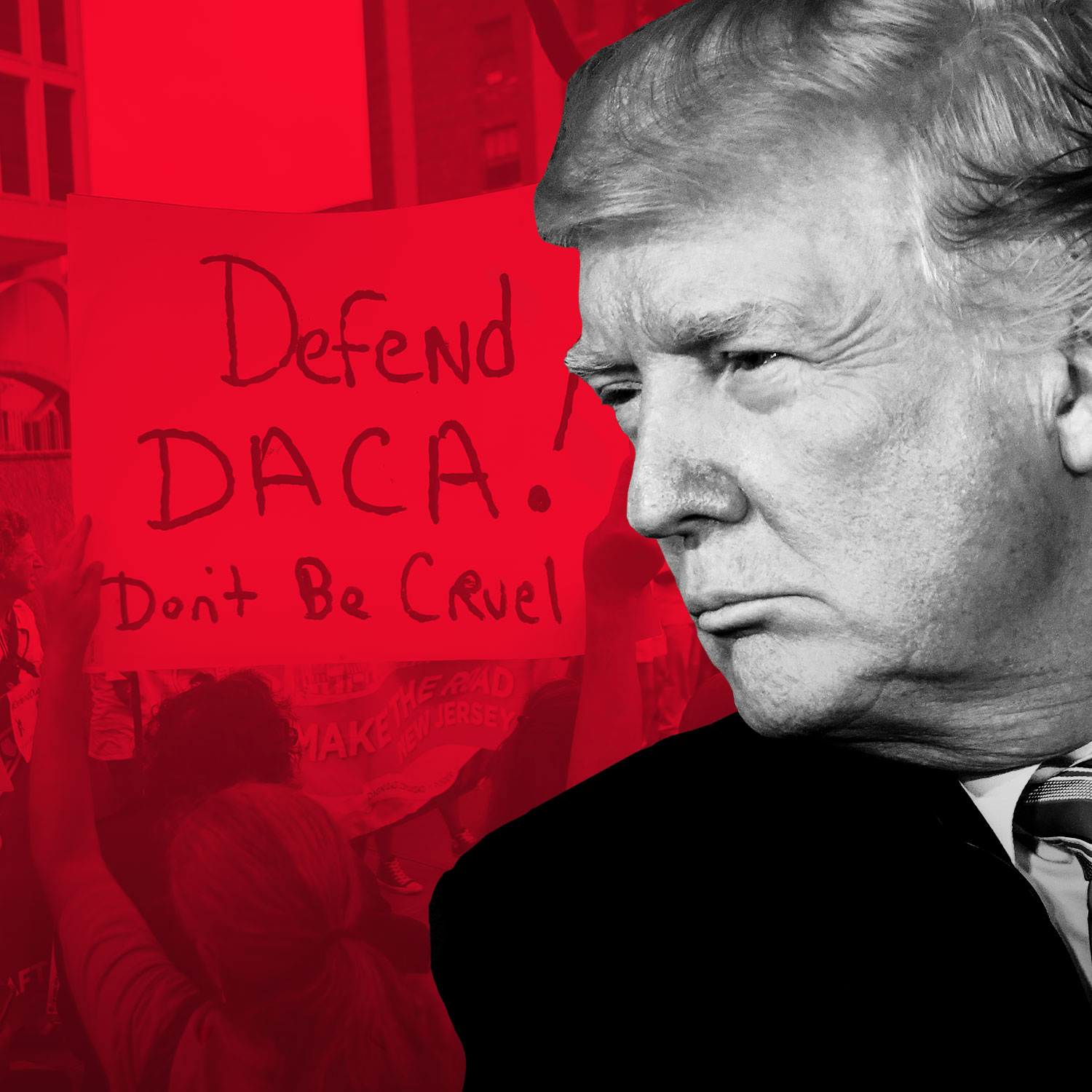
What does Trump really want for the 'dreamers'?
What does Trump hope will happen in Congress? With white house reporter David Nakamura, we talk to John Sandweg, former Immigration and Customs Enforcement acting director about policy. Plus, a dreamer in the DACA program shares her story.
Will Trump get emergency response funding for Texas, as promised?
How does Trump’s response to this natural disaster compare to that of past presidents? We talk to former FEMA administrator R. David Paulison. Plus, congressional reporter Mike DeBonis is back on the show to break down how relief funding works.
What's lost when a president opts out of ceremonial duties?
With chief correspondent Dan Balz, we answer: Can a president fail to participate in tradition? Plus, we learn how President Reagan handled similar events and we talk to a former White House Social Secretary about planning these moments.
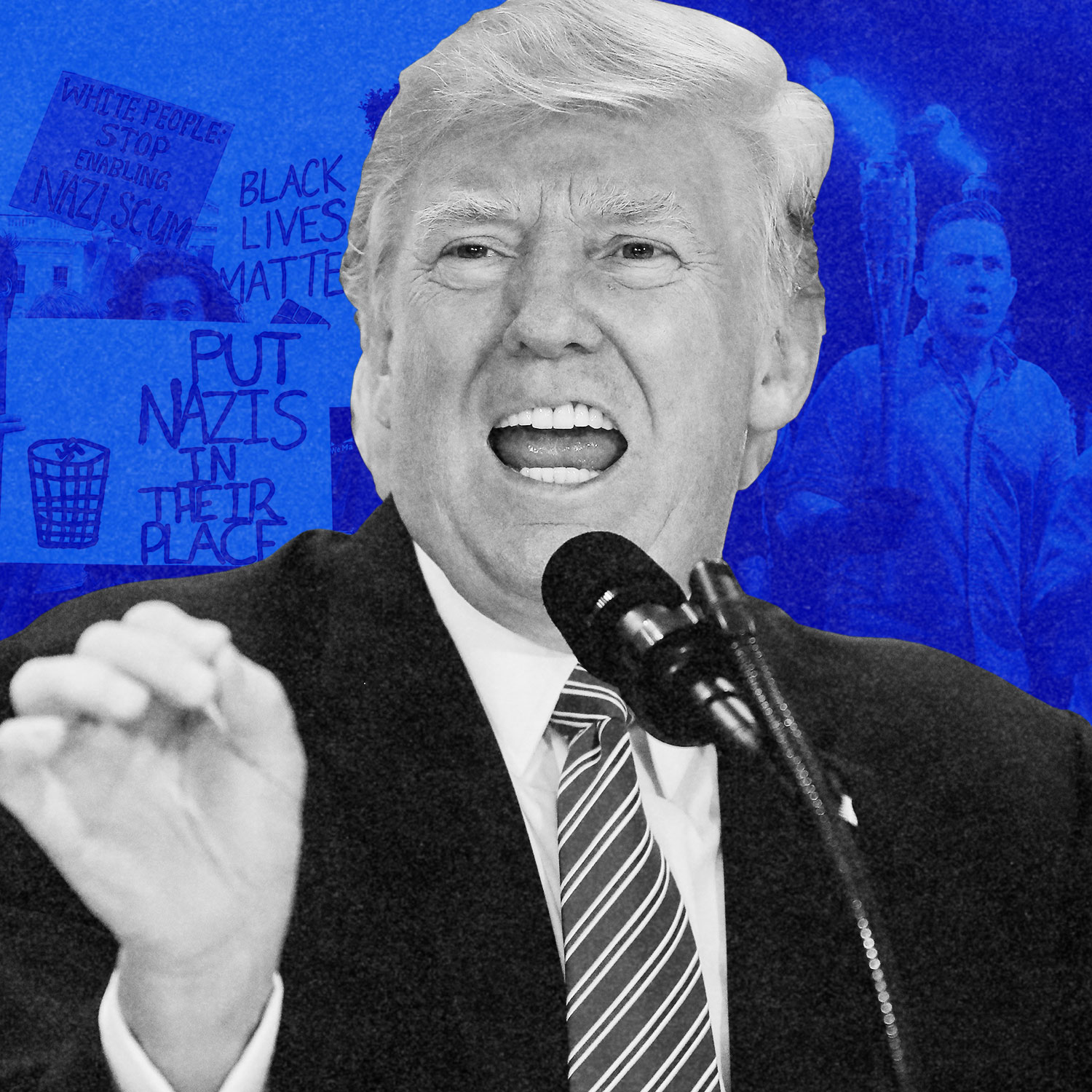
Does a president need to unify the country to govern effectively?
In the aftermath of violence in Charlottesville, Va., we examine the history of political appeals to white fear and how past presidents have responded to crises. The award-winning Wesley Lowery weighs in on the state of race relations in America.
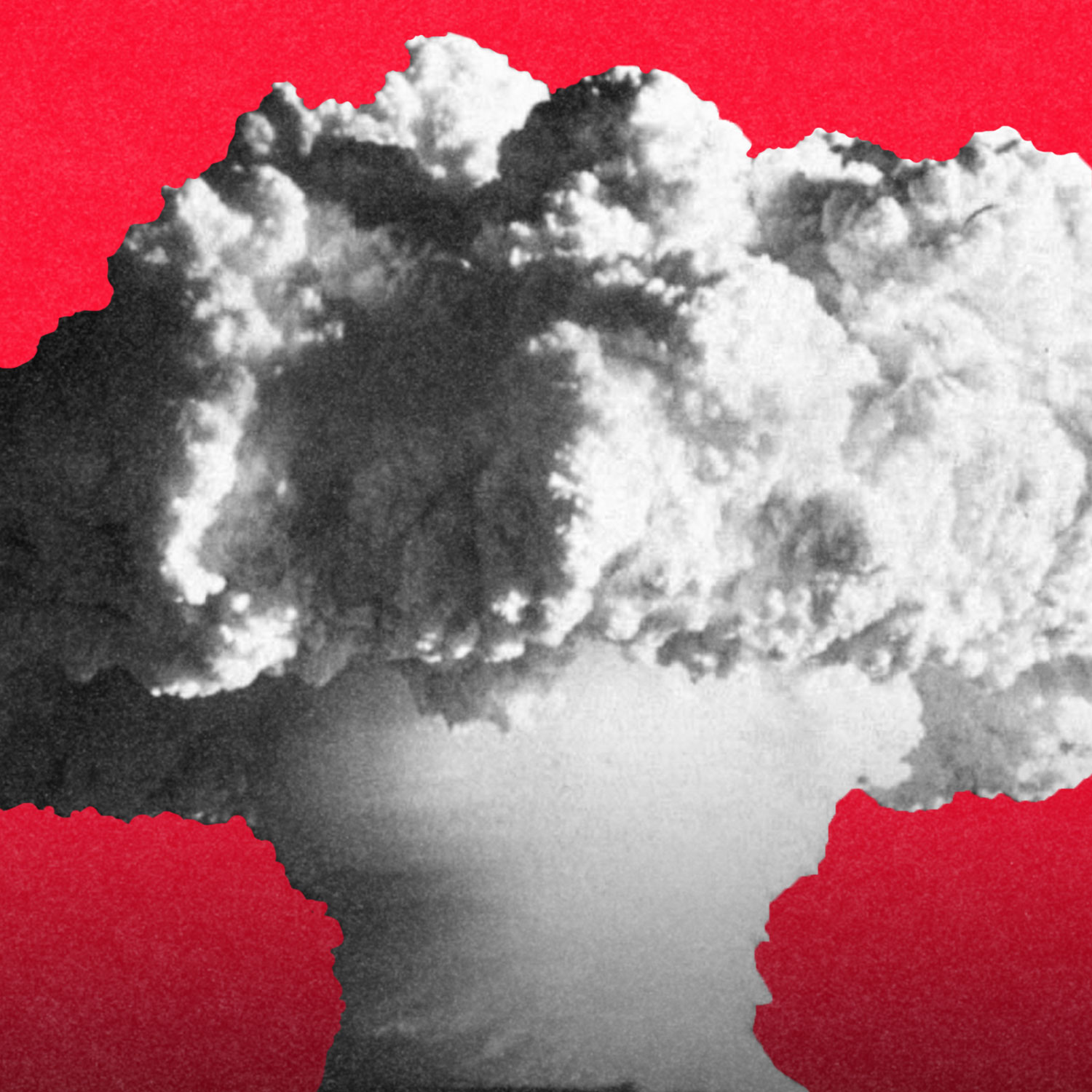
How much power does a president have to lead us to nuclear war?
With insight from White House reporter Jenna Johnson, we learn the answers to this critical question from an expert in North Korean history and a professor who’s worked in past White Houses on counter proliferation and nuclear arms control.
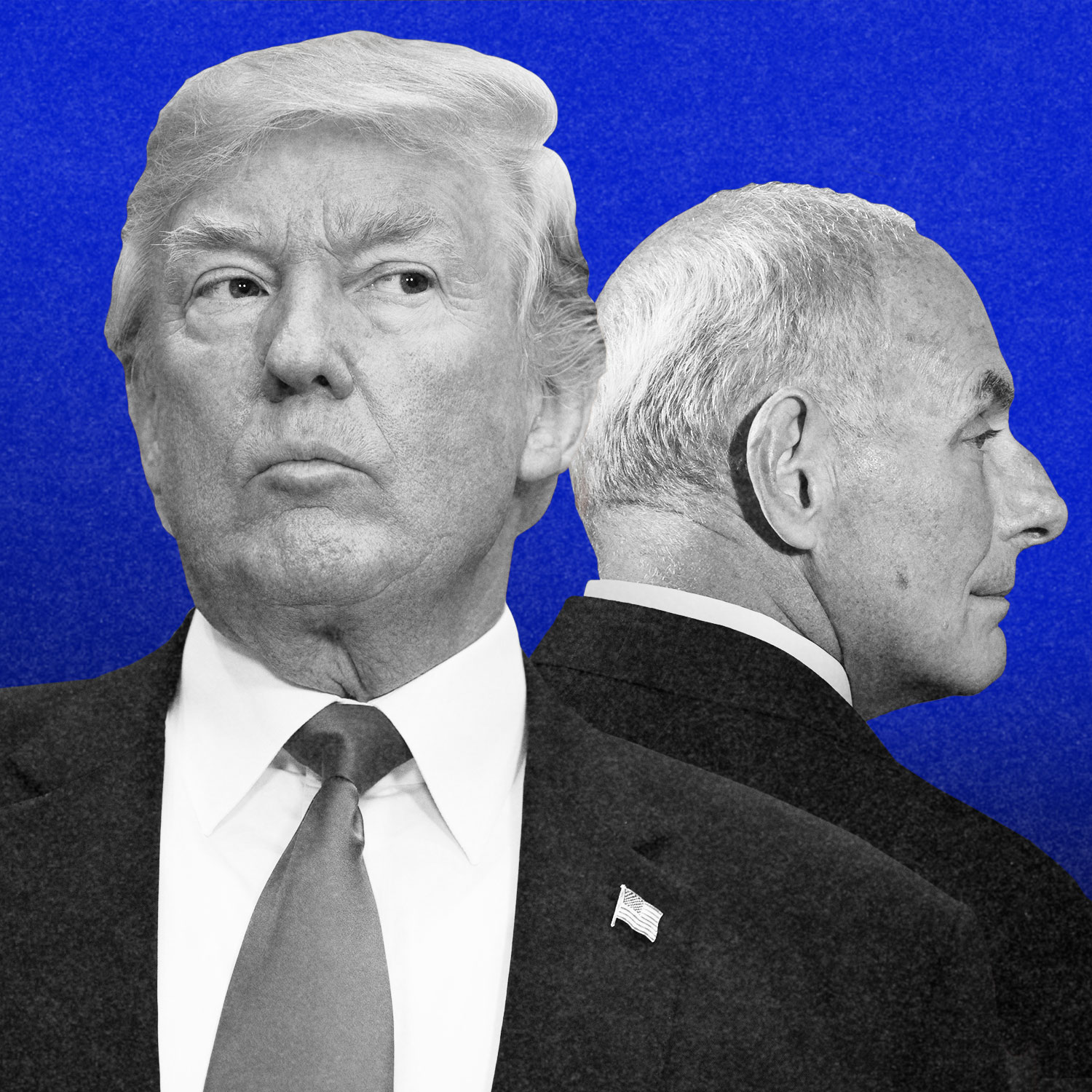
Will Trump's new chief of staff fix a White House in chaos?
Can Kelly bring order to the White House? We talk to Kristine Simmons from the Bush White House, Chris Whipple, author of "Gatekeepers: How The White House Chiefs of Staff Define Every Presidency," and Greg Jaffe who has reported on Kelly for years.
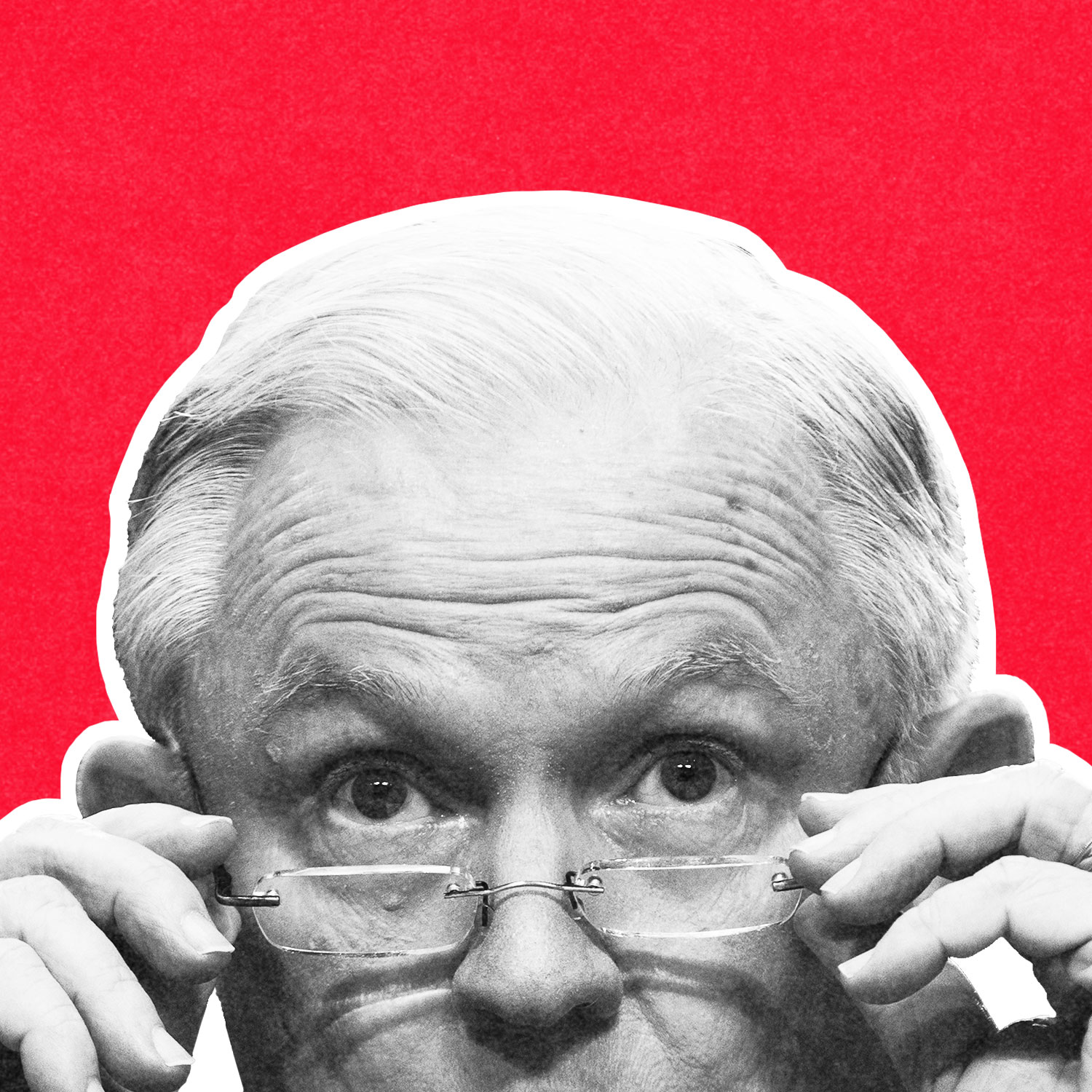
Is it unusual for a president to publicly berate members of his own cabinet?
Can a president fire the attorney general? How much influence does a president have over the Justice Department? Reporter Ashley Parker, historian Tim Naftali and law professor Steve Vladeck on the politics, historical context and legal limitations.
Trump promised to bring back American jobs, can he do that?
What can a president do to revive an industry in decline? Amy Goldstein, author of “Janesville: An American Story,” tells us what happens to people when factories close. Plus, Scott Paul of Alliance for American Manufacturing on how to help the industry.
Did Donald Trump Jr.'s meeting with a Russian lawyer violate the law?
Jens David Ohlin, vice dean at Cornell Law School, explains the legal boundaries and political consultant Tracy Sefl takes us into the world of opposition research. Plus, "Trump Revealed" author Marc Fisher on the president's reaction to the news.
Will Trump deliver on his health-care promises? (Part II)
Health policy reporter Paige Cunningham breaks down the Senate bill and explains what’s at stake. Plus, we talk to Republican Mayor John Giles of Mesa, Ariz., about how health care legislation directly affects his constituents.
Special episode: Obama's secret struggle to punish Russia for Putin's election assault
In an exclusive report, The Post's national security team goes inside the Obama administration's decision-making after the CIA captured Putin issuing these instructions: defeat Clinton and help elect Trump. Reporter Greg Miller tells the story.
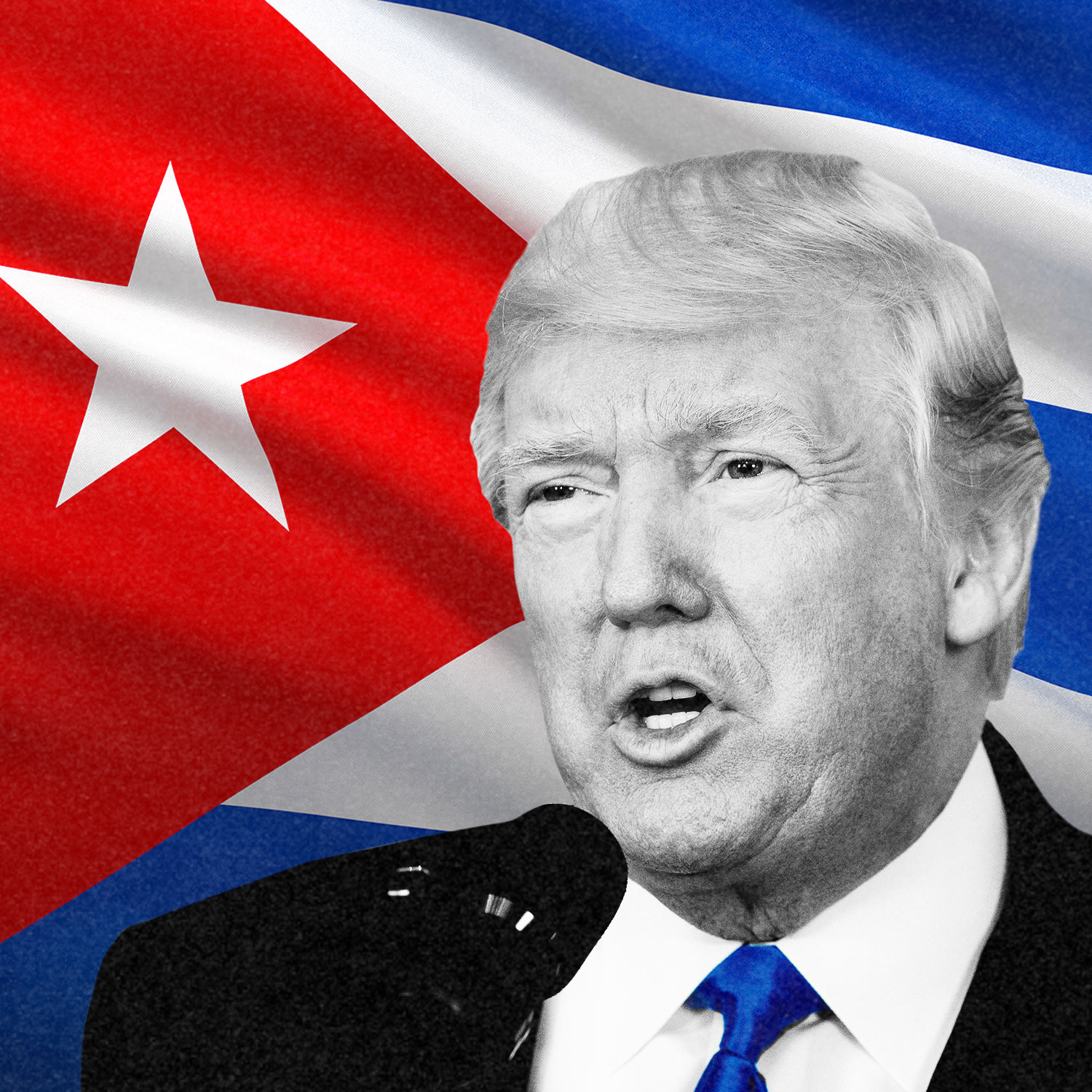
How much of Obama's Cuba policies could Trump rollback?
Will Trump's policy toward Cuba undo the Obama administration's efforts to normalize relations? What's at stake? Karen DeYoung answers those questions. Plus, the history of U.S-Cuba relations and Obama's special assistant on U.S-Cuba negotiations.

Will Trump accomplish his infrastructure promises?
The Post's Damian Paletta on how much Trump can achieve. Plus, former Minneapolis mayor R.T. Rybak on facing tragedy in his city in 2007. And Henry Petroski, author of "The Road Taken" on the history of America's infrastructure and how we got here.
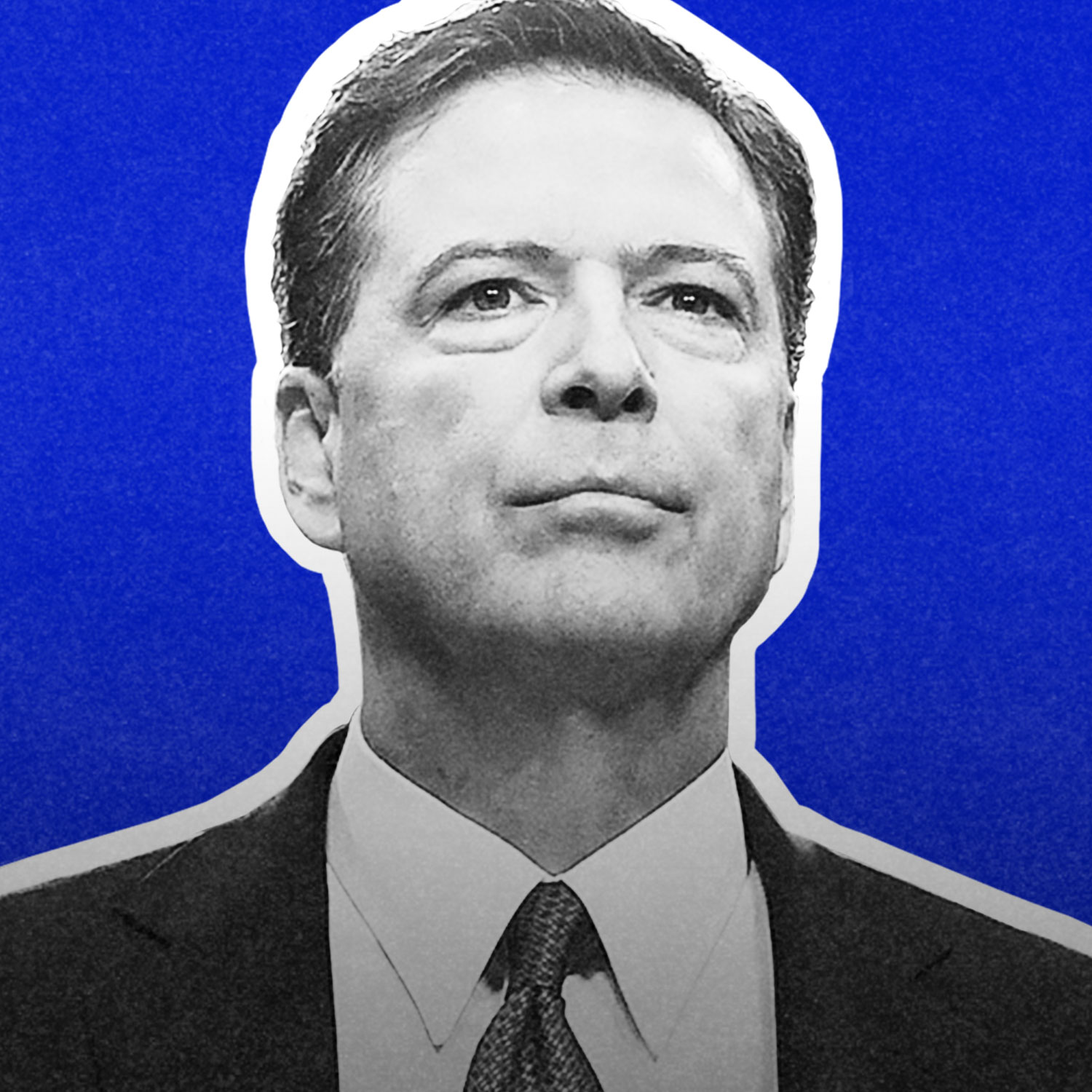
Special episode: What we learned from Comey's testimony
The Post's national security reporter Matt Zapotosky explains what Comey's words at Thursday's Senate Intelligence Committee hearing mean for the multiple investigations into Russian meddling in the 2016 election, and what happens next.
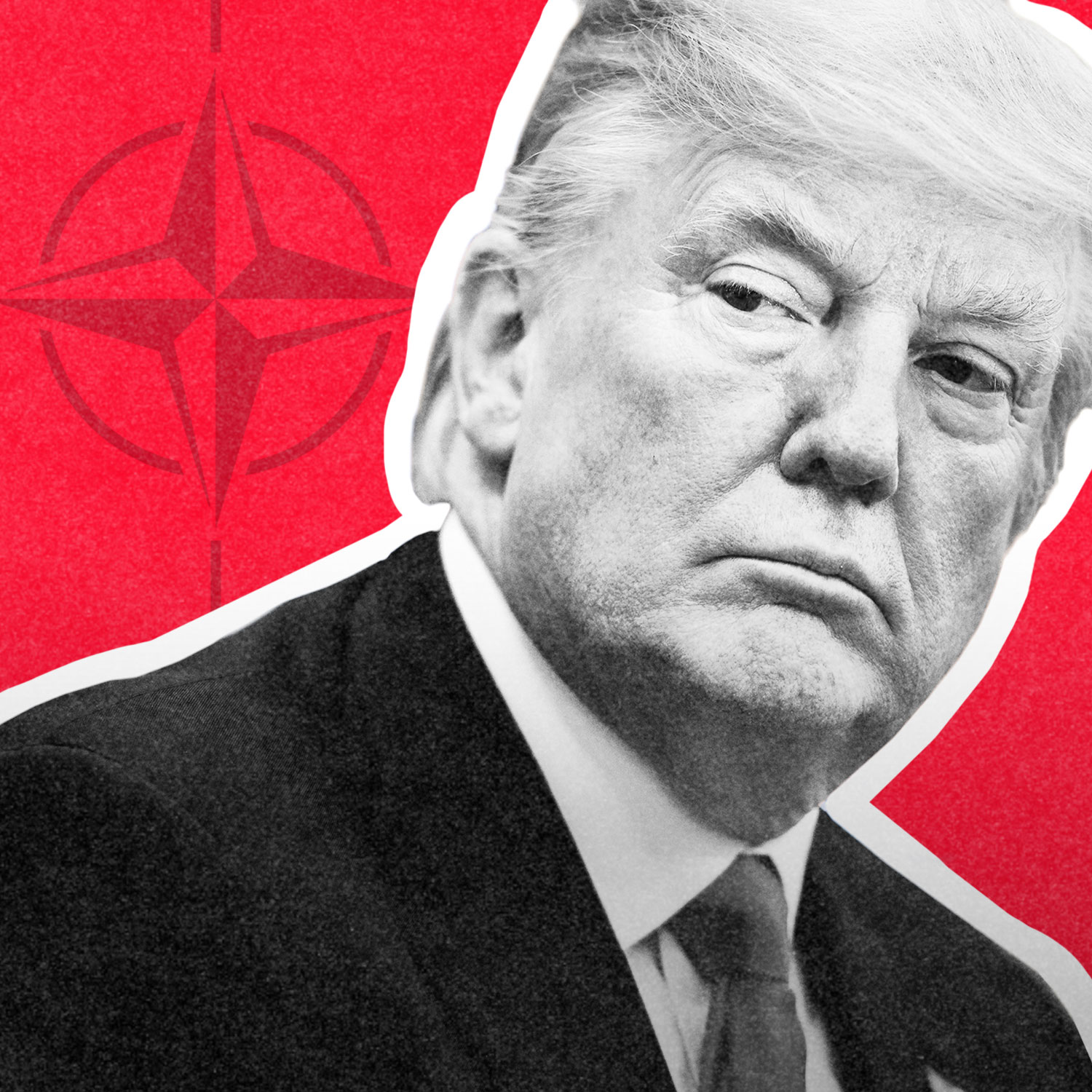
Is Trump isolating our strongest allies by backing away from key agreements?
The Post's White House bureau chief Philip Rucker offers insight from his trip abroad with the president. Plus, former ambassador to NATO Ivo Daalder explains the relationship between the U.S. and Europe, and the value of international agreements.
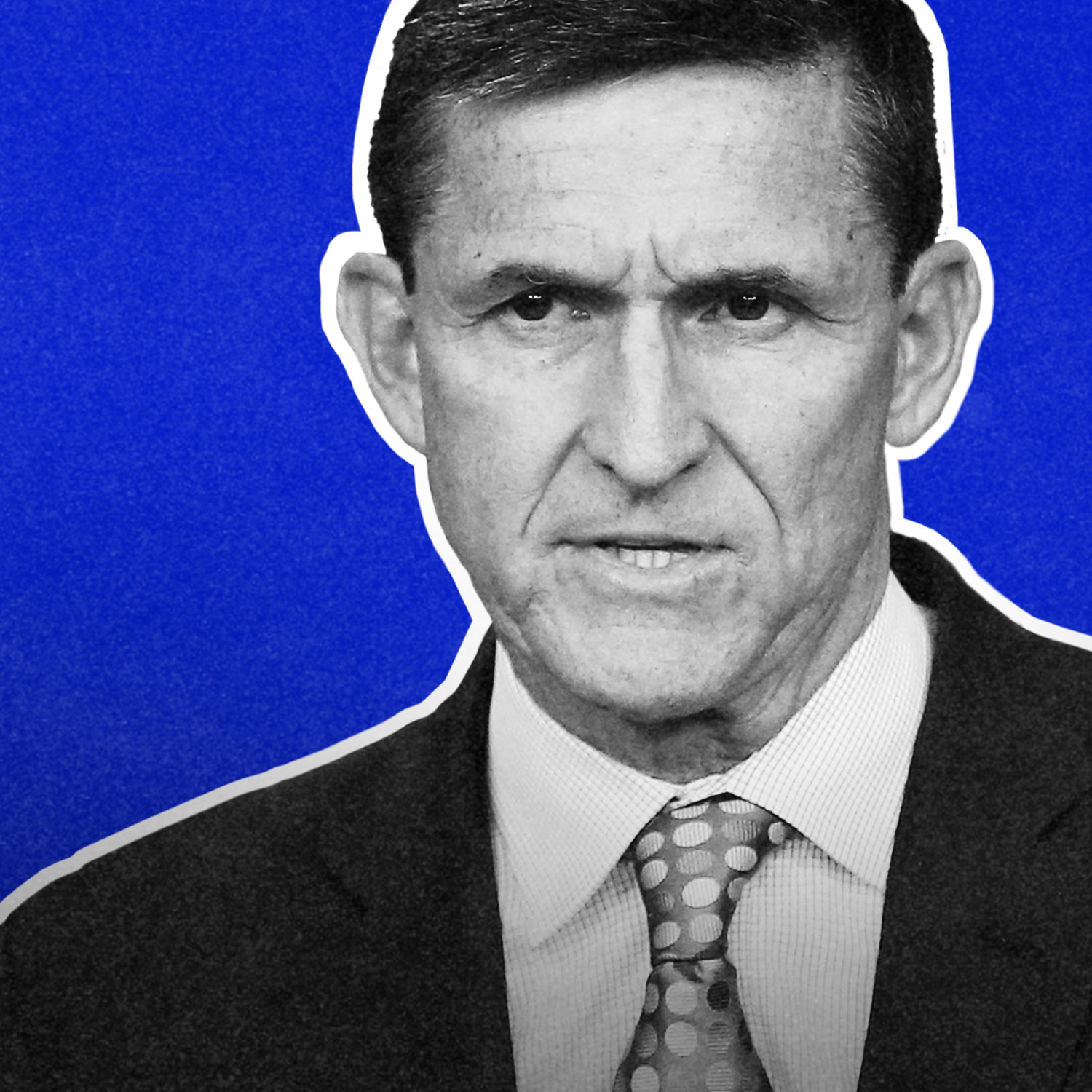
What can Michael Flynn's actions tell us about the Russia investigation?
Harvard's Alex Whiting explains where former national security adviser Michael Flynn's actions might break the law. Plus, The Post's Greg Miller tells us how Flynn fits in the story of possible coordination between the Trump campaign and Russia.
Amid turmoil in the U.S., can Trump's first international trip turn things around?
President Trump leaves for his first international trip after two tumultuous weeks back home. Pulitzer Prize-winning correspondent Kevin Sullivan joins us right off the plane from Saudi Arabia -- Trump's first stop.
Special episode: Can a president reveal classified information?
Greg Jaffe, one of The Post reporters who broke news of Trump revealing classified information to Russian diplomats, is on the show to explain presidential power when it comes to classified information and what happens next in this developing story.
How much power does a president have to affect an investigation?
As the fallout from Trump's decision to fire FBI Director James Comey continues, we take a look at the limitations of presidential power when it comes to investigations. Plus, we assess how history measures up, with Bob Woodward and Marc Fisher.
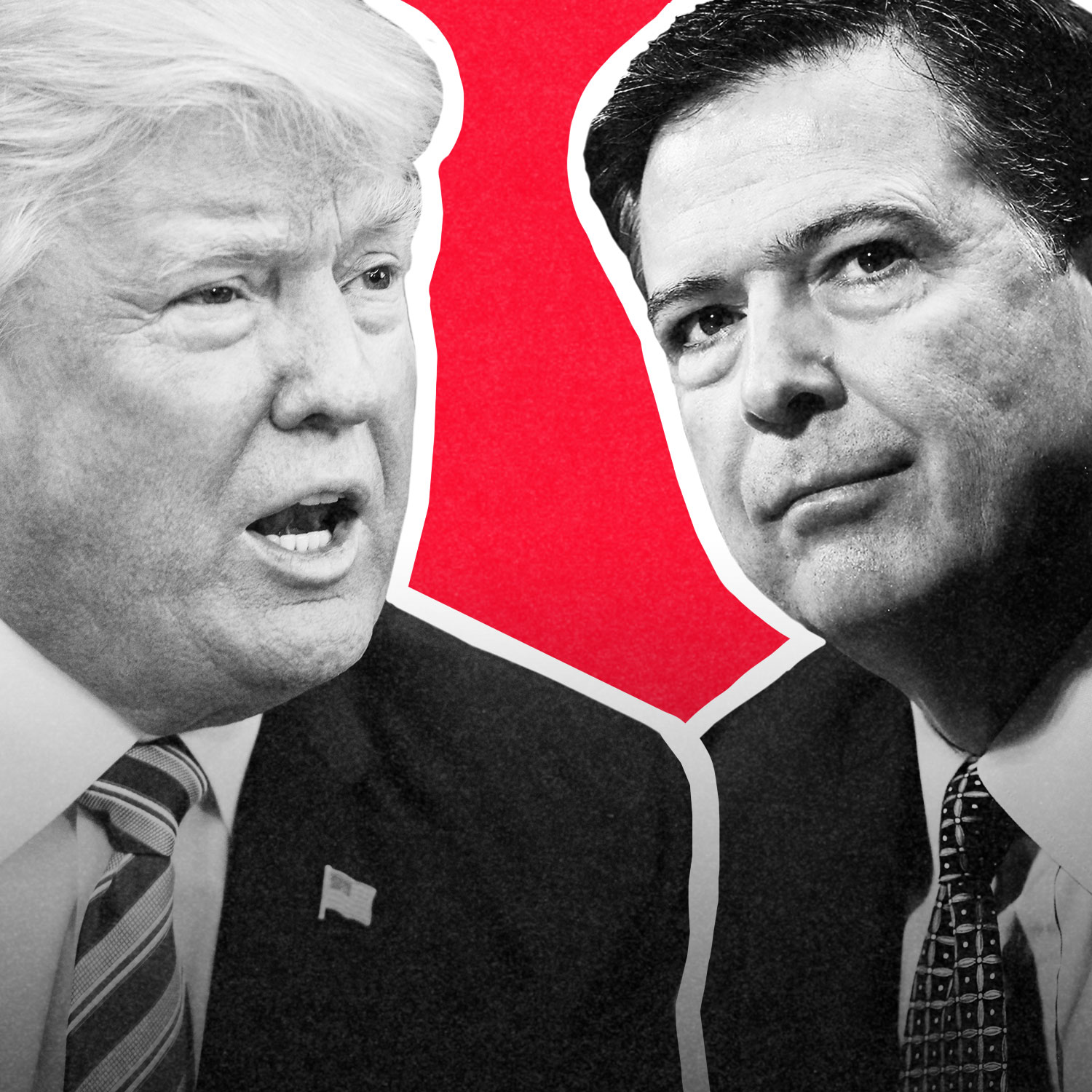
Special episode: Can Trump fire the FBI director?
The timing of FBI Director James B. Comey’s termination raises a lot of questions. The Post's national security reporter Matt Zapotosky discusses what we know now and what more there is to learn as this critical story unfolds.
Would Trump be able to break up the 9th Circuit Court?
Can President Trump break up a federal circuit court because he disagrees with their decisions? Are there consequences for suggesting he'd do so? With political reporter Amber Phillips, we talk to historians and legal experts to answer these questions.
100 days: Is Trump in violation of his contract with American voters?
Post reporters convene in a round-table conversation about Trump's achievements and failures in his first 100 days and what it means for the next four years of his presidency.
Do power struggles in the White House make Trump a more effective president?
Do staff tensions interfere with Trump's ability to govern? And are these rivalries by Trump's design? White House bureau chief Philip Rucker talks to former Trump aide Sam Nunberg about what it's like to work for Trump -- and to get fired by him.
When it comes to acts of war, how far can Trump go?
With military action, when can a president bypass Congress and what are the consequences? National security reporter Dan Lamothe, American University's Nora Bensahel, and former advisor to Susan Rice, Loren Schulman, help us answer that question.
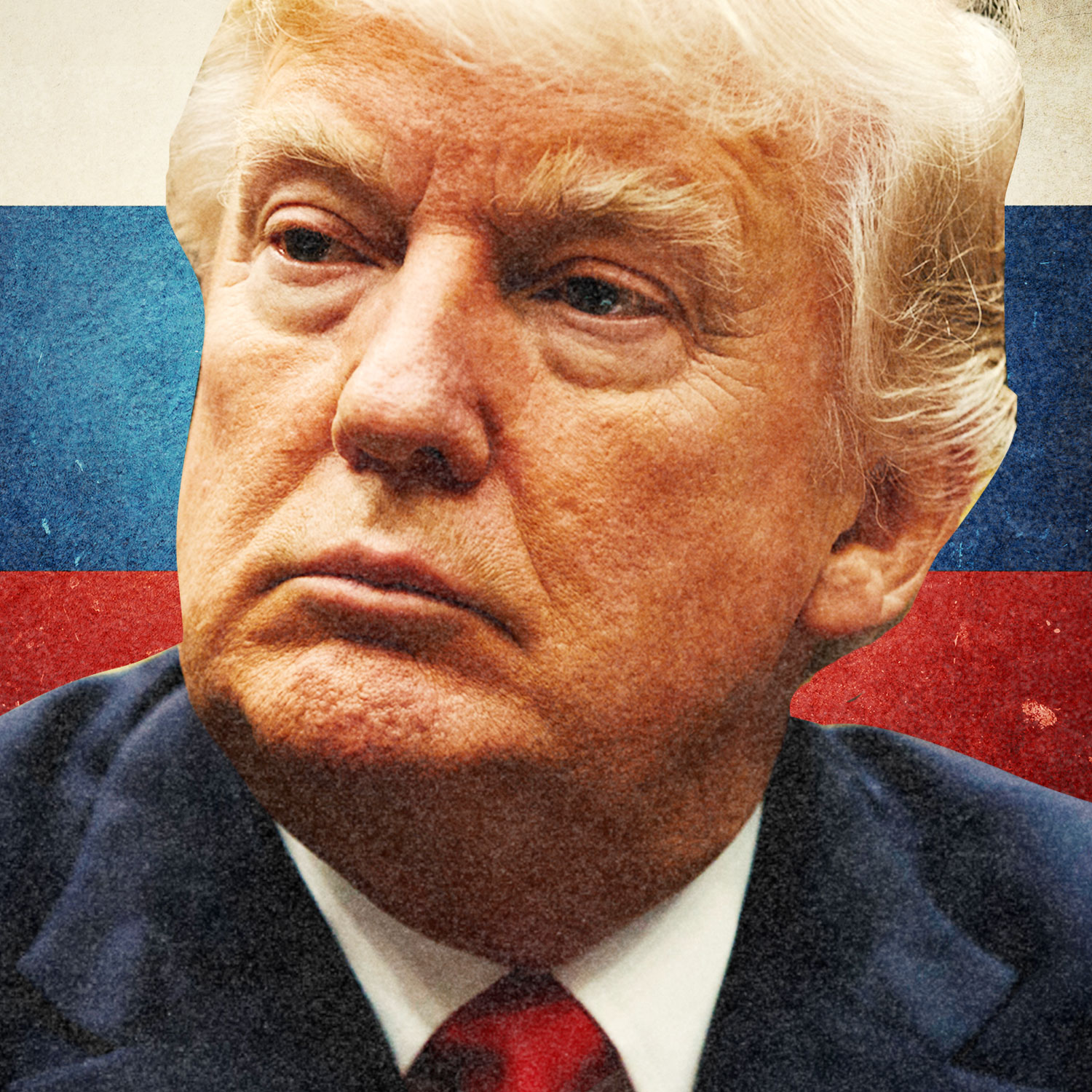
What can (and can’t) Trump associates do when it comes to Russia?
Congressional reporter Karoun Demirjian helps answer: What can history show us about presidents’ relationships with foreign governments? When is communication illegal? And at what point do allegations turn into concrete findings?
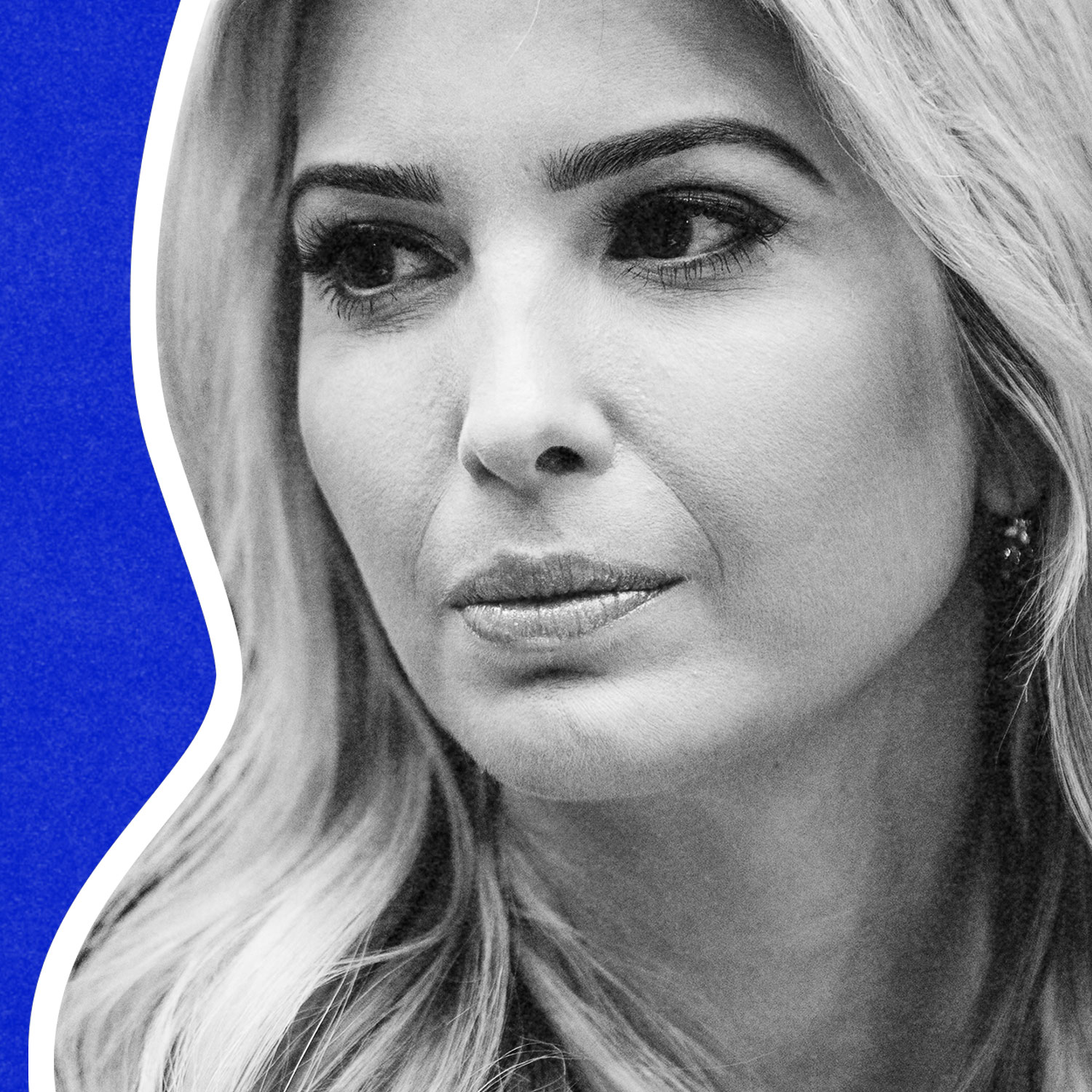
Does Ivanka Trump’s new White House role hold up against legal and ethical standards?
This week’s episode asks a slightly different question: Can she? How do potential business conflicts and issues of nepotism factor into Ivanka’s new role? And with First Lady Melania Trump taking a relative backseat, is Ivanka filling in the gaps?
Will Trump be able to deliver on his healthcare promises?
In a setback for the president, a vote on the GOP health care overhaul plan was delayed Thursday. How does it affect Trump's promises to voters? The Post's Mike DeBonis explains the politics, and we talk to Sen. Bill Cassidy (R-La.) about what's next.
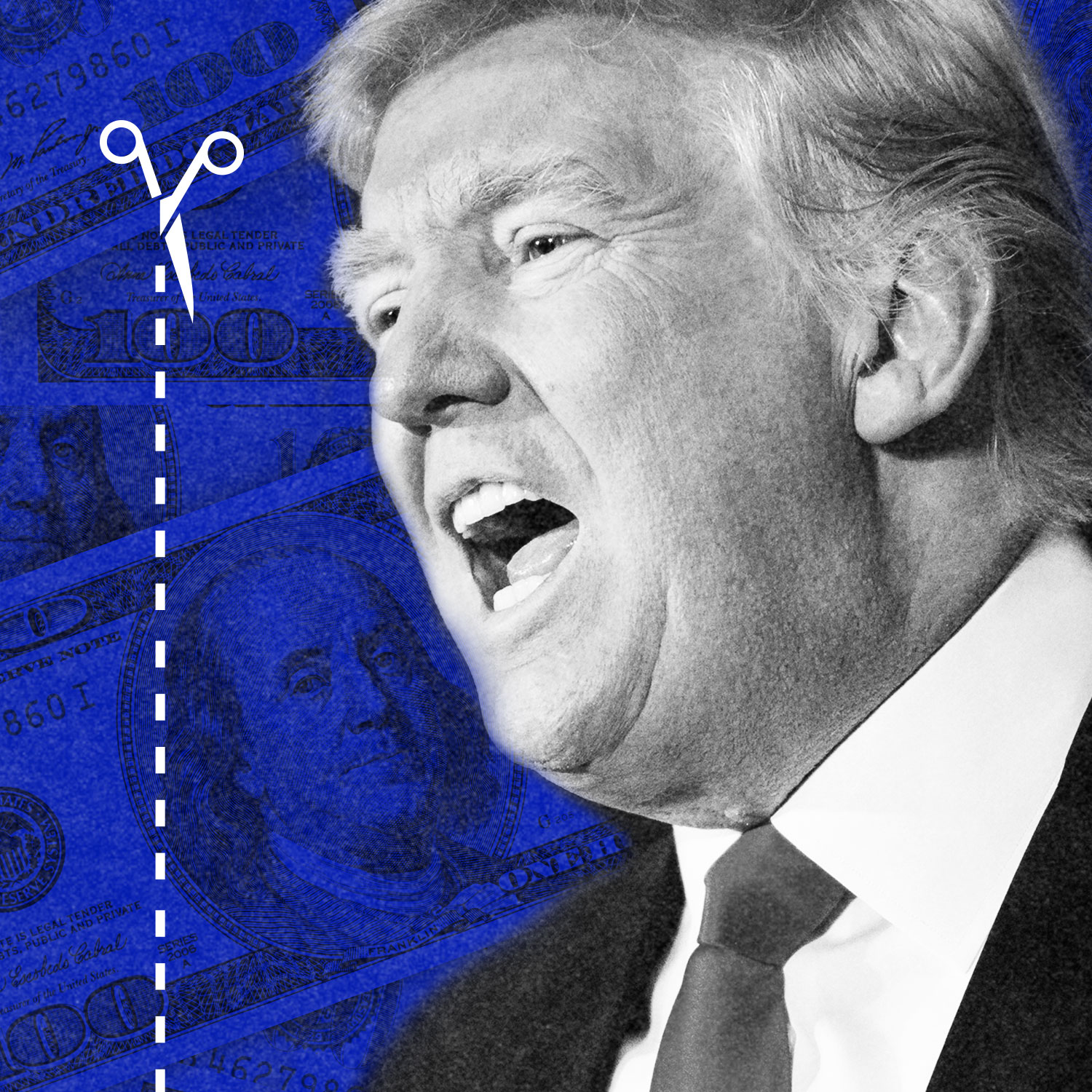
Will Trump really cut programs people depend on?
Trump’s budget proposes massive cuts to the arts, science and the poor: Can he do that? The Post’s Kelsey Snell weighs in on whether Trump’s requests will be met. Plus, Maryland Sen. Chris Van Hollen shares how Democrats in Congress are reacting.
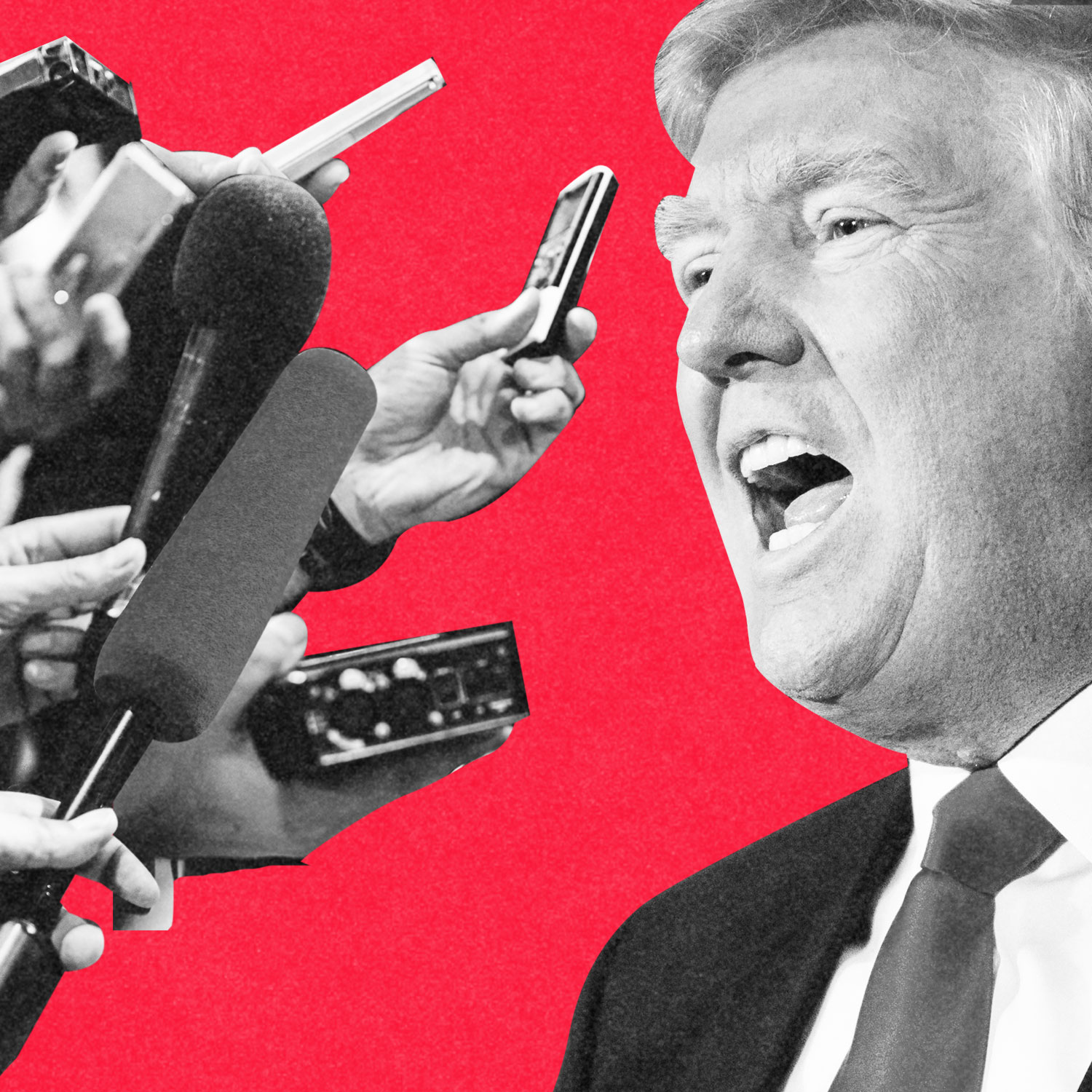
Are Trump's attacks on the media a threat to freedom of the press?
How unusual is Trump's behavior toward the media? Media columnist Margaret Sullivan weighs in on that question and on what's at risk for democracy. Plus, WHCA president Jeff Mason shares what it's really like to be a member White House press corps.
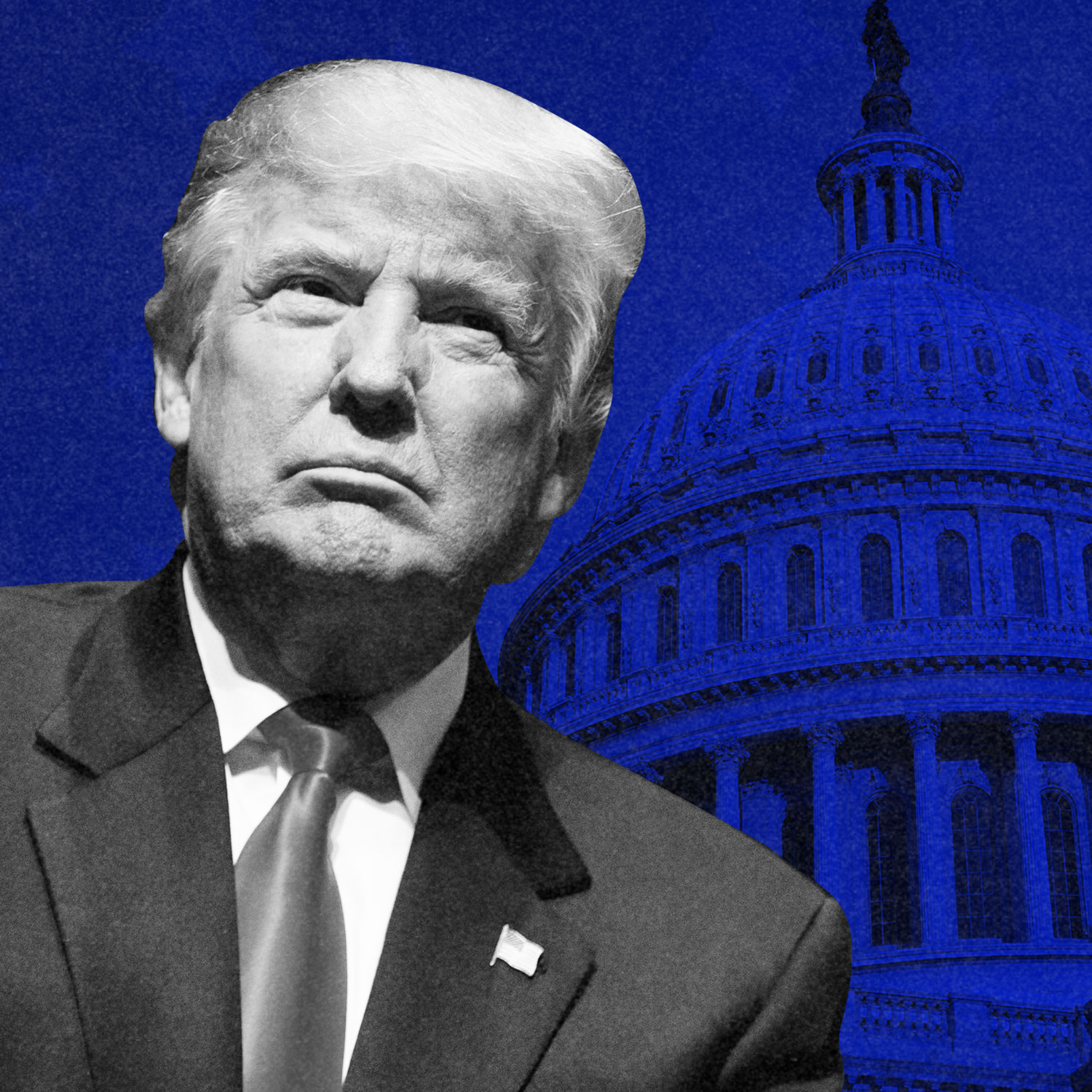
Does Trump’s success depend on his relationship with Congress?
A master class in the relationship between party and president: The Post’s Robert Costa explains who’s running the show in Washington. He talks to GOP insider Grover Norquist on party unity under Trump and what it means for their agenda in Congress.
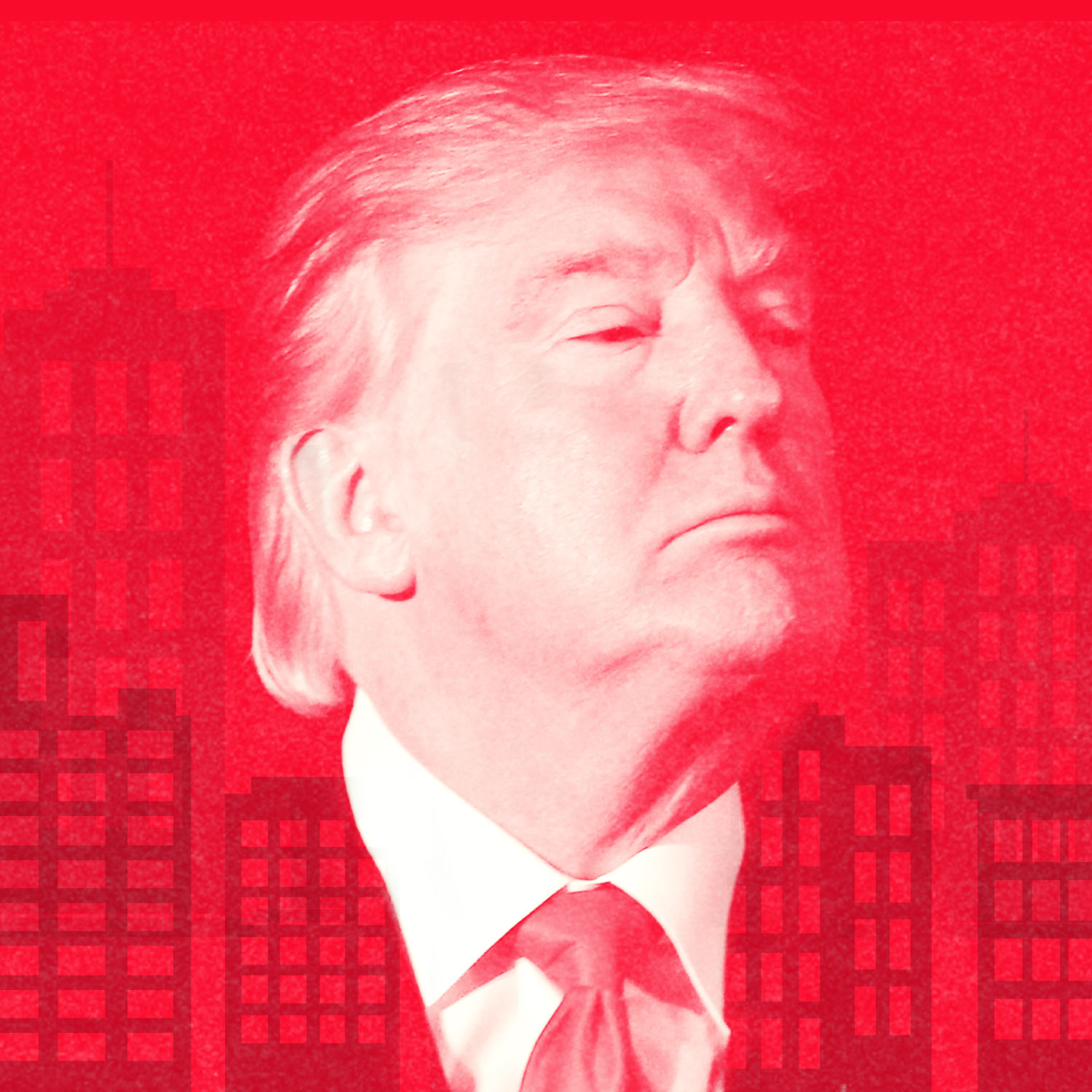
Do President Trump's business conflicts violate the Constitution?
The Post’s award-winning David Fahrenthold breaks down Trump’s many businesses, his complex foreign ties and the Emoluments Clause.
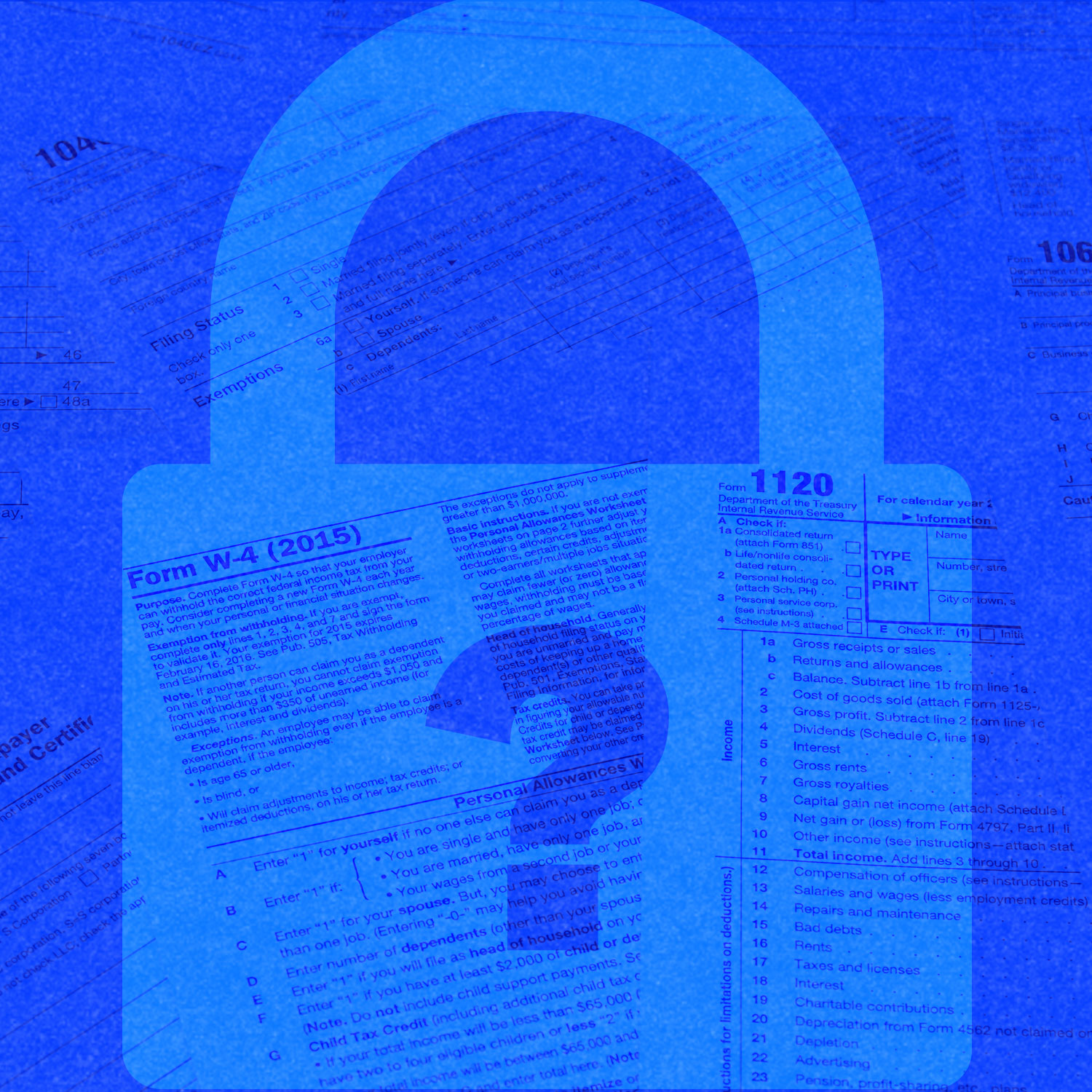
Will Trump ever release his tax returns?
Trump is the first major party nominee in decades to not release returns. What happens now that he's president? Does Flynn's resignation change things? Plus, Rep. Bill Pascrell Jr. (D-N.J.) on Democrats' efforts to make Trump's returns public.