Senior Safety Advice
393 episodes — Page 5 of 8
Letting Go of Caregiver Perfectionism
Got a comment or idea? Send us a text.We explore how caregiver perfectionism takes hold, why it leads to burnout, and what sustainable care looks like when you trade flawless for present. We offer clear shifts, practical examples, and permission to rest without guilt.• naming caregiver perfectionism and its quiet start• the pressure of “should” thoughts and why they’re not facts• unpredictability of care and the myth of flawless outcomes• comparison traps and hidden struggles behind closed doors• the real costs of chasing perfect on health and relationships• reframing success around effort, presence, and intention• examples of sustainable care and “good enough” choices• boundaries, rest, and asking for help without guilt• why presence matters more than perfectionPlease share this episode with someone you care about who could use the information to make their life saferYou’ll find more resources for seniors and caregivers on our website at senior safetyadvice.comIf you’re searching for an aging in place specialist, please visit our sister website at AgingInPlace Directory dot comThen come back tomorrow for another daily moment of guidance and encouragement right here on the Senior Safety Advice PodcastOh yes, and if you haven’t subscribed to our YouTube channel or to this podcast yet, go ahead and do that right now tooFor more information about aging in place and caregiving for older adults, visit our website at SeniorSafetyAdvice.com
Music Therapy for Relaxation and Heart Health
Got a comment or idea? Send us a text.Stress doesn’t just live in your head; it shows up in your heartbeat, your breathing, and the way your shoulders won’t quite drop. We dive into a simple, proven tool that softens all of that: intentional music therapy tailored to seniors, caregivers, and anyone craving calmer days and better sleep.We share why the heart responds so strongly to rhythm, how slow, steady music guides the breath, and why relaxation is a powerful form of heart protection. You’ll hear how familiar songs can loosen tension, lower stress hormones, and create a felt sense of safety—even when nothing else in the environment changes. From easing agitation in dementia to helping caregivers set a peaceful tone for morning routines, we walk through the small, realistic steps that make a big difference: choosing personal favorites, lowering the volume, and listening with intention for ten quiet minutes.Personal stories bring these ideas to life, including how music reduces loneliness, invites gentle movement, and even unlocks memory when other cues fail. We highlight flexible options for different preferences—hymns, instrumentals, old-school rock, or white noise at bedtime—because the right sound is the one that helps you exhale. Along the way, you’ll learn practical ways to build music into daily routines with tools you already have: a phone, a radio, or a smart assistant like Alexa. The goal isn’t to fix everything; it’s to give the heart a break and let comfort lead the way.If this conversation sparks a new idea for your home or caregiving routine, share it with someone who could use a little calm today. Subscribe to the podcast and our YouTube channel, leave a quick review, and help more people find practical, heart-smart support.For more information about aging in place and caregiving for older adults, visit our website at SeniorSafetyAdvice.com
Coping with Grief and Loneliness
Got a comment or idea? Send us a text.We look at how grief and loneliness often arrive quietly, why they shape our thoughts and body, and how small steps can restore rhythm, connection, and hope. We share practical tools that feel gentle, not forced, and remind each other we are not broken.• defining grief beyond death and into roles, health, and routine• understanding loneliness as disconnection, not just being alone• recognizing common thoughts and meeting them with kindness• coping without timelines and naming heavy days• building small daily anchors for nervous system safety• using low-pressure connection that does not require sharing grief• practicing self-compassion over self-criticism• asking for help from trusted people and professionals• holding space for realistic, non-forced hope• resources for seniors, caregivers, and aging in placePlease share this episode with someone you care about who could use the information to make their life saferYou'll find more resources for seniors and caregivers on our website at seniorsafetyadvice.comAnd if you're searching for an aging in place specialist, please visit our sister website at AgingInplacedirectory.comAlso, if you haven't subscribed to our YouTube channel or to this podcast yet, go ahead and do that right now and then come back tomorrow for another daily moment of guidance and encouragement right here on the Senior Safety Advice podcastFor more information about aging in place and caregiving for older adults, visit our website at SeniorSafetyAdvice.com
The Value of Forgiveness for Emotional Healing
Got a comment or idea? Send us a text.What if the most powerful gift you could give your heart is the choice to stop reliving old pain? This conversation dives into forgiveness as a health practice, not a pass for harm, and shows how letting go calms the nervous system, improves sleep, and lowers stress. We open up about grief, regret, and the heavy loop of should haves and could haves, then map out simple, compassionate steps that move you toward peace.We unpack a crucial reframe: forgiveness is internal and does not require contact or reconciliation. You can protect yourself with firm boundaries while releasing the emotional load that keeps your body on alert. Drawing on real-world caregiving and senior care experiences, we explore how unresolved feelings show up as tension, fatigue, anxiety, and high blood pressure—and how forgiveness helps your body stand down. Expect clear tools you can try today: a single sentence to interrupt the replay, a practice for self-forgiveness that softens the inner critic, and a way to honor grief’s timeline without forcing closure.Healing is layered and non-linear, especially after loss or betrayal. We share what steady progress looks like in real life: fewer spikes, faster recovery, a calmer baseline. You’ll hear how to pair emotional release with practical boundaries, why peace is not forgetfulness, and how choosing not to relive pain preserves your energy for what matters now. If you’re carrying something heavy, this is a gentle, honest invitation to put down part of the load and breathe easier.If the conversation resonates, share it with someone who needs it, explore more resources at SeniorSafetyAdvice.com and AgingInPlaceDirectory.com, and subscribe to support more heart-healthy, resilience-building episodes. Your review and a quick share help others find the guidance they’ve been searching for.For more information about aging in place and caregiving for older adults, visit our website at SeniorSafetyAdvice.com
When Love Feels Like Work: Balancing Care and Compassion
Got a comment or idea? Send us a text.We explore why caregiving can turn love into labor and how to restore connection without burning out. We share practical steps to separate the person from the tasks, name the emotional load, and build real recovery time so compassion can return.• love quietly shifting into responsibility and work• nervous system stress and survival mode cues• separating the person from the task list• one-minute connection questions to rebuild bond• naming the emotional load to create self compassion• rejecting patience as the measure of love• asking for help and stepping back when needed• building recovery time that calms the body• adjusting expectations for different caregiving seasonsPlease share this episode with someone you care about who could use the information to make their life saferYou'll find more resources for seniors and caregivers on our website at Senior SafetyAdvice.comIf you're searching for an Aging in Place specialist, please visit our sister website at AgingInPlace Directory.comOh, and by the way, if you haven't subscribed to our YouTube channel or to this podcast yet, go ahead and do that right nowFor more information about aging in place and caregiving for older adults, visit our website at SeniorSafetyAdvice.com
How to Create Emotional Space for Yourself
Got a comment or idea? Send us a text.When caregiving fills every minute, even small problems can feel like alarms. We talk about a better way forward: creating emotional space that protects your health, restores patience, and brings clarity back into the room. Instead of pushing harder, we show how a simple pause between stimulus and response can shift your day from constant firefighting to calm, deliberate action.We break down the core skills that make space real and repeatable. You’ll learn how to slow transitions so your nervous system can settle, and how two deep breaths before replying can change the tone of a conversation. We get specific with gentle boundary phrases—like “let me think about it” and “not yet”—that preserve energy without confrontation. We also examine the hidden cost of nonstop input, from 24-hour news to endless social feeds, and offer a focused plan for choosing one trusted source and setting clear check-in times to reduce mental noise.Emotional space isn’t detachment; it’s better care with less self-sacrifice. We explore why naming feelings lowers reactivity, how physical spaces (one drawer, one counter) can steady the mind, and why small rituals—a morning tea, a short walk, quiet minutes before bed—create predictability and safety for your body and brain. We connect these habits to tangible health benefits: improved sleep, lower blood pressure, reduced pain, and a steadier mood. The goal isn’t a life overhaul. It’s one pause, one boundary, one calmer corner at a time until a durable buffer stands between you and daily stress.If this resonates, share it with someone who needs a gentler path through caregiving. Subscribe for daily, practical insights, leave a quick review to help others find the show, and tell us: which small step will you try first?For more information about aging in place and caregiving for older adults, visit our website at SeniorSafetyAdvice.com
Tracking Blood Pressure at Home Safely
Got a comment or idea? Send us a text.We show how to check blood pressure at home the right way so you get accurate, calm, and useful results. We explain equipment, timing, posture, patterns, urgent warning signs, and how caregivers can keep the process steady and low stress.• why silent hypertension needs attention• why an upper arm cuff beats wrist and finger• how cuff size changes accuracy• five-minute rest, posture, and no talking• when and how often to measure• why trends matter more than a single spike• numbers to know and personal targets• urgent symptoms that require immediate care• how to log readings with context• caregiver tone, routine, and reassurance• using data to guide safer decisionsPlease share this episode with someone you care about who could use the information to make their life saferYou'll find more resources for seniors and caregivers on our website at Senior SafetyAdvice.comAnd if you're searching for an Aging in Place specialist, please visit our sister website at AgingInplace Directory.comAnd if you haven't subscribed to our YouTube channel or to this podcast yet, go ahead and do that right now, and then come back tomorrow for another daily moment of guidance and encouragement right here on the Senior Safety Advice podcastFor more information about aging in place and caregiving for older adults, visit our website at SeniorSafetyAdvice.com
The Role of Sleep in a Healthy Heart
Got a comment or idea? Send us a text.Sleep is not a luxury; it’s heart maintenance. We unpack how nightly rest lowers blood pressure, steadies heart rate, and turns down stress hormones so your body can repair. From restless nights and long sleep latency to caregiver vigilance and late-night worry loops, we break down the real reasons sleep falls apart with age and how to restore a calm, reliable routine that protects cardiovascular health.We share practical, low-friction fixes that fit real life. Learn how to build a steady rhythm with consistent bed and wake times, why dimming lights and putting screens away matters, and how a simple wind-down ritual signals safety to the nervous system. We talk through slow breathing to settle the heart, comfort upgrades like better pillows and supportive mattresses, and small environment tweaks—white noise, soft night lights, and reduced late fluids—that cut down on awakenings. You’ll also hear how poor sleep drives cravings and disrupts metabolism, nudging you toward quick energy foods, and how better rest makes healthier choices feel effortless.Caregivers get specific guidance too. Constant overnight alertness strains the heart, so we outline ways to share nighttime duties, use monitoring tools wisely, and create safer sleep spaces that protect both the care recipient and the caregiver. Most of all, we stress that sleep struggles are common and treatable; talking with a clinician about apnea, pain, or persistent insomnia is an act of heart care, not complaint. Walk away with one routine to anchor your evening, one calming habit to quiet the mind, and one practical change to remove a barrier—because when the body rests, the heart heals.If these ideas helped, share the episode with someone who needs better sleep, then subscribe and leave a review so more families can find expert support.For more information about aging in place and caregiving for older adults, visit our website at SeniorSafetyAdvice.com
Morning Movement Routines That Boost Circulation
Got a comment or idea? Send us a text.We share a short, safe morning routine that wakes up circulation, eases stiffness, and builds confidence before the first steps of the day. Robin explains why small, steady movements beat intensity and how caregivers can turn routines into reliable habits.• why mornings feel stiff and slow • ankle pumps to move blood from the lower legs • seated knee extensions to warm knees and thighs • shoulder rolls and gentle neck turns for posture and clarity • safe standing with support and a pause to adjust • weight shifts and light marching to prime balance • consistency over intensity to build confidence • caregiver guidance for predictable routines • habit pairing with teeth brushing, coffee, and microwave waits • how better circulation links to lower fall riskPlease share this episode with someone you care about who could use the information to make their life safer You'll find more resources for seniors and caregivers on our website at Senior SafetyAdvice.com If you're searching for an aging in place specialist, please visit our sister website at Aging in Place Directory.com Also, if you haven't subscribed to our YouTube channel or to this podcast yet, go ahead and do that right now Come back tomorrow for another daily moment of guidance and encouragement right here on the Senior Safety Advice PodcastFor more information about aging in place and caregiving for older adults, visit our website at SeniorSafetyAdvice.com
When to See a Doctor About Chest Discomfort
Got a comment or idea? Send us a text.A small, nagging pressure in your chest can feel easy to dismiss—until it isn’t. We unpack what chest discomfort can look like beyond the clichés, from tightness and heaviness to symptoms that show up in the jaw, neck, back, or arm. You’ll learn how to spot the differences that matter, why “mild” doesn’t mean “harmless,” and the specific red flags that call for urgent action. We share what women often experience, how older adults may describe symptoms, and why acting quickly can change outcomes.We also dig into the power of patterns. If discomfort appears during activity and eases with rest, or keeps returning over days, those details help your doctor separate cardiac strain from reflux, muscle pain, or anxiety. You’ll hear practical ways to track what you were doing, how long symptoms lasted, and what helped—without turning it into a project. The goal is clarity, not guesswork, so you can get the right evaluation at the right time.Beyond the physical signs, we address the emotional weight of fear and hesitation. Many of us delay care because we don’t want bad news or don’t want to “bother” anyone. We explain why seeking help is never an inconvenience for medical teams, how early checks bring peace of mind, and what caregivers can do when a loved one mentions discomfort but downplays it. By the end, you’ll have a simple, safer plan: notice change, respect subtle signals, and act when patterns or red flags appear.If this conversation gave you useful insights, share it with someone who might need it today. Subscribe to the podcast and our YouTube channel, leave a quick review to help others find it, and explore more guides at Senior SafetyAdvice.com. Your attention to these signs could make all the difference.For more information about aging in place and caregiving for older adults, visit our website at SeniorSafetyAdvice.com
Finding Calm When You Feel Overwhelmed
Got a comment or idea? Send us a text.For more information about aging in place and caregiving for older adults, visit our website at SeniorSafetyAdvice.com
How Laughter Gives Your Body A Break
Got a comment or idea? Send us a text.Stress doesn’t just cloud the mind—it tightens shoulders, shortens breath, and steals sleep. We dig into why genuine laughter, not forced cheer, acts like a reset button for the nervous system and a steadying hand for the heart. Drawing from real-life caregiving experiences and the tender memory of a partner’s rare laugh, we explore how moments of humor loosen what’s clenched, soften heart rhythm, and create room for clearer thinking when life feels heavy.You’ll hear a clear, practical breakdown of how laughter improves circulation, boosts oxygen, and releases natural pain relievers that ease both physical and emotional strain. We talk about the social side too: how shared humor builds connection, lowers stress faster through co-regulation, and helps caregivers refill an empty tank without minimizing the hard stuff. If you’re stretched by grief, health worries, or the daily demands of caregiving, you’ll get simple ways to spark joy that cost nothing—reliable shows, comforting comedians, favorite memories, and even quiet smiles that still count.This conversation champions accessibility and resilience. Laughter doesn’t require perfect timing, and it can sit beside sorrow or uncertainty without canceling them. Small laughs add up: they protect the heart, calm the nervous system, and remind us we’re human together. If today feels heavy, try one clip, one story, one shared smile—and notice how the body shifts.If these insights helped, share the episode with someone who needs a lift, visit SeniorSafetyAdvice.com for more guides, check our AgingPlaceDirectory.com to find a specialist, and subscribe so you never miss the next supportive tip. Your review and a quick share help us reach more caregivers and older adults who deserve practical, compassionate tools.For more information about aging in place and caregiving for older adults, visit our website at SeniorSafetyAdvice.com
Coping with Caregiver Guilt
Got a comment or idea? Send us a text.We unpack where caregiver guilt comes from, why it feels so heavy, and how to respond with clarity instead of self-judgment. Robin shares practical steps to name guilt, reset expectations, accept help, and protect energy for sustainable care.• why guilt often signals care, not failure• how impossible standards create shame and burnout• role reversal with parents and grief hidden in guilt• second guessing safety and long-term care decisions• naming emotions to separate feelings from facts• checking stories and resetting expectations• counting contributions instead of gaps• accepting help as a sign of wisdom• simple self-care that lowers mental noise• finding support groups, counseling, and peers• choosing balance to sustain carePlease share this episode with someone you care about who could use the information to make their life saferYou'll find more resources for seniors and caregivers on our website at SeniorSafetyAdvice.comIf you're searching for an Aging in Place specialist, please visit our sister website at Aging Implaced Directory.comIf you haven't subscribed to our YouTube channel or to this podcast yet, go ahead and do that right now and then come back tomorrow for another daily moment of guidance and encouragement right here on the Senior Safety Advice PodcastFor more information about aging in place and caregiving for older adults, visit our website at SeniorSafetyAdvice.com
How To Keep Comfort Food And Protect Your Heart
Got a comment or idea? Send us a text.Comfort food should feel like care, not a compromise. We dive into how to keep the cozy flavors and textures you love while protecting your heart, with simple, sustainable ideas that make every bite more satisfying. From Sicilian-inspired memories to practical kitchen tips, this episode blends warmth with wisdom to help seniors and caregivers build meals that calm the nervous system and support long-term health.We start by reframing comfort as familiarity, warmth, and ease—qualities that lower stress and make a real difference for heart health. You’ll hear why homemade soups beat salty cans, how lentil and chicken broths soothe digestion, and why oatmeal with cinnamon, fruit, and nuts can feel like a hug in a bowl. We dig into silky, mashed favorites—sweet potatoes, beans, and cauliflower—that deliver fullness without the saturated fat. Then we tackle egg myths head-on: what the research says about dietary cholesterol, how saturated fat truly affects LDL, and the smarter ways to cook eggs so they stay nutrient-dense and heart-friendly.We also celebrate healthy fats for the richness people crave: extra virgin olive oil, avocado, and nuts that boost flavor and satisfaction. Whole grains like brown rice, quinoa, and whole grain pasta provide steady energy and help keep blood sugar balanced. For dessert, we trade heavy sweets for baked apples or pears with cinnamon, capturing comfort without the crash. Throughout, we emphasize mindful eating—slowing down, turning off stressful news, and creating a calm table that supports digestion and blood pressure.If you’re ready for comfort that actually leaves you feeling good after the meal, press play and try a few of these swaps this week. Share the episode with someone who loves cozy food, and subscribe to get more tips on heart health, aging in place, and simple, delicious routines that last. Your support helps us reach more people who could use this kind of care—leave a review, hit follow, and tell us your favorite heart-smart comfort dish.For more information about aging in place and caregiving for older adults, visit our website at SeniorSafetyAdvice.com
Managing Medications for Heart Health
Got a comment or idea? Send us a text.We share a straightforward plan to manage heart medications with confidence, reduce side effects, and prevent dangerous mix-ups. Practical steps, caregiver guidance, and a clear takeaway make it easier to stay safe and independent.• medication overload risks and why fewer can be safer• how to build and use a complete medication list• timing rules, with food guidance and organizers• what to do about skipped doses and side effects• refill strategies, cost help, and buffers• hydration’s role in preventing dizziness and fatigue• caregiver observations and red flags to report• patient rights, plain-language explanations, and partnership• simple four-part takeaway for daily safetyPlease share this episode with someone you care about who could use the information to make their life saferYou'll find more resources for seniors and caregivers on our website at SeniorsafetyAdvice.comIf you're searching for an aging in place specialist, please visit our sister website at Aging in Place Directory.comIf you haven't subscribed to our YouTube channel or this podcast yet, please go ahead and do that right nowFor more information about aging in place and caregiving for older adults, visit our website at SeniorSafetyAdvice.com
The Link Between Love and Longevity
Got a comment or idea? Send us a text.We explore how love and connection protect health as we age, lowering stress and building purpose that supports better habits and outcomes. Practical steps help seniors and caregivers rebuild connection with small, repeatable moments of presence and dignity.• connection as a biological need, not a luxury• how loneliness elevates cortisol and inflammation• small daily rituals that improve mood and health• dignity-centered caregiving practices that reduce fear• open questions families can use to check emotional well-being• simple ways to rebuild connection at any age• love and purpose as drivers of healthy routinesPlease share this episode with someone you care about who could use the information to make their life saferYou'll find more resources for seniors and caregivers on our website at SeniorSafetyAdvice dot comIf you're searching for an aging in place specialist, please visit our sister website at Aging in Place Directory.comAnd if you haven't subscribed to our YouTube channel or to this podcast yet, go ahead and do that right nowFor more information about aging in place and caregiving for older adults, visit our website at SeniorSafetyAdvice.com
How Simple Breathing Eases Stress And Protects Heart Health
Got a comment or idea? Send us a text.Feeling wrung out by stress and tension? We unpack how stress first shows up in the breath and share simple techniques that quickly calm the nervous system, protect heart health, and ease the body back into a sense of safety. Esther Kane, a retired occupational therapist and certified aging in place specialist, guides us through accessible practices that work anywhere—no equipment, no perfect setup, just a few intentional breaths that add up to real relief.We start by noticing natural breathing patterns, especially the high, shallow chest breathing that keeps the body on alert. From there, we practice the small shift that makes a big difference: a longer, quieter exhale. You’ll learn counted breathing that doesn’t feel rigid, hand-on-belly diaphragmatic breathing to reduce chest tightness, and a gentle inhale-pause-exhale-pause rhythm that steadies a jittery mind. Esther explains why these cues signal safety to the brain and how they reduce inflammation, improve sleep quality, and support blood pressure and heart health.For listeners who struggle to sit still, we pair breath with movement—slow rocking, easy walks, and morning arm stretches—to make calm feel natural. We also build micro-habits: take one slow breath before standing, answering a call, opening email, or turning on the news. Those tiny pauses protect your nervous system and help caregivers and seniors respond rather than react. We close with a reminder that breathing is not self-repair; it’s self-support. Each gentle exhale is an act of kindness that teaches the body it doesn’t have to stay on high alert.If this resonated, share it with someone who could use a softer day. Subscribe for more practical tools, leave a review to help others find the show, and tell us which technique helped you feel safe the fastest.For more information about aging in place and caregiving for older adults, visit our website at SeniorSafetyAdvice.com
Caregiver Fatigue: Warning Signs You Can’t Ignore
Got a comment or idea? Send us a text.We name the early warning signs of caregiver fatigue and explain why ignoring them makes care less safe. We share small, practical steps to lower the load, protect your health, and ask for help before burnout hits.• quiet onset of fatigue and numbness• why irritability signals exhaustion, not failure• physical symptoms caregivers often overlook• the risks of isolation and silent resentment• how fatigue increases safety risks in care• practical micro-breaks and lowering the bar• where to find support and resourcesPlease share this episode with someone you care about who could use the information to make their life saferYou'll find more resources for seniors and caregivers on our website at Senior SafetyAdvice.comIf you're searching for an Aging in Place specialist, please visit our sister website at AgingandPlace Directory.comAnd if you haven't subscribed to our YouTube channel or to this podcast yet, go ahead and do that right nowFor more information about aging in place and caregiving for older adults, visit our website at SeniorSafetyAdvice.com
Everyday Routines That Quietly Protect Your Heart
Got a comment or idea? Send us a text.What if the strongest protection for your heart isn’t a perfect plan, but a handful of small, steady choices made every day? Esther Kane, a retired occupational therapist and certified aging in place specialist, guides us through practical habits that calm the nervous system, improve circulation, and build resilience—without guilt, extremes, or complicated routines. We explore how calmer mornings, gentle movement, hydration, and slow breathing can lower heart strain in minutes, and why consistency outperforms intensity for seniors and caregivers alike.We unpack the stressors hiding in plain sight—background noise, clutter, constant news—and show how simple environmental tweaks reduce the hum of worry that pushes blood pressure up. Esther also shares how to craft a realistic sleep window, create a wind-down routine that actually sticks, and use short, frequent movement breaks to boost circulation. You’ll hear why mindful eating matters more than strict diets, and how small changes like sitting to start the day or sipping water before coffee can change how your heart feels by noon.Connection becomes a core theme: loneliness raises stress hormones, while phone calls, porch chats, and even a good comedy special can shift breathing and vessel tone within minutes. Safety is medicine too—better lighting, fewer hazards, and earlier check-ins with clinicians lower fear and bring peace of mind. The throughline is simple and powerful: pick one habit, practice it for 30 to 60 days, then layer in another. Heart health is built gently, not forcefully.If these insights help, share them with someone who could use a calmer path to better heart health. Subscribe, leave a review, and join us tomorrow for more practical, compassionate guidance for seniors and family caregivers.For more information about aging in place and caregiving for older adults, visit our website at SeniorSafetyAdvice.com
How Stress Affects the Aging Heart
Got a comment or idea? Send us a text.Stress and heart health are deeply linked, especially with age. We explain how chronic stress strains an aging heart and share simple, realistic ways to lower the load without adding pressure.• How stress hormones raise blood pressure and heart rate• Why aging hearts feel stress more intensely• Signs to watch: fatigue, chest tightness, irregular beats• The stress and sleep cycle and how to break it• Gentle fixes: slow breathing, light movement, daily routines• The power of connection to protect heart health• How clutter and safety at home affect stress• When to seek medical help for symptoms• Support for caregivers managing constant tension• Practical steps to reduce stress without overwhelmPlease share this episode with someone you care about who could use the information to make their life saferYou'll find more resources for seniors and caregivers on our website at SeniorSafetyAdvice.comIf you're searching for an aging in place specialist, please visit our sister website at Aging in Place Directory.comAnd don't forget if you haven't subscribed to our YouTube channel or to this podcast yet, go ahead and do that right nowThen come back tomorrow for another daily moment of guidance and encouragement right here on the Senior Safety Advice podcastFor more information about aging in place and caregiving for older adults, visit our website at SeniorSafetyAdvice.com
Small Changes Today Can Protect Your Independence Tomorrow
Got a comment or idea? Send us a text.Ever notice how your shoulders drop the moment a room is brighter or a rug finally stays put? That’s the quiet magic of small fixes. We explore why tiny, low-cost changes often deliver the biggest safety gains for seniors and caregivers—from stopping “almost fell” moments to restoring confidence on the stairs and peace of mind at night.We walk through practical steps that transform daily life without a renovation: secure slippery surfaces, add motion night lights in hallways and bathrooms, and swap in brighter bulbs where precision matters. You’ll hear how making essentials easy to reach prevents risky climbs and awkward twists, and why fixing sticky doors, loose handrails, and jammed drawers can instantly cut frustration and reduce rushing. We also unpack the hidden costs of avoidance—skipping rooms, delaying bathroom trips, and shrinking social plans—and how a few targeted adjustments reopen your world.To keep these gains, we share simple systems any home can use: labels that reduce guesswork, visual cues for safer pathways, and quick maintenance routines like a monthly bulb check or regular knife sharpening to prevent slips in the kitchen. Most of all, we reframe small fixes as a sign of strength and planning, not decline. One change today, another next week—each one removes a what-if and replaces it with calm. If these ideas help, share the episode with someone you care about, and don’t forget to subscribe so you never miss practical tips that protect independence and improve everyday life.For more information about aging in place and caregiving for older adults, visit our website at SeniorSafetyAdvice.com
January End-of-Month Reflection: A Fresh Start for the Year
Got a comment or idea? Send us a text.We slow the pace and guide a short month-end reflection for caregivers and older adults, focusing on what worked, what did not, and one small intention that can anchor safer, calmer days. We offer permission to move at your own pace and share practical steps that build hope.• why a month-end pause matters• simple reflection that avoids guilt• naming small wins in home safety• learning from friction without blame• choosing one intention as an anchor• honoring non-linear progress in caregiving• carrying awareness, permission and quiet hope• one-minute keep-and-let-go exercisePlease share this episode with someone you care about who could use the information to make their life saferYou'll find more resources for seniors and caregivers on our website at senior safetyadvice.comIf you're searching for an aging in place specialist, please visit our sister website at Aging in Place Directory.comAnd if you haven't subscribed to our YouTube channel or to this podcast yet, go ahead and do that right nowFor more information about aging in place and caregiving for older adults, visit our website at SeniorSafetyAdvice.com
Storage Made Easy For Aching Joints
Got a comment or idea? Send us a text.Small motions can steal a whole day when arthritis flares. We dig into simple, low-cost storage upgrades that reduce strain, protect your energy, and make daily life feel lighter. Drawing on real home visits and practical OT strategies, we walk through the changes that matter most: placing everyday items between waist and chest, bringing shelves and trays out to meet you, and choosing hardware that avoids painful pinch and twist grips.You’ll hear exactly how to rethink deep cabinets, retrofit pull-out shelves, and divide drawers so essentials sit within easy reach. We talk about why lever handles beat round knobs, how loop-style pulls let you use your forearm on tough days, and where to start if remodeling isn’t in the budget. There’s a clear plan for designing around your worst days, not your best—mapping true reach limits, spacing items to prevent digging, and setting rules that keep heavy or high storage for rarely used things.We also address the quiet power of decluttering and labeling. Fewer duplicates mean less hunting and less pain; clear bins and large-print labels save time for you and for caregivers. From flip-lid containers that favor gravity over grip to side-by-side storage that avoids stacking, the focus stays on small wins that add up to more comfort and independence. These updates don’t have to look clinical; with modern pulls, glass jars, and clean labels, accessible design blends easily into any style.Ready to make your home work for you? Listen now, try one drawer or one cabinet this week, and tell us what changed. If this helped, subscribe, leave a review, and share it with someone who could use a little less friction in their day.For more information about aging in place and caregiving for older adults, visit our website at SeniorSafetyAdvice.com
Turn A Risky Bathroom Into A Safer Space With A Quick Daily Checklist
Got a comment or idea? Send us a text.We share a simple daily bathroom safety checklist that prevents falls with quick, doable checks. From floors and lighting to grab bars, toilet height, and shower setup, we focus on small changes that create outsized safety gains for aging at home.• why bathrooms drive most household falls • the two-minute floor and lighting scan • how to test grab bars for real stability • signs a toilet seat is too low • keeping counters clear and faucets easy to use • non-slip mats, clean traction, and sturdy shower chairs • placing soap, shampoo, and towels within safe reach • managing sudden hot water with anti-scald devices • listening for hesitation and trusting instincts • when to bring in an OT or home safety specialist • quick recap of the daily checklist • resources and where to find more guidancePlease share this episode with someone you care about who can use the information to make their life safer You'll find more resources for seniors and caregivers on our website at Senior SafetyAdvice.com If you're searching for an aging in place specialist, please visit our sister website at AgingandPlace Directory.com Oh, and last but not least, if you haven't subscribed to our YouTube channel or to this podcast yet, go ahead and do that right nowFor more information about aging in place and caregiving for older adults, visit our website at SeniorSafetyAdvice.com
Replacing Worn-Out Rugs and Mats
Got a comment or idea? Send us a text.The floor shouldn’t be a surprise. Yet that’s exactly what happens when a once-cozy rug starts to curl, slide, or bunch—turning a familiar room into a hidden hazard. We unpack how small, aging changes in rugs and bath mats lead to big falls, and how a few careful choices can protect balance, confidence, and independence without stripping your home of warmth or style.We walk through a simple home test that reveals risky movement in seconds, then map out where to start: entryways, hallways, bedside paths, and sink areas. You’ll hear why low-pile rugs with flat edges and built-in non-slip backing are the gold standard, when add-on pads help or harm, and how washable designs keep their grip after cleaning. We also hit the bathroom hard—moisture, rubber backing, quick-dry materials, and why soggy mats should be replaced immediately. For design-forward safety, we talk about vinyl flats and other thin, grippy options that stay put and clean up fast, with tips for pairing function and comfort.Along the way, we name the quiet forces of aging—shorter steps, slower reactions, lower toe clearance—and why that’s normal, not a failure. The goal is simple: adapt the home to the body, not the other way around. By the end, you’ll know exactly what to remove, what to replace, and how one small change can prevent a life-altering fall. If this conversation sparks a rethink of that “always been there” rug, share it with someone you love, explore more guides at Senior SafetyAdvice.com, and visit AgingInPlace Directory.com to find a specialist. If you found value here, subscribe and leave a review to help others find practical, life-protecting advice.For more information about aging in place and caregiving for older adults, visit our website at SeniorSafetyAdvice.com
Seasonal Deep Clean: Small Steps, Big Results
Got a comment or idea? Send us a text.We share a simple, preventive approach to seasonal deep cleaning that boosts safety, comfort, and peace of mind without burnout. Small, targeted steps create big results that protect independence and reduce stress for older adults and families.• reframing deep cleaning as prevention, not perfection• seasonal risk checks for winter, spring, summer and fall• clearing one main walking path to cut fall risk• cleaning fixtures and adding night lights for visibility• kitchen drawer reset and expiration checks• bathroom stability: grab bars, non-slip cleaning, safe mats• bedroom flow, bedding weight, and bed height checks• storage at shoulder–waist height to avoid stools• safer cleaning supplies and simple storage• pacing with 15-minute sessions and weekly focus• habits over renovations as the core safety strategyPlease share this episode with someone you care about who could use the information to make their life saferYou'll find more resources for seniors and caregivers on our website at Senior SafetyAdvice.comIf you're searching for an Aging in Place specialist, please visit our sister website at AgingandPlaceDirectory.comAlso, if you haven't subscribed to our YouTube channel or to this podcast yet, go ahead and do that right nowFor more information about aging in place and caregiving for older adults, visit our website at SeniorSafetyAdvice.com
Why Bath Safety Matters for Caregivers Too
Got a comment or idea? Send us a text.Most people picture bath safety as grab bars for an older adult, but the unseen story is how often caregivers get hurt in the bathroom. We pull back the curtain on why this room is uniquely hazardous—tight space, slick surfaces, and rushed moments—and how a few simple changes can protect both people. Drawing on years of occupational therapy experience, we break down the injury patterns that show up during bathing help, from awkward twists to heavy, unplanned lifts, and show how to replace brute force with smart design.You’ll hear practical, low-cost upgrades that turn the bathroom into a partner. We talk through where to place grab bars for real leverage, why a shower chair or transfer bench instantly reduces strain, and how non-slip flooring and a handheld shower create predictable steps that cut fear and resistance. We also address the emotional side: bathing is intimate, and when the setup feels unsafe, stress skyrockets for everyone. Safer layouts reduce embarrassment, restore dignity, and make it easier for the older adult to participate at their own pace while you guide instead of catch.If your back aches after helping or you feel a jolt of worry before every shower, that’s not a sign to push harder—it’s a signal that the environment needs to change. Prevention beats crisis every time, and planning ahead keeps your care plan intact because a caregiver injury can unravel everything. We offer clear permission to ask for equipment, help, and training, and we outline small first steps that deliver big gains in comfort and safety. Subscribe, share this with a caregiver who needs it, and leave a review to help more families find practical, evidence-informed ways to make care safer and more sustainable.For more information about aging in place and caregiving for older adults, visit our website at SeniorSafetyAdvice.com
Bathroom Remodeling on a Budget
Got a comment or idea? Send us a text.We share practical, low-cost ways to cut bathroom fall risk without a full remodel. The focus is function over looks, with phased steps that boost confidence, comfort, and independence.• why slips and falls cluster at showers, tubs, and toilets• how to choose and place real grab bars• non-slip surfaces that stay put• raised toilet seats and armrests for leverage• lighting that guides night trips safely• transfer benches, shower chairs, and handheld heads• phasing upgrades to match risk and budget• framing changes around dignity and control• when DIY is fine and when to hire• stability, visibility, and support as the corePlease share this episode with someone you care about who could use the information to make their life saferYou'll find more resources for seniors and caregivers on our website at Senior SafetyAdvice.comAnd if you're searching for an Aging and Place specialist, please visit our sister website at AgingandPlaced Directory.comThen come back tomorrow for another daily moment of guidance and encouragement right here on the Senior Safety Advice podcastAnd if you haven't subscribed yet to our YouTube channel or to this podcast, please go ahead and do that right nowFor more information about aging in place and caregiving for older adults, visit our website at SeniorSafetyAdvice.com
Emotional Wellness Through Order and Calm
Got a comment or idea? Send us a text.Peace doesn’t come from a spotless home; it comes from a kinder one. We dig into how simple order, gentle routines, and practical safety choices quiet the nervous system and make daily life feel lighter. Drawing on occupational therapy experience and lived moments of loss and change, we show how predictability and respect for personal habits can turn any room into a steadying anchor.We break down the hidden cost of clutter—visual noise, constant choices, and mental fatigue—and offer small, durable fixes: a clear path down the hallway, a landing spot for keys, warm lighting that softens edges, and a calm corner stocked with essentials. You’ll learn how routines reduce decision fatigue, why memory-friendly organization matters for older adults, and how safety upgrades like stable furniture and better lighting do more than prevent falls—they tell your brain to relax. We also talk about the emotional side of letting go, with compassionate pacing that honors grief and keeps meaning intact one drawer at a time.Caregivers will find a respectful approach that centers dignity: ask what makes sense to the person in the space, not what looks neat to you. By the end, you’ll have a toolkit of easy, human steps to reduce anxiety, protect energy, and build a home that truly supports emotional wellness. If these insights resonate, share this episode with someone who could use more calm today, visit SeniorSafetyAdvice.com and AgingInPlaceDirectory.com for more resources, and subscribe so you never miss practical ways to create a safer, kinder home.For more information about aging in place and caregiving for older adults, visit our website at SeniorSafetyAdvice.com
Organizing Medicine Cabinets for Safety
Got a comment or idea? Send us a text.We break down how most medication mistakes happen at home and show a simple, safety-first system to store, label, and manage pills without stress. Clear steps, small changes, and smart safeguards make daily doses easier, safer, and more reliable.• moving daily meds out of humid bathrooms • disposing of expired medications via takeback • grouping by purpose with clear containers • using large-print, color-coded labels • avoiding mixed bottles and using organizers correctly • double-checking with a helper when memory is a concern • annual medication reviews for interactions • securing access with locks, latches, or dispensersPlease share this episode with someone you care about who could use the information to make their life saferYou'll find more resources for seniors and caregivers on our website at Senior SafetyAdvice.comIf you're searching for an Aging and Place specialist, please visit our sister website at AgingandPlace Directory.comOh yes, and if you have not subscribed to our YouTube channel or to this podcast yet, go ahead and do that right nowFor more information about aging in place and caregiving for older adults, visit our website at SeniorSafetyAdvice.com
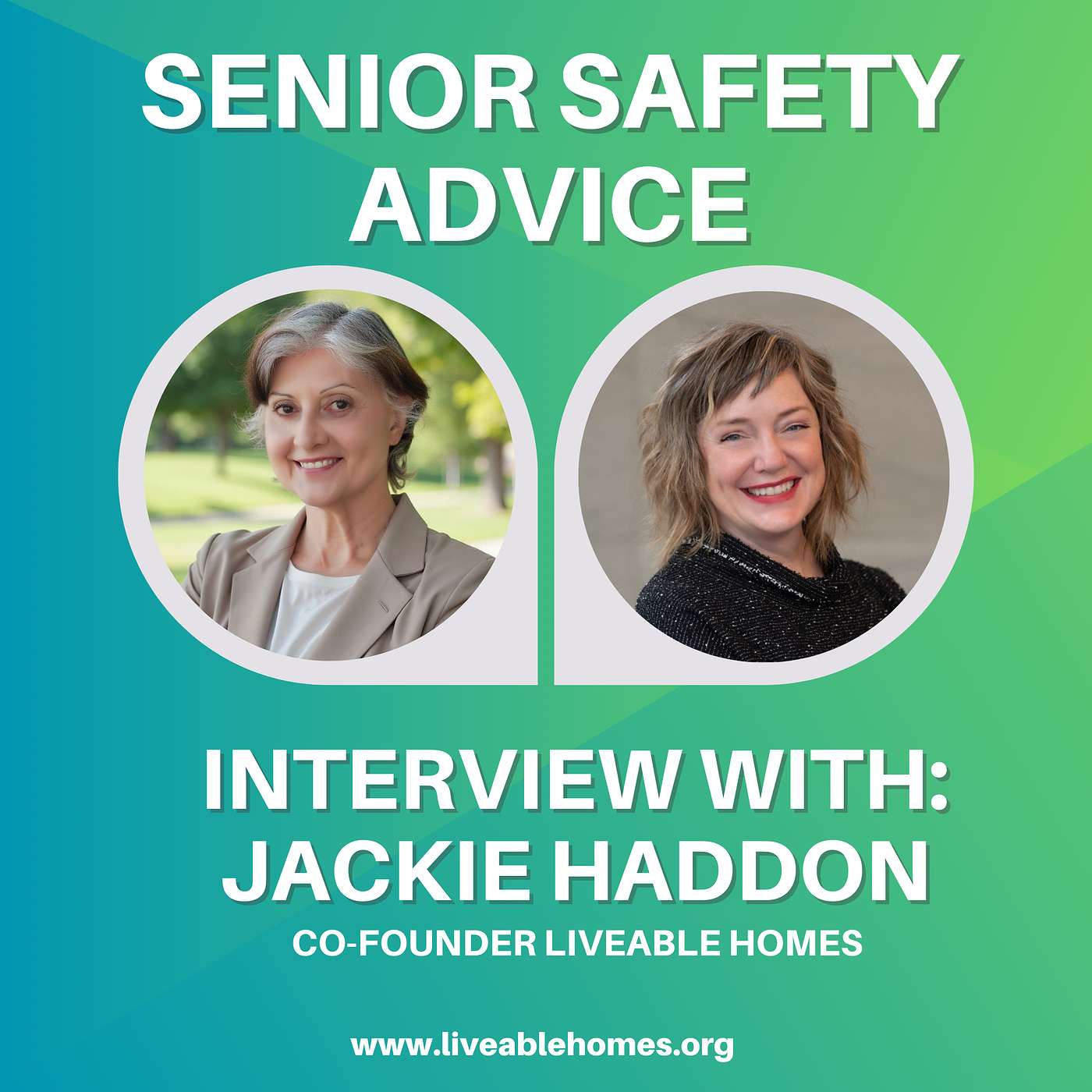
Interview with Jackie Haddon, SRES, CAPS
Got a comment or idea? Send us a text.Most people don’t resist safer homes; they resist the words that make them feel old. We sit down with Portland-based realtor and accessibility consultant Jackie Haddon to rewrite the script: future-ready design that looks beautiful, lives easy, and quietly prevents the one-second fall that can rewrite a family’s story. From “accessible living” to “ethical craftsmanship,” we share the language and the checklists that help families, builders, and realtors act before crisis hits.Jackie walks us through her personal ALS caregiving experience, the costly bathroom remodels that arrived too late, and the lesson that changed her career. We unpack universal design features that serve everyone—curbless showers, no-step entries, reachable controls, smart lighting—and the tiny choices that become major barriers, like a one-inch threshold or an outlet set too low. We also dive into the Livable Home Certification, how it ties real accessibility to MLS search fields, and why educating sales teams and designers is as vital as selecting the right fixtures. The result is a roadmap that respects dignity, protects resale value, and expands market reach.Zooming out, we explore where the niche is headed: policy shifts that reward Type A accessibility, the rise of ADUs, and the return of multigenerational living. You’ll hear a luxury case study that hides “sexy grab bars” in plain sight and proves that good design doesn’t announce itself. We close with practical ways to start: host a “Should I Stay Or Should I Go?” workshop through trusted community hubs, build a vetted contractor network with real caregiving insight, and use smart-home tech to support daily independence.If you care about safer homes that don’t look clinical—and a housing market that finally reflects how people actually live—press play. Then share this with a builder, a realtor, or someone in the sandwich generation who’s one decision away from a better plan. Subscribe, leave a review, and tell us: what’s the one feature you think every future-ready home needs?For more information about aging in place and caregiving for older adults, visit our website at SeniorSafetyAdvice.com
How to Create a Morning Routine That Reduces Risk
Got a comment or idea? Send us a text.Most falls don’t happen late at night—they happen right after waking up. We break down a safer morning routine that slows you down, steadies your body, and protects your independence with simple, research-informed steps you can start tomorrow.We begin at the bedside with the habits that make the biggest difference: sit first, breathe, and treat your bed like a runway. From there, we tackle environmental fixes that prevent slips before they start, including smart lighting, clutter-free floors, and truly non-slip slippers or shoes. In the bathroom, we rethink urgency so you can move calmly and safely, secure or remove throw rugs, and build in a post-stand pause to catch dizziness before it catches you.Next, we reframe dressing by sitting for socks, shoes, and pants and laying out clothes within reach to remove balance challenges. In the kitchen, we focus on hydration and a small breakfast to stabilize blood pressure and thinking, and we flag how morning medications can trigger lightheadedness—plus what to ask your doctor if they do. We add gentle wake-up movements like ankle pumps, marching with support, and shoulder rolls to “turn on” the nervous system, and we make the case for ditching multitasking so morning tasks stay safe and simple.Footwear becomes safety equipment with closed backs and non-slip soles, not a fashion afterthought. We round out the routine with a short pause—five quiet minutes by a window—to lower stress hormones and sharpen balance. Throughout, we emphasize mindset: respect your body’s tempo, build extra time, and, for caregivers, stop the rush so your loved one can move safely. Share this guide with someone who needs steadier mornings, and subscribe for more practical aging-in-place strategies. If it helped, leave a quick review and tell us which tip you’ll try first.For more information about aging in place and caregiving for older adults, visit our website at SeniorSafetyAdvice.com
Bathroom Lighting Solutions for Aging Eyes
Got a comment or idea? Send us a text.We share practical bathroom lighting upgrades that help older adults see better, move safer, and feel more confident at home. From layered light to warm bulbs and motion night lights, we lay out simple steps that reduce falls without a remodel.• aging eyes need two to three times more light• layered overhead lighting reduces shadows• side-lit vanity at eye level for even faces• warm white bulbs at 2700K to 3000K for comfort• fixtures with frosted diffusers cut glare• motion night lights guide safe nighttime trips• rocker and motion switches improve access• wet-rated lighting for showers and tubs• use contrast between walls and grab bars• keep lighting levels consistent across roomsPlease share this episode with someone you care about who could use the information to make their life saferYou'll find more resources for seniors and caregivers on our website at Senior SafetyAdvice.comIf you're searching for an aging in place specialist, please visit our sister website at Aging in Place Directory.comAnd also if you have not subscribed to our podcast yet or to our YouTube channel, go ahead and do that right nowFor more information about aging in place and caregiving for older adults, visit our website at SeniorSafetyAdvice.com
Keeping Floors Dry and Safe After Showers
Got a comment or idea? Send us a text.A shiny bathroom floor can look harmless and still be the most dangerous spot in your home. Esther Kane, retired occupational therapist and certified aging-in-place specialist, guides us through the subtle ways water travels beyond the shower and why those thin, nearly invisible layers of moisture set the stage for preventable falls. We unpack how humidity slows evaporation, how curtains and doors leak at the edges, and why bath mats often trap dampness underneath. More importantly, we turn those insights into practical steps you can use today.We share a clear, five-minute routine that keeps floors dry and confidence high: place a quality non-slip mat where your feet actually land, run the fan during and for 20 minutes after bathing, check curtain and door seals, and towel the floor quickly before you move on. We dig into the “danger zone” just outside the shower, recommend non-slip decals for inside the tub, and explain why footwear like water-safe sandals adds real traction. For anyone aging in place, we cover smart flooring choices and simple upgrades that reduce risk without a full renovation.Beyond the physical fixes, we address the fear-fall cycle: one slip can shrink confidence, shorten steps, and lead to less movement and more risk. Caregivers get guidance on how to listen, respond, and rebuild trust in the bathroom with lighting, heat, seating, and grab bars supporting safer habits. The takeaway is simple but powerful: dry floors protect balance, confidence, and independence. If this conversation sparked a useful idea, share it with someone you love, visit SeniorsafetyAdvice.com for more resources, and subscribe to the podcast so you never miss the next practical tip.For more information about aging in place and caregiving for older adults, visit our website at SeniorSafetyAdvice.com
Bath Safety for People with Dementia
Got a comment or idea? Send us a text.We explain why bathrooms trigger fear for people with dementia and show how simple environmental changes reduce falls and stress. Practical fixes, dignity-first scripts, and safer routines help families turn bath time from a battle into a calm, predictable habit.• most bathroom falls linked to wet surfaces, balance and poor lighting• non-slip mats secured inside tub or shower• grab bars mounted into studs positioned where hands naturally reach• water heater set to 120°F and water tested every time• bright, even lighting with night lights for low-light hours• walk-in shower, transfer bench or sturdy shower chair• handheld shower head for gentle control and less noise• cover with towel or cape to protect dignity• short, calm phrases that cue comfort over commands• fewer full baths each week with sponge baths on off days• change time of day, warm the room and play soft music• caregiver body mechanics and keeping supplies within reach• when to call an occupational therapist or home safety specialist• adjust the environment instead of blaming behaviorPlease share this episode with someone you care about who can use the information to make their life saferYou’ll find more resources for seniors and caregivers on our website at senior safetyadvice.comIf you’re searching for an aging in place specialist, please visit our sister website at AgingandPlaceDirectory.comThen come back tomorrow for another daily moment of guidance and encouragement right here on the Senior Safety Advice PodcastAnd one more thing if you haven’t subscribed to our podcast or YouTube channel yet, go ahead and do that right nowFor more information about aging in place and caregiving for older adults, visit our website at SeniorSafetyAdvice.com
The Psychology of Clutter and Calm
Got a comment or idea? Send us a text.Your home can whisper calm or shout chaos—and your brain listens. We dig into the psychology of clutter and show how visual noise quietly raises stress, erodes confidence, and increases fall risk, especially for older adults aging in place. Drawing on years of occupational therapy and aging-in-place experience, we unpack why every extra object demands attention, how that constant scanning drains energy, and what simple changes bring clarity back to daily life.You’ll hear the story of Helen, whose tidy-but-full rooms kept her nervous system on high alert. That lens helps us separate sentiment from function and shows how compassion, not criticism, unlocks progress. We map out a practical plan you can start today: clear one surface that touches your routine, create homes for essentials like keys and medications, and open predictable paths that reduce hesitation and restore confidence. Along the way, we explain how fewer patterns, simpler placement, and brighter, layered lighting lower cognitive load and improve mood.Caregivers will find scripts and strategies that respect identity and memory while making rooms safer. Sometimes the answer isn’t throwing things away; it’s curating what’s visible and relocating collections to reduce visual competition. The result is not minimalism for its own sake, but calm that supports independence—better sleep, clearer thinking, and more energy for conversations, hobbies, and joy. Clutter creates quiet stress; calm creates quiet strength. If this resonates, share it with someone who needs a calmer space, visit SeniorSafetyAdvice.com for guides, and subscribe so you never miss a daily tip on aging safely at home.For more information about aging in place and caregiving for older adults, visit our website at SeniorSafetyAdvice.com
Adaptive Tools for Limited Mobility
Got a comment or idea? Send us a text.We show how simple adaptive tools turn limited mobility into daily freedom by redesigning the home for the body you have today. From reachers and sock aids to walkers, transfer poles, and grab bars, we map practical steps that reduce falls and restore confidence.• why falls stem from home design, not recklessness• mindset shift from limited mobility to independent living• reachers and sock aids for safer dressing and chores• walkers with seats to lower fear and boost movement• transfer poles for secure sit-to-stand transitions• shower chairs, handheld heads, and real grab bars• bed rails, leg lifters, and lift recliners for easier days• kitchen tools and perching stools to keep cooking• smart speakers, wearables, and night lights for safety• start small with one problem, then buildPlease share this episode with someone you care about who could use the information to make their life safer.You'll find more resources for seniors and caregivers on our website at Senior SafetyAdvice.com.If you're searching for an aging in place specialist, please visit our sister website at AgingInPlace Directory.com.Oh yes, and if you haven't subscribed to our YouTube channel or to this podcast yet, go ahead and do that right now!For more information about aging in place and caregiving for older adults, visit our website at SeniorSafetyAdvice.com
Small Bathroom Design Fixes That Save Lives
Got a comment or idea? Send us a text.A slippery floor, a high tub wall, a dim light at 2 a.m.—tiny details that quietly decide whether someone stays steady or ends up in rehab. We take you into the most dangerous room in the house and show how small bathroom upgrades can prevent life-changing falls while preserving dignity and independence.Drawing on years of occupational therapy experience, we break down what truly works and why: grab bars placed where hands actually reach, non-slip surfaces that grip when wet, lighting that eliminates hesitation, and simple seating solutions like shower chairs and tub transfer benches. You’ll hear why a towel bar is not a safety device, how a handheld shower head reduces twisting and bending, and how a raised toilet seat or comfort-height toilet makes stand-ups smoother for aging knees and hips. We also get practical about storage—keeping essentials within easy reach to avoid risky leaning—and share the mindset shift that turns “medical-looking” gear into empowering tools for staying in control at home.Caregivers will learn to spot early warning signs—shuffling, furniture grabbing, near-misses—and act before an injury occurs. Older adults will find a clear, start-small plan: add one grab bar, improve the lighting, bring in a bench, remove loose rugs, then fine-tune storage. The result is a safer bathroom that rebuilds confidence and protects independence, without a full remodel or a big budget.If these strategies helped, share this episode with someone who could use it, explore more tips at SeniorSafetyAdvice.com, and find specialists at AgingandPlaceDirectory.com. Subscribe on your favorite app or YouTube to support the show and get new, practical guidance every day.For more information about aging in place and caregiving for older adults, visit our website at SeniorSafetyAdvice.com
Everyday Cleaning Routines for Safety and Hygiene
Got a comment or idea? Send us a text.We share the small daily cleaning habits that prevent falls, reduce illness, and protect independence for older adults at home. Simple routines keep pathways clear, air cleaner, and surfaces safer without heavy checklists or deep cleans.• clear pathways between key rooms• quick kitchen wipe to deter pests and bacteria• bathroom moisture checks and flat mats• light dusting for better breathing• disinfect high‑touch surfaces daily• laundry habits and towel rotation• regular trash removal to avoid odors and pests• two‑minute end‑of‑day home reset• adapt tools and split tasks to match energy• ask for help to keep routines realisticPlease share this episode with someone you care about who could use the information to make their life saferYou'll find more resources for seniors and caregivers on our website at Senior SafetyAdvice.comAnd if you're searching for an Aging in Place specialist, visit our sister website at AgingandPlaceDirectory.comAlso, if you haven't subscribed to our YouTube channel or to this podcast yet, go ahead and do that right nowFor more information about aging in place and caregiving for older adults, visit our website at SeniorSafetyAdvice.com
Moisture and Mold: Health Risks You Might Miss
Got a comment or idea? Send us a text.A musty hint in the air can be more than a quirk of an older home—it can be a health threat that hides in plain sight. We explore how quiet leaks and trapped humidity create perfect conditions for mold, why older adults feel the effects faster, and the simple checks that prevent small problems from becoming medical issues. With a real-world story that begins under a bathroom sink, we connect the dots between hidden moisture, nagging coughs, fatigue, and the gradual loss of confidence that erodes independence.Together we map the most common hotspots—bathrooms with poor ventilation, kitchens with slow drips behind appliances, basements and crawl spaces with cool, damp air, and laundry rooms where wet clothes and clogged dryer vents raise humidity. We get practical fast: trust your nose, look behind and under fixtures, watch for condensation on windows and pipes, and run the bathroom fan for at least twenty minutes after every shower. When mold appears, we show how to decide between a careful DIY clean-up and calling professionals, especially when symptoms persist or growth is widespread.Caregivers will find clear cues to watch for when someone feels worse at home than outside, and homeowners gain a playbook for turning air quality into a core part of aging safely. Fix the moisture, and you often see breathing improve, energy return, and confidence grow within days—that’s the power of a supportive home. If this conversation helped, share it with someone who needs it, explore more guides at Senior SafetyAdvice dot com, search our Aging and Place Directory for specialists, and subscribe to the podcast or YouTube channel to stay connected with daily tips that make home healthier.For more information about aging in place and caregiving for older adults, visit our website at SeniorSafetyAdvice.com
Talking About Bathroom Safety Without Embarrassment
Got a comment or idea? Send us a text.We tackle the hard part of bathroom safety: how to talk about it with respect and care. We share simple scripts, mindset shifts, and practical tips that protect independence and dignity while lowering the risk of falls.• reframing safety as protection of independence• normalizing bathroom updates as routine, not age-based• leading with comfort instead of fear• using third-party examples to open the door• naming the real fears behind embarrassment• inviting choice in products and placement• keeping conversations short and specific• a ready-to-use script for grab bar installationPlease share this episode with someone you care about who could use the information to make their life saferYou'll find more resources for seniors and caregivers on our website at SeniorSafetyAdvice dot comIf you're searching for an aging in place specialist, please visit our sister website at AgingandPlace Directory.comAnd if you haven't subscribed to our podcast or our YouTube channel yet, go ahead and do that right nowFor more information about aging in place and caregiving for older adults, visit our website at SeniorSafetyAdvice.com
Bathing Dignity: Supporting Independence
Got a comment or idea? Send us a text.Bath time shouldn’t feel like enemy territory. We unpack how to protect dignity, privacy, and independence in the bathroom while still honoring the reality of fall risk and changing abilities. Drawing on years as an occupational therapist and aging-in-place specialist, I share practical ways to keep control in the hands of the person bathing, lower anxiety, and create a space where safety and self-respect work together.We begin with the human side: why bathing carries so much emotion and how small choices—like selecting water temperature, washing the face independently, or drying off while seated—rebuild confidence. From there, we walk through a smarter bathroom setup that doesn’t look clinical: stable shower chairs that reduce fatigue, beautifully designed grab bars placed where they actually help, handheld shower heads for comfort and control, non-slip flooring, and soft, even lighting that cuts shadows and glare. You’ll also hear when to consider a walk-in tub, transfer benches, or bathtub lifts to preserve cherished routines for people who prefer baths over showers.Language and privacy take center stage too. We model phrases that invite cooperation instead of resistance, and we explain how simple habits—closing the door, covering areas not being washed, warming towels—signal respect in a vulnerable moment. For family caregivers feeling stuck, we normalize the struggle and suggest bringing in professional help once or twice a week to protect relationships and learn calm, dignified techniques. And for older adults, we underline a vital truth: needing help does not erase independence; your preferences still guide the routine.If this conversation gives you useful ideas, share it with someone who could use a little peace and confidence at bath time. Subscribe for daily tips, leave a review to help others find the show, and visit Senior SafetyAdvice.com and Aging in Place Directory.com for more expert guidance.For more information about aging in place and caregiving for older adults, visit our website at SeniorSafetyAdvice.com
How to Avoid Overreaching and Falls
Got a comment or idea? Send us a text.We explain why a quick stretch can topple balance and how small, smart changes reduce fall risk for older adults. From relocating essentials to using the right tools and lighting, we share practical fixes that protect independence every day.• overreaching shifts the center of gravity beyond a stable base• common causes including high storage, low storage, and habit• the shoulder-to-hip zone for daily essentials• safe limits for reachers and better kitchen tools• avoid twisting by turning the whole body• seated reaching risks from chairs and beds• lighting and contrast to improve visibility• slow down with micro-pauses to steady balance• quick real-life example and key takeawaysPlease share this episode with someone you care about who could use the information to make their own life safer saferYou'll find more resources for seniors and caregivers on our website at Senior SafetyAdvice.comIf you're searching for an aging in place specialist, please visit our sister website at AgingInPlace Directory.comAnd if you haven't subscribed to our YouTube channel or this podcast yet, please go ahead and do that right now, too!For more information about aging in place and caregiving for older adults, visit our website at SeniorSafetyAdvice.com
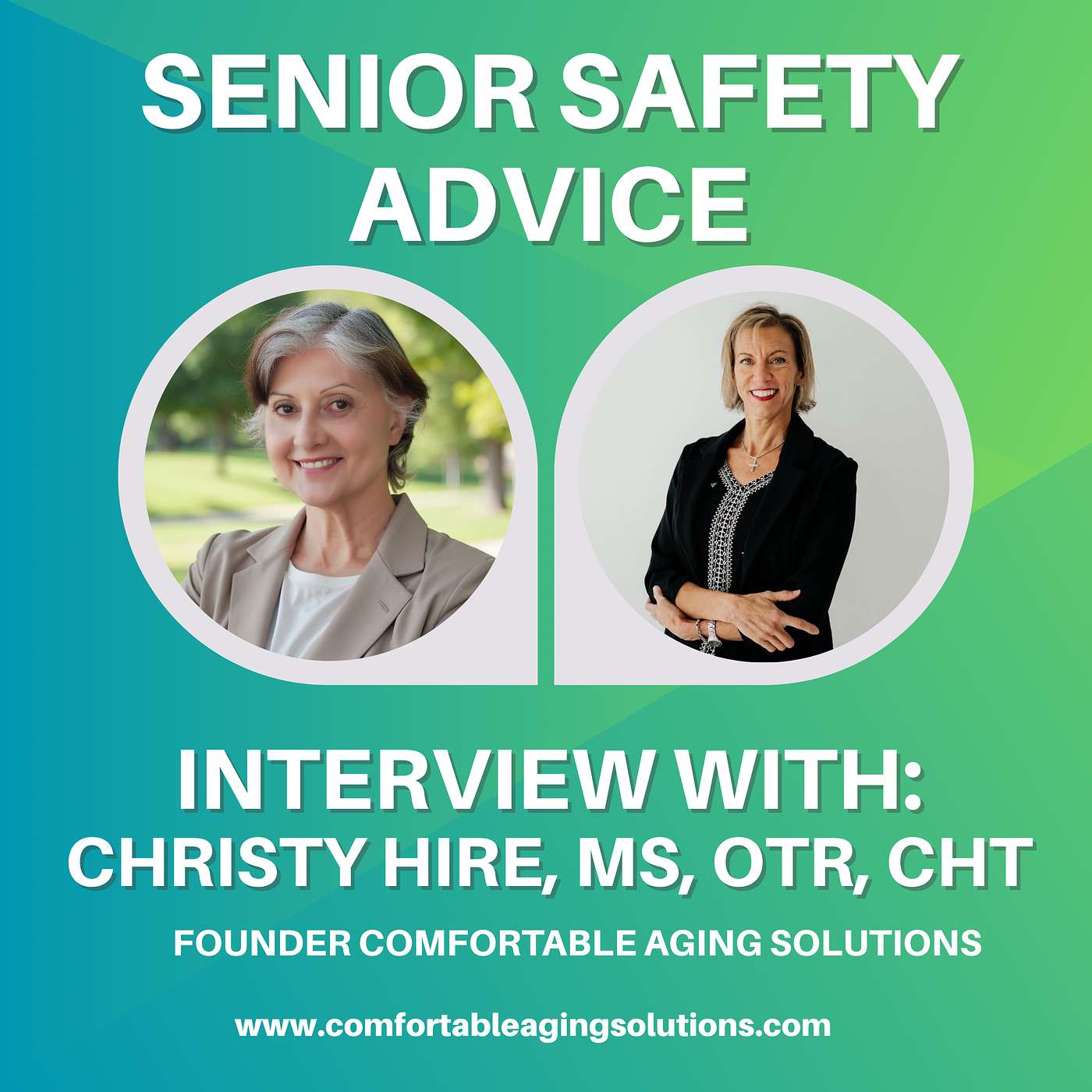
Ep 81Interview with Christy Hire - Comfortable Aging Solutions
Got a comment or idea? Send us a text.What if you could stop the family meltdown before it starts? That’s the heart of our conversation with occupational therapist and certified hand therapist Christy Heyer, founder of Comfortable Aging Solutions, who has spent 25 years watching preventable crises unfold after a fall, a hospitalization, or a rushed discharge. Christy opens up about the rare heart attack that rewired her priorities and the gaps she saw as a patient navigating a system she already knew. Her message is clear: aging in place works when we plan the home, the money, and the roles ahead of time.We dig into the essentials of home safety that actually reduce falls: textured grab bars placed for the real user, not a template; sliding tub benches; zero-threshold showers done right; wider doorways; and decluttering as the first intervention. Christy explains why a trained eye must watch someone move through their spaces to catch hidden risks. We also get honest about cost: private 24/7 care can exceed six figures, and Medicare won’t cover long-term custodial support. The antidote is a coordinated team—elder law attorneys to structure the right trusts, fiduciary financial planners to build a runway, and private care managers to navigate care and benefits.Tech is part of the solution when it matches ability: sensors that detect falls without cameras, voice assistants for reminders and calls, and small smart home upgrades that remove friction. But none of it works if caregivers burn out. We talk about boundaries, micro-breaks, and the guilt that keeps people from asking for help. We also center joy—because daily rituals, humor, and hobbies are medicine for morale and independence. Christy shares how she serves families in Fort Wayne, Indiana, and virtually worldwide, using a comprehensive safety evaluation and step-by-step planning to replace guesswork with confidence.If you want practical steps to prevent chaos, protect relationships, and keep dignity at the center, this conversation is your roadmap. Subscribe, share with someone who needs it, and leave a review to help more families find a better way to age at home.For more information about aging in place and caregiving for older adults, visit our website at SeniorSafetyAdvice.com
Organizing Toiletries for Seniors with Vision Loss
Got a comment or idea? Send us a text.Mornings shouldn’t feel like a puzzle. When vision changes, though, a crowded bathroom counter and lookalike bottles can turn simple routines into a daily stress test. We dive into practical, low-vision strategies that make toiletries easier to find, safer to use, and far less frustrating—without expensive renovations. Drawing on years of occupational therapy and aging-in-place experience, Esther shares what actually works for seniors navigating glaucoma, cataracts, and macular degeneration.We start with the quiet power of less: decluttering the counter to remove visual noise and separating daily essentials from occasional products. From there, we build consistency—giving each item one clear home so muscle memory can guide the hands when eyesight can’t. You’ll learn how to use contrast like a pro: dark trays on light counters, light bins on dark shelves, and wall-mounted dispensers that eliminate guesswork in the shower. We cover labeling that seniors can actually read—large, bold, high-contrast fonts—and tactile cues that win in steam and low light, like rubber bands, raised dots, or textured tape to tell similar bottles apart by touch.Accessibility isn’t just what you store; it’s where you store it. We explain how keeping essentials between waist and chest height prevents risky bending and reaching, and why soft, even illumination beats harsh glare for low-vision bathrooms. Motion-sensor night lights, under-cabinet accents, and gentle lighting around mirrors create a safer path and clearer reflections. Most important, we talk about dignity: involve your loved one in every decision, avoid scolding when mistakes happen, and instead redesign the environment to support success. Start small—one drawer, one shelf, one habit—and watch daily routines become calmer, safer, and more independent.If this resonated, share it with someone who could use a gentler bathroom routine. Subscribe for more daily tips on senior safety and aging in place, and leave a review to help others find these resources. Your feedback helps us reach more families who need practical, compassionate guidance.For more information about aging in place and caregiving for older adults, visit our website at SeniorSafetyAdvice.com
Lighting Tips for Safer Nighttime Bathrooms
Got a comment or idea? Send us a text.We share how simple, low-cost lighting changes can prevent nighttime bathroom falls and make late-night trips calmer and safer. From motion-activated path lights to warm bulbs and dimmers, we explain what to place where and why it works for aging eyes.• the real reason night falls happen is darkness, not clumsiness• how aging eyes handle brightness changes and glare• motion-activated pathway lights from bed to bathroom• low-level entry lights that avoid harsh overhead glare• even, diffused bathroom lighting to remove shadows• under-vanity strips and soft toilet lights for guidance• matching brightness levels across the whole route• warm white bulbs at 2700–3000K to reduce glare• dimmers for control and comfort at night• backup emergency lights for power outages• hydration confidence through safer lighting• quick, no-remodel upgrades that work todayPlease share this episode with someone you care about who can use the information to make their life safer tooYou'll find more resources for seniors and caregivers on our website at Senior SafetyAdvice.comIf you're searching for an Aging in Place specialist, please visit our sister website at AgingInplace Directory.comOh yes, and if you have not subscribed to our YouTube channel or to this podcast yet, go ahead and do that right nowFor more information about aging in place and caregiving for older adults, visit our website at SeniorSafetyAdvice.com
Why Temperature Control Prevents Burns
Got a comment or idea? Send us a text.A safe home should feel calm, not surprising—and few things break that calm like an unexpected burn from hot water, a microwave dish, or a heating pad left on too long. We dig into the quiet power of temperature control and share the small upgrades that protect thin, aging skin while preserving comfort and independence. From setting the water heater to 120°F to installing anti-scald shower valves, these changes stay invisible in daily life but make a big difference when it matters.We walk through the biggest hotspots in the home with practical, low-cost fixes. In the bathroom, consistent water temperature prevents sudden surges that catch people off guard, especially when reaction time and balance aren’t what they used to be. In the kitchen, we show how to handle microwaved bowls, stir and rest hot liquids, and switch to safer mugs and microwave covers that keep hands away from heat. We also talk about upgrading heating pads and electric blankets to models with timers and auto-off, and we lay out simple rules for space heaters: three feet of clearance, stable hard surfaces, and careful moisture management for dry skin.Underlying it all is a compassionate reminder that burns are often preventable, and that planning ahead is not about limiting independence—it’s about extending it. Health conditions like diabetes, neuropathy, stroke, arthritis, and dementia change sensation and judgment, but thoughtful design keeps daily routines safe and predictable. You’ll leave with checklists you can act on today: test your water, adjust your heater, upgrade a few tools, and create habits that make warmth feel like comfort again.If these insights help, share this episode with someone who could use a gentle safety nudge, and subscribe to the show for daily calm guidance and practical tips. Your support helps us reach more families who want a safer, kinder home.For more information about aging in place and caregiving for older adults, visit our website at SeniorSafetyAdvice.com
Connection Can Calm Your Nervous System And Reduce Blood Pressure
Got a comment or idea? Send us a text.Ever notice how your shoulders drop and your breath slows when someone you trust walks into the room? That shift isn’t just in your head—it’s in your heart, your vessels, and your blood pressure. We unpack how meaningful connection signals safety to the nervous system, easing tension, steadying heart rhythms, and gently nudging blood pressure down over time.We share why loneliness is more than an uncomfortable feeling; it’s a measurable health risk linked to hypertension, heart disease, anxiety, depression, and even mortality. Drawing on clinical insights and real-world caregiving experience, we explain the biology of “always on” alert, how isolation tightens vessels and elevates stress hormones, and why small, consistent contact—texts, brief calls, quiet company—builds predictability the body can relax into. No big social events required; quiet presence counts.Caregivers will hear validation and practical relief. We talk about the hidden load of doing everything alone, the power of being checked on rather than controlled, and how laughter acts like real medicine by relaxing vessels and lowering stress chemistry. You’ll learn why people take better care of themselves when they feel they matter, and how to audit connection with three questions: Is there enough? Is it consistent? Is it kind? From simple routines to moments of joy before bed, we outline easy steps any family can start today.If heart health is on your mind—yours or someone you love—don’t just look at the numbers on the cuff. Look at the whole picture and begin with one genuine touchpoint at a time. If this resonates, share it with a friend, subscribe for more daily tips, and leave a quick review to help others find supportive, science-informed guidance.For more information about aging in place and caregiving for older adults, visit our website at SeniorSafetyAdvice.com
Shower Chairs: What to Look For
Got a comment or idea? Send us a text.We share a practical guide to choosing a shower chair that prevents falls and builds confidence. From stability and weight limits to transfer benches and cleaning, we give clear steps to match the chair to the body and the bathroom.• why stability and rubber feet matter• choosing a safe weight capacity with buffer• setting adjustable height for 90-degree knees• seat design with drainage and contour• when armrests help and when they hinder• backrests for bathtubs and limited balance• transfer bench for stepping over tub walls• plastics and aluminum vs wood longevity• fitting the footprint without blocking drains• smooth surfaces for easy cleaning routines• safety as a path to independence at homePlease share this episode with someone you care about who could use the information to make their life saferYou'll find more resources for seniors and caregivers on our website at Senior SafetyAdvice.comIf you're searching for an aging in place specialist, please visit our sister website at AgingInPlace Directory.comOh yeah, and if you haven't subscribed to our YouTube channel or to this podcast yet, go ahead and do that right nowFor more information about aging in place and caregiving for older adults, visit our website at SeniorSafetyAdvice.com
Non-Slip Mats That Actually Work
Got a comment or idea? Send us a text.A tiny slip near the sink can change everything. We walk through the quiet hazards hiding in bathrooms—slippery tile, curling corners, and “cute” throw rugs—and show how the right non-slip mat can guard balance, reduce tripping, and support independence without adding clutter. Drawing on real OT experience, we explain why low-pile thickness, heavier weight, and full rubber backing matter, and how smart sizing and placement reduce edges that catch toes, canes, and walkers. You’ll learn the difference between suction-cup mats and adhesive strips in showers, why towels on the floor are a no-go, and how routine cleaning keeps grip strong over time.Safety doesn’t stop at the mat. We talk footwear that actually helps—closed-heel, grippy soles—and why changing balance needs more than home gadgets. If your stability has slipped, we suggest concrete next steps: ask your doctor for a physical therapy referral, build strength and reactive balance, and pair those gains with simple upgrades like better lighting and well-placed grab bars. Planning beats scrambling after a fall, and a few careful choices can turn a risky room into a steadier space.To help you shop smart, we compare store shelves with online options, where reviews and materials are easier to vet. Our bottom line is clear: choose a large, low, absorbent mat with full rubber backing, clean under it weekly, let floors dry before replacing it, and retire any mat that slides or curls. Share this with someone who keeps a towel on the floor, and let’s trade risky rugs for safer steps. If this helped, subscribe, leave a review, and pass it along to a friend who could use a steadier bathroom.For more information about aging in place and caregiving for older adults, visit our website at SeniorSafetyAdvice.com