Senior Safety Advice
393 episodes — Page 4 of 8
The Role of an Occupational Therapist in Home Safety: How They Help You Stay Safe and Independent
Gardening Safely as You Age
Safety in the Kitchen: A Spring Refresh to Make Cooking Easier and Safer
Organizing Closets for Accessibility
Easy Home Fixes You Can Do This Weekend to Stay Safe and Independent
The Power of Lighting in Fall Prevention
In this episode, Robin Schiltz explains why proper lighting is one of the most overlooked — yet powerful — ways to prevent falls at home. Drawing on her experience as a Senior Home Safety Specialist and Dementia Care Specialist, she shares simple, practical ways to improve lighting in key areas like hallways, bathrooms, kitchens, and entryways. Listeners will learn how aging eyes respond to light, why shadows and glare increase fall risk, and what small changes can make a big difference. For more helpful tips and resources, visit SeniorSafetyAdvice.com.#lighting for fall prevention in seniors#how to prevent falls at home elderly#best lighting for seniors home safety#night lighting safety tips for elderly
Rearranging Furniture for Safer Movement: Simple Changes That Can Help Prevent Falls at Home
In this episode of the Daily Senior Safety Advice Podcast, Esther Kane explains how furniture placement can affect safety, fall risk, and confidence at home. Drawing on her experience as a retired Occupational Therapist, Certified Aging in Place Specialist, and Dementia Care Specialist, she shares simple ways to create safer pathways and more supportive living spaces for older adults. This episode is especially helpful for seniors and family caregivers who want practical home safety tips that are easy to apply. Visit SeniorSafetyAdvice.com for more guidance and resources to support safe, independent living.
Why Spring Is the Best Time to Declutter
In this episode, Robin Schiltz, Senior Home Safety Specialist and Dementia Care Specialist, explains why spring is the perfect time to declutter your home. She shares how reducing clutter can improve safety, lower fall risk, and create a calmer, more manageable living space for older adults. You’ll also hear simple, practical tips to help you or your loved one get started without feeling overwhelmed. For more helpful guidance on senior safety and aging in place, visit SeniorSafetyAdvice.com.#spring decluttering tips for seniors #how to declutter for senior safety #reduce fall risk at home elderly #home safety tips for aging in place
The Hidden Dangers at Home: How to Spot Safety Hazards Before They Cause Harm
In this episode of the Daily Senior Safety Advice Podcast, Esther Kane explains how to spot hidden home hazards that can increase the risk of falls, injuries, and loss of confidence for older adults. Drawing on her experience as a retired Occupational Therapist, Certified Aging in Place Specialist, and Dementia Care Specialist, Esther shares simple ways families and seniors can look at the home with fresh eyes and notice the dangers that are easy to miss. She also explains why familiar spaces can still become unsafe over time. Visit SeniorSafetyAdvice.com for more practical tips and support for aging safely at home.
How To Reclaim Your Confidence After An Injury
After an injury or fall, many older adults feel unsure, cautious, and even afraid to move the way they used to. In this episode, Senior Home Safety Specialist Robin Schiltz shares simple, reassuring steps to help rebuild confidence safely and gradually. Drawing from years of experience working with older adults, she explains how small wins, home safety changes, and gentle movement can help restore both physical strength and emotional confidence. For more supportive tips and resources, visit SeniorSafetyAdvice.com.#rebuilding confidence after a fall #senior fall recovery tips #overcoming fear of falling seniors #how seniors regain mobility after injury
Coping with Anger or Frustration
In this episode of the Daily Senior Safety Advice Podcast, Robin talks about how older adults and family caregivers can cope with anger or frustration in healthy, practical ways. She explores why these feelings often show up, what they may be signaling, and how simple changes in routine, environment, and self-awareness can help restore calm. Visit SeniorSafetyAdvice.com for more helpful tips and resources.#coping with anger in older adults#caregiver frustration help#how seniors can manage stress#emotional support for family caregivers
How Caregivers Can Support Safe Movement Without Taking Over
In this episode, Esther Kane, a retired Occupational Therapist and Certified Aging in Place Specialist, explains how caregivers can support safe movement without taking away independence. She shares practical strategies to help older adults stay strong, confident, and safe while maintaining dignity. This episode offers gentle guidance for finding the right balance between helping and allowing independence. Learn more at SeniorSafetyAdvice.com.
Home Modifications That Encourage Daily Movement
In this episode, Robin Schiltz, Senior Home Safety Specialist, shares how simple home modifications can encourage safe, daily movement for older adults. She explains how the setup of a home can either support strength and independence or quietly lead to more sitting and weakness. Drawing from her experience, Robin offers practical, easy-to-apply changes that help seniors move more confidently throughout the day. For more helpful tips and resources, visit SeniorSafetyAdvice.com.#home modifications for seniors #encouraging movement in older adults #aging in place home safety tips #preventing weakness and falls at home
Looking Back, Moving Forward: Celebrating Your Mobility Wins This March
In this episode of the Daily Senior Safety Advice Podcast, Esther Kane reflects on March as Mobility and Independence Month. She gently guides listeners through recognizing progress, embracing small wins, and understanding the emotional side of mobility changes. Drawing on her experience as a retired occupational therapist, Esther offers practical encouragement to help seniors and caregivers stay confident and independent. Visit SeniorSafetyAdvice.com for more support and resources.
Encouragement: You’re Stronger Than You Think
In this encouraging episode, Robin Schiltz reminds seniors and family caregivers that strength doesn’t always look the way we expect. Drawing from her experience as a Senior Home Safety Specialist, she shares how everyday actions, small adjustments, and quiet persistence are powerful signs of resilience. Listeners will learn how to recognize their own progress, shift their mindset, and build confidence while aging in place. For more supportive guidance and practical tips, visit SeniorSafetyAdvice.com.#aging in place encouragement #caregiver emotional support #senior confidence and resilience #coping with caregiving stress
Tips for Recovering After a Fall
In this episode, Esther Kane, retired Occupational Therapist, CAPS, and Dementia Care Specialist, shares practical and reassuring tips for recovering safely after a fall. She explains how to rebuild strength, restore confidence, and prevent future falls using simple, everyday strategies. This episode is designed for older adults and family caregivers who want to support safe recovery at home. For more guidance, visit SeniorSafetyAdvice.com.
Daily Senior Safety Advice Podcast – Creating a Movement Routine You’ll Actually Keep
March is Mobility and Independence Month, and in this episode of the Daily Senior Safety Advice Podcast, I’m sharing a simple, realistic approach to staying active, without the pressure of “perfect” exercise routines.I’m Esther Kane, a retired occupational therapist and Certified Aging in Place Specialist, and I help families make practical changes to keep older adults safe, independent, and confident at home.Today, we’re talking about why most movement routines fail, and what actually works instead. If you or someone you care for has ever struggled to stick with exercise, this episode will help you rethink the process in a way that fits real life.You’ll learn:Why simple routines are more effective than complicated onesHow to build movement into your daily habits without adding stressThe role of patterns (not willpower) in staying consistentWhy “low expectations” can actually lead to better resultsHow to adapt routines as energy, health, and life changeWe’ll also talk about how movement can improve mood, reduce caregiver burnout, and strengthen connection when done together.This episode is all about taking the pressure off and helping you find a routine that feels doable, flexible, and sustainable.Because movement doesn’t have to be perfect, it just has to fit your life.For more practical tips and resources, visit: SeniorSafetyAdvice.com AgingInPlaceDirectory.com
The Mental Health Benefits Of Simple Movements For Seniors
In this episode, Esther Kane talks about the mental benefits of staying active for older adults. Drawing on her experience as a retired Occupational Therapist, Certified Aging in Place Specialist, and Dementia Care Specialist, she explains how simple daily movement can support mood, reduce stress, improve confidence, and help with mental sharpness. This episode offers gentle, practical encouragement for seniors and family caregivers who want to support emotional well-being through safe activity. Visit SeniorSafetyAdvice.com for more tips and resources.
Mobility Aids That Make a Big Difference
In this episode, Robin Schiltz explains how the right mobility aids can make a meaningful difference in safety, confidence, and independence for older adults. Drawing on her experience as a Senior Home Safety Specialist, she walks listeners through practical tools like canes, walkers, grab bars, and simple dressing aids. Robin also shares how to recognize the early signs that extra support may be needed before a fall occurs. For more helpful tips and trusted resources, visit SeniorSafetyAdvice.com.#mobility aids for seniors #best walkers and canes for elderly #fall prevention tools for older adults #home safety equipment for seniors
When to Ask for a Mobility Assessment
In this episode, our Senior Home Safety Specialist, explains when it’s time to ask for a mobility assessment and why waiting for a fall may be too late. Drawing from years of experience working with older adults, she shares the early warning signs families often overlook, from subtle changes in walking to fear of falling. This episode offers practical guidance to help seniors stay safe, independent, and confident at home. For more helpful tips and resources, visit SeniorSafetyAdvice.com.#when to ask for a mobility assessment#signs of mobility problems in seniors#fall prevention for older adults#physical therapy for elderly balance
How Balance Exercises Build Confidence
In this episode of the Daily Senior Safety Advice Podcast, Robin Schiltz explains how simple balance exercises can do more than prevent falls—they can rebuild confidence and restore independence. Drawing from her experience as a Senior Home Safety Specialist, she shares how fear of falling affects movement and how gentle, consistent practice can help break that cycle. Listeners will learn easy, practical exercises that can be done safely at home, along with encouragement for both seniors and family caregivers. For more helpful tips and resources, visit SeniorSafetyAdvice.com.#balance exercises for seniors#how to improve balance in older adults#fall prevention tips for seniors at home#building confidence after a fall elderly#safe exercises for elderly balance and stability
Gentle Yoga For Seniors That Improves Mobility And Confidence
Got a comment or idea? Send us a text.Stiff mornings, shaky balance, and that quiet worry about falling can make everyday life feel smaller than it should. I’m Esther Kain, a retired occupational therapist and certified aging in place specialist, and I’m sharing a simple practice that supports mobility and independence without pushing your body past its limits: gentle yoga for seniors. No pretzel poses, no pressure to get on the floor, and nothing that should ever hurt. Just steady, supported movement that meets you where you are today.We talk through the real-life benefits I see again and again, starting with stiffness relief. When joints warm up slowly, walking and moving around the house can feel smoother, and that comfort often brings back confidence. We also explore how adaptable this can be, whether you prefer chair yoga, standing movements with a wall nearby, or a fully seated routine if balance is a concern. If arthritis, joint replacements, or limited mobility have made exercise feel risky, you’ll hear practical ways to make gentle movement feel safe and doable.Breathing is a big part of the conversation too. Many of us start breathing shallowly without noticing, especially under stress. Slower inhales through the nose and longer exhales can relax tight muscles, calm the nervous system, and even change how strongly pain shows up. From there, we connect yoga to fall prevention through body awareness, posture, and core strength, plus the sleep benefits that often come from releasing neck, shoulder, and lower-back tension during the day.I also share simple safety guidelines, smart use of props like a sturdy chair or cushions, and how caregivers can do gentle movements alongside a loved one to create a calmer moment for both of you. If you’re ready to try, start with a short YouTube routine, stay consistent, and notice how you feel before and after. Subscribe, share this with someone who needs safer movement options, and leave a review so more seniors and caregivers can find this support.For more information about aging in place and caregiving for older adults, visit our website at SeniorSafetyAdvice.com
How to Make the Home Mobility-Friendly
In this episode, we explain how to make your home more mobility-friendly so you can move safely and confidently every day. We'll share simple, practical changes that can reduce fall risks and support independence. From lighting and flooring to bathrooms and stairs, this episode walks listeners through what really makes a difference. For more helpful tips and resources, visit SeniorSafetyAdvice.com.#home mobility safety for seniors#aging in place home modifications#fall prevention tips for older adults#how to make home wheelchair or walker friendly
Why Pain Shouldn’t Be Ignored
Got a comment or idea? Send us a text.We challenge the idea that pain is simply part of getting older and explain why pain is your body’s way of sending safety signals. We connect ignored pain to falls, low confidence, and lost independence, then share clear steps to respond early and wisely. • Pain as useful information rather than weakness or complaining • How knee, hip, and back pain change gait and balance • The slow cycle where moving less makes mobility harder • Warning-sign pain that should not be ignored • The link between chronic pain, mood, sleep, and fall risk • Simple pattern-tracking questions to ask yourself • Why “more pills” is not the only answer • Home safety fixes that can reduce pain, including grab bars and better chair setup • Treating pain as feedback and practicing self-kindness Please share this episode with someone you care about who could use the information to make their life safer. You'll find more resources for seniors and caregivers on our website at Senior SafetyAdvice.com. And if you're searching for an aging in place specialist, please visit our sister website at Aging in Place Directory.com. Also, if you haven't subscribed to our YouTube channel or to this podcast yet, go ahead and do that right now and then come back tomorrow for another daily moment of guidance and encouragement right here on the Senior Safety Advice Podcast. For more information about aging in place and caregiving for older adults, visit our website at SeniorSafetyAdvice.com
How To Get A Loved One With Dementia Moving Safely
Got a comment or idea? Send us a text.Getting a loved one with dementia to “exercise” can feel like a daily battle, and I want to take that pressure off. Movement often drops because dementia changes planning, attention, and confidence, and what looks like stubbornness is frequently fear of falling or confusion about what you’re asking. I’m Esther Kane, a retired occupational therapist and certified aging in place specialist, and I share a practical, dignity-first way to support mobility and independence without turning your day into a therapy session.We talk about why movement works better when it’s familiar and purposeful. Instead of walking laps or following multi-step instructions, we lean into real-life tasks that still build strength and balance: folding towels, watering plants, setting the table, standing at the counter while you prep lunch, or taking a short hallway walk together. I also explain how seniors with dementia often mirror what’s happening around them, so your body language and simple cues can do more than extra words.Safety is the foundation. We cover quick home checks for fall prevention, including cluttered pathways, shifting throw rugs, and dim or uneven lighting. Then we connect the dots between gentle movement and mood, sleep, appetite, and agitation, and I share why calm, simple praise reinforces success while forcing movement can increase resistance and fall risk. If you’re caring for someone with Alzheimer’s or dementia and trying to help them age in place safely, this will give you clear next steps you can use today.Subscribe to the podcast or our YouTube channel, share this with a caregiver who needs it, and leave a review so more families can find these senior safety and dementia caregiving tips.For more information about aging in place and caregiving for older adults, visit our website at SeniorSafetyAdvice.com
Everyday Habits That Support Leg Strength
Got a comment or idea? Send us a text.We share eight simple, science-backed habits that build leg strength and balance at home using the moments you already have. Robin explains how tiny choices—standing more, moving with control, and walking with purpose—protect confidence and independence.• daily breaks from sitting to wake thigh muscles• slow sit and slow stand for controlled strength• safe one-leg balance to train hips and ankles• longer indoor routes for extra steps• stairs used carefully for natural loading• small resistance added to chores• isometric holds while toothbrushing• purposeful walking to improve gait and balance• safety checks and red flags for medical follow-up• resources for seniors and caregiversPlease share this episode with someone you care about who could use the information to make their life saferYou'll find more resources for seniors and caregivers on our website at SeniorsafetyAdvice.comIf you're searching for an Aging in Place specialist, please visit our sister website at Aging in Place Directory.comAlso, if you haven't yet subscribed to our YouTube channel or to this podcast, go ahead and do that right now, and then come back tomorrow for another daily moment of guidance and encouragement right here on the Senior Safety Advice PodcastFor more information about aging in place and caregiving for older adults, visit our website at SeniorSafetyAdvice.com
Rest Keeps Seniors Safer Than Pushing Through Fatigue
Got a comment or idea? Send us a text.Pushing through fatigue sounds tough and admirable until your body pushes back. Today we challenge a common belief that quietly raises fall risk for older adults: the idea that resting is “being lazy”. From the start, we make the case that rest is a smart safety skill, especially during Mobility and Independence Month, because recovery is where strength is rebuilt and where steadier balance begins. We share a vivid story about active neighbors who “had to” play tennis even when they were clearly injured, and why that mindset can turn small warning signs into longer-term pain and limited mobility. We break down how movement strengthens the body, but rest repairs muscles, calms irritated joints, and resets the nervous system. When you are overtired, reaction time slows, focus drops, and your steps get less precise, which can make trips and falls more likely. We also define what real-life rest can look like for aging in place: not just sleeping, but short pauses built into the day, sitting and changing positions, five to fifteen minutes with feet up, and stopping before exhaustion hits. We talk through rest for arthritis and chronic pain, the importance of mental rest when decision fatigue shows up as clumsiness or overwhelm, and why caregivers need regular breaks to prevent burnout and stay safe while helping someone move. If you want practical senior safety advice, fall prevention strategies, and a healthier balance between activity and recovery, listen now, share it with someone who needs permission to pause, and subscribe or leave a review so more seniors and caregivers can find this support.For more information about aging in place and caregiving for older adults, visit our website at SeniorSafetyAdvice.com
How to Move from Sitting to Standing Safely
Got a comment or idea? Send us a text.We explain why standing up turns wobbly and how a simple five-step routine restores control, reduces fall risk, and builds confidence at home. We also share chair setup tips, assistive device do’s and don’ts, and quick strength builders that make rising easier.• why center of gravity shifts matter• the five safe steps for standing• foot placement and forward lean cues• pause to avoid woozy first steps• normal changes in strength, balance, joints, vision• chair height, firm seats, armrests• correct use of canes and walkers• caregiver guidance without pulling• simple daily exercises to build power• lighting and small home adjustments• turning the routine into a habit• links to more resources for seniors and caregiversPlease share this episode with someone you care about who could use the information to make their life saferYou'll find more resources for seniors and caregivers on our website at Senior SafetyAdvice.comAnd if you're searching for an Aging in Place specialist, please visit our sister website at AgingInplacedirectory.comAnd if you haven't subscribed to our YouTube channel or to this podcast yet, go ahead and do that right now, and then come back tomorrow for another daily moment of guidance and encouragement right here on the Senior Safety Advice PodcastFor more information about aging in place and caregiving for older adults, visit our website at SeniorSafetyAdvice.com
Choosing A Rollator For Confidence And Safety
Got a comment or idea? Send us a text.The quiet signs often show up first: a hand on the countertop, a lean into the shopping cart, a walk cut short even though your mind wants to keep going. We dive into those subtle shifts and make a clear, compassionate case for when a rollator walker can turn fear and fatigue into confidence and freedom. Drawing on years as an occupational therapist, Esther explains how balance changes on the move, why posture drives stability and breathing, and how a seat and brakes can become the difference between staying home and saying yes to life outside.We break down what makes a rollator different from a standard walker—smooth‑rolling wheels, easy hand brakes, and a built‑in rest—and why that matters for longer distances, uneven sidewalks, and busy stores. You’ll learn practical safety steps, from fitting handle height to always locking brakes before sitting, plus when professional evaluation is essential if memory or judgment is in question. We talk candidly about fear of falling and how it reshapes movement, shrinking steps and tensing muscles, and how the right support can reverse that spiral and restore a natural, confident gait.There’s no one‑size‑fits‑all approach. Esther shares real‑world flexibility—using a rollator outdoors but not indoors, or on longer outings but not quick errands—so support fits the day, not your identity. Caregivers will find language that reframes the tool around what it allows: more walking, more connection, more safety. If you’ve noticed changes in balance, stamina, posture, or confidence, consider this your guide to choosing wisely, using safely, and staying proactive rather than reactive.If this conversation helped, tap follow, share it with a friend who’s weighing the same decision, and leave a quick review so others can find these aging in place tips.For more information about aging in place and caregiving for older adults, visit our website at SeniorSafetyAdvice.com
Using a Cane Correctly: Quick Guide
Got a comment or idea? Send us a text.We show how small changes in cane use can make walking safer, smoother, and more confident. From choosing the correct hand and height to a simple stair rule, we offer clear steps that lower fall risk and reduce strain.• cane in the opposite hand of the weak leg• walk pattern as cane plus weak leg then strong leg• set cane height at wrist crease with slight elbow bend• use the stair rule up with the good down with the bad• signs you need an adjustment or different device• why adjustable canes beat fixed wooden styles• practice in open spaces to build confidence• resources for seniors and caregiversPlease share this episode with someone you care about who could use the information to make their life saferYou'll find more resources for seniors and caregivers on our website at Senior SafetyAdvice.comIf you're searching for an aging in place specialist, please visit our sister website at AgingInPlace Directory.comOh, and before I forget, if you haven't subscribed to our YouTube channel or to this podcast yet, go ahead and do that right nowFor more information about aging in place and caregiving for older adults, visit our website at SeniorSafetyAdvice.com
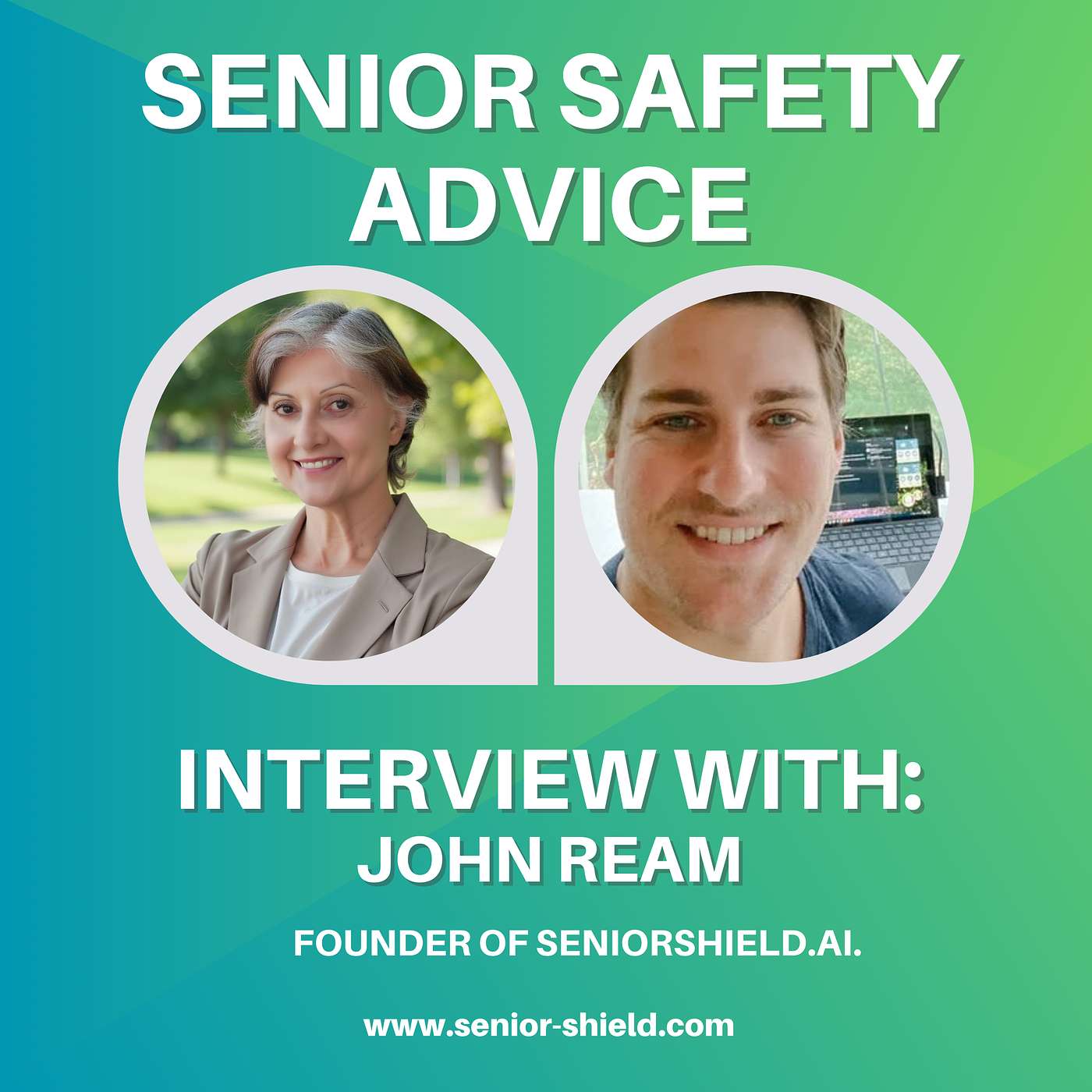
How Senior Shield Uses AI To Protect Seniors From Text And Email Fraud
Got a comment or idea? Send us a text.Think you can always spot a fake text? So did we, until a flawless “overdue toll” message nearly fooled the creator of an anti-scam app. Today we sit down with Senior Shield founder John Reim to unpack how a clear, caregiver-first tool helps seniors verify suspicious messages and avoid expensive mistakes without adding tech stress.John’s story starts at home: his dad faced relentless pop-ups and phishing attempts, leaving his mom to cancel cards and clean up the mess. That personal experience shaped Senior Shield’s design, simple screens, calm language, and three practical layers of protection. First, you paste a suspicious message and sender details, and the app checks a known scam database to flag bad actors. Second, AI analyzes the wording for classic red flags like urgency, payment links, or requests for credentials. Third, weekly scam alerts and in-app quizzes build habits that stick, so family members aren’t relying on memory when pressure hits.We walk through real examples including USPS and EasyPass-style toll scams that look painfully authentic. John demos how the app verifies messages and talks candidly about current constraints: Apple’s privacy rules limit auto-scanning, but Android may allow deeper detection. We also explore why a focused niche beats a one-size-fits-all approach. While big security brands chase the general market, Senior Shield serves seniors and caregivers with accessible pricing and education at its core, free, $0.99, and $3.99 plans that lower the barrier to safer choices.The numbers are sobering: seniors reported over $3.4 billion in losses last year, with average losses around $34,000. Education is the edge. By turning verification into a quick, repeatable step and reinforcing best practices, don’t click bank links from emails, confirm through official apps, treat vague attachments as hazards, families can cut through fear and urgency. We also dig into the roadmap: Android support, smoother onboarding videos, and better hyperlink handling, all informed by real user feedback.If you support an aging parent or want your own phone to act as a first line of defense, this conversation offers a practical playbook. Verify before you tap, share what you learn, and build a family norm where no one clicks alone. Enjoy the episode, then subscribe, leave a review, and tell us the most convincing scam you’ve seen so we can help others spot it sooner.For more information about aging in place and caregiving for older adults, visit our website at SeniorSafetyAdvice.com
Stay Independent With Physical Therapy
Got a comment or idea? Send us a text.What if physical therapy wasn’t just rehab after an injury, but a smarter way to guard your independence day by day? We dive into how targeted, one-on-one PT rebuilds strength, balance, flexibility, and confidence so everyday tasks—standing up, taking the stairs, getting into the shower, or stepping into the car—feel safe again. Instead of generic exercise sheets, we focus on real-life movement, practical cues, and the small wins that stack up to big changes at home.We walk through the subtle warning signs that independence is slipping—avoiding the floor, slowing on stairs, using your arms to push from a chair—and explain how a skilled physical therapist assesses your whole-body movement to design a plan that fits your goals. You’ll hear why breaking the fear-of-falling cycle matters as much as building muscle, how graded practice reduces anxiety, and why a few focused sessions can kickstart lasting progress. We also unpack a critical but overlooked piece of the puzzle: mobility devices. From canes to walkers and rollators, correct selection and fit can lower pain, improve posture, and reduce fall risk, while poor fit does the opposite.Caregivers aren’t left out. Better mobility means safer transfers and less strain for you, and PT can coach hands-on techniques and home tweaks that protect everyone. Most importantly, seeking PT isn’t a setback—it’s a proactive choice to move smarter and stay independent longer. Whether you’re eyeing a return to gardening, longer walks, or simply smoother mornings, this conversation offers practical steps and encouragement to get started.If you found these insights helpful, subscribe, share this episode with someone who needs it, and leave a review. Your support helps more seniors and caregivers discover proven strategies for safer, more confident living.For more information about aging in place and caregiving for older adults, visit our website at SeniorSafetyAdvice.com

Inside SimpliTend: Safer, Smarter Aging At Home
Got a comment or idea? Send us a text.What if aging at home felt safer, clearer, and less chaotic for everyone involved? We sit down with SimpliTend founder Saeed Sachi, a former family caregiver who turned real‑world challenges into a streamlined, two‑app system that supports seniors and the people who love them. Built from the ground up after caring for his mother with Parkinson’s, SimpliTend focuses on what families actually need: dependable routines, fewer errors, and calm in the moments that matter.We explore how the senior and caregiver apps work together to build independence without sacrificing safety. On the phone side, a friends‑and‑family call filter blocks spam and scam attempts, while optional app locks prevent risky taps in banking or ad‑heavy apps. Battery alerts keep devices ready. Outside the home, a pre‑set “take me home” button guides a senior back with turn‑by‑turn directions, geofencing sends a gentle text to the senior and an alert to the caregiver when boundaries are crossed, and real‑time location offers quick peace of mind. For travel, caregivers can update the home address so navigation and geofence adapt on the fly in the US and Canada.Care planning becomes simpler with medication schedules, meal and activity reminders, appointments, and a rich care profile that stores clinicians, allergies, diet, and daily assistance needs. A temporary caregiver mode hands access to a trusted person during breaks, then returns notifications to the primary caregiver with one tap, no more scattered notes on the kitchen counter. Education is built in, too: rotating articles, self‑care content, Parkinson’s and dementia resources, and clear how‑to videos for setup and features. Notifications can be tailored and even mirrored to a smartwatch, and cross‑platform support keeps iOS and Android working smoothly together.Saeed also shares what’s next: privacy‑minded video calling that feels unlimited and easy, plus AI that surfaces meaningful trends, like increased use of the get‑home button. to inform better conversations with clinicians. With the senior app free and the caregiver app just $5.95 per month, SimpliTend aims to remove cost as a barrier to safer, smarter aging in place. If you’re a caregiver, clinician, or senior looking for fewer tools and more clarity, this conversation offers practical steps and a hopeful path forward. Subscribe, share with a friend who’s caregiving, and leave a review to help others find the show.For more information about aging in place and caregiving for older adults, visit our website at SeniorSafetyAdvice.com
What to Do If You Lose Balance
Got a comment or idea? Send us a text.We share calm, practical steps to regain balance, avoid panic, and lower fall risk during those sudden wobbles. We also explain how small daily practice can hardwire safer reflexes and why reflection after a near-miss prevents the next one.• the freeze and widen method for instant stability • gentle hand contact with a stable surface • visual anchoring to stop the room from “moving” • turning in small steps and moving as one unit • taking one slow step and exhaling to regain control • safer use of canes and walkers by bringing them close • lowering yourself if a fall is likely to reduce injury • carrying a phone for quick help after a fall • quick self-checks to spot dizziness, speed, or slick floors • short daily practice to build confident movementPlease share this episode with someone you care about who could use the information to make their life safer You'll find more resources for seniors and caregivers on our website at Senior SafetyAdvice.com If you're searching for an aging in place specialist, please visit our sister website at AgingInPlace Directory.com And if you have not subscribed to our YouTube channel or to this podcast yet, go ahead and do that right now!For more information about aging in place and caregiving for older adults, visit our website at SeniorSafetyAdvice.com
From Universal Design To Ageless Living: Practical Changes That Preserve Safety, Dignity, And Style
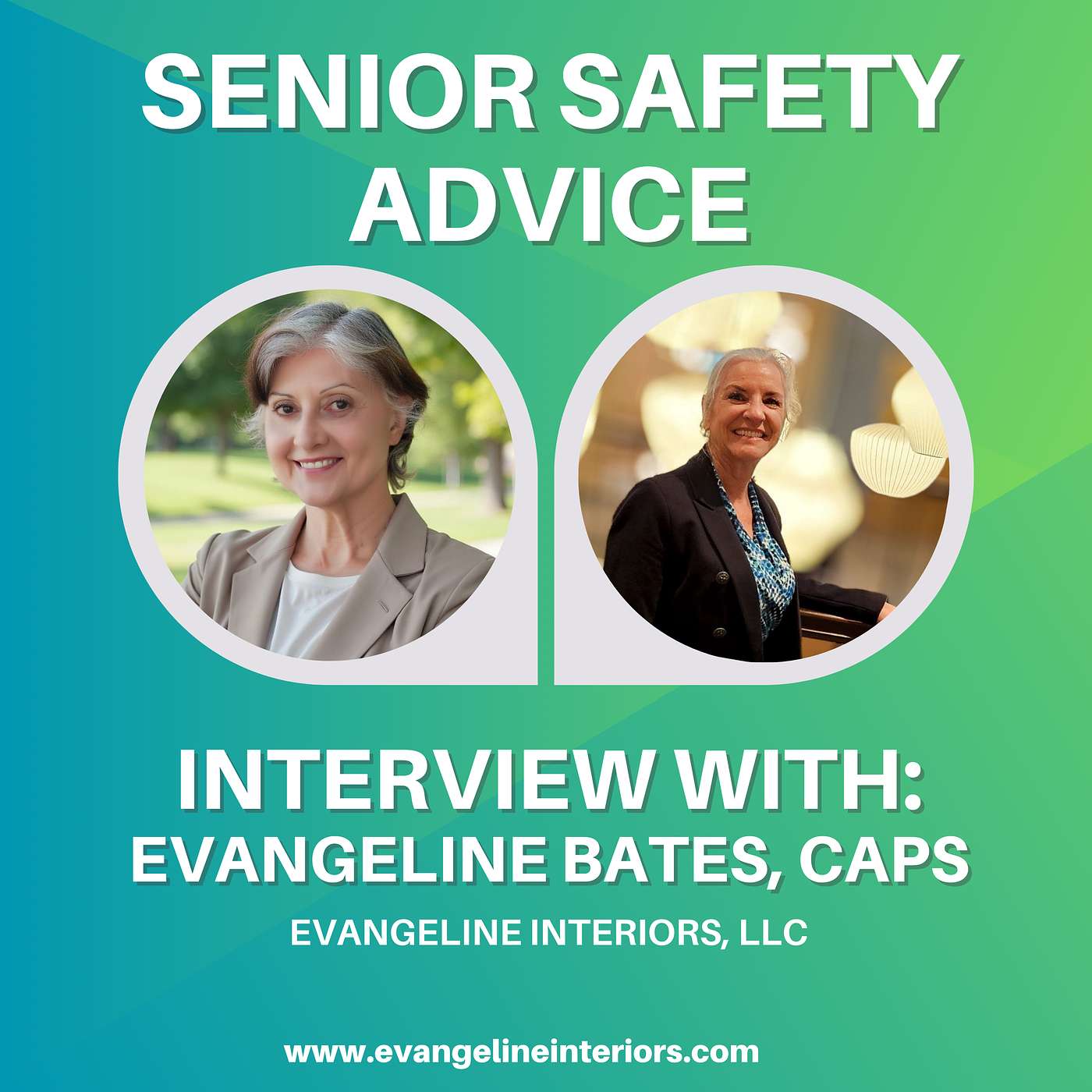
Got a comment or idea? Send us a text.What if your home could quietly protect you without looking clinical? We sit down with interior designer and aging‑in‑place specialist Evangeline Bates to unpack how universal design turns everyday rooms into safer, calmer spaces that still feel like you. From color choices that support aging eyes to lighting that guides at night, we dig into practical upgrades that lower risk and lift quality of life.Evangeline shares the journey that moved her from traditional interiors to ageless living, including the personal moment that made the mission real. We walk through her assessment process step by step: starting at the front walk, spotting hazards in entries, prioritizing quick wins inside, and mapping bigger projects without overwhelming the homeowner. You’ll hear why levers beat knobs, why the microwave belongs off the range, and how low‑glare counters and bold edge contrast reduce trips, slips, and guesswork.We also explore the human side: earning trust, honoring style, and making change feel like an upgrade, not a diagnosis. Tech takes the stage too—touchless faucets, fall‑detecting ceiling lights, and voice assistants that can be beautiful as well as helpful. Materials that clean fast and last longer, like grout‑free shower surrounds and pull‑out storage, cut maintenance demands that often force moves. And yes, we make the case for bidet seats as a dignity‑saving, sustainable standard.If you’re a homeowner, designer, OT, or caregiver, you’ll leave with a checklist of simple changes and a new lens for safety that looks like good design. Ready to future‑proof your favorite rooms without the hospital vibe? Press play, then subscribe, rate, and share this episode with someone planning to stay put. Your review helps more families find smart ideas for aging at home.For more information about aging in place and caregiving for older adults, visit our website at SeniorSafetyAdvice.com
Why Daily Mini Walks Boost Strength, Balance, And Confidence
Got a comment or idea? Send us a text.Five minutes can change your day. We explore how short, steady walks—especially after meals—can lift energy, ease stiffness, sharpen focus, and quietly rebuild confidence without chasing step counts or punishing workouts. As a retired occupational therapist and certified aging‑in‑place specialist, I share practical, low‑risk strategies to make walking safe, simple, and sustainable for older adults and caregivers alike.We get specific about what makes short walks so effective: improved circulation to the legs and feet, natural joint lubrication that reduces hip and knee stiffness, and deeper breathing that brings more oxygen to the brain. Worried about balance? I explain why walking gently challenges stability in a good way and how two walking sticks, not just a single cane, can offer more symmetrical support. We also cover essential gear choices like supportive shoes and optional weighted vests to add a light resistance stimulus for bone health, along with smart terrain choices and when to seek medical clearance.You’ll hear how tiny routines—like 10–15 minutes after each meal or laps during TV commercials—add up across the day, building momentum without pushing past limits. For caregivers, these mini walks create moments of connection and low‑pressure conversation while protecting your loved one’s safety and independence. If weather or terrain are barriers, we offer simple indoor routes, from hallway loops to mall walks and safe treadmill use. By the end, you’ll have a realistic plan to start smaller than you think, grow by a few minutes at a time, and let consistency beat distance so mobility becomes part of who you are.If these insights help, share the episode with someone who could use a gentle nudge to get moving. Subscribe and leave a review to help more seniors and caregivers find trustworthy, practical guidance on safe mobility and aging in place.For more information about aging in place and caregiving for older adults, visit our website at SeniorSafetyAdvice.com
How Music Encourages Movement
Got a comment or idea? Send us a text.We show how the right music can spark gentle movement for older adults, reduce the feeling of effort, and make activity feel safe and joyful. Practical steps, from song choices to playlists, help caregivers create small, steady wins without pressure.• why rhythm lights up memory, emotion, and motor pathways• how music lowers perceived effort and eases stiffness• small, safe movements that warm joints and steady balance• matching tempo to motions for better pacing and safety• using familiar songs from teens or twenties to boost engagement• lowering anxiety with calming tracks before any movement• giving control through song choice, volume, and tempo• building short playlists for morning, afternoon, and eveningYou'll find more sources for seniors and caregivers at Senior SafetyAdvice.comFor more information about aging in place and caregiving for older adults, visit our website at SeniorSafetyAdvice.com
Safe Chair Exercises For Seniors At Home
Got a comment or idea? Send us a text.A sturdy chair can change everything. We explore how simple, seated movements rebuild strength, posture, and confidence without the fear of falling—and why that shift can unlock independence at any age. With Esther Kane, a retired occupational therapist and certified aging in place specialist, we break down a practical routine you can start today and keep for life.We begin by setting up a safe base: a solid chair with arms, feet grounded, and supported posture. From there, Esther leads us through accessible exercises that mirror real life—seated marching to cue your walking pattern and boost circulation, knee extensions to power standing and stairs, and gentle arm raises to support posture and transfers. We also dig into shoulder rolls to open the chest and ease neck tension, plus often-ignored ankle and foot work that helps prevent trips and stumbles. Light resistance options like soup cans or water bottles show how to scale safely at home.Core activation and seated reaching round out the routine, building stability for everyday tasks like grabbing a mug or buckling a seatbelt. We talk about micro-routines—sprinkling short sets into morning coffee time or TV commercials—so consistency becomes natural. Most importantly, we outline safety rules, when to stop and adjust, and how a physical therapist can tailor movements to your space and ability. As strength returns and stiffness eases, fear fades. That newfound trust in your body is the real breakthrough, reducing fall risk and making daily life feel possible again.Ready to help someone you love feel steadier and stronger without standing? Share this episode with a friend, visit seniorsafetyadvice.com for more guides, and subscribe to support the show. If it helped you, leave a review and tell us which chair move you’ll try first.For more information about aging in place and caregiving for older adults, visit our website at SeniorSafetyAdvice.com
Living alone increases dementia risk by 40 percent
Got a comment or idea? Send us a text.Original article: https://altoida.com/blog/research-shows-a-link-between-loneliness-and-dementia/Loneliness isn’t just painful—it’s biologically potent. We dig into new research showing that chronic loneliness correlates with a higher ten-year incidence of all-cause dementia, and we unpack the most startling detail: adults under 80 without the APOE4 gene experienced a tripled risk. That twist forces a reframe. If disconnection can elevate risk even when the best-known genetic risk isn’t present, then social life isn’t a soft health metric. It’s a clinical variable that deserves the same vigilance as blood pressure and cholesterol.We walk through the mechanisms that make social absence so damaging. First comes the stimulation gap: conversation, planning, and reading social cues are workouts for executive function, and without them neural pathways weaken. Then the stress cascade kicks in—loneliness triggers the HPA axis, elevates cortisol, and undermines hippocampal health, eroding memory formation over time. Add systemic inflammation that can cross the blood–brain barrier and accelerate amyloid pathology, plus the vascular hit from isolation-linked habits, and you have a multi-front assault on brain longevity.The good news is powerful: loneliness is a modifiable risk factor. We share practical strategies to build cognitive reserve and lower stress biology—structured social commitments, community referrals, hearing support, movement, sleep, and diet that support vascular health. The takeaway is both simple and profound. Investing in real, regular connection may act like neuroprotection, potentially strong enough to influence how risk plays out over decades. If you found this valuable, follow the show, share it with someone who needs to hear it, and leave a quick review with one action you’ll take to strengthen your social ties this week.For more information about aging in place and caregiving for older adults, visit our website at SeniorSafetyAdvice.com
Overcoming Fear of Falling
Got a comment or idea? Send us a text.We unpack how fear of falling begins, how it shapes movement and mood, and how small steps restore confidence. We share breathing cues, micro-exercises, home upgrades, and ways families can spot signs and support without pressure.• naming the specific fear that triggers hesitation• how fear changes posture, breath and gait• deep breathing and calm cues before standing or walking• micro strength and balance drills done daily• when to bring in PT and OT support• simple home upgrades in key risk areas• family signals to watch and how to respond• planning ahead for safer, smoother routines• shifting from fearless to prepared confidenceIf this episode brought a little piece to your day, please share it with someone you care aboutYou’ll find more resources for seniors and caregivers at Senior SafetyAdvice.com and come back tomorrow for another daily moment of guidance and encouragement right here on the Senior Safety Advice podcastFor more information about aging in place and caregiving for older adults, visit our website at SeniorSafetyAdvice.com
Good Posture Quietly Lowers Fall Risk And Eases Everyday Pain
Got a comment or idea? Send us a text.Slouching sneaks up on us, and the cost is bigger than a stiff neck. Esther Kane, retired occupational therapist and certified aging in place specialist, breaks down how posture quietly drives fall risk, drains energy, and narrows your breath—and how small, repeatable cues can flip the script. We walk through the everyday places posture slips first, from deep couches to kitchen chairs, then rebuild alignment with simple fixes that make the first step from a seat steadier and less scary.You’ll learn practical alignment checkpoints that actually stick: planting your feet, scooting your hips back, and using a small lumbar pillow for support; imagining a gentle lift through the crown of your head while your shoulders relax; and opening your chest with your gaze on the horizon to smooth out your walking pattern. Esther explains why better posture improves oxygen flow to the brain, sharpening focus and reaction time, and how a centered stance reduces neck and shoulder tension without adding another exercise to your routine. We also spotlight caregivers, who often hunch under time pressure, and share fast resets that protect their backs during daily tasks.By the end, you’ll have a toolkit of low-effort posture cues for sitting, standing, and walking that lower fall risk, ease pain, and boost confidence—no perfection required. Try the three-point walking check, add a lumbar support to your favorite chair, and set a gentle reminder to reset your stance while waiting in line. If these tips help, share this episode with someone who could use a steadier step, and subscribe for more daily senior safety advice. Your posture can change your day—one small adjustment at a time.For more information about aging in place and caregiving for older adults, visit our website at SeniorSafetyAdvice.com
Adaptive Shoes That Prevent Falls
Got a comment or idea? Send us a text.We unpack how the wrong shoes trigger falls and how adaptive footwear restores balance, comfort, and confidence. Robin shares a clear checklist to choose shoes that reduce risk at home and keep loved ones independent longer.• why falls often start at the foot• what adaptive shoes are and how they work• essential features that prevent slips and stumbles• matching traction to home flooring• footwear profiles for diabetes, arthritis, Parkinson’s, neuropathy• why indoor shoes beat socks and slippers• a step-by-step buying checklist for caregivers• the case for acting before a fall happensIf this episode brought a little peace to your day, share it with someone you care about, maybe someone who could use a reminder to pause and reflectYou’ll find more resources for seniors and caregivers at SeniorSafetyAdvice.comCome back tomorrow for another daily moment of guidance and encouragement right here on the Senior Safety Advice podcastFor more information about aging in place and caregiving for older adults, visit our website at SeniorSafetyAdvice.com
How Independa Turns Any TV Into A Health And Connection Hub For Older Adults
Got a comment or idea? Send us a text.What if the most powerful tool for aging well is already in the living room? We sit down with founder and CEO Keon Sanei to unpack how Independa turns an ordinary TV into a Health Hub that keeps older adults connected, informed, and supported without forcing them into new tech habits or endless apps.Keon shares the origin story and the big insight: tablets often fail seniors because they’re small, fiddly, and easy to break. A TV, by contrast, is familiar, large-print friendly, and always ready. With LG and Sony integrations, the hub feels like your favorite streaming service, only it adds what families and caregivers actually need—secure video chat, photo and voice sharing, games, daily prompts, and access to telehealth for doctors, dentists, and therapists across all 50 states. For those managing care at a distance, thresholds and alerts for connected devices offer early signals without turning the home into a clinic.We also dig into Angela, the AI companion that guides setup, adapts voice and persona, and answers everyday questions while keeping safety guardrails in place. Behind the scenes, AI helps spot meaningful patterns—changes in routines, skipped weigh-ins, declining engagement—so loved ones can step in sooner. Keon is candid about privacy: the company is HIPAA compliant, doesn’t sell or rent data, and built its own secure video to avoid ad-driven tracking that preys on seniors.The conversation moves beyond senior living to adult day programs, home care, public health, and even prisons—anywhere a simple, universal interface can deliver education, telehealth, and community. We talk partnerships for exercise, at-home labs, pharmacy discounts, and hearing checks, plus what’s next on the wishlist: food delivery, transportation, and vet support. The takeaway is clear: engagement is the engine, simplicity is the design rule, and dignity is the measure of success.If you care about aging in place, remote caregiving, or building humane AI into everyday life, this episode will give you practical ideas and a hopeful roadmap. Subscribe, share with a friend who’s supporting a parent, and leave a review with the feature you’d add to the Health Hub.For more information about aging in place and caregiving for older adults, visit our website at SeniorSafetyAdvice.com
Why Movement Is the Key to Longevity
Got a comment or idea? Send us a text.We share why small, everyday movement drives longer, steadier living and how to make it effortless. Practical cues, anchor habits, and joyful options help protect strength, balance, mood, and memory without a gym or strict plan.• everyday movement as a stronger longevity driver than workouts• why “use it or lose it” protects strength and balance• simple prompts: stand every 30–45 minutes, set reminders• anchor habits: double chair stands, arm circles, parking farther• stretching to reduce stiffness and increase reach• movement to boost mood, energy, and motivation• fun motion: music, kitchen dancing, gardening, pet care• start small if sedentary, listen to your body• brain benefits: blood flow, sharper memory, lower decline risk• consistent, gentle motion to sustain independenceIf this episode resonated with you, share it with someone that you care about who maybe could use a reminder to move a little bit moreYou'll find more resources and advice for seniors and caregivers at Senior SafetyAdvice.com and come back tomorrow for another daily moment of calm and guidance and encouragement right here on the Senior Safety Advice PodcastFor more information about aging in place and caregiving for older adults, visit our website at SeniorSafetyAdvice.com
Love As A Lifeline
Got a comment or idea? Send us a text.The quiet kind of love does more than warm the heart—it changes the body. We close out February’s focus on heart health and emotional resilience by tracing every thread back to a simple anchor: feeling seen and supported calms the nervous system, softens stress, and helps healing stick. From check-in calls and shared meals to fixing a loose rug before it causes a fall, we explore how small, consistent acts of care create safety signals that improve sleep, mood, and stability for seniors and caregivers alike.Drawing on years of occupational therapy and dementia care, Esther Kane shares what she’s witnessed at bedsides and kitchen tables: decline can slow when connection is steady; caregivers endure longer when support is shared; and memory itself can soothe the body by recalling times of true safety. We unpack why overgiving leads to burnout, how respite care is a strategy for sustainability, and what it looks like to receive help without guilt. You’ll hear practical, low-friction steps—like setting predictable routines, building a micro-network of neighbors and friends, and using gentle cues that tell the brain “you’re not alone.”As we step toward March, there’s no need for grand plans. Choose the smallest next act of care, for someone you love and for yourself: a call on the calendar, a quiet laugh, an early bedtime, a yes to offered help. These moments add up, steady the heart, and remind us why we keep going. If the message resonates, share this conversation with someone who needs it, subscribe for more daily guidance, and leave a review so others can find the support they deserve.For more information about aging in place and caregiving for older adults, visit our website at SeniorSafetyAdvice.com
The Caregiver’s Guide to Self-Compassion
Got a comment or idea? Send us a text.We explore why self-compassion is a skill, not a luxury, and how it can make caregiving feel lighter in your mind, heart, and body. Robin shares a 10-second self-compassion pause, practical resets, and ways to let go of perfection while noticing small daily wins.If this episode brought a little peace to your day, share it with someone you care about. Maybe someone who could also use a reminder to have a little self compassion. You’ll find more resources for seniors and caregivers at Senior SafetyAdvice.com and come back tomorrow for another daily moment of guidance and encouragement right here on the Senior Safety Advice Podcast.For more information about aging in place and caregiving for older adults, visit our website at SeniorSafetyAdvice.com
When Anxiety Feels Physical
Got a comment or idea? Send us a text.Your body can’t always tell the difference between a charging bear and a charged thought, and that’s why anxiety so often feels physical. We explore how tight chests, headaches, GI issues, dizziness, and racing hearts can mimic illness, even when test results say you’re fine. Drawing on hard-earned personal experience and years in dementia and senior care, we connect the dots between emotional stress, caregiving strain, menopause, aging, and the nervous system’s alarm response.Together, we map out practical steps to break the loop. You’ll learn how hyper-awareness keeps symptoms alive, why breath gets shallow and muscles lock up, and how to reverse those signals with simple, body-first tools. We walk through slow diaphragmatic breathing, grounding strategies you can do anywhere, and gentle movement like walking, yoga, or tai chi to settle the system. We also talk about designing small routines and predictable rituals that restore a sense of control—vital for seniors and caregivers navigating constant change. From adjusting your information diet to choosing calmer social settings, we share choices that reduce baseline anxiety.We don’t ignore the medical side. Getting checked is smart; once emergencies are ruled out, the goal shifts to management, not fear. Medication can be a helpful bridge when symptoms are too intense to tackle with skills alone, creating space for the practices that actually work. By learning your body’s early signals and talking to yourself with clarity and compassion, you can ride anxiety’s waves without escalating them. Share this with someone who needs to hear that their symptoms are real—and manageable.If this helped, subscribe, leave a review, and share it with a caregiver or senior in your life. Your support helps more people find calm, clarity, and safer days.For more information about aging in place and caregiving for older adults, visit our website at SeniorSafetyAdvice.com
Loving Yourself Through the Caregiving Journey
Got a comment or idea? Send us a text.We talk about the hidden emotional weight of caregiving and why self-care is not selfish but essential. Robin shares five practical steps to protect energy, ask for help, and keep a sense of self while caring with love.• naming caregiver guilt and invisible stress• why emotional honesty lowers pressure• how planned breaks protect stamina• specific ways to ask for support• kinder self-talk that builds resilience• holding identity and joy beyond caregiving• links to resources for safety and respitePlease share this episode with someone you care about who could use the information to make their life saferYou'll find more resources for seniors and caregivers on our website at Senior SafetyAdvice.com, and if you're searching for an Aging in Place specialist, please visit our sister website at AgingInPlace Directory.comAlso, if you haven't subscribed to our YouTube channel or to this podcast yet, go ahead and do that right now and then come back tomorrow for another daily moment of guidance and encouragement right here on the Senior Safety Advice podcastFor more information about aging in place and caregiving for older adults, visit our website at SeniorSafetyAdvice.com
Heart-Healthy Grocery Shopping Tips
Got a comment or idea? Send us a text.We walk through a simple, realistic way to shop for heart health, from reading labels fast to filling the cart with color and fiber. The focus stays on practical choices that lower blood pressure, support healthy cholesterol, and help older adults stay strong at home.• using the store perimeter to find whole foods• filling half the cart with colorful produce• choosing lean proteins and omega-3 rich fish• picking whole grains with whole as first ingredient• scanning labels for sodium, added sugar, saturated fat• selecting low fat dairy and reasonable portions• upgrading snacks to nuts, fruit, yogurt, whole grain crackers• avoiding hungry shopping to reduce impulse buys• valuing consistency over perfection for lasting changePlease share this episode with someone you care about who could use the information to make their life saferYou'll find more resources for seniors and caregivers on our website at SeniorSafetyAdvice.comIf you're searching for an aging in place specialist, please visit our sister website at Aging in Place Directory.comAlso, if you haven't subscribed to our YouTube channel or to this podcast yet, go ahead and do that right nowThen come back tomorrow for another daily moment of guidance and encouragement right here on the Senior Safety Advice PodcastFor more information about aging in place and caregiving for older adults, visit our website at SeniorSafetyAdvice.com
Joy Heals: Why Laughter Helps Seniors Thrive
Got a comment or idea? Send us a text.Joy isn’t a bonus reserved for “when things calm down.” It’s daily medicine. We dig into why laughter is true self care for seniors and caregivers, how it calms the nervous system, and the simple ways shared humor strengthens heart health and emotional resilience. From the first chuckle that deepens your breath to the way a familiar joke lowers tension, laughter creates real physiological change. We talk through the signs your body is shifting—softer muscles, steadier heart rate, easier breathing—and why those stress reductions can make pain more manageable. You’ll hear how connection multiplies the effect: a smile exchanged, a memory retold, a clip that always lands. That sense of safety and belonging is especially powerful for older adults navigating loneliness, grief, or uncertainty.Caregivers will find relief here too. Serious work doesn’t forbid joy—it needs it. We share practical, low‑effort ways to bring light into heavy days without minimizing what’s hard. Think 10 minutes of comedy over lunch, a quick call with a funny friend, or a running list of small moments that made you laugh. We also explore how laughter invites gentle movement—rocking, gesturing, deeper breaths—that boosts circulation and supports heart health without turning into a workout. It’s ease, not exertion, and it matters.To make it stick, we offer a simple ritual: start a weekly “Laughter Club.” Pick a time, swap favorite clips or stories, and mix human connection with a little tech so there’s always a spark within reach. Even brief shared laughter can bridge isolation and remind us we’re not alone. If this conversation brings you a new idea or a softer breath, share it with someone who could use a lift, then subscribe, leave a review, and tell us: what always makes you laugh? Your stories help us bring more relief, connection, and practical support to this community.For more information about aging in place and caregiving for older adults, visit our website at SeniorSafetyAdvice.com