Second Nature
How can we live sustainably in an unsustainable world.
Commons
Show overview
Second Nature has been publishing since 2024, and across the 2 years since has built a catalogue of 65 episodes, alongside 15 trailers or bonus episodes. That works out to roughly 35 hours of audio in total. Releases follow a fortnightly cadence, with the show now in its 4th season.
Episodes typically run thirty-five to sixty minutes — most land between 22 min and 40 min — though episode length varies meaningfully from one episode to the next. None of the episodes are flagged explicit by the publisher. It is catalogued as a EN-language Education show.
There hasn’t been a new episode in the last ninety days; the most recent episode landed 4 months ago. Published by Commons.
From the publisher
How can we live sustainably in an unsustainable world? Second Nature is a podcast by Commons exploring how our sustainable choices impact our lives and the planet. Every week hear how listeners are taking public transit, composting food waste, eating more plant-based meals and practicing deconsumption to create the kind of world they want to live in. We'll calculate the carbon impact of collective action and get expert answers to your burning climate questions. Everyone’s sustainable life is unique. Tell us about yours. thecommons.earth/podcast 🌎 Join a community of tens of thousands of people using the Commons app to track their emissions and get rewarded for sustainable living: <a href='https://www.thecommons.earth/get-the-app-second-nature'>https://www.thecommons.earth/get-the-app-second-nature</a> Follow us on Instagram to get behind-the-scenes footage and more stories from Commons' climate community: <a href='https://instagram.com/secondnatureearth'>https://instagram.com/secondnatureearth</a>
Latest Episodes
View all 65 episodesThe Art of Being a Villager
The Data Center Next Door
How Cows and Congress are Raising Your Grocery Bill
Can We Vote Our Way Out of the Climate Crisis?
Can We Shop Our Way to "Clean"?
War is a Climate Issue
Composting Is for Everyone
Slow Shopping in a Fast World
Is There a Sustainable Future for Flying?
It's Time to Kill Your Lawn
Next Season, We're Following the Money
S4 Ep 9We Want to Hear from You! Season 5 Call for Submissions
Have you always wanted to be one of the worldwide community of voices you hear on Second Nature? Now's the time! We're accepting submissions for season 5 and we can't wait to hear from you. For the best shot at getting on season 5, please send in your submissions by April 3. But feel free to continue submitting through April as well. Submitting to the show is easy!Fill out this form to start your submission to Second Nature.After you fill out the form, you'll receive questions based on the topics you chose, with details about how to submit your audio.Record your audio and send it our way! (00:00) - We want to hear from you on season 5! (00:40) - How to submit
S4 Ep 8Reconnection Through Reciprocity: Learning From Nature
All season, we’ve rooted ourselves in community. Inspired by vast, underground webs of mycellium we’ve shared ways to create local networks of support, information, and resilience. We’ve talked about how we can use our collective power to prep for climate disasters, protect the water, and use our dollars to resist consumption and combat greenwashing. On this episode, we're ending the season by reminding ourselves that we’re part of nature and that we can look to our fellow animals, as well as plants and fungi, at any time for lessons in community, resilience, and patience. 📱 Download the Commons app.🌎 Find citations and further reading in the full show notes.📞 Want to submit your Community Classified? We'd love to hear from you!📷 Follow Second Nature on Instagram.Episode CreditsListener contributions: Amber Sit, Ashley Walker, Grace Hebert, Justina, Leena Joshi, Kasia Hertz, Inanna McCarty, Gabrielle Gustilo, Janna, Hockenjos, Mary KleneEditing and engineering: Evan GoodchildHosting and production: Katelan Cunningham (00:00) - Introduction (01:41) - We’re all connected (03:40) - What our community has learned from nature (09:17) - Tracing back the thread of life with Robin Wall Kimmerer (29:14) - Looking back at season 4 and what’s to come
S4 Ep 7Where Did All the Water Go?
Humans have a way of abstracting nature so far from its source that we take something as huge and powerful as water and isolate it, viewing it only as a resource for ourselves rather than an integral part of something much, much bigger than our sinks, showers, and dishwashers.On this episode, we’re going to try to shrink the distance between ourselves and the water that keeps us alive, we’re going to hear how you’re connecting with water, and we're going to take stock of the ecological and financial impacts of trying to control water. Plus, we’re going to talk to journalist Erica Gies about how we need to change our relationship with water for our safety, our health, and the health of the ecosystems we’re a part of.📱 Download the Commons app.🌎 Find citations and further reading in the full show notes.📞 Want to submit your Community Classified? We'd love to hear from you!📷 Follow Second Nature on Instagram.Episode CreditsListener contributions: Ally, Braden Marazzo-Nowicki, Leïla Six, Louka, Markos Delaportas, Nick Blocha, Sunseed Desert Technology, Tavia, Danielle BirdEditing and engineering: Evan GoodchildHosting and production: Katelan Cunningham (00:20) - Where does our water come from? (01:45) - What is water bankruptcy? (04:35) - Our relationship with water (09:37) - How did we get here? (31:48) - How much is our water neglect costing us? (34:19) - Community classifieds
Fertilizer's toxic journey from REAP/SOW
bonusThe chemical industry is a cornerstone of modern American farming. It helps grow the food billions of people eat. It’s also causing vast environmental damage. In this episode of REAP/SOW, produced in collaboration with WWNO’s Sea Change podcast, you’re going to hear the story of synthetic fertilizer, and how this powerful concoction of chemicals has radically reshaped how we farm and what we eat – and how it’s poisoning communities, upending livelihoods, and choking the life out of a huge swath of the ocean. Reported by Garrett Hazelwood and Eric Schmid, hosted by WWNO’s Carlyle Calhoun and FERN’s Teresa Cotsirilos.
S4 Ep 6These Sustainable Tips Will Save You Money
With the price of everything on the rise, can you live sustainably without spending more money? In fact, frugal living has always been sustainable. Clothes drying on the line, a cookie tin reused as a sewing kit, a Cool Whip tub filled with leftovers. Choosing stuff that lasts over stuff that's designed to be trashed, choosing to reuse before buying new, and choosing to skip stuff that doesn't serve us — these money-saving tips are also tips to live sustainably. Not only that, they liberate us to exist outside a world centered on consumption. In this episode, you'll get all kinds of tips from our community on how to save on everything from groceries to electricity.🌎 Find citations and further reading in the full show notes.📞 Want to submit your Community Classified? We'd love to hear from you!📱 Want to be a part of the Commons community? Download the app.📷 Follow Second Nature on Instagram.Episode CreditsListener contributions: Amandine Thomas, Amber Sit, Anna, Brian Stancheski, Grace Hebert, Justina, Madeline, Melissa Tan, Nicole Collins, Robbie AhmedEditing and engineering: Evan GoodchildHosting and production: Katelan Cunningham (00:27) - Sustainable living has always been rooted in frugality. (03:30) - One razor is saving me hundreds. (05:19) - Our community’s favorite sustainable savings tips (23:49) - There’s more where that came fom (00:25) - 48 Community Classifieds
Can We Learn to Love Plant-Based Cheese?
[This episode originally aired October 16, 2024] Plant-based cheese is better than ever, but can we expand our expectations of cheese to ease our reliance on Big Dairy?Cheese is delicious. Even aspiring vegans find cheese hard to quit. But making dairy cheese is not only rough on the planet — the dairy cows’ lives aren’t great either. In this episode, we’re getting the full picture of the impact of dairy cheese, including the United States’ decades-long surplus cycle with the cheese industry and how it’s connected to Pizza Hut’s Summer of Cheese. We’re chatting with famed vegan chef and cheese icon, Miyoko Schinner about how far plant-based cheese has come and her favorite plant-based cheese bases. We’re learning practical tips to learn to love plant-based cheese, and having our very own cheese taste test.🌎 For photos of our contributors and further reading, check the full show notes.📞 We'd love to hear from you! Submit to the show.📱 To join the Commons community, download the app.📷 Follow Second Nature on Instagram.Episode CreditsListener contributions: Amea Wadsworth, Diana Holguin, Drew Crabtree, Kenzie Rattray, Melissa Athina, Miriam JornetEditing and engineer: Evan GoodchildHosting and production: Katelan Cunningham (01:41) - Our community loves cheese (03:28) - Big Dairy, cheese caves, adn America’s decades-long milk obligation (07:35) - We’re drinking less milk than we used to, but we’re eating more cheese. Let’s talk about it. (10:54) - If one person can teach us to learn plant-based cheese, it’s famed chef, Miyoko Schinner (25:37) - How does cheese production impact the planet? (33:50) - Is it all or nothing?
S4 Ep 5What to Do Before the Next Climate Disaster
In the midst of the one-year anniversary of LA’s devastating, off-season wildfires, we’re reminded that to live in a time of drastic climate change is to prepare for the improbable. From bigger tornadoes and more severe floods to prolonged droughts and deadly heatwaves, no region is immune to the increasing intensity of natural disasters driven by climate change. The rest of the world is coming face-to-face with the brutal reality that people in the Global South have faced for years — when it comes to climate disasters, it's not a matter of if they'll hit you, but when. But there are things we can do at home and in our communities to adapt before, during, and after disasters. On this episode, we hear from community members around the world about the climate disasters they’ve experienced and how their communities are adapting. We’re speaking with meteorologist Chase Chain about how discussing the weather means discussing climate change. And, we’re talking about how to make ourselves and our communities less vulnerable to the effects of climate disasters. 👉🏽 And don't miss Chase Cain's on-the-ground, behind-the-scenes coverage of the LA wildfires.🌎 Find citations and further reading in the full show notes.📞 Want to submit your Community Classified? We'd love to hear from you!📱 Want to be a part of the Commons community? Download the app.📷 Follow Second Nature on Instagram.Episode CreditsListener contributions: Airlea Rasul, Anandi Yadav, Anna , Elisabeth , Tessa Maurer, Tiffany, Zayna ZubairEditing and engineering: Evan GoodchildHosting and production: Katelan Cunningham (00:09) - No one is immune to natural disasters. (02:40) - How can we better prepare for climate disasters, at home and in our communities? (05:52) - How people around the world are adapting to a new normal (12:44) - Interview with meteorologist and climate reporter, Chase Cain (36:15) - Your prep to-do list. (38:00) - Community Classifieds
S4 Ep 4A No-Buy Challenge Might Just Change Your Life
Do you feel like you’re drowning in advertisements, clutter, or debt? A no-buy year could help. In a capitalistic society, we're brainwashed to default to buying our way out of our problems. That's what makes a no-buy challenge so much more than a New Year's resolution or an extreme budget. A no-buy or low-buy challenge not only gives you permission to hop off the buy-buy-buy hamster wheel — it also makes you more privy to sneaky marketing and helps you put your money toward what actually makes you happy. These are the kinds of mental shifts that could stick with you for life. In this episode, we hear from listeners about the different ways to do a no-buy or low-buy year, and what they've learned about themselves and their finances in the process.🌎 Find citations and further reading in the full show notes.📞 Want to submit your Community Classified? We'd love to hear from you!📱 Want to try no-buy challenge join the Commons community, download the app.📷 Follow Second Nature on Instagram.Episode CreditsListener contributions: Amandine Thomas, Cara Sanford, Daria, Justina, Melissa TanEditing and engineering: Evan GoodchildHosting and production: Katelan Cunningham (00:00) - What is a no-buy year? (03:18) - A no-buy new year’s resolution made Amandine more stylish and saved her lots of money. (06:43) - Melissa has found freedom and simplicity in her no-buy challenge. (11:20) - Daria’s secondhand challenge rippled out from clothes to other parts of her life. (13:15) - After switching to part-time work, Cara was still able to live comfortably due to the success of her no-buy challenge.
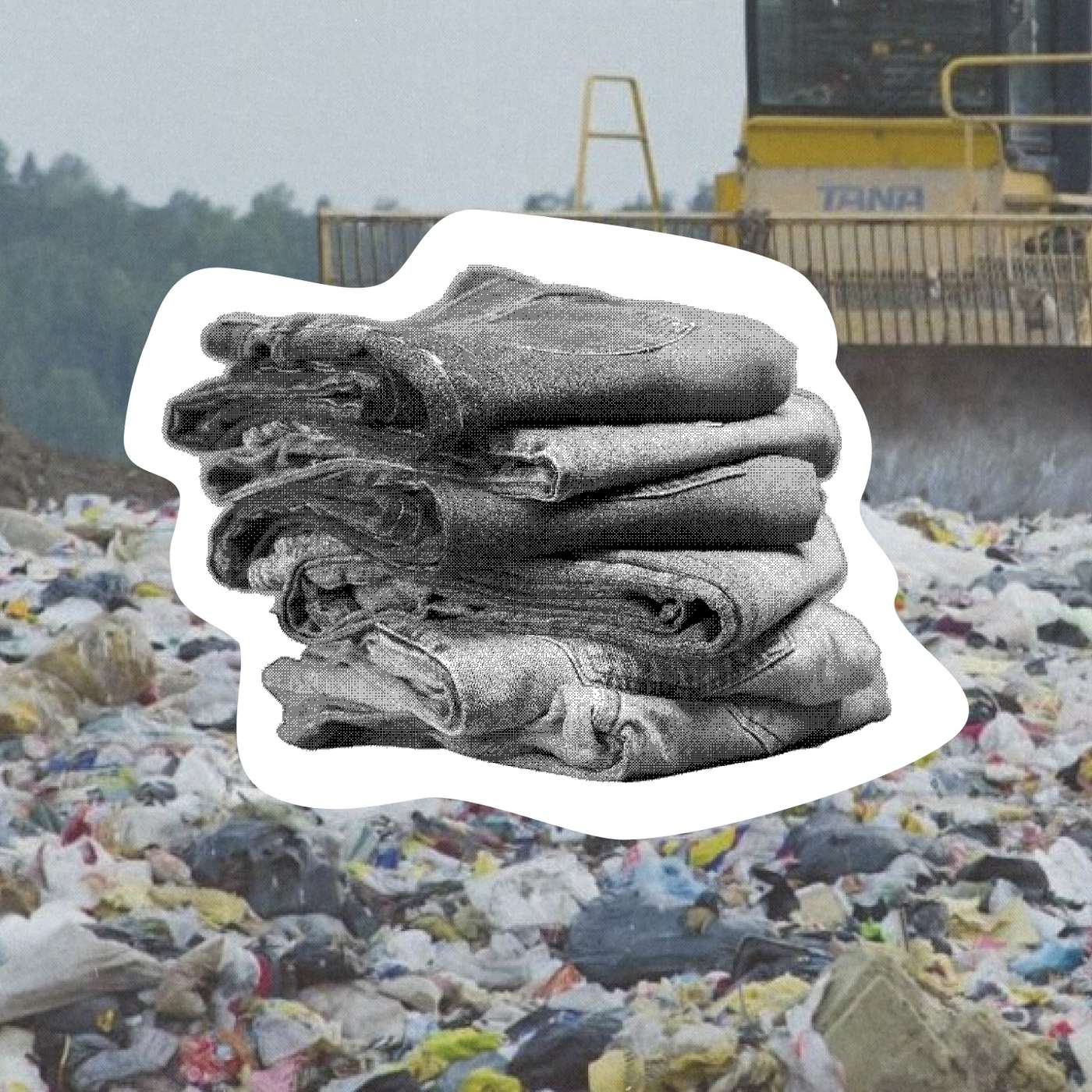
What Actually Happens to Your Clothing Donations?
bonus[This episode originally aired April 2,2025] The secondhand clothing market isn't equipped for textile recycling. So when your donated clothes don't sell, where do they end up?With the rise of overconsumption and fast fashion, clothes have piled up in thrift stores, landfills, and incinerators around the world. Countries like Ghana and Chile are dealing with fashion waste from countries like the U.S., UK, and China, and the impacts are vast. Mountains of clothes lead to fires, polluted waterways, dying ocean life, and lost livelihoods. So how do we stop the cycle? How can we donate with purpose and dignity, and get fashion brands to actually take accountability for the full lifecycle of their clothes?Listen to hear what our community does with their used clothes, how a new law could force companies to clean up their act, and how Los Angeles's Suay Sew Shop is dealing with the untenable amount of clothing donations from wildfire relief. ➡️ If you want to support Suay Sew Shop, you can browse their site here and contribute to their Textiles Aren't Trash fire relief campaign. By the way, you can earn rewards for Suay purchases and donations in the Commons app!🌎 See photos of our contributors and find further reading in the full show notes.📞 Want to submit your Community Classified? We'd love to hear from you!📱 To join the Commons community, download the app.📷 Follow Second Nature on Instagram.Episode CreditsListener contributions: Holly Kane, Maya Roman, Nate Rauh-Bieri, NickEditing and engineer: Evan GoodchildHosting and production: Katelan Cunningham (00:00) - Introduction (02:45) - Mirrored catastrophes in Ghana and California amplify the clothing crisis (06:43) - Community voices: What do you do with clothes you don't want anymore? (12:00) - n interview with Sumaq Alvarado del Aguila, one of the leaders at SUAY Sew Shop — an LA-based vertical sewing and production shop that's recycling millions of pieces of clothing (30:17) - Sanchali shares progress for clothing company regulation and responsibility (35:12) - Last looks and points to remember