Second City Sermons
219 episodes — Page 3 of 5
S3 Ep 47Did It Happen?
The Noah and flood story are great stories for children, but they are also great stories for us because they are true. Yet, the story also makes for one of the reasons Christianity isn't believed. A flood of this proportions just seems, well, too supernatural. It's for this same reason that many Christians are set on proving it happened. Yet both of these positions are wanting certitude while the Bible is inviting faith.
S3 Ep 46What do we do with a Judging God?
Noah and the flood. 3 whole chapters of the first 9 chapters of the Bible. What we've been seeing is that these first chapters of Genesis are laying foundations for how we understand God, others, the world about us and our place in it all. But three chapters about a Christian truth that people find offensive - God as judge. Yet, at the beginning of this story we have three key ideas that we have to keep in mind: 1. Sin is worse than we think, (2) God is the only truly just judge and (3) Grace is on the table.
S3 Ep 45Generational Faith
Genealogies, "accounts", are the chapter headings of Genesis. Even so, their significance can be lost on us. Genesis 5 tells the Genealogy from Adam to Noah in the line of Seth. While it stands as incredibly different then genealogies we would tell (boy they were old!!), it is packed with meaning and encouragement to find life in the offspring to come and in calling on the name of the Lord. It stands in stark contrast to the genealogy of Cain in chapter 4. Pitted against each other, we are to find our life and our hope in the family of the Lord and our hope in him.
S3 Ep 44Outside Eden
Cain and Abel. One of the more well-known stories from early in the Bible. It continues the Adam and Eve narrative and it concludes the real beginning of Genesis. Taken with Genesis 3, it tells us very clearly that the progeny of Adam and Eve were in the same sinful state as Adam and Eve after their fall into sin. But it leaves us with a question: will we walk in the way of Cain who defied God's corrective word to him, or will we "call on the name of the Lord." Those are the two options. One leads to life, the other to death. And as the Scriptures tells us again and again, all who call on the name of the Lord will be saved.
S3 Ep 43A Promise for the Righteous
There are 150 Psalms. They cover the gamut of the human condition, but how are we to understand them? What would God have know so that this very broad book can guide our understanding of Him in our lives? See Psalm 1 and its partner Psalm 2.....
S3 Ep 42Creation and Covenant
There are many ways that one could summarize a good story and there are many ways one could summarize the Bible. Creation, fall, restoration is a good summary. As we have sat in the beginning of Genesis, even in these first few chapters, we've seen the importance of confessing the true God as the creator God and also we have seen his commitment to his creation despite sin and rebellion. In this sermon, Pastor Peter suggests this as a quick summary of the Bible: The creator God covenanted with his world and people and makes good on his covenant in Jesus.
S3 Ep 41Biblical Anthropology
Right at the end of Genesis 3, after the consequences for sin and rebellion are given to the serpent, Eve and Adam, we have reiterated for us the big ideas of human existence in these origin stories. Eve is named as the mother of the living - a reaffirmation of the "be fruitful and multiply and fill the earth" of Genesis 1. But while the creation mandate has this echo post-sin entering the world, the consequences of sin continue: God has to cover them and gives of his creation to do so and they are banished from the Garden. So, human dignity and worth are put forth right next to the severity and consequences of sin. Beauty and brokenness. Sin, the flaming sword, and the cherubim and the east of Eden would have evoked for the people of God the Tabernacle and Temple that we the great invitations and hope of God's commitment to life with in the world we were made for.
S3 Ep 40Sin, Its Allure and Effect
Genesis 3 tells of our first parent's rebellion from God and it does this in a way where we can see these dynamics of sin continuing in our lives today. The apple doesn't fall far. Sin is still alluring and it still has massively detrimental effects in our lives together, with God and with creation. But thanks be to God that he promised the seed of the woman who would bruise the head of the serpent! In Christ we are a new creation, brought back to what God had originally intended.
S3 Ep 39Created to be Seen
The main contention of our series in the beginning of Genesis is that these "origin" stories(Genesis means "origin") have ongoing effects and relevance in our lives. We were made to be seen by God and by other people, seen clearly and looked upon lovingly and intimately. Of all things, before sin entered the world, God says that something is not good, and that something was human isolation. Out of that, God made the woman to be an accompaniment and they were naked and unashamed. They saw each other perfectly and were perfectly seen by God. But when they sinned, they hid. They covered themselves up and hid from one another and from God. These facts of being made to be seen and sin creating distance are ongoing in our lives today to our detriment and the detriment of our world. What we need is to recover a sense of how significant and awful sin is and the awe and praise that comes from knowing the grace and care that God has for us as he calls us out of our hiding ("where are you") and covers our shame.
S3 Ep 38Created in the Image of Love
What are we? What are we as humans? Sometimes we feel and we know that we were made to be more majestic than we experience. We are like a spray-painted dog who looks like a panda, but we haven't been made to be a farce or to be hollow but to be whole. The Bible teaches at the beginning that we are made with love and care and attention, that we were made in the very image of God, and that we were made for a life of dependence. This image bearing is who we are as humans (marred though it now is). This dependent life of faith and trust was not just a call to not eat the fruit of the garden, but an ongoing call from God to a life of Faith.
S3 Ep 37Created in Love: The True Myth
Genesis means "Origins". This Fall we are looking at the first 11 chapters of Genesis and considering how these "Origin" stories come to bear in our lives in an ongoing way. Genesis 1, in indirect poetic confrontation, presents us with a story of creation origins that is far more compelling than any of the myths of the ancient world or the random chance or survivalist beliefs of our modern times. Here we find a text, while not scientific per se, that gives us grounding for scientific exploration in the order and predictability from which God made all things. Here we find a text that is not violent like the ancient creation myths of the "bangs" of creation-belief in our day, but one that is intentional and caring. Here we find a text that speaks of creation not out of need, but out of desire and love. The bottom line is that the Bible presents us with a far more beautiful and compelling creation than anything else you can find.

S3 Ep 36What Are We About
Coming back from sabbatical, Pastor Peter offers some reflections on our church and how we are to follow Jesus in our time by looking at Jesus' incredible interaction with the Samaritan woman at the well. What Are We About? Well, Jesus is about seeking after the outcast and the sinner and the stranger, so we are to be about delighting in diversity and seeking the stranger. Jesus, somewhat oddly enough, in a conversation with this woman about worship, declares "we worship what we know, for salvation is from the Jews." He grounds his compassionate engagement with this woman in the long salvation-history of God with his people and their practices. So, SCC is about being historically rooted and embedded in time and place. Finally, this woman makes a massive shift in her understanding of Jesus. As Ephraim the Syrian wrote in the early 3rd century, "First she caught sight of a thirsty man, then a Jew, then a Rabbi, afterwards a prophet, last of all the Messiah." How was this shift possible? Because she was with Jesus. The conversation about water was a conversation about Jesus, her concept of men was shifted because of the presence of Jesus, the conversation around worship found its end in Jesus. So, SCC is about being with Jesus and allowing his person and work to transform us.
S3 Ep 35A Praying Way of Life
Developing a praying way of life is at the core of the life of a Follower of Jesus. The apostle Paul urged Timothy as he led the early church in Ephesus to first of all, pray all kinds of prayers for all kinds of people. This included even kings and those people in high positions. This was to be done so that the people of God, the everyday people, may lead peaceful, quiet, and godly lives. This is important because God purposed these prayers to be part of His plan to save all kinds of people through faith in the one and only mediator between God and mankind, the man, Jesus The Christ.
S3 Ep 34Be Still and Know that I Am God
Psalm 46 is a call to be still and know God amidst the turmoil around us; mountains quake, seas roar, and nations rage. We are not good at being still, even in the quiet moments. Our tech-inundated world means unceasing noise. And so many of us are burdened by personal conflicts, internal turmoil, tensions, and anxieties within. Yet, it is in stillness that we ‘know’ God, which is the foundation of trust. We see the God who is with us in the storms, the God who often stills the storms, and who will one day bring stillness to all the world. The call for us, this side of the cross, is to be still and realize the love of Christ.

S3 Ep 33He Gives More Grace
It is an undeniable characteristic of human personality to think of ourselves as good. Deep down we say to ourselves “I am alright – I’ve got this. The Bible is unflinching in its condemnation of our foolish high view of ourselves. But God does not leave us in despair. There is hope in the unmerited favor found only in Jesus. Listen to learn more….

S3 Ep 32Rest for Your Souls
Matthew 11:25-30 records six verses that are some of the most lovely and precious in all of God’s Word. Jesus praises His Father in heaven for revealing Himself to those of His choosing. He rejoices that their fellowship is complete with each other and revealed to those whom the Son chooses. Therefore, Jesus calls to those who are weary and burdened to come to Him for He alone is able to give them rest for their souls because He will carry their sin and give them rest, both now and forever.
S3 Ep 31Building Up the Body of Christ, pt1
Our precious savior Jesus Christ, out of love for His cherished Bride, as provided leaders in the church as gifts to equip the followers of Jesus for the good work of ministry so that they will grow strong and devoted to God as each person is able to provide what God enables so that the whole Body of Christ is built up in love as each person does their part.

S3 Ep 30The Beautiful Answer "No"
Joshua meets a man with his sword drawn and asks, “Are you for us or for our enemies.” Will you try to help us? Or are you another formidable obstacle we will have to overcome?The answer he receives is a surprising relief: “No! I am the commander of the army of the Lord. I have come.”Exhale! Now I can breathe again. All my fears, all my attempts at formulating a plan of attack, can end. I am not alone! I am not in charge of my destiny and my people’s destiny. I stand before the Lord of Heaven and Earth. I can worship… I can sing and shout. I can march with the throng of the people of God and see the salvation of the Lord.
S3 Ep 29Trusting God in Honest Lament
How do we trust God in the midst of life’s challenges? The book of Job tells us our hope is ultimately anchored in God showing up and not in figuring out what God is doing or even in answers to our prayers. We maintain and even grow in trust as we wholeheartedly communicate our pain and suffering through lament and affirm our trust in knowing the love of Christ.

S3 Ep 28Ahab & Micaiah
In 1 Kings 22, the prophet Micaiah stands alone against King Ahab and 400 of his false prophets. Though pressured to speak favorably of the king, Micaiah insists on being faithful to the word of the Lord, causing him to be thrown into prison. Micaiah presents a picture of faithful service to God and his word. Micaiah's brave stand against certain consequence foreshadows the very life of Jesus.
S3 Ep 27The Kingdom of God is His
Matthew 20:1-16 "The Kingdom of God is His" is a short parable where Jesus teaches His disciples and us that God is in full control of His creation, so thatall who are His, the workers in the vineyard, regardless of one's time and level of involvement, all receive the fullness of His love and fellowship unto eternal life.All God has to offer is complete and full in Jesus Christ and comes to His beloved people only by His gracious act of love, not by any work that one of His creatures could attempt.

S3 Ep 26With God All Things All Are Possible!
Jesus interacts with a rich young man seeking to know what he must do to get eternal life. The man's pretense is that he has done many good things but still thinks he has something else he needs to do. Jesus shows the man his own heart, in that he is more focused on himself and his many possessions than on God. The seemingly very capable man turns away causing Jesus' disciples to question whether anyone can get eternal life. Jesus makes it clear that it is impossible for a man or woman to get eternal life, but it is possible with God. Eternal life, peace with God is a gift that is given by God, as He sees fit, to those of His own choosing.
S3 Ep 25All the Treasure In Israel
Are we in the habit of praying to the Lord and recognizing his answers to our prayers? It was an amazing time in the history of the Southern Kingdom of Judah. Hezekiah was a good king. Isaiah was prophesying – one of the best kings ever – one of the greatest prophets ever. There was also one of the worst adversaries ever - the Assyrian Empire. In those days this Hezekiah became proud. In those days this Hezekiah became very sick and was at the point of death. Hezekiah prayed to the Lord and he answered his prayer and gave Hezekiah restoration of health. Hezekiah asked for a sign that this would happen and the Lord caused the shadow to return ten steps on the stairs his father Ahaz had built. This was a global event as the princes of Babylon sent envoys to inquire about it. Hezekiah misslead them about the true treasure of Israel. He showed them all of his wealth! He did not point them towards Isaiah the prophet or toward the proper worship of the Living God in the temple. Is our hope the same as the hope of everyone else in the world? Or are we living in such a way that others can see that our hope is in the Lord.
All the Treasure in Israel
Are we in the habit of praying to the Lord and recognizing his answers to our prayers? It was an amazing time in the history of the Southern Kingdom of Judah. Hezekiah was a good king. Isaiah was prophesying – one of the best kings ever – one of the greatest prophets ever. There was also one of the worst adversaries ever - the Assyrian Empire. In those days this Hezekiah became proud. In those days this Hezekiah became very sick and was at the point of death. Hezekiah prayed to the Lord and he answered his prayer and gave Hezekiah restoration of health. Hezekiah asked for a sign that this would happen and the Lord caused the shadow to return ten steps on the stairs his father Ahaz had built. This was a global event as the princes of Babylon sent envoys to inquire about it. Hezekiah misslead them about the true treasure of Israel. He showed them all of his wealth! He did not point them towards Isaiah the prophet or toward the proper worship of the Living God in the temple. Is our hope the same as the hope of everyone else in the world? Or are we living in such a way that others can see that our hope is in the Lord.

S3 Ep 24Does How I Live Matter to God?
When a person first receives Christ, the natural question that is upon their heart is, what do I do now? How do I live this faith that has been given to me by God's holy spirit? How do I live my life now that Jesus is my savior lord? And new believers tend to answer that question by looking at people that they perceive are, further along in their spiritual walk and patterning their lives after those people by imitating people who have been believers for a while. Here in First Timothy Four Paul directs Timothy how this should look - and what he and we should do.

S3 Ep 23Remember Your Story
Transitions in life are difficult. The birth of a child; the death of a parent/someone you love; a major change in your health; a change in marital status; graduation from school, college, university; going off to college; losing a job; starting a new job… MOVING. I could go on and on. How long has it been since your last major transition? The Children of Israel were getting ready to make THE BIG Move: The biggest transition since God brought them out of Egypt. They were on the far side of the Jordan River when Moses spoke the words of Deuteronomy. Beyond the Jordan, in the land of Moab, Moses undertook to explain this law, and to explain the law, he gave them…a travelogue! “I will bring you into the land of promise.” You will have children and you will teach your children and they will dialogue with you and they will ask questions about this religion you are teaching them and you will tell them a story. We need to get our story straight. Your story with God through this life which involves his salvation from slavery, his continual provision for our needs and a future forever with the Lord.
S3 Ep 22The Blessing of God
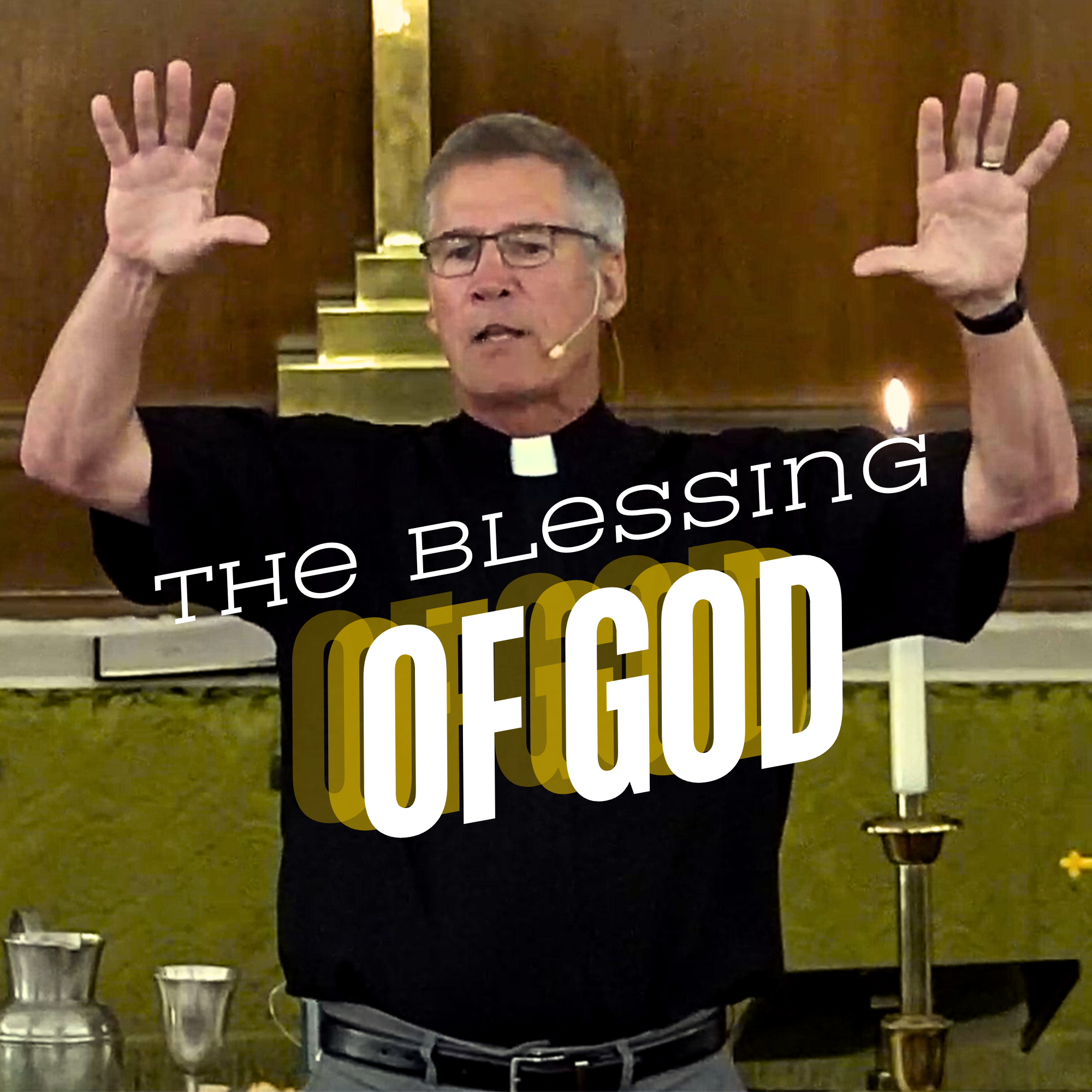
Numbers 6:24-27 may be the most common benediction in Christian worship. "The Lord Make his face to shine upon you and be gracious to you" is at its center. What do we make of this? What does it mean for a deity to "turn his face toward you?" Is this a good thing? Is God's grace all that we need?

S3 Ep 21Sharing in the Master's Happiness
This lovely parable of Jesus has a simple message of living life with all that God provides for each of us for His glory and honor. No comparisons are needed. Some are given more, and some are given less. Each of us can enjoy the Master's Happiness by using the best we can, that which He has given to us for His pleasure. We do all of this in the power of the Holy Spirit. Therefore, we can work with what He gives us and wait upon Him as we work to bring the increase and results as He sees fit.
S3 Ep 20You Are With Me
Psalm 23:4-6 highlights the core of Psalm 23 with the statement of David that he knows, The LORD, his Shepherd is always with him . David proclaims that it is The LORD who is with him in the Valley of The Shadow of death. It is the LORD who comforts him with correction and instruction. And it is the LORD who guides and directs him through life and unto eternal life in Jesus Christ by the almighty power of the Holy Spirit.
S3 Ep 19The LORD is My Shepherd
In Psalm 23, David describes the reality that Yahweh, the One true and living God, revealed in Jesus Christ, is the Shepherd of His blessed people. He is our Creator and He is our Sustainer. He provides all that is needed for His people, "His sheep", in this world and in the next. He is the One who enables us to be at peace with ourselves, with Him and with others. Out of this relationship in Jesus Christ as our Good Shepherd, we are useful in His perfect care to be His lovely instruments in showing His love and speaking His truth to our world.
S3 Ep 18Delighting in the Scriptures
The Scriptures of the Old and New Testament are the foundation of our Christian faith. If surveys are correct, Christians spend little time in the Scriptures, let alone delighting in them, yet they are our foundation and “rule faith and life”. We learn to delight in the Scriptures by letting go of needing to have all the answers, accept the mystery of the ambiguities and difficulties of Scripture and through meditation and delighting in the things in the word of God we affect of our own hearts and minds and encounter the living Jesus.
S3 Ep 17A Blessing
In the first chapter of Genesis, the very first book in the Bible God speaks and brings the world into existence. He places all things where he wants them. At the end of his creative work God makes us. He makes humankind, male and female. He makes us after his image. And what we read there, right at the very beginning, is that the first thing that God after making us is to bless us. “And God blessed them.” We are made for God’s blessing – it is what we each long for. It comes to us in Jesus.
S3 Ep 16Beginning in Jerusalem
After the long Emmaus road resurrection narrative where the Cleopas and his companion have burning hearts for God's Word and their eyes opened by the broken bread of Jesus, Jesus appears to the eleven disciples and he leaves them with a commission that they would take the news of Jesus from Jerusalem with the aid of the Holy Spirit, the "power from on high"! But what news of Jesus are they to take? What is the core of the message that they are to proclaim? Christ's death and his resurrection, his suffering and his glory! And because of that suffering on the cross and because of that glorious resurrection the door is open for repentance and the forgiveness of sins. When Jesus sums up what they are to say he sums it up with suffering and resurrection for the forgiveness of sins and it is to be proclaimed to all people!
S3 Ep 15Resurrected Bread
It is very easy to get lost in the theological ramifications of Jesus’ death and miss the perspective of those who witnessed his crucifixion in all of its gory spectacle. As they walked home from Jerusalem, after Jesus’ death, Cleopas and Mary were most likely emotionally overwhelmed. Despair was their companion when they meet one whom they did not at first recognize. In describing Himself in the scriptures He would enter their despair, and showing them what a “body broken” means.
S3 Ep 14Resurrected Word
Jesus has risen. Mary Magdalene, Joanna and Mary the mother of James have encountered the empty tomb and an angel. Peter races to the tomb and finds only empty strips of cloth. What is going on here? The obvious answer has yet to manifest himself. Next in his account, Luke tells us the experience of Cleopas and his wife Mary as they walk back to Emmaus reflecting on the tragic events in Jerusalem, where they encounter a mysterious traveler....
S3 Ep 13The Cost of New Creation
Henry David Thoreau said "The price of anything is the amount of life you are willing to exchange for it". That's an amazingly insight for budgeting and for how we spend out resources, whether that be our money or our time or our intellect or anything else that we have. It is also an amazing insight into the gospel of Jesus. New life broke forth into the world that first Easter morning and we are told in Holy Scripture that just as Jesus rose from the dead, so also death itself doesn't have the final say for those who are in Jesus. But at what cost? What was the price of Christian hope? What did it cost to bring life where death was the order of the world? The price for that was the very paschal passion of God's Son, our Lord Jesus himself. That is the cost of our hope and Jesus paid it all!
S3 Ep 12God's Answer to our Suffering World
The last words in Jesus' ears were not "Crucify him!" but rather "save yourself." He had entered Jerusalem to cries of "Hosanna!" which means "Save us!", Jesus stays on the cross not to save himself, but to save us. He doesn't save himself, but rather he saves the guilty, he saves us. This is the good news. And this good news is received as we, like the thief on the cross, know that we have nothing to bring to Jesus and all we can do is receive him. "Jesus, remember me when you come into your Kingdom", is answered with "Today, you will be with me in paradise!"
S3 Ep 11Palm Sunday Symbols
lm branches swaying, cloaks being thrown on the ground and shouts of Hosanna in the air. All of these things that took place on that first Palm Sunday during our Lord's "Triumphal Entry" were asking Jessu to be a savior and a king of their liking, establishing their nation, doing away with Rome and having an Israelite back on the throne. They wanted the cosmis yes-man in their court. How similar are we today? Maybe especially in an election year, we want Jesus to back our causes. But in that short first Holy Week that same crowd's voice went from "Hosanna!" to "Crucify him"! Why? Quite simply, because he is the Savior and King that we need, but often the one that we don't really want. He is savior and king in a way that demands our total allegiance to him, rather than his allegiance to us and our wants and desires.
S3 Ep 10Weep for Yourselves
As we make our way our way with our Lord through the streets of Jerusalem to the place of the Skull, Luke gives us two short vignettes, two short encounters with others. There are women mourning what is happening to Jesus. They are likely mourning death, but even more mourning the fact that the Romans have the power they have and kill the way they do. To them, Jesus says, "Mourn for yourselves, because if they do this to me who they have declared innocent, how much more will they do to you?" Cancelling one another is the way of the world, from Cain to the Romans to us here today in the 21st Century. But also Luke tells us of Simon of Cyrene. Simon made the long journey (17 days walk!) to specifically celebrate the Passover, the great feast that remembers that God saved his people from oppressors. But as he is entering the city to celebrate this great story he is tapped on the shoulder by the current great oppressor of Israel, the Romans, and he is made to carry their symbol of oppression, the cross. Somehow - we are not told how, but how could it not have been at the foot of the cross! - Simon becomes a Christian and so do his children. Through the forgiveness of God, the people that are inclined to cancel, to write off, to dismiss and discard, become the people of forgiveness and grace.
S3 Ep 9Who's Guilty
One of the rather strange aspects about the death of Jesus is that it seems as though many of the characters do it almost unintentionally, or at least their circumstances just kind of lead them into it. Of course, that's not the case with all of the characters; the chief priests and elders and scribes had clearly planned it out, paying off Judas, arresting Jesus at night, lying to Pilate and all of the rest. But think of Pilate, he initially declared Jesus innocent; think of Herod, he seems to just want to see the spectacle of Jesus but not to have him killed; and think of the crowd, they are there for Passover and they are shouting crucify him. But the truth is that we have all killed him. We all are at work against God. We are all guilty. And the wild, wild story of Barrabas is that the guilty one goes free while the righteous one suffers. And right here, right at the point the crowd yelling for the release of Barrabas and the death of Jesus, is the heart of the Christian message: the blameless for the wicked, the capital "S" Saint for the sinner, the righteous for the unrighteous. Who's guilty? We are. Who bears the guilt. Jesus does.
S3 Ep 8Jesus on Trial, Part 2
This week we continue Jesus' trial, but this time it's not with those who are part of the Faith but rather those who are outside of it. Interestingly, they seem a lot more open. Whereas the religious leaders already had their minds set against Jesus, Pilate and Herod both appear to be open to him, Herod is even said to be "very glad". But openness doesn't equate to acceptance. In fact, their openness leads to the same hostile action Jesus' had just received in the High Priest's courtyard, Herod mocks him and Pilate "punishes" him. Interestingly enough, many non-Christians find Jesus incredibly compelling, but finding him compelling is much different than worshipping him as Lord and Savior.
S3 Ep 7Jesus on Trial, Part 1
What do religious people make of Jesus? And in a more specific way, what do the Christian religious people make of Jesus? After all, the Jews were God's people. And it was the Chief Priest and Scribes and elders that had him arrested and are now putting him on trial. What do they make of him? And what do religious people today make of him? The truth is, that Jesus is first put on trial by his own people, and most specifically he is put on trial by the religious leaders who should have known better. And what does that say to us today? Well, it says an awful lot. It says a lot abotu fake religiosity and the grabbing for power. It warns us against complacency and the very real possibility that our theology and our positions can get in the way of a real relationship and a true worship of the true God. There is a lot of danger in being religious and in being powerful.

S3 Ep 6Our Denial of God
What a fitting passage we have for the first week of Lent. Judas and the band put together by the religious leaders of Jerusalem have just arrested our Lord, his disciples have scattered and now we are given the story of one of the leaders of the disciples and how he denies his Lord. And it isn't just one denial. He does it again and again. And that is what sin is. It's the denial of God and of who he is to us and for us. But what brings the change in Peter? What brings his tears of repentance? What brings them is the words of our Lord. This is just like our own life. Our own sin is a denial of our Lord and his words still bring us to repentance.
S3 Ep 5Judas and the Betrayal of God
Christians have always been made up of all kinds of different folk. The disciples demonstrate that for us very clearly. They come from different backgrounds and have different personalities and seem to have significantly different faith stories. It's no wonder then that just like the church, there were those in the midst of the disciples who had spent years with followers of Jesus, had sat at his feet and dined at his table, had gone out and shared the gospel and seen God work through them, and then betrayed the Lord. Judas is not far from us. And though there are many lessons to learn from Luke's narrative of the betrayal and arrest of Jesus, likely the greatest lesson for us is: take heed, lest we do likewise.
S3 Ep 4Our Lord's Agony
Leaving the Upper Room, Jesus takes his customary evening trip to the Mount of Olives and his disciples accompany him. Jesus goes to pray to his Father. In Jesus' prayer we see both his agony as well as his desire and commitment to follow the will of his Father even if it means his own death. This prayer is put in stark contrast to the sleepy disciples, to whom he twice commands to pray that they may not enter into temptation. The truth is that not entering into temptation is the very key to why Jesus alone can drink the cup of God’s wrath for the redemption of the world. The cup of the agony of our Lord is the cup that also brings the blessing of his people.
S3 Ep 3What Did You Expect?
Still in the upper room, having just transformed the great salvation meal of Passover around his own work of salvation through his broken body and shed blood, Jesus now has to deal with some misconception of the Christian life with his disciples. You could say these are parting words, last words to accompany his last supper. The disciples began to argue over who will be greatest in the Kingdom of God and Jesus says you must become like a servant. He then says the Christian life will be a life of faith. Finally it will be a life of trials and adversaries. None of this should surprise them or us, given that the Christian life is the life of following the way of Jesus, but it sure isn't what we so often expect or hope for.
S3 Ep 2The Suffering Servant's Supper
Having just taught his famous Olivet Discourse, our Lord and his disciples celebrate the Passover meal together. While it is the Passover, the great meal that Israel would eat that would celebrate what God had done in rescuing them from slavery in Egypt, Jesus works this great salvation meal around himself. In so doing, he gave us the great meal that marks the Christian life, Communion, the Lord's Table, the Eucharist. This meal is the act of Christian faith because in it so much that is in the heart of Christian faith is found.
S3 Ep 1Stay Awake
As we return to Luke for the next few months, we hear Jesus' last extended teaching before his death. Here he tells us to stay awake, to keep watch, to be careful to not fall asleep in our faith or to be overcome by the cares and delights of this world. There is debate around this passage, whether or not it spoke just to the destruction of the Temple or whether it speaks primarily of the time to come when Jesus's returns. But the big picture is the same for both ideas - stay awake! Keep watch! Don't let the cares of this world or the delights of this world numb you to being ready for our Lord!
S2 Ep 53Mercy for the Barren
Part of the wonder of Christmas is God saying that the way things are not the way they should be and he's going to do something about it. Isaiah says it like this: Every valley shall be lifted up, and every mountain and hill shall become level; the uneven ground shall become level, and the rough places a plain. Part of how Luke teaches us this is the way John the Baptist comes into the world, preparing the way for Jesus. His parents are barren, long desiring a child. And God does the miraculous, saying again to us that his power is made perfect in our weakness.
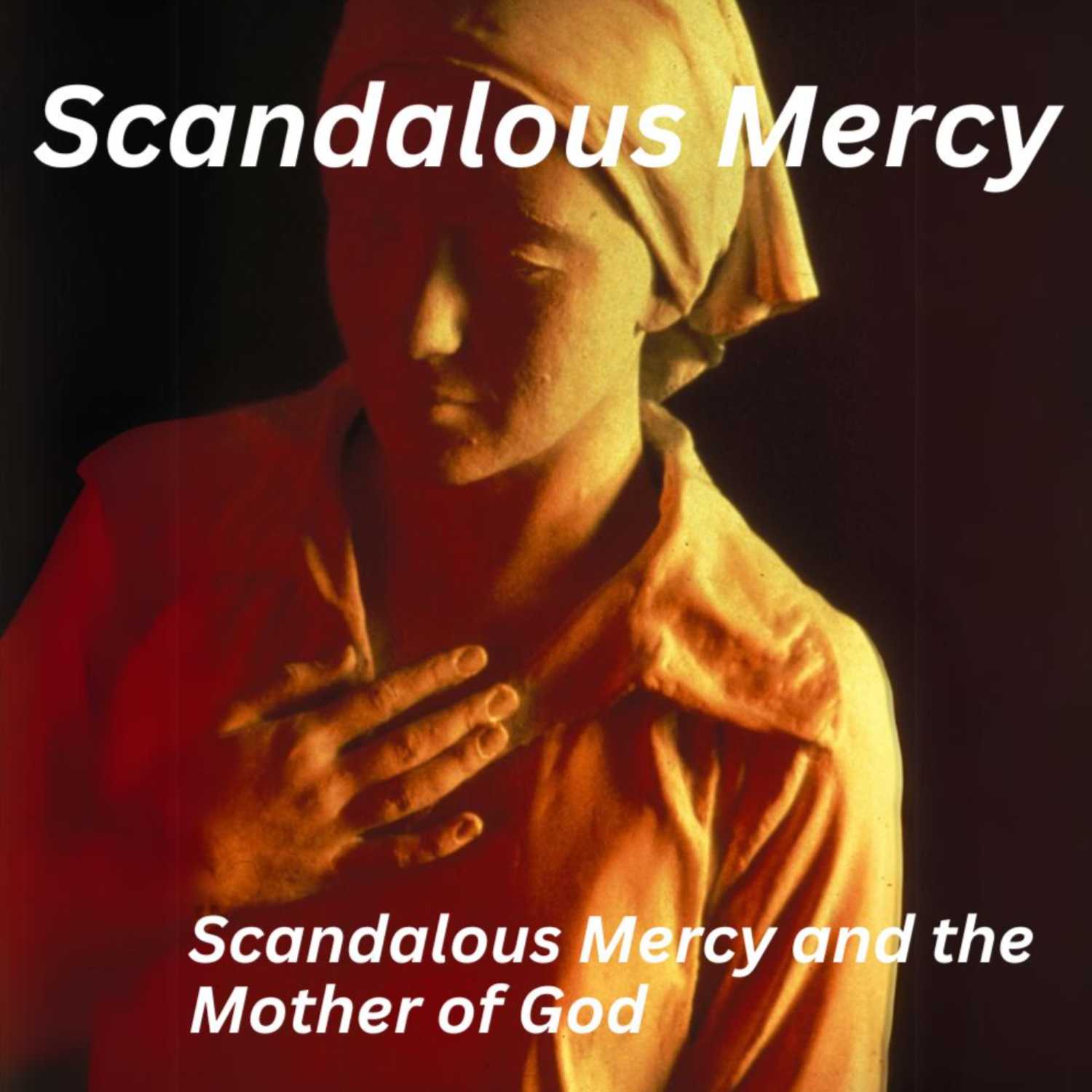
S2 Ep 52Scandalous Mercy and the Mother of God
Mary comes at the end of the genealogy and, really, at the end of a long and painful story. And when she comes, for Matthew, she comes with scandal. Joseph is a righteous man, we are told, and he wants to divorce her quietly. After all, how did she get pregnant? It's all wrong. And the story keep going with the wrong! No room in the Inn, Herod killing babies. So much wrong. And Tamar, Rahab, Ruth, Bathsheba and exile. All of this wrong. But God is working in all of it. "But when the time had fully come, God sent his son, born of a woman"! In all of the long, painful darkness, God knows just when to let the light in!