Screaming in the Cloud
Screaming in the Cloud with Corey Quinn features conversations with domain experts in the world of Cloud Computing.
Corey Quinn
Show overview
Screaming in the Cloud has been publishing since 2018, and across the 8 years since has built a catalogue of 681 episodes, alongside 1 trailer or bonus episode. That works out to roughly 410 hours of audio in total. Releases follow a weekly cadence.
Episodes typically run thirty-five to sixty minutes — most land between 33 min and 39 min — and the run-time is fairly consistent across the catalogue. It is catalogued as a EN-US-language Technology show.
The show is actively publishing — the most recent episode landed 3 days ago, with 24 episodes already out so far this year. The busiest year was 2021, with 127 episodes published. Published by Corey Quinn.
From the publisher
Screaming in the Cloud with Corey Quinn features conversations with domain experts in the world of Cloud Computing. Topics discussed include AWS, GCP, Azure, Oracle Cloud, and the "why" behind how businesses are coming to think about the Cloud.
Latest Episodes
View all 681 episodesAI Should Solve the Problem, Not Deflect the Customer
Open Source and the Future of Databases with German Eichberger
The Invisible Network Powering AWS with Matt Rehder
AI Can Do the Work, But Should It? with Adam Larsen
When AI Starts Writing the Pull Requests with Madelyn Olson
The Appalachian Cloud Trail: Hiking, Cloud Economics, and Finding Perspective
Coding Agents, Chaos, and the Future of Dev Work with Dexter Horthy
The Rise of Autonomous Ops: Inside AWS’s DevOps Agent with David Yanacek
Building the Backbone of AI Agents: Telemetry, Open Source, and the Future of Developer Infrastructure with Brian Douglas
The Power of Saying No: Growing by Narrowing Your Focus with Corey Quinn
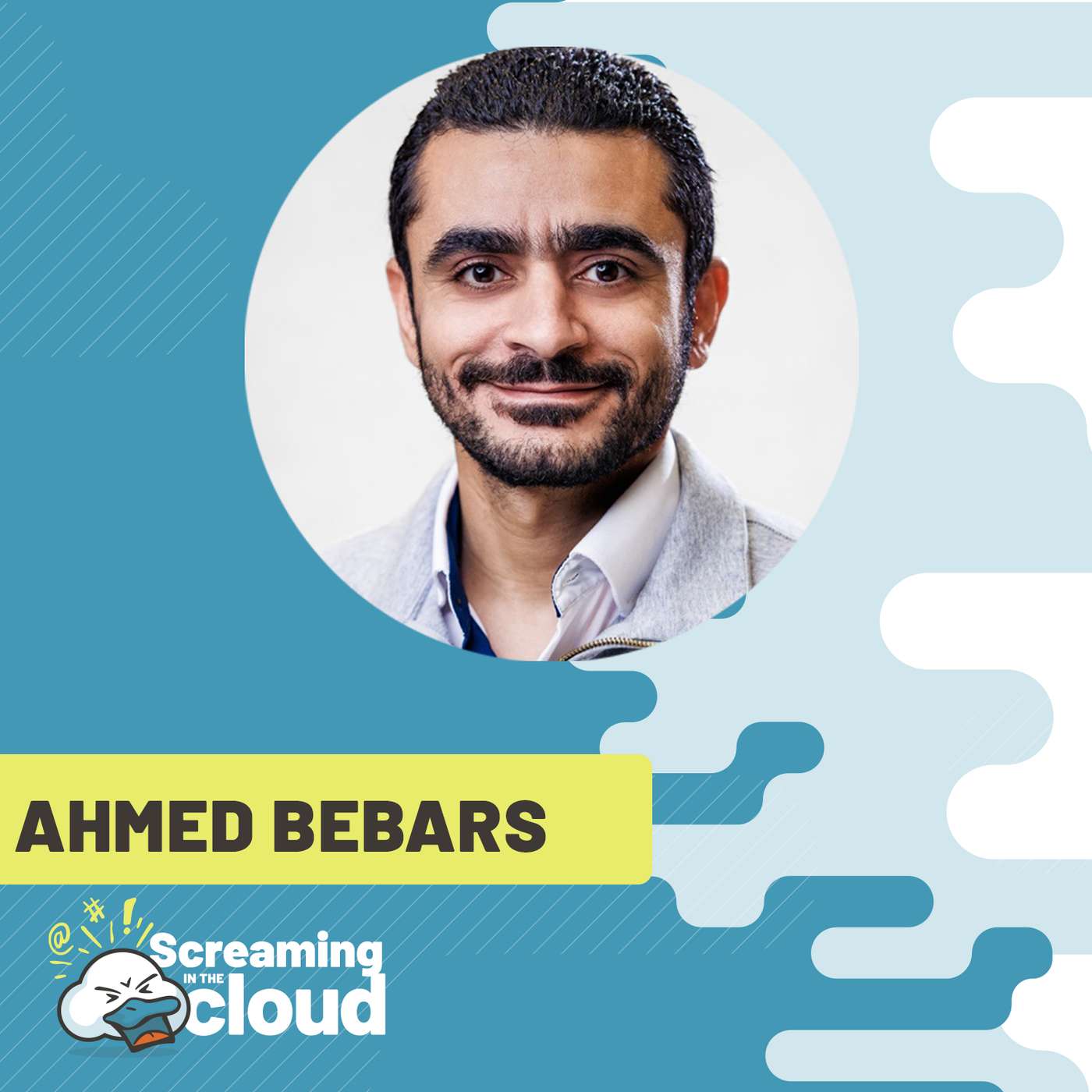
Ep 671Build vs Buy: The Hidden Costs of “Just Building It” with Ahmed Bebars
Just because you can build it doesn’t mean you should. In this episode, Ahmed Bebars, Principal Engineer at The New York Times, joins Corey Quinn to talk about real-world cloud decisions, Kubernetes complexity, and the constant trade-off between building your own solutions and buying existing ones. From home labs to enterprise architecture, they unpack what actually works, and what engineers often get wrong.Show Highlights: (00:19) Intro(01:09) From Imposter Syndrome(06:34) Honest Community Feedback(09:29) EKS Versus ECS Debate(21:32) Home Lab Reality Check(22:40) Build vs Buy Long Game(28:04) Focus on Core Business(34:35) Uptime Tradeoffs and Standards(39:41) Networking and IPv6 Debate(41:28) Wrap Up and Where to FindLinks:Ahmed's LinkedIn: https://www.linkedin.com/in/ahmedbebarsSponsored by: duckbillhq.com
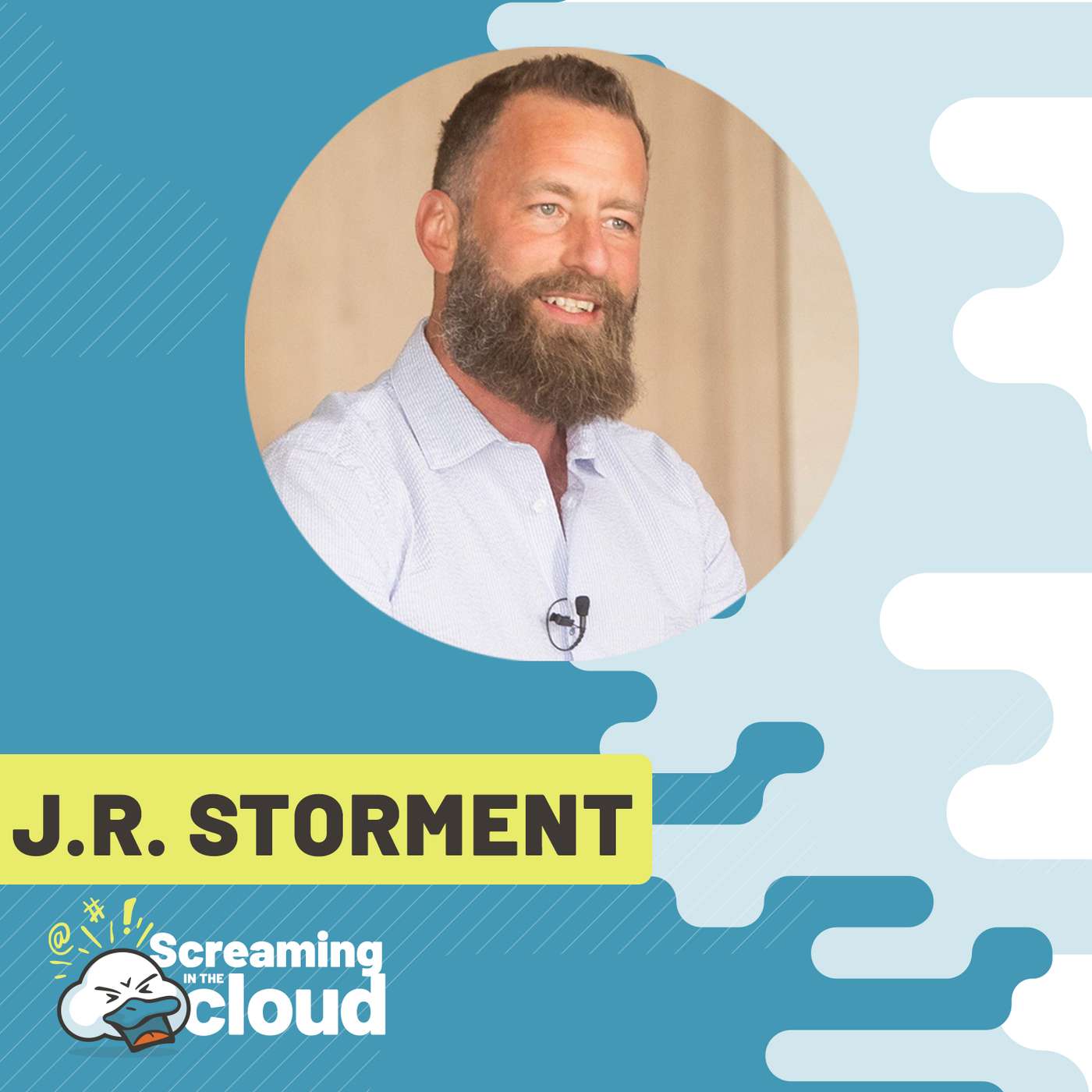
Ep 670FinOps, AI, and the Cost of Cloud Chaos with J.R. Storment
What happens when cloud economics meets the messy reality of business, AI, and human behavior?Corey and J.R. Storment unpack why cloud cost management is less about math and more about psychology, the real difference between FinOps for AI vs. AI for FinOps, and why automation still struggles with edge cases (despite all the hype). Along the way, they explore multi-cloud complexity, the rise of consumption-based pricing, and how businesses are navigating massive, unpredictable spend across cloud, SaaS, and AI platforms.If you’ve ever wondered why your cloud bill feels like chaos, or how to actually get value from it, this episode pulls back the curtain.Show Highlights:(00:00) FinOps Royalty Reunion(03:06) Origin Stories and Naming FinOps(06:32) AI for FinOps vs FinOps for AI(11:05) Automation Hype and Human Psychology(22:16) Contracts Multi Cloud and Commitments(24:26) Context Beats Optimization(26:06) Trust and Billing Clarity(28:14) Focus Standard Flywheel(30:11) SaaS Coverage and Conformance(34:06) Contracts Multi-cloud and Wrap UpLinks: FinOps: https://www.finops.org/Sponsored by: duckbillhq.com
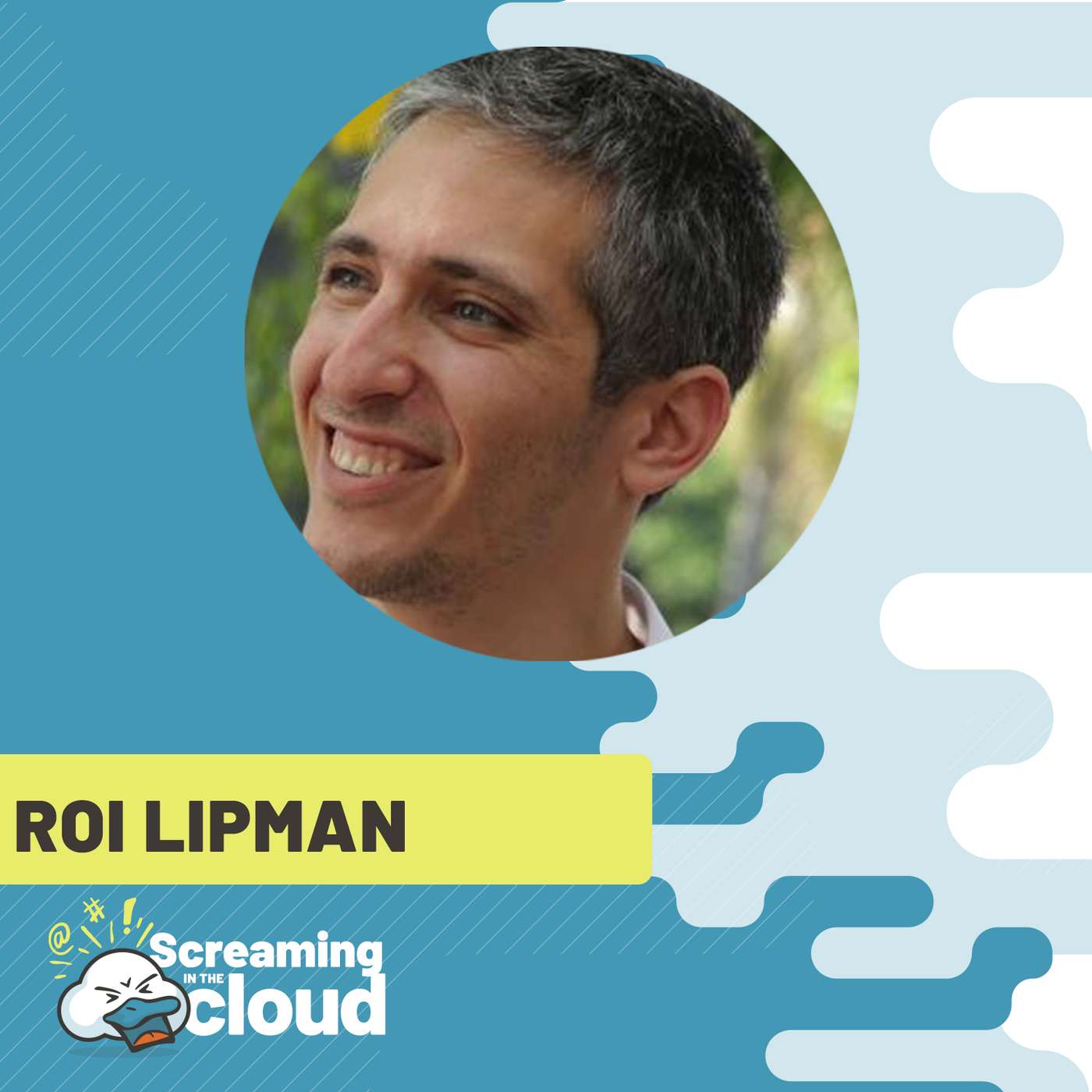
Ep 669Everything Is a Graph (Even Your Dad Jokes) with Roi Lipman
In this episode of Screaming in the Cloud, host Corey Quinn sits down with Roi Lipman, CTO and co-founder of Falco DB, to unpack the evolving role of graph databases in a world overflowing with data stores. Roi shares his journey from building RedisGraph at Redis to spinning it out into Falco DB, along with his enduring love of the C programming language (dad jokes included). The conversation explores why graph databases remain niche, but powerful, especially for pathfinding problems like supply chains and access management, how vector search became a feature rather than a standalone database, and what AI-assisted development means for modern engineering. Along the way, they tackle open source sustainability, Rust rewrites, AI-generated pull request chaos, and the looming question of where the next generation of senior engineers will come from.Highlights: (00:00) C Language(00:27) Welcome(01:18) Database Landscape Overview(03:17) Why Graph Databases Matter(07:25) AI Built Apps and Data Choices(10:29) How FalcoDB Fits In(12:20) Vector Search as a Feature(16:48) FalcoDB Origin Story(19:54) Open Source Business and Rust Rewrite(25:23) Toy Graph Problems and Closing ThoughtsSponsored by: duckbillhq.com
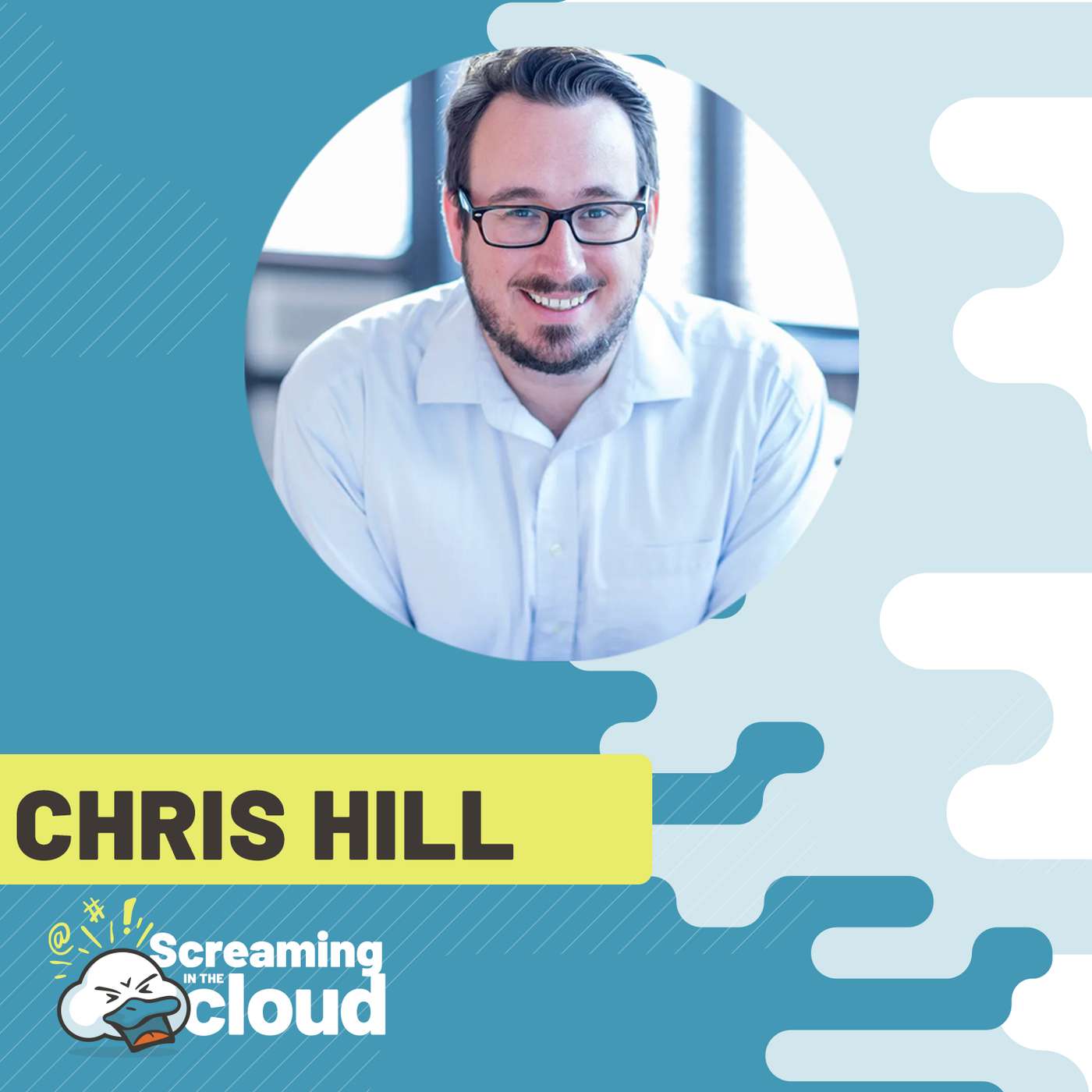
Ep 668AI, Authenticity, and the Future of Podcasting with Chris Hill
This week on Screaming in the Cloud, Corey sits down with Chris Hill, CEO of Humble Pod, to talk about the messy, nuanced reality of AI in media. From secretly cloning Corey’s voice for an ad using ElevenLabs (and almost getting away with it) to the growing tension between polished production and authentic content, they unpack what AI can actually do versus what it claims to do.They explore the shifting economics of podcasting, the rise of video-first formats, Netflix’s entrance into the space, and why “good enough” production often beats expensive studio perfection. It’s a candid conversation about trust, automation, creative integrity, and why sometimes the most dangerous AI use case is the one no one notices.Show Highlights:(00:00) The AI Voice Clone Ad Nobody Noticed(00:44) 700 Episodes In: Catching Up with Humble Pod’s Chris Hill(01:16) New Studio, New Vibes: Building a Podcast Space in Tennessee(01:51) AI in Podcasting Workflows: Riverside, Editing Promises & Human Judgment(07:50) Authenticity vs Production Value + Duckbill Hiring & Product Shift(14:05) Renewals, churn, and why point solutions fail(14:15) The Doc Tools saga: building the wrong thing (and Disney lawyers)(15:15) Bahamas studio build: consulting where quality really matters(16:34) Gear talk & pro tips: teleprompters, cameras, and looking at the lens(18:50) Podcasting goes video-first: clips, discovery, TikTok, and the wrap-upAbout Chris Hill: Chris Hill is a Knoxville, TN native and founder of Humble Pod, where he helps brands, startups, and thought leaders develop, launch, and grow podcasts across the U.S. and beyond. He works with clients ranging from local Knoxville businesses to entrepreneurs in Silicon Valley and around the world.Chris is the co-host and producer of Our Humble Beer Podcast and lectures on podcasting and marketing at the University of Tennessee. He earned his undergraduate degree in Marketing & Entrepreneurship from the University of Tennessee at Chattanooga and later received his MBA from King University.He currently serves as President of the American Marketing Association Knoxville chapter and enjoys supporting the local craft beer community, traveling internationally, and exploring the outdoors.Links: Humblepod: https://www.humblepod.com/Sponsored by: duckbillhq.com
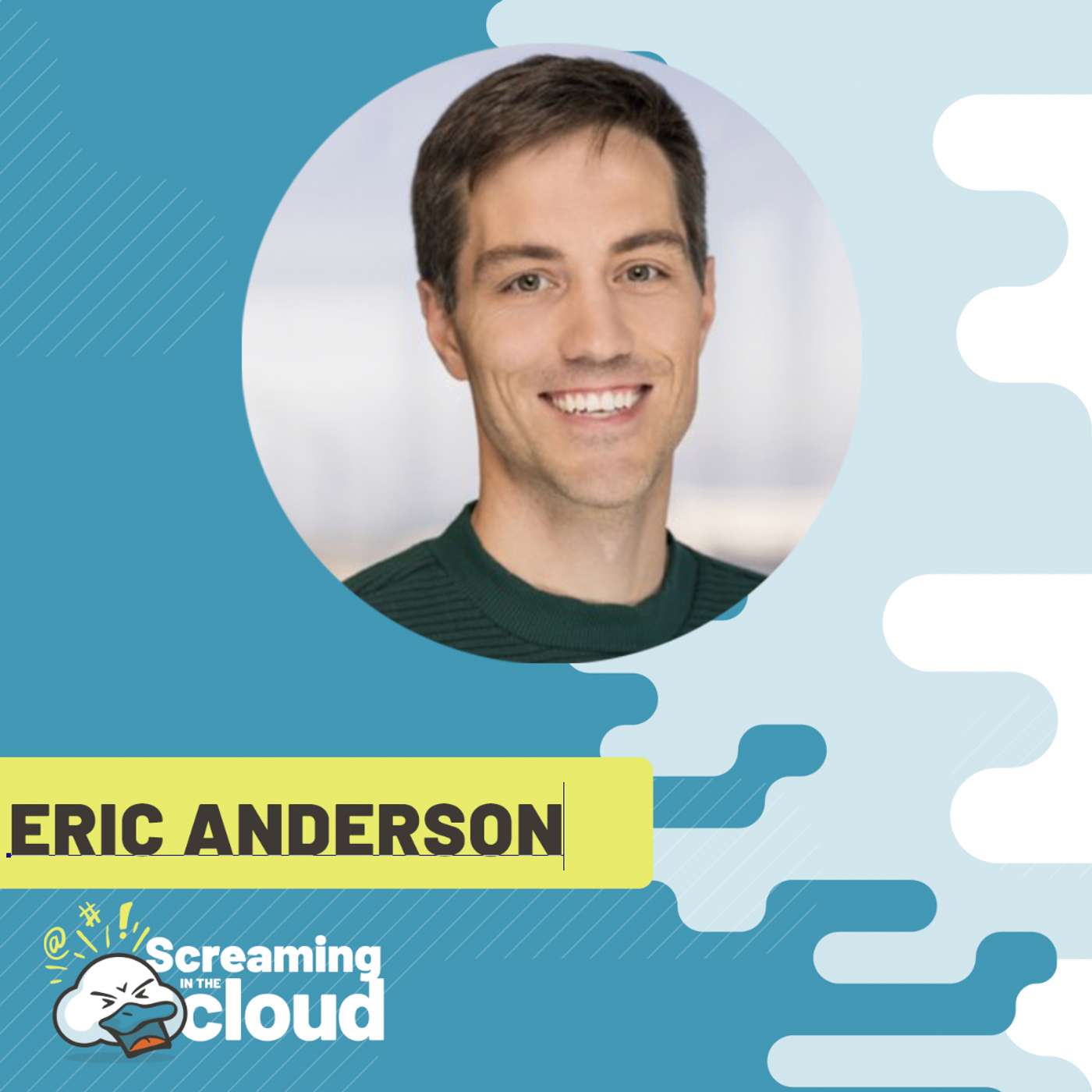
Ep 667Coding Agents and the Inevitable AI Bubble with Eric Anderson
Eric Anderson, partner at VC firm Scale, talks about why coding agents changed software forever and why the AI bubble can't be avoided. Eric worked on Spot Instances at AWS and data products at Google before becoming a VC. He explains how companies can still compete against Anthropic and OpenAI by staying laser-focused instead of fighting on every front.Corey and Eric discuss why AWS didn’t kill all startups even when they launched competing products, why the AI bubble can't be avoided when companies go from $1 billion to $7 billion in revenue in one year, and why the best AI products don't scream “AI” everywhere in their marketing.Show Highlights:(02:30) Building Spot Instances at AWS(07:41) Why Coding Agents Changed Everything(10:35) Agents Doing Code Review Now(13:53) Competing with Frontier Labs(17:05) Why AWS Didn’t Kill All Startups(19:01) Finding the Right Front to Fight On(22:20) Why the Bubble Is Inevitable(23:36) AI Pricing Will Eventually Crash(26:33) Honeycomb’s AI Done Right(28:04) Where to Find EricLinks: Scale: https://www.scalevp.com/Eric on LinkedIn: https://www.linkedin.com/in/ericmand/Sponsored by: duckbillhq.com
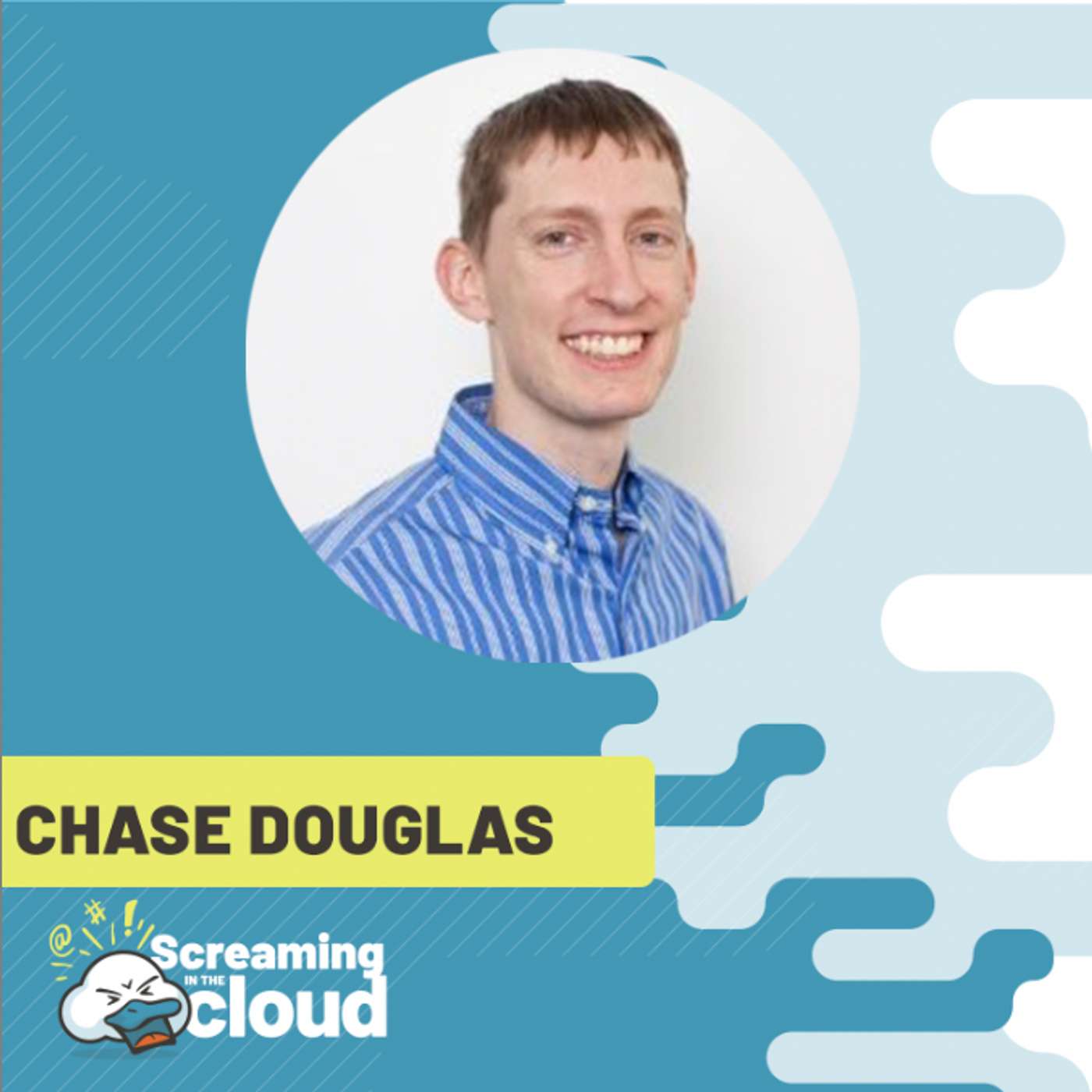
Ep 666Fixing Shadow AI and Surviving re:Invent with Chase Douglas
Chase Douglas, CEO at Archodex, talks about AI security problems and why re:Invent has become a nightmare. Chase helps companies capture every AI interaction so they don't get in trouble with compliance. Corey and Chase discuss Shadow AI, why Corey runs Claude Code in an account called “Superfund,” and how re:Invent put metal spikes on benches so people couldn't sit down. They also talk about why AWS released fewer announcement than before, and why Chase is finally optimistic about AI coding tools after months of frustration.Show Highlights: (01:51) What Archodex Does(07:00) The Superfund Account for AI(08:19) Shadow AI Problem(11:41) What Happened at re:Invent (14:59) Sponsorship Costs at re:Invent(17:00) Metal Spikes on Benches(21:39) AWS Releases Declining (25:24) Why Chase Is Finally Optimistic About AI Coding(27:13) Code Review Changed with AI(31:22) Where to Find ChaseLinks: Archodex: https://archodex.comLinkedIn: https://www.linkedin.com/in/chasedouglas/Sponsored by: duckbillhq.com
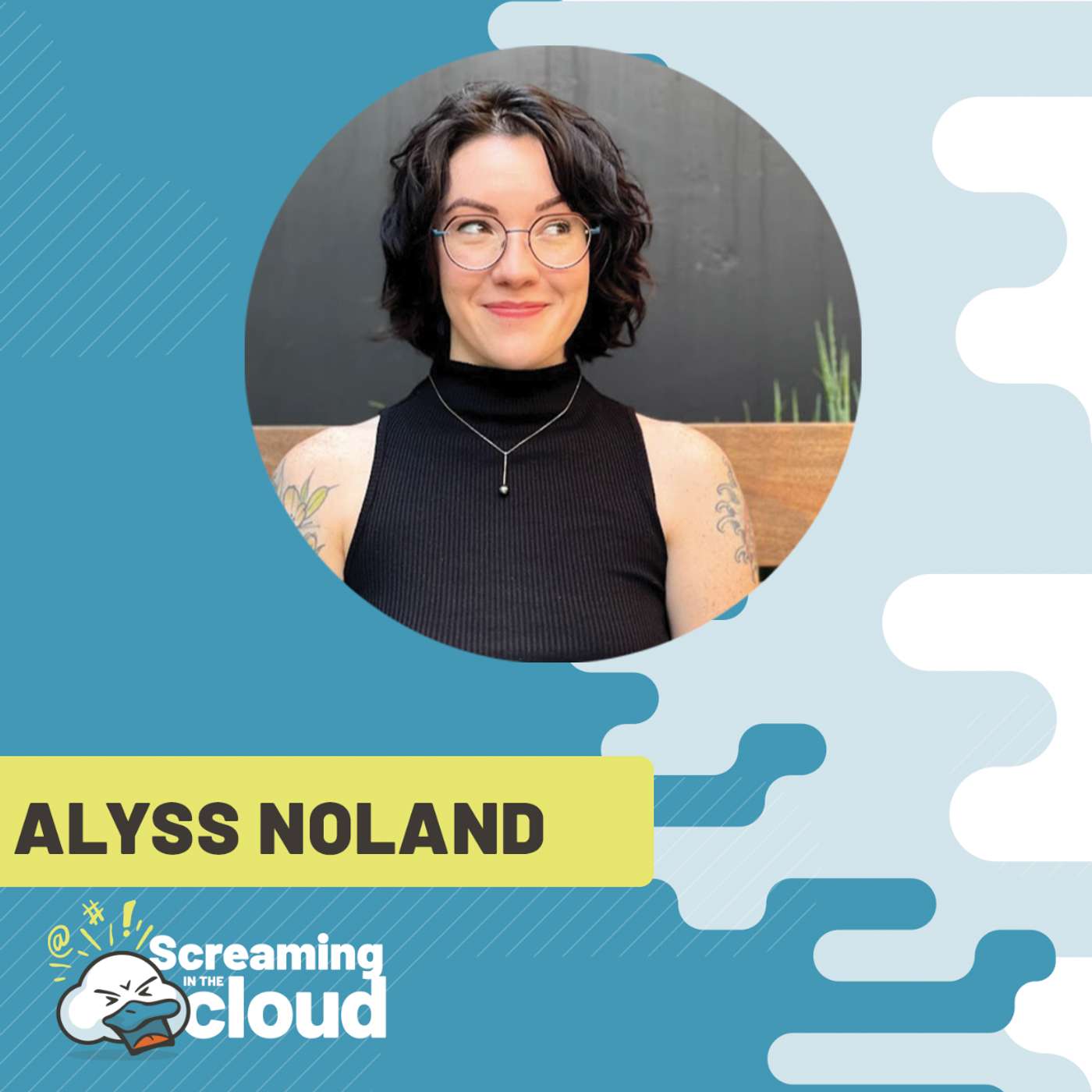
Ep 665Building Software While Keeping Humans in Charge
Alyss Noland, who works on Cloud Dev Ecosystem at Nvidia, is back on the show to talk about building software with AI when you're not a real developer. Alyss runs a program that gives AI startups access to Nvidia GPUs and uses AI tools herself to build production software at Nvidia. Corey and Alyss discuss using AI to help curate newsletters without actually writing them, why humans still need to check everything, and the weird reality of people developing relationships with chatbots. Show Highlights: (01:34) What Alyss Does at Nvidia(05:44) When AI First Worked for Corey(07:34) Building Internal Tools vs Using AI(10:39) Using AI to Help Write Last Week in AWS (13:43) DGX Cloud Innovation Lab (17:11) Building Production Software with AI (20:48) The Future of SEO (25:24) Using AI as a Writing Assistant (29:51) closing remarksLinks:Alyss’s LinkedIn: https://www.linkedin.com/in/alyssnoland/Alyss’s Personal Website: https://dev.to/preciselyalyssSponsored by: duckbillhq.com
Ep 664How Homebrew Became Mac's Package Manager with Mike McQuaid
Mike McQuaid, Project Leader of Homebrew, joins Corey Quinn to share how a package manager conceived in a London pub became essential for 10 million Mac users. Homebrew lets you install software with one command instead of downloading files and clicking through installers, maintained by just 30 people who each get $300 a month.Mike shares the origin story from a drunken conversation about package management, explains how Homebrew Bundle can set up a new Mac with one command, and why Homebrew refuses to package software with fake open source licenses like Terraform's new versions.Show Highlights:(01:44) Why Homebrew Works on Linux(04:02) The Curl Bash Security Problem(05:02) Homebrew Was Conceived in a London Pub(06:42) Apps That Auto-Update Four Times a Day(08:43) Brew Bundle(14:00) Why Homebrew Auto-Updates Itself(18:18) Homebrew Maintainers Get $300 a Month(22:19) The Brew Doctor Command(29:10) Why Homebrew Doesn't Package Fake Open Source(32:05) Open Source Is Not a Career(35:27) When Someone Blamed Homebrew for Breaking Their Business(37:39) Auto-Update Options for Homebrew(39:40) Where to Find MikeLinks:Website: https://mikemcquaid.comHomebrew: https://brew.shGitHub: https://github.com/homebrewSponsored by: duckbillhq.com
Ep 663Is It Broken Everywhere or Just for Me with Omri Sass
When your website stops working at 3 AM, you need to answer one question fast: Is it my code or is a big cloud provider having problems? Omri Sass from Datadog explains updog.ai, a tool that monitors whether major services like AWS, CloudFlare, and others are actually working. Instead of asking people to report problems like Down Detector does, updog uses real data from thousands of computers to detect when services go down. Omri shares why this took 6 years to build, how they process massive amounts of data with machine learning, and why cloud providers have been strangely upset about these tools existing.About Omri: Omri Sass is a Director of Product Management at Datadog, where he leads and supports a team of 25+ product managers driving initiatives across Bits AI SRE, Data Observability, Service Management, and most recently, the launch of updog.ai. Outside of work, Omri is an avid sci-fi reader, a dedicated yoga practitioner, and happily outmatched by his cat.Show Highlights:(02:12) What is Updog and How Does It Work(03:38) Why Knowing If It's a Global Problem Matters(04:01) The Problem With Testing Every Endpoint Yourself(05:52) How Datadog Discovered EC2 Outages From Their Own Systems(10:38) When AWS Regions Go Down and Cascade Failures(13:13) What Happens When Services Rebuild Completely(16:29) The Most Important Learning During a 3 AM Incident(20:11) Why This Took So Long to Build(23:40) When Datadog Going Down Isn't Critical Path(25:22) How They Picked Which AWS Services to Monitor(27:07) What Comes Next for Updog(30:11) Where to Find Omri and UpdogLinks: Datadog: datadoghq.comOmir’s LinkedIn: https://www.linkedin.com/in/omri-sass-65632a14/Sponsored by: duckbillhq.com
Ep 662Solving the 20-Year S3 File System Problem with Hunter Leath
Hunter Leath, CEO of Archil, spent 8 years building Amazon's EFS file storage system, learning exactly why making cloud storage act like a hard drive always fails. Old programs need hard drives, but cloud storage doesn't work like hard drives—a problem that's existed for 20 years.Now Hunter's building Archil, which puts super-fast storage between programs and S3 so they can finally work together. Your programs think they're talking to a regular disk while your data lives safely in the cloud.Hunter explains how they're doing what others couldn't, why it costs less than Amazon's own solutions, and why file systems suddenly matter again in the AI era.Show Highlights:(01:37) What Archil Does and Why It Exists(02:26) Why Mounting S3 as a File System Has Always Failed(03:07) What Building EFS Taught Hunter(06:55) Using Fast SSDs as a Cache Layer for S3(09:45) Attaching Archil to Your Existing S3 Buckets(15:08) Why Archil Costs Less Than EBS When You Do the Math(17:56) What Happens If Amazon Builds This Feature(19:20) Competing With EBS Performance on GP3 Volumes(21:43) Raising $6.7 Million Without an AI Pitch(23:46) What Customers Get Wrong About Archil(28:07) Accessing Data Stored in Glacier Deep Archive(29:24) The Plan to Get Into the Linux Kernel (30:51) Where to Find HunterAbout Hunter Leath: Hunter is the founder and CEO of Archil, which transforms S3 buckets into infinite, local file systems that provide instant access to massive data sets. Prior to Archill, Hunter spent the last ten years in the cloud storage industry, including 8 years building Amazon's Elastic File System product and one year on Netflix's core storage team.Links:Hunter Leath on LinkedIn: https://www.linkedin.com/in/hleath/Hunter Leath on X: https://x.com/jhleath/Archil’s Website: https://archil.comSponsored by: duckbillhq.com