Scotland's Farm Advisory Service Podcast
642 episodes — Page 9 of 13
S2 Ep 17Rural Roundup Bonus Content - Catherine Collins
Catherine Collins, at Croft 11, Clovullin near Fort William, shares how mentoring through FAS has given her the right start to crofting and helped her integrate into the community. Catherine tells how her long-term interest in creating species rich meadows has finally come to fruition and how mentoring helped her create a strategy for developing her own meadow and connected her with the right people in the crofting community. This podcast highlights how helpful mentoring can be for people new to crofting who don’t have an agricultural background.
S2 Ep 16Rural Round Up (29th June)
This fortnight's roundup features updates on the Cereal, Wool, and Pig market. As well as a warning about increased tick burdens in sheep and cattle. Janette Sutherland is back with the first instalment of her personal development bookclub, and we speak with Agricalc and Agricultural consultant Anna Sellars to find out more about her and what’s on her desk. Show Notes 0:24 – Rural Roundup with Tiffany McTaggart 3:55 – Personal Development Bookclub with Janette Sutherland 6:23 – 13th of June Women in Agriculture Event ‘Get The Most Out Of Your Soil’ 7:48 – 30th June – Wedding Venues & Diversification at Cairns Farm 8:34 – 21st July – Farming Organically at West Moss Farm 8:48 - 5th July – Arable Scotland Is Back! 10:20 – ‘What’s On Your Desk’ with Anna Sellars 16:18 – How to like and subscribe for more For more information, visit www.FAS.scot Twitter: @FASScot Facebook: @FASScot National Advice Hub Phone: 0300 323 0161 Email: [email protected]
S2 Ep 15Crofting Matters - Grazing Management
Growing Grass - How can we make the best use of our grassland? What is the difference between rotational, mob, deferred and set stocking? What are the benefits of liming? For many crofters, low soil pH and rushes reduce the productivity of grassland. In this episode, Poppy Frater discusses how to control rushes, increase growth of better grasses, reseeding, soil health and fertilisers.
S2 Ep 14Thrill of The Hill - Spawning Success
Thrill of the Hill is back! Season 3 #2 – Spawning Success. In this episode we hear from Ayrshire River Trust’s Stuart Brabbs and Struan Candlish about the quality of Scotland’s water environment, factors impacting this quality, the successes of the Nature Restoration Fund and the need for a holistic approach to managing riparian habitats. Farming & Water Scotland is a joint initiative between SAC Consulting and SEPA, focusing on the provision of practical advice around the protection of the water environment that can be implemented at farm level. Resources vary from advice and information on how to manage water around the steading to field drainage, natural flood management and improving your farm for biodiversity. In this episode, Stuart references improvements in slurry storage and application and its impact on the farmed water environment, for more information on this, check out the Managing Slurry for Folks in a Hurry series here: https://www.farmingandwaterscotland.org/livestock-arable/livestock-slurry-based-systems/managing-slurry-for-folks-in-a-hurry-webinar-series/ and for a summary of the most recent changes to regulations on slurry storage and handling here: https://www.farmingandwaterscotland.org/know-the-rules/.Water margins play a hugely important role in the farmed environment, a blue string tying together different farmland habitats and is massively important in terms of natural capital – think flood management, biodiversity value and even capacity for renewable energy production. In our autumn 2020 series, Water Margin Management in a Changing Climate, FAS explored water margins management for ecological and conservation benefit as well as provided practical advice of ditching and draining, all of which can be found here https://www.fas.scot/environment/water-management/water-margins-2/.
S2 Ep 13Stock Talk - Pig Market Update (June 2022)
*NOTE* *NOTE* This podcast was published in April 2022. To keep up to date with the latest in the livestock industry, subscribe to our Business and Policy and Livestock newsletters. More information can be found at www.fas.scot/newslettersIn this podcast we hear from SAC Consultant George Chalmers, who will discuss current issues, opportunities and options for pig producers. George’s consultancy work includes technical advice on livestock, nutrient management, fertiliser usage, crop agronomy as well as animal health and welfare advice. George has a special interest in the pig sector having facilitated the North East Pig Monitor Farm Project, as well as providing regular pig health and sector updates. Linked FAS resources: Link to Pigs section on the FAS website: Pig resources for farmers from Farm Advisory Service (fas.scot) FAS ILMP & Specialist Advice: Advice & Grants | Helping farmers in Scotland | Farm Advisory Service (fas.scot) For more information, visit www.FAS.scot Twitter: @FASScot Facebook: @FASScot
S2 Ep 12Agri Culture - Success outwith succession with Peter Eccles
Peter Eccles is a farm manager from East Lothian. He started out as an agricultural consultant with SAC, before taking on the farm manager job at Saughland Farm, Midlothian. There he changed the farming system quite dramatically and went on to win the Farmers Weekly farm manager of the year and farmer of the year, and AgriScot Sheep farm of the year. He recently moved jobs to Dalmunzie Estate, and upland farm estate in Perthshire
S2 Ep 11Crofting Matters - Bull Management
With many Crofters across Scotland currently putting their bulls out, it is a good time to consider your current bull management practices.From pre-breeding examinations and diet, to the Crofting Cattle Improvement Scheme, Crofting Matters discusses key points for Crofters to be thinking about with Sarah Balfour.Sarah works out of the SAC Elgin office and is a Beef Consultant for the SAC Livestock Team. As well as running an upland commercial suckler herd, Sarah and her family also have three pedigree herds and produce Limousin, Angus and British Blue bulls. Relevant Resources:Information note about the Crofting Cattle Improvement Scheme, tips for custodians, common problems and optionsCrofts and small farms – A season with cattle webinar recording on the Crofting Cattle Improvement Scheme
S2 Ep 10CropCast - Gross Margins and Crop Trials
Welcome to CropCast, your go to podcast for all the latest information on arable crops. Each month, Tiffany Mactaggart will be joined by a range of industry experts, bringing you timely updates to help you make decisions in the field.Producer George Gauley, Editor Iain Boyd, Executive Producer Kerry Hammond, in association with the Scottish GovernmentIn this episode Tiffany Mactaggart is joined by senior SAC agricultural consultant Hugh Ironside to discuss some of his recent work looking at projected gross margins at differing grain and fertiliser prices.Tiffany will also be joined by SAC principal consultant Mark Bowsher-Gibbs to discuss the upcoming cereal variety trials open evening on the 30th June at Ormiston Mains farm and why growers can benefit from visiting these trial sites.Linked FAS ResourcesGross Margins· Gross Margins For Combinable Crops At Different Grain & Fertiliser Priceshttps://www.fas.scot/publication/gross-margins-for-combinable-crops-at-different-grain-fertiliser-prices/· FAS Business Tools https://www.fas.scot/rural-business/business-tools/· AHDB Farmbench - https://ahdb.org.uk/farmbench· Improve Your Farming Finances in 30 mins https://www.fas.scot/publication/improve-your-farm-finances-in-30-minutes-2/SRUC Crop Trials · Scottish recommended variety list https://pure.sruc.ac.uk/ws/portalfiles/portal/44293035/SRUC_Cereals_Recommended_List_2022_Tables_Final_Ver1.pdf· Crop Trials Event 30th June 2022 https://www.fas.scot/events/event/crop-trials-tour-lothians/For more information, visit www.FAS.scotTwitter: @FASScotFacebook: @FASScot
S2 Ep 9Thrill of the Hill - The Great Yellow Bumblebee
2017 saw the start of Scotland’s Pollinator Strategy, now in 2022 and half way through a ten-year plan, the role and importance of pollinators has only become more significant. Pollinators play an important role in the provision of ecosystem services across the country, impacting on biodiversity and productive farming in equal measure. We talk to The Bumblebee Conservation Trust’s Katy Malone about conservation efforts around the national priority species, great yellow bumblebee. We discuss the historic decline of the species, the current status of the species and the actions farmers can take to enhance their farms for biodiversity.Also up for discussion is the return of the Agri-Environment Climate Scheme (AECS) and use of insecticides.Related FAS ResourcesThe Great Yellow Bumblebee | Helping farmers in Scotland
S2 Ep 8Rural Roundup (16th June)
This fortnight's roundup features information on The Official Controls (plant protection products) Register 2020, The 2022 Food Processing Marketing and Co-operation grant, and some timely information on the agri-environmental climate scheme inspections taking place for 2023 applications. We hear from Janette Sutherland about the new FAS personal development book club, kicking off soon, and hear from Malcolm MacDonald to ask him What's on his desk? On this episode: 0:23 – Rural Roundup with Tiffany McTaggart 2:34 – Personal Development Bookclub with Janette Sutherland 6:36 – Introducing the Crofting Matters Podcast https://player.captivate.fm/episode/7b6cef6e-c9c4-476f-a4ea-84d8c2853c8a 7:39 – June 2022 Agribusiness News https://www.fas.scot/publication/agribusiness-news-june-2022/ 8:15 – Carbon Audit Webinar with the Perthshire Women in Agriculture Group https://www.fas.scot/events/event/perthshire-women-in-ag-what-are-carbon-audits-and-why-all-the-chat/ 8:40 – FAS At the Highland Show 9:04 – Introducing FAS Connect https://www.fas.scot/connect/ 9:57 – ‘What's On Your Desk’ with Malcolm Macdonald 19:18 – How to like and subscribe for more For more information, visit www.FAS.scot Twitter: @FASScot Facebook: @FASScot National Advice Hub Phone: 0300 323 0161Email: [email protected]
S2 Ep 7Stock Talk - Dairy Industry Update (May 2022)
*NOTE* This podcast was published in May 2022. To keep up to date with the latest in the dairy industry, subscribe to our Business and Policy, Dairy and Livestock newsletters. More information can be found at www.fas.scot/newslettersIn this podcast we hear from SAC Dairy Specialist Lorna MacPherson, Kite Consulting’s Senior Dairy Specialist David Keiley and SRUC Veterinary Investigation Officer Colin Mason who discuss current issues, opportunities and options for dairy producers.Linked FAS resources:FAS page dedicated to grassland and forage holds numerous valuable resources:Grassland and Forage | Helping farmers in Scotland | Farm Advisory Service (fas.scot)FAS Milk Manager News is a bi-monthly publication which contains up to date information relating to the dairy industry:Milk Manager News | Helping farmers in Scotland | Farm Advisory Service (fas.scot)
S2 Ep 6Crofting Matters - Bull management
With many Crofters across Scotland currently putting their bulls out, it is a good time to consider your current bull management practices. From pre-breeding examinations and diet, to the Crofting Cattle Improvement Scheme, Crofting Matters discusses key points for Crofters to be thinking about with Sarah Balfour. Sarah works out of the SAC Elgin office and is a Beef Consultant for the SAC Livestock Team. As well as running an upland commercial suckler herd, Sarah and her family also have three pedigree herds and produce Limousin, Angus and British Blue bulls. Relevant Resources: Information note about the Crofting Cattle Improvement Scheme, tips for custodians, common problems and options Crofts and small farms – A season with cattle webinar recording on the Crofting Cattle Improvement Scheme
S2 Ep 5Rural Roundup (25th May)
The Rural Roundup is Scotland's Farm Advisory Service's regular Podcast, hosted by Kerry Hammond, featuring a roundup of the latest news, information and opinions from some of our other Podcast show hosts. Listen to find out what new information, events and resources are available through the FAS website, and get to know someone working in Industry with our short segment "What's on your desk?" For more information, visit www.FAS.scot Twitter: @FASScot Facebook: @FASScot National Advice Hub Phone: 0300 323 0161Email: [email protected]
S2 Ep 4CropCast – Disease Control for Spring Barley, Winter Oilseed Rape and Potatoes Along with Tips for Planting Forage Crops
Welcome to CropCast, your go to podcast for all the latest information on arable crops. Each month, SAC advisor, Tiffany Mactaggart will be joined by a range of industry experts, bringing you timely updates to help you make decisions in the field. Producer George Gauley, Editor Iain Boyd, Executive Producer Kerry Hammond, in association with the Scottish Government.In this episode Tiffany Mactaggart is joined by SAC crop consultant Peter Lindsay to discuss upcoming disease management strategies for spring barley, how winter oilseed rape is progressing along with tips on desiccation. Tiffany will also be joined by SAC potato consultant Kyran Maloney to discuss potato blight spray programmes for the season ahead. Tiffany will also be joined by beef & sheep consultant Kirstin Williams to discuss forage crop planning for the winter ahead.For more information, visit www.FAS.scotTwitter: @FASScotFacebook: @FASScot
S2 Ep 3Thrill of The Hill - Talking Timber
Consider sooner rather than later where integrated farm forestry could benefit your agricultural business, and seek professional, impartial advice at the earliest opportunity- it takes time to develop a new woodland creation, and with high demand/limited resources in market at present, it’s worth starting this process as early as possible.Farm forestry doesn’t have to be about planting whole farms in trees, and it isn’t a bad thing- integrated farm forestry can improve the productivity of your land, improve resilience, offer new income opportunities, and protect your holding from a changing climate.Even if you are considering growing trees to offset your own emissions, absolutely consider registering your project with the Woodland Carbon Code (WCC) before planting starts. If you later have carbon units surplus to your needs, these can’t be sold via the WCC if the project has not been registered prior to planting. It doesn’t cost a lot to register/validate, but could cost you a fortune in lost opportunities if you miss the deadline to register before planting starts
S2 Ep 2Stock Talk – Beef: Spring Update (April 2022)
*NOTE* This podcast was published in April 2022. To keep up to date with the latest in the beef industry, subscribe to our Business and Policy and Livestock newsletters. More information can be found at www.fas.scot/newslettersIn this podcast we hear from SAC Beef Specialist Lesley Wylie and SRUC Veterinary Investigation Officer Timothy Geraghty who discuss current issues, opportunities and options for beef producers.
S2 Ep 1CropCast – Winter Crop Disease Management for 2022
*NOTE* This podcast was published in April 2022. To keep up to date with the latest in the arable industry, subscribe to our Business and Policy and Crops & Soils newsletters. More information can be found at www.fas.scot/newslettersWelcome to Cropcast, bringing you all the on crops and soils. Each month, SAC Consulting advisor, Tiffany Mactaggart will be joined by a range of industry experts, bringing you timely updates and the latest research to help you make decisions in the field.In this episode Tiffany is joined by Professor Fiona Burnett & Dr Neil Havis from to discuss winter crop disease management. In this episode we discuss both T1 & T2 spray timings and what you need to consider for this year's spray programme.SpeakersProfessor Fiona Burnett is Head Knowledge Exchange and Impact at SRUC. Fiona is an applied plant pathologist with focus on plant health and sustainable and integrated crop production.Dr Neil Havis is a senior plant pathologist with SRUC and leads the crop protection team.For more information, visit www.FAS.scot,Twitter: @FASScotFacebook: @FASScot

S1: Your route to Net Zero
Achieving net zero is one of the key targets of Governments and companies around the world, with targets of achieving it by 2030-50 depending on the company or country. With these targets set it is now time for these countries and companies to begin to act, government will use policy and companies will try to influence their supply chains. But what is net zero in terms of Scottish agriculture? What role does the individual farmer play in helping countries and companies achieve net zero? In this podcast environment consultant Séamus Murphy speaks with Agricultural Consultant Alex Pirie and Renewables Consultant John Farquhar to discuss what the challenges are and what is needed to achieve the targets over the next few years
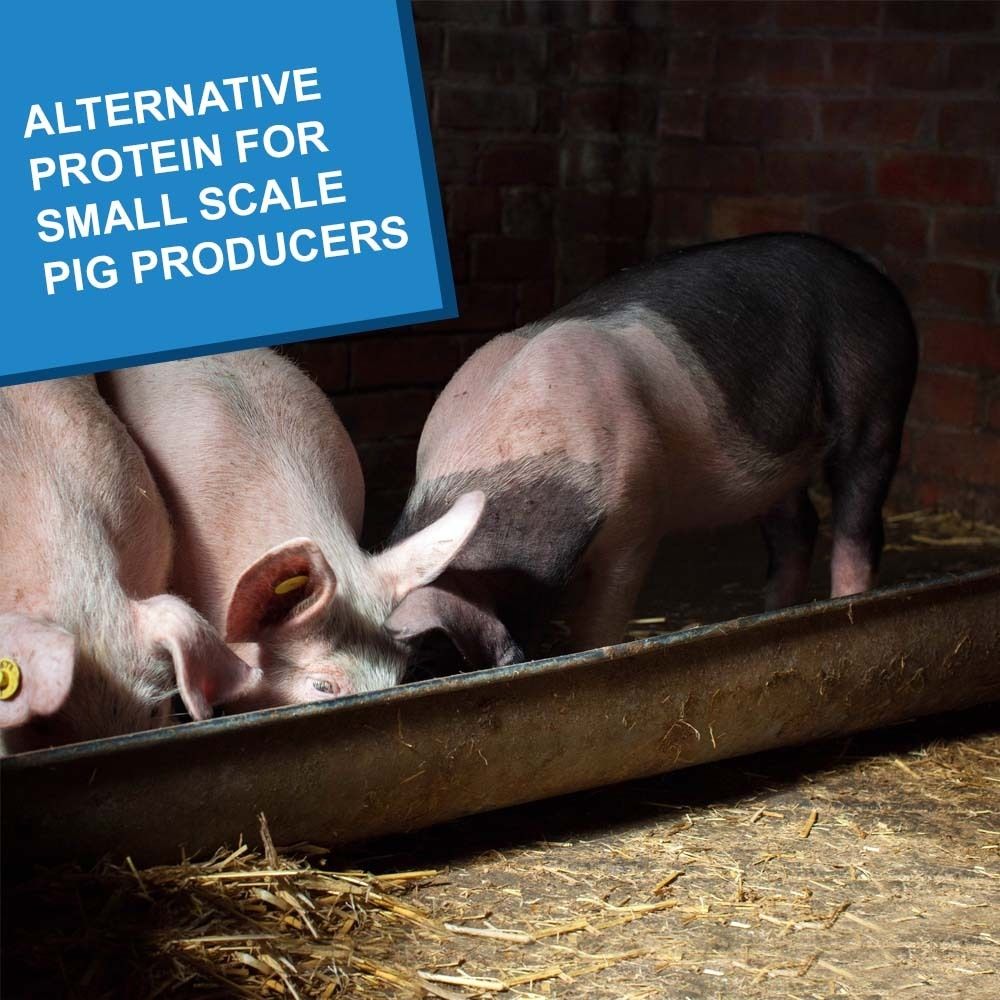
S1: Alternative Protein for Small Scale Pig Producers
There is much discussion across social media on feeding pigs natural diets to improve perceived welfare, improve meat quality and reduce overall feeding costs. It is important to maintain a balanced diet and using alternative feeds this can be at risk.
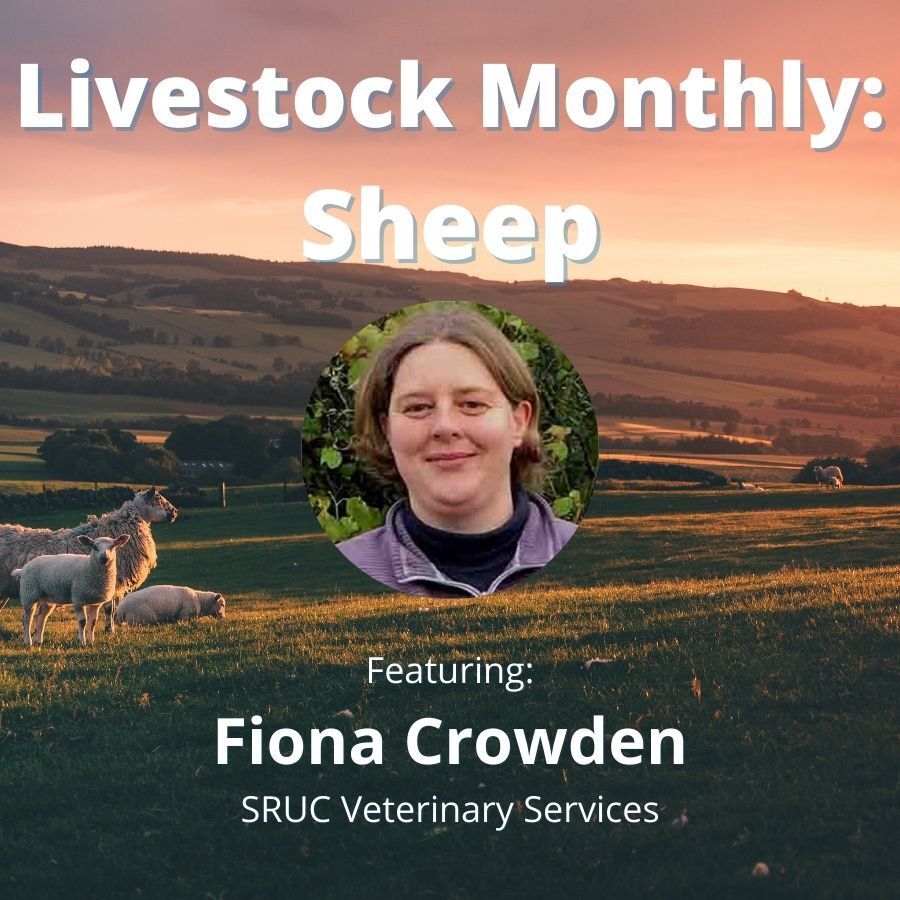
S1: Livestock Monthly: Sheep (Recorded March 2022)
Inflation in costs is a major challenge for sheep producers across the country. Optimising livestock performance will never have been more important than it is this year. In this podcast, Robert Ramsay talks to SRUC vet Fiona Crowden about spring management of sheep, giving key information to maximise flock performance and ensure 2022 is as profitable as it can be.
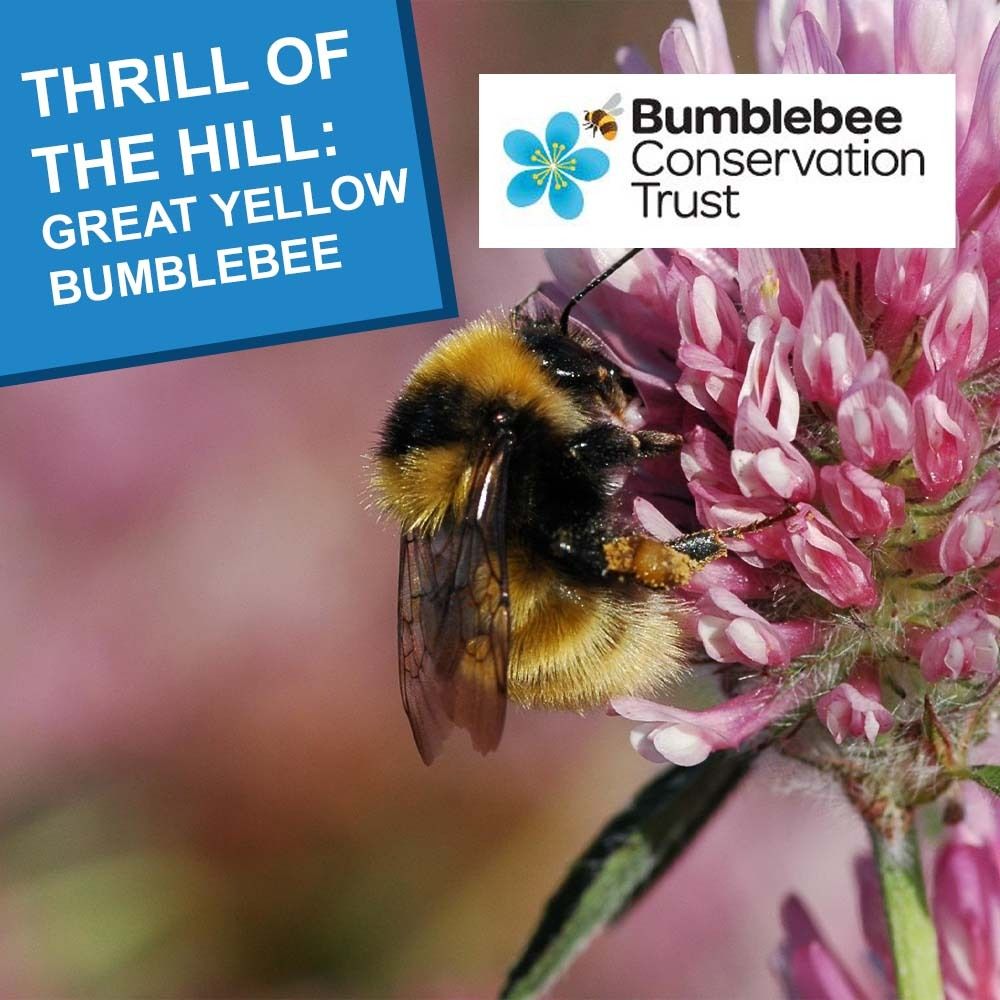
S1: Thrill of the Hill - Great Yellow Bumblebee
2017 saw the start of Scotland’s Pollinator Strategy, now in 2022 and half way through a ten-year plan, the role and importance of pollinators has only become more significant. Pollinators play an important role in the provision of ecosystem services across the country, impacting on biodiversity and productive farming in equal measure. In episode twenty-five of the Thrill of the Hill series, the Farm Advisory Service (FAS) talks to The Bumblebee Conservation Trust’s Katy Malone about conservation efforts around the national priority species, great yellow bumblebee. We discuss the historic decline of the species, the current status of the species and the actions farmers can take to enhance their farms for biodiversity. Also up for discussion is the return of the Agri-Environment Climate Scheme (AECS) and use of insecticides.
S1: Livestock Monthly: Beef (Recorded February 2022)
In the latest of our livestock monthly podcasts episodes hosted by Agricultural Consultant Robert Ramsay of SAC Consulting, we talk beef with Veterinary Investigation Officer, Tim Geraghty of SRUC Veterinary Services and Livestock Nutritionist, Karen Stewart of SAC Consulting. (Recorded February 2022)
S1: An Introduction to Geo Parks
The idea of land receiving designations or protections often gets a visceral reaction from farmers, crofters and landowners, with the threat of limitations and restrictions of activities, however these can also present opportunities. In episode twenty-four of the Thrill of the Hill series the Farm Advisory Service (FAS) talks to Arran Geo Park and Arran Access Trust member, Malcolm Wilkinson about the process of attaining Geo Park status. We talk about what a geo park is, how it compares to national park status, UNESCO support and other Scottish success stories. Also up for discussion is the role that farmers and landowners have in promoting public access and the need to control invasive and non-native species.
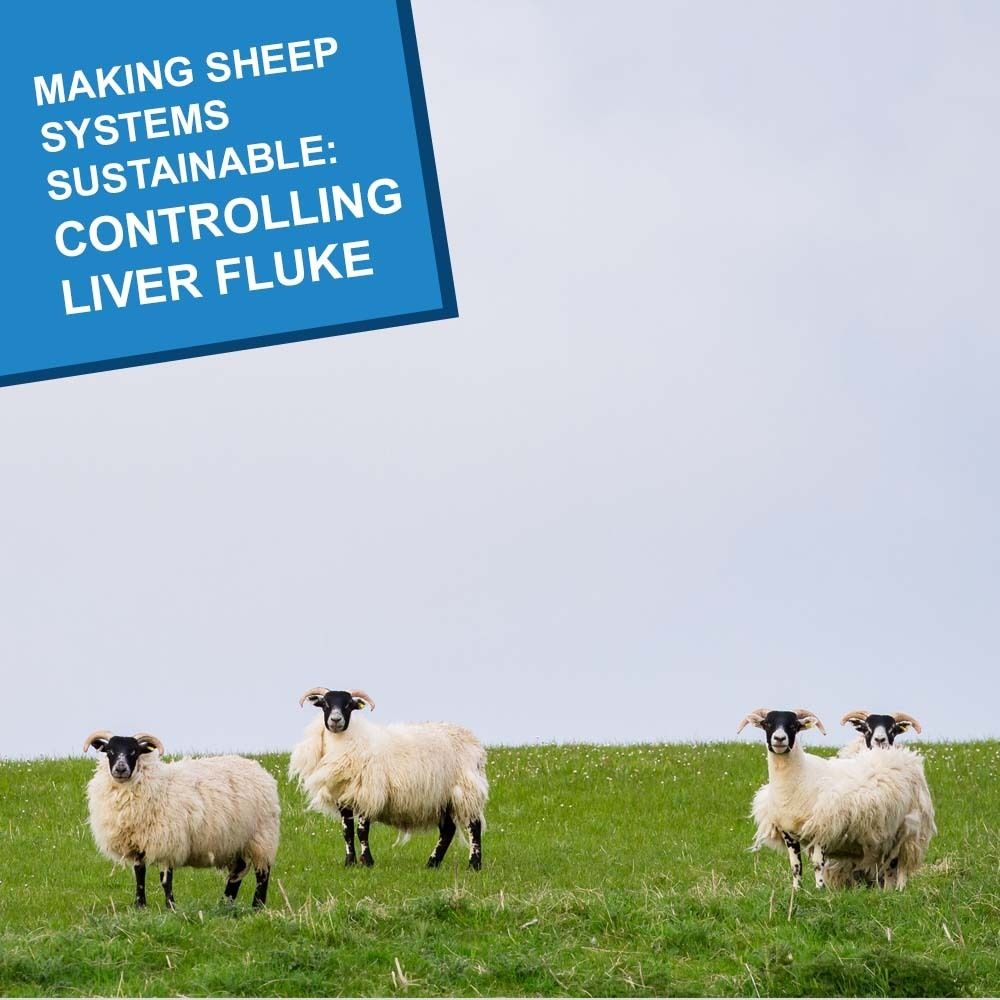
S1: Making Sheep Systems Sustainable: Controlling Liver Fluke
Daniel Stout speaks with Dr Philip Skuce from Moredun Research Institute about liver fluke in sheep. Resistance to triclabendazole, the only flukicide effective against all stages of immature fluke, is on the rise so it’s essential that we develop our understanding of the fluke lifecycle, treatment options at different stages and diagnostics tools to combat this and maintain effective control.
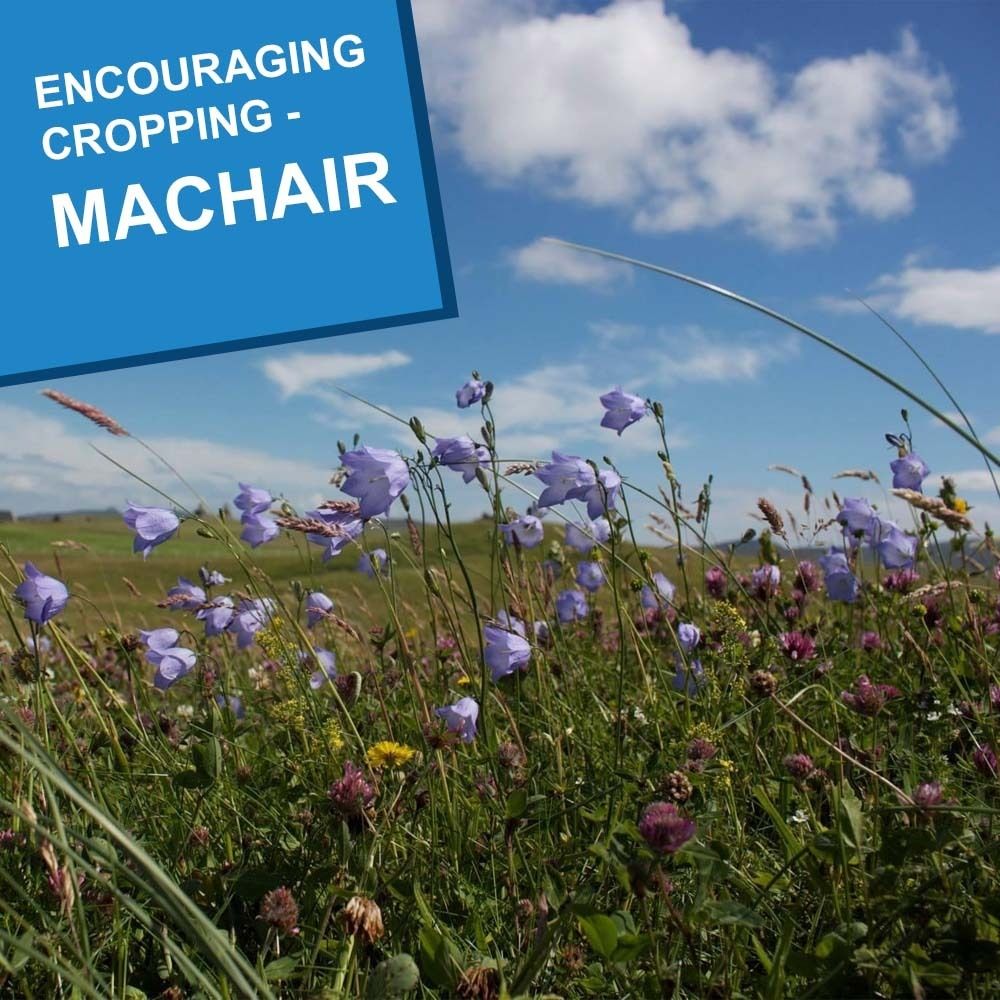
S1: Encouraging Croppping - Machair
In this podcast we hear from Johanne Ferguson of NatureScot about the importance of cropping on the Uist Machair. We discuss what the machair is and what it is designated for, as well as how the traditional cropping practices used on the Uist machair benefit the wildlife.
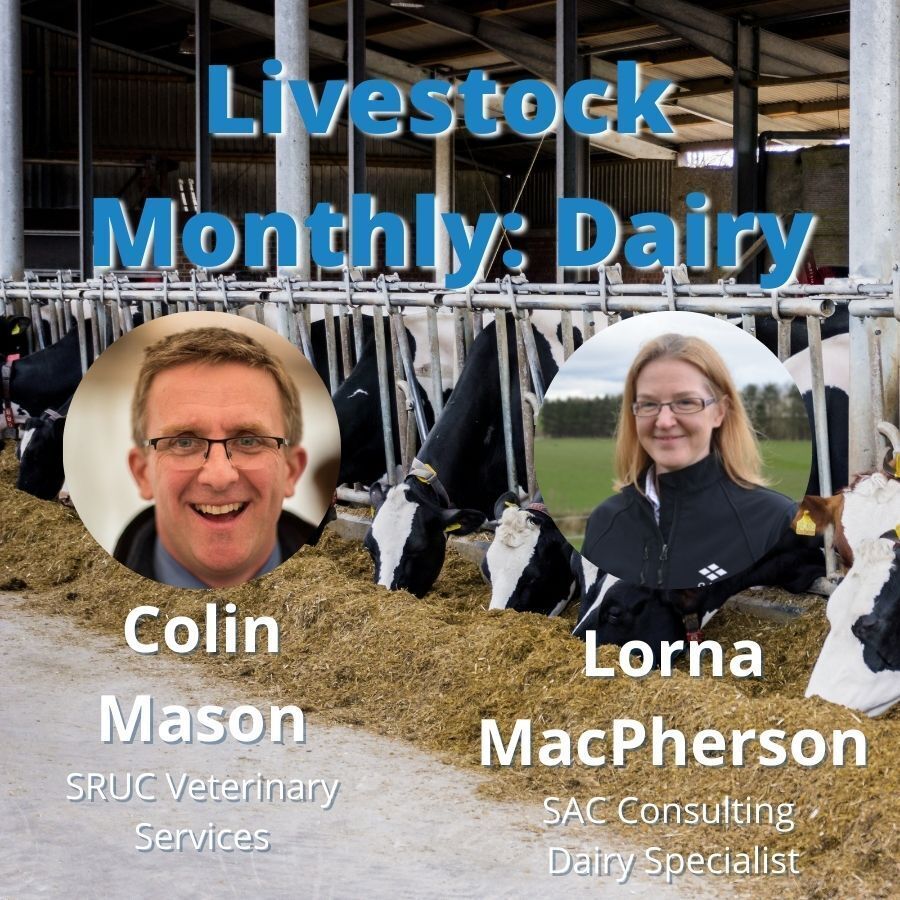
S1: Livestock Monthly: Dairy (Recorded December 2021)
In the latest of our livestock monthly podcasts episodes, this month hosted by Robert Ramsay of SAC Consulting, we talk dairy with specialist Lorna MacPherson and Colin Mason of SRUC Vets. What are the seasonal challenges dairy farmers are facing and what's the best strategy to get you through the season with the risk of respiratory disease on the rise.
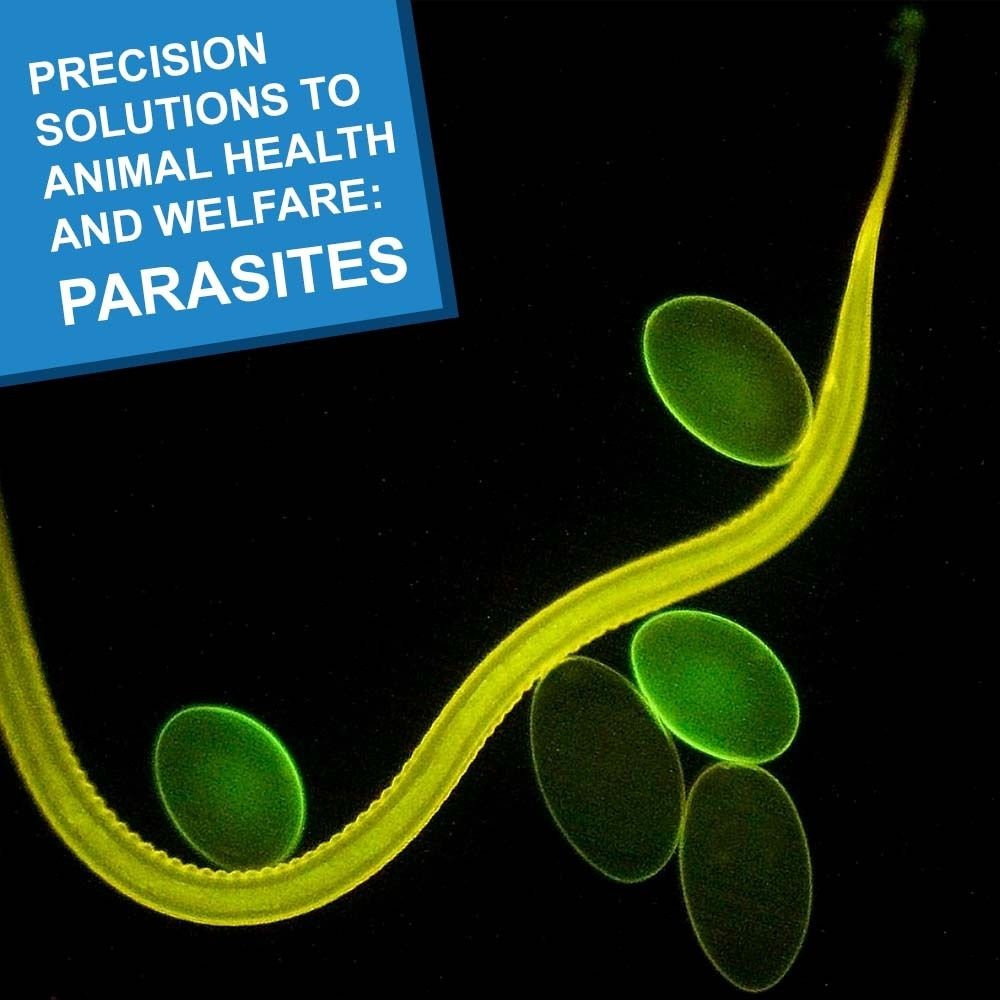
S1: Precision solutions to animal health & welfare: Parasites
Welcome along to our animal health & welfare series of eight podcasts. Each podcast will look at the latest research around animal health & welfare, with the aim of providing you an insight into the latest strategies which are being both developed & implemented. In this episode Tiffany Mactaggart is joined by Dr Fiona Kenyon and Dr Philip Skuce, research scientists from the Moredun Research Institute. In this episode we delve into parasites, particularly focusing on roundworm and liver fluke which can have major implications on the health and wellbeing of animals. Understanding the problem can help you to manage the burden, listen in as we explore the clinical signs to look out for, testing, treatments, anthelmintic resistance and most importantly, methods of reducing the burdens whilst reducing the use of anthelmintics. (Photo courtesy of University of Georgia)
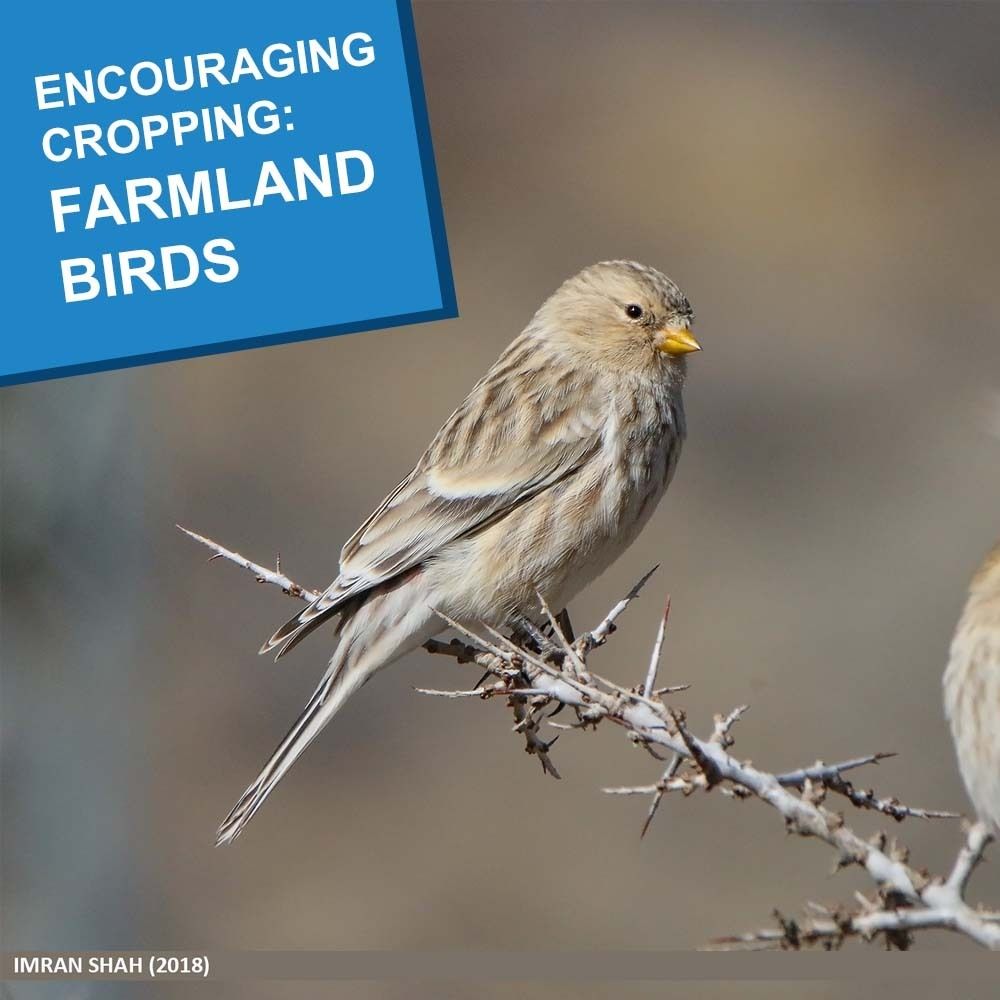
S1: Encouraging Cropping - Farmland Birds
In this podcast we hear from Chris Bailey RSPB Scotland about the importance of cropping areas for many farmland birds. We discuss the nature and climate emergencies and the need for partnership working with crofters and farmers to help tackle these.
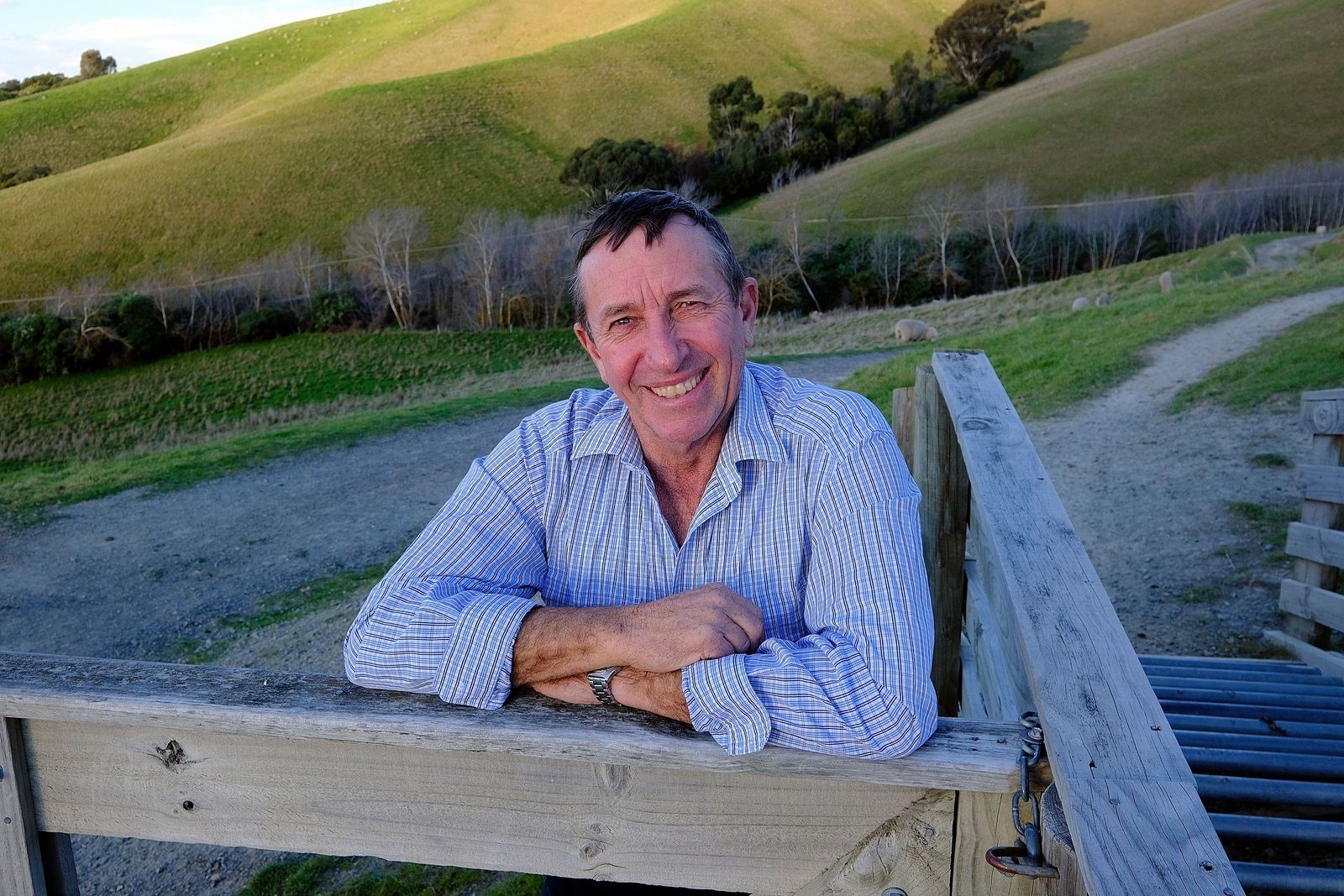
S1: Health is your Wealth - Doug Avery, The Resilient Farmer
In this episode of the Farm Advisory Service podcast, we're focussing on mental health and well being. We're really lucky to be joined by a man who is now a bit of a celebrity, and synonymous with resilience and mental health all around the world - Doug Avery.
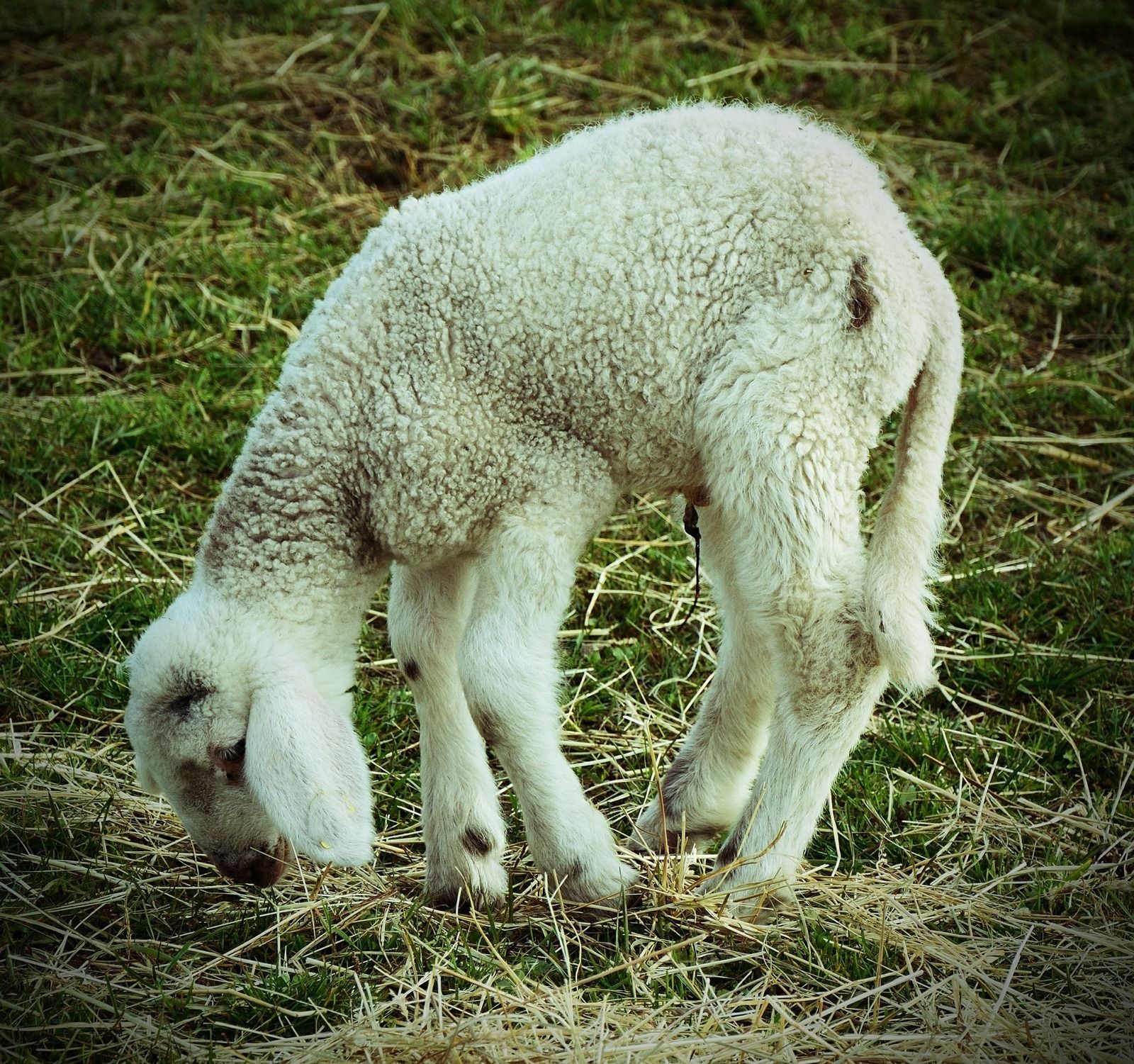
S1: Precision solutions to animal health & welfare: episode – Post-mortem
Welcome along to our animal health & welfare series of eight podcasts. Each podcast will look at the latest research around animal health & welfare, with the aim of providing you an insight into the latest strategies which are being both developed & implemented. In this episode Tiffany Mactaggart is joined by Iain McCormick and Connie Rafferty and follows a post-mortem during the podcast. Gain an insight into what a vet checks when carrying out a post-mortem as well as how thoroughly an animal is examined, and the different samples taken to go for further testing. A post-mortem is an opportunity to gain an understanding of what issues are present and not present on your farm which can feed into your health plan.
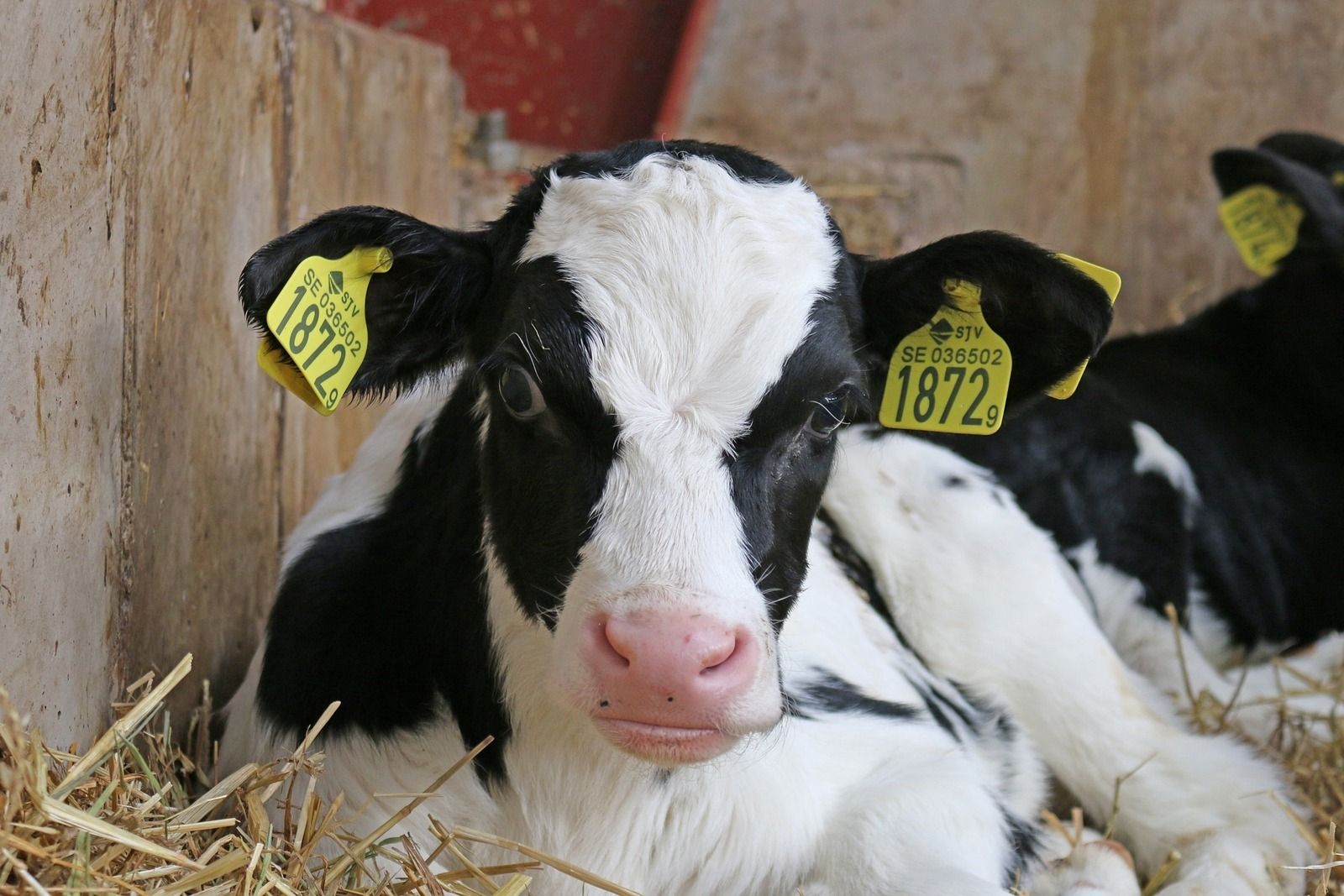
S1: Precision solutions to animal health & welfare: Dairy Calf
In this episode, Tiffany Mactaggart and George Gauley are joined by Professor Marie Haskell and Dr David Bell at Crichton Royal Farm, a dairy research and innovation centre in Dumfries. Hear about the latest research in dairy calf health, climatic housing and early disease predictors for respiratory diseases.
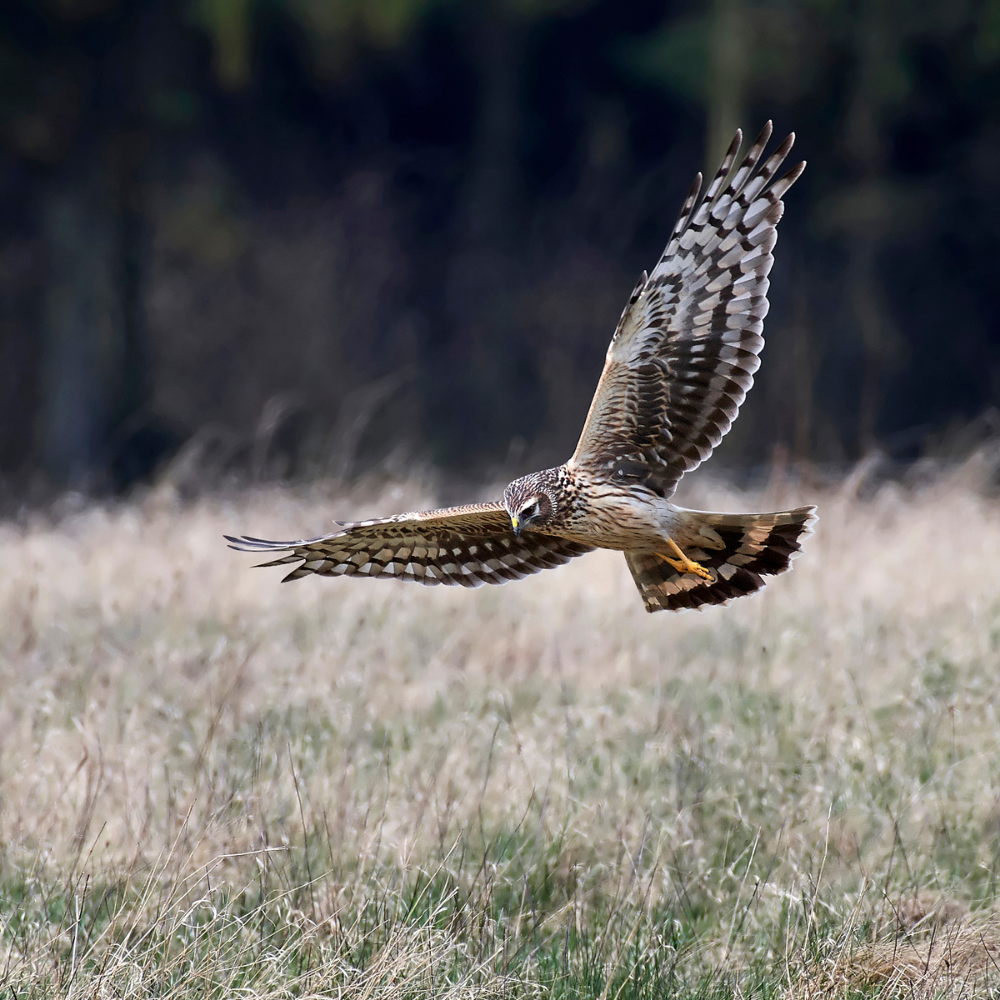
S1: Thrill of The Hill - Hen Harrier Management
A national priority species and apex predator, the hen harrier is a unique and important bird within the farmed upland environment. Despite this, historic bad practices, burning and lack of predator control have placed increased pressure on a vulnerable population. In episode twenty-three of the Thrill of the Hill series the Farm Advisory Service (FAS) talks to RSPB officer Daniel Brown about the importance of hen harrier, their function within the uplands and the beneficial management practices farmers and landowners can take to improve and enhance habitat for them. Also up for discussion is the role of livestock grazing and predator control in the uplands.

S1: Co-Operation and Collaboration
Food & Drink specialist consultant, Kerry Hammond facilitates an hour with some of Scotland ( & Ireland’s) most enthusiastic collaborators. Featuring Anna Robertson the Co-Op and training manager at SAOS, Hector Munro from Foulis Farm (Black Isle) , Caroline Black Director of Black’s Agri-services (Angus), Jim Booth Head of CoOp Development at SAOS, Donald Ross (from Rhynie Farm Tain) & Director of Scottish Agronomy, and TJ Flanagan, our international speaker, CEO of ICOS the Irish Cooperation Organisation Society. Understand about different types of collaborative working, the value in formal co-ops and the models they can take, and hear first hand about the successes, and lesson learned along the way by those doing it on the ground.
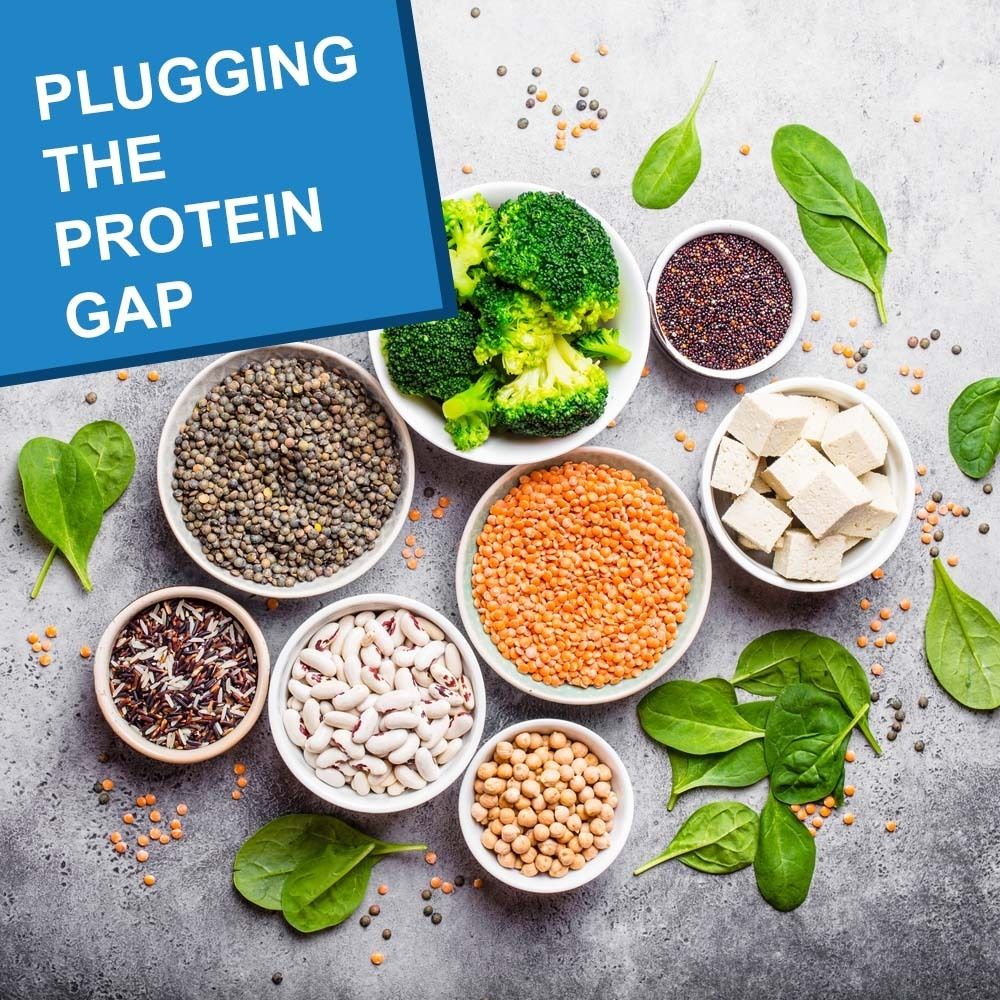
S1: Plugging the Protein Gap
Hosted by Kerry Hammond, ‘Plugging the Protein’ talks to Food and Drink Industry consultants Alistair Trail and Ceri Ritchie, chef lecturer Mark Barker, and product development chef and restaurateur Morag Hamilton. This podcast digs deep on he trends and influences around plant-based protein, the industry view on category growth, and lab-based meats, while also highlighting the opportunities available to Scottish Farmers.
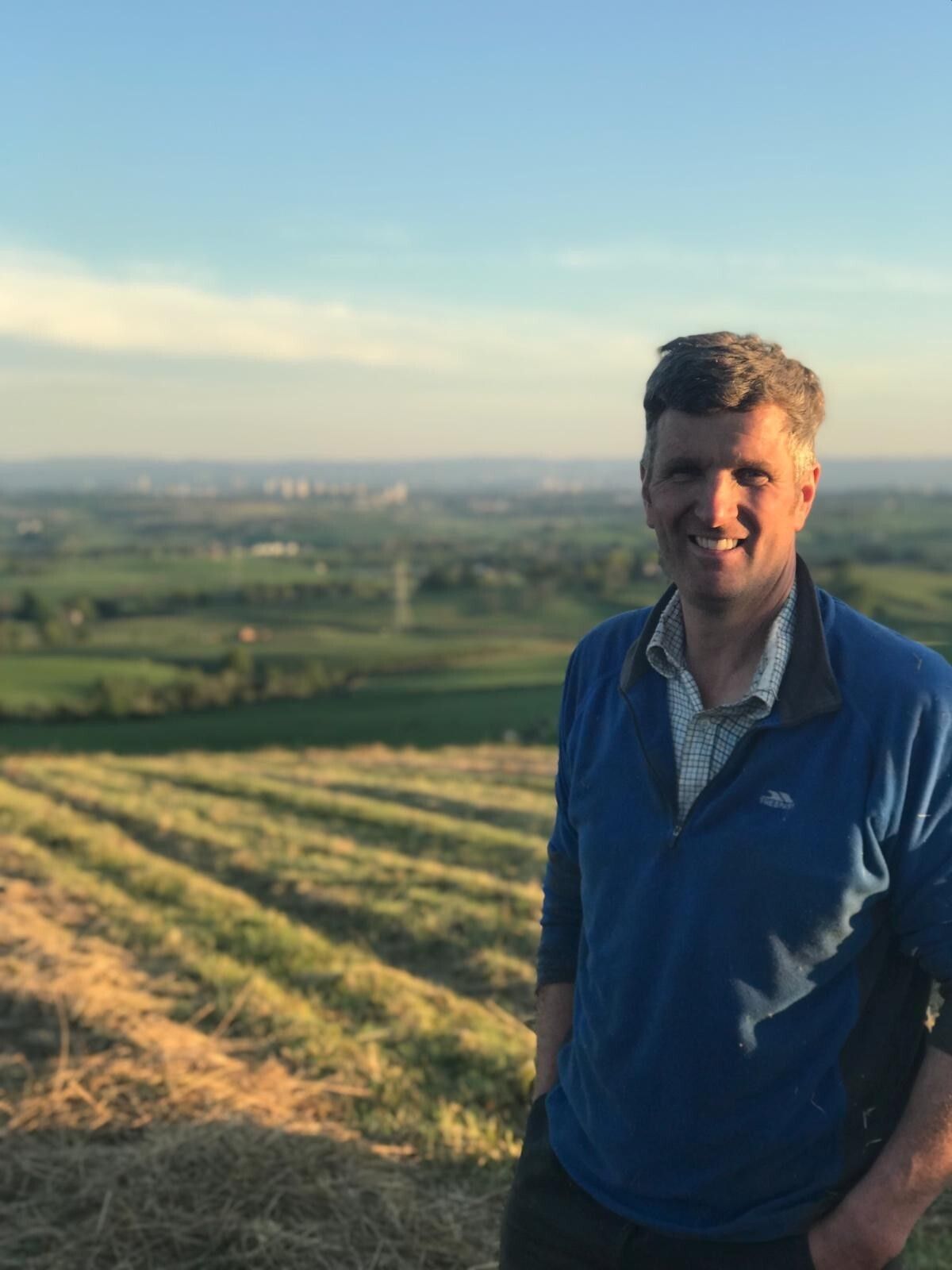
S1: Animal welfare and farmer wellbeing
Animal welfare and farmer wellbeing – the holistic benefits of improving animal housing with John Imrie In this episode of the Farm Advisory Service (FAS) podcast John Imrie from Hillhead Farm talks to us about his experience of receiving specialist advice for animal welfare. In this conversation, John discusses his ambition of making his farm a more comfortable place for animals and people. John also talks about the importance, as a farmer, of taking care of your health and making sure farming is an attractive prospect for future generations.

S1: Thrill of The Hill - A Wilder Scotland?
For many farmers, crofters and landowners in Scotland rewilding is a new and intimidating frontier, the prospect of rewilding and reintroduction of species previously native to Scotland presents challenges, concerns and opportunities. In episode twenty-two of the Thrill of the Hill series the Farm Advisory Service (FAS) talks to rewilding advocate and Executive Director for Scotland: The Big Picture, Peter Cairns about how rewilding and reintroductions can be part of the answer to Scotland’s biodiversity crisis. We talk defining rewilding, success stories, managing conflicts. Also up for discussion is the idea of rewilding people and the need for mindset change within the general public.
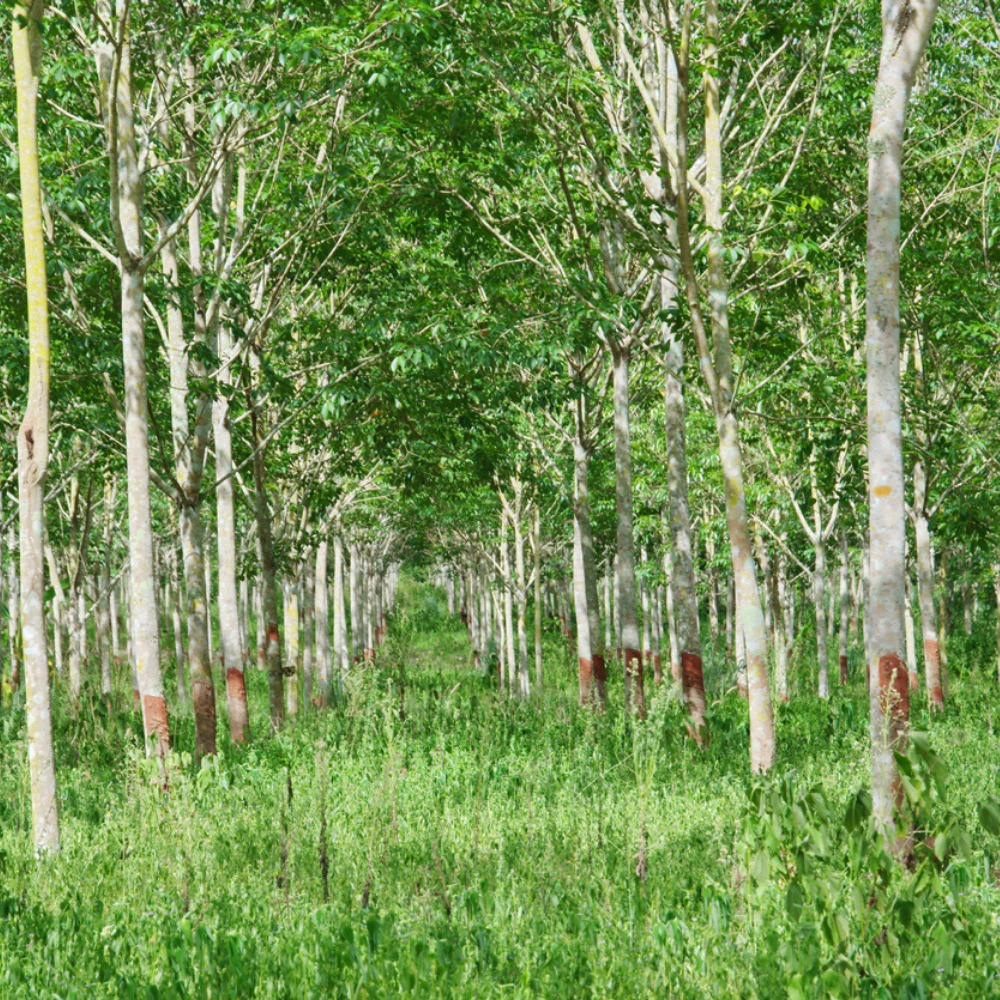
S1: Thrill of The Hill - Opportunities in Agroforestry
Woodland creation and management is only one of the many avenues Scotland is taking to tackle the climate emergency and woodland has a proven link to increasing carbon capture on the farm. Agroforestry allows farmers, crofters and landowners the chance to maintain agricultural output, with options for woodland grazing and intercropping, meaning productive activity can be promoted at the same time as tree planting. In episode twenty one of the Thrill of the Hill series the Farm Advisory Service (FAS) talks to Woodland Creation Officer, Virginia Harden Scott about agroforestry opportunities in Scotland and the progress made towards net zero emissions. Also up for discussion is role of agroforestry in promoting natural capital and enhancing biodiversity. Visit our Farm Woodland webpages to find out more about forestry opportunities, and for more information about the number of carbon units generated per hectare and the price per tonne for carbon units visit the Woodland Carbon Code webpage.
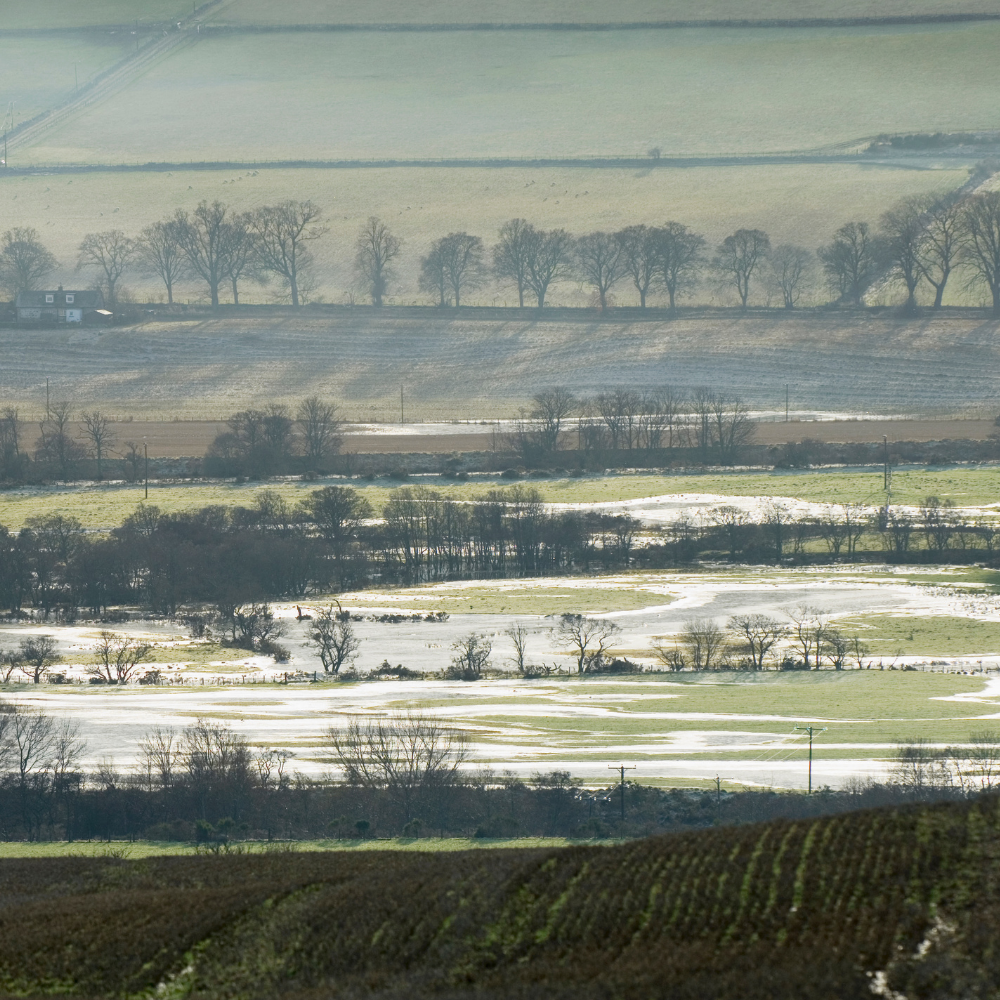
S1: Thrill of The Hill - Natural Flood Management
Changes brought on by climate change will set new challenges for farmers and landowners, with periods of intense heat and dry conditions being followed by milder and wetter winters. At the same time, Scotland is renowned for its lochs and catchments, that contribute to Scotland’s natural capital. In episode twenty of the Thrill of the Hill series the Farm Advisory Service (FAS) talks to Nature Scot advisor, Ian Cornforth about the state of Scotland’s water environment, the need for water retention, green engineering and nature-based solutions to aid good management of our watercourses. Also up for discussion is the introduction of beavers and managing their impacts on the farmed water environment. Find our more - visit https://fas.scot and www.farmingandwaterscotland.org
S1: Crofters and Smallholders – Horticultural Question Time
Horticultural Question Time - in this podcast we posed the questions asked by you the FAS listeners to horticultural expert Audrey Litterick. Lots of topics were covered from the difference between growing medium and compost, watering and growing potatoes on the machair to many more! We hope you enjoyed the podcast with Audrey Litterick. If you want to learn more, please see the materials on the FAS website https://www.fas.scot/downloads/composts-growing-media-the-facts/ The SCF handbook mentioned Horticulture Handbook - Scottish Crofting Federation
S1: Thrill of The Hill - Sustainable Principles
Managing Scotland’s landscapes sustainably is what all farmers, crofters and landowners seek to achieve. For years now there has been a steady increase in the number of land managers turning to organics, and regenerative practices are gathering momentum; at the same time the idea of farming holistically is also on the rise. In episode nineteen of the Thrill of the Hill series the Farm Advisory Service (FAS) talks to beef and business consultant, Robert Ramsay and head of the Farm Business Survey, Sascha Grierson about farming organically, using regenerative practices and taking a holistic view of your business. Also up for discussion is the role of ruminant livestock and their importance as conservation grazers.
S1: Cropcast: Soil Health Tech Talk
In this Cropcast, Prof Fiona Burnett of SRUC talks soils and soil health with Joanna Cloy who is a Soil Scientist and Researcher at SRUC, Paul Hargreaves who is a Soil Scientist and Grassland Researcher also with SRUC and David Ross who is a senior Consultant with SAC Consulting in the North East
S1: All about potatoes!
Potatoes are an important crop in the Crofting Counties with many crofters growing for home consumption whereas other crofters may sell their potatoes at farmers markets or in vegetable boxes. In this podcast Janette Sutherland interviews Innes Jessieman SRUC potato expert to get his advice and top tips throughout the growing cycle.
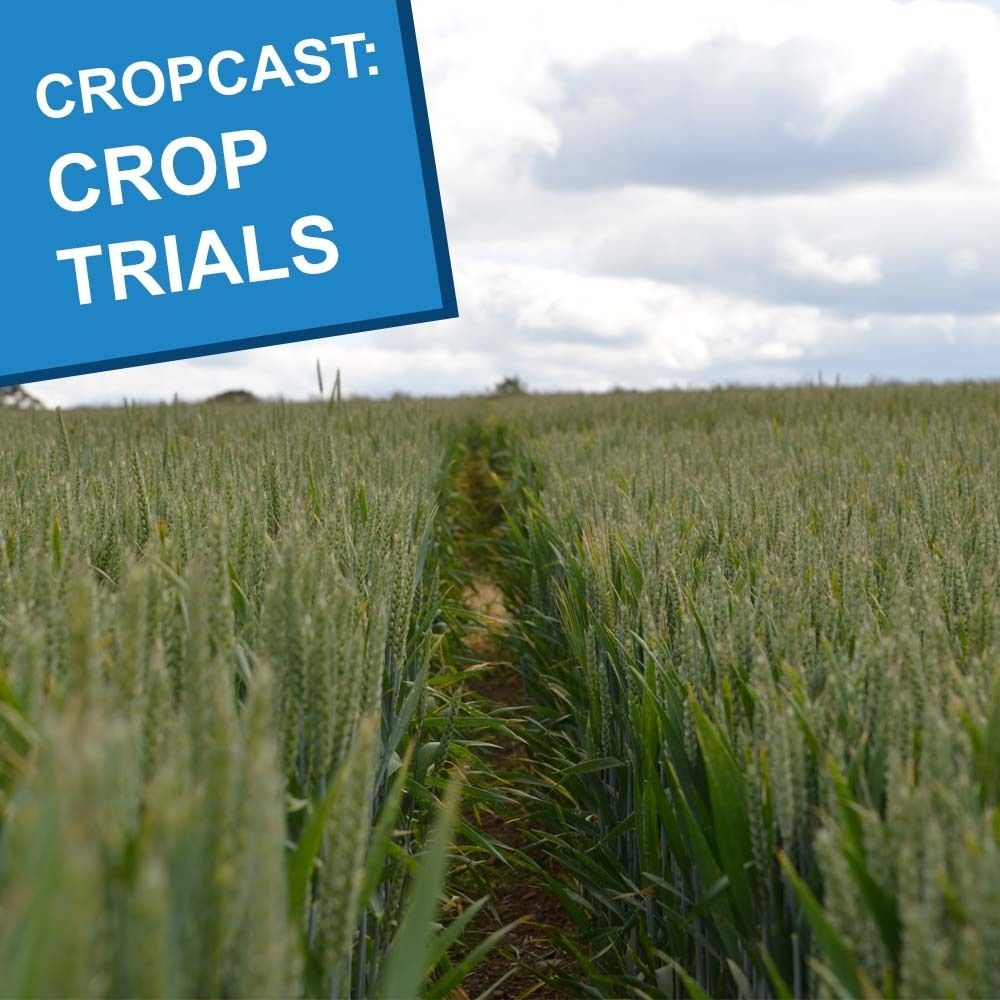
S1: Cropcast: Crop Trials
In this Cropcast, Prof Fiona Burnett of SRUC talks to Dr Neil Havis who heads up Crop Protection at SRUC, Crops Consultant Peter Lindsay and Pierre and Alain Bouffandeau who is the Crops Trials Manager at SRUC.
S1: Precision solutions to animal health & welfare: Poultry Special
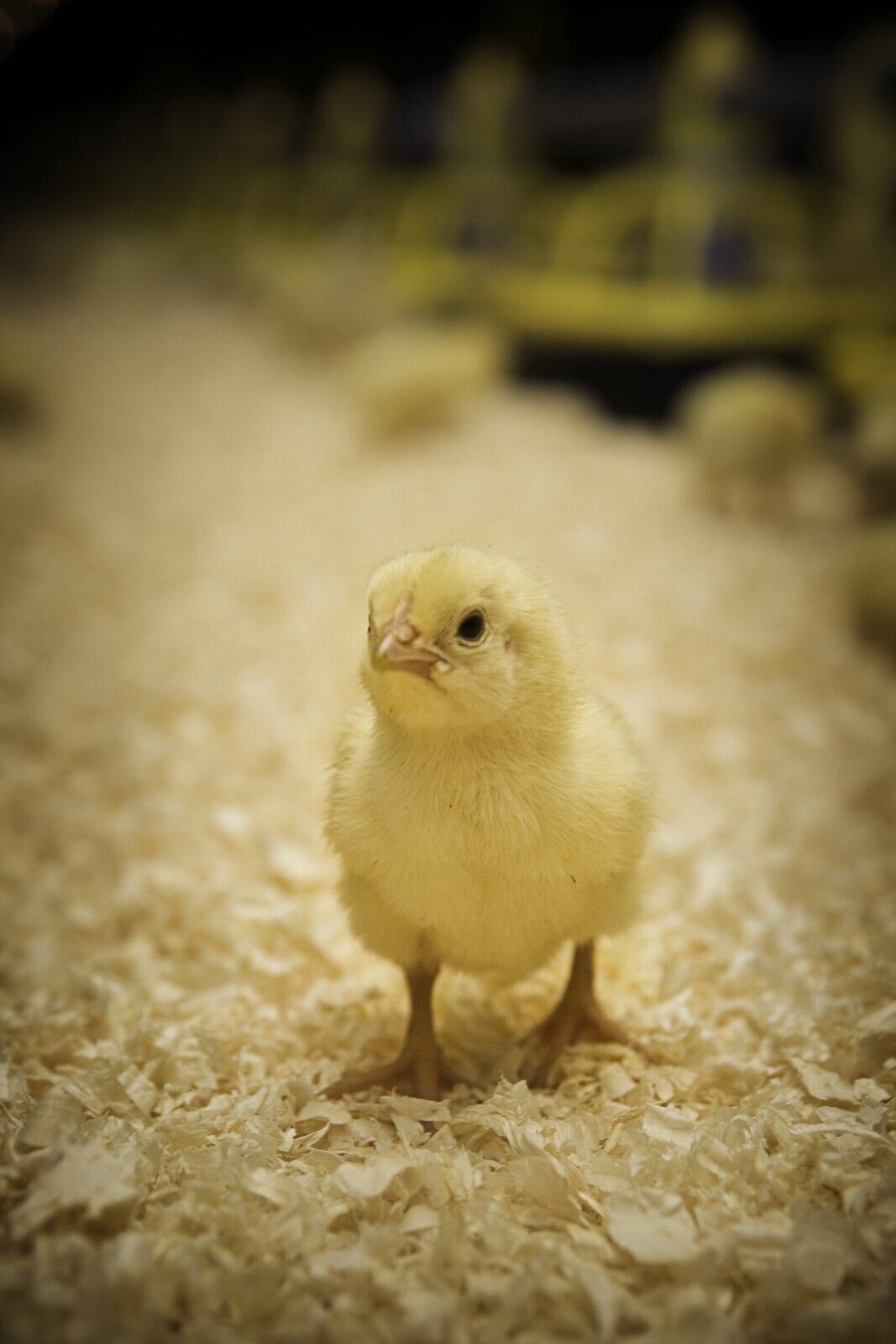
Welcome along to our animal health & welfare series of eight podcasts. Each podcast will look at the latest research around animal health & welfare, with the aim of providing you an insight into the latest strategies which are being both developed & implemented. In the first part of the episode George Gauley will be joined by SRUC’s monogastric research scientist, Dr Salvatore Galgano, to discuss his breakthrough trial, which looks at using Peracitic acid as a way of finding an alternitive to antimicrobials In the second part of the episode, George will be joined by senior behaviour and welfare scientist Dr Victoria Sandilands to discuss her work, which is addressing the need to improve housing systems for the welfare of laying hens. She also discusess the challenges facing the industry going forward.
S1: Capitalising on Assets
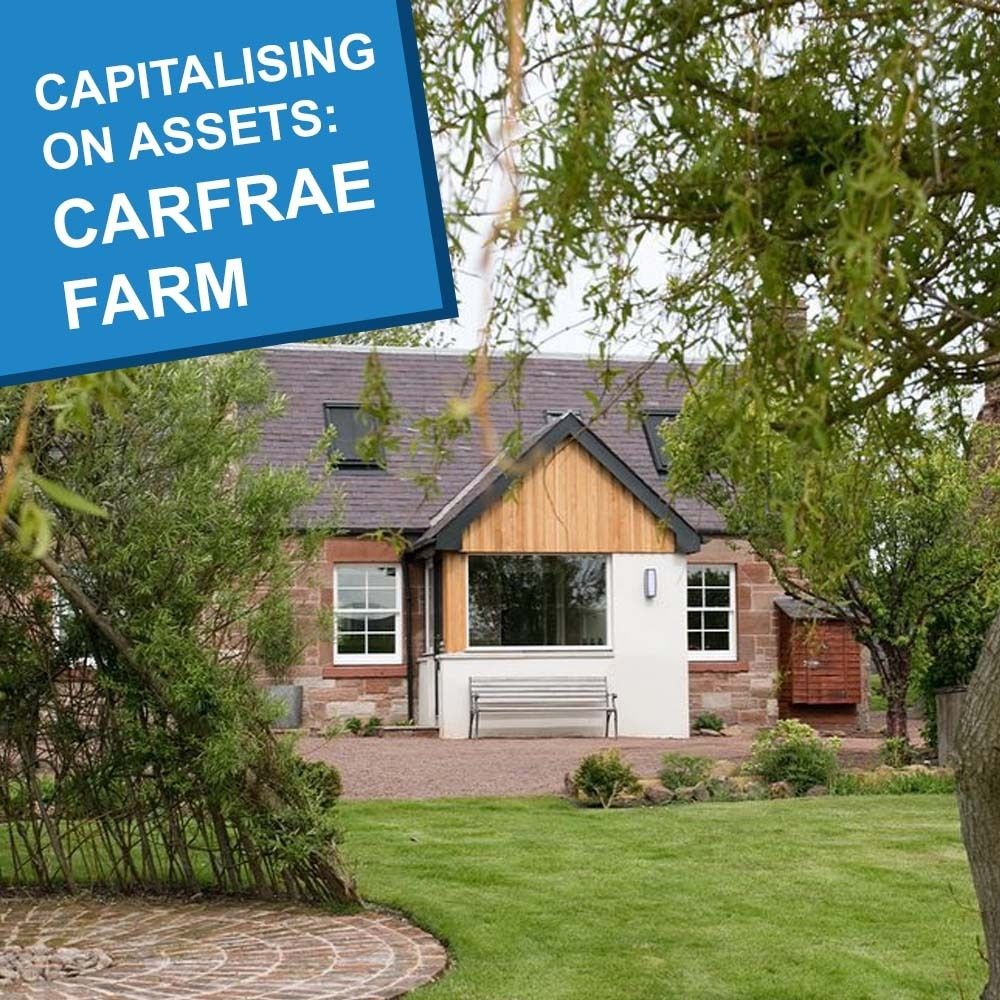
Taking on a farm or croft for the first time is an exciting opportunity but as New Entrants there can be challenges along the way. We speak to Trudi Cueto from Carfrae Farm to discuss their diversification journey and the wide range of exciting activities available to the public on the farm.
S1: Livestock Monthly: Sheep (November 2021)
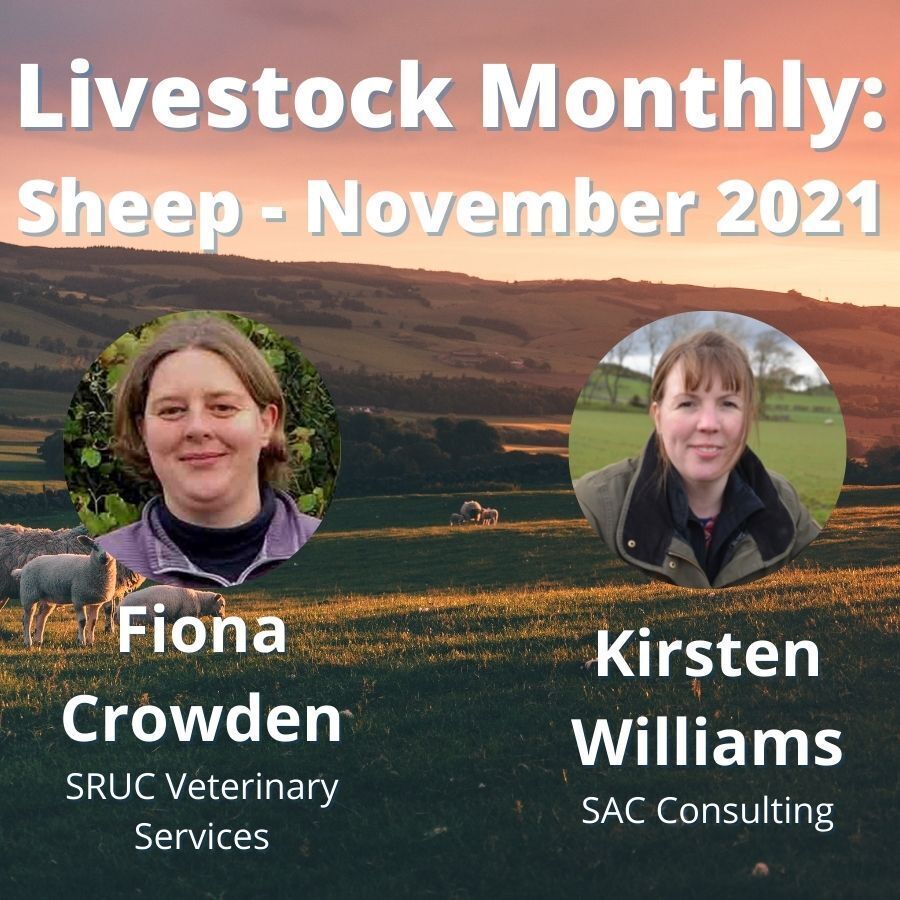
In this livestock podcast, Agricultural Consultant Robert Ramsay speaks to SAC Consulting sheep specialist Kirsten Williams and to SRUC Veterinary Investigation Officer Fiona Crowden. The podcast covers, latest problems presenting at vet labs and what are the big issues sheep specialists are being asked at the moment.
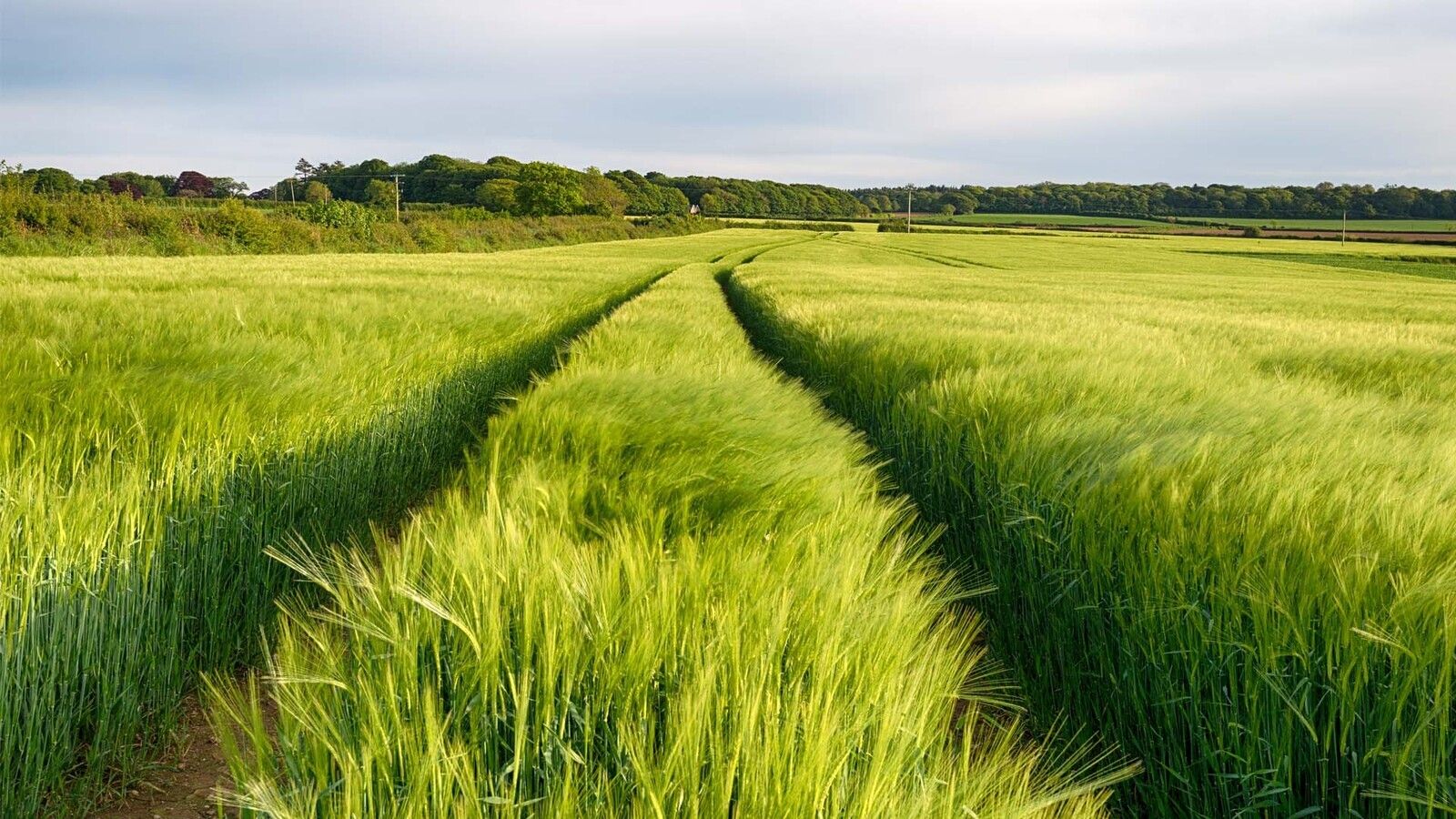
S1: Cropcast: Integrated Pest Management
Integrated pest management (IPM) is a holistic approach to pest management that aims to maximise profit whilst also aiming to minimising the negative impacts of crop production on the environment.That's the technical definition, but what does it mean in practice?In this Cropcast, Prof Fiona Burnett of SRUC talks to Dr Henry Creissen who is research lead on integrated Pest Management at SRUC.
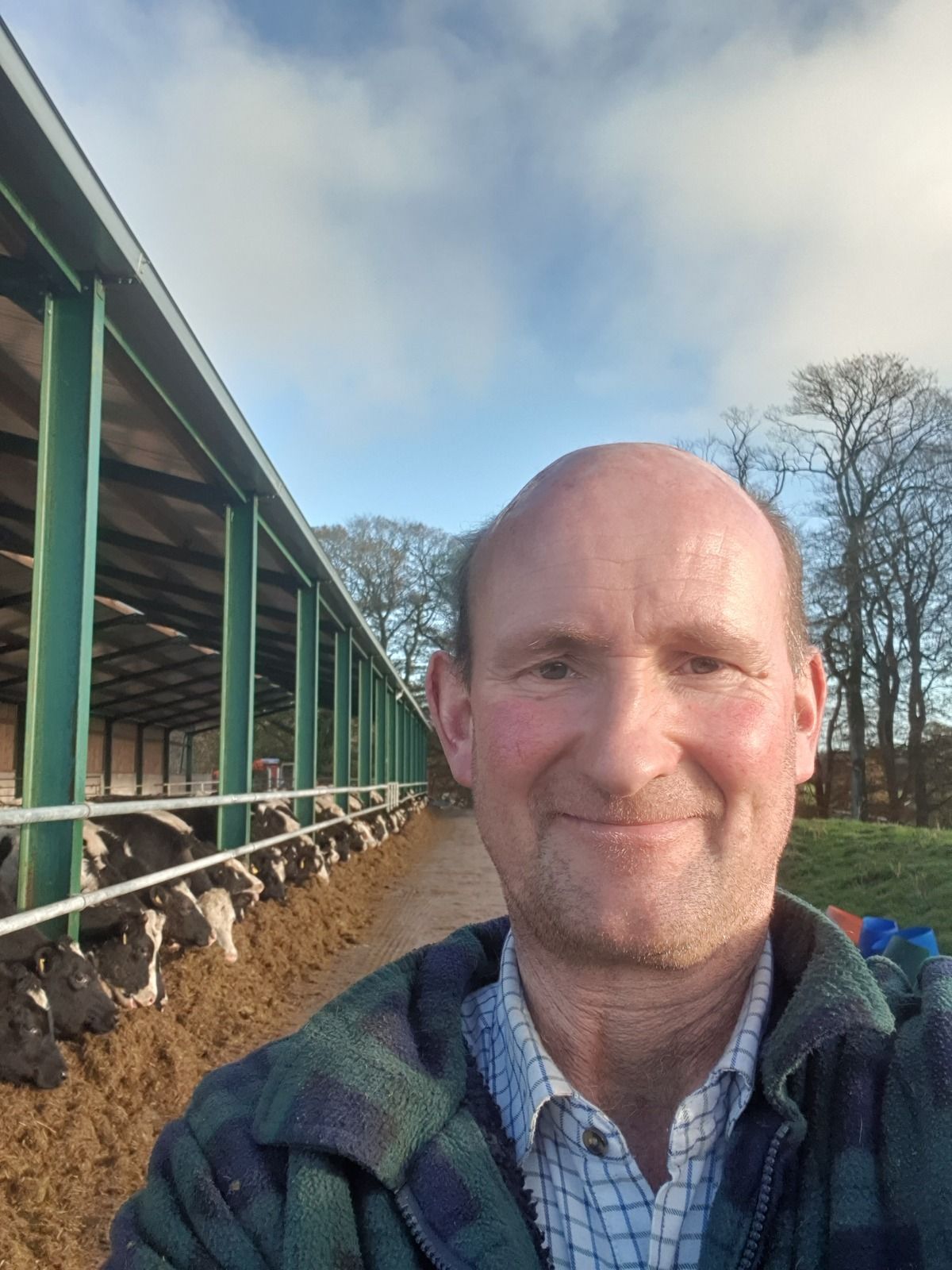
S1: Taking stock – the long-term benefits of an Integrated Land Management Plan
In this podcast, Ben Graham, Managing Partner at Kirkland in Dumfries and Galloway talks to us about his experience of applying for an Integrated Land Management Plan (ILMP) to reflect on how he runs the enterprise. In the interview, Ben details his reasons for applying for an ILMP and how this fits into the long term plan for the business. He also discusses on wanting to leave the business in a healthy, profitable state for the person who will take over from him, which recommendations he’s turned into actions and the importance of farmers always being prepared to change.
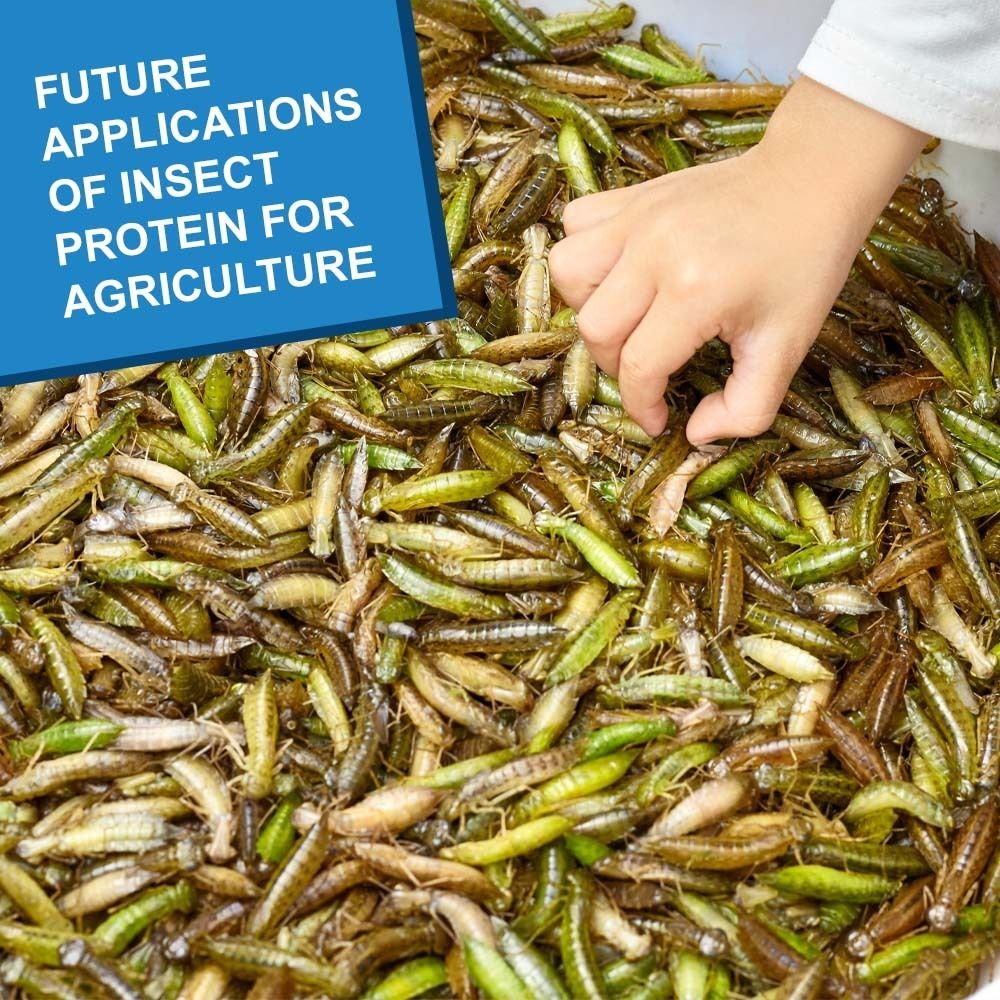
S1: Future Applications of Insect Protein for Agriculture
Janette Sutherland SAC Consulting Portree interviews Zero Waste Scotland’s Dr William Clark about a new type of farming – insect farming. The podcast covers a wide variety of topics from why we need to produce more protein and rely less on soya and how also we protect the welfare of farmed insects. We gain good get insights into the legalisation and how the markets are likely to develop in the future. We also discuss research on consumer reactions to moving towards insect farming for various sectors including hens and fish. For further information please see https://www.zerowastescotland.org.uk/
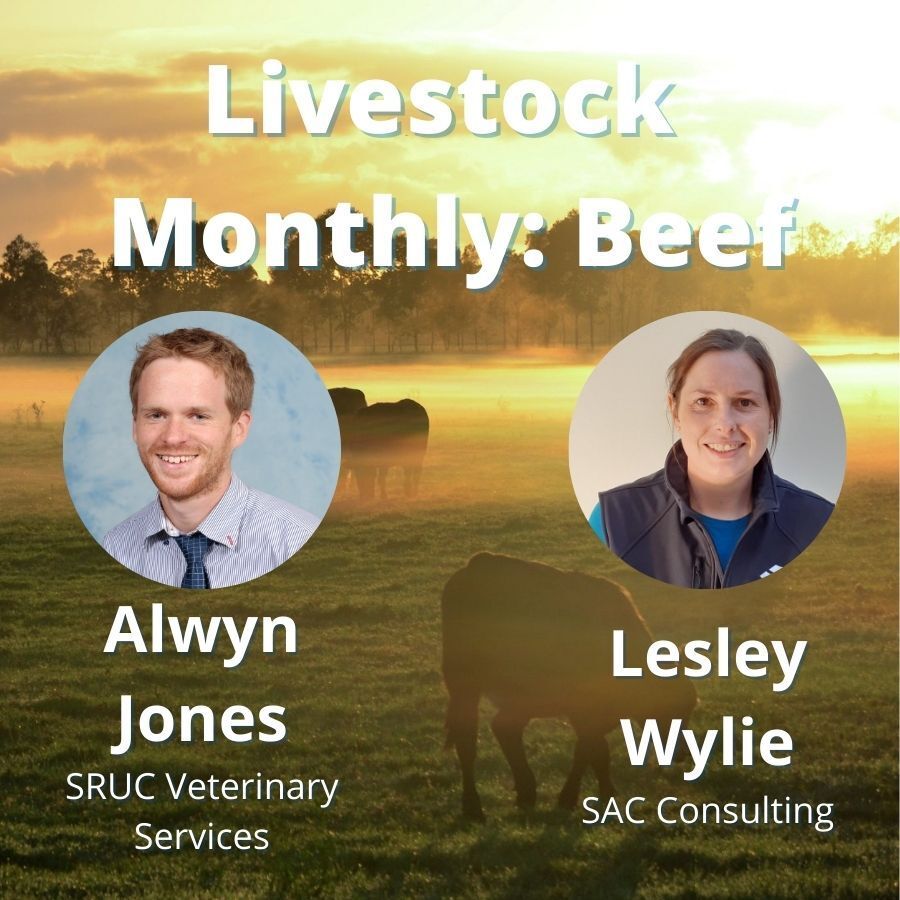
S1: Livestock Monthly: Beef
In the latest of our livestock monthly podcasts episodes hosted by Beef Specialist Robert Ramsay of SAC Consulting, we talk beef with Veterinary Investigation Officer, Alwyn Jones of SRUC Veterinary Services and Livestock Specialist, Lesley Wylie of SAC Consulting. (Recorded October 2021)