Scotland's Farm Advisory Service Podcast
642 episodes — Page 13 of 13

S1: The Cloud
Ask any farmer about ‘the cloud’ and very often the response is that they don’t really understand it, nor do they use it. However the reality is very different – lots of information about you and your business is already on the cloud, and it’s increasing daily. In this podcast we’re talking to two people from agriculture-specialist cloud software companies – their working lives effectively exist in the cloud and they talk to us about the benefits of the cloud, and the things farmers should consider.
S1: Farming & Biodiversity in Argyll & Lochaber (episode 2 of 2)
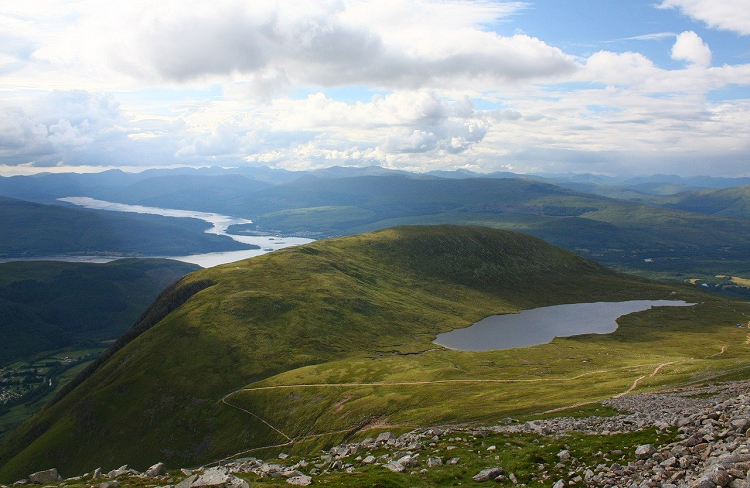
This is the second of a 2 part series podcast, which is brought to you from Argyll & Lochaber, in the west coast of Scotland. The focus of this series, is Biodiversity and farming. In the first episode, we heard from conservation consultant Helen Bibby, who explained, not only the principles of Biodiversity, but also highlighted the role that conventional farming can play in enhancing biodiversity and the habitats in which it exists. She also provided some advice and useful tips on how farmers can understand more about the habitats which might be in place on their own farms, which they might already be managing but not realise. In this episode, as a follow up to episode 1, we’ve been out on the ground, talking to some Lochaber farmers, to learn more about, the real work which is being carried out to manage and enhance biodiversity, but also to learn about some of the challenges faced, when managing for biodiversity. We are joined by local farmers, Paolo Berardelli and James Coalston. Both farm in extreme conditions, with a mixture of hill ground and grazed woodland. We also explore the importance of support payments in ensuring that this type of management continues. You can listen to the first episode in this Farming & Biodiversity podcast series here. We have more information about biodiversity on our webpage.
Farming & Biodiversity in Argyll & Lochaber (episode 1 of 2)
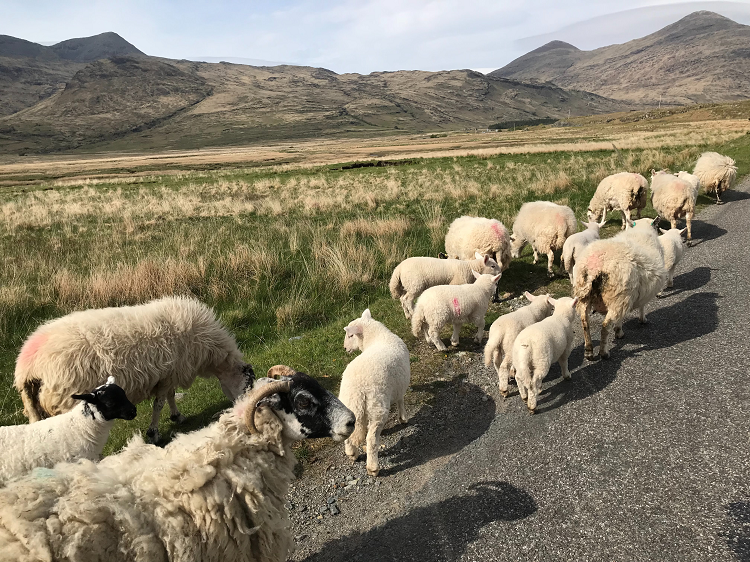
This is the first of a 2 part series podcast, which is brought to you from Argyll & Lochaber, in the west coast of Scotland. The focus of this series is 'Biodiversity and Farming'. There is no doubt that Agriculture has attracted a lot of attention recently, particularly centred on greenhouse gas emissions and new ideas that conventional food production will eventually be replaced by laboratories. What is often forgotten about, is the role that agriculture plays in maintaining landscapes and a high level of biodiversity. This output is often under emphasised by both farmers and consumers. During this episode, we will be investigating • What is biodiversity, what do we mean when we talk about it? • Why is Biodiversity important? • What types of biodiversity exist on farms in Argyll & the west coast? • What about farming & woodlands? What are the merits in terms of biodiversity? • Why is it important, to understand the types of habitats which are present on our farms? And how can farmers go about assessing the value of their own farms from a biodiversity perspective? To find our more about biodiversity and farming, visit our webpage at https://www.fas.scot/environment/biodiversity/
S1: Inverness Soil & Nutrient Network: Getting back to basics with soil management
Mark Tripney from iSoils and Gavin Elrick from SAC Consulting were the guest speakers during the first meeting of the Inverness Soil & Nutrient Network. In this podcast we hear their key recommendations about how farmers can go back to basics with soil management to improve productivity and increase their sustainability. Find out more about the Soil & Nutrient Network and our host farms on our website at https://www.fas.scot/soil-nutrient-network-host-farms/
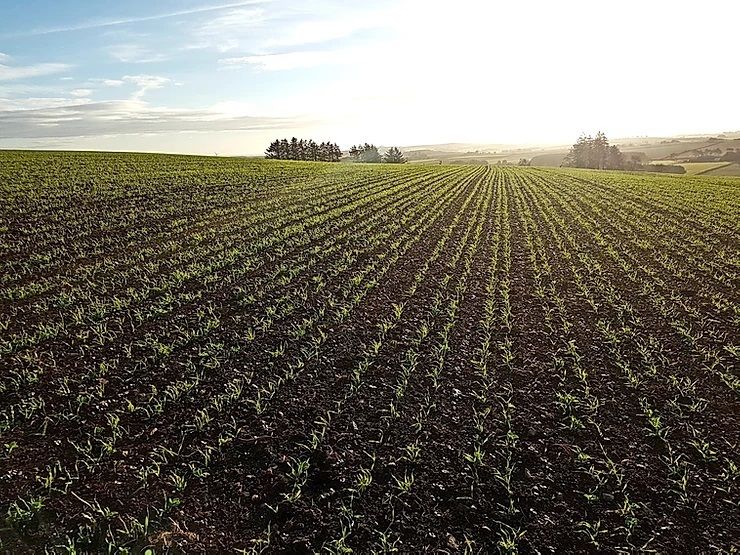
S1: North East Organic Discussion Group: Mains of Thornton
In this podcast, the first of four from our North East Organic Discussion Group, Malcolm MacDonald chats to Murray Cooper who farms at Mains of Thornton, and SRUC Research Agronomist Dr Robin Walker. Robin discusses some of the research he has done on intercropping and crop mixtures and how they can be used in organic systems. Murray outlines his farming system and also discusses the practicalities and challenges of using inter-cropping and crop mixtures on a commercial scale.

S1: Lifestyle Balance
Maintaining a balanced life is becoming increasingly more important for your personal health and well-being in a fast-paced, modern world. Ross Mackenzie of SAC consulting speaks to partners Ian MacLean and Robbie Pancic who made the bold step to move from their hectic working life in the City, to a balanced lifestyle on their croft on the Isle of Skye. He also chatted to Sandra Mackenzie from Drumnadrochit who changed her working life to suit running her small farm, and building for the future.
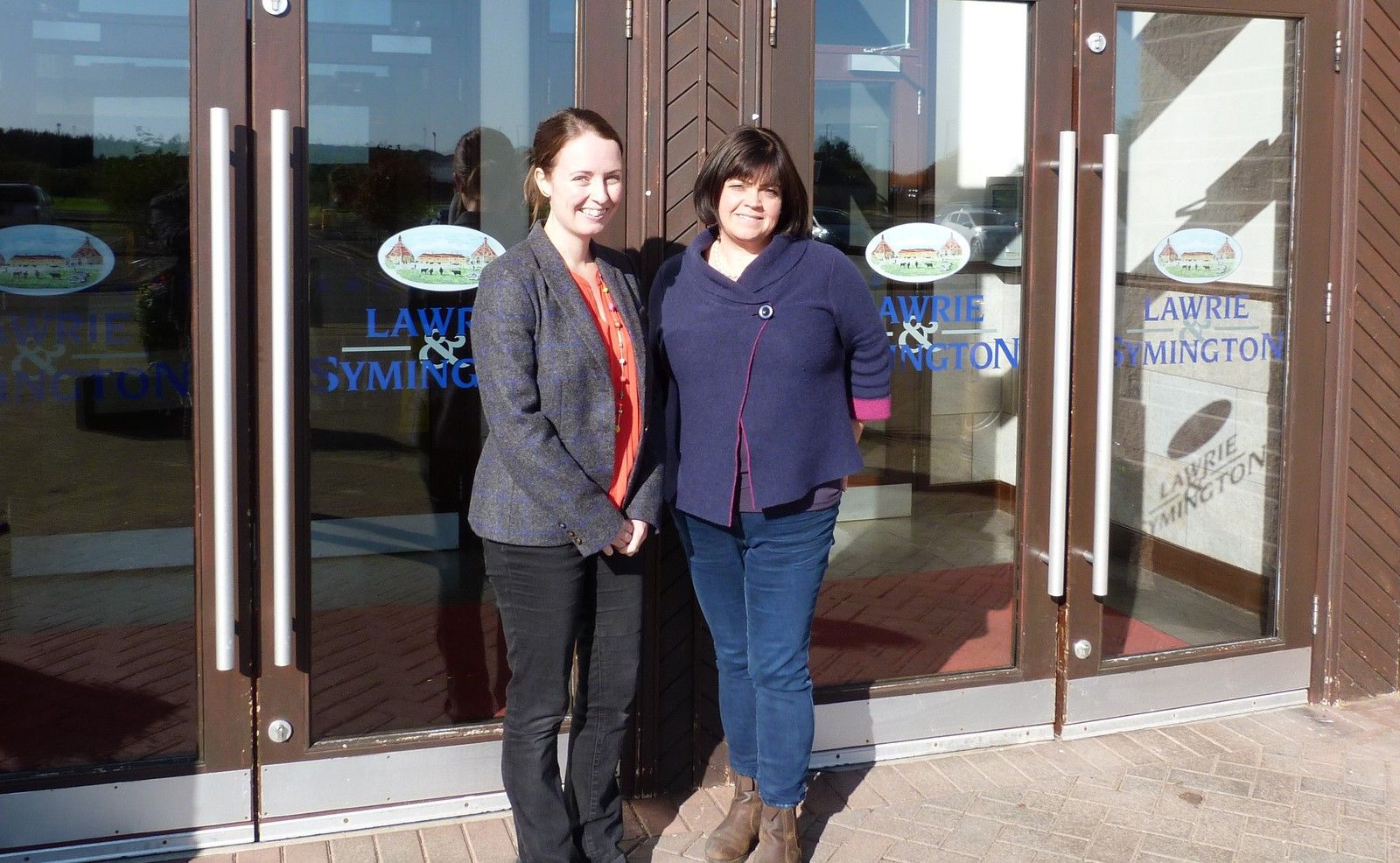
S1: Women in Agriculture: Primrose Beaton of Lawrie & Symington
As part of our work on Women in Agriculture, we went to meet Primrose Beaton of Lawrie & Symington at Lanark Auction Mart. Primrose is head of cattle sales and Lawrie & Symington, and gave us a colourful and entertaining insight into her work and life in farming. Mary-Jane Lawrie of SAC Consulting chatted to Primrose about her early career, educating the public about where their meat comes from and choosing local produce, with some interesting anecdotes thrown in along the way.
S1: Alternative bedding: Woodfines
In our latest podcasts, join Beef Consultant Sarah Balfour as she discusses the merits of various alternative bedding products. The main focus of this podcast is Woodfines.
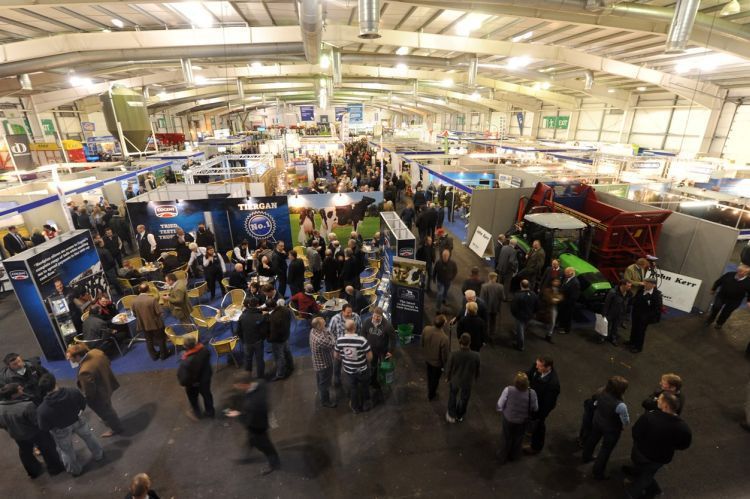
S1: Agriscot 2019 podcast
In this episode of the podcast we talk to Alex Pirie, an Agricultural Consultant about people he spoke to at AgriScot 2019 covering the state of farming and how attendees thought Brexit would affect the future of their businesses.

S1: Online safety
We've been running events looking at digital security for your agricultural business. After one of the events, Seamus Murphy sat down with Chloe McCulloch and Alex Pirie who were running the event to go over topics covered and how you can take simple steps to protect your business online
S1: Brexit and fertiliser
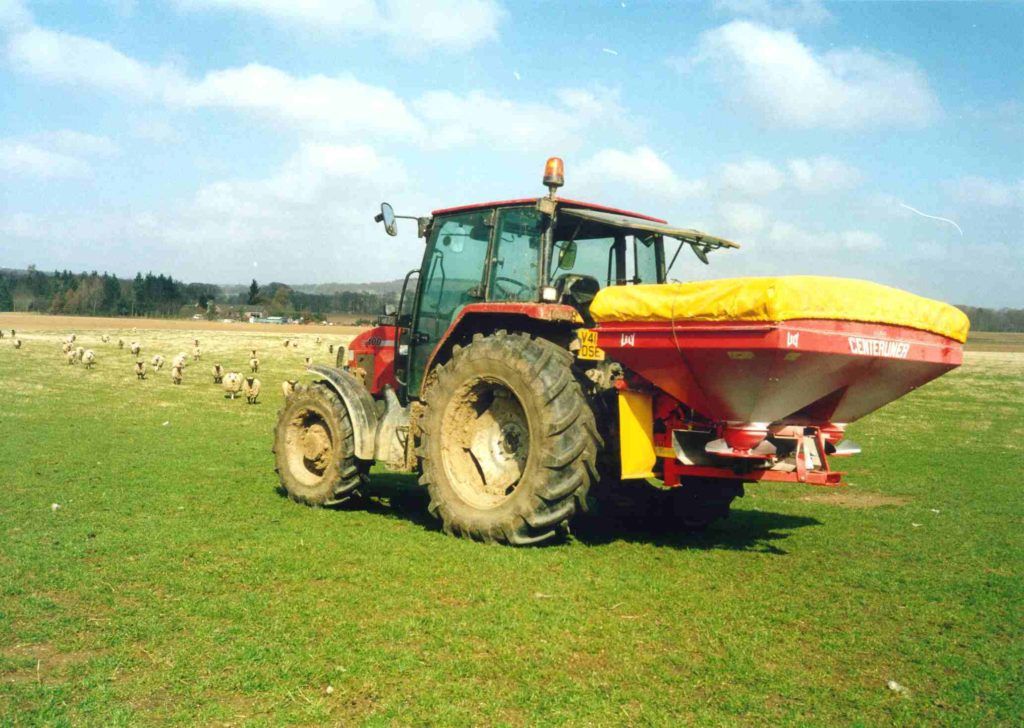
Many producers know and understand where their output goes downstream in the supply chain but what about upstream and the suppliers there? In this episode, Chloe McCulloch speaks to Matthew Everett of Origin Fertilisers about where our fertiliser comes from and how Brexit will affect supply.

S1: Woodland Creation & Management - Frequently Asked Questions
In order to make the most of the 30 minutes of free advice offered by Scotland's Farm Advisory Service, this podcast has been created to help give a better understanding of woodland creation and management. We've recorded the answers to ten of the most frequently asked questions that are put to Forestry Consultants and Scottish Forestry. This podcast aims to better inform anyone who may be interested in investing in woodlands about the benefits, and pitfalls surrounding woodland creation and management. If you would like any further advice, visit https://www.fas.scot/crops-soils/farm-woodlands/ or call the FAS Advice Line on 0300 323 0161.
S1: Changing Practices for a Changing Climate - Adapting in the Arable Sector
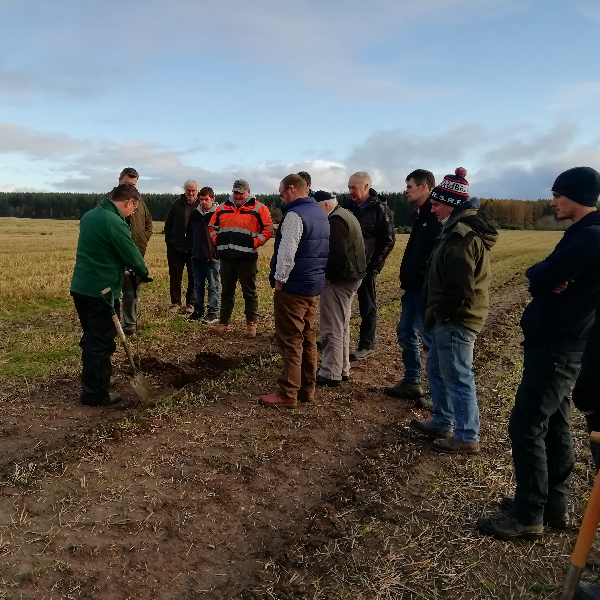
In this episode, Agricultural Consultant Malcolm MacDonald chats to Harry Henderson, AHDB's Knowledge Transfer Manager, and later with Gavin Elrick, SAC Consulting's soils, drainage and nutrient management expert. Ahead of the Changing Practices for a Changing Climate FAS Event held near Inverness, Harry and Malcolm discussed how arable farmers can adapt to cope with the changes that we are experiencing in our weather patterns. Options include moving towards min-till and no-till systems and changing the cropping seasons from autumn to spring-sown crops where possible to avoid tillage during the wetter autumn seasons. Harry has travelled to Finland and was able to share some of the management practices that he's observed from there. Gavin explains how the use of cover crops can not only help prevent soil erosion, incorporate organic matter into the soil, but with the correct seed mix, can help reduce the impacts of soil compaction while providing a break in the cropping rotation. Cover crops have been trialled by Gavin on his home farm where he incorporates various mixes as part of his arable rotation. We hear his experiences of various seed mixes, what works best, and what can cause problems. There is more information about soil management and cover crops on our webpage: https://www.fas.scot/crops-soils/soils/
S1: Thainstone Soil & Nutrient Network - An Introduction to Kirkton Farm
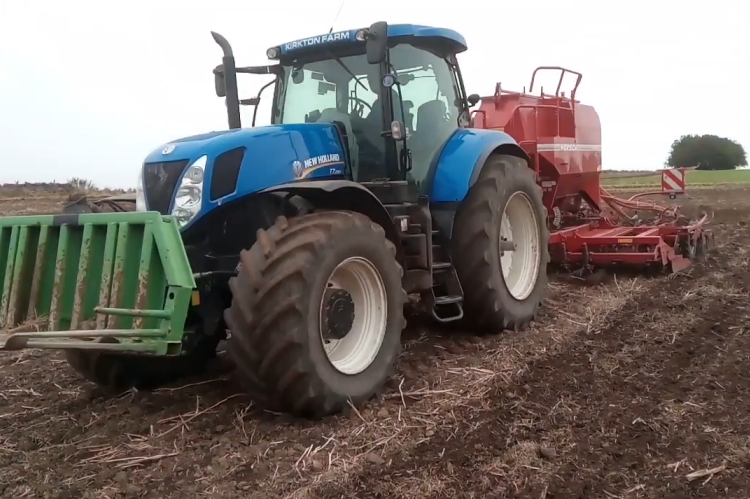
Kirkton Farm near Thainstone is one of the Soil & Nutrient Network host farms for 2019-2020. In this podcast, we hear from our host farmer, Scott Campbell, who is the 2019 Farmer’s Weekly Arable Farmer of the Year. Scott gives us an introduction to the farm and how he manages it. We also hear from Gavin Elrick, soil and drainage expert, and David Ross, agricultural consultant and soil specialist both from SAC Consulting. Gavin and David were guest speakers during the first event at Kirkton Farm and discuss some of the topics that they covered during their presentation sessions. Gavin gives us an insight into soil structure and compaction and some of the reasons for the differences that were seen between the fields managed in a min-till system versus the fields conventionally managed. David highlights the importance of soil analysis and the benefits of using GPS sampling. Scott explains how moving to GPS sampling saved him approximately £58/ha when applying lime to manage soil pH. For more information about Kirkton Farm, or any of the other Soil & Nutrient Farms across Scotland, visit www.fas.scot/soil-nutrient-network-host-farms
S1: Arable Scotland 2019
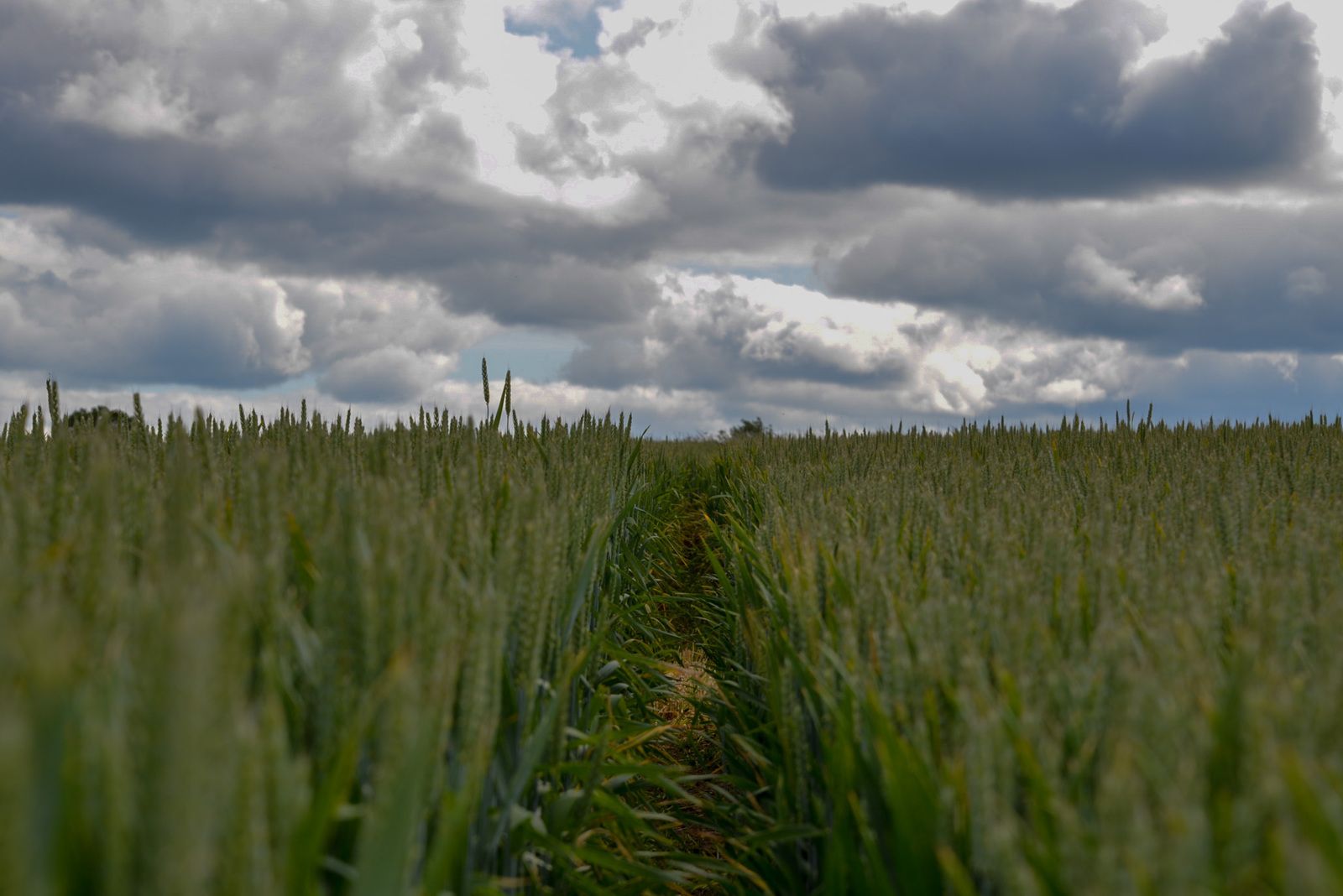
Arable Scotland was a brand-new event for Scotland where the industry could view, share and explore the new innovations that will drive the markets and the future sustainability of Scottish arable production. With winter setting in, we're looking back at the day to see what could be learned as you start to make choices for the year ahead. This podcast was hosted by Zach Reilly of SAC Consulting in Forfar and he took us on a tour of the four stations and spoke to each presenter
S1: Natural Flood Management II - Crookston Farm, Galashiels
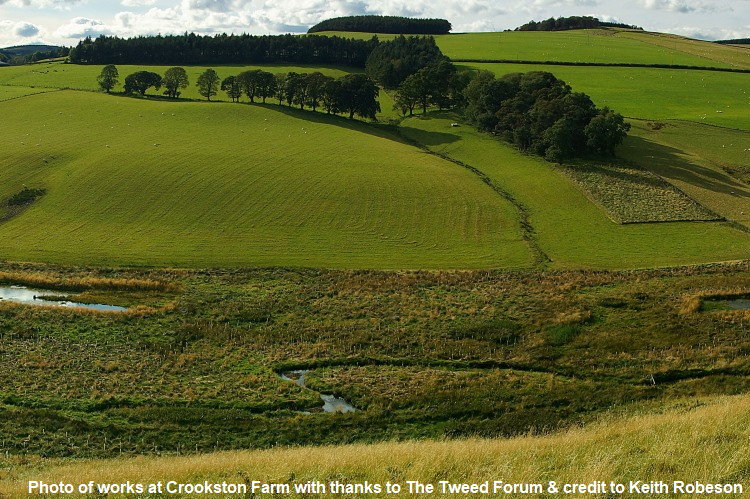
2017 Tweed Forum River Champion, Jim Sinclair farms approximately 800 ha near Galashiels. The farm is prone to flooding which impacts further downstream to the local town of Galashiels. Working alongside Hugh Chalmers from the Tweed Forum, Jim has invested on his farm to improve the river management on the water that runs through is farm to reduce the impact of flooding on the farm with measures such as retention ponds and planting 50 ha of woodland. In this podcast, we hear directly from Jim about what he's done and the benefits he's seen. Agricultural consultant Chris McDonald and Hugh Chalmers from the Tweed Forum join Jim to discuss natural flood management options and the wider benefits that they can bring. Photo credit of works completed at Crookston Farm to Keith Robeson
S1: Women in Agriculture: Lynbreck Croft, Grantown-on-Spey
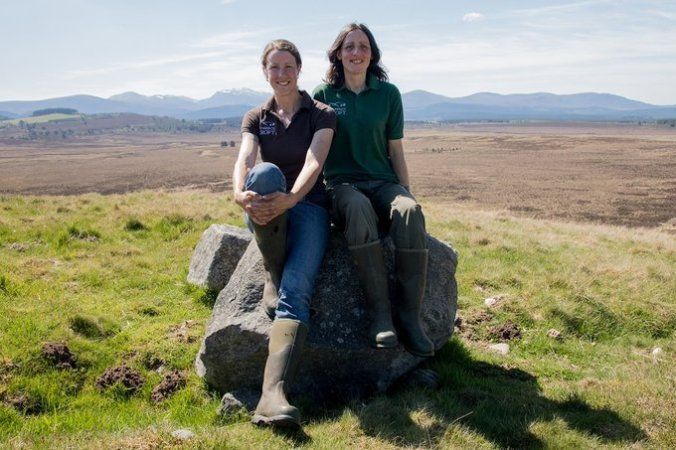
As part of our work for Women in Agriculture, we visited Lynbreck Croft near Grantown-on-Spey to interview Lynn Cassells. Lynn farms with her partner Sandra Baer, and together they have created a successful crofting business focussed on working with nature and providing sustainable food for their local community. Mary-Jane Lawrie, of SAC Consulting, chatted to Lynn about being a new entrant, tree hay, rotational grazing, their “ladies who lay” and their time on This Farming Life.
S1: Grant funding for woodland creation
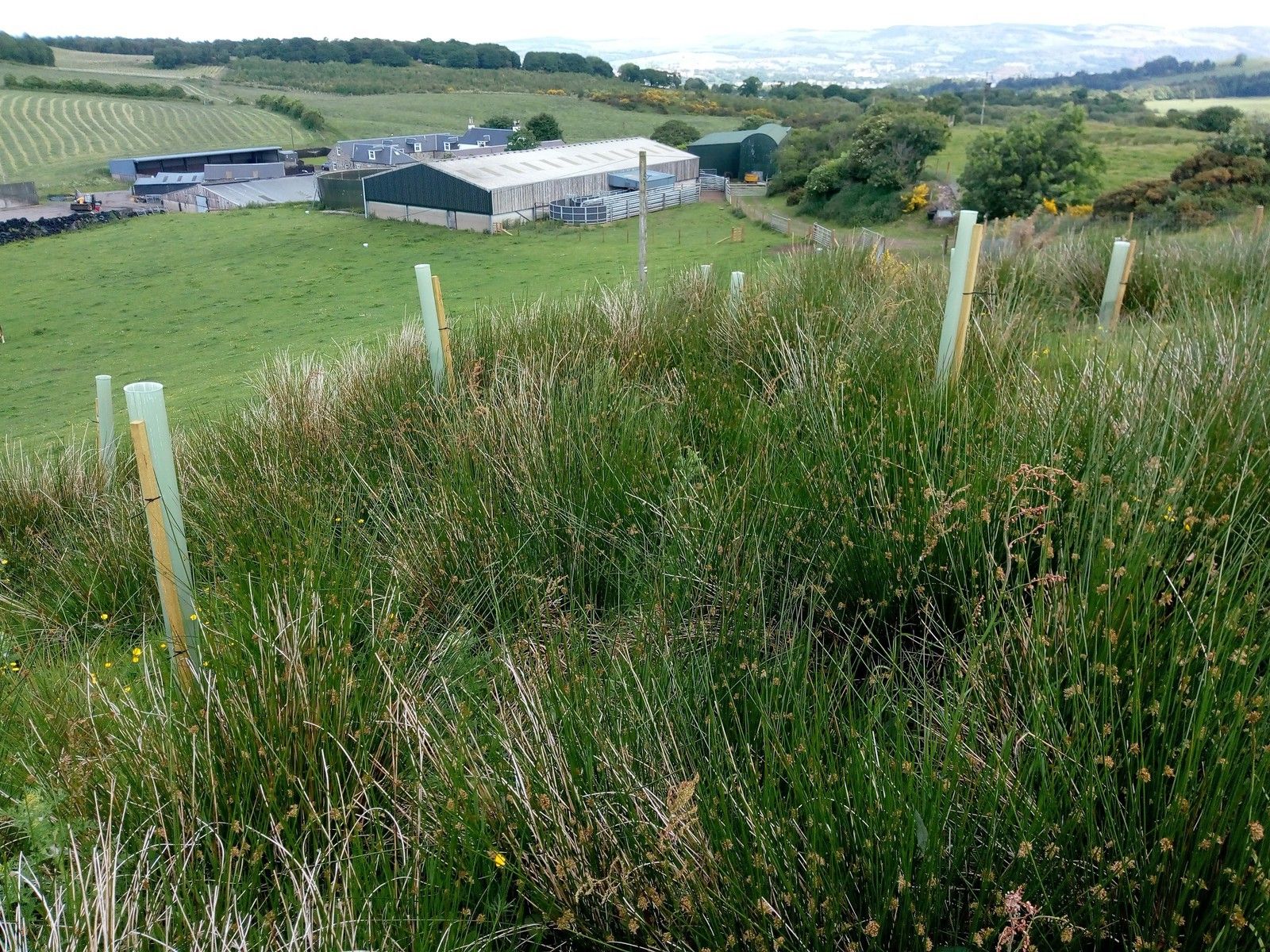
How can growing trees benefit the rest of the farm? What grant funding is available to help you plant a new woodland? How can you access woodland creation grants? Virginia Harden-Scott, Woodland Creation Officer at Scottish Forestry spoke to SAC Consulting's forester Leona Baillie about how the Forestry Grant Scheme (FGS) works. They discussed what the funding can pay for and how to find out what kind of woodlands could work for your land and benefit your farm business. Further information Scottish Forestry – more information on woodland creation. Rural Payments and Services – details of specific grant options, payment rates, application scoring criteria. Scotland's Farm Advisory Service webpage has many more resources about farm woodlands.
S1: Soils and tillage: an interview with soil cultivation consultant, Philip Wright
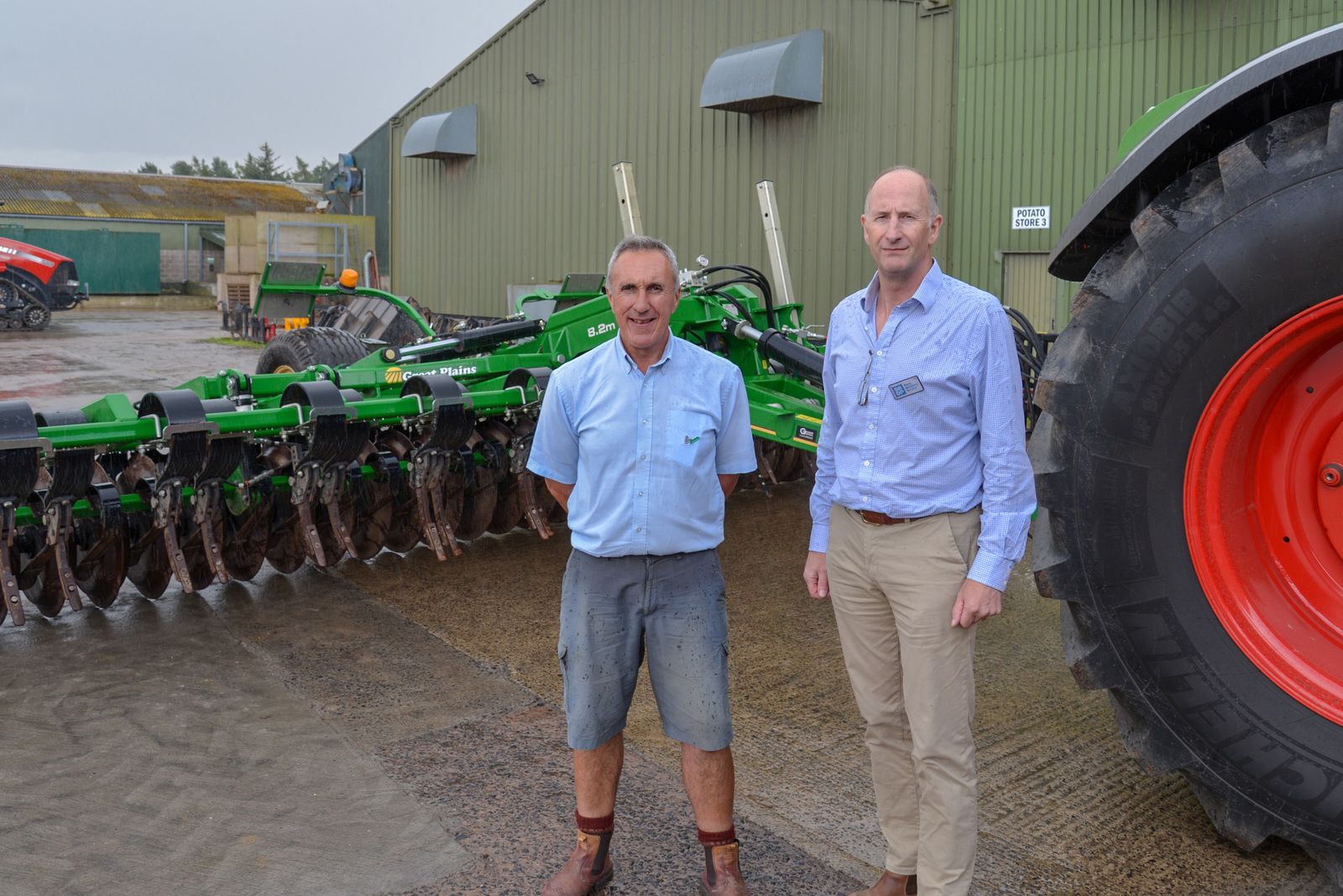
‘The Principles of Soil & Metal Interactions’ was the theme for a soil & tillage event on the Mertoun Estate, near St Boswells. After the meeting finished, event organiser Donald Dunbar, sat down with speaker Philip Wright, from Wright Resolutions, to talk all things soils and tillage and to recap where the meeting had taken attendees. Philip is a chartered engineer and has a wealth of knowledge and experience in the understanding of soil structure and the impacts of cultivation methods. He has been involved with many equipment manufacturers in the development and design of reduced tillage cultivators and drills. During the podcast, we talked about drainage and if you want to know more, read one of our latest technical notes on the subject here: Technical Note (TN720): Assessment for Land Drainage Technical Note (TN721): Soil Biodiversity and Soil Health Technical Note (TN718): Phosphate and potash recommendations for crops grown in Fife, Lothian and Scottish Borders Visual Evaluation of Soil Structure - VESS
S1: Women in Agriculture: Baddinsgill Farm, West Linton
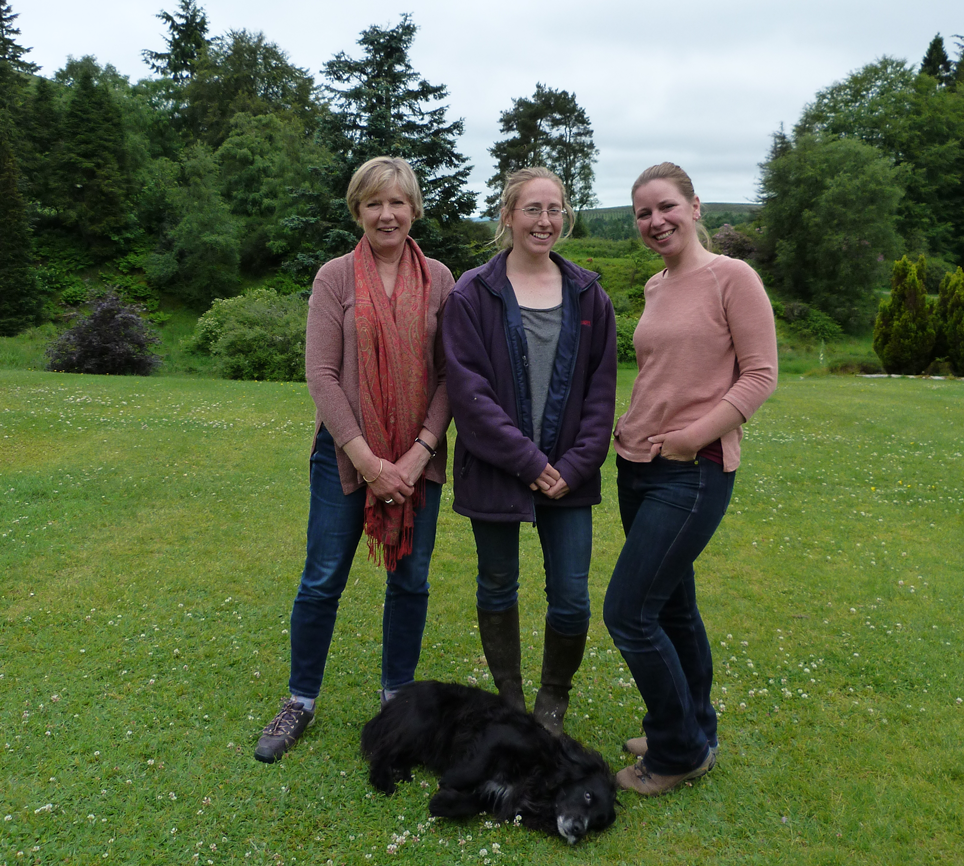
As part of our work on Women in Agriculture, we visited Baddinsgill Farm in West Linton in the Scottish Borders to interview three of the women who run this fantastic upland sheep farm. Elaine Marshall, her daughter-in-law Anna Marshall, and shepherdess Josephine Holbrook chatted to Mary-Jane Lawrie, of SAC Consulting, about sheep, meat boxes, childcare, and everything in between! These three women are very passionate about their business and their farm community and are inspiring to listen to. Find out more about our Women in Agriculture activities at https://www.fas.scot/discussion-groups/women-in-agriculture/
S1: Nitrate Vulnerable Zones - Keeping Compliant
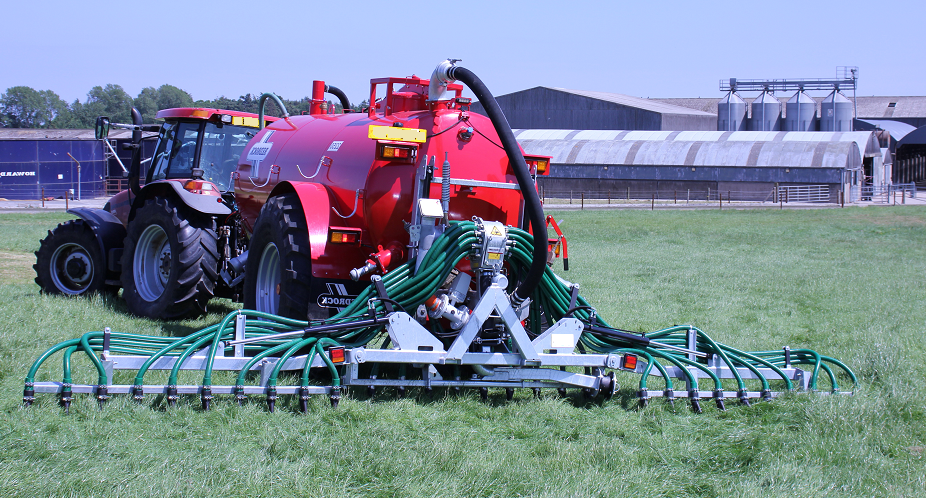
Earlier in the year we held a series of Nitrate Vulnerable Zones (NVZ) awareness events. In this podcast we join Agricultural Consultants Mary-Jane Lawrie and Craig Bothwell who work within the Lothians areas. They facilitated the NVZ event in Haddington and reflect on the rules and regulations that need to be adhered to to ensure compliance. For more information and links to some of the documents discussed within this podcast visit our Soils webpage at https://www.fas.scot/crops-soils/soils/
S1: Making a mark at the markets
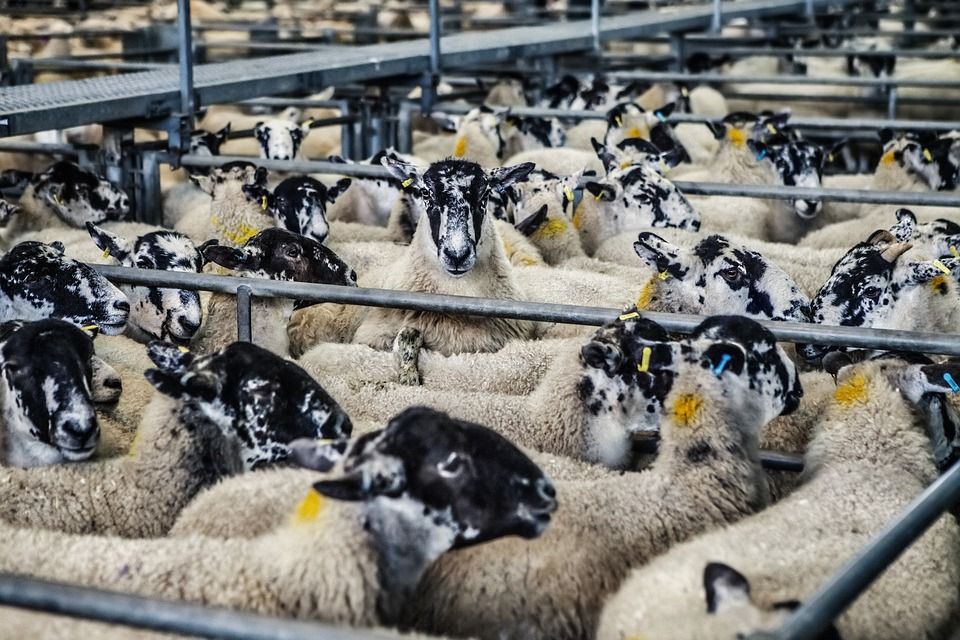
In this podcast, Ross Mackenzie talks to Ian Tolmie, Managing Director of Dingwall and Highland Marts who gives valuable advice for those new to livestock marts, and what they should do to get confidence and experience. That is followed up by local crofter John Mackinnon who thinks back to his first experience, and how much he still gets excited even today. Local visit to Glendale Market where local stall holders and customers discuss their thoughts of local farmers markets. Also Calum Johnson of SAC Food and Drinks team discusses the popularity of local markets.
S1: Cattle handling systems on common grazings
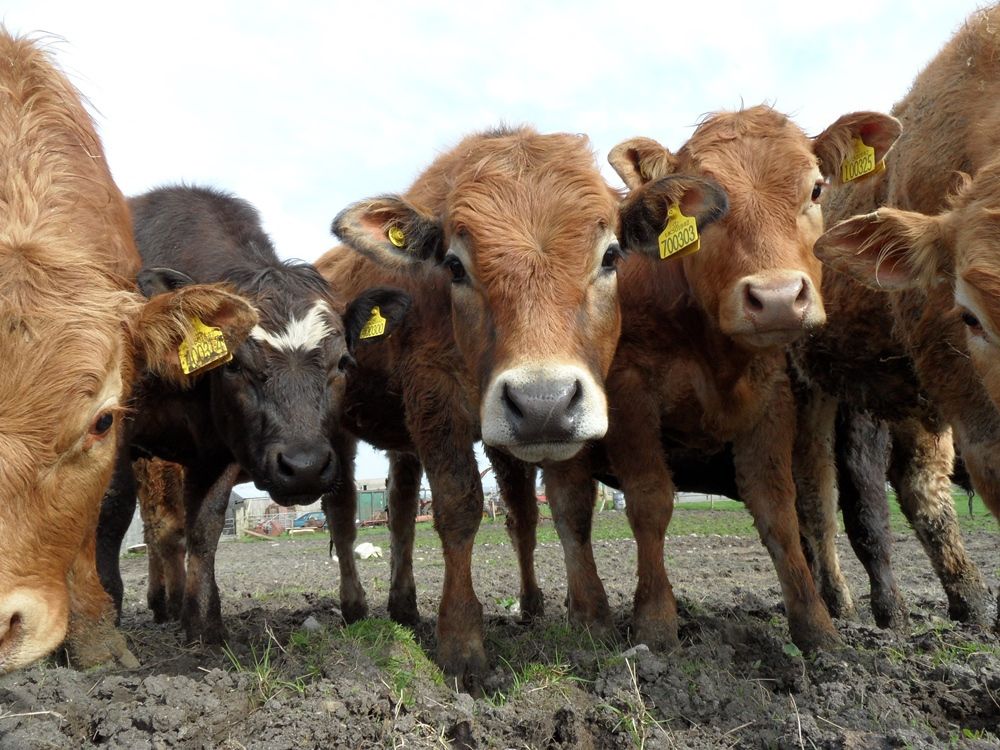
In this podcast we hear from Dr Simon Turner of SRUC Dr Turner did a roadshow on cattle handling systems on Common Grazings in Lewis, Uist and Skye. Listen to Janette Sutherland interview him about his experiences and give top tips. Dr Turner mentions a paper on cow hair whorls and temperament here is more information We measured temperament on 76 steers and heifers using restlessness in the crush and flight speed from the crush and we recorded hair whorl position in terms of high, middle, low and absent with respect to their location between the crown and nostrils. Olmos, G. and Turner, S. (2008). The relationships between temperament during routine handling tasks, weight gain and facial hair whorl position in frequently handled beef cattle. Applied Animal Behaviour Science, 115(1-2), pp.25-36.. Those with high whorl positions (closer to the crown) were more restless in the crush than other cattle. No difference in flight speed was seen between cattle with different whorl positions and they also didn’t differ in weight gain. Several other studies have looked into this issue and also found that a higher whorl position is associated with greater flightiness. Hair patterning can be influenced by cranial development, but, apart from this, we do not know the biological reasons underlying why there might be this link between temperament and whorl position.
S1: The Benefits of Agri-Environment Management at Kirkton & Auchtertyre Farms
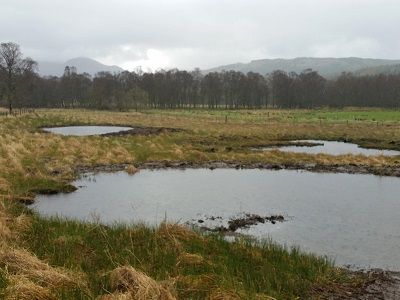
Farmers should look carefully at their farm to find small areas where they can engage with agri-environment management to provide a greater benefit to the wildlife and fauna in their area is the message from Professor Davy McCracken, Head of Hill & Mountain Research Centre as he chats with Upland Ecologist, Dr John Holland, at SRUC’s Kirkton and Auchtertyre research farms. The farm has engaged with SGRPID agri-environmental schemes, and the resulting increases in biodiversity prompted a slight shift in focus for the farming businesses. Previous scheme managements have brought changes in water margin management, the planting of and mountain forest area for use as silvo-pasture and more recently the farm has engaged with moorland management and wader scrapes in order to benefit a range of farmland birds within the area. Species such as golden plover, Black grouse, Barn owls, otters, highland voles and even beavers are making returns to the area as a result of the changes in management. Previous production on the farm had seen higher outputs, but at the expense of considerably higher inputs which was unsustainable in the longer term and had gradually reduced the diverse wildlife within the farmed area. Moving forwards, incorporating more agri-environment management strategies has produced a healthier habitat for wildlife and is working towards helping the farm become more resilient to extreme weather conditions.
S1: An introduction to the Aberdeenshire Soil & Nutrient Network
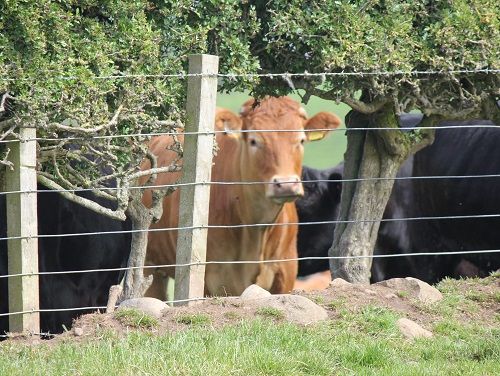
The Aberdeenshire Soil & Nutrient Network farm for 2018-19 is Kincraigie Farm at Lumphanan, which is farmed by the Marshall Family. The business is run by father and son partnership, Robert and Robert Jnr. Kincragie is a mixed arable and grassland unit focusing on a herd of 550 suckler cows. All progeny from the suckler herd is kept and finished on the farm. All the farmyard manure (FYM) and slurry from the cattle is spread back on to the land to increase soil organic matter and reduce the use of inorganic bagged fertilisers. In this podcast we chat with Robert Marshall from Kincraigie and Stacey Hamilton from SAC Consulting.
S1: Antibiotics and livestock
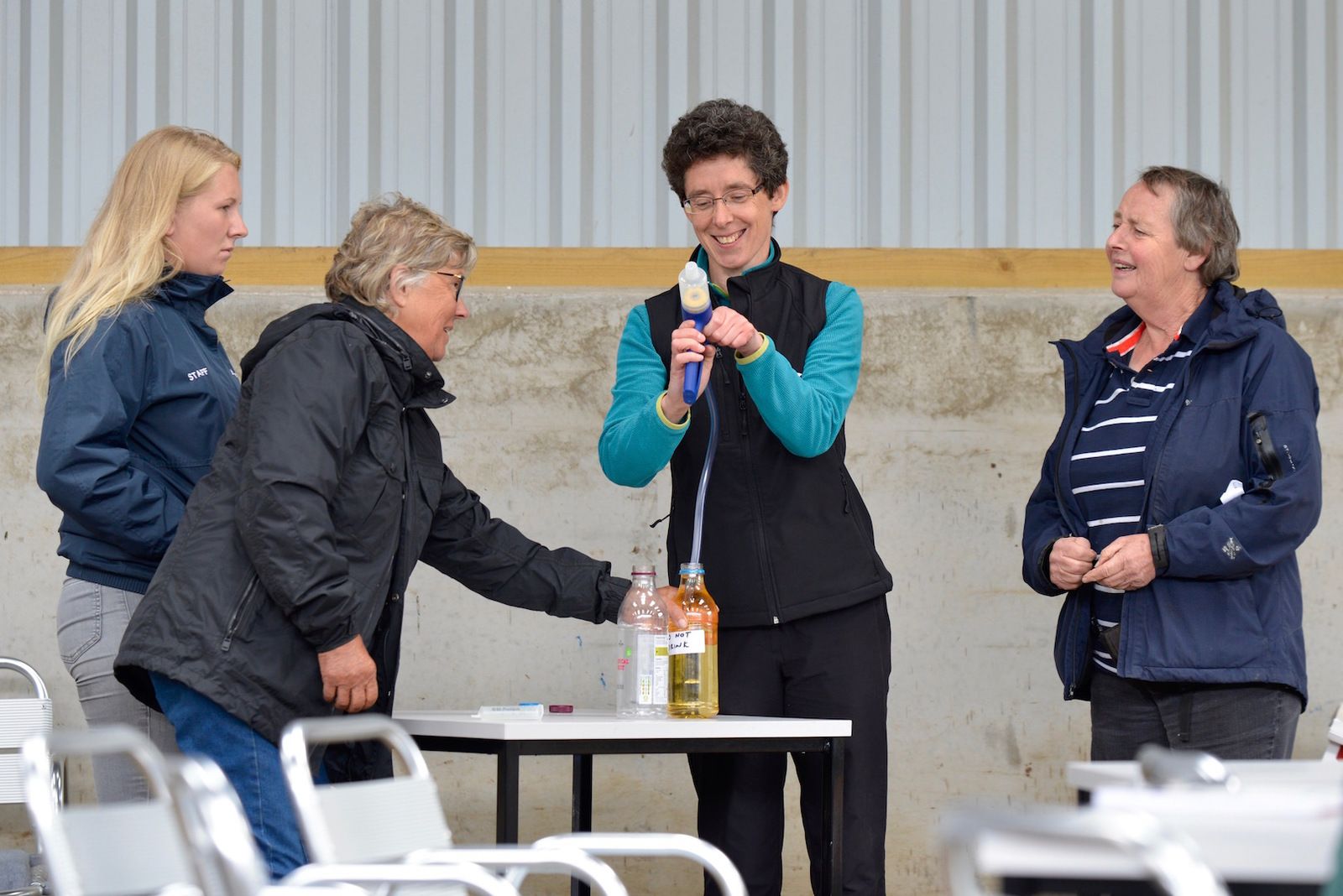
Antimicrobial resistance (AMR) – and more particularly, antibiotic resistance – is one of the greatest threats to human health globally. Food producing animals account for 37% of antibiotic use in the UK so farmers have a big role to play in reducing their use. In this podcast, we talk to vet Heather Stevenson of SAC Consulting Veterinary Services about this and what steps can be taken to cut the use of antibiotics. Links Colostrum is Gold | Farm Antibiotics
S1: Slurry Lagoons - More than just a hole in the ground
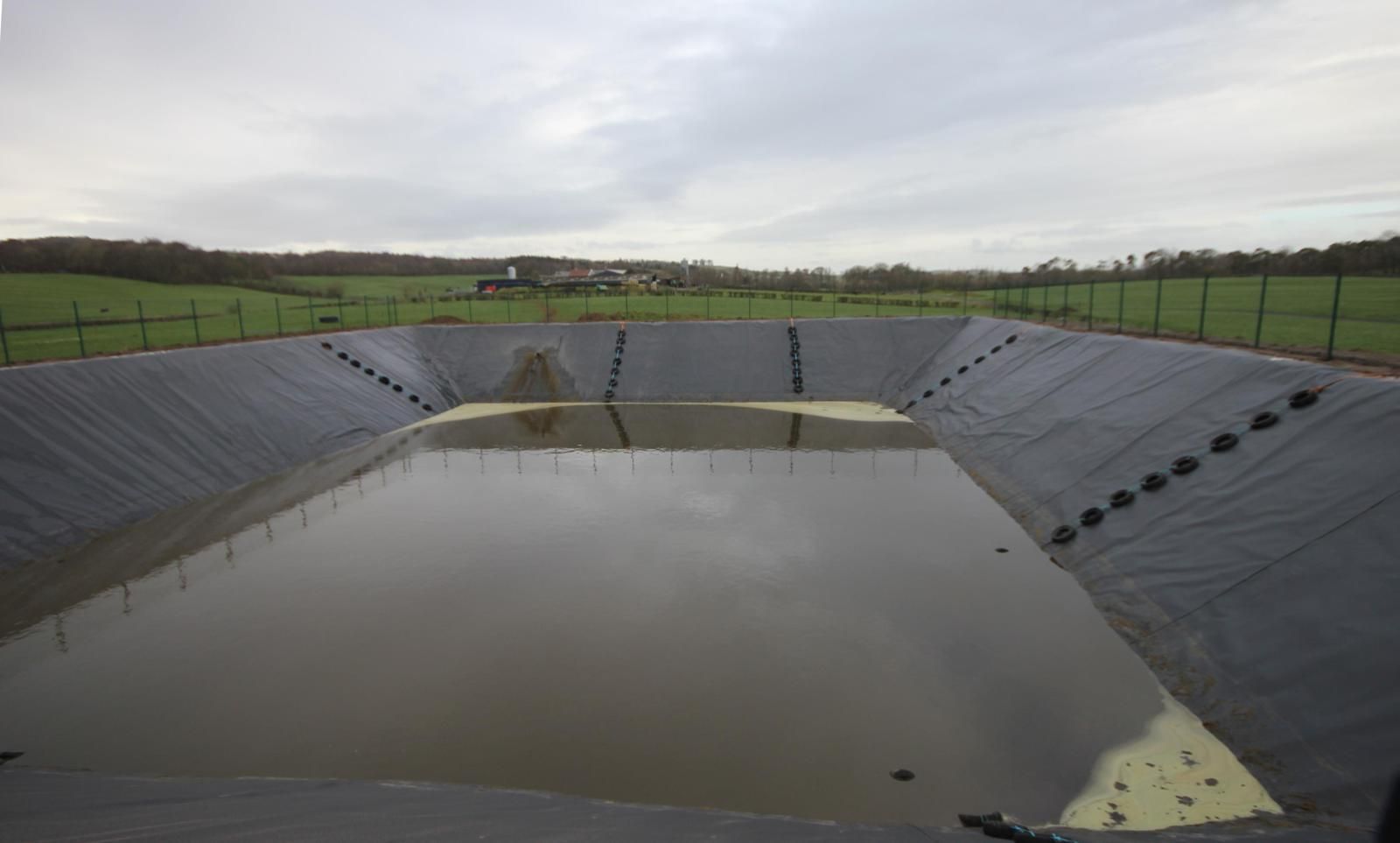
In this podcast, we hear from Agricultural Consultant Seamus Donnelly. Seamus chats with Seamus Murphy about what exactly is involved in the planning and construction of slurry lagoons. The Scottish Government's SRDP Agri-Environment Climate Scheme programme offers funding to farmers who need to improve or increase their slurry storage. Funding is limited to targeted areas, but further information is available from there Rural Payments website. Join us at one of our Slurry Lagoon Storage & Construction events being held in the south-west of Scotland between 21 February and 5 March to hear more about the rules and regulations required when considering installing a slurry lagoon. Full event details available at www.fas.scot/news/slurry-lagoons/
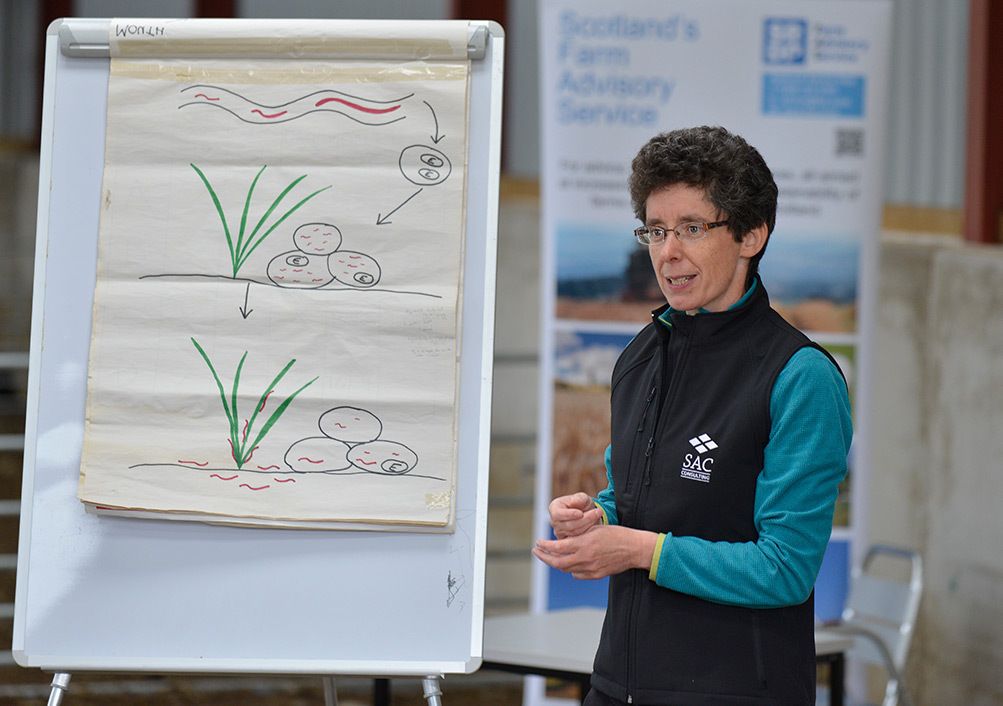
S1: Worming: How to develop a strategy to suit your farm and your budget
With lambing approaching, we spoke to Vet Heather Stevenson, who is based in Dumfries with SAC Consulting Veterinary Services. Here she talks about the importance of thinking about strategy when it comes to worming and how you can use certain tactics to reduce your use of wormers. This can not only help to reduce the chance of the worms developing resistance but also will save you money in the long term. If you're looking for more information on worm control, then visit www.scops.org.uk/
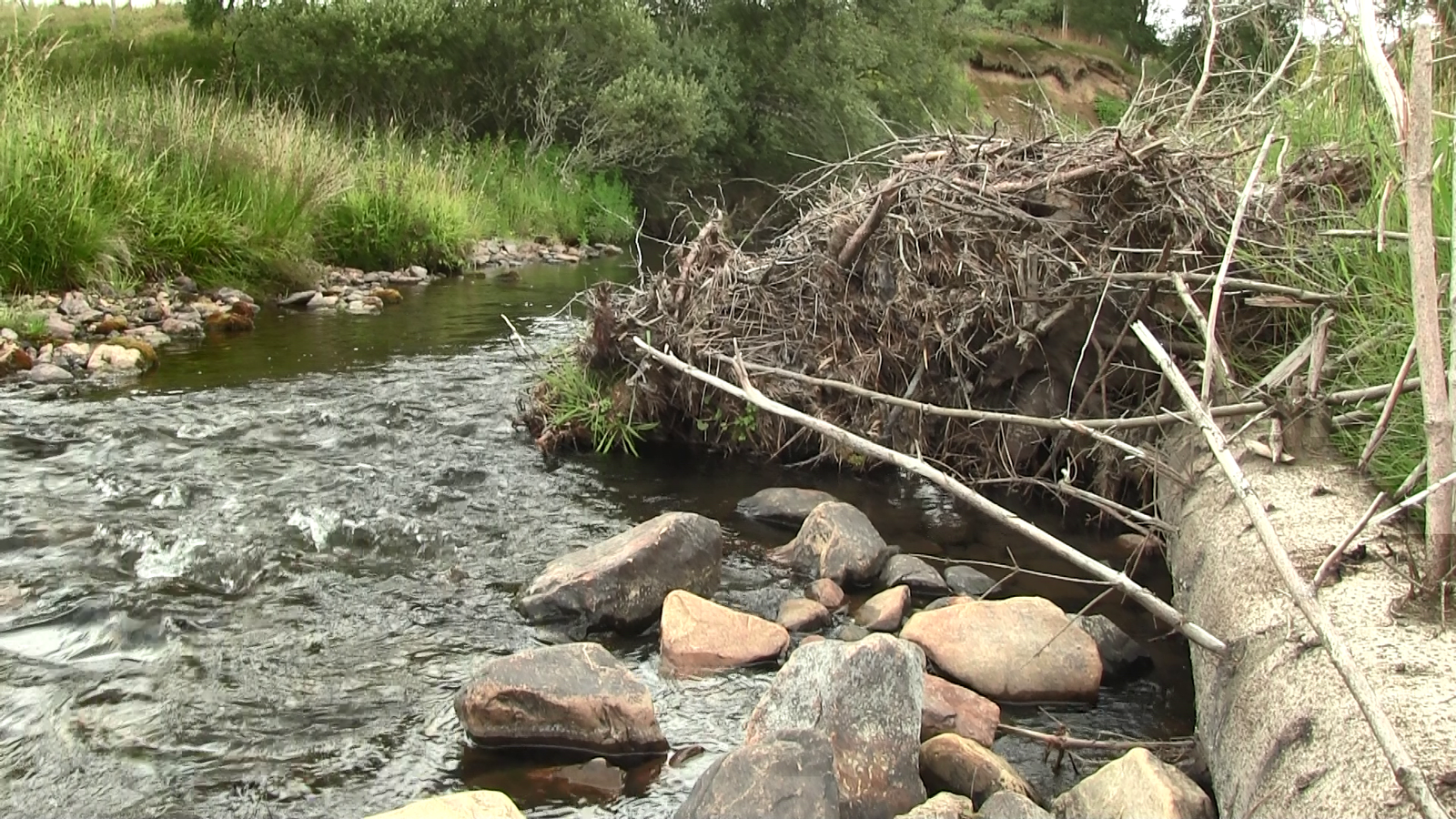
S1: Natural Flood Management
Agricultural Consultant, Chris McDonald, and Tweed Forum's Collaborative Action Co-ordinator, Hugh Chalmers discuss Natural Flood Management with particular reference to the Eddleston Water Catchment. Hear more about a range of management options that farmers can undertake which can benefit the farm business whilst also reducing the flooding risk for areas further downstream. Hugh puts the actions into context by referring back to work done within the Eddleston catchment and how they have helped with flooding problems in Peebles.
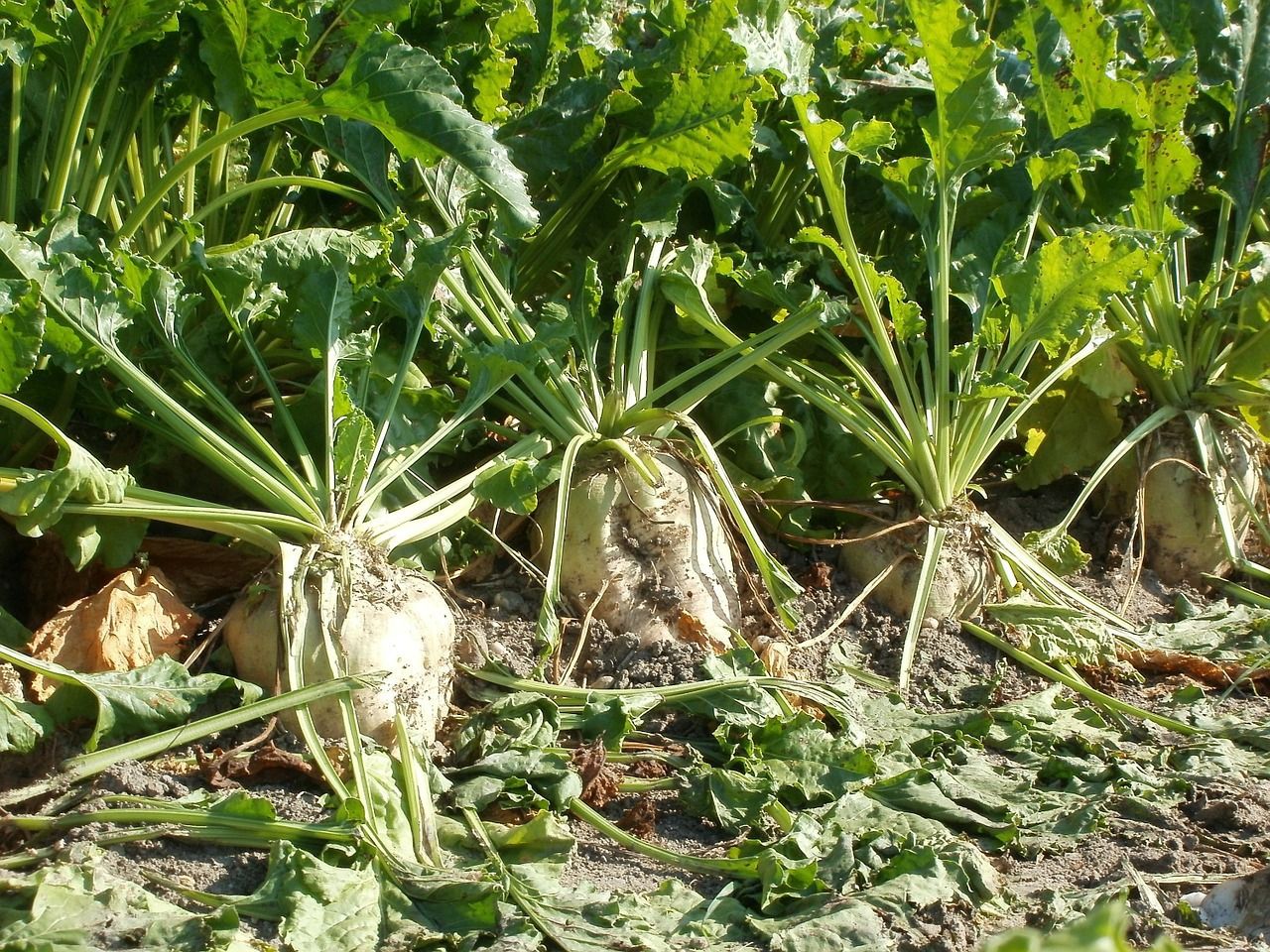
S1: Fodder beet: alternative feeding for sheep
The popularity of fodder beet is growing across Scotland for those wintering ewes in a cost-effective manner while also meeting their nutritional needs. In this podcast, Sheep and Beef specialist, Kirsten Williams and Sheep specialist, Poppy Frater, both of SAC Consulting, talk to John Scott of Fearn Farm about his experience using fodder beet.
S1 Ep 4S1 Ep4: Calculating the nutrient value of organic fertilisers
The aim of this guide is to help farmers to evaluate more accurately the potential nutrient value supplied to crops from organic fertilisers such as livestock slurries and manures. This guide has been compiled as part of the delivery programme for the Dumfriesshire Soil & Nutrient Network. You can view presentation slides to accompany this presentation at https://youtu.be/beF8Wa1dLuc Technical Note (TN650) Optimising the application of bulky organic fertilisers
S1: East Lothian Soil & Nutrient Network: An introduction to Bielgrange
Niall Jeffrey and family farm at Bielgrange which is our Soil & Nutrient Network host farm in the East Lothian region. Niall gives us an introduction to the farm and chats with agricultural consultant Donald Dunbar about what he hopes to learn from being part of the network.
S1: Moray Soil & Nutrient Network - Using organic manures to save on artificial fertilsers
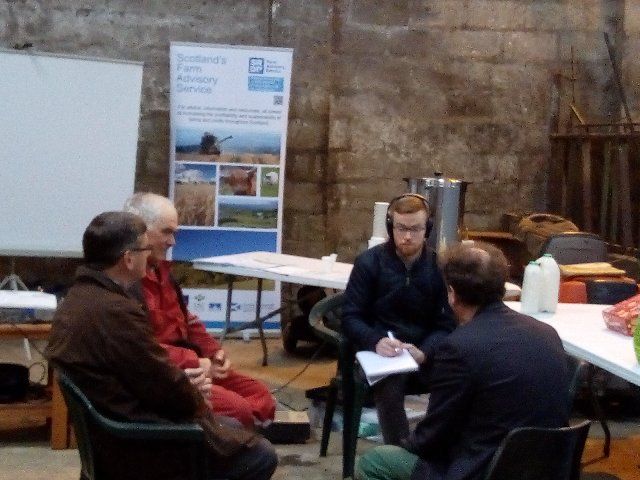
In this podcast, we hear from our Moray Soil & Nutrient Network host farmer, James Milne who farms at 'Balnellan'. James chats with soil & drainage expert, Gavin Elrick & grassland specialist Dr. Paul Hargreaves. James has been applying distillery by-product/digestate at Balnellan for about a year and has an interesting discussion with Paul & Gavin about the pros and cons of the use of organic manures with a view to making savings on artificial fertiliser applications. The Technical Notes referred to in the podcast can be found using the links below: TN699 - Agricultural use of biosolids composts anaerobic digestates and other industrial organic fertilisers TN650 - Optimising the application of bulky organic fertilisers For anyone interested in finding out more about sourcing or using digestate, Zero Waste Scotland's "Farmer’s guide to sourcing and using digestate and compost" contains a lot of useful information. Find out more about the Soil & Nutrient Network and the other 11 farm hosts from our webpage: www.fas.scot/crops-soils/soils
S1 Ep 3S1 Ep3: Alternative Watering - RAM pump
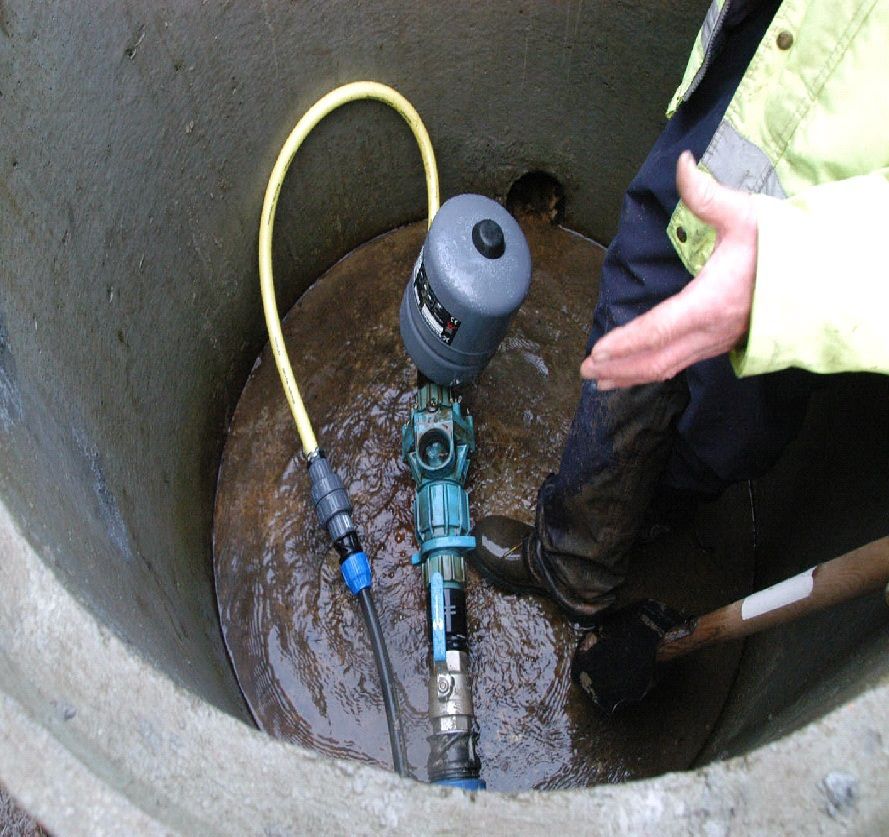
In this final episode of our Alternative Watering series, we hear from agricultural consultant Donald Dunbar and farmer John Anderson. John explains that cattle had previously been drinking from water from springs and ditches and burns. This caused poaching and health problems e.g. fluke and lungworm. Having limited alternative watering options available for the farm animals, John decided to install a traditional RAM pump. The pump is lifting the water up 105 m and pumping it a distance of over a kilometre. Technical Notes referred to in this podcast can be found at: Technical note (TN665): Alternative watering for field grazed livestock I – abstraction systems Technical note (TN666): Alternative watering for field grazed livestock II – pumping systems
S1 Ep 2S1 Ep2: Alternative Watering - Solar and pasture pumps
John Prentice a livestock farmer in the Scottish Border's chats to agricultural consultant Donald Dunbar about his alternative watering systems. John installed both a solar-powered pump and a cluster of pasture pumps a number of years ago. Farming in a diffuse pollution priority catchment, John wanted to ensure that he was able to provide livestock drinking facilities beyond the minimum 5m from a watercourse to prevent livestock poaching. He's found both systems beneficial and has a few hints and tips for others who might be installing similar systems. Technical Notes referred to in this podcast can be found at: Technical note (TN665): Alternative watering for field grazed livestock I – abstraction systems Technical note (TN666): Alternative watering for field grazed livestock II – pumping systems
S1 Ep 1S1 Ep1: Alternative Watering - Papa Pump
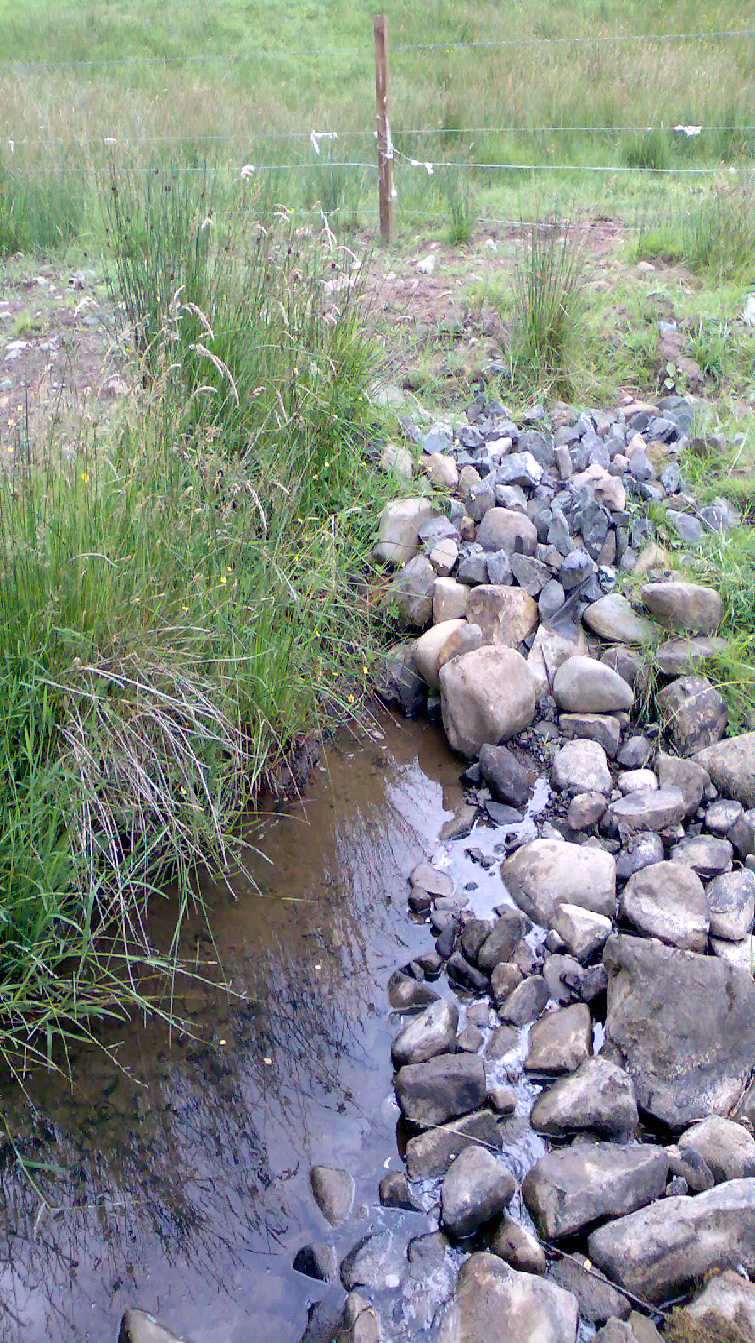
Agricultural consultant Donald Dunbar visits Paul Adams, who farms at Monashee Farm in the Scottish Borders. About four years ago Paul installed a Papa pump as part of an alternative watering project for his livestock. Hear directly from Paul about the installation process and how the Papa pump has performed in his system. The links for the Technical Notes referred to in the podcast are: Technical note (TN665): Alternative watering for field grazed livestock I – abstraction systems Technical note (TN666): Alternative watering for field grazed livestock II – pumping systems
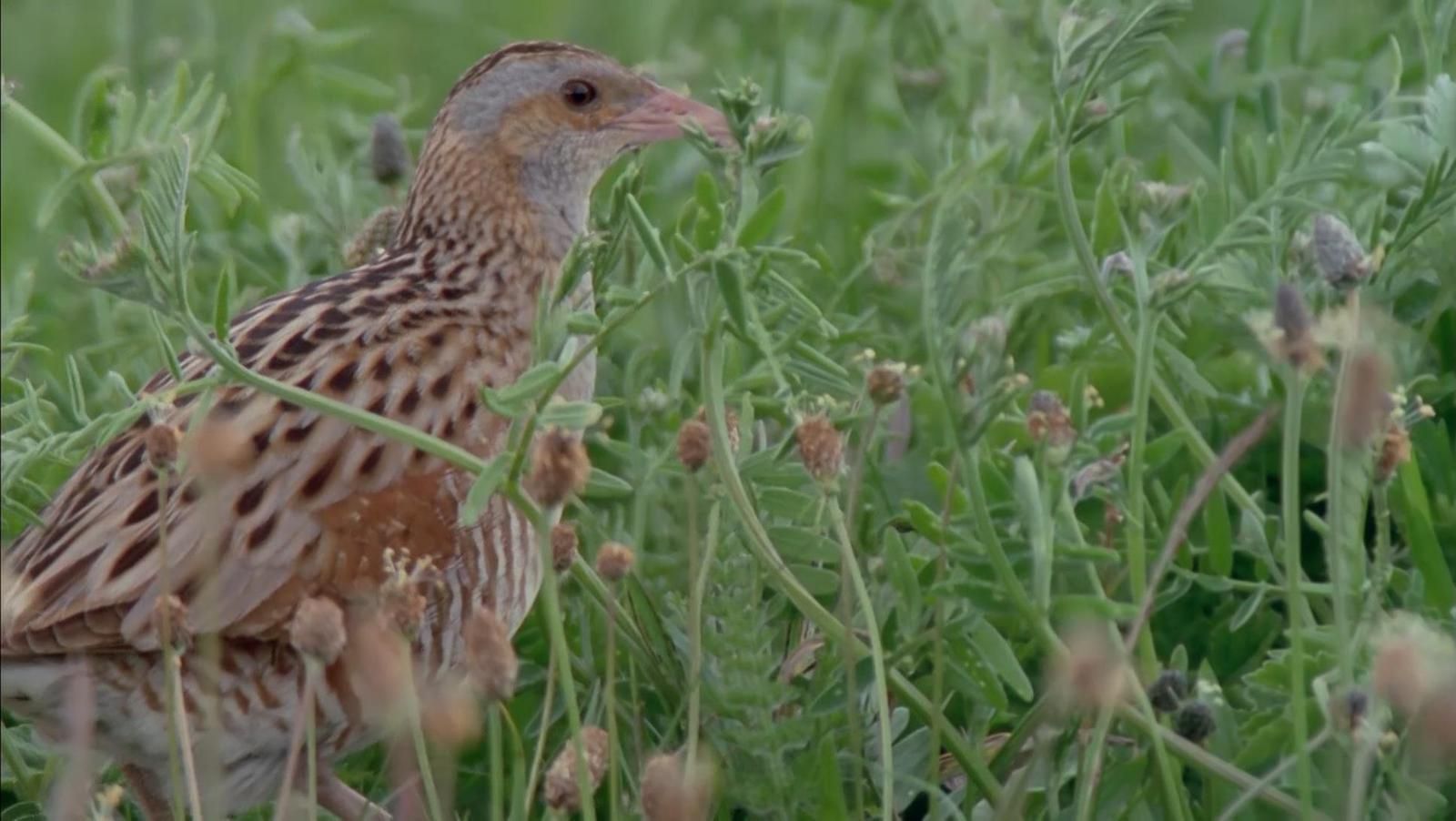
S1: Corncrake: How landscape management can protect their habitat
We talk to Bridget England of the RSPB about Corncrake populations in Scotland and what can be down by farmers and crofters to boost their numbers.
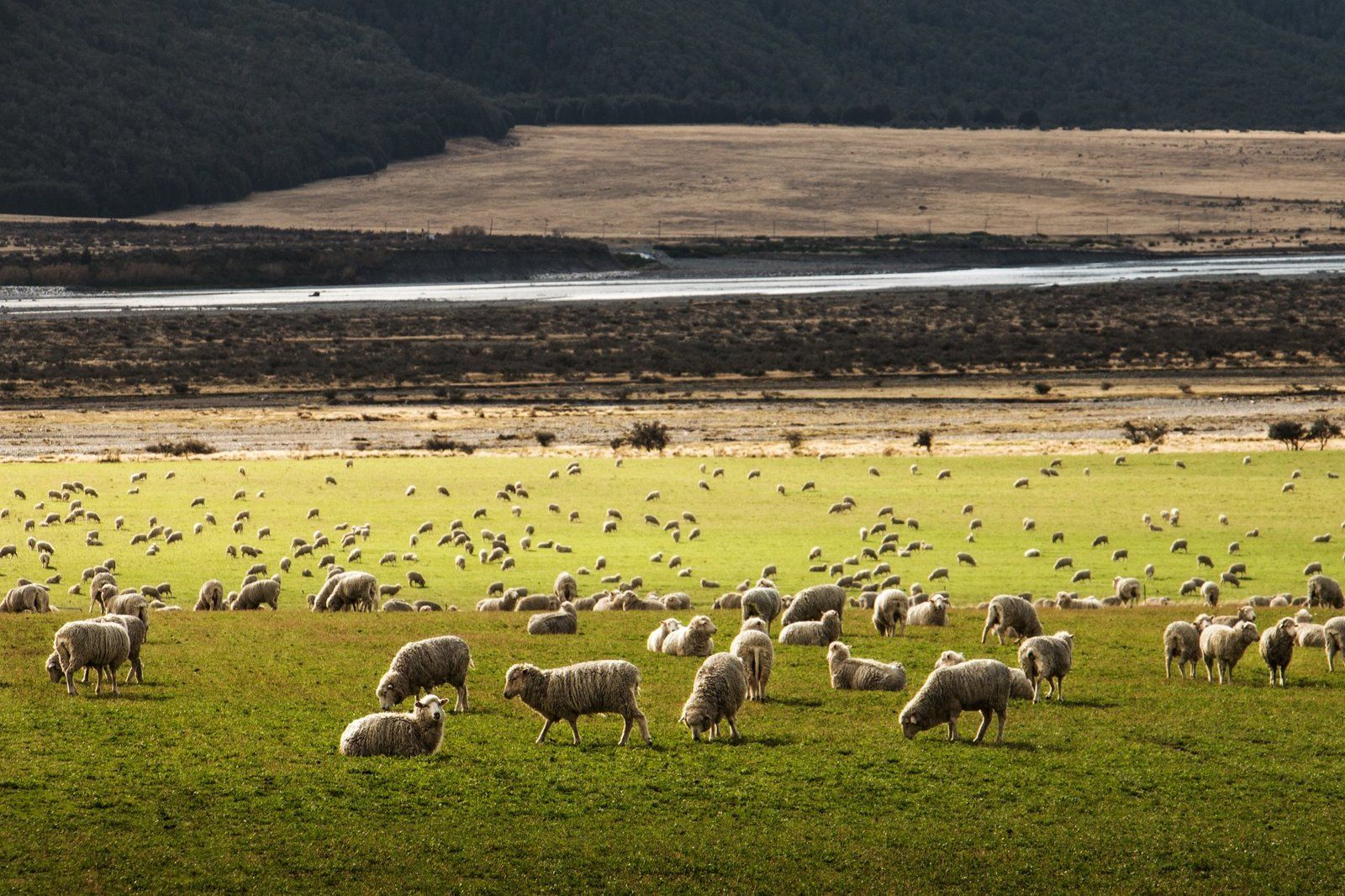
S1: Finishing Lambs - dealing with the challenges
Sheep Specialist Poppy Frater and Nutritionist Karen Stewart, both of SAC Consulting, talk finishing lambs in the challenging situation many farmers find themselves as we head towards the end of the 2018.
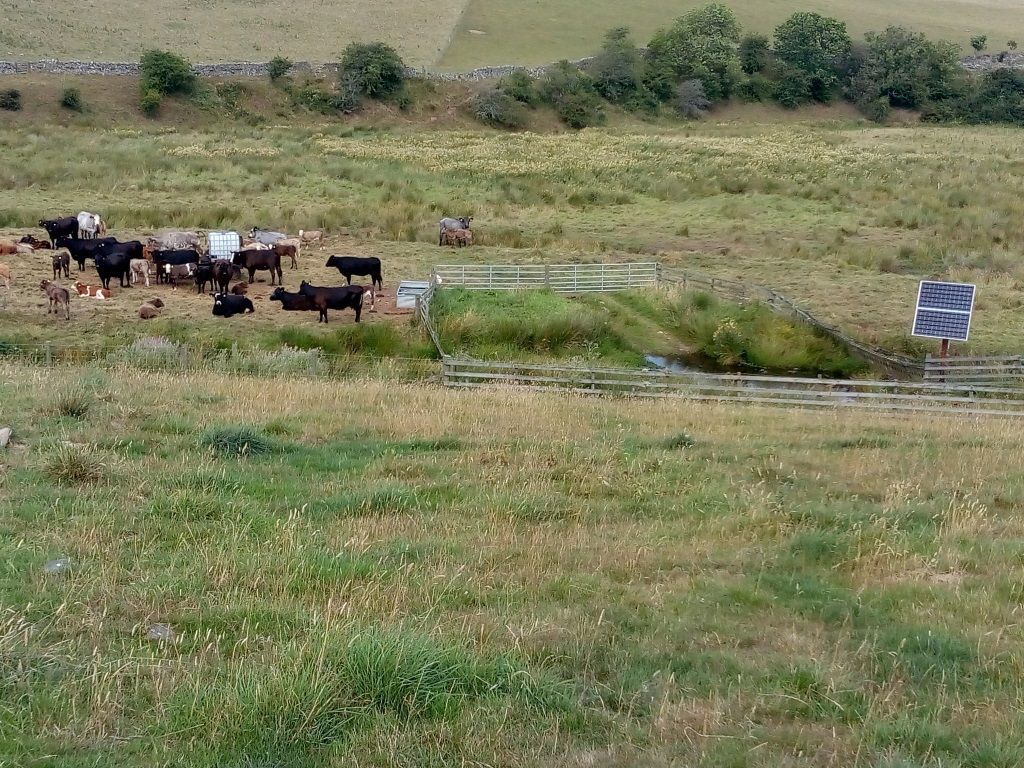
S1: Alternative Watering in Priority Catchment Areas
Donald Dunbar from SAC Consulting talks to farmer John Prentice who's land lies on the Eye Water River which is part of the Eye Water and Pease Bay Priority Catchment area.
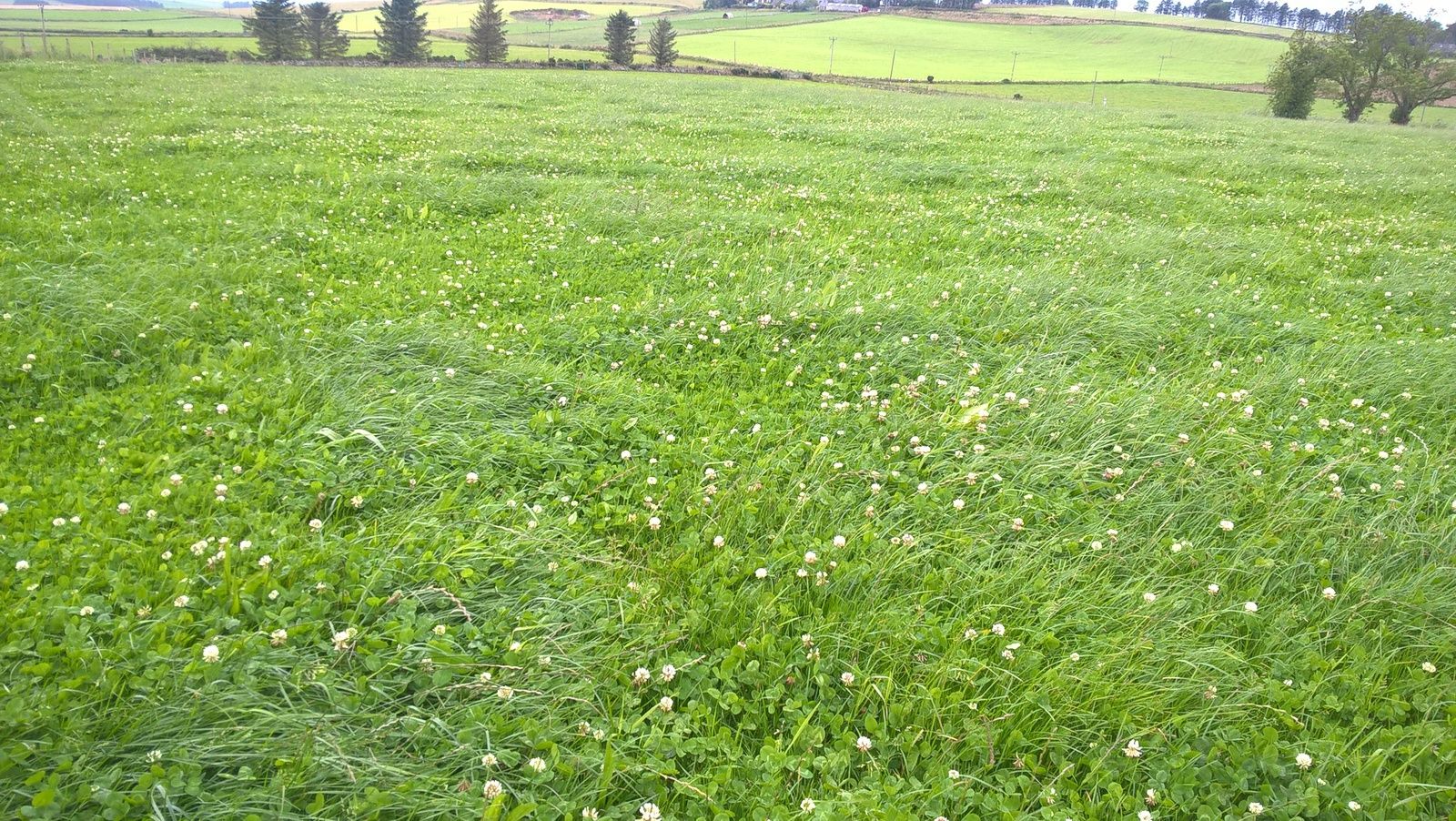
S1: Practical grassland: making the most of your forage
The weather from late 2017 through to the recent drought has left many Scottish farmers struggling for forage going in to the winter of 2018. This podcast features Davy McCracken of SRUC's Mountain Research Centre, Kev Bevan, a senior agricultural economist and Andrew Taylor, an agricultural consultant and dairy and beef farmer talking about what can be done to maximise your grassland output in the current climate and build resilience for the future.
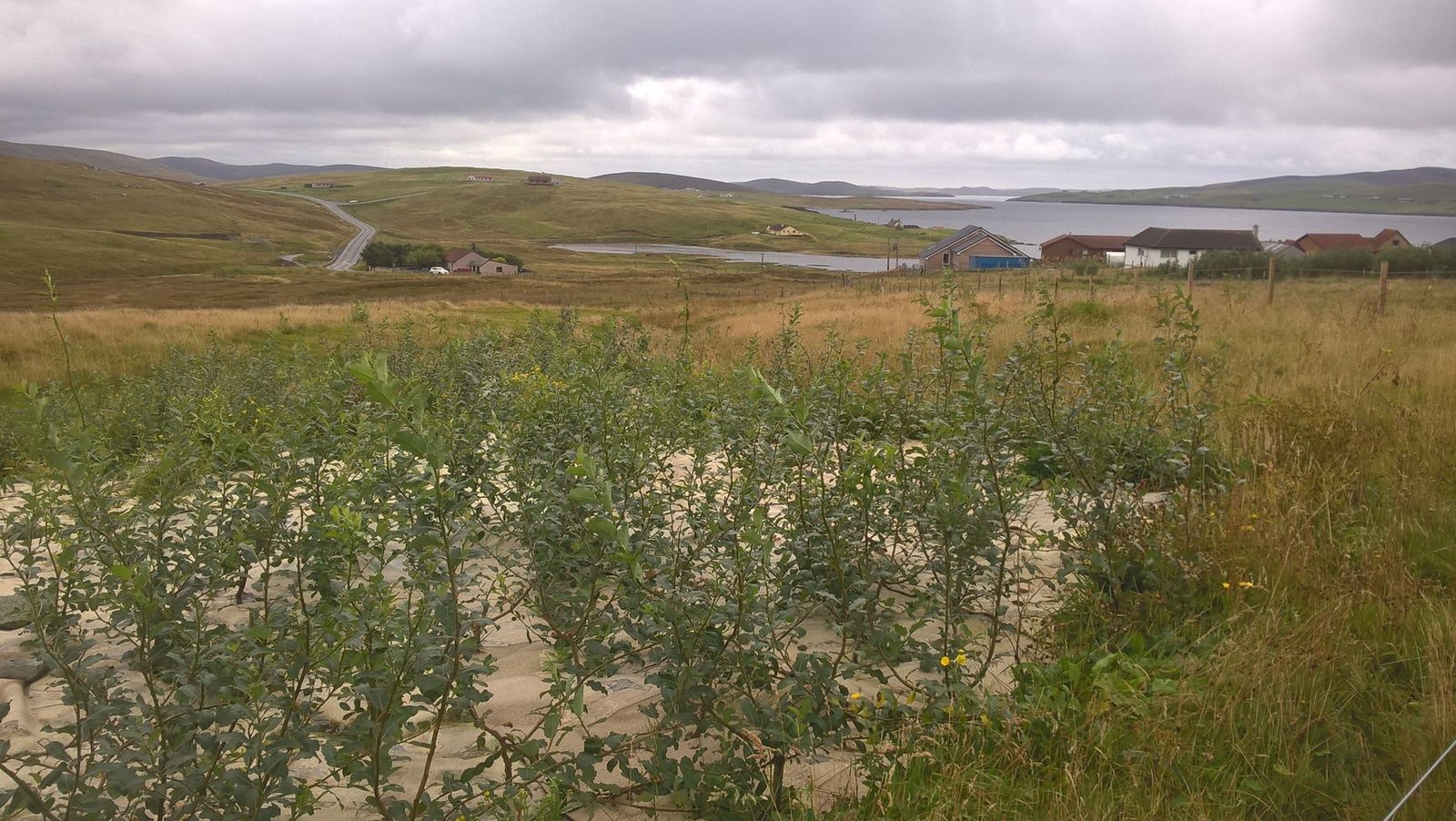
S1: Woodland creation on crofts
Woodland Specialist from SAC Consulting, Douglas Priest talks to Donny Chisholm from the Woodland Trust. This podcast will give you the why, where, what and how of starting woodland on your croft.
S1: Growing crofting and smallholding
Did you know that FAS is Gaelic for growth? Well that's the theme of our first ever podtcast as we look at how to support crofts and smallholders.