
Science Tech Brief By HackerNoon
154 episodes — Page 2 of 4
82 Blog Posts To Learn About Design Thinking
Electrochemical Brain Science for the American Psychiatric Association?
8 Cognitive Biases That Hurt Your Decisions at Work
Daphna Langer Is Building The Tesla of Rail, and This is Why You Should Pay Attention

The Off-Ramp Part 1: Training Design and Existential Challenges
This story was originally published on HackerNoon at: https://hackernoon.com/the-off-ramp-part-1-training-design-and-existential-challenges. An off-ramp is needed for tech training to continue its relevance in the post-employment age. This will be a fundamental re-design of training. Check more stories related to science at: https://hackernoon.com/c/science. You can also check exclusive content about #education, #edtech, #training, #tech-employment, #engineering, #employment, #employment-training, #tech-training, and more. This story was written by: @nxtgencode. Learn more about this writer by checking @nxtgencode's about page, and for more stories, please visit hackernoon.com. There is a difference between employability and employed. The solution mostly offered is reskilling, upskilling or further education. Project management is no longer a way to marshal tech employees.

The New “Front Door” of Care: What Support Agents Know About Members That Clinics Don’t
This story was originally published on HackerNoon at: https://hackernoon.com/the-new-front-door-of-care-what-support-agents-know-about-members-that-clinics-dont. First signs of member confusion don't appear during clinical visits. They surface earlier, in support conversations that reveal where care journeys break. Check more stories related to science at: https://hackernoon.com/c/science. You can also check exclusive content about #healthcare, #healthcare-tech, #healthtech, #healthcare-industry, #healthcare-data, #healthcare-software, #health-payment-systems, #cx, and more. This story was written by: @sarahevans. Learn more about this writer by checking @sarahevans's about page, and for more stories, please visit hackernoon.com. Transcom: First signs of member confusion don't appear during clinical visits. They surface earlier, in support conversations that reveal where care journeys break down. Transcom works with health systems and payers that manage millions of support interactions.

Solar Reality - A Radical Reassessment of Life, Intelligence, and Causality
This story was originally published on HackerNoon at: https://hackernoon.com/solar-reality-a-radical-reassessment-of-life-intelligence-and-causality. The Sun as the First Cause. Toward a Radical Reassessment of the Ontology of Life, Evolution, and Consciousness Check more stories related to science at: https://hackernoon.com/c/science. You can also check exclusive content about #quantum-biology, #consciousness, #evolution, #philosophy, #cosmology, #ontology, #science, #heliobiology, and more. This story was written by: @hacker86877327. Learn more about this writer by checking @hacker86877327's about page, and for more stories, please visit hackernoon.com. Physics says we live inside a star's atmosphere. Biology ignores it. Why recognizing the Sun as the "Ontological Core" changes everything.

When the Models Forget You: The Hidden Brand Failure No One Is Monitoring Yet
This story was originally published on HackerNoon at: https://hackernoon.com/when-the-models-forget-you-the-hidden-brand-failure-no-one-is-monitoring-yet. Generative models shape first impressions. Audit what they recall about you—it's the easiest way to catch brand drift before your metrics do. Check more stories related to science at: https://hackernoon.com/c/science. You can also check exclusive content about #growth-marketing, #brand-strategy, #generative-ai, #marketing-trends-2025, #model-drift, #digital-reputation, #ai-readiness, #search-optimization, and more. This story was written by: @isaactebbs. Learn more about this writer by checking @isaactebbs's about page, and for more stories, please visit hackernoon.com. Generative models shape first impressions before users ever show up, and their memory drifts long before your metrics do. Most teams monitor the market but never audit the engines that introduce them. Checking what the models recall about you is now one of the simplest ways to catch brand drift early.

Physiognomy as Morphological Ontology: Toward the Rehabilitation of a Discredited Discipline
This story was originally published on HackerNoon at: https://hackernoon.com/physiognomy-as-morphological-ontology-toward-the-rehabilitation-of-a-discredited-discipline. A deep dive into how AI, genetics, and biosemiotics are transforming physiognomy from discredited pseudoscience into a modern science of human form. Check more stories related to science at: https://hackernoon.com/c/science. You can also check exclusive content about #cognitive-science, #physiognomy, #digital-anthropology, #ai-morphology-analysis, #form-function-relationship, #evolutionary-biology, #morphological-ontology, #computer-vision-biology, and more. This story was written by: @hacker86877327. Learn more about this writer by checking @hacker86877327's about page, and for more stories, please visit hackernoon.com. This article argues that physiognomy, long dismissed as pseudoscience, is entering a scientific renaissance through AI, genetics, bioinformatics, and systems analysis—reframing the human face as a complex biological, psychological, and cultural code that can be studied, mapped, and understood.

Behind the Screen: The Human Stories We Forget About in Tech
This story was originally published on HackerNoon at: https://hackernoon.com/behind-the-screen-the-human-stories-we-forget-about-in-tech. A warm, reflective exploration of the human stories behind our screens - why technology feels most meaningful when we remember the people using it. Check more stories related to science at: https://hackernoon.com/c/science. You can also check exclusive content about #humane-understanding, #storytelling, #work-life-balance, #tech-and-humanity, #human-centered-design, #digital-empathy, #tech-culture, #mindful-tech, and more. This story was written by: @dhazel. Learn more about this writer by checking @dhazel's about page, and for more stories, please visit hackernoon.com. Technology is powerful, but we often forget the humans behind every click. This article highlights the quiet, emotional stories hidden in everyday digital moments and reminds us to design and use tech with empathy, curiosity, and connection.

Here's How You Can Code It Forward and Help Out Your Community
This story was originally published on HackerNoon at: https://hackernoon.com/heres-how-you-can-code-it-forward-and-help-out-your-community. I thought I'd share some of the lessons learned and highlight different ways that my former peers can lend their expertise to the next generation of engineers. Check more stories related to science at: https://hackernoon.com/c/science. You can also check exclusive content about #education, #giving-back, #volunteering-in-cs-classes, #coding-volunteer-programs, #hackernoon-top-story, #teaching-coding, #coding-mentorship, #coding-and-volunteering, and more. This story was written by: @zachflower. Learn more about this writer by checking @zachflower's about page, and for more stories, please visit hackernoon.com. Software and IT professionals can get involved in computer science classrooms. From Kindergarten through Grade 12, nearly every school has some sort of STEM program. There are a handful of formal programs that provide opportunities to get involved.
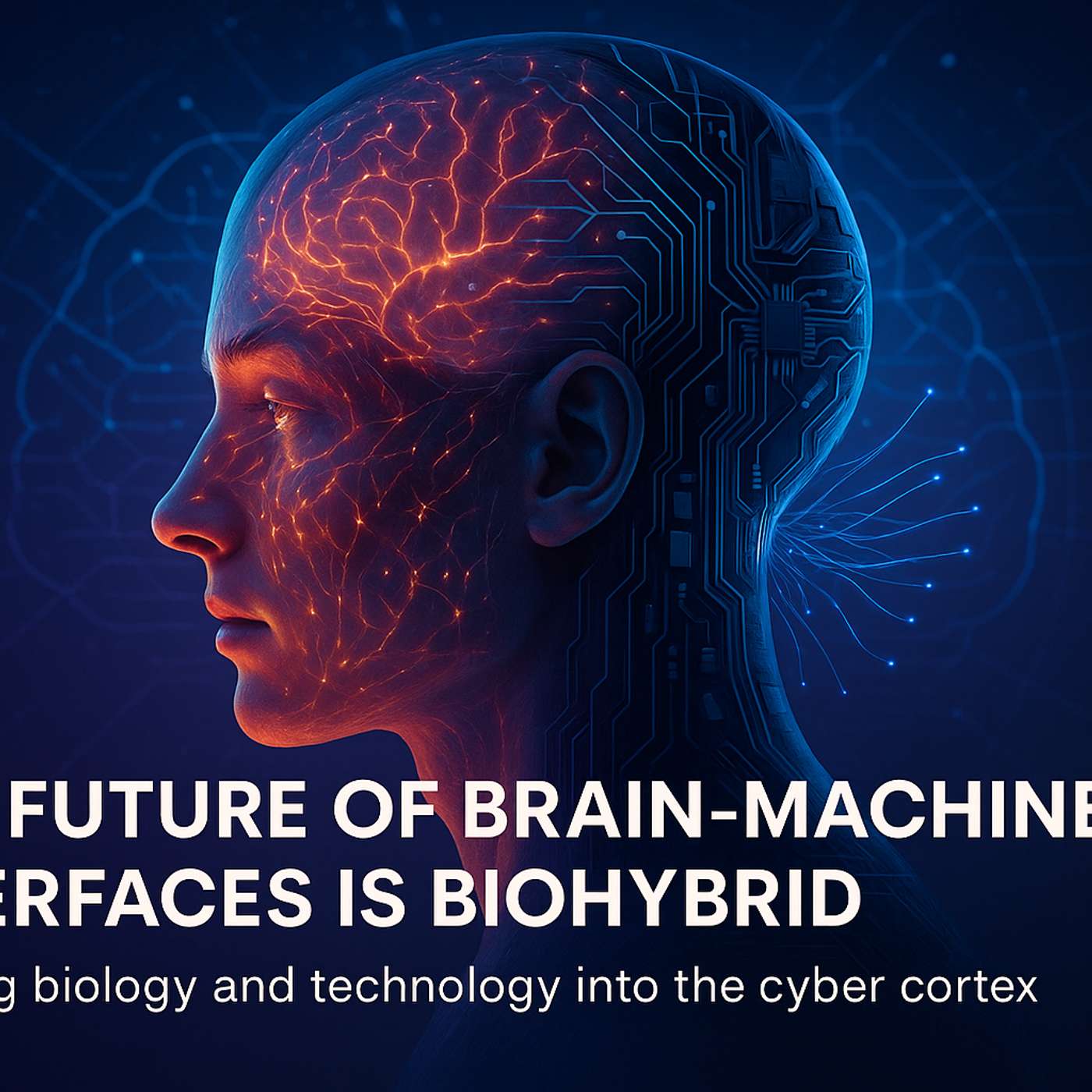
The Future of Brain-Machine Interfaces Is Biohybrid
This story was originally published on HackerNoon at: https://hackernoon.com/the-future-of-brain-machine-interfaces-is-biohybrid. Explore how biohybrid brain–machine interfaces could merge humans with machines, shaping the next evolution of intelligence. Check more stories related to science at: https://hackernoon.com/c/science. You can also check exclusive content about #brain-machine-interface, #biohybrid-brain-chip, #max-hodak-science, #artificial-neurons, #future-of-ai, #cyber-cortex, #science-corporation, #neuralink, and more. This story was written by: @thebojda. Learn more about this writer by checking @thebojda's about page, and for more stories, please visit hackernoon.com. Biohybrid brain–machine interfaces are the next leap in human evolution, merging living neurons with technology to create a “cyber cortex” that could connect minds, restore senses, and blur the line between reality and virtual worlds.

How to Get so Exponentially Smart it Feels Illegal
This story was originally published on HackerNoon at: https://hackernoon.com/how-to-get-so-exponentially-smart-it-feels-illegal. Most people think intelligence is fixed. You're born smart or you're not. End of story. Check more stories related to science at: https://hackernoon.com/c/science. You can also check exclusive content about #life-hack, #life-hacking, #industrial-age-propaganda, #high-sat-score, #how-to-get-smarter, #improve-your-critical-thinking, #the-effect-of-smart-people, #smart-people-in-the-world, and more. This story was written by: @praisejamesx. Learn more about this writer by checking @praisejamesx's about page, and for more stories, please visit hackernoon.com. Most people think intelligence is fixed. You're born smart or you're not. End of story.

Native Americans Are Less Likely To Receive Liver Transplant Than Other Racial Groups
This story was originally published on HackerNoon at: https://hackernoon.com/native-americans-are-less-likely-to-receive-liver-transplant-than-other-racial-groups. Among Indigenous people, just nine patients were accepted for a transplant in that period for every 100 who died from liver disease. Check more stories related to science at: https://hackernoon.com/c/science. You can also check exclusive content about #healthcare, #native-american, #liver-disease, #us-healthcare-system, #racial-disparity, #the-markup, #hackernoon-top-story, #liver-transplant-policy, and more. This story was written by: @TheMarkup. Learn more about this writer by checking @TheMarkup's about page, and for more stories, please visit hackernoon.com. Native Americans are far less likely than other racial groups to gain a spot on the national liver transplant list, despite having the highest rate of death from liver disease

How Space Debris Cleanup Could Become the Next Trillion-Dollar Industry
This story was originally published on HackerNoon at: https://hackernoon.com/how-space-debris-cleanup-could-become-the-next-trillion-dollar-industry. Space debris threatens satellites and economies. See how cleanup tech could unlock a trillion-dollar spacetech industry. Check more stories related to science at: https://hackernoon.com/c/science. You can also check exclusive content about #space-debris, #space-innovations, #futureofspace, #satellite-technology, #spacetech, #future-of-space-exploration, #space-debris-cleanup, #hackernoon-top-story, and more. This story was written by: @samuelogbonna138. Learn more about this writer by checking @samuelogbonna138's about page, and for more stories, please visit hackernoon.com. Earth's orbit is becoming dangerously crowded. Old satellites, broken rocket parts, and countless fragments of debris are crowding our orbits. One piece of junk could crash into a working satellite and create yet more debris. Space agencies and firms are racing each other to create cleanup technology that once sounded like science fiction.

Thermodynamic Limits Around M-dwarf Stars: Acknowledgements
This story was originally published on HackerNoon at: https://hackernoon.com/thermodynamic-limits-around-m-dwarf-stars-acknowledgements. In this study, researchers explore the feasibility and potential characteristics of photosynthetic light-harvesting on exo-planets. Check more stories related to science at: https://hackernoon.com/c/science. You can also check exclusive content about #exoplanets, #thermodynamic-limits, #oxygenic-photosynthesis, #m-dwarf-stars, #light-harvesting, #low-mass-stars, #oxygenic-cyanobacteria, #nasa-exoplanet-archive, and more. This story was written by: @photosynthesis. Learn more about this writer by checking @photosynthesis's about page, and for more stories, please visit hackernoon.com. In this study, researchers explore the feasibility and potential characteristics of photosynthetic light-harvesting on exo-planets.

8 Common Data Security Gaps in Health Care
This story was originally published on HackerNoon at: https://hackernoon.com/8-common-data-security-gaps-in-health-care. Health care data security is crucial but can be challenging. Here are the most common data security gaps to address. Check more stories related to science at: https://hackernoon.com/c/science. You can also check exclusive content about #healthcare, #data-security, #cybersecurity, #health-data, #data-storage, #medical-security, #third-party-risk-management, #it, and more. This story was written by: @zacamos. Learn more about this writer by checking @zacamos's about page, and for more stories, please visit hackernoon.com. The most common gaps in health care data security are adequately securing disparate data storage systems; enabling lateral movement with interconnected systems; brushing aside the need to revisit data sources; ignoring third-party vendors' roles in data security; minimizing medical wearable and implantable threats; improperly disposing of outdated data; viewing cybersecurity and data security as separate; and merging legacy and modern storage systems.

Visualizing Colors: The Gradient Oscillation Hyperspace
This story was originally published on HackerNoon at: https://hackernoon.com/visualizing-colors-the-gradient-oscillation-hyperspace. Could we create a meta-computational space, for machine learning to sort concepts, and artificial intelligence to navigate them? Check more stories related to science at: https://hackernoon.com/c/science. You can also check exclusive content about #meta-computational-space, #hyperspace, #color-space, #gradient-oscillation, #hyper-labyrinth, #intuitive-movement, #rational-jumps, #hackernoon-top-story, and more. This story was written by: @damocles. Learn more about this writer by checking @damocles's about page, and for more stories, please visit hackernoon.com. The aim of this article is to present a colored hyperspace, in which the distance is not extracted using numerical values, but by using the color’s change (or oscillation). Imagine the inside of a sphere; randomly add the seven colors of the rainbow as dots within that sphere; and then expand all of them at once and at the same rate.
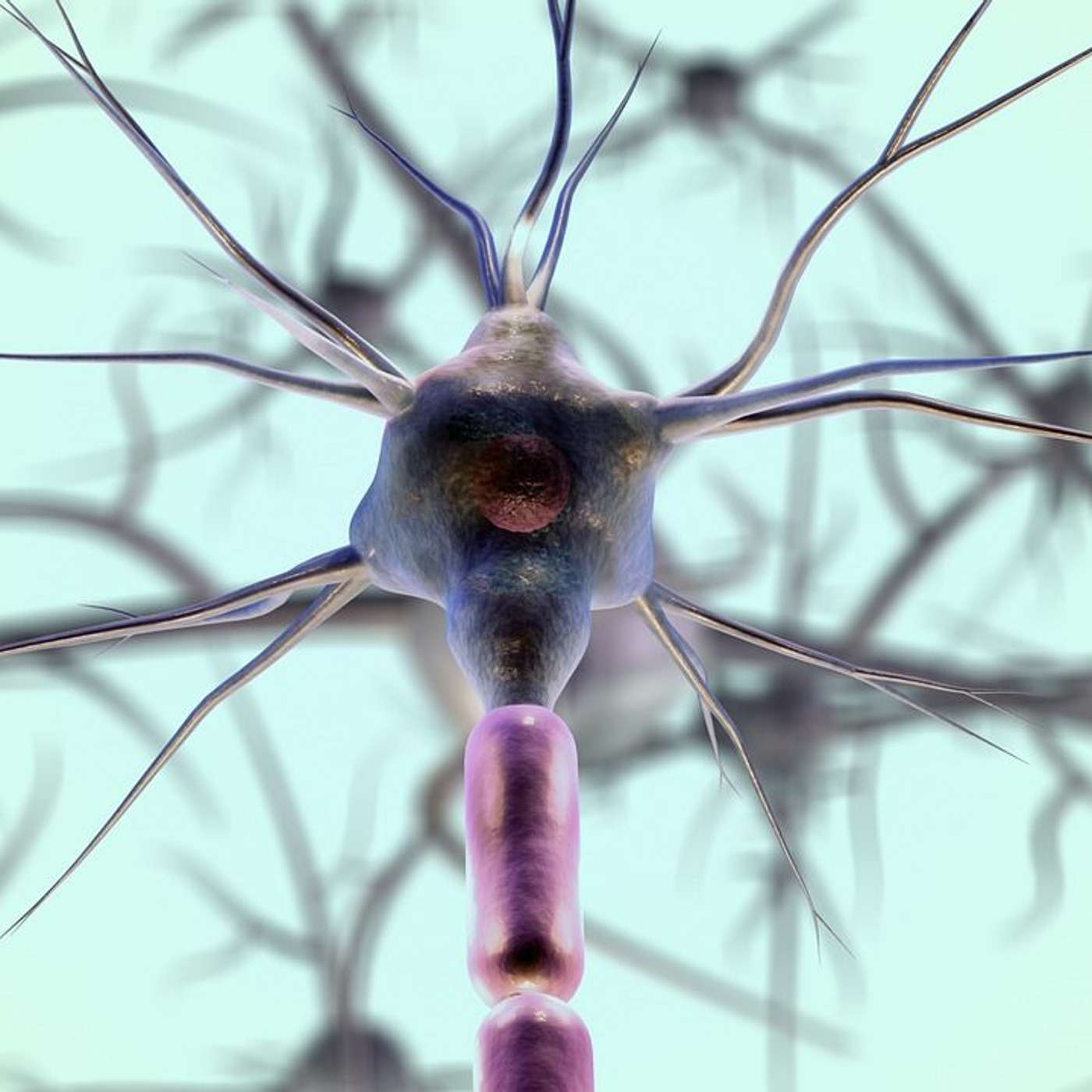
Digital Health: LLMs for Prompt and Quality Sleep?
This story was originally published on HackerNoon at: https://hackernoon.com/digital-health-and-ai-research-llms-for-prompt-and-quality-sleep. Postulates for sleep from theoretical neuroscience can explain some gaps around sleep, which could be provided with LLMs, towards prompt and quality sleep. Check more stories related to science at: https://hackernoon.com/c/science. You can also check exclusive content about #sleep, #digital-health, #ai, #llms, #theoretical-neuroscience, #computational-neuroscience, #ai-research, #brain, and more. This story was written by: @step. Learn more about this writer by checking @step's about page, and for more stories, please visit hackernoon.com. Why do humans sleep? Why might consistent lack of sleep result in physiological problems? Why do some people not take sleep seriously? How can the quality of sleep be improved? How can it be easier to fall asleep? What are the gaps in current understanding of sleep that conceptual brain science may postulate?
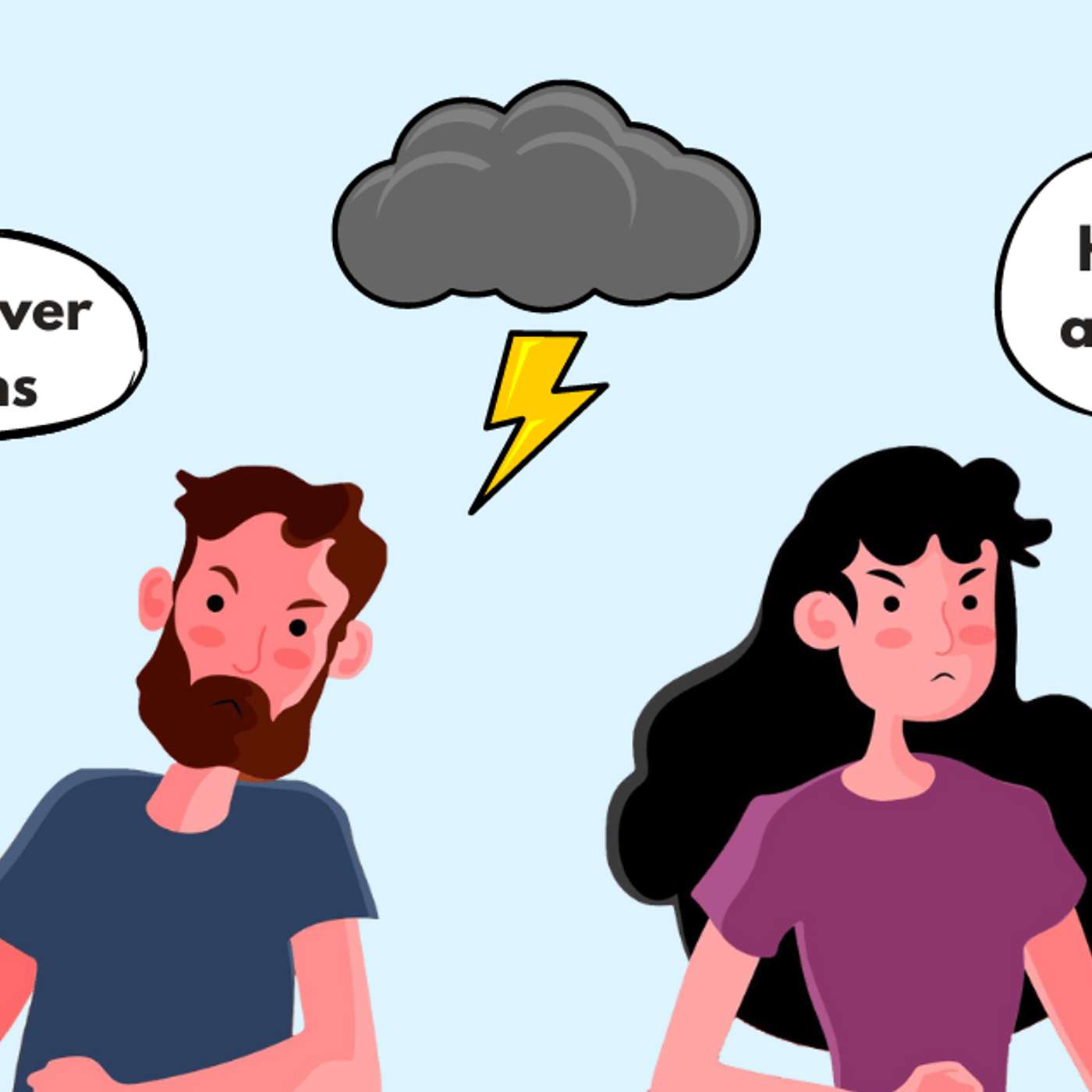
Defusing Emotionally Charged Conversations: 4 Steps to Success
This story was originally published on HackerNoon at: https://hackernoon.com/defusing-emotionally-charged-conversations-4-steps-to-success. To defuse an emotionally charged conversation, follow these four practices. Check more stories related to science at: https://hackernoon.com/c/science. You can also check exclusive content about #emotional-intelligence, #the-expression-of-the-emotions, #anger-management, #work-culture, #leadership-skills, #emotionally-fit-founder, #entrepreneurs-mistakes, #effective-leadership, and more. This story was written by: @vinitabansal. Learn more about this writer by checking @vinitabansal's about page, and for more stories, please visit hackernoon.com. Emotionally charged conversations are often spontaneous and come out of nowhere. When you’re caught off-guard and expected to navigate complex interactions in real time without knowing how to handle them, you're most likely to act in self-defeating ways. To defuse an emotionally charged conversation, follow these four practices.
From $0 to $5,000/Month With Telegram Channels: My Story
This story was originally published on HackerNoon at: https://hackernoon.com/from-$0-to-$5000month-with-telegram-channels-my-story. I have several Telegram channels, in Russian and English. I earn about $5,000 a month from them. Check more stories related to science at: https://hackernoon.com/c/science. You can also check exclusive content about #solopreneur, #telegram, #telegram-channels, #telegram-based-marketing, #how-to-make-money-off-telegram, #telegram-channel-growth, #hackernoon-top-story, #telegram-monetization, and more. This story was written by: @marieintheworld. Learn more about this writer by checking @marieintheworld's about page, and for more stories, please visit hackernoon.com. I created my first Telegram channel in 2022 while working as a data analyst. The main goal was to share useful resources and my experiences. After a few months, it became an additional source of income. I have several Telegram channels, in Russian and English. I earn about $5,000 a month from them.
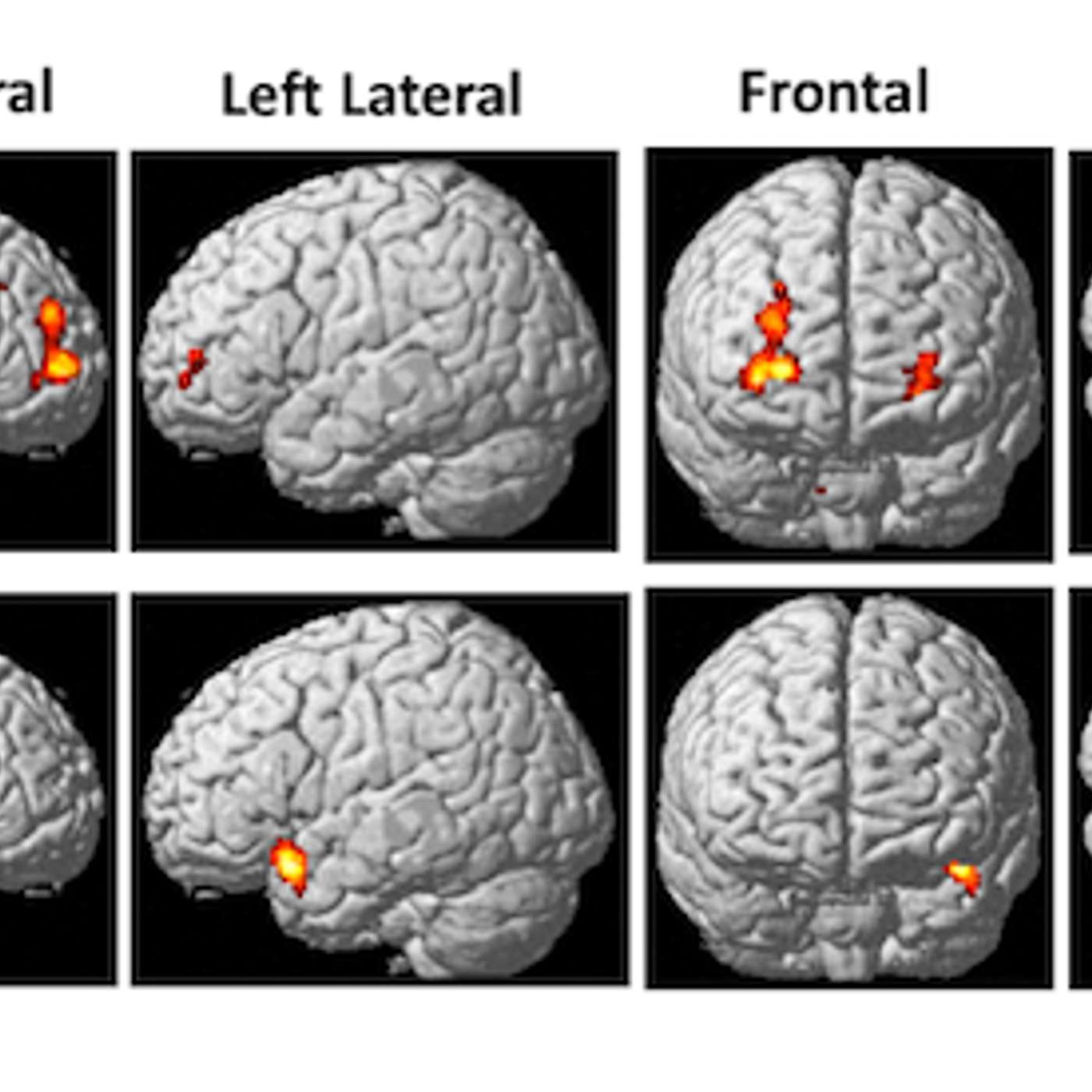
AI: Sleep Computational Neuroscience, Dreams, Loneliness, and Predictive Coding
This story was originally published on HackerNoon at: https://hackernoon.com/ai-sleep-computational-neuroscience-dreams-loneliness-and-predictive-coding. How does the human mind regulate sleep and wakefulness? How does sleep include dreams sometimes? How is loneliness different from states of mind like emptiness? Check more stories related to science at: https://hackernoon.com/c/science. You can also check exclusive content about #sleep, #computational-neuroscience, #theoretical-neuroscience, #predictive-coding, #dreams, #ai, #loneliness, #predictive-processing, and more. This story was written by: @step. Learn more about this writer by checking @step's about page, and for more stories, please visit hackernoon.com. Could dreams provide companionship to an individual experiencing loneliness? Could dreams be distressful? What are all the benefits of dreaming? Are there differences between dreaming and imagination? Why do humans sleep? What does it mean to be lonely? How is this different from isolation? How does the human mind place all these experiences?

From San Francisco to London: A Designer's Tale of Two Tech Hubs
This story was originally published on HackerNoon at: https://hackernoon.com/from-san-francisco-to-london-a-designers-tale-of-two-tech-hubs. A designer's journey from big tech to small startups and working from San Francisco to London. Check more stories related to science at: https://hackernoon.com/c/science. You can also check exclusive content about #design, #san-francisco, #london, #startup, #startups, #careers, #career-development, #tech-hub, and more. This story was written by: @jwilburne. Learn more about this writer by checking @jwilburne's about page, and for more stories, please visit hackernoon.com.

Demystifying “Genius Design”: A Dive into Big Tech's Design Process
This story was originally published on HackerNoon at: https://hackernoon.com/demystifying-genius-design-a-dive-into-big-techs-design-process. The tech industry is rife with romantic tales of "genius design" - a talented team huddled in a room birthing "eureka" moments. That's not the case in reality. Check more stories related to science at: https://hackernoon.com/c/science. You can also check exclusive content about #design, #big-tech, #startups, #startup-lessons, #branding, #product-design, #business, #genius-design, and more. This story was written by: @jwilburne. Learn more about this writer by checking @jwilburne's about page, and for more stories, please visit hackernoon.com. "Genius design" is a term that is as tantalizing as it is elusive. It suggests that innovative designs spring from a momentary spark of divine inspiration or from the prodigious talent of a solitary individual. This narrative has been popularized by stories in the media, films, and books that celebrate moments of individual brilliance, often overshadowing the gritty reality of the design process.
Human Touch in Legal Transcription Remains Irreplaceable (Or At Least Until AI Can Be Held Liable)
This story was originally published on HackerNoon at: https://hackernoon.com/why-human-touch-in-legal-transcription-remains-irreplaceable-or-at-least-until-ai-can-be-held-liabl. The role of human expertise in transcription services remains a topic of debate. Check more stories related to science at: https://hackernoon.com/c/science. You can also check exclusive content about #legaltech, #ai, #ai-in-criminal-courts, and more. This story was written by: @sarahevans. Learn more about this writer by checking @sarahevans's about page, and for more stories, please visit hackernoon.com. The role of human expertise in transcription services remains a topic of debate. Ben Walker, founder and CEO of DittoTranscripts, explains why the human touch is irreplaceable. Legal transcription services often offer more competitive pricing, usually 25-50% cheaper than traditional court reporters.
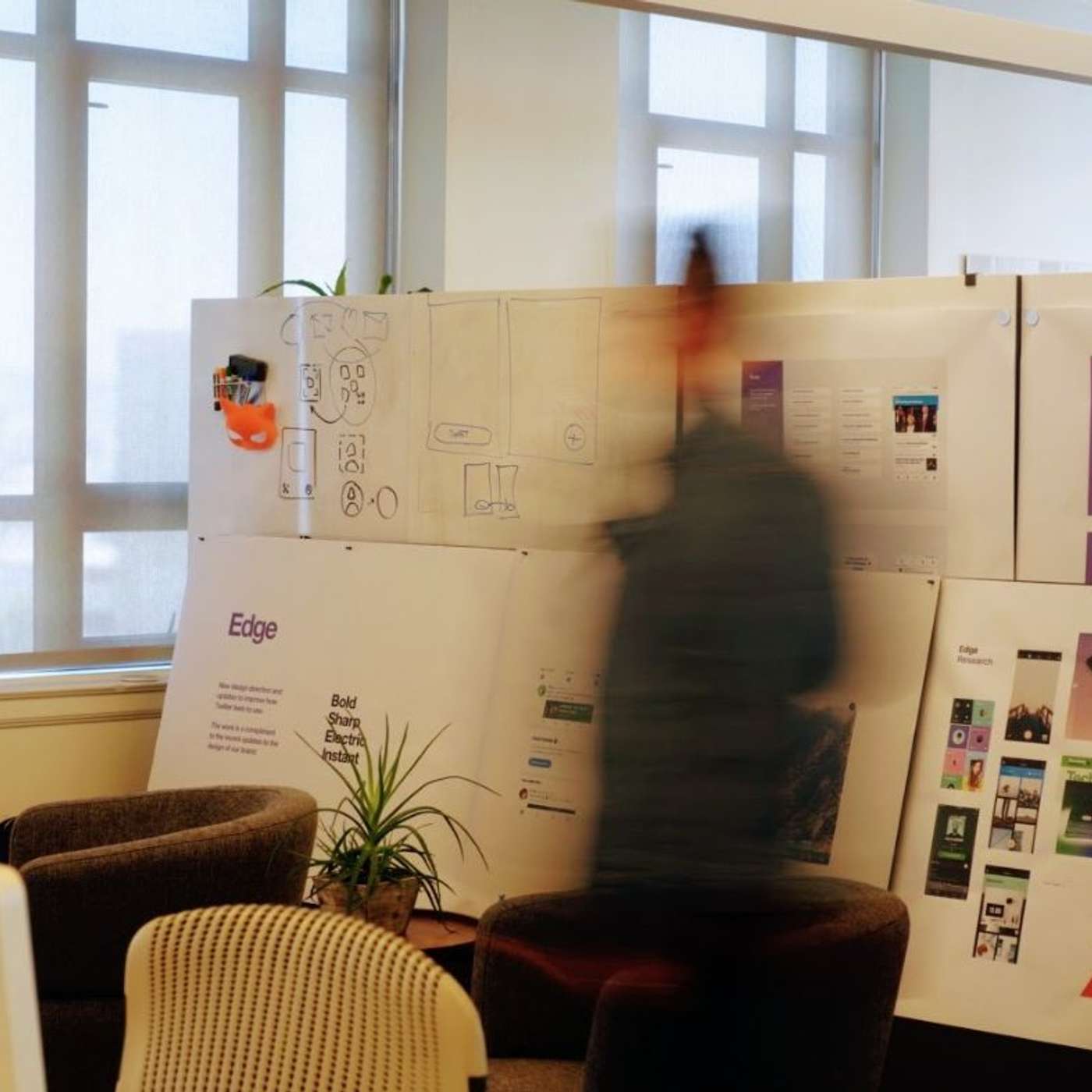
Present Your Way to Success: Key Tips for Landing a Product Design Job
This story was originally published on HackerNoon at: https://hackernoon.com/present-your-way-to-success-key-tips-for-landing-a-product-design-job. Every design job interview I’ve ever done or given has had one thing in common, and that’s the portfolio presentation. Check more stories related to science at: https://hackernoon.com/c/science. You can also check exclusive content about #design, #product-design, #web-design, #ux-design, #job-interview, #tech-careers, #self-improvement, #optimization, and more. This story was written by: @jwilburne. Learn more about this writer by checking @jwilburne's about page, and for more stories, please visit hackernoon.com. Designers should put more focus on their portfolio presentation instead of their website. A well-designed presentation is crucial as it reflects your abilities as a designer. Here are some tips to help you create an impactful presentation. Use a consistent visual style throughout your presentation, including font choices, colors and layout.
Ask These 10 Questions to Transform Your Leadership Approach
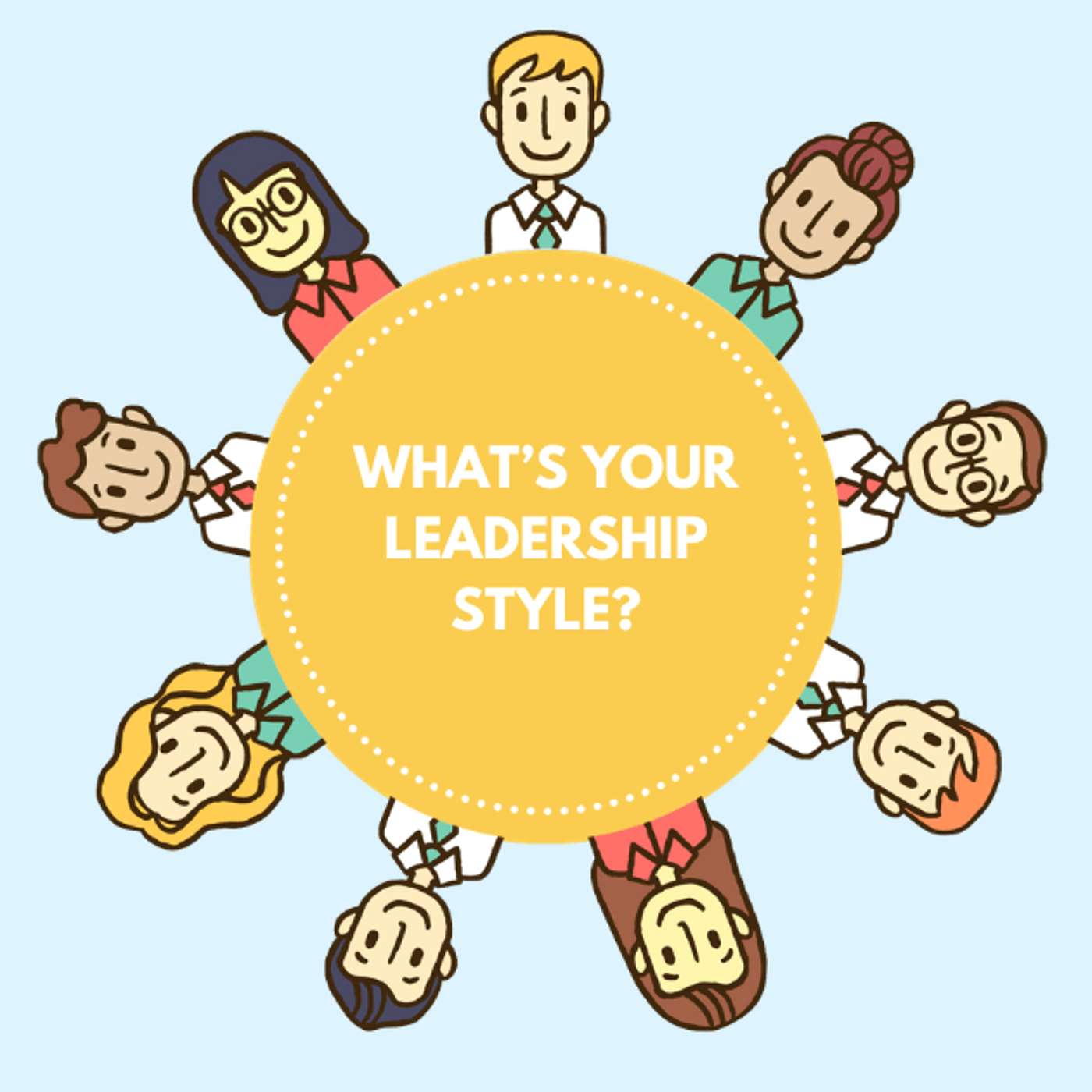
This story was originally published on HackerNoon at: https://hackernoon.com/ask-these-10-questions-to-transform-your-leadership-approach. Discover key insights and strategies for leaders to tackle complex challenges, enhance team performance, and foster a healthy work environment Check more stories related to science at: https://hackernoon.com/c/science. You can also check exclusive content about #leadership-skills, #leadership-development, #engineering-leadership, #how-to-be-a-better-leader, #entrepreneurship, #startups-advice, #advice-for-ceos, #managing-technical-people, and more. This story was written by: @vinitabansal. Learn more about this writer by checking @vinitabansal's about page, and for more stories, please visit hackernoon.com. Leaders face increasing complexity and higher expectations as they climb the hierarchy. It's crucial to focus on leadership style, organizational structure, decision-making, and team well-being. Regular self-reflection and addressing key challenges like fostering creativity, psychological safety, and managing ambiguity can significantly improve leadership effectiveness and team performance.
Ask These 10 Questions to Transform Your Leadership Approach
This story was originally published on HackerNoon at: https://hackernoon.com/ask-these-10-questions-to-transform-your-leadership-approach. Discover key insights and strategies for leaders to tackle complex challenges, enhance team performance, and foster a healthy work environment Check more stories related to science at: https://hackernoon.com/c/science. You can also check exclusive content about #leadership-skills, #leadership-development, #engineering-leadership, #how-to-be-a-better-leader, #entrepreneurship, #startups-advice, #advice-for-ceos, #managing-technical-people, and more. This story was written by: @vinitabansal. Learn more about this writer by checking @vinitabansal's about page, and for more stories, please visit hackernoon.com. Leaders face increasing complexity and higher expectations as they climb the hierarchy. It's crucial to focus on leadership style, organizational structure, decision-making, and team well-being. Regular self-reflection and addressing key challenges like fostering creativity, psychological safety, and managing ambiguity can significantly improve leadership effectiveness and team performance.

Exploring Hockey Stick Theorems: Abstract, Introduction and Description of Results
This story was originally published on HackerNoon at: https://hackernoon.com/exploring-hockey-stick-theorems-abstract-introduction-and-description-of-results. Investigating hockey stick theorems in Pascal's and trinomial triangles, revealing patterns akin to ball trajectories in combinatorial mathematics. Check more stories related to science at: https://hackernoon.com/c/science. You can also check exclusive content about #math, #pascal's-triangle, #trinomial-triangle, #hockey-stick-theorem, #combinatorial-mathematics, #mathematical-theorems, #pascal's-identity, #mathematical-patterns, and more. This story was written by: @hockeystick. Learn more about this writer by checking @hockeystick's about page, and for more stories, please visit hackernoon.com. This paper is available on arxiv(https://arxiv.org/abs/1404.5106) under CC BY 4.0 DEED license. The big hockey stick theorem is a special case of a general theorem which our goal is to introduce it. We state a hockey Stick theorem in the trinomial triangle too.

Exploring Hockey Stick Theorems: Proof of Results and References
This story was originally published on HackerNoon at: https://hackernoon.com/exploring-hockey-stick-theorems-proof-of-results-and-references. Investigating hockey stick theorems in Pascal's and trinomial triangles, revealing patterns akin to ball trajectories in combinatorial mathematics. Check more stories related to science at: https://hackernoon.com/c/science. You can also check exclusive content about #math, #pascal's-triangle, #trinomial-triangle, #hockey-stick-theorem, #combinatorial-mathematics, #mathematical-theorems, #pascal's-identity, #mathematical-patterns, and more. This story was written by: @hockeystick. Learn more about this writer by checking @hockeystick's about page, and for more stories, please visit hackernoon.com. In the proof of both theorems, we use induction. This paper is available on arxiv(https://arxiv.org/abs/1404.5106) under CC BY 4.0 DEED license. The hockey stick theorem in the trinomial triangles has been proved. It can be translated in Pascal pyramid as follows.

Addressing the General Problem of Studying Linear Stability and Bifurcations of Periodic Orbits
This story was originally published on HackerNoon at: https://hackernoon.com/addressing-the-general-problem-of-studying-linear-stability-and-bifurcations-of-periodic-orbits. Researchers study linear stability and bifurcations in Hamiltonian systems, using topological/combinatorial methods to refine the Krein–Moser theorem. Check more stories related to science at: https://hackernoon.com/c/science. You can also check exclusive content about #hamiltonian-systems, #linear-stability, #krein-moser-theorem, #symmetric-orbits, #combinatorics, #periodic-orbits, #git-sequence, #b-signature, and more. This story was written by: @graphtheory. Learn more about this writer by checking @graphtheory's about page, and for more stories, please visit hackernoon.com. Researchers study linear stability and bifurcations in Hamiltonian systems, using topological/combinatorial methods to refine the Krein–Moser theorem.

How fear can be transformed into confidence
This story was originally published on HackerNoon at: https://hackernoon.com/how-fear-can-be-transformed-into-confidence. This is an article about how fear can be transformed into confidence. Check more stories related to science at: https://hackernoon.com/c/science. You can also check exclusive content about #confidence, #fear, #society, #travel, #spanish, #learning, #transformation, #personal-growth, and more. This story was written by: @turbulence. Learn more about this writer by checking @turbulence's about page, and for more stories, please visit hackernoon.com. This is an article about how fear can be transformed into confidence.

Creating a Systematic ESG Scoring System: Discussion
This story was originally published on HackerNoon at: https://hackernoon.com/creating-a-systematic-esg-scoring-system-discussion. This project aims to create a data-driven ESG evaluation system that can provide better guidance and more systemized scores by incorporating social sentiment. Check more stories related to science at: https://hackernoon.com/c/science. You can also check exclusive content about #social-governance, #machine-learning, #social-network-analytics, #natural-language-processing, #sustainability, #online-social-media, #corporate-responsibility, #language-processing, and more. This story was written by: @carbonization. Learn more about this writer by checking @carbonization's about page, and for more stories, please visit hackernoon.com. This project aims to create a data-driven ESG evaluation system that can provide better guidance and more systemized scores by incorporating social sentiment.

Creating a Systematic ESG Scoring System: Conclusion and Bibliography
This story was originally published on HackerNoon at: https://hackernoon.com/creating-a-systematic-esg-scoring-system-conclusion-and-bibliography. This project aims to create a data-driven ESG evaluation system that can provide better guidance and more systemized scores by incorporating social sentiment. Check more stories related to science at: https://hackernoon.com/c/science. You can also check exclusive content about #social-governance, #machine-learning, #social-network-analytics, #natural-language-processing, #sustainability, #online-social-media, #corporate-responsibility, #language-processing, and more. This story was written by: @carbonization. Learn more about this writer by checking @carbonization's about page, and for more stories, please visit hackernoon.com. This project aims to create a data-driven ESG evaluation system that can provide better guidance and more systemized scores by incorporating social sentiment.
Unveiling the Power of Self-Attention for Shipping Cost Prediction: Related Works
This story was originally published on HackerNoon at: https://hackernoon.com/unveiling-the-power-of-self-attention-for-shipping-cost-prediction-related-works. New AI model (Rate Card Transformer) analyzes package details (size, carrier etc.) to predict shipping costs more accurately. Check more stories related to science at: https://hackernoon.com/c/science. You can also check exclusive content about #amazon-shipping-costs, #shipping, #amazon, #day-0-profitability, #pricing-strategies, #machine-learning, #self-attention-models, #package-information-encoding, and more. This story was written by: @convolution. Learn more about this writer by checking @convolution's about page, and for more stories, please visit hackernoon.com. New AI model (Rate Card Transformer) analyzes package details (size, carrier etc.) to predict shipping costs more accurately.
Unveiling the Power of Self-Attention for Shipping Cost Prediction: References
This story was originally published on HackerNoon at: https://hackernoon.com/unveiling-the-power-of-self-attention-for-shipping-cost-prediction-references. New AI model (Rate Card Transformer) analyzes package details (size, carrier etc.) to predict shipping costs more accurately. Check more stories related to science at: https://hackernoon.com/c/science. You can also check exclusive content about #amazon-shipping-costs, #shipping, #amazon, #day-0-profitability, #pricing-strategies, #machine-learning, #self-attention-models, #package-information-encoding, and more. This story was written by: @convolution. Learn more about this writer by checking @convolution's about page, and for more stories, please visit hackernoon.com. New AI model (Rate Card Transformer) analyzes package details (size, carrier etc.) to predict shipping costs more accurately.

Microarchitectural Security of AWS Firecracker VMM: Analysis of Microarchitectural Attack & Defenses
This story was originally published on HackerNoon at: https://hackernoon.com/microarchitectural-security-of-aws-firecracker-vmm-analysis-of-microarchitectural-attack-and-defenses. This research paper investigates just how secure Firecracker is against microarchitectural attacks. Check more stories related to science at: https://hackernoon.com/c/science. You can also check exclusive content about #microarchitectural-security, #virtual-machine-manager, #aws-firecracker, #system-security, #virtual-machines, #hypervisor, #serverless, #cloud-systems, and more. This story was written by: @autoencoder. Learn more about this writer by checking @autoencoder's about page, and for more stories, please visit hackernoon.com. This research paper investigates just how secure Firecracker is against microarchitectural attacks.

Microarchitectural Security of AWS Firecracker VMM: Abstract & Intro
This story was originally published on HackerNoon at: https://hackernoon.com/microarchitectural-security-of-aws-firecracker-vmm-abstract-and-intro. This research paper investigates just how secure Firecracker is against microarchitectural attacks. Check more stories related to science at: https://hackernoon.com/c/science. You can also check exclusive content about #microarchitectural-security, #virtual-machine-manager, #aws-firecracker, #system-security, #virtual-machines, #hypervisor, #serverless, #cloud-systems, and more. This story was written by: @autoencoder. Learn more about this writer by checking @autoencoder's about page, and for more stories, please visit hackernoon.com. This research paper investigates just how secure Firecracker is against microarchitectural attacks.

Deep Neural Networks to Detect and Quantify Lymphoma Lesions: Related Work
This story was originally published on HackerNoon at: https://hackernoon.com/deep-neural-networks-to-detect-and-quantify-lymphoma-lesions-related-work. This study performs comprehensive evaluation of four neural network architectures for lymphoma lesion segmentation from PET/CT images. Check more stories related to science at: https://hackernoon.com/c/science. You can also check exclusive content about #positron-emission-tomography, #computed-tomography, #deep-learning, #segmentation, #detection, #lesion-measures, #intra-observer-variability, #inter-observer-variability, and more. This story was written by: @reinforcement. Learn more about this writer by checking @reinforcement's about page, and for more stories, please visit hackernoon.com. This study performs comprehensive evaluation of four neural network architectures for lymphoma lesion segmentation from PET/CT images.

Deep Neural Networks to Detect and Quantify Lymphoma Lesions: Materials and Methods
This story was originally published on HackerNoon at: https://hackernoon.com/deep-neural-networks-to-detect-and-quantify-lymphoma-lesions-materials-and-methods. This study performs comprehensive evaluation of four neural network architectures for lymphoma lesion segmentation from PET/CT images. Check more stories related to science at: https://hackernoon.com/c/science. You can also check exclusive content about #positron-emission-tomography, #computed-tomography, #deep-learning, #segmentation, #detection, #lesion-measures, #intra-observer-variability, #inter-observer-variability, and more. This story was written by: @reinforcement. Learn more about this writer by checking @reinforcement's about page, and for more stories, please visit hackernoon.com. This study performs comprehensive evaluation of four neural network architectures for lymphoma lesion segmentation from PET/CT images.

Expansions for Hilbert Schemes: the Canonical Moduli Stack
This story was originally published on HackerNoon at: https://hackernoon.com/expansions-for-hilbert-schemes-the-canonical-moduli-stack. This paper improves methods for degenerating "Hilbert schemes" (geometric objects) on surfaces, exploring stability and connections to other constructions. Check more stories related to science at: https://hackernoon.com/c/science. You can also check exclusive content about #hilbert-schemes, #degenerations, #geometric-invariant-theory, #deligne-mumford-stacks, #maulik-ranganathan, #logarithmic-hilbert-schemes, #semistable-degenerations, #expanded-degeneration, and more. This story was written by: @eigenvector. Learn more about this writer by checking @eigenvector's about page, and for more stories, please visit hackernoon.com. This paper improves methods for degenerating "Hilbert schemes" (geometric objects) on surfaces, exploring stability and connections to other constructions.

Expansions for Hilbert Schemes: References
This story was originally published on HackerNoon at: https://hackernoon.com/expansions-for-hilbert-schemes-references. This paper improves methods for degenerating "Hilbert schemes" (geometric objects) on surfaces, exploring stability and connections to other constructions. Check more stories related to science at: https://hackernoon.com/c/science. You can also check exclusive content about #hilbert-schemes, #degenerations, #geometric-invariant-theory, #deligne-mumford-stacks, #maulik-ranganathan, #logarithmic-hilbert-schemes, #semistable-degenerations, #expanded-degeneration, and more. This story was written by: @eigenvector. Learn more about this writer by checking @eigenvector's about page, and for more stories, please visit hackernoon.com. This paper improves methods for degenerating "Hilbert schemes" (geometric objects) on surfaces, exploring stability and connections to other constructions.

A Mirror Theorem for Non-split Toric Bundles: Mirror Theorem for a Product of Projectives Bundle
This story was originally published on HackerNoon at: https://hackernoon.com/a-mirror-theorem-for-non-split-toric-bundles-mirror-theorem-for-a-product-of-projectives-bundle. This research paper develops a new method (I-functions) for understanding mirror symmetry in complex spaces called non-split toric bundles. Check more stories related to science at: https://hackernoon.com/c/science. You can also check exclusive content about #mirror-theorem, #non-split-toric-bundles, #toric-bundles, #brown's-i-function, #givental-lagrangian-cones, #gromov-witten-theory, #fiber, #riemann-roch-theorem, and more. This story was written by: @semaphores. Learn more about this writer by checking @semaphores's about page, and for more stories, please visit hackernoon.com. This research paper develops a new method (I-functions) for understanding mirror symmetry in complex spaces called non-split toric bundles.

Revisiting Separation of Variables in Hamilton-Jacobi Equations: Abstract and Introduction
This story was originally published on HackerNoon at: https://hackernoon.com/revisiting-separation-of-variables-in-hamilton-jacobi-equations-abstract-and-introduction. A critical examination of recent claims regarding separation of variables in Hamilton-Jacobi equations, clarifying misconceptions and historical contributions. Check more stories related to science at: https://hackernoon.com/c/science. You can also check exclusive content about #physics, #hamilton-jacobi-equation, #separation-of-variables, #stackel-spaces, #theoretical-physics, #vladimir-n.-shapovalov, #metric-tensors, #covariant-form, and more. This story was written by: @eigenvector. Learn more about this writer by checking @eigenvector's about page, and for more stories, please visit hackernoon.com. This article is a feedback on an article by M.O. Katanaev in Physica Scripta (2023, 98, 104001) The author sets out his vision of the history of the creation of the theory of complete separation of variables in the free Hamilton-Jacobi equation. He claims that the results obtained in the articles significantly complement the theory. For the first time an explicit form of integrals of motion has been found.

Mutations of noncommutative crepant resolutions: Appendix A. Matrix factorizations
This story was originally published on HackerNoon at: https://hackernoon.com/mutations-of-noncommutative-crepant-resolutions-appendix-a-matrix-factorizations. This paper studies equivalences between magic windows that correspond to wall-crossings in a hyperplane arrangement in terms of NCCRs. Check more stories related to science at: https://hackernoon.com/c/science. You can also check exclusive content about #geometric-invariant-theory, #nccrs, #iyama-wemyss-mutations, #calabi-yau, #magic-windows, #exchanges-of-modules, #quasi-symmetric-representation, #wall-crossing, and more. This story was written by: @eigenvector. Learn more about this writer by checking @eigenvector's about page, and for more stories, please visit hackernoon.com. This paper studies equivalences between magic windows that correspond to wall-crossings in a hyperplane arrangement in terms of NCCRs.

Mutations of noncommutative crepant resolutions: Main results
This story was originally published on HackerNoon at: https://hackernoon.com/mutations-of-noncommutative-crepant-resolutions-main-results. This paper studies equivalences between magic windows that correspond to wall-crossings in a hyperplane arrangement in terms of NCCRs. Check more stories related to science at: https://hackernoon.com/c/science. You can also check exclusive content about #geometric-invariant-theory, #nccrs, #iyama-wemyss-mutations, #calabi-yau, #magic-windows, #exchanges-of-modules, #quasi-symmetric-representation, #wall-crossing, and more. This story was written by: @eigenvector. Learn more about this writer by checking @eigenvector's about page, and for more stories, please visit hackernoon.com. This paper studies equivalences between magic windows that correspond to wall-crossings in a hyperplane arrangement in terms of NCCRs.

Solos: A Dataset for Audio-Visual Music Analysis- Conclusions and References
This story was originally published on HackerNoon at: https://hackernoon.com/solos-a-dataset-for-audio-visual-music-analysis-conclusions-and-references. In this paper, researchers introduce Solos, a clean dataset of solo musical performances for training machine learning models on various audio-visual tasks. Check more stories related to science at: https://hackernoon.com/c/science. You can also check exclusive content about #audio-visual-machine-learning, #audio-visual, #dataset, #multimodal, #music, #solos, #music-performance-dataset, #instrumental-recordings, and more. This story was written by: @kinetograph. Learn more about this writer by checking @kinetograph's about page, and for more stories, please visit hackernoon.com. In this paper, researchers introduce Solos, a clean dataset of solo musical performances for training machine learning models on various audio-visual tasks.

10 Viral Loops that Drive Sustainable Product Growth
This story was originally published on HackerNoon at: https://hackernoon.com/10-viral-loops-that-drive-sustainable-product-growth. 10 types of viral loops to fuel your product growth strategy Check more stories related to science at: https://hackernoon.com/c/science. You can also check exclusive content about #growth-marketing, #viral-loops, #viral-marketing, #tech-marketing-tips, #business-growth, #startup-advice, #product-strategy, #startup-marketing, and more. This story was written by: @mailuong. Learn more about this writer by checking @mailuong's about page, and for more stories, please visit hackernoon.com. Companies like Notion, Slack, and You Tube are built on a system of compounding growth loops. This article focuses on one particularly powerful type: viral loops. It will explain how viral loops function and explore the different forms they can take. Understanding these mechanisms can empower companies to strategically integrate them into their products to drive significant and rapid growth.
ChipNeMo: Domain-Adapted LLMs for Chip Design: Evaluations
This story was originally published on HackerNoon at: https://hackernoon.com/chipnemo-domain-adapted-llms-for-chip-design-evaluations. Researchers present ChipNeMo, using domain adaptation to enhance LLMs for chip design, achieving up to 5x model size reduction with better performance. Check more stories related to science at: https://hackernoon.com/c/science. You can also check exclusive content about #chipnemo, #chip-design, #llms, #domain-adaptation, #custom-tokenizers, #bug-summarization, #eda-script-generation, #llm-performance-evaluation, and more. This story was written by: @textmodels. Learn more about this writer by checking @textmodels's about page, and for more stories, please visit hackernoon.com. Researchers present ChipNeMo, using domain adaptation to enhance LLMs for chip design, achieving up to 5x model size reduction with better performance.
ChipNeMo: Domain-Adapted LLMs for Chip Design: Discussion
This story was originally published on HackerNoon at: https://hackernoon.com/chipnemo-domain-adapted-llms-for-chip-design-discussion. Researchers present ChipNeMo, using domain adaptation to enhance LLMs for chip design, achieving up to 5x model size reduction with better performance. Check more stories related to science at: https://hackernoon.com/c/science. You can also check exclusive content about #chipnemo, #chip-design, #llms, #domain-adaptation, #custom-tokenizers, #bug-summarization, #eda-script-generation, #llm-performance-evaluation, and more. This story was written by: @textmodels. Learn more about this writer by checking @textmodels's about page, and for more stories, please visit hackernoon.com. Researchers present ChipNeMo, using domain adaptation to enhance LLMs for chip design, achieving up to 5x model size reduction with better performance.