Science Talk
553 episodes — Page 1 of 12

Episode 5: How Do We Know Anything?
On this show, we’ve been talking about uncertainty from a variety of different angles. We’ve heard how uncertainty can be a spark for creativity and scientific discovery. We’ve discussed how uncertainty can go unseen and make science really difficult. And we’ve explored some of the research techniques and habits of mind that researchers use to deal with uncertainty. Today we’re going to end with two final questions: If science is always uncertain, how can we ever know anything? How can we have confidence in science if there’s always underlying uncertainty? Learn more about your ad choices. Visit megaphone.fm/adchoices

S1 Ep 4Episode 4: This Simple Strategy Might Be the Key to Advancing Science Faster
Science is an iterative process. Progress comes from people coming up with ideas that are sort of right and then new evidence and ideas coming in to update them to become even more correct. Underlying this process is a willingness by scientists to accept that they might be wrong and be open to updating their ideas. It turns out that social scientists have a term for this mindset. To find out more, I talked with two researchers who are studying this thing they call “intellectual humility.” Learn more about your ad choices. Visit megaphone.fm/adchoices

S1 Ep 3Episode 3: When Uncertainty Hides in the Blindspot of Overconfidence
Today’s episode of Uncertain is about the ways that studies can leave us overconfident and how “just-so stories” can make us feel overly certain about results that are still a work in progress. And sometimes studies get misleading results because of random error or weird samples or study design. But sometimes science gets things wrong because it’s done by humans, and humans are fallible and imperfect. Learn more about your ad choices. Visit megaphone.fm/adchoices

S1 Ep 2Episode 2: Think Seeing is Believing? Think Again
In this episode, we’ll talk with two researchers whose work probes the uncertainty surrounding how we perceive the world around us. It turns out that what we see may not always be a perfect reflection of reality. Learn more about your ad choices. Visit megaphone.fm/adchoices

S1 Ep 1Episode 1: Uncertainty is Science's Super Power. Make It Yours, Too
Welcome to Uncertain, a five-part podcast miniseries from Scientific American. Here we will dive head first into the possibilities of the unknowing. Over the next five episodes, I’ll be talking with people like her: explorers who work in the realm of uncertainty. Through them, we’ll discover the ways that uncertainty can spark curiosity and scientific breakthroughs. But we’ll also find out how uncertainty can bite us in the butt and make science really hard. We’ll see how neglecting uncertainty can lead to overconfidence and how embracing uncertainty can allow for a more nuanced and accurate understanding of the world. We’ll finish by examining how it’s possible to have confidence in scientific findings, even with their uncertainties. Learn more about your ad choices. Visit megaphone.fm/adchoices

Coming Soon: 'Uncertain' - A New Short Series on the Thrill of Not Knowing
Does the word "uncertainty" make you nervous? Does it rule your life? Would you say it kinda describes the state of the world these days? Enter Uncertain, a new limited podcast series from Scientific American. In this series, host Christie Aschwanden will help to demystify uncertainty. She's going to take away its scariness–or, rather, a cast of scientific dreamers that she talked to, will. As you’ll see, uncertainty drives scientific discovery. Throughout scientific history, uncertainty has spurred our collective imagination and our need to know the things we don’t. To be clear, uncertainty makes science very difficult. So in this mini-series we’ll both learn how scientists push through those difficulties; and how they also avoid the bias, logical fallacies, and blindspots that can lurk behind uncertainty. She'll get them to share their own habits of mind and techniques for facing, and embracing, the unknown. And even if you’re not a scientist, UNCERTAIN provides a practical way to think through what we don’t know in our lives—to face that uncertainty, and, hopefully, live better, more informed lives because of it. Learn more about your ad choices. Visit megaphone.fm/adchoices
Racism in Health: The Roots of the U.S. Black Maternal Mortality Crisis
What is behind the Black maternal mortality crisis, and what needs to change? In this podcast from Nature and Scientific American, leading academics unpack the racism at the heart of the system. Learn more about your ad choices. Visit megaphone.fm/adchoices
Love Computers? Love History? Listen to This Podcast
In the newest season of Lost Women of Science, we enter a world of secrecy, computers and nuclear weapons—and see how Klára Dán von Neumann was a part of all of it. Learn more about your ad choices. Visit megaphone.fm/adchoices
Top 10 Emerging Tech of 2021
The World Economic Forum and Scientific American team up to highlight technological advances that could change the world—including self-fertilizing crops, on-demand drug manufacturing, breath-sensing diagnostics and 3-D-printed houses. Learn more about your ad choices. Visit megaphone.fm/adchoices
Listen to This New Podcast: The Lost Women of Science
A new podcast is on a mission to retrieve unsung female scientists from oblivion. Learn more about your ad choices. Visit megaphone.fm/adchoices

An Unblinking History of the Conservation Movement
In her new book Beloved Beasts: Fighting for Life in an Age of Extinction, science journalist Michelle Nijhuis looks into the past of the wildlife conservation field, warts and all, to try to chart its future. Learn more about your ad choices. Visit megaphone.fm/adchoices

Inside the Nail-Biting Quest to Find the 'Loneliest Whale'
It is a tale of sound: the song of a solitary whale that vocalizes at a unique frequency of 52 hertz, which no other whale—as the story goes—can seemingly understand. It is also a tale about science and ocean life, laced with fantasy and mystery and mostly shrouded in darkness. The whale, who is of unknown species and nicknamed “52,” was originally discovered in 1989 and has been intermittently tracked by scientists ever since. Its solitary nature baffled marine researchers. And its very existence captured the attention and hearts of millions of people. But as 52 roams the ocean’s depths, a lot about its nature is still up in the air. No one has ever seen it in the flesh. Scientists have determined that the whale is a large male and possibly a hybrid, and they have speculated that its unique song—too low in frequency for humans and too high for whales—might be a result of a malformation. Scientific American sat down with Josh Zeman, an award-winning filmmaker who created a documentary about 52, to talk not just about his impressive cinematic quest (and it is impressive and beautifully shot) but also the science and academic collaborations that fueled it. The documentary—written and directed by Zeman and executive produced by actors Leonardo DiCaprio and Adrian Grenier—is inspired by the findings of the late bioacoustics scientist William Watkins. It is propelled by passion and curiosity and relies on underwater acoustics to track 52 through the sound-rich and noise-heavy environment of the ocean. A departure for Zeman in terms of genre choice, the film still exudes an air of mystery and sleuthing reminiscent of whodunits. It unfolds like a classic true-crime story, a genre that Zeman, an investigative reporter and a true-crime documentarian, was originally famous for working in. Then again, when Zeman started making the movie, the whale was MIA and had been silent for years. In essence, Zeman reopened a cold case to—in his own words—“set the record straight” and “bring the audience into the world of the whale.” With the help of marine scientists, he followed streams of whale songs and other breadcrumbs in the form of auditory clues, listening in, analyzing, tracking, slowly and persistently narrowing down the circle around 52. Zeman found him, lost him and found him again until eventually the filmmaker made an unexpected revelation about him. It may not be the closure Zeman expected to give to his audiences. But it is definitely a fresh chapter in this evolving tale. Zeman says he is hopeful that other storytellers will take up the mantle and continue to unearth more facts about 52. “What a more beautiful gift can you give than to say, ‘Actually, there’s another chapter.’ And then, 20 years later, somebody else comes in and adds their chapter,” he says. “That’s what storytelling is.” Learn more about your ad choices. Visit megaphone.fm/adchoices
Listen to This: 'Hope Lies in Dreams,' a New Podcast from Nature Biotechnology
This is a story of desperation, anger, poverty—and triumph over long odds to crack the code of a degenerative disease that had been stealing the lives of children since it was first discovered more than a century ago. Learn more about your ad choices. Visit megaphone.fm/adchoices

Summer of Science Reading, Episode 4: Navigating Loss and Hope with Nature
In Science Book Talk, a new four-part podcast miniseries, host Deboki Chakravarti acts as literary guide to two science books that share a beautiful and sometimes deeply resonant entanglement. In this week’s show: World of Wonders, by Aimee Nezhukumatathil, and Vesper Flights, by Helen Macdonald. Learn more about your ad choices. Visit megaphone.fm/adchoices

Summer of Science Reading, Episode 3: Abandoned and Underground but Not Lost
In Science Book Talk, a new four-part podcast miniseries, host Deboki Chakravarti acts as literary guide to two science books that share a beautiful and sometimes deeply resonant entanglement. In this week’s show: Underland, by Robert MacFarlane, and Islands of Abandonment, by Cal Flyn. Learn more about your ad choices. Visit megaphone.fm/adchoices
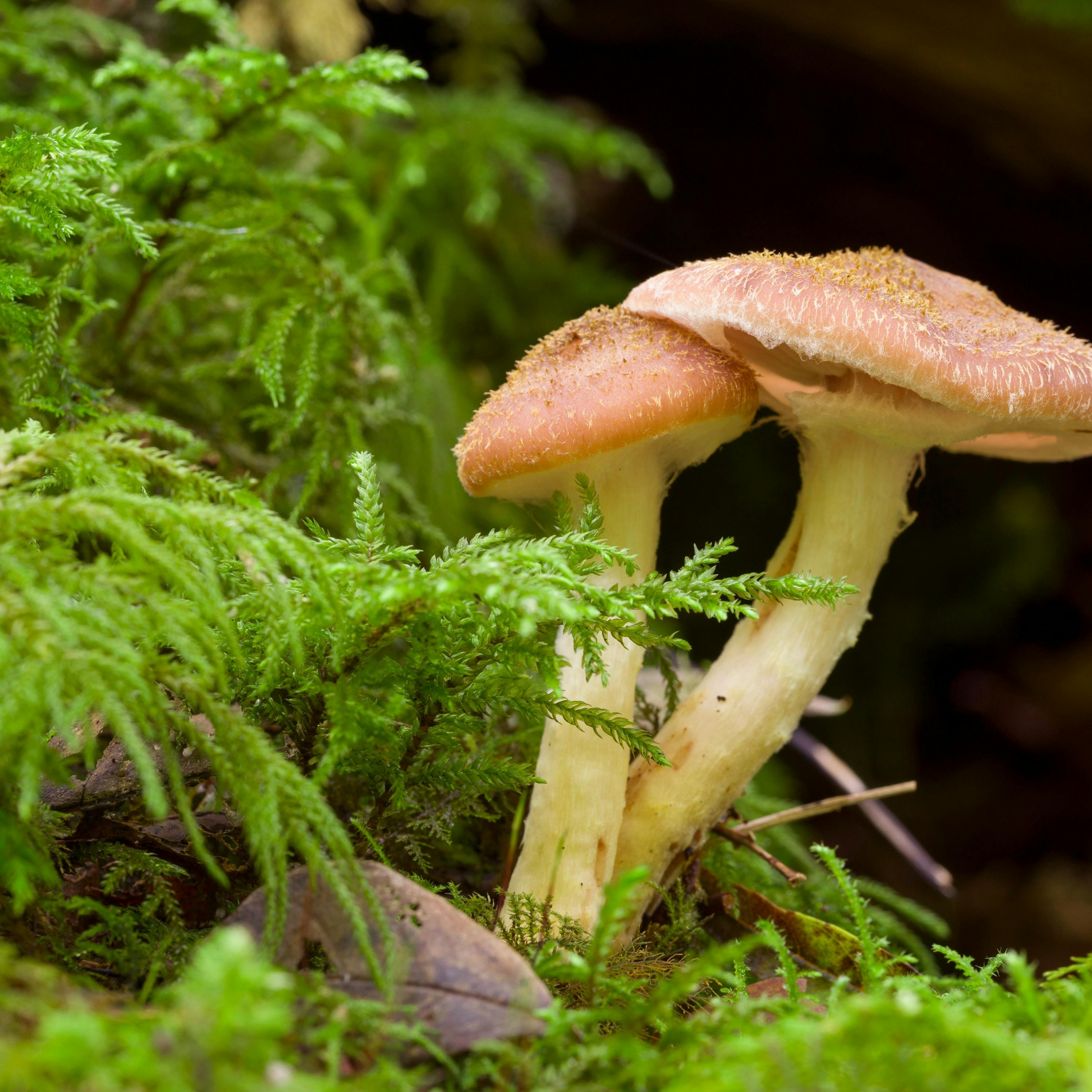
Summer of Science Reading, Episode 2: Life beneath Our Feet
In Science Book Talk, a new four-part podcast miniseries, host Deboki Chakravarti acts as literary guide to two science books that share a beautiful and sometimes deeply resonant entanglement. In this week’s show: Entangled Life, by Merlin Sheldrake, and Gathering Moss, by Robin Wall Kimmerer. Learn more about your ad choices. Visit megaphone.fm/adchoices

Summer of Science Reading, Episode 1: The Many Mysteries of Fish
In Science Book Talk, a new four-part podcast miniseries, host Deboki Chakravarti acts as literary guide to two science books that share a beautiful and sometimes deeply resonant entanglement. In this week’s show: Why Fish Don’t Exist, by Lulu Miller, and The Book of Eels, by Patrik Svensson. Learn more about your ad choices. Visit megaphone.fm/adchoices

National Park Nature Walks, Episode 10: The Otherworldly Sounds of an Elk Rut
Here is our next installment of a new pop-up podcast miniseries that takes your ears into the deep sound of nature. Host Jacob Job, an ecologist and audiophile, brings you inches away from a multitude of creatures, great and small, amid the sonic grandeur of nature. You may not be easily able to access these places amid the pandemic, but after you take this acoustic journey, you will be longing to get back outside. Strap on some headphones, find a quiet place and prepare to experience a the alien sounds of the yearly elk rut inside of Rocky Mountain National Park. Catch additional episodes in the series here. Learn more about your ad choices. Visit megaphone.fm/adchoices

National Park Nature Walks, Episode 9: Inside a Migratory Bird Sanctuary
Here is our next installment of a new pop-up podcast miniseries that takes your ears into the deep sound of nature. Host Jacob Job, an ecologist and audiophile, brings you inches away from a multitude of creatures, great and small, amid the sonic grandeur of nature. You may not be easily able to access these places amid the pandemic, but after you take this acoustic journey, you will be longing to get back outside. Strap on some headphones, find a quiet place and prepare to experience a humid, salty morning full of birdsong inside the Rockefeller Wildlife Refuge in Louisiana. Catch additional episodes in the series here. Learn more about your ad choices. Visit megaphone.fm/adchoices

National Park Nature Walks, Episode 8: The Blue Oaks of Sequoia
Here is our next installment of a new pop-up podcast miniseries that takes your ears into the deep sound of nature. Host Jacob Job, an ecologist and audiophile, brings you inches away from a multitude of creatures, great and small, amid the sonic grandeur of nature. You may not be easily able to access these places amid the pandemic, but after you take this acoustic journey, you will be longing to get back outside. Strap on some headphones, find a quiet place and prepare to experience an evanescent like no other: the blue oak woodlands in Sequoia National Park in California. Catch additional episodes in the series here. Learn more about your ad choices. Visit megaphone.fm/adchoices

National Park Nature Walks, Episode 7: Into the Wilderness by Canoe
Here is our next installment of a new pop-up podcast miniseries that takes your ears into the deep sound of nature. Host Jacob Job, an ecologist and audiophile, brings you inches away from a multitude of creatures, great and small, amid the sonic grandeur of nature. You may not be easily able to access these places amid the pandemic, but after you take this acoustic journey, you will be longing to get back outside. Strap on some headphones, find a quiet place and prepare to experience a thunderstorm—and a lazy day of waiting that storm out—inside the Boundary Waters Canoe Area Wilderness in northern Minnesota. Catch additional episodes in the series here. Learn more about your ad choices. Visit megaphone.fm/adchoices

National Park Nature Walks, Episode 6: Yellowstone Bison and Marsh Birds
Here is our next installment of a new pop-up podcast miniseries that takes your ears into the deep sound of nature. Host Jacob Job, an ecologist and audiophile, brings you inches away from a multitude of creatures, great and small, amid the sonic grandeur of nature. You may not be easily able to access these places amid the pandemic, but after you take this acoustic journey, you will be longing to get back outside. Strap on some headphones, find a quiet place, and prepare to experience sunrise on a Yellowstone marsh and then relax—if you can—close enough to a bison to hear it eat its lunch. You can catch more episodes in the series here. Learn more about your ad choices. Visit megaphone.fm/adchoices

The Deepest Dive to Find the Secrets of the Whales
On Earth Day, Scientific American sits down with National Geographic underwater photographer Brian Skerry to talk about free diving with whales and filming the giant mammals within five meters or less. “We have to get within a few meters of our subject to get good pictures,” Skerry says. “I can't use a 1,000-millimeter lens underwater. Also, the sun has to be out because I can’t light a whale underwater; they're too big.” Skerry has been tracking whales, their hidden lives, their feeding rituals and hunting practices—strategies that differ dramatically from one whale pod to another—for nearly four decades. Both his new book Secrets of the Whales, released on April 6, and Disney+ series with the same title, a four-episode documentary that is narrated by Sigourney Weaver and premieres today, boast jaw-dropping moments. A visual feast of magnificent scenery, the book and streaming series show humpback whales breaching the water surface to catch herring, orcas trailing ancient pathways, narwhals flicking their giant tusks to sting their prey and ghost-white beluga whales frolicking in shallow waters with their young—some of them only a few days old and still dragging around their umbilical cord. The footage that Skerry filmed takes the audience on a tour of whale cultures across Antarctica, Norway, New Zealand, the Cook Islands, Alaska and other places. It tells stories of resilience, familial bonding and intimacy, generational knowledge sharing and deadly encounters—along with rich lives and complex behaviors that are reminiscent of humans and that were sometimes captured on camera for the first time. “If we look at the ocean, through the lens of culture, these animals are doing so many things in many ways that mirror human culture,” Skerry says. The Disney+ series, however, doesn’t only dwell on the magic and wonder of this world. It also warns against the effects of pollution and the ongoing climate emergency on a very delicate and interconnected marine ecosystem. Secrets of the Whales was a perfect story to showcase both aspects, Skerry says, because it lives at the confluence of cutting-edge science and conservation. “I like to say, ‘It's not a conservation story,’” he adds. “And yet it could be the most important conservation story ever because if we can see these animals through that lens of culture, it changes how we perceive nature and our relation to it.” Learn more about your ad choices. Visit megaphone.fm/adchoices

National Park Nature Walks, Episode 5: A Northwoods Voyage
Here is our next installment of a new pop-up podcast miniseries that takes your ears into the deep sound of nature. Host Jacob Job, an ecologist and audiophile, brings you inches away from a multitude of creatures, great and small, amid the sonic grandeur of nature. You may not be easily able to access these places amid the pandemic, but after you take this acoustic journey, you will be longing to get back outside. Strap on some headphones, find a quiet place, and prepare to experience true solitude inside Voyageurs National Park. You can catch more episodes in the series here. Learn more about your ad choices. Visit megaphone.fm/adchoices

First in Space: New Yuri Gagarin Biography Shares Hidden Side of Cosmonaut
It’s been 60 years, to the day, since Soviet cosmonaut Yuri Gagarin was the first human to travel to space in a tiny capsule attached to an R-7 ballistic missile, a powerful rocket originally designed to carry a three- to five-megaton nuclear warhead. In this new episode marking the 60th anniversary of this historic space flight—the first of its kind—Scientific American talks to Stephen Walker, an award-winning filmmaker, director and book author, about the daring launch that changed the course of human history and charted a map to the skies and beyond. Walker discusses his new book Beyond: The Astonishing Story of the First Human to Leave Our Planet and Journey into Space, out today, and how Gagarin’s journey—an enormous mission that was fraught with danger and planned in complete secrecy—happened on the heels of a cold war between the U.S. and the Soviet Union and sparked a relentless space race between a rising superpower and an ailing one, respectively. Walker, whose films have won an Emmy and a BAFTA, revisits the complex politics and pioneering science of this era from a fresh perspective. He talks about his hunt for eyewitnesses, decades after the event; how he uncovered never-before-seen footage of the space mission; and, most importantly, how he still managed to put the human story at the heart of a tale at the intersection of political rivalry, cutting-edge technology, and humankind’s ambition to conquer space and explore new frontiers. Learn more about your ad choices. Visit megaphone.fm/adchoices

National Park Nature Walks, Episode 4: Beautiful Swamp
Here is our next installment of a new pop-up podcast miniseries that takes your ears into the deep sound of nature. Host Jacob Job, an ecologist and audiophile, brings you inches away from a multitude of creatures, great and small, amid the sonic grandeur of nature. You may not be easily able to access these places amid the pandemic, but after you take this acoustic journey, you will be longing to get back outside. Strap on some headphones, find a quiet place and prepare to experience a riot of bird song inside the Tensas River National Wildlife Refuge that will stay with you long after the episode ends. You can catch more episodes in the series here. Learn more about your ad choices. Visit megaphone.fm/adchoices

National Park Nature Walks, Episode 3: Where Lewis and Clark Trod
Here is our next installment of a new pop-up podcast miniseries that takes your ears into the deep sound of nature. Host Jacob Job, an ecologist and audiophile, brings you inches away from a multitude of creatures, great and small, amid the sonic grandeur of nature. You may not be easily able to access these places amid the pandemic, but after you take this acoustic journey, you will be longing to get back outside. Strap on some headphones, find a quiet place and prepare to experience the transcendence that explorers Meriwether Lewis and William Clark must have felt at the end of their journey—inside a park that bears their names. You can catch more episodes in the series here. Learn more about your ad choices. Visit megaphone.fm/adchoices

National Park Nature Walks, Episode 2: Sequoia Heights
Here is our next installment of a new pop-up podcast miniseries that takes your ears into the deep sound of nature. Host Jacob Job, an ecologist and audiophile, brings you inches away from a multitude of creatures, great and small, amid the sonic grandeur of nature. You may not be easily able to access these places amid the pandemic, but after you take this acoustic journey, you will be longing to get back outside. Strap on some headphones, find a quiet place and prepare to experience the what it feels like to listen to the forest from 150 feet off the ground in Sequoia National Park. You can catch more episodes in the series here. Learn more about your ad choices. Visit megaphone.fm/adchoices

National Park Nature Walks, Episode 1: Rocky Mountains
Today we launch a new pop-up podcast miniseries that takes your ears into the deep sound of nature. Host Jacob Job, an ecologist and audiophile, brings you inches away from a multitude of creatures, great and small, amid the sonic grandeur of nature. You may not be easily able to access these places amid the pandemic, but after you take this acoustic journey, you will be longing to get back outside. Strap on some headphones, find a quiet place and prepare to experience the west side of Rocky Mountain National Park in Colorado. You can catch more episodes in the series here. Learn more about your ad choices. Visit megaphone.fm/adchoices

AI Can Now Debate with Humans and Sometimes Convince Them, Too
Today on the Science Talk podcast, Noam Slonim of IBM Research speaks to Scientific American about an impressive feat of computer engineering: an AI-powered autonomous system that can engage in complex debate with humans over issues ranging from subsidizing preschool and the merit of space exploration to the pros and cons of genetic engineering. In a new Nature paper, Slonim and his colleagues show that across 80 debate topics, Project Debater’s computational argument technology has performed very decently—with a human audience being the judge of that. “However, it is still somewhat inferior on average to the results obtained by expert human debaters,” Slonim says. In a 2019 San Francisco showcase, the system went head-to-head with expert debater Harish Natarajan. Beyond gaming, it’s rare to see humans and machines go against each other, let alone in an oratory competition. Not unlike its human counterpart, the AI was given only 15 minutes to research the topic and prepare for the debate—rifling through thousands of gigabytes of information at record speed to form an opening statement and layer counterarguments that were later delivered through a robotic female voice, in fragments and with near perfect diction. It couldn’t best Natarajan in San Francisco, but in a different debate, the system—co-led by Slonim and fellow IBM researcher Ranit Aharonov—has managed to change the stance of nine people in a debate on the use of telemedicine, essentially swaying the debate to its side and rebutting the argument of its opponent. In other words, in this realm, humans still prevail. But how do you build the architecture for a complex system like this? Is the AI capable of recognizing meaning or larger contexts in a debate? Can a system descended from Project Debater one day intervene in real-life social media arguments to quell misinformation or stir a debate in one direction or another, for better or worse? We answer these questions and more in the podcast. Learn more about your ad choices. Visit megaphone.fm/adchoices
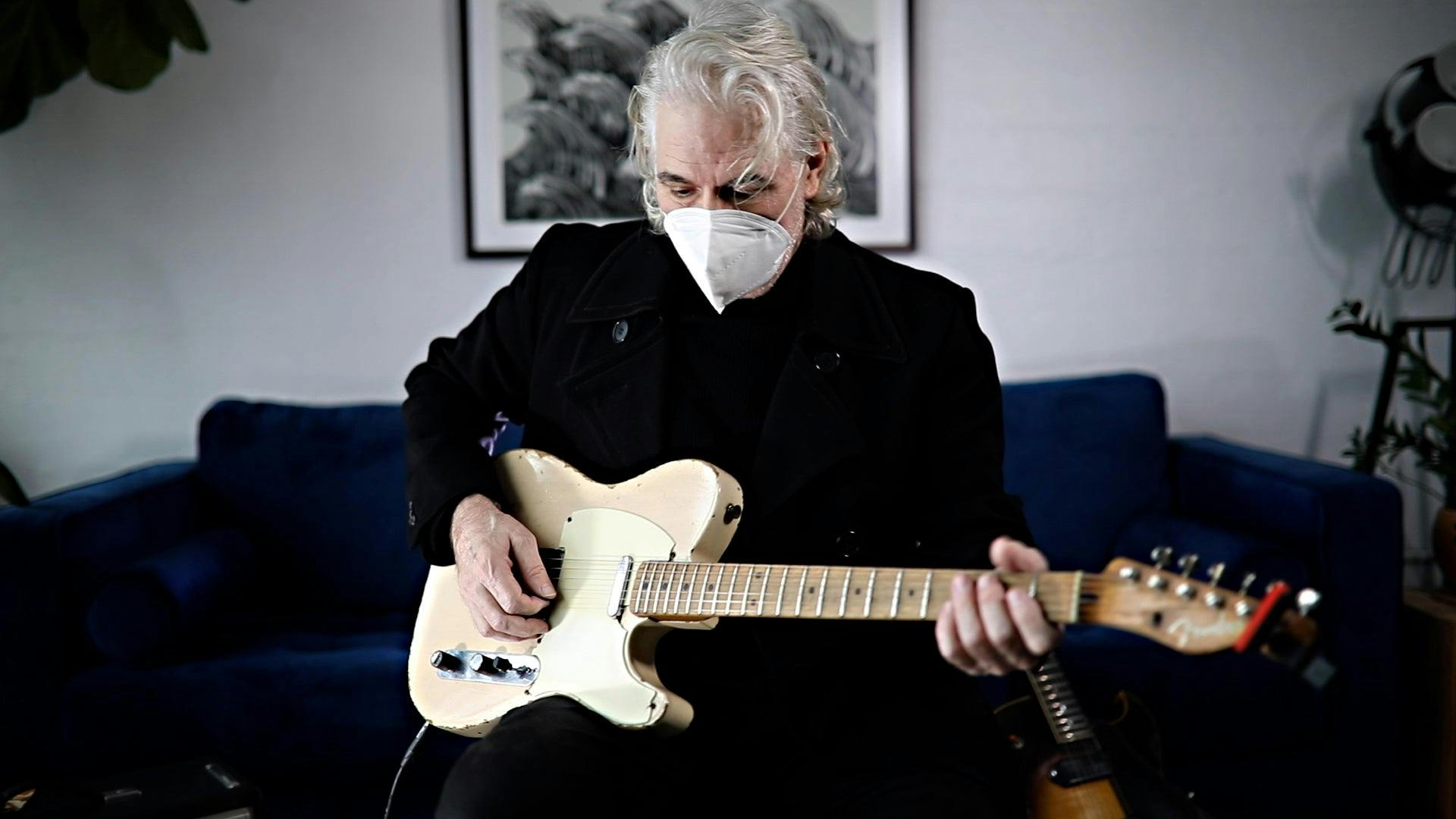
Climate Change Could Shred Guitars Known for Shredding
It is the wood that the rock greats have sworn by—swamp ash, in the form of their Fender Telecaster and Stratocaster guitars—for more than 70 years. If you have ever listened to rock, you have probably heard a solid-body swamp ash guitar. But now climate change is threatening the wood that helped build rock and roll. In today’s podcast, veteran guitarist Jim Campilongo takes us through the finer points of swamp ash and what it would mean to lose it. Bonus material: Here’s Campilongo showing the difference between the sound of a solid-body swamp ash guitar and a hollow-body one. And here’s a little information about Campilongo’s latest project: He teams up with his longtime collaborator Luca Benedetti on the album Two Guitars. Check it out. Editor’s Not (2/16/21): This podcast incorrectly stated that the article on climate change and swamp ash in the February 2021 edition of Scientific American was authored by Priyanka Runwal and Andrea Thompson. The author was Runwal alone. Learn more about your ad choices. Visit megaphone.fm/adchoices
On Finding Yourself in a Butterfly's Wings
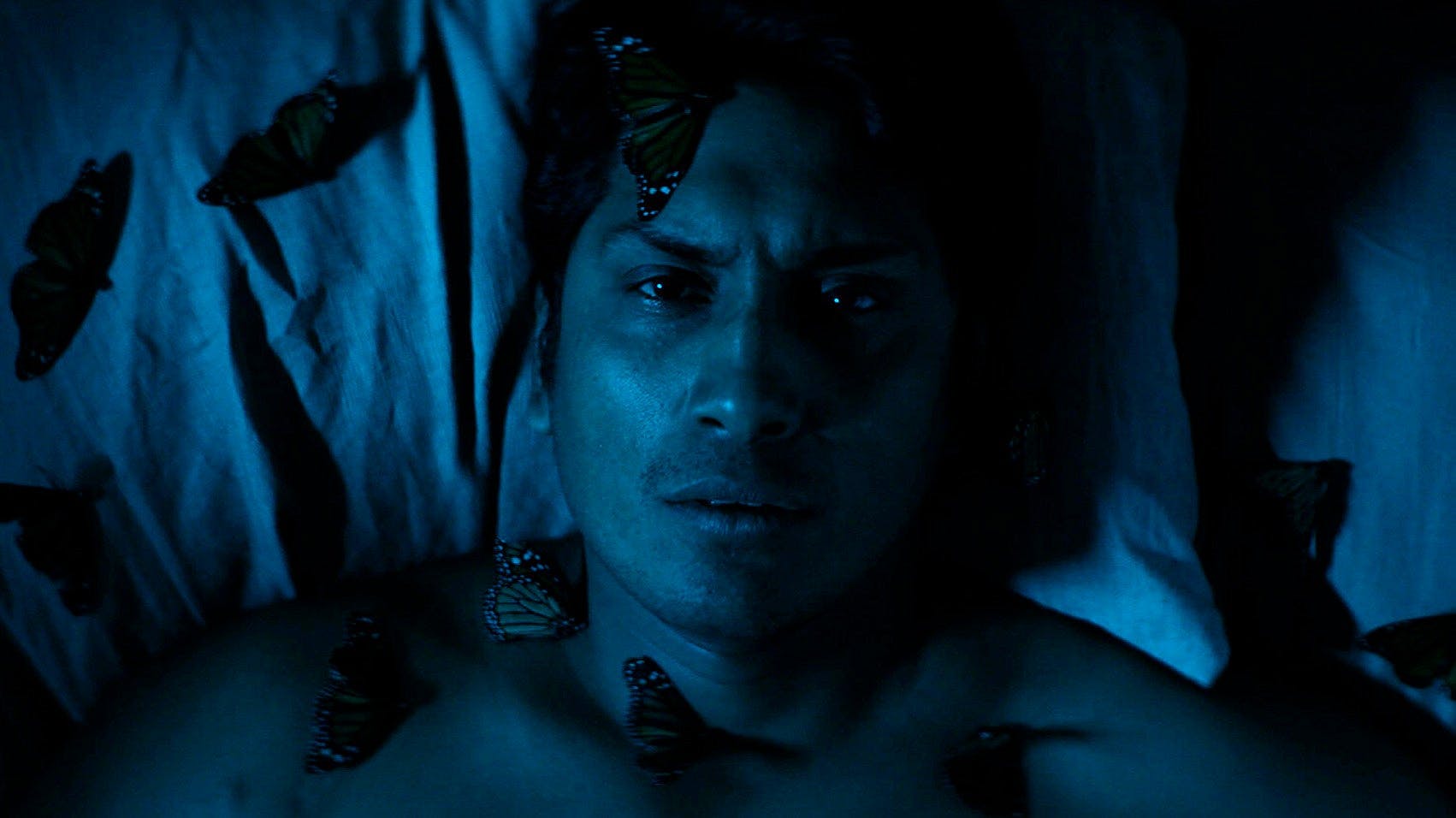
Today on the Science Talk podcast, Alexis Gambis, a New York University biologist and independent filmmaker, speaks about making Son of Monarchs, which won the 2021 Alfred P. Sloan Feature Film Prize at the Sundance Film Festival. The film is about a Mexican scientist who studies the evolution of monarch butterfly wings. It is a cultural piece about the politics of immigration, spirituality and shifting identities. Gambis talks about science beyond the lab bench, bringing CRISPR technology to the big screen and how he is usually given to bold, innovative features that focus on science or technology and that depict a scientist as a central character. In one scene in Son of Monarchs, the main character stands in a rowdy bar and raises his glass to “CRISPR and the genetic revolution.” There are several allusions throughout the film to how gene editing fascinates and terrifies us. Evolutionary science is the thread that ties the human story together. From script to screen, the scientist-director meditates on the long journey to the finish line, securing funding and how science’s big stories can be weaved into art. Gambis has been running a science film festival for 13 years and making science films for longer. His next project, El Beso, is a plunge into the life and science-fiction writings of Santiago Ramón y Cajal, an early 20th-century Spanish neuroscientist who won the 1906 Nobel Prize in Physiology or Medicine. Learn more about your ad choices. Visit megaphone.fm/adchoices

A Breakdown of Beavers
Environmental journalist Ben Goldfarb talks about his book Eager: The Surprising, Secret Life of Beavers and Why They Matter. Learn more about your ad choices. Visit megaphone.fm/adchoices

America on Dialysis
Kidney disease affects millions of Americans, but corporate capture of dialysis, along with disparities in treatment and transplant access, mean that not everyone's journey is the same. On this Science Talk podcast, we speak with Carrie Arnold, lead reporter in an ambitious, year-long reporting project into the current state of chronic kidney disease treatment in the U.S., from diagnosis to dialysis, and from maintenance treatment to transplant (for those who are lucky). You can read the first part in the series here. It's a story of technological and procedural advance, but also one that has seen just two large, for-profit enterprises come to dominate the market for dialysis delivery. It's a story of expanding access, but also one still marked by racial and ethnic disparities. And it's a tale of medical innovation and adaptation, but also one beset by conflicts of interest and an inability to adapt to holistic modes of care that other disease specialities, from cardiology to oncology, have long ago embraced. For the 37 million Americans navigating the corridors of kidney disease, these are likely familiar issues. But for the third of Americans at risk for renal disease — and for anyone who cares about how the nation's health care dollars are spent — this five-part collaboration between Undark Magazine and Scientific American pulls back the curtain and provides an unflinching look at what's working, and what's not. Learn more about your ad choices. Visit megaphone.fm/adchoices

What Science Has Learned about the Coronavirus One Year On
About a year ago, SARS-CoV-2 (which wasn’t called that yet) was just beginning to emerge in a cluster of cases inside China. We know what has happened since then, but it bears repeating: there have been 69 million cases and more than 1.5 million deaths globally as of December 10, 2020, according to the Johns Hopkins Coronavirus Resource Center. And as the virus raced around the world, science has also raced to understand how it actually works, biologically. Today on the Science Talk podcast, a virologist who has been part of that massive effort joins us. Britt Glaunsinger is a professor in the department of molecular and cell biology at the University of California, Berkeley, and an investigator at the Howard Hughes Medical Institute. She has been studying viruses for 25 years, with a particular focus, before December 2019, on the herpesvirus. Over the past 12 months, her lab has been focusing on strategies the virus uses to suppress the body's innate immune system. Learn more about your ad choices. Visit megaphone.fm/adchoices

2020's Top 10 Tech Innovations
Scientific American and the World Economic Forum sifted through more than 75 nominations for the most innovative and potentially game-changing technologies in 2020. The final top 10 span the fields of medicine, engineering, environmental sciences and chemistry. And to win the nod, the technologies must have the potential to spur progress in societies and economies by outperforming established ways of doing things. They also need to be novel (that is, not currently in wide use) yet likely to have a major impact within the next three to five years. Here’s your guide for the (hopefully) near future. Read the full report here. Learn more about your ad choices. Visit megaphone.fm/adchoices

Inventing Us: How Inventions Shaped Humanity
Materials scientist and science writer Ainissa Ramirez talks about her latest book The Alchemy of Us: How Humans and Matter Transformed One Another. Learn more about your ad choices. Visit megaphone.fm/adchoices

175 Years of Scientific American: The Good, the Bad and the Debunking
We look back at some highlights, midlights and lowlights of the history of Scientific American, featuring former editor in chief John Rennie. Astrophysicist Alan Guth also appears in a sponsored segment. Learn more about your ad choices. Visit megaphone.fm/adchoices

Bread Science: A Yeasty Conversation
“Baking is applied microbiology,” according to the book Modernist Bread. During pandemic lockdowns, many people started baking their own bread. Scientific American contributing editor W. Wayt Gibbs talks about Modernist Bread, for which he was a writer and editor. Learn more about your ad choices. Visit megaphone.fm/adchoices

The Coming or Possibly Nearly Here Storm
Former Scientific American editor Mark Alpert talks about his latest sci-fi thriller The Coming Storm, which warns about the consequences of unethical scientific research and of ignoring the scientific findings you don’t like. Learn more about your ad choices. Visit megaphone.fm/adchoices

COVID-19 Vaccine Ethics: Who Gets It First and Other Issues
Contributing editor W. Wayt Gibbs spoke with Arthur Caplan, head of the NYU Grossman School of Medicine’s division of medical ethics, about some of the ethical issues that researchers have to consider in testing and distributing vaccines against COVID-19. Learn more about your ad choices. Visit megaphone.fm/adchoices

How Your Homes and Buildings Affect You
Journalist and author Emily Anthes talks about her book The Great Indoors: The Surprising Science of How Buildings Shape Our Behavior, Health, and Happiness. Learn more about your ad choices. Visit megaphone.fm/adchoices
African-Americans, Nature and Environmental Justice
Journalist Bob Hirshon reports from the Taking Nature Black conference, reporter Shahla Farzan talks about tracking copperhead snakes, and nanoscientist Ondrej Krivanek discusses microscopes with subangstrom resolution. Learn more about your ad choices. Visit megaphone.fm/adchoices

How Nature Helps Body and Soul
Journalist and author Florence Williams talks about her book The Nature Fix: Why Nature Makes Us Happier, Healthier and More Creative. Learn more about your ad choices. Visit megaphone.fm/adchoices

The Messenger Is the Message
Behavioral scientist Stephen Martin and psychologist Joseph Marks talk about their book Messengers: Who We Listen To, Who We Don’t, and Why. Learn more about your ad choices. Visit megaphone.fm/adchoices
Air, Sea and Space: Ocean Health, Atmosphere Insights and Black Holes
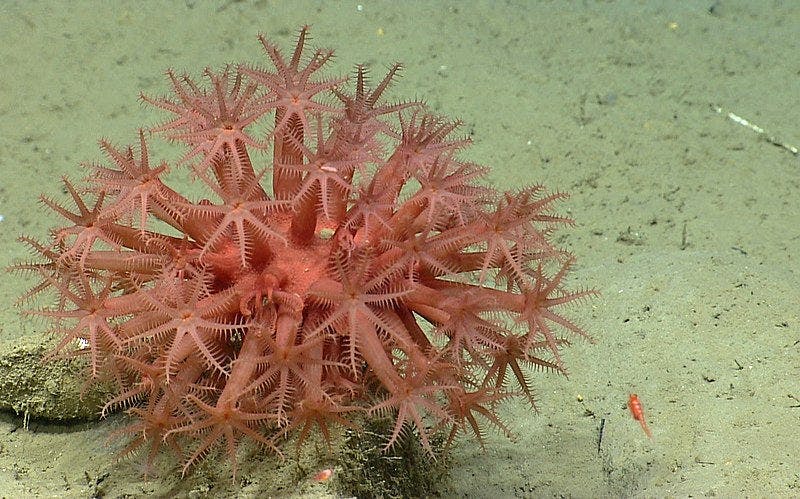
Biological oceanography expert Miriam Goldstein talks about issues facing the oceans. Reporter Adam Levy discusses air pollution info available because of the pandemic. And astrophysicist Andrew Fabian chats about black holes. Learn more about your ad choices. Visit megaphone.fm/adchoices

Science on the Hill: Calculating Climate
For the fourth Science on the Hill event, Future Climate: What We Know, What We Don’t, experts talked with Scientific American senior editor Mark Fischetti about what goes into modeling our climate—and how such models are used in addition to long-term climate prediction. Learn more about your ad choices. Visit megaphone.fm/adchoices

Your Brain, Free Will and the Law
Stanford University neuroscientist Robert Sapolsky talks about human behavior, the penal system and the question of free will. Learn more about your ad choices. Visit megaphone.fm/adchoices

No, No Nobel: How to Lose the Prize
Physicist Brian Keating talks about his book Losing the Nobel Prize: A Story of Cosmology, Ambition, and the Perils of Science’s Highest Honor. Learn more about your ad choices. Visit megaphone.fm/adchoices

Galileo's Fight against Science Denial
Astrophysicist and author Mario Livio talks about his latest book, Galileo: And the Science Deniers, and how the legendary scientist’s battles are still relevant today. Learn more about your ad choices. Visit megaphone.fm/adchoices