A teen, an algorithm and the race to stop poaching
A 17-year-old’s breakthrough AI may finally give wildlife rangers the real-time edge they need to stop poachers
Audio is streamed directly from the publisher (traffic.megaphone.fm) as published in their RSS feed. Play Podcasts does not host this file. Rights-holders can request removal through the copyright & takedown page.
Show Notes
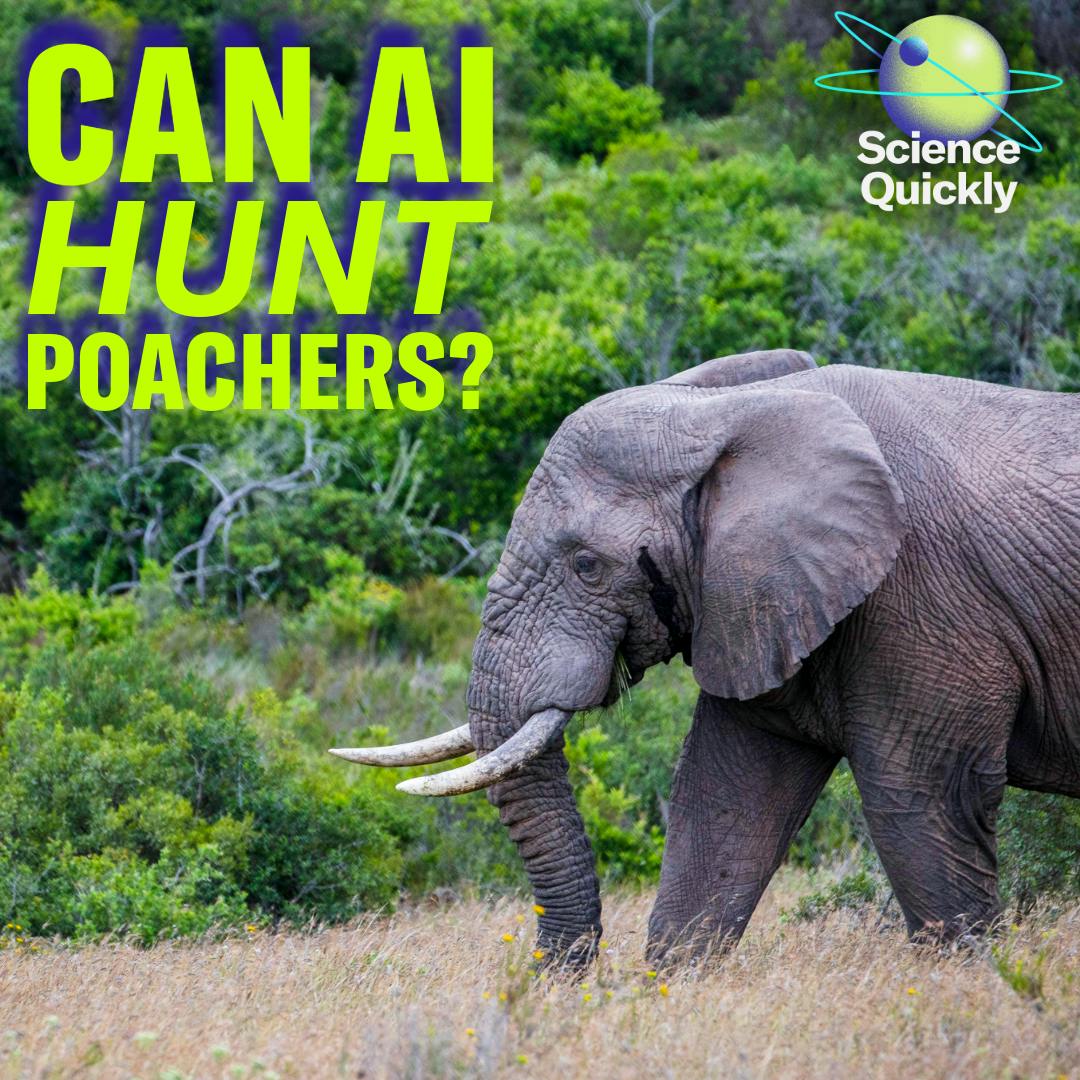
In this episode of Science Quickly, freelance wildlife writer Melissa Hobson investigates how a 17‑year‑old’s breakthrough artificial-intelligence-based gunshot detector could transform antipoaching efforts by giving rangers real-time alerts from deep inside noisy rainforests. She breaks down why this lightweight neural network outperforms traditional tools, how it could help protect critically endangered African forest elephants, and what conservation scientists say about the future of AI‑driven wildlife protection.
Recommended Reading:
Illegal Wildlife Trade Tied to Drugs, Arms and Human Trafficking
How AI Can Help Save Endangered Species
Elephants’ peculiar whiskers help them sense the world around them
E-mail us at [email protected] if you have any questions, comments or ideas for stories we should cover!
Discover something new everyday: subscribe to Scientific American and sign up for Today in Science, our daily newsletter.
Science Quickly is produced by Kendra Pierre-Louis, Fonda Mwangi, Sushmita Pathak and Jeff DelViscio. This episode was edited by Alex Sugiura, with fact-checking by Shayna Posses and Aaron Shattuck. Our theme music was composed by Dominic Smith.
Learn more about your ad choices. Visit megaphone.fm/adchoices